Home Blog Page 97

House Renovation Loan: Unlock the Potential of Your Dream Home

0
House renovation loan

As people progress through life, their standard of living also evolves. A home transitions from being just a place to live to a reflection of one’s status. Everyone wishes their house to be elegant and comfortable for their lifestyles. The old house, however, holds countless cherished memories, making demolition unthinkable. Hence, they wish to renovate that same old house.

Do you belong to one of them? Are you planning to renovate your old house into an elegant living space? Do you want to know more about house renovation loan options? Then you are in the correct spot!

Today’s blog from Brick & Bolt will help you understand the advantages of home loans and house renovation loans, their eligibility and requirements, and the application process for home remodel loans.

What is a House Renovation Loan? 

A house renovation loan is a specific type of loan designed to fund repairs and enhancements to your house. This loan can be utilised for both interior and exterior renovation projects.

Generally, house remodelling loans include

  • Painting
  • Tiling
  • Flooring
  • Waterproofing
  • Plumbing
  • Sanitary Work

Different Types of a House Renovation Loan

Home remodel loans

Home improvement projects can be costly, but several loan options are available to help finance the costs.

Home Equity Loans and Lines of Credit (HELOC)

HELOC allow you to borrow against the equity in your home. These are secured loans, meaning your home serves as collateral, making them lower risk for lenders and potentially cheaper for borrowers. Home equity loans provide a lump sum upfront, while HELOCs give you a line of credit to draw from as needed. HELOCs can be useful for ongoing projects where you don’t need all the funds immediately. However, the variable interest rates mean your payments can fluctuate.

Personal Loans for Home Improvement

Personal loans are another popular option for home renovations. As unsecured debt, they don’t require collateral but tend to have higher interest rates. The advantage is easy approval and quick funding from various traditional and online lenders.

Cash-out Refinancing

Cash-out refinancing allows you to take out a new, larger mortgage and pocket the difference to pay for renovations. This can provide low, fixed payments stretched over up to 30 years for major projects. However, you’ll pay closing costs, need significant home equity, and may get a higher interest rate than your current mortgage.

FHA 203(k) Rehabilitation Loan

The FHA 203(k) rehabilitation loan, backed by the Federal Housing Administration, rolls renovation costs into a new mortgage. This government-insured option offers flexible requirements but stipulates work must begin within 30 days of closing and complete within six months.

Benefits of a House Renovation Loan
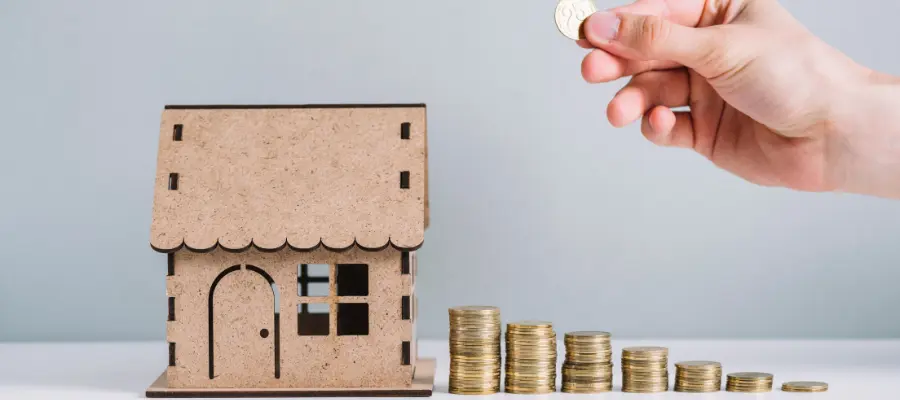
home reno loan

Minimal Home Improvement Loan Interest Rates

Generally, home improvement loan interest rates will be fixed and lower than personal loans.

Lower Equated Monthly Installments

If you choose the lowest home improvement loan rates and longer term, your EMIs(Equated Monthly Installments) will be reduced. For normal employees with minimal incomes, this will be more helpful.

Tax Deductions

Homeowners can get home renovation loan tax deductions (under the Income Tax Act of 1961 in India). These deductions help cut the costs associated with renovating and maintaining their homes.

Minimal Paperwork

House renovation loans offer a smooth documentation process compared to other financing options. They generally require basic documents like identity proof, income statements, photographs, and property title deeds.

Quick Processing

One of the major benefits of house renovation loans is their quick processing time, thanks to minimal and straightforward documentation requirements. This efficient process enables you to begin your renovation projects promptly without waiting periods for loan approval.

Long Duration

House renovation loans typically offer tenures ranging from five to fifteen years, providing borrowers with a manageable repayment schedule.

Eligibility and Requirements for House Renovation Loan

Home renovation loans offer flexibility in terms of application with the following eligibility criteria. 

  • To qualify for the house renovation loan, the candidate must be an Indian resident.
  • You can apply for loans for house repairs individually or jointly with another homeowner. 
  • These loans are accessible to both salaried individuals and self-employed professionals. 
  • While the minimum age requirement is 21 years, the maximum age limit extends until retirement. 
  • All property owners must be included as co-applicants for the home renovation mortgage.

Conclusion

If you wish to remodel your home to improve your living space and advance your standard of living, a house renovation loan could be the perfect financing solution. These specialised loans offer numerous advantages over traditional options. With suitable home remodel loans, you can make the process of transforming your home more accessible and affordable.

Stamp Duty and Registration Charges in Pune

0
Stamp duty Image

Purchasing a property is a big investment, and knowing all the costs involved is important for making a smart choice. In Pune and other parts of India, payment of stamp duty and registration charges is an important part of this process. In addition to making sure the property deal is legal, these charges also help keep accurate records. In this blog, Brick & Bolt will go into great depth about Pune’s stamp duty and registration charges, making it easier for people who want to buy a home to understand all the complicated rules.

What is Stamp Duty?

Stamp duty is a tax levied on legal documents, usually in the transfer of assets or property. This is the tax that is given to the government when a property is transferred from one person to another. This duty is very important in real estate deals because it makes the legal documentation and is needed for it to be accepted in court. The amount of stamp duty is different in each state and is based on the type, worth, and location of the property.

What are the Current Stamp Duty and Registration Charges in Pune?

According to the most recent information, Pune’s stamp duty and registration fees are set up to make sure that property deals are transparent and fair. These charges are mostly made up of the following:

Stamp Duty in Pune:

The stamp duty in Pune is 7%, which includes the 1% metro cess, local body tax, and transport surcharge. This rate may change, though, depending on things like the type of property deed and the property’s location within Pune.

During the financial budget, the Maharashtra government said that if the property is owned by a woman, the stamp tax rates in Pune would be lowered by 1%. So, instead of the normal 7% tax, they will have to pay 6%.

Registration Charges for Flat in Pune:

Registration charges are different fees that must be paid in order to record the sale deed and legally claim ownership of the property. The fees for registering a home in Pune are Rs. 30,000 for homes worth more than 30 lakh and 1% of the home’s value for homes worth less than 30 lakh.

Please keep in mind that these fees might change if the government makes new rules and policies. Because of this, it is best to check the most up-to-date rates before buying or selling a home in Pune.

Stamp Duty in Pune for Different Property Deeds

Stamp duty rates can differ depending on the property deed used. Here is a quick look at the stamp duty rates for the different types of property deeds:

TYPES OF PROPERTY DEEDSTAMP DUTY
Lease Deed5%
Gift Deed3%
Power of Attorney5% for property located in municipal areas and  3% for property located in Gram Panchayats.
Gift deed for land used for agricultural or residential property, given to family members.Rs.200

Stamp Duty in Pune for Different Areas

Stamp duty rates in Pune can also vary based on the property’s location within the city. For example, stamp duty rates for homes like Pune Municipal Corporation (PMC) or Pimpri-Chinchwad Municipal Corporation (PCMC) might differ from those in rural or gram panchayat areas.

  • Urban Areas (PMC and PCMC): Stamp tax rates are usually higher in urban areas, around 5% higher than the standard rate.
  • Rural Areas: Stamp duty rates may be slightly cheaper in rural areas to promote development in these areas.

Stamp Duty Charges in Pune – Mode of Payments

There are different ways to pay stamp duty in Pune, offering convenience and flexibility to property buyers. The following are some common modes of payment:

E-stamping: E-stamping is a secure and easy way to pay for a stamp duty online. As soon as you pay, an e-stamp document is generated and can be used as proof of payment.

Franking: Papers are franking when they are physically stamped by authorised banks or agents. This is an old way to pay stamp duty, especially for those who prefer offline transactions.

Non-Judicial Stamp Paper: Another traditional method is to buy non-judicial stamp papers with the right value from approved sellers and use them to sign legal documents.

Steps for Online Payment of Stamp Duty and Registration Charges in Pune

People who want to buy a property in Pune can pay the stamp duty and registration charges online. They will need to provide the reference number and print out the proof to bring with them when they go to the SRO office in person. Here is a list of all the steps you need to take:

Step 1: Go to the Government Receipt Accounting System (GRAS) website. This is where you can pay your stamp duty in Maharashtra.

Step 2: Register yourself and give the system the information it needs, like the property type and where it is located, to calculate the stamp duty and registration charge. You could also click on “Inspector General of Registration.” You’ll be taken to a new page where you can continue without signing up. Make payment to register your document by clicking on “Citizen.” You can pay just the stamp duty or both of them together. Fill in the necessary information to get the exact number.

Step 3: You can pay with a debit card or net banking once the amount is calculated.

Step 4: Print out the proof and make an appointment at the SRO office as soon as the payment is successfully processed.  

Checklist for Document Registration and Property Registration Charges in Pune

Before you move forward with property registration in Pune, you need to make sure you have all the necessary paperwork. To help you get ready, here is a list:

  • Make sure that both the buyer and the seller have signed the original sale contract.
  • Carry valid identification proofs such as a PAN card, Aadhaar card, or passport.
  • For verification reasons, show proof of your address, like a utility bill or a bank statement.
  • Get a certificate of encumbrance to show that the property has no formal debts or obligations attached to it.
  • If you choose to pay offline, make sure you have a demand draft ready to pay the registration fees.
  • If needed, get a “No Objection Certificate” from the right people, especially if the flat is in a community housing society.

Also read: Stamp Duty and Property Registration Charges in Delhi

Points to Consider Before Paying Stamp Duty in Pune

Here are some important things to think about before you pay the stamp duty payment in Pune:

Verify Property Value: Make sure that the property’s market value is properly calculated so that you don’t pay too little or too much stamp duty.

Check Applicable Rates: Always know the most recent stamp duty rates and any discounts available, especially for certain sellers.

Payment Timing: Pay your stamp duty on time to avoid fines or delays in the filing process.

Document Verification: Ensure all documents are complete and verified to avoid issues during registration.

What Are the Factors That Affect Stamp Duty in Pune?

There are several factors that affect stamp duty amount in Pune:

  • Property Location: Stamp duty rates are usually higher for homes in cities than in rural areas.
  • Property Value: If the property is worth more, the stamp duty will be higher.
  • Type of Property: Different rates apply to different types of properties, such as residential, business, and agricultural ones.
  • Purpose of Transaction: The applicable stamp duty can change if the property is sold, given as a gift, or leased.
  • Buyers Category: Women buyers often get lower stamp duty rates.

Are Tax Benefits Available on Stamp Duty and Registration Charges?

Yes, you can get tax benefits on stamp duty and registration charges. You can get a tax deduction of up to ₹1.5 lakh for these costs under Section 80C of the Income Tax Act. However, this benefit is only available when buying a new home, not a commercial property.

In conclusion, it is important for people who buy or sell property in Pune to understand how stamp duty and registration charges work. These charges are an important part of the real estate process because they make sure that property ownership is legal and properly documented. Buyers can handle their financial responsibilities better by knowing the current rates, payment methods, and tax benefits. When investing in property in Pune, you should always talk to legal and financial experts to ensure you follow the rules and make smart choices. If you want to construct your dream home, then consult the leading construction company in Pune. Our skilled architects and engineers will help you through the whole process and build your home with high quality. You can also use our cost estimator to estimate your construction project’s cost.

The Pillars of Home Design: A Comprehensive Guide

0
Pillar construction for house

Are you trying to design your new dream house? or renovating the existing one? Then, you must know about columns(or pillars). Understanding pillar construction for house are important for achieving better vertical support, load distribution, and structural stability. They also offer a good aesthetic outlook to your building. 

In today’s Brick & Bolt blog, you’ll explore the different types of pillars used in residential buildings, the construction process, and design considerations to help you make informed decisions for your home-building project.

What are Pillars/Columns?

Pillars, often called columns, are the major vertical structural elements that support the structure by transforming all loads of structure into a home foundation.

Hence, it is also used for architectural designs. They are made from distinct construction materials, such as concrete, steel, and bricks, as per the building’s requirements.

Types of Pillars

Pillars are mainly classified into the following types based on their shapes:

  1. Square or Rectangular Columns

Square or Rectangular Columns are generally utilized in building construction. These types of house column constructions are much easier compared to others. They allow for ease of work with the shuttering and prevent it from collapsing due to pressure while the concrete is still in flowable form. The square and rectangular ones are better and more affordable to cast.

  1. Circular Columns

Circular load-bearing pillars are designed for use in piling and elevating buildings, offering structural benefits and enhanced aesthetics. Circular pillar construction for houses eliminates edges, making them ideal for areas where smooth, uninterrupted lines are desired. This makes them a popular choice for sit-out areas, auditoriums, and fire assembly zones.  

  1. L-Shape Column

Circular columns are often used at the corners of boundary walls in house construction. They offer the same structural features as rectangular or square columns.

  1. T-Shape column

These types of load-bearing pillars are used based on design requirements, particularly in the construction of bridges, among other structures. They offer the same structural features as rectangular or square columns.

Pillar Construction for House: Steps

Following are the house column construction steps that everyone generally follows-

Site Preparation

House column construction starts with site preparation, which involves soil testing and excavation to ensure a safe and stable foundation for the pillars.

Column Reinforcement Work 

Reinforcing columns is essential for maintaining their strength and stability. Consider the following guidelines during the reinforcement process:

  • Confirm the quantity and diameter of the vertical bars.
  • Determine the spacing between the vertical bars.
  • Calculate the development length according to the bar diameter.
  • Ensure proper lapping of alternate bars at the same height.
  • Avoid lapping within beams or slabs.
  • Place lapping at 1/3 or 2/3 of the column height, as specified in the structural notes.
  • Follow the drawing specifications for stirrup spacing.
  • Bend the hooks of the stirrups at the correct angles.
  • Check the corners of the stirrups to ensure they are securely tied with binding wire.

Column Formwork

Formwork is critical to provide support and proper shape to the columns during the concrete pouring process. To achieve this, ensure the columns are vertically aligned to transmit the load effectively. Use sufficiently strong formwork to withstand the pressure of fresh concrete and secure it in place throughout the concreting process.

Concrete Pouring and Curing

The next step is to mix and pour the concrete into the formwork. Proper mixing ratios and techniques are essential to achieve the desired strength and durability of the pillars. The concrete is then left to cure, a process that can take several weeks, depending on the climate and curing method used.

Finishing Touches

Once the pillars have cured or been erected, the formwork (if used) is removed, and any finishing touches, such as plastering or decorative cladding materials, are applied to attain the required aesthetic. 

Ensuring Structural Integrity

Pillar foundation construction
  • Pillar construction for houses with local building codes and standards is crucial to ensure safety and legal compliance. You must also consider your budget, time, and materials availability.
  • Hiring professional engineers and architects with the expertise to design and manage the construction of pillars that fulfil the essential safety standards is crucial. They can advise on the appropriate materials, dimensions, and reinforcement required based on the specific requirements of your project and local building codes.
  • Routine checks and maintenance are also vital to maintaining the structural integrity of pillars over time. Cracks, settling, or other signs of damage should be treated promptly to avoid further deterioration and potential failure.

Design Considerations 

How the pillars look is also important in determining the desired architectural style and appearance of the pillars. Pillars can greatly impact the overall design and architectural style of your home. Whether you prefer a classic, traditional look or a more modern, minimalist aesthetic, there are different design options to consider.

Decorative cladding, carving, or textured finishes can add visual interest to pillars while integrating them seamlessly with other structural elements, such as beams and arches, can create a beautiful design. Consulting with experienced architects and designers can help you most.

Conclusion

Ensuring proper pillar construction for a house is essential for the stability and longevity of the building. Knowledge of the different types of columns and their requirements is vital to achieve the desired architectural and structural goals. By following the above process, you can ensure the successful construction of columns. 

For more guidance, you can consult an experienced civil engineer or a nearby construction company like Brick & Bolt.

Fixed Deposit vs Real Estate Investment

0
FD vs Real estate investment image

When it comes to finance, making the right investment decisions is important for securing a stable financial future. There are many choices, but fixed deposits (FDs) and real estate investments stand out due to their popularity and potential returns. In this blog, Brick & Bolt aims to give an in-depth analysis of fixed deposit vs real estate investments, focusing on their pros and cons, tax effects, and important things to consider before making a choice. By the end, you will have a better idea of which investment is better for your unique financial goals.

What is a Fixed Deposit?

Fixed deposits (FDs) are financial deposits that offer higher interest rates than regular savings accounts until the given maturity date. They are offered by banks and non-banking financial companies (NBFCs).  People think FDs are one of the safest investments because they offer guaranteed returns.

Taxability of FDs

This section taxes interest on fixed deposits as “Income from Other Sources.” It is added to your income and charged at your income rate. Tax Deduction at Source (TDS) is also used if the interest earned is more than a certain amount. But there are ways to pay less tax, like with tax-saving fixed accounts that can be deducted under Section 80C of the Income Tax Act.

Features of an Fixed Deposit (FD)

Here are some features of fixed deposit include:

  • Tenure: Investors can choose a tenure ranging from 7 days to 10 years.
  • Loan Facility: Investors can get loans based on their fixed deposits.
  • Liquidity: Withdrawals can be made early, but there may be a penalty.
  • Automatic Renewal: Many banks offer an automatic renewal service that ensures the FD keeps earning interest if the owner doesn’t take the money out when the term ends.
  • Nomination Facility: Investors choose who should get the money from their FD in the event of their demise. 

Also read: Home Loans For House Construction in India

Types of FD(Fixed Deposit)

There are many different types of fixed deposits that are offered by banks in India. Some of them are mentioned below:

1. Flexi Fixed Deposit: This type of fixed deposit is linked to your savings or current account, so you can withdraw funds without breaking the FD.

2. Cumulative Fixed Deposit: Interest is added every three months or once a year, and the principal and interest are paid back at the end of the term.

3. Senior Citizen Fixed Deposit: These are special FDs with higher interest rates for people over 60.

4. Tax-Saving Fixed Deposit: This FD scheme offers tax benefits under Section 80C of the Income Tax Act.

5. Regular Fixed Deposit: This is a regular FD where you deposit a lump sum of money for a fixed tenure at a predetermined interest rate.

Pros and Cons of Fixed Deposit

Pros of Fixed Deposit (FD)

  • Safety: Fixed deposits are considered one of the safest choices because they offer guaranteed returns.
  • Fixed Returns: The interest rate is predetermined, ensuring a fixed return on investment.
  • Flexibility: Investors can choose the tenure of the FD that works best for them.
  • Loan Facility: FDs can be used as security to get loans.

Cons of Fixed Deposit (FD)

  • Lower Returns: FDs usually have smaller returns than other types of investments.
  • Taxability: The interest you earn on FDs is taxed at the full rate, which can lower your real returns.
  • Inflation Impact: Fixed deposits may not always beat inflation, which means the profits lose value over time. 

Factors to Consider Before Investing in Fixed Deposits

  • Interest Rate: Look at the rates of interest different banks offer.
  • Tenure: Choose a tenure that fits with your financial goals.
  • Tax Implications: Consider how much tax you must pay on the interest you earn.
  • Premature Withdrawal Penalty: Know the consequences of withdrawing your money too soon.
  • Inflation Rate: Ensure that the FD returns will grow faster than inflation. 

What is Real Estate Investment?

Real estate investment means buying a home as an asset to make money instead of living in it full-time. Land, commercial properties, and residential properties can all be included in this. Real estate investment can pay off through renting income, property value growth, or a combination of both.

Pros and Cons of Real Estate Investment

Pros of Real Estate Investment

  • Appreciation: Real estate can increase in value a lot over time, giving you a lot of money back.
  • Rental Income: Rental properties can bring in a steady flow of money.
  • Tangible Asset: Real estate is a physical asset that provides a sense of security. 
  • Tax Benefits: Investors can get a number of tax benefits, such as deductions on mortgage interest, property taxes, and depreciation.

Cons of Real Estate Investment

  • High Entry Cost: real estate requires a much bigger starting investment than fixed deposits (FDs).
  • Illiquidity: It can take a long time to sell real estate purchases, which are not easy to eliminate.
  • Maintenance Costs: Properties need regular care, which can be pricey.
  • Market Fluctuations: Real estate prices can change quickly and are affected by many economic factors. 

Factors to Consider Before Investing in Real Estate

  • Location: The property’s location has a big impact on where it is located.
  • Market Conditions: Analyse the latest market trends and economic data.
  • Legal Due Diligence: Ensure that the property has a clear title and no open lawsuits.
  • Financial Planning: Figure out if you have enough money to cover the high entry costs and ongoing expenses.
  • Rental Yield: Consider the rental income that could be made and compare it to other investment choices.

Comparison Table: Fixed Deposit vs Real Estate Investment

CRITERIAFIXED DEPOSIT (FD)REAL ESTATE INVESTMENT
Investment TermShort to medium-termLong term
Return on InvestmentFixed and predictableVariable and potentially high.
LiquidityHigh (with penalties for early withdrawal)Low; selling property can take time
Initial InvestmentLow to moderateHigh
Tax ImplicationsInterest taxable as per income tax slab; TDS applicable.Various deductions on mortgage interest, property taxes, and depreciation; rental income taxable.
MaintenanceNo maintenance is required.Requires ongoing maintenance and management.
Loan FacilityLoans up to 90% of FD value.Mortgage options are available.
Inflation ProtectionGenerally does not beat inflation.Protects against rising prices.
Interest RateFixed interest rateNo fixed returns; dependent on market conditions.
Income GenerationInterest incomeRental income plus property appreciation.
Risk LevelLow riskModerate to high risk.
Tax Saving OptionsTax-saving FDs under Section 80C.Various tax benefits and deductions.
AccessibilityHighly accessible through banks and NBFCs.Requires significant research and due diligence.
Senior Citizen BenefitsHigher interest rates for senior citizens.No specific benefits for senior citizens.
TenureFlexible tenure options from 7 days to 10 years.No fixed tenure; depends on market conditions.

When it comes to investments, fixed deposits and real estate, each has its own benefits. Fixed deposits are good for cautious investors with short—to medium-term goals because they are safe, offer sure returns, and are flexible. On the other hand, real estate can go up in value a lot and bring in rent, but it also has higher upkeep costs and more risk. This makes it perfect for long-term investors who are willing to take on more risk.

In the end, your personal financial goals, risk tolerance, investment timeline, and cash flow needs should help you decide between real estate and fixed deposits. Adding both types of investments to your portfolio can also help balance risk and get the best results. You can make a decision that fits with your long-term financial goals by carefully weighing the pros and cons of each choice. To construct your dream home in Bangalore, visit the best leading construction company in Bangalore.

If you want to know about top real estate developers in Bangalore, check out our recent blog on Top Real Estate Developers in Bangalore.

Escrow Transactions: A Secure Solution for Indian Real Estate Deals

0
Escrow transactions in indian realty

The real estate sector in India is expanding. The real estate market demands secure and transparent property deals, and escrow transactions arrived as an all-in-one solution for that. They offer a solution that safeguards the interests of all parties involved, bringing up confidence and minimising the risks associated with large financial transactions. 

Are you wondering what escrow transactions mean? Is that practical in India? No worries. Today’s blog on Brick & Bolt will explore the benefits, processes, and challenges of escrow transactions in Indian realty. You will gain its advantages.

What is an Escrow Transaction?

An escrow account is an account where money is kept while two or more parties complete a transaction. A trusted third party(Escrow company) holds the money until the construction company fulfils their part of the deal. If the construction company does what they agreed to, they get the money. If not, the money goes back to the customer.

Benefits of Escrow Transactions

Escrow money transfer

Incorporating Escrow accounts in India provides numerous benefits, giving a secure and neutral ground for different transactions:

1. Security and Protection 

Escrow accounts work as a neutral third party, mitigating risks associated with transactions by securely holding funds until all contractual conditions are met.

2. Trust and Transparency

Trust is the base of any successful transaction. Escrow accounts offer a secure platform, providing confidence among parties and ensuring that each fulfils its obligations.

3. Timely and Proper Transfer

Once all conditions are met, escrow agents facilitate the timely and proper transfer of funds and documents, minimising delays and ensuring a smooth transaction.

4. Efficient M&A(Mergers and Acquisitions) Transactions

Businesses engaging in mergers and acquisitions can rely on escrow accounts. They efficiently manage payments and shield from potential post-closure liabilities, providing a secure environment for such transactions.

5. Reduced Risks

Escrow transactions help to lessen risks associated with real estate deals, such as title defects, liens, or other limitations, by allowing for thorough due diligence and verification before the final transfer of assets. This includes verifying documents like patta and chitta to ensure clear property titles.

6. Project Fund Management

In construction projects in India, escrow accounts help manage money efficiently by releasing payments to contractors only when they finish specific parts of the project. You can explore various construction financing options that leverage escrow mechanisms for secure fund management.

Escrow Process in Indian Realty

Escrow transfer

The escrow process in Indian real estate generally follows these sequence of steps:

1. Opening the Escrow Account: The customer and contractor initiate the escrow process by selecting a reputable and licensed escrow company. They provide the necessary documents and instructions for the transaction.

2. Agreeing to Terms: The customer and contractor agree on the terms and conditions, such as the amount, schedule, criteria, and fees. They sign an escrow agreement to specify the roles and responsibilities of each party and the escrow agent.

3. Depositing Funds and Documents: Depending on the project scope and duration, the customer deposits the required funds, such as earnest money or a down payment, into the escrow account. The contractor/construction company provides the necessary construction documents, deeds, and other paperwork.

4. Customer Pays to Escrow Company: The customer submits payment using an approved payment method to the secure escrow account. The escrow company verifies the payment and notifies the construction company that the funds have been secured.

5. Contractor Initiates Construction: Upon payment verification, the contractor is authorized to commence the construction project and provide progress updates.

6. Project Completion: The contractor or construction company informs the escrow company once the construction project is completed according to the agreed-upon terms.

7. Customer Accepts Completion: The customer has a set number of days to inspect the completed project and decide to accept or reject it. If the customer accepts the completion, the process moves to the final step.

8. Escrow Company Releases Funds: The escrow company releases the funds from the escrow account to the contractor, completing the transaction.

Limitations of Escrow Transactions

  • Escrow services typically come with associated fees, which can vary depending on the escrow company and the complexity of the transaction. Escrow fees can affect profits. These fees may be higher for online sales than those charged by intermediaries like PayPal.
  • Escrow transactions involve multiple parties and steps, sometimes leading to delays or extensions in the timeline.
  • Utilising escrow for taxes and insurance could lead to increased mortgage payments. 
  • There is a possibility of either overpaying or underpaying into the escrow account.

Consideration Before Signing Real Estate Escrow Agreement

Using escrow helps you buy property safely. But keep these things in mind:

Keep an Eye on Your Credit

The way you handle escrow payments affects your credit score. So, stick to the payment rules in the escrow agreement to keep your credit in good shape.

Inspection of the Property

Before finalising everything, get the escrow agent to look over the property. Have a pro check things like water and electricity to make sure everything’s good.

Be Careful When Signing

Before you sign an escrow agreement for real estate, read all the papers carefully and make sure they match what you’ve agreed to. This will ensure that everything goes smoothly when it’s time to hand over the property. If you are an NRI interested in buying property in India, escrow transactions can be particularly beneficial in facilitating a secure and transparent purchase process.

Conclusion

Escrow transactions are a good way to make real estate deals safer in India. A neutral third party holds the money until both the customer and construction company have followed the agreed-upon terms and conditions. Using escrow has many pros and cons. The escrow process involves several steps, such as opening an account, putting in money/documents, agreeing to terms, and many more explained above. This builds trust and lowers risks in big-money deals. Before signing an escrow agreement, check your credit, inspect the property thoroughly, and carefully read all paperwork to ensure everything matches what was agreed upon.

As a leading construction company in Pune,  Brick&Bolt utilizes an escrow mechanism to ensure secure and transparent money transactions. This safeguards our customer’s and contractor’s money and gives them peace of mind.

Read More: Top Real Estate Developers in Bangalore

Unlock Positive Energy: Vastu Remedies for Renters

0
Vastu Remedies for Rented Homes

A maximum number of people in India live in rented houses. But finding a house built as per vastu for rent is a difficult task. Irrespective of Vastu, the majority of houses are built with a specific design based on their budget. You can’t make big or structural changes in these rented houses. However, Vastu-related concerns can be handled with Vastu remedies for rented homes.

Are you also one of those people searching for Vastu remedies for rented homes? Then, you are in the correct spot. In today’s Brick & Bolt blog, you will explore vastu remedies for rented houses.

Understanding Vastu for Rented Homes

Vastu Shastra is a discipline of architecture and design in India that aligns with the laws of nature and the universe. Vastu principles will help a home to attract positive energy, leading to prosperity and happiness for its residents. Vastu for homes focuses on the directions and shapes of structures. The directions are Agneya(South East), Nairuthya(South West), Eeshanya(North East), and Vayuvya(North West). Apart from directions and shapes, 12 different principles (such as furniture requirement, roominess, flexibility, circulation, aspect, privacy, economy, elegance, prospect, grouping, and sanitation) are involved. 

Vastu of a rented house affects both the owner and the tenant. Vastu tips for the rental house can enhance one’s interest in spirituality, better relationships with people living inside the home.

Vastu Remedies for the Rental House Entrance Area

Living room according to vastu

The major part of Vastu lies at the main entrance. A well-positioned main door will fill the rented house with positive energy. The front door must and should be bigger than the rest of the doors in the house. A misplaced main door can bring about health and financial problems. While North-facing houses and East-facing houses are considered ideal, West-facing houses can also be excellent for professionals like traders, business people, stock brokers, property dealers, and IT professionals, as per Vastu principles. Make sure to check the correct position of the main door as per Vastu with secure locking systems.

As per Vastu remedies for rented homes, make sure the entrance is bright, lit, and clean. You can also add a money plant to grow.

Vastu for the Living Room

The living room should be located northwest, considered the zone of wealth and prosperity. Ensure that the seating arrangements are in the west or southwest direction so that they face east or north. The southwest direction is great for the head of the family’s seat in the living room. These small, vastu remedies for rented homes help you align with the energies in all directions and do more good. 

If you’re looking for creative ideas for partitioning or dividing your living room space, check out our guide on Creative Ways to Partition Your Living Room for Privacy and Flexibility.

The Importance of the Kitchen in Vastu

According to Vastu, a well-placed kitchen can help ensure smooth cash flow and good health for the residents. On the other hand, a poorly placed kitchen can lead to legal issues, financial losses, and digestive problems. For those seeking a rented flat, the ideal place for the kitchen is the Agneya(South-East) direction or the North-West Direction. Make sure to avoid picking the rented house/flat that has a kitchen in the northeast.

The best vastu tip for the rental house kitchen is to use bright vastu colours, which will lighten the mood. Also, do not put a mirror in your home’s kitchen. The brooms and mops must be kept out of sight. For more tips on designing a functional kitchen, check out these Top 7 Tips for Designing a Functional Kitchen.

Vastu Remedies for Bedrooms

The bedroom is where you spend most of the time. Thus, its placement is important when deciding whether to rent a flat. It’s recommended that the master-bedroom be placed in the southwest direction. According to Vastu, the son’s room should be in the southeast corner, and the daughter’s room should be in the northwest corner of the house. The East of North East is best for people who’ve retired and are looking to stay joyful. 

As Vastu remedies, the bed should be placed so that you can sleep with your head facing east or west. Avoid sleeping with your head facing north, as this direction is associated with negativity. Vastu suggests that one can place a mirror in the bedroom’s north, east, and west directions. Avoid placing a mirror in the South, South East and South West bedrooms. The right lighting is important to make the room look good. Make sure the lighting is balanced, not too dark or too bright. If you’re looking for stunning bedroom wall colour combinations to transform your space, our guide can provide inspiration.

Bathroom and Toilet Vastu

According to Vastu, the placement of toilets and bathrooms in a flat sends a signal to our subconscious mind to get rid of anything unwanted in our lives.

It’s important to know this because putting the toilet in the wrong place can remove the good energy from that area. Look for apartments without toilets in the Northeast and Southwest corners. The Northeast-Southwest line is very important for the house and should stay free of bad energy, like the kind that comes from toilets.

To correct the issue through vastu remedies for rented homes’ toilets in the North, use blue tape around the toilet seat. For an East toilet, use green tape. For toilets in the South East or South, use red or orange tape to reduce negative effects. Use yellow or golden tape for a toilet in the South West. For a toilet in the West, use white or silver tape. Metal wires can also be used to fix the Vastu of improperly placed toilets.

Negotiating Changes with Your Landlord

Living room according to vastu

If you wish to make specific changes to your rented home per Vastu principles, you must talk to your landlord respectfully. Explain the importance of Vastu and how minor modifications can positively impact your living experience. If necessary, offer to restore the property to its original condition upon vacating. A cooperative landlord who understands your beliefs and concerns may be more willing to accommodate reasonable requests. Remember, open communication, mutual understanding, and a willingness to find a balance can go a long way in negotiating changes with your landlord.

For more insights into navigating the legal aspects of rental properties, you can refer to our comprehensive guide on types of rental properties.

Conclusion

When you are living in a rented house or apartment, it may not always be possible to make structural changes fully as per Vastu principles. Still, by applying simple vastu remedies fo

r rented homes, you can create a harmonious and positive living environment. Vastu is not only about blindly following rules but also understanding the underlying principles of balance, harmony, and energy flow. By being mindful of these principles and making conscious efforts to align your living space, you can invite positive energy, prosperity, and overall well-being into your rented home.

Also Read: A Comprehensive Guide to South-West Facing Vastu for House

The Ultimate Guide to PVC Wall Panel Design: Transforming Your Home with Style and Functionality

0
PVC Wall Panel design Image

In the field of interior design, wall panels have gotten a lot of attention for their appealing looks and functionality. It seems like PVC wall panels are a popular choice for both homeowners and designers. These panels are a unique way to decorate modern living spaces because they are long-lasting, flexible, and look good. In this blog, Brick & Bolt will talk about many various aspects of PVC wall panel design, including its advantages and different design ideas for different rooms in the house.

What is a PVC Wall Panel?

PVC wall panel Image

Polyvinyl Chloride (PVC) wall panels are decorative sheets made from a type of plastic that is durable, lightweight, and easy to install. These panels come in a variety of designs, colours, and textures, so people can use them to make their homes look different. PVC wall panels are used because they look good and are useful in other ways, like not getting damaged by water and being easy to maintain.

Advantages of Using PVC Wall Panel

  • Durability and Longevity: PVC wall panels are highly durable and resistant to water, pests, or mould damage. This makes them a great choice for damp places like bathrooms and kitchens.
  • Easy Installation: One of the best features of PVC wall panels is that installation is very simple. They don’t need any extra materials like grout or mortar to be mounted on the wall; they can be put up straight. This makes the renovation process easier and lowers the cost of work.
  • Versatility in Design: PVC wall panels come in so many styles, colours, and textures that people can make their homes look exactly how they want them to. Anyone can find something they like, from sleek modern styles to more classic ones.
  • Low Maintenance: PVC wall panels don’t need much upkeep. As long as you wipe them down with a wet cloth, they stay clean and look brand new. In an crowded home, this makes them a great choice.
  • Cost-Effective: PVC wall panels are usually less expensive than other ways to finish a wall, like tiles or wood panels. This makes them a good choice for both large and small repairs because they are cheap.

PVC Wall Panel Ceiling Design Ideas for a Modern Home

When it comes to interior design, ceilings are often overlooked, but they are very important to how a room looks and feels as a whole. For a modern home, PVC wall panel ceiling design ideas focus on making eye-catching focal points that give the room more depth and volume. PVC wall panels let you make any kind of ceiling design you want, from coffered ceilings to tray ceilings and more. They will match the style of your home perfectly.

If you want to know about false ceiling ideas for your home, click the link below:
The Ultimate Guide to Know All About False Ceiling Creative Ideas For Your Home

Modern PVC Wall Panel Design For Drawing Room 

The drawing room, also called the living room, is the heart of the home because it’s where families gather and have friends over. PVC wall panels can improve the look of this room.

  • Choose PVC wall panels with geometric patterns if you want a modern look. These patterns can give your living room a modern look and make it more interesting to look at. 
  • Adding shelving units to your PVC wall panels is a stylish way to make them more useful. This is a great way to store books and other important things or show off artistic items. 
  • A feature wall made of PVC panels and built-in LED lights in your living room can look beautiful. This setup can draw attention to art or create a cosy atmosphere.

Modern PVC Wall Panel Design For Bedroom

Modern PVC wall panels make it easy to turn your bedroom into a stylish and comfortable haven. Here are some design ideas:

  • Textured PVC wall panels can make your bedroom look appealing. For a look that is both rustic and classy, use panels with designs that look like stone or wood. 
  • Putting PVC panels on one bedroom wall will make it stand out. As an accent wall, this can draw attention to itself and give the room an interesting look. 
  • LED lights can be built into modern PVC wall panels. This gives off a soft glow that makes your bedroom feel better. 

Modern PVC Wall Panel Design For Kitchen

Food preparation places like kitchens need surfaces that are strong and simple to clean. For this space, PVC wall panels are a great choice.

  • Put PVC panels behind your countertops to make a backsplash. They don’t stain or get wet easily, which makes them perfect for kitchens.
  • Marble-effect PVC wall panels can give your room a high-end look without breaking the bank. These panels combine the beauty of marble with the usefulness of PVC.
  • PVC wall panels are good for kitchens because they are easy to clean. To keep your kitchen looking great, pick styles that are both useful and stylish.

Latest PVC Wall Panel Designs That are in Trend

If you know about the latest trends in PVC wall panel design, you can make smart decisions about your home makeover. 3D PVC wall panels are becoming more popular because they can give any room more texture and depth. These panels make a surface that is interesting to look at and can become the centre of attention in your home. Metallic-finish PVC panels are the hot trend right now because of their sleek and modern look. These panels look great in modern rooms and can add a bit of sparkle to any room. Decorative PVC pieces that look like wood, stone, or brick are very popular. In addition to being beautiful, they have the benefits of PVC. And some of the trendiest PVC wall panel designs are:

  • PVC wall Panel LED design
  • PVC Wall Panel LCD design

PVC Wall Panel LED Design:

Incorporating LED lights inside PVC wall panels is a growing trend that looks good and serves a purpose. Backlit PVC panels can make a soft, natural light that makes a room feel better overall. These work especially well in living rooms and bedrooms. To make a modern and sleek lighting effect, put LED strips inside the grooves of PVC wall panels. You can use this to draw attention to certain parts or traits of a room. PVC wall panels with built-in LEDs can be made to fit your needs and tastes, adding a personal touch to your home decor. 

PVC Wall Panel LCD Design:

Integrating LCD screens into PVC wall panels is an innovative way to combine technology with design in the home. Put an LCD screen inside PVC panels to make a video wall in your living room or bedroom. In addition to making the room look better, it is easier to use. PVC walls with built-in LCD screens are a modern choice for a home office. This setup can help you get more done by making your workspace look nice and well-organized. Use PVC panels with LCD screens and built-in speakers to make entertainment places. This makes the experience more engaging for movie nights or game nights. 

Things to Consider Before Installing PVC Wall Panels in Your Home

Here are some important things to think about before you start installing PVC wall panels in your home:

  • Make sure you choose PVC wall panels that are of good quality and will last a long time.
  • You can choose whether to hire a professional to do the work or do it yourself. The professional fitting can guarantee a perfect finish.
  • Choose designs and colours that go with the rest of your decor and your own style.
  • Find out how to take care of the PVC panels you choose to ensure they stay in good condition.
  • Set a price range and look for the best deal on PVC wall panels that offer the best value for your money.
  • Make sure the PVC wall panels come with a warranty to protect your investment.
  • Make sure the PVC wall panels come with a warranty to protect your investment.

PVC wall panels are a versatile and cost-effective solution to change the look of the interior of your home. They can be customised in many ways because they come in many designs, colours, and textures. Renovating your bedroom, living room, or kitchen is easy with PVC wall panels. They can help you get a modern and stylish look. You can make a beautiful and useful place that showcases your style by keeping up with the latest trends and considering different factors. If you are planning to build your dream home in Delhi, contact the best construction company in Delhi to make your dream come true with our experienced professionals.

Also read: Ultimate Guide to POP Designs for Drawing Room: Transform Your Space with Stunning Ceilings.

Elevate Your Building’s Facade with Stunning Front Elevation Texture Designs

0
Front elevation texture design

The front elevation design of any building is similar to its face. It captures the first impression, and the texture applied to it plays a major role in its visual impact. 

The texture design for front elevations can transform an ordinary structure into a masterwork, adding interest to the building’s appearance. 

In today’s Brick & Bolt blog, you’ll explore front elevation texture design, its elements, factors to consider, and more.

Elements of Front Elevation Texture Design

 Front elevation texture design with brick

The front elevation texture design includes elements that contribute to its overall appearance. These elements include:

1. Wall Paint for Front Elevation Wall Texture Design

Wall Paint for Front Elevation Wall Texture Design

The front elevation colour is the simplest and least pricey. House elevation colours come in various colours and attractive finishes, such as matte, gloss, satin, and semi-gloss. You can explore the different types of paints and their uses to find the best fit for your needs. 

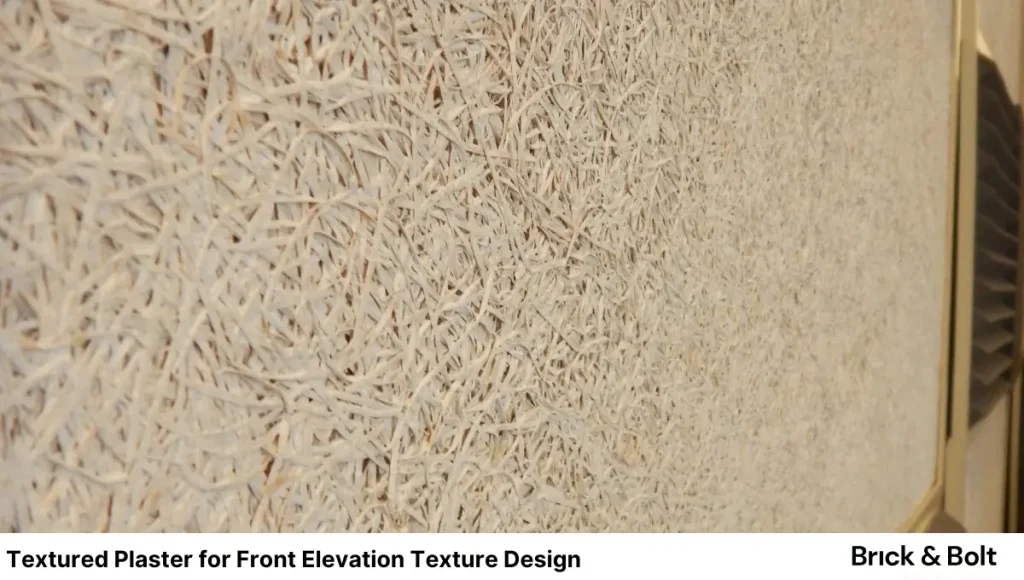
2. Textured Plaster for Front Elevation Texture Design

Textured Plaster for Front Elevation Texture Design

You can use textured plaster to improve the appearance of your home. With textured walls, outdoor texture paint designs can transform your house front walls from boring surfaces to attractive ones.

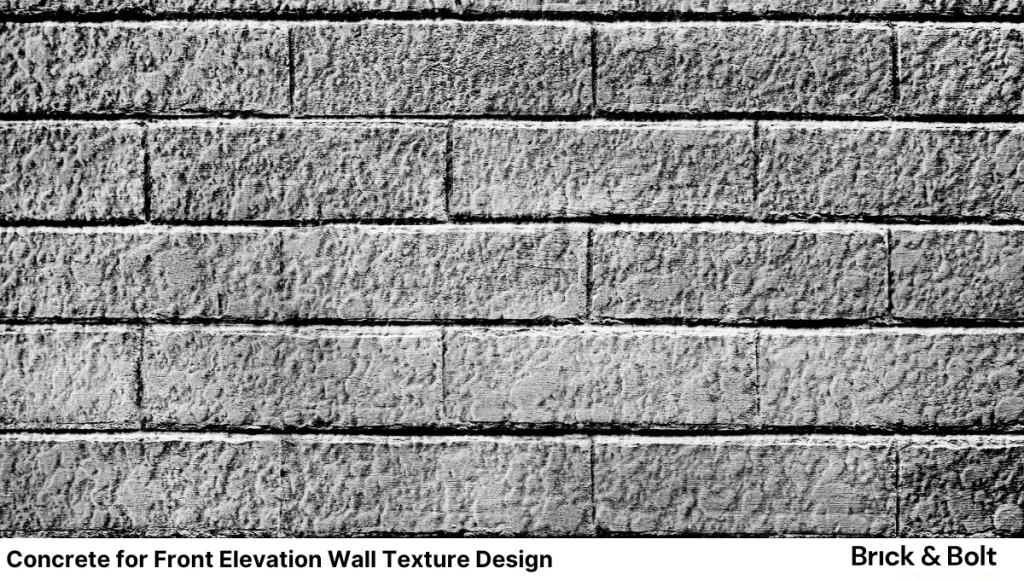
3. Concrete for Front Elevation Wall Texture Design

Concrete for Front Elevation Wall Texture Design

For many years, concrete has been used in construction as a decorative front for front elevation texture design with its diverse textures and shades of house elevation colour. Its affordability, durability and ease of use make it a great choice for front elevation wall texture design.

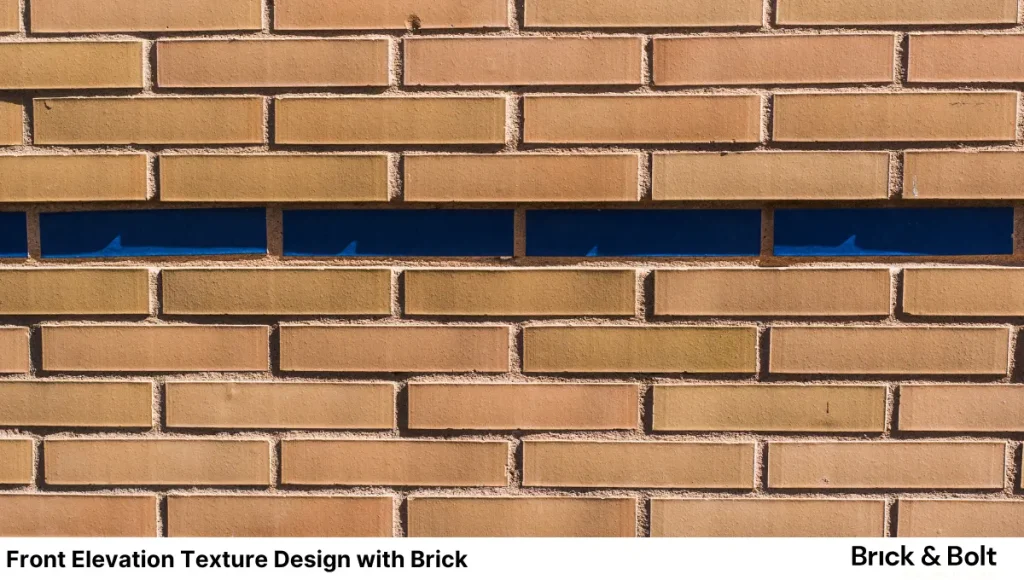
4. Front Elevation Texture Design with Brick

Front Elevation Texture Design with Brick

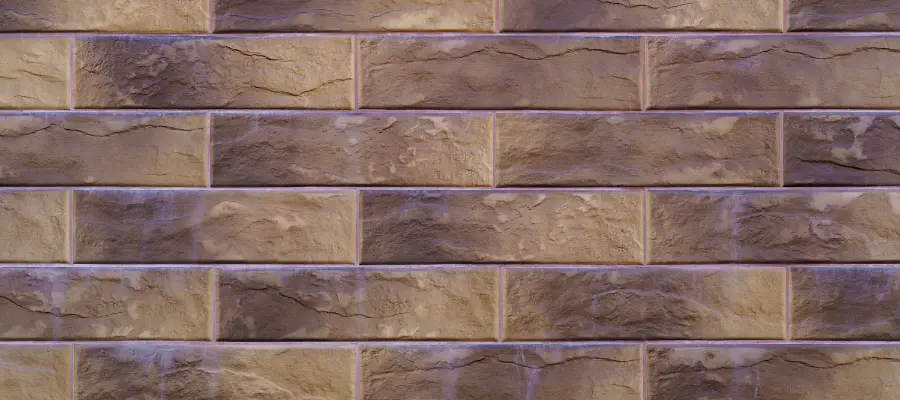
Brick walls offer a different charm to traditional and contemporary homes. The brick wall designs are highly versatile and affordable.
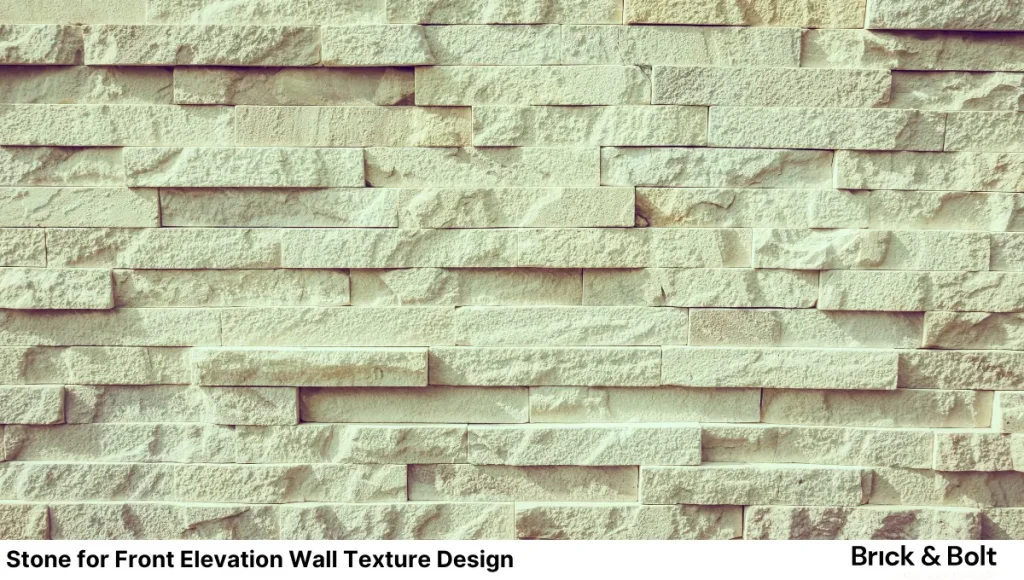
5. Stone for Front Elevation Wall Texture Design

Stone for Front Elevation Wall Texture Design

Stone for front elevation texture design is available in numerous colours and textures. It is more suitable because it offers brilliant thermal insulation and protection against humidity.

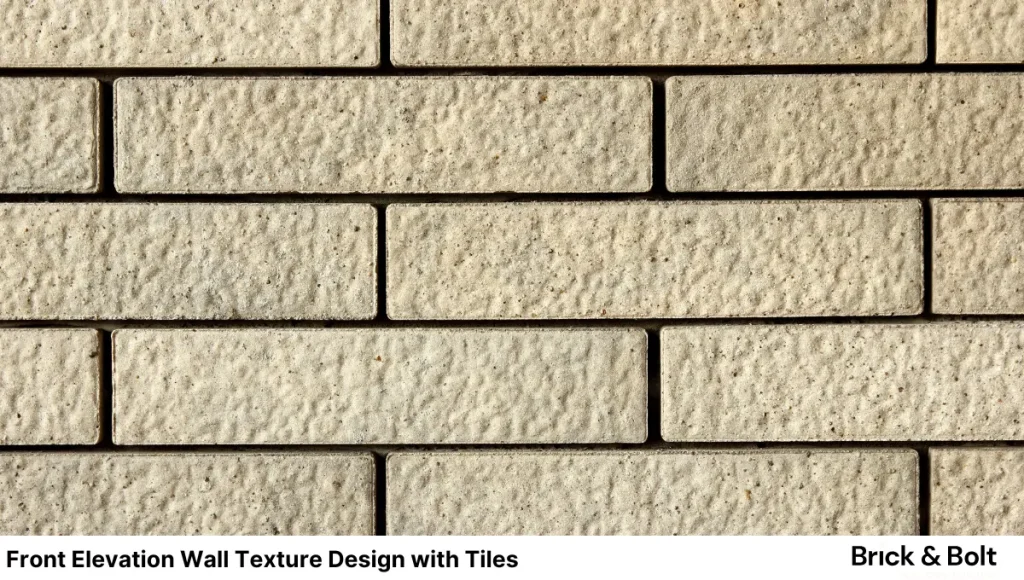
6. Front Elevation Wall Texture Design with Tiles

Front Elevation Wall Texture Design with Tiles

You can use hard and durable tiles for the outside walls. They withstand any weather and can hide dust, stains, and scratches. Tiles come in many styles, giving you a large choice. White tiles give homes a modern look, while tiles in other colours can create unique designs. Patterned tiles can give a brilliant look to traditional Indian homes. You can also use texture paint to get a similar tile effect on exterior walls.

Factors to Consider for Front Elevation Wall Texture Design

Front elevation wall texture design with tiles

1. Architectural Style and Theme

Structural design and components should complement the building’s style. Properly positioned structural elements, like columns, offer structural support and can be incorporated as aesthetically pleasing additions to a wall exterior. Refer to our structural reports guide for more detailed insights on structural elements.

2. Climate and Weather Conditions

When selecting materials for the texture design of your front elevation wall, it’s crucial to consider the local weather conditions and choose accordingly. Spend money on high-quality construction materials that can withstand weather conditions.  

3. Maintenance Requirements

The materials and textures you choose for the house front elevation design require different amounts of maintenance. It’s important to pick options that fit the amount of maintenance the property owner is willing and able to do.

For practical advice, check out our 10 easy home maintenance tips.

4. Budget Constraints

The budget is the base for material selection and design complexity. Front elevation texture design costs incorporate material costs, labour charges, and professional fees. Comprehensive planning that considers all cost elements is required for effective execution within budget constraints. Use our cost estimator to help plan your home construction budget more effectively.

Hiring Professionals for Front Elevation Texture Design

Some homeowners may feel confident about creating front elevation texture designs for their houses, but consulting professionals will be good. Architects and designers specialising in exterior design can provide invaluable guidance in selecting the most appropriate textures and materials to complement your home’s architectural style. To find the right professional for your project, refer to our guide on how to choose an architect for your dream home. Working with a general type of contractor or a specialised masonry contractor can be beneficial if you’re planning a large renovation or new construction project.

Conclusion

The front elevation texture design is very important for the building’s aesthetic and first impression. Various elements like paint, plaster, concrete, brick, stone, and tiles offer unique textures and colours. When planning the design, factors such as architectural style, climate, maintenance, and budget are crucial. Consulting professionals like architects and contractors can provide valuable expertise to get a better front elevation texture that elevates the building’s overall look.

Also Read: How To Choose The Best Elevation Cladding Materials for Your Home

Understanding the Vastu Purusha Mandala: The Ancient Science of Building Design

0
Vastu Purusha Mandala

Vastu Shastra is the extensive broad topic of the ancient Indian architectural system that influences our thoughts, lives, and destiny. It follows the building practice according to the rules of nature and its parts. But we often wonder about the interesting history of vastu shastra, such as when and how it came to be. Let’s go back to prehistoric times when the Vastu Purusha Mandala was first made. 

The Vastu Purusha Mandala holds the key to the whole of the sacred knowledge of Vastu. Since the dawn of time, people have used this cosmic geometrical masterpiece, known for its mathematical beauty, to build anything from homes to fire altars, temples, whole villages, and even cities. So, with Brick & Bolt, let’s explore the Vastu Purusha Mandala, highlighting its origin, importance, scientific concept, Vastu Purusha Mandala architecture and guidelines for room location. 

What is Vastu Purusha Mandala?

The Vastu Purusha Mandala is an ancient layout or blueprint included in the Vastu Shastra that signifies the cosmic energy grid that guides building design. It represents the harmony between the divine and the universe and represents the cosmic essence. This well-designed illustration that explains how space is distributed inside a structure using squares and circles. Since it represents the spirit found in the earth, it affects how homes and other structures are laid out. By drawing boundaries for particular purposes and encouraging harmony and balance, the Vastu Purusha Mandala coordinates human life with universal forces. 

Understanding this mandala facilitates the creation of spaces that resonate with good energy, fostering prosperity and overall well-being. Along with the vastu purusha mandala, the knowledge of generic vastu for home is also a crucial aspect of home designing.

Origin of Vastu Purusha Mandala

From Hindu mythology, we know that Brahma made the universe. When he was trying to make life in the universe, he created a being called “Vastu Purusha” who was not like other people. He ate anything that came his way because he was so hungry. In just a few minutes, he had grown so big that his shade cast a permanent shadow over the whole world. The gods Shiva and Vishnu begged Brahma to do something about this Vastu Purusha before it destroyed the universe.

When Brahma realised this, he asked the Ashta Dikpalakas, who are the gods and guardians of the eight primary directions, for help. In total, 45 gods, including Brahma, held the Vastu Purusha down. The other gods rushed to grab his arms, legs, and other parts of his body when Brahma grabbed him. This way, his legs face south, and his head faces north. At this point, the Vastu Purusha began to cry and begged Brahma for help. He told everyone that Brahma made him and that all of his qualities came from Brahma himself. Because of this, he said that he wouldn’t be punished for this. It was agreed upon by Brahma, and he decided that he should be rewarded in some way.

Brahma turned Vastu Purusha into a being that will never die and is one with the Earth. With his gifts, people have honoured the Vastu Purusha whenever they build anything on Earth for thousands of years. The Vastu Purusha has endless patience and can tease people to their heart’s satisfaction if they don’t understand. This led to the creation of the Vastu Purusha Mandala. 

Importance of Vastu Purusha Mandala

Importance of Vastu Purusha Mandala

It is a comprehensive manual for learning the vastu’s energy distribution and core. It is a crucial component of vastu shastra and is considered while doing vastu analyses on both residential and commercial buildings. Any building’s floor plan design must follow the Vastu Purusha Mandala, especially for the entrance gate. If done thus, it provides its people with plenty of fortune.

Vastu Purusha Mandalas are often shown in square charts, which symbolize the typical plot form. However, they are shown in the more widely used 360-degree chart style for easier comprehension. There are 45 gods in all. 13 of them are inner gods, and the remaining 32 are outside gods. They signify different aspects of life. How rooms and other parts of the house are placed brings out the qualities of the god who rules that area.

Vastu Purusha Mandala Architecture

Vastu Purusha mandala architecture developed its principles according to specific geographical conditions. It has been discussed how these principles could be used in a building’s structure to use suitable energy sources, such as renewable natural resources, for the public’s benefit.

One aspect of Vastu purusha mandala architecture is the idea of orienting a home’s structure according to the direction of the sun’s rays in the east and the magnetic waves coming from the North Pole. Vastu Chakra states that the building is designed in such a way that the sun’s rays and magnetic waves may freely flow through it.

Before you make a vastu-compliant house design, it’s recommended to be aware of the vastu principles for plot selections. It helps you make a Vastu-Compliant Plot Selection.

Scientific Concept of Vastu Purusha Mandala

It will be easy to understand if we consider Vastu Purusha to be two distinct terms. 

  • A “Mandala” is a collective term for a diagram or a blueprint that symbolizes the cosmos.
  • “Purusha” is a term for cosmic man, energy, soul, force, or connection. 

The Vastu Purusha Mandala is a conceptual architecture design that incorporates the movement of celestial bodies and supernatural powers. It is an essential component of the vastu for home. It is the diagrammatic, mathematical depiction of the architectural design in relation to the motions of the stars and planets. To better comprehend the Vastu Purusha Mandala, it is also necessary to grasp the nuances of Hindu Cosmology. 

As to Hindu Cosmology, the square symbolizes the Earth’s surface, which serves as the basis for all Hindu forms. This instance shows the Earth in its four corners, demonstrating a horizontal link between sunset and dawn in the South and North directions. The Chaturbhuji is the diagrammatic representation of the four corners, often known as the square representation. It stands for the Mandala of Prithivi. 

These kinds of diagrams are often seen in horoscopes or astrological charts. Depending on the time and location of a person’s birth, the square plan indicates the position of the planets, sun, moon, constellations, and their particular zodiac sign/Rashis

Guidelines for Room Locations in Vastu Purusha Mandala Architecture

Guidelines for Room Locations in Vastu Purusha Mandala Architecture

Incorporate the benefits of the Vastu Purusha Mandala into your home and life, regardless of whether you are building a house from scratch or buying a prefabricated home. The following is a guideline for the crucial locations of rooms in accordance with the Vastu Purusha Mandala architecture:

1. East Direction

The best orientation for a shower room is eastward. Do not mistake it for a toilet. It may also be used as a living room, children’s bedroom, drawing room, or bedroom.

2. West Direction

West direction is suitable for the dining or living area of the home, according to Vastu.

3. North Direction

North is the best direction to store cash. It may, however, be used as a dining room or living room.  If you want to know more about the north-facing home vastu, click on the link below-

Ultimate Guide to North Facing House Vastu: Plans, Remedies and Benefits

4. South Direction

The time to work is indicated by the sun’s rays in the south, which is thus perfect for the workplace. However, you may also utilize the south corner for toilets, a staircase, and a storage room to mitigate the sun’s positive energy and the negative energy from waste.

5. North-East Direction

The house’s Brahmasthan is located on the northeast corner. It is perfect for studying, working out, doing yoga, practising meditation, and any other task that needs focus.

6. North-West Direction

The general orientation for a bedroom is north-west.

7. South-East Direction

The east direction is best for the kitchen. According to Vastu Shastra, as you go to work, be sure to pass by your home’s southeast side.

8. South-West Direction

According to the vastu purusha mandala architecture, the bedroom best suits the southwest. If you want to know more about south-west facing home vastu, click on the link below-

A Comprehensive Guide to South-West Facing Vastu for House

In summary, the age-old Vastu Purusha Mandala provides a base for creating aesthetically pleasing and energy-efficient homes. Modern architects and homeowners may design environments that support wealth, well-being, and spiritual harmony by understanding and practising the concept of vastu purusha mandala architecture. By incorporating Vastu Shastra into modern architecture, we may close the gap between traditional knowledge and current lifestyle, guaranteeing that our constructed surroundings both support and improve our standard of living.

As a leading construction company in Ghaziabad, Brick & Bolt uses the best harmonious and sustainable construction techniques to create the place of your dreams that is in harmony with Vastu principles. Together, let’s create a better, more equitable future!

The Ultimate Guide to Passive House Design: Principles, Benefits, and Drawbacks

0
Passive House Design

One strategy to make the home more economical is to lower energy costs without compromising comfort and safety. One of the most affordable approaches to constructing a really energy-efficient home is using the passive house design. Furthermore, it is equally environmentally friendly, affordable, and pleasant for the residents.

A passive home is a long-term answer for a typical structure with a high energy demand. Since the passive home idea uses both renewable energy sources and readily accessible resources, it is seen as the best approach to lowering the building’s energy consumption. The passive home substantially reduces overall expenses compared to construction with basic energy efficiency.

So, with Brick & Bolt, let’s explore the basics of the passive house including, its principles, benefits and drawbacks.

What is Passive House?

A passive home is a structure that may be used to maintain a pleasant internal temperature without the need for active heating and cooling equipment. By adhering to passive house principles, a home is often designed and constructed to be more energy-efficient than a typical structure. This is accomplished by adding more insulation to the walls, sealing the outer covering around the passive house structure and keeping heat from escaping.

You may really reduce your energy usage for heating demand by up to 90% by following the passive home standard. This gives you access to a highly pleasant and healthful facility that affects both your emotional and physical well-being. There are strict rules for passive houses, which need certification. So, there are a lot of steps that a house has to take before it can become a passive house. It also performs significantly, but a passive house doesn’t have to have a heating system. On the other hand, the plan and program are based on a house run by machines.

Principles of Passive House Design in Construction

The following is the list of the principles that govern passive homes:

1. Airtight Construction

The air tightness is the next thing to take into account. For a home to be energy-efficient, it must be airtight. A building’s ability to maintain its airtightness lowers the likelihood of structural damage. A blower door is used to measure the air tightness. The blower door has a fan built into it that raises and lowers the house’s pressure. This procedure is tracked by related computer software, verifying whether the targets have been reached.

It is essential that the planning process considers this. Installing the airtightness membrane in inconvenient but crucial locations is often necessary, which are difficult to return to later in life. Careful design and clever solution application must ensure the necessary air tightness. This includes the usage of sheeting, wood composite boards, reinforced building paper, and inside plastering.

2. Thermal Bridge Free Detailing

The building’s envelope has to be sealed. The envelope comprises the building’s roof, ceiling, and surrounding exterior walls. But the envelope also has penetrations, connections, corners, and edges. These are all the locations inside a structure where energy may go through much more readily than in other areas of the building envelope. Thermal bridging is the term used to describe this phenomenon. One of the most effective ways to save energy is to stop thermal bridging.

The first step in each project is a thermal bridge-free building. In contrast to other conventional wood building techniques, which employ a 90 mm frame, passive homes are constructed with 140 mm or bigger framing, depending on the design. As a result, the enhanced insulation values needed to meet passive house requirements are attained.

3. Insulation

Building insulation is essential in energy-efficient buildings. You can apply any type of insulation to each of the exterior walls. Moreover, there is insulation on the roofs. A highly insulated building enclosure, or passive house insulation, is essential to meeting the requirements of the passive house principles. The type of building being constructed determines the thickness and placement of the thermal insulation.

4. Heat Recovery Ventilation

In passive home design, ventilation is the last important factor to consider. Although they may be pleasant and comfortable, airtight passive homes ensure that stale, humid air is removed while the residents can still enjoy warm, fresh air inside.

A ventilation system must be installed in every structure to supply more than adequate fresh air for the whole home. To accomplish this, a heat recovery ventilator (HRV) with a η-80% heat transfer efficiency may be added. This indicates that 80% of the heat generated in the residence stays inside.

5. High-Performance Windows

Doors and windows are usually regarded as weak spots in the thermal enclosure. Installing varied amounts of frame insulation and glazing qualities based on climatic conditions is vital. This is necessary to guarantee that the building’s thermal comfort requirements are satisfied.

There are many types of windows and window technology used in construction. But window technology becomes much more crucial when thinking about passive dwellings. Windows have to operate at a very high level. Triple-pane, high-performance windows with Passive House certification are strongly recommended. Additionally, it’s crucial to ensure that the window frames are insulated. However, there is a danger of heat escaping through the glazing’s borders. Thermally sealed edges may help reduce this issue. 

Benefits of Passive House Design

Benefits of Passive House Design

Here are some of the benefits that come with having a passive house:

1. Sustainability

Because a passive home consumes extremely minimal energy from the start, it contributes to preserving limited non-renewable resources like gas and oil. Passive houses also use renewable energy sources, such as solar and wind power. Adopting the Passive House principles becomes important to achieve net zero construction. The very low energy demand makes renewable energy sources easy to access.

2. Energy Efficiency

The ultimate aim of constructing a passive home is to achieve optimal energy efficiency. The high R-value standards ultimately reduce a building’s energy consumption by up to 90% compared to current buildings by implementing the complete enclosure envelope concepts. Similarly, newly constructed buildings have a 70% reduction in energy consumption.

As a result, living expenses and the pace at which non-renewable energy resources are used are reduced significantly. The passive home can function even without using any fossil fuels at all with the use of electric heat sources. It is important to remember to utilize power produced by renewable energy sources, such as solar photovoltaic systems. Standard passive home designs encourage the use of smaller mechanical systems, daylighting, and passive solar heating, among other energy-saving measures. They contribute to a building’s continued improvement in energy efficiency.

3. Comfortable

Buildings with passive home architecture are often seen as relaxing and cozy. Since we spend the majority of our time inside, comfort must come first when building a high-performance home. Passive houses must now be carefully planned and implemented. In addition, it’s essential to employ effective heating systems or even the body heat of the residents to keep the home warm throughout the winter and in really cold areas. The heating systems only use ventilation when necessary to maintain or guarantee the excellent quality of the air within. In a similar vein, Passive homes provide very high levels of comfort in the summer.

4. Adaptable

Because weather patterns are becoming more unpredictable, adaptability is one of the most crucial factors to consider. A passive home structure may achieve much more comfort than any conventional building by having high airtightness and the right amount of insulation.

The passive home structures can withstand changes in the weather, in technology, and in the cost of energy. Moreover, it offers a sustained assurance of affordability.

5. Affordable

An affordable house construction option with comparatively low energy and maintenance expenses is a passive home. Its operating expenses are also far lower than those of any other typical building. 

Disadvantages of Passive House Design

The passive house disadvantages are as follows:

1. Construction Difficulty

A passive home must be properly constructed and supervised. It is critical that the ventilation system be installed correctly since improper ventilation may result in moisture accumulation, which, when combined with heat bridges, can develop mold. Additionally, the air circulation system has to be fitted effectively, and the envelope needs to be somewhat airtight.

2. High Initial Cost

The hardest choice a person has to make before building a home is figuring out how much will it cost to build. Construction of a passive home will come at a somewhat high cost when compared to other traditional building types. Hence, its recommended to calculate your construction cost using trusted tools like Brick & Bolt Cost Estimator.

3. Lack of Skilled Labour

When building a passive home, appropriate monitoring is necessary to ensure that all the tasks are completed appropriately. Furthermore, skilled labour is needed to complete complicated construction tasks like installing windows and ventilation systems.

Conclusion

Using passive house technologies, architects, engineers, and builders are able to significantly reduce carbon emissions and design eco-friendly homes. Over the last 20 years, the passive house concept has grown in popularity, and thousands of homes across the globe have been built using this energy-efficient idea. Although a passive home may save up to 90% on energy usage, it typically costs three to five per cent more than a standard structure. Numerous local government agencies are searching for methods to promote the usage of passive home construction techniques. It is quite possible that Passive House technology may advance quickly enough to enable the construction of a zero-net carbon environment in future. As a leading construction company in Delhi, Brick & Bolt also supports and employs energy-efficient design in our home construction.