Home Blog Page 96

Comprehensive Guide to Construction Costs in Hyderabad: Residential vs Commercial Projects

0
House construction cost image

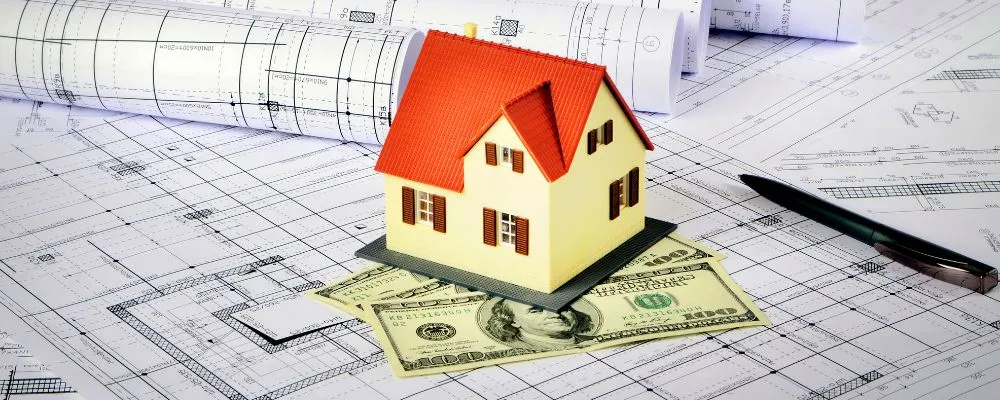
Hyderabad is a city known for its rich history and culture. It is a major centre for technology and IT companies. This city has also experienced significant growth with many construction projects in recent years. If you are planning any construction project in Hyderabad, first, you need to know how much it costs. Whether it’s a residential or commercial project, the total cost depends on a number of things. In this blog, Brick & Bolt will talk about the factors affecting construction costs and the exact differences between how much it costs to build a residential and commercial construction in Hyderabad, along with the construction costs per square foot in Hyderabad.

Rules and Guidelines for Construction in Hyderabad

Before you start any construction project, make sure you follow the rules and guidelines in your area. The Greater Hyderabad Municipal Corporation (GHMC) governs Hyderabad’s construction activities. This ensures that building projects follow safety and urban planning rules. Here are some guidelines.

  1. Getting the necessary permits from GHMC is mandatory. This includes approving building plans and following zoning rules.
  2. Safety rules must be followed during building to avoid accidents and keep workers safe.
  3. Construction projects must also follow environmental compliance in construction to minimise their ecological footprint and ensure sustainability and legal obligations.

Purchase of Land Cost in Hyderabad

A large amount of the overall construction cost goes toward the price of the land. Land costs in Hyderabad vary according to location, ease of access to facilities, and potential for future growth. Prime areas like Banjara Hills, Jubilee Hills, and Hitech City can be found in more peripheral areas and offer more affordable options.

The Factors that Affect Construction Costs in Hyderabad

Labour Cost Image

The construction cost in Hyderabad varies depending on the factors. It is always important to consider these different factors that affect house construction costs. Here are some factors that affect the construction cost in Hyderabad

  • Labour Cost
  • Material Cost
  • Permits
  • Location Cost

Labour Cost

Labour costs are affected by worker availability and the required skill level. Unlike unskilled labour, skilled labour, such as plumbers and electricians, commands greater salaries. Also, the labour cost in Hyderabad may be higher than in other cities due to the availability of a large workforce.

Material Cost

Sand, steel, bricks, and cement are construction materials whose costs vary according to market conditions. Monitoring Hyderabad’s building material pricing can help with budgeting effectively.

Permits

Building permits and NOCs are important, but they cost less in Hyderabad than in other cities. These permits also ensure the project complies with local building codes and regulations.

Location Cost

In Hyderabad, the cost of construction varies widely from area to area. Construction costs are usually higher in prime areas because land is more expensive and rules are stricter.

Cost of Construction in Hyderabad for Residential vs Commercial Buildings

The construction cost in Hyderabad differs depending on whether the project is residential or commercial. Usually, commercial construction will cost more than residential projects. Here are some common breakdown construction costs for residential vs commercial projects.

Residential Building Construction Cost in Hyderabad

Residential construction usually requires a thorough, customized design, architectural plans and drawings, which can increase the cost of the construction. Higher-quality materials and finishes are typically used in residential projects for better looks, quality and comfort which increases the construction cost. In addition, amenities like swimming pools, professionally landscaped lawns, and home automation systems can raise the price significantly. The average house construction cost in Hyderabad can range from Rs. 1500 to Rs. 2500 per square foot.

Commercial Building Construction Cost in Hyderabad

Commercial projects are often bigger and require stronger machinery to run the construction process smoothly, which may cost more than residential projects. There are strict rules about fire safety, accessibility, and the surroundings that commercial buildings must follow. In addition, costs can go up when you install high-tech systems like HVAC, elevators, and security systems. The average cost of a commercial project in Hyderabad ranges from Rs. 2500 to Rs. 4000 per square foot.

How to Calculate the Construction Costs?

There are several steps to figure out how much will it cost to build a house:

1. Calculate the Total Built-Up Area: Measure the total area that will be built, including all the floors.

2. Choose the Quality of the Construction: The cost of materials and labour will depend on the quality of the construction materials, ultimately impacting the building’s quality. Hence, choose your materials as per your overall quality requirements, such as standard, premium, and luxury projects.

3. Use a Cost Calculator: To get an idea of how much construction will cost, you can also use online cost calculators such as the Brick & Bolt cost estimator tool to calculate the house construction cost. These calculators take into account things like the details of the area and give you instant cost estimation.

4. Plan for the Contingency Fund: Always add an extra 10–15 per cent to the total construction cost to account for unexpected costs.

What is the Construction Cost Per Square Foot in Hyderabad?

The construction cost per sqft in Hyderabad varies depending on the type of construction, location, and quality of materials used. On average, the cost of construction ranges below:

  • Basic Construction:₹1,550 per sq ft.
  • Standard Construction:₹2,000 per sq ft.
  • Premium Construction:₹2,500 per sq ft.

The cost of building a house in Hyderabad can range from ₹1,500 to ₹2,500 per sq ft for residential projects, while commercial projects may range from ₹2,500 to ₹4,000 per sq ft, depending on the specifications and requirements.

How to Reduce Construction Costs in Hyderabad?

Here are some of the tips to reduce the construction cost in Hyderabad to ensure your project stays within budget.

  • Begin with a comprehensive plan and opt for simple designs that outline every aspect of the construction process. Detailed planning and simple designs help avoid costly changes and delays.
  • Also, consider alternative materials that offer durability and cost savings. For example, using low-cost home construction materials like fly ash bricks instead of traditional bricks can reduce costs.
  • Use modular and prefabricated construction techniques. Because, there are lots of benefits from modular and prefabricated construction. These methods save time, and labour costs, more cost-effective and quicker to install. Hire experienced and skilled constructors. While skilled labour may have higher hourly rates, they work more efficiently and produce better quality work, reducing rework costs. Construct your dream home with the best construction company in Hyderabad and experience the construction with skilled constructors. 
  • Use sustainable construction materials that offer long-term cost savings. Materials like recycled steel and bamboo are eco-friendly and durable.
  • Utilise digital construction tools like Building Information Modelling(BIM) and Drones. These technologies provide accurate data, project scheduling, budgeting, reducing errors, rework, and saving time and cost.

In conclusion, It is important for people who want to build in Hyderabad to know how much it costs to build. You can get a better idea of how much you will spend by thinking about things such as purchasing land, labour cost, materials cost, and regulatory requirements. Using tools like the house construction cost calculator in Hyderabad can also help you plan your budget. Understanding the Hyderabad construction cost per square foot makes the building process go more smoothly and helps you make smart financial choices, whether it’s for a residential or a commercial. In addition, always choose the turnkey house construction company in Hyderabad; it will provide you with a hassle-free and smooth construction journey.


Construction Insurance: Protecting Your Project from Start to Finish

0
Construction Insurance

The construction industry carries many on-site risks that can scare workers and businesses. Whether the risk arises because of negligence or natural disasters, disputes are bound to happen that can put businesses into deep trouble. This makes construction insurance ideal to protect you from any surprise financial debt. 

Insurance coverage for construction projects is important in mitigating risk and liability, taking all the approaches to protect your assets from any dispute or on-site injury. The Insurance Act of 1938 was passed to oversee the measures in business and even rule the construction sector. From coverage against natural disasters or fighting dispute cases, insurance coverage covers you as risk mitigation strategies with the required financial attention to recover the financial losses. 

But you cannot just choose any coverage for your construction project; making an informed decision takes a lot of consideration. Hence, in this blog, Brick & Bolt explains everything about construction project insurance, including its importance, types, crucial elements to cover and factors for choosing construction insurance.

Why is Construction Insurance Important?

Construction insurance helps construction companies mitigate risk, which can otherwise lead to serious financial debt. Here are the most crucial reasons to consider, which will help you understand the importance of insurance in the construction sector.

Managing Risks

Managing risks in the construction industry is made easy with insurance policies. The construction market involves a lot of risk, including accidents, natural disasters, equipment failures, and third-party liability. Insurance companies cover all these risks and offer financial support when things go wrong.

Contractual Requirements

Getting insurance is important in the construction market, as it requires complying with contractual requirements. Keeping up with the requirements of building contractors and subcontractors also requires maintaining insurance coverage, which helps mitigate liability risks. If a construction company fails to comply with these insurance provisions, it will have to face a contract breach. 

Client Confidence

A contractor with adequate insurance shows the client that he or she will complete a project as scheduled and guarantees financial protection in case of a mishap.

Different Types of Construction Insurance

Several types of insurance coverage are available to protect your construction business and worker rights who are employed on the construction site. Here are some crucial types of construction project insurance policies that every business owner must be aware of:

1. Gene­ral Liability Insurance

General Liability Insurance is a crucial insurance coverage governing all the claims and disputes within construction projects. With this insurance, you get coverage against third-party claims resulting in property damage or injury. For example, any visitor getting injured at the construction site will be covered under insurance coverage. With insurance will cover the medical care cost, legal fees, and possible settlements.

2. Workers’ Compe­nsation Insurance

Workers compensation insurance is important insurance coverage that covers all the workers employed at the workplace. The Worker Compensation Act 1923 states that construction companies will be liable to pay for healthcare and further expenses for workers who have had workplace accidents. 

With this insurance coverage, you can manage the situation without getting yourself into financial debt. Many jurisdictions in India have made it mandatory for construction companies to put in place worker compensation coverage.

Also Read: Labour Laws and Safety Regulations in Construction: Ensuring Worker Welfare On-site

3. Builder’s Risk Insurance

Builder’s risk insurance is an important part of construction projects, allowing companies to offer coverage against properties that are under construction or renovation. Fire, vandalism, or theft can cause serious damage to the property’s structure, materials, and equipment. With insurance coverage, you can cover all these losses.

4. Professional Liability Insurance

Professional liability insurance covers the engineers, architects or any other person involved in a project to get coverage against negligence, errors, or omissions claims. This insurance coverage is usually useful in case of legal disputes for design or planning efforts. With full Construction liability coverage, you can handle these challenges without a burden on your financial power. 

Hence, whether you are the customer who wants to build your dream home or a contractor or a construction company, making contractual arrangements in construction is a must to avoid any legal disputes,

4 Important Construction Project Insurance Coverage Elements to Consider

Important Construction Project Insurance Coverage Elements to Consider

It’s important to know the key coverage elements of construction project insurance. If you are choosing a policy, you need to take into account the following coverage elements:

1. Damage to Property

Cover the damage to the property while choosing insurance coverage for construction projects. It’s important to have property damage coverage. While constructing the building, there are chances of damage to the property due to poor tools or equipment, which can put you in financial burden. Hence, ensure that you protect against losses and provide complete coverage with the insurance coverage.

2. Personal Injury or Worker’s Compensation

Personal injuries are common in the construction industry, so getting personal injury coverage is important when taking out construction insurance. It can cover all the injuries the workers face at the workplace and any third party visiting the construction site. In addition, always follow the safety guidelines at the construction site according to building codes and standards.

3. Theft and Vandalism

Most construction companies are frustrated by theft and vandalism at the construction site, which can deepen their financial losses. Therefore, paying attention to theft and vandalism is important when purchasing an insurance policy. Insurance coverage protects you from theft and vandalism, and it even allows you to avoid losing equipment or construction materials

4. Natural Disasters

Natural disasters like earthquakes cannot be avoided or predicted, but they can seriously damage property. That is why it is important for all employers to get complete insurance coverage against natural disasters and allow contractors to protect themselves against natural disaster losses.

Essential Factors to Consider While Choosing a Construction Insurance

It is important to consider several policy factors before purchasing construction insurance. These factors can significantly affect the cost and coverage of your insurance policy.

Limitations of Coverage

The coverage limit is an important factor to consider when choosing construction insurance. A claim can only be filed if the insurance company is willing to pay out a maximum amount. Ensure your coverage limits are high enough to protect you from potential losses.

Deductions

Deductions are crucial factors to consider while choosing an insurance policy. All the policyholders out there must pay the deductible amount before the insurance company begins to cover the claims. If you increase your deductible, you’ll lower the cost of your insurance policy but will also have to pay a larger portion of any losses.

Exclusions

Exclusions in your insurance policy should also be reviewed carefully. The insurer does not cover specific situations or types of losses under an exclusion. You should choose an insurance policy with no exclusions to avoid significant losses.

Endorsements of Policies

A policy can be amended to include these additional provisions to increase coverage. The endorsements available to policyholders can vary widely based on their specific needs. You must ensure that potential endorsements provide the coverage you need and must not duplicate coverage, which is already specified in the policy, before choosing an insurance coverage.

Also Read: Legal Implications: When to Use Judicial Stamp Papers vs. Non-Judicial Stamp Papers

Conclusion 

Applying for construction insurance is an important step towards securing your construction projects and covering any financial loss during construction. Brick & Bolt is the best construction company in Mysuru, and it never ignores any complications while building the property. 

Whether you have contractual or mandatory legal requirements to meet, our dedicated team of real estate developers takes care of all the matters while building property. We take pride in not only providing you with your dream house but also ensuring it meets all the legal compliance requirements. Reach out to us today, and let our team help you construct the best space in town.

Mediation vs. Litigation in Construction: Which Path Should You Choose?

0
Mediation vs. Litigation in Construction Disputes

The construction market in India is growing significantly, but at the same time, it brings along legal risks and disagreements, making you fall for legal disputes.  There are several factors that might contribute to construction industry conflicts, such as taking extra time to complete the project, incurring more costs, and providing poor construction quality. However, there is always a way to address the conflict and reach a resolution through construction dispute resolution methods. There are ways to resolve the dispute outside the court or to take it to court proceedings, which is ideal to resolve the dispute.

It begins with the litigation vs mediation to resolve the construction dispute.  Mediation and Litigation are ideal ways for construction conflict resolution as both aim at resolving disputes but follow a different approach. 

Mediation is an alternative construction dispute resolution method for resolving the dispute outside the court. It involves high-end confidential negotiation between parties to agree to the settlement discussed. Whereas litigation means dragging the case to court trials, where the judge announces the verdict after listening to both parties’ appeals. 

So, which is a better choice? Here, Brick & Bolt has compiled the major differences between litigation and mediation for construction disputes, including their advantages and disadvantages.

What is Mediation in Construction?

Mediation in the construction industry is a way to address the construction dispute, which follows a confidential and voluntary process. During the process, neutral mediators enter the play, allowing disputing parties to communicate and work towards a mutually acceptable solution. This Legal option for the construction dispute resolution process does not force decisions; instead assists parties in reaching an agreement.

Advantages of Mediation in Construction

The following are the advantages of mediation in construction disputes.

  1. Cost-Effective

Mediations are usually less expensive than litigation since legal fees are lower and waiting times are shorter.

  1. Saves Time

Mediation can be quicker than litigation, which can last months or years.

  1. Relationship Preservation

The mediation dispute resolution method promotes mutual understanding and cooperation between businesses through a collaborative approach.

  1. Flexibility

Mediation enables parties to come up with solutions that are creative and flexible.

  1. Confidentiality

Mediation is a private process that protects sensitive information and dispute details.

Disadvantages of Mediation in Construction

The following are the disadvantages of mediation in construction dispute resolution.

  1. Non-Binding

Mediations are not legally binding unless formally outlined in a contract, and there is no guarantee that a dispute will be resolved.

  1. Potential Power Imbalances

Significant power imbalances could lead to one party dominating the process, leading to unfair outcomes.

  1. Lack of Precedent

No precedents are established through mediation for referencing similar cases in the future.

Also Read: Legal Implications: When to Use Judicial Stamp Papers vs. Non-Judicial Stamp Papers

What is Litigation in Construction?

The litigation process is a popular way to sort disputes in the construction market. Arguments and appeals are conducted in the courtroom during the litigation process. Based on the argument and studying the evidence, the judge has the power to make the decision. Whatever the court’s decision is, it is final and must be followed by both parties. 

Advantages of Litigation in Construction

The following are the disadvantages of the litigation construction dispute resolution method.

  1. Legally Binding

Court decisions are enforceable and legally binding, providing a definitive resolution to legal disputes.

  1. Precedent Setting

Court decisions serve as legal precedents, affecting future disputes and conduct.

  1. Impartiality and Fairness

The judicial process is intended to ensure impartiality and adherence to legal principles.

  1. Legal Actions

The courts have the power to impose penalties, injunctions, and specific performance.

Disadvantages of Litigation in Construction

The following are the disadvantages of litigation construction dispute resolution methods.

  1. Costly

The cost of litigation dispute resolution method is often high because attorney fees, court costs, and discovery processes are lengthy.

  1. Long-Duration

Litigation can take years to resolve, requiring months or even years to finalize.

  1. Exposure to the Public

Court proceedings are open to the general public, which enables them to obtain dispute details and sensitive information.

  1. Combative Nature

Litigation is often combative, damaging business relationships and creating hostility.

  1. Limited Control

The judge or jury makes the final decision, so parties have little say in the outcome.

Along with the knowledge of these construction dispute resolution methods, it’s crucial to know when to hire a construction lawyer to get legal advice on time to avoid any big disputes.  

Crucial Difference Between Mediation and Litigation to Address Construction Dispute

Difference Between Mediation and Litigation
CriteriaMediationLitigation
Flexibility and ControlConfidentiality remains the top priority for mediation for construction dispute resolution, as there is no publicity stunt for this process. During mediation, the resolution is done outside the court. Any discussion or arguments during the mediation continue to be confidential until either of the parties decides to release them to the press.On the contrary, litigation leads to legal judgment, where the court enforces the final decision, and both parties must agree to the resolution. Whatever the verdict of the court proceedings, that is the ultimate resolution to disputes. If either of the parties does not follow the judgment, they might have to face legal action.
Maintaining ConfidentialityConfidentiality continues to be the top priority for mediation for construction dispute resolution, as there is no publicity stunt for this process. During mediation, the resolution is done outside the court. Any discussion or arguments during the mediation continue to be confidential until either of the parties decides to release them to the press.In contrast, confidentiality is not maintained in the litigation process, as it is a public affair, and arguments are made in the courtroom. Filings, hearings, and court decisions become public records, potentially disclosing sensitive information that can significantly damage reputations.
Efficient Costs and TimeMediation is usually cheaper and faster than litigation. There are fewer formal procedures in mediation, and the participants can set their schedules. The problem is usually resolved quickly. By reducing legal fees and disrupting business operations, these parties save money. Contrary to that, litigation often requires months or even years to complete due to the legal process, pre-trial motions, and discovery phases. During this long process, substantial legal costs can be incurred, and uncertainty can linger for a long time.
Enforcement and Binding NatureThe binding nature of mediation outcomes distinguishes it from litigation. A mediation agreement isn’t binding unless both parties sign and formalise it in writing. When one party violates the agreement later, this can be a disadvantage.Whereas litigation involves proper court proceedings, where the judge can announce the verdict based on arguments heard from both parties. Here, the parties hold little control over the outcome.
Remedies and Precedents in LawMediation doesn’t establish legal precedents, making it difficult for parties to establish legal standards. Mediation facilitates the settlement of disputes while offering fewer legal remedies than litigation.The litigation process contributes to legal precedents, guiding future cases and shaping the legal sphere. The court’s decisions establish standards that can be compared in future disputes, making them more predictable and consistent. A court can also award legal remedies, such as monetary damages, injunctive relief, and specific performance, which are not available through mediation. 

Conclusion 

In conclusion, compared to mediation vs litigation in construction dispute resolution, both methods have perks and drawbacks. You can choose any one of them according to your preference and project requirements. However, making contractual agreements in construction is always recommended to avoid any construction disputes when you begin any construction projects.

The construction market faces the sword of legal complications that scare investors from investing in building new properties. Complying with legal complications is no longer a hassle with Brick & Bolt, a top-notch construction company in Chennai. We have a team of market leaders well versed in all the legal compliance while constructing your dream space. 

With us, you will never have to face any dispute as our team digs deeper into all the legal details, uncovers all the details, and makes sure everything is on track to build your dream home. So, waiting for what, contact us today to build your dream building, staying in line with all the legal requirements. 

Before you leave this page, it’s recommended that you read the blog below to learn more about the other construction dispute resolution methods.

Mediation vs Arbitration in Construction Disputes: Choosing the Best Alternative Dispute Resolution

Vibrant Flower Wall Painting Designs to Liven Up Your Space

0
Flower Wall Painting Designs

Flowers are the symbol of love, peace and wealth. Whenever you see them, your mood can gradually get better. You can see a bunch of flowers or a flower garden with the help of a floral wall painting design. Floral wall painting designs offer a unique way to infuse life into your living space. It varies from exotic orchids to watercolour flowers even more. With a myriad of options, from bold and modern to delicate and traditional, you have the power to transform your home’s ambience to suit your personal style and preferences, empowering you in your home decor choices. 

Today, in our Brick & Bolt blog, we invite you to explore the world of flower wall painting designs. We’ll discuss the various types, colour palettes and styles, placement and execution, techniques, and mediums. Get ready to be inspired and informed about these fascinating aspects of home decor.

Types of Flower Wall Painting Designs 

Flower wall painting designs have plenty of options to give life to your house walls. Following are some of the top flower wall painting types:

1. Bold Floral Bouquets

Bold floral bouquets cherish colour and life. They offer colourful arrangements of large, eye-catching flowers that draw attention and create a powerful impression. These bouquet arrangements splash colour into any area, instantly energising the surroundings and bringing in a lively vibe. The dramatic impression is enhanced by the exaggerated size of the flowers.  

2. Botanical Sketches

Botanical sketches, which are intricate drawings of plants and flowers, give the walls a vintage, creative vibe. These pieces of art frequently have a strong attention to detail, accurately portraying the complex flower aspects. This style adds a lovely touch of nature-inspired design and works well with boho or eclectic décor. Botanical Sketches demand meticulous attention to detail. 

Also read: Home Design Insights: Wallpaper vs. Wall Decals

3. Monochrome Blooms

Monochrome blossoms, or black-and-white renditions of floral print patterns, are stylish and lovely wall decorations. The absence of colour highlights its inherent beauty by drawing attention to the structure and form of the blossoms. These floral wall art patterns complement a wide range of colour palettes, making them suitable for use with any kind of interior design.

4. Watercolour Blossoms

Watercolour blooms serve as a stunning illustration of the delicate and lovely aspects of nature in floral wall art. The essence of flowers in their most tranquil form is captured in these flower wall paintings, which are created in gentle pastel colours. The smooth texture of the watercolour medium makes it possible to combine hues subtly, giving the impression that the viewer is in a peaceful garden or rural area. 

5. Japanese Cherry Blossoms

Japanese Cherry Blossom floral wall art symbolises beauty and transience, capturing the fleeting moment when the cherry blossoms are in full bloom. 

Painting cherry blossoms demands a delicate touch and a keen eye for detail.

The artist must carefully paint the flower petals’ slight changes in colour and shape, as well as the complex way the flowers are arranged on the branches. Although these paintings appear simple, they convey a deep philosophical message, reminding us to appreciate the beauty of the present moment.

Placement of Flower Wall Painting Designs

Wall painting designs

With the flower painting’s colour and design, the background also matters. The background for a flower painting should complement the style and mood you require in your artwork. The following are a few options to consider:

Solid-Colour Background: A simple, solid-coloured background can help highlight the flowers themselves. Consider a background colour that contrasts or complements the flowers’ colours for visual interest.

Soft Blurred Background: A gently blurred background can draw the viewer’s attention to the flowers and create a sense of depth. Methods like softening or merging the background’s edges are used to create this look.

Natural Setting: Painting flowers in their natural setting, such as a garden or meadow, can add context and authenticity to an artwork. Adding greenery, grass, or other flowers improves the feeling of location.

Decorative Pattern: Adding a decorative pattern or texture to the painting’s background can improve its overall composition and provide visual appeal. This could contain abstract motifs or patterns derived from natural elements like leaves or vines.

Techniques and Mediums to Make a Flower Wall Painting Design

Floral wall art

Flower wall paintings use different painting and drawing techniques and styles. The major ones are

Acrylic Paint

Acrylic paint is a versatile medium that dries quickly and becomes water-resistant. Its adaptability allows you to apply it in as many layers as you need on any surface. This versatility empowers you to explore various techniques and styles in your flower wall paintings. You can learn more about the different types of paints and their characteristics.

Watercolors

Watercolors, as the name suggests, are water-soluble colors with an incorporated binding agent. Mastering watercolor painting demands excellent artistic skills, as once you apply them on paper, there is no room for correction. This challenge can be a great source of motivation for art enthusiasts, pushing them to hone their skills and create stunning flower wall paintings.

However, the significant downside of this artistic medium is that colours fade away when exposed to light for some time. When white is added to watercolours, they transform into an opaque medium known as gouache. This watercolour variant offers four distinct advantages, each contributing a unique quality to the artwork.

Conclusion

Flower wall painting designs present a versatile and good way to enhance your living space, with a range of styles from bold floral bouquets to delicate Japanese cherry blossoms. These designs can considerably boost the ambience of any room, with aesthetic pleasure and emotional betterization. With various techniques and mediums, such as acrylics and watercolours, each with unique charm and challenges, floral wall paintings allow for personalised expression and creativity. Whether opting for a dramatic, vibrant bouquet or a serene, monochromatic bloom, the possibilities are limitless, enabling you to transform your home into a reflection of your taste and personality.

If you need guidance on how to choose the interior paint colors for your home our experts can assist you.

Rainwater Harvesting Techniques: A Comprehensive Guide for Sustainable Living 

0
Rainwater Harvesting Techniques for Water Conservation

Our natural resources are continuously depleting. Besides, there is an urgent demand to address climate change. Keeping these in mind, we cannot deny adopting sustainable water conservation practices. Undoubtedly, groundwater still stands as the primary source of freshwater, fulfilling the nation’s agricultural, industrial and household demands. However, over the years, we are exploiting the groundwater resources for our everyday needs. Moreover, modernization and following modern lifestyles caused tremendous water wastage.

Our water resources are depleting each year. Moreover, we cannot generate artificial water. Instead, we must depend on the water sources available on the planet. With the population boom and excessive need for water to suit modern lifestyles, one can feel the water scarcity all over the world. It gave rise to major concerns over water conservation.

In this context, adopting sustainable practices like rainwater harvesting is the simplest and best measure for conserving global water. Hence, Brick & Bolt‘s primary focus in this blog is on discussing the benefits of rainwater harvesting, exploring the systems, and offering guidelines on implementing the associated rainwater harvesting techniques.

What is Rain Water Harvesting?

Rainwater harvesting refers to a simple strategy where you collect and store rainwater for future uses. It involves using artificially designed systems connected to natural or fabricated catchment areas, like rooftops, compounds, rocky surfaces, hill slopes, and artificially repaired impervious and semi-pervious land surfaces.

You can filter, store, and use the collected rainwater in different ways or directly for recharge. Rainwater harvesting does not cause any kind of impurity. Besides, it requires less storage and no maintenance cost, except regular cleaning. The reliability of rainwater supply depends on the size of your catchment area or the roof, the volume of your storage tank and the management of daily consumption to the local rainfall pattern.

Benefits of Rainwater Harvesting

The following benefits show the importance of rainwater harvesting and how it will help our community and environment.

Ecological Benefit

Storing underground water is environmentally friendly. Since it funnels off the water into large tanks for recycling and reduces the load of the drainage system, it mitigates the impact of flooding. Besides, storing the collected water does not require more land or displacing the population. Therefore, groundwater does not evaporate or pollute directly. Furthermore, it helps minimize the possibility of rivers drying.

Reduced Water Bills

Rainwater harvesting systems are cost-effective.  They provide high-quality water, reducing your dependence on groundwater, including wells. You will experience increased groundwater levels as you do not depend on wells. Besides, you can easily maintain the wells since you do not use the water for drinking, cooking, and other sensitive uses. Moreover, the overall cost involved in harvesting and recharging the water to the surface reservoirs is cheaper.

Reduces Erosion and Flooding around Structures

With sustainable water conservation practices, such as rainwater harvesting, there is a reduction in stormwater. It further helps in reducing erosion and floods in the urban areas. If your building is utilizing rainwater, it must have a catchment area on its rooftop. It can collect large volumes of water during heavy rains.

Boosts Groundwater Levels

Rainwater harvesting can increase the periodicity of aquifers, raise groundwater levels, and reduce the demand for potable water. If you live in an area with low water levels, rainwater harvesting is the best solution. 

Adequate for Irrigation 

Since rainwater harvesting collects large amounts of water, it mitigates the effects of drought. Being free from harmful chemicals, it is suitable for irrigation purposes. In addition, you can also use sustainable landscaping practices to reduce water consumption for your gardening. 

Various Rainwater Harvesting Techniques for Your Home

Component of Rainwater Harvesting

1. Surface Runoff Harvesting

In this method of rainwater harvesting, you collect the rainwater flowing along the ground. During heavy rains, you collect the rainwater in a tank or reservoir for irrigation and other purposes. You can make a reservoir on the surface or underground. You can use the water for farming, cattle farming, and domestic use. Surface runoff harvesting is best suited in urban areas. 

2. Rooftop Rainwater Harvesting

It is another method of collecting rainwater. Usually, in rooftop harvesting, you need to collect rainwater in a catchment area of the building. You can collect and store rooftop runoff by using a recharge pit, trench, and tube well. Now, you can also store the collected water in the tanks. You can also send the collected water to an artificial recharge system. They are an alternative water source for activities, including irrigation, flushing toilets and washing cars. When you use harvested rainwater, you depend less on traditional water sources, conserving water and lowering your water bills. Moreover, since rainwater does not contain chemicals, you can water plants and gardens. e

3. Groundwater Recharge

Groundwater recharge involves a hydrologic process wherein the surface water seeps down in the form of groundwater. Groundwater recharge is the primary method through which the water enters an aquifer and serves as a distribution system. You can use the surplus rainwater to recharge the groundwater aquifer through artificial recharge techniques. In rural areas, you can harvest rainwater through dugwell recharge, gully plug, recharge shaft, percolation tanks, check dam and contour band.

Components of a Rainwater Harvesting System

A rainwater harvesting system comprises components belonging to various stages. These include transporting rainwater through pipes and drains, filtration and storage in tanks for future use, reuse and recharge. The common components of a rainwater harvesting system involved in these stages include the following:

1. Catchments                 

A rainwater harvesting system’s catchment refers to the surface that directly receives the rainwater and offers water to the system. You can create your catchment in a paved area like a terrace or your building’s courtyard or an unpaved area like your lawn or an open ground. You can also harvest rainwater from a roof made from reinforced cement concrete, galvanized iron, and conjugated sheets.

Rooftop catchment areas vary widely, encompassing different designs and materials. Whether you consider the flat, expansive roof of the commercial building or the sloped and tiled roofs of residences, each offers unique advantages and challenges for rainwater collection. Besides, the roof material of your home or building also affects the quality of water collection.

2. Conveyance System

Now, you must focus on conveying the rainwater from the rooftop. It is where your conveyance system, comprising gutter and downspouts, plays a vital role. The designs and materials are also essential, ensuring that the harvested rainwater flows directly and swiftly from the catmint area to the storage tank.

Gutters: Gutters are the horizontal components attached to your roof’s edges. The effectiveness of your gutter system lies in its capacity to handle the volume of water it collects during heavy rain without overflowing. Gutters come in various materials, from aluminium and vinyl to stainless steel and copper. Each material has its benefits and considerations, including cost, maintenance, and durability.

Downspouts: These carry water from the gutters to the storage systems. They form the crucial link, ensuring efficiency and controlling harvested rainwater. It further prevents it from spilling over the sides of the building. Your downspouts’ material selection affects its longevity and functionality. Furthermore, your roof’s size and design play a vital role in positioning and the number of downspouts. It ensures the distribution and efficient direction of water to the storage tanks.

3. Rainwater Pre-Filters

The filters form another significant component of your rainwater harvesting system, as it removes large particulate matter that might feed on and carry harmful bacteria. In the case of a rooftop rainwater harvesting system, filtration forms the first line of defence in safeguarding water quality. You need to place the filters within the system to remove the debris and contaminants, ensuring the storage water is clean and safe for the intended use.

4. Storage Tanks

Without the storage tanks, your list of rainwater harvesting components remains incomplete. The location of the tanks above or below the ground and the material used in manufacturing the tanks play a significant role in your system’s efficiency, longevity and cost. Some of the most common materials used in the manufacturing of the tanks include wood, polyethene and metals. Each of these comes with distinct advantages and challenges. Moreover, you must also consider the tank’s size to balance the demand with the supply of the harvested water. Oversizing will lead to unnecessary costs, whereas undersizing will lead to running out of water during dry spells.

5. Filtration Systems

During the travel from the roof through the collection system, rainwater picks up various contaminants, including dust, organic matter and atmospheric pollutants. Activities like irrigation and industrial applications do not require filtered water. However, if you are using rainwater for domestic water consumption, such as cooking, you must use water that meets high-quality standards. Since the filtration systems help in meeting the standards, they stand as an integral part of the rainwater harvesting system, ensuring a healthy and safe lifestyle. 

6. Distribution Systems

Whether you require rainwater for irrigation or household activities, the distribution system influences the overall effectiveness of the entire setup. The system comprises pumps and piping that you can configure in gravity-fed or mechanical systems, each with unique advantages and configurations.

Conclusion

Rainwater harvesting and collection is a sustainable strategy for building eco-friendly homes and adapting to address the problems of the global water crisis. Simple water conservation methods offer incredible solutions in areas that do not experience enough rainfall or have enough groundwater supply.

As a leading construction firm in Faridabad, Brick & Bolt offers complete start-to-finish services combined with real-time tracking, transparent communication, quality checks, and regular project updates. The organization also provide the rainwater harvesting system to their projects on demand. 

Money Plant in Vastu Shastra: Harnessing Prosperity and Positive Energy in Your Home

0
Money Plant in Vastu

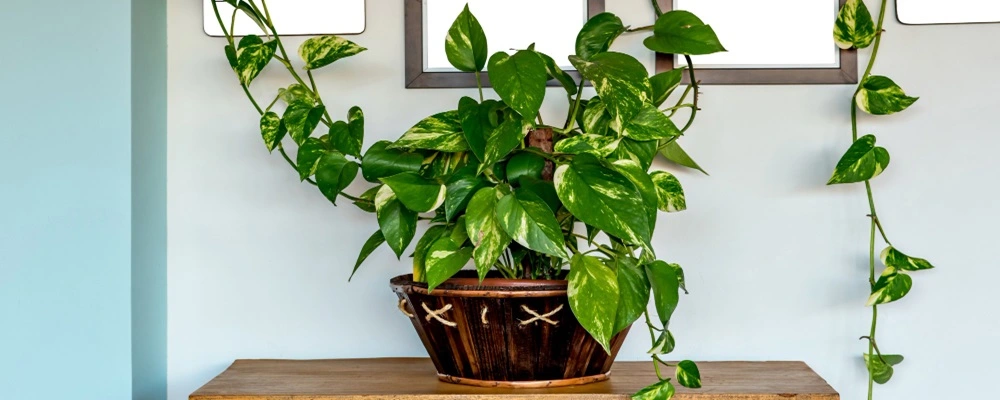
Plants fill your space with fresh air, life and optimism. You might notice the presence of plants in various offices, restaurants, and even households. They have a crucial place because, according to Vastu Shastra, these plants serve numerous purposes apart from decoration.

Vastu principles use certain plants’ beauty and divine power as a “Sukh Samriddhi Yantra.” In simple words, placing certain plants according to Vastu balances the natural elements and enhances the flow of positive energy. Among the various plants, Vastu experts recommend keeping a money plant in your home and office. 

So, with Brick & Bolt let’s delve deep to understand the money plant in Vastu, its importance, placement, benefits and the things to consider while planting the money plant.

Understanding the Concept of Vastu

Vastu Shastra for home is an age-old practice, a scientific text from Atharv Veda. It refers to the ancient Indian science of architecture and a special arrangement that combines all the five elements of nature and balances them with man and material. It emphasises on harmonising the energies in our homes and workplaces to promote well-being, health and prosperity.

Significance of Money Plant in Vastu Shastra

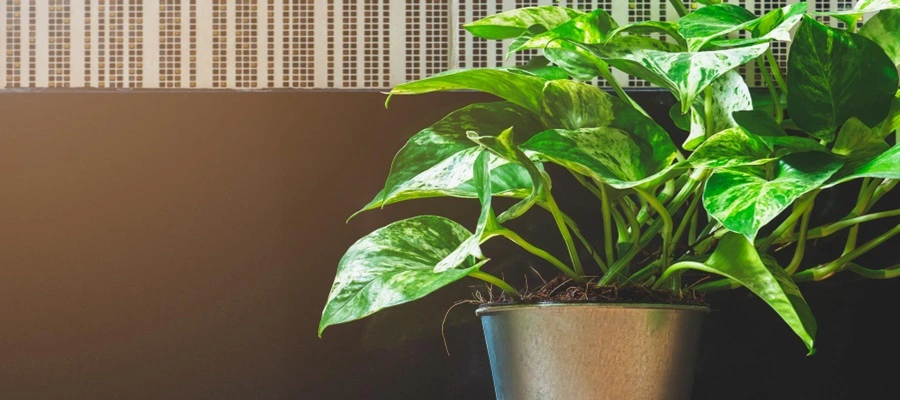
Money plant is one of the most popular and recommended plants, as per Vastu Shastra. Money plants are one of the best types of plants that can be used for home decor They also have the benefits of Vastu and air purification. The heart-shaped leaves of the plant add lushness to your interior décor without causing any mess and dirt. Besides having an ornamental appeal, money plants offer numerous health benefits.  Most Indians consider it a natural air purifier. Some people believe that this plant has long-lasting friendships due to its heart-shaped leaves.

According to Vastu, a money plant attracts positive energy in combination with wealth, luck and prosperity, making it an auspicious indoor plant. Keeping lucky plants at home, like money plants, ensures prosperity and eliminates financial difficulties.

Where to keep money plant at home

The following are the best places for money plant placement as per Vastu.

1. Money Plant Placement direction in the Living Room

If you are keeping your money plant in your living room, ensure that you are keeping it in the southeast direction, as it attracts luck and prosperity. Lord Ganesha and Venus, the symbols of wealth and luck, are the rulers of this direction. When you place the plant in the right direction, you will see positive effects in your life. People believe that when you place the plant in this direction, Lord Ganesha will take away bad luck from your residents and shower you with wealth and prosperity. 

2. Money Plant Placement in North Facing Entrance of Your House

If your property has a north-facing door, your home entrance is the best location for the money plant in Vastu. The arrangement attracts new career opportunities and new income sources for the family members.

3. Money Plant Placement in the Corners

According to Vastu principles, sharp corners of your home stand as a source of anxiety and negativity. If you want to nullify the negative effects, placing your money plant in the corners is the perfect choice. It also minimises the stress at home. If you want to know about the vastu remedies for the northwest corner of your, then click on the link below; it will help you to gain positive energy and prosperity in your home.

4. Money Plant Placement in Kitchen

You can place your money plants in the kitchen near the window or the entrance door. Ensure that you are maintaining at least four or five feet distance from the door or window.

5. Money Plant Placement in the Bathroom

Since money plants are easy to grow, you can place them in humid corners, such as your bathrooms. According to Vastu, keeping a money plant in a bathroom does not harm you. Besides, it will be easier for you to maintain if your bathroom receives a considerable amount of direct or indirect sunlight. Ensure to keep it in the southeast direction near a window.

6. Money Plant Placement Near Electronics and Gadgets

Money plants are capable of absorbing radiation. Therefore, you can place it near your television or computer or near your Wi-Fi routers.

7. Money Plant Placement in the Bedroom

You can keep money plants in the bedroom, on either side of the bed. Ensure to place the plant away from the headrest and footrest. Besides, since the plant produces carbon dioxide at night, you must place it at least five feet away from your bed. Never place the plant in the west or southwest direction; otherwise, it might affect your career prospects.

Money plant benefits

Benefits of Money Plant in Vastu

According to Vastu Shastra, having a money plant in your home or office brings numerous benefits. These include:

1. Brings Wealth and Prosperity

Money plants, the symbol of good luck, attract wealth and abundance in the house. When you keep money plant at your home, you achieve great heights in professional and personal spheres of life.

2. Enhances Your Interior’s Aesthetics

Undoubtedly, money plants are excellent houseplants that offer an aesthetic appeal to your interiors. They are affordable home décor pieces that you can use as accents, adding freshness and greenery.

3. Promotes Positivity

Most Indians consider a money plant as a lucky houseplant, and keeping one at home brings good luck and prosperity. When you place it in the southeast corner of your house, you experience a peaceful and healthy environment. The five leaves in each branch of the plant represent the five elements of nature, namely earth, water, wood, metal and fire. The combination of these five elements helps attract positive energies.

4. Purifies Air

Most homeowners like you keep houseplants to reduce your indoor air pollution. Money plants also offer the same benefits. Besides, it eliminates airborne pollutants like carbon monoxide, xylene, benzene and formaldehyde and purify the air. Therefore, when you place a money plant in your home, you allow it to boost the production of oxygen, helping in easy and healthy breathing.

5. Ensures Better Health

Indoor plants promote psychological benefits. The presence of greenery and nature within your house creates a positive influence on your physical and psychological health. Besides, keeping indoor plants like money plants near your Wi-Fi routers protects your children and older people from developing cardiac diseases, including heartaches. Moreover, the money plant is a good absorber of radiation. Therefore, keeping it near your gadgets like laptops, desktops, and mobile phones lowers the radiation emanating from them.

6. Strengthens Relationships

A money plant’s heart-shaped leaves attract love, laughter and happiness from the family members. If you have trouble in your relationships, you can keep the plant at home to heal broken relationships and strengthen your bond with family members. 

Money Plant Vastu Dos and Don’ts

Do’s

Vastu experts recommend doing the following while keeping a money plant in your house.

Keep the Plant Indoors.

According to Vastu, keeping your money plant indoors brings maximum benefit. The healthier your money plant is, the more good luck it attracts. The plant also controls indoor humidity levels, improving your home’s interior temperature.

Place It in a Soil-Filled Pot.

If you are placing your money plant in the southeast direction, never place it in a water vessel. Instead, place it in a soli-filled brown pot. Alternatively, you can also use pot in darker shades of red.

Your Plant Must Grow Upwards.

If you are planning your money plant in a pot, ensure to use a plant pole for its growth. You can also use coco poles. Since these poles are porous, they are ideal for the plant, allowing high moisture retention. Moreover, the roots of the plant can grip naturally into the coir fibre. If you cannot get any of the two, using bamboo will also support your money plant.

You know, along with helping plant growth, bamboo is the most useful and one of the low-cost construction materials.

Opt for Green or Blue Hues.

If you are looking for the best positive effects, grow your money plant in a green or blue vase. You will experience a better flow of wealth and the removal of obstacles in the flow of energy. You can also use discarded bottles and containers or use a DIY technique to transform them into attractive flower plants.

Don’ts

You must practice the following when taking care of your money plant.

Leaves Must Not Touch the Ground.

The leaves of your money plant will never touch the ground. According to the money plant Vastu, the growing vines denote growth and prosperity. Once your money plant grows, ensure to prune it and keep it neat. Since your money plant symbolises Goddess Lakshmi, it is inauspicious for the leaves and stems of the plant to fall on the ground.

Avoid Keeping it Near Red Objects.

When you keep your money plant near any red-coloured item or surface, it draws bad luck and negative energies. Therefore, it is best not to place it near any red items or surfaces. If you are keeping your money plant beside any gadget like a washing machine, grinder, refrigerator or Wi-Fi router, ensure that they are of any colour other than red.

Never Let the Plant Dry, and Prune Yourself.

A dried money plant represents misfortune, influencing your financial situation. Therefore, you must water your money plant regularly. Ensure to remove the dried leaves, if any. Besides, pruning is essential, and you must never allow anyone else to prune your plants. Allowing someone else to prune your plant signifies giving away your wealth to someone.

Conclusion

While plants bring about a positive ambience to your home, keeping a money plant purifies your indoor air. Besides, they have the power to neutralise the symptoms of sick building syndrome by absorbing negative energies from the surroundings. When purchasing a money plant, you must remember that the money plant Vastu plays an important role. Place the plant following the Vastu principles to promote financial, physical and psychological well-being. Brick & Bolt, a prominent construction firm in Gurgaon, offers you design-to-build services. As a tech-enabled firm, you enjoy real-time racking, quality checks, and regular updates on projects. The diligent team of professionals associated with the organisation cater to every need of their clients. If you are a strong believer in Vastu Shastra, communicate with Brick & Bolt. We will design your project following all the Vastu principles.

Maximising Returns on NRI Properties in Indian Real Estate: A Comprehensive Guide

0
real estate property investment image

Non-resident Indians (NRIs) who want to safeguard their financial future and stay connected with their homeland have long preferred to invest in real estate. To get the best returns on NRI properties in India, however, you need a strategy that is tailored to the market’s specific problems and possibilities. In this blog, Brick & Bolt will go over useful strategies and tips that NRIs can use to get the most out of their property investments in India.

How to Understand the Indian Real Estate Market?

It’s important to know how the Indian real estate market is doing right now before getting into specific tactics. Even though the market has the ability to make a lot of money, it can be hard to navigate because property values change all the time, regulations can be hard to get around, and customers have different preferences. You can get through these problems, though, if you plan carefully and make smart choices.

Tips to Maximising Returns on NRI Properties in Indian Real Estate

One of the main goals of NRI property owners is to get the most rental income possible. This can be done in a number of ways, such as:

1. Maximising Rental Income

Smart Renovations and Upgrades: Putting money into renovations and upgrades can make your property look better and increase its value, which can help you get better renters and charge higher rent.

Thinking about Short-term Rentals: Short-term rentals have become a good way for property owners to make money with the rise of sites like Airbnb. By getting into this market, NRIs can make the most of times when demand is high and get higher rental returns.

Proper Marketing: Using digital marketing tools and professional property management services can help you find renters and get the best occupancy rates.

2. Tax Planning for NRIs: 

It can be hard for NRIs to figure out how to deal in real estate investment in India without getting hit with taxes. It’s important to get professional help to understand your tax obligations in India and the place where you live. Strategies like claiming deductions, making investments in the best way possible, and staying up to date on tax laws can help you pay the least amount of taxes and get the most money back.

3. Regular Property Maintenance: 

Taking care of your property is important if you want to keep its worth and appeal to renters. Setting up a proactive maintenance plan, taking care of problems quickly, and spending money on preventative measures can save money in the long run and make tenants happier.

4. Increase the Number of Properties Your Own: 

Non-resident Indians (NRIs) often invest in residential properties. Increasing the number of properties you own can help spread your risk and possibly increase your profits. To spread out your investments and make the most of various market sectors, you might want to look into business properties, land development projects, or real estate investment trusts (REITs) in India.

5. Using Technology for Remote Management: 

As technology has improved, it has become easier for NRIs to handle their properties from afar. Technology such as smart home control systems and online property management platforms can streamline tasks, boost productivity, and make property management more open.

6. Stay Up to Date on Legal Rules: 

It is very important for NRI investors to stay up to date on the legal rules that guide property ownership and transactions in India. From property registration procedures to foreign exchange regulations, compliance with legal requirements is essential to avoid potential pitfalls and ensure a smooth investment experience. 

7. Currency Exchange Rates: 

Changes in currency exchange rates can have a big effect on the returns on NRI property purchases. Keeping a close eye on exchange rate fluctuations and exploring hedging strategies can help mitigate currency risks and maximize returns in your home currency.

8. Long-Term View and Patience:

If you want to deal in real estate successfully, you must consider the long term and be patient. Even though markets may go up and down in the short term, if you focus on the basics of your investment and stick to a focused plan, you should see good results in the long run.

9. Engaging with Local Communities: 

Getting to know stakeholders and local communities can help you learn a lot about market trends, business opportunities, and possible problems. Making connections with property managers, real estate agents, and other workers in the field can help you get around the Indian real estate market.

10. Regular Financial Audits: 

It is important to do regular financial audits of your property investment portfolio so that you can see how well it is doing, find ways to make it better, and make smart choices. Looking at rental income, expenses, and total profitability can help you get the best returns and make sure you can keep the business going.

Factors Affecting NRI’s Return on Investment Property

Location, property type, market dynamics, economic conditions, regulatory environment, and foreign exchange rates are just some of the things that can affect the returns on NRI property investments. To get the best results on your investments and lower your risks, you need to understand these factors and how they affect each other.

If you want to know about buying property in India as an NRI, then click the link below.
Complete Guide to Buying Property in India as an NRI

Tips for Non-Resident Indians (NRIs) Investing in India: 

1. Do a lot of study before deciding to invest.

2. Talk to lawyers, financial experts, and real estate agents for help.

3. Spread out your investments to lower your risk and increase your profits.

4. Stay up to date on changes in the economy, market trends, and regulations.

5. Stay in touch with property management teams and local stakeholders on a daily basis.

6. Keep an eye on how your investments are doing and make changes to your plans as needed.

7. Be careful and disciplined with your investments, and keep your eye on long-term growth and stability.

Investing in NRI properties in India is a great way to make money and secure your finances. NRIs can get the best returns on their property investments and reach their financial goals by being bold and strategic, using technology, staying up to date on how the market is changing, and following good investment principles. With careful planning, diligent management, and a long-term perspective, NRI property investors can navigate the challenges and capitalise on the opportunities of the Indian real estate market. If you want to experience hassle-free construction, then consult the best construction company in Chennai and make your life happier.

Embracing Eco-Friendly Paints: A Sustainable Choice for India

0
Eco-friendly paint image

People are becoming more aware of the environment, so the demand for eco-friendly paints that are good for the environment is increasing. Both consumers and companies are looking for more environmentally friendly options, and the paint industry is no exception. Using eco-friendly paints is one trend that is building up speed in India. These paints have environmental benefits, health benefits, and good looks, which makes them a good choice for both homes and businesses. In this Blog, Brick & Bolt will explain all about eco-friendly paints in India.

What are Eco-friendly Paints?

Eco-friendly paints, also called environmentally friendly paints or sustainable paints, are made with natural, renewable, and non-toxic ingredients. Because they are made from plant-based or mineral ingredients that are better for people and the environment than regular paints. Because regular paints often contain volatile organic compounds (VOCs) and other dangerous chemicals.

What are the Benefits of Using Eco-friendly Paints

Eco-friendly paints offer many benefits. Some of them are:

Improved Indoor Air Quality: 

Eco paints have lower levels of volatile organic compounds (VOCs), resulting in reduced emissions of harmful chemicals into the air. This improves the air quality, lowering the health risks of respiratory problems, allergies, and other illnesses.

Healthier Living Environment: 

Choosing eco-friendly paints creates a healthier living environment for you and your family. Because these paints are made with natural, non-toxic ingredients, they are safer for everyone, especially kids, pets, and sensitive or allergic people.

Reduced Environmental Impact: 

Eco-friendly paints are manufactured using sustainable and natural materials, so they leave less of an impression on the environment. By choosing paints with low VOC levels and eco-friendly packaging, you can help promote eco-friendly homes and protect the environment.

Easy to Use and Clean Up: 

A lot of eco-friendly paints are water-based, which makes them simple to use, clean up, and get rid of. Painting with them is easy because they don’t smell bad, dry quickly, and don’t need much preparation. You don’t need harsh chemicals or solvents to clean these paints; all you need is soap and water.

Also read: Solvent-Based Paint vs Water-Based Paint

Top Eco-Friendly Paint Brands in India

Top eco-friendly paints

India’s growing concern for the environment has led to the rise of a number of well-known eco-friendly paint brands. These brands care about quality, creativity, and the environment, offering a wide range of eco-friendly paints. Here are some of the most popular eco-friendly paint brand names in India:

1. Asian Paints: 

Asian Paints, which is India’s biggest paint company, has been a leader in environmentally friendly practices and new ideas. The company has a range of paints called “Royale Atmos” and “Apcolite Premium Emulsion” that are made to be eco-friendly. The low concentrations of volatile organic compounds (VOCs) in these paints mean that they have little effect on the environment and improve the air quality inside your home. Asian Paints also promotes eco-friendly packaging and manufacturing methods, which makes the company even more environmentally friendly.

2. Berger Paints: 

Another leading brand in eco-friendly paint is Berger Paints India. The company’s “Breathe Easy” paints have low VOC levels, which makes them perfect for people who care about the environment and believe in green buildings. Berger Paints puts sustainability first in every part of its business, from getting raw materials to making and distributing products. Berger Paints is becoming more popular among eco-friendly companies and homeowners because it focuses on quality, durability, and good looks.

3. Nerolac Paints: 

Nerolac Paints, which is a division of Kansai Nerolac Paints Ltd., has a wide range of eco-friendly paint options. The company’s “Healthy Home Paints” brand is meant to improve home health and air quality. Nerolac Paints uses cutting-edge technology to lower VOC emissions without affecting the paint’s function or appearance. Nerolac Paints is still a trusted choice for eco-friendly people who want high-quality paint solutions because they are committed to sustainability and new ideas.

4. Nippon Paints: 

As a global leader in the paint industry, Nippon Paints has made a strong mark in the Indian market with its eco-friendly products. The “Odour-Less AirCare” brand from the company has paints with low VOC levels that make the inside of your home healthy. Nippon Paints makes paints that are good for the environment and work well by combining cutting-edge research with environmentally friendly methods. Nippon Paints keeps setting new standards in the eco-friendly paint market by focusing on new ideas and making customers happy.

5. Indigo Paints: 

Indigo Paints is known for being environmentally friendly and committed to sustainability. “Indigo Green paints’’ from this company are made with natural ingredients and have low VOC levels, so they are safe for people and for the environment. Indigo Paints focuses on making products that last, colours that pop, and eco-friendly packing to meet the needs of people all over India who care about the environment. Indigo Paints is a great choice for people who want environmentally friendly paint options because they focus on new ideas and customer satisfaction.

Key Features of Zero or Low VOC Paint

Paints with zero or low VOC indicate an eco-friendly painting option. These paints contain very few volatile organic chemicals, which means they emit less harmful emissions and odours. They work great in places where air quality is very important, like bedrooms, nurseries, and hospitals. Also, paints with zero or low VOC have great bonding and colour retention, so their beauty and performance last a long time.

Factors to Consider When Choosing Eco-Friendly Paints

Here are some factors to consider when choosing eco-friendly paints-

  • VOC Content: Look for paints with low or zero volatile organic compound (VOC) content. These paints emit fewer chemicals that are bad for you, which improves the air quality inside and lowers health risks.
  • Ingredients: Look at the list of ingredients to make sure they come from natural, renewable sources. Instead of synthetic or toxic chemicals, it’s better to use plant-based oils, minerals, and water-based solvents.
  • Durability: Consider how long the paint will last and how well it works, such as how well it resists fading, cracking, and rust. Eco-friendly paints should last as long as or longer than regular paints so that the effects will last a long time.
  • Brand Commitment: Find out how committed the brand is to sustainability, caring for the environment, and doing business honestly. Pick brands that emphasise being open, coming up with new ideas, and always getting better at being eco-friendly.

Disadvantages of Using VOC-based Paints

While conventional paints may seem convenient and affordable, they come with several disadvantages. 

Health Risks: VOC-based paints put volatile organic compounds (VOCs) into the air, which can be bad for your health in many ways. Headaches, nausea, and irritation of the eyes, nose, and throat can happen after only a short time of contact. Long-term exposure may raise the risk of more major illnesses, like lung problems, liver and kidney damage, and even cancer.

Poor Indoor Air Quality: Traditional paints release VOCs into the air, which makes the air quality inside much worse. The health and well-being of everyone can be affected by bad indoor air quality, especially sensitive people like children, old people, and people with breathing problems or allergies.

Unpleasant Odour: VOC-based paints often have a strong, unpleasant odour that can last for days or weeks after use. This can make places that have just been painted uncomfortable to be in until the smells go away.

Environmental Impact: The environment is harmed when these paints are made, used, and thrown away. VOCs that are released into the air help make smog and ground-level ozone, which are both bad for plants, animals, and ecosystems.

Difficulty in Cleanup and Disposal: Cleaning tools and equipment used with VOC-based paints can be hard because they need to be cleaned with harsh solvents that are bad for people and the environment. Also, being careful when getting rid of old paint and materials that have been soaked in solvents is important to keep the surroundings clean.

In conclusion, India’s decision to use eco-friendly paints is a big step toward sustainability and caring for the environment. People can make their homes healthy and leave less of an impact on the environment by choosing paints with low VOC levels and natural ingredients. As the market for eco-friendly paints grows, it is important for both consumers and companies to use these new, eco-friendly ideas to make the future better.

Using eco-friendly paints in our homes and businesses not only makes them look better, but it also helps people stay healthy and protects the earth. India is ready to lead the global shift toward eco-friendly living as more people learn about the benefits and choices of sustainable paint. Let’s use eco-friendly paints to make the future better and healthier! Contact India’s No.1 tech-enabled construction company in Bangalore to construct eco-friendly construction.

Also, read more about eco-friendly home design: sustainable strategies for a green living space.

The Ultimate Guide to Synthetic Enamel Paint

0
Synthetic enamel paint

Whenever you wish to change the outlook of your house or give a better look to your new home, choosing the right paint and colour combination is very important for a long-lasting and better finish. Numerous options are available for painting in the market. Synthetic enamel paint stands out for its versatility and durability. It will be the best choice for both indoors and outdoors.

This Brick & Bolt blog post will explore synthetic enamel paint, its advantages, common uses, application techniques, and how to select the right product for your project.

What is Synthetic Enamel Paint?

Synthetic enamel paint is a type of paint prepared with synthetic resins and solvents, this kind of paint are mostly used in Interior walls. This composition gives a hard, glossy finish that is highly resistant to moisture, chemicals, and abrasion. It is an environmentally friendly option.

Advantages of Synthetic Enamel Paint

High gloss paint

There are numerous types of paints in the market, following are the major advantages which make synthetic enamel paint an exceptional choice.

1. Durability: These glossy paints are resistant to fading, stains, and scratches. They are, therefore, ideal for surfaces that are subjected to weather or frequent use.

2. Aesthetic Appeal: These glossy paints make surfaces look smooth and glossy. The glossy finish reflects light, making the home seem brighter and more lively.

3. Excellent Coverage: Paints made of synthetic enamel typically offer greater coverage, allowing for good surface concealment with fewer coats. Anything you don’t want on the wall can be covered up.

4. Time-Saving: These paints speed up painting projects because of their quick-drying nature. Quick drying reduces the possibility of dust or other particles adhering to the wet paint, enabling quicker recoating and more effective painting.

5. Versatility: Paints with synthetic enamel can be applied to a variety of surfaces, including concrete, metal, wood, and more.

6. Chemicals and Stains Resistance: Paints made of synthetic enamel frequently withstand stains and chemicals. Hence, they are more appropriate for places that are prone to staining, such as bathrooms and kitchens. 

7. Simple to Clean: Synthetic enamel-painted walls are easy to maintain. You can wipe them down with a wet cloth or a mild soap and water solution.

8. Moisture Resistance: Synthetic enamel paints are highly resistant to moisture, making them an ideal choice for areas prone to dampness or humidity. This moisture-resistant property can help protect your home during the monsoon season

Common Uses of Synthetic Enamel Paint

Synthetic enamel paint is applied for different purposes. Following are some of the main:

1. Furniture and Cabinets

This glossy paint offers a hard and glossy finish, making it ideal for furniture, cabinets, and other woodwork for the home. It gives a sleek and durable finish. It makes easy to clean the furniture and cabinets.

2. Interior Walls

Synthetic enamel paints are a better element for interior wall designs, especially in areas that are likely to stain and open to moisture. Which will make it easy to clean. This can help to keep a hygienic environment in the interior of your home. 

3. Metal Surfaces

The paint adheres well to metal surfaces, making it suitable for painting metal, machinery and other metal products. Provides a protective layer to prevent corrosion.

4. Wooden Surfaces

Synthetic enamel paint provides a barrier against moisture, insects, and corrosion on wooden surfaces. It is frequently used for skirting boards, window frames, and wooden doors. The paint seeps into the grain of the wood, protecting it from harm and adding a glossy sheen to bring forth its inherent beauty.

How to Apply Synthetic Enamel Paint

Glossy paint

Use these procedures for applying synthetic enamel paint to ceramic, wood, or metal surfaces:

1. Surface Preparation

Verify that the surface is dry and clean and free of debris, grease, or loose paint. If it’s uneven, use sandpaper to smooth it. Fill up any holes with wall putty. As a result, you’ll have a smooth painting surface. Appropriate surface preparation is necessary for the best adherence and durability of the finish.

2. Priming

Use a higher-quality primer that is appropriate before applying synthetic enamel paint. This will result in a smoother, more even finish and better adherence.

3. First Coat

For even coverage, evenly apply the first coat of synthetic enamel paint using a brush or traditional spray. Prior to painting, make sure the surface is level and smooth because imperfections may show through the paint.

4. Drying

In order to prevent mixing, which could result in paint runs or streaks, the wall should be fully dry before applying the second coat.

5. Second Coat

After the first coat dries, apply a second coat for better coverage and to fix any missed spots. Once the second coat is dry, rub the surface with fine sandpaper. This will give the surface a glossy, even finish. Also, smooth out any brush strokes and give the paint a professional look.

How to Choose the Right Synthetic Enamel Paint?

Before selecting the right synthetic enamel paint, you must understand your requirements and the properties of different paints. Following are some of the key factors to consider.

Consider the Surface

Consider the surface of what you are going to paint. The surface material determines the type of paint you should choose. The paint should have the respective properties to protect the surfaces.

Colour and Finish

Look into all colour paint options and choose a shade that complements your space or project. Some manufacturers offer custom colour-matching services. You should choose the colour based on the project requirements, such as a matte finish or glossy finish. Choosing the right colour can be a daunting task, especially for interior spaces. For helpful tips on how to choose the interior paint colours for your home, check out our comprehensive guide.

Paint Quality

The quality of the paint affects the application process and the final result. High-quality paint generally provides better coverage and requires fewer coats and less paint. It can also be durable, clean and wear-resistant. Although high-quality paints may be more expensive initially, their longevity and reduced need for repainting can make them more cost-effective in the long run. 

Cost Implications

When selecting a high-quality synthetic enamel paint, it’s also important to consider the cost implications. The painting cost can vary depending on factors such as the brand, quality,  coverage area, and location. For example, if you’re painting a home in Bangalore, you can refer to our guide on painting cost per square foot in Bangalore to get an estimate of the expenses involved.

Environmental Impact 

Some paints contain volatile organic compounds (VOCs) that are harmful to the environment and human health. Choosing low-VOC or VOC-free paint is an environmentally friendly choice. Additionally, since these paints have low odour, they make the painting process even more enjoyable. To learn more about the differences between solvent-based and water-based paints, check out our detailed guide.

Manufacturer’s Instructions

Following the manufacturer’s directions guarantees the best possible outcome when applying paint. These recommendations generally include important information such as how many coats to apply to get full coverage, how long to let each coat dry between application of coats and the best way to apply the paint—brushing, rolling, or spraying. By carefully following these instructions, you may select the paint that’s best for your project and get a finish that looks professional. 

Conclusion

Synthetic enamel paint is an excellent choice for many painting projects both indoors and outdoors. Provides excellent protection against moisture and chemicals. You can choose the best enamel paint by understanding its benefits, general areas of use, application techniques and requirements. It is an excellent choice for decorating furniture, decorating interior and exterior walls or protecting metal surfaces.

Unique Wall Painting Designs for the Living Room

0
Wall paint design image

Wall painting designs for living rooms are one of the best ways to transform the look of your living room. Choosing the right wall painting design can set an atmosphere for the entire room, turning it into a cosy retreat or vibrant hub for social gatherings. Whether you like bright colours or bold patterns, the right wall painting can make a big difference in how your living room looks. In this blog, Brick & Bolt explains all about the wall painting designs for your living room.

What is a Wall Painting Design?

A wall painting design is an artistic and creative touch that is applied to the interior or exterior walls to make them look better. This can include a range of methods, patterns, and colours that give a room a certain look or feel. Designs for wall painting are more than just putting a solid colour on the wall; they involve creative methods that can range from murals with lots of small details to simple patterns that look classy.

Which Colours are Best for Wall Painting?

Wall paint colour image

Choosing the right paint colours for the interior rooms of your home can be both fun and hard. The colours you choose for your living room can change the style and mood of your room. Here are some options:

Neutral Tone : 

Neutral colours, like beige, grey, and white, are standard choices for a calm and classy background. These colours are flexible and can go with many different types of decor, so your living room will always look classic and classy. 

Pastel Shades:

Pastel shades like mint green, blush pink, and light blue can make a room feel calm and welcoming. These soft colours are great for rooms that need to feel light and airy. They will make the living room feel more comfortable and relaxing.

Bold and Vibrant Colour:

If you like to take a bolder approach, vibrant colours like royal blue, emerald green, and mustard yellow can boost the room’s personality. These bright colours look great on accent walls or as focus, points because they stand out and make the room more interesting. Choosing the right colour scheme for your living room is the first step in creating a stunning wall painting design that enhances your living room’s overall look and feel.

Read: Exploring the Different Types of Paints for Your Home

Modern Wall Painting Ideas for Living Room 

Exploring different wall painting ideas for living rooms can help you get creative and inspire unique designs. Here are some ideas to consider:

Stencil Story Wall Painting Design

With stencils, you can make repeat patterns or very detailed designs that give the room depth and personality. This technique makes it easy to achieve a professional look because it’s accurate and consistent. There are many stencil patterns to choose, from floral designs to geometric shapes, so you can find one that fits your style and the theme of your living room.

Nature-Inspired Murals Wall Design

Nature-inspired murals can transform your living room into a haven. These murals often show landscapes, woods, or flower patterns, bringing the beauty of the outdoors inside. A painting of a lush forest or a peaceful beach scene can make your living room feel calm and refreshing. Nature-inspired wall paintings can also have birds, butterflies, or plant drawings that will give your living room an interesting and elegant touch.

Peach Living Room Wall Painting Design

Peach is a warm colour that can be used in many ways to make your living room feel friendly and cosy. A peach wall painting design can range from solid walls to more intricate patterns. This colour goes well with both soft and bright accents, so it’s easy to use in a wide range of design styles. People often feel warm and cosy in peach-coloured living rooms, which makes them great for making a place where family and friends can feel comfortable.

Stylish Olive Green Wall Painting Design

Olive green is stylish and classy, and it can make your living room look more elegant. This earthy colour goes well with natural materials like stone and wood, making the whole look balanced and peaceful. Painting a wall in olive green can be done as a single colour for an accent wall or as part of more complicated patterns. This colour is great for making a modern, stylish living room that is also warm and classy.

Fabric and Textile Wall Painting Design

Fabric and textile wall painting designs uniquely make your living room feel warmer and more interesting. You can create an interesting, tactile and visual effect by using paint techniques that make things look like linen, silk, or velvet. This can be done in a number of ways, such as using rollers with fabric designs or adding glazes to create a soft and layered look. With these designs, you can make your walls look rich and fancy, making the room feel cosy and inviting.

Luxury Wall Art for the Living Room

Canvas art Image

It is best to decorate your living room with luxury wall art if you want to add a touch of class and richness. Here are some ideas for luxury wall art ideas:

Metallic Accents: Metallic paints or finishes can make your walls look fancy. Gold, silver, and copper accents can make a bold statement.

Marble Effect: Painting techniques that look like marble can give something a high-end look without the cost of real marble. This looks great on accent walls or fireplace surrounds.

Canvas Art: Large-scale canvas paintings or prints can serve as stunning focal points. Choose items that fit your personal style and complement the room’s colours.

Simple Wall Painting Designs for Living Room

An elegant look is sometimes achieved by keeping things simple. Simple wall painting designs for living rooms can be both beautiful and easy to achieve. Here are some ideas:

Striped Wall Painting Designs: 

It can make a room look more interesting without taking over. Depending on the direction, horizontal or vertical stripes can give the impression of height or width. They are easy to make with tape because the lines are straight.

Ombre Effect Wall Painting Designs: 

The ombre effect is another easy but beautiful design choice. Slowly adding one colour to another can create a soft and relaxing effect. This looks good in every colour, from bright to soft.

Accent Wall Painting Designs: 

Accent walls are a great way to make a room stand out with little work. A simple pattern or painting one wall a different colour can make the room stand out without much work.

If you are looking for a low-cost painting option, read our blog post on low-cost painting options to give a rich and classy look.

In conclusion, choosing the right wall painting designs for your living room is an important part of making it a comfortable and nice-looking space. The colours and patterns you choose can have a big effect on the mood and style of a room, turning it into a cosy hideaway or a lively gathering place for people. There are many colour choices to choose from, so there is something for everyone. Neutral tones are classy, overlooked pastel colours are soothing, and bright colours

are eye-catching and bold. In addition, if you are a Vastu believer, then you can also opt for the vastu colours for your home.

Your living room can get more interesting and unique with modern designs like stencil patterns, nature-inspired paintings, and high-end finishes like metallic accents and marble effects. Stripes, ombre effects, and accent walls are all simple designs that look elegant with little work. You can make a living room that is beautiful to look at and a reflection of your personality and way of life by carefully considering the different wall painting designs and how they fit with your personal style and the overall theme of your home. If you are planning to construct your dream home, then visit the best construction company in Bangalore and make your dream come true.

To know more about the painting cost in Bangalore, then click the link below.

All About Painting Cost Per Sqft in Bangalore