Home Blog Page 95

Understanding RERA Karnataka: Regulations, Benefits, and Procedures

0
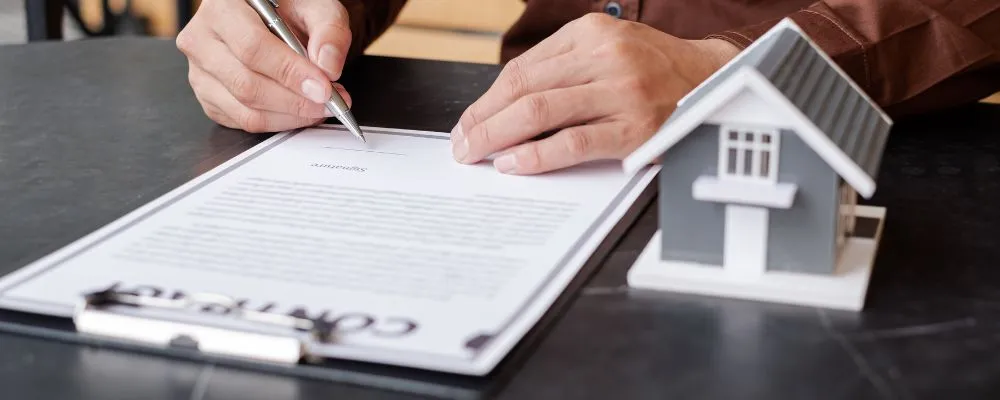
RERA Certification Image

The Real Estate Regulation Authority Act, or RERA, has been a key player in controlling the real estate industry in India in recent times. RERA has become an important framework that regulates real estate transactions in Karnataka, providing fairness, transparency, and accountability for all stakeholders involved. In this blog, Brick & Bolt will explore the intricacies of RERA Karnataka, including its importance, roles, benefits for purchasers, agent registration procedures, and complaint handling protocols.

What is the RERA Act?

The Indian Parliament introduced the RERA – Real Estate Regulation Authority Act in 2016 to encourage efficiency, accountability, and transparency in the real estate industry. RERA also aims to protect the real estate market, safeguard homeowner interests, and create a dispute resolution adjudication process.

Benefits of RERA Karnataka
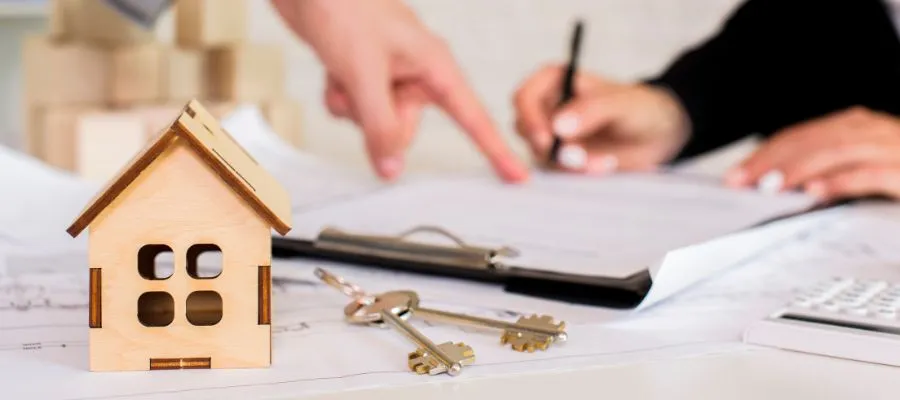
Home property registration Image

RERA Karnataka offers several benefits to homebuyers, including:

  • Developers must register their projects with RERA Karnataka and provide detailed information about project schedules, budgets, and plans. This transparency helps buyers make smart decisions.
  • RERA requires developers to keep a separate escrow account for each project to guarantee that funds are used for their intended purpose and prevent diversion to other projects.
  • The project timelines that were established at the time of registration must be followed by developers. Penalties for not complying with this requirement encourage on-time project completion.

RERA Registration Process for Real Estate Agents in Karnataka

When registering, all real estate agents are required to provide the following details about their agency:

  • This is information about the agency, including its name, business type, address, societies, and partnerships.
  • The agency’s registration details encompass MOA, MUA, and additional by-laws.
  • The agent must supply their name, contact information, and address if they are an individual and not a representative of an agency.
  • If it’s an agency, then the details about the agency’s partners are required.
  • Copy of Pan Card with a signature.
  • Copy of the business address with signature. 

Online Registration Process Steps For RERA Karnataka

To initiate the RERA Karnataka registration process online, follow these steps:

  1. Visit the official RERA Karnataka portal at https://rera.karnataka.gov.in/home.
  2. Upon accessing the portal, select the ‘register’ option from the dropdown menu.
  3. You will be presented with five options: Project Registration, Complaint Registration, Apply for Extension, Change Request, Post Registration and Quarterly Update.
  4. Before proceeding, ensure that you have all the required documents ready as per the checklist provided and upload the documents.
  5. On the following page, select the appropriate promoter type from the options available: individual, Society, Company, Partnership Firm, Development Authority, or Trust Agent.
  6. Provide your email address as prompted and continue with the registration process.

For inquiries or assistance, contact RERA Karnataka at 080 – 22249798 or 080 – 22249799.

To track the progress of your registered project or obtain the RERA number, follow these steps:

  1. Navigate to the project list section and select the option labelled “processed applications.”
  2. From the available options, choose “Applications Approved.”
  3. Enter the name of your project in the search bar and locate it in the search results.
  4. Download the relevant file to access all updates and information regarding your project.

These steps streamline the process of registering and monitoring projects under RERA Karnataka.

What are the Documents Required to Register in RERA Karnataka

When registering a project online as a promoter in Karnataka, it’s essential to have the following documents in order:

Financial Documents:

  • Balance Sheets (for 3 years)
  • Audited Profit and Loss Statements (for 3 years)
  • Directors Report (for 3 years)
  • Cash Flow Statements (for 3 years)
  • Auditor Reports
  • Income Tax Return Acknowledgement
  • PAN Card

Legal Documents:

  • Encumbrance Certificate
  • Commencement Certificate
  • Approved Building/Plotting Plan
  • Approved Layout Plan
  • Proforma of Agreement for Sale
  • Sale Deed and RTC
  • Approved Sections of Building/Infrastructure Plan of Plotting
  • Area Development Plan of Project Area
  • Proforma of Allotment Letter
  • Brochure of Current Project
  • Proforma of Sale Deed
  • Project Specification
  • Collaboration Agreement/Development Agreement/Joint Development Agreement/Other Agreement
  • Declaration (Form B)
  • Khatha
  • Other Documents (Title/Rights/Interest/Name)
  • Approval/NOC under Section 109 of KLR Act 1961
  • Approval/NOC under Section 14 of the KTCP Act

NOCs from Various Authorities:

  • Fire Force Department NOC
  • Airport Authority of India NOC
  • BESCOM NOC
  • BWSSB NOC
  • KSPCB NOC
  • SEIAA NOC
  • BSNL NOC
  • Lift Authorities
  • Existing Layout Plan
  • Existing Section Plan and Specification
  • Change of Land Use
  • BMRCL NOC
  • Urban Land Ceiling NOC
  • NOC from Coastal Regulation Zone Authority
  • Certificate from Inspector of Factories Controller of Explosives Railways
  • District Magistrate NOC

Structural and Safety Certificates:

  • Certificate from a Registered Engineer indicating the Structural Safety of the building
  • NOC in case of building proposals abutting neighbouring properties

Legal Compliance Documents:

Project Documentation:

  • Project Photo

How to Register a Complaint on the RERA karnataka Website?

The Karnataka RERA website makes it easy to file a complaint if you have problems with the state of Karnataka’s real estate market. The steps to file a complaint are as follows:

  • Visit https://rera.karnataka.gov.in/home, the official RERA Karnataka website.
  • Proceed to the ‘Complaint Registration’ section of the homepage. Usually, the homepage has a separate option for this, or it can be found in the main menu.
  • To access the complaint registration page, click the ‘Complaint Registration’ option.
  • You will usually find a form or an online portal where you can enter information about your concern on the complaint registration page. Give accurate and complete information on the project or developer that is the subject of the complaint, as well as a description of the grievance and your personal information.
  • Make sure you include any evidence or supporting documents that could help you make a stronger argument. Agreements, communication logs, and any other pertinent paperwork may fall under this category.
  • Check the data for accuracy and completeness after filling out the form and uploading the required files.
  • After you are satisfied with the information given, use the website to file the complaint.
  • Following submission, you might get an email or confirmation message confirming that your complaint has been received. For future correspondence, make a note of any tracking information or reference number sent.
  • Upon reviewing your complaint, the Karnataka RERA authority will take appropriate action in accordance with the specified protocols and schedules.

In conclusion, RERA Karnataka essentially protects homebuyer’s rights and fosters sustainable industry growth by acting as a guardian of trust and integrity in the real estate sector. The authority works to level the playing field and prioritises consumer welfare, accountability, and transparency through its diverse functions and services. If you want to build your dream home, construct with the best leading construction company in Bangalore and enjoy hassle-free. To know the estimated house construction costs, use the Brick & Bolt cost estimator and plan your budget accordingly.

To learn more about construction contacts, then click the link below.
Understanding Construction Contracts: A Comprehensive Guide

Harnessing Productivity: Vastu for Office Spaces

0
Vastu for Office Image

The Vastu Shastra for offices are not just about aesthetics, and they play an important role in encouraging productivity, creativity, and success in the fast-paced world of business. Vastu Shastra, an ancient Indian science of architecture, can be your secret weapon in making your workplace more peaceful and positive. In this blog, Brick & Bolt will not only share office vastu tips but also empower you to understand and implement every aspect of office design, from seating arrangements to decor, to help you harness the full potential of your workspace.

 Understanding of Vastu for Office

Vastu for entrance

Discover the importance of Vastu for office spaces and learn about its practical applications and concepts to improve harmony, productivity, and success in the workplace. Find out how setting your workspace in accordance with Vastu principles can foster prosperity and growth.

Office Building Direction and Seating Arrangement As Per Vastu

Vastu principles say that the direction of an office building determines its energy capacity and financial success. According to Vastu, the northeast is the best direction to sit at the office because it brings positive energy and abundance.

It’s not just about the physical layout, it’s about the energy flow. Vastu principles guide us to direct areas in certain ways to improve productivity and teamwork. A business’s growth depends on its managers and owners. They should have a cabin in the west that faces the northeast. The way they sit at work should align with Vastu principles to not just improve their ability to lead and make decisions but also to unlock their full potential for personal growth and success.

The way employees are seated has a direct effect on how happy and productive they are. People who work in an office must face north or east because it makes them more productive. They can’t work with their backs to the south. Workers shouldn’t sit right under a light beam. If you can’t help it, you can cover it with a wooden board. Businesses can create a good work atmosphere that encourages the vastu sitting direction in the office and helps people be creative and productive by following Vastu guidelines.

Vastu for Office Entrance

The entrance of your office sets the tone for the energy that comes in. By using Vastu principles to design the entrance, you can create a warm and welcoming space that attracts good energy and wealth. Your office entrance should face north, northeast, or northwest. According to Vastu Shastra, the north direction is considered as the lord of wealth. 

Just like offices, vastu Shastra says a house facing north is lucky because it is linked to wealth and success and is ruled by Lord Kuber, the god of wealth. Following Vastu guidelines, people can use the north direction’s good energies to improve their health and happiness.

Vastu Tips for Reception at Office

The reception area should feel warm and welcoming since it is the first place guests see. Placing it in the northeast corner, where good energies meet, has a lasting effect on guests and clients.

Vastu Tips for Office Decor and Interiors

Decorating and designing an office space according to Vastu principles improves the overall atmosphere and flow of energy in the space. For instance, using colours linked to certain directions can make people feel a certain way and make them more productive. Vastu says that the safest place for your office is in the southwest corner, where you can keep your important documents. To ensure wealth, the safe should face the northeast. Vastu says that moving water means that wealth and good things will come into the area. So, having a water fountain in the office will help you feel less stressed and work better. Keep fountains in the north for career growth. Do not put fountains that flow outward at the office entrance.

Vastu Tips for Choosing Wall Colours for the Office

Choosing wall colours that are in line with Vastu principles can have a big effect on how workers feel and how much work they get done. For example, using different shades of green in the north encourages growth and wealth, while using different shades of blue in the east encourages creativity and conversation.

Vastu Tips for Office Lights

Having the proper lighting is important for keeping the workplace lively and full of energy. Vastu says that placing lights according to its rules will ensure the best energy flow and help workers concentrate and focus. Bright lights should be in the south zone if you want a successful and satisfying career.

Vastu Tips for Office Electricals and Machines

Following Vastu guidelines for placing electrical tools and machines will help keep things running smoothly and prevent problems. For example, placing computers in the southeast area makes the room more productive and stable financially.

Place These Vastu Items for Office for Better Prosperity

Some Vastu items, like the Kubera moolai, are thought to bring in money and success. Placing them in the right place can boost good vibes and encourage abundance. Some common items are mentioned below, and you can place them in your office for better prosperity.

  • A plant shows that you are healthy and growing. The plant’s green colour helps calm the mind and makes you feel refreshed and energised. You can put a money plant or bamboo on the desk. According to Vastu Shastra, money plants harness positivity and prosperity.
  • Usually, we care a lot about our spiritual selves and make sure that the idols of the gods we worship are always clean. That’s fine at work, too. We often skip this when we are busy and forget to make our daily offerings. If you keep idols in the office, they need to face east or north and be kept clean. 
  • There are many photos and phrases that can be framed and put on the table. So, we must be careful not to get too preoccupied with the desk decorations. A clear desk policy always works to keep things in order and prevent mess.

Vastu Tips for Office Mandir or Pooja Room in Office

Office Pooja Room Image
  • Incorporating a mandir or pooja room into the office aligns with Vastu principles and creates a spiritually charged space that is good for health and success. Here some Vastu shastra tips for mandir or Pooja room.
    As per Vastu, the northeast part of the office is the best place for the office mandir or pooja room. Positive energies and mental growth are linked to the northeast direction, which makes it the best place for spiritual growth.
  • If you put the mandir or pooja room in the northeast area, it will receive a lot of natural light, which will make it even more holy and positive. This arrangement also helps the positive energy flow through the office, which is good for everyone who works there. 
  • It is very important to ensure that the mandir or pooja room is always clean, free of mess, and well-kept. To make it feel calm and holy, decorate it with idols, religious objects, and sacred symbols.

Vastu Tips for Office Washrooms

The best places for office washrooms are in the southeast or northwest corners of the building. By placing bathrooms in these directions, you can keep good energy from leaving the workplace. It is not a good idea to place bathrooms in the northeast area of the office building. People think that the northeast way is very lucky and that it brings wealth and good vibes. Building bathrooms in this area could stop the flow of good vibes, which could cause money problems or stop businesses from growing.

Vastu Shastra Tips for Home Office

  • The best places for a home office are in the northeast, east, or north of the house. These directions are linked to good energy and help you concentrate, get things done, and be successful at work. 
  • In your home office, set up your desk so that you can work facing east or north. This direction is in line with Vastu concepts and helps you focus and think clearly. 
  • To keep good energy flowing, keep your home office clean and well-organized. Clutter can hinder work and make it harder to get things done. 
  • Place windows or skylights in the home office so that it gets a lot of natural light. These should face east or north. Natural light makes people happier, more creative, and healthier generally. 
  • Vastu tells you how to choose the colours for the walls and other things in your home office. Choose neutral and soothing colours like light blue, green, or white to make a calm and good workplace. 
  • If possible, place the door that faces east or north. This lets good energy flow easily into the workspace, which makes it more successful and productive. 
  • Set up the furniture so that it feels open and simple to move around. Putting furniture in the middle of the room or stopping paths can stop the flow of energy. 
  • Add plants and important decorations to your home office to make it feel better and create a nice atmosphere. Choose indoor plants to beautify home decor that is known to clean the air and avoid dried flowers. 
  • Place electronics like computers, printers, and phones in the southeast part of the home office. This direction is linked to wealth and security in money matters. 
  • Add your personality and goals to your home office by putting up encouraging quotes, vision boards, or art that moves you. 
  • Surround yourself with positive people and people who will support you in your work.

Incorporating Vastu principles into the layout and design of an office can have a huge effect on its general success and growth. Employers can create a peaceful workplace that encourages growth, creativity, and well-being for everyone by paying attention to every detail, from the way the building is oriented to the way the rooms are decorated.

To put it simply, Vastu for offices isn’t just about following old rules; it’s also about using the natural energies of the world to create a successful and prosperous workplace culture. If you want to construct your office with Vastu compliance, contact the best construction company in Bangalore and experience hassle-free construction.

False Ceiling Materials: A Comprehensive Guide

0
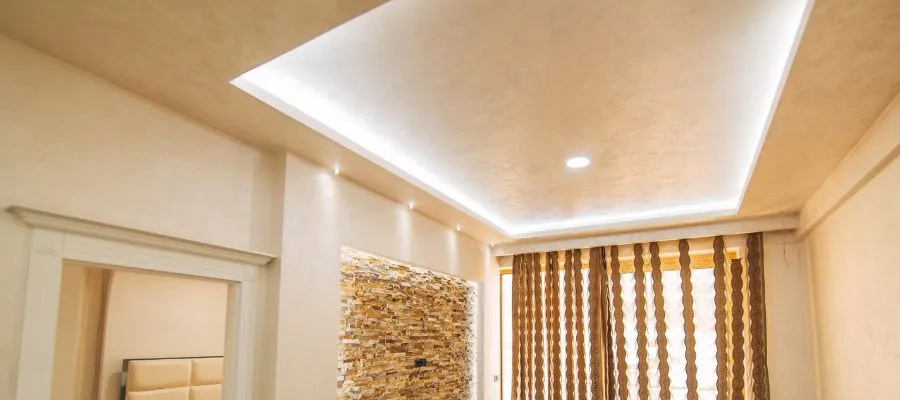
False Ceiling Image

In modern interior design, false ceilings are an important part of making places look better and work better. They can be used in homes as well as companies. Understanding the different types of false ceiling materials can help you make a choice that fits your needs and preferences. In this blog, Brick & Bolt talk about the false ceiling materials, including the advantages and disadvantages of each.

What is a False Ceiling?

A false ceiling, also called a dropped or suspended ceiling, is an additional ceiling that is put up below the room’s main ceiling. It improves the sound quality, hides wires and ductwork, and makes the room look better, among other things. Using false ceiling materials can have a big effect on how the ceiling works and looks.

Different Types of False Ceiling Materials

False ceiling material

A false ceiling comes in a number of various designs that meet different design interests and practical needs. Each type is different because of the material that was used to make it. Here are some common types of false ceiling materials:

  1. Plaster of Paris (POP) False Ceiling Material
  2. Wooden False Ceiling Material
  3. Gypsum False Ceiling Material
  4. PVC False Ceiling Material
  5. Glass False Ceiling Material
  6. Metal False Ceiling Material
  7. Fibre False Ceiling Material

1. Plaster of Paris(POP) False Ceiling Material

Plaster of Paris (POP) is the most popular material used to make false ceilings. This material sets quickly and is made of calcium sulfate hemihydrate, a fine white powder that forms when it gets wet and is left to dry. It’s economical, lasts a long time, doesn’t get worn down quickly, and is easy to find. POP is great for any style because it can be changed to fit your needs. It can be moulded into both simple and intricate designs. It is flexible, unlike gypsum, and can be easily put up in corners.

Advantages of POP False Ceiling Materials

  • POP false ceilings have a smooth, seamless finish that can be moulded into various designs.
  • POP isn’t too expensive when compared to other false-ceiling materials.
  • For both hot and cold regions, POP is a good choice because it provides good thermal insulation.

Disadvantages of POP False Ceiling Materials

  • Over time, cracks can appear in POP false ceilings.
  • To keep their overall appearance, they need to be taken care of regularly.
  • POP isn’t good for places with a lot of heat because it can soak up water and break down.

2. Wooden False Ceiling Material

Wood is often used in false ceiling designs to complement POP designs or to make ceilings look more interesting. Wood can be a structural part of a design or just something that looks nice. Finishes like laminates or veneers can also be added to the false ceiling to make it look and feel more expensive and rich. With soundproof wooden walls, this material offers many great ways to keep noise out of a room.

Advantages of Wooden False Ceiling Materials

  • Wood has a rich, natural look that makes the design look better as a whole.
  • High-quality wood is strong and can last for a long time
  • Wood is a good insulator for both sound and heat.

Disadvantages of Wooden False Ceiling Materials

  • Compared to other false ceiling materials, wooden ceilings can be expensive.
  • They must be maintained regularly to avoid problems like termites and cracking.
  • Wood can catch fire, which is not good for safety.

3. Gypsum False Ceiling Materials

Nowadays, gypsum is the most popular false ceiling material. It comes in the form of square boards that are made in a factory-manufactured. A lot of people use gypsum as a false ceiling material because they are versatile and have a smooth finish.

Advantages of Gypsum False Ceiling Materials

  • Gypsum can be used in a variety of designs and finishes.
  • Gypsum is non-combustible, which makes it a better choice.
  • Gypsum boards are lightweight and easy to install.

Disadvantages of Gypsum False Ceiling Materials

  • Gypsum can be more expensive than other false-ceiling materials.
  • Gypsum shouldn’t be used in places with a lot of humidity because it can soak up water and become weak.
  • It can be hard to fix damaged gypsum ceilings without leaving any gaps.

4. PVC(Polyvinyl Chloride) False Ceiling Materials

Polyvinyl Chloride is a type of plastic material that can be used in many ways.  PVC materials are known for lasting a long time and do not need much upkeep.

Advantages of PVC False Ceiling Materials

  • PVC is resistant to moisture, termites, and mould.
  • The PVC ceilings are easy to clean and maintain.
  • PVC isn’t too expensive and offers good value for your money.

Disadvantages of PVC False Ceiling Materials

  • PVC might not have the same high-end look as other false ceiling materials like wood or gypsum when it comes to looks.
  • Production and disposal of PVC can have negative effects on the environment.
  • When PVC is burned, it can give off poisonous fumes.

5. Glass False Ceiling Materials

If you want more light to spread out, glass materials are a good choice for a false ceiling. Because it is transparent, the light from the recessed lighting can shine through it without any problems.

Advantages of Glass False Ceiling Materials

  • Glass ceilings can make a room feel bigger and brighter.
  • Glass ceilings can be changed to fit different designs because it comes in many colours and finishes.
  • Good toughened glass is strong and lasts a long time.

Disadvantages of Glass False Ceiling Materials

  • Installing a glass ceiling can be pricey.
  • To keep their look, they need to be cleaned regularly.
  • Glass can break easily, which can be dangerous.

6. Metal False Ceiling Materials

Metals are popular for modern designs because they look shiny and smooth. A false ceiling made of metal can be used as tiles, boards, or panels. The two most popular types of metal used for false ceilings are aluminium and galvanised iron.

Advantages of Metal False Ceiling Materials

  • Metal ceilings last a long time and don’t get damaged easily.
  • It is fire-resistant, which makes it safer.
  • They’re simple to clean and maintain.

Disadvantages of Metal False Ceiling Materials

  • Metal ceilings can be pricey.
  • They may not provide good sound insulation.
  • The industrial look of metal might not go with all types of indoor designs.

7. Fibre False Ceiling Materials

Fibre false ceiling materials are made of a mix of both synthetic and natural materials, like wood, tar, asphalt, vegetable fibre, etc. The fibres that come from natural things make the material stronger. Natural fibres are the best building insulation materials. Hence, they have amazing soundproofing properties.

Advantages of Fibre False Ceiling Materials

  • They do an excellent job of blocking out noise.
  • These materials are fire-resistant.
  • These ceilings are cost-effective.

Disadvantages of Fibre False Ceiling Materials

  • They may not offer the same visual appeal as other false-ceiling materials.
  • Mineral fibre can get damaged by water and direct contact, such as rubbing or hitting something.
  • To keep their sound quality, they need to be serviced regularly.

In conclusion, choosing the right false ceiling materials can make a big difference in how it looks and how it works. Knowing the advantages and disadvantages of each material will help you make an informed choice, whether you want the classy look of wooden false ceilings, the long-lasting strongness of PVC false ceilings, or the sleek modern look of glass false ceilings. When choosing the best false ceiling materials for your project, don’t forget to consider costs, upkeep, and space needs. If you are planning to construct your home, then contact the best leading construction company in Delhi and make your dream come true.

Arch Design for Home Interiors: Elevating Style and Structure

0
Arch design for home

Nowadays, arches are becoming more popular in the design of modern homes. Arches provide structural support to the house as they are curved at the top and designed to distribute weight evenly. From entrance gates to the kitchen, they offer various design elements for a better outlook. 

In today’s blog of Brick & Bolt, you will explore arch design for home interiors, the latest trends, the variety of styles available, and the materials used to bring these stunning features to life.

What is an Arch in Home Design?

An arch is a curved structure constructed with wedge-shaped units (either bricks or stones) combined with mortar and placed at openings to withstand the weight of the wall above it and other superimposed loads. Due to its shape, the loads from above are distributed to supports.

Types of Arch Based on Shape

There are numerous types of arch designs. The following are the major types based on their shape.  

  1. Round Arch

The Round Arch, also called a semi-circular arch, is composed of a continuous curve and was developed by the Romans. These Roman house arch designs were generally used side by side in a series to form arcades, bridges, large buildings, and aqueducts.

  1. Tudor Arch

The Tudor arch, also known as the four-centred arch, is a type of arch with a pointed apex. Here, the inner pair of curves has a radius much greater than that of the outer pair. The four-centred house arch design was utilised in doorways and window openings.

  1. Segmental Arch

An arch type with a circular arc of fewer than 180 degrees is called a segmental arch, sometimes known as a schema arch. Its ability to withstand thrust makes it one of the strongest arches. For bridges, the flatter segmental shape has long been preferred. As it becomes flatter, more of the segmental arch’s thrust is directed sideways towards the abutments or embankments at either end of the bridge. 

  1. Rounded Horseshoe Arch

A Horseshoe arch (or Moorish arch) is a type of arch where the opening at the bottom is narrower than the arch’s entire span because the circular curvature continues below the horizontal line of its diameter. This house arch design is characterised by its U-shaped curve and lends a touch of Mediterranean or Moroccan flair. It’s ideal for creating a unique and vibrant atmosphere.

  1. Flat Arch

A spanning member constructed of mutually supporting voussoirs and having straight or almost straight horizontal intrados and extrados. Using Intrados as a base, the flat arch creates an equilateral triangle at a 60° angle. If minimum weight requirements are met, the flat arch is frequently employed in construction projects. 

Arch Design for Home Interior

Arch design for home entrance

Main Entrance Arch Design

An arch is a design element that can make your home feel more connected, starting with the entrance. Much like how different types of doors can enhance the entrance to your home, an arch at your entryway creates a space where you can use different colours to stand out. Adding simple trim around the curved shape of the arch makes the colours pop, giving your home a great impression.

Arch Design for Dining Hall

Designing arches in the dining hall is a great way to make the space feel warm and cosy. Using a series of POP arches to connect the dining room to the kitchen and living room lets more light in, making the room look brighter and more inviting. Adding sunny colours and colourful floor tiles will make the dining room even more cheerful and exciting.

Kitchen Arch Design  

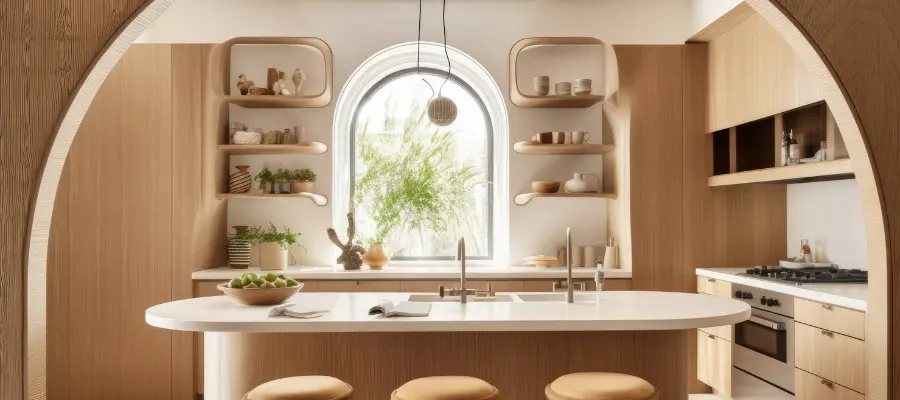
Using arches in interior design creates a smooth, connected look between spaces. A kitchen arch framing a half-wall window connects the kitchen to the rest of the house while still keeping it partly hidden, allowing you to design a functional kitchen with seamless transitions.

Arch Design for Bedroom

Arches make a stylish statement in any modern bedroom. Using a decorative arch to frame the headboard can create a focal point in the room. You can also add a matching arch around a dressing unit, complete with a custom vanity mirror and cabinets at the bottom. To enhance the visual appeal, incorporate various patterns and textures in the bed linens and carpeting, and consider stunning bedroom wall colour combinations to transform the space.

Material Options for Arch Design for Home

Arch Design with Wood

A wooden arch design can turn a dull doorway into a welcoming space. Wood is a versatile design element that makes your home’s interior look luxurious. Options include hardwoods like Teak wood, oak wood and walnut wood for a classic look or reclaimed wood for a rustic feel.

Arch Design with Stone

Stone arches are classic and long-lasting. Materials like marble, granite, and limestone can produce a magnificent and luxurious atmosphere, but it’s essential to understand the difference between stone masonry and brick masonry when selecting the right material for your arch design.

Arch Design with POP

POP arch designs (Plastic of Paris designs) for arches are becoming more and more common. You can construct a POP ceiling with an arching pillar to highlight the beauty of your house.

Arch Design with Tiles

Using tiles to design an archway gives your home a more luxurious appearance, but choosing the best tiles for your home can be a daunting task, so be sure to refer to a comprehensive guide.

Pros and Cons of Arch Design for Home

Kitchen room arch design

Advantages of Arch Design :

  • Due to their curved shape, arches are very effective for transferring compression forces downward. They also have a high load-bearing capacity, making them ideal for large-span structures.
  • Arch decoration in the home offers better aesthetics.
  • The curved surface of an arch provides efficient water drainage. It helps shed water quickly, preventing it from pooling on the roof.
  • Arches can be built to fit a range of design specifications in terms of size and shape.

Disadvantages of Arch Design:

  • Arch constructions can be more expensive to construct than other types of structures due to the complexity of their design and the specialised skills required for their construction.
  • Transporting large arch structures can be challenging, particularly over land.
  • Arch construction involves a complex construction process with skilled labour, which can contribute to higher home construction labour costs.
  • Arch structure maintenance and repair can be expensive and time-consuming.
  • Arch constructions are prone to noise amplification due to the materials and design, particularly in the case of severe rain or wind.

Conclusion

Adding arches to designing your dream homes not only makes them look more beautiful but also makes the structure stronger. Arch design for home can be used in many areas, like the entrance, kitchen, and bedroom, to add a touch of elegance. They help spread weight evenly and support heavy loads, making the building more solid. There are many styles to choose from, such as round, tudor, segmental, rounded horseshoe, and flat arches, so you can find one that fits your taste. You can also choose from different materials like wood, stone, plaster, or tiles to match your interior design with arch decoration in your home. By considering the advantages and disadvantages, homeowners can use arches to create stunning spaces.

Building Plan Sanction Process in Bangalore: A Guide for BBMP, BDA, and Panchayat

0
Building Plan Sanction Process in Bangalore

Bangalore is the hub of the leading infrastructure and skyline building, which is continually pacing up, opening great opportunities for businesses to make the most of their money. But it is not that straightforward to develop infrastructure in Bangalore it comes to complying with the regulations and getting building plans sanctioned in Bangalore. From BBMP, BDA, and Panchayat Limits, each regulatory body oversees building plan sanction Bangalore. Building plan approval from a local building authority is required to comply with local laws and regulations. 

Here Brick & Bolt covers some top bodies that look after the building plan approval process in Bangalore.

Overview of Regulatory Bodies in Bangalore: BBMP, BDA and Panchayat

BBMP-Bruhat Bengaluru Mahanagara Palike

BBMP governs the central metropolitan area of Bangalore and takes care of the approval of building plans to ensure that infrastructure adheres to the local authority. 

BDA – Bangalore Development Authority 

The Bangalore Development Authority (BDA) regulates the latest layouts and infrastructure projects in Bangalore. 

Panchayat

However, Panchayat limits are out of metropolitan jurisdiction and fall under rural management which also sees to the infrastructure development approval in Bangalore. 

As each of these bodies has priorities and responsibilities, building plans must meet different protocols and requirements.

BBMP Building Plan Approval Process

The BBMP is responsible for sanctioning building plans in its urban jurisdiction. In this way, new construction complies with the master plan and zoning regulations of the city. Here are easy ways to go after the BBMP building plan approval process. 

Preliminary Requirements 

A land use certificate must be obtained from the local zoning authority to verify the land’s conformance with zoning regulations. A survey sketch must also be produced.

Application Submission

An application must be submitted along with detailed structural and architectural drawings and plans. Professionally prepared plans contain site plans, floor plan designs, elevations, sections, and structural details. Furthermore, No Objection Certificates (NOCs) are required from the appropriate departments, including fire safety and pollution control.

Online Application

Online applications are submitted through the BBMP’s portal, where applicants fill details, upload documentation, and pay the application fee.

Inspection and Verification of the site

Following the submission of the documents, BBMP officials inspect the site to ensure that the plans comply.

Rejection or Approval

Approval is granted if the plans comply with all regulations. The application may have discrepancies, so the applicant must correct them and submit them again.

Post-Approval Process

After it has been approved, typically within two years, the sanctioned plan must be displayed on the construction site throughout the construction process.

BDA Building Plan Approval Process

Building Plan Approval Process

Bangalore Development Authority is responsible for overseeing the builder plan, which involves creating new urban infrastructure projects and overseeing areas designated for development. Here are end-to-end steps to facilitate the BDA building plan sanction process. 

Requirements for Pre-Application

Pre-application requirements involve property ownership documents and the verification process to ensure the proposed development adheres to the BDA’s Master Plan. By completing this step, the proposed development will align with the broader goals of the city’s planning process.

Submission of an Application

As a next step, a licensed professional like architects in Bangalore, draws detailed architectural and structural drawings for the application. In addition to these documents, a detailed project report (DPR) must describe the project’s scope and specifics.

Online Submission

By using the BDA’s online portal, the applicant uploads all required documents and pays the fees electronically.

Verification of Documents

The BDA scrutinizes the documents after submitting the application and may request additional information.

Site Inspection

To verify the accuracy of the submitted plans, a physical inspection is conducted on site.

Process of Approval

Upon compliance with BDA guidelines, approval is granted.

Construction Begins

Once your application gets approved, the sanction must be valid during the duration of construction. Regular inspections are conducted during the construction process to ensure ongoing compliance with approved plans.

Panchayat Building Plan Approval Process

The local Panchayat administers sanctions building plans outside the urban boundaries of the BBMP and BDA. Regulations in these areas are often different, sometimes less stringent than in urban areas. Here are easy steps to follow for Panchayat building plan approval in Bangalore: 

Preliminary Requirements

Initial documents, including proof of property ownership, are prepared to ensure that the proposed development complies with local regulations.

Submitting an Application

Applicants are required to submit the construction and structural plans of the building. Besides that, the application must include construction site plans and elevation drawings. Applicants must submit these documents to their local Panchayat office, where they will be verified for accuracy and completeness.

Inspection and verification of the site

Panchayat officials then inspect the proposed development to ensure it complies with local regulations.

Approval Process

The panchayat grants approval if the plans are compliant with building codes and standards. The applicant is notified of any required modifications, and the correct plans must be submitted again for final approval.

Construction Commences

The approval must be granted within a specified validity period before construction can begin. The Panchayat monitors building process compliance with approved plans and local construction guidelines during construction.

Tips for Overcoming Common Challenges That Lead to Delays in Construction

Getting building plans approved in Bangalore is challenging due to strict regulations and extensive documentation. Making sure all necessary documents are accurate and complete is a perfect way to overcome challenges. Here are top tips to address the challenges in constructing properties in Bangalore:

  • Ensure that all submissions and receipts are maintained, and use professional services to prepare plans and documentation.
  • A good understanding of building codes and zoning laws is essential to address the risk of non-compliance with regulatory requirements. 
  • Onboard well-versed architects or engineers with knowledge of local regulations to make the process much easier. 
  • It may also be more efficient to submit and track applications online, as online portals often provide real-time updates and facilitate faster communications between applicants and regulators.
  • An inspection of the site must be prepared and accessible during the preparation phase. Disagreements observed during inspections should be resolved promptly to prevent further delays. Hire construction lawyers or legal experts to provide guidance on large or complex projects as well as navigate the regulatory landscape.

Conclusion

Bangalore has a structured process for sanctioning or approving building plans designed to ensure efficient and safe development throughout the city. At Brick & Bolt, one of the top construction company in Bangalore, we take care of the regulatory requirements for constructing property, keeping every requirement in mind. Our team of real estate developers adheres to appropriate construction protocols, regardless of whether it falls under the authority of the BBMP, the BDA, or a Panchayat. At Brick & Bolt, we have the best real estate development team with over decades of experience serving individuals and businesses in constructing spaces while maintaining legal compliance.

Harmonise Your Kitchen with Vastu: Tips for Health and Prosperity

0
Vastu tips for kitchen

The kitchen is where we prepare our daily source of energy, food. It’s where Mata Annapoorna resides. Meals prepared in the kitchen satisfy our hunger. Hence, energy enters our lives from the kitchen. It’s not just the kitchen but also the strategic placement of every kitchen appliance according to Vastu principles that can ensure a harmonious and positive living environment. 

In today’s blog of Brick & Bolt, you will learn more about Vastu tips for kitchen designing or arranging to promote health, prosperity, and positivity.

Vastu Tips for Kitchen Design and Direction

Following are some of the major Vastu tips for designing your kitchen

  • The best kitchen direction, as per vastu, is northwest or southeast direction. While constructing a home, make sure to locate the kitchen in those directions. The northwest direction can offer good health for cooking house ladies. You must avoid west, north, and northeast, southwest directions.
  • The best kitchen colour as per vastu is yellow shades as they balance the negative effects. 
  • Don’t place the kitchen directly below or above a bedroom, pooja room, or bathroom. 
  • Also, make sure the kitchen door faces either East, North, or West. 
  • The sink should be placed in the northeast corner, allowing the water to flow towards the north or east, promoting the smooth flow of energy. 

If you’re looking for general tips for designing a functional kitchen, we have a separate blog covering that as well.

Vastu Tips for Kitchen Appliances and Utensils Arrangement

Fridge direction as per vastu

The placement and organisation of appliances and utensils can also affect the kitchen’s Vastu:

Gas Stove Direction as per Vastu:

The fire element is represented by the stove. According to Vastu, the gas stove should be situated in the southeast direction of the kitchen. Also, keep in mind that you should cook facing east. To prevent any harmful effects, ensure the gas cooker is not placed parallel to or in the same direction as the sink. They can be arranged so that they face one another. 

Water Elements and Sink Direction as per Vastu

According to Vastu guidelines, the kitchen sink, which is related to water, should be placed in the northeast corner of the kitchen. If your kitchen is in the south part of the house, then place the sink on the north side of the kitchen. Water elements like the sink should be in the North or Northeast to balance the fire and water elements. Keeping the sink away from the stove prevents energy clashes.

Fridge Direction as per Vastu

Regarding the best fridge direction as per vastu, it should be positioned in the kitchen facing southwest and at least one foot away from the corners. Avoid positioning it towards the northeast.

Kitchen Cabinets Direction as per Vastu

Design most of your kitchen cabinets on the south and west walls. Don’t leave open space above the cabinets because it can attract negative energy. If the cabinets don’t reach the ceiling, place money plants or decorative items on top of them.

Vastu for Kitchen Slab

According to Vastu Shastra, you can use stone or marble, particularly black, for kitchen slabs. The colour of the kitchen slab varies in accordance with the direction in which the kitchen is located. According to Vastu principles for kitchens, the recommended slab colors for different directions are:

  • East- green or brown slab
  • South or southeast- brown, maroon or green slabs
  • West- grey or yellow slab

For Vastu guidelines for west-facing homes, check out our detailed tips.

Maintenance and Cleanliness

Keeping cleanliness and order in the kitchen is very important for positive energy:

Regular Cleaning: Keep the kitchen clean to prevent the gathering of negative energy. Wipe surfaces regularly and dispose of waste promptly.

Organising: Organise utensils, spices, and ingredients efficiently. Use storage solutions like cabinets and shelves to keep the kitchen tidy.

Waste Disposal: Place the trash can in the southwest corner of the kitchen and empty it regularly to prevent negative energy from building up.

Vastu Remedies for Existing Kitchens

best kitchen direction as per vastu

Wrong placement of kitchen or kitchen elements can induce negativity or other issues. Rebuilding the existing one will also cost more. If you are unable to rebuild your kitchen, You can follow these remedies if you want to renovate your kitchen as per vastu. The following are some of the remedies.

Replace Cabinet Hardware: Changing the old handles, knobs, and pulls can instantly modernise your cabinets and gives positive vibes to your kitchen.

Paint Cabinets: A fresh coat of paint can transform the appearance of your cabinets. Choose light colours for openness or vibrant shades for a lively atmosphere as per vastu principles.

Update Lighting: Replace dull and outdated fixtures with modern and new ones to for better aesthetics to kitchen. LED lights offer energy efficiency and even lighting for cooking.

Refinish Countertops: Refresh worn or outdated countertops by refinishing them. Techniques like painting or staining can give them a new look.

Incorporate Additional Elements: Add vastu remedy along with personality to your kitchen with the elements like large mirrors, floor lamps.

Window Treatments: According to Vastu, the optimal direction for kitchen windows is towards the east. Using nice curtains for windows can help to improve the aesthetics of your kitchen. They provide privacy, light control, and the ability to incorporate texture, colour, and pattern into the area.

For more ideas on kitchen design, explore different types of kitchen layouts to find the one that best suits your home and lifestyle.

Conclusion

According to Vastu principles, a well-designed kitchen can improve your home’s overall energy and harmony. These useful vastu tips for the kitchen can help you design a kitchen environment that encourages prosperity, health, and positivity. These Vastu tips will help you revamp your kitchen, whether you’re building a new one or just wanting to renovate. 

Are you interested in building a Vastu-compliant home with a kitchen? Then, Brick & Bolt is here. The leading construction company in Dehli, we can build your dream home that aligns with your requirements and Vastu principles, along with superior craftsmanship and 470+ quality checks. In addition, we provide an extensive collection of floor plan designs for free to find the perfect layout for your home.

Understanding Overall Construction Cost in Delhi: A Comprehensive Guide

0
Construction cost in delhi

Are you thinking of initiating a construction dream project in Delhi? Then, you must consider the overall construction cost, which is one of the most crucial factors. Building construction costs in Delhi can vary significantly based on various factors, and it’s essential to have a thorough knowledge of these elements to ensure a successful and economically viable project. 

In this Brick & Bolt blog, you’ll explore the major elements contributing to construction costs in Delhi, helping you make better decisions and plan your budget effectively.

Factors Affecting the Construction Cost in Delhi

Building construction cost

Building a home in Delhi can be exciting, but the cost can vary greatly. Here’s a breakdown of key factors affecting construction costs:

Construction Materials and Labour Costs 

In Delhi, prices for construction materials like cement, steel, bricks, and timber can vary depending on market conditions and supply-demand dynamics. Picking superior-quality materials will increase the overall construction cost compared to standard options. Additionally, the skilled and unskilled labour costs can vary depending on the contractor’s experience, the project’s location, the complexity of the project, and the availability of workers.  It’s essential to comply with construction labour laws, safety rights, and compliance to ensure a safe and legally compliant working environment.

Investigating and contrasting pricing from various suppliers and contractors is necessary to manage these costs efficiently. Connecting with trustworthy suppliers will enable you to negotiate better terms and guarantee material delivery on schedule. Furthermore, by properly scheduling and determining your labour requirements, you may maximise resource utilisation and reduce waste.

Land and Development Costs 

Any development project must consider the cost of the land, especially in a city with highly populated areas such as Delhi. Land values might vary significantly depending on the property’s location, accessibility, and planned use (residential, commercial, or industrial). Other variables, such as the area’s general growth potential, accessibility to amenities, and infrastructure availability, can also influence land prices. In addition to the cost of purchasing the land, you will also need to account for the costs of construction site preparation, which include grading, excavation, and demolition. These development expenses can mount up quickly, particularly in the case of large-scale undertakings or sites with difficult topography. Don’t forget to factor in Stamp Duty and Property Registration Charges in Delhi when calculating land and development costs.

Architectural and Design Costs 

Finding and hiring a trained architect to design a new home can be difficult. Particularly if you’re worried about the architects’ fees and rates. It makes sense that, in order to create your ideal home, you would want to collaborate with the top interior designers and architects in Delhi. But you also want to work with an architect who provides the greatest architectural services they can. They also charge you the lowest price for their services.

In Delhi, there is no fixed rate card or standard for charging architectural service fees. Different architects charge varying fees for various project types. 

If you’re looking for a hassle-free option, consider Turnkey House Construction in Delhi: Your Dream Home-Made Hassle-Free

Regulatory Compliance and Permits for Building Construction Costs in Delhi

Cost of building a house in delhi

In the construction sector, construction permits are essential. These are formal documents that provide authorisation to carry out construction work. Project owners and contractors show their dedication to responsible construction methods and uphold the integrity of the construction industry as a whole by securing the required permits. Construction licences impose obligations on project owners and contractors to protect workers, occupants, and the public by enforcing safety standards and putting appropriate safety measures in place. Building permits are crucial for guaranteeing the safety, compliance, and success of construction projects; they are not only formalities. 

Securing necessary permissions from local authorities involves fees that factor into the overall budget. These costs can include fees for building permits, environmental impact assessments, and other required approvals. Additionally, you may need to include the expenses of hiring a construction lawyer, consultants or legal professionals to navigate the complex regulatory landscape and ensure your project satisfies all requirements.
You can also check out Top Real Estate Developers in Delhi

Average Construction Cost in Delhi per Square Foot

In Delhi, the average construction cost per square foot falls around Rs. 2,750. Still, consider this as just a starting price. The actual cost of your project can vary depending on several factors, such as location, market condition, labour cost, materials you choose, and complexity of your home design.

Average Construction Cost in Delhi According to Construction Type:

  • Basic construction with essential civil work (foundations, walls, roof) might cost Rs. 2,700 – Rs. 3,000 per sq ft.
  • Mid-range construction with good-quality materials, finishes, and basic electrical/plumbing could cost range from Rs. 3,500 – Rs. 4,500 per sq ft.
  • High-end construction featuring premium materials, intricate designs, and advanced amenities can go above Rs. 4,500 per sq ft.

Example Costs ( for 1000 sq ft house):

  • Architect: Rs. 20,000 to 30,000 
  • Civil Work: Rs. 1,500 per sq ft
  • Brick Walls: Rs. 800 to 1,000 per sq ft
  • Electrical & Plumbing: Rs. 2,000 per sq ft
  • Raw Materials: Rs. 6 to7 lakh+
  • Finishing: Rs. 700 to 4,000 per sq ft

Additional Considerations:

  • Labor costs
  • Amount of raw materials needed
  • Quality of raw materials
  • Furniture and fixtures

Remember, This is an estimate for a basic house in Delhi. The final cost can be higher or lower depending on your specific choices.

Consideration and Variable Home Construction Costs in Delhi 

The construction of your dream home incorporates different factors. Effective project management depends on your ability to comprehend the variable expenses related to each stage. 

Important variable costs that influence the total cost include: 

Civil Work: Building construction entails a variety of civil jobs, each needing a unique set of skills, resources, and time. Waterproofing, formwork assembly, steel reinforcement, plaster application, masonry building, insect control, concrete pouring, and excavation are a few of the crucial jobs. Civil work ensures the building’s safe, effective, and sustainable development. The construction is resilient and long-lasting because of its basic foundation. 

Mechanical, Electrical, and Plumbing (MEP) Systems: Your home requires reliable MEP systems. MEP work guarantees the longest possible lifespan for your building’s condition. Even though MEP work can be completed on a budget, longevity and dependability are only provided by heavy-duty cables and wires made of high-quality materials. 

Finishing Touches: Your home’s finishing details are where its elegance and uniqueness come to life. This phase includes enhancements to the exterior, woodwork, lighting installations, ceiling treatments, wall finishes, kitchen and bathroom fixtures, and furniture and furnishings. The quality of the finishes greatly influences the general look and comfort of your living area. 

Conclusion

Numerous factors, including labour and material costs, design concerns, and regulatory compliance, impact building construction in Delhi. By thoroughly understanding these charges, you can ensure your project is finished on schedule and within your allocated budget. By thoroughly planning and allocating funds for each component, you can better manage the building process and produce a structure that fulfils your requirements and expectations.

It is important to remain aware of the numerous expenditures associated with developing a building, whether it is a residential or commercial structure. With careful preparation and the appropriate knowledge, you may successfully manage building construction costs in Delhi and realise your idea. 

You can use online tools like the Brick & Bolt Cost Estimator for an initial estimate costs for your home construction project.  

If you want to construct with the best yet Affordable builders in Delhi, you can consult Brick & Bolt. It is a leading construction company in Delhi. It offers comprehensive solutions for your building needs. Their expertise lies in making your dream home a reality with a commitment to excellence; they guide you through every step of the construction process.

Redefining Construction: Modern, Sustainable, and Innovative Techniques

0
Construction methods

Like any other industry, the construction field is also evolving with time. It’s moving from traditional methods to environment-friendly, sustainable, and modern methods. 

In today’s Brick & Bolt blog, you will explore various construction methods and their advantages.

What are Construction Methods?

Construction methods are the building techniques that construction professionals, engineers, and architects use to construct structures. Understanding construction methods helps you to design structures, plan projects, and create safe working environments. The following are the major construction methods available in the construction industry. 

1. Conventional Construction Methods

2. Modern Methods of Construction 

3. Sustainable Construction Methods

4. Innovative Construction Methods

Conventional Construction Methods

Masonry construction

Construction methods that have been used for centuries are called conventional construction methods. The following are the common and widely used conventional construction methods. 

Masonry Construction

Masonry construction incorporates the construction of structures from single masonry units that are laid and bound together with mortar. Brick, stone, and concrete blocks are generally used materials in masonry construction. Since masonry is fire-resistant, it’s used in fireplaces. This type of construction offers an elegant look and experience.

improves the resale value of your property. This method is also cost-effective in terms of the cost of labour and materials.

Stone Construction

Stone construction is one of the building techniques that uses stones as a building material. It has been used for centuries. Stone offers great durability and superior artistic quality. This construction technique is used for the construction of arches, walls, foundations, floors, columns, etc.

Stone construction is again classified into two types

  1. Rubble Masonry

Rubble masonry uses stones that are not uniformly shaped or that are undressed. The thickness and shape of stones in rubble masonry are not uniform.  

  1. Ashlar Masonry

Ashlar masonry consists of highly dressed stones with regular size and delicate seams. This method transports the stones directly from the quarry to guarantee uniformity in size and shape. Structures built with stone masonry have a substantial weight and excellent structural stability. Stone masonry uses less water and material than conventional building techniques.

Timber Frame Construction

Timber frames are used as the construction material for this building technique. Timber frame construction offers speed and ease of construction compared to other building methods. Timber frames are usually used for simple structural designs such as wooden gazebos, porches or summer houses. 

Modern Methods of Construction

Modern construction methods (MMC) are developed to reduce construction time and cost while maintaining sustainability. Numerous MMC methods exist. The most applied methods are explained below.

Insulating Concrete Formwork

The system of insulating concrete formwork (ICF) is one modern construction method. It employs lightweight formwork made from insulating material to support the concrete walls during in-situ casting, and this formwork remains in place afterwards for the sake of insulation. Insulating concrete formwork consists of twin-walled expanded polystyrene panels stacked together to generate the permanent formwork used to hold the ready-mixed concrete for the walls.

The insulated formwork rests in place to give complete thermal insulation to the walls of the completed structure. It also offers a uniform surface ready for direct application of a majority of finishes and proprietary cladding systems. Several insulated concrete formwork systems also include their own flooring system.

3D Volumetric Construction or Modular Construction

In 3D volumetric construction, 3D units were previously manufactured off-site as modules. The modules are then transported to the installation site and assembled module by module. Since every manufactured modular item is a 3D unit, this type of construction is also known as modular construction, or off-site construction or 3D volumetric construction. There are several ways to move the modules. The modular construction method can significantly reduce the overall construction time, as the modules are created concurrently with site preparation. Additionally, this modern construction method provides more flexibility because it is simple to expand or rearrange the modules to meet changing requirements.

Twin Wall Technology

Twin wall technology is a precast concrete wall building technique that combines the structural integrity of cast-in-place concrete with the speed of erection of precast concrete assembly. The walls are created by separating two wall slabs with a cast in lattice girders. After the precast wall sections are positioned and temporarily supported on the building site, the space is filled with concrete to create a sturdy, monolithic wall. Compared to conventional cast-in-place walls, the twin-wall technique allows for speedier construction while maintaining structural stability. 

Flat Slab Construction

An RCC slab that is monolithically built with supporting columns and strengthened in two or more directions is called a flat slab. Flat slabs are structural components that are incredibly adaptable. Because of their adaptability, they are frequently utilised in buildings. The flat slab allows for quicker construction and the least amount of depth. Additionally, the system offers configurable column grids.

Flat slabs are a preferable option whenever it’s required to seal the partitions to the slab soffit due to fire and acoustic issues. The flat slab construction method is quicker and more cost-effective than other methods. It is possible to finish building flat slabs with a decent soffit surface quality, which makes it possible to use exposed soffits. Because flat slab construction makes it possible to utilise the building’s thermal mass in the design of the ventilation, heating, and cooling requirements, it also contributes to increased energy efficiency.

Sustainable Construction Methods

Green building

In recent years, sustainable construction methods have come into the stage because of environmental impact concerns. These methods significantly reduce environmental effects by using renewable, recyclable and energy-effective construction practices.

Following are some of the major sustainable construction methods:

Prefabricated Construction

The prefabricated construction methods involve transporting and assembling factory-made, off-site components to the construction site in order to construct a structure.

Prefab is particularly useful for highly redundant projects. (This indicates that there are many similar or identical rooms in the building. Examples: hospitals, hotels, etc.) Prefabrication construction reduces energy consumption associated with fresh material manufacture by using highly recyclable materials like steel. The materials employed in a prefabricated building will still be valuable during its life cycle. For more information on the benefits of modular and prefabricated construction, please refer to our detailed article.

Green Building Methods 

Green building methods represent a series of processes that reduce a building’s environmental impact throughout its life, from initial design to eventual dereliction or demolition.

Green building methods concentrate on:

  • The utilization of natural, recycled and sustainable building practices.
  • Water and electricity systems that are designed and used efficiently.
  • Lowering pollution and waste.
  • Minimizing side effects that building causes to the surrounding ecology. 

Innovative Construction Methods

Innovative construction methods are techniques that are different from the traditional ways of construction. These methodologies improve the sustainability and efficiency of the construction process. The major innovative methodologies used in projects are:

3D Printing in Construction

Creating three-dimensional construction products using Computer-Aided Design (CAD) models is an innovative technology called 3D printing in construction, commonly referred to as additive manufacturing. It works using a simple principle known as layer-by-layer building. To construct an object, 3D printing adds material in layers. A digital 3D model created with specialised CAD software or acquired via 3D scanning technology serves as the starting point for this process. A digital blueprint is then produced by slicing the model into multiple thin horizontal layers. By precisely following the instructions from the digital design, these layers help the 3D printer deposit material, usually plastic, concrete, metal, or other composite materials.

Smart Buildings

Smart Buildings(intelligent buildings) offer people a more comfortable, safe, and productive environment. Because of IoT devices, these buildings can gather, process, and analyze data from various elements and areas, making it possible to automate the real-time operation of a building. It is also feasible to increase the usability, safety, accessibility, and energy efficiency of these architectural areas.

Conclusion

The requirements and priorities of construction projects have led to a major evolution in construction methods. While innovative construction techniques pave the path for the future, sustainable building practices assist the environment, modern construction methods boost efficiency, and traditional construction methods offer a timeless charm. For anyone working on building projects, maintaining up-to-date knowledge of these techniques will become increasingly important as the construction industry develops. In order to stay ahead of the always-changing construction industry, think about the consequences of these methods for your projects and keep an eye out for upcoming trends.

Top Indoor Air Purifying Plants for a Healthier Home Environment

0
Indoor Air Purifying Plants for Your Home

Plants are serene gifts from nature that provide many advantages to people. Many people in today’s urban environment live in multistory complexes and feel cut away from nature. Fortunately, air-purifying indoor plants fill this gap. They guarantee that the air we breathe is cleaner in addition to revitalizing apartment interiors. These plants may provide a breath of fresh air after a long day, bringing a sense of rejuvenation to areas like living rooms, bedrooms, and patios. Hence, Brick & Bolt brings the list of the best indoor air-purifying plants that filter the air inside your home and may easily change the atmosphere of your house.

The Importance of Air Cleaning Plants

We often take the air we breathe for granted in our quickly urbanizing environment. But the quality of this air is declining due to rising pollution levels, particularly inside our houses. This is where indoor air-purifying plants, the hidden heroes of our living spaces, come into action. Their significance cannot be overstated for the following reasons:

Sustainable and Eco-Friendly: Using plants is a sustainable approach. Incorporating them into our houses not only benefits the surrounding environment but also encourages green buildings and a more environmentally conscious way of living. They provide evidence of how well people and the environment can interact.

Improving Mental Well-Being: Research has shown that spending time in nature, or even simply being among greenery, may lower stress levels, boost happiness, and increase focus. Plants have the power to improve mental health and cognitive performance by releasing oxygen into the air and cleaning it.

Natural Humidifiers: A process known as transpiration causes many indoor plants to emit water vapour. Because of this, they serve as organic humidifiers, adding moisture to the air, which is particularly advantageous in dry indoor spaces. This facilitates breathing and may maintain good skin and respiratory health.

Cost-Effective Purification: Although several air purifiers are on the market, they may be costly and require constant upkeep. Conversely, indoor plants provide an inexpensive and natural way to purify the air and enhance indoor air quality. When taken care of properly, they may endure for years and keep your living areas regularly detoxified.

Reacting to Pollution: Pollutants exist in our modern houses, ranging from the carbon dioxide we breathe to volatile organic compounds (VOCs) released by paint and furniture. Plants, such as the peace lily or spider plant, can revitalize the air by efficiently absorbing these hazardous compounds and transforming them into organic elements and oxygen.

Lowering the Risk of Illness: Inadequate indoor air quality has been related to a wide range of health issues, from allergies and migraines to more serious illnesses like asthma. Plants may lessen the likelihood of these illnesses by efficiently eliminating contaminants from the air, guaranteeing a better living environment.

Top 10 Indoor Air Purifying Plants for Your Home

Best Indoor Air Cleaning Plants

The plants listed below are among the most effective air-purifying plants that you may have in your house.

  1. Peace Lily
  2. Spider Plant
  3. Snake Plant
  4. English Ivy
  5. Fern
  6. Aloe Vera
  7. Bamboo Palm
  8. Ficus
  9. Dragon Tree
  10. Baby Rubber Plant

Let’s explore the best indoor plants for clean air-

1. Peace Lily

With its beautiful white flowers, the peace lily is a sign of peace and purity. It does best in low to medium light and soil that stays wet all the time. Besides being stunningly beautiful, it’s also a great air cleaner, so it’s both beautiful and healthy.

2. Spider Plant

This houseplant is great for rooms inside because its green leaves arch upwards. Keep it in hanging baskets where light doesn’t hit it directly. Water in small amounts and let the dirt dry out between waterings. This air-purifying plant is also easy to take care of and good for pets. This type of plant can be suited for home decor purposes as well.

3. Snake Plant

The snake plant, which has sword-shaped leaves that stand straight, is a symbol of strength. It can work in a range of light situations, from bright to dim. This air-cleaning plant doesn’t water too much and lets the dirt dry out. It is known for cleaning the air and is good for both your health and the look of your home.

4. English Ivy

English ivy hangs beautifully, giving off an air of classic beauty. Place this air-cleaning plant in the shade and keep the soil wet all the time. Many people like it not only because of how it looks but also because it can remove formaldehyde from the air we breathe.

5. Fern

Ferns’ fluffy leaves remind us of untouched woods and ancient beauty. These indoor air-purifying plants prefer the shadows and do best in darker parts of your home. Even though they need regular watering, they are still the best way to add greens to any room.

6. Aloe Vera

The aloe vera plant is soothing, and its thick, meaty leaves promise healing and peace. This arid beauty wants to be in a place with lots of sun. It waits patiently between waterings, but its image as a skin-soother doesn’t change.

7. Bamboo Palm Plant

The bamboo palm plant is a sign of beauty and flexibility, with its tall stalks rising into the sky. It looks peaceful as it soaks up some mild sunlight and requires fresh water. Bamboo palm plants are also a sign of luck and wealth. If you are a vastu believer, then you must read about the plant, which has significance in vastu shastra and gives you good health and wealth.

Money Plant in Vastu Shastra: Harnessing Prosperity and Positive Energy in Your Home

8. Ficus

With its thick stems and lush leaves, the ficus is a classic plant that shows how grand nature is. This air-purifying house plant is like a place with bright light coming from behind it. When the dirt gets dry, water it and enjoy its long life. Many homes and businesses have this.

9. Dragon Tree

The dragon tree looks great in any room, thanks to its thin roots and clusters of sharp leaves. It prefers bright light from the side. Do not water the dirt right away after watering it. Dragon tree plants are best for enhancing indoor air quality, as their power to clean the air is just as beautiful as their shape.

10. Baby Rubber Plant

The baby rubber plant stands out because its leaves are a bright, shiny green. This plant does well in dim light, which shows how tough it is. It waits calmly for water, and people love how pretty it is without drawing attention to itself.

In conclusion, this is the list of the best and low-mainenance indoor plants for clean air. The greyness of city life tires out your eyes, and breathing in dirty air can cause many health problems. Breathing in dirty air is hard, so keeping such indoor air-purifying plants can help you connect with nature and stay healthy. In addition, if you are planning to build a new home or renovate your old home, prefer eco-friendly construction materials and passive home design to maintain the ambience of your home. If you are in Delhi, you can collaborate with Brick & Bolt, the best construction company in Delhi; they follow sustainable construction practices and fulfil your requirements.

Understanding Plum Concrete: A Sustainable and Affordable Solution for Mass Concreting

0
What is plum concrete

In the ever-evolving world, the construction industry is also moving forward with its innovations in materials and techniques. Plum concrete is one such innovation. It’s mainly used where mass concreting is required. Have you ever heard of plum concrete?

No worries. In today’s blog on Brick & Bolt, you will understand plum concrete, including its major advantages, preparation methods, applications, limitations, and more.

What is Plum Concrete?

Plain cement concrete is a form of concrete. It is generated by mixing basic ingredients such as cement, fine aggregates, and coarse aggregates. In this case, medium to large stones, known as plums, are used as filler material in place of aggregates. Generally, it’s also called cyclopean concrete or rubble concrete. Plums inhabit about 30-40% of the total mass of concrete.

Advantages of Using Plum Concrete

The following are the major advantages of plum concrete

1. Cost-Effectiveness

As plum concrete uses large stones(150mm, 200 mm, 300 mm, or larger), the overall concrete volume required for construction will automatically be reduced. Hence, the cost of concrete will be reduced for large-scale construction projects.

2. Better Structural Strength

The large stones help to distribute the overall loads and stresses more evenly across the concrete. Hence, cracks and other structural problems are reduced. Therefore, plum concrete is mainly used for home foundations and other load-bearing structures.

3. Environmental Benefits

Using locally available stones minimises the environmental impact associated with transporting materials. Plum concrete reduces the heat of hydration as it uses less cement and offers a lower carbon footprint.

Preparation and Mix Proportion

plum concrete ratio

The preparation of plum concrete involves a series of procedures that should be executed cautiously for better outcomes.

1. Material Selection

The size of natural stone or boulders is chosen based on the project, the availability of materials, and engineering decisions. Angular-shaped rocks are better suited for producing plum concrete. For proper adhesion or bonding with concrete, make sure the rock is clean and free from oil, dirt, or other damaging materials. Stones should be of good quality, sound, durable, and free from segregation, seams, cracks, and other structural defects or imperfections. 

2. Plum Concrete Mix Design 

The specific requirements will help decide the volume of plum necessary for concrete. The standard mixing ratio for plum concrete is typically around 40% plums to 60% concrete mix by volume. However, when the plum is 150 mm, the plum volume is likely to be between 30% and 50% of the finished concrete. When the plums are above 160mm, the volume of the plum should be capped at 20% of the volume of finished concrete. 

3. Mixing Techniques for Plum Concrete

Mixing can be done manually or mechanically. In manual mixing, the concrete mix is prepared first, and then the stones are added gradually. Mechanical mixing offers a more uniform distribution of the stones within the concrete.

4. Placing of Plum Concrete

During placement, ensure the plums are evenly distributed throughout the concrete. If the plum is set close to each other, the required concrete will decrease by up to 50%, and the quantity of plum will rise by up to 50% of the total volume of plum concrete. Even distribution can be achieved by layering the concrete mix and stones alternately. Proper compaction is essential to eradicate air pockets and ensure a solid bond between the concrete and the stones. While placing plum concrete, one must be careful to avoid air traps as they may decrease strength.

5. Finishing and Curing of Plum Concrete

Following the careful placement of each layer of plum concrete, the surface is neatly finished and allowed to cure for at least 7 days. Curing can be done in a number of ways. Water can be sprayed on the plum concrete at regular intervals, or wet jute bags can be used to cover it.

Applications of Plum Concrete

Plum concrete has a wide range of applications following are some of them,

1. Sloping or Uneven Surface

Plum concrete is generally used to level the ground below the foundation if the surface is uneven. It is also used to level surfaces in sloping ground, offering extra stability to the structure.

2. Gravity Dams and Bridges

Plum concrete is very useful in constructing massive structures such as gravity dams and bridges. However, the plum material size should be 150mm.

3. Water Channels

Water channel bed surfaces are levelled using plum concrete. Water channels require greater durability and strength because they are typically installed underground. For such structures, plum concrete is the ideal option.

4. Road Embankment

Plum concrete is generally used for the construction of road embankments. It is used to make side slopes for an embankment to offer a protective layer to an earthen foundation.

5. Machine Foundation

Plum concrete is commonly utilised in machine foundations when a substantial mass is required for the foundation and machine to be safe. It offers a cost-effective option there.

Limitations and Considerations

plum concrete wall

Although plum concrete offers several benefits, it also has limitations that require to be considered:

Quality Control Challenges

It can be difficult to ensure that the stones are properly positioned and mixed consistently. Poor quality control can lead to uneven distribution of the stones, resulting in weak spots within the concrete.

Structural Limitations

Plum concrete is not suitable for all structural applications. For projects demanding precise structural integrity and high strength, it’s not a very good option.

Comparison: Plum Concrete vs Conventional Concrete  

Following is the comparison between Plum Concrete and Conventional concrete

CharacteristicPlum ConcreteConventional Concrete
Aggregate TypeMedium and large stones (boulders) are used as aggregatesCoarse aggregates like gravel or crushed stone are used
Fine Aggregate ContentReduced amount of fine aggregates (sand)Typical amount of fine aggregates
CostLower cost due to reduced amount of aggregatesHigher cost due to typical aggregate content
Voids/GapsVoids exist due to boulders partially filled by cement mix.Gaps are filled with aggregates and sand
StrengthGenerally lower compressive strength than plain cement concreteHigher compressive strength due to typical aggregate content 

Conclusion

When used properly and within reasonable limits, plum concrete is a sustainable and affordable invention that can be advantageous for a variety of large-scale construction projects that call for mass concreting. In terms of material optimisation, strength, and environmental effect, it is superior to traditional concrete.

FAQs

What is Plum concrete?

Plum concrete is a type of concrete that uses large stones (plums) as filler material instead of traditional aggregates. It is cost-effective, improves structural strength, and reduces environmental impact. It’s commonly used in large-scale construction projects like foundations, dams, and road embankments.

What is plum concrete ratio?

The plum concrete ratio is typically 40% plums to 60% concrete mix by volume, with plums up to 150mm making up 30-50% of the total volume, and plums above 160mm capped at 20%.oncrete work like foundations.