Home Blog Page 92

Vastu Paintings for Walls: Bring Good Energy

0
Vastu Paintings for Your Walls - featured image

Paintings are a well-known art form that represents personality, inspiration, and awe factors to the house. Placing paintings at home not only elevates the overall look of the house or office but also brings in new things. 

According to Vastu Sastra, placing certain paintings with certain colours brings luck, peace, stability, wealth, and persistence to the area. If you are looking for paintings based on the Vastu of walls, this blog will help you choose the type of painting for the desired walls.

Vastu Paintings for the South Wall

Vastu Paintings for the South Wall

The paintings that best suit for south wall are listed below:

Natural Portraits

Vastu Paintings for the South Wall - Natural Portraits

Natural sceneries that include bright colours namely pink and orange are well suited for south faced walls.  These coloured paintings bring in warmth and fire energy to the place. 

Sunset Paintings

Sunset paintings represent fiery hues that represent a perfect painting solution for the southern walls. 

These paintings, including seven horse paintings, can also be used for southern-facing walls. 

Vastu Paintings for the West Wall

The Vastu paintings for walls facing the west side have certain art recommendation placements in your home. Here are certain recommended paintings. 

Family portraits

Family portraits are the best for west-facing walls. According to the principles of Vastu, having a harmonious and happy family portrait is believed to strengthen the bonds of the family. 

Placing family portraits horizontally will align with the zone of rectangular Vastu on the west wall. Lighting should be placed to enhance the ambience  and bring positive energy to the house.

Landscape Paintings

Landscape_image

Landscape paintings are a great choice for west-facing walls as they bring tranquillity , calmness, and a positive attitude. 

Landscapes that are soothing with scenes representing meadows, warm afternoon lights, gentle beach waves, or rich forests. Mountains and sunsets represent stability, optimism, and warmth.

Look for colours  that are green, blue, yellow, cream, beige, and mild brown. However, avoid heavy storms, dead trees, and bad weather portraits, as they bring negative energy.

Koi Fish Paintings

Hanging the painting of Koi fish will bring prosperity, good luck, and positive energy. Choosing the portrait of a koi fish that looks beautiful and serene with vibrant colours and movements will bring joy and elevate the home presence.

Koi fish that are silver, gold, orange, and red are connected to prosperity and wealth. In Japanese culture, Koi fish go through the difficulty of moving upward and crossing the waterfall to become a dragon. They bring positive energy to the area. 

Tree of Life

Kalpavriksha, also known as the Tree of Life, represents prosperity and growth in life. The west-facing wall is associated with metal and air elements. This painting can promote the harmonious nature of the home.

Additionally, pine trees, landscapes, and camels bring financial stability, peace, and longevity to home.

Vastu Paintings for the North Wall

The North Wall already brings in a positive attitude towards home. Certain paintings need to be hung on the north wall.

Paintings of waterfalls

Vastu Paintings for the South Wall - waterfalls

Hanging waterfall in the northern direction is connected with Kubera, representing the God of Wealth. The waterfall symbolises positive energy, abundance, and prosperity. The painting of a waterfall that focuses on flowing water inwards will attract good fortune and wealth. 

Paintings of Flowers

Paintings of flowers are a great source of north wall directions that have balance and positive energy. Flowers symbolise harmony and beauty, and choosing blooming flowers with vibrant colours  will increase the positive ambience of the home. 

Choosing violets, blues, and greens will bring an auspicious environment to the house. Lotuses and lilies bring peace, spiritual growth, calmness, and purity. 

The flower paintings need to be hung at eye level or above to welcome the positive energy. Avoid wilted flowers, stormy backgrounds, and overpowering tones. 

Vastu Paintings for the East Wall

The east wall is considered an auspicious zone in Vastu Shastra. The east wall focuses on new beginnings, positive energy, and sunrise. Here are some of the paintings that suit the east wall, including:

Lucky 7 Horses Paintings

Lucky Seven Horse is a popular Vastu Sastra painting that comes from the ancient architecture system and design focusing on creating balance and bringing harmony to the living environment. Many cultures often recognize seven horses as lucky symbols. 

The number seven itself is considered lucky around the globe. The number seven denotes fullness, perfection, and spirituality. Horse denotes perseverance, success, freedom, and strength. 

Hence, hanging the seven running horses in the home and workplace symbolises determination and unity.

Buddha Paintings

Budhha paintings chanel inner peace, calmness, and enlightenment. Choosing Buddha paintings of earthy tones, namely brown, gold, and beige, can bring harmony to the house. 

Selecting the paintings of Buddha, in which the posture is meditation or standing with hands raised as blessings, will promote these qualities. Make sure that the expressions in the paintings are compassionate and peaceful.

Conclusion

Vastu Shastra plays a crucial role in determining the success of life at home and business. Paintings bring in ambiance and, when placed according to Vastu, can enhance positivity and prosperity. For those looking to invest in real estate, it’s essential to remember that Nakshatra is good for buying property, aligning well with Vastu principles for a harmonious living and business environment. Hence, focusing on paintings that are mentioned in this blog depending on the wall direction will help to promote these factors. 

FAQs

1) Which painting is preferred, considering Vastu?

The painting of flowers is usually suggested as they bring in a positive attitude and prosperity in life.

2) Which wall paintings bring in good luck?

The painting of cherry blossoms, lotus, and lakes will bring good luck.

3) Which painting will attract money?

Feng Shui painting will attract money.

How to Make Home Loan Interest Free

0
How to Make a Home Loan Interest-Free

Many people dream of building a home in this tiny world. The rising price of land and building materials drives people to take out loans to make their dreams come true. However, dealing with loans, interest, and other financial factors can be daunting. 

However, there is always a way out. You may ask “How to make home loan interest free?“. Keep up with the blog to find the answers.

Understanding Home Loan Interest and Strategies to Minimize It 

Understanding Home Loan Interest and Strategies to Minimize It 

Getting an interest-free home loan is not possible. However, there are certain strategies and understandings that one can use to reduce the interest amount. Here are certain strategies that you can follow to get a home loan at minimum interest. 

Breakdown of Home Loan Costs

Breaking down home loan costs can help you understand the fees and hidden charges you pay for your loan. You can use this data to negotiate with your lender and reduce the fees in certain categories. 

Improving Your Loan Eligibility

Maintain a High Credit Score

Maintaining a high credit score means paying your existing credit loan on time and having no negative records. A credit score of 700 and above can increase your chances of a home loan. 

Have a Low debt-to-income Ratio

A low debt-to-income ratio will make you less eligible to claim a loan. This is because DTI compares your existing debt to your monthly income.  Maintaining a DTI above 36% will help you here. 

Employment History

Build a strong employment history. Lenders prefer you to have a steady income record for loan sanction.

Explore different loan options

Exploring different options for loans increases your chance of getting an interest-free loan. Tracking government schemes that include business, home, and education offers specific eligibility criteria that may increase your loan availability.

Do check eligibility for government loan programs, namely Federal Housing Administration (FHA) loans and the Department of Veteran Affairs loans, which have lower interest rates.

Smart Investments

Investing in fixed deposits is a good option. However, fixed deposits may not always help with home loans. 

Investing in mutual funds may help you in the long run. Through persuasive investments, you can get a return or an exceeding rate of interest that can help you pay interest. 

Consider your Budget and Location

For home loans, location and budget play a crucial role. A strong loan-to-value ratio can be achieved if the down payment is more than twenty percent. Property price, property taxes, and living expenses are other crucial factors that impact housing loans.

Government Assistance Programs

The government of India, both state and central, offers housing programs like Home loan subsidies, tax credits, down payment assistance, etc., to help with your home loans. 

These are not completely interest-free but can significantly reduce interest rates. You need to find the right program that works in your location and use it to reduce your interest rate.

Conclusion

In summary, building a home with low interest is not an impossible task. However, it is not always easy to achieve. 

You can focus on smart installments and government policies, improve your loan eligibility, and maintain a good employment track record to receive decreased interest rates.

Additionally, exploring strategies to Buy a Home Without a Loan can significantly alleviate long-term financial commitments. Ensure you have met the expectations and criteria for being on the beneficial end. 

FAQ’S

1) Is it possible to get an interest-free home loan?

No, getting a zero-interest home loan is not possible. Your lender has to make moneyHowever, you can try to reduce your interest rates by maintaining a good credit score, keeping an employment ledger, and making a huge down payment. 

2) Is there a way to reduce the home loan interest rate?

There are several ways to reduce the loan interest rate. You can focus on different loan options, shorten your loan period, increase your down payment, and have good financial potential. 

3) Will housing loan interest be reduced in 2024?

Based on the trends of 2024, interest rates decreased from 0.5% to 1.25%. The current rates have not shown any significant reduction. It’s always important to examine changes in interest rates.

Everything You Need to Know About Grouting in Construction

0
Grouting in construction

Grouting is one of the major processes used in construction. It improves the overall strength and performance of the house structure. It reduces the pain points, which weaken the structure.

In today’s blog from Brick & Bolt will provide a detailed guide on grouting in construction, its types, different applications, advantages, grout repair and sealing processes. 

What is Grouting in Construction?

Grouting in construction can be explained as applying a dense fluid called grout to fill gaps, voids, or spaces within structures. Grout is a fluid mixture typically made from sand, cement, water, or a liquid prepared from a combination of chemical substances. In particular applications, gravel can also be added to the mix of sand, cement, and water to strengthen large areas like the core of concrete blocks.

The main goal of grouting in construction is to enhance structural integrity and load-bearing capacity and provide stability to various elements of a construction project. Grouting resists the accumulation of water, air, or debris, which are reasons for weakening the structure over time.

Types of Grouting in Construction

Tile grout

Based on the type of construction and its requirements, grouting materials are prepared. The following are the different types of grouting.

  1. Cementitious Grouting
  2. Chemical Grouting
  3. Resin Grouting
  4. Bentonite Grouting
  5. Bituminous Grouting
  6. Compaction grouting
  7. Structural grouting
  8. Epoxy Grout
  9. Polyurethane grout
  10. Acrylic Grout

1. Cementitious Grouting

Cementitious grouting is the standard type of grouting. This type of grout is formulated from cement, water, and sometimes sand. This type of grout is best for concrete grouting (sealing voids in concrete structures), repairing cracks, and enhancing the load-bearing capacity of home foundations. The grout material is infused with great pressure to fill the hole in a specified radius around the area. It is normally used to seal wide cracks in gravity dams, canal linings, foundations, and thick concrete walls. 

2. Chemical Grouting

The chemical grouting process includes using grout made of acrylamides, polyurethanes, acrylates, epoxy, and sodium silicates. You can use this type of grout as a waterproofing option, a soil stabilisation agent, and for repairing underground structures. The grouting is performed through two processes, i.e., the Two-shot and One-shot processes.

Two-Shot Process

The pipe is inserted into the ground through a drill during this process. After this, the chemical material is pumped through the pipe in such a way that another follows into the soil. So that the soil can solidify rapidly during the chemical reaction process.

One-Shot process

In this method, a chemical mixture of grouting material is prepared in advance and then poured underground. This efficient process takes time for the structure to harden. This one-shot process is generally used for boreholes.

3. Resin Grouting

Resin grouting in construction involves the use of epoxy grouts or reactive resin grouts. It is also called as bathroom grout. This grout is made up of epoxy, polyurethane, or other liquid resins that solidify to form a strong bond when cured. It is not waterproof, but it can absorb water when it gets wet. These resins give high tensile and compressive strengths. It is usually used to repair concrete cracks because of its outstanding adhesive bonding and strength.

4. Bentonite Grouting

Bentonite grout is a gel-like solution created by mixing bentonite clay and water. It expands when it comes into contact with water. Because of its specialised nature, this grout is ideal for filling cavities in wells and boreholes. Additionally, it acts as a waterproof grout.

5. Bituminous Grouting

Bituminous grouting is the process of sealing and waterproofing roofs, foundations, and basement structures, resulting in high water resistance. 

It is highly durable and immune to UV radiation and extreme weather conditions. This form of grout is utilised when water penetration must be confined, such as tunnels and underground constructions.

6. Compaction grouting

Compacting grouting is used to improve the density of soil, so it is also known as the ground improvement technique. The main components are sandy materials including fines like cement, fillers etc.

7. Structural grouting

This grouting is different from others as it includes critical infrastructure projects. The selection of the grouting always aligns with engineering specifications and intended purpose. Either epoxy grouting or polyurethane grouting is used according to the structural needs.

8. Epoxy Grout:

Epoxy grout is a mixture combined with epoxy resin and filled powders. It is a high-performance resin used in residential buildings and commercial buildings. It is used as they have low water absorption and high compressive strength.

9. Polyurethane grout:

It is a modern technique used to prevent water leakage. Compared to other grout, polyurethane will be more elastic. After applying this grout, the result will be quick and stops the flow of water.

10. Acrylic Grout:

This grout is made of acrylic polymers. In this, water-based material is very flexible for grouting. By using this grouting, the result will be fast cure. It is used for crack sealing, joint filling and shadow void filling.

Procedures Involved in Grouting 

Preparation of Grout Materials

Prepare the required grouting material with the needed materials and mix it thoroughly. You can mix mechanically or with an electric drill at minimum speed.

Surface Preparation

Prepare the surface for grouting by thoroughly cleaning it with a high-pressure jet or blast cleaner. The concrete surface must be pre-soaked with water to guarantee that it remains saturated during the operation.

Grouting in Construction

  • Pour the grout mixture on the prepared surface. Take care to move out air easily. If air bubbles are trapped in the grout, it will hinder a firm grip on the grouting surface.
  • While grouting wet, porous surfaces in dry conditions, maintain constant and sufficient pressure to keep the grout flowing at all times.
  • To apply the grout uniformly, use a grout mixture to pour the grout as fast as possible, preferably within a maximum of 15 minutes.

Applications of Grouting in Construction

The following are the applications of grouting in construction:

  • To Improve Foundation Stability: Grouting is a technique used to stabilise and strengthen the foundation of constructions. It can fill cavities and increase the soil’s load-bearing capacity beneath foundations, thus avoiding settlement and enhancing overall stability.
  • Improving Soil: Grouting can help enhance the properties of weak or loose soils. It contributes to soil strength, reduces permeability, and improves overall stability, allowing structures to be built in otherwise difficult terrain.
  • Underground Structures: Grouting is required for tunnelling projects to control water infiltration and stabilise the surrounding soils or rocks. It can seal water leaks, reduce soil movement, and provide a stable environment for tunnel excavation and construction.
  • Sealing Dam and Embankment: Grouting is used in dam and embankment construction to reduce water seepage and increase structural stability. Grout is injected into potential water channels to minimise permeability and form an impenetrable barrier.
  • Fixing Concrete Cracks: Cracks in concrete structures can be repaired by applying grout directly into them. This technique seals them, restores structural integrity, and prevents future degeneration. Hence, it is used in house buildings, bridges, and dams.
  • Joint and Void Filling: Grouting is used to fill voids, joints, and gaps in concrete structures. It increases structural integrity, durability, and resistance to water penetration. It’s widely used in precast concrete buildings and infrastructure restoration.
  • Groundwater Control: Grouting confines groundwater flow in construction projects, including underground excavations and foundations in water-bearing soils. It entails injecting grout into the earth to form a barrier that prevents water infiltration and stabilises the excavation.
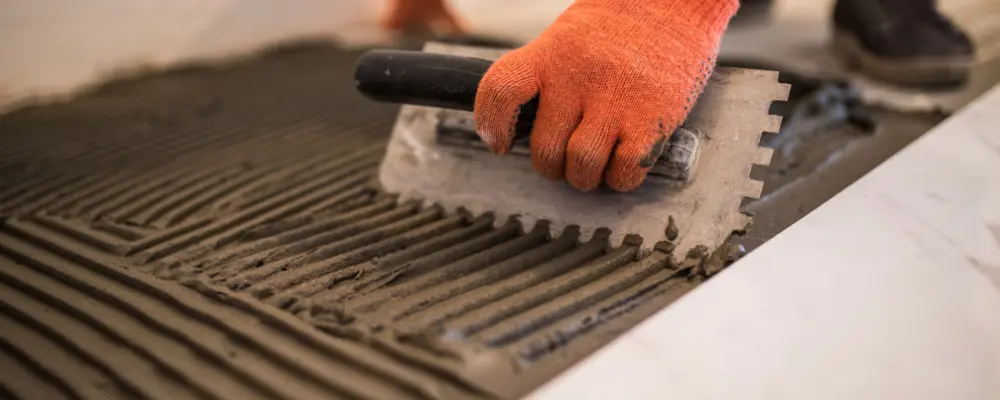
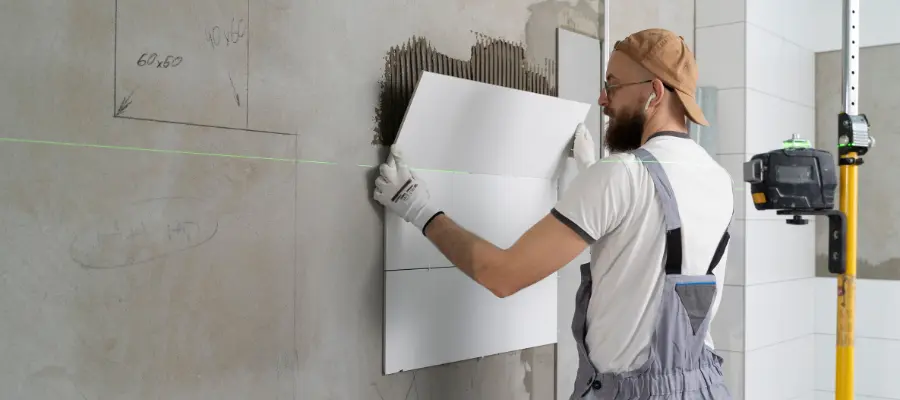
  • Tile Installation:During the tile installation period, grouting is necessary to keep the surface moisture and fill the gaps between tiles or stones. Especially, the grouting paste is used in wet areas like bathrooms and kitchens.
  • Bridge repair:Using a grout mixture helps to fill voids and secure anchorages. Epoxy grout is used for bridge repair which is impermeable in water.
  • Concrete Repair:The grouting mixture is used in the concrete to repair the crack in the wall and fill the gap.
  • Foundation Stability:Applying grouting helps to keep the foundation to be more stable. By injecting this grouting mixture, bear the heavy load.  So there will be proper soil stabilization and it acts as waterproofing.
  • Groundwater control:Here grouting is applied to control the groundwater as it helps to maintain soil stability and strength. It is controlled because of the injection which contains a mixture of cement, water and chemicals.

Advantages of Grouting

  • It is beneficial for slab jacking, such as levelling or lifting deformed structures.
  • Grouting techniques help fill the cracks in the walls and pillars.
  • Waterproof grouts are used to control water leakage in mines, tunnels, dams, and underground structures.
  • Grouting can be done on any soil/land condition.
  • Grouting in building structures does not cause vibrations and may be managed to prevent distortion.
  • Grouting the foundation can enhance site stability.
  • Tile grout is, of course, the major application for attaching tiles to walls.

Grout Repair and Sealing

Grout repair

Poor mixing or application techniques will cause the grout to crumble. To fix it with Grout repair and sealing, follow these steps:

  • First, get an available removal tool and remove the crumbling grout. You can use bleach to clean the scraped areas. 
  • Take some time and pick the right type of grout, as per your needs. 
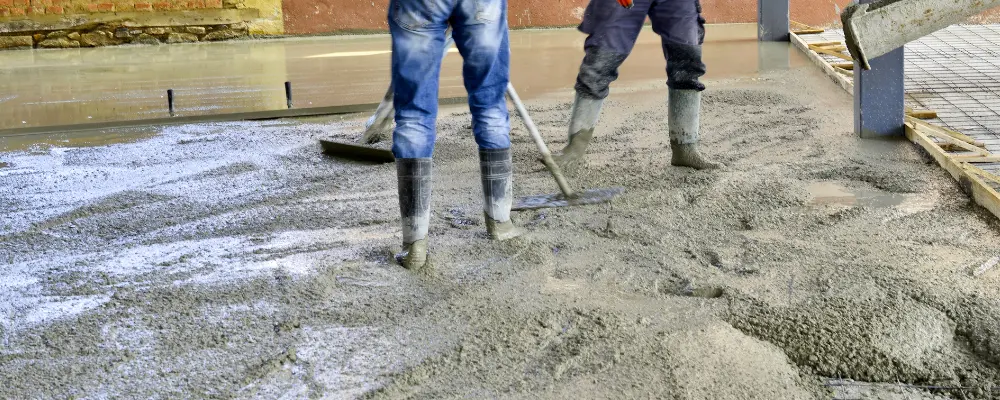
  • Use a rubber grout float or even your gloved finger to fill the grout well into the gaps correctly.
  • You can clean with a damp sponge to remove any excess grout from the different types of tile surfaces. Wait about 15 minutes to set the grouting, and then you can wipe away any remaining residue.
  • After you’ve properly applied your grout, seal it to help ensure its lifespan. Wait about a week for the grout to completely cure before applying colourant or sealing it.

Conclusion

Grouting is an important process in both the construction and renovation of home building. It helps to enhance structural integrity, strengthen foundations, seal cracks and joints, and waterproof structures. Contractors can choose the most suitable grout from different grouting types as per the project’s specific requirements. As the construction industry continues to evolve, grouting techniques and materials will also advance further, presenting even more efficient and effective solutions for different construction challenges.

If you are planning to construct your home, which will likely involve tiling work requiring grouting, then don’t worry, Brick & Bolt is here to help you. You can construct your dream home with our trusted construction company in Ghaziabad, calculate your house construction cost with our cost estimator, and experience hassle-free construction with our experts.

FAQs

1. Does grouting last forever?

No, because it depends on the quality of grouting you apply and the maintenance of your construction. So if you use branded grouting with the correct ratio, it expands for many years but does not last forever.

2. Which type of grouting is best?


It depends upon the damaged area. It may vary from one another. So if you have any doubts, you may with the manufacturer’s recommendation.

3. Shall I use grouting without equipment?

No, you cannot use it without proper safety equipment. Because some minute particles present in the components may affect your health and you will face the risks in future. Use proper equipment before grouting.

Types of Compaction of Concrete Explored

0
Types of compaction of concrete

Concrete is one of the major construction materials. To improve its strength and durability, you need to remove the air voids that entrap in the concrete mixture. Proper compaction is also necessary to achieve the required properties of concrete.

In today’s blog of Brick & Bolt, you are going to understand different types of compaction of concrete and factors influencing the choice of concrete compaction method.

What is Concrete Compaction?

Compaction is the process that eradicates entrapped air from freshly placed concrete and consolidates the aggregate particles together to increase the density of concrete higher level. The compaction of concrete can remove the voids, improve the density, and offer better adhesion between aggregates and cement mixtures to increase the lifespan of the building.

What is the Compaction Factor?

The compacting factor can be defined as the ratio of the weight of moderately compacted concrete to the weight of fully compacted concrete.

A compaction factor test is conducted in labs to find the compaction factor of concrete. The compaction factor value shows how readily the concrete can be compressed. A higher compaction factor indicates better workability, which means the concrete is easier to work with and to shape. 

The value of the compaction factor of concrete ranges between 0.7 and 0.95

WorkabilityCompaction Factor
High0.95
Medium0.92
Low0.85
Very low0.78

Different Types of Compaction of Concrete 

Concrete compaction methods

The following are the major types of concrete compaction methods.

Hand Compaction or Manual Compaction of Concrete

Hand compaction is also called manual compaction of concrete. This concrete compaction method is suitable for small quantities of concrete, but it demands more water content. It can be performed in the following three ways.

  1. Rodding 
  2. Ramming 
  3. Tamping

1. Rodding 

Rodding involves the use of a 2m long and 16 mm diameter steel rod with sharp corners and edges. The thickness of layers for rodding will be 15 to 20 cm. This steel rod is used to compact freshly placed concrete. Rodding is used to compact the edges and corners of concrete cubes. It is also used for compacting precast concrete blocks.

2. Ramming 

Concrete should be rammed to drive out any entrapped air bubbles when it is placed. The ramming of concrete depends upon the water-cement ratio of the concrete. If the water-cement ratio of concrete is high, the aggregates drop down at the bottom, and cement slurry may appear at the top layer. It may result in poor concrete strength, which may decrease the service life of a house or building. It is commonly used for compaction on the ground in plain concrete. It is not used in Reinforced Cement Concrete(RCC) or on higher floors. 

3. Tamping

Tamping is used to compact the roof, floor slab, or RCC road pavements where the thickness of concrete is moderately less, and the surface is to be finished smooth and level. It is performed with a 10 x 10 cm wooden cross beam.

Concrete Compaction by Pressure and Jolting

Pressure and jolting are concrete compaction methods generally used in laboratory settings or precast concrete manufacturing. Here, pressure or impact loads are applied to the concrete to eliminate air voids to achieve uniform density. 

Jolting and vibrating tables are used in the production of precast concrete. The concrete is placed on these tables, and quick vertical vibrations are applied, forcing the mixture to settle and release any trapped air. This concrete compaction process is commonly used to create high-performance concrete that demands precise compaction for maximum strength and durability. Pressure and Jolting methods of compaction are mainly used for the compaction of hollow blocks, concrete blocks and cavity blocks. 

Concrete Compaction by Spinning

In these types of concrete compaction, compaction is performed by spinning. This method allows a concrete-filled mould to rotate or spin at a high speed. The centrifugal force, a crucial element in this process, effectively eradicates the entrapped air voids and consolidates the concrete. This method offers high-performance concrete. Generally, this method is useful in the precast concrete manufacturing process.

Mechanical Compaction by Vibration

In these types of compaction of concrete, the concrete compaction machines are used for vibration. This method is very helpful to get effective compaction in concrete. 

The following are the major types of vibrators used in this method:

Needle Vibrator

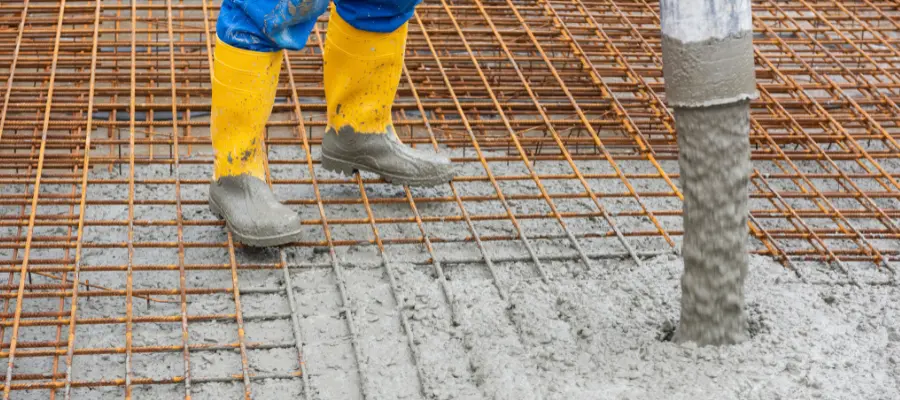
Needle vibrators are also called internal or immersion vibrators. These vibrators have a vibrating head coupled to a flexible shaft. The vibrating head is driven into the concrete at regular intervals, causing the vibrations to liquefy the mixture, eliminate air voids, and produce uniform concrete compaction. These vibrators are commonly used for compacting large, flat surfaces, such as slab foundations

Surface Vibrator

Surface vibrators, also named screed or pan vibrators, are concrete compaction machines used to compact different types of concrete slabs, pavements, and flat surfaces. These vibrators move across the concrete surface, levelling it and removing air voids at the same time. Surface vibrators are best for creating a smooth finish on broad horizontal surfaces.

Formwork Vibrator 

Formwork vibrators are also called external vibrators. They are specifically designed for compacting concrete in formwork. These concrete compaction methods are utilised to enable the right concrete compaction around embedded reinforcement while also providing a smooth surface finish. Formwork vibrators are vital for producing high-quality concrete parts like walls, beams, and columns.

Table Vibrator 

Table vibrators are used to compact granules, which requires controlled vibrations. The concrete is put on a vibrating table, causing vibratory action across the entire surface. The motion of this concrete compaction method effectively eliminates voids and improves density, resulting in good concrete compaction through vibration in thin sections.

Factors Influencing the Choice of Concrete Compaction Method

Manual compaction of concrete

Choosing the right concrete compaction methods depends on the following factors:

  • Type of concrete mix
  • Project scale and type
  • Equipment Availability

Type of Concrete Mix

Different mixes, such as M20 Concrete mix and M25 concrete mixes, will have varying workability levels, impacting how easily the concrete can be compacted. For workable mixes, manual methods will be sufficient. But for low-workability mixes, mechanical methods are often required.

Project Scale and Type

The scale and nature of the construction project impact the choice of compaction method. Simpler mechanical compaction methods can be sufficient for smaller projects, such as small home foundation. However, advanced mechanical methods are essential for large-scale projects. Surface vibrators may be more suitable for slabs, whereas thick, substantially reinforced portions may require interior vibrators to adequately reach all areas.

Equipment Availability

The availability of compaction equipment is another important consideration. Not all construction sites have access to the same level of technology, which can influence the choice of method. The cost and availability of renting equipment can also be important considerations. 

Conclusion

Proper compaction, with the different types of compaction of concrete, is very important to accomplish the required strength and durability in construction projects. By successfully removing entrapped air with the compaction method, the concrete density can be improved, leading to better bonding between aggregates and cement. Builders may create high-quality, long-lasting concrete structures by understanding and executing proper compaction processes.

Anyone who does not want to make any compromises with regard to the safety factor is required to have an understanding of the various types of compaction of concrete. Hence, it’s recommended that you hire a skilled team of professionals like Brick & Bolt Hyderabad to evaluate the different types of compaction of concrete and give you a strong and long-lasting structural design according to your house floor plan design.

The Ultimate Guide to Epoxy Flooring Pricing: Making Informed Choices

0
Epoxy flooring pricing

Everyone wants their dream home to be as elegant as possible. Epoxy flooring is one of the major flooring options that offers a great level of customisation. But have you ever considered the epoxy flooring pricing?

In today’s blog of Brick & Bolt, you are going to understand different factors affecting the cost of epoxy flooring, break down the cost components, and provide the average epoxy floor price per square foot in Bangalore to guide your budgeting.

What Is Epoxy Flooring?

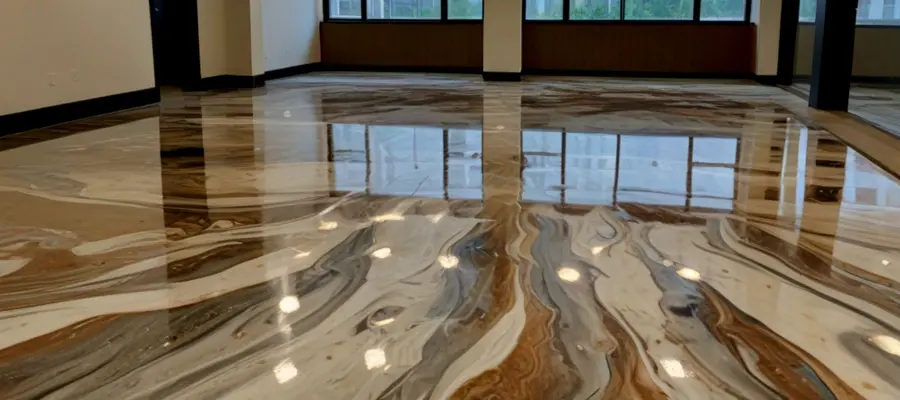
Epoxy flooring is a process in which resin-based flooring material is used. This type of flooring offers a durable and shiny finish. It is generally used in homes, offices, garages, and other industrial spaces.

Epoxy Floor Price Per Square Foot in Bangalore

Cost of epoxy flooring

Following is a breakdown of the approximate epoxy floor price per square foot in Bangalore.

Cost of Epoxy Coating for Existing Floors:

This includes epoxy treatments for existing concrete or cement floors. The epoxy flooring rates change depending on the type of epoxy, the condition of the floor, and the number of coatings.

The average epoxy floor price per square foot will be ₹35 to ₹150.

Cost of Epoxy Flooring for New Construction:

In Bangalore, epoxy flooring pricing for new construction projects will be favourably cost-effective. Since there will be no existing floors to prepare for, prices can differ based on the type of epoxy and design preferences.

The average epoxy floor price per square foot will be ₹40 to ₹200 per square foot.

Cost of Custom Epoxy Designs:

If you wish to customise different patterns, custom designs, and logos, the cost of epoxy flooring may increase. The cost can increase if you like complicated patterns, logos, or custom designs. Custom epoxy designs give rich looks to personal spaces.

The average epoxy floor price per square foot will be ₹75 to ₹300 per square foot.

Factors Affecting Epoxy Flooring Pricing 

Epoxy flooring rates

Before going to start epoxy flooring, it’s essential to understand the things that can influence its costs. Understanding these factors will help you find the epoxy flooring best suited to your needs and budget. 

The following are some of the common factors that can influence the overall cost of your epoxy flooring project:

1. The Type of Epoxy You Choose 

The overall cost of epoxy flooring significantly depends on the type of epoxy used. Currently, the two most popular types of epoxy used are water-based and 100% solids.

Solid Epoxy

Solid epoxy is the more conventional type of epoxy, having been used for many years.

It dries faster and offers a strong, durable and elegant finish. It is worth paying the higher cost as a long-term investment because it offers a durable and long-lasting finish for the flooring. 

The following are some of the benefits of this type of epoxy:

  • Solid epoxy offers high resistance to abrasion.
  • Provides superior chemical and corrosion protection.
  • Excellent epoxy coating for heavy traffic areas such as industrial floors or warehouses.
  • Thicker mixture that easily corrects and covers imperfections.

Water-Based Epoxy

Water-based epoxy is the most affordable option. It can also be used as an environmentally friendly alternative. This epoxy offers better chemical resistance and staining protection. It has similar performance and durability; however, it may wear faster than solid epoxy.

The following are the benefits of water-based epoxy:

  • Most affordable option
  • A thinner material is easier to apply.
  • It possesses little to no VOCs and releases no dangerous emissions while curing.

2. Square Footage of the Area to be Covered 

The total area you need to start flooring will play a major in the overall price of epoxy flooring. Larger rooms will demand more materials and likely take more time to install, resulting in a greater overall price. If you are covering a large area, it is important to consider this in your budget and make sure you are ready for the rising expenses.

3. Preparation of the Existing Floor 

Epoxy flooring can be put directly to a concrete surface; however, a build-up may be required at times. Floors with cracks, holes, or considerable unevenness may necessitate extensive repair or levelling. The installation cost of epoxy flooring varies according to the size of the area, the type of construction material utilised, and the depth of build-up.

4. Design Options 

Epoxy flooring offers multiple options for the design finish. You can choose a solid colour or a more optimistic finish with patterns or decorations. You can also add decorative quartz flakes or use a metallic finish. The finish cost will vary depending on the complexity of the design and the materials utilised.

5. Labour Costs

You may think setting up an epoxy floor by yourself will lower the overall project cost. But, hiring a skilled epoxy flooring contractor has considerable advantages. An experienced contractor can perform the installation correctly and ensure it fulfils all your requirements. The overall epoxy floor installation cost varies depending on the project’s complexity and regional pricing differences for labourers. 

Conclusion

When thinking about epoxy flooring, remember that the price in Bangalore can differ depending on the type of epoxy, any custom options, and the labour costs.

If you are planning to construct your home with epoxy flooring, you can consult with an experienced construction company in Bangalore. It offers comprehensive solutions for your building needs. Their expertise lies in making your dream home a reality with a commitment to excellence; they guide you through every step of the construction process.

All About Types of Stones for Home Construction and Their Advantages

0
Types of stone image

Building a house is a challenging process that needs a careful choice of materials. Stone is a significant material because it is both durable and elegant, with unique properties that make a house more functional and appealing. In this blog Brick & Bolt will talk about the various types of stones used in home construction and the advantages of stone. 

What is a Building Stone in Home Construction?

Stones that have been extracted and shaped to be used in construction are known as building stones. People use stones in the construction process due to their strength, elegance, and durability. They are used on exterior surfaces, floors, and walls, among other things. Common types of building stones include granite, marble, limestone, and sandstone. Everyone has unique advantages and qualities. When they are used in construction, houses become stronger and more visually appealing.

Types of Stones in Home Construction

Granite stone image

There are many different types of stones used in construction based on the materials and their usage. Some of the common types of stones are mentioned below, and they are-

  1. Granite Stone
  2. Marble Stone
  3. Limestone
  4. Slate Stone
  5. Sandstone
  6. Quartz Stone
  7. Basalt Stone
  8. Travertine Stone
  9. Pumice Stone

1. Granite Stone:

Granite is a highly preferred material for home construction because of its appealing appearance and long lifespan. Granite is an igneous rock made when molten magma is cooled. Granite is a composition of quartz, feldspar, and mica, and it gives a granular texture and a range of colours from polished black to pastel pink. In addition, Granite flooring is considered one of the best flooring options for your home because it has very good features.

2. Marble Stone:

Marble has always been associated with elegance and is used in sculptures and architecture. Marble is created when limestone is heated at a high temperature and under intense pressure. Marble is known for its veining feature and range of colours because this process recrystallises the carbonate minerals in the stone. Depending on the design and style of a building structure, different types of marble are used to improve or complement the house’s aesthetics. 

3. Limestone:

Limestone is a sedimentary rock which is mainly composed of calcium carbonate. It often contains fossilised remains of marine organisms, which contribute to its unique texture and appearance. When compared to other building stones, limestone is comparatively softer, which facilitates shaping and cutting.

4. Slate Stone:

Slate stone is known for its deep, rich colours and finely-grained texture. Slate is a metamorphic rock derived from shale-type sedimentary rock composed of clay or volcanic ash. It has the ability to split into thin, smooth sheets and its finely grained texture are its defining characteristics. 

5. Sand Stone

Sand stone is a sedimentary rock with a granular-textured used for outdoor purposes. Sandstones are made up of sand-sized mineral particles, mostly quartz. Sandstones are available in several colours, such as beige, yellow, red, and grey.

6. Quartz Stone

Quartz stone is an artificial stone made of resin mixed with natural quartz. Quartz stones are made by combining crushed natural quartz and polymer resins. This procedure creates a long-lasting, aesthetically pleasing, non-porous surface. Quartz stone comes in a variety of colours and designs that frequently resemble those of real stones.

7. Pumice Stone:

Pumice Because of its insulating qualities, pumice is a light-coloured, porous volcanic rock that is frequently used in construction. Pumice is a very porous, lightweight rock that is created when volcanic lava cools quickly and depressurises. Its lightweight design and insulating qualities make it a popular choice in the construction sector as a lightweight construction material.

8. Basalt Stone

Basalt is a solid, volcanic rock that is used frequently because of its structural strength. When basaltic lava cools quickly, it produces basalt, an igneous rock. It is usually dark in colour, ranging from black to grey, and dense with a fine-grained texture. Basalt is frequently used in construction because of its strength and durability.

9. Travertine Stone:

Travertine is a kind of limestone known for its earthy colours and porous surface. Travertine is a mineral spring deposit that is characterised by high porosity and a fibrous appearance. It frequently comes in rusty, creamy, and beige colours. Travertine is usually cut into tiles and is used for wall cladding, flooring, and other ornamental purposes.

Advantages of Stones in Construction

Stones in construction have many advantages that improve a building’s overall quality, aesthetic and longevity. Here are a few main advantages:

  • Stones like granite, basalt and limestone are highly durable so that they can be used in long-term construction projects.
  • Stones like granite and basalt are used for load-bearing structures like Compound walls and foundations for homes because of their extraordinary strength.
  • Most of the stones are weather-resistant, which makes them appropriate for use in both indoor and outdoor applications.
  • Slate and quartz are examples of low-maintenance stones that hold their structural integrity and appearance over time.
  • Any building can benefit from the distinct patterns, textures, and colours of stones like travertine and marble, which give a sense of organic sophistication and beauty.
  • The classic look of natural stone remains stylish and desirable across changing design trends.
  • Stones like pumice and travertine are capable of controlling indoor temperature and cooling costs because of their superior thermal qualities.
  • Natural stones don’t release any hazardous substances or volatile organic compounds (VOCs), they contribute to improved indoor air quality.
  • Since many stones can be used as a fire-resistant construction material, they offer exceptional fire resistance and an additional layer of security to buildings.

Beyond aesthetics, there are many advantages for using stone in construction process. Stone is a great construction material for both residential and commercial buildings because of its strength, resilience, and sustainable thermal and acoustic qualities. Builders and homeowners can improve the quality, safety, and aesthetics of their buildings by making informed choices based on their understanding various types of stone varieties. Using natural stone guarantees a long-lasting and sustainable building practice solution, whether one chooses the strong durability of granite or the timeless elegance of marble. 

Do you want to construct your home as strong as a stone, consult the best construction company and also you can calculate your construction budget by using our cost estimator and enjoy budget-friendly hassle-free construction with our experts.

Best Bricks for Home Construction: Ultimate guide

0
How-to-Choose-the-Right-Brick-for-Your-Home-Featured

Bricks are the bedrock of building construction. It has been used for various purposes, including house construction, pavement, walls, foundations, etc. There are many types of bricks, including fly ash, clay, lime, concrete, and more.

The type of bricks decides the durability and lifetime of the construction. It is essential to be aware of the type of brick that you wish to choose. With this article, we have given you the 5 best bricks for home construction. Read to know more:

Best Bricks for Home Construction

1. Burnt Clay Bricks

Burnt clay bricks are the widely used construction material specifically to construct structures like foundations, columns, walls, etc. It has been available in 4 different types:

  • First-class bricks (High quality)
  • Second Class bricks (Moderate quality)
  • Third-class bricks (poor quality)
  • Fourth-class bricks (over-burnt, irregularly shaped bricks)

2. Fly Ash Bricks

It contains class C and class F fly ash, which is particularly used for masonry. This is a kind of by-product made by mixing the burning coal with water and then firing for 1000 degrees Celsius. Due to the presence of an excess amount of calcium oxide, class C fly ash bricks is produced. It is best for constructing walls, pillars, and foundations.

3. Concrete Bricks

Concrete bricks are manufactured from solid concrete, which includes water, cement, aggregates, and sand. They are great for facades and fences. The benefit is that they can be tailored to the size needed for your projects.

4. Engineered Bricks

Because of its high compressive strength and low porosity, engineered bricks are used in basement constructions. It actively prevents damage from water, chemicals, and acids in a structure.

5. Calcium Silicate Bricks (Sand Lime Bricks)

The Calcim silicate bricks are made from materials like fly ash, lime, and sand. This brick can be used for various purposes of construction work. The primary reasons to go for these bricks are excellent fire resistance, smooth finish, and acoustic insulation. It is the best choice for industries like ornamental works in buildings and masonry works.

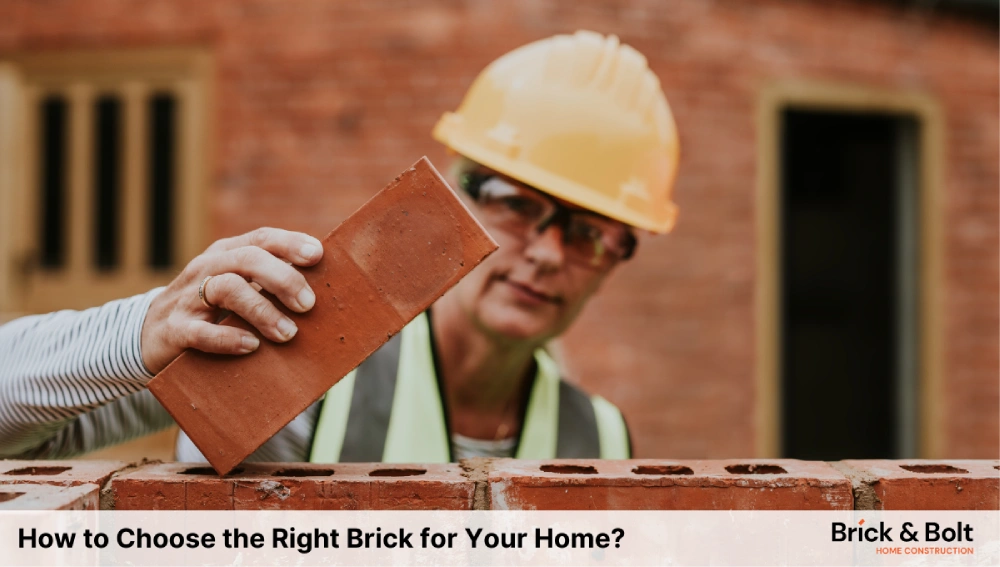
How to Choose the Right Brick for Your Home?

How to Choose the Right Brick for Your Home

Finding strong and -long-lasting beautiful bricks and checking the brick quality is the ultimate aim of any renovator and homeowner. However, the knowledge of essentials may let you find the one that fits your needs. Here are the lists of guides provided to select the right brick to construct your house:

Do Search: Research is paramount to obtain the outstanding house style you wish to deserve. Look at the trend that is going outside, then plan for colourcolor, texture, shape, and size. Before you make the decision, getting ideas from the internet will help you out well.

Location: The grade of bricks varies from place to place due to environmental conditions. The location where you plan to build determines the grade you require. Talk to your builder about environmental conditions and other building types near your location to make informed decisions.

Look at your House: To turn your imagination into a reality, choosing the right bricks matters. The dimension of the brick decides the size, height, linearity, and superlinear of the house. Based on your exterior and interior style, find the right brick size.

Conclusion

The properties of each brick differ (i.e.) based on the materials and ingredients used to manufacture. Whether you are a renovator or homeowner, conduct an in-depth search and find the brick that suits you in all aspects. If you are looking to build a new home in a contract basis, the uncontrolable part is the quality of the material that they are gonna use. In this case you have to do proper research to select the best construction company to avoid quality issues.

FAQs

1. What is the Best Type of Brick to Build a House?

Burnt clay bricks are the number one choice of most builders to construct structures like foundations, walls, and columns. They are the oldest brick widely used for various construction purposes.

2What is the Most Durable Type of Brick?

If you are looking for the most durable and strong brick for your construction, calcium silicate brick is the best choice. They are known for their lightweight, fire-resistant and insulation properties suitable for high-rise buildings.

3What are the Best Bricks for a House Foundation?

Cement bricks are highly recommended for foundation and load-bearing walls. It is because they are eco-friendly, durable, cost-effective, and water-resistant. Opt for cement bricks if you are planning for low-cost housing.

4What are Good Quality Bricks Called?

The best quality bricks are commonly called First-class bricks, which are made through table moulding. They are highly durable and strong along with many other resistant properties.

5. What is the Strongest Building Brick?

Class A engineering bricks are the most strongest bricks enhanced with strength, durability and low absorption rate. From heat to rain, it can withstand any environmental conditions.

Low-Cost Normal House Front Elevation Designs

0
Low cost Normal House Front Elevation Designs - featured image

The front elevation is the first impression people will have of your house. It provides a beautiful touch to the buildings and shows your aesthetics. However, achieving a beautiful structure does not need more money. Here are some of the low-cost elevation designs that can be used for houses with affordability and aesthetics.

Low-Cost Elevated Designs for Normal House

Low-Cost Normal House Front Elevation Designs

Split-Level with Simple Facade

A split-level home has a dynamic architectural design that divides the living spaces without the need for another secondary. This efficient use of space produces a visually appealing look with clean lines and contrasting colours. It is good to paint the house in any neutral colour and give a bold colour for the entryway. 

Raised Ranch with Basic Materials

The raised ranch style is commonly known for its affordability and practicality. It provides a classic and functional layout. It is better to keep the ranch simple by using a combination of materials like brick and vinyl siding. 

Bricks can be used for external walls, and large windows can bring light, making the space feel large and open.

Deck-Attached Bungalow with Stone Veneer

Bungalows give a cosy feeling. A bungalow with a deck attached enhances the elevation in the front. Attaching a deck using low-cost stone veneer can create a welcoming entry and give a beautiful view. This design adds a touch of texture and sophistication with a low budget.

Symmetrical Cottage Design

Symmetry is an eye-pleasing design and it can be achieved without using any expensive products and designs. A cottage-style home that has a symmetrical design provides a storybook charm. 

This feature can be added by flanking the centred door with an evenly spaced window. For a complete look, it is better to add some low-cost materials like roofing with composite materials and using painted wood trim.

Feet Front Elevation

Some houses have limited frontage, in those types of houses focusing on vertical elements can help to make you look upwards. In this feature, the front door will be tall, and they have decorative gables or a thin porch. These details can be built using affordable materials, and they can also give a visual interest.

Front Elevation Designs for Small Houses

For small houses, using a front elevation design can make them appraised larger. Light colours are used to expand the external space visually. Also, add a depth that can project the front porch or window. At the same time these designs can suit best fit for Duplex houses

It is important to choose low-cost products so that they can fit into the budget. Also, the addition of other materials like shutters or flower boxes can have an impact visually.

Some of the design ideas are

  • Vertical lines: Using vertical elements such as tall windows or any board can produce an illusion of height.
  • Light and bright colour: Try to paint light colours on the sides and large windows to make them look ventilated and spacious.
  • Open floor plan: An open floor plan can help create a larger interior and give an illusion of reflection.

Tips for Achieving Low-Cost Front Elevations

  • Early planning:  Early and careful planning can help avoid mistakes about costs and prices. Draw your idea, and ask a building designer for their opinion if possible.
  • Selection of materials: it is important to choose the materials wisely and that have the best value for money.
  • DIY if possible: For some works like painting or simple landscaping, try to do it yourself and save money.
  • Shop Around: look for the materials available at discounted prices in the shop.
  • Maintenance of balance: it is important to save money but get the essentials properly.

Conclusion

By following these tips and researching design ideas, you can produce a low-cost and high-impact front elevation for your house. Always keep in mind that balance is an important key to getting a creative design that is both appealing and affordable. 

FAQs

1. What are the most affordable materials for front elevation?


The most affordable materials for front elevation are Vinyl siding, fiber cement, and brick veneer.

2. Can I get a modern look with a limited budget?

Yes, by choosing simple designs and affordable materials, a modern look is possible to achieve.

3. How can I enhance the front elevation of a home with limited frontage?

Focus on using vertical elements and also try to add a decorative gable or tall front door.

4. What type of roofing is most affordable?

The Most affordable and durable type of roofing is composite roofing.

Voice-Controlled Home Automation: The Smart Home Revolution

0
Voice-Controlled-Home-Automation-featured-image

Indeed, with the current modern lifestyle, people do not have time to spend cleaning the house. Luckily, modern trends created voice-controlled home automation. It is a great opportunity to manage home appliances and devices effortlessly with voice commands. 

This blog will look at the benefits of voice control, home automation, the top platforms, and home security systems.

What is Voice-Controlled Home Automation?

Voice-controlled home automation is the use of verbal instructions, through the user’s voice, to manage appliances and gadgets in the home. This technology builds on AI and machine learning to understand voice commands for the control of home devices. 

The main reasons for current interest in voice-controlled home automation are that it aims to make homes easier to manage, more comfortable, and more enjoyable.

How do voice-controlled devices work?

Voice-controlled devices have three main parts. They have a microprocessor, a voice recognition unit, and a port. 

  • The microprocessor controls the voice command part. 
  • The voice recognition part recognizes and analyzes the spoken words. 
  • The device control interface could be Bluetooth or Wi-Fi. It lets the device connect to other devices and the internet for remote control and smart home applications.

Benefits of Voice-Controlled Home Automation

1. Effortless Control: Voice controls would allow users to operate devices without physically having to touch them; thus it may be applied on such operations as dimming or turning on/off lights, regulating temperature and playing music.

2. Task Streamlining: Smart homes controlled by voice enables the accomplishment of several activities, which generally require many steps, within the shortest time possible since they work concurrently.

3. Instant Information Retrieval: To perform a concrete task such as checking weather, news or a calendar event one does not need to go through menus as one can just ask the voice assistant.

4. Energy Efficiency: Voice control helps in the management of power consuming gadgets like thermostats, and lightings.

5. Remote Monitoring: Smart homes through voice commands entail features that act as home monitoring tools from a distance, hence improving home safety.

Getting Started with Voice-Controlled Home Automation

Voice-Controlled Home Automation

To begin with voice-controlled home automation, users need to:

1. Choose a Voice Assistant: Choose a virtual assistant you want to use which can be Alexa by Amazon, Google Assistant or Siri of Apple.

2. Set up the devices: They can connect via Bluetooth, wireless, or other interfaces to the voice assistant.

3. Configure the System: Set up the voice assistant and devices to coordinate well. This lets the homeowner control them.

Top Voice Assistants and Platforms

1. Amazon Alexa: Compatible with several other intelligent devices and smart home technologies.

2. Google Assistant: It is compatible with Google Home devices. It also works with other smart home platforms.

3. Apple Siri: Suits perfectly for usage with Apple devices and Apple smart home systems.

Voice-Controlled Home Automation – Security Considerations

1. User authentication: This prevents unauthorized people from getting on the system.

2. Encryption: Encrypt the users’ information input and limit unauthorized access to user information.

3. Regular Updates: It will make the system and voice assistant more secure. They will have the latest patches and features.

Conclusion

Voice control for home automation is a fantastic change. It works through voice commands and touches every part of our homes. That’s why this tech is fast, safe, and easy to use based on the successes of AI and machine learning. Smart devices integrated with voice assistants make home automation easy.

FAQs

1. What is a home automation system based on voice recognition?


A home automation system uses voice recognition. It allows you to command appliances and gadgets in the house using voice.

2. Can you control my device with my voice?

Yes, it is true that voice-controlled devices can be controlled usually by voice.

3. What is home automation using the voice command Google Assistant?

Home automation with Google Assistant lets you control smart devices and home appliances. You can do this through Android devices and other compatible speakers.

4. What is a smart home voice assistant?

A smart home voice assistant is an app. It lets users control home devices using voice commands.

Pooja room dimensions as per vastu for better positivity

0

A pooja room is highly important in Indian culture. Most people need to create a sacred place in their homes for meditation and prayer.
Vastu Shastra, an ancient science of design and architecture, has emphasized the layout and dimensions of a pooja room that can help optimize the positive energy flow within your home.
By following these Vastu Shastra principles you can really create an uplifting and harmonious place for spiritual reflection.

Ideal Pooja Room Size

Minimum Size For a Pooja Room

According to Vaastu, the minimum size of a pooja room is typically 5 ft x 7 ft.

Why is this Size Considered Ideal?

A minimum pooja room size of 5 feet x 7 feet is considered ideal. Creating a harmonious pooja room requires balancing functionality and design.
This size room provides a comfortable movement for a single person or a small group during daily rituals and keeps a sacred ambiance.
This balance gives an overall flow of positive energy and proportion for your living area.

Key Points for Your Vastu Pooja Room

Some key points that must be considered for setting up a pooja room, according to Vastu, in your home are listed below.

Pooja Room Direction As per Vastu

The direction of the pooja room is ideally located in the northeast corner of your home. That is to get more positive energy and sunlight. Other directions, like east and north, are also considered auspicious.

Pooja Room Design As per Vastu

As per Vastu, a low ceiling is recommended. Also, it can have a pyramid-shaped or gopura-like top to produce a positive environment. If possible, it is recommended to add a threshold and two door entry.

Idol Placement As per Vastu

Idols must be placed a few inches away from the walls and a minimum of six inches from the ground. Ensure that the idols are placed directly above the storage.
Also, avoid placing portraits of the dead and paintings that depict violence in the pooja room. Common idols can be placed in the northeastern corner of the pooja room, and they must not be facing each other.

Vastu for Pooja Room Storage

The puja items must be arranged and placed neatly in cabinets or shelves to avoid clutter. Pooja-related items, lamps, and religious books can be stored pointing southeast. Do not store anything above the idols.

Vastu for Pooja Room Colour Palette

To maintain a serene atmosphere, go for colors like white, light blue, or pale yellow. Specifically, for walls, you can use white, light yellow, or light blue shades. For marble works, select white or light yellow, as they are considered more auspicious for pooja rooms.

Importance of Lighting in Pooja Room Vastu

Lightning is very important in a pooja room. So be sure to have proper light in the room and place the lampstand on the southeast or eastern side. Maintaining proper light can produce an illuminating atmosphere that increases the spiritual experience.

Vastu for Pooja Room Doors

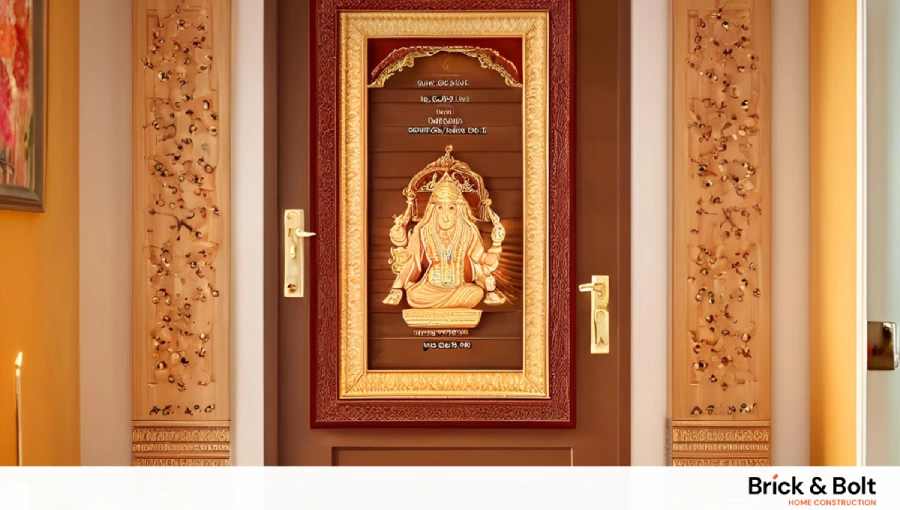
The most preferred doors for pooja rooms are wooden doors with two shutters opening outwards. Pooja rooms can also have northern or eastern walls along with doors and windows. According to Hindu mythology, gods tend to take human form, so they need privacy, so the addition of doors became essential.

Vastu for Accessories for Pooja Room

Try to keep the accessories to a minimum. Focus on key accessories like lamps, incense holders, and offering plates. Metal accessories can be used mainly in brass. It is also good to place a copper vessel filled with water in the pooja room, as it can absorb negative energies.

Best Areas to Keep Your Pooja Rooms in

The best areas to place the pooja rooms are living rooms and kitchens. To maintain their sanctity, they must be located in a quiet and isolated part of the house. Pooja rooms can also be placed in the northeastern part of your kitchen or bedroom.
They must be placed in a good lightning and airflow area as they can have good regulation of energy.

Essential Pooja Room Design Principles

The design of your home’s pooja room is personal and also spiritual. So, it must be simple and uncluttered, as it promotes a peaceful atmosphere.
Some of the essential principles that need to be considered for creating a sacred place are:

  • Purpose and spirituality
  • Simple and free of clutter
  • Vastu Compliance
  • Usage of Natural materials and crafts
  • Proper lighting and tidy space for storage
  • Accessories and privacy
  • With personal touch

Conclusion

Pooja rooms are considered more than a physical place; they are a space for spirituality and tranquility. So, following the principles of Vastu can help achieve a harmonious balance of energies and also provide a proper place for devotion and meditation.