Home Blog Page 91

How Much Home Loan Can I Get on Rs 60,000 Salary?

0
impacting home loan

Owning a house in today’s life is truly a matter of great achievement, and getting a home loan is the very first step towards owning a home. An important question keeps creeping into the minds of home-loan borrowers: how much can they borrow to buy a house? 

In this blog post, we will discuss the factors that determine your home loan. We will also cover an example of a Home Loan Amortization Scheme and the issues you may face. We will also be organizing how Brick & Bolt can help you to construct your dream home even within your financial capabilities .

Let’s consider an example of a home loan of Rs. 50,00,000 with a tenure of 25 years at an interest rate of 8.5%. Here’s a sample amortization schedule for a monthly EMI of Rs. 30,000.

YearEMI PaidPrincipal PaidInterest PaidRemaining Balance
5Rs. 18,00,000Rs. 7,00,000Rs. 11,00,000Approx. Rs. 43,00,000
10Rs. 36,00,000Rs. 18,00,000Rs. 18,00,000Approx. Rs. 32,00,000
15Rs. 54,00,000Rs. 32,00,000Rs. 22,00,000Approx. Rs. 18,00,000
20Rs. 72,00,000Rs. 48,00,000Rs. 24,00,000Approx. Rs. 4,00,000
25Rs. 90,00,000Rs. 50,00,000Rs. 40,00,000Approx. Rs. 0

This table illustrates how the principal and interest payments change over the loan tenure. Use an EMI calculator to estimate your monthly payments based on the loan amount and tenure.

What is the Maximum Loan for a 60K Salary?

The maximum loan for a 60K salary would be Rs. 45,000 to Rs. 55,000 per annum. The cost of an installment loan can vary depending on factors such as credit score and the company’s general lending policy. 

It is necessary to underline that the sum depends on net monthly income, other obligations, and the chosen credit service specifics.

In the present scenario, most of the banks have adopted either the EMI/NMI ratio method or the multiplier method to assess the prospects of a home loan on a salary of Rs. 60,000:

– The EMI/NMI ratio is influenced by your current EMIs and net monthly income, with the ratio referring to the EMI/NMI ratio in this context. Traditionally, those people who have an EMI/NMI ratio below 60% can frequently apply for a home loan.

– In the multiplier method, banks multiply your NMI by a factor between 60 and 72 to determine the maximum loan amount. For example, Rs. 60,000 x 72 = Rs. 43,20,000.

Factors Impacting Home Loan Eligibility for 60K Salary People
Impacting Home Loan

1. Work Experience: 

Employment history credit approvals for home loans depend more on the latest revenues from employment, and those who have been employed for at least a year or two get preferred.

2. Age: 

As for the general requirements of the banks, applicants must be between the ages of 21 and 65 years to seek home loans.

3. Credit Score: 

This is an important factor because a minimum credit score of 750 increases the chances of a loan being approved and may lead to better interest rates.

4. LTV (Loan to Value): 

Though higher LTV ratios can lead to higher lending amounts, they come with a higher interest rate as well. LTV is a benchmark for a home loan, where most of the banks have a maximum LTV of 90 percent.

5. FOIR (Fixed Obligation-to-Income Ratio): 

Lenders generally adopt a FOIR of up to 50% for home loans. If you have existing debts, paying them off and keeping those amounts low is crucial for a good FOIR.

6. Property’s Legal: 

Having an acceptable legal title of the property and getting approval from the host government is of paramount importance for loan acceptance.

Home Loan Challenges on ₹60k Salary

For the matter to become easier for homeowners, especially securing a home loan on an Rs. 60,000 salary may be easier compared with a lower one; however, there can be a lot more concerns following that due to high property prices in most cities. To overcome these challenges, consider:

– Reducing the size of the property or searching for a locality with an affordable price.

– The second form is that the borrower pays a higher down payment to decrease the size of the loan and sustain reasonable interest rates on EMIs.

– One way to enhance your loan credit worthiness is by applying for the loan jointly with your spouse or any family member of your choice.

How Brick & Bolt Can Help You Build a House

Brick & Bolt, together with a number of options suggested, helps minimize the time and expenses needed to build a home while guaranteeing high-quality work. Their services include:

– Offering a collection of house designs and allowing the clients to choose from them according to their choice and within the set budget.

– Helping secure the rights and permits necessary to move forward with the project.

– Coordinating with the construction contractors to oversee the progress of the construction in order to meet the scheduled time and quality requirements.

– Some of the services that can be provided include facilitating post-construction services, such as maintenance and warranties.

– Brick & Bolt helps clients manage their financial balance more effectively, as they can build a house with a lesser loan amount compared to traditional construction methods. 

– This is particularly beneficial for clients who are looking for affordable options without compromising on quality.

You will have all the matters concerning building these great homes dealt with by Brick & Bolt as you tackle matters concerning your financial balance.

Conclusion

Before you apply for a home loan it is important to consider the qualification and the financial position you are willing to put on the line. Think about the difficulties and examine possibilities such as co-application and support with practical execution from companies such as Brick & Bolt to avoid utter discomfort with the acquisition of a house.
House Front Tiles Design: Transform Your Home

0
House Front Tiles Design

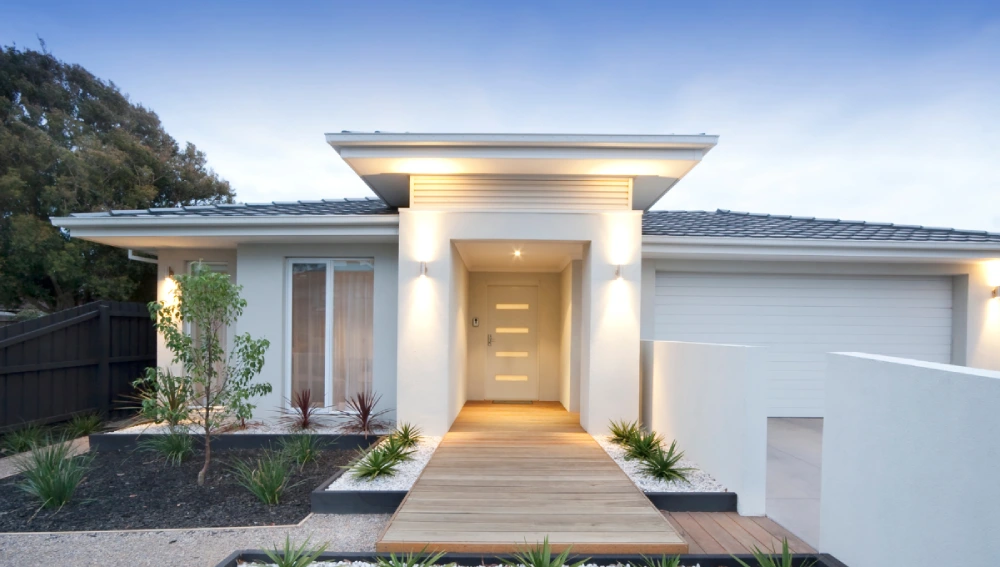
A front wall tile design can help upgrade the look of your home and increase its value. The front wall is the first thing anyone sees when they enter your house, so you must ensure your front wall tiles are attractive and visually pleasing. 

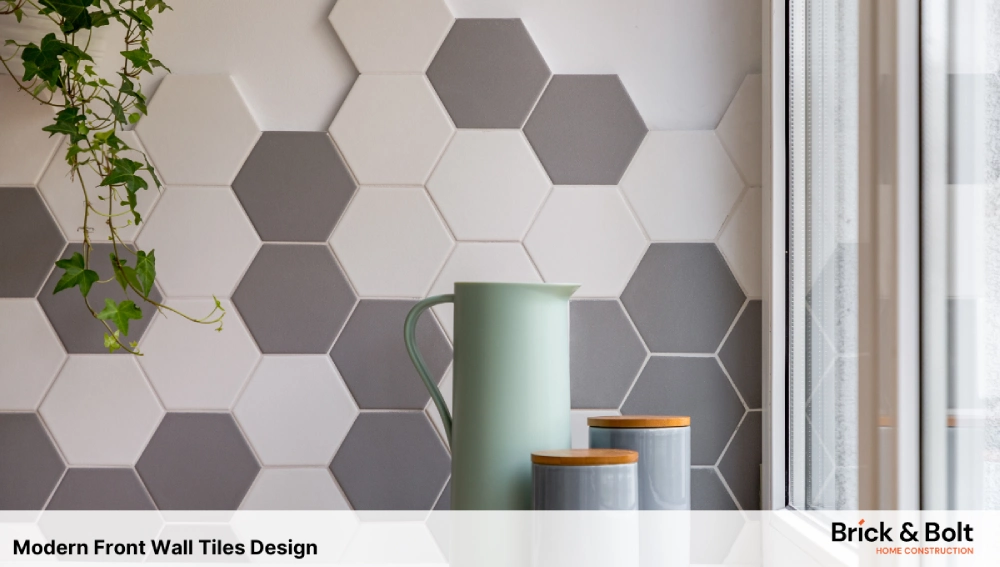
This blog post aims to identify the styles and types of tiles used in modern front wall designs. These designs include textured porcelain panels, geometric mosaics, metallic-finish tiles, and others.

Modern Front Wall Tile Design

The modern front wall tile design offers a wide range of options to enhance the aesthetic appeal of your home. Here are some popular styles and types of tiles that can be used for a modern front wall design:

Textured Porcelain Panels

The panels have different textures: matt, glazed and textured. Using them on the front wall can enhance the design. They are also very resistant and easy to maintain, making them suitable for more commercial use.

Geometric Mosaic Patterns

The front wall design can be even more stunning by incorporating geometric mosaic patterns on the house’s exterior. This enriches the patterns, which can be made of glass, ceramic, or stone and may be conventional or individual. 

Geometric patterns can also be used and applied on your front wall to embrace movement and energy in your gym.

Metallic Finish Tiles

Metallic-finish tiles can give your front wall a more modern and classy look. They are a set of tiles available in metallic colors, including gold, silver, and copper, to make your home glamorous. 

Metallic-finish tiles are also durable and easy to maintain, especially in high-traffic areas.

Modern Front Wall Tiles Design in the Indian Style and its Types

Modern Front Wall Tiles Design

Modern Indian front wall tile design, much like other Indian architectural styles, elevates for design your building’s facade with stunning front wall aesthetics, all while retaining the traditional blend that makes Indian design unique. Here, we have collated a list of tiles that suit your house wall based on your preferences. So, without any delay, we will go with the best options for front wall tiles in Indian style.

Moroccan Tiles

Moroccan tiles come in various bright colors and stunning patterns, which may be valuable for giving the front wall a distinct look. These tiles are quite common in Indian architecture, and this feature can be exploited to help your house look more historical.

Terracotta with Jali Work

Jali work is a form of traditional Indian architecture in which decorative carvings are made using stone or wooden pieces. Jali’s brickwork with Terracotta tiles can also bring a hint of rich Indian culture into a home.

Natura Stone

Natura stone tiles can decorate the front wall, giving it a natural look. Made from natural stone, they can bring the outdoors in.

Porcelain Tiles in Wooden Finish

You can use porcelain tiles with a wooden appearance for your front wall. These tiles mimic wooden surfaces and give your home an inviting appeal. Due to their texture, these tiles are long-lasting and easily cleaned, making them suitable for vibrant areas.

Textured Concrete Tiles

Textured concrete tiles are another option you may consider for the front wall. They offer a distinct industrial look. They are concrete-based and perfect for use in home construction to give the look and feel of a rough exterior.

Natural Stone Tiles

The use of natural stone tiles in the construction of front wall designs can guarantee a clean, classic appeal. These tiles come from natural products like stone, which allows for an elegant touch inside homes.

Metallic Finish Tiles

One of the most elegant looks you can achieve with finish tiles is applying a metallic finish on your front wall. These tiles come in diverse finishes, including metallic finishes, that produce beautiful shades of gold, silver, and copper.

Vertical Garden Tiles

Depending on the type of wall, you can try installing vertical garden tiles to make your front wall greener and with a distinctive design. They are crafted from various materials, including ceramic stone, and are useful for making a home seem natural.

Conclusion

In conclusion, no matter how much someone wants a specific look for their home, a tile design always fits their taste. An appropriate tiling design for your front wall does not just make your home more beautiful. It can also add value. Undoubtedly, it helps make a strong first impression on your guests.

Low-Cost Marble Flooring Price: Affordable Options

0
Low-Cost Marble Flooring Price - featured image

Marble flooring can give a touch of luxury to your home, but it may also be expensive. It adds a certain level of sophistication to an interior space that cannot be provided by other types of flooring. This has been a popular material choice for a long time from centuries. They are used on the floors of palaces, museums, and modern homes. 

This article can act as a guide for you to understand the factors influencing the marble flooring prices, and other options that are of low cost and also provide you with valuable tips for cost-saving strategies.

What Are the Factors Influencing Marble Flooring Price

Marble is not one size that fits all materials. The price of the best tiles for your home can differ depending on several factors. Understanding these factors that can influence the cost is important for making an informed decision and potentially saving money on your project.

Marble Type

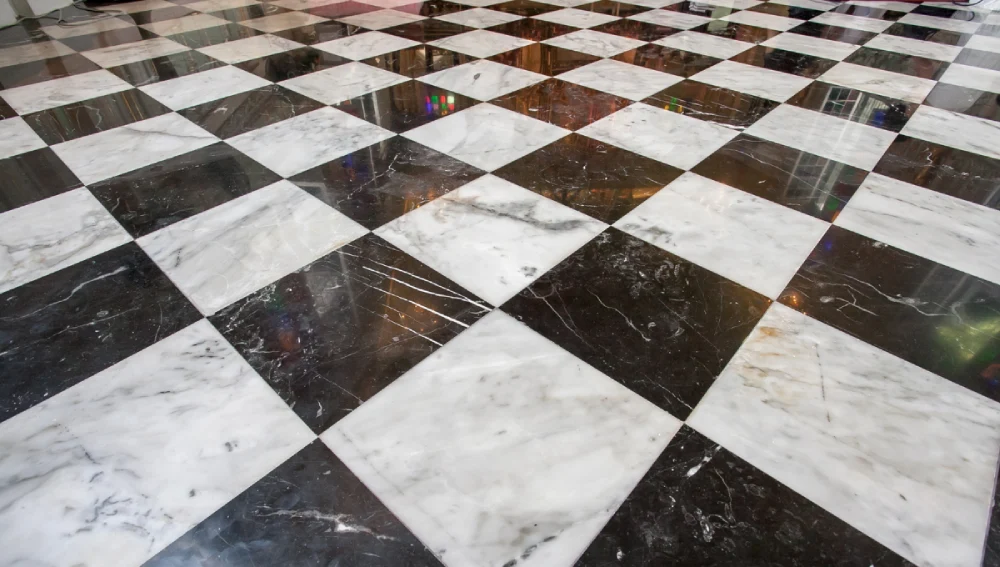
The type and origin of the type of marble affect their price. Exotic types of marbles that are imported from distant locations like Greece or Italy will be more expensive than the domestic varieties. Common types like Carrara are affordable compared to the rare types like Calacatta or Onyx.

Quality and Finish

The quality and the desired finish of the marbles play an important role in the pricing of marbles. If there are any cracks and veining then the prices of the marbles will be less. The marbles that are of low grade with the presence of imperfections will be more affordable compared to pristine slabs. 

It is important to note that marbles with imperfections need to be maintained properly with more care. The finish that is desired like polishing or honing can also affect the pricing. Normally a highly polished finish will come along with premium grade marbles. When considering Marble vs. Granite Flooring, these factors play a crucial role in determining the overall cost and maintenance requirements.

Thickness

The thickness of the marble tiles will give greater durability, but they come at a high cost. For projects like bathroom floors where the traffic foot is moderate, you can opt for thinner tiles as they can be a solution for reduced price.

Low-Cost Marble Flooring Options

Low-Cost Marble Flooring Options

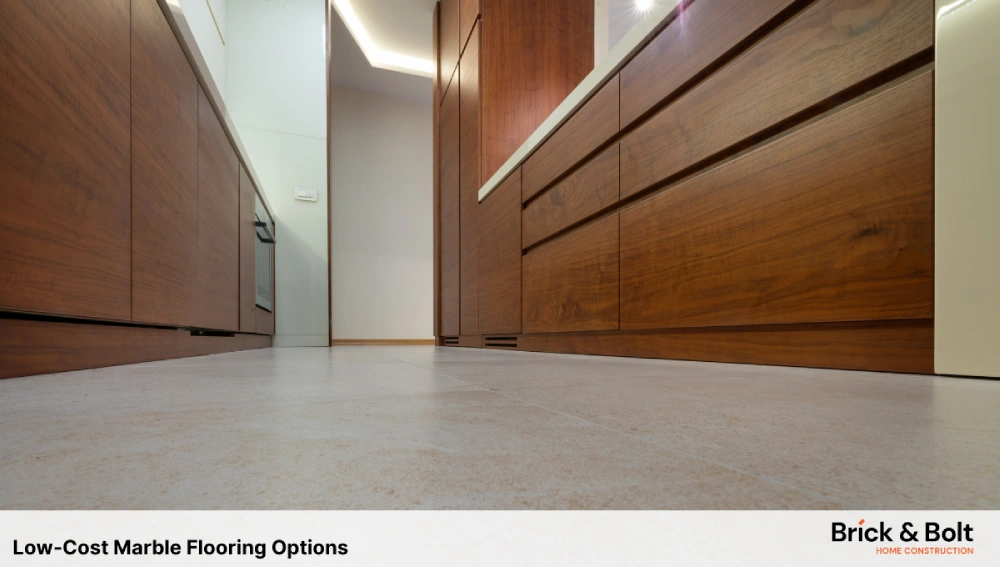
With a little bit of planning and research, you can get the aesthetics of marbles at a moderate price, And Choosing the Right Flooring Material for Your Home need to consider, these options for low-cost marble, as listed below.

Domestic Marble Varieties

Instead of focusing on imported marble alone, exploring the beauty and affordability of domestic marble can be a good choice. India has a wide range of stunning marbles, such as creamy white marbles of Makrana or elegant benign tones like Sawar marbles. These types provide good durability and a luxurious look at low cost. Domestic marble varieties include Indian plant stone flooring which is a mixture of crushed marble and cement

Remnants and Leftover Stock

Stone suppliers may have leftover marble from every large project. These remains are also called offcuts. Buying them can be a good way to get a beautiful marble at a cheap price. These pieces may be of smaller areas like bathrooms.

Tips for Cost-Saving Strategies

Here, we can see some tips regarding further optimization of the budget

Consider Tile Size

Smaller tiles are normally less expensive than larger ones. A seamless look can be achieved by larger tiles compared to smaller tiles. However, smaller tiles can also achieve classic aesthetics, mainly in bathrooms or entryways. Also, the wastage from smaller tiles is smaller compared to larger ones during installation. This helps in saving money on material costs.

Explore Alternatives for High-Traffic Areas

Marbles are a beautiful and soft stone. They can be easily prone to scratch or etch. For places like kitchens or hallways that have high foot traffic, consider using a more durable material like porcelain tiles. These porcelain tiles can mimic marbles. 

The marbles can be used strategically in low-traffic areas like bathrooms or entryways. This can help achieve the desired look without losing functionality in frequent usage areas.

DIY Installation vs. Professional Help

The installation of DIYs can help in saving labor costs. But marbles are a delicate material and they need skilled cutting, handling, and grouting techniques. If it is not installed properly, it may lead to cracks or uneven surfaces. 

Hiring a professional tile setter can help you in providing a flawless and long-lasting installation. This can help you save money on repairs and replacements in the long term.

Conclusion 

Marble flooring does not cost more money. By taking into account the type, quality, and sourcing options, the prices may vary. By getting an estimated construction cost proactively using construction cost calculator and cost-saving measures, plans you can actually get a luxurious look of marble without high cost.

FAQs

1) What is the cheapest type of marble?

Domestic marbles are considered the cheapest marbles. One such marble in India is Carrara marble.

2) How much does it cost to install 1000 square feet of marble floors?

The cost of installing the marble can differ depending on the type, thickness, and labor rates of the marble. A rough estimate that includes materials and installation could range from  8,000 rs. to 28,000 rs. for 1000 square feet.

3) Which color of marble is costly?

Rare or more exotic colors that have dramatic vein patterns are costly. For example, Calacatta marble is bold grey or golden veins with a white background.

4) Is marble cheaper than tile?

No. Marble is generally more expensive than tiles.

5) Is marble flooring cheap?

No, marble flooring is considered a luxury, and it is not typically cheap.

House Construction Agreement Between Owner And Contractor

0
House Construction Agreement Between The Owner And Contractor

If you have decided to build your home, the first thing you will do is look for a best construction company or contractor who can use their expertise to help you build your dream home. 

After discussing the budget, design plans, and other aspects of the construction, you and your contractor will be required to sign a House Construction Agreement. This agreement is signed to protect the interests of both parties and ensure the process runs smoothly.

In this article, we will discuss in detail the purpose of the agreement, the responsibility of the contractor and owner, and how to resolve a conflict between the two parties. 

Purpose Of The Agreement

A House Construction Contract Agreement is a legally binding document that you and your contractor should sign before starting the construction. This document will outline all the terms and conditions you and your contractor have agreed upon and act as a roadmap for the entire project. 

Below are the key elements that will be included in the agreement. 

  • The details of the project, including the location, scope of work, tentative completion dates, architectural plans, design, material, etc. 
  • Contract price and payment schedule, including the total price of the project and the payment schedule detailing when and how much will be paid to the contractor.
  • The responsibilities of both the contractor and the owner in this project. 

All these, along with some other details, will be present in the agreement, which both you and your contractor will have to sign before starting construction works. 

This document establishes a clear and legally binding agreement between you and the contractor and covers the following purposes. 

  • To protect the interests and rights of both parties.
  • To prevent any misunderstanding or confusion during the construction process. 
  • To ensure a smooth and efficient construction process. 
  • To make the process fair for both parties and hold them accountable. 

Contractor Responsibilities

Contractor Responsibilities

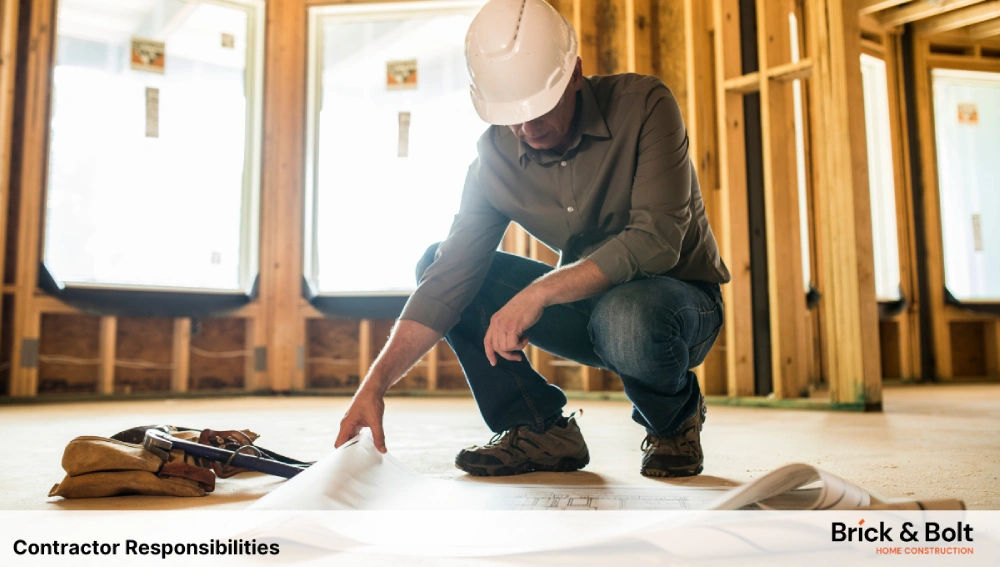
Both you (the owner) and the contractor have certain responsibilities that you need to fulfill during the construction process, and all this will be detailed clearly in the House Construction Agreement. Below are the responsibilities of the contractor.

  • Overseeing the entire construction process, including its planning, execution, and completion. 
  • Hiring and managing workers for tasks like plumbing, roofing, electrical work, etc. 
  • Ensuring the standards of the construction are met and completed by the scheduled time. 
  • Regularly communicating with the owner regarding the progress of the project and addressing any concerns. 
  • Ordering and paying for material required for the construction.
  • Maintaining clear documentation of the construction, including daily logs, purchase receipts, and change orders. 
  • Providing the owner with accurate and timely invoices. 

Owner Responsibilities

Alongside the contractor, you, as the owner, also have certain responsibilities, such as the ones below. 

  • Providing the necessary funds on the agreed-upon time for construction purposes. 
  • Selecting your desired materials, finishes, fixtures, etc., within the agreed-upon budget. 
  • Making timely decisions regarding any changes in the original plan. 
  • Obtaining required permits and approvals from the local authorities before beginning construction. 
  • Providing unrestricted site access to the construction and providing them with utilities like electricity and other necessities.

Process For Resolving Disagreements Between Owner And Contractor

In the construction process, there are bound to be disagreements. Resolving these disagreements between you and the contractor is essential for a smooth construction process. Below are some ways to resolve a conflict between you and your contractor. 

  • The first attempt to resolve conflict is to have a direct face-to-face conversation with your contractor. This can help you clear misunderstandings and come up with a mutually agreeable solution. 
  • Most House Construction Agreements have a pre-defined dispute resolution clause agreed upon by both parties in case of disputes. This clause might involve resolving conflict through mediation or arbitration. 
  • The last step in resolving disputes is litigation: taking the dispute to court and resolving the conflict legally. This is a long process and is expensive, so it is usually chosen as a last resort. 

Conclusion

This is what a House Construction Agreement is and what will be involved in the agreement. If you don’t understand certain terms and conditions of the agreement, it is always best to consult a legal professional before signing the document. 

FAQs

1. What Is The Agreement Between The Landowner And The Contractor?


A House Construction Agreement is a legally binding document that the owner and their contractor should sign before starting the construction. This document will outline all the terms and conditions both have agreed upon and act as a roadmap for the entire project. 

2. How To Make An Agreement With A Contractor?


Here is what you need to do while making an agreement with a contractor.

Outline the service required
Outline the duration of the work
Outline payment terms
Outline confidentiality agreement
Consult a lawyer to ensure the agreement does not have any loopholes. 

3. Is A Construction Agreement Legal?

Yes, a construction agreement is a legally binding document signed between the owner and the contractor. Any mishandling or not abiding by the terms can make you legally accountable.

Best TMT bar in India: For Stronger Indian Construction

0
Best TMT bar in india - featured image

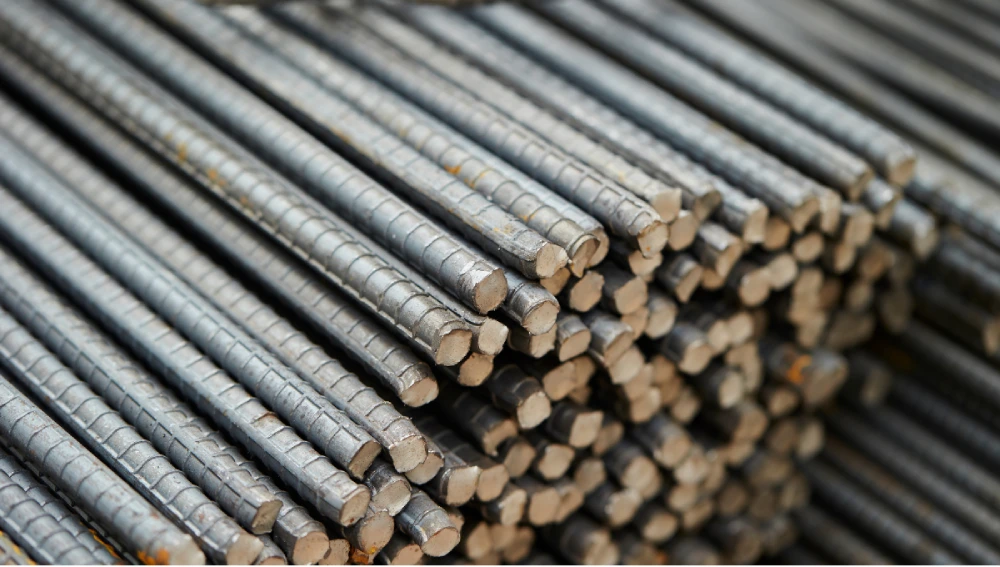
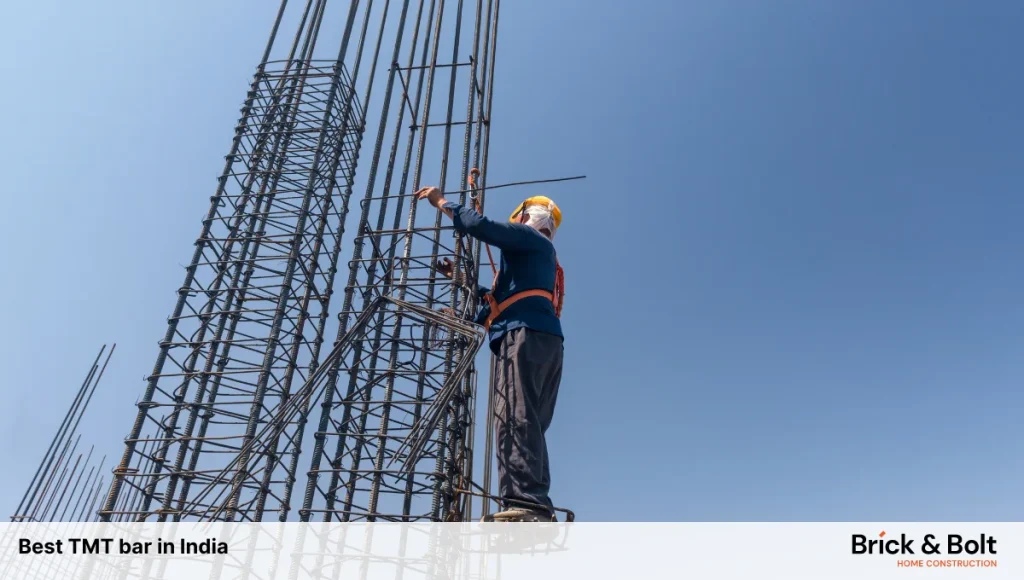
TMT bars, also known as thermo-mechanically treated steel bars, are one of the most common materials used in the field of civil construction. Not only in India, TMB bars are an essential material in construction all over the world. 

This blog gives an overview of the best TMT bar in India you can use to make your construction strong.

Best TMT Bar in India

India’s infrastructure is growing faster, and the main backbone of its growth is the quality of construction materials, mainly TMT bars. 

These bars are vital for modern construction because of their high strength, flexibility, and corrosion resistance. This article gives some of the best TMT bars available in India.

Tata Tiscon 500 SD

They are renowned in the construction industry for their excellent strength and ductility. SD stands for super ductile. These bars are made using a unique automated process, making them ideal for high-rise buildings and construction in earthquake-prone places. 

They have become a top choice for builders and homeowners. These bars are made using virgin iron ore and pure steel.

Jindal Panther Fe 550 D TMT Bars

Jindal Panther Fe 550 D TMT Bars are known for their high tensile strength and earthquake resistance. They provide safe and long-lasting support for construction structures in different environmental conditions. 

These bars are produced using the latest technology, high-yield quenching, and self-tempering. They are mostly used for dams, high-rise buildings, bridges, separate houses, and structures that need more strength without compromising elongation.

JSW Neosteel 500D

JSW Neosteel 500D stands out for its combination of strength and ductility. They have the highest grade in purity and contain low amounts of sulphur and phosphorus. 

This makes them enhance their strength, length, and durability. They have low levels of carbon, and hence they give an excellent weldability that makes them good for use in complex architectural design.

SAIL TMT Bars

The SAIL TMT bars are produced by one of the largest manufacturers in India. They are commonly known for their high uniformity and excellent bonding strength. 

They are mostly used because of their quality and performance in large-scale projects and are highly resistant to corrosion and fire. They also have less amounts of sulfur and phosphorus.

Best TMT bar in india

Kamdhenu TMT Bars

Kamdhenu TMT bars are considered next-generation interlock steel bars. They combine flexibility and strength and are mainly preferred for their resistance to earthquakes and high fatigue under loading. 

They consist of a double-angle rib pattern for having a strong bond in an interlocking manner with concrete paste. These bars are suited for structures that are subjected to unexpected forces like an impact, seismic, etc.

Essar TMT Bars

Essar TMT Bars are manufactured with a focus on high strength and durability. They are mainly used to meet the demands of modern construction works. 

They have high strength and concrete bonds, along with bendability, weldability, thermal resistance, and resistance to earthquakes. This makes them provide a strong foundation for buildings that ensures safety and quality construction. 

Agni Steel TMT Rods

Agni steel TMT rods are mainly used because of their high-quality bonding strength. This helps in making a strong grip on the concrete, which is important for the long life of any construction structure. 

They undergo a rigorous process of manufacture that makes them meet the high standards in durability.

SRMB Steel TMT Bar

SRMB Steel TMT bar is another leading TMT brand that provides earthquake-resistant TMT bars. They have a great ability to absorb the shock and good bending factors. 

They can also absorb a large amount of pressure, be weight-bearing, and stand strongly. They are commonly known for their rib pattern, which helps ensure concrete bonds and increases the overall strength of the building structure.

Vizag Steel TMT Rebars

Vizag Steel TMT rebars are well known for their high-level consistency and low-level impurities. They are produced by one of the most eco-friendly steel plants. 

They are strong and contribute to sustainable construction practices. They also have high resistance to fatigue and bending, making them suitable for all types of construction. 

Amman Steel – TRY TMT Bars

Amman Steel—TRY TMT bars provide top-tier TMT bars with promising strength, flexibility, and durability. Because of their high standards, they are mainly used for the construction of residences. They are resistant to corrosion and earthquakes and are also cost-effective.

Shyam Steel – TMT rebar Fe 500D

Shyam Steel—TMT rebar Fe 500D is a premium product that provides high tensile strength and ductility for construction. It is suitable for all types of construction, including seismic zones. These bars are mainly designed for their high-stress and load-bearing structures.

Conclusion

The selection and usage of proper TMT are crucial for the durability and safety of any construction work. The brands mentioned in this article are some of the best companies in India, and they all have unique properties and advantages. In Bricknbolt, we only use best steel in the industries like vizag, GBR, other steels which equivalent to it, that’s how we ensure the stability & durability by giving 10 years warrenty for the houses that we built and stands out as one of the best construction company in the industry.

You can choose from these TMT bar brands according to the construction project’s requirements.

FAQ

1) Which is the No. 1 TMT in India? 

Among other brands, Tata Tiscon 550 SD is considered the No.1 TMT in India.

2) Which grade TMT bar is best?

Fe 500D grade TMT bars are considered one of the best for residential construction.

3) Which TMT bar is good for home?


TMT bars like Tata Tiscon 500SD and JSW Neosteel 500D are excellent choices for home construction.

4) Which brand of steel is best for house construction? 

Tata Tiscon, JSW Neosteel, and SAIL are best for house construction.

How Much Home Loan Can I Get on Rs 40,000 Salary

0
How Much Home Loan Can I Get on Rs 40,000 Salary

Getting a home loan approval is a blessing for many people wishing to buy a home. This blog aims to unravel the affairs that should be considered when applying for a home loan with a 40,000 salary. 

This blog post aims to help home loan seekers by delving into the features that determine your home loan approval and those you are likely to consider. 

Just imagine, with a Rs. 40,000 salary, you will only be able to pay a monthly EMI of around Rs. 20,000. You might also have to take note of the amount you borrow and the tenure period. 

All this might seem confusing to you. So, here’s a sample table showing the amortization schedule for a home loan of Rs. 30 lakhs with a tenure of 20 years at an interest rate of 8.5%. 

YearPrincipal PaidInterest PaidRemaining BalanceEMI Monthly
1₹1,00,000₹2,55,000₹28,45,000₹22,500
2₹2,00,000₹2,30,000₹26,45,000₹22,500
3₹3,00,000₹2,05,000₹23,45,000₹22,500
4₹4,00,000₹1,80,000₹19,45,000₹22,500
5₹5,00,000₹1,55,000₹14,45,000₹22,500
6₹6,00,000₹1,30,000₹8,45,000₹22,500
7₹7,00,000₹1,15,000₹1,45,000₹22,500
8₹8,00,000₹1,00,000₹0₹22,500

The total interest payable for this loan is ₹22,25,561, and the total payable amount is ₹42,25,561.

Home Loan EMI Calculator

To calculate your home loan EMI based on a salary of Rs. 40,000, you can use an EMI calculator provided by various financial institutions. This tool helps you estimate your monthly payments based on the loan amount, interest rate, and tenure.

Factors Impacting Home Loan Eligibility for 40K Salary  People 

1. Work Experience: 

Banks prefer borrowers who are stable and have a steady working history.

2. Age: 

Usually, borrowers above 27 years are considered more suitable for home loans because the applicants have many years of working life to put forward to repay the home loan.

3. Credit Score: 

A credit score of more than 700 is desirable when applying for a loan. They show your ability to repay the loan and credit standing that it has opted for.

4. LTV (Loan to Value): 

Mortgage loans provided by financial institutions generally cover 75-90% of the property’s value. The LTV ratio settles the amount that one can borrow.

5. FOIR (Fixed Obligation-to-Income Ratio): 

FOIR is calculated as the percentage of one’s net monthly income to the various existing obligations. This percentage should normally be less than 0. 50 so that the loan application can be approved.

6. Property’s Legal: 

For loan approval, it is crucial to establish and verify that the property has encumbrances with marketable title and has complied with all the requirements of the relevant authorities. To minimize risks, the banks assess the legal and technical characteristics of the property where the credit is granted.

What is the maximum loan for 40k salary?

For a salary of Rs. 40,000, you can typically get a home loan of around Rs. 28-33 lakhs, depending on your credit profile and the lender’s criteria. The loan amount is calculated based on your net monthly income, existing obligations, and the lender’s policies.

Most banks use either the EMI/NMI ratio or the multiplier method to calculate home loan eligibility on a salary of Rs. 40,000:

– In the EMI/NMI ratio method, banks consider your existing EMIs and net monthly income (NMI). Applicants with an EMI/NMI ratio below 60% are usually eligible for a home loan.

– In the multiplier method, banks multiply your NMI by a factor between 60 and 72 to determine the maximum loan amount. 

For example, Rs. 40,000 x 72 = Rs. 28,80,000.

Home Loan Challenges on ₹40k Salary

Home Loan Challenges

Securing a home loan on an Rs. 40,000 salary can be challenging due to high property prices in most cities. To overcome these challenges, consider:

– Compromising on property size or location to find a more affordable option.

– Making a larger down payment to reduce the loan amount and keep EMIs manageable.

– Co-applying with a spouse or family member to increase your loan eligibility.

How Brick & Bolt Can Help You to Build a House

Brick & Bolt offers comprehensive solutions to streamline the home construction process, potentially reducing costs and ensuring quality construction. 

Their services include:

– Offering vastu-compliant house designs that suit the amount of money one plans to spend on the project.

– Helping with applications for permits and other approvals.

– Superintending of construction to — concerning timeliness of construction to check the quality.

– Continuing plans post-construction, which entails providing customers with maintenance and warranty services.

With Bricknbolt, you can easily set your eyes on the prize, which is your long-term financial goals, while the specialists take care of the finer details when constructing the home of your dreams.

Conclusion

Be wise when choosing a home loan and ensure that you meet all possible qualifications needed to access the money. It may be interesting to consider the pressures and perhaps pursue co-applying or gain support from companies such as  Brick & Bolt to ease the pressure of finding a home.

The Ultimate Guide to Wood Veneer vs. Solid Wood

0
Wood veneer vs solid wood

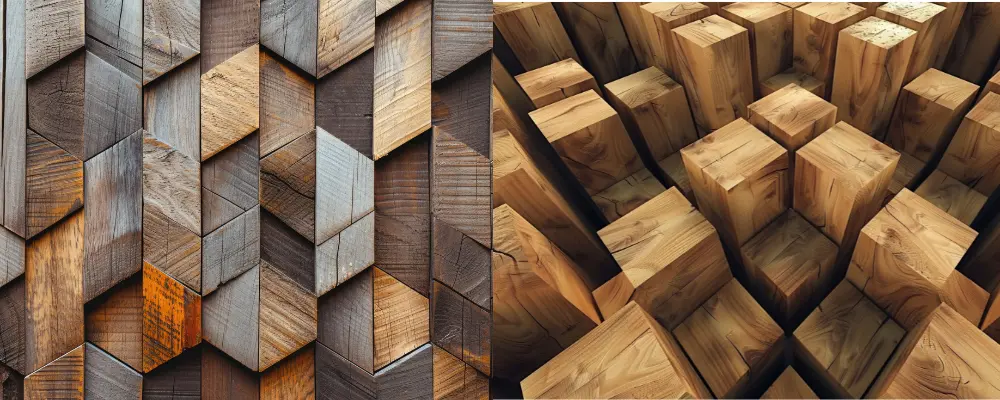
Whenever you visit the wood market for your house woodwork, there will be two major types of wood furniture: wood veneers and solid wood. When looking from a distance, both will appear the same. But there will be huge differences.

In today’s blog from Brick & Bolt, you will learn about the major differences and comparisons between wood veneer vs solid wood.

What is Solid Wood?

Solid wood refers to surfaces or furniture made completely from natural wood without veneers or engineered wood products. Oak wood, maple wood, cherry wood, Teak wood and walnut are common varieties of solid wood used in furniture, arches, windows and doors. 

What is Wood Veneer?

Wood veneer

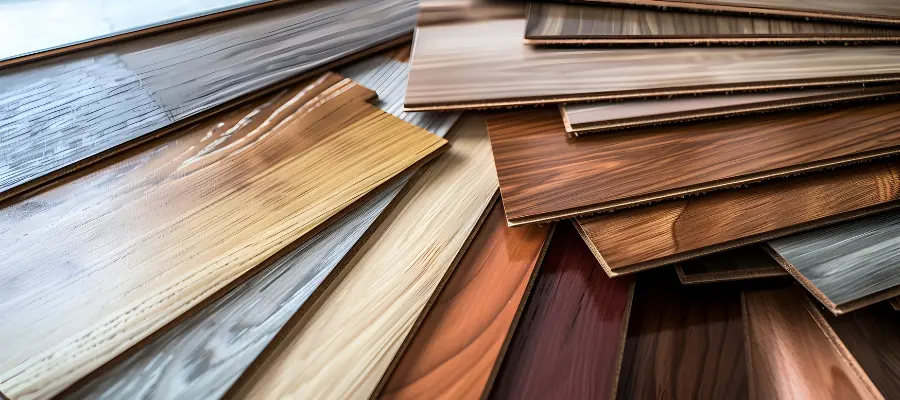
Wood veneers are created by glueing a thin slice of real wood to a panel of fibreboard , particleboard or plycore. Veneers are made from actual wood rather than a synthetic material that looks like wood. Different types of veneer include Birch veneer, Walnut veneer, Ash veneer, Red Oak veneer, Bamboo veneer etc.

Particleboard is a cost-effective choice, but adding a layer of plywood in the centre is the most durable choice for longevity.

The following are the engineered wood products used in the production of wood veneer.

  1. Fibreboard
  2. Particleboard
  3. Plycore

Fibreboard: Fibreboard, sometimes known as MDF, is created by pressing glued wood fibres together to form flat panels. MDF has a significantly smoother surface than particleboard because it is created with much smaller fibres. Because of its flat surface, it is an ideal medium for paint treatments.

Particleboard: Particleboard is manufactured by compressing wood, sawdust, and adhesive into a flat panel. Particleboard on its own is not a desired finish for furniture, but combined with a veneer slice of solid wood, it looks considerably better. 

Plycore: Plycore is made up of multiple thin wood layers (less expensive than surface veneer) bonded together in an alternating grain pattern. The panel is still made entirely of wood, but by alternating the grain direction of each layer, it is far more dimensionally stable than solid wood because it is less vulnerable to atmospheric pressure-induced expansion and contraction. It is also less expensive than solid wood since it employs a less desirable wood in the middle and a lovely, sought-after wood on the surface.

Wood Veneer Vs Solid Wood

Wood VeneerSolid wood
CostWood veneer is more affordable than solid woodSolid wood is significantly more expensive than veneer
Splintering and WarpingLess prone to splintering and warping.Wood rot occurs in old furniture.
DensityNot as heavy as natural wood boards.It will be more heavy.
Water AbsorptionIf wood veneers are not coated with a surface polish, liquids can easily be absorbed.Less prone to water absorption.
RepairWood veneers can be difficult or costly to repair.Solid wood furniture can be sanded and refinished multiple times, extending its lifespan.
DurabilityMore susceptible to scratches, dents, and moisture damage. The thin veneer layer can peel or chip over time, especially if not properly maintained.Extremely durable, able to withstand significant wear and tear.
AppearanceOffers various types of wood patterns at a lower cost.Offers unique grain patterns and natural variations.
Environmental ImpactIt offers a more eco-friendly home design as it uses less wood.Higher environmental impact due to greater wood consumption.

Advantages and Disadvantages of Veneer Wood 

Advantages of Wood Veneer

  • Wood veneers employ less natural wood, resulting in lower costs.  
  • The wood veneer consumes less wood, making it a more sustainable option.
  • Wood veneers are also less prone to movement, which can result in splitting, warping, and fit issues in an all-wood construction.

Disadvantages of Wood Veneer

  • Wood veneer furniture is more susceptible to chipping, peeling, and damage from moisture.
  • Wood veneer furniture’s repair cost is higher and cannot be repaired multiple times like solid wood.
  • It won’t offer the same depth and characteristics as solid wood.

You can consider tips on incorporating wood into your interior design elements, be sure to read our design guide.

Advantages and Disadvantages of Solid Wood

Solid wood furniture

Advantages of Solid Wood

  • The solid wood is completely natural wood. It won’t contain MDF or other materials.
  • Solid woods are more durable than veneers. Solid wood furniture can last for generations based on the type and quality of finish.
  • Solid wood offers a variety of grain patterns, which will give a unique look.

If you’re interested in learning more about woodwork for home projects, check out our comprehensive wood work guide.

Disadvantages of Solid Wood

  • Solid wood demands regular maintenance. Otherwise, atmospheric pressure can drive natural wood to expand, resulting in cracks or splits in the furniture design. 
  • Some purchasers may be unable to afford this higher cost of wood.
  • It requires higher consumption of natural trees, causing deforestation.

Conclusion

Ultimately, the decision between wood veneer and solid wood comes down to your goals, which may include money, beauty, durability, or environmental impact. Wood veneer is a low-cost, customizable option that uses cutting-edge technology to create attractive designs and ensures sustainable sourcing. On the other hand, solid wood presents outstanding durability, beauty, and the opportunity for long-term investment.

Thus making it a great choice for people who value workmanship and longevity. Understanding the strengths and limits of each material allows you to make the best choice for your specific needs and tastes. Whether you like the practicality of wood veneer or the timeless appeal of solid wood, both offer the ability to improve the beauty and utility of design. Use this comparison of wood veneer vs solid wood to design your dream house environments that are not only visually beautiful but also sustainable and long-lasting.

Understanding RCC Construction: A Comprehensive Guide

0
Reinforced cement concrete structure

Are you considering constructing a new house, or are you interested in construction technology? Then, you must know about reinforced concrete. Usually, you call it RCC. In the field of civil engineering, reinforced cement concrete (RCC) is the mainstream. In modern architecture and construction, RCC is the major element for durability, load-bearing capability, and longevity. 

In today’s Brick & Bolt blog, you will explore reinforced cement concrete structures, or RCC structures, including their types, benefits, limitations, innovations, and construction methods. 

What is Reinforced Cement Concrete (RCC)?

Reinforced cement concrete- RCC, is the building material. It’s more stable than traditional concrete. This concrete is made with reinforcing bars or steel rebar mesh along with cement, sand, aggregates, and water. The steel rebar or reinforcing bar helps to distribute stress and pressure evenly throughout the material. This makes the RCC less likely to shatter or crack under stress and more strong to tensile loading in reinforced cement concrete structure construction. 

Different Types of Reinforced Cement Concrete (RCC)

Rcc building

The following are major RCC types used in reinforced cement concrete structure construction:

  • Steel-Reinforced Concrete
  • Fibre-Reinforced Concrete
  • Pre-Stressed Concrete

Steel-Reinforced Concrete

In this type of RCC, steel reinforcement is embedded to hold the concrete together. It prevents large cracks and adds overall strength. The major use of steel-reinforced concrete is to combine the compressive strength of concrete with the tensile strength of steel to carry heavy loads, such as footings, foundation walls, and columns, driveways with heavy traffic, carport floors, and large shed floors. 

Fibre-Reinforced Concrete 

Fibre-reinforced concrete is generally used in pavement overlays and for new construction. It is prepared with a combination of cement, sand, aggregates, water and other fibrous materials, such as glass fibres. Using steel or alternative fibre in preference to steel rods for reinforcement can reduce the overall cost. Fibre-reinforced concrete is used in prefabricated concrete structures, concrete reactor pressure vessels, blast-proof structures, machine frames, tunnel liners, and thermal impact-resistant structures.

Pre-Stressed Concrete

Pre-stressed concrete is a highly advanced type of reinforced concrete that combines the strength of concrete and steel to prevent cracking and reduce brittleness. This is achieved through a process called pretensioning, where high-strength steel is stretched before concrete is poured around it and allowed to harden.

The benefits of pre-stressed concrete include:

  • High compressive strength
  • No tension cracks
  • Reduced corrosion
  • Lower shear stress
  • Lighter weight

Advantages of RCC Structures Construction

  • Compared to other building materials, reinforced cement concrete holds better compressive and tensile strength. This is mainly because steel elements are used in production.
  • RCC-built houses and buildings are more durable than other buildings.
  • Although the initial construction cost might be higher than others, RCC structures or buildings will have long-term benefits and low maintenance costs.
  • Reinforced cement concrete structures have better fire resistance than steel structures.

Limitation of RCC Home Construction

  • One of the common issues in RCC buildings is the potential for shrinkage after hardening, which can lead to strength loss or the development of cracks. This highlights the importance of understanding and addressing this issue during the construction process.
  • Numerous steps are involved in constructing an RCC building, such as casting, mixing, and curing of concrete. However, if these steps are not conducted properly, the RCC’s final strength may be altered.
  • Installing and removing RCC formwork before and after pouring concrete will cost extra.

Innovations of RCC Building Constructions

  1. Green Concrete: Incorporating recycled materials, sustainable materials, and eco-friendly additives into reinforced cement concrete production will be a more sustainable building practice.
  2. 3D Printing: The application of 3D printing technology to produce complicated RCC structures with great precision and minimal material waste.
  3. Self-Healing Concrete: Innovations in materials now enable concrete to self-repair tiny cracks and damage, thereby prolonging the life of RCC constructions.

Methods of Reinforced Cement Concrete Structure Construction

Reinforced cement concrete

RCC construction methods commonly involve the following major steps:

  1. Layout
  2. Mixing
  3. Reinforcement Work
  4. Formwork
  5. Pouring Concrete
  6. Curing

1. Layout

To build RCC elements like RCC columns/pillars at the construction site, the layout must be surveyed and marked with grid lines for column marks.

2. Mixing

Proper mixing of cement, aggregates, water, and admixtures to get the desired concrete strength and consistency is very important. This can be achieved on-site or by using ready-mixed concrete.

3. Reinforcement Work

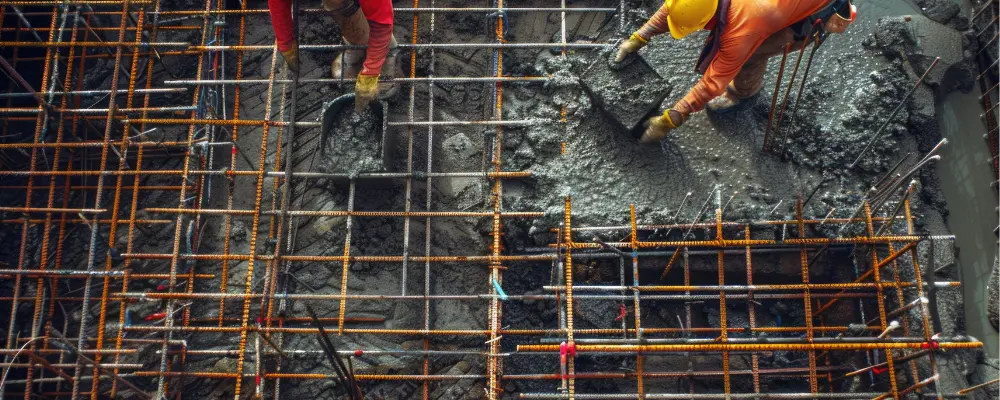
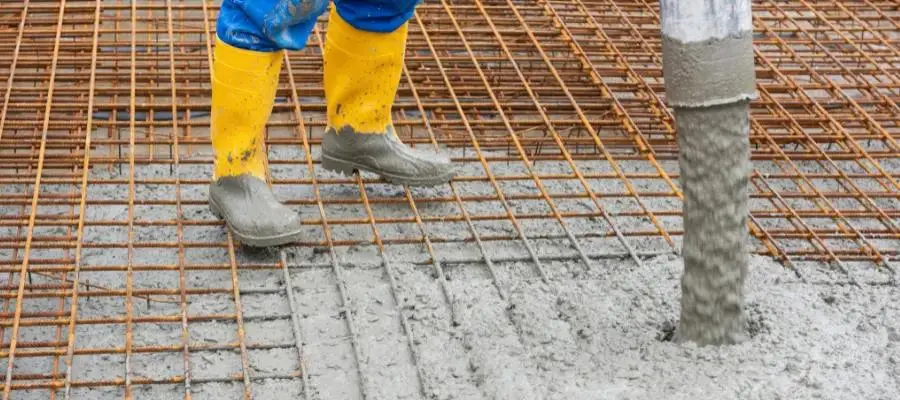
Reinforcement involves placing steel bars (rebars) or mesh within the concrete to provide tensile strength and improve the overall structural integrity. The process involves cutting and bending steel bars to the required length to fit into the design specification. Positioning the rebars within the formwork according to the structural drawings. Securing the rebars with binding wires to maintain their position during concrete pouring

4. Formwork

An integral part of the construction process is the building of temporary molds to hold the concrete in place until it hardens. Formwork, whether made from timber, steel, or plastic, is not just a tool, is used to shape and support the structure during the curing process.

5. Pouring Concrete

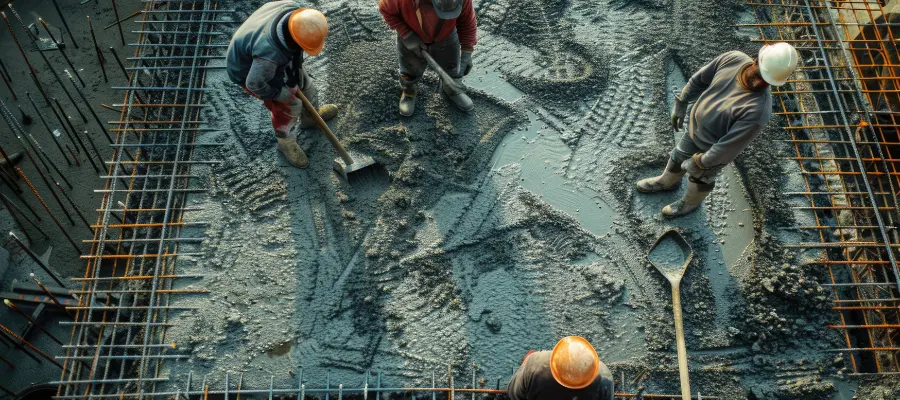
Pouring the concrete into the formwork can be done manually or with the help of a pouring machine or pump. The appropriate type of compaction of the concrete should be performed properly to remove air bubbles or voids and ensure uniform distribution. The compaction of concrete can be mechanical, with vibration, or by using self compacting concrete.

6. Curing

You have to allow the concrete to harden. Different curing methods can enhance its strength over time. By keeping it moist or using curing compounds, you can avoid cracks and ensure its durability.

Conclusion

Reinforced cement concrete is a versatile and durable building material in modern construction. Its combination of concrete’s compressive strength and steel reinforcement’s tensile strength makes RCC structures extremely durable and long-lasting. While initial costs may be higher, the longevity and low maintenance requirements of RCC offset this over the lifetime of the structure.

If you desire long-lasting and durable RCC construction, choose Brick & Bolt. As a leading construction service provider in India, Brick & Bolt offers extensive expertise to bring your project to life. Refer to their comprehensive house construction cost guide to plan your budget effectively. They can guide you in choosing the appropriate construction materials and designing house floor plans. Additionally, you can easily estimate your building costs with our exclusive building cost estimator tool.

Small Bedroom Ceiling Design: Romantic & Stylish

0
Small Bedroom Ceiling Design_ Romantic & Stylish

Improvising the small bedroom is a delightful challenge. Unlike other areas, bedrooms are personal sanctuaries that must be crafted specifically. And if you are looking for such inspiring ideas packed with overwhelming styles, here you can go with them.
This article is your roadmap to explore amazing bedroom ceiling designs that elevate the entire look of your space. Before going with your option, consider that the style is appropriate to your infrastructure and budget.

Small Bedroom Creative Ceiling Design Inspiration

False Ceiling Design

False Ceiling Design for small bedroom

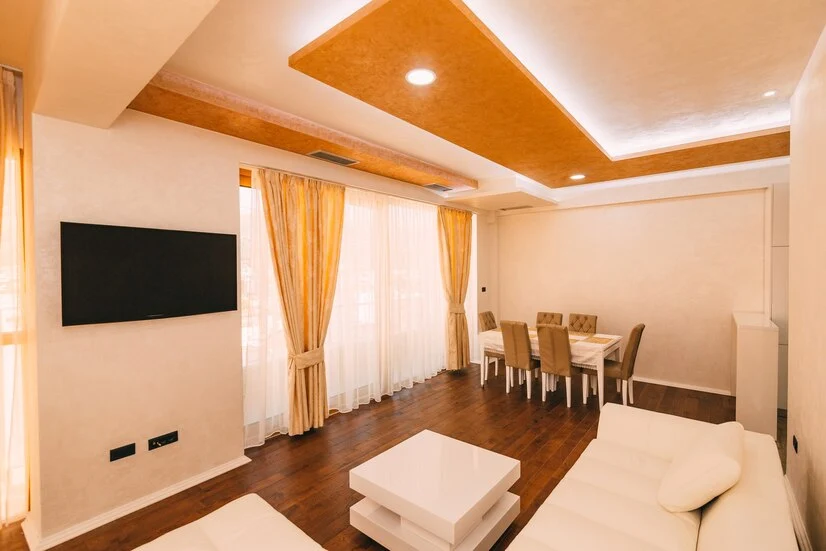
A false ceiling is an intelligent way to elevate the dimension, depth, and style of a bedroom. Choosing the right designs conceals pipes and electrical wires and enhances lighting effects and acoustics. It ensures uniform lighting and reduces noise levels.

Peripheral Bedroom Ceiling Design

False Ceiling Design for small bedroom with Peripheral  look

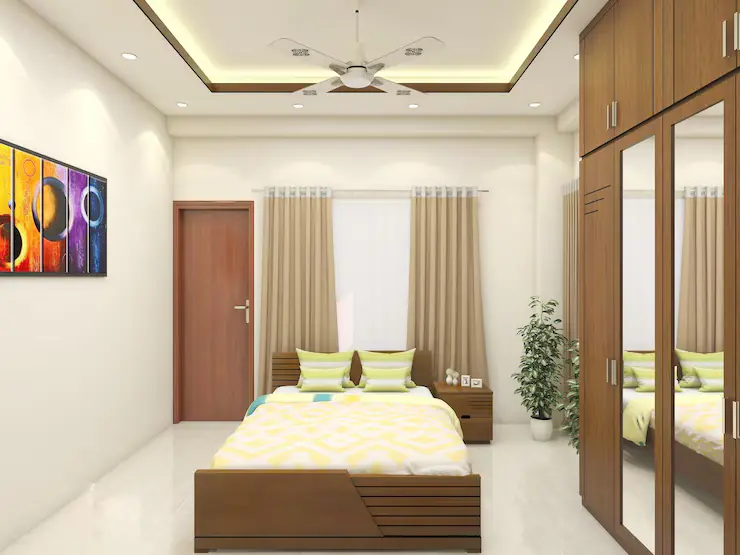
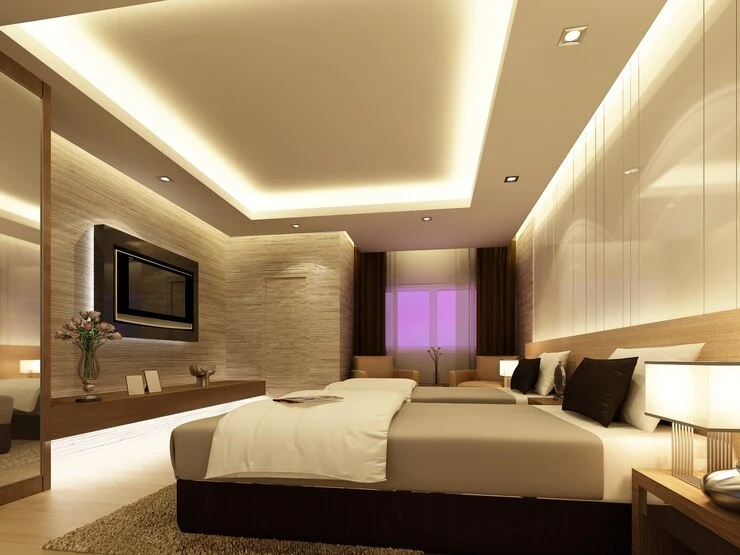
Using a peripheral ceiling design adds extra depth and dimension to the room and fixes the edges elegantly making them unique and attractive. Additionally, a closer look at lighting fixtures or design elements makes a stylish statement.

False Ceiling Design For Bedroom With Fan

False Ceiling Design For Bedroom With Fan

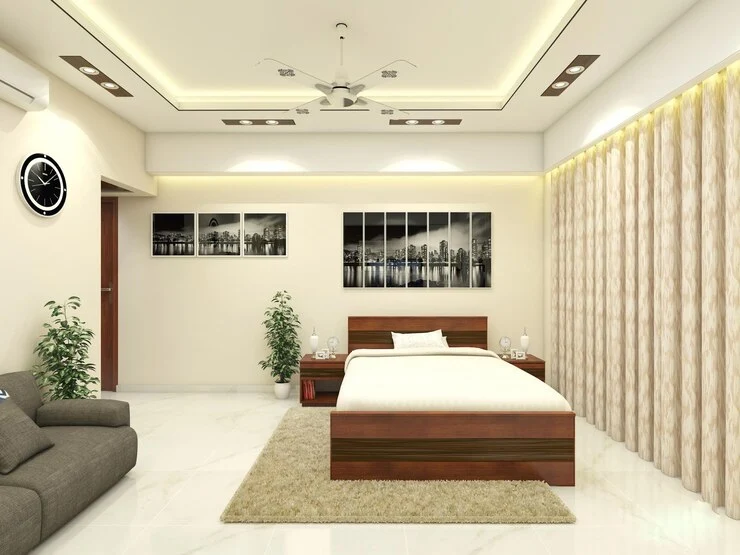
A false ceiling design with a fan provides a luxury touch and style and gives an illusion of high roofing. Opt for mild colors like white, creamy, or ivory for the ceiling design and pair it with a dark-colored fan.

Beautiful False Ceiling in a Children’s Bedroom

Beautiful False Ceiling design in a Children’s Bedroom

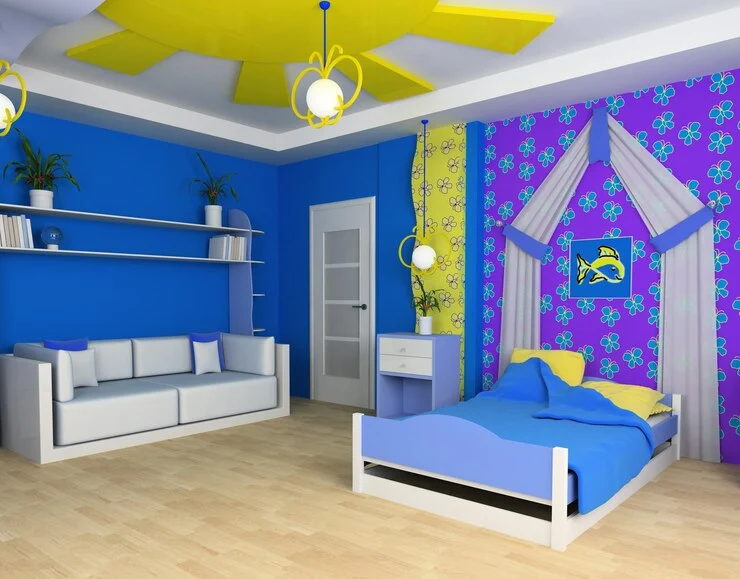
Bedroom decorating ideas are not only for adults but also for kids. You can find the best ceiling designs to give a visual treat to your little ones. Choose an imaginative and playful theme that blends with a mild pink or blue palette. It creates a perfect finish for a small bedroom.

Rafters Made of Wood Have an Old-World Charm

Add a classic vibe to your living space with rafters made up of wood. Identifying the characterizing elements provides depth and a touch of old-world charm. To make it more elegant, install the custom luxury designs.

A Girly Take on the Ceiling Design

Small bedroom ceiling design  for girls

You can dress up your bedroom well with girly colors and designs that look awesome in a girl’s room. The pink palate is the foremost choice of most girls because it adds extra cuteness and gives a refreshing feel to the eye-sight. It makes the mind and heart peaceful.

Modern Abstract Pop-Ceiling Designs

Small bedroom Pop ceiling design

Installing trendy pop designs adds character to your room. POP, or Plaster of Paris is a quick-setting white powder commonly used to make admiring wall trims, false ceilings, and accent decors. It adds a touch of elegance to your small bedroom with personalized colors, sizes and shapes.

String Lights with an Inverted Cove for Starry Lighting

Small bedroom ceiling design String Lights

String lights are often called fairy lights made of flexible copper materials, it can be shaped as you want. Through this, you can avail a traditional vibe and festive ambience in your bedroom.

Design of a Vaulted Ceiling in a Bedroom

Small bedroom Vaulted ceiling design

Bedroom volume can be expanded naturally with vaulted ceiling designs. It makes a self-supportive arch beneath the roof and above the wall. This design makes you feel like a large space.

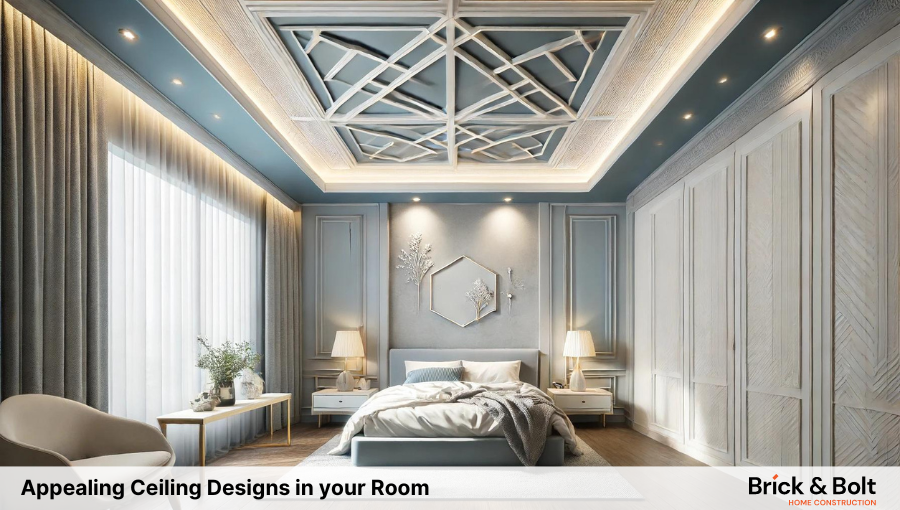
Appealing Ceiling Designs in Your Room

Small bedroom Appealing ceiling design in your room

Enclosing ceiling designs in your bedroom make a large and airy space. While it looks large, décor the walls with ample lighting that looks visually beautiful. Choosing classic designs adds character and depth to your bedroom.

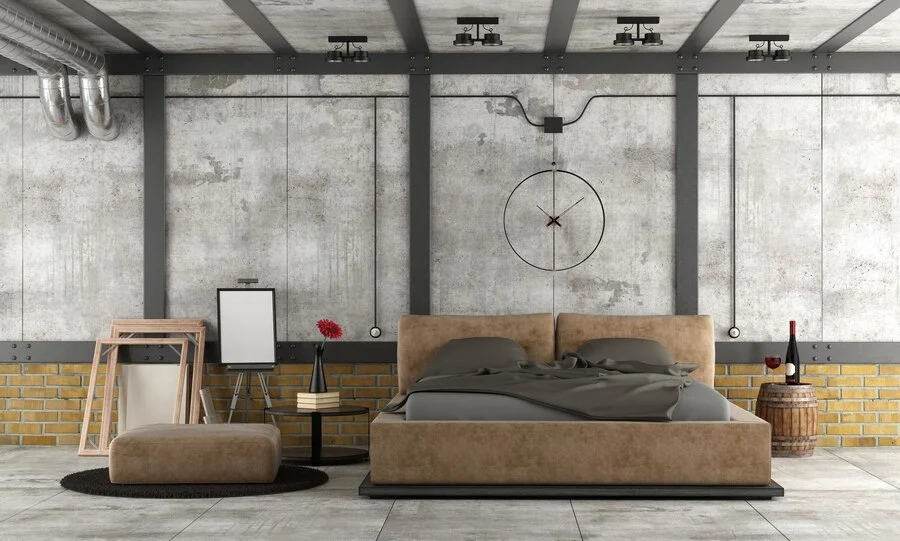
Concrete Ceilings in an Industrial-style Modern Bedroom

Small bedroom concrete ceilings design

Concrete ceiling designs create a bold and modern glimpse into your space. This rustic design enhances the contemporary interior with inspired style. It is highly recommended for small bedrooms because it is simple and clean.

Stylish Chevron-Patterned Wooden Panel False Ceiling

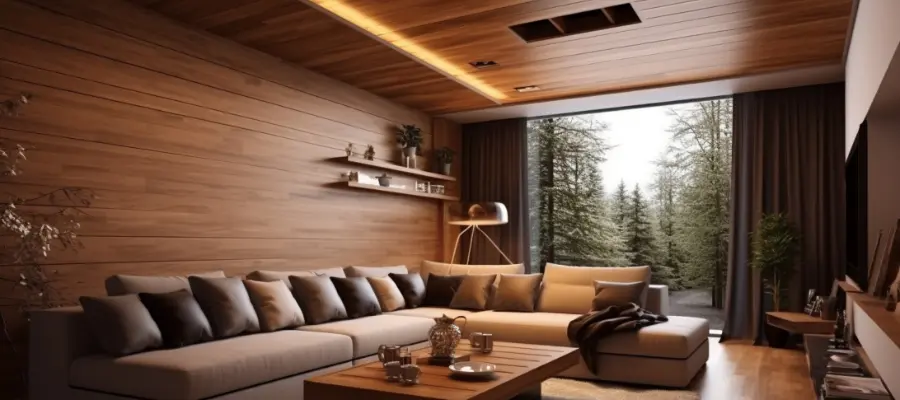
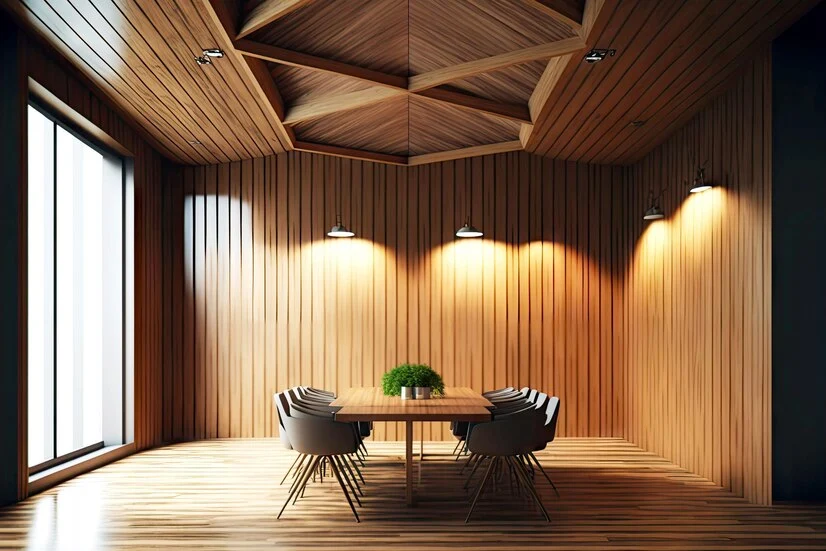
Wooden panelling offers unique and stunning elegance to your small bedroom. Discovering the best-looking ideas adds warmth and character to the space. It provides the whole complete look with its royal texture design that defines your room more beautifully, Even wooden panels with some royal texture painting design will be great in the hall when compared to the bedroom

Bedroom with a Circular Ceiling Design

Small bedroom with circular ceiling design

Installing a round-shaped design is well worth a décor to your space and brings an exceptional feel. It makes your room wider and more spacious but seems pretty.

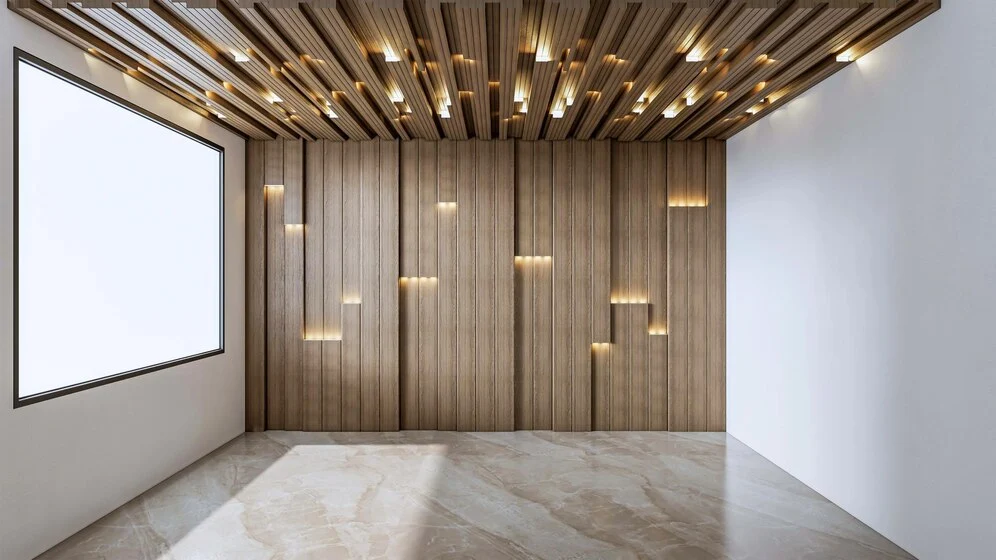
Ceiling Design with a 3D Wooden Accent

Ceiling Design with a 3D Wooden Accent

3D wooden ceiling design is a next-gen idea that adds depth and dimension. The texture and patterns create visual interest for the eyesight and add a touch of modern flair. It allows you to transform your small area into a heavenly space.

Planked Wooden Ceiling with a Contrasting Design

Whether your taste is modern or traditional, rustic or formal, consider choosing the planked wooden design. It enhances the room’s visual and makes you obtain the desired appeal. Besides, it offers a simple and mind-blowing look with extended durability.

POP Plus-Minus Modern Colourful Bedroom Ceiling Design

POP plus-minus ceiling design is extremely clear and detailed. It includes eye-catching patterns and colours that can be imprinted on the false ceiling. Plaster of Paris is a great option for availing of geometric shapes and can be easily moulded to required designs.

A Modern Take on the Petal Design with a POP Twist

Designs looking like flower petals seem vibrant to the visibility. To add timeless beauty, choosing admiring colours and patterns is an ideal way. No matter how small your space is, perfect art can transform it elegantly.

FAQs

1) Why Do We Need to Have a Small Bedroom Ceiling Design?

The small bedroom ceiling design offers warmth, depth, and sophistication to the room. Pairing a good design with perfect lighting creates awful finishing and an inviting atmosphere. It looks versatile and significantly impacts the overall look of a space.

2) What Exactly is the Point of Having the Artificial Ceiling Designed?

Artificial ceiling adds loads of sophistication to improve the overall décor of your room. It gives multiple lighting options to provide a clean and finished appearance. Available in different materials with functional and aesthetic benefits.

3) How to Design a Bedroom Ceiling?

Consider decorating your small bedroom with pendant fixtures or recessed lighting for a warm and inviting atmosphere. By adding moldings and decorative panels, you can transform the entire look of the room.

How to Check Building Plan Approval Status

0
How to Check Building Plan Approval Status - featured image

A building plan is a map of the building’s construction. It includes important elements like elevation, pumping, floor plans, electrical details, landscape drawings, and cross-sectional layouts. 

The traditional method of tracking a building’s approval status can be daunting. However, the fast-moving pace of digitalization has allowed us to monitor real-time changes in building approval sites. 

This website has eased the process of updating building plan approval. This blog provides step-by-step guidance on checking building plan approval status and its benefits. Follow the blog to clear up your doubts. 

Step-by-Step Guide on How to Check Building Plan Approval Status

The approval process for your building plan depends on the authority handling it in your area. However, certain methods will help you check your building approval status.

Identify the relevant website

Spot the relevant portals to find the building submission plans and approval status. Learn whether your location has this facility and search for these websites using the keyword “building plan approval status.” 

Search for online services or status-tracking

Once you have spotted the website, click on it and visit the home page. On the home page, you can explore different menus and services the government provides. If you cannot find the relevant menus, go to the search menu and type “permits” or “building plans.” 

Enter the required information

Once you enter the online service website, provide the required information, such as the type of request, applicant’s name, mobile number, service request number, approval number, surveyor name, and approval from and to date. 

View Your Status

Once you have entered this information, click on the “Search” button to view the status of the building plan

Not all states, cities, and municipalities have online building status trackers. If your city has one, you can follow the steps above to locate and view your building approval status.

How to Check Building Plan Approval Status in AP

To check the building plan approval status in Andhra Pradesh (AP), you can follow these steps online:

  1. Visit the Andhra Pradesh Real Time Governance Society (AP RTGS) or ULB Website:
      • Go to the official website of the AP Department of Town and Country Planning (DTCP) or the Urban Local Body (ULB) for your specific city or town. For example, cities like Vijayawada or Visakhapatnam have specific ULB websites.
      • Alternatively, visit the Municipal Administration and Urban Development (MA&UD) Department at http://cdma.ap.gov.in/ or the Andhra Pradesh Real Time Governance Society website at https://www.aprtgs.ap.gov.in/.

      2. Select the Building Plan Approval Section:

      • Look for the option related to building plan approval under the services or citizen services section.
      • You may find options like Check Building Approval Status or Track Building Permission Application.

      3. Enter the Application Details:

      You will need to provide details such as:

      • Application number.
      • Applicant name.
      • Survey number or plot details.
      • Location (village, town, or city).

      4. Submit and Check the Status:

      After entering the required information, submit the form. The website will display the current status of your building plan approval.

      5. Contact Local Authorities

      If you cannot access the status online, you can contact your local municipality office or ULB where you submitted the plan. They will assist with your application status.

      Why is it important to check your building plan approval status regularly?

      How to Check Building Plan Approval Status

      A building plan is not just another document that is waiting for approval. A building plan is a blueprint that contains the structural elements, design outline, construction plans, 

      Approval of a building plan ensures that the proposed plan abides by the rules of safety, environmental elements, and zoning laws. 

      Additionally, the timing of the approvals is a crucial factor. If the plan adheres to the cost, project timelines, and overall success rate, the approval will be sanctioned at the right time. 

      One cannot start construction without approval from the government sector. Hence, a building plan that determines the fate of the construction should be checked regularly to avoid rejection and last-minute redoes. 

      Benefits of Online Status Checking

      Certain benefits to checking the status of a building plan online include efficiency, convenience, accessibility, and transparency. Here are additional benefits of online status checking for building approval.

      Convenience

      Online status-checking websites are convenient; you don’t have to walk extra miles, wait in line, and waste your precious time. You can check the status of your application anytime, anywhere.

      Real-Time Updates

      Utilizing building plan websites can help you get real-time updates on your proposal. You can track the progress of your building proposal approval and change it accordingly. This can help you decide the next course of action.

      Transparency

      One key benefit of online status checking is transparency. There are no hidden charges, and the process, fees, and outline are explained in detail. This provides you with independent monitoring of your building proposal approval.

      Conclusion

      Building plan approval is one of the primary documents that needs to be signed and approved to start construction work. It can be checked online, as it is convenient, efficient, and transparent with the procedures and protocols. Understanding the Building Plan Approval Rules is crucial to ensure compliance and smooth processing of your construction plans.

      Additionally, these websites are easy to access and provide a seamless operation flow. So, if you wish to check your building plan approval status, this might be the best method.

      FAQs

      1. How do I check the building plan approval status in Andhra Pradesh?

      You can check the building plan approval status in AP by providing the application number, name, ward, and address. 

      2. How do I check the status of building plan approval in Tamil Nadu?

      To check the building plan approval in Tamil Nadu, check the website (https://onlineppa.tn.gov.in/).

      3. How do I check if my plot is DTCP-approved or not?

      There is a specific website for checking DTCP-approved plots. You can use the keywords “DTCP Approval Status Online” to find it