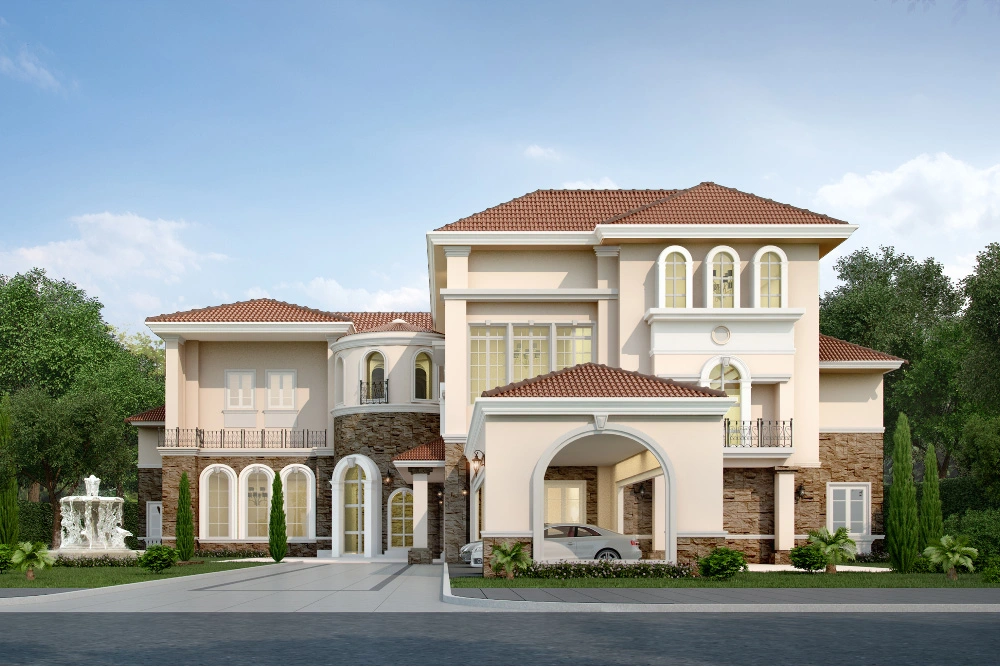
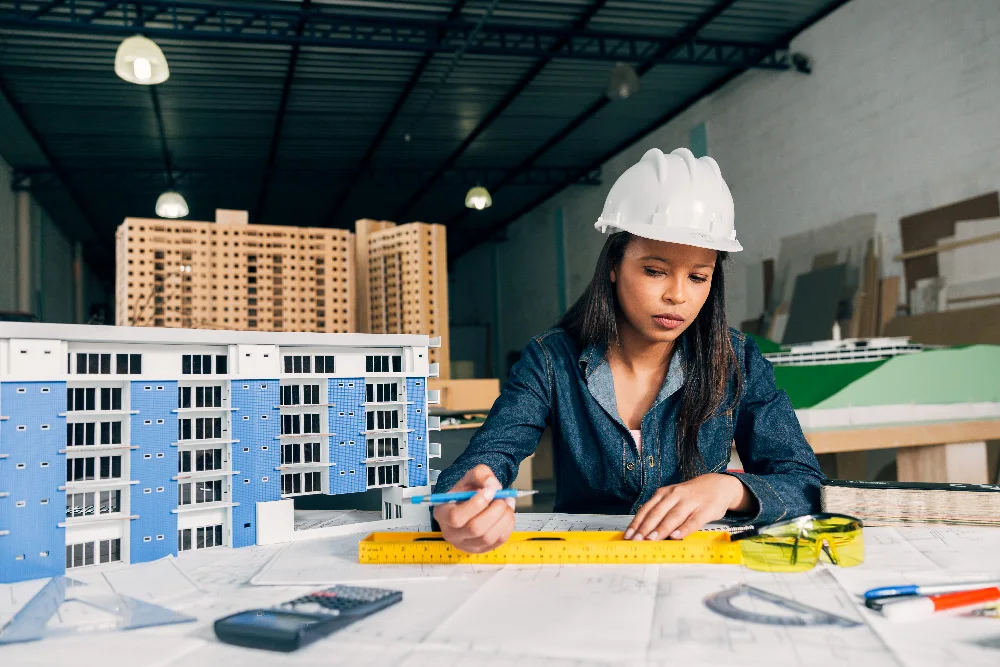
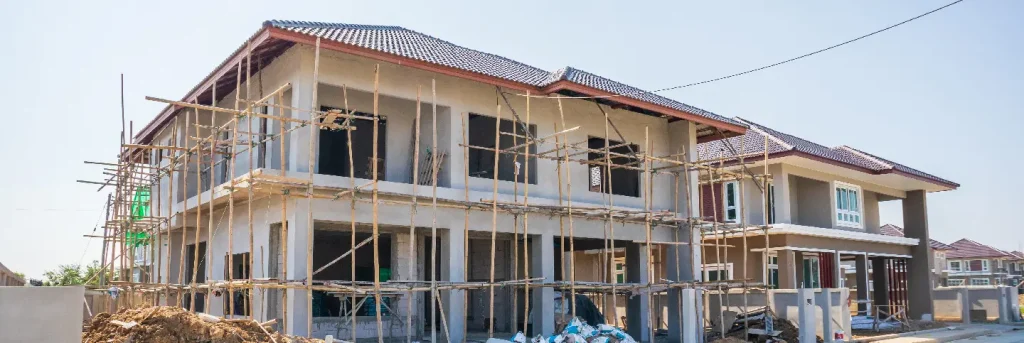
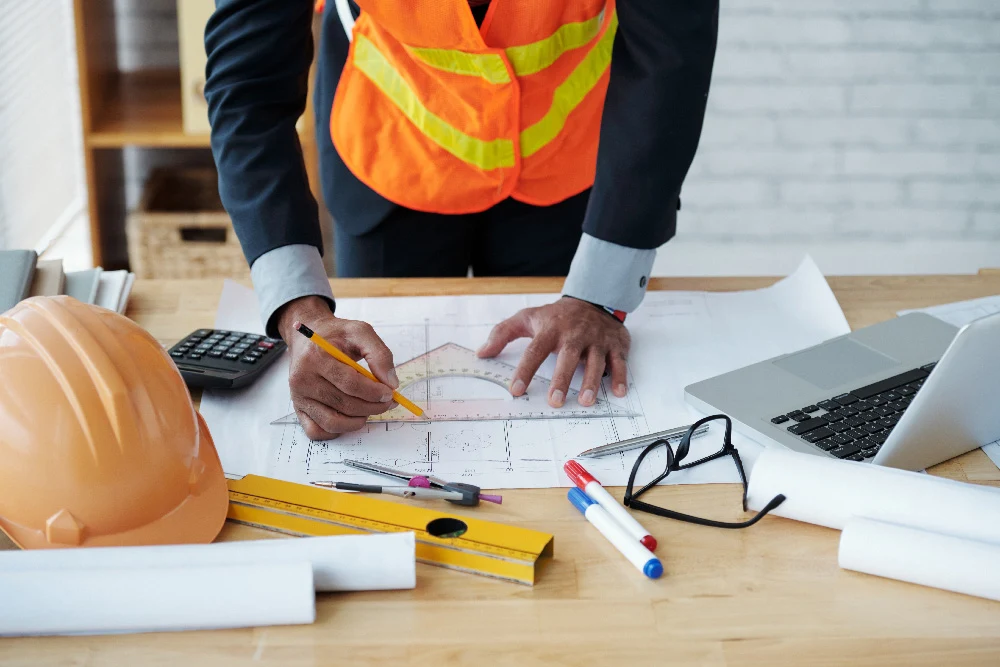
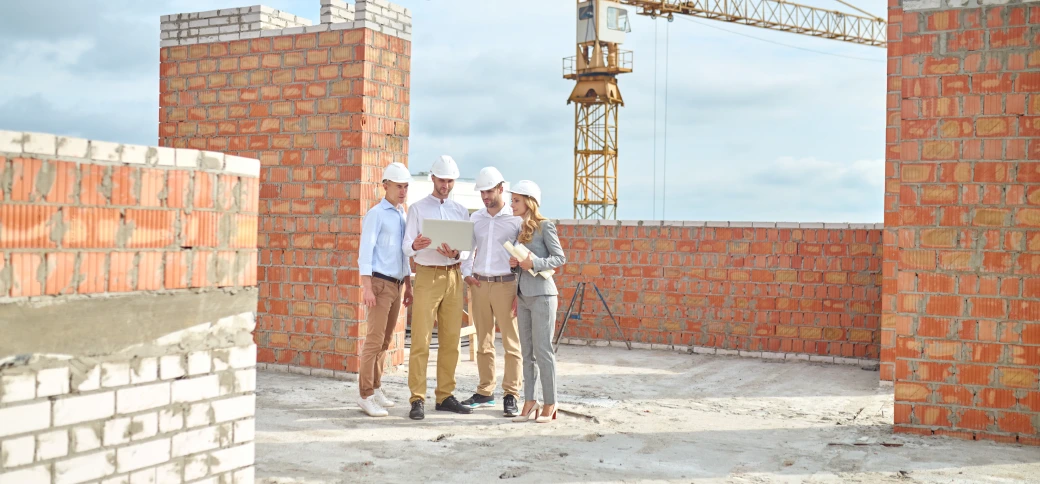
Chennai has seen rapid growth in the construction industry over the past few years. The city’s real estate market has been boosted by factors such as rising population, urbanization, and growth in the IT sector. This has created a huge demand for residential and commercial buildings, leading to the growth of construction companies in Chennai.
Chennai is a hub for various industries, such as automobile, IT, healthcare, and retail, providing a large market for construction companies. With the increasing demand for housing and commercial space, construction companies in Chennai are investing heavily in the city to cater to this demand.
However, it’s difficult to determine the best construction company in Chennai as it largely depends on personal preferences and specific project requirements. You should do your research and due diligence when choosing a construction company for your project, including checking their past projects, reputation, licensing, insurance, and references. This blog will give you an insight into the top construction companies in Chennai and the important things one must keep in mind while selecting the best construction company to construct your dream home.
Important Things to Consider While Selecting a Construction Company in Chennai
Experience and Reputation:
Look for a construction company that has been in the business for several years and has a good reputation in the industry. The construction company should have a proven track record of successful projects and satisfied customers.
License and Insurance:
Ensure the company has a valid license and insurance to carry out construction projects. This protects you and your property in case of any accidents or damages during construction.
Project Management:
The company should have an efficient and effective project management system. This ensures that the project is completed on time, within the specific budget, and to the required quality standards.
Quality of Work:
The company should be committed to delivering high-quality work and using high-quality materials and equipment. They should also have a robust quality control system to ensure that all work is carried out to the highest standards.
Cost-Effective Solutions:
Look for a company that offers cost-effective solutions and uses innovative techniques to minimize costs without compromising quality.
Communication and Collaboration:
Good communication and collaboration between the construction company and the client are crucial for a successful project. The company should be willing to work with you and listen to your needs and requirements.
Transparency and Honesty:
Choose a company that operates with transparency and honesty. They should be upfront and clear about the costs and timeline of the project and be willing to answer any questions you have.
Flexibility and Adaptability:
The company should be flexible and adaptable and be willing to make changes and adjustments, if necessary, during the construction process.
Customer Service:
The company should have excellent customer service and be responsive to any queries or concerns you may have. They should be professional and approachable and ensure customer satisfaction as their highest priority.
Top 5 Construction Companies in Chennai
Brick&Bolt:
Are you looking for the top, most reliable, and most experienced construction companies in Chennai? Look no further than Brick&Bolt. This tech-enabled company is a well-known company in the construction sector and is renowned for its high-quality construction and dedication to client satisfaction. This company has a proven track record of completing projects on time and within budget. It is among Chennai’s top preferred construction companies.
L&T Construction:
L&T Construction is one of the largest construction companies in Chennai and has a wide range of services, including building and infrastructure development, real estate, and engineering procurement and construction (EPC) services.
MSP Constructions:
MSP Constructions is a renowned company in the construction sector and offers a wide range of services, including the design and construction of residential, commercial, and industrial buildings.
Consolidated Construction Consortium Limited:
Consolidated Construction Consortium Limited (CCCL) has established a solid reputation as one of the leading construction firms in Chennai. A combination of competence, technology, skill, passion, and a strict code of ethics makes this company stand out from others. Commercial buildings, IT parks, metro railways, resorts and hotels, residential buildings, hospitals, institutions, etc., are some of the numerous projects that CCCL has taken on.
Jain Housing & Constructions Ltd:
Jain Housing & Constructions Ltd is a renowned player in the construction sector and offers various services, including the construction of residential and commercial buildings, interior design and decor, and real estate consultancy.
Construction Cost in Chennai
he average construction cost in Chennai is estimated to be around Rs. 1500 to Rs. 2500 per sq. ft. This cost can vary based on several factors, such as:
Labor Costs:
Labor costs are a significant factor affecting the construction cost in
Chennai. The wages and salaries of workers, especially skilled workers, are significantly higher in Chennai compared to other cities in India.
Materials:
The cost of construction materials is another significant factor affecting the construction cost in Chennai. The cost of building materials such as cement, cement bricks, sand, bricks, steel, and other construction supplies can vary depending on availability and demand.
Land Cost:
The cost of land in Chennai is also a significant factor affecting the construction cost. The cost of land in prime locations and developed areas in Chennai is higher compared to other parts of the city.
Transportation:
The cost of transportation is also a factor affecting the construction cost in Chennai. Transporting construction materials and workers to the site can add to the overall cost.
Market Demand:
Chennai’s demand for construction services also affects construction costs. If demand is high, construction cost is likely to be higher.
Technology and Equipment:
The cost of construction technology and equipment is another factor affecting the construction cost in Chennai. The price of new and advanced construction equipment, such as cranes, concrete mixers, and other machinery, can add to the overall cost.
Construction Cost per sqft in Chennai
The construction cost per sqft in Chennai varies due to several factors, such as the type of construction, materials used, and location. On average, the construction cost per sqft in Chennai can range from Rs. 1,200 to Rs. 2,500 per square foot for a basic building and can go up to Rs. 5,000 to Rs. 6,000 per square foot for a high-end construction. However, these are rough estimates, and the actual cost may vary based on various factors. One must always consult with a construction contractor or use Brick&Bolt’s construction cost estimator to get a detailed break-up of the cost per square foot.
Why Choose Brick&Bolt to Construct your Dream home in Chennai?
Below are some important reasons why one might choose Brick&Bolt to construct their dream home in Chennai:
Expertise and Experience:
Brick&Bolt has a team of experienced architects, engineers, and construction professionals with extensive knowledge in constructing high-quality homes.
Customizable Designs:
The company offers a wide range of designs, allowing you to build your dream home to your specifications.
Quality Materials:
Brick&Bolt uses only high-quality materials in the construction process, ensuring that your home is durable and long-lasting.
Timely Completion:
The company is known for delivering projects on time and within budget. In case of any delay, a penalty is levied on the contractors.
Quality Assurance:
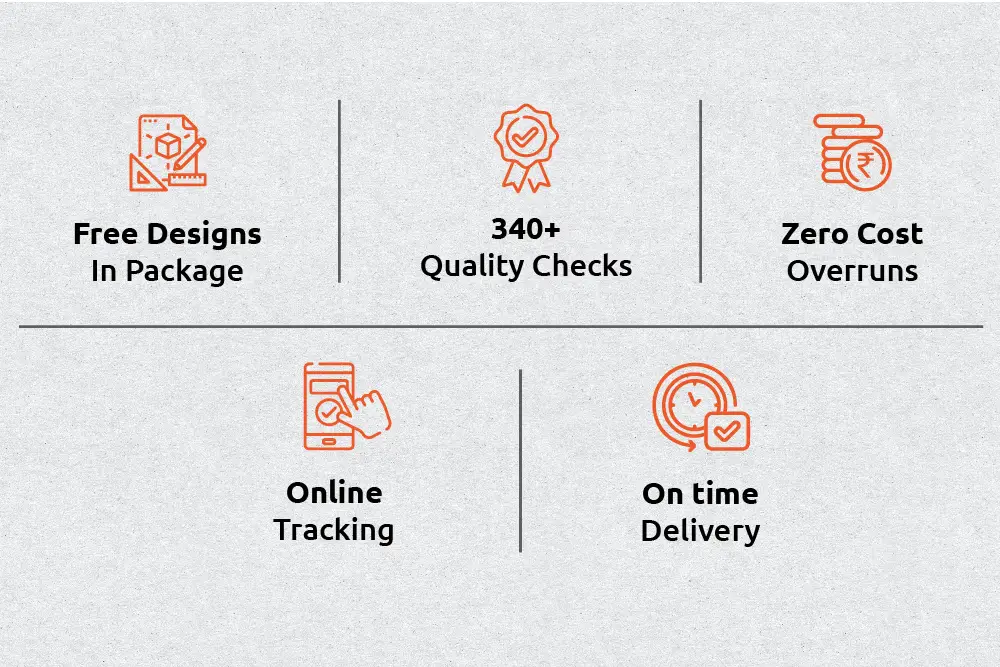
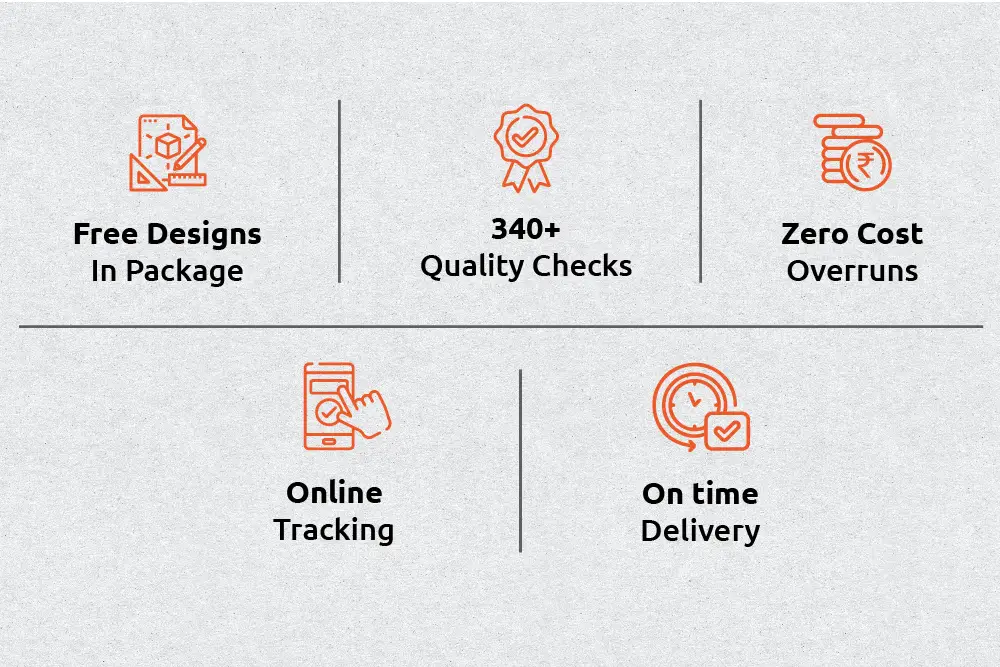
340+ quality (QASCON) checks are done by a team of technical experts.
Affordable Pricing:
Brick&Bolt offers competitive pricing for its construction services, making it possible to build your dream home without breaking the bank.
Excellent Customer Service:
The company values customer satisfaction and works hard to provide excellent customer service throughout construction.
Brick&Bolt: One-stop Solution for Construction Requirements
Brick&Bolt is one of the top construction companies in Chennai. As one of Chennai’s most renowned building companies, we uphold our legacy of giving our clients the finest homes possible. This construction company provides excellent end-to-end construction service, and the team members leave no stone unturned to meet the customer’s requirements. Brick&Bolt is what you need if you’re looking for one of the most reputable construction companies in Chennai with a proven track record!
You can contact us at +91 7505 205 205 for an appointment to get a detailed quote for your house construction.
The Hyderabad construction companies have a long history of setting standards for excellence, reputation, pricing range, and client satisfaction. Over the past few years, Hyderabad construction companies have expanded steadily. Some of India’s top construction companies have their headquarters in the city. These construction companies in Hyderabad are renowned for their flawless quality, fast delivery, and excellent customer reviews.
There are numerous Hyderabad construction companies, but it can take quite good time to determine which is best for constructing your dream home. Comparing prices, references, and reviews can take time and effort. Based on their experience, pricing range, client testimonials, and other factors, we have made a super helpful blog that will give you all the necessary information about Hyderabad construction companies and which is the best choice.
Top 5 construction companies in Hyderabad
Below are the five best construction companies in Hyderabadthat you can connect with to experience the most splendid construction service in Hyderabad.
1. Brick and Bolt:
Are you looking for the top, most reliable, and most experienced construction companies in Hyderabad? Look no further than Brick&Bolt. This tech-enabled company is renowned for its high-quality construction and dedication to client satisfaction. This company has a proven track record of completing projects on time and within budget. It is among Hyderabad’s top preferred construction companies.
2. Phoenix Group:
With a significant presence in residential and commercial development, the Phoenix Group is a well-known name in the Indian real estate sector. The company also has mining, power, and automotive holdings. The Phoenix Group has a substantial presence in both residential and commercial development.
3. ARK Group:
The Ark Group is a construction company recognized as one of Hyderabad’s most reputable and trustworthy construction firms. They will take care of all your construction demands from the beginning to the end of the project.
4. Aditya Construction:
One of Hyderabad’s most well-known construction firms is Aditya Construction Company. The company is renowned for creating opulent gated communities with top-notch facilities. Aditya Construction Company was established in 2002. Aditya Construction has built a strong reputation for quality and innovation.
5. Shanta Sriram Constructions:
One of the most imminentHyderabad construction companiesis Shanta Sriram Constructions. It is a well-known construction company. The company has more than 25 years of expertise in developing floor plans and building residential apartment buildings, standalone homes, commercial complexes, etc. This construction company is renowned for its high-quality building work, prompt delivery, and affordable costs.
House Construction Cost in Hyderabad
The construction cost in Hyderabad is affected by several variables, such as the cost of labor, the cost of materials, the kind of furniture used, the price of the shipment, and many other factors. Furthermore, if you choose high-quality materials rather than inferior ones, the construction cost in Hyderabadmight differ per square foot.
Brick&Bolt’s House Construction Cost Calculator
House Construction Cost in Hyderabad starts from Rs. 1570/- per sqft with Brick&Bolt. We have prepared three different packages to help you better comprehend the precise details and pricing. You can also use Brick&Bolt’s construction cost calculator to determine the cost of your specific project. This house construction cost calculator is simple, and you don’t need any prior construction knowledge to understand its usefulness. Our cost calculator helps to calculate the construction cost per square foot.Based on your project’s plot size and home configuration, this cost calculator can assist you in estimating the cost of constructing a house. The actual pricing quote for your project may change depending on the construction plot and finishing materials. If you have a specific budget limit, our team of experts can help you to tailor the project configuration to fit that budget limit. Price ranges are for estimation purposes only. For your city, the actual cost estimates can differ.
Beneficial Techniques to Construct Budget-Friendly Houses in Hyderabad
Right Plot:
Selecting the right plot is essential in the perfect cost construction of houses. Select a specific location accessible by both public transportation and the highway.
Best Designs:
Perfect cost home construction will be possible if you choose the ideal design for your house. Make sure the building is built using a solid design and well-laid-out building layout. It is always advised to start construction with a strong structure and plan designed with the assistance of a qualified architect or civil engineer. When you are constructing, pay attention to the materials used. The building’s materials incur the bulk of the expense. Therefore, it is imperative to put forth your best effort when doing the research and taking any necessary actions to lower the price of building materials in Hyderabad.
Doors & Windows:
Our house’s doors and windows are another areas where significant construction costs are involved. With the advancement of technology, we may use RCC frame doors instead of traditional wooden doors to lower building expenses. Alternatively, factory-made flush doors can be used in rooms, and PVC doors can be used in bathrooms. The doors and windows are reasonably priced in various sizes and forms.
Reliable and Experienced Contractor:
Make sure you choose a house contractor with the appropriate experience and who is well-known, respected, and trustworthy. This will guarantee that they don’t commit fraud and finish the project with proper methods and on time. Construction companies with experience and a good reputation will consistently deliver top-notch work at a fair price.
Why choose Brick and Bolt Hyderabad?
Brick&Bolt have achieved remarkable height through all these years by offering competitive pricing, maintaining honesty and class, and providing comfort to fulfill the various needs of each client. We focus and strive for:
High-Quality Standards:
A team of highly qualified professionals assigned to the individual project ensures great work productivity.
Quality Assurance:
340+ quality (QASCON) checks are done by a team of technical experts.
Zero Delays:
We provide on-time delivery of projects. In case of any delay, a penalty is levied on the contractors.
Safe Money Transaction:
Customized project budget with no advance taken. The contractor paid after the competition of work.
Best Design & Detailing:
We work hard to give uniqueness in every project that meets our client’s requirements.
Absolute Transparency:
Transparent specification with online tracking of the project.
Conclusion:
Experience and Expertise are the two vital things one must look for when hiring a construction company to construct their dream home. Brick&Bolt provides excellent end-to-end construction service, and the team members leave no stone unturned to meet the customer’s requirements. This company is what you need if you’re looking for one of the most reputable construction companies in Hyderabadwith a proven track record!
All of our clients receive personalized construction costs based on their needs. We are committed to making the best residential houses in India and are mostly known for our quality work and dedication to customer satisfaction. You can contact us at +91 7505 205 205 for an appointment to get a detailed quote for your house construction.
As we all know, constructing a house in India is quite expensive, and one must exhaust lifetime savings to build a dream home. Still, with the help of low-cost building materials and efficient planning, one can do low-cost house construction in India.
Low-cost house construction has been a trending topic of discussion in the construction industry. It focuses on creating efficient budgets and using specific low-cost building approaches that dramatically lower construction costs by wise use of locally accessible materials and advancing technologies. There is a widespread conception that low-cost house construction is only suitable for only sub-standard construction works and uses cheap, poor-quality building materials. The fact is that low-cost house construction in India is done through appropriate planning and efficient utilization of resources.
Constructing a house in India is now affordable and convenient with the best tech-enabled construction company Brick&Bolt. We offer end-to-end house construction solutions to customers with clientele ranging from modest to premium at a very reasonable price.
Importance of Low-Cost Housing in India
It becomes even more important to offer low-cost house construction options for various segments of society in a developing nation like India. The Indian government has pushed for more low budget house construction choices for the lower and middle-income groups in society. There are several reasons for the requirement for affordable housing in India. Some of them are discussed below:
Affordable Living Conditions:
The housing shortage in India results from families residing in unacceptably poor conditions and overcrowding of living spaces; households are experiencing physical and social limitations. These conditions continue due to the high house loan interest rates that prevent a significant portion of the population from owning a property. Therefore, low interest rates are necessary to make housing affordable to everyone.
Reducing Urbanization Problems:
India has witnessed significant economic changes in the last few years. As a result, the difference between the rich and the poor has increased. Additionally, housing loans mainly serve the population segment that is more financially stable. As a result, the government must promote affordable home loans in India and develop various low-cost house construction Techniques and options for people moving from rural to urban regions.
Improving Health Conditions:
Mental stress can be greatly reduced when everybody in the country has a house. This will increase the level of enjoyment and productivity of the citizens. Additionally, it reduces exposure to illnesses and infections, improving community health.
Creating Employment:
Housing developments attract employers, workers, and market jobs. Additionally, this increases tax revenues for the government and boosts consumer spending. This creates a favorable impact on the expansion of the economy as a whole.
Low-cost house construction techniques in India
Right Plot Selection:
Choose a plot for your house that is moderately high or low to the width or depth of the road. This is because if the height or depth of the building plot is significantly below the level of the front road, more filling will be required, which will drive up the cost of your project.
Choose Low-Cost Building Materials:
Building materials come in various price ranges. Using low-budget house construction materials can help keep the project within budget. Before choosing your final materials, we advise you to get prices from many merchants. It is simpler to choose a reasonable offer when you receive several bids for various construction supplies, which helps to reduce the cost of the project further.
Use Load-Bearing Structure:
A bearing Structure is preferred over a frame structure. Compared to a typical low-rise building, the load-bearing structure is less expensive. As less concrete and steel rods are required, the building costs are lower. It takes substantially less time to build the load-bearing structure. As a result, this will accomplish both low-cost house construction and speedy processing.
Foundation:
The foundation is one of the most important components of any construction. A building foundation should typically be 3–4 feet deep. However, this can be changed to a depth of about 2 feet for ordinary soils. This can save both time and money.
Precast Staircase:
Traditionally, we have constructed stairs utilizing cast-in-situ techniques. But it is very expensive. As an alternative, we can employ a technology known as the Precast Staircase System, which is practical and efficient. The precast stair system is budget-friendly. Building precast stairs involves minimal effort. It can be easily supported with a cantilever.
Choose an Experienced Contractor:
Hire an experienced contractor to construct your house. Even though a professional contractor might cost more than one with little to no expertise, you’ll make up the difference in price throughout the construction process. An expert contractor can assist you in deciding where to spend money and where to save money. They’ll also have original suggestions for how to cut costs. Additionally, they can assist you in avoiding issues before they develop, as they have dealt with many problems throughout their career.
Prefabrication:
Prefabricated construction is a concept in which all necessary building components are readymade and purchased. Therefore, it is clear that it will save a lot of time and enable one to concentrate on the long-term durability of the task. You can use prefabricated materials to make walls, roofs, floor slabs, doors, and windows.
Low-Cost Housing Schemes in India
The central and state governments have worked together to implement several low-cost house construction projects in India over the past few years. These programs seek to reduce homelessness in the nation. These policies offer rebates on home loan interest for qualified residents purchasing or building homes with basic amenities like water and electricity. Some of the known schemes are as follows:
Pradhan Mantri Awas Yojana:
This housing program aims to build 20 million affordable homes for the homeless. More than one million of these homes had been constructed and handed to the beneficiaries by the end of the first phase. The goal of PMAY Urban is to assist urban residents in finding suitable houses.
Pradhan Mantri Gramin Awas Yojana
In this scheme, individuals or families that earn not more than Rs 600,000 annually are eligible to apply for housing unit allowances and other incentives under the government’s low-cost housing plan. These apartments must have a minimum floor area of 25 square meters. Additionally, applicants will receive cash assistance of 120,000 rupees if they reside in a flat location and 130,000 rupees if they live in a hilly area.
Rajiv Awas Yojana:
Rajiv Awas Yojana offers slum residents legal alternatives to eradicate slums. This unique government program for low-cost housing also ensures that basic infrastructure and services are supplied in slums that already exist, enhancing the quality of life for these residents.
Delhi Development Authority Housing Scheme:
Apartments are offered for high, middle, and low-income groups through the Delhi Development Authority Housing Program, a specialized service provided by the Delhi government. Additional specific reserves are set aside for low-income households in the economy’s weakest sector.
Conclusion:
Low-cost house construction in India is a concept of creative ways to budget effectively rather than lowering the quality of the materials you have been using during the project. To make the construction of your house affordable, you only need the necessary combination of skills, modern technology, and the best construction company in India to achieve this goal.
At Brick&Bolt, we take pride in producing some of India’s highest-quality low-cost house construction. Our company uses the latest technology and innovative ideas while working on any project. We have been constructing houses for people across different states in India for a long time. We currently uphold a strong reputation in the construction industry for excellence in constructing luxury houses and apartment designs.
So, feel free to contact us at 91 7505 205 205 and get ready to experience the most splendid construction service at an affordable price in India.
We all desire to own a lovely house because they are a silent reflection of our sense of style. A house can look beautiful by using standard house elevation designs. Any house’s elevation design directly affects the property’s value. Therefore, to attain the highest level of beauty, you must be careful while choosing the house front design. Generally, architects and designers draw the home’s dimensions to scale. The finished home measures are usually drawn to scale, and their length and thickness match exactly. With the help of these elevation designs, you may know more about how your house will look from different angles.
The architecture of a house greatly depends on the front design of house. Making decisions about the materials, features, colors, and architectural themes can be difficult when designing a simple front design of a house. This blog will give you an overview of the standard house front design and house elevation that will help you acquire the necessary information before meeting an architect.
Types of House Floor Elevation Designs in India
Front Elevation Designs for A Single Floor:
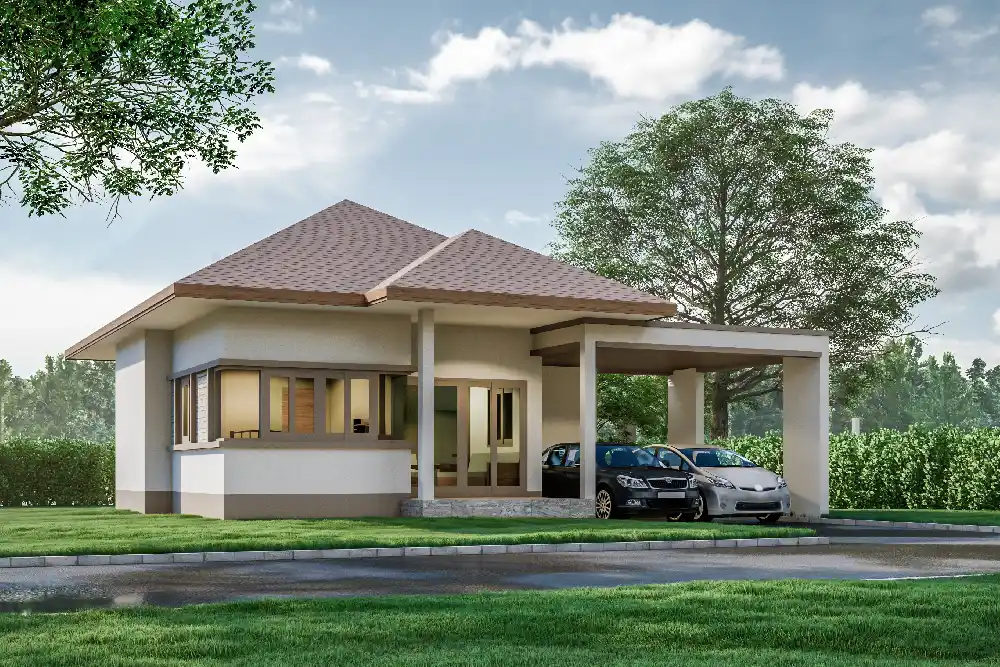
One of the elevation designs for any house is the front elevation. The front design of house gives a perfect view of the house right from the entry level, which includes the main gate, windows, entrance, etc. The front view only reveals partitions if they are purposefully constructed or protrudes from your property. This Duplex House Front Elevation gives the property a luxurious appearance and an ultra-modern feel.
Front Elevation Designs for a Double Floor:
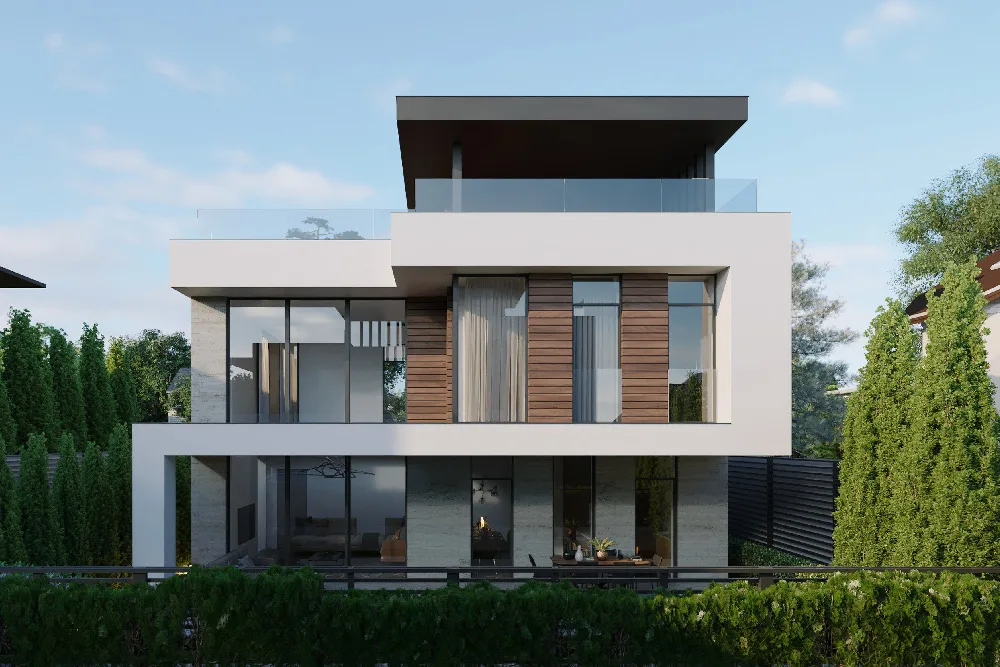
The front elevation of a double-floored building resembles that of a straightforward home, except for the extra floor. Except for the additional floor, the front elevation of a double-floored building resembles that of a single-story house. The front design of house shown in the below image clearly and unmistakably emphasizes all the projecting features of a two-story house.
Front Elevation Designs for Triple Floor:
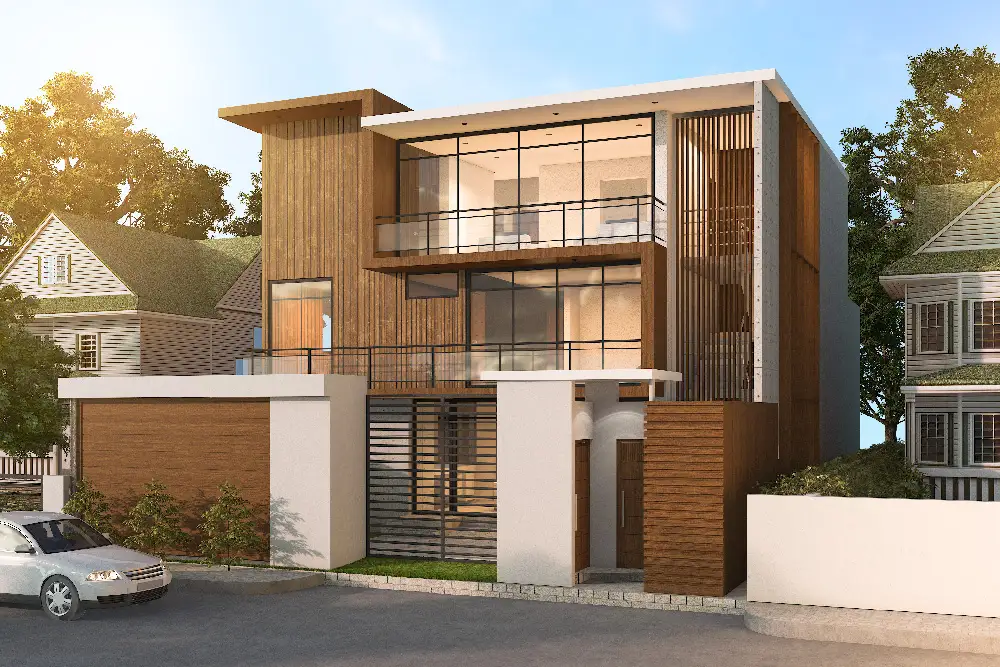
Buildings with three floors are typically found in numerous locations. These buildings are constructed by people who are not big fans of the apartment culture but wish to include some elements. Large families prefer three-story houses. In this type of elevation, one can add as many balconies as they want on the first and second floors to get ample sunlight and fresh air.
Importance of House Front Elevation
Many homeowners put a lot of time and attention into trying to decorate the exterior of their homes in a way that is both attractive and distinctive. A typical procedure that can increase a home’s value and appeal is a front elevation. Consider the local climate and geographic location to make a simple front design of house. Standard house front elevation designs are built to maximize sunlight. The perfect style can have significant advantages, such as enhancing the luxury of pleasing appeal or raising the property’s value.
Front Elevation Design Types
Elevation design enables you to view a house from different angles. There are four categories of elevation designs:
Front Elevation:
The exterior portion of a building includes the main entrance door, front porch, and windows.
Rear Elevation:
The “rear elevation” is the height directly across from the main elevation. Side elevations connect the front and back elevations. Usually, a house’s back wall is depicted in a rear elevation design. The rear elevation design helps to view the areas behind the house, including outside spaces like gardens and parking lots.
Side Elevation:
The elevation types that show the shape of the house as seen from the side are referred to as “side elevations.” Usually, there are more than two side elevation blocks in a house. In a nutshell, a wall that cannot be regarded as a front or rear wall produces side elevation. It shows the depth and other characteristics of the building structure.
Split Elevation:
A split elevation refers to a house plan featuring a multi-story residence. A short flight of steps or ramps connects the levels of the living room. The homes with split levels frequently have three levels. In this elevation, the property’s floor levels are uneven.
Different Front Elevation Designs in India
Glass House Front Elevation Design:
A normal glass house front elevation design is the best option if you want something classy and sophisticated. This simple front design of house gives the house a luxurious appearance and an ultra-modern feel. The front elevation of the glass house mixes the aspects of nature with flair.
Simple Front Design of House:
Regardless of size, many people dream of a house of their own. You can create a simple home front design using cutting-edge methods and stylish techniques. The beautiful front design of house in Indian style is a superb illustration of architectural features and a sophisticated finish.
Bungalow Style House Front Elevation Designs:
Independent houses are becoming more and more common. Bungalow-style homes can have their elevations designed in various ways, including with just one story or a portion of a second story. Include many balconies or verandas, a garden area, and the most up-to-date tile work to create a dynamic impact. The bungalow elevation can also be rustic by adding a slanted roof.
Contemporary Style House Front Elevation Designs:
This is one of the most excellent and latest elevation designs if you’re seeking a solution to combine modern and contemporary trends. A beautiful finishing touch includes the installation of glass railings on the balcony and front elevation. The appearance of this type of elevation can be made more appealing by keeping it simple and exquisite. The materials used can also be altered to suit your preferences.
3D Elevation Design:
For individuals who want to create an elevation of their line properties, a 3D conventional house front elevation is a fantastic choice. The relationship between the building and elevation is evident in the 3D model. As elevation preparations are done before construction, any modifications you make to a 3D elevation design must be reflected in the design plans.
Wooden Front Elevation:
If you want to use wood on the exterior of your home, this is the ideal design for a typical house front elevation. In this design, the roof is flat, and wood is used for the doors and other exterior parts. You can add a glass railing to give the house elevation a unique look. You can, however, vary the materials to suit your tastes.
Elevation Designs:
Elevation tiles are also available in various eye-catching and fashionable rock textures, which are highly popular for house exteriors. To give your property a sophisticated appearance, you may also use tiles with a multicolored brick design. You may evaluate the 3D elevation design for tile-covered house exteriors using online tools.
Conclusion:
Everybody dreams of constructing a beautiful home with a distinctive design. You can create ever-lasting memories in a gorgeous home. Whether you reside in a city or town, you deserve to stay in the perfect house. To create a simple front design of house, combine decorative fenestrations and color combinations. You can get a significant elevation for your house at a moderate expense.
To help you select the best house elevation designs in India, we have the most reliable tech-enabled construction company Brick&Bolt at your service. Our beautiful categorized elevation designs will give you an idea of what to expect inside and outside your house. The team of architectural and design experts at Brick&Bolt will assist you in making an informed decision and help you make the final choice without hesitation.
For any of your needs and questions regarding house front elevation designs, contact us now at +91 7505 205 205
Bangalore is renowned for its masterfully planned high-rise buildings that drape the horizon in enticing splendor. As a result, plenty of real estate and top construction companies in Bangalore can completely satisfy your construction needs. However, the most important thing is finding the best Bangalore construction company to construct your dream home most splendidly.
India’s no1 tech-enabled construction company, Brick & Bolt, with its head office in Bangalore, strives to ensure that its construction services and designs are superior to all others, whether by pursuing an aesthetic that reflects a contemporary design that adheres to eco-friendliness or zero waste. We can build the house of our dreams with the best materials and provide end-to-end construction facilities per the client’s requirements.
Things to Consider While Selecting the Right Construction Company in Bangalore
Selecting the best construction companies in Bangalore can be challenging, especially for people with lesser knowledge about construction. Mostly, people need to know what to look for in a contractor. Selecting one of the top construction companies in Bangalore is crucial, and the procedure demands several important considerations and ideas. Here are some key points that one should consider when choosing the best construction companies in Bangalore:
1) Proper Research and Read Online Reviews:
The first step is to research the construction company thoroughly and, if possible, try to speak with people who have recently had a new home built. Once you have all the information, please browse their websites and read google reviews. This can help you determine their level of expertise and quality of work. Good construction companies in Bangalore have many satisfied customers vouching for them online. Find out positive reviews and excellent ratings. Check their website for all the required information.
2) Expertise and Experience:
Any construction company you select should have a good amount of experience. As we all know, building a house is a challenging job. To successfully execute the task, expertise and experience are required. A good home construction company will have a team of qualified experts who can manage every part of the construction process. Additionally, they will be equipped with the tools and resources needed to complete the task effectively.
3) Good Understanding of Architectural Design:
Selecting a construction company to do a task that requires a thorough understanding of the design work is necessary to match the quality and standard of building architecture. Choosing a construction company that needs a thorough knowledge of architectural designs might help you get the best designs for your house for example pillar construction. So, to minimize construction issues and stay within your budget, a proper choice of a construction company with ample architectural design knowledge is essential. Even It’s also crucial to understand the Building Plan Sanction Process in Bangalore to ensure your project complies with all local regulations.
4) High-Quality Work:
A reputable home-building firm will always attempt to deliver high-quality work to its customers. Your house will be constructed with high-quality materials and fittings. This will ensure that your house is built to last longer and looks great too!
5) Maintaining Timeline:
Some construction companies may promise to finish your project within a given timeline, but they ultimately take longer than expected. This can be frustrating because the construction of your house gets delayed. Make sure to ask about the timeline before you commit to anything. Also, check if the company pays the penalty if there is a delay in completing your project.
6) Budget-Friendly:
If your construction project is taken under a good construction company, you can understand the project’s estimated budget. In addition, the construction company will give you helpful advice on your upcoming financial decisions. Make sure you are getting value for your money. Many companies demand very high prices yet must catch up on their commitments. Make sure to get quotes from several companies to compare prices and services before deciding.
Brick & Bolt is the Key to Your Dream Construction Project in Bangalore
Brick & Bolt is a one-stop shop for all of your building and construction needs. We are among the best construction companies in Bangalore dedicated to ensuring client satisfaction. With the help of our team of specialists, their commitment to providing their very best effort on every project, and their ability to work with customers and comprehend their demands, we are consistently setting new standards. For the past five years, we have maintained our position as industry leaders by upholding the fundamental principles of quality, innovation, comfort, and affordability.
Why choose Brick&Bolt:
Brick & Bolt have achieved remarkable height through all these years by Offering competitive pricing, maintaining honesty and class, and providing comfort to fulfill the various needs of each client. We focus and strive for:
1) High-Quality Standards:
A team of highly qualified professionals assigned to the individual project ensures great work productivity.
2) Quality Assurance:
340+ quality (QASCON) checks are done by a team of technical experts.
3) Zero Delays:
We provide on-time delivery of projects. In case of any delay, a penalty is levied on the contractors.
4) Safe Money Transaction:
Customized project budget with no advance taken. The contractor paid after the competition of work.
5) Best Design & Detailing:
We work hard to give uniqueness in every project that meets our client’s requirements.
6) Absolute Transparency:
Transparent specification with online tracking of the project.
Benefits of Choosing a Top Construction Company in Bangalore
One of the most difficult choices you will ever make is selecting one of the top construction companies in Bangalore that will make your dream home a reality. Consequently, you must take your time selecting the best builders. The following are the benefits of choosing a top construction company in Bangalore:
1) Superior Quality Service:
The best thing you can do is choose a construction company with experts. This will ensure that you receive the best possible service and are happy with the final result.
2) Timely Delivery:
A top construction company will complete your project on time. No matter how demanding or not you are regarding your construction requirements, a good construction company is the only one that can adequately and promptly meet your needs.
3) Availability of Good Contractors and Materials:
Top construction companies in Bangalore concentrate on ensuring their clients’ satisfaction to reach quality standards. The top companies in Bangalore collaborate with the best contractors and offer high-quality materials manufactured to the highest production standards. Moreover, understanding the Building Plan Approval Process in Bangalore can be beneficial in avoiding delays and ensuring smooth execution of your project.
4) Accurate Pricing:
A professional construction company will specify each cost to prevent misunderstandings and issues. You should be aware when getting quotes that the higher the materials’ quality, the more expensive they will be. The supplies and the service that the construction experts will provide must be included in the budget.
5) Excellent Management Process:
Effective resource management is a hallmark of a qualified and competent construction company. You can only be certain that you are working with experienced professionals if you work with a top construction company. The project management team will be responsible for endorsing the entire process, even after completion.
Top 10 Construction Companies in Bangalore
Company Name
Why to Choose them?
Brick & Bolt
Brick & Bolt offers a tech-enabled construction service with real-time tracking, 470+ quality checks, and transparent pricing. They Guarantee no price escalations, penalize delays, and provide a 10-year warranty. Trusted contractors and detailed quotes ensure a smooth and stress-free building experience.
Karnataka Neeravari Nigam Ltd
They are known for shaping urban landscapes in Bangalore with meticulous planning and execution of large-scale residential projects.
HM Constructions
Focuses on innovation in design and construction, delivering landmark projects across Bangalore
Prestige Estates Projects Ltd.
Renowned for redefining Bangalore’s skyline with luxury residential and commercial spaces
Embassy Group
Leader in premium business parks and luxury residential projects with a focus on sustainable development
Sobha Ltd.
Delivers high-quality premium projects with an emphasis on precision engineering
SNN Builders
Specializes in luxurious residential developments, combining architectural finesse with customer satisfaction
Salarpuria Sattva Group
Diverse portfolio spanning residential, commercial, and hospitality projects, known for innovation and quality
Navami Builders & Developers Pvt. Ltd.
Focuses on quality and timely completion of residential projects with a customer-centric approach
Mantri Developers
Pioneers in luxury residential and commercial spaces, known for their innovation and attention to detail
Conclusion:
Choosing the best construction company to build your dream home is essential. Brick & Bolt is a reputable name among the best construction companies in Bangalore. Our team comprises technical specialists, site engineers, architects, managers, procurement team members, and laborers with a combined experience of over 200 years.
We provide full-service project management and construction. We are renowned for our skill in providing comprehensive end-to-end services flawlessly. Our team comprises expert professionals who carefully consider every project detail to develop the best infrastructure possible.
To know more about Brick & Bolt or book a free consultation, call us at +91 7505 205 205
FAQs
Which is the No. 1 company in Bangalore?
Brick & Bolt is the No. 1 company in Bangalore, leading the industry with exceptional construction services.
Which is the richest layout in Bangalore?
Sadashivanagar is Bangalore’s richest area. It has luxury homes and wealthy residents.
Do you have guests visiting your house? Your drawing room and the hall are the first things that attract their attention. Therefore, you put all your energy and effort into designing and remodelling these spaces to make them presentable. However, as a homeowner, you must give equal importance to every room. It’s because you can mould every space to emit positive energy.
Your bathrooms and toilets are the most neglected spaces. However, as you frequently visit these spots in your home, you must take extra care of them. Most homeowners forget to make their bathrooms and toilets Vastu-compliant. If that’s your case, too, it might cause financial issues, loss of wealth, stress, health issues among your family members, or even minor accidents.
Are you constructing your dream house, or do you want to remodel your existing bathroom or rectify the Vastu of your bathroom? This blog is for you, as it focuses on the importance of following Vastu for your toilets and bathrooms. It further discusses about your bathroom’s ideal locations and important Vastu tips for your bathrooms.
Importance of Vastu for Bathrooms and Toilets
Your toilet is the epicentre of negativity in any living space. In traditional Vedic architecture, people used to design toilets as small cabins away from the home, which stood as the main structure. People followed it to ensure that the negative energy from the bathrooms and toilets does not pollute the energy field of the house. However, during the colonization, people integrated restrooms into our homes, as keeping the cabins from the main structure became difficult.
In the modern world, most people live in cities and megacities. These places are so crowded that having bathrooms and toilets outside your house is impossible. Therefore, most of today’s homes have an attached bathroom and toilet, making it a compulsory feature. The attached bathroom facilities offer several benefits. Besides enjoying better privacy and convenience, they offer better hygiene to your family members.
Vastu for toilets and bathrooms remain one of the most challenging concepts. With today’s attached bathroom facilities, you must follow certain rules related to toilet Vastu Shastra. When you follow these rules, you ensure that you utilize the space without affecting the overall Vastu of the home.
Are you randomly placing your bathroom interiors? Doing so often brings numerous ill effects for the property’s occupants. These might trigger financial struggles and health issues. Your family can even experience problems like overspending, hindrance in cash inflow, anxiety, stress and risks of accidents. If you fail to address the vastudoshas of your bathroom, these problems might keep on repeating. Therefore, you need to follow Vastu’s tips for bathrooms and toilets.
Ideal Locations for Bathrooms and Toilets According to Vastu
The following are the best Vastu directions for your toilet and bathroom.
East of North East (ENE)
West of North West (WNW)
South of South West (SSW)
East of South East (ESE)
Before you decide on the best direction for the toilet, as per Vastu, you must understand its purpose. We use toilets for disposal, especially the waste materials produced by our bodies. Therefore, placing them in the correct location is extremely important.
Let us explore and understand the importance of each toilet’s directions in detail.
East of North East
The direction is best suited for your bathing area and not a commode. If you are placing your bathing area in this direction, you will feel refreshed and rejuvenated. When you pour water during the bath, your body activates the Swadhisthana chakra, which represents the water element. Once you take a bath, your psychological state changes, and you feel a new surge of energy. When the external energies support your internal energies, you experience magnified results. The best part is the energies of the direction help you achieve the same.
East of South East
It is a good direction to position your toilet. The energies of the zone are conducive and favourable for eliminating your body’s waste materials. When you place a toilet in that direction, it reduces the excessive churning of your mind, limiting your overall analytical tendencies. It further helps in removing problems related to anxiety and panic attacks.
South of South West
It is probably the best direction to place your toilet. Being the zone of disposal, the energies of the area help you dispose of all the waste from your lives. Whether it is your body waste, emotional waste, psychological waste or toxic relationships, it is the best zone to dispose of them. Therefore, placing your toilet here is highly conducive to the overall Vastu energies of the plot.
West of North West
According to our ancient Vastu texts, it is the area responsible for releasing all your blocked emotions. The texts advise you to build a Rodan Graha, a place to cry and release your emotions. You can also build a toilet here. Doing so helps you and your family members to release and remove all the blocked emotions that they carried so long in their minds and hearts. When you release the negative emotions from your system, you will feel relaxed. It further keeps you relaxed and free from all diseases.
Important Vastu Guidelines for Bathrooms and Toilets
When it comes to Vastu for bathrooms and toilets, you must keep the essential considerations in mind. Without much ado, let’s explore some of the useful tips to make your toilets Vastu compliant.
Vastu for Bathroom Door Position and Decoration
The position of your bathroom door is crucial in Vastu. It’s best to have your bathroom door in the north, east or northeast direction. Vastu experts consider these directions auspicious, as they help maintain the flow of positive energy within your house. Ensure that you never place the door in the northwest or southwest directions. Doing so disturbs your interior’s energy balance.
Your bathrooms must have a wooden door. Never place a metal door, as it creates negativity. It further affects the health of your family members. Never ornate statues of gods and goddesses on bathroom doors. Do you often keep your bathroom doors open? Avoid doing it, and keep your bathroom door closed. Leaving your bathroom door open allows negative energy to pervade your personal relationships.
Vastu for Bathroom Windows
Besides following Vastu Shastra in the right bathroom direction, your bathrooms must have a window or a provision for proper ventilation. With proper ventilation, the negative energies from your home move out, aiding the natural light to enter the interiors. It further helps you maintain the freshness, cleanliness and humidity of your bathrooms. The outward opening of your bathroom windows in the east, north and west directions is ideal. If you plan to install curtains in your bathroom, choose light-coloured curtains for the windows.
Vastu for Toilet Seat Facing
The facing of your toilet seat also has significance in Vastu Shastra. The north and south directions are ideal for facing your toilet seat. The positioning helps in channelling negative energies away from your bathroom space. Never face your toilet seat in the west and east directions, as it might invite negative influences.
Vastu for Toilet Drainage
Efficient drainage is essential for Vastu compliance and functionality. Your bathroom must have well-designed drainage, facilitating a smooth flow of water. Proper drainage helps prevent stagnant water from causing the flow of negative energies in your home.
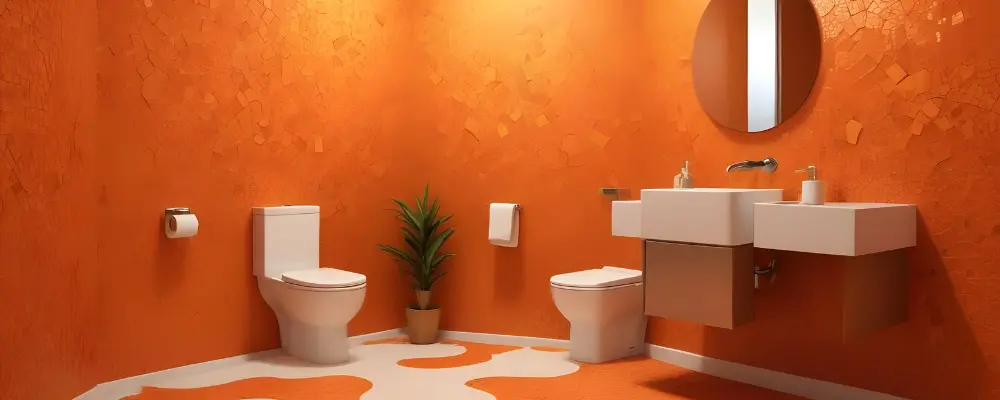
Ideal Bathroom Colours
Your bathroom colour plays a great role in attracting positive and negative energies. Experts consider some colours ideal for bathroom walls in Vastu. These include the following:
Lighter Colours: For your bathroom walls, choose lighter colours like light blue, pink, beige, cream, and white.
Neutral Shades: According to Vastu, neutral colours like white, off-whites and grey are ideal for your bathroom walls. Although these colours represent sophistication, they require high maintenance, as you can easily spot dirt.
Earthy Tones: Earthy tones are other excellent colours for bathroom walls in Vastu. You can paint your bathroom in light brown, beige, or terra cotta. These colours help create a balanced atmosphere.
Besides promoting a sense of cleanliness, these colours allow positive energy to flow into your home. Never paint your bathrooms in dark colours, such as black, red and dark blue. By doing so, you let your space attract negative energy, making the bathroom look smaller and cramped.
Vastu for Bathroom Flooring
Your bathroom flooring must never be at the same height as your bedroom or other room’s flooring. Ensure that your bathroom flooring is at least one foot above the ground level. Never use marble on your bathroom floors. Instead, Vastu Shastra recommends using tiles of any colour other than red and black. Are you looking for the perfect flooring colours for your bathroom floor? Opt for calm colours, like blues, whites and other pastel shades.
Vastu and Wall-Sharing with Bathroom
According to bedroom Vastu principles, you must never place your bed close to your bathroom space. Following Vastu Shastra, it is inauspicious for your bathroom to share its walls with your bedroom, kitchen and sanctified places like your prayer hall. Placing your next to the wall that shares with your toilet often results in nightmares.
Since most of you stay in cities, the homes are smaller with smaller bedrooms. Often, some homeowners cannot avoid wall sharing. If that’s your case, too, try changing the position of your bed. Ensure that your bed does not recline against your bathroom wall. It is the best way to avoid the flow of negative energy.
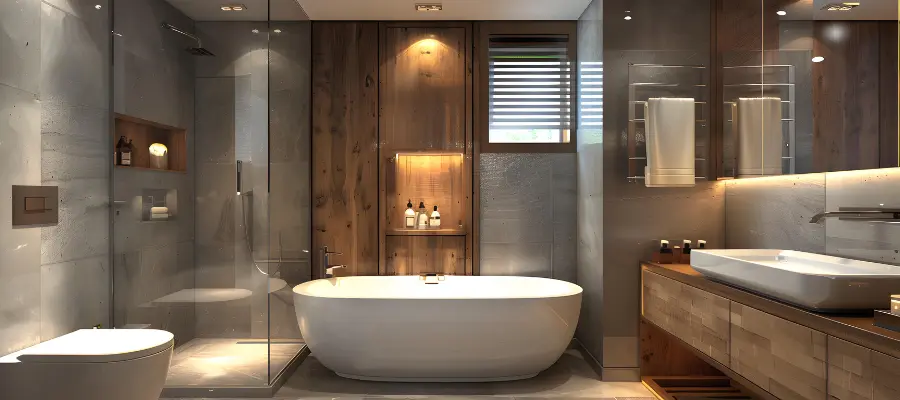
Installing Wash Basin and Shower in Bathroom
The position of your washbasin and shower holds significance in Vastu. When doing so, follow the principles for the placement of bathroom fittings in Vastu. According to Vastu, you must place your sink or wall basin either in the north or in the northeast direction. The placement attracts positive energies and prosperity. Positioning your shower in the east or northeast boosts the overall energy within your bathroom.
Placing Your Bathtub
Are you planning to install a new bathtub? If yes, ensure to place it in the south, west and southwest direction. These orientations align with the Vastu principle, creating a balanced flow of energy within your bathroom. Installing the bathtub in the northeast direction disrupts Vastu harmony, and therefore, you must avoid placing your bathtub in that corner.
Vastu for Bathroom Lights
According to Vastu, ensure that your bathroom lights create a calming ambience. Your bathroom must never be dark and dingy; instead, it must have adequate illumination. Does your bathroom lack windows? You can use bulbs in the overhead lighting fixtures to stimulate natural sunlight and boost healthy energy.
In the case of small bathrooms, general lighting is essential. You can have a central ceiling light, as it suffices in all situations. If you have a large bathroom with different sections for baths and toilets, overhead fixtures are excellent, as they offer enough light in all corners.
Conclusion
Your bathroom stands as the most neglected area when it comes to making your home Vastu-compliant. Since these areas are the major sources of negative energies, you must follow the Vastu guidelines. Remember to place each element of your bathroom in Vastu’s recommended directions.
Brick & Bolt, as a leading and trustworthy construction firm, strives to make the process of constructing your dream home smooth, efficient and memorable. The team of expert designers, architects, and other professionals understand the overwhelming effort that goes into building your dream home. The professionals excel in bringing innovative touches to your residential and commercial projects, keeping up with the Vastu principles to ensure every inch of your design goes your way. Whether you are planning to set up your new office or your home, Brick and Bolt’s team has your back with their excellent customer-centric approach and tech-enabled solution to deliver unique designs that attract your eyes.
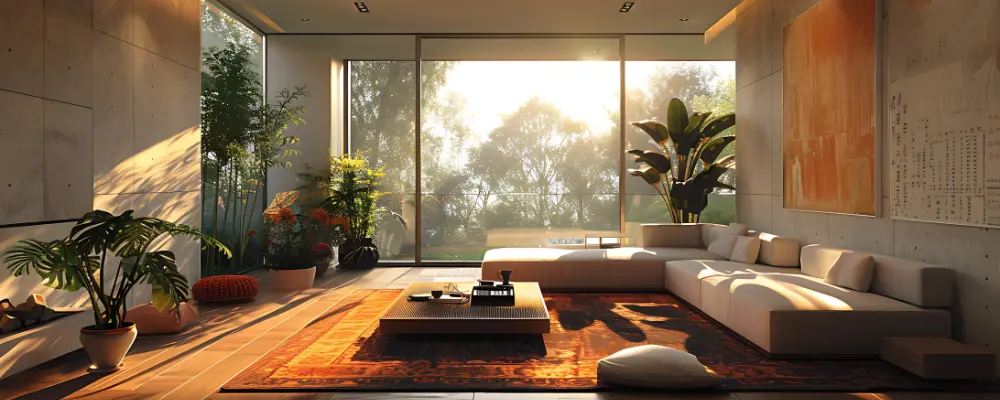
Are you tired of using artificial lighting to brighten your home? If yes, you are not alone. Today, most homeowners crave warmth and natural light in their homes. Natural light is essential for any interior. With strategic lighting, you can make a cramped space feel open and airy, bringing nature’s beauty to your home. In this blog post, Brick & Bolt will share tips for maximizing daylight in your spaces that will bring life and elegance to your home.
Importance of Natural Light in Your Homes
Allowing sunlight in your space is more than brightening your living space. It is a dynamic feature that has the power to transform your room. Functional and aesthetic use of natural light helps you combine the best aspects of your home design. It creates a welcoming, comfortable and striking space. Natural light helps you achieve the following goals:
Improves Energy Efficiency
Allowing natural light to enter the room makes your home more efficient. Are you looking to maximize the entry of natural light into your home? You can speak with the best designers about strategic window placement, allowing your space to receive maximum sunlight. It further helps you rely less on artificial lighting, allowing homeowners to use less energy and maintain comfortable indoor temperatures. Installing windows, skylights, and other openings allows light to enter your home, promoting a sustainable and eco-friendly way of brightening your home.
Create Visual Interest
Sunlight is a versatile design tool, adding depth and nuance to your interiors. When sunlight plays with your interior’s architectural elements, textures and colours, it creates a more dynamic space. Since your rooms receive light throughout the day, it makes a natural spotlight, highlighting the primary design features and bringing life to the space. Whether you are using lights to create patterns or emphasize your minimalist space, you can make your rooms captivating and comfortable.
Boost Health and Mood
Natural light affects your physical and mental health. Regular exposure to sunlight regulates your circadian rhythm and improves your sleep patterns. Exposure to sunlight reduces anxiety and boosts serotonin, making you feel happier and creating a positive atmosphere. When you allow maximum sunlight to enter your room, it creates welcoming spaces for you and your family to live in.
Natural Light Enhancement Techniques for Home
Allowing sufficient natural light improves your space. You can develop a stylish, timeless space that everyone can enjoy. If you are looking for the best natural light solutions for home interiors, you can implement these techniques. Combining two or more of these techniques will boost natural light in your interiors.
Strategic Window Placement
When you strategically plan and place your windows, you allow more daylight to enter the interiors. While placing your windows, you must understand the sun’s path and build orientation to maximize natural light in your space.
Installing windows in the north will fill your interiors with softer light.
However, if you are looking to fill your spaces with light throughout the day, installing windows in the south is the best.
You can also install windows in the east and west. We know that the sun travels from the east to the west, making your east-side windows receive maximum morning light.
In contrast, the west windows are excellent for experiencing stunning sunsets. Since you experience direct glaring light on the east and the west, you can minimize opening these two windows for eye protection.
If you are looking to optimize window placement, consider each room’s lighting needs and locations. Spaces like kitchens and dens need maximum daylight. Appropriate window placement makes your spaces comfortable and better-lit.
Opt for an Open Floor Plan
With an open floor plan, you break the barriers to light, welcoming sunlight to flood across multiple areas. The plan eliminates unnecessary walls, creating a seamless flow of brightness from one space to another. In this style of floor plan, your kitchen blends into the dining and living area, sharing a bounty of sunlight.
Your floor plan must synchronize with the climate and landscape, allowing the sunlight to play freely across the floors and the walls. Besides allowing more light to enter your unobstructed place, you can feel more air and energy to move around your home, creating a sanctuary of well-being.
Place Your Mirrors Strategically
Mirrors are an excellent tool for enhancing the natural light of your space. When you carefully place mirrors in your rooms, you help reflect more light into the space. The increase in reflection makes your rooms look bigger and brighter. Place your mirrors opposite the windows, as the mirrors reflect the incoming sunlight, doubling the impact. Placing mirrors creates a more visually appealing space and adds depth to your interiors. Moreover, you can also use mirrors to combine the effects of natural and artificial lighting for your interiors.
Using Shades and Other Window Treatments
Homeowners install curtains, blinds, and other window treatments to regulate the amount of light entering a room. You can install sheer curtains and shades to block UV rays while allowing some light to trickle into your spaces or drapes and heavy shades to black out your room.
Use these accessories strategically, allowing natural light to enter your rooms while allowing your family members to have control over their space. Alternatively, use light-filtering options to give your family members optimum privacy. Sheer shades in lighter colours diffuse sunlight without blacking out the rooms. You can enjoy your life naturally without putting your life on display.
Opt for Light-Reflective Colours
Using strategic colours in your rooms makes them feel more significant and spreads more light. While not every room feels open and airy, it is the best way to make your family rooms and communal spaces more welcoming. Lighter palettes reflect better light, open up your room and make it brighter.
You can go for colours like white, pastels, and beige. Use a light-coloured floor to reflect more light, making the space open and airy. You can also opt for glossy and satin finishes instead of matte finishes. The former reflects light while the latter absorbs light.
Include High-Positioned Windows in Your Design
Try including high-positioned windows like transom and clerestory. They serve as a beacon for daylight, casting a wash of brightness and transforming your interiors. When you place them strategically, the features draw sunlight into your floor plan, offering plenty of daylight even to the centremost part of your home.
Are you looking to balance light and shadow within your interiors? These windows stand as an excellent choice. They reduce the high noon glare, reduce dependence on artificial lighting and support energy conservation. The best part of these windows is that your interiors harness nature’s gift without compromising comfort and design.
Add Skylights to Create a Dramatic Effect
You invite the sky through your skylights, adding a dramatic source of daylight to any room. Since they capture sunlight from the highest point, they provide your space with an illusion of openness along with illumination. When you install them in your kitchen and living room, they elevate the experience, bringing the allure of the heavens into your daily activities.
Keep Your Windows Clean
Try to keep your windows free from obstruction. Placing furniture, décor, and large pieces in front of your windows blocks sunlight from entering your room. Arrange your furniture to allow the free flow of the sun into your room. Avoid placing tall furniture that casts shadows and reduces light. Instead, opt for lower furniture that provides open sightlines.
Conclusion
Maximize natural light within your interiors. It is vital to create living spaces that conserve energy and enhance well-being. When you strategically position your home and other elements within it, the daylight entering your space enriches every corner of your home. The thoughtful design elements work in harmony to transform your residence into sanctuaries of light, offering your family members a daily luxury that boosts their mood, improves sleep and connects your space with the natural rhythms of the day.
As a leading construction firm in India, Brick & Bolt ensures that they meet their clients’ expectations of dream homes. The home construction passes through more than 470 quality checks. Whether you are looking to construct a house, villa, bungalow or farmhouse, the tech-enabled construction company promises to make the process smooth, efficient and memorable. Above all, Brick & Bolt strives to focus on green construction, offering sustainable solutions in every construction.
House construction becomes quite exciting once you understand how the process works. All house construction projects vary in size, budget, choices, scope, execution, and results. Regardless of any house construction, the process of the project remains the same. The house construction journey is quite a long, steady and stressful process. However, with clear and logical project management guidelines, one can make an informed choice beginning with the project’s planning, execution, and completion. A practical understanding of every step of the Construction of house in India helps turn your ideas into reality.
To help you prepare for and understand the house construction steps, we will discuss in this guide all the end-to-end steps involved during the construction of a house.
Important Factors to Consider while Selecting a Construction Site
You can construct a house that fits your lifestyle by following several key steps and factors. Choosing a site is one of the crucial phases to which one must pay close attention. Site Analysis or study of a site is the first crucial phase in the design and construction of a house process. Many people need help choosing a site, especially those needing more experience with site surveys or analysis. It is not enough to visit the location and do an inspection; you must also be aware of all its unique aspects to understand how to begin your building design and construction.
Location:
Understanding the site’s location in great detail is one of the main goals of a site study. Gather information on the site’s location, including the address, the road it is on, important intersections, the area it is in, significant landmarks, etc. In addition to all of these details, consider the several ways you can reach your site.
Shape & Size:
The site’s shape and size are other important factors. The site should be big enough to accommodate expansion in the future, and it should have an even shape without any abrupt edges. The site’s geometry has a role in determining the construction’s architectural scale, shape, and form, including whether it will take a regular, semi-regular, or irregular shape.
Access to Utility and Raw Materials:
Any building or construction project must be carried out in an area with easy access to infrastructure and utilities. There should be electricity, a water supply, healthcare, a mall, an efficient garbage disposal system, and other necessities. The accessibility to the raw materials used to design or construct a building is another important factor one must consider. This will enable you to refrain from paying for transportation or importing raw materials to the location.
Topography:
In site analysis, the topography of the site is crucial. The topographic element is influenced by the slope of the terrain or whether it has a level or uneven surface. Although it is always preferable to plan a building along the contour of the plot, it becomes more difficult when a site has a sloping surface.
Soil Type:
A particular site may contain a variety of soil types. As a result, you need to pay attention to the soil available on your site and assess its suitability for construction. The soil type chosen for the foundation should lead to something other than a cracked building. Therefore, to construct a foundation and structural system that will function effectively and efficiently, we need to learn about the safe load-bearing capacity of the soil.
Temperature:
The layout of the design should take into account the area’s annual average monthly temperature. In a hot climate, a design should be made to keep the interior of the building cooler. When constructing a building for a cold area, consider how much heat the sun will impart inside the building structure.
Process of Designing a House
Designing a new house requires a lot of planning and consideration. When creating a house plan for your dream home, you have to take a lot of factors into account, from the size and layout of the plot to the soil’s quality to the right side of the house, the number of floors to be built, and finally the building layout. Therefore, a well-conceived and designed floor plan and house plan serve as the foundation.
Following are the Steps for Designing a House:
Measuring the Land:
To determine the working area, measuring the land would be essential. It would be simple for the architect to create the initial layout once you have the statistics.
Choosing Designer & Architect:
Selecting the ideal designer is a very important step. Designers provide various services, from concept design to detailed design and project management. They are also capable of leading a group of specialized consultants. Each phase of your project requires the involvement of an architect. An engineer must also be present. To realize your vision for your home, your chosen architect must thoroughly understand your tastes and lifestyle. Structural engineer is also necessary because they are integral to the design process and work closely with the construction teams.
Fee Proposal:
Ask your designer to analyze your preliminary budget to spot potential issues and offer solutions. As part of your brief, your designer should also estimate the expenses for each sustainable design element and suggest any extra ones that would be appropriate for your location or climate. Consider these expenses from a lifetime perspective.
Concept Designs:
Designers frequently create several concept designs, so you may evaluate them about your brief and speak with them. Construction systems should be considered in concept designs, but they should only be fixed if they are an essential part of your brief. Your climate and other design considerations will influence the choice of high- or low-mass materials and the amount of mass needed in the floor, walls, or roof to provide thermal comfort.
Final Design:
You complete and approve all design components at this point. After this stage is approved, changes will likely increase the design cost. You must complete selecting interior finishes and appliances and completing the landscaping design.
Planning Approval:
This brings into the ability to accept any design modifications requested by authorities before developing the design in detail, saving time and money.
Best Building Materials Used for House Construction in India
Concrete, steel, wood, and masonry are a few house construction materials used in the construction sector. Every material is unique and has unique characteristics, including weight, strength, durability, and cost, that make it suited for particular applications. The selection of house construction materials is based on their affordability and ability to withstand the loads and pressures placed on the building structure. Choosing the kind of construction and building materials to be utilized in each project is a decision that architects and builders make in close consultation with their clients.
The most typical material used in construction for various uses is wood. Wood has many natural advantages over substitutes like other artificial materials. Wood has been the material of choice in Indian construction due to its strong tensile strength and inherent resilience to pressure and heat.
Cement:
Cement is a binder and one of India’s most important house construction materials. It provides strong resilience to the construction and general integrity of the building. Cement is better at storing heat and withstanding large compressive loads. This building material can be easily manufactured.
Sand:
Sands of various kinds are available in the market for use in construction. Essentially, sand is composed of pieces of broken rock. Sand is a crucial building component since it gives concrete volume, strength, and other qualities.
Brick:
Bricks, which are made of clay or mud and come in various shapes, give the construction considerable strength. In India, they have traditionally been utilized to construct houses. It has high thermal stability. Brick can be made from local materials and is cheap to manufacture. It has a variety of resonance, moisture absorption, and insulating qualities.
Metal:
A significant portion of the global construction market comprises aluminum and steel alloys, which also serve as the framework for large projects. Metal is highly durable and strong. It can withstand harsh climatic conditions to a great extent. Compared to wood or glass, metal is less prone to burning.
Importance of Hiring a Reputable and Experienced Contractor
Constructing a house is typically a labor-intensive and challenging project. Even builders who are experienced with professional knowledge can make mistakes that result in the project’s failure. Numerous advantages of hiring an experienced general contractor ensure the success of your construction project.
On-Time Completion:
Regardless of delays, your house construction contractor manages the timing and scheduling of subcontractors on-site to keep the project moving toward on-time completion. Any issues that may arise will be swiftly resolved by an experienced house construction contractor, ensuring that the project is completed on the deadline.
Large Network:
The fact that general contractors have a wide network of subcontractors working for them is one of the main advantages of choosing one. This ultimately speeds up the project timeline. To ensure the project is finished successfully, the general house construction contractor must be skilled at managing subcontractors.
Budget-Friendly:
Your general contractor has the knowledge and expertise necessary to complete the task correctly without skipping a step. The lowest quote from various subcontractors can be obtained from skilled contractors. This fosters competition, which can help you save money. A general house construction contractor can purchase materials in bulk, enabling you to complete your project using materials of the best quality at a lower cost.
Hassle-Free Process:
A general contractor will manage the execution of your construction project, which includes obtaining building permits, buying supplies, scheduling inspections, and hiring and supervising subcontractors to ensure the job is completed quickly and to your satisfaction. This relieves you of the burden of managing the construction process.
Insurance Coverage:
When choosing a general contractor, you may relax knowing your job is insured. You won’t be held responsible for any mishaps or losses on your building site if you have general liability insurance.
Full Customizable Service:
A general house construction contractor will offer wholly unique services to build whatever you have in mind. All they need from you is your demands, wants, and objectives, and they’ll set everything up to ensure the project is finished according to your requirements. The outcome will be original and something you can proudly claim.
End-to-end Construction Process
Every construction project has five stages: initiation, planning, execution, monitoring-controlling, and closing. The house construction project goes through each of these five stages as well. The five stages of constructing a building are categorized under three stages pre-construction, construction, and post-construction.
Pre-Construction Stage
Initiation:
A project starts with a concept, a goal, or a requirement. The project’s owner sets their expectations regarding the project. The owner briefly explains their criteria to the builder, including the house’s location, the number of rooms, parking, open space, carpet area, floors, etc. Based on the owner’s requirements, the building construction project starts.
Design and Specifications:
The preliminary design is considered after the initial estimates. Once the house layout is finalized, a detailed design with structural and architectural specifications is created. Along with the design, specific requirements for material quality are provided.
Preparation of Budget:
Building construction requires a significant financial and material investment. Once the planning and structural detailing has been finalized, these details are transferred to the building estimator. The building estimator creates an abstract sheet that displays the cost of building construction and estimates the material amount and quantity of different items of work.
Approval:
The local government must approve the plan and issue permits for everything from the zoning and grading to the septic systems, home construction, electrical work, and plumbing before a builder can put a shovel in the ground. The construction project can start as soon as permits are acquired. The documents submitted before requesting approval are provided below:
Land survey:
A licensed land surveyor must be used to survey the land.
Soil test: Report of the soil test done on the land.
Land documents, elevation/sectional drawings, and structural reports
The certificate of the undertaking is on record for the architect, and the certification of the undertaking is for the civil engineer.
A structural report, an architect’s certificate of the undertaking, and a civil engineer’s certificate of the undertaking are all on file.
Initial Survey:
After finalizing the contractor, conduct a site visit with them. Look for any potential obstacles and dangers. The site visit helps in avoiding overspending and delays. The following items are measured during the site visit:
Entry-exit points
Storage for building materials
Marking off all of the amenities already present,
Water and sewage lines
Leveling requirements
Sub Structure Work
Site Preparation:
The site must be cleaned before beginning construction. This work includes the removal of roots of trees and debris and leveling ground area.
Excavation & PCC:
Using excavation equipment, the building’s foundation is dug up according to the dimensions shown on the blueprints for the structure. Before installing the foundation reinforcements, a layer of PCC (Plain Cement Concrete) is laid in the trench’s dug area.
Footing:
Footing reinforcement work begins just the day after PCC, followed by shuttering and concreting. Since a footing is the base of the entire construction, we have to take extra care in the quality of the work.
Backfilling
After footing casting, you must remove the shuttering and cure the footing. The foundation trenches that were dug out were filled with soil and compacted appropriately.
Plinth Beam and Slab:
Concrete is poured into the ground beam formwork after completing the foundation work. Work on the stonework begins above the plinth beam. Additionally, the soil is used to fill the area between the foundation and the plinth beam.
Waterproofing:
A building with water seepage issues is unhygienic. The ground is one of the main places where water seeps out. Therefore, waterproofing at the plinth level is an important activity.
Super Structure Work
Column:
A column and beam make up the superstructure’s primary part. The frame for further construction has been prepared, and the columns have been raised to slab level.
Brick Masonry Work:
Following the completion of the column and beam structure, masonry work begins using various materials, such as bricks, concrete blocks, fly ash bricks, etc., following the architectural drawing. Cement mortar is used in masonry work. Sand and cement are combined to make the mixture.
Floor Slab:
The slab that rests on the column and beam is then constructed using formwork. The placement of the slab reinforcement above the slab formwork follows the detailed slab drawing.
Post-Construction Stage
Finishing Works
Walls:
Internal and external are two sorts of walls. While the inside walls divide the house into rooms, the exterior walls protect the house from harsh weather conditions. The ground floor’s outer brick wall is 230 mm thick, while the inside brick wall is 115 mm thick. The wall openings for doors and windows have been left exactly as shown in the plans.
Plastering:
A layer of mortar called plaster gives masonry a smooth appearance. The thickness of the plaster depends upon the roughness of the wall. One plaster layer is adequate for the inside walls, and two coatings are required for the building’s outside walls.
MEP Work:
The plumbing and electrical fixtures are installed following the plastering work. It is advised to the waterproof kitchen and bathroom floors to stop water seepage and moisture.
Flooring:
There are numerous flooring options for residential homes based on the requirements and budget. Many types of flooring are used, including concrete, stone, and wood. To enhance the home’s appearance, ceramic tiles are used on the walls.
Plaster of Paris:
It is used to make the interior of the slabs beautiful. The thickness of Plaster of Paris work varies from 12-25mm.
Exterior Finishing:
After completing all these tasks, exterior finishing work begins. Another option for improving the elevation of the house is external cladding.
Roof Finishing:
To stop any slab leaks, waterproofing is applied on top of the slab. Terrazzo tiling is typically done to protect the slab from the effects of weathering.
Internal Finishing:
Internal walls are plastered with a smooth finish, and tile flooring is used. Afterward, the walls are painted or textured.
Woodwork and Fixture Fittings:
Following all the above steps, nearly all construction work is finished, and furniture work can begin. Plumbing, electrical, and switchboard installations are completed simultaneously in the kitchen and bathroom spaces.
Painting:
The main goal of painting a house is to extend the structure’s life, and adding color to a house is a great way to give it a makeover. Painting not only provides color to the walls of the house but also shields it from filth and stains, extending the life span of the house.
Final Stage
The interior decoration of a building involves finishing the structure with appropriate furnishings and textiles.
Conclusion:
Constructing a dream house is one of the biggest wishes of a common man. He makes a significant investment for satisfying his need and desire. When making such a significant decision, one should be completely informed of the strategy and thoroughly understand how his masterpiece will be carried out. To avoid issues during construction, consider the above steps when planning a house construction project in India.
The construction process is complicated. The process involves lots of paperwork, hundreds of phone calls, messengers to worksites, and many problems after they happen. To make the construction process simpler, Brick&Bolt came into existence.
With its head office in Bangalore, Brick&Bolt. is a well-known and quickly expanding construction company in India. We are engaged in various engineering, architectural, and construction operations to develop industrial, commercial, and residential infrastructural facilities. The culture of our business is a unique fusion of commitment, innovation, and confidence. By utilizing cutting-edge technology and current principles, we want to consistently be the top choice for our famous excellence, quality, performance, and dependability in all building forms across India. Our company can help keep everyone on the same page from any location. Brick&Bolt’s app helps make sure that every assigned team member is always in touch, even when on the job site.
To know more about our service or to get a free quote, connect with us at 91 7505 205 205
After the scorching heat of summer, monsoon brings relief to our souls. With the sound of the raindrops, the smell of rain and the cool breeze, the season brings joy to everyone. Most of us love to keep the windows open, allowing the refreshing wind carrying the earthy fragrance to rush into your spaces, rejuvenating our minds and souls.
Since the Indian subcontinent receives ample rainfall during the season, we must adjust to sudden and constant dampness. Most homeowners experience problems during and after the monsoon. You might notice a collection of moisture in the walls, resulting in damp patches, cracked walls, and peeling paint. Since these cause severe problems, in this blog, Brick & Bolt offers some tips to protect your home walls during the monsoon.
Understanding the Impact of Monsoon on Your Home Walls
Characterized by high humidity and heavy rains, the monsoon season has an impact on the structural integrity and aesthetic appeal of your home walls. These include the following:
Structural Damage
Water infiltration during heavy rains in the monsoon season is responsible for severe structural damage. Your walls receive the maximum rain. Prolonged exposure to moisture weakens the foundation of your walls, leading to cracks. In extreme cases, it might lead to structural instability. The wet and dry cycles cause constant expansion and contraction, deteriorating the materials and adversely affecting your walls’ strength and stability.
Moisture and Dampness
Increased moisture and dampness are the primary effects of the monsoon. During the monsoon, certain areas receive persistent rainfall. If your walls have cracks, gaps, or are made of porous materials, rainwater will pass through them. You can experience dampness later as wet patches on your walls, peeling paint, and bubbling plaster. Over time, the moisture weakens the walls, making them susceptible to damage and decay.
Growth of Mold and Mildew
Have you ever noticed green spots on old walls? These are mold and mildew. During the monsoon, your walls remain damp continuously, which creates a perfect environment for the growth of mold and mildew. The moist and humid environment of the monsoon is ideal for their survival. Beyond the aesthetic damage, these fungi pose health risks. If you or anyone in your family is suffering from respiratory disease or allergies, exposure to mold and mildew can be fatal. The spores released by these fungi cause indoor air pollution, exacerbating health problems.
Paint and Plaster Deterioration
The temperature fluctuates during the monsoons. The combination of moisture and fluctuating temperatures deteriorates the paint and plaster. You might notice that the paint starts peeling, bubbling, and fading. Plaster, on the other hand, starts cracking and falling off in chunks. Besides affecting the aesthetic of your home, it exposes the underlying materials to further damage.
Efflorescence
Efflorescence stands as another common cause during the monsoon season. It occurs when moisture brings the water-soluble salts to the surface. When the rain stops, the water from your home walls evaporates, leaving behind white, powdery deposits on your walls. Although efflorescence is not harmful, it indicates that prolonged exposure of your walls to moisture might lead to significant problems if you fail to address them.
Tips to Protect Your Home During the Monsoon
Monsoon is a favourite season for most of us, filling our souls with the smell of rain and the first drops of air land announcing its arrival. However, the heavy rains dampen your walls, acting as a breeding ground for mildew, mold and even insects. Does it sound like a nightmare? Whether you live in a house, villa, bungalow, mansion or apartment, you can easily follow these wall maintenance tips for the rainy season.
Waterproof the Exterior Walls and Roof
Thoroughly check for the presence of cracks in your home’s walls and roof. Water seeps through these spots. If your walls even have a minute crack, you must repair them immediately and apply a waterproof coating to seal the cracks. Are you unsure about the presence of cracks? Check the paint on your walls. Is the paint on your walls peeling? Do not ignore it, as they indicate water seepage and dampness.
If you are looking for a permanent solution, you can opt for the best quality tiles for your home. Wall tiles, roof tiles and elevation tiles are ideal for your home. Besides protecting you walls from water-related damage, these tiles provide you with a look that you will love and cherish. Choose low porosity tiles such as vitrified, ceramic and porcelain tiles. They absorb minimal water, thereby preventing water seepage and water damage.
Remove Stagnant Water and Repair the Pipes
Check your house and its surrounding area for the presence of stagnation, as it is an excellent breeding ground for mosquitoes. Besides, prolonged stagnant water weakens your building’s structure. Check your drainage system and remove all kinds of debris. It will prevent water from backing up and accumulating. Check your home’s internal and external pipes thoroughly for the presence of any cracks or breakdowns. Doing so helps reduce leakage, water seepage and dampness.
Unclog the Drainage
No one likes clogged drainage. Therefore, it is essential to inspect your drainage regularly. Doing so helps you to identify any underlying issue with the drainage. Early intervention prevents further damage and expenses. You can fix the issue instantly, avoiding further problems.
Apply Waterproof Paints
The type of paint you select determines the durability of your home’s building. Avoid applying high-gloss paints. Apply exterior paints in the summer for a longer lifespan, as the temperature remains ideal for proper drying of the paint. Never paint your exterior walls during the winter, as the humidity will cause the paint to flake.
Check for any Leakages
Do you live in your ancestral home? If yes, then you might notice fissures along the home’s ceiling, walls and pipes. Although common in old homes, you might find these in new ones as well. What is the best solution? Check for the fissures and examine any leaky taps. These places never stop dripping. Irrespective of the seasons, you always need to check and repair them. The damp swelling on your painted walls gives a bloated effect. If you are experiencing the same, check your external pipes and address the issue.
Ensure Your Doors and Windows are Watertight
Add rubber gaskets to your entrance doors and those leading to your balcony. These are excellent ways to stop rainwater from entering indoors. If you are living in an area where flooding is common, it is the best method. If your doors and windows have gaps, rainwater can seep in, causing damage to your walls and floors. Use foam and silicon sealants to fill these gaps. If you are looking for an inexpensive method to fill your doors and windows gap, try using weather strips.
Inspect Exposed Wires
Connect with an electrician to check your home’s wiring and ensure that there are no exposed wires. Ensure that no wires, doorbells, or switchboards come in direct contact with water. This will prevent you from experiencing an electric shock. During monsoons, ensure that you unplug all electronics and appliances to prevent them from getting shorted.
Protect Your Clothing, Carpets and other Upholstery Items
Carpets are a breeding ground for mildew, mold, and other germs that develop during the wet season. If you use removable carpets and rugs, roll them up and store them in a cool and dry place during the monsoons. Never place wet items on the sofa and armchairs. This prevents your upholstery from getting damp and rusty.
While storing your clothes and other linens, place sufficient moisture absorbers, such as silica gel packets, in the cupboards and wardrobes. This prevents dampness from seeping through the cupboards, and your belongings will never develop a musty smell.
Cover Your Open Spaces
Do you live in an area experiencing heavy rainfall? If yes, there is a high probability that water will enter your home through your balcony. To prevent flooding, you can install permanent or temporary awnings over your veranda. Besides preventing rainwater from entering your spaces, your awnings prevent your outdoor furniture from damage.
Conclusion
Although monsoon is a fun and delightful season, it gets better when you make your home monsoon ready. Get your home inspected for leaks, cracks, drainage problems and other issues in advance to prevent flooding and damage. By implementing the above-mentioned tips, you can prevent your home and other belongings from moisture, mold and mildew, keeping your home beautiful for years to come.
Brick & Bolt, a prominent construction company in India, understands the overwhelming effort involved in building their customers’ dream homes. As a tech-enabled firm, they ensure that the process of building your dream home is smooth, efficient, and memorable. Clients can communicate with the project manager regarding the booking process, designs, procedures, and quotations. With Brick & Bolt, you get everything at your fingertips.
Purchasing a home in India is a long-living dream for every individual, but not everyone is so strong with a pocket to spend Lakhs of money on the go. Therefore, going for a home loan is a great way for individuals to purchase a home in India. This allows you to fade away from living in a rented house and shifting again and again after the agreement ends.
Earlier, managing the home loan approval process was difficult, but it has been easy with low interest rates and a simplified verification process. With EMI options, entering into the market has made it simpler to get house loans, paying a certain amount initially and then scheduling auto-pay with a monthly EMI.
Most people get confused by the mortgage verification process. That is why we have prepared a dedicated blog that will cover everything about it.
What is the Home Loan Verification Process?
Home loan application verification is essential for getting your loan approved. After you submit the required documents for your home loan, the creditor will check if everything is valid. As part of this home loan application process, the next is to examine the property’s technical and legal details. If all your documents are accurate, you will get the loan approval.
Borrowers’ creditworthiness must be considered based on their qualifications, monthly and yearly incomes, work history, and previous credit arrangements. It will also be checked whether any illegalities were committed in the purchase of the home.
How Does the Home Loan Verification Process Work in India?
In order to verify ownership documents and initiate the home loan verification process, the NOC and title deed are examined by a legal team.
Lenders perform a technical inspection of the property’s condition, construction details, and market value.
The property you want to purchase must meet all federal and state building standards to qualify for a mortgage.
Steps to Follow for the Home Loan Application Process
Step 1: Set Your Budget and Eligibility for a Loan.
The first step in applying for a home loan begins with the amount that you can afford to borrow. Choose the amount whose interest you can effectively manage to pay off without getting overburdened with the amount. To set your monthly budget, list your monthly income, expenses and any other finances that are getting on to your head.
Ahead of everything, keep an eye on your home loan eligibility criteria, check your credit score, and access the credit report. These insights will help you identify what you might qualify for.
Step 2: Look for the Lender and Compare Them
Look for a reliable lender who can easily afford to lend you the required loan amount with suitable interest rates, flexible repayment options and high-end customer service.
While you are looking for a lender, make sure to look for one that has a great reputation in the market, simplified loan terms, process fees and so on. You can go through their website, get in touch with their previous clients, and look for personal recommendations to choose the right lender for you.
Step 3: Collect Documentation
Obtain the necessary documentation for a home loan required by the lender before submitting your home loan application. These documents include identification, addresses, income, employment records, and bank statements (such as purchase agreements or title deeds). In order to expedite the loan process, make sure that all necessary documents are available.
Step 4: Submit Loan Application
Get the right documentation in hand to get everything on track to submit the loan application. You can either complete and submit the application online or by visiting the lender’s branch office. After you have filled out all the required information and attached the document, make sure of its accuracy before submitting the loan application.
Step 5: Verification and Processing of the Loan
Once you have submitted the loan application, it is now the lender’s responsibility to verify and process it further. Everything, including financial history, credit records, and the actual valuation of the property, will be reviewed to verify and process the loan application.
Step 6: Legal and Property Valuations
Lenders conduct property valuations before finalizing loans to determine the value and condition of the property. The lender will also run a detailed review for legal complications, make sure the property is owned by the right owners, and prevent any legal disputes. It is good to have a legal check, as it will help both lenders and borrowers.
Step 7: Letter of Approval and Offer
Upon loan approval, you’ll receive a letter showing your loan amount, interest rate, repayment term, etc. Carefully review the offer letter to ensure it corresponds to your expectations. The lender should clarify any doubts or concerns you have.
Step 8: Documentation and Loan Agreement
Once the legal and valuation checks have been completed, a loan agreement and other relevant documentation will be prepared. You must look closely for details in the loan agreement and associated costs. If you have any doubts regarding the loan agreement or document, it is always great to get legal assistance.
Step 9: Disbursement of the Loan
Next comes the disbursement of the loan, where the lender starts disbursing the loan amount after signing the loan agreement and completing the required paperwork. When it comes to getting loans for under-construction properties, instalments or full payments can be made, depending on the agreement. The loan amount will be credited to the developer or seller as per the signed agreement.
Step 10: Repayments and EMIs
Repayment of the loan is an important phase where you will receive your loan disbursement. Do not forget about the modern-day EMI, which brings together both principal and interest payments each month. It is suggested that all property buyers pay their bills and monthly interest on time to keep a sound credit history and avoid overdue penalties. If you have enough funds in hand, you can even go for prepayment or foreclose the loan.
Home Loan Documents: Important Document Required to Process Home Loans in India
Home loan applications in India are typically approved by banks and financial institutions based on the following documents:
Proof of Identity
A valid government-issued identification card, such as a passport or voter ID, is essential for establishing one’s identity.
Proof of Address
Address proof can be provided by documents such as an Aadhar card, passport, utility bill, or rent agreement.
Proof of Income
For Salaried Individuals:
Last three to six months’ salary slips
Detailed copies of the last 2-3 years’ Form 16 or Income Tax Returns (ITR)
For Self-employed Individual:
A business’ financial statements, including its profit and loss statement and balance sheet
Recent ITRs (2-3 years)
Documents related to business registration
Bank Statements
You will need to obtain your bank statements for the last 6-12 months to evaluate your savings and financial transactions.
Property Documents
The Sale Deed, the Title Deed, and Property Tax receipts are all necessary when purchasing property.
Passport-size Photographs
To apply for the loan, you will need recent passport-sized photographs.
Proof of Employment
Individuals who are salaried could be required to provide a letter of employment or appointment from their employer.
Loan Application Form
Lender-provided loan application form duly filled out.
Guarantor Documents
Guarantors will need their financial documents and identification/address proofs.
Conclusion
The home loan verification process is not lengthy, provided you put every document in place and take the right steps. With a home loan, you can get closer to buying or constructing your dream house in India. People who are fall under higher income category having home loan could use the old tax regime to transfer the home loan to one of your family member who are currently having low income to avail tax benefits.
To construct space that exceeds your requirements, Brick & Bolt is the right choice as the best construction company in India. We have a team of best real estate developers adhering to QASCON for assured construction quality and enabling you to construct your house that exceeds all your requirements.
From complete transparency and no advance payment to offering every step of the construction progress through an app at a click, we continue to raise standards for constructing modern properties. So, contact us today, and we will help you construct the house that leaves you amazed.