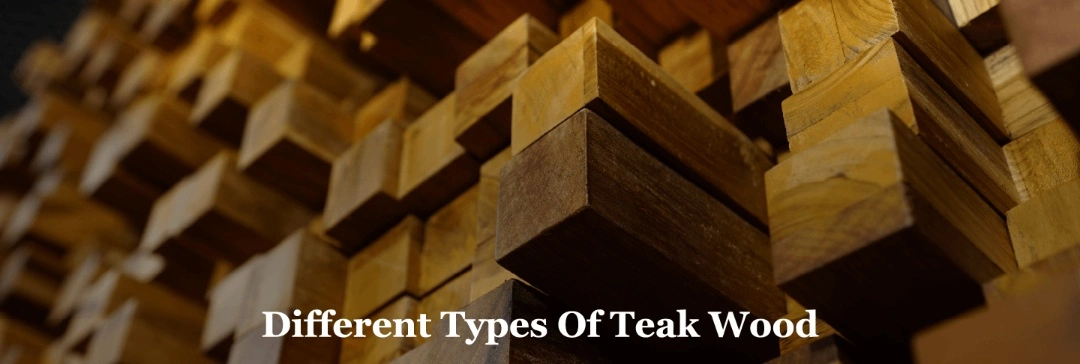
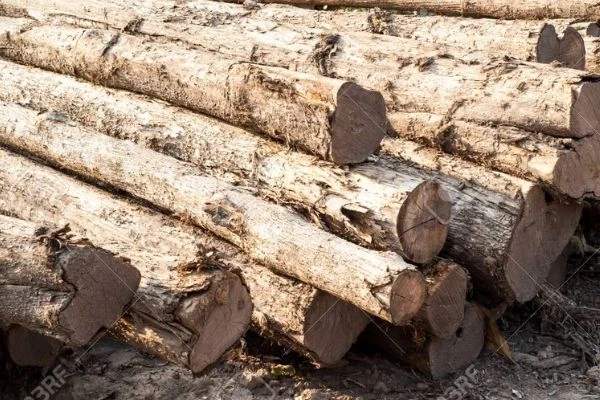
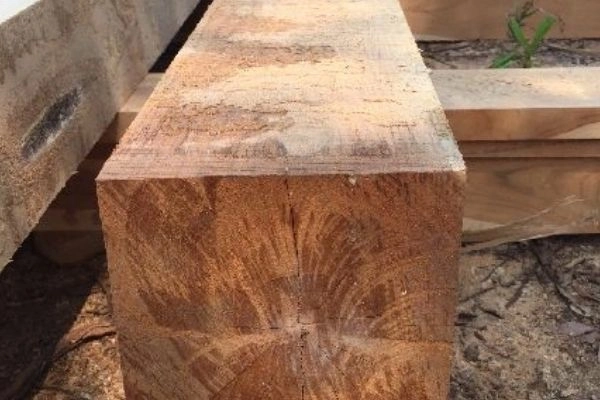
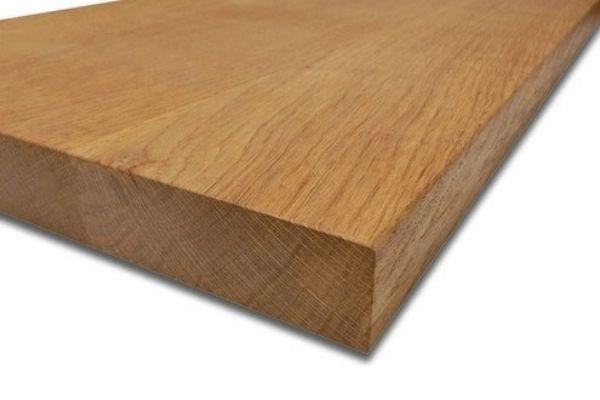
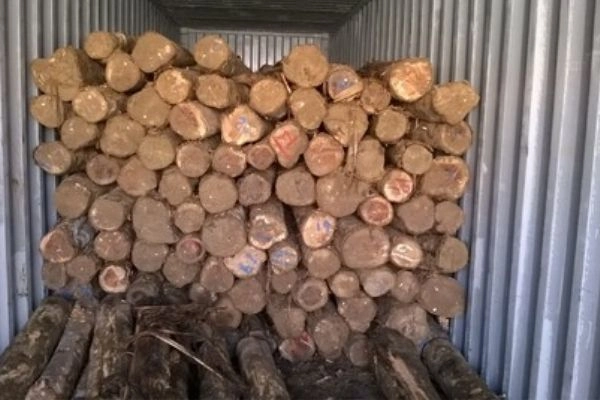
When it comes to furniture or home interior there is no match to woodwork. Teak wood can always give a rich, classy and fabulous look with the interior work as well as a teak wood cot or teak wood beds. But when it comes to choosing the right type of teak wood, it can be quite confusing. There is more than just one type of teak variety that is popularly used in India and each of these gives a certain advantage to feature or as well as colour shade.
So, here you can understand the various types of Teak wood and the average costing of this type, and applications.
Also, you should know are many similarities to teak wood but it is not. Varieties such as golden teak just look like teak although is not. The original variety has a botanical name Tectona Grandis and is native to the south-east Asia region. Today various parts of the world grow teak for its economic benefits.
Teak wood is quite expensive so it’s better to know some knowledge beforehand. Here are a few ways by which we can identify teak:
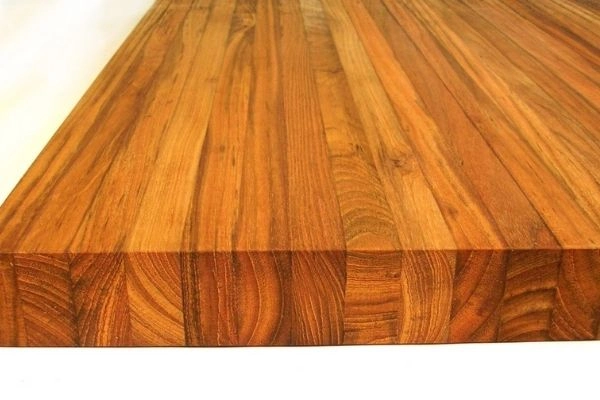
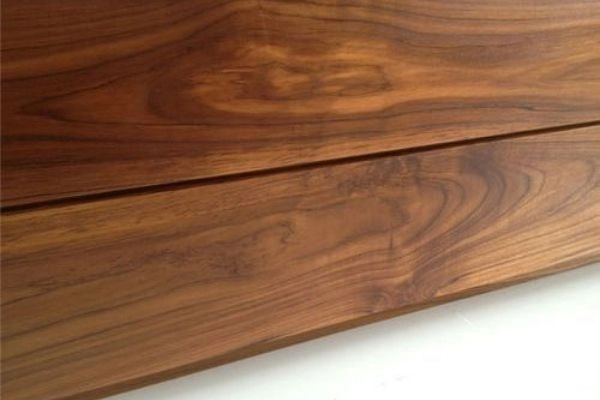
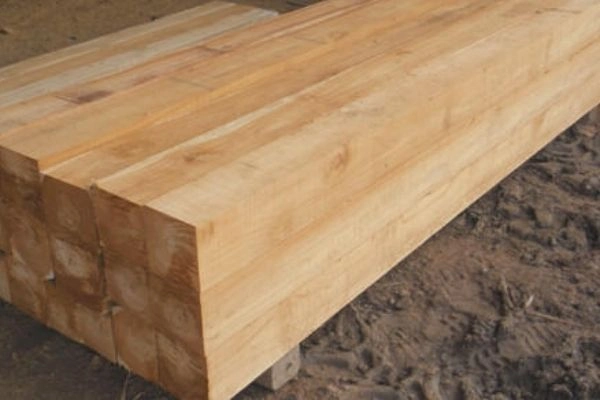
Colour- The colour varies according to species. The superior quality teak (often called Burma teak and rosewood) is golden-brown in colour, while the colour fades as the quality goes down. Normal teak can be yellowish-white in colour.
Note- An important point to take care of while purchasing teak is staining done by furniture makers. So, even if teak looks darker in colour it doesn’t mean it’s going to be of the highest quality.
Grains- The most easily identifiable feature can be the grains. Usually, grains are straight but can be used wavy depending upon the sawing pattern.
Fragrance- Teak wood has a natural oil content, which helps to prevent it from termites and decay. The oil has a distinct aroma and smells like leather.
Real Teak wood is moderately heavy. So, a simple check on the wood weight can reveal it down. The colour of sapwood of teak displays a yellowish-white tint and the heartwood reflects golden-brown or darker shades of brown.
Types of Teak Wood
Burma / Burmese teak wood
Popularly called Burma teak, it is usually a grown native to Myanmar or Burma and goes through a growth time of over 50 years. This is considered one of the best varieties of teak wood and comes in golden shade teak wood colour, elegant wood grain, and contains teak tree oil inside. The highest quality sells for about Rs 9000/cubic feet and lower grades go down from here.
First and foremost, Burma teak wood is one of the costliest and most highly durable solid woods available in the country. If you are planning to buy real Burma teak wood in Bangalore, then it is available at a current price range of Rs. 7500/- to Rs. 9000/- per cubic foot, excluding taxes. Slightly lower in grade to Burma teak wood, is Burma Border teak wood. If you are planning to buy it, then it will cost you around Rs. 5000/- per cubic foot, excluding taxes.
Indian teak
This is a famous native teak wood from an old-growth forest and has properties on par with Burmese wood. Indian teak wood is out of supply in the international market because it has a lot of demand within the country. The pricing is also very similar to that of Burma Teak for the first quality.
Thailand teak
This is considered superior in quality to Burmese wood as it originates from the best surrounding and growth habitats for teak wood trees. Thai teak wood has excellent strength and superior quality although is not easily available in the international market.
Indonesian teak
Also called the Asian teak wood, this takes over 30 years growth period. The growth conditions are extremely suitable and hence helps the best quality of plant growth. The wood has wider wood grains, average oil content, it is light brown with a slight grey hue and more sound knots.
African teak
This wood planted in Africa takes 15-25 years of growth time. This has less oil content and hence it is slightly less durable and stable compared to the above types. The colour is light brown and has some cream colour of sapwood. This has wood grains and wide and full of sound knows too.
South American teak
This quality is similar to that of African grade and even today there is a slight confusion distinguishing the two types even in the market.
There are 4 major varieties such as the Chinese teak wood, Brazilian teak wood, and south American Teak wood which are not originally teak yet look very similar. Brazilian wood has high oil content and is durable and water-resistant whereas Chinese teak is processed for hardwood flooring and is extremely durable.
Here the pricing also falls slightly lower compared to the original teak but not very much. Some grades can go as cheap as 1200/ cubic feet also.
How to Identify teak wood
Look at the Color and Grain Pattern
The colour of teak wood is one of the most prominent things about it. Golden or yellowish brown colour when a newly cut teak is kept out in fresh air turns into dark brown as it grows older. The presence of the straight grain, which could also be wavy at times, makes its grain pattern stand out. Smoothness of texture and occurrence of natural oils in teak wood make it appear greasy.
How to Identify:
Colour: Freshly cut teak is golden brown, which darkens over time.
Grain: Look for a straight or slightly wavy grain pattern.
Texture: The wood has a smooth texture with a slight natural shine due to its oil content.
Check for Natural Oils and Fragrance
It has natural oil contents which makes it highly resistant to decay, termites and water damage. When you touch the wood, your fingers might feel greasy due to this oily film on your hands. This greasiness adds to the anti-decay characteristic and durability nature associated with this type of timber. Also unique for real teakwood is the smell it emits. True teaks have a distinctive mild leathery aroma from their oils but more so when they are freshly cut or sanded down.
How to Identify:
Oiliness: Run your hand over the wood; it should feel slightly oily or waxy. Fragrance: Smell the wood; genuine teak emits a mild, leathery scent.
Test the Hardness and Weight
Teak is a hardwood, and it is notably dense and heavy. This means that teak wood is harder than most other woods used in furniture making. When you tap or knock on teak wood, it should produce a solid, dense sound rather than a hollow one. Additionally, when you lift a piece of teak wood, it should feel heavier than other types of wood.
How to Identify:
Hardness: Tap the wood and listen for a dense, solid sound. Weight: Lift the wood; genuine teak should feel heavy for its size.
Examine the End Grain
The end grain of teak wood is another feature that can help in identification. When you look at the end grain (the cross-section of the wood), you should notice small, evenly-spaced pores. Unlike many other woods, the pores in teak wood are not filled with any visible substances like gum or resin. The end grain should appear clean and smooth, with no visible streaks or resinous deposits.
How to Identify:
End Grain Pores: Check the end grain for small, evenly spaced pores. Cleanliness: The end grain should be smooth without visible gum or resin.
Conduct a Water Test
One of the unique properties of teak wood is its water resistance. You can conduct a simple water test to help identify teak wood. Place a few drops of water on the wood’s surface and observe how the wood reacts. Teak’s natural oils should repel the water, causing it to bead up and stay on the surface rather than being absorbed.
How to Identify:
Water Resistance: Place a few drops of water on the wood. If it beads up, the wood is likely teak.
Uses of Teak Wood
Teak wood is durable and water-resistant which makes it suitable for various uses.
Teak wood is used in marine woodwork because of its exceptional weather-ability. It is used to make railings, decking, cabin woodwork, and onboard furniture. Teak wood is a good material for building masts and rudders.
Teak wood is durable, weather-resistant, water-resistant, and extremely stable; this is why it is one of the most popular types of wood used to make outdoor furniture. It can withstand rain and sun. It can last as long as 70 years, even after exposure to extreme weather conditions.
It is used to make railings of decks.
It is used for making decorative items indoors.
It is used for flooring.
It is used for shelving.
It makes great cutting boards and countertops.
It is extensively used to make doors and windows.
How to take care of teak wood
The high quantity of teak natural oils protects teak wood from rot. However, teak wood can turn grey when exposed to direct sun.
The natural colour of teak wood can be preserved by coating the woodwork and furniture with marine or spar varnish.
This would deflect the ultraviolet rays of the sun that are responsible for breaking down the top layer of teak wood, resulting in its discolouration. The conventional polyurethane varnishes are not UV protective; hence, they are not effective.
The best way in which you can protect your teak furniture is by coating it with teak oil which is a mixture of varnish and tung oil. It is highly penetrating.
You can either power wash the teak furniture or you can scrub it with the following solutions:
A cup of bleach with a scoop of laundry detergent in one gallon of warm water.
A cup of vinegar in one gallon of warm water.
Rinse thoroughly using clear water after you have scrubbed teak wood furniture or woodwork.
Advantages of Teakwood
Natural resistance to termites and insects: As mentioned Teak has a Natural Oil content in it, it resists the damage of wood by termites and other fungal insects.
Density: The density is much higher in teak which resists the Rot and decay of wood.
Moisture resistant
Can be easily hand carved
Heat moderation: this kind of wood won’t become too hot in summers and too hot in winters.
No need for painting. Self-Finished material and soft material.
Teak wood is easy to handle, polish and work with so a lot of carved designs are made using this.
Disadvantages of Teakwood
The major disadvantage is very expensive.
Limited unavailability
Hard to find good quality wood.
Woodworking Tools get blunted: As the wood itself is very strong it often makes wooden tools too blunt and it requires frequent sharpening of tools.
Teak is a tropical hardwood tree species. Teak wood is very water-resistant, durable, and resistant to pests, diseases, and rot. Therefore, it is extremely popular for building things like outdoor furniture and boats, which would be exposed to the elements. Because of these great qualities, teak wood is also very expensive.
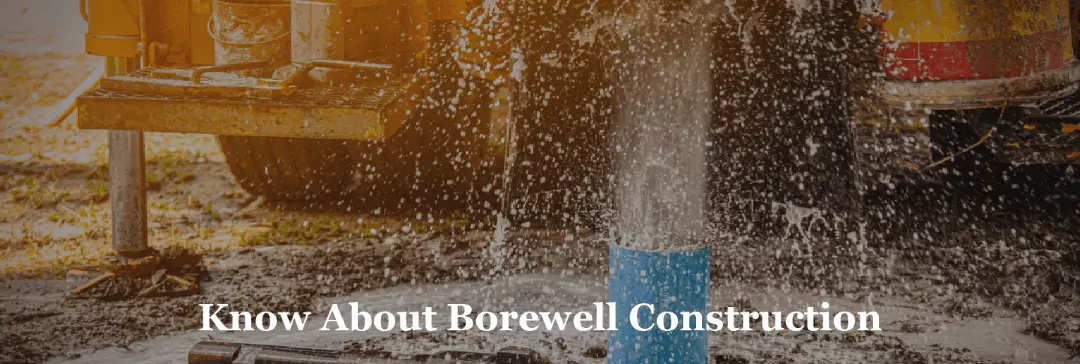
The availability of water is the most important element before starting to build a dream home. The entire construction process depends on the water source available on the construction site. Once you start living in this building, you can also meet the basic needs of daily life. There are several ways to check the source of the borewell. Some of them are classic and based on the opinions and experiences of others, while others are more modern with the help of available machines and technology.
It is always recommended to go with the modern approach of finding the available source with the help of modern equipment and technology.
Before digging a bore well, we suggest you consider the following points:
Talk to your neighbors: Talk to your neighborsabout the success and failure stories of borewell drilling in your locality.
Depth of Water source Availability: A geologist can help you to estimate the depth of the water source. However, we recommend that you talk to your neighbors to know the depth at which they receive the water. By doing that, you have the second source of information that relates to the depth of the water source and it must match with the input of your geologist.
Rock availability: As mentioned above, the information gathered from both the localities and geologists will provide information about the presence of hard rock at the expected depth of the water source. This will also affect your budget and expenses.
Approval for borewell: Before digging a well, you must first obtain a permit from the relevant authority. You need an approval letter from the local council and also a NOC (No Objection Certificate) from the nearest neighbor. The digging process must be carried out on the date and time approved by the local government.
Borewell vendors: Always choose vendors that operate near the area. You can also consult the contractor to see if there is a reliable vendor. Before making a final decision, compare costs and quotes with at least 2-3 vendors. You can also instruct your vendor to use hydraulic equipment for faster execution.
What is Digging Borewell?
Borehole drilling is a process of digging deep holes in the ground to get access to underground water resources. The boreholes may be used as the only source of water supply in areas where surface water is scarce, for example, in residential places, agriculture, and industries. The process involves careful site selection, planning, and use of specialized machinery to reach the water table.
Digging Borewell: Step-by-Step Procedure
Site Selection
Surveying and Analysis: Choosing the right location marks the beginning of borehole digging. A hydrogeologist can survey this area and choose the best place based on the water table level and soil types.
Legal Approvals: It is important to ensure that one has obtained all necessary permissions from local authorities before starting to dig a hole. This enables one to abide by rules governing such activities hence avoiding legal problems.
Choosing the Drilling Method
Manual Drilling: Suitable for shallow borewells, this method involves using simple tools and manpower. It’s more common in rural areas where the water table is relatively high. Mechanical Drilling: For deeper borewells, mechanical drilling is preferred. This method uses advanced machinery to penetrate deeper into the ground, making it ideal for urban and industrial areas.
Preparing the Site
Clearing the Area: The selected site is cleared of any obstacles, such as rocks, debris, or vegetation, to ensure smooth drilling. Setting Up Equipment: Depending on the chosen method, either manual tools or mechanical drilling rigs are set up at the site.
Drilling Process
Initial Drilling: The drilling begins with creating a small pilot hole. This helps guide the larger drilling equipment and ensures accuracy. Borewell Casing: As the drilling progresses, a casing pipe is inserted to prevent the borewell walls from collapsing. This pipe also keeps contaminants from entering the borewell. Reaching the Water Table: Drilling continues until the desired depth is reached, typically until the water-bearing strata are found. The depth can vary significantly depending on the location.
Flushing and Development
Flushing the Borewell: Once drilling is complete, the borewell is flushed to remove any debris or sediment that may have entered during the drilling process. This ensures a clean water source. Well Development: This involves further cleaning and stabilizing the borewell to enhance water flow. It’s a crucial step in ensuring the borewell’s long-term functionality.
Installing the Pump
Selecting the Pump: The next step is to choose the appropriate pump based on the borewell’s depth and water yield. Submersible pumps are commonly used for deep borewells, while jet pumps may be suitable for shallower wells. Pump Installation: The pump is installed at the appropriate depth, with the necessary piping and electrical connections. This setup allows the water to be drawn up to the surface for use.
Testing and Final Adjustments
Water Quality Testing: After installation, the borewell’s water is tested for quality. This step is important to ensure the water is safe for consumption or irrigation. Final Adjustments: Any necessary adjustments to the pump or piping are made to optimize the borewell’s performance.
Maintenance and Monitoring
Regular Maintenance: Regular maintenance, including periodic flushing and pump servicing, is essential to keep the borewell in good working condition. Monitoring: Continuous monitoring of the water level and quality helps in theearly detection of any issues, ensuring the borewell remains a reliable water source.
How to find the best borewell contractors near you?
Borewell contractors are employed for digging new borewells. Many of us have many questions before choosing the right contractor. Drillers for digging new borewells come with different quotes that can raise doubts and delay in deciding which borewell contractors are the best.
Have a look at the below steps to find best of the best borewell contractors near you
Government-approved Borewell contractors: Always look for government-approved
Borewell drilling contractors. These contractors have years of drilling experience and have handled many customers during borewell drilling.
Groundwater survey service: Borewell digging begins with finding the right source of groundwater. Only professional geologists can conduct geophysical/groundwater surveys and find the correct drilling points, giving a continuous supply of groundwater.
Experienced borewell contractors – The drilling contractor must have local geological experience and knowledge.Officials/supervisors should work with contractors to inspect existing wells in the area, as it provides important information on typical flow rates and water quality, permeating aquifers, borewell design, and construction trends, previous success rate perforation.
Use of the latest equipment – Look for borewell drilling rigs with the latest advancements in drilling technology. The high-performance sensor equipment can easily find the underground water source, and has high accuracy in the excavation of the borewell, and can drill new borewells in bad weather.
It is always recommended to go with borewell contractors with the latest borewell machine that can dig deep down underground of almost 2000 Feet depth under any type of soil condition. When drilling in a single apartment or house, enterprise, industry, or farm, the builder of each well needs a good drill with advanced drilling technology that can drill the borewell with high precision at the accurate borewell location in any type of borewell surroundings.
Borewell drilling quotation
Choose the best affordable borewell estimate quote from your borewell drilling vendor. Some of the borewell factors that can determine the choice of the best drilling company include the cost of borewell digging as per depth, the cost per foot of MS casing, the cost per feet of PVC casing, transportation costs, welding costs, labor costs, flushing, spraying charges. Water interjection cost etc. Based on the number of feet depth, choose the borewell drilling contractor with the best economical borewell quotation that fits your budget.
Borewell drilling service
Borewell drilling contractors must have a strong customer service system with great prestige among their customers. Check borewell contractor’s review online before hiring any specific borewell drilling contractor. Go for professional borewell engineers who understand your borewell requirements and provide a fast drilling solution with an affordable budget. Borewell drillers require a team of excellent employees who are constantly involved in the drilling work and deliver a perfect borewell drilling process.
At last, get borewell estimate cost and compare it with other borewell drilling contractors near you. Do the borewell drilling survey by yourself and get confidence before employing the best borewell contractor in your locality!
Classification of borewells
Borewells are also classified according to their performance:
High-performance wells (HCB): Wells with 10″ or 12″ casing and> 80 m depth, with a design rate between 20,000 and 45,000 GPH.
Medium-sized production well (MCB): 8-inch case hole> 80 m deep, with a design capacity of 10,000 GPH to 20,000 GPH.
Small Volume Borehole (LCB): A casing hole with a diameter of 6 inches and a depth of 30 to 50 meters, with a rated value of 1,500 to 5,000 g/hr.
How much do the borewell drilling contractors charge?
Borewell contractors charge per feet based on the following factors:
Borehole drilling cost
Cost of the casing pipe cost
Pipe installation
Flushing and cleaning cost (after the drilling work)
Transportation cost to bring borewell machine rigs to the borewell site.
How is the borewell drilling cost calculated?
The borewell drilling cost is calculated depending on the following factors:
You must consider various factors and thoroughly calculate the borewell drilling costs. Here is how:
Cost for Drilling a 6 ½ “dia & hammer with the depth of drilling.
Casing pipe cost. The casing pipe used is usually M S casing pipe
Outer pipe installation cost. The outer pipe used is usually PVC pipe which is of 10″ pipe.
Charges of the borewell cap and collar.
Cost of welding of the casting pipe.
The cost also includes the diesel price involved in the transportation of bringing the borewell machine or the borewell drilling rigs to the borewell site.
Labour work charges
Installation of borewell pipes
Cost of water flushing and cleaning after the borewell drilling work process.
Borewell price also depends on the type of ground soil and the price for the groundwater survey by expert Geologists or Hydro-geologists.
Borewell drilling cost
After placing the borepoints, you need to find a Borewell drilling machine. Borewell cost may vary from region to region and also depend on the cost of diesel. Let’s have a look at the average cost of borewell digging.
Up to 100 feet: Rs. 60 to Rs. 70/Feet
Above 100 feet and below 200 feet – Rs. 80 to Rs. 100
Above 200 feet – Rs. 100 plus
However, you may negotiate on prices with the borewell owner. Apart from this, you may need to pay for the casing. The casing needs to be carried out for the first 20 to 40 feet while drilling. The casing length required depends on the type of soil, for loose soil, you need a longer casing. The casing normally costs you about Rs. 200 per foot.
If you are going for 40 feet, it costs you – 40 feet * Rs. 200 = Rs. 8,000
In case, if you don’t get the water at that specific point, they will remove the casing and charge you half price which is Rs. 4,000
For the first 100 feet – Rs. 60 per feet = 100*60 = Rs.6,000
From 100 feet – 200 feet: Rs. 80 per feet = 100*80 = Rs. 8,000
For 40 feet casing – 40*200 = Rs.8, 000
Miscellaneous charges – Rs. 1,000 (The labor who are working can request tips).
Total cost (A) – 6,000+8,000+8,000+1,000 = Rs.23,000
The above borewell cost does not include any other equipment charges.
The total cost of a borewell
Now, let us calculate the total payment of 200 feet borewell which involves digging cost-plus equipment cost.
Let us take into consideration the following assumptions:
Established transformer
Existing borewell
Borewell depth – 200 feet
Recommended pumpset – Texmo
Here are the cost components of Borewell Motor:
Texmo Submersible Pumpset(SHP) = Rs. 26,000
Starter Box(L&T) = Rs.4,500
Cable wire required for 200 feet (from motor to starter box) = Rs. 10,000
Bore pipes (20 feet each), for 200 feet. We will be setting up with 160 to 170 feet depths, so we require 8 pipes. So, the price for pipes = 8*625 = Rs. 5,000
3 phase service cord wire from the electric pole to starter box: Rs. 2,000
Gate valve and other Miscellaneous items: Rs. 2,000
Fixing charges for electrician any other labor = Rs. 2,500
Total Equipment and Labour Cost (B) = 26,000+4,500+10,000+5,000+2,000+2,000+2,500 = Rs.52,000
Total Cost for 200 feet borewell with all machine & equipment,
Borewell Drilling Cost(A) + Total Equipment Cost (B)
= 23,000+52,000
= Rs. 75,000
So, the total amount of establishing a borewell costs you – Rs. 75,000
Borewell drilling in a constructed house
Once the plan is approved and you are ready to start constructing your dream home, you need to run the plumbing installation to make a water arrangement. A lot of water is needed during the construction process. In most cases, BBMP, BDA, Grama Panchayath, etc. will not provide water for building houses. You must organize the water supply yourself, take water from a neighbor or a well on the land, or buy water from the water supply from a water tank.
If you want to build a small house, it is best to buy water pipes from a tanker truck supply. If it is a multi-story building, it is recommended that you use your water supply arrangement.
After the construction of the house, the house still needs a constant water supply. Borewell is an important component in an apartment building.
Borewell drilling in constructed houses cost
Estimation for Borewell drilling in constructed houses cost
Drilling Cost: ₹60,000 Casing Cost: ₹80,000 Transportation and Rig Setup: ₹10,000 Pump Installation and Electrical Setup: ₹35,000 Labor Charges: ₹20,000 Legal Permissions and Fees: ₹7,000 Contingency: ₹10,000
Final Total Cost = ₹60,000+₹80,000+₹10,000+₹35,000+₹20,000+₹7,000+₹10,000 = ₹2,22,000.
The cost required for Borewell drilling in a constructed house in India is ₹2,22,000 (Average).
Note: The Total figure here is an average amount, this amount will vary based on the borewell that you are going to choose like medium-depth borewells, Deep Borewells.
How safe is it to drill a borewell near your home?
If the house is built on an ordinary foundation, it is usually recommended to build a well near the house. The shock waves generated during drilling are distributed on the ground and rocks. However, if you plan to drill a borewell near a large building that can withstand heavy loads, it is best to check the stability of the foundation.
Borewell drilling after constructed house
Since the construction was completed as planned, the house still needs a continuous water supply, so having a bore well is the best option. Borewell plays a very essential role in the construction of a residential building.
Proper care and maintenance of the water source are essential to protect your water supply. Good monitoring methods can identify changes in water levels and water quality before
they become serious problems. Regular and systematic inspections and troubleshooting will help extend the life of the bore well. During the preventive drilling process, regularly measure the water level and water quality.
Can you drill a borewell in a constructed home?
If you have a space of at least 10 feet * 10 feet that is open to the sky, you can set up a small platform, take the suggestions of a structural civil engineer about building safety and groundwater level safety. There is a robotic platform whose drilling cost is twice that of a traditional platform. Therefore, check all the parameters in advance to determine the feasible options before proceeding.
So, are you looking for a borewell drilling service? If yes, get in touch with Brick&Bolt for borewell drilling service. Brick&Bolt provides comprehensive construction services with absolute trust and transparency. The company uses escrow services to ensure the financial security, use technology to ensure transparency, and internal project management teams to ensure quality.
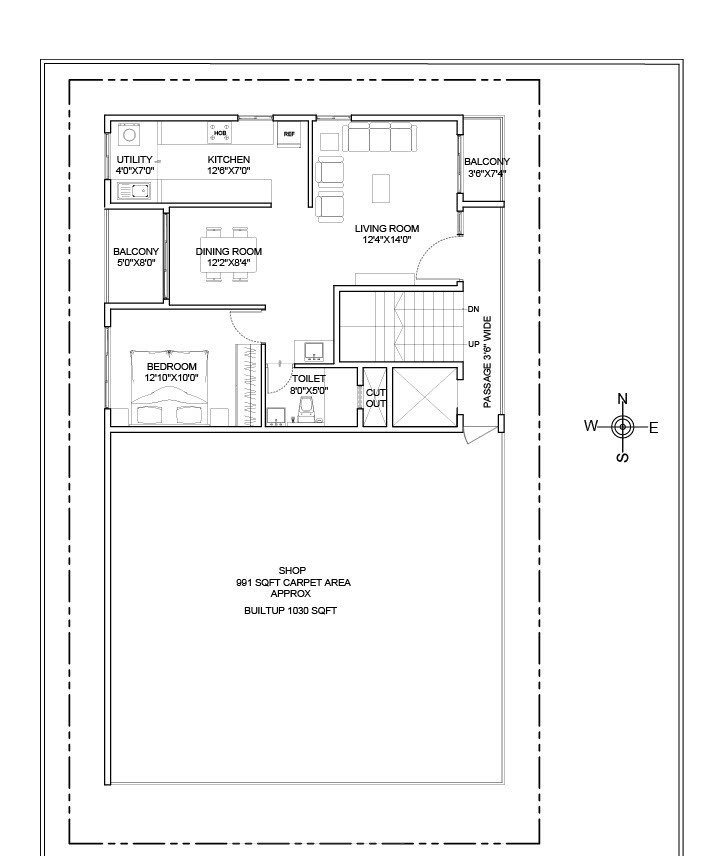
A floor plan can depict an entire building, one floor of a building, or a single room. It includes measurements, furniture, appliances, and everything else necessary for the plan.
The concept of interior design was introduced in the year 1950 when people had more money to spare on their house design in a huge housing market. From the 1950s till now the interior designs have undergone tremendous amounts of innovations and these changes played a pivotal role in setting up a tone for different kinds of home design plans.
With the passage of time, the house layouts and designs have also changed. As compared to the early 2000s, where the main focus was the exquisiteness of the place, the contemporary era focuses more on the technological aspect and a mix of the old and new culture as the home plans now require spaces that are beautiful as well as useful. More and more people nowadays have started looking at house designs that look spacious in a compact space and more ecological at the same time to ensure that they are moving towards sustainable living.
Premium House Plans & Home Design Collection
While designing a home there are many factors that influence or warrant the preference of size or the level of comfort needed when designing a home. Everyone has their own view about what the term luxury entails. For instance, most of the time the homes include modern technological sways, modern amenities, and matchless beauty.
While many people think the size of a house defines its luxury it is not always the case, if planned gingerly, luxury can be found in any size be it a bungalow or a villa. When looking at a collection of premium house plans, you must ensure that the plans must always hold the potential to be fully modified according to your requirements and further focusing on your specific needs.
The premium house plans and collection design include the following features:-
Foyers: The two stories foyers endow a luxurious view of the living room and spread in multiple directions giving access to a diverse interior.
Floor plans brimming with characters: These kinds of floor plans are both closed and open. While the closed floor room gives a more ceremonial approach the open floor gives a more informal flow.
Big Kitchens: Epicurean and state-of-art luxuries define a premium kitchen with distinct pantries, fridges,s and eat-in bars for a more exquisite touch.
Bedrooms and Baths: The large bedrooms often contain separate drawing rooms with elegant fireplaces and tile-shaped ceilings. The bathrooms on the other hand contain a spa and walk-in shower to give a sensation of ultimate relief.
Single floor house design & floor plan
The modern single-floor house design has an eternal appeal as they are ideal for almost everybody which makes them one of the most voguish house design plans. The biggest benefit of a single floor house design is the lack of stairs as many people don’t like the stairs or have problems going up to them and because this kind of plan houses everything on the ground level it makes it far more accessible and pleasant to reside.
The single floor designs have another advantage these kinds of houses tend to have very smooth and modifiable plans which also helps in maximizing the area of the house. They also have another advantage as they are more economical to build as compared to the two-storied house. There are many different kinds of house styles that come under the single floor house design, these are craftsman, cottage, ranch. Mentioned below are some of the most popular single-floor house designs and floor plans.
Belfort floor plan
This is a design that was specifically tailored with regards to the aged and retired people. This plan includes a single floor 2,397 sq foot space with two bedrooms, a basement, and a garage. The impeccably beautiful entrance mesmerizes the guests, and a modern kitchen connected to a drawing-room. The bedrooms are created to provide much-needed privacy with a guest room and its own full bath.
Abbeyville floor plan
This Abbeyville floor plan has two bedrooms sitting parallel to each other and also has a guest bedroom with bathrooms and the kitchen consists of wooden cabinets and granite tops which gives it a lavish look.
Beautiful Duplex House Design
Duplex houses are houses that consist of two entrances with a front elevation design. The duplex house contains a large space so there is much more room for creativity. Duplexes are more affordable than a family home and contain a living room and kitchen on the ground floor with the upper floor having a master bedroom.
Let’s take a look at different duplex house design:
Basement Duplex Plans
This plan consists of two master bedrooms and a garage which is located in the basement. This large house also contains a porch, an open kitchen, and a master bedroom on the ground floor. The ground floor also contains the service entrance consisting of a half bathroom and pantry while the upper floor has a second master bedroom with a bathroom along with two other bedrooms and bathrooms. This plan can house at least 3 families.
Corner Lot Duplex Plans
This plan contains three bedrooms with two full and one-half bathrooms and a single garage. The main floor consists of multiple windows which provide ample light and this plan features a lavish kitchen and pantry while the living room consists of a fireplace. On the upper floor, there are three large bedrooms whereas the master bedroom contains a large bathroom with a huge shower, double sinks, and a closet. This floor also has a laundry room.
Multigenerational Duplex House Plans
This plan contains six bedrooms with an apartment in the basement. This large house contains a lavish porch with an open living room and an open kitchen with two bedrooms on the ground floor. There is a service entrance on the side with a half bathroom whereas the upper floor has four bedrooms and large bathrooms.
30 by 40 House floor Plan
Every human dreams of living in his or her own house, while some think it to be more cost-effective, others just want a niche of their own. Whatever may be the reason there is a prevailing sentiment to have a dream home.
Basically, there are two options available to them: one is to buy a house which is already built and the second is to design and build on their own. There are many different kinds of house plans for a 30 by 40 house and one of the best plans is the “barndominium floor plan” consisting of a barn-like construction.
A barndominium is very affordable, orderly, and easily manageable, with an open ceiling and high spaces the place provides ample natural light and fresh air. Listed below are some of the most popular 30 by 40 or 1200 sq ft house plans.
Open concept 30 by 40 plans
This is the ideal plan for aged couples that provides an open living room, dining hall, and a kitchen. There are no dividers constructed, so the passage would be easy without any obstruction. This plan includes two bedrooms with bathrooms, which is very comfortable when some guests visit This open concept 30 by 40 ideal plan for a small family with two or three kids as the house contains wide space so the parents would not needlessly worry about the kids getting hurt.
Floor Plans for medium-sized families
This vintage design features a house with common areas and bedrooms on both sides. The bedrooms can entertain up to four kids and both bedrooms contain a built-in closet and a shared bathroom. There is also a master bedroom which consists of a lavish master’s bathroom with two sinks, a bathtub, and a walk-in closet. There is also a laundry area that opens to a small entrance and is easily accessible from the kitchen.
20 by 30 House plans
A 20 by 30 house plan may also be called a 600 square feet plan. A 600 square feet plan comes strictly under what nowadays is called “modest homes” which consists of a modest pattern not too bright and not too shabby. This kind of house consists of a single master bedroom and one small bedroom with a shared bathroom and spacious and well-designed living room. Mentioned below are some common 20 by 30 house plans
Urban style house plan
The exterior of the house consists of four intricate elevations which present the final appearance of the house. This house is usually a single floor house plan which consists of a single bedroom and a large bathroom with a walk-in closet. The main ceiling is very high with a spacious view to allow ventilation and provides good light and the exterior is made up of bricks and a sliding formation. This type of house plan consists of a huge porch and a lavish living room with a fireplace.
Country style house plan
This house plan gives a more country-like feel with a large center window which enhances the look of the house. There is also a garage with a single entry door with two large windows. The house comprises a laundry area, kitchen, and an open living room with a fireplace and a kitchen with a granite countertop. The bedroom consists of a large bathroom and a closet. This plan customarily consists of a two-storied house plan with a single bedroom and the roof consists of a truss framing while the exterior wall consists of a wood formation.
Low-cost normal house front elevation designs
While designing the interior of a house there are two things that must be considered carefully. The first is the front elevation and the second is the floor plans. The front elevation depicts the exterior of the house which shows the front-end view of the house like entry doors, windows, and a porch.
Building the front elevation of a small house gives you the right to customize your house according to your needs. A normal house front elevation is cost-effective, easily manageable, and provides utmost comfort.
The normal house front elevations have been used for many years and are still prevailing in the market but the only difference is that the style has evolved now as the materials required, or the shape and other details have changed. A front elevation house is widely used across the world and has a very clean and lavish look. Let’s have a look at different low-cost house front elevation designs:
Front elevation net design
This is a one-of-a-kind design that offers a net design at the front elevation which offers an elegant look to the house and also gives a clear view of the outside.
Bungalow elevation design
This design is a mix of various elements. The expansive glass usage gives it a rich and vicious look. Apart from this, the elevation of such houses is always given a modern touch to change the look and feel of the entire construction.
Front elevation design for small house
This kind of elevation is one of the most cost-effective among the different low-cost normal house front elevation designs. This kind of design offers an aesthetic look with spacious balconies and windows.
360 Modern home design plans
There are many modern home design plans available in the market nowadays and many interior designing firms provide the clients with a 360 view of the home design plans.
Let’s have a look at some of the 360 Modern home design plans:
Bungalow house plans
This house plan features a one-story plan with a master bedroom upstairs along with a drawing room and a walk-in closet. The bedroom consists of a huge bathroom with double vanity sinks. While the front of the house consists of a porch with masonry beams.
On the ground floor, the living room along with a fireplace, two bedrooms with bathrooms are present along a laundry room. The kitchen sits at the center of the house with a kitchen sink and a dishwasher.
Sloping lot house plans
This house plan offers a front view of the house capturing the beauty of the house along with giving it an elegant look. The living room consists of vaulted ceilings, a fireplace, and front view windows. The dining room opens with glass doors and gives the front view.
The ground floor also contains a laundry room, a bathroom, and two bedrooms with ample natural light. The upper floor has a master bedroom and consists of its own spa tub, double sinks, and shower.
2 BHK & 3 BHK House Plan
A 2BHK House Plan consists of a living room and dining area arranged in an L-shaped manner while the kitchen is enclosed in a corner. The kitchen is small but the cabinets and workspaces are arranged in a U-shaped design to optimize utilization of space. There are two bedrooms identical to each other. This can be considered an ideal 2 bedroom house plan in Indian style. Mentioned hereunder is the most widespread 2BHK house plan.
Modern Rustic 2BHK house plan
This plan consists of a modern living room with wallpapers, a sectional sofa, and compact tiles. The ceiling has been given the look of a false ceiling with an elevated look added by hanging lights. The dining area consists of wooden dining tables and chairs along with an Italian marble countertop. The master bedroom consists of bamboo wood paneling and sliding doors with laminates.
3 bedroom house plans are among the most popular plans amidst the Indian families as they accommodate a bedroom for each parent and the children while leaving an extra room for guests. The general plan of a 3BHK House plan includes an open kitchen and living room while the master bedroom is at the farthest corner to offer maximum privacy. Now let’s look at one 3 BHK house plan:
A warm and cozy 3BHK house plan
This consists of a vibrant colored living room to give a sensation of calm. The kitchen has a large space with a washing area attached and the shutters are all filled with a minimalistic style. The master bedroom also gives a sensation of warmth with neutral-colored walls made from wood to give it a simplistic view.
1200 sq.ft. house plans & elevation design
Given below are the different types of 1200 sq. ft house plans and elevation designs:
Farmhouse house plans
The main floor includes a garage with the exterior board finishing. The main floor consists of a master bedroom with a walk-in closet and a master bathroom with double sinks and a shower. The kitchen consists of a dishwashing sink along with a nook while the living room is very spacious with a firewall.
Ranch style plans
The main floor consists of one normal bedroom and one master bedroom with a shared bathroom and a walk-in closet. The plan consists of a study room along with a living room and the main floor also consists of laundry and a media room.
Cottage style plans
The main floor plan consists of a master bedroom along with a walk-in closet and a spacious bathroom with a walk-in shower and in-built closet. The kitchen consists of a walk-in pantry while the huge living room comprises a modern firewall.
European style plans
This plan consists of a siding wall finish with a dining room, drawing room and a master bedroom on the main floor. The kitchen consists of a kitchen bar along with a wooden dining set and a huge outdoor porch.
Farmhouse style plans
The main floor consists of bedrooms along with a walk-in closet and the kitchen holds a walk-in pantry while the ground floor consists of a living and drawing room and a laundry room. The front entry has a garage with a front covered porch.
Low-cost house floor plan & front elevation designs
Mentioned below is one of the most low-cost floor plans and its front elevation designs.
Narrow Lot house plan
This most affordable house plan grows small on the sides and the elevation of this house protrudes outwards giving it a subtle look. Designed with two stories, this narrow lot home design preserves space and funds. The super-simple layout and open floor design lend a capacious feeling while cutting back on expenses. A visitor room on the first floor could likewise be utilized as an additional bedroom, game room or a home office, or home office.
Contemporary curb style low-cost house plan
This is yet another low-cost house floor plan where the elevation is in the form of a curb to present your home with a modern appeal. This layout is simple yet contemporary with an open kitchen design, 2 storey building along a three-car parking space.
North facing house plan & building elevation
The north direction is considered to be very valuable as per the Vastu shastra as it is said that lord kuber (the God of money) is the lord of the north. Now let us look at some North-facing house plan.
33’x51′ Beautiful North facing 2bhk House plan
The total area consists of 1600 sq. feet which contain a two-bedroom and the master bedroom faces the southwest direction and an attached toilet in the south while the kitchen is in the southeast direction and the dining room is east.
27’ by 29’ small budget north facing house plan
According to the plan the master bedroom is in the southwest direction with the toilet in the southeast and the children’s room in the northwest. The kitchen is located in the southeast while the main hall is in the northwest direction and the staircase is in the southwest direction.
What do you think makes a good floor plan?
The first step starts with putting your thoughts into paper and designing the perfect floor plan for your home.
Points that you must and should consider while designing a floor plan are:
The size of your property
The size of your property will have a major impact on how you have a perfect floor plan but trust me if you have a clear vision of how you want things it’s going to be very simple.
Remember do not forget to foresee your walkways and drainage system they are the most important. Also, consider the importance of natural night at home.
I have stressed enough the importance of natural light at home in my previous blog if you haven’t read it yet then you must it will help you in many ways.
Your lifestyle
This is a very important point and your home must be planned to keep your lifestyle and your needs in mind. What do you usually do on holiday? Well, I am sure different people have different ways of spending their time at home? Some like to work out and relax, while some like to have friends come over for a dinner. Each one of you will have a very unique way of spending your time at home. It’s up to your planning on how you want to focus on the most popular rooms of the house, and one such popular room is the kitchen.
Your Privacy
Privacy is undoubtedly very important be it at home or outside. Imagine having no privacy in your personal space could be very depressing especially now when you are working from home most of the time isn’t it? But giving such rooms special attention to ensure tranquility when working is the best for you and the rest of your household. Hence the floor plan must be designed to keep these important factors in mind. Hence your living room or your study must be planned and designed in a way that you have your privacy intact while working or having some me time.
Your Future
Having a house of your own is a symbol of success for most of us. But what are your plans 10 years down the line not sure right? Keeping your future needs in mind will help you plan better. You also need to consider the maintenance costs of your future home to establish your priorities and budgetary limits. A perfect floor plan will also help you in optimizing the construction cost of your house.
Your Family
A home is where a family lives discussing your house/floor plan with your family members will help you get feedback from your friends. Also getting feedback from your family and friends will make you realize something very minor that you haven’t noticed. With an approach like this, you avoid criticism in the future and also make a great floor plan for your dream home.
The balance between architectural design and practical Considerations
Think about the safety of the kids, as well as heating and cooling devices before going all gaga about adding some fancy staircase or floor-to-ceiling windows which is not so practical but will add to your construction cost.
How to Draw a Floor Plan?
With few basic steps, you will be ready to create a floor plan
Choose an area but in case the building doesn’t exist, brainstorm designs based on the size of the plot on which you want to build.
Take proper measurements of the walls, doors, and furniture to have an accurate measurement. If you creating it for an entirely new area then be sure of the total area of where it is to be built.
Add architectural features to space by including the doors, windows, as well important appliances that must be placed in a specific location.
Last but not least add furniture if the floor plan calls for it.
Be honest and acknowledge the limits you also need to understand that you are not an architect and floor plans and design are not your area of expertise it is very normal to not understand all the symbols and terms on your house plan.
There’s where the experts of Brick&Bolt come in, we have built hundreds of homes and can be your partner in this whole journey of planning to get the perfect house for you and your family.
All the plans can be modified according to your needs but before making the final decision make sure that the plan meets your needs and aspirations.
The bottom line
Every person in modern times is highly fantasized about comfortable living let it be a big villa or an individual house. This is the reason why choosing the right house design plays the most significant part while constructing a home or purchasing a pre-built house. With the different types of house plan designs mentioned above, you can easily transform your house into the most luxurious and comfortable place. In addition to this, you can also take the assistance of a good construction company like Brick&Bolt who can take into consideration all your desired house design requirements and further assist you in building your dream home at the most cost-effective rat
Bangalore has been blessed with amazing weather and beautiful geography, accompanied by all kinds of urban facilities and entertainment available in the city. To buy a plot in Bangalore is to secure for yourself a property that assures good returns in the future. There are, however, several things to keep in mind before going ahead with a big investment such as this. Read on to find tips on creating an essential checklist that everyone should have before they buy a plot in Bangalore.
Things to Check Before Buying A Plot In Bangalore
Making sure that you have the right documents required for plot registration is essential before going forward to buy a plot, as is the process of verifying and evaluating the sellers and contractors. Here are a few things to keep in mind before you set out selecting a plot in Bangalore.
Location
Make sure you choose a location that is accessible, and close to any facilities you may require, like a hospital, a provision store, shopping malls, etc while deciding to buy a plot in Bangalore. Even though plots in more obscure locations may be priced less – they are cheaper for a reason, investing in a good plot in an accessible location ensures a return on investment in the future.
Area of the plot
How big a plot do you have in mind? If you have a home design in mind, talk to an expert before you set out to buy a plot in Bangalore and figure out how much area you would need to build it up without a hassle. Try to find out more about the quality of soil and the evenness of the land in the plot so that the land remains unaffected even during tumultuous Bangalore storms, and so you can cultivate plants around your home.
Value of the plot
The location, area, and other factors determine the actual value of a plot, but the figures you get from a local contractor may not always be trustworthy. Read up on methods to calculate the value of the land before making estimates. Ask people who live in and around that area whether your estimates are right, and contact a verified real estate agent or expert to double-check your decisions.
Seller verification
To get an idea of your builder’s credibility, it is advised to cross-verify the seller so that you can avoid getting involved with a plot that is under litigation or muddled up in other issues. Posting your queries in online forums like Quora can also help you get an idea of how trustworthy the builder is.
Title deeds
Only go ahead with the purchase if the seller has complete rights over the property. Ask to see the title deed of the land before the purchase to confirm the seller’s name and his rights to trade the property.
Approval Certificates By The Local Body
The next step is to ensure that you cover all the details of the plot registration process. Buy residential plots that have been approved by the local government body and the Bangalore Development Authority. To make sure the necessary documents have been vetted and approved, it is advised to hire a good lawyer. Obtain permission before you begin construction.
With the busy lives led by most people who have achieved their long-term financial goals and are gearing up to purchase plots, checking and verifying so many things can be a hassle. Handing over the reins to a reliable construction management company like Brick&Bolt can take away the headache of completing the complicated plot registration process and the even more strenuous construction period afterward – hand over the keys and get regular updates every day on how the construction of your dream home is progressing!
Bangalore – The Ideal Investment Destination
Bangalore is swiftly becoming one of the best spots in the country to invest in. With the rapid cosmopolitan nation the city is undergoing, people from all cultures across India and the world come together to coexist in the beautiful streets of Bangalore City. The suburbs, where you can find peace and serenity, is known for their reassuring greenery and calming silence.
All of these factors have contributed to making Bangalore a coveted spot for real estate marketers across the country. Here are some other advantages one can enjoy if you decide to buy a plot in Bangalore:
Bangalore – The IT Hub of India
Bangalore’s corporate boom is still riding on its peak with many multinational companies choosing to build their headquarters in the city. Ideal for start-ups, Bangalore’s diverse population has resulted in a great commercial space where small businesses can flourish. There are spaces within the busiest spots in the city that you can invest in and buy plots in Bangalore. These plots can be rented out in the future at great prices. People are always looking for places to stay in Bangalore, which is why there will never be a scarcity of potential tenants. With well-paid software engineers flooding into areas like Electronic City and Koramangala, there is a high demand for luxurious homes with quality amenities.
The epitome of a smart city
With a fully functional metro system that connects the corners of the city, Bangalore’s mantle of being a ‘smart city’ is fully deserved. With smart and green homes, a well-managed waste disposal system, and cutting-edge technology available in stores around every corner, buying plots in Bangalore is a great option for those who like to live a tech-integrated lifestyle.
The weather and the greenery
Bangalore is well-known for its beautiful, clear skies and pleasant climate. For most parts of the year, the city has gentle warm mornings, bright sunny days, and lovely, cool nights. Many families choose to move to Bangalore because of the climate, the greenness, and the fresh air in the city being a bonus. A large number of parks and eco-friendly spaces like Cubbon Park and Lal Bagh has allowed Bangalore to control its population levels despite these famously busy roads that are usually chock-full with vehicles
documents to check before buying a plot in Bangalore
It goes without saying that one should pay extra care in making sure that the documents required for plot registration are all in order. To ensure the hassle-free completion of the plot registration process, we need to investigate all the documents provided by the person selling the property to you as well as cross-check any documents that need to be submitted to the government.
There are primary and secondary documents of title that need to be arranged for the plot registration process.
Primary documents
Parent Deed
The Parent Deed, one of the most inclusive and necessary documents required for plot registration, includes the Sale Deed, the Gift Deed, the Partition Deed, and an Allotment letter – all of these certify that you are the present owner of the property and that you have the title to the property. To trace the title to its first owner, look for the first available document that has been ordained by the court of the government. Trace every document that certifies the passing over of the property through various hands, in sequence, up until it has been handed over to you. If one of these documents is hard to find, you can settle for the earliest registered document and seek the help of a doctor to make sure the titles are clear and the purchase has been done.
Secondary documents
Building Plan Sanction
For individual houses or apartments, every property owner must have a BBMP-issued Building Plan Sanction. It can also be issued by the Bangalore Development Authority or the village panchayat under which the property is registered. For empty plots in layouts, you should acquire a layout plan sanction issued by the plan-sanctioning authority.
A Khata
The A Khata is a part of the plot registration process that consists of the Khata Certificate and the Khata extract.
Khata Certificate
The Khata register maintains the accounts of every registration that has to do with property transfer under the local bodies. The BBMP (Bruhat Bangalore Mahanagara Palike) and local Panchayats are responsible for opening accounts of all properties in the name of registered owners, who have to pay to submit an application for the registration process. The Khata certificate is an essential document required for plot registration that serves as proof of owning a property. It also contains a brief description of the plot and the tax that has been calculated and paid. To apply for water and electricity or for a building or trading license, this certificate is a must. BBMP is very strict about releasing Khata Certificates and will do so only to proven property owners and their legal heirs.
Khata extract
The Khata extract is the copy of the page from the Khata register where your account has been maintained. Also issued by the BBMP, the extract contains details of the plot size, built-up area, etc. The Khata Extract costs a hundred rupees, for which you will also receive a requisition letter. Only property owners are eligible to receive Khata extracts
B Khata
Another one of the mandatory documents required for plot registration is the B Khata. Unauthorized layouts and revenue sites and any property that has been constructed without obeying the authority-prescribed laws are registered in the B Register, where the tax details of the same are maintained.
Encumbrance Certificate
This records all registered transactions over property, including the sale, mortgage, court attachment, and lease. If the property is situated inland that was previously agricultural, you need to have a conversion order that allows it to be converted into non-agricultural land. The conversion order is issued by the Deputy Commissioner.
Tax Paid Certificates
These record the payment of taxes for the property and are issued by the BBMP, BDA, or the village Panchayat.
Prevention of Transfer of Certain Lands (PTCL) Act Endorsement
Issued either by the Deputy Commissioner or the Tahsildar, the PTCL Endorsement is one of the most necessary documents required for plot registration that ascertains that the property is not being built on land that belongs to members of the SC/ST Communities.
Land Acquisition
Make sure there are no acquisition proceedings underway with respect to the property by consulting the Special Land Acquisition Officer of the BDA, NHAI, BBMP, KIADB or the KHB.
Family Tree
Issued by the Village Accountant or Revenue Inspector, the family tree documents the genealogy of the present and past owners of a property.
General Power of Attorney
This notarized document allows other people to act as your legal representatives. It is enough for the GPA to be just notarized if it’s done in India, but for people who live outside the country, the executed GPA must be notarised and stamped within four months. Make sure that the GPA is not revoked and is provided by the person who has the right to provide it.
Vastu Tips To Follow While Buying A Residential Property In Bangalore
The ancient art of Vastu Shastra has been coming back into popularity as more eyes turn towards Ancient Indian architectural practices for guidance. Focusing on combining all the five elements in nature, Vastu Shastra focuses on balancing humankind and the materials they use to construct homes so that the experience of living inside a property is pleasant and peaceful. Before you buy a plot in Bangalore, make sure that it complies with the requirements of Vastu:
Find an apartment that is well-shaped. The ideal house according to Vastu Shastra is shaped like a quadrilateral – square and rectangular houses are considered ideal. Also, east-facing apartments are ideal choices as they attract natural light in the mornings and radiate positive energy.
Make sure that the entry to the house is from the northeast or from the northwest. Avoid any houses with entrances facing the south.
The kitchen should ideally be located in the northwest or the southeast, and should not directly face the entrance.
The master bedroom should have an entrance facing the southwest. The living room should be in the direction of the north.
It is recommended that the water storage Tank be placed in the northeastern corner. Black and blue colored water tanks are recommended so that the water becomes pleasant and lukewarm.
Consult construction management agencies like Brick&Bolt to ensure that the design, building, and documentation of the process are taken care of without any hassle to the customer. Focusing on bringing trust, predictability, and financial safety into construction, Brick&Bolt will make sure that the construction and plot registration process is supervised at every stage, with regular updates sent to the customer, who can sit miles away and still be fully aware of everything happening on his property at any given time.
Investing to buy a plot in Bangalore is a great addition to your financial portfolio and is sure to reap great returns of investment in the future.
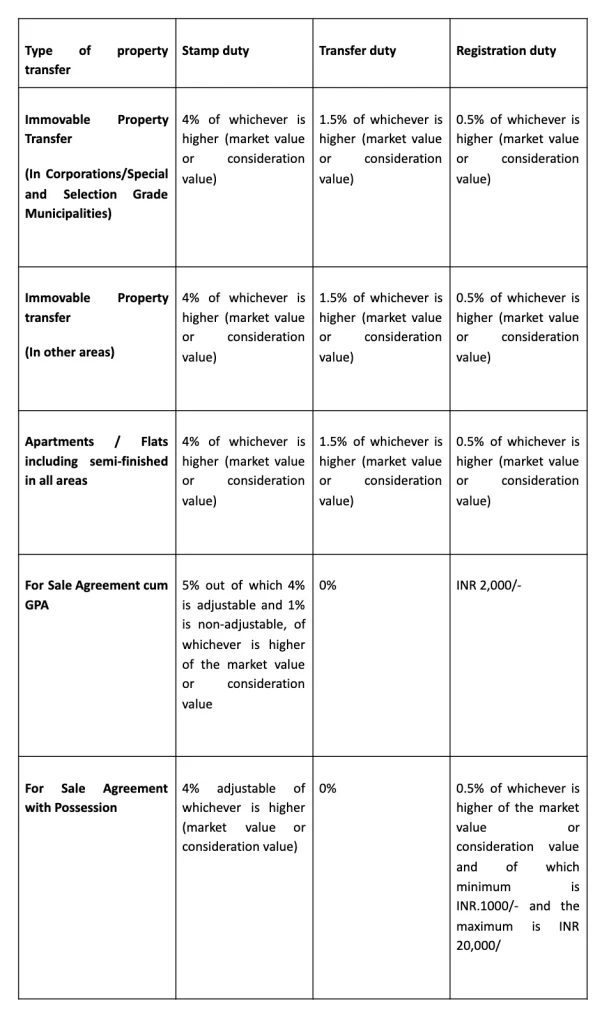
A piece of land holds value and it cannot be determined as to who owns the right to the land simply by looking at it. Proper documentation is required to have a clear property ownership title and property transfer. Whatever may your reason be, property transfer requires adequate paperwork following all legal procedures as per the transfer of property Act, 1882. In case of failure to show records and required documents, property transfer can be undermined or nullified. So, it is necessary to register all property ownership records at the Sub-registrar office and if a property is transferred to another person, they are liable to apply for property name transfer to reflect the transfer.
Property Registration in Telangana: Process & documents
Property owners/ buyers have to register with the Telangana Registration and Stamp department to legalize the right to ownership. The Telangana Government has started an online portal to facilitate property registration where all the documents can be uploaded online.
Registration Process
The Registration process with Telangana Registration and Stamp department is as follows:
The portal allows the applicant to make the requisite fee payment online and the option to choose an appointment slot at the Registrar’s office to reduce the time taken to complete the registration.
Once all the documents are submitted online, the applicant can head to the Registrar Office to complete the process.
Based on the uploaded documents, a check slip is generated by the officer at the SR office and the necessary changes are made based on the details mentioned in the public data entry.
After the details are updated, the applicant must complete the E-KYC compliances and the applicant’s fingerprint sample is registered/ verified using Aadhaar/ e-Aadhaar.
Now any pending payment must be completed, so the endorsements are printed and registered by the Registrar via a Document number.
The document is then scanned and uploaded onto the portal, where the applicant can download it whenever required.
Documents required for registration
In case the required documents are not approved, the applicant must re-submit the application with the suggested changes and complete the set of the required document. The applicant must submit these documents during registration of sale agreement:
Certificate of encumbrance
Original property documents bearing the signature of all parties
Challan/DD as evidence of full payment (stamp duty, transfer charges, etc)
Property Card
Identity Proof of the buyer, seller and the witness
PAN card
Power of attorney, if applicable
Aadhaar card
Section 32A Photo form of executants/claimants/witnesses
Two witnesses with photo ID proofs
Address proof of the parties involved: Aadhaar card or Passport issued by the Government of India or Driver’s License issued by the transport department or PAN Card issued by the IT department or Ration Card issued by Civil Supplies Department or Voter ID by Election Commission of India can be used as address proof.
Photograph of the front view of the property (8/6 inches)
GPA /SPA if applicable (original and photocopy)
Webland copy for agricultural property
Pattadar passbooks/ title deeds for agricultural properties.
What are the fees and the timeline for Telangana land and property registration?
Fees
Registration fees and stamp duty are different in all states of India as prescribed rates of the registration fee are determined under Section 78 of the Indian Registration Act, 1908 (XVI of 1908) are listed in the Telangana Registration and Stamp department. The stamp duty is established on the agreement value/ market value of the property so it varies for different properties and locations. Various factors determine the stamp duty charges:
Newer properties are expensive, hence more stamp duty as compared to older properties.
In some cases, older individuals pay lower stamp duty due to senior citizens’ subsidies.
In most states, women pay a lower stamp duty fee due to a 2% gender subsidy.
Commercial properties have higher stamp duty as compared to residential properties.
Urban localities charge higher stamp duty.
Properties with lesser amenities pay lesser stamp duty.
Additional charges incurred are EC fees, Document preparation charges.
How to calculate the stamp duty charges and registration fee for property transfer in Telangana?
Property buyers can easily calculate stamp duty and registration charges as per the transfer of property Act, 1882:
Click on Telangana Registration and Stamp Department online portal
Click on the drop-down menu to choose the nature of the transaction and enter the consideration value.
Write the name of the applicant and mention the measurements and boundary length if the property has been identified.
Click ‘Calculate’ to see the values.
Time
Documents for registration must be presented within four months from the date of execution (signature). In case a document is executed out of India, the four months will be counted from the date of its first receipt in India. If the applicant fails to present the documents, within the first 4 months, the documents must be presented within another four months with a penalty subject to a maximum of ten times the registration fees with the District Registrar permission. The documents must be presented within eight months before the Sub Registrar or they will not be accepted for registration.
Necessary steps for property transfer procedure in Telangana
New ownership terms
An authorization decision between the property owner and recipients, the owner may want to hold property as joint holders with the right to survivorship. This enables the property to pass to the remaining homeowners while not fashionable probate.
Legal attorney to prepare a deed
The deed is a legal document, it must be correct. It is advised to hire a lawyer to guide you for property transfer.
Analyze the deed carefully
Read the deed carefully and ensure the details are correct and complete for property transfer. You must also be sure that the vendor/ vendee has entered their full legal names and details.
Legalize the deed in front of a witness
The deed should be signed by the seller at a professional register office for property transfer and the other witnesses needed by particular state’s law. After this, it must be notarized with a signature and seal.
Register the deed
Once the property transfer procedure is complete, legalize the property transfer by registering it at Telangana Registration and Stamp Department.
Essential things to consider while Transfer of Property
Verify the title deed
The vendor(s) may have acquired the property title either by purchase, by inheritance, by partition, by gift, by settlement or by the grant. There must be a legal document/ record of the same. Entries in revenue records and predecessor’s title in case of inheritance, deed of partition or a gift deed are necessary to verify the title deed.
Antecedents of the vendor(s)
You must verify the character and the antecedents of the vendor(s) before buying a property. If the vendor(s) is a habitual legal offender or was involved in real estate offenses/ other crimes, you may not want to sign a deed with them.
The name change in the property tax document
You need to submit the documents to the Commissioner of Revenue to change the name of the property owner. The required documents include the last paid tax receipt, attested copy of sale transaction deed, NOC from the particular housing society, rightfully filled application form with signatures. The process may take up to 25 to 35 days.
Memorandum of understanding (MoU)
You need to sign a deed to buy a property in Hyderabad. Before signing a deed, both the purchaser and seller are required to sign MoU. An MoU holds all the information on the cost of the property, the date of the agreement between a buyer and a seller, the agreed duration of the whole amount to be paid, details of the property, etc.
Quitclaim deed
Quitclaim deed is to clear up the title issues in property transfer during critical issues like separations of couples or any spontaneous decisions for property name transfer. This deed includes the complete information of the vendor/ vendee and the property, i.e., price of the property, location, and legal description specifying the particulars of the property.
Warranty deed
The warranty deed gives the assurance to the buyer that the seller has all legal rights to transfer the property, and nobody else possesses the rights to do so and the property is not under any debt.
Property mutation
To be recognized as the owner of a property by the government, you need to submit an application with a non-judicial stamp to the respective Tehsildar with property name transfer. One of the most crucial documents is the NOC to initiate the purchase and a testimony. Property mutation is used to transfer the ownership from the seller to the receiver after the completion of the buying process.
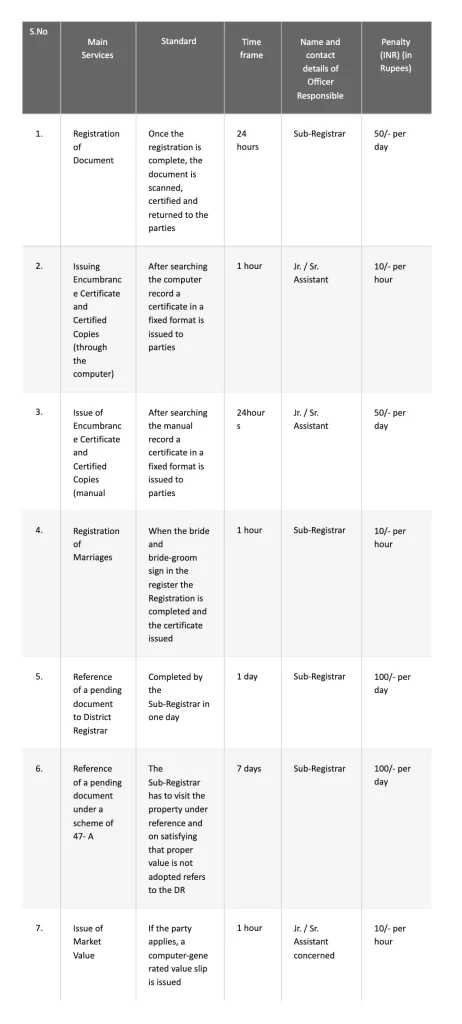
Services provided by the Telangana Registration Department
Property Registration
Registration of Marriages
Chit Fund Registration
Partnership Deed Registration
Societies Registration
Stamp Vending
Property transfer is no easy task to accomplish. You need to make sure you do your research before buying/ selling a property. Examine and find out the title of the seller and the nature of his right. Only if a seller has a proper and valid title, on a purchase you will get a valid title after a property transfer. The legalities and deeds can be confusing for anyone. It is better to transfer property under the guidance of an attorney to ensure safe and secure transfers and save yourself from any kind of scam.
Several construction materials are used to build a house in the construction industry. Architects interact with engineers on the load-bearing capacities of the components used in their designs, including cement, steel, timber, brick, and stone. Each has a distinct power, strength, and durability, making it suitable for various applications. Architects select materials depending on both cost and appearance.
There are two types of construction materials used, namely natural and synthetic. Natural materials include granite and timber, whereas manufactured materials include cement, brick, and steel. However, both need to be prepared or processed before being used in construction.
Material selections depend on the affordability and efficiency of bearing the loads operating on the construction. We are all familiar that construction materials account for most construction costs. Thus, evaluating and assessing the quantity of the materials is a must while constructing a house.
To get the best results, it is important to have a solid idea of calculating the pricing and quantity of the various materials. The calculation of building supplies is determined based on the built-up of the area, and estimated pricing may vary depending on the quality and the quantity of material used. We’ve included a rough material estimation for a 1000-square-foot residence here.
Steel required for 1000 sq feet of house
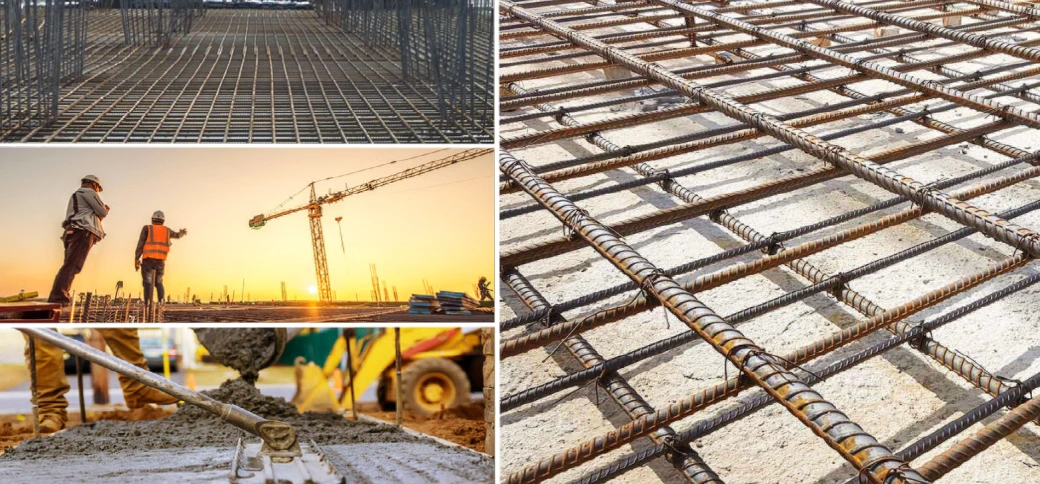
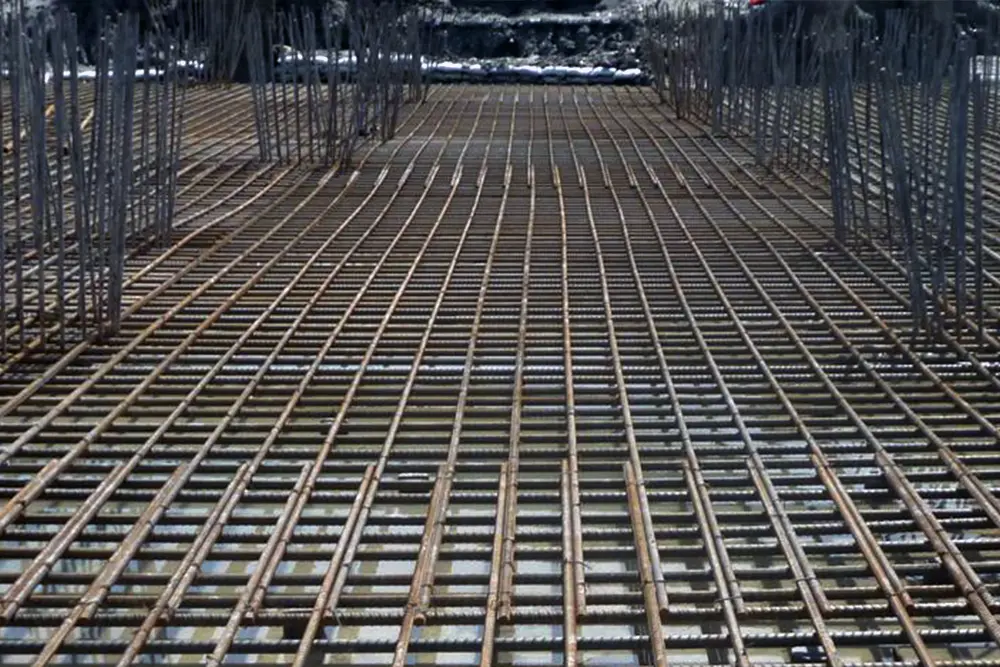
Reinforcement steel is a type of steel rod used in conjunction with cement concrete to create concrete structures. As a result, these buildings are steel-reinforced cement concrete constructions (R.C.C.). It is also referred to as ‘rebars.’
Plain concrete has low tensile strength and comparatively high compression. Steel reinforcement is used to give concrete buildings tensile properties. The steel reinforcement is robust in providing tension and compression, which help to minimise concrete fractures under tension loads.
Thermo Mechanically Treated Bars are high-strength bars used in reinforced concrete (R.C.C.) operations. It has high strength, rigidity, soldering capability, and folding capacity. There are several types of rebar, such as Fe-415, Fe-500. For building purposes, architects usually prefer Fe-500.
Steel required per square foot of built-up area is around 3 kg per sqft. Thus, for a spot of 1000 sq. ft, the quantity of steel is estimated by multiplying the built-up area by 3 kg. Therefore, the steel required for 1000 square feet is 3000 kg or 3 tonnes.
The cost of steel is Rs 45/kg. The total material estimation cost of steel is 45 X 3000 = Rs 1,35,000.
Cement
Cement is an essential construction material combined with aggregates, sand, and water, making mortar. The mortar acts as an adhesive and bedding in masonry construction that binds and fills the gaps between bricks, stone, or concrete. It is used in making concrete, tiling and plastering, and brick masonry.
A good tip for selecting the right cement is that it should feel soft, and also, if a tiny amount of cement is put into water, it should sink rather than float. O.P.C. 53 grade is commonly used for concrete construction, whereas blended cement (P.P.C. & P.S.C.) is used for brickwork, tiling, and plastering.
The cement required per square foot is 0.40 kg. Thus, for an area of 1000 sq. ft, the quantity of cement needed is estimated by multiplying the built-up area by 0.40 kg. Therefore, the total construction material quantity of cement is 400 bags.
The cost of each cement bag is Rs 300. The total material estimation cost of cement is 300 X 400 = Rs 1,20,000.
Sand required for 1000 sq ft house
Sand is a widely utilised construction material such as concrete and asphalt to add mass and durability and plays a vital role in construction. Sand is mixed with fine aggregate to formulate concrete. It is also used in plastering and as an admixture underneath the tiles.
River beds are used to get natural sand. Natural sand is progressively being replaced with crushed sand (for concrete and masonry works) and plaster sand due to environmental consequences and strict regulatory legislation. Quarry Stone is processed into crushed sand and plaster sand using cutting-edge manufacturing technology.
The quantity of sand per square foot is estimated at around 1.8 cubic feet. To cover an area of 1000 sq. ft, the amount of sand needed for a 1000 square feet home is calculated by multiplying the built-up area by 1.8 cubic feet. Thus, the total sand required for a 1000 sq ft house is 1800 cubic ft.
The cost of sand for one cubic ft is Rs 50. The total material estimation cost of sand is 50 X 1800 = Rs 90,000.
Aggregate
Aggregates are granular materials combined with a cementing agent to create the mortar. It is an essential component in producing concrete, mortar, and other building materials and the building and maintenance of roads, sidewalks, parking spaces, airport runways, and railroads.
Elements such as gravel, sand, and broken rock make concrete aggregates. The particle size affects whether the aggregate is coarse or fine. Depending on the usage and application, the produced concrete can be utilised.
The amount of aggregate is estimated at around 1.50 cubic ft. To cover an area of 1000 sq. ft, the quantity of aggregate needed for a 1000 square feet home is calculated by multiplying the built-up area to 1.50 cubic ft. Thus, the total construction material quantity of aggregate is 1500 cubic ft.
The cost of aggregate for one cubic ft is Rs 30. The total material estimation cost of aggregate is 30 X 1500 = Rs 45,000.
Brick
Bricks have been used for construction for thousands of years. They were typically made of clay in the past. Unlike other construction materials, brick is easy to use and maintain, resulting in energy-efficient structures. Clay bricks are homogeneous in dimension, red, and simple, rectangular.
Bricks are used in the building of masonry walls.
The brick becomes a robust material because it is burnt up to 2000 degrees, which binds the clay particles. Bricks are thus unsurpassed when creating a stable structure due to their long lifespan and little environmental effect. Bricks allow for the construction of attractive facilities while spending little money and lasting a long time.
The most common brick size for a 9″ wall is 9’x4.5’x3′. The total number of bricks required per sq. ft is 11. To cover an area of 1000 sq. ft, the entire construction material quantity of brick is 11 X 1000= 11000 bricks.
The cost of a single brick is Rs 7. The total material estimation cost of a brick is 7 X 11000 = Rs 77,000.
Tiles
Tiles are thin slabs or pieces used to cover surfaces such as ceilings, flooring, and walls in a house or building. Tiles are vital in delivering today’s internal and external finishing and beauty to facilities.
Tiles are already one of the most crucial characteristics for attaining an outstanding indoor and outdoor interior, and they not only strengthen the area but also improve its appearance. The price of tiles varies depending on the type, and there are several varieties of tiles on the market.
Tiles are now made out of recycled material which makes them environmentally friendly. The form of the tiles is achieved using several procedures like extrusion, compressing at room temperature, or in any other manner.
The most common size of the tile is 2 ft X 2 ft. The total number of tiles required to cover an area of 1100 sq. ft is 275 tiles. The increased cost accounts for the wastage that might take place. The cost of tiles for one square ft is Rs 45. The total material estimation cost of tiles is 45 X 1100 = Rs 49,500.
Paint
Paints blend pigments and polymers that are often accessible in liquid form. When the colour is put to a surface, it forms a solid coating. This coating protects the area against various hazards such as corrosion, weathering, chemical assaults, and so forth.
Paint helps in enhancing the life of wood or metal constructions. Paints give not only safety but also a beautiful look to surfaces. As a result, colours play an essential part in building projects and tasks.
Paints are widely characterised as either water-based or solvent-based. They are available in hundreds of colours and come in various textures like matte, satin, and glossy. Certain paints are also washable, anti-algae/fungal, and crack bridging.
The estimated volume of paint required to paint 40 sq. ft is 1 litre. To cover an area of 1300 sq. ft (internal and external walls), the importance of colour needed for painting is 32 litres. Thus, the total construction material quantityis 32 litres.
The cost of one litre of paint is Rs 250. The total material estimation cost of paint is 32 X 250 = Rs 8,000.
Labour Charges
Labour is an essential part of the construction as they assist you in building your house. The estimated labour charge for one sq. ft is Rs.210. To construct an area of 1000 sq. ft, the total cost is 210 X 1000 = Rs 2,10,000.
Windows
Windows bring sunlight, heat, and elegance into our homes. Even in a tiny space, they help us feel less constricted. A window functions as a bit of a doorway to the outside world, allowing light, air, sound, and pleasure to enter through.
Windows are made of glass. Glass is indeed a popular construction material for various construction purposes. It is used in building windows. Glass is produced in a very hot kiln from a combination of sand and silicates.
The average size of a window is 3ft x 4ft. To cover a window with glass, the average cost of glass is 300 sq. ft. Thus, the total material estimationneeded for making 22 windows in your house is 264 sq ft.
The total cost of building 22 windows is 264 X 300 = Rs 79,200.
Doors
A doorway is the most important part of a house. House doors that are well-designed and adorned provide aesthetic appeal and elegance to your home. The colour of the entry door also plays a significant role and may tell a lot about the ambience of a house; the door’s design, layout, texture, and components all contribute to generating that initial impression.
Front entry doors are commonly regarded as an essential component of the property. Wood doors, for instance, exude luxury and richness while also adding ambience to a doorway. Wood doors provide a lot of architectural versatility and may be customised with glass and hardware to reflect the message you want your home to portray.
Timber is also commonly utilised as plywood and raw wood. Timber is useful for providing strength, durability, and adding design. Teakwood is an excellent construction material for building structures.
The standard size of an exterior door is 6 ft X 8 ft X 3 ft. The total number of gates required in a house is equivalent to 7. The average cost of a door is around Rs.12000. Thus, the total cost of putting all the doors is 12000 x 7 = Rs. 84,000
Other Material
The other costs associated with building a house are as follows:
Electrical fitting: Rs 50,000
CP Fittings: Rs 15,000
Sanitary wares: Rs 40,000
Plumbing: Rs 30,000
Bottom line
The total estimated cost for making a house of 1000 sq. ft is Rs. 9,87,700. With the above-estimated amount, you can now construct your home. It is essential to have a good construction company like Brick & Bolt.
Brick & Bolt provides secure construction for your house, company, or structure. You can reach out to us via the following ways, and we will be there to help you.
Raise a request – Please call us at 7505205205 to send a request for your problem.
Settle in – At long last, your house will be ready for you to move in.
Book us – Once you’re pleased, you may reserve our services.
Receive designs- Our professionals will provide you with the most fantastic designs available to make your house, workplace, etc., seem precisely as you want it to.
Meet our specialists – We provide you with the most outstanding industry professionals who understand your needs.
Track and pay – You may keep updated about the progress of your project and then pay us.
FAQ
What is the average material cost for a 1000 sq ft house?
The material cost for a 1000 sq ft house can vary depending on the location, quality of materials, and design. On average, the cost ranges between ₹10 lakh to ₹25 lakh in India.
Can I build a house in 10 lakhs?
Yes, it is possible to build a small or basic house with a budget of ₹10 lakhs, but it requires careful planning, low-cost materials, and optimized design choices.
How to Build a Low-Budget Home?
Key steps include careful planning, choosing cost-effective materials, optimizing the design, hiring a reliable contractor, and focusing on essential features while avoiding luxury finishes.
Most people planning to construct their homes are unfamiliar with the materials used in construction. Although it is optional to know all the details of the materials used for constructing the house, the knowledge of some major components used in building construction helps to make smart and budget-friendly choices.
Reinforced Cement Concrete (RCC) is one of the most commonly used terms related to building construction. It is a composite material made of concrete and steel reinforcement. To better understand the importance of RCC in the construction process, we have answered below some of the frequently asked questions regarding the use of RCC.
What is RCC in Construction?
Reinforced Cement Concrete (RCC) is a composite material made by hardening a mixture of cement, sand, gravel, and water. The properties of concrete differ to a broader extent depending upon the quality and proportion used in the mixture. Concrete can resist compression very well but becomes very weak when resisting tension. The solution to making the concrete strong is to add steel to the combination because steel has high tensile and bond strength compared to other materials. Therefore, the bond between steel and concrete becomes strong, and we can place steel bars at the tensile zones of the structures. This procedure is known as steel reinforcement, and after the reinforcement is completed, the mixture is called Reinforced Cement Concrete.
What are the main properties of RCC?
The important properties of RCC are as follows:
It must have the ability to withstand adequate tensile strength, compressive strength, bending, and shear forces.
The concrete must not show excessive deflection and spoil serviceability requirement
The reinforcement needs to have a good covering so that corrosion does not occur
The hair cracks that are formed should be within the permissible limit
It should be good fire and weather-resistant
The concrete can be molded into any desired shape and size while it is still fresh
It should be a high-durability material
Any load can be constructed to be supported by an RCC structure
What are the advantages of using RCC in building construction?
Comparatively speaking, there are innumerable advantages of RCC in building construction. Let’s check some of them below:
Reinforced concrete outperforms other building materials in terms of compressive and tensile strength
RCC can withstand extremely high temperatures from fire for a longer period without losing structural integrity
Buildings constructed with cast-in-place reinforced concrete can withstand winds of more than 200 miles per hour and also performs well even under the impact of flying debris
Concrete performs effectively through both natural and man-made disasters and doesn’t need any additional fireproofing treatments to meet stringent fire codes
When it comes to durability, RCC buildings are more resilient than other structures
RCC structures are more durable and require less maintenance cost
RCC buildings have more resistance to fire than just steel structures
Compared to the construction of steel structures, the construction of RCC buildings requires less skilled people
What are the disadvantages of using RCC in building construction?
There are not many disadvantages of RCC in building construction, but a few are to be mentioned below:
Only around one-tenth of reinforced concrete’s compressive strength is available as tensile strength
Constructing an RCC building requires several steps, such as mixing, casting, and curing. If any of these steps are missed or not done correctly, the final strength of the RCC might change
Compaction needs to be done correctly and in the right amount. Less vibration means less compaction, which means fewer strengths. Concrete segregation and bleeding are caused by heavy vibration
Shrinkage in RCC buildings after hardening may result in crack development and strength loss
What are the different types of reinforcement used in RCC Concrete?
There are mainly four types of steel reinforcement that are used in concrete structures during construction:
Hot Rolled Deformed Bars:
For conventional RCC constructions, this method of reinforcement is the most typical. In the mills, hot rolling is carried out, which involves deformations on the surface, i.e., ribs, which helps to create a bond with the concrete. The stress-strain curve has a clear yield point, followed by a plastic stage in which the strain increases without an increase in stress.
Cold Twisted Deformed Bars:
Cold-worked reinforcement is created when a hot rolled steel bar undergoes the process of cold working. The cold working method involves twisting or drawing the bars at room temperature. Though it allows more control over bar size and tolerances, this basically eliminates the Plastic Stage from the Stress-Strain curve. Due to the removal of the plastic stage, these bars have lower ductility than hot Rolled bars. The usage of these kinds of bars is specific to projects where low tolerances and straightness are an important concern.
TMT Bars:
TMT stands for Thermo-mechanically Treated Reinforcement Bars. These bars are produced by sudden quenching of red hot steel bars with a water spray and can produce steel bars with high strength at the surface with a core of mild steel. To improve the bond strength of the bars, TMT bars are also produced with ribs (rebars). Adding corrosion-resistant materials like copper, phosphorus, and chromium gives TMT bars their corrosion resistance feature.
TMT bars are more corrosion-resistant than Tor Steel and are strongly advised for usage in reinforced concrete projects. Fe 415, Fe 500, Fe 550, and Fe 600 are the four grades in which these TMT bars are manufactured.
Prestressing Steel Bars:
It is used in the form of bars or tendons that are usually made up of multiple strands. However, these tendons/strands are more frequently used because these can be laid in various profiles, which is a primary requirement of prestressing steel. Prestressing strands are composed of several wires (typically 2, 3, or 7 wire strands). These wires are primarily cold-drawn and have high tensile ultimate strength, which is helpful for construction purposes.
Is RCC better or PCC?
Technically, RCC is stronger than PCC in terms of strength as the reinforcement helps in load-carrying capacity. PCC is weaker and is only used to layer surfaces, such as flooring or plastering, and, most significantly, to layer excavation to cast footings.
Due to its ability to withstand high stress and large loads, RCC is used in most civil construction projects.
What is the ratio for RCC used during construction?
In the home, the most popular and safest concrete mix ratio used for RCC column construction is 1: 1: 2 (cement, sand, and aggregate), in which one part is cement, one part is sand, and two parts are aggregate. For RCC column construction, a concrete mix ratio of 1: 1.5: 3 or 1: 1: 2 (cement, sand, and aggregate) is typically used.
What do you mean by RCC slab?
A reinforced concrete slab also referred to as an “RCC Slab,” is one of the most important parts of a building. It is a structural component of modern buildings. Beams and columns hold up slabs.
The most popular RCC Slabs for building floors and ceilings range in thickness from 10 to 50 centimeters. Additionally, thin concrete slabs are employed for paving outside surfaces.
The ground floor of a building is often constructed of a thick concrete slab that is supported by foundations or directly on the subsoil in many houses and industrial structures. Thinner, pre-cast concrete slabs are stretched between the steel frames to create the floors and ceilings on each level of high-rise buildings and skyscrapers.
What are the different types of slabs?
Five types of slabs are generally used for the construction of a building:
Corrugated Slab:
Concrete is poured into a corrugated steel tray to create this kind of slab. With this kind of RCC slab, the strength is increased, and the slabs won’t bend under their own weight. This slab runs across from side to side.
1) A Ribbed Slab:
The ribbed slab slab category provides extra strength in one direction.
2) A Waffle Slab:
Additional strength is provided in both directions by this kind of slab
3) One-way Slab:
This type of slab has structural strength in the shortest direction
4) Two-way Slab:
This type of slab has structural strength in two directions
What is meant by Curing?
Curing is the process of keeping concrete at an appropriate temperature and moisture level at an early age to develop the properties of the mixture that it was intended to achieve. After finishing and placing, the concrete must cure for it to acquire the appropriate durability and strength. With sufficient moisture, the cementitious materials of concrete can react to produce a high-quality final product.
Curing thus concludes the RCC slab casting process.
We hope we could answer most of your queries regarding RCC in building construction. If you still have any questions or need to get a free quote, connect with Brick&Bolt, India’s best construction company in India
Selecting the best cement to build a stable and strong building is one of the most crucial choices a builder must make to protect a building from all kinds of external disturbances out there. Generally, people planning to construct their homes are concerned about the cement quality used during construction. They only look up to using the best cement to build their homes.
Cement is one of the essential building materials for house construction. So, a person must know which cement is best for house construction and which brand of cement one should use for constructing a building. In this blog, we will address some of the questions that come up in your mind about cement when you think about house construction.
What are the uses of cement in building construction?
Cement is one of the best building materials and has no competitors in construction and implementation. The important uses of cement are as follows:
The essential use of cement is making concrete and mortar
Cement mortar is used for masonry work, plaster, pointing, etc.
Floors, roofs, building lintels, beams, weather shelters, staircases, pillars, and other structures are all made of cement concrete
Cement can be utilized for creating an instance, bridges, culverts, dams, tunnels, storage reservoirs, lighthouses, docks, etc.
Cement can also be used to build telephone booths, tennis courts, septic tanks, lampposts, and other building structures
Cement can be used for making fire-proof structures in the mould of concrete. It is also utilized for creating acid-resistance and waterproof structures
What is the difference between cement and concrete?
Despite the frequent confusion between the words cement and concrete, cement is an ingredient of concrete. Aggregates and paste are combined to make concrete. Sand, gravel, or crushed stone make up the aggregates, while water and portland cement make up the paste.
In terms of volume, cement makes up 10 to 15 percent of the concrete mix.
What are the types of cement used in India for house construction?
Usually, there are three types of cement used in India for house construction
Ordinary Portland Cement (OPC):
This cement is widely used for construction works. One of the advantages of this cement is that it attains strength in a very short period. This cement is available in three grades: Grade 33, Grade 43, and Grade 53.
Grade 33 and Grade 43 OPC cement are the old grades of cement that are used for constructing houses, and nowadays, these two grades of OPC cement are replaced by OPC 53 grade of cement.
OPC 53 grade cement is the best cement that is used for making concrete.
Portland Pozzolana Cement (PPC):
This type of cement is generally preferred by people for construction because it has a higher degree of fineness, impermeable, and corrosion-resistant quality. This cement is used in mass concreting work and RCC work. The strength of this cement is equivalent to OPC 53 Grade cement.
The advantages of this cement are as follows :
PPC cement is cheaper than the OPC cement
It has better resistance capacity against chemicals
The workability of PPC is better than OPC
Portland Slag Cement (PSC):
It is a hydraulic cement made by grinding burnt furnace slag to suitable fineness and mixed with ordinary portland cement in a static ratio. Due to its high resistance capacity against sulphate attack, this cement is used in seawater construction projects. It is also used in mass concrete work like piles, dams, rafts, etc. The cost of this cement is low compared to OPC. Hence, it can be used in large volumes for construction purposes.
What is Portland cement, and what are its uses?
In simpler terms, Portland cement refers to a finely grounded powder that is made primarily of calcium silicates and, to a lesser extent, calcium aluminates. When mixed with water, it forms a paste that sets and hardens at room temperature.
The uses of Portland cement are as follows:
Portland cement is used in construction to make concrete
The majority of concrete masonry units contain Portland cement
This cement is typically utilized in a variety of construction projects where the soil conditions are ideal, including dams, bridges, buildings, pavements, and other similar constructions.
Typically, this cement is used for repairs and to fill up the wall and floor cracks
In addition, Portland cement is used as a filler material, a plaster material, and a floor surface smooth material
Portland cement is used in construction projects where the budget has to be minimized because this cement is less expensive than other cement
Portland cement is used to prevent the risk of cracking. This cement has a good crack-resisting property
Describe the uses of different grades of cement
M5, M10, and M15 are generally used for plain cement concrete work leveling courses, bedding for footing, etc.
M20 is used for Reinforced cement concrete work, such as making slabs, beams, columns, footing, etc.
M25, M30, and M35 are used for creating foundations, footings, columns, beams, and slabs
M40 is used for pre-stressed concrete work, such as creating slabs, beams, footing, etc.
M45 & M50 make concrete roads, runways, RCC columns, pre-stressed concrete grinders, and beams.
M55 is used for making pre-stressed concrete grinders and piers
M60, M65, AND M80 are used for making high-rise buildings, ultra-thin white topping, and spillways
What are the factors to consider while buying cement for house construction?
Grade:
There are two grade variations of cement: grade 43 and grade 53.
In comparison to Grade 43, Grade 53 sets more quickly. But the short setting time results in micro-cracking. Therefore, it is perfect for projects requiring high early strength, such as RCC and high-rise buildings.
Grade 43 cement, on the other hand, is more durable and less prone to microcracking. Typically, grade 43 cement is used in Civil Engineering construction projects like plastering, flooring, and brick masonry, among others
Texture:
Verify that the cement is in the form of a fine powder and is free of granular lumps. When you touch the cement with your hand, it feels silky. On the other hand, hard lumps are a symptom of moisture in the bag.
Date of Manufacturing:
As cement loses strength over time, avoid purchasing bags with only 90 days left on the expiration date. The construction work will suffer when the lumps start to appear. Therefore, check the cement bags to see what week, month, and year they were manufactured.
Labeling:
The information on cement bag labels includes the type of cement, brand name, weight, date, ISI mark, and license number. Reading all these information guarantees that the cement bags meet the government-set quality standards.
How to check the quality of the cement used for construction?
The most important factors that need to be observed to know and check the quality of cement are as follows
Cement Color:
The cement should have a consistency in color. The perfect cement color should be light greenish-grey. The color of the cement indicates whether there is too much clay or lime mixed in the cement.
Check for Lumps:
Lumps are produced due to the presence of moisture in cement. When cement comes into contact with air moisture, a chemical reaction occurs; this process is known as hydration, and due to this lumps of cement paste are seen. The moment moisture is added to cement; it becomes ineffective.
Date of Packaging:
On the cement bag, you should pay attention to the manufacturer’s date. It is essential because cement loses strength over time.
Rubbing Test:
Always take a bit of cement in your hands and rub it between your fingers; the cement should become smooth while rubbing. If it is rough, sand and cement have likely been combined.
Floating Test:
Bring a volume of cement and put it in water; good and high-quality cement will always sink and not float on water.
Which brand of cement is best for house construction in India?
The following are the best quality cement in India used for house construction:
UltraTech Cement:
The renowned Aditya Birla Group owns this Ultra Tech cement company, the largest producer of grey cement. This cement company provides premium high-quality cement, including Portland pozzolana cement, Portland blast furnace slag cement, and normal Portland cement. The price of the UltraTech Cement depends on the grade and retailers. Till now, this cement is considered one of the best cement for house construction.
Ambuja Cement:
This company has been serving the cement production sector in India for more than two decades. Ambuja Cements’ success stems from producing high-quality cement, for which the company has received many awards. Additionally, the company follows environmental protection guidelines during cement production. The company’s production units are spread across different Indian states, including Maharashtra, Gujarat, West Bengal, Rajasthan, Chhattisgarh, and Himachal Pradesh.
JK Cement:
This famous cement-making company has gained popularity by providing developers with high-grade raw cement and cement products. The company is primarily known for producing the best cement for plastering. It has overtaken other brands in India to become the country’s second-largest producer of superior wall putty. The company offers a variety of cement brands, including J.K. White Cement, J.K. WallMaxx, J.K. Gypsomaxx, J.K. Super-strong Cement, and more.
ACC Cement:
It is one of India’s most trusted and reliable cement companies. In its 12 manufacturing facilities and 17 cement plants, ACC Cement uses advanced technology and innovative research methodologies to churn out the best cement. For those who need bulk cement for construction purposes, ACC Cement should be their ideal choice as it is one of the first cement companies globally to supply bulk cement.
Birla Cement:
This cement manufacturing company has ten units spread around the nation, focusing on east, north, and central India. The Birla Cement Company produces a variety of cement varieties, including fly ash-based, ordinary Portland cement, low alkali Portland cement, and Portland slag cement. This giant company produces one of the best quality cement in India.
Which grade of cement is best for house construction?
Right selection of cement grade is essential for ensuring strength, durability and safety when constructing a house. Cement in India comes in different grades, with each being suitable for certain types of construction projects. The most commonly available cement grades are 33 Grade, 43 Grade, and 53 Grade. Now let’s jump into the best grade of cement for building houses and why.
33 Grade Cement
In the past, often used in Indian residential buildings was 33 grade cement. After curing for 28 days it can bear compressive strength of up to 33 N/mm². Although sufficiently strong enough for use in general construction purposes its use has drastically reduced given that higher-grade cements are now available in the market. Today it is primarily used for plastering and some non-structural work.
43 Grade Cement
43 Grade cement is frequently employed more so in general residential constructions. Its compressive strength after curing reaches up to 43 N/mm² after the 28-day curing period. This grade is fit for the purpose of building homes where the structural load is not too high on them. It is widely used to make RCC (Reinforced Cement Concrete) structures i.e., beams, columns, slabs foundations, etc.. Furthermore, this type of cement also suits well as masonry work material or when plastering needs to be done using any other type of cement besides Portland Cement which must be used only at special places specifically outlined by the designer who in this case should not fail to specify that it must be Type I Ordinary Portland Cement (OPC).
Advantages of 43 Grade Cement:
Versatile Use: Suitable for various types of construction work.
Good Strength: Offers adequate strength for typical residential buildings.
Cost-Effective: Generally more affordable than 53-grade cement.
53 Grade Cement
53-grade cement is the highest grade available and has a compressive strength of 53 N/mm² after 28 days of curing. This cement is used in constructions that require higher strength and durability, such as high-rise buildings, bridges, industrial structures, and heavy-duty infrastructure. For residential construction, 53-grade cement is ideal when you want to ensure extra strength, especially in critical areas like foundations and load-bearing columns.
Advantages of 53 Grade Cement:
High Strength: Ideal for RCC work that requires more strength.
Faster Setting Time: Leads to faster construction progress.
Durability: Provides longer-lasting structures, making it ideal for buildings expected to endure heavy loads.
In conclusion, the choice between 43-grade and 53-grade cement largely depends on the specific needs of your construction. For standard residential homes, 43-grade cement should suffice, offering a good balance between cost and strength. For those seeking extra durability and strength, especially in key structural areas, 53-grade cement is the better option. Always consult with your contractor or structural engineer to determine the best grade of cement for your specific construction needs.
Conclusion
The right cement brand helps you obtain better quality construction and saves money and time. We hope we can clarify most of your doubts regarding the cement required to build your dream home. If you have more queries regarding cement or want a free quote, your one-stop destination is Brick&Bolt.
Not only do we construct your dream home most amazingly with our tech-enabled features, but we also make sure to provide the best materials in the market. So, what are you waiting for? Connect with us today and get ready to watch your dream home being constructed hassle-free with India’s no1 construction company.
Mysore is a fast-growing city in Karnataka, India, with a rich cultural heritage and a favorable climate. It has good connectivity to major cities like Bangalore and Chennai through a well-developed road network and a domestic airport.
Mysore is also a hub for many industries, including IT, textiles, and tourism. The city has a good infrastructure with numerous educational institutions, healthcare facilities, shopping centers, and entertainment options. The cost of living in Mysore is relatively lower than in other major cities in India.
Considering all these factors, Mysore can be an ideal place for house construction. The city offers a peaceful and serene environment, ample job opportunities, good connectivity, and a lower cost of living, making it an attractive location for constructing your dream home.
However, hiring one of the best reputable and experienced construction companies in Mysore is essential to oversee the construction process and ensure that it meets the required standards and regulations. Constructing a house in Mysore can be a significant investment, and it is essential to take the time to plan and execute it properly.
Low-cost House Construction in Mysore
Low-cost house construction in Mysore is becoming increasingly popular among people looking for affordable homes. Many construction companies in Mysore offer low-cost house construction services using affordable materials and innovative construction techniques to reduce project costs. The low-cost construction method uses locally available bricks, sand, and concrete blocks. This approach helps reduce transportation and labor costs, and using these materials helps create a sturdy and durable structure. Overall, low-cost house construction in Mysore provides an opportunity for people to construct a home that is affordable, durable, and sustainable.
There are different ways to reduce the cost of house construction in Mysore. Here are a few tips:
Plan your Budget:
Before beginning the construction process, you must clearly understand how much you can afford to spend. This will help you to prioritize your expenses and make informed decisions about where to cut costs.
Suitable Location:
The land cost varies depending on the location. Look for areas close to the city center but still affordable.
Simple Design:
The more complicated the design of the house, the more expensive it will be to construct. Choose a simple design that meets your needs and is within your budget.
Cost-Effective Building Materials:
Many low-cost building materials are available in the market. These include compressed stabilized earth blocks, fly ash bricks, and precast concrete blocks. Using these materials can help reduce the cost of construction.
Professional Contractor:
Finally, work with a contractor with experience building low-cost houses. They can guide cost-saving techniques and help you avoid common pitfalls.
Top Construction Companies in Mysore
Mysore has seen significant growth and development in recent years. The construction industry in Mysore is thriving, with many companies providing quality services to clients. Below are the top 5 construction companies in Mysore:
Brick&Bolt:
Brick&Bolt is one of the leading construction companies in Mysore. Brick&Bolt is a construction company providing high-quality construction services to clients for several years. The company is known for its attention to detail and its commitment to customer satisfaction. Their team of skilled and experienced professionals is dedicated to completing projects on time and within the specific budget, using the latest construction techniques and materials. Brick&Bolt offers a wide range of construction services, including residential and commercial construction, renovation, and remodeling.
Brigade Group:
It is one of the leading construction companies in Mysore. The company has completed several iconic projects in the city, including residential apartments, commercial spaces, and hotels.
Naksha:
Naksha is a residential and commercial construction company in Mysore renowned for delivering high-quality projects. This construction firm is motivated by a goal to satisfy customers, which has been attained by focusing on management skills. Naksha takes care of the entire construction process, including a budget, planning, procurement, interior design, on-site construction, and project handover.
Yesh Developers:
It is a prominent developer of Residential Townships in Karnataka with a sustained focus on Mysore. Yesh Developers, a rapidly expanding, dynamic, and expertly managed construction company, meets the unique housing needs of different customer groups. This firm has completed several significant residential projects in Mysore.
AV Construction & Developers:
In Mysore, AV Building & DEVELOPERS is a reputable construction firm. The company values being more creative than is necessary. They ensure that beautiful and sturdy homes are built by offering top-notch building design, drafting, and consulting services. The company is passionate about using sustainable building materials and is constantly searching for new sustainable goods to use in its projects.
House Construction Cost in Mysore
The house construction cost in Mysore can differ widely depending on various factors, such as the size and type of the house, the quality of construction materials used, the location of the property, and the contractor’s fees.
However, the house construction cost in Mysore was around Rs. 1500 to Rs. 2000 per square foot for a standard residential house, meaning a 1000 sq. ft. house would cost around Rs. 15 lakhs to Rs. 20 lakhs to construct. However, it is important to make a rough estimate, and the actual cost can vary significantly depending on the above factors.
It is recommended to consult with a local contractor or architect who can provide a more accurate estimate based on your specific requirements and location. Brick&Bolt has created three standard house construction packages to help you understand a city’s specific requirements and costs. Alternatively, you can use our house construction cost calculator to determine the pricing per your custom requirements.
Overall, using Brick&Bolt’s house construction cost calculator can be beneficial in providing an accurate estimation of the total cost, saving time and effort, budget planning, transparency, and confidence in the construction project. The cost calculator can be used currently for calculating the house construction cost in Mysore, Bangalore, Hyderabad, Chennai, and Pune, where we are currently operational. We will come up with more cities soon.
Top 5 reasons to choose Brick&Bolt
Experience and Expertise:
Brick&Bolt has years of experience in the construction industry, and their team of experts is skilled in all aspects of construction, from design to finishing.
Quality and Reliability:
Brick&Bolt uses high-quality materials and follows strict quality control measures to ensure that every aspect of the construction process meets or exceeds the expectations of its clients.
Cost-Effective:
Brick&Bolt offers affordable prices for its services without compromising on the quality of work they provide.
Customization:
Brick&Bolt offers personalized design solutions, which means clients can get a custom-built home that suits their specific needs and preferences.
Timely delivery:
Brick&Bolt is committed to delivering projects on time, and they use advanced project management tools to ensure that their clients get their dream homes on schedule.
Overall, Brick&Bolt offers a complete package of expertise, quality, affordability, customization, and timeliness, making it an excellent choice for those looking to construct their dream homes. This tech-enabled construction company is committed to making the best residential houses in India and is mainly known for its quality work and dedication to customer satisfaction. You can contact us at +91 7505 205 205 for an appointment to get a detailed quote for your house construction in Mysore.
Pune is considered one of the fastest-growing cities in India, with a population of over 3 million people. There is an increasing demand for residential properties in Pune due to the availability of job opportunities, good educational institutions, and a better standard of living. Pune’s strategic location, well-developed infrastructure, and excellent connectivity to major cities in India, including Mumbai and Bangalore, have led to many house construction companies in Pune offering a wide range of housing options, from affordable to luxurious. With the increase in the number of people migrating to the city, the demand for construction companies in Pune will only increase, making it a lucrative market for construction companies.
House construction in Pune typically involves finding a suitable plot of land, obtaining necessary permits and approvals, and hiring a construction company or contractor to carry out the building process. It’s important to research and choose one of the most reliable and experienced construction companies in Pune to ensure the project is completed successfully.
Factors to Consider while Constructing a House in Pune
Location:
Choose a place that is well-connected to important areas, has access to public transport, and is relatively safe.
Climate:
Pune has a semi-arid climate with hot summers and cool winters, so it is important to design the house with appropriate insulation, ventilation, and shading to ensure comfort.
Building Regulations:
Familiarize yourself with local building codes and regulations, and ensure that your construction plan adheres to them.
Soil and Topography:
The type of soil and topography of the site will affect the foundation and structural design of the house.
Budget:
Determine a realistic budget for the construction and ensure that it covers all the necessary expenses, including land, labor, materials, and permits.
Architect and Contractor:
Hire an experienced and reputable architect and contractor to design and build the house.
Amenities and Facilities:
Consider the availability of basic amenities and facilities such as water, electricity, sewage, and waste disposal systems.
Top 5 construction companies in Pune
Brick&Bolt:
Brick&Bolt is one of the most prominent construction companies in Pune. The quality of the services and the technology used during the construction process is identified as the standard benchmark for the construction industry. Brick&Bolt is renowned for its high-quality construction and dedication to client satisfaction. This company has a proven track record of completing projects on time and within budget.
Vascon Engineers Limited:
This is a Pune-based construction company with a strong focus on residential and commercial projects. They are known for their innovative and sustainable construction practices and have delivered several high-quality projects in the city.
SJ Contracts Pvt Ltd:
SJ Contracts is among the well-known construction companies in Pune, with extensive expertise spanning over two decades. This construction company has offered value-added construction services for industrial, commercial, and residential construction projects since 1990.
B. G. Shirke Construction Technology:
The Shirke Group is acknowledged as India’s largest builder of mass housing projects. It also has a track record of creating successful airports, industrial and hospitality complexes, roadways and flyovers, and other large integrated commercial buildings. It is one of Pune’s leading construction and infrastructure company.
Patil Group:
Patil Group is renowned for completing big, complicated projects with encouraging innovation and emerging advanced technology. Construction of roads, buildings, bridges, and solar projects is among Patil Group’s specialties. Patil Group is a leading national builder that has made a remarkable benchmark in the construction industry.
Construction Cost in Pune
The construction cost in Pune has increased for various reasons in recent years. Residential home construction costs in Pune range from Rs 1590 per square foot to Rs 1840 per square foot in 2022 (Material + Labor). Brick&Bolt has created three standard house construction packages to help you understand a city’s specific requirements and costs. Alternatively, you can use our house construction cost calculator to determine the construction cost in Pune per your custom requirements. The benefits of our cost calculator are as follows:
Accurate Estimation:
One of the most significant advantages of using Brick&Bolt’s house construction cost calculator is its ability to estimate the project’s total cost accurately. The calculator considers various factors, such as the size of the property, materials used, labor costs, and more, to ensure that the estimated cost is as accurate as possible.
Saves Time and Effort:
This calculator saves time and effort that would otherwise be required to calculate the construction cost manually. This calculator helps you to get a rough estimate of the total cost and make informed decisions based on that.
Budget Planning:
The Brick&Bolt’s house construction cost calculator allows homeowners and real estate developers to plan their budgets more effectively. They can get an idea of how much the construction will cost, and they can plan accordingly. It helps them to ensure that they spend on the project effectively.
Transparency:
The calculator provides transparency in the costing process. It gives a breakdown of the estimated cost, including labor, materials, and other expenses, allowing you to understand the total cost and make adjustments where necessary.
Confidence:
The Brick&Bolt’s house construction cost calculator helps homeowners and developers to feel more confident in their construction projects. It helps them to have a clear understanding of the costs involved and avoid surprises down the road.
Overall, using Brick&Bolt’s house construction cost calculator can be beneficial in providing an accurate estimation of the total construction cost in Pune, saving time and effort, budget planning, transparency, and confidence in the construction project. The cost calculator can be used currently for calculating the cost of house construction in Bangalore, Hyderabad, Chennai, Mysore, and Pune, where we are currently operational. We will come up with more cities soon.
Brick&Bolt: One-stop Solution for Construction Requirements in Pune
A one-stop solution for all construction requirements typically means a company that provides a wide range of services and products related to construction. This can include everything from architectural design and planning to source and supplying materials to constructing the building or structure.
Brick&Bolt provides services such as:
Architectural Design and Planning
Building and Construction
Renovations and Remodeling
Project Management
Sourcing and Supplying Materials
Brick&Bolt aims to provide a convenient and efficient solution for those seeking to undertake a construction project by offering various services and products. Instead of having to deal with multiple suppliers and contractors, customers can work with Brick&Bolt as a one-stop solution. We provide customizable designs, quality material, timely completion of projects, 340+ quality checks, affordable price, and excellent customer service. We are committed to making your construction journey the most delightful and will go that extra mile to construct your dream home in the most spending way.
To know more about our service or to get a free quote, please give us a call at +91 7505 205 205