Home Blog Page 80

Right To Property Is A Legal Right Or Constitutional Right

0
Right To Property Is A Legal Right Or Constitutional Right

The Right to Property is considered both a legal and constitutional right. It was first included as a fundamental right in 1950. Later, after the Emergency Era, it became a legal right in 1978.

The Right to Property Act has undergone many revisions since its amendment in 1950. Still, the Act is a fair way to establish and restore the rights of Indian landowners. It applies regardless of their race, caste, religion, gender, and other traits.

The 44th Amendment changed the right to property in the Indian Constitution. Study its details. Then, use your right to property as a privileged citizen of the state.

Is the Right to property Legal or a Constitutional Right?

Wooden false ceiling (1)

We must see if the right to property is legal. To do this, we must first understand the difference between these rights.

Constitutional rights are empowered by the Constitution. Legal rights are empowered by an Act or statute passed by the legislature.

The Indian legislature passed the Transfer of Property Act in 1882. It proposes the Right of Property as a legal right. Article 300A was added to the Indian Constitution in 1978. It reveals the Right of Property as a constitutional right.

So, the right to property can be called both a legal right and a constitutional right. 

Article 300A and the Right to Property

Before 1978, the Right to Property was one of the fundamental rights of the Indian people. After 1978, it became a legal right. This happened through Article 300A of the 44th Amendment to the Indian Constitution.

Article 300A is significant. It gives citizens’ rights to property. It ensures that no one, including the government, can take property by force for no reason. They can only do so if a law allows it. 

Article 300A states the exact words. They are: “No one shall be deprived of his property. This can only be done by authority of law.”

What Does the Right to Property Include?

Right to Property Include

The procedural sub-rights under the Right to Property include.

  1. Right to Notice: The property’s owner must be notified before the property is acquired.
  2. Right to be Heard: The affected party can voice their queries and objections, if any.
  3. Right to a Reasoned Decision: The government must substantiate the property acquisition. They must do so through a reasoned decision.
  4. Public Purpose Justification: The property must be acquired for a public use. And the need for the acquisition must be shown to the owners.
  5. Right of Restitution or Fair Compensation: The owners must be fairly compensated. Or, they can be restituted through other fair means they agree to.
  6. Right to an Efficient and Expeditious Process: The acquisition process must be efficient and expedited within the set deadline.
  7. Right of Conclusion: The acquisition process must be concluded through the physical transfer of the property. If the physical transfer fails, the acquisition is incomplete.

If any of these sub-rights is absent, you can challenge the legality of the act under Article 300A in a High Court.

Conclusion

Constitutional or legal, the Right to Property is a huge privilege granted to all the sons and daughters of the soil.

Knowing the rights endorsed by the Right to Property can help you avoid deceiving schemes and abusive exploitation.

You can contact any legal body if your right to a property is about to be transferred. You can also look into the available restitution and compensation methods. 

FAQs

What are the different types of property rights?

There are different types of property rights. They include private, common, and public property rights.

Can I deny transferring my property to the government?

You can deny giving the property to the government. This is if any of the sub-rights of Article 300A are not met. You can seek restitution in case you cannot challenge the legality of the property transfer.

Does Article 300A guarantee compensation for property acquisition by the government?

Yes, Article 300A guarantees compensation for property acquisition by the government. The compensation will follow the LARR Act of 2013.


Income from House Property Tax-Guide: Minimizing Tax Burden

0
Income from House Property

Income from houses is a major revenue source for many people and businesses. In India, the Income Tax Act of 1961 governs the taxation of income from house property. This blog aims to cover the types of income from house property, the tax, and how to calculate it.

Types of Income from House Property

Income Chargeable to Tax Under the Head House Property

Incomes earned from house property can be taxable

Annual Value Determination

The annual value of a property is the amount it could reasonably be rented for. Location, size, age, and condition affect the property’s value each year.

Standard Deductions

  • Section 24(a): 30% Standard Deduction

A standard deduction of 30% of the net annual value is allowed from the gross rental income.

  • Section 24(b): Interest on Home Loan

Interest paid on a home loan is allowed as a deduction, subject to certain limits.

Calculation Example

  • Step-by-Step Calculation

Income from house property is calculated by subtracting allowed deductions from rental income.

  • Common Mistakes to Avoid

Common mistakes to avoid include not claiming all the eligible deductions and not reporting all the rental income.

Income Not Chargeable to Tax under Head Income from House Property

Specific Exemptions

  • Property Owned by Charitable Trusts

Income from house property owned by charitable trusts and used for charitable purposes is exempt from tax.

  • Farmhouses

Income from farmhouses is not chargeable to tax under the head “Income from House Property.”

Conditions for Exemptions

  • Criteria for Exemption

The property should be used for the specified purposes and should meet the criteria for exemption. 

The exemption criterias are for:

  • Compliance with Legal Requirements
  • Non-Commercial Use
  • Documentation Required

Taxpayers should maintain proper documentation to claim the exemption.

Needed documentation are Proof of Ownership, Encumbrance Certificate, Tax Receipts, NOC (No Objection Certificate).

Income from Self-Occupied Property

Definition and Criteria

Income from self-occupied property is not chargeable to tax if the property is used by the owner for personal purposes. However, if the property is let out for a period of more than 180 days in a financial year, the entire income is chargeable to tax. 

Tax Implications

The tax rules for self-occupied property depend on whether the property is used for personal purposes. Or, it is let out for more than 180 days in a year.

Benefits and Deductions

  • You can deduct some of the interest if you financed your self-occupied property with a home loan. Deductions have a set ceiling, so verify local regulations apply.
  • You can also deduct some of the principal you repay on your home loan. This further reduces your taxable income.

Conditions for Self-Occupation

Property is self-occupied if you live there. You don’t rent it out or use it for business. You can claim up to two properties as self-occupied for tax purposes.

Home Loan Interest Deduction

  • Principal vs. Interest Deduction

Taxpayers can claim deductions for both the principal and interest components of a home loan.

  • Section 80C Benefits

Deductions for the principal component of a home loan can be claimed under Section 80C of the Income Tax Act.

Income from Let-Out Property

Calculation of Rental Income

Income from let-out property is chargeable to tax under the heading “Income from House Property.” The income is calculated by deducting the municipal taxes, property taxes, and other expenses from the gross rental income. Gross rental income is the actual rent received or receivable for the property.

Permissible Deductions

You can deduct municipal taxes paid, interest on borrowed capital, and a 30% standard deduction on the net annual value.

Impact on Taxable Income

The net rental income is added to the taxpayer’s total income and taxed at the applicable slab rates.

Gross Annual Value Calculation:

  • Rental Income Calculation

The actual rent received or receivable for the property is considered as the gross rental income.

  • Municipal Taxes Deduction

Municipal taxes paid by the owner are allowed as a deduction from the gross rental income.

Deductions Allowed

  • 30% Standard Deduction

A standard deduction of 30% of the net annual value is allowed as a deduction from the gross rental income.

  • Interest on Borrowed Capital

Interest is paid on a loan taken for the purchase, construction, repair, or renovation of the property. It is allowed as a deduction, subject to certain limits.

Income from Deemed to be Let-Out Property

Concept and Explanation

If a property is not actually let out but is deemed to be let out, the income is chargeable to tax. This can happen when a property is vacant for more than 180 days in a financial year.

Conditions for Deemed Let-Out Property

The property should be owned by the taxpayer and should not be used for the taxpayer’s own residence.

Tax Calculation Method

The annual value of the property is determined based on the municipal valuation or the rent that the property can fetch in the market.

Impact on Tax Liability

  • Example Calculations

We calculate income from deemed let-out property by subtracting the allowed deductions. We subtract them from the property it’s annual value.

Let’s say your property is vacant. Its municipal value is Rs. 20,000 per month. Here’s how it might affect your taxes:

Taxable Income: You are not receiving rent. But, the taxman sees the municipal value as your “deemed rental income.” This Rs. 20,000 multiplied by 12 months (Rs. 2,40,000) becomes part of your taxable income for the year.

  • Planning and Compliance

Taxpayers should plan how they use their property. They should follow the Income Tax Act to lower their taxes.

How to Calculate Income from House Property?

Step-by-Step Guide to Calculate Income from House Property

  • Calculation of Gross Annual Value

The gross annual value of a property is determined based on the actual rent received or receivable or the municipal valuation.

  • Deductions under Section 24

Deductions under Section 24 include municipal taxes paid and interest on borrowed capital. They also include a standard deduction of 30% of the net annual value.

Examples and Scenarios

  • Self-Occupied vs. Let-Out Properties

The calculation of income from house property differs for self-occupied and let-out properties.

Let’s say you live in your property. In this case, you wouldn’t get rental income. There’s no income to calculate from the property. But, you may be able to deduct some home loan interest on your taxes.

  • Handling Multiple Properties

Taxpayers with many properties should calculate the income from each one separately. They should report the total income as “Income from House Property.””

Tools and Resources

  • Online Calculators

Online calculators can help taxpayers estimate their house income. They can also estimate the resulting tax.

  • Tax Consultation Services

Taxpayers can ask tax professionals for advice. This will ensure accurate calculation and compliance with the Income Tax Act.

Conclusion:

Income from house property is one of the primary sources of income for many people and also for the business entities. So, by following the blog’s advice, you can avoid breaking the Income Tax Act and cut your taxes.

FAQ

What is Exempted House Property Income?

Income from house property that belongs to charitable trusts is tax free. The trusts use it for charitable functions. Even the income from farmhouses is exempted from the tax under the “Income from House Property.”

How Many Types of Income from House Property?

Income from house property can be classified into three main types: self-occupied, let-out, and deemed to be let-out.

Is Income from House Rent Taxable?

Yes, income from house rent is taxable under the head “Income from House Property.” The rent received is the gross income. Deductions are allowed for taxes and expenses.

What is Income from House Property Section 22?

Section 22 of the Income Tax Act of 1961 defines the procedure of determining income from house property. It details how the gross rental income is computed, the allowable deductions, and net rental income amount. This section also defines the factors that determine whether a property is considered to have been let out.

Documents Needed for Land Ownership

0
Documents Needed for Land Ownership

When you own a property, the land ownership documents serve as a shield. They protect your rights and prove you are the rightful owner. These documents protect you against unjust property claims and future liabilities. 

This blog gives you an overview of the important documents essential for land ownership. Read till the end and protect your land and ownership. 

Legal documents needed for land ownership.

Documents for Proof of Ownership

Legal Heir’s Certificate

A legal heir document is key evidence. It proves your claim to inherit the property of a deceased person. It is mandatory when transferring property ownership after the death of the owner.

Sale Deed 

A sale deed is a key legal document. It proves the sale and transfer of property from the seller to the buyer. This document contains essential information. It comprises a description of the property, the sale price, and the agreement terms. 

This document must be registered in the sub-registrar’s office. It is also needed to apply for home loans or register or sell the property. 

General Power of Attorney

A general power of attorney grants a person authority to act on behalf of the property in different transactions. This includes buying, managing, or selling it. 

This document grants the appointed individual specific powers to manage and sell property. In a situation where the owner cannot be present, this document can be helpful. It can make the transaction smooth and legal with the designated person.

Succession Certificate

A succession certificate is similar to a legal heir certificate. It is issued by the court, and if there is no will, the successor will inherit the property. It gives the holders the right to inherit the property of the deceased relative.

Documents for Land Records and Verification

Encumbrance Certificate 

This certificate is a legal guarantee for the land. It proves that the land is free of financial or legal burdens. It shows the property’s transaction history. It also shows if it has any outstanding loans, mortgages, or legal disputes. 

Patta/Land Title Deed

A patta is a legal document from the government. It gives a person ownership rights for a specific area of land. It is most commonly used in rural areas and has details regarding the size of the plot, location, and type of ownership.

Mutation Register Extract

A mutation Register Extract is an official document. It updates the property ownership record in the land revenue department after a transaction. 

This is from the government land mutation register. It shows changes in land ownership and verifies the transfer from the old owner to you.

Additional Documents for Land Ownership

Property Tax Receipts

Maintaining property tax receipts can help strengthen the claim of ownership of an area. These tax receipts can act as evidence of your ownership and can also be useful for resolving future problems. 

No Objection Certificate (NOC)

An NOC certificate may be needed in various departments, such as societies and housing boards. This is to ensure that the property does not have any legal dues or disputes and that there is no objection to the transfer of land ownership. 

Conclusion

These types of documents are commonly required for land ownership. However, the needs may differ by the land’s location and the type of transaction. 

You should consult a property lawyer. They can ensure you have all the needed documents. Keeping all the certified copies of the documents is for your records. It will always be beneficial.

FAQs

What are some essential documents for proving land ownership?

To prove your land ownership, you might need documents. These include a legal heir certificate, sale deed, and patta/land title deed.

What’s the difference between a Legal Heir Certificate and a Succession Certificate?

A Legal Heir Certificate identifies the rightful heirs of a deceased person. It transfers utilities and property. A court issues a Succession Certificate. It shows the legal right to inherit debts, securities, and other assets. People often need it for financial matters.

What is the purpose of an Encumbrance Certificate (EC)?

An Encumbrance Certificate (EC) shows that a property is free from liabilities. These include loans or mortgages. It ensures the property has a clear title. This is essential for buying, selling, or getting a loan on the property.

How To Remove Name From Legal Heir Certificate 

0
How To Remove Name From Legal Heir Certificate

A legal heir certificate, or successor certificate, is a legal document. It says who will inherit a property or asset after the owner’s unexpected death. The legal heir can be the deceased wife, child, father, mother, or sibling. 

This document is very crucial in determining who will get the property after a person’s death. Even if someone sells the property, the legal heir or heirs (if there are more than one) should sign a deed. This is to avoid future legal battles. 

This is how important a legal heir certificate is. So, if you wish to remove a name from this certificate or make changes to it, here are some ways to do so. 

How to Remove a Name from a Legal Heir Certificate in TamilNadu

In Tamil Nadu, removing a name from the legal heir certificate is not that easy. This certificate shows your right to a property. So, take this matter seriously. If you think there have been errors and your name should be removed, you can apply to the tahsildar. Ask for it to be removed. 

Application to the Tahsildar.

First, you should write a formal letter to the tahsildar. In the letter, ask to have your name removed from the certificate. Ensure you draft the letter respectfully and professionally. Clearly explain why your name should be removed from the certificate. 

Application Content

The request letter should include the following details:

  • Your name and contact information.
  • Legal heir certificate number and the name of the deceased.
  • A clear explanation of why your name should be removed from the certificate.

Attach supporting documents.

Be sure to attach the needed documents. They support your claim to remove your name from the legal heir’s certificate. Below are some mandatory documents that you should attach with the request letter. 

  • Copy of the legal heir’s certificate.
  • Copy of adoption papers (if you were adopted and were mistakenly included as the legal heir)
  • You need to provide a copy of a court order if the court has removed your name. Or, you can provide a settlement agreement about inheritance.
  • This is a copy of a relinquishment deed. You use it to give up your inheritance rights. This document is optional. 

Submission and Follow-up.

Before submitting, reread your letter and check for any flaws. This is an official letter. Make sure it has no mistakes. Also, ensure that the submitted documents are true. 

After submission, the Tahsildar might approve your request in about 2 weeks. Sometimes, it might take longer if any clarifications are needed. So, be patient and go along with the process. 

If the Tahsildar’s office makes no progress, you can ask an advocate for help. They can send a representative of the same authority to take action. You can also petition the High Court of Madras to look into your issue. 

Decision and issuance.

After checks, your Tahsildar will approve your request. They will then remove your name from the legal heir certificate. After that, you won’t have any claim over the property after the owner’s demise. 

Can We Make Corrections In A Legal Heir Certificate?

Yes, you can make corrections to the legal heir’s certificate. Below is the nature of the corrections you can make and the procedure to correct them. 

  • If there are errors on the certificate, someone added your name by mistake. Or, they added someone else’s name, or there are any typos. 
  • If any heirs were missing from the certificate, you can request the Tahsildar office to add them. 

Process to make corrections in the certificate

  1. Contact the Tahsildar office in your locality and inform them of the issue. 
  2. They will ask you to write a request letter. Explain clearly what corrections you want to be made to the certificate.
  3. The office will review your request and give approval. 

What Is The Validity Of A Legal Heir Certificate?

In Tamil Nadu, a legal heir certificate has no expiration date. The certificate’s details must be right. You must be proven as the legal heir. If so, you can inherit the property, even if it is years later. 

However, it is best to ask your area’s Tahsildar office. See if they have age requirements for the certificate. You can then proceed based on the information you gather. 

Conclusion

You need a legal heir certificate. It proves to the government that you are the rightful heir of a property. If you wish to remove your name from the certificate, be sure to thoroughly check it. Be sure of your decision. 

If you have any concerns or doubts, it is best to consult a lawyer before taking any steps on your own. Your lawyer can verify the certificate and tell you how to proceed further. 

FAQs

1. How can I make corrections in the legal heir certificate?

Here are the steps you need to follow if you wish to make corrections to the legal heir certificate.

  • Contact the Tahsildar office in your locality and inform them of the issue. 
  • They will ask you to write a request letter. Explain clearly what corrections you want to be made to the certificate.
  • The office will review your request and give it approval.

2. How many days will it take to get a legal heir certificate in Tamil Nadu?

It will take around 30 days for the Tahsildar office to verify and issue your legal heir certificate. You can contact the associated officer and follow up if it delays any further. 

3. What details should be added in the request letter for name removal in the legal heir certificate?

The request letter is for the name removal in the legal heir’s certificate.

  • Your name and contact information.
  • Legal heir certificate number and the name of the deceased person.
  • A clear explanation of why your name should be removed from the certificate.

Ensure your tone is polite and you clearly explain what you need from the Tahsildar office. 

Can a Nominee be Challenged by Legal Heirs?

0
Can a Nominee be Challenged by Legal Heirs

A nominee’s rights cannot be directly challenged by the legal heirs, but they can take legal action against them in case of misuse of assets. 

Generally, a nominee is a trusted person designated to receive assets during the death of a legal owner. Legal heirs, on the other hand, are entitled by law to inherit the deceased’s properties. Being a nominee, they are facilitated only to transfer the ownership of a property once the legal heirs are determined. 

Nominees and legal heirs intersect at some point. Though the designation of both people is different, disputes arise over the rightful ownership of the property. 

This article explains whether a nominee can be challenged by the legal heirs, key court rulings, or the circumstances under the regulations.

What Is The Supreme Court Decision On Nominee And Legal Heir?

The regulations associated with nominees and legal heir are crucial and complex. Herewith some significant decisions of supreme court have been explained, which have been taken while handling the following cases. 

Sarbati Devi v. Usha Devi – 1983 

Case Details:

People Associated with this issue: Sarbati Devi and another (appellants) took action against Usha Devi (respondent).

Year: 1983

Issue: Whether a nominee can become the absolute owner and claim the insurance amount while the death of the policyholder.

Scenario of this case:

  • Someone who is likely to be deceased took out a life insurance policy and mentioned Usha Devi as a nominee.
  • Sarbati Devi and another person were the legal heirs of the deceased person.
  • After the death of a policyholder, Usha Devi – a nominee has claimed the entire sum insured.
  • The legal heirs argued with Usha Devi to share the insurance money.

Court’s Judgment

  • The supreme court took favor of Sarbati Devi and another legal heir.
  • Through this case, the court once again clarified that a nominee is just designated to transfer the money to legal heirs. They act as a trustee to manage the assets until the legal heirs are determined.

Vishin N. Khanchandani v. Vidya Lachmandas Khanchandani – 2000

Case Details

People Associated with this Case: Vishin N. Khanchandani Vs. Vidya Lachmandas Khanchandani.

Year: 2000

Issue: The primary issue here is whether a property named ‘X’ belongs to a joint family or the separate property of the respondent.

Scenario of this Case:

  • The appellant said that the property belonged to a joint family, and argued to claim a partition.
  • The respondent contended his point, that the property was his self-acquired and he has no rights to claim it.

Court’s Judgment

  • With the evidence submitted, the Supreme court has concluded that the property is self-acquired. Only the respondent, Vidya Lachmandas has rights to use it.
  • The appellant doesn’t have any legal rights to claim partition in that property.
  • The appeal of Vishin N. Khanchandani was dismissed as he didn’t have sufficient evidence to prove that he has rights to hold the property. 

Could Nominees be Challenged by Legal Heirs?

Yes, the legal heirs can challenge the nominee. The Supreme Court of India has passed an announcement that the nominee is more likely a custodian or trustee to receive the fund. The ultimate ownership of a property is determined by succession laws.

What is the Right of Legal Heirs Against Nominees?

Nominees are just a trustee to handle the assets of a legal owner until the legal heirs are identified according to the succession act. Once they are determined, the nominee needs to transfer the property to them.

What if Legal Heirs are Not Cooperating?

When the cooperation of legal heirs is poor, negotiation is a way to go. If it fails, consider filing a legal suit against them to grab your rights. Prepare evidence to showcase your relationship to hold the deceased assets.

Is There a Time Limit for Heirs?

Yes, there is a time limit for heirs to claim their inheritance. However, the time limit varies depending on the type of asset and jurisdiction. The heirs need to act according to the legal regulations to avoid losing their rights.

Can There be 2 Nominees for a Property?

Yes, there is space for 2 nominees for a specific property. The rights and implications for dual nomination vary depending upon the property type, intention of the owner, and laws associated with it. Anyhow, consulting legal experts is essential to avoid legal complications while designating dual nominees for a property.

FAQs

1. Who is a nominee and a legal heir?

A nominee is appointed to manage specific assets during the death of a legal owner. Legal heirs, on the other hand, are entitled by law to inherit the deceased’s properties.

2. Can nominees be challenged by legal heirs?

Yes, the legal heirs can challenge the nominee. The Supreme Court of India has announced that the nominee is more likely a custodian or trustee to receive the fund. The ultimate ownership of a property is determined by succession laws.

3. Can a nominee and legal heir be the same person? 

Yes, the nominee can also be a legal heir. In that case, the process is pretty simple as they can own the rights to access the assets or properties according to the succession law. 

4. Who are Legal heirs? 

Legal heirs are individuals who are entitled to access the properties of a deceased person according to the succession laws. The person might be a spouse, children, and some other relatives who is trustable to hold the assets. 

Documents Required for Land Registration: Essential Documents

0
Documents Required for Land Registration

Land registration deals with a change in property ownership. It is a transfer from one person to another. It is a legal requirement. It guarantees the buyer has a title they can sell and shields them from future problems.
In this blog, we will focus on the documents for property registration. They are needed in Tamil Nadu.

Documents Required for Property Registration in Tamil Nadu

Like in other Indian states, you need specific papers to register property in Tamil Nadu. These documents help show the transfer is legal. They give the buyer clear title to the property.

Encumbrance Certificate

An Encumbrance Certificate is a legal document. It confirms that the property has no outstanding legal or financial encumbrances. It is obtained from the Sub-Registrar and is effective for six months. This certificate is needed to ensure that the property is not pledged. And that it has no other debts.

Patta Chitta

Patta Chitta is a key record. It has info about land ownership and revenue. It is an official document prepared by the Tamil Nadu Government. It gives details of property location, size, and ownership.

Sales Deed

A Sales Deed is a paper that shows who owns a property. It’s a record of the agreement when someone sells a property to another person. The document includes the price, how the buyer will pay, and other important details.

Pattadar Passbook

The Tamil Nadu Government issued this document. It contains revenue records and land ownership. It is compulsory for the property registration procedure.

Identification proof of the seller, the buyer, and the witness

The ID proof of the seller, buyer, and witness is required. The PAN card can be issued with any ID proof. This includes a passport, driving license, or voter ID. It also includes any other ID with the stamp of the Indian government.

PAN Card

A PAN card is a mandatory requirement in operations with a certain value limit assigned. In this case, one must verify that the transaction exists. And, that the parties follow tax laws.

Aadhar Card

Another key identity proof is the Aadhar card. It is needed at property registration. The number is assigned and controlled by the Government of India. It is used to identify the parties involved.

NOC (No Objection Certificate)

You need permission when there are disputes or litigations on the property. This permission is commonly called an NOC. It is a legal document from a state authority. It shows the authorities do not object to the property’s new owner.

Power of Attorney

POA is needed if the person concerned or the attorney represents any parties. It is a formal document. It empowers the representative to act as an agent and have authority for the main party.

Documents Required for Property Registration in Karnataka

In Karnataka, the documents for property registration are like those in Tamil Nadu. These include:

  • Encumbrance certificate.
  • Sales Deed
  • ID proof of the seller, the buyer, and the witness.
  • PAN card.
  • Adhaar card
  • NOC (No Objection Certificate)
  • Power of Attorney.
  • Khata Certificate
  • RTC Extracts (Record of Rights, Tenancy, and Crops)
  • Tax Receipts
  • Bank statements.
  • Occupation Certificate

Khata Certificate

A Khata Certificate is a vital document. It shows property ownership and tax assessment.

RTC Extracts (Record of Rights, Tenancy, and Crops)

This document provides details about who owns and rents the land. It also covers the land’s cropping pattern. It is essential to ensure that the property is free from any disputes or claims.

Tax Receipts

You need recent property tax receipts. They show that you’ve paid all dues. This includes municipal taxes, water and electricity charges, and any other applicable taxes.

Bank Statements

If a loan is involved, the bank may require the statements for the transaction.

Occupation Certificate (for constructed properties)

This certificate is from the local city government. It confirms that the building is ready for use. It was built as the city had approved.

Declaration Under Section 81A of the Karnataka Land Reforms Act 1961

This declaration is required to confirm something. It is to confirm that the registered property follows the land ceiling limits. This is especially true if it is agricultural land.

Documents Required for Property Registration in Telangana

In Telangana, the documents needed for property registration are like those in Tamil Nadu and Karnataka. These typically include:

  • Encumbrance certificate.
  • Sales Deed
  • Pattadar Passbook
  • Identification proof of the seller and buyer.
  • PAN card.
  • Aadhaar card
  • NOC (No Objection Certificate)
  • POA (Power of Attorney)
  • Occupancy Certificate (OC)
  • Previous sale deeds (if applicable)

Previous Sale Deeds (if applicable)

Copies of past sale deeds are required if the property has changed hands previously. They establish a clear chain of ownership.

Importance: Helps verify the history of ownership and ensures that the property has a clear title.

Documents Required for Land Registration in Rajasthan

The documents needed for land registration in Rajasthan are the same as in Tamil Nadu and Karnataka. Key papers comprise:

  • Encumbrance certificate.
  • Sales Deed
  • ID proof of the seller and the buyer
  • PAN card.
  • Aadhaar card
  • NOC (No Objection Certificate)
  • Power of Attorney.
  • Previous sale deeds (if applicable)
  • Jamabandi (Record of Rights)

Jamabandi (Record of Rights)

Jamabandi is a key land record. It contains details about the land’s ownership, cultivation, and other rights. It is maintained by the Patwari, a village accountant, and can be obtained from the tehsil office.

Importance: Essential for verifying the ownership and legal status of the land.

Documents Required for Land Registration in Rajasthan

The documents needed for land registration in Rajasthan are the same as in Tamil Nadu and Karnataka. Key papers comprise:

  • Encumbrance certificate.
  • Sales Deed
  • ID proof of the seller and the buyer
  • PAN card.
  • Aadhaar card
  • NOC (No Objection Certificate)
  • Power of Attorney.
  • Previous sale deeds (if applicable)
  • Jamabandi (Record of Rights)

Jamabandi (Record of Rights)

Jamabandi is a key land record. It contains details about the land’s ownership, cultivation, and other rights. It is maintained by the Patwari, a village accountant, and can be obtained from the tehsil office.

Importance: Essential for verifying the ownership and legal status of the land.

Documents Required for Land Registration in Delhi

The standard documents for property registration, such as:

  • Encumbrance certificate.
  • Sales Deed
  • Pattadar Passbook
  • Identification proof of the seller and buyer.
  • PAN card.
  • Aadhaar card
  • NOC (No Objection Certificate)
  • POA (Power of Attorney)
  • Occupancy Certificate (OC)
  • Previous sale deeds (if applicable)
  • Mutation Certificate
  • Title Deed
  • Possession Certificate.

Documents Required for Land Registration in Haryana

Common documents like a Sale Deed, an Encumbrance certificate with:

  • Jamabandi, also known as a Record of Rights.
  • Pattadar Passbook
  • Identification proof of the seller and the buyer.
  • PAN card.
  • Aadhar card
  • NOC (No Objection Certificate)
  • Power of Attorney
  • Occupancy Certificate (O.C.)
  • Previous sale deeds (if applicable)

Documents Required for Land Registration in Uttar Pradesh

Common documents like a Pattadar Passbook, Sales Deed with:

  • Encumbrance certificate.
  • ID proof of the seller and the buyer.
  • PAN card.
  • Aadhaar card
  • NOC (No Objection Certificate)
  • POA (Power of Attorney)
  • Occupancy Certificate (OC)
  • Previous sale deeds (if applicable)
  • Mutation Certificate
  • Title Deed
  • Possession Certificate

Conclusion

These are some of the basic documents needed to register property. This is in Tamil Nadu, Telangana, Rajasthan, Delhi, Haryana, and Uttar Pradesh. These include the Sales Deed and Encumbrance Certificate. You must also bring ID proofs. These include a PAN and Aadhar card. You’ll also need a No Objection Certificate and POA.

It’s best to ask local authorities or attorneys for the specific requirements. They can provide the guidelines for each state.


Tender Document for Construction: Essential Crafting Guide

0
Document for Construction (1)

The tender document is vital in construction bidding. It has the details, requirements, and conditions for the contractors to follow. It also has the conditions for them to submit their bids. 

This blog post will explore the purpose, contents, and how to prepare tender documents. They are for construction projects. Read till the end to know everything about the tender document for construction.

What is a tender document for Construction?

Contractors can place bids on a project using the details given in a tender document. It contains all the needed information. It asks for bids from contractors. It explains what is needed, the specs, and the project’s size.

Purpose of Tender Documents

  • A tender document ensures all bidders understand the expectations. It enables accurate and fair proposals.
  • It helps project owners pick the best and cheapest contractors. Only capable and qualified bidders take part. This leads to successful project execution.

What should tender documents include?

  • Project description and scope of work (includes project location, size, purpose, list of works to be performed by the contractor)
  • The specifications include drawings. They have details about the materials, equipment, and methods for the project.
  • Bidding instructions have requirements. They include the bid deadline and validity period. They also cover the specific bid format or content.
  • Contract conditions and terms (outlines the legal and commercial terms that will govern the construction contract)
  • Deadline for bid submission
  • The criteria outline how to assess the bids. They also say how to select the winning contractor.

Construction tender document example

Document for Construction

Here’s an example of a typical construction tender document structure:

1. Invitation to Tender (ITT)

This is an official invite. It’s sent to qualified contractors to submit a bid for the construction project.

It includes a project overview. It has the deadlines for submission. It also has the contact details and instructions for getting the tender documents.

2. Form of Tender

The contractor submitted a formal bid proposal. It is where they should fill in the bid price, their details, and agreement to terms. They should also acknowledge the project requirements.

3. Project Information

  •   Project description
  •   Site information
  •   Scope of work
  • The drawings, specifications, and other needed details are for bidding and project accuracy. They help with project execution.

4. Contract Conditions

i) General Conditions

The conditions cover the clause on how to administer the contract. They also cover payment terms, obligations of parties, resolving disputes, and ending the contract.

ii) Special Conditions

It specifies any additional or unique terms and conditions that apply to this particular project. It may include site-specific requirements. These are variations to general conditions. It also includes particular clauses. These are related to project-specific risks or constraints.

5. Bidding Instructions

This document covers the following informations:

  • Submission format
  • Bid submission requirements
  • Bid validity period
  • Bid security requirements
  • Evaluation criteria and procedures for submitting questions and receiving clarifications.

Components of Tender Documents

Invitation to Tender ITT

This is a formal invitation. It is for qualified contractors. They should submit a sealed bid for the construction project.

It has a project overview. It lists the submission deadline, contact details, and how to get the tender documents.

Instructions to tenderers (ITT)

The ITT should include the following key information:

  • Eligibility criteria
  • Instructions on how to prepare and submit the tender
  • Information required
  • Tender submission format
  • Selection criteria

Tender Submission Form

The Tender Submission Form is a document the contractor must complete and submit with their bid. It includes the contractor’s name, address, and bid amount.

Key Information in the Form of Tender

The Form of Tender should include the following key information:

  • Contractor’s name and contact information
  • Total bid amount
  • Acknowledgment of any addenda or amendments to the tender documents
  • Signature of an authorized representative of the contractor

Project Information

The project information section has details about the construction project. It includes the project description, site details, and the scope of work.

  • The Project Description clearly outlines the construction project. It includes the project’s purpose, size, and location.
  • Site Information details the project site. It includes the site’s location and how to get to it. It also covers any existing structures or infrastructure.
  • Scope of Work lists the contractor’s work, including any special requirements or limits.

Contract Conditions

The contract conditions section outlines the terms. They will govern the construction contract. It covers general terms and any specific terms unique to the project.

  • The general terms section will have the usual rules. They apply to all construction contracts. They cover how payments are made, insurance needs, and how to handle disagreements. 
  • The specific terms section will have extra rules just for this project. These rules cover access to the site, environmental guidelines, and safety.

Bidding Instructions

The bidding instructions section guides you through preparing and submitting the bid. It includes bid submission rules. Also, the bid’s validity period and its security requirements.

  • The bid submission requirements should describe the format and content of the bid and list any required forms or documents.
  • The bid validity period specifies the length of time the contractor’s bid is valid. The project owner can accept it.
  • The bid security requirements specify the financial guarantees or bonds. The contractor must provide them as part of their bid. They include a bid bond or performance bond.

How to Prepare Tender Documents for Construction?

Preparing tender documents for construction projects involves the following steps:

Step 1: Define Project Scope and Requirements

Step 2: Prepare technical specifications and drawings.

Step 3: Develop Contract Conditions and Terms

Step 4: Prepare bidding instructions and requirements.

Step 5: Compile the Tender Document Package.

Conclusion

Tender documents are essential for the successful bidding and execution of construction projects. By making thorough tender documents, project owners can streamline bidding. This also increases the chance of project success.

FAQs

What are the documents for tendering a contract?

The key documents for bidding on a construction contract document include the Invitation to Tender (ITT). They also include the Form of Tender. They also include the project information, contract conditions, and bidding instructions.

How many types of tender documents are there?

There are many tender documents. The type depends on the project and the method used to procure. Most construction project tenders include the mentioned components.

What is the purpose of a tender document?

A tender document aims to ensure fairness and transparency in construction project bidding.

Gypsum vs. Plaster of Paris (POP) for False Ceilings: A Comprehensive Guide

0
Gypsum ceiling

When deciding on the raw material for the fabrication of a false ceiling, you need to choose between gypsum boards or Plaster of Paris (POP). Both materials are essentially composed of gypsum, a naturally occurring mineral. Gypsum board is factory-manufactured from gypsum with water and a few additives, sandwiched between paper. When gypsum is semi-dehydrated by heating, it forms Plaster of Paris or POP, a quick-setting fine white powder, which has many uses, including making false ceilings on-site. Gypsum and POP have some qualities which are common to both: they are lightweight, heat-insulating, and fire-retardant. However, false ceilings of these materials have their respective strengths and weaknesses. If you are planning to install a new false ceiling in your home, here are the pros and cons that will help you decide what to go for.

Gypsum Boards

Gypsum boards or panels come in a prefabricated ready-to-install form. They are fixed with screws to a metal frame that is attached to the ceiling slab or soffit (the underside of a structure). For long-term durability, make sure that you opt for only good-quality metal frames that are rust-proof.

Pros of Gypsum Boards

  1. Quick and Clean Installation:
    • Gypsum ceilings are known for their quick and clean installation process that generates less dust during execution.
  2. Few Joints:
    • Gypsum plasterboards are large, hence there are very few types of joints created during installation. These joints are finished with a jointing compound that dries very quickly.
  3. Smooth Finish:
    • Gypsum boards have a smooth factory-produced finish, making them easy to work with and paint.
  4. Consistent Quality:
    • Since the mixture is made with precision in factory conditions, the quality remains consistent in boards of good brands.

Cons of Gypsum Boards

  1. Repair Challenges:
    • In case of any repairs, the ceiling needs to be broken down.
  2. Cracking:
    • The joints of the gypsum boards may show signs of cracks over time, often caused by slight movements in the false ceiling due to ceiling repair, cutting of holes for light or fan fixtures, or where the ceiling meets the adjoining walls.
  3. Moisture Sensitivity:
    • If moisture seeps into the gypsum ceiling through leaking roofs or air conditioning drain pipes, it may result in fungal growth or cause warping. As a precaution, opt for only good brands of gypsum board like India Gypsum, which allow minimum water retention.

Plaster of Paris (POP)

POP is available in powdered form and is mixed with water on-site. This mixture is applied on a chicken mesh, which offers mechanical strength and is then attached to a metal frame system. POP can be molded into any shape in its hydrated form; as it dries, it hardens and retains the set shape.

Pros of Plaster of Paris (POP)

  1. Durability:
    • POP is a highly durable material. Since the same material is used for filling joints, it does not show cracks easily.
  2. Design Flexibility:
    • Unlike gypsum board, Plaster of Paris offers great flexibility in designs and can be molded into different curved shapes. It is ideal for designing cornices or creating an etched effect.
  3. Smooth Surface:
    • POP mixes with water to form a mixture that is easy to spread and level. Additionally, POP has good adhesion qualities that create a smooth surface for paint colors to settle.
  4. Cost-Effective:
    • It is cheaper than a gypsum board.

Cons of Plaster of Paris (POP)

  1. Messy and Lengthy Process:
    • The process of mixing the contents of a POP false ceiling on-site is messy and lengthy, requiring a lot of cleaning up afterward.
  2. Material Wastage:
    • A significant amount of material is wasted during the application process and it requires adequate drying time.
  3. Quality Control:
    • Unless the mixture is prepared correctly in the right proportions of POP and water, it will be of inferior quality and might shrink or crack. For long-term durability, make sure that only skilled workers mix and prepare the POP mixture on-site.
  4. Drying Issues:
    • The ceiling cannot be installed when the POP surface is moist. This problem especially occurs during the monsoon season. You must allow the POP to dry completely before installation.

Comparative Analysis: Gypsum Boards vs. POP

FeatureGypsum BoardsPlaster of Paris (POP)
Installation TimeQuickLengthy
CleanlinessCleanMessy
Flexibility in DesignLimitedHigh
DurabilityModerateHigh
RepairabilityDifficultModerate
Moisture ResistanceLowModerate
CostHigherLower
Material WasteLowHigh
Quality ControlHighModerate
WeightLightweightLightweight

Detailed Considerations

Installation and Cleanliness

Gypsum boards offer a cleaner installation process compared to POP. This is because gypsum boards come prefabricated and require minimal on-site work, reducing dust and debris. In contrast, POP needs to be mixed and applied on-site, which can be messy and time-consuming.

Flexibility and Design

While gypsum boards provide a smooth and consistent finish, they lack the design flexibility that POP offers. POP can be molded into intricate designs, curves, and patterns, making it ideal for elaborate ceiling designs and cornices.

Durability and Repair

Both materials are durable, but POP has an edge in terms of long-term performance. Since the same material is used for filling joints in POP, it is less prone to cracking compared to gypsum boards, which can develop cracks over time, especially at joints and seams.

Moisture Resistance

Gypsum boards are more susceptible to moisture damage than POP. In areas prone to leaks or high humidity, gypsum boards can warp or develop mold. POP, being less water-retentive, fares better in such conditions but still requires proper drying and curing.

Cost and Material Waste

POP is generally more cost-effective than gypsum boards. However, the installation process of POP can result in significant material waste, especially if not handled by skilled workers. Gypsum boards, while more expensive, offer a more controlled and less wasteful installation process.

Conclusion

Choosing between gypsum boards and Plaster of Paris (POP) for your false ceiling depends on your specific needs and preferences. If you prioritize a quick, clean installation with consistent quality and a smooth finish, gypsum boards may be the right choice. However, if you seek design flexibility, durability, and cost-effectiveness, POP might be better suited to your project.

By understanding the pros and cons of each material, you can make an informed decision that best fits your requirements, ensuring a beautiful and functional false ceiling for your home.

How to Check the Quality of Tiles

0
How to Check the Quality of Tiles

Investing time searching for high-quality tiles can elevate the aesthetics of your space for years to come. But with so many options available, how do you ensure you get the best bang for your buck? Fear not! 

This guide will help you with the best practices to check tile quality, letting you make informed decisions and avoid potential pitfalls. From pre-purchase inspection to understanding technical specifications, we’ll cover everything you need to choose tiles that are both beautiful and durable. 

In general, to check the quality of tiles, you should be aware of tiles type to undergo the right way of testing it. 

Tiles are classified based on two common classifications:

  • By Material
  • By Application

Based on the material, Tiles are classified into 5 types:

i) Ceramic & Porcelain Tiles

Ceramic Tile

Ceramic Tile

 Porcelain Tile

Porcelain Tile

ii) Natural Stone Tiles:

Granite Tile

Granite Tile

Marble Tile

Marble Tile

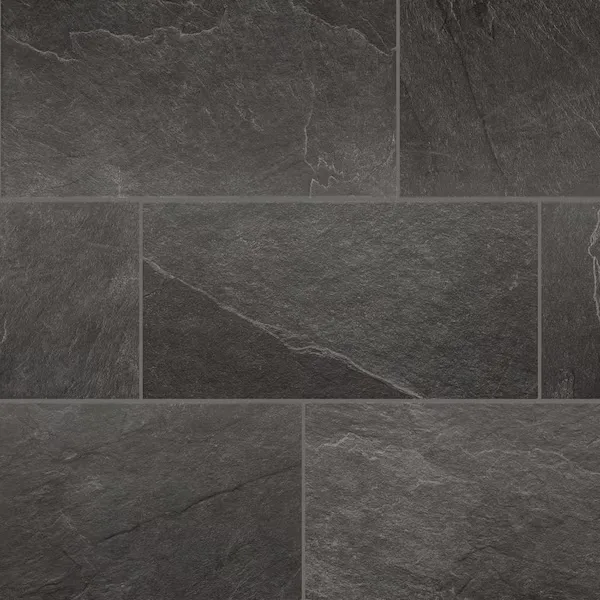
Slate Tile

Slate Tile

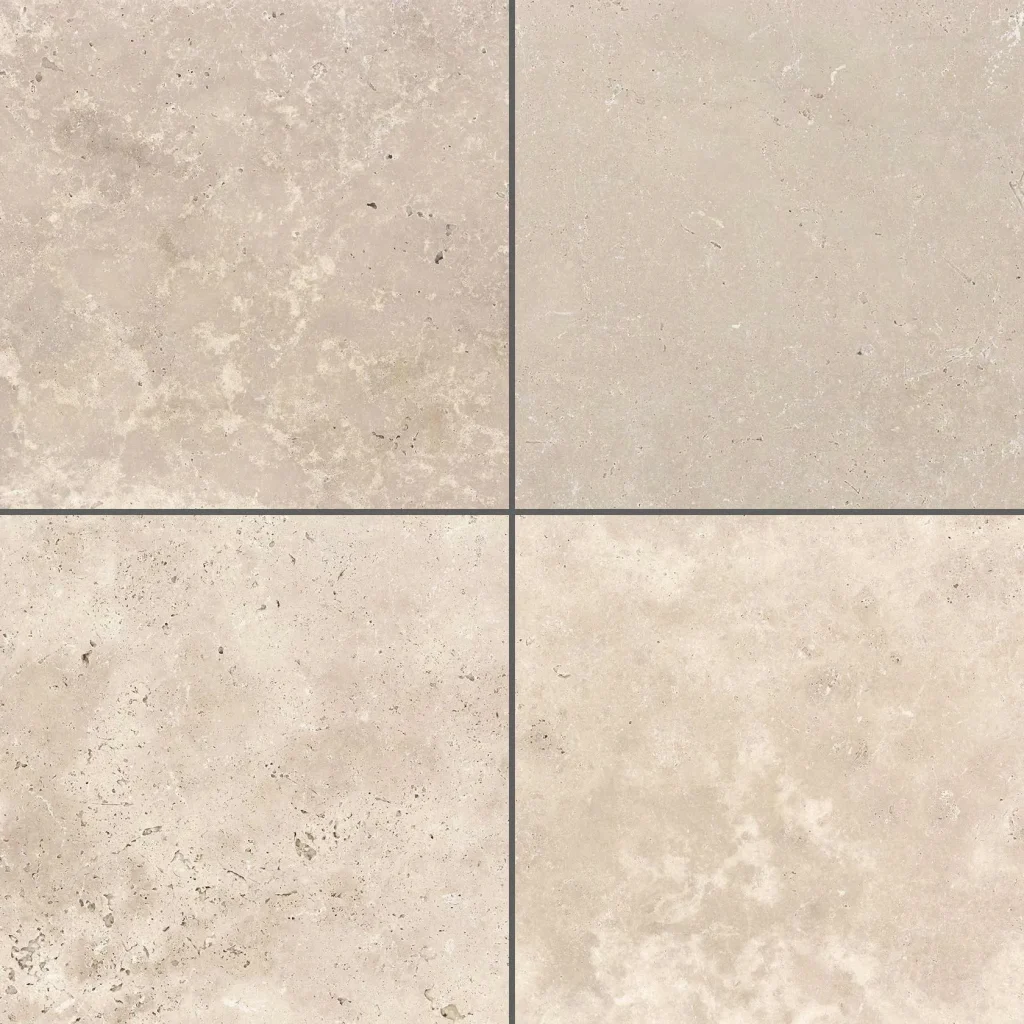
Travertine Tile

Travertine Tile

 iii) Glass Tiles:

Glass Tile

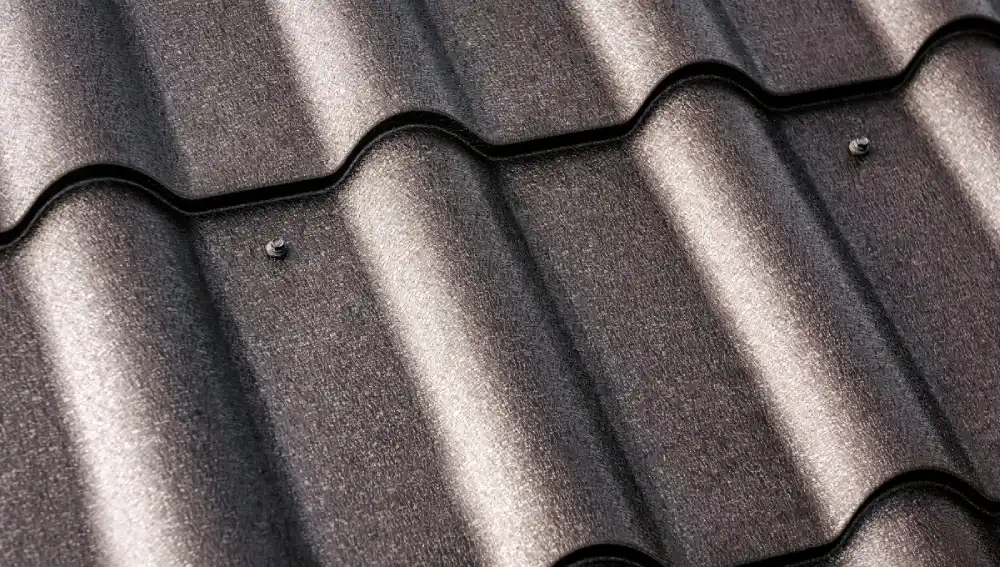
 iv) Metal Tiles:

Metal Tile

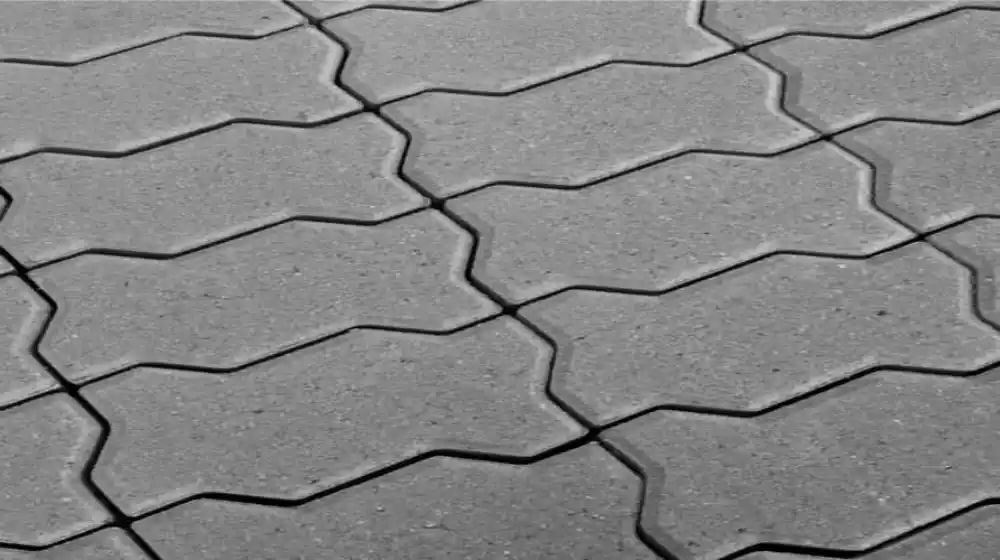
 v) Cement Tiles:

Cement Tiles

Based on the application, it is classified into three categories:

i) Floor Tiles:

white-floor-tiles

ii) Wall Tiles:

ceramic wall tiles

 iii) Mosaic Tiles:

Mosaic Tiles

Top 5 Ways to Check the Quality of Tiles

The tiles must maintain a certain standard to ensure they are safe for the flooring. Certain elements, like the ones below, can help you in choosing the tile’s based on their quality.

Visual Inspection:

By just looking over the tiles, you can able to check for some basic qualities.

  1. First, look for consistent color and texture across the entire surface of the tile.
  1. The second main criterion is shape. High-quality tiles will be perfectly square or rectangular, with straight edges and consistent thickness throughout. Check for any warping by placing the tiles on a flat surface.
  1. Check the surface quality by whether the glaze or finish should be smooth and free of cracks, holes, scratches, or chips.
  1. Lastly, gently tap two tiles together. A clear, ringing sound indicates a good-quality tile, while a dull sound might suggest a weaker tile.

Colour Consistency

The colour quality of tiles can be easily determined before installation by inspecting each against a standard one. High-quality tiles have a uniform colour throughout the floor during and after installation. Different colour patterns can cause aesthetic disorientation. 

Physical Test

Once the visual test is completed, the physical test can be performed. The physical test includes:

Tap Test 

A tap test is easy to determine whether the tiles are properly installed and stuck to the underlying surface. You need a rubber mallet or a coin for this test. Tap the tiles with the tool and listen to the sound. 

A high-pitched, clear sound indicates good adhesion, and a dull sound indicates weak adhesion. 

Scratch Test

Scratch resistance is a key quality of good tiles. The Mohs hardness scale is the standard rank used to check minerals’ ability to withstand scratches.

You can follow this DIY method to perform a scratch test at home. 

  • Take shards of unglazed ceramic, a hard coin (Mohs hardness 5-6), and a key.
  • Take the back side of the sample tiles or an area of tiles where making a scratch causes no drama.
  • Now scratch the tiles gently on the back side with even pressure.

If the tiles do not have scratches, they are highly resistant; that is, their Mohs hardness is six or higher. If the tiles are scratched smoothly, then they have a Mohs hardness of 5 or below. 

Water Absorption

High water absorption affects a tile’s durability, mainly if it is placed in a swimming pool or bathroom. Hence, measuring the water content of a tile is important. Here is a simple spot test to find it.

  • Add a few drops of water to the unglazed and back sides of the tiles. Check how the water gets absorbed or spreads through the tiles.
  • If the water is absorbed faster, then the tiles have a high absorption rate.
  • If the water takes a period to soak, then the absorption rate of the tiles is lower.

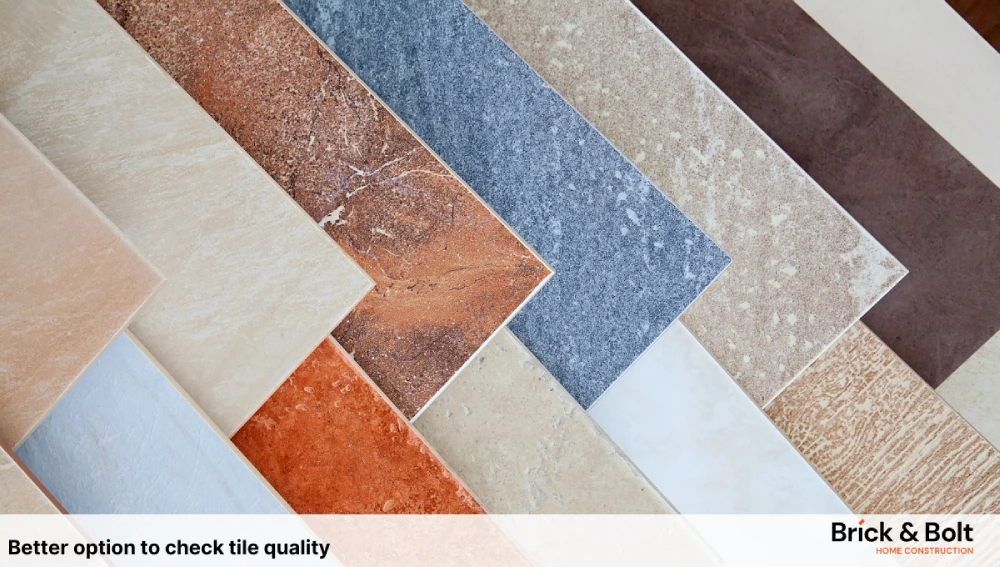
Which is a better option to check tile quality?

better option to check tile quality

The method of checking the tile quality depends on why the test is necessary in the first place.

  • The visual test helps to identify the quality of colour distribution throughout the tiles.
  • The tap test is used to check the installation quality of the tiles.
  • The scratch test is performed to understand the hardness of the surface and scratch resistance. 
  • A water absorption test gives you an idea of whether the tiles can be used in wet areas.

Each test is important as it ensures different aspects of the tiles.

Technical Specifications for Tile Quality

i) PEI Rating (for ceramic and porcelain tiles):

This rating system (established by the Porcelain Enamel Institute). This indicates that the recommended use for the tile is based on its durability and wear resistance.  

A PEI rating of 1 is for low-traffic areas like walls, while a PEI rating of 5 is suitable for heavy-traffic areas like floors.

ii) Water Absorption Rate:

A low water absorption rate is preferable, especially for areas exposed to moisture. This ensures the tiles are less susceptible to water damage and staining. 

iii) For specific materials like marble, you can find specific tests like the “lemon juice test” to check for calcite presence or examine the surface under angled light to identify artificial coloring.

Bonus Tips:

-When buying tiles, ask for a sample to inspect more closely.

-Purchase tiles from a reputable dealer who can provide information about the product’s specifications and warranties.

-If you’re unsure about tile quality, consult a professional contractor or salesperson.

Conclusion

To wrap up, checking tile quality will give you insights into the type of tile that you can use for your purpose. Additionally, visible and physical tests will help you get the best tiles for commercial or residential areas. 

You should perform the test under the guidance and consultation of professionals. You can also perform simple DIY tests using the sample tiles. 

FAQs

How can you tell tile quality?

A high-quality tile will have a uniform colour, sharp edges, structure, and cleanliness. 

How do you choose good-quality tiles?

You can choose good-quality tiles by looking at their colour, structure, water resistance, and scratch test.

What thickness of tile is best?

The thickness of the tiles should be between 9.5 mm and 10 mm.

Is 7-mm tile good?

The 7-mm tile is good; it can be used both indoors and outdoors and has strength without bulking.

Which floor tile is stronger?

Porcelain tiles are the strongest tiles.

How to Check Brick Quality: Tests & Methods for Construction

0
How to Check Brick Quality (1)

Quality bricks are the base of any strong and durable structure. Good quality bricks provide stability, longevity, and safety to your construction. Whether for a new home, commercial building, or any other kind of construction venture, high-quality bricks should be used. But how can you determine that the bricks you have are up to the standard? In this article, we are definitely going to discuss a lot of methods and tests that would be done with bricks so that one can judge the quality of the same, enabling one to make the right decisions so that one’s construction works are made to last for generations.

In this article, we will look at different steps to check the quality of bricks.

Easy Ways to Check Brick Quality 

There are two core ways through which you can test the quality of the bricks you intend to employ in your construction projects:

  • Visual inspection
  • Simple testing

Visual Inspection

It is a straightforward method often used to assess the quality of bricks based on their outward appearance. It tests the bricks’ size, shape, color, and hardness.

Here’s the checklist you need to consider during this process:

i) Check for uniform size and shape:

The bricks should be the same size and very similar in length, width, and height. Generally, 190 mm x 90 mm x 90 mm is regarded as the standard size of bricks, and for construction purposes, 200 mm x 100 mm x 100 mm is recommended.

ii) Look for sharp edges and smooth surfaces:

Good bricks should have neat edges and a plain face. They should not have cracks, roughness, or any kind of extrusion.

iii) Ensure there are no cracks or chips:

You need to examine each brick’s face carefully. Use your fingers to feel for cracks, chips, or fractures. Avoid bricks with powdery or flaky surfaces as they may suggest poor product quality or inadequate curing.

iv) Look for consistent colour and density:

These should also be smooth in texture without cracks, rough surfaces, or blotchy spots, and the colors should be constant throughout. 

Another important feature is that the density of the bricks should not differ much.

Simple Testing

In addition to visual inspection, simple tests can be performed to assess the quality of bricks further. This includes:

  • Tap test
  • Drop test
  • Crack test
  • Water absorption test

Tap Test

Gently tap with a hammer: 

Take a brick, clasp it with your hands, and hit it with a hammer or metal figure. A good-quality brick will produce a clear, ringing sound. 

A dull thud indicates a weak or damaged brick that may be worn, demolished, or have an extremely porous surface.

Drop Test

Dropping the brick from a height of about one meter: 

Place a brick in front of you at the level of your shoulders, then drop it onto a smooth concrete floor or a metal plate.

A high-quality brick should not break or crack upon impact. It should ideally withstand the Blow Plate Test without breaking or developing cracks.

If the brick has been impacted somehow and has shattered into pieces or cracks, this is due to poor quality or some inner flaw.

Crack Test

Check for any visible cracks or fissures:

Run the fingers along the face of the brick and around its perimeter for splitting or crazing.

Cracks can weaken a brick’s structural integrity. Bricks with multiple or excessive cracks should be eliminated, as they can barely meet the desired standard.

Water Absorption Test

Take the brick and measure its dry weight on an abacus or any weighing scale you have. Next, immerse the brick in water for 24 hours.

Measure the weight gain after soaking. In this case, let the brick rest in the air for 24 hours, blot the surface of the brick that came in contact with the water, and weigh the brick again.

A lower percentage of water absorption indicates higher quality because it indicates a denser structure and less porosity.

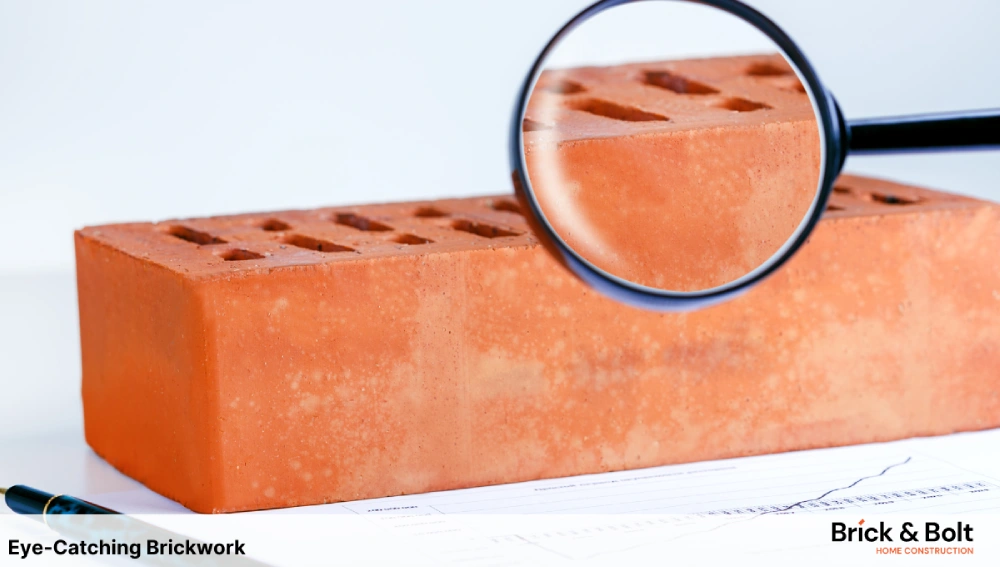
Which is a Better Option to Check Brick Quality?

How to Check Brick Quality (1)

Many methods can be employed to ensure the quality of bricks for your construction project. Each method has its advantages and provides different insights into the brick’s properties. Preferably, visual inspection, hardness test, water absorption test, and Efflorescence test, which check the presence of soluble salt, are some of the better options for checking brick quality.

Standard Guideline for Compressive Strength Test of Bricks

As per IS 3495-1 (1992) for Indian Standards, the minimum compressive strength of individual bricks should be 3.5 N/mm².

According to ASTM C67, brick strength varies based on type and use, typically ranging from 15-30 MPa (2175-4350 psi).

Conclusion

For brick quality, more than individual tests, a combination of these methods can provide the best brick for home construction. However, if you need to choose one method, the Compressive Strength Test is often considered the most reliable for ensuring structural integrity. It provides quantifiable data on the brick’s strength, which is crucial for construction projects. 

Despite being destructive and requiring special equipment, the insights gained from this test make it the superior option for checking brick quality. If immediate and surface-level inspection is needed, Visual Inspection combined with a Hardness test can give you quick and effective results.

FAQs

What is the best quality of brick?

The best bricks are the same size and shape. They are smooth and make a clear sound when tapped. They do not break easily, have few cracks, and soak up little water. They should also meet the required standards for strength, durability, and weather resistance.

How do you identify brick type?

Bricks can be classified into types depending on their material, colour, finish, and method of manufacture. Some types include clay bricks, concrete bricks, and even fly ash bricks.

What are poor-quality bricks called?Poor bricks are called ‘rejects’ or ‘bad quality bricks.’ They may be the wrong shape and size, have cracks, absorb more water, have weak structures, and have an uneven surface. These problems make them unfit for construction.