The construction industry is witnessing continuous growth. The demand for fundamental resources has doubled in recent times. Among them, M Sand is the talk of the town now. It is an artificial sand manufactured by crushing the hard stones into small sand-sized particles.
They act as a great alternative to traditional river sand primarily introduced in Tamil Nadu and Kerala. In order to meet the construction needs within the estimated budget, m sand comes as a handy solution.
Over time, it has gained a huge popularity among the builders and homeowners. In this article, we have listed the price range of m sand in different areas for your reference:
M Sand Price in various location
M sand price fluctuates due to certain significant reasons, herewith the cost of different cities is uncovered for your reference.
City
M Sand Price / Per ton (Approx)
Chennai
Rs. 1000 to 1300
Bangalore
Rs. 700 to 1200
Hyderabad
Rs. 1000 to 1300
Jaipur
Rs. 600 to 7100
Mysuru
Rs. 800 to 1200
NCR-Delhi
Rs. 1000 to 1300
Ghaziabad
Rs. 900 to 1200
NCR-Noida
Rs. 1100 to 1400
Pune
Rs. 800 to 3400
Factors Affecting M Sand Price
M sand price is influenced by several factors and some of the key aspects are listed below:
Transportation Challenges
Rock is the primary resource for M Sand production, if the availability is far away from the processing plant then the transportation cost may be high.
Source of Resource & Quality
The cost of rock is the primary deciding factor of M sand price. The locations of rock availability and its quality plays a crucial role. If the production cost is lower, the cost of M sand price will also be reasonable else it is vice-versa.
Energy Cost
The crushing and processing needs extensive energy, which costs significantly higher. Then it greatly influences the overall M sand price. It may vary from place to place based on the cost of raw materials and transportation.
Presence of Impurities
The impurities like dust, silt or any other organic deposit needs more processing. In general, M sand with lower impurities are considered as quality material, which costs higher than normal.
Government Regulations
The government may often pass regulations around mining and processing activity that may potentially influence the M sand price.
Conclusion
M Sand is a great alternative to river sand. It is cost-effective and usually available. Comparing the cost of M Sand across different dealerships and getting multiple quotes can help you choose the best M Sand dealer for your project.
We wish you the best of luck in finding a cost-effective and suitable M Sand dealership!
FAQs
1. Is M Sand a good alternative to river sand?
M Sand is a good alternative to river sand as it is more easily available, highly cost-efficient, and environmentally friendly than river sand.
2. What are the uses of M Sand?
M sand is useful in mixing with concrete and mortar mixes for non-load-bearing brickwork, block laying, and other construction needs.
3. What are the benefits of using M Sand?
The benefits of using M Sand include consistent grading quality, high strength, and reduced cost.
Investing in an under-construction property offers not only affordability but also significant tax benefits under the Income Tax Act 1961. Understanding these benefits can help you maximize your savings while fulfilling your dream of owning a home. In this guide, we delve into the details of Sections 24B, 80C, 80EE, and 80EEA, exploring how each provision can reduce your tax liability when buying an under-construction property in India.
Section 24B of the Income Tax Act allows for a deduction of up to Rs. 2 lakh per annum on the interest paid on a home loan for an under-construction property. This deduction becomes applicable from the financial year in which the construction of the property is completed and possession is taken. The deduction includes interest paid during the pre-construction period, divided over five years starting from the year of possession.
Key Points:
Amount: Up to Rs. 2 lakh per annum.
Eligibility: Available once possession is obtained.
Conditions: Property must be completed within 5 years from the end of the financial year in which the loan was taken.
Section 80C: Principal Repayment
Under Section 80C, you can claim a deduction of up to Rs. 1.5 lakh per annum on the principal repayment of the home loan for an under-construction property. This deduction can be claimed starting from the year in which the construction of the property is completed and possession is taken.
Key Points:
Amount: Up to Rs. 1.5 lakh per annum.
Eligibility: Available post-possession for principal repayment.
Conditions: Property must not be sold within 5 years from possession.
Section 80EE: Additional Deduction on Interest
Section 80EE provides an additional deduction of Rs. 50,000 per annum on the interest paid on a home loan, over and above the limit of Rs. 2 lakh under Section 24B, subject to certain conditions.
Key Points:
Amount: Up to Rs. 50,000 per annum.
Eligibility: Available for first-time homebuyers.
Conditions: Loan sanctioned between FY 2013-14 to FY 2016-17; property value not exceeding Rs. 50 lakh; loan amount not exceeding Rs. 35 lakh.
Section 80EEA: Further Deduction on Interest
Introduced to boost affordable housing, Section 80EEA offers an additional deduction of Rs. 1,50,000 per annum on the interest paid on home loans, beyond the Rs. 2 lakh limit under Section 24B and Rs. 1.5 lakh under Section 80C.
Key Points:
Amount: Up to Rs. 1,50,000 per annum.
Eligibility: Available for first-time homebuyers.
Conditions: Loan sanctioned between FY 2019-20 to FY 2021-22; property value not exceeding Rs. 45 lakh; carpet area limits apply.
Claiming Under-Construction Property Tax Benefits
To claim these tax benefits, ensure you have the necessary documents such as loan sanction papers, possession certificates, and completion certificates. File your tax returns accurately, mentioning the deductions under the relevant sections of the Income Tax Act.
Conclusion
Investing in an under-construction property not only offers financial benefits through lower prices but also significant tax savings through various provisions of the Income Tax Act. By understanding and leveraging Sections 24B, 80C, 80EE, and 80EEA, you can reduce your tax liability effectively while realizing your dream of homeownership. To construct your dream home with Brick & Bolt, contact us today and let’s build your future together.
Navigating the complexities of property transactions in India often requires understanding various legal documents, among which the No Objection Certificate (NOC) holds significant importance. Whether you’re buying, selling, or inheriting property, obtaining a NOC is crucial to ensure a smooth and legally sound transfer process. This guide explores everything you need to know about NOC, its role in property transfers, the steps involved in obtaining it, and key legal requirements. Understanding these aspects can empower you to navigate real estate transactions confidently and effectively.
What is NOC or No Objection Certificate?
A No Objection Certificate (NOC) is an essential legal document that signifies there are no objections to the details mentioned in the certificate. This document is critical in various transactions, particularly in real estate, where it serves as a validation from relevant authorities, confirming that they have no objection to the property transfer.
Importance of NOC in Property Transactions
In the context of property transactions, the NOC is indispensable. It is required from various authorities to ensure that there are no pending disputes or dues related to the property. Both buyers and sellers must understand the significance of obtaining a NOC to finalize property deals seamlessly.
Types of NOCs Required for Property Transfer
Depending on the circumstances and location, there are various types of NOCs needed to transfer property. Some of the common NOCs are described below.
NOC from Legal Heirs
If the owner of the property passes away, then the legal heir’s NOC should be obtained to transfer the property. The certificate is obtained to make sure all the legal heirs have no objection to the conditions stated in the property transfer document.
NOC from the Builder/Society
The NOC from the society in case of an apartment or rent details that there are no outstanding dues or balance payments in the tenant’s name. This could include property taxes or maintenance charges.
NOC from Local Authorities
In rare cases, to transfer a property, you might need NOCs from local authorities. These include the fire or electricity department. The NOC in this case will detail that the property has met the standards set by the government.
NOC from Bank
In case of a pending loan in the name of the property, it has to be repaid fully before the property transfer.
These are a few NOCs that play a vital role in property transfer. However, depending on the situation, the NOCs may vary. Do consult with a lawyer to understand your NOC type before property transfer.
Eligibility Criteria for Obtaining an NOC
Universally, there are no eligibility criteria for getting an NOC for property transfer in India. It is a document that just states that the conditions set by the issuing party are met.
However, certain criteria could be that as legal heir NOCs are considered, there should be no dispute between the heirs. For obtaining NOCs from society, the dues should be paid along with the maintenance fees.
Additionally, to get an NOC from the bank, the loans should be fully repaid and closed. These are some of the expected standards that are expected to be met for property transfer.
NOC from Beneficiaries for Transfer of Property in India
When a property owner passes away, legal heirs or beneficiaries need to acquire ownership of the property. The process is straightforward if a will is present. However, in the absence of a will, the succession laws apply. One critical document in this process is a NOC from other legal heirs, stating they have no objection to the transfer, ensuring transparency and fairness as guided by the procedural sub-rights under the Right to Property.
Key Points:
Presence of a Will: If a will exists, the transfer process is relatively simple, as the property is distributed according to the deceased’s wishes outlined in the will.
Absence of a Will: Succession laws come into play, and a NOC from other legal heirs may be required to facilitate the transfer and prevent disputes.
Women’s Rights: Under the Hindu Succession Act of 1956, amended in 2005, women have equal rights to inherit property, ensuring gender equality in property succession.
Obtaining NOC for Property Transfer
A NOC for property transfer can be issued by government organizations, banks, or individuals. It assures that the property transaction is free from legal issues.
Steps to Obtain a NOC:
Drafting the NOC: Create a draft of the NOC in a word document.
Stamp Paper: Obtain non-judicial e-stamp paper worth Rs. 100 from a sub-registrar office, court, or cooperative bank.
Printing: Print the draft on the non-judicial e-stamp paper.
Notary: Get the NOC notarized by presenting the necessary documents and paying a nominal fee.
Documents Required for NOC for Property Transfer
To obtain a NOC for property transfer, you need the following documents:
Photo identity proof and photographs of both buyer and seller
Statement of consideration for the property’s value
The process involves several steps, which are outlined in the table below:
Step
Description
1. Drafting
Create a NOC draft in a word document.
2. Stamp Paper
Obtain non-judicial e-stamp paper worth Rs. 100.
3. Printing
Print the NOC draft on the e-stamp paper.
4. Notary
Notarize the NOC by presenting the necessary documents.
NOC under RERA
Under the Real Estate (Regulation and Development) Act (RERA), developers or promoters need to obtain a NOC from the majority of homebuyers (at least two-thirds) for any transfer or assignment of a real estate project. This ensures transparency and protects the rights of all stakeholders.
Society NOC for Property Transfer
In a housing society, a NOC from the society is required for property transfers. This document confirms that the society has no objections to the transfer and that there are no outstanding dues or disputes related to the property.
Format for Society NOC
The format of a society NOC includes the following details:
Society’s name and address
Details of the seller and buyer
Property details
Confirmation of no pending fees or issues
Signatures of necessary parties
NOC from Collector
In certain states, properties on leased land from government authorities require a NOC from the collector. This ensures that the transfer or mortgage of the property is approved and legally sound.
Conclusion
A No Objection Certificate (NOC) is a vital document in property transactions. It legally certifies that there are no objections to the information mentioned within it, facilitating smooth and transparent property transfers. Whether you are a buyer or a seller, understanding the nuances of obtaining and using a NOC can significantly streamline your real estate transactions.
By following the outlined steps and ensuring all necessary documents are in place, you can effectively manage the property transfer process, ensuring legal compliance and protecting your interests.
FAQs
1. How do I write an NOC for a transfer of property?
It is just like writing a formal letter with details of the owner, property details, and signatures.
2. How do you write a no-objection certificate?
To write an NOC, make sure to stick with the aim of the NOC and include relevant details of people with signatures.
3. What is the format for a no-objection letter for a share transfer?
The format of NOC varies depending on its intent. But the basic format contains a from, to, subject of NOC and an explanation of the statement.
4. What is a NOC from the owner of the property?
From the owner’s point of view, a NOC is a legal document that does not disagree with things that take place on the property.
Patta is an important legal document that establishes the ownership of a land property. The details in the patta usually include the owner’s name, the location of the property, the ward number, block number, survey number, subdivision number, the area of the land property, and other information.
The details recorded in a patta might be required to be used in many circumstances of property management. So, it is essential to know the details of the patta and how to retrieve the needed information in case your patta does not include all the required details.
How Do You Find the Ward and Block Numbers for Patta?
The details in the patta record, like the ward and block numbers, must be maintained correctly to avoid future discrepancies. Each state in India has different mechanisms to help people extract details about their patta.
This article states the patta details accessing facilities of some of the states of India.
Here’s the step-by-step procedure to find the ward and block number:
1) Visit the Official Land Records Website.
Each state in India has an official land records portal where you can access Patta details.
For example, Tamil Nadu uses the Tamil Nadu e-Services portal.
2) Log in with your credentials or register if you are a new user.
3) Look for sections such as “View Patta & FMB/Chitta/TSLR Extract” or similar options.
4) Enter required details, such as the district, taluk, village, and Patta number.
5) Once the details are entered correctly, the Patta document will be displayed, including the ward and block numbers.
If online access is not possible, visit the local Revenue Department office or the Taluk office with the necessary property details and identification documents.
The officials can provide you with the Patta document, which will include the ward and block numbers.
Tamil Nadu
The state of Tamil Nadu offers both offline and online facilities to access patta details.
You can visit the Village Administrative Office or the Taluk office of the respective village or district where the land property is located and submit a duly filled and signed application form to the officer in charge of processing your request to provide your patta details.
In the online method, you must visit the government’s official website for e-services and enter the required information, such as the Taluk or village name, patta number, survey number, and other needed information. After submitting the proper credentials, you can get your patta details from the government repository online.
The state of Telangana offers an online facility to access Patta details. In Telangana, they use the term ‘Pahani or Adangal’ for Patta. Those land revenue records include details about the land, including ownership, extent, assessment, water rate, soil type, and nature of possession.
Visit the government’s official website, “MeeSeva,” beautifully coined based on the Telugu meaning “At Your Service,” and search for your ward number and other Patta details.
You can also visit a nearby Mee Seva center in person and ask the authorities to guide you through the patta entails retrieval process.
Karnataka does not provide ward and block numbers directly, but you can access your survey number and use it to get your ward and block details. They usually has ‘RTC (Record of Rights, Tenancy, and Crops) or Pahani’ document, which records details such as the owner’s name, details of cultivators, area, assessment, water rate, soil type, number of trees, and nature of possession of the land.
You can visit the nearest and respective Taluk office in person or use the official website and mobile application portal “Bhoomi” to get details on your patta survey number.
Patta documents in Rajasthan contain the ward and block numbers. If you still cannot find the required details in your patta, you can visit the nearby Urban Local Body or the respective Tahsildar office and submit your request for the patta details extraction.
The state of Maharashtra uses the ward and zone concept instead of the ward and block concept, which they call ‘Jamabandi or Bhulekh’. You can check the document itself to collect the required details, such as land ownership, cultivation, and land revenue.
You can seek the help of local authorities, such as the Gram Panchayat or Municipal Council, to collect information about your patta details.
You can also visit the government website for land records to learn about your patta details.
National Capital Region (NCR)- Delhi, Uttar Pradesh, and Haryana
Each state within the NCR region, Delhi, Uttar Pradesh, and Haryana, has its land record information maintenance mechanism.
In Maharashtra, it is called by the term ‘Satbara Utara (7/12 extract)’, where the details about the land, including the survey number, the name of the owner, the type of land, and the crop information.
In Haryana, it is known as ‘Jamabandi or Fard’. These are land records that include details about the owner, cultivation, area, rent, and revenue.
Whereas in Delhi, People spots the patta document as ‘Khatauni or Bhu-Naksha’. This document provides details about the land, including the owner’s name, area, and crop details.
And in Uttarpradesh, it is called as ‘Bhulekh or Khatauni’ in which Bhulekh includes details about land records, ownership, crop information, and land type.
You can access the state’s official website for land information or visit the respective Tahsildar office to retrieve your patta details.
The ward and block numbers of the Patta document are important for identifying and verifying the details in the property. Ideally, the documents containing these numbers should be a part of the Patta document, which can be availed from the revenue department or through the land records portal of the particular state.
One can make an inquiry in person at local revenue offices like the Tehsildar office, or one can also consult with local authorities. You necessarily have to be aware of the ward and block number for any property dealing at land level, and all dealings or legal matters. The details need to be cross-checked with official sources so as to retain accuracy and legality on property matters.
FAQs
How to find the survey number and subdivision number in Tamil Nadu?
Details such as the survey and subdivision numbers are typically in your land documents, such as the Patta, Chitta, sales deed, and others. You can visit the respective Taluk or Village Administrative Office to request your patta information if you cannot extract the required data from your patta. You can also use that platform if your government provides an online facility to access Patta details.
What details does Patta include?
Pattas typically include the name of the land owner, patta number, survey number, subdivision number, area of the land, classification of the land, taxes and dues, sources of acquisition, irrigation details, crop details, and other details.
How do you find the details of the land owner in Tamil Nadu?
Pattas in Tamil Nadu usually hold the details of the land owner. You can also get the information on the official Tamil Nadu Government’s e-Service Portal, “Anytime/Anywhere e-Services,” or visit the respective Village Administration Office or Taluk office and follow the due application process to get the required details.
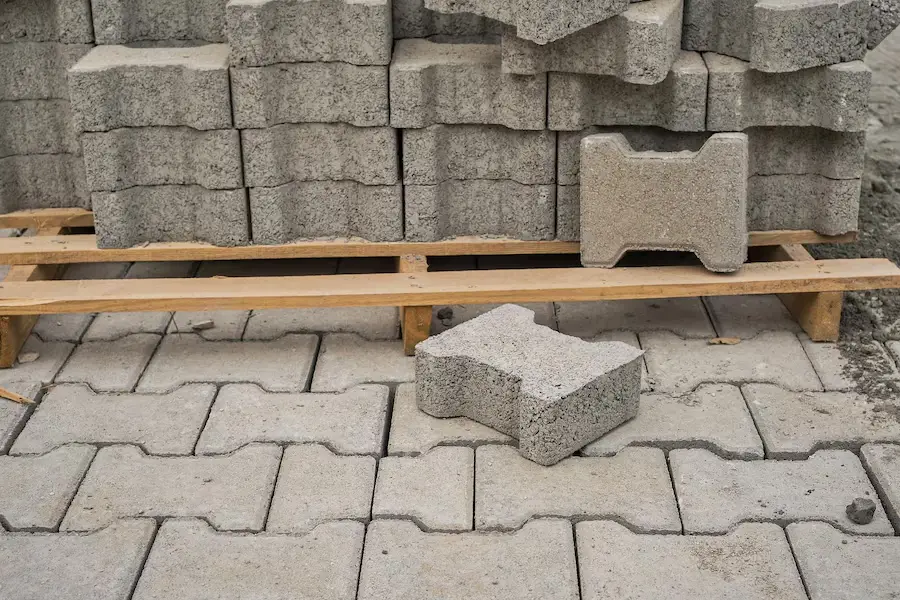
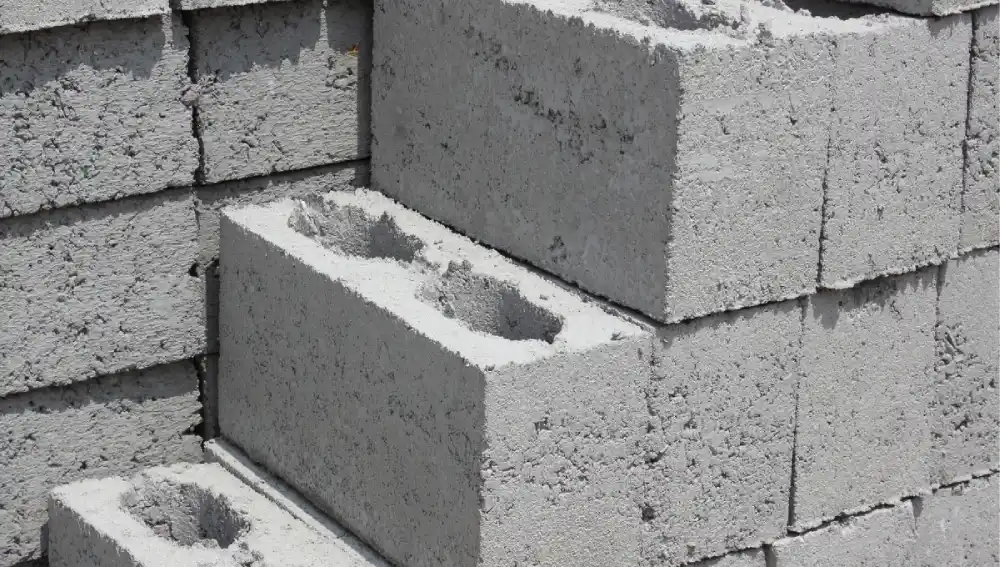
Cement brick is a kind of building brick that includes a mixture of cement and aggregates like sand formed in molds and cured. It is known for its comprehensive strength, enhanced durability and insulating properties.
In general, cement bricks are a superhero in modern buildings. They are strong, last for a long time, and can be used in many ways. To choose the right cement bricks, you have to consider a range of features. Among them, pricing is the primary query of homeowners, builders, and others involved in building works.
Whether it is a small or big project, estimation holds an immense part in it. So, to give you a piece of useful information, we have discussed the cost of cement bricks in different areas. It may assist you in making better decisions when purchasing.
Cement Bricks Cost
Herewith, the cost per brick has been mentioned city-wise. It may vary due to certain significant factors like location, manufacturing cost, demand and supply, etc.
City
Cost Per Brick (Approx)
Chennai
Rs. 38 onwards
Hyderabad
Rs. 20 to 30
Bengaluru
Rs. 28 to 34
Jaipur
Rs. 29 to 35
Mysuru
Rs. 27 to 32
NCR-Delhi
Rs. 36 to 45
NCR-Ghaziabad
Rs. 45
NCR-Faridabad
Rs. 45
NCR-Gurgaon
Rs. 36 and more
NCR-Noida
Rs. 40
Pune
Rs. 28
Factors Affecting Cement Brick Cost
Brick is a primary component of the construction process. The major point that every individual will consider is the overall cost estimation of building materials, especially the bricks which may often change due to many reasons. Here are some of the significant factors that directly link with the cement brick cost such as:
Transportation Cost: While buying cement bricks, the transportation cost is an unavoidable thing. It may affect the net price of every brick due to the distance between the construction site and the manufacturing unit. Consumers may escape from the higher cost by choosing the best supplier in their nearby locations if it all comes under your requirements.
Raw Materials Cost: The price of cement bricks is directly correlated with the price of raw materials like sand, cement and others. The hike in materials makes you find great differences in cost estimation of bricks.
Demand of Cement Bricks: The rise in demand increases the price of cement bricks drastically. While there is less demand, the cost of bricks will also decrease.
Weather Condition: The frequent change in weather condition will let you witness the price fluctuation. Probably, the rainy season greatly affects the price of cement bricks. It makes the manufacturing process more challenging like molding and drying may consume a lot of time.
Conclusion
The price of bricks can vary depending on factors such as location, availability, logistics, and more. Choosing the right kind of brick at an affordable price can be challenging at times. You can simply visit the online resources or meet vendors locally and get multiple quotes before proceeding with your decision to purchase.
We Wish You a Happy and Safe Building Venture!
FAQs
Does the cost of bricks vary across India?
Yes, the cost of bricks can vary across India. It may be due to significant reasons like availability, demand, transport, and more.
What are the different kinds of bricks available in India for construction?
The different kinds of bricks available in India for construction include clay bricks, concrete bricks, sun-dried bricks, sand lime bricks, and others.
Which brick is better for use in construction- sun-dried bricks or cement bricks?
Cement bricks and sun-dried bricks serve many purposes. You can choose cement bricks if you are looking for strong and load-bearing walls. Use sun-dried bricks if you are looking for low-cost and non-load-bearing bricks.
Fly ash bricks are green and sustainable. They are made of fly ash, lime, gypsum, and sand. These can also be adapted for all classes of building construction work, like the conventional burnt clay bricks. The demand for fly ash bricks has risen. This is because they are higher quality than normal bricks and eco-friendly.
What are Fly Ash Bricks?
Fly ash bricks are known as the best brick for fire resistant, Fly ash bricks are a sustainable alternative to clay bricks. They are made from the waste of coal burning in power plants. It is a sustainable and new solution for construction. It combines environmental care with practical benefits.
Fly ash bricks: Primary Constituents
Fly ash is one of the emissions caused by thermal power plants that are discharged in sanitation or landfills. Using fly ash to make bricks can solve problems. It can help with waste disposal and rational use of natural resources.
Lime: Used to bind the fly ash and other materials together.
Gypsum: Adds strength and texture to the bricks.
Sand: They are used as a mold control agent to reduce water absorption in the finished product.
Fly ash bricks: Properties
Appearance
Fly ash bricks have an even exterior. They come in specific sizes and structures for construction.
Thermal Conductivity
Fly ash bricks have low thermal conductivity and shield the building from heat. They make the building cooler in summer and warmer in winter. This log house saves a lot of energy for heating and cooling. So, it has little impact on the environment.
Sound Insulation
Fly ash bricks are also good at sound insulation. They are suitable for use in buildings where sound insulation is needed.
Resistance to Fire and Vermin
Fly ash bricks are also resistant to fire and vermin. Therefore, it is a safe and sound construction material to use.
Durability and Moisture Absorption
Fly ash bricks are very strong. They do not absorb water. This greatly reduces the chance of cracking and dampening from water.
Toxicity and Stability
Fly ash bricks are not toxic or flammable. They are harmless to the health of building occupants and assure them stability.
Cost of Fly ash bricks:
In India, fly ash bricks cost ₹3 to ₹7 per brick. Here’s a breakdown based on different criteria:
Basic Fly Ash Bricks:
These are standard-quality bricks used for general construction purposes.
Price Range: ₹3 to ₹4 per brick.
High-Quality Fly Ash Bricks:
These bricks have higher compressive strength and are used in structural applications where higher load-bearing capacity is required.
Price Range: ₹4 to ₹6 per brick.
Eco-Friendly and Designer Fly Ash Bricks:
Some manufacturers produce eco-friendly bricks with additional benefits like better insulation properties or designer finishes.
Price Range: ₹5 to ₹7 per brick.
Additional Costs
Taxes and GST:
The final cost of fly ash bricks may include Goods and Services Tax (GST). Currently, the GST rate on fly ash bricks is 5%. This tax needs to be factored into the overall cost calculation.
Delivery Charges:
Depending on the distance between the supplier and the construction site, additional delivery charges may apply. These charges can vary widely and should be discussed with the supplier before finalising the purchase.
Storage and Handling:
If bricks need to be stored for a period before use, there might be additional costs for storage facilities and handling. Proper storage is crucial to maintain the quality of a better brick.
Fly ash bricks: Advantages.
Fly ash is a substance created by burning coal. It cuts waste and is highly eco-friendly.
They are cheaper than normal clay bricks about the production cost.
The primary benefits are their high thermal performance and lower heat gain and loss, resulting in less energy for heating or cooling.
It brings good soundproofing features that make the panel suitable for use in structures that are supposed to have low noise transfer.
They offer great fire and rodent resistance. This guarantees the safety and strength of the site.
Fly ash bricks: Drawbacks
Fly ash bricks are produced with a smooth surface so the bonding strength of those bricks is low But it can be rectified with the help of mortar mixtures.
Another disadvantage is that fly ash bricks do not stand in cold climates and can easily delaminate because they absorb heat.
How fly ash bricks help in a sustainable environment
Reducing waste:
It helps to cut costs and waste by incorporating fly ash into the concrete, which is a product of coal burning.
Conserving natural resources:
This process conserves natural resources. For example, it saves clay burnt in normal production.
Lowering carbon footprint:
They also cut carbon emissions from construction by using a low-carbon material in the walls and by reducing the energy needed to heat and cool the inside spaces.
Improving air quality:
They help preserve the environment, improving air quality by reducing pollutants.
Uses and Applications
Fly ash bricks are mortarless construction materials. They are somewhat like common burnt clay bricks and can be used for masonry construction.
Some of its other applications include:
Making pavements
Dams
Tanks
Underwater works
Canal lining
Irrigation works
Conclusion
Fly ash brick is the best building material. It is preferred because of factors such as durability and low cost. It is also more relevant to the environment. Despite having certain limitations the benefits they bring make them suitable for many cost-effective and sustainable construction projects.
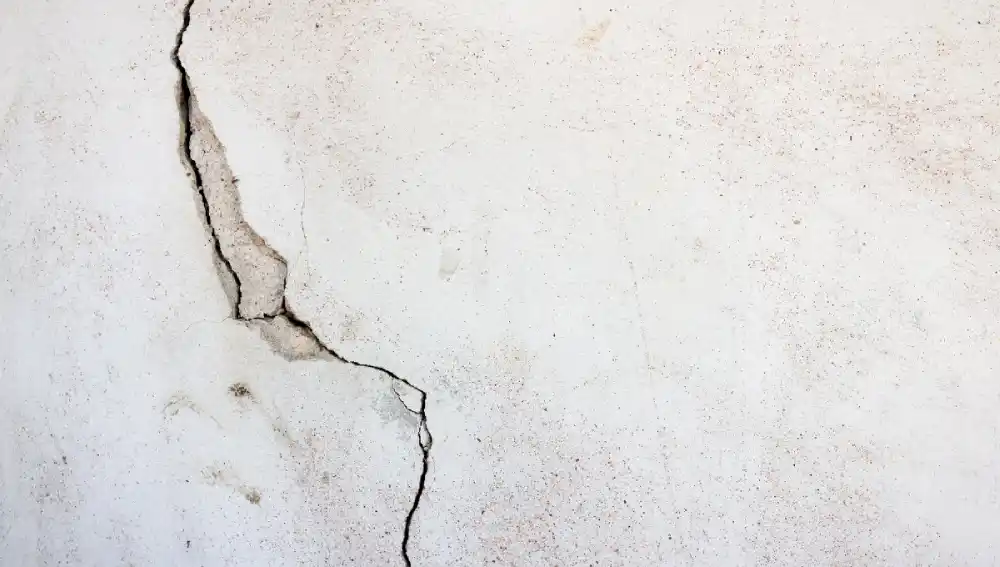
Cracks in walls are a common issue faced by homeowners. Filling these cracks is crucial. It keeps your home strong and pretty. This guide will show how to fill cracks in various wall types. Also, it will explain why it is important to fix these problems quickly.
How to Fill Cracks in All Types of Walls?
Different wall types require distinct repair techniques. Here’s a detailed look at how to fill cracks in drywall, concrete walls, and plaster walls.
Repairing a Crack in Drywall
Drywall/ gypsum board is a common material in modern construction. It is used for interior walls. Here’s how to repair cracks in drywall:
Clean the Crack:
Use a utility knife or scraper to remove loose material from the crack. It ensures that the surface is ready for the filler. Wipe the area with a damp cloth to remove dust and debris.
Tip: Be careful not to enlarge the crack unnecessarily.
Apply Joint Compound:
Using a putty knife, apply a layer of joint compound (also known as drywall mud) into the crack. Spread it evenly to ensure it fills the entire crack. Use wall putty to even out your walls before painting, hiding cracks, holes
Tip: Use a flexible putty knife to get a smooth finish for best results.
Insert Drywall Tape:
Place a piece of drywall tape over the crack while the joint compound is still wet. Press it down gently to adhere to the compound and smooth out any bubbles or wrinkles.
Tip: Use mesh tape for larger cracks, as it provides better reinforcement.
Apply Additional Layers:
Allow the first layer to dry completely. Apply subsequent layers of joint compound over the tape, feathering the edges to blend with the surrounding wall. Sand each layer smooth before applying the next.
Tip: Patience is key. Apply thin layers and allow each to dry thoroughly to avoid bulging.
Prime and Paint:
Apply a primer to the repaired area once the final layer is dry and smooth. After the primer dries, paint the area to match the rest of the wall.
Tip: Use the same type of paint (e.g., matte, satin) as the rest of the wall for a uniform finish.
Repairing a Crack in the Concrete Wall
Concrete walls are strong and durable but can develop cracks over time due to various factors. Here’s how to repair them:
Clean the Crack:
Use a wire brush to clean out the crack and remove any loose concrete. Wash the area with water to remove dust and let it dry.
Tip: Use a vacuum to remove dust and debris from inside the crack for deeper cracks.
Apply Concrete Patch:
Mix the concrete patching compound according to the manufacturer’s instructions. Use a trowel to fill the crack with the compound, pressing it in to ensure it fills.
Tip: For large cracks, you may need to apply the compound in layers, allowing each layer to set before adding the next.
Smooth the Surface:
Smooth the surface of the patch with the trowel. Feather the edges to blend the patch with the surrounding concrete.
Tip: Use a damp sponge to smooth the surface for a cleaner finish.
Cure the Patch:
Allow the patch to cure per the instructions, typically for a few days. Keep the area moist during the curing process to prevent the patch from quickly drying and cracking again.
Tip: Cover the patch with a plastic sheet to retain moisture during curing.
Seal the Patch:
Once cured, apply a concrete sealant to protect the patch and prevent future cracking.
Tip: Use a sealant suitable for exterior or interior use, depending on the location of the repair.
Repairing a Crack in Plaster Wall
Plaster walls, often found in older homes, require a specific approach for repair. Here’s how to fix all types of cracks in plaster walls:
Clean the Crack:
Use a utility knife to widen the crack slightly to create a V-shaped groove. This helps the filler adhere better. Remove any loose plaster and dust.
Tip: Be gentle to avoid causing further damage to the surrounding plaster.
Apply Plaster Filler:
Use a putty knife to fill the crack with plaster filler. Press it firmly into the groove and smooth it out.
Tip: For deeper cracks, apply the filler in layers, allowing each layer to dry before adding the next.
Apply Reinforcement Tape:
Place a piece of mesh tape over the crack while the filler is still wet. Smooth it out to remove any air bubbles.
Tip: Mesh tape provides better adhesion and support than paper tape.
Apply Additional Layers:
After the filler dries, apply additional layers of plaster over the tape. Sand each layer smooth before applying the next.
Tip: Use fine-grit sandpaper for a smoother finish.
Finish and Paint:
Sand the final layer smooth. Apply primer and then paint to match the surrounding wall.
Tip: Use a paintbrush for small areas and a roller for larger sections to ensure even coverage.
Why is Crack Filling Important?
Filling cracks in walls is crucial for several reasons:
Structural Integrity:
Cracks weaken walls. They cause more damage over time. Small cracks can develop into larger issues if not addressed promptly.
For example, a small crack in a concrete wall can grow if not fixed. It happens because of moisture. It can eventually make the wall unstable.
Preventing Water Damage:
Unfilled cracks can allow moisture to seep into the walls, causing water damage and promoting mold growth. Moisture can weaken wall materials and lead to health hazards.
For example, water seeping through cracks can damage interior walls in humid or rainy areas. This damage leads to costly repairs.
Aesthetic Appeal:
Cracks need to be more light and can detract from the appearance of your home. Filling cracks keeps your walls looking good. It makes your home look well-maintained.
For example, smooth, crack-free walls make your living spaces beautiful. Whether it’s a freshly painted living room or a clean exterior is true.
Energy Efficiency:
Cracks can cause drafts and heat loss. It reduces your home’s energy efficiency. Filling cracks helps maintain a consistent indoor temperature and reduces energy bills.
For example, In winter, cracks in walls can let in cold air. It makes your heating system work harder and raises your energy costs.
Property Value:
Explanation: Well-maintained walls help preserve the value of your property. Potential buyers or renters care more about a property that looks sound and looks good.
For example, visible cracks can be a red flag for buyers when selling a home. They might lower the property’s value.
Causes for Cracks in Wall
Understanding the causes of wall cracks can help prevent and maintain your walls.
Moisture and Water Damage
Water can leak from pipes, drain poorly, or be too humid. It can make the wall’s materials expand and contract, causing cracks.
Elastic Deformation
Materials like concrete and plaster can deform elastically under stress. Temperature changes and load variations can cause expansion and contraction, resulting in cracks.
Creep
Creep is the slow, continuous deformation of materials under constant stress. Over time, Creeps in concrete will lead to cracks.
Chemical Reactions
Chemical reactions happen in the wall materials. For example, rust forms in steel reinforcements. This reaction can cause the materials to expand and crack.
Foundation Movement & Soil Settlement
Movement in the foundation or settling soil beneath the building can cause big shifts and cracks in the walls. It is common in areas with poor soil conditions or inadequate foundation support.
Growth of Vegetation
Roots from nearby trees and shrubs can grow into the foundation and walls, exerting pressure and causing cracks. It’s essential to manage vegetation growth near buildings to prevent such damage.
Conclusion
Filling cracks in your walls is essential. It maintains the safety, appearance, and value of your home. You can understand the methods for fixing cracks in different wall types and their causes. This knowledge will help you protect your property. Follow the recommended procedures. It will ensure a lasting and effective repair. Ensuring your walls are crack-free will enhance the look of your home and contribute to its longevity and overall comfort.
Selling land is rewarding but complex. It requires careful planning. It demands strategic marketing. And, a thorough understanding of the real estate market. You may be selling a vacant lot, farmland, or a large tract of land. This guide will lead you through each step to guarantee a successful sale.
Preparing Your Land for Sale
Assessing the Property
Before listing your land, assess it well. Understand its value and potential. Key factors to check include:
Size and Shape: Measure the land well. Note its shape. Irregular plots can harm its desirability.
Topography and Soil Quality: Document the terrain, drainage, and soil. This is especially important if you’re selling farmland or a Farmhouse plot
Zoning and Land Use Regulations: Check local zoning laws. They show what uses are allowed. This affects the buyer’s interest.
Utilities and Access: Make sure water, electricity, and sewage are available. Also, ensure that there is road access or it is easily accessible.
Improving Curb Appeal
Like homes, land can also enjoy improving its curb appeal. Here’s how to make your land more attractive to buyers:
Clean and Clear:
Take out the trash, debris, and overgrown plants. To make the land look better, think about grading it or cutting it shorter.
Define Boundaries:
Clearly mark property lines with stakes or fences. This makes it easy for buyers to see the plot.
Highlight Features:
If your land has unique features, such as a water body, mature trees, or scenic views, highlight and use them.
Ensure the deed and title are clear of any liens or disputes.
Survey:
A recent survey provides precise boundaries and can reassure potential buyers.
Permits and Approvals:
If applicable, have permits for utilities, zoning changes, or environmental assessments readily available.
Determining the Price
Conducting a Comparative Market Analysis (CMA)
A Certified Market Analyst (CMA) helps set a good asking price. It does this by comparing your land to similar properties that have been sold recently in the area. Here’s how to conduct a CMA:
Identify Comparable Properties:
Look for land with similar size, location, and features.
Analyze sale prices.
Review the sale prices of comparables to establish a price range.
Adjust for differences:
Make adjustments for any unique features or deficiencies of your property.
Professional Appraisal
For a more precise valuation, consider hiring a professional appraiser. They use many methods to assess land value. They provide a detailed report. This can help set an accurate price and negotiate with buyers.
Marketing Your Land
Creating a Compelling Listing
A well-crafted listing can attract serious buyers. Ensure your listing includes:
Highlight key features, potential applications, and any recent improvements.
Include clear, high-resolution images in the photos. They should show the land from various angles and its surrounding areas.
Provide maps and survey documents to help buyers understand the layout and dimensions.
Online Platforms and Real Estate Websites
Leverage online platforms to reach a wider audience. Popular sites include:
Zillow and Realtor.com: Ideal for residential and small commercial plots.
LandWatch and Land And Farm: Specialized sites for selling rural and agricultural land.
List your property with the local MLS. This will help you reach real estate agents and buyers.
Social Media and Networking
Use social media platforms like Facebook, Instagram, and LinkedIn to market your land. Join local real estate groups and forums. They are where you can connect with potential buyers and investors.
Traditional Marketing Methods
Don’t forget about the old-school ways:
Stick some signs on the property with your contact information. Simple and effective.
Put ads in your local newspapers. Also, put them in real estate magazines and on community bulletin boards. You never know who might see them!
Send out some flyers or postcards to potential buyers or developers. It’s a personal touch that can make a difference.
Working with Professionals
Real Estate Agents
Consider hiring a real estate agent who specializes in land sales. They bring market knowledge, negotiation skills, and a network of potential buyers. Make sure the agent has experience with similar properties. They should also have a track record of successful sales.
Legal and Financial Advisors
Consult with legal and financial advisors. They will help you navigate the complexities of selling land, including:
Ensure all contracts are legally sound and protect your interests.
Understand the tax results of the sale. Also, look for benefits or exemptions.
Prepare for a smooth closing. Have all the necessary documents and payments ready.
Negotiating and Closing the Sale
Handling Offers
When you receive offers, test them based on:
Price: Compare the offer price with your asking price and market value.
Terms: Consider the terms of the offer, including contingencies, financing, and closing timeline.
Buyer’s Qualifications: Assess the buyer’s ability to purchase. This is especially important if they require financing.
Negotiating Terms
Be prepared to negotiate to reach a mutually beneficial agreement. Key aspects to negotiate include:
Be open to fair price cuts. Cut the price based on market conditions and buyer feedback.
Negotiate contingencies related to financing, inspections, or zoning approvals.
Decide who will pay the closing costs. These costs include title insurance, attorney fees, and transfer taxes.
Finalizing the Sale
Once you have reached an agreement, proceed towards closing.
Sign the Buy Agreement: Both parties sign the agreement. It outlines all terms and conditions.
Conduct Due Diligence: The buyer can do any inspections, surveys, or assessments. They can do them during the due diligence period.
Close the Deal: On the closing date, sign the needed documents. Then, transfer the deed and get paid.
Post-Sale Considerations
Tax Reporting
Report the sale of your land to the appropriate tax authorities. Keep records of the sale price. Include the costs of the sale and any capital gains. Do this for tax reporting.
Transferring Utilities and Responsibilities
Transfer any utilities or duties, like property taxes, to the new owner. Provide them with contact information for local utility companies and authorities.
Reflect and Review
Reflect on the sale process and review what worked well and what could be improved. This experience can be valuable for any future real estate transactions.
Conclusion
Selling a land property involves careful preparation, strategic marketing, and effective negotiation. By following the steps outlined in this guide, you can maximize your chances of a successful sale. Remember to assess your land well. Set a good price. Use many marketing channels. Work with pros to navigate the complexities of the sale. With diligence and planning, you can have a good outcome. You can also capitalize on your land investment.
FAQ’s
1. What Is The Fastest Way To Sell The Land?
If you wish to quickly sell your property, you can do it through auctions, price your land below the competition, or advertise it widely to reach a wider audience.
2. What Is The Best Strategy For Selling A House?
Here are some strategies you can use to sell your house. Price your house competitively Partner with a skilled real estate agent Declutter and create a visual appeal for your home Highlight your house’s unique features
3. How Quickly Do Most Houses Sell?
There is no exact time it takes to sell a house. Some might sell faster, and some might take years to be sold. The average time it takes to sell a property is around 4–6 months.
Remembering the value of a property’s land is important. It helps with investing, planning, and property taxes. Valuing land can be tricky because lots of things affect how much it’s worth. This guide will help you understand how to find out how much a piece of land is worth.
1. Understanding Land Value
Land value refers to the worth of a plot of land, excluding any structures or improvements on it. Many factors affect land value. These include location, size, zoning rules, and market demand. Understanding these factors is essential for accurately determining the value.
Factors Influencing Land Value
Location: Proximity to amenities, schools, transportation, and commercial centers significantly impacts land value.
Size and Shape: Bigger plots and regularly-shaped parcels often have higher values. This is due to their potential for development.
Zoning Regulations: Zoning laws dictate how the land can be used. They affect how desirable and valuable it is.
Market Demand: The value can go up or down due to the economy, local market trends, and local land demand.
Topography and Soil Quality: Flat, well-drained land has good soil. It’s usually more valuable than hilly, rocky, or swampy areas.
Utilities and Infrastructure: Access to utilities can include water, electricity, and sewage. It can increase land value. So can access to infrastructure like roads and sidewalks.
2. Methods to Determine Land Value
Comparative Market Analysis (CMA)
A Comparative Market Analysis involves comparing the land to similar properties. They have recently sold in the same area. Real estate professionals commonly use this method. They use it to estimate the land’s value.
Steps for Conducting a CMA
Identify comparable properties. Find recent sales of similar land parcels in the vicinity. Ensure that they are comparable in size, location, zoning, and other relevant attributes.
Adjust for differences. Make adjustments for any differences between the subject land and the comparable properties. This could include variations in size, location, or amenities.
Analyze Sale Prices: Look at the sale prices of the comparable properties to establish a price range for the land.
Calculate Average Price: Find the average price per square foot or acre from the comparable properties. Then, apply it to the subject land’s size to estimate its value.
Land Residual Method
The Land Residual Method calculates land value based on potential income. This income comes from developing the land. This method is particularly useful for commercial properties.
Steps for Using the Land Residual Method
Estimate Gross Income: Project the potential income from the highest and best use of the land.
Deduct Operating Expenses: Subtract estimated costs and taxes from the income to find the net.
Determine Capitalization Rate: Choose an appropriate capitalization rate (rate of return) based on market conditions.
Calculate Residual Land Value: Divide the net income by the capitalization rate to determine the land value.
Allocation Method
The Allocation Method involves splitting the land’s value from the value of the improvements. These are the buildings and infrastructure on the property. This method is useful when comparable sales data is limited.
Steps for Using the Allocation Method
Determine Total Property Value: Use market data or an appraisal to find the property’s value. This includes the land and improvements.
Estimate Improvement Value: Calculate the value of the improvements. This is based on their cost, depreciation, and market conditions.
Subtract Improvement Value: Subtract the improvement value from the total property value. This isolates the land value.
Extraction Method
The Extraction Method is also known as the Abstraction Method. You subtract the depreciated value of any improvements from the total property value. This method is like the Allocation Method. But, it focuses more on depreciation.
Steps for Using the Extraction Method
Appraise Total Property Value: Obtain an appraisal or market value of the entire property.
Estimate Depreciation of Improvements: Assess the depreciation of the existing structures and improvements.
Subtract Depreciated Improvement Value: Subtract the lost value of improvements from the total property value. This shows the land value.
3. Tools and Resources for Valuing Land
Online Real Estate Marketplaces
Websites like Zillow, Redfin, and Realtor.com provide data. They show recent land sales and current listings. This data can be useful for doing a CMA.
Geographic Information System (GIS) Maps
Many local governments offer detailed GIS maps. They show information about land parcels, such as zoning, topography, and infrastructure. These maps are helpful for understanding the characteristics of the land.
Professional Appraisers
Hiring a pro appraiser provides a thorough and fair land valuation. Appraisers use many methods. They have access to lots of data. This ensures a more accurate assessment.
Public Records and Databases
You can get the value of a property from county assessor’s offices and public records. They also have its sales history and tax assessment info. It can help in finding land value.
Practical Tips for Accurate Land Valuation
Stay Informed About Market Trends: Monitor real estate market trends for updates. Watch economic conditions that can impact land values.
Consult Multiple Sources: Use both methods and resources to check and verify your land value estimates. Also, consider future possibilities.
Consider Future Potential Check the future potential of the land. This includes possible zoning changes, development projects, and economic growth in the area.
Engage with Local Experts: Local real estate agents, appraisers, and developers have valuable insights. They know the local market and can provide guidance.
Account for Environmental Factors: Be aware of any environmental factors. Also, watch for restrictions that may affect the land’s usability and value.
Conclusion
Finding the land value of a property requires a comprehensive approach. It considers many factors and uses various valuation methods. It is essential for making informed decisions. This is true whether you are an investor, owner, or developer in real estate. In case you are selling your land property you must understand how to accurately value land. You can value land precisely. Use tools like CMA, the Land Residual Method, Allocation Method, and Extraction Method. Also, by using resources like online marketplaces, GIS maps, and professional appraisers.
Remember, valuing land is not exact. It can be influenced by subjective factors and market changes. So, it is crucial to stay informed. Consult experts and use a mix of methods. This ensures the most accurate land value assessment.
Granites are popular among people who want to add a sleek and neat look to their houses. Their durability and stain resistance make them popular choices for staircases.
There are many types and colors of granites you can choose for your staircases in India. Before choosing the granite it’s important to understand the granite flooring. In this article, let’s look at some of the top granite models you can have in your staircase. We’ll also look into the advantages of using granites for stairs.
Top 10 Granites For Staircases
Black Galaxy Granite
Black Galaxy Granite is ideal for staircases. It is exceptionally durable and stunning. Its hardness makes it resist scratches, chips, and cracks. This ensures longevity, even with heavy foot traffic. The black background is deep. Black Galaxy granite is one of the most elegant types of granite, It has shimmering golden and silver specks. They add a touch of luxury and elegance to any staircase. Also, it needs little maintenance. This makes it a practical option for homes and businesses. Black Galaxy Granite blends with many design styles. It enhances the overall beauty of your interior.
Kashmir White Granite
Kashmir White Granite is great for staircases. It’s tough and looks good. The granite is light with gray and red specks. It brightens staircases, making them look more open and inviting. The granite’s slight texture adds a slip-resistant quality, enhancing safety on staircases. Additionally, it needs little maintenance. This makes it a practical choice. It keeps your staircase beautiful and functional with little work. Kashmir White Granite fits many interior designs. It adds elegance to any staircase.
Imperial White Granite
“But what if I want a more striking white color for my granite?” No worries, here is the right granite choice for you.
The imperial white granite is known for its striking color and luxurious aesthetic. This color is not too white and leans more towards light cream or off-white. Its main specialty is the veins of grey and pink running through its surface.
It complements many design styles. So, it’s a great choice for both modern and traditional interiors.
Tan Brown Granite
Tan brown is a popular choice in houses where warm brown tones are preferred over bright white tones. This granite is also known as Indian Brown Granite.
Its ability to hide dirt and minor imperfections ensures the staircase remains clean. It keeps its pristine look with little work. Its versatility allows it to complement both traditional and contemporary interior designs.
Even Tan Brown Granite in India varies in cost based on quality, thickness, and supplier. On average, the price ranges from ₹300 to ₹600 per square foot, including installation. Higher quality slabs with unique patterns or thicker cuts may cost more.
Absolute Black Granite
Absolute Black Granite is great for staircases. It is very durable and hard. It can withstand heavy foot traffic. It has a sleek, polished surface. This gives it a modern and elegant look. It enhances the beauty of any space. This granite is non-porous. It resists stains and moisture. This makes it easy to maintain. Its dark color hides dirt and scratches well. It keeps a clean look over time. Additionally, Absolute Black Granite has a timeless, sophisticated look. It complements many interior styles. Its cost-effectiveness, given its long-lasting nature, makes it a practical investment for homeowners.
The cost of Absolute Black Granite in India can range from ₹ 150 to ₹ 230 per square foot.
The price can vary based on:
the thickness and finish (polished, honed, etc.)
whether it is local or imported granite.
Steel Grey Granite
Steel Grey Graniteis an excellent choice for staircases due to its durability and resistance to wear and tear. Its dark, neutral color complements various interior styles, making it a versatile option for any home. The granite’s dense composition ensures it can withstand heavy foot traffic without losing its aesthetic appeal.
Additionally, Steel Grey Granite is easy to maintain, requiring minimal effort to keep it looking pristine. Its non-slip surface provides added safety, crucial for staircases. The natural beauty of the granite adds an elegant touch to any staircase, enhancing the overall look of your home.
With its long-lasting qualities and timeless appearance, Steel Grey Granite is a practical and stylish choice for staircase construction.
Red Multicolor Granite
This unique stone offers a surprising combination of practicality and personality. Like all granites, it’s very durable. It resists scratches and everyday wear on busy staircases. For safe footing, choose a textured finish that provides good traction.
Just remember, the bold colors need to complement your existing décor to avoid clashing. The Red Multicolor Granite is a great choice for your staircase. It’s a statement piece that’s durable and has stunning visuals.
Vizag Blue Granite
Vizag Blue Granite, also known as Srikakulam Blue Granite, is an excellent choice for staircases. Its captivating blue-grey color with reddish-brown spots adds a unique aesthetic appeal.
The presence of white and grey veins running through the granite enhances its visual interest. This stone is highly durable, making it suitable for high-traffic areas like staircases. Its resilience ensures it withstands daily wear and tear while maintaining its beauty.
Additionally, Vizag Blue Granite is easy to clean and maintain. Its elegant appearance complements various interior styles. With its combination of durability and stunning visuals, it is a practical and stylish option for staircases.
Hassan Green Granite
Hassan Green Granite, quarried from Hassan, Karnataka, is an ideal choice for staircases. Its dark green color with a medium-grained texture provides a forest-like appearance that adds natural elegance to any space.
This granite’s durability makes it perfect for high-traffic areas like staircases. It resists wear and tear, ensuring a long-lasting surface. The granite’s texture offers good traction, enhancing safety on the stairs.
Its rich, dark color complements various interior styles. Additionally, Hassan Green Granite is easy to maintain and clean. Its unique blend of beauty and durability makes it a superior choice for staircases.
Granite Advantage for Stairs
Durability
Contractors use granite. It is one of the hardest stones in construction. They use it in various building projects. It withstands scratches, stains, and damage, remaining in good condition.
Safety First
Granite is slip-resistant, so you won’t slip when trying to climb up or down the stairs. You can also make the edges more curved. This reduces their sharpness and makes them safer.
Aesthetics That Endure
Granite has a lustrous appearance that appeals to the observer. It is also durable and less porous. It is an excellent choice for individuals who seek long-lasting home materials.
FAQs
1. Which Is Better For Stairs, Granite Or Tiles?
For stairs, granite is often better than tiles. Granite resists scratches and chips, bearing heavy foot traffic with ease. It offers timeless beauty and comes in various styles.
However, granite is heavier and more expensive than tiles. Opt for tiles as a cost-effective alternative.
2. Which Is More Costly, Granite Or Tiles?
Granite is generally more expensive than tiles. Granite is a luxurious natural stone. Manufacturers make tiles from diverse materials, offering affordable ceramic options. Granite may cost more. However, its durability can make it a good long-term investment.
3. Are Granite Stairs Expensive?
Yes, granite stairs can be expensive. They give a more premium look compared to other materials. The cost depends on factors like granite type, size of your stairs, and finish.