Home Blog Page 76

Reinforcement In Construction: Types & Importance

0
Reinforcement

Reinforcement in construction means strengthening materials. Concrete reinforcement is the primary purpose. We add more elements to make the materials tougher. This skill is crucial in modern construction. It ensures that buildings and infrastructure can handle many stresses. They can handle loads over time. Reinforcement is essential for creating safe, long-lasting, and resilient structures.

Importance of Reinforcement in Modern Construction Practices

Reinforcement is vital in modern construction for several reasons:

  • It enhances concrete’s tensile strength because concrete is naturally weak in tension.
  • Structures strengthened to boost durability against wear. This prolongs their lifespan.
  • Reinforced structures are stronger and more dependable. They are less likely to collapse and keep occupants safe.
  • It enables innovative architectural designs. It helps to make complex towers and other advanced buildings.

What is reinforcement in construction?

reinforcement in concrete

Reinforcement in construction involves making concrete stronger. Adding materials like steel bars or rebars and reinforced polymers accomplishes this. These materials resist tension, compression, and shear. They make concrete structures much more durable and robust.

By reinforcing concrete, engineers can reduce cracks and fractures and increase its load capacity. This strong capability makes reinforced concrete suitable for many construction uses, including buildings, bridges, dams, and roads. These materials strengthen concrete against many stresses, improving its performance and extending.its life in construction projects.

What is the role of reinforcement in concrete?

Reinforcement is essential. It ensures that buildings and other structures are strong. They can then withstand forces and stay standing. This added strength comes from adding metal bars to the concrete. This addition enhances the concrete’s ability to resist bending, cracking, and collapse.

Adding materials like steel or fibres to the concrete increases its structural capacity. This ensures that the concrete will be resilient and durable for a long time.

How Reinforcement is Used in Construction Projects

Various construction projects use reinforcement in different ways.

  • Workers pour concrete around steel bars (rebars) or mesh. The World Wide Federation calls this reinforced concrete. This creates reinforced concrete. It is commonly used in beams, columns, and Two-way slabs.
  • Prestressed Reinforced Concrete, it  applies tension to the reinforcing materials before pouring the concrete. This enhances the structure’s ability to bear weight. It leads to a more robust and durable construction.
  • Fiber-Reinforced Concrete: Fibers are mixed into the concrete. They make it stronger and more crack-resistant.

Types of Reinforcement Materials
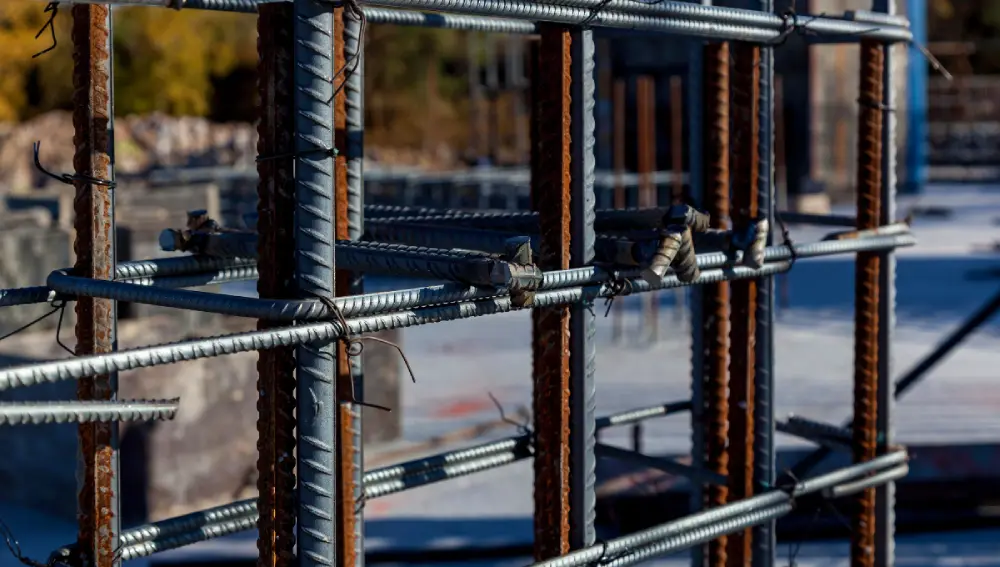
Type of Reinforcement Materials

Steel Reinforcement:

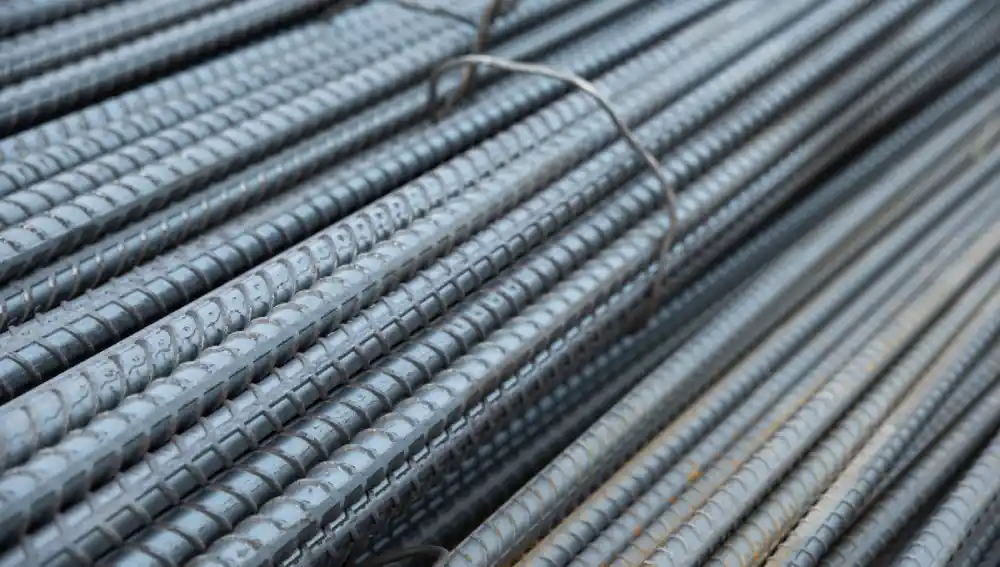
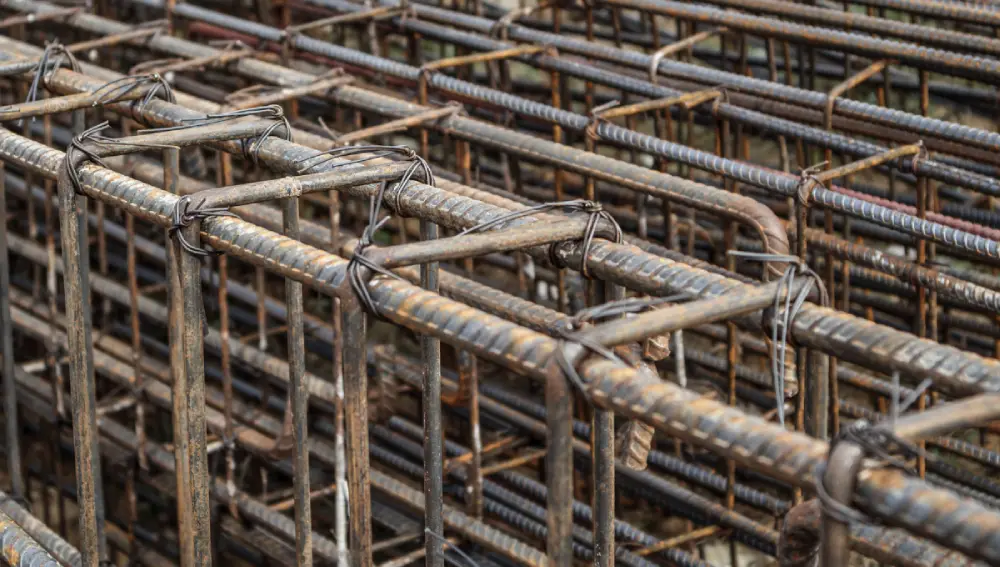
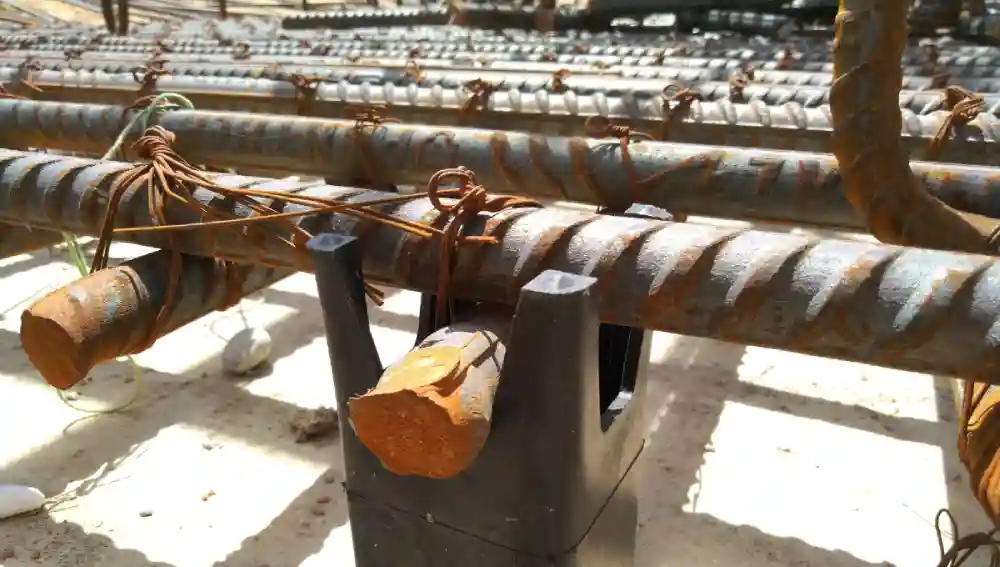
Steel bars called rebar help make buildings strong. These elements support beams, columns, and slabs in construction. 

  1. Rebars have exceptional strength, capable of withstanding immense loads. They are important for making sure buildings don’t fall.
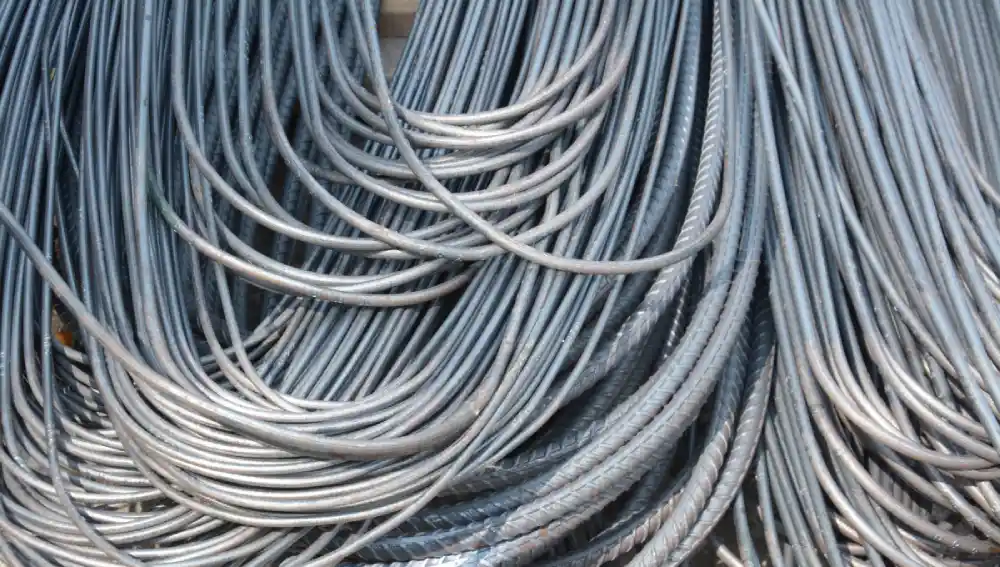
  2. Welded Wire Fabric (WWF) offers a modern twist to reinforcement. WWF consists of a grid of welded steel wires. It provides even reinforcement across large areas, such as slabs, pavements, and walls. This enhances strength. It also cuts labor costs because it’s easy to install. This makes it a top choice in many construction jobs.

FRP (Fiber-Reinforced Polymer): 

  1. Carbon Fiber is a superhero among reinforcements. It’s known for its amazing strength-to-weight ratio. It is mainly used where weight is crucial. This is the case in bridges and when retrofitting old structures.

Carbon fiber reinforcement gives strong support without adding bulk. Its high performance makes it a go-to solution. It is for structures that need both strength and agility.

  1. Glass Fiber Reinforced Concrete (GFRC) brings innovation to architectural applications. GFRC integrates glass fibers into concrete. This enhances durability and flexibility. 

It makes GFRC suitable for intricate architectural elements and panels. This material is versatile. It has aesthetic benefits. It also lasts a long time and is tough in many environments.

Each of these materials is key in modern construction. They offer unique strengths and uses. They meet the changing needs for strong, efficient, and sustainable structures. The materials reinforce skyscrapers. They also enhance the beauty of designs. They continue to redefine what concrete can do in buildings.

Building Reinforcement Techniques

Concrete Building Reinforcement

In concrete buildings, reinforcement techniques include placing rebars or WWF in the forms. This is done before pouring the concrete. This provides the necessary tensile strength to support loads and resist cracking.

Wall Reinforcement

Walls are reinforced using vertical and horizontal rebars or WWF. This reinforcement helps the walls withstand sideways forces. These forces include wind and earthquakes. It also stops cracking and buckling.

Foundation Reinforcement

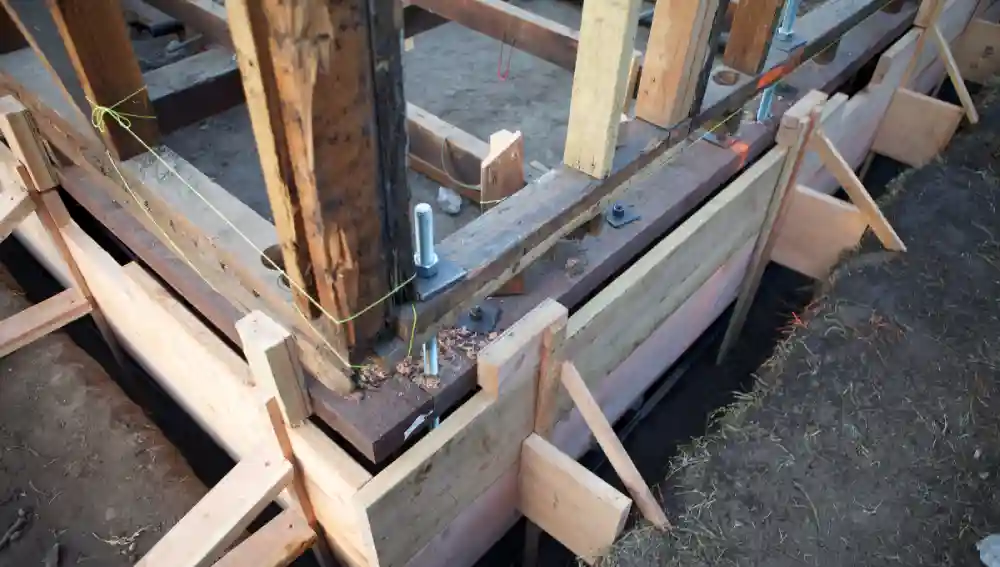
Rebars reinforce foundations. They handle huge compression and tension from the structure above. Proper foundation reinforcement ensures the stability and durability of the entire building.

Conclusion

Reinforcement bolsters building structures, amplifying their resilience and protective capacity. This process uses materials such as steel and advanced composites. It ensures that buildings can withstand harsh weather and other tough environments.

Reinforcement prevents failures. It also extends the lifespans of buildings. This makes buildings more resilient and reliable. Engaging experts in reinforcement is crucial.

Builders can use these advanced reinforcement methods. They make structures stronger, ensuring their safety and longevity. This precision and expertise are key to constructing durable architecture.

FAQ

Why is steel called reinforcement?


Steel is called reinforcement because it is used to strengthen and support concrete in construction. Concrete is strong in compression but weak in tension. Steel bars (rebar) are added to concrete to handle the tensile forces, making the structure stronger and more durable. This combination is known as reinforced concrete.

What is the purpose of reinforcement?


The purpose of reinforcement is to strengthen concrete structures by helping them withstand tensile forces. Concrete is strong in compression but weak in tension. Reinforcement, usually steel bars, adds tensile strength, making the overall structure more durable and able to bear loads without cracking or breaking.
Raft Foundation in Construction: Types and Benefits

0
Raft In Construction- featured image

In building construction, a raft foundation stands out. It is strong and versatile. This is especially true for structures on challenging soil. Also called a mat foundation. This type of foundation has a big concrete slab. It supports many columns and walls. It spreads the building’s load over a broad area. This method reduces soil pressure a lot. It is ideal for heavy structures on weak soils with low bearing capacity. This detailed guide explores raft foundations. It covers their types, building processes, and the materials used.

What Is Raft In Construction

Raft In Construction

A raft foundation is also called a mat foundation. It is a type of foundation system. It uses a large concrete slab to support many columns and walls. This system effectively spreads the load over a wide area, thereby reducing the pressure on the underlying soil.

Raft foundations are good for heavy buildings. They are often used on weak soils with low bearing capacity. They add stability and prevent differential settlement. They are ideal for tough ground.

A raft foundation combines concrete slabs and steel. It distributes weight uniformly throughout the entire base. Designing a raft foundation requires analyzing the soil. You need to find its bearing capacity and the building’s load. This analysis is to find the best slab thickness and reinforcement.

Engineers use advanced methods, such as finite element analysis. These methods model and predict the behaviour of raft foundations under various loads, ensuring that the foundation can handle complex loads. These loads include the structure’s weight andwind or earthquake forces.

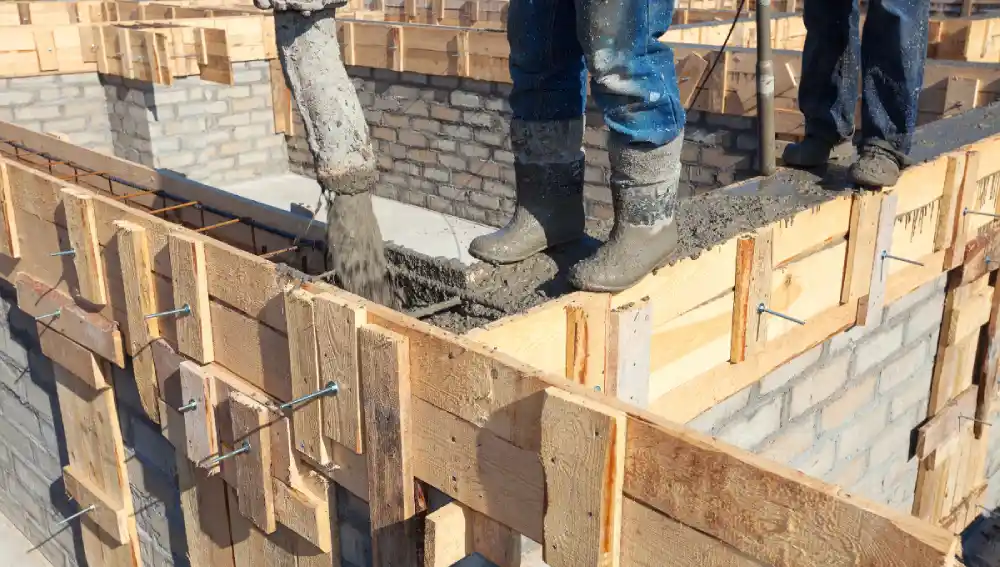
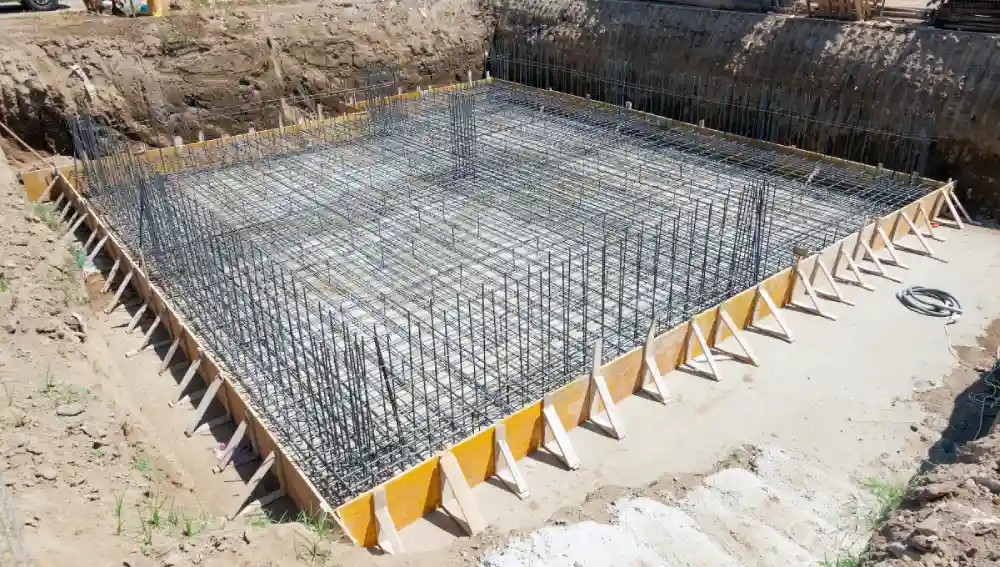
Raft foundation construction also has many stages. These include site preparation, formwork setup, reinforcement addition, concrete pouring, and curing. 

Each stage is crucial for the foundation’s strength and durability. Using good materials and precise construction is key. These steps prevent issues like cracking or uneven settlement. Such problems could weaken the building.

Types of Raft Foundations

types of Raft In Construction

1. Flat Plate Mat

A flat plate mat is the simplest form of raft foundation. It is a flat, uniform slab that directly supports the columns and walls of a structure. This type is typically used in scenarios where the load is light and spread out.

2. Plate Thickened Under the Column

This type of raft foundation is like a flat plate mat. But, it has extra thickness under the columns. The thicker walls around the columns help manage higher loads. They provide extra strength where it is most needed.

3. Two-way Beam and Slab Raft

In a two-way beam and slab foundation, beams run in both directions within the slab. They create a grid. These beams add stiffness and strength. They make this type for structures with heavier loads. Or, for situations where you need to manage bending.

4. Plate Raft with Pedestals

This design features pedestals. Sections of the slab under columns raise them. Pedestals reduce bending and shearing. They add support and stability to the structure.

5. Piled Raft

A piled raft foundation combines piles with a raft. We drive piles into the ground to move loads to deeper, more stable soil. The raft spreads the load across its surface. This mix works well in very weak soils. The piles provide vital up-and-side support.

6. Rigid Frame Mat or Cellular Raft Foundation

A rigid frame mat is also known as a cellular raft foundation. It has beams and slabs that form a rigid grid or cellular structure. This design is very rigid. It also has excellent load distribution. These features make it suitable for very heavy structures or complex loads.

Materials Used for Raft Foundation Construction

  • Raft foundations mainly use concrete. Steel reinforces it to enhance its strength and durability.
  • Steel bars, called rebar, reinforce the concrete. They add strength to handle tensile stress.
  • Builders use wood, metal, or plastic to make formwork. It shapes the concrete as a temporary mold until it hardens.
  • Workers apply waterproofing membranes to the surface of the raft foundation. They prevent water ingress. This is important in areas with high groundwater levels.

Construction Process of Raft Foundation

1. Site Preparation

Construction starts with site prep. This involves clearing debris, leveling the ground, and digging to the needed depth. Proper site preparation ensures a stable base for the foundation.

2. Laying of Formwork

Once the site is prepared, formwork is installed to contain the concrete. The formwork must be strong and stable to maintain the shape of the concrete until it hardens.

3. Placement of Reinforcement

Workers lay steel bars in the formwork. They do this according to the design. The reinforcement is key. It provides the strength needed to support the loads on the foundation.

4. Pouring Concrete

Concrete is poured into the formwork and spread evenly across the area. It is crucial to ensure that there are no voids or gaps in the concrete, as these could weaken the foundation.

5. Curing

After pouring, the concrete must be allowed to cure properly to achieve its full strength. Curing involves keeping the right moisture, temperature, and time. This allows the concrete to fully hydrate and gain strength.

6. Removal of Formwork

Once the concrete hardens and gains strength, the formwork is removed. The final structure should be inspected for any defects or issues.

Raft Foundation Design Specifications

In building construction, raft foundations are important. They provide strength and stability. Also known as mat foundations, they spread the building’s load over a large area. This is especially useful for structures on weak soils. This guide explains the design specifications for raft foundations.

Understanding Soil Conditions

First, analyze the soil. Know its bearing capacity. Weak soils cannot support heavy loads well. Soil tests help determine this. They guide the design of the foundation.

Load Calculations

Next, calculate the loads. This includes the weight of the building, people, furniture, wind, and earthquakes. Accurate calculations are vital. They ensure the foundation can support the structure safely.

Raft Thickness and Size

The thickness of the raft is crucial. It must handle the loads without cracking. Engineers decide the thickness based on soil conditions and loads. A thicker raft may be needed for heavy buildings.

Reinforcement Details

Steel bars reinforce the concrete. They add strength. Engineers specify the size and spacing of these bars. Proper reinforcement prevents cracks and increases durability.

Edge and Corner Reinforcement

Edges and corners need extra care. They are stress points. Engineers add more reinforcement here. This prevents damage in these critical areas.

Settlement Analysis

Differential settlement can harm the building. Engineers study this. They design the foundation to minimize uneven settling. This keeps the building stable over time.

Waterproofing

Water can damage the foundation. Waterproofing is essential. This is especially true in areas with high groundwater levels. Engineers specify waterproof membranes to protect the foundation.

Construction Joints

Large rafts may need construction joints. These are planned breaks in the concrete. Engineers decide where to place them. Proper joints prevent weak spots and allow for concrete movement.

Curing Process

After pouring, concrete needs to cure. This means keeping it moist. Proper curing ensures the concrete gains strength.

Compliance with Codes

Design must follow local building codes. Engineers ensure all regulations are met. This includes safety factors and material standards.

Advantages of Using Raft Foundation

  • Raft foundations spread loads over a large area. This reduces soil pressure and the risk of soil failure.
  • Raft foundations are great for weak soils. These soils have low bearing capacity. Raft foundations give a stable base for heavy structures.
  • Raft foundations spread the load evenly. This helps limit differential settlement, which can damage structures.
  • Raft foundations eliminate the need for footings for each column. They simplify construction and cut time and labor costs.

When to Choose Raft Foundation

  • Raft foundations work well in weak soils. Other types may not support it well there.
  • For heavy buildings, such as high-rises, raft foundations give the needed strength.
  • In areas with a high water table, raft foundations offer a good solution. Other foundation types might not work there.
  • Raft foundations help with loads over a large area. They also help with uneven loads. They divide loads with greater precision.

Conclusion

Raft foundations are a versatile and strong solution. They support large and heavy structures. They work especially well on weak soils. They can distribute loads evenly. This lowers the risk of soil failure and differential settlement. So, they are a great choice for many construction scenarios. Raft foundations come in many types. They suit specific loads and soils. They ensure structures have a stable base.

FAQs

1. Do raft slabs have footings? 


No, raft slabs do not have traditional footings. The entire slab acts as a large footing, spreading the load across a broad area.

2. What is the thickness of the raft foundation?


Raft foundations can be very thick. They range from 300 millimeters to 1,200 millimeters in length. The thickness depends on the load and soil.

3. What is the minimum size of the raft foundation?


Raft foundations have no standard minimum size. The size depends on the building’s dimensions and load needs. It balances weight across soil with even distribution.

4. Do raft foundations need piles?


It’s unlikely. Piles use piled raft foundations. They provide extra support for very weak soils or heavy loads. In other cases, a raft foundation without piles may be sufficient.Is the raft foundation shallow or deep? A raft foundation is shallow. It spreads the load near the ground. However, piled rafts can combine traits of both shallow and deep foundations. This depends on the depth of the piles used.

Fly Ash in Concrete: Sustainable Building Practices

0
Fly Ash in Concrete

Fly ash is an important supplementary material for concrete. Its inclusion has numerous advantages and improves concrete performance in both fresh and hardened states. Fly ash-based concrete is also cost-effective. This blog provides information on fly ash, its properties, benefits, the effects of fly ash in concrete, and its uses in construction.

What is Fly Ash or Pulverised Fuel Ash?

Fly ash is a by-product created during the burning of coal used in thermal power plants. It is a fine grey powder containing spherical glassy particles that ascend with the exhaust gases. Fly ash contains pozzolanic material components that combine with lime to generate cementitious materials. Silica (SiO2), calcium oxide (CaO), alumina oxide (Al2O3), and ferric oxide (Fe2O3) are the primary constituents of fly ash. It is commonly used as a supplementary cementitious material in concrete. 

The majority of fly ash is pozzolanic, which means it contains siliceous or siliceous-and-aluminous material that reacts with calcium hydroxide to make cement. When Portland cement reacts with water, it forms hydrated calcium silicate (CSH) and lime. The hydrated silicate gains strength, while the lime fills the gaps. When properly selected fly ash combines with lime, it produces CSH, the same cementing component found in Portland cement. To ensure enhanced characteristics in concrete, fly ash must be carefully selected.

What is the Effect of Fly Ash in Concrete

The following are the effects of fly ash in concrete in its fresh and hardened state.

1. Effect of Fly Ash on Fresh Concrete:

  • The addition of fly ash can raise the water need for a given workability. Because fly ash is so fine, adding it to cement means using a bit more water to achieve the same slump.
  • Fly ash in concrete helps in minimizing segregation and bleeding.
  • The heat of hydration is decreased by adding fly ash in concrete. 
  • A 30% substitution of fly ash may increase the initial setting time by up to two hours.

2. Effect of Fly Ash on Hardened Concrete:

  • Fly ash concrete construction often has a lower initial strength than regular concrete but higher strength at a later stage.
  • The use of fly ash in concrete reduces its permeability. Pulverised fuel ash concrete maybe three times more permeable in the first 28 days than regular concrete, although it may become less permeable in less than six months.
  • The addition of fly ash in concrete helps in improving the resistance to chemical attack.

Fly Ash Content in Concrete

Usually, the fly ash content in concrete is at a rate of 15-35% by weight of cement, but up to 70% is added for mass concrete used in the construction of dams, roller-compacted concrete pavements, and parking lots.

Different Types of Fly Ash for Construction

According to “ASTM C618-08a” (American Society for Testing and Material), there are two types of fly ash depending on the type of coal the ash is made of.

Class C Fly Ash

This type of fly ash is made from lignite and sub-bituminous coal. It has both pozzolanic and self-cementing properties. The most popular uses for class C fly ash are in structural concrete, PCC pavements, and as a main ingredient in bricks, blocks, tiles, and other construction materials.

Class F Fly Ash

Fly ash classified as Class F is more prevalent than Class C fly ash and is derived from bituminous coal. It has pozzolanic properties and is effective in reducing sulfate attack.

Benefits of Fly Ash in Concrete

The major benefits of fly ash in concrete are as follows:

  1. Improved Workability:

Fly ash particles are spherical and fine, which can enhance the workability of fresh concrete, making it easier to place and finish. The spherical particles work as small ball bearings in the concrete mix, providing a lubricating effect. This also helps in enhancing the concrete pumpability by lowering frictional losses during the pumping operation.

  1. The Fly Ash Concrete Mix Requires Less Water:

The use of fly ash instead of cement reduces the amount of water required for a particular slump. When fly ash is employed at around 20% of the total cementitious material, water demand is reduced by around 10%. 

  1. Enhanced Strength:

Fly ash cement concrete has higher ultimate strength when compared with Portland cement concrete. The additional binder created by the fly ash interaction with accessible lime enables fly ash concrete mix to increase strength over time.

  1. Reduced Heat of Hydration:

Fly ash-based concrete generates less heat of hydration during the hydration process. This reduction in hydration heat does not mean sacrificing long-term strength improvement or durability. Hence, it is beneficial in mass concreting construction to reduce the risk of thermal cracking.

  1. Reduced Permeability:

The reduction in water content, along with the creation of extra cementitious compounds, reduces concrete’s pore interconnectivity, hence decreasing permeability.

  1. Increased Durability

Using fly ash in construction can enhance the durability of concrete by making it more resistant to chemical attacks, such as sulfates and chlorides. It also reduces permeability, which can improve the longevity of the concrete structure.

  1. Environmental Benefits

Utilizing fly ash in concrete reduces the need for Portland cement, which in turn lowers the carbon footprint of concrete production. It also helps in managing waste from coal-fired power plants.

  1. Cost Savings

As fly ash is a by product and available in abundance, it is cheaper to obtain. So, replacing a portion of cement with fly ash can reduce the overall cost of the concrete mix. As a result of this, fly ash concrete price is less than that of Portland cement concrete.

Applications of Fly Ash in Construction

The following are the common fly ash uses in construction:

  • Fly ash is mixed with Portland cement to make Portland Pozzolana Cement. 
  • The durability and reduced heat of hydration make fly ash-based concrete suitable for large-scale infrastructure projects such as pavements and roads.
  • Fly ash is typically used for embankment construction.
  • Fly ash concrete mix can be used in structural elements, providing benefits in terms of strength and durability.
  • Due to reduced heat generation, fly ash cement concrete is ideal for mass concrete applications such as dams and large foundations.
  • Fly ash is used in the manufacturing of fly ash cement bricks.
  • It is used as a soil stabilizing agent.
  • Geopolymers include fly ash as a component.

Conclusion

Fly ash has been used successfully in a variety of construction projects across the country. The use of fly ash in concrete was also found to minimize carbon emissions on the construction site. While there is now awareness of the benefits that fly ash may provide in the quest for sustainable construction material, considering the volume of fly ash produced and technological improvements in the construction industry, there is still a lot of room to utilize its advantages.

FAQ

Is fly ash harmful to cement?


Fly ash is not harmful to cement; in fact, it often improves the quality of the concrete. It enhances the concrete’s strength, durability, and workability. However, if not used correctly or if low-quality fly ash is used, it can lead to issues like slower setting times or reduced strength. When used properly, fly ash is beneficial and not harmful to cement.

Which cement is without fly ash?


Ordinary Portland Cement (OPC) is typically made without fly ash. OPC is a pure form of cement that doesn’t contain any additives like fly ash. If you’re looking for cement without fly ash, OPC is the standard choice. Other types like Portland Pozzolana Cement (PPC) do contain fly ash.

Can we replace flyash with cement?


Yes, fly ash can partially replace cement in concrete, but not completely. Typically, fly ash can replace 15-30% of the cement in a mix. This reduces costs and improves certain properties like workability and long-term strength. However, you can’t replace all the cement with fly ash, as cement is still needed to bind the concrete properly.

What products can be made using fly ash?

1. Cement and Concrete: Enhances strength and durability.
2. Bricks and Blocks: Eco-friendly and cost-effective.
3. Road Construction Material: Used in asphalt and soil stabilization.
4. Ceramics: For tiles and other ceramic products.
5. Lightweight Aggregates: For construction and insulation.

Future of Urban Development: Trends and Predictions

0
Urban-Development-Trend

Urban planners and designers are always coming up with innovations that help in developing urban designs that enhance our city’s environment. Earlier, urban design concentrated only on the city’s physical features, which included the architecture and infrastructure. However, today, the landscape of our urban centres is expanding and transforming. Driven by an amalgamation of rapid urbanization, technological innovation and environmental consciousness, the rapid change paints a vivid picture of future urban living. The transformation proved to be an opportunity and challenge, promoting the cities’ growth and sustainability. 

With the acceleration in urbanization, cities must address challenges related to population growth, resource management and environmental impact. You must also focus on community engagement and participation, as they are vital in shaping the urban environment that meet the demands of India’s diverse population. The blog focuses on the predictions and trends in urban development, examining the key elements that will shape the cities of tomorrow.

Understanding the Concept of Urban Development

Urban development refers to the development of cities and other urban areas as drivers of socio-economic development. The concentration of people and activities brings with it environmental and social challenges that you can tackle through more sustainable and effective ways of living and working. Smart and sustainable cities are the cities of the future. They provide you with a healthy environment, various services, affordable housing and efficient mobility, encouraging green activities that respond to society’s new needs.

It encompasses various activities, including zoning, land use planning, transportation planning, and policy implementation that encourages sustainable practices. Effective urban development addresses issues, including population density, housing affordability, transportation accessibility and environmental impact. It helps in balancing the demands of the residents, businesses and environmental impact, ensuring that the cities remain vibrant and functional where people can live and work.

Recently, urban development focuses on smart city initiatives that leverage technology to improve the efficiency of urban services and infrastructure. Moreover, there is a growing emphasis on green building practices and sustainable design to reduce the environmental footprint of the urban areas. Overall, urban development as a dynamic and complex field plays a critical role in shaping the future of our cities.

Urban Development Trends and Predictions

Change is constant, whether it’s humans or cities. Therefore, as an urban designer, you must meet the demands of the people and communities living in your city. Here are some of the key trends in urban development that will shape the future of the cities.

  1. Smart Cities

Today’s urban designing is incorporating technologies, making it easier for the development of smart cities. As the name suggests, smart cities are more habitable, efficient and sustainable. These cities use technology to collate and analyse real-time data, giving them a better understanding of their citizens’ needs and ability to make wiser urban planning decision.

For instance, smart traffic solutions assist in reducing traffic congestion and enhancing air quality by analysing real-time traffic flow. Intelligent waste management systems generate information on garbage generation and collection, aiding in waste reduction and increasing recycling rates. Through automatic alteration of illumination levels based on vehicle and pedestrian traffic, smart light systems help reduce energy consumption and enhance safety.

  1. Sustainable Urban Development

Today, almost every industry is focusing on sustainability, and urban development is no exception, making it one of the crucial trends in urban planning. To tackle the issues of climate change and resource depletion, urban planners are putting more emphasis in developing sustainable, eco-friendly and energy efficient cities. As a planner, you must cover everything like using solar energy, smart grid technology, green walls and rooftops.

Since green walls and rooftops enhance the air quality, reduce the impact of the urban heat island and provide a home for birds and other wildlife, urban areas are now incorporating these techniques. Moreover, most cities are shifting their use of energy resources. Today, urban planning has shifted its focus on using renewable energy, including wind energy, hydroelectricity and solar energy rather than traditional fossil fuels.

Furthermore, urban planning also involves using smart grid technology to develop effective and sustainable energy systems. Since smart grid technology analyzes and manages real-time energy use, cities can use energy more effectively, leaving a smaller carbon footprint.

  1. Creative Placemaking

Creating interesting and distinctive public spaces is essential to your urban design approach. Through the practice, you enhance your neighbour’s quality of life through arts, culture and intentional community development. It helps you in meeting the visions of citizens living in the region. As an urban designer, you must create places that are aesthetically beautiful and foster creativity and community members. You can establish community gardens, other green areas, public art displays, and performances. The strategy acknowledges the crucial part that culture and arts create a thriving community.

  1. Affordable Housing Solutions

As cities expand, there is a rise in the cost of living. Individuals dwelling in metropolitan cities need help in affording the cost of living. Urban designers are having trouble, as they need to provide the citizens with high-quality, reasonably priced homes and public spaces in the cities. They are contributing their best to ensure that cities remain inclusive and accessible by designing cheaper residential complexes. Since affordable housing allows more people from various socioeconomic backgrounds to live in the same areas, communities become more varied and inclusive. Affordable housing solutions foster social connection and reduce social isolation, benefitting psychological health and well-being.

  1. Designing Public Spaces

Urban designers and planners are focusing on designing public spaces. Public areas are essential for communities to become liveable, accessible, and dynamic. They foster a sense of community by allowing individuals to congregate and socialize. Public spaces cover everything from parks and plazas to bike lanes and pedestrian-friendly streets. By establishing additional public spaces, urban planners are contributing to the creation of more lively and inclusive cities.

  1. Resilient Infrastructure

Cities experience several uncertainties, including natural and man-made disasters, economic downturns and social unrest. In urban planning, a city’s ability to recover and resist these shocks is referred to as resilience. Resilient cities can recover swiftly and efficiently, thereby reducing the negative effects on their citizens. With cities encountering complex and interrelated difficulties, resilience is turning out to be a crucial factor in urban planning. As an urban planner, you must create resilient cities, helping communities remain prepared to weather challenges and emerge stronger in the aftermath.

  1. Mixed-Used Development

The emphasis on mixed-use developments is a recent trend in urbanization. Your projects strive to build livable, dynamic and varied communities and neighbourhoods. Mixed-used can be a combination of commercial, residential and public areas, fostering a sense of neighbourhood and reducing dependency on automobiles. The practice is the best way to create sustainable cities. The mixed-used developments encourage individuals from various racial and socioeconomic backgrounds to live and work together, contributing to the development of lively and diverse communities.

Conclusion

The adoption and implementation of innovative trends will shape urban development’s future. As our cities continue to grow and change, urban planners and designers embrace and implement smart technologies, sustainable practices, and inclusive designs. These advancements promise to enhance the quality of life of urban people and address challenges like population growth, environmental sustainability, and social equality. When you stay informed, your stakeholders can strategically plan and implement solutions, fostering resilient and adaptable urban environments for the future.

FAQ

What is the future sustainable urban development?


The future of sustainable urban development is about creating eco-friendly cities. This includes using green materials, renewable energy, and efficient public transport. It also focuses on reducing waste, conserving water, and adapting to climate change. The aim is to build cities that are good for both people and the environment.

What are urban futures?


Urban futures refer to the planning and development of cities to meet the needs of future generations. This includes focusing on sustainability, smart technology, and resilient infrastructure to create livable, efficient, and adaptable urban environments. The goal is to ensure cities can handle population growth, environmental challenges, and evolving social needs.

Benefits of Using Renewable Energy in Construction Projects

0
Renewable_Energy_in_Construction

With the passing of years, we are experiencing a drastic change in the climatic conditions due to global warming. It increases the demand for more renewable sources of energy in every sector, and the construction sector is not exempt. Today’s construction industry is transforming faster and focusing extensively on sustainability. Integrating renewable resources into your construction projects creates a powerful strategy that will enhance sustainability, reduce environmental impact and achieve long-term savings.

Utilizing renewable resources like solar, wind, and geothermal power reduces greenhouse gas emissions and reliance on fossil fuels. Besides meeting the regulatory requirements and green building standards, the shift aligns with the growing demands for eco-friendly and energy-efficient buildings. The blog explores how incorporating renewable energy into the construction industry offers long-term benefits. 

Use of Renewable Energy Sources in Construction Projects

Renewable energy sources refer to those sources that come from natural resources. These include sunlight, rain, wind, tides and geothermal heat sources. Often, it also refers to the energy stored in plants, animals, and other organic matter. Since these energies are naturally replenished, they are renewable, making them sustainable for future generations. Renewable energy does not produce dangerous air pollutants or require using finite resources, including oil, coal, and gas. You can also use renewable energy resources for heating, cooling and powering your homes and buildings, making it an excellent energy source for your construction projects.

Incorporating renewable energy in construction helps you achieve a more sustainable and technologically advanced future. Since renewable energy generates power from naturally occurring sources that automatically replenish, these energies are inexhaustible and self-sufficient. Choosing renewable energy for your construction project is a viable alternative to traditional energy production. You can use renewable energy in your projects, from buildings and heaters to lights and electrical appliances. You can incorporate renewable energy in your construction projects, including solar panels, geothermal systems, wind turbines and heat pumps. With these energy resources, your construction project has the potential to reduce environmental impact and save electricity in the end.

Types of Renewable Energy Sources in Construction Projects  

Enlisted are the top four alternative energy sources that every construction site can adopt and implement to reduce the use of traditional sources, making the site and process environment-friendly.

Solar Energy

Solar power is an inexhaustible energy source that you can easily adopt for your construction site. You can also invest in various types of heavy machinery, including excavators and loaders powered by solar energy. Heavy machines used in construction cause massive pollution. However, when you adopt and implement these solar power machines, you move a step towards reducing greenhouse emissions. 

You need adequate lighting since you need to perform construction work even during the evenings. Instead of using the traditional energy source, opt for green lighting systems like solar lanterns. These are more economical and eco-friendly than fossil fuel alternatives. Several commercial solar companies manufacture photovoltaic windows, which, when installed, help reduce the structure’s greenhouse gases. Moreover, these windows generate electricity and control the light entering the living areas. 

Wind Energy

Another renewable source of energy suitable for your construction site. Therefore, construction companies can collaborate with wind power firms instead of relying on gas-powered generators for the required energy. The United States erected around 60,000 turbines that generate energy for construction sites. Moreover, the low cost of wind energy makes it the preferred choice for the construction sector. With the adoption of wind power by the construction industry, your company can fund the farm owners, thereby reducing greenhouse gases.

Hydroelectric Energy

Hydroelectric power stands as one of the most utilized clean energy sources worldwide. Today. It produces the highest share of all types of renewable energy, contributing approximately 71% of the total green energy. While it may not be as easily accessible as solar energy, your construction site can receive the necessary power from the nearby hydropower plants. Therefore, you no longer need to rely on the generators. It is the best accessible in those areas where wind power is absent, helping the construction firms to switch to efficient renewable sources and making a sustainable industry.

Benefits of Using Renewable Energy in Construction Projects

The sudden shift towards using renewable resources in construction brought drastic change within the industry. Statistics state that the materials required for constructing a new house emit about 55 tons of carbon dioxide into the atmosphere, worsening the climatic conditions. Have you ever noticed the garbage lying at the construction site? Well, they, too, pollute the environment, which today is a major concern for environmental scientists. According to experts, the combustion of fossil fuels is the major cause of pollution. The non-renewable energy resources leave a huge carbon footprint in the industry.

The following are the benefits of using green energy in construction. 

Financial Benefits

From reducing the initial energy cost to increasing energy efficiency, you enjoy numerous financial benefits with renewable energy resources for your construction projects. Investing in natural resources like solar, hydropower, and wind your business lowers the energy costs and operating expenses, thereby increasing profitability. Furthermore, with renewable energy sources, you can reduce maintenance costs, energy bills and other energy sources, giving your projects a sustainable and cost-effective solution for the future.

Environmental Benefits

Today, more and more construction companies are using natural energy resources in their construction and infrastructural projects. Experts consider the use of renewable resources as the most sustainable solution compared to the use of traditional and non-renewable resources. This is because the use of natural energy resources reduces greenhouse gas emissions, especially carbon dioxide. When you shift your focus to using renewable energy in construction projects, you play a major role in reducing air pollution, decreasing water pollution and improving soil quality.

Technological Benefits

The recent technological developments in renewable energy resources have propelled the potential of using the resources in various sectors, including the construction sector. The increasing prevalence of green roofs, the modernization of solar panels, and fuel cell technology are witnessing the technological revolution in using renewable resources. Through new advancements in the research and development of renewable energy, the construction industry is looking for more effective and efficient means of reducing emissions and enhancing energy independence. With the continuing technological developments, you can witness a move to a more sustainable future in the sector by incorporating renewable energy sources into buildings. 

Social Benefits

Renewable energy projects create job opportunities and stimulate economic growth within communities. Professionals handling the construction and operation of renewable facilities require diverse skills, including engineers, project managers, technicians and maintenance personnel. Since most of these projects require local hiring, they create employment opportunities for the community, thereby boosting the local economy. Furthermore, your renewable construction projects will surely attract ancillary industries and businesses to the area. It will help strengthen the local economy and foster economic diversification.

Future Trends of Using Renewable Energy Sources in Construction Projects

You must be astonished to know that construction sites are the major source of greenhouse emissions. Moreover, they account for around 39% of all energy and process-related carbon dioxide releases worldwide.  It is because the sector requires high energy for the operation of the machines. However, the rapid expansion in urban construction and strict carbon dioxide reduction regulations shifted the construction industry’s focus towards alternative energy sources, including solar, wind, hydroelectric and hydrogen power cells.

Electric tools, lighting, electric trucks, air conditioning, and heating are the major power-consuming sources at a construction site. Powering these with green energy will make the site environmentally friendly, motivating the companies to invest in advanced energy technology. Moreover, technological advancements have made renewable more efficient and affordable, making it easier for the construction sector to switch to alternative energy sources than ever.

Conclusion 

With the integration of renewable energy resources, the construction industry is witnessing an era of rapid evolution. As more and more companies invest in the best construction services, you will have an opportunity to implement renewable energy resources in traditional construction and architecture. Using renewable energy resources like solar, wind, and hydroelectricity energies reduces your electricity bills and helps sustain environmental stability in the cities.

Financial Risk Management in Construction Projects

0
Financial-Risk-Management-in-construction

The construction industry is effective, complex and challenging in today’s world. Financial risk management is a crucial aspect of every business, including the construction industry. In a sector dealing with large-scale projects and significant investments, managing financial risks stands as a borderline for success and failure. Financial risk management in construction involves identifying, assessing and mitigating financial risk so that your project can be completed within the decided timeframe and within the estimated budget. 

With effective risk management in your construction project, you can focus on financial stability and protect your profit margin, ensuring the overall success of your project. Since you demonstrate a proactive approach to handling financial issues, the relationship between you and your stakeholders strengthens. The practice further helps safeguard unforeseen expenses, delays, and other financial pitfalls that might derail your project.

The blog focuses on a comprehensive understanding of risk and financial management in construction. It further explores and discusses the common financial risks associated with the construction industry, strategies for mitigating the risks, and best practices for maintaining financial health throughout the project lifecycle.

Understanding Financial Risks in the Construction Industry

As a construction project manager, you must understand the different financial risks associated with the industry, as you must maintain project viability and financial health. Financial risks refer to any potential risks or uncertainties that might affect your project’s budget, cash flow, and profitability. In the construction industry, financial risks are multifaceted and stem from various sources.

Common Financial Risks in Construction

The following are some of the most common financial risks in construction industry that you might experience.

  1. Cost Overruns

It stands as one of the most prevalent financial risks in construction. It occurs when your actual cost exceeds your planned budget due to unforeseen circumstances, including design changes, fluctuations in the price of raw materials, labour shortages and delays. Often, construction companies create a misestimating of the budget during the planning phase, leading to significant budget overruns and straining the project’s finances.

  1. Cash Flow Issues

You must have effective cash flow management for your construction projects. It helps in maintaining the liquidity necessary to keep your project on track. Delays in payment for clients, unexpected expenses and poor financial planning lead to cash flow problems. When you experience cash flow issues, you will have difficulty in clearing payments for your suppliers, subcontractors, and employees, potentially stalling the project and damaging relationships with your stakeholders.

  1. Credit Risks

Have you ever heard that a construction firm’s subcontractors went bankrupt or a client defaulted on payment? Such a situation causes credit risks. It creates a domino effect, affecting the project’s financial health. Therefore, it is essential to maintain creditworthiness and a strong contractual agreement.

  1. Regulatory and Compliance Risks

The construction industry follows a strict regulation, with adherence to building codes, safety regulations and environmental standards. Non-compliance often results in hefty legal penalties, fines and even project shutdowns, hereby leading to financial losses. Therefore, everyone in the industry stay abreast of the regulatory changes, ensuring compliance to mitigate the risks.

Identifying Financial Risks in the Construction Industry

Early identification and taking a step towards financial risk management in construction projects helps in mitigating risks at the ground level. Your stakeholders can adopt the following to identify the financial issues and mitigate the potential losses. 

  1. Risk Assessment Techniques

First, you must identify all potential risks that might affect your construction project. For this, you should thoroughly review the project plan, contracts, historical data, and financial statements. You must identify the risks in collaboration with all the relevant stakeholders, including your clients, contractors and subcontractors. After identifying the risks, you must categorize them depending on their impact and likelihood of occurrence. You can categorize using a risk matrix and other risk assessment tools. Categorization helps the project’s stakeholders prioritize mitigation efforts and allocate resources effectively.

  1. Risk Identification Workshops and Brainstorming Sessions

During the workshops and brainstorming sessions, ensure to include all your internal stakeholders. The sessions encourage diverse perspectives and collective problem-solving. Remember, at this point, you are not solving any problems. Rather, the goal here is to identify the potential risks associated with the project. Ensure to rely on the expertise, experience and knowledge base of the team. Do not forget to review the last projects of similar size, scope, and location to understand the potential risks associated with the current project.

  1. Use of Advanced Tools and Software 

You can also use the advanced tools and software available in the market to identify your project’s potential risks. Financial risk management software offers various functions, like risk assessment, scenario analysis, and risk reporting. It provides a systematic approach to identifying and mitigating financial risks.

Besides, financial modelling tools are other helpful tools that help create detailed financial perceptions and simulations. You can analyse the potential impact of various risks on project finances, enabling your project managers to test various scenarios and develop strategies to mitigate any financial risks. A Construction project management software featuring techniques for risk management can also help. With them, you and your team can track the project’s progress, manage budgets and monitor the potential risks. Furthermore, this software offers real-time data and analytics, allowing project managers to identify and address financial risks.

Strategies for Financial Risk Management in Construction Projects

Do you know what effective financial risk management in construction is? It involves systematic approaches that safeguard your project’s financial health. Meticulous budgeting and accurate forecasting, combined with diligent cash flow management, are essential to mitigate financial risks.

  1. Budgeting and Forecasting

As a construction firm owner, you must be aware that budgeting constitutes one of the pillars of financial risk management. With effective budgeting, you can allocate financial resources with great precision to various elements of a project without overrunning the costs. On the other hand, with effective forecasting, you can predict future financial performance based on current market trends, historical data and your project’s progress. 

Finance management professionals rely mostly on forecasting to anticipate any potential risk and prepare for appropriate responses. With strategic budgeting and forecasting, you can reduce uncertainty through a financial roadmap that helps manage the cost implications of potential risks. It further helps in enhancing your decision-making through detailed financial projections.

  1. Cash Flow Management

It is another critical strategy for financial risk management in construction projects. Cash flow management ensures that there is sufficient liquidity for operations, procurement of materials and labour payments, thereby avoiding delays and cost escalations. For effective cash flow management, you must monitor your payments and receivables, which includes on-time billing and tracking of receivables. Moreover, you must also manage disbursements that including controlling the timing and amount of outflows, thereby maintaining a balance and averting financial strain. With meticulous tracking and fund management, your construction project can address financial risks and maintain stability.

  1. Cost Management and Avoiding Overruns

Accurate cost estimation and diligent control of project are vital for your project’s financial success. Ensure to start your project with a comprehensive and realistic financial plan. The process includes careful determination of the scope and considering all the potential cost involved, including material, labour, equipment and unforeseen expenses. You must also focus on cost control and implement as soon as the project starts. Maintain strict adherence to budgets and schedules, document, and justify any change in deviations.

  1. Monitor Overhead Projects and Costs

Although overhead costs are less visible, they significantly affect your project’s financial health. Since you cannot tie these costs to any specific project task, such as office expenses, insurance, or security, these require effective monitoring. You must ensure that your budget does not escalate beyond the projected. 

Besides, you must also focus on project cost monitoring. It is an ongoing process where your managers must examine all costs associated with the project. It includes direct cost like materials, labour, and indirect costs that form essential part of project operations. With effective monitoring of tools and techniques, such as real-time financial dashboards and periodic office meetings, helps you control your project’s finances.

  1. Communicate with Management to Prevent Delays

With effective communication with your management, you can complete your projects within the stipulated timeline and budget. The best approach to timeline planning and developing comprehensive contingency plans will enhance your project’s success. Timely planning involves breaking down your projects into small, individual tasks, estimating the duration for each task, allocating resources and sequencing the tasks in the correct order. You must establish a real timeframe. Besides, do not overlook the external factors that might affect your schedules, including weather conditions, supply chain variability and regulatory approvals.

Despite effective planning, project delays are inevitable. Therefore, finance professionals associated with your firm and projects must advocate robust contingency plans to address the potential delays. Effective contingency plans include risk identification, adopting and implementing response strategies and time buffering. When you adopt and implement these measures, your projects stay on course while maintaining its fiscal health even during complications.

  1. Effective Communication and Stakeholder Engagement

In construction industry, effective communication is essential for successful execution of projects. It is the base on which you build stakeholder engagement. Effective communication involves transparency, timeliness and adaptability. 

Conclusion

The financial risk management in construction project involves targeted strategies and best practices designed to mitigate financial exposure, ensuring project success. Effective risk management in the industry focuses on identifying the potential risks, continuous monitoring and implementing strategic actions tailored to your project’s specific requirements.

Prefabricated Construction

0
Prefabricated Construction - featured image

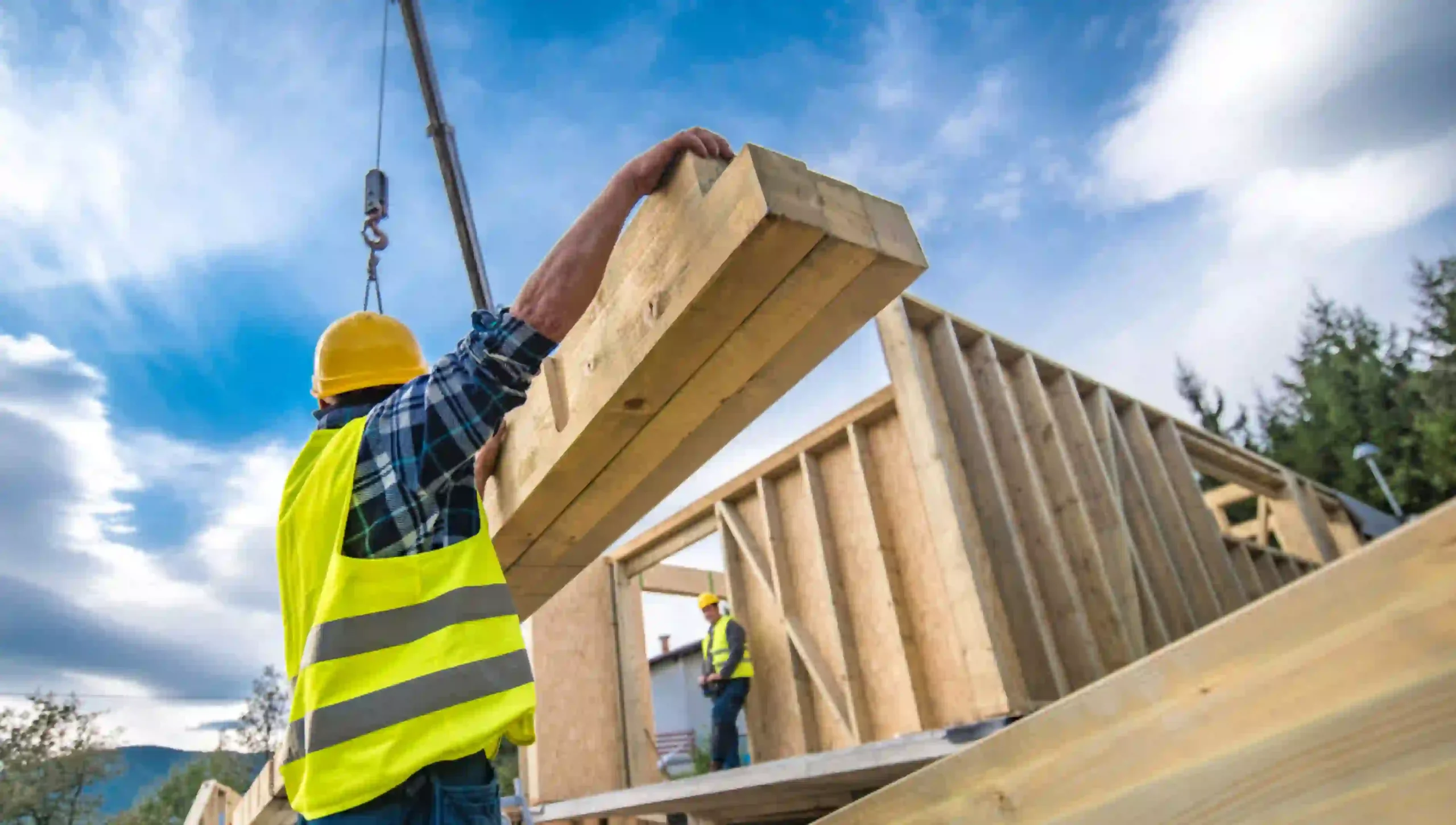
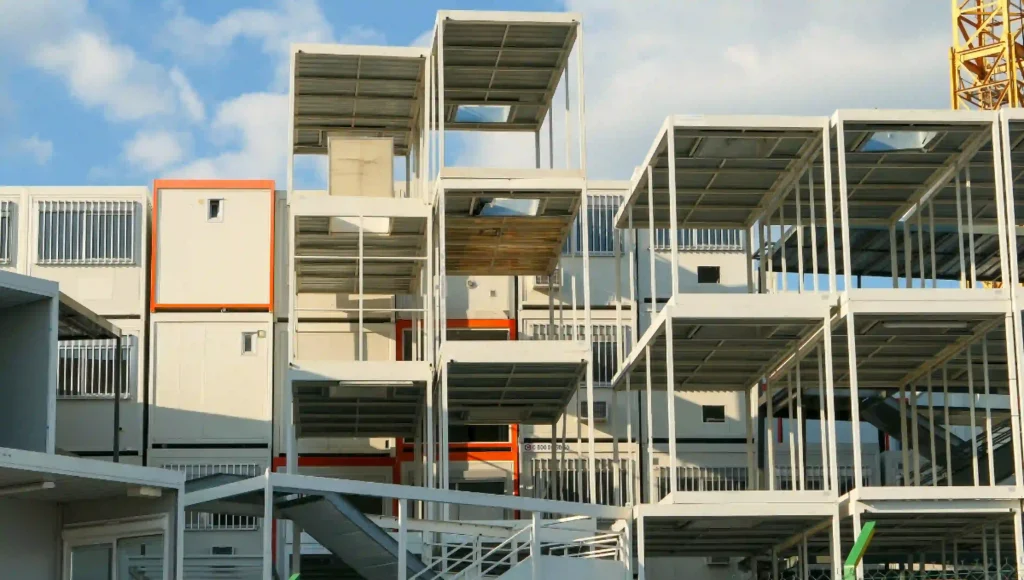
In modern construction, the prefabrication is transformative. This method involves making parts of a structure in a factory. Then, they are moved to the site for quick assembly. This technique contrasts sharply with traditional construction. In traditional construction, materials are delivered to the site. The building is then erected from the ground up.

What is Prefabricated Construction?

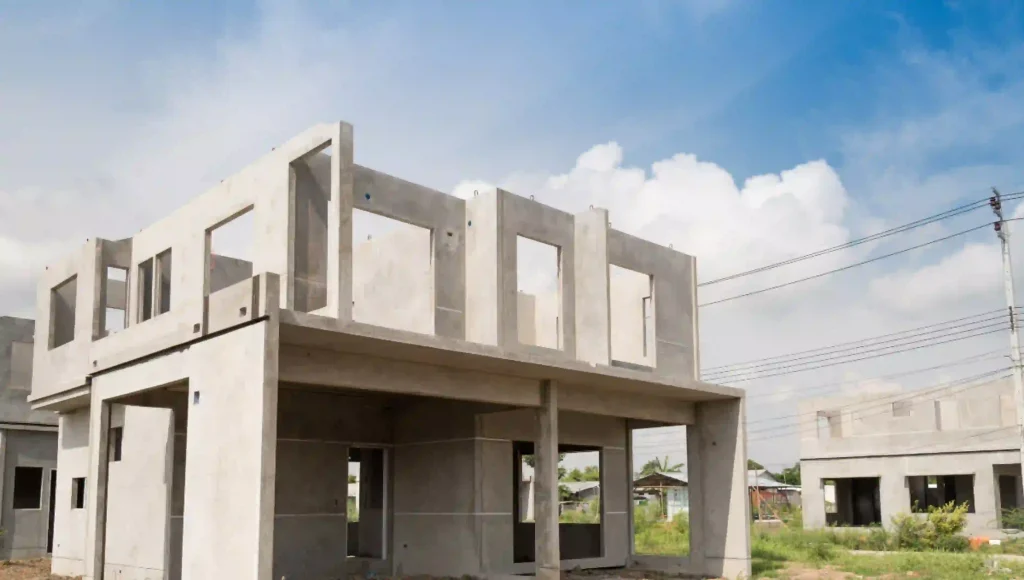
Prefabricated construction is the process of creating building components off-site in a factory. These components range from simple wall panels to whole rooms or modular sections. They are then taken to the site for quick assembly. Building with prefabricated parts makes construction faster, better quality construction, and causes less waste. It’s a great choice for construction today.

Why is Prefabricated Construction Gaining Popularity?

Why is Prefabricated Construction Gaining Popularity

The rising popularity of prefabricated construction can be attributed to several compelling factors:

  • The construction can be much faster. We can make the parts in the factory while we prepare the construction site.
  • When factories control production, it can cost less for workers and materials. Also, bad weather is less likely to cause delays during construction.
  • Manufacturing in a controlled environment ensures higher quality standards and precision. This maintains consistent quality throughout the process.
  • Prefabricated buildings use materials efficiently, generating less waste. They can also be more energy-efficient.
  • Prefabrication reduces the need for skilled labor on-site. This is especially true in areas with labor shortages.

Types of Prefabricated Construction

Types of Prefabricated Construction

Different construction methods are used for various needs and applications in prefabricated construction.

Modular Construction:

It involves making whole building sections, or modules, in a factory. The modules are then taken to the site. Building blocks come together to form a complete structure. This method caters only to residential buildings, hotels, schools, and hospitals. Each module comes with all the needed finishes. These include plumbing, electrical systems, and fixtures. They are ready for on-site connection and completion.

Panelized Construction:

Panelized construction focuses on making flat panels in a factory. The panels are then used for walls, floors, and roofs. Workers move these panels to the site. They put them together to make the building’s frame. This method allows for flexible design. It is good for homes and businesses. It is particularly helpful for custom designs and integrating building systems.

Pre-cut Construction:

Pre-cut construction involves cutting and preparing building materials in a factory. The materials are things like lumber or steel. The cutting uses precise measurements. 

The pre-cut parts are then shipped to the site and assembled according to the plan. This method reduces waste. It ensures precise fits. It’s great for timber-framed homes and smaller structures.

Benefits of Prefabricated Construction

Prefabricated construction has many advantages. They go beyond just speed and cost savings:

  • Prefabrication reduces waste. It often uses sustainable materials. This helps green construction.
  • Enhanced Safety: Factory settings reduce risks. They are linked to on-site accidents and bad weather.
  • Flexibility and scalability are key. You can easily make prefabricated systems larger. You can do this to fit different project sizes and complexities.
  • Faster construction times mean less disruption. This is particularly true in urban areas.
  • Factories make sure things are always the same and of good quality. They follow the rules for how things should be made.

Who Uses Prefabricated Buildings?

A diverse range of sectors use prefabricated buildings, including:

  • Builders use prefab techniques for homes. Homeowners and developers use them as well. They focus on single-family homes, apartments, and vacation properties only.
  • Businesses often use prefabricated structures for fast, cheap expansion. This is especially true in retail and hospitality,
  • Schools and universities use modular buildings. They use them for classrooms, dorms, and offices.
  • Hospitals and clinics enjoy the quick deployment of modular units. They are for patient care and medical facilities.
  • Prefabricated buildings work well for warehouses and factories. You can expand them and make them last a long time.
  • Governments and militaries use prefab construction. They People use it for barracks, offices, and temporary housing in emergencies.

Challenges of Prefabricated Construction

Despite its numerous benefits, prefabricated construction faces several challenges:

Limited Customization

One main criticism of prefab construction is the perceived lack of customization. We have made advancements. But, prefab designs are less flexible than traditional construction. They lack variety in architecture and bespoke features. Clients face a challenge when seeking one-of-a-kind or precisely tailored designs.

Transportation and Logistics

Moving large prefabricated parts from the factory to the construction site is hard. Issues, such as module size, weight limits, and distance to the site, can raise costs. They can also complicate delivery schedules. Additionally, handling and assembling large modules on-site requires specialized equipment and skilled labor.

Perceptions and Biases

Many people think that prefabricated buildings are not as durable as traditional buildings. We must aware people of the benefits of prefabrication. This will dispel misconceptions. These ideas can hinder use.

Conclusion

Prefabricated construction offers a promising alternative to traditional building methods. It is faster, cheaper, and makes higher-quality structures. 

However, there are challenges. They include limited customization, transportation logistics, and public perceptions. But, ongoing progress and growing acceptance are addressing these issues.

The construction industry is changing. It is moving to efficient, sustainable, and versatile prefabricated methods. These methods are set to play a big role in shaping the future of buildings. The methods are attractive for many uses. They work for homes to large projects. Embracing this new approach can make the construction industry more efficient and sustainable.

Timber in Construction: Uses & Benefits

0
Timber in Construction- featured image

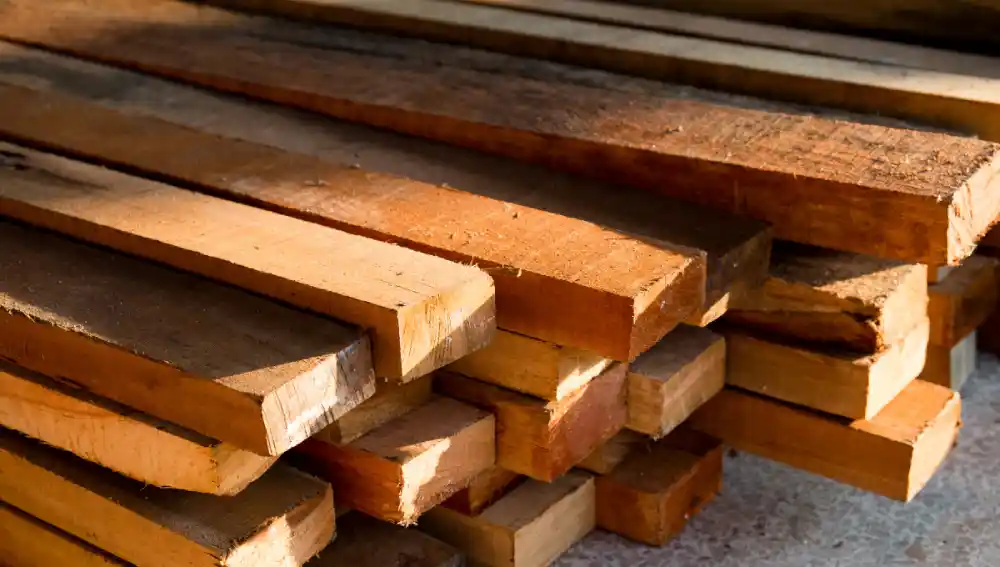
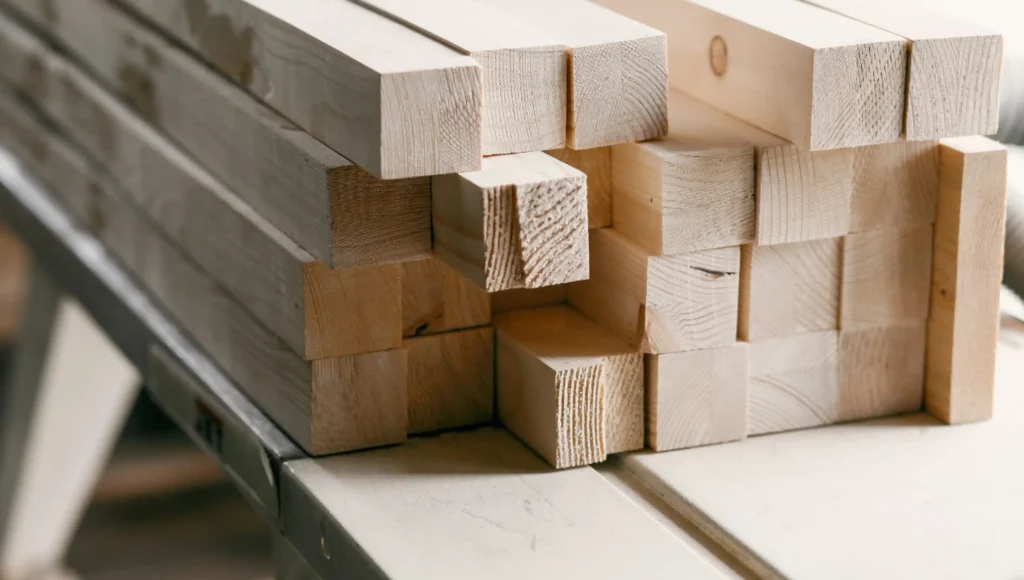
Timber has been essential in construction for centuries. It is a useful material for many building needs. People have used it in everything from ancient wooden huts to modern high-rises. Timber’s role in construction has undergone a profound revolution. Today, we appreciate it. It has strong structure, beauty, and green benefits.

Types of Timber Used in Construction

Types of Timber Used in Construction

Softwoods

Softwoods have come from coniferous trees. People value them. They grow fast. This makes them a sustainable option for construction.

Common types include pine, fir, and cedar.

Characteristics and uses.

  • Pine woods are light in weight, easy to work with, and cost-effective. It serves as a material for framing, forming panels, and making floors.
  • Fir is Strong and durable, often used in structural framing and exterior applications.
  • Cedarwood resists decay and repels insects. This makes it great for outdoor use, such as for decking and siding.

Hardwoods

Hardwoods come from deciduous trees. They are usually denser and tougher than softwoods. This makes them good for busy areas and long-lasting installations.

Example: Oak, Maple, and Mahogany

Characteristics and uses.

  • Oak is very durable. This makes it a popular choice for floors, furniture, and cabinets.
  • Maple wood is strong and used for floors and cabinets because it can handle bumps and hits.
  • Mahogany is valued for its beauty and durability, making it perfect for high-quality furniture and decorative items.

Engineered wood products

Engineered wood products have the benefits of natural timber. They also have improved performance. They provide solutions for many construction challenges.

Examples: Plywood, Laminated Veneer Lumber (LVL), Cross-Laminated Timber (CLT)

Benefits and applications.

  • Manufacturers glue wood veneers together to create plywood.
  •  Plywood serves as a primary material for subflooring, and wall construction. It is a popular choice for wall construction, roof sheathing, and cabinet making.
  • LVL consists of many thin wood layers glued together. This structure gives it great strength and stability. It’s used for beams and joists.
  • CLT is a prefabricated wood panel. People use this material for walls, roofs, and floors. CLT’s strength, stability, and eco-friendliness are well-known.

Structural Uses of Timber

Framing

Timber framing is popular for homes and businesses. It is flexible and strong.

  • Timber frames for residential and commercial buildings

Timber framing offers a strong skeleton for homes and commercial structures. It can fit many styles.

  • Post and beam construction

This traditional method uses heavy timber beams and posts. They create open, spacious interiors without load-bearing walls.

Roofing

Timber is crucial to roofing. It provides both structure and beauty.

  • Trusses, rafters, and sheathing.

Roofs have trusses and rafters for support, and sheathing provides a strong base for the roof.

  • Benefits of timber roofing systems.

Timber is light but strong. It allows for versatile roof designs and easier installation. This stands out among other materials in a positive way.

Flooring

Timber flooring options range from structural components to beautiful finished surfaces.

  • Joists and subflooring.

Timber joists support the floor’s weight and any occupants or furnishings. Subflooring provides a sturdy surface for finished flooring.

  • Finished timber floors.

Finished timber floors add warmth and elegance to interiors. They come in many kinds of wood and finishes.

Non-Structural Uses of Timber

Non-Structural Uses of Timber

Interior Design

Timber enhances interior spaces through both functional and decorative applications.

  • Panelling, mouldings, and trim

These elements add character and detail to the interiors. They have aesthetic and acoustic benefits. They dampen sound and create a warm feeling.

Furniture and Fixtures

Timber is a popular choice for crafting durable and flexible furniture pieces.

  • Built-in furniture, cabinetry, and shelving

Timber is versatile. It allows for custom-built furniture. This furniture can fit with any design style.

  • Durability and design flexibility

Its strength ensures longevity. Its workability allows for intricate and custom finishes.

Decorative Elements

Timber is beautiful. It is great for decor that improves inside and outside spaces.

  • Timber cladding and siding

Timber cladding is used for exterior walls. It gives a rustic or modern look and protects the building from the elements.

  • Beams and columns as aesthetic features

Exposed timber beams and columns add a rustic charm. They also add architectural interest to spaces.

Benefits of Using Timber in Construction

Sustainability

Timber emerges as a sustainable, eco-conscious building material alternative.

  • Renewable resources and carbon sequestration.

Trees absorb CO2 as they grow. Trees harvested with sustainable methods store carbon deposits. This helps to reduce climate change.

  • Certifications and sustainable forestry practices.

Certifications, such as FSC and PEFC, ensure that timber comes from well-managed forests. They promote biodiversity and reduce environmental impact.

Environmental Impact

Timber has a lower environmental footprint compared to many other construction materials.

  • Low embodied energy, compared to other materials.

Making timber products uses less energy than materials such as steel or concrete. This reduction in total greenhouse gas emissions is significant.

  • Recyclability and biodegradability.

Timber can cut waste. By reusing, recycling, or biodegrading it.

Thermal and Acoustic Insulation

Timber boosts building insulation and reduces sound efficiency.

  • Natural insulation properties.

Timber’s cells give great insulation. They keep buildings warm in winter and cool in summer.

  • Sound absorption and noise reduction.

Timber can absorb sound. This makes it effective for reducing noise in buildings. It enhances comfort and privacy.

Conclusion

Timber remains vital in modern construction. It offers sustainability, strength, and beauty. Users use this Construction Material in both structural and nonstructural applications. Builders and architects prefer it. By using timber, we’ve gained from its properties. We also help build a more green construction industry.

FAQs

1. What is timber best used for?


Timber is best used for structural framing, flooring, roofing, decking, and furniture. It is versatile, strong, and looks natural. It’s great for indoor and outdoor use. It adds durability and a warm, natural finish to many projects in construction and design.

2. How can I protect the timber from pests and decay?


Protect timber. Do this by applying wood preservatives and sealing with stains or paints. Also, ensure proper ventilation to reduce moisture. Select species with innate resistance, such as cedar and redwood. Regular maintenance is essential. It includes reapplying treatments and inspecting for damage. These steps keep timber in good condition.

What is Centering in Construction? Types & Advantages

0
Centering in Construction

Centering is a crucial technique in the construction industry that offers immense support to concrete structures while being built. It acts as a support material until the concrete hardens, which may approximately take 14 to 21 days. 

It is specifically designed for the building of arches, vaults and shell space structures before the masonry is placed. This is mostly made from wood or timber and helps the fundamental compounds set well.

Types of Centering in Construction

Centering in Construction - types

The construction industry involves various types of centering, preferred based on the needs and budget of the project:

Timber Centering

It is the oldest method, involving wooden frameworks popularly known for its enhanced adaptability. The construction with timber support is highly economical and calls for greater labor during installation and disassembly.

Steel Centering

The steel centering offers extreme durability and longevity, making it ideal for large-scale or complex construction projects. Even though it is highly expensive, can be reused multiple times.

Aluminum Centering

It is highly durable and lightweight, seems easy to handle during assembly and disassembly. The choice of material is highly resistant to corrosion.

Importance of Centering in Construction

Proper centering ensures the construction’s strength and safety; it varies one another based on the materials you choose:

Concrete Protection: Centering retaining concrete’s intended shape and reducing damage while it cures. Once the materials are set correctly, it enhances the safety of construction.

The Integrity of the Building: When the raw materials are accurately mixed, the centering guarantees extreme strength with no unevenness and weak places.

Advantages of Centering in Construction

Here’s the list of key advantages uncovered below:

Prevents Collapse & Ensures Safety

It prevents structural collapse during the critical setting phase and provides essential support to maintain the stability and shape of structures.

Flexibility

Centering in construction can be customized to fit your building structures and architectural designs from simple to complex domes and arches.

Budget-Friendly

The specific centering types, especially aluminum and steel materials can be reused for multiple projects, reducing material cost and waste.

Customization

Centering materials can be tailored according to your project needs including shapes, sizes and load conditions.

Sustainability

Reusing the materials contributes to building a sustainable construction and reduces the environmental impact. Using strong and recyclable materials like aluminum and steel minimizes the waste.

Safety

Ensures a safe and secure working environment, making it free from accidents and injuries on the construction site. Due to its withstand capacity against high loads, it prevents early-stage failures.

Common Applications of Centering in Construction

Centering is an essential technique in the construction industry that provides temporary support till curing. Here are some of the key applications revealed:

Bridge Construction

Centering in bridge construction utilizes advanced formwork systems, and provides strong support till the concrete hardens. Arches and spans can benefit from this modular centering solution with improved efficiency and precision.

Tunnel Construction

Centering support ensures the stability of tunnel linings and arches until the structure achieves self-supporting. It is more likely to reduce labor costs and improve safety.

Building Construction

The lightweight and innovative materials like steel and aluminum potentially support ceilings, concrete floors and complex shapes like staircases. Its adjustable formwork system assists during the pouring and setting process with enhanced adaptability.

Conclusion

In conclusion, centering holds an immense part in any kind of construction project. It provides temporary support for concrete structures during the curing process, ensuring their strength and durability. Establishing a solid foundation is paramount to guarantee a successful construction endeavor.

FAQs

1. What types of materials are commonly used for centering?


Centering in construction makes use of materials like steel, timber, wood, and aluminum. Based on the requirements and complexity of the projects, the choice differs from one another.

2. How is centering different from Scaffolding?


Both are temporary structures, centering is specifically to support the shape and form of concrete materials till curing. While the scaffolding gives a platform for workers during the construction work at height.

3. Can centering be reused?


Yes, the types of centering like aluminum and steel can be reused multiple times for various projects. It reduces material costs and contributes to deriving sustainable structures.

Types of Steel Used in Construction & Advantage

0
Types of Steel - featured image

Steel has become an integral part of the construction industry. This is the most common and durable material composed of carbon content including 0.03% to 1.075% and other elements. Probably, 80 to 90% of tools, equipment and machinery around you will be made of steel. There is proven evidence to state that steel is an indispensable part of the construction industry.

Gone are the days, buildings were used with the same type of steel. With technological advancements, the market is introduced with many varieties of steel to meet the purpose of individual construction projects.

The points to be highlighted are that steel is lower cost and has high tensile strength. Read below to explore the types of steel that play a crucial role in today’s construction projects:

Common Types of Steel Used in Construction

Types of Steel (1)

Rebar Steel

Rebar steel is also known as fortifying or reinforcing steel made of carbon steel. It is used as a strain device to hold the structure tightly even under high pressure. Rebar steels are used in Raft Foundations

This suits well for reinforced concrete or masonry structures to provide extra strength and sturdiness. Certainly, rebar steel is available in various elasticities, strengths, and chemical compositions. It comes in two primary grades, Grade 40 and Grade 60 – which is the minimum and maximum yield strength (40,000 to 60,000 psi).

The list of rebar steel includes:

Carbon Steel

Carbon Steel

Carbon steel is composed of various compounds like silicon, carbon, sulfur, manganese and phosphorus impurities. The strength and elasticity of this steel are determined by the amount of carbon present in it. The higher the carbon content, the greater the strength it contains.

It is used in different ranges of projects because of its extreme resistance capacity against heat, fire, scaling and corrosion. The carbon steel’s yield strength extends from 39900 to 48400 psi.

The types of carbon steel such as:

  • High carbon
  • Low carbon
  • Medium carbon

Alloy Steel

Alloy steel is generally divided into two types: Low alloy steel and High alloy steel. Low alloy steel holds significant benefits, suitable for various applications like studying outlets and seamless rolling ring forging. In contrast, the high alloy steel helps hold chemicals, pharmaceutical equipment, mining materials and liquids.

It is the cheapest building steel alternative with enhanced temperature resistance, hardenability and reduced grain growth. Their yield strength lies between 36,000 to 86,000 psi.

Structural Steel

Structural steel is one kind of common construction material, making it a required structural steel shape. It is produced with certain standards of chemical composition and mechanical properties, flexible to transform as per the project needs.

Its size, strength, shape and chemical composition are adjustable and widely known for its ductility, strength and resistance to affordability and corrosion. The non-bearing structural steel has a minimal yield strength of 33,000 psi, while the load-bearing has a maximum of 35,000 psi.

Types of Structural Steel are:

  • Carbon structural steel
  • Cold-formed steel
  • High-strength low-alloy (HSLA) steel
  • Stainless structural steel
  • Quenched and tempered alloy steel

Stainless Steel

Stainless steel is a type of alloy steel, with an additional compound of chromium content. The 304 stainless steel contains a yield strength of 205 MPa. It gives the steel its non-oxidative and non-corrosive properties that make it suitable for an extensive range of uses.

Typically, the chromium content in steel ranging from 10 to 18% acts as a better alternative to materials like wood. It is best to apply in agricultural enclosures, building cladding, roofing materials, building framing, and trusses.

Advantages of Using Steel in Construction

Best Steel is an ideal house construction material formed with a unique combination of properties that benefit your building in different aspects. Here is the list of significant advantages you can avail through steel construction:

Speedy Construction Work

The structural steel is prefabricated; they can be assembled on the construction site just with bolted connections. It significantly reduces the sitework ideal for congested building projects on small sites. Unlike concrete systems, steel gives improved strength, safety outcomes and fast construction time.

Enhanced Ductility and Robustness

Steel is a good ductile material with managed load retention. Its size and shape can be configured as per the construction requirements with the greatest level of robustness.

Reduced Weight

Compared to a concrete structure, steel carries lightness due to its higher stiffness and strength. The lightweight reduces load on foundation, hence smaller buildings can perform well with better ground conditions. Reduced weight supports constructing additional floors or extensions on existing constructions.

Architectural Expression

Steel is an incredible option to achieve the ambitious vision. Its enhanced versatility allows architects to create desired and detailed expressions. They are easily adaptable to any building structure with different purposes.

Grade of steel used in construction

The most common grades of steel used in construction are based on their strength, composition, and specific applications. Here are a few widely used types:

Mild Steel (Grade 250/Fe 250):

Known for its ductility and weldability, it’s commonly used in beams, columns, and structures requiring flexibility.

High-Strength Steel (Grade 350/Fe 350):

Provides higher tensile strength, used in structural applications requiring more durability and strength, like high-rise buildings.

TMT Steel (Thermo-Mechanically Treated):

Fe 415: Suitable for residential constructions due to moderate strength and flexibility.
Fe 500/Fe 500D: Used in high-stress applications like high-rise buildings, bridges, and structures exposed to high temperatures or harsh conditions.
Fe 550/Fe 600: High-tensile strength steel suitable for industrial construction and heavy-duty infrastructure like dams and bridges.
Stainless Steel (Grades 304 and 316): Used in construction with high corrosion resistance requirements, like coastal or marine environments, for facades, railings, and cladding.

High Tensile Steel (Grades S355, S275):

Used for its combination of strength and toughness, suitable for bridge construction, structural beams, and plates.

Conclusion

In this article, you’ve learned about the major types of steel used in construction and its unique characteristics. They might be composed of similar properties, but significantly vary with their properties, usage and price. Based on the construction type and budget, you can choose the wise option.

FAQs

1. What are the most commonly used steel in construction?


The steel preferences vary from one another based on certain significant factors, however, the major types include:
Mild steel
Structural steel
Stainless steel
Alloy steel
Rebar steel (Reinforced steel)

2. Why is stainless steel preferred in most construction applications?


The stainless steel is the prime choice of many construction works due to its excellent corrosion resistance, low maintenance and durability. Its recyclability and environmental-friendliness make it a visually appealing choice. 

3. How does Weathering steel differ from others?


Weathering steel is incorporated with alloying elements and provides a stable-rust-like appearance even after exposure to hectic weather conditions. It typically reduces the need for painting and frequent maintenance.