Home Blog Page 74

How to Pay Stamp Duty Online

0
Stamp Duty

Paying stamp duty is an important process while entering into legal documents or indulging in property-related matters in India. It is specifically important for individuals who are first-time clients in purchasing homes. It can also be useful for investors who are already acquainted with real estate as well as for other professionals helping their clients. 

Here in this blog post, we will guide you through the process of how to pay stamp duty online. 

Step-by-step guide to paying stamp duty online
Stamp Duty

Access the relevant government website

The first step in paying stamp duty online is to visit the state government’s authorized portal. Each state in India has its dedicated online platform for stamp duty payments. 

Some of the popular portals include:

Find the option for online payment of stamp duty

Once you have accessed the government portal, check for the section or link specifically for online stamp duty payment. This is typically labeled as “e-Stamping”, “Digital Stamping”, or “Online Stamp Duty Payment”.

Enter details about your transaction

After going to the online stamp duty payment section, you will be asked to enter the details about your transaction. This may include:

  • Property Location and type
  • Property value or transaction amount
  • Ownership details
  • Purpose of the document (sale, lease, mortgage, etc.)

The portal will then find the stamp duty. It will be based on the provided information and the rates set by the state government.

Proceed to make the payment

Once you have verified the stamp duty amount, you can proceed to make the online payment. The portal will typically offer multiple payment options such as:

  • Net banking
  • Debit/credit cards
  • UPI
  • NEFT/RTGS
  • Demand drafts

Choose how you would like to pay and process the purchase through a secure transaction.

Generate an e-challan (electronic challan) with a unique identification number

After successful payment, the portal will create an e-challan. It will have a unique identification number. This challan serves as proof of stamp duty payment and should be kept safe.
How to pay stamp duty online

How to pay stamp duty offline

While the online method is the most convenient way to pay stamp duty, some states or situations may require an offline payment process. Here’s how you can pay stamp duty offline:

Visit a bank branch or authorized stamp vendor.

To pay stamp duty offline, you will need to visit a bank branch or an authorized stamp vendor designated by the state government. 

Submit the e-challan or reference number.

If you have already generated an e-challan through the online portal, you can submit it at the bank or stamp vendor’s office. Alternatively, you can provide the reference number or transaction details. These will help with the offline payment.

Make any additional fees.

In some cases, the bank or stamp vendor may charge a small service fee or processing charge in addition to the stamp duty amount. Make sure to pay the total amount due.

Obtain the officially stamped document.

After you pay, the bank or stamp vendor will give you the stamped document. You can use it for legal purposes.

State-specific stamp duty payment details.

The stamp duty rates and payment process may vary across different states in India. Some key state-specific details to consider:

Maharashtra:

In Maharashtra, stamp duty can be paid online through the state’s official portal, https://www.mahaconnect.in/eSBTRExternal/.  The state also allows offline payment at authorized bank branches and stamp vendors.

According to the Maharashtra Stamp Act, the stamp duty rates in Maharashtra are as follows:

  • Within Municipal Limits: 6% of the market value
  • Within limits of Municipal Council/Panchayat/Cantonment of any area within MMRDA: 4% of the market value
  • Within Gram Panchayat Limits: 3% of the market value

Additionally, an extra 1% duty is applicable in Mumbai compared to the rest of the state to fund various infrastructural projects.

To pay stamp duty online in Maharashtra, you can visit the MahaOnline portal and follow these steps:

1. Select ‘Citizen’ under ‘Type of User’

2. Click on ‘Make Payment to Register your Document’

3. Choose to pay either stamp duty or stamp duty and registration fee together

4. Fill in details such as District, office, type of document, payment amount, property details, and property value

Gujarat:

Gujarat has an online stamp duty payment system accessible through the state’s portal, https://www.gspc.gujarat.gov.in/portal/.  Offline payment can be made at designated bank branches and stamp offices.

Karnataka:

The state of Karnataka offers an e-stamping facility through its online portal, https://eregistration.karnataka.gov.in/.  Offline payment can be made at authorized bank branches and stamp vendors.

Rajasthan:

Rajasthan has an integrated online platform, https://www.rajstamp.com/,  for stamp duty payment. Offline payment can be made at designated bank branches and stamp offices.

Conclusion

Paying stamp duty online is easy and fast. It helps home buyers and real estate pros to meet their legal duties. You can follow the easy-to-understand instructions explained in this blog. Stay informed about state rules. Then, you can pay stamp duty with ease.

FAQS

What is the receipt of online payment of stamp duty?

The receipt of an online payment of stamp duty is a digital confirmation that verifies the transaction. It includes a unique transaction ID, the date and time of payment, the amount paid, and the payment method used. Additionally, it contains the payer’s details and a stamp duty receipt number for record-keeping. This receipt serves as proof of payment and should be printed or saved as a PDF for submission with property documents or as needed in the transaction process.

Can stamp duty be paid by credit card?

In India, stamp duty payments are generally not accepted via credit card. Instead, they are typically made through methods such as online banking, demand drafts, or e-challans. Payment options can vary by state, so it’s advisable to check with the local revenue department or the specific state’s stamp duty portal for the most current and acceptable payment methods.


Is an Unregistered Sale Deed Valid?

0
Is an Unregistered Sale Deed Valid?

Sale deed is an essential formality in the transfer of immovable property in India and requires registration. The Registration Act, 1908 makes it mandatory for certain kinds of documents like sale deeds, gift deeds and mortgage deeds to be registered. However, there are situations when property exchange takes place via the use of unregistered sale instruments.

This raises the question: Is an unregistered sale deed valid under Indian law?

Unregistered Sale Deed Valid

Validity of a Sale Agreement without Registration

The Transfer of Property Act, 1882, states that a sale of immovable property valued at Rs. 100 or more must be made by a registered instrument. Section 54 of the Act states that “a contract for the sale of immovable property is a contract. It is for a sale of such property on terms agreed between the parties.”

However, the Act also mentions that “such a contract does not, of itself, create any interest in or charge on such property.” This suggests that the sale agreement can be made and entered into without registration. But, it does not give the buyer the title of the property. The buyer only gets a right to the ability to gain possession of the property but does not own it.

Legality of Unregistered Sale Deed

Legality of Unregistered Sale Deed

1. Enforceability: An unregistered sale deed cannot be produced as a document in a court of law because of Section 49 of the Registration Act. This means that in the event of a controversy between the parties, the unregistered sale deed cannot be relied on as evidence of the transaction.

2. Possession without ownership: Despite signing over a sale deed that is not registered, the buyer does not gain legal possession of the property. 

3. Specific performance: Specific performance is an equitable relief, that would force the seller to perform his or her part in the contract of sale. 

4. Stamp duty evasion: The sale of properties may be tried without paying the stamp duty by some corrupt parties by filing an unregistered sale deed. 

Consequences of Unregistered Sale Deed

1. Lack of ownership transfer: The buyer does not get legal rights to the premises until a sale deed has been officially registered. This is true even if the buyer has possessory rights to enter and control the property.

2. Inability to mortgage or sell: The buyer cannot mortgage or sell the property without a registered sale deed. Banks and buyers will not accept an unregistered deed.

3. Difficulty in obtaining loans: Banks don’t grant credit for property purchases. The buyers can’t guarantee the buyer’s legal title.

4. Legal disputes: If the parties to the contract disagree, the unregistered sale deed cannot be used as evidence in court.

5. Penalties: Parties to an unregistered sale deed face annoyed taxpayers. They failed to follow the Registration Act.

Alternatives to Unregistered Sale Deed

1. Registered sale deed: The safest way to transfer property to the buyer is through the Sale Deed. It must be registered. This attracts stamp duty and registration fees as well as legal formalities.

2. Power of attorney: Another form of evidence is a registered power of attorney. It gives the buyer the right to have, use, and sell the property. Thus, a power of attorney does not operate as a sale deed and it may be restricted in some ways.

3. Equitable mortgage: The system can be created when the property’s title deeds are deposited with a bank as loan security. This creates a charge on the property but does not pass the title of the same.

What if I already have an unregistered sale deed?

1. Seek legal advice: Consult the real estate lawyer. They can help you understand the likely results of the unregistered sale deed for the buyer/seller.

2. Register the sale deed: If possible, continue with the sale deed registration. Pay the stamp duty and fees. This will give the legal title of the property to the buyer. It will also solve any problems with the unregistered deed.

3. Seek specific performance: In the above circumstance where the seller does not register the sale deed then the buyer can sue for specific relief in a court of law. This is a legal order for the seller. It tells them to go through with the sale if the buyer paid the agreed price and the sale agreement was valid.

4. Terminate the agreement: In case the process under the sale agreement is not feasible or adjusting or the parties desire to exit the unregistered sale deed, the same can be mutually dissolved. This may include the repayment of the amount given by the buyer and bringing back of the goods to the seller.

How to fix it?

1. Consult with a real estate lawyer. 

2. Decide if it is feasible to continue with the registration of the sale deed. 

3. Collect any evidence that supports the property transaction including the sale agreement, the receipt of payment, and other documents. 

4. Get a current valuation report from the certified valuer

5. The stamp duty and registration fee are paid at a set denomination. 

6. Go to the next step of the registration of the sale deed at the local Sub-Registrar office. 

7. After registering the sale deed get a copy from the Sub-Registrar/Vendor. 

Conclusion:

Thus, we can appreciate that the unregistered sale deed may seem convenient for selling the property. However, it is not legally enforceable in India. The sale deed should be registered. This prevents title disputes or future trouble when parties sell their property. 

FAQs

1. What is the effect of an unregistered deed?


An unregistered deed does not confer the title of the property to the buyer in the legal sense. The seller’s and the buyer’s relationship should be revisited. The seller remains the true owner of the goods. The buyer only benefits from the right to receive them.

2. How do I prove an unregistered sale deed?


The buyer can prove the existence of the unregistered deed through other means, such as:
1. Possession of the property based on the unregistered deed
2. Receipts of consideration paid to the seller
3. Witnesses to the transaction
4. Correspondence between the parties related to the sale agreement

Gift Deed vs Sale Deed: Understanding Key Differences in Property Ownership Transfer

0
Gift Deed vs sale deed - featured image

Gift deeds and sale deeds are legal documents involved in the transfer of ownership of property. The basic differences between these two legal documents are how the ownership is transferred and if any amount is involved.

If you deal with legal documents like gift deeds and sale deeds, it is essential to know the difference between them. This article will elaborate on this difference.

deed of gift

Differences Between Gift Deed and Sale Deed

A gift deed comes into play when a property is gifted to a party for free of money, and a sale deed is used when a property is sold to a buyer. The differences between a gift deed and a sale deed can be classified under the following categories:

Transfer of Property Ownership

Gift deeds are usually given out of love, admiration, or good gesture. They ensure the transfer of property ownership without the exchange of any money. 

Conversely, sale deeds are legal documents that validate the transfer of property ownership and involve an exchange of an agreed-upon sum of money.

Fees Involved

With gift deeds, certain tax fees could be involved based on the property value. 

In sale deeds, the buyer has to pay a specific amount of money to the seller, and stamp duty and registration fees would be involved depending on the market value of the property.

Need for Registration

Registration is not mandatory for gift deeds. However, it is highly recommended as it will provide legal validity to the transfer of ownership. 

Registration is mandatory for sale deeds, and it must be carried out at the sub-registrar’s office.

The differences between a sale deed and a gift deed can be summarized as follows:

FeatureGift DeedSale Deed
Transfer of Property OwnershipIncludes no exchange of money.Consists of an agreed-upon amount of money.
Finances InvolvedIt may involve tax fees.It may involve stamp duty and registration charges.
Registration of the DocumentNot mandatory. But it is recommended.It is mandatory to register a sale deed.
Usage ScenarioWhile gifting property.While selling a property.

Legal Processes Involved in Drafting a Gift Deed

Legal Processes Involved in Drafting a Gift Deed

The legal processes involved in drafting a gift deed include the following:

  • Drafting the deed on stamp paper of value based on the property’s value (For example, the stamp paper value should be 5% of the property’s market value.)
  • The content of the deed must contain a clear name and other details to identify the donor (giver) and the donee (receiver) of the property. Complete details of the property and the statement of gifting the property must be present. 
  • The donor and the donee must duly sign the deed.
  • Though not mandatory, it is highly recommended that the gift deed be validated to add validity.
  • Registration of gift deeds is also not mandatory. However, registering the gift deed with a sub-registrar’s office will provide strong legal protection to the donee’s claim to the property ownership.

You can hire a lawyer to draft the deed and ensure it contains all the necessary details.

Legal Processes Involved in Drafting a Sale Deed

The legal processes involved in drafting a sale deed include the following steps:

  • The deed must contain the details of the buyer and seller, the property under sale, the sale price, payment mode, and other relevant information.
  • The seller must provide the encumbrance certificate from the government, ensuring that the property is free from any legal claims or dues.
  • A No Objection Certificate (NOC) must be provided when the property falls under the jurisdiction of housing authorities or societies.
  • After the buyer pays the agreed-upon amount, both the seller and the buyer must sign the deed in the presence of witnesses.
  • Finally, the sale deed has to be registered with the sub registrar’s office of the property’s jurisdiction. As per the government regulations, appropriate stamp duty and registration fees must also be paid.

A lawyer can help you in drafting a sale deed effectively.

Pros of a Gift Deed

The advantages of a gift deed include the following:

  • Transfer of ownership during the owner’s lifetime.
  • Potentially minimize family disputes over property ownership.
  • Potential tax benefits.
  • Option to retain certain rights.

Cons of a Gift Deed

The disadvantages of a gift deed are as follows:

  • Ownership cannot be transferred once revoked.
  • Tax implications may be associated with the gifting of properties.
  • Relinquishing of all the rights related to the property.
  • Possibilities for coercion into drafting the gift deed.

Pros of a Sale Deed

The advantages of a sale deed include the following:

  • Transfer of ownership in a clear manner.
  • Offers legal security for the buyer.
  • Provides transparency in the details of the transaction.

Cons of a Sale Deed

The disadvantages of a sale deed are as follows:

  • It can involve certain costs.
  • The property may be subject to capital tax.
  • The sale process can be time-consuming.

Conclusion

Gift deeds and sale deeds are effective legal documents in determining the transfer of ownership of a property if done clearly and with proper legal binding. Ensure the details of the transaction are highlighted in a clear manner and the documents are duly signed and notarized. 

Registration of the documents also provides sound legal protection to the property ownership transaction process executed. To learn more about the details of gift and sale deeds, you can also contact a local sub-registrar’s office.

FAQs

1. Which is better, a will or a gift deed?


A will helps in distributing or transferring the property after the owner’s demise. In contrast, a gift deed ensures that property ownership is transferred during the owner’s lifetime. So, depending on the preference for the timing of the transfer of property ownership, a will or a gift deed will come in handy.

2. How strong is a gift deed?


A gift deed is considered strong when it is bound legally in a sound manner. Draft the gift deed clearly, with proper signatures, notarization, and registration.

Difference between Agreement to Sale and Sale Deed

0
Agreement to Sale and Sale Deed - featured image

Agreement to Sale is the initial stage of the transfer of sales. It is a legal document in which there are certain terms and conditions that both parties follow. They need to accept certain guidelines or conditions that are to be followed.

The sale deed also known as the conveyance deed is a legal document in which the ownership transaction is made from the seller to the buyer. It establishes property ownership. 

Agreement to Sale and Sale Deed

Differences between the Agreement of Sale and Sale Deed

DIFFERENT FACTORSAGREEMENT OF SALESALE DEED


Purpose 
It demonstrates that the property will be transferred from the seller to the buyer.It denotes that the seller will immediately transform the property title to the buyer.


Elements
It includes:A detailed description of the property.A proposal was made to purchase the land in the future. Contains details regarding tax-related certificates.It includes:Transfer of title.The seller transfers rights to the buyer and claims the property.Details regarding the parties involved in the transaction.

Transfer
Assurance is given as the transaction is made in the future.It involves the immediate transfer of the property title.


Registration
The requirement of the registration varies from state to state.The agreement is signed by both the buyer and the seller on non-judicial paper.It denotes the terms and conditions.Registration is mandatory but the style varies according to the property.In this registration, the buyer has to pay for stamp duty.It contains detailed data on both parties.


 Contract
A contract that is not fully executed. So it belongs to the executory contract.The agreement has been signed by all the parties and the transfer is scheduled to take place immediately. So it is referred to as an executed contract.

Risk involved
If there is an issue regarding the property, the seller is entirely responsible for it.If once the transfer is done, then the buyer is responsible for his property.
ViolationBreach of the sale agreement leads to the winding up of the agreement.Breach of the sale deed results in a monetary transaction for any damage.

Can a Sale Deed & Agreement of Sale be Terminated?

Yes, the sale deed and sale agreement can be terminated for various reasons.

As the sale deed is a legal document, the cancellation involves legal resources, but the cancellation of the sale agreement is straightforward.

The various reasons included in the cancellation of the sale deed are

  • If there is a change in situation or circumstances, both parties agree to cancel the agreement, which ends with mutual consent.
  • If the seller participates in any illegal moves, such as forgery or submitting fake documents, the buyer has the right to terminate the transaction.
  • If the seller produces an invalid or defective title, the buyer has the right to cancel the transaction.
  • If one of the parties is not legally authorized to enter the agreement, the sale deed is revoked.

The various reasons involved in the termination of the sales agreement are

  • If the buyer is facing financial issues to pay the amount for the property, the seller cancels the agreement.
  • If the seller fails to fulfill per agreement, the buyer has the right to cancel the agreement.
  • If the seller receives a better buyer offer than the present buyer, the seller terminates the agreement.
  • Both the buyer and the seller decide to move out of the agreement and it is cancelled.

Agreement of Sale vs. Sale Deed: Update (November 2023)

Agreement of Sale vs. Sale Deed

Here is a recent update (Nov 2023) of the Agreement of Sale vs Sale Deed:

Rama Reddy (seller) agreed to sell the property to Munishamappa (buyer) on 28th May 1990 with a consideration of Rs. 23,000. Munishamappa paid the full amount to Rama Reddy for the property. The property was handed over by Rama Reddy to Munishamappa without any illegal documents.

However, the  Fragmentation Act of 1966 did not allow these types of transactions at that time. Later, there is a change in law. Still Rama Reddy did not complete the legal transaction.

Munishamappa filed the case in court and forced Rama Reddy to complete the legal documents. After the analysis, the Supreme Court ordered that Munishamappa was right and ordered Rama Reddy to complete the legal documents.

As a result, as per the update of November 2023, the Supreme Court clarified that the Agreement of Sales differs from the Sales Deed.

Supreme Court Ruling on Sale Deed and Agreement for Sale

The Supreme Court of India is ruling on sale deeds and agreements of sale in various ways.

According to Section 17 of the Registration Act of 2008, the conveyance should take place only at the time of registration of the sale deed. However, the Supreme Court provides various benefits 

For  Sales Agreement:

  • The unregistered agreement of sales can be utilized to carry out the sales with certain limitations. But if there is a specific threshold, registration is required.
  • The Court can rule with limitations for certain performances as it can order the sales and grant permission to use the lands.

For Sale Deed:

  • The registration is mandatory for the sale deed as it is a strict rule passed by the Supreme Court.
  • The Court has the access to cancel the sale deed under the Specific Relief Act, 1963 as if there are any fraud activities or mistakes happen either by the buyer or the seller. 

Is a Sale Agreement Mandatory for Property Transactions?

In India, a sale agreement is not compulsory for property transactions. According to the Registration Act 1908, it is mandatory to register for immovable property values of more than Rs. 100.

The sales agreement plays a vital role for both parties:

  • As it provides a drafted copy of the sales deed, various details such as property name, title, and price are included clearly.
  • Without a clear sale agreement, there is a risk of conflict between the two parties.
  • If the agreement of sale is not clear, it is difficult to secure the home loan for the buyer.

In conclusion, you can see how the Agreement of Sales differs from the Sales Deed. Both are connected legally, where the Sales Agreement is the initial transaction which has less importance but the Sale Deed is the final and important transaction in real estate.  

FAQs

1. Can a sale agreement be verbal?


Yes, the sales agreement can be done verbally. However, it is not recommended highly because various difficulties and risks such as no clear details, low assurance, and low prices may be involved in the agreement.

2. Can verbal sale agreements be challenged in court? 


Yes, verbal sale agreements can be challenged in court. However, it is not as effective as the written document which has strong evidence with signature.

3. Is an oral agreement of sale valid?


Yes, the oral agreement of sale is as valid as the written agreement. The contract doesn’t need to be only in written document. But the agreement should be bound with clear information such as property title, and name of the parties with property details.

Cancellation of Sale Deed – Legal Steps, Reasons.

0
Cancellation of Sale Deed - featured image

The cancellation calculation of the sale deed is one of the legal processes that helps in annulling the existing sale traction. This blog provides information regarding the sales deed cancellation and its process. 

Understanding of sale deed

It is a legal document that officially changes the property ownership from the seller to the buyer. It is an important document that is necessary for property-related activities. 

Key Elements of a Sale Deed

  • Parties Involved
  • Property Description
  • Sale Consideration
  • Payment Terms
  • Transfer of Title

Reasons for Cancellation of Sale Deed

Reasons for Cancellation

There are various reasons for cancelling the sale deed. Some of them are fraud or misrepresentation, mutual agreement, violation of terms and conditions and any legal problems. 

Legal Framework for Cancellation

The sale deed cancellation has been taken care of by different legal provisions and acts in India. Some are

Indian Contract Act, 1872

Sections 31 to 33 deal with contingent contracts. In this, the sale deed can be called if conditions are not met.

Transfer of Property Act, 1882

Sections 54 and 55 provide details about the obligations of buyers and sellers. If there is any problem with them it can be cancelled. 

Specific Relief Act, 1963

Section 31 allows for the cancellation of sale deeds. It allows only if they are found void or voidable.

Procedure for Cancellation of Sale Deed

The steps involved in the sale deed cancellation must be proper. Only correct steps can ensure legal compliance. 

Mutual Agreement

If both parties agree to the sale deed cancellation, then they can execute the cancellation process. Here the document must be signed by both parties. They must also state the reasons for the cancellation and their agreement for sale deed

Legal Notice

If the cancellation is contested, then the aggrieved party can send a legal notice to the other party. This notice states that there must be a reason for the cancellation and also demands annulment from another party. This step is an important step that starts the legal proceedings. This is initiated mainly if the cancellation is not mutual. 

Filing a Suit

If there is any dispute then the affected party can file a lawsuit for cancellation in proper court. The lawsuit must include a written complaint, affidavit and supporting documents. 

Court Proceedings

Then the court will check the evidence and hear from both parties. If the court finds merits in the case then an order for cancellation will be given. The court can also direct the payment for damages or any compensation if needed. 

Implications of Sale Deed Cancellation

Cancellation of Sale Deed-1

There are various implications for the cancellation of deeds both financially and legally. Some of the implications are property restoration, consideration of refund, legal charges, damage or compensation. 

Case Laws on Sale Deed Cancellation

For understanding the deed cancellation the case laws can be used. This can help in understanding the matters regarding sale deed cancellation. These have previously happened cases,

S.P. Chengalvaraya Naidu vs Jagannath (1994): here the Supreme Court has helped the sale deed gotten by fraud. Then the deed became void by the defrauded party.

Bishundeo Narain vs Seogeni Rai (1951): in this case, the court ruled out the sale deed. This is because it has been executed under duress or undue influence.

Kaliaperumal vs Rajagopal (2009): here the court cancelled the sale deed. The reason is that the deed has been executed without any consideration.

Procedure for Online Cancellation of Sale Deed

In several states of India, online procedures have been introduced for the cancellation of deeds. Here an outline of the general steps that need to be followed for cancellation is given

  • Access the official website of the state’s land registration department.
  • Create an account or log in to the existing account.
  • Complete the online application form. The details include property information, cancellation reasons and so on.
  • Scan and upload the necessary documents. That includes the original deed document and other evidence documents.
  • Then submit the application and pay the applicable fees.
  • You can use the portal to track the application status
  • In some cases, there may be a virtual hearing or application reviewing process. 

Important Links and Resources

For more information, you can refer to the following links,

Conclusion

The sale deed cancellation is a complex process. This requires careful consideration from the legal point of view, their procedures and implications. This blog can help you understand the process involved in sale deed cancellation. And also the other legal procedures and information. 

FAQs

1. Can sale deeds executed under duress be cancelled?


Yes, sale deeds made under duress can be cancelled.

2. How does the Specific Relief Act of 1963 relate to sale deed cancellation?


If the sale deed is void or voidable, Section 31 of the Specific Relief Act, 1963 allows cancellation.

3. What is the role of a court in sale deed cancellation?


The court will check the evidence, then hear from both parties and make a decision for cancellation.

What is a Sale Deed?: Meaning, Importance & Rights

0
What is a Sale Deed

What is a Sale Deed?

A sale deed is a legal document that initiates property ownership. This is the final transaction from seller to buyer in real estate. The registration of the sale deed is a crucial one as it is legally recorded in government records.

It acts as conclusive evidence in any property sale transaction, providing legal security and clarity for the ownership.

Importance of Sale Deed:

Importance of Sale Deed

Legal Validity

A sales deed is a legal transfer of ownership. It serves as a property ownership as the document is registered under the Registration Act of 1908. The two crucial things for the validation are

Legal Professional – the buyer consults the advocate (the legal professional) as to whether the seller has the authority to sell the property.

Stamp Duty – As per the Stamp Duty Act of a state, the sale deed is made on non-judicial stamp paper.

Proof of Ownership:

The sale deed transfers ownership from the seller to the buyer by following legal rules and regulations. This documentation provides the legal right to own a particular asset or property of an individual.  

Property Title 

The title of the property is transferred from the seller to the buyer once the sale deed has been registered. It acts as a transparent document as it contains clear information about the past owner, present owner, and legal pieces of information. 

Avoiding Frauds

It is tough for fraudsters to do illegal activities if there is a proper sale deed. Make sure that your property is bound by legal rules and regulations to avoid any illegal transaction.

Access to Public Records

The sale deed is a private document that is registered under legal rules and regulations. As a result, it enters into the category of public records, which adds security and transparency to the transactions.

Key Eelements of a Sale Deed:

Key Eelements of a Sale Deed:

The various key elements involved in the sale deed documentation are

Parties Involved

The seller and the buyer are the two parties involved in the sale deed. It includes the details of their name, address, identification proof, and signature of the seller and the buyer.

Property Description

This property description helps to have clarity of information about the sales deed. It includes

  • Name of the Seller & Buyer
  • Location of the property
  • Type of the property
  • Boundaries for the property

Sale Consideration

It explains the total amount that a buyer accepts to buy the property from the seller. It includes

  • Mode of transaction.
  • Financial agreement.
  • Transparency, and 
  • Tax implication.

Rights and Liabilities

Both the seller and the buyer are included in the legal rights and liabilities. Without any delay, the buyer should transfer the amount agreed to pay. At the same time, if there is any default on the seller’s side, the seller is responsible to return the amount paid by the buyer.

Encumbrances

It refers to the claim made by someone who is not the current property owner. This is the burden of legal liability and property. Common issues such as mortgages, liens, or encroachment will take place. 

Documents Needed for Sale Deed Registration

The various documents involved in the sale deed are crucial because they establish the ownership and title of the land.

Sale Agreement

It is an agreement between the buyer and seller during the sale of a certain property that is governed by legal norms and regulations. The agreement concerns the transfer of ownership between the seller and the buyer.

Power of Attorney

It is a legal document that the owner gives the authority to someone to take and make decisions on their property.

Aadhaar Card

Aadhaar card is required for the primary verifications done at the time of registration of the sales deed in India.

PAN Card

As this card contains 10 unique digits, it is essential for the financial transactions that take place during the sale deed.

Passport-Size Photographs

A minimum of two passport-size photographs of the seller and buyer is enough for the evidence to file the documentation.

Property Tax Receipts

To know the current details of the property’s tax and whether everything is up-to-date, copies of tax receipts are needed for verification.

Bank Passbook or Statement

To check the financial ability of the buyer, a copy of the bank statement is required for the seller. 

NOC from Society

A request letter is submitted to the society, particularly in housing projects, and the property owner must obtain (NOC) No Objection Certificate from various legal authorities. The application cost is around Rs.100, which is crucial to avoid conflict in the future. Even for property transfer owner must obtain NOC

Allotment Letter

Before the completion of the final sale deed process, this letter serves as the initial ownership for the buyer. In the year of 1996, the Central Board of Direct Taxes clarified that the allotment letter would be issued on the date of acquisition of the property. 

In conclusion, The only difference between a Conveyance deed and a sale deed is the type of ownership transfer, A sale deed provides valuable legal documents while purchasing or selling a property. the sale deed provides safety and security for the transaction from the seller to the buyer. By abiding and providing the necessary paperwork, further conflicts are avoided.

FAQs

1. What is the difference between the sale deed and the registered deed?


A sale deed is a legal document that initiates property ownership from the seller to the buyer whereas in the registration deed, the buyer needs to pay the registration fee and stamp duty to execute the sale deed. The consequences of an Unregistered Sale Deed can be a huge loss

2. Is the sale deed a legal document?


Yes, it is a legal document that follows the rules and regulations of the Government while transforming the ownership from the seller to the buyer.

3. Can you sell the property without the original sale deed?


No, as the original sale deed outlines the property’s title and other crucial information, you cannot sell your property without it. It is one of the legal documents needed for real estate transactions, among other paperwork.

Legal opinion for land in Chennai

0
Legal opinion for land - featured image

A legal opinion is the process of approaching a legal expert or lawyer about the purchase of land by the buyer. A detailed opinion is presented in written format by the lawyer. The minimum fee for written opinion differs from Rs.5000 to the maximum of Rs. 50,000 per hour. 

The lawyer helps the buyer to understand the documents involved in legal opinion: the mother deed, sale deed, tax records, and purchase agreement.

In Chennai, a legal opinion for land is more crucial for various factors such as

  • A qualified lawyer provides clear information about the property title, address, purchase agreement, and sale deed.
  • It helps to identify risk factors such as hidden issues in the property, improper property title, or the seller’s involvement in any scam activity.
  • It helps the buyer to get approval for a home loan as it is involved in legal documents. 

Knowing the value of a legal opinion helps the buyer to have an extensive knowledge of the property.

Step by Step process to reach a lawyer for Legal opinion for land

Legal opinion for land

To reach a lawyer in Chennai for a legal opinion, various steps involved are

Find a Reputable Lawyer

  • Searching for a lawyer for legal opinion is easy but choosing a reputable lawyer is difficult. Select a lawyer who has more than 5 years of experience in real estate cases.
  • If you are confused about whom to choose, ask for suggestions from your family and friends for a reputable lawyer.

Provide Relevant Documents

After finding a reputable lawyer, provide the necessary documents regarding the property such as 

  • The Sale deed, 
  • Land record,
  • Property ownership document, 
  • Tax records, and 

Relevant land documents help the lawyer to make an analysis and provide a legal opinion based on findings. 

Ask the lawyer for a Written Opinion

Once you hand over all the required documents, then request your lawyer to provide a legal written opinion. The lawyer will provide the drafted opinion document as per his findings. If you are not aware of the Legal Terms and Conditions, you can discuss them with your lawyer before proceeding.

Review and Follow the Legal Verification

After receiving the drafted legal opinion from the lawyer side, just go through the documents and understand the legal terms and conditions. Some of the legal verification may include such as

  • Title deed – explains the property’s title.
  • Sale deed – legal document involves in the transaction.
  • Patta / Chitta – provides details of a property owner. 

If you find any of the information provided is incorrect contact your lawyer right away so that you can take action.

Seek Clarification if Needed

  • Review the document twice or thrice to know what is mentioned in the document.
  • Once you are not clear with points without any hesitation ask the lawyer to clarify the points.
  • If you find any risk regarding the lawyer’s written opinion, question the lawyer to give quality information.
  • Having a clear understanding will result in a positive property transaction.

Consider Getting a Second Opinion

  • If you are dissatisfied with your lawyer’s explanation or if you require additional information related to this written opinion, here is another opportunity to clear your mind.
  • You can refer the Second lawyer who helps you to understand the findings of the first opinion given by your first lawyer.
  • By getting a clear idea for your document from a second lawyer can get additional information regarding the guidelines. 

After clearing all your doubts, you can proceed further with the transaction process. Review the issues or concerns raised are corrected by the lawyer. Once the confirmation is given, the process proceeds with the next step of legal transaction.

Step by Step process to reach legal advisor for Legal Opinion for Land

Step by Step process

Find a Reputable Legal Advisor

To find a reputable legal advisor, you must undergo various filtration processes such as

  • Check the communication level of the legal advisor is up to your expected level. Because if there is no clear communication, it gets tough for you to understand the legal processes.
  • By discussing the fee structure for counseling and knowing the transparency of the advisor.
  • Check the availability of the advisor and notice how comfortable you feel with the advisor as it helps to clarify your doubt.
  • Select an advisor who is an expert in real estate as they know about handling legal opinions.

Using various sources to filter the legal advisor through

  • Bar Council referral – it provides referral to the advisors in a particular area.
  • Online mode – easy to analyze the best legal advisor in Chennai as the advisors will be maintaining their professional website.
  • Recommendation-based – few real estate agencies will recommend the best advisors to explain the legal opinion.

Schedule a Consultation

  • By following the filtration process, you can able to find the correct legal advisors as per your location.
  • Doing deep analysis, shortlist two to three legal advisors who are suitable for you.
  • The legal advisors have their contact information on their official website where you can reach them easily.
  • Then discuss the availability of the legal advisor and book your consultation according to your convenience.

Be prepared & attend the consultation

After finalizing your legal advisor, you must submit the documents such as

Title deed – describes the title of the property.

Patta / Chitta Adangal – land records such as property owner name, and area of the property that are provided by the Government.

Sale deed – legal document provided by the Government.

Building Approval – approval is given by the Government to build on that property.

Tax record –  provides detailed information on tax statements.

Zoning Approval – indicates the accurate location of the property which helps the legal advisor to pinpoint the location.

These are the various documents required before you attend the consultation.

Be prepared with questions whatever you need to ask and attend the consultation with your legal advisor.

In conclusion, knowing the legal opinion gives you a clear clarification about your property. If you find any difficulties, contact your legal advisor, avoid risk, and move the process smoothly for the transaction.

FAQs 

1. What is the consulting fee for a legal advisor in Chennai?


The structure of the consulting fee varies according to your preference for selecting legal opinions. The fee structure starts from Rs. 5000 to Rs. 50,000.

2. Is it easy to find a legal advisor in Chennai?


Yes it is easy to find your advisor in Chennai with different sources such as
Online mode.
Recommendations based on real estate brokers.
Bar council referral.

IPS Flooring: Benefits, Types, and Applications in Construction

0
indian parent stone

Starting a home renovation or construction project involves a crucial decision. You have to choose the right flooring. Choosing the perfect flooring can be a real headache.

So many options exist all with their different features, and it is not difficult to get confused. That’s where Indian Patent Stone (IPS) flooring comes into place. It is an affordable lasting flooring option which is why it has been most popular among households and builders in India.

Let’s learn about IPS in construction, its types, benefits as well as drawbacks, and best possible applications. This article strives to provide you with information that will help you choose rightly when deciding on your floors.

What is IPS in construction?

ips flooring

IPS flooring, also known as Indian Patent Stone is the type of concrete flooring, in India. It consists of a mixture of cement, crushed stone (such as marble or granite) and color all mixed with water. This blend is then applied onto a surface. Smoothed to achieve a flat surface. 

People like IPS flooring because it’s cheap, durable, and resistant to wear. It’s an option for high-traffic areas. These areas are in residences, stores, and industry. Additionally, it is easy to maintain cleanliness. You can personalize it with colors and designs to suit the visual appeal of any space.

Due to these qualities it has become a choice for individuals seeking an durable flooring solution, without breaking the bank.

How is Indian Patent Stone (IPS) Flooring Made?

Making a stunning Indian Patent Stone (IPS) floor starts with careful preparation. Then, you have to execute it precisely.

Each step is crucial to getting a lasting and pretty result,from preparation to polish. Let’s break down the process of turning a plain floor into something amazing.

1. Surface Preparation:

  • Initially, any soil or foreign matter is eradicated from the slab.
  • Also, this involves smoothing and filling gaps and splits in order to achieve a consistent foundation
  • Lastly, prime IPS concrete so as to increase the bond strength between it and other surfaces

2. Marking and Leveling:

  • Using a spirit level, mark on the walls that surround the appropriate height for completed floors.
  • To control this process, some dummy dots should be made on the floor at equal distances.

3. Mixing:

  • Mix cement, fine aggregates (marble chips or granite dust), color pigments and water in accurate proportions for the IPS mixture.
  • For consistent results use mechanized mixing.

4. Laying:

  • Divide the floor into smaller sections/panels to prevent shrinkage and cracking.
  • Pour the IPS mixture onto the prepared surface starting from one of its corners.
  • Use a trowel to spread out even slabs with required thicknesses and slopes if necessary.
  • Like every other technique of mixing it is compacted to avoid air gaps between them.

5. Finishing:

  • After setting at first, use a trowel for smoothing and flattening the surface.
  • Use suitable instruments to achieve various finishes (smooth, textured or patterned).
  • In order to avoid rapid drying and cracking, apply the curing compound.

6. Curing:

  • The IPS flooring must be allowed to cure for not less than seven to ten days.
  • Keep the surface damp by either hessian cloth sprinkling on it or covering it with wet cloths.
  • Avoid heavy traffic and objects being placed on the floor during this period of curing

7. Polishing (Optional):

  • For a polished look of IPS flooring, mechanical polishers can be used.
  • Apply sealant in order to protect surfaces and improve their glossiness.

Following these steps, you can create a durable, aesthetically pleasing, cost-effective IPS floor that lasts years.

Advantages of IPS in Construction

AdvantageDescription
Cost-EffectiveSignificantly more affordable than other flooring options like marble, granite, or tiles.
DurableWithstands heavy foot traffic, and wear and tear, making it ideal for high-traffic areas.
VersatileSuitable for various applications: homes, offices, commercial spaces, and industrial areas.
Easy MaintenanceRequires minimal upkeep, regular sweeping and mopping is sufficient.
CustomizableAvailable in various colors, patterns, and designs, allowing for personalized aesthetics.

Disadvantages of IPS in Construction

DisadvantageDescription
Susceptibility to CrackingProne to cracking if not laid properly, exposed to extreme temperature fluctuations, or due to structural movement.
Slippery When WetPolished surfaces can be very slippery when wet, posing a safety hazard.
Limited Thermal InsulationDoes not offer significant insulation against heat or cold, leading to discomfort in extreme weather conditions.
Hard and Unforgiving SurfaceThe hard surface can be uncomfortable to stand on for extended periods, especially for people with joint problems.
Requires Skilled Labor for InstallationProper installation requires expertise to ensure evenness, durability, and prevent cracking.

Comparison of IPS with Other Flooring Options

Choosing the perfect flooring for your home or project can be daunting. Many options are available, each with advantages and drawbacks. So, it’s essential to weigh your choices carefully. To help you in this process, we will compare IPS with other popular flooring options, including tiles and marble. We will consider their cost, durability, and maintenance. 

FeatureIPS FlooringTilesMarble
CostLowModerate to HighHigh
DurabilityHighModerate to HighModerate
MaintenanceEasyEasyModerate
AestheticsLimited, but customizableWide range of designs and patternsElegant and luxurious
Installation TimeRelatively quickModerateTime-consuming
Water ResistanceModerateVaries depending on the typeLow
Slip ResistanceCan be slippery when wet, but texture can be addedVaries depending on the typeCan be slippery when wet
Heat ResistanceHighVaries depending on the typeModerate
Stain ResistanceModerateHigh (for glazed tiles)Low
Eco-FriendlinessRelatively eco-friendlyVaries depending on material and productionCan be eco-friendly depending on sourcing
ComfortCan be hard and coldVaries depending on the typeCan be cold
Suitability for Underfloor HeatingYesYesYes
LongevityHighModerate to HighHigh
RepairRelatively easy for minor damagesCan be difficult and require replacementCan be difficult and expensive

Conclusion:

In the end, the best flooring depends on your needs, budget, and style. IPS flooring is affordable, durable, and versatile. But tiles offer more designs. And marble is luxurious. 

Consider your space’s demands. It may be a high-traffic area, a moisture-prone bathroom, or a stylish living room. 

Select flooring that perfectly matches your requirements with complete assurance by weighing each material’s good and bad points. It will ensure a beautiful and functional foundation for your home or project.
Are you looking for a house floor plan? Check out Brick & Bolt’s latest house floor plan to choose the right design for your home.

FAQS

Is IPS flooring good?

IPS (Indian Patent Stone) flooring is durable, cost-effective, and offers good resistance to wear and tear. It is commonly used in commercial and industrial settings due to its robustness and low maintenance requirements.

What is the thickness of IPS flooring?

The thickness of IPS (Indian Patent Stone) flooring typically ranges from 25 to 40 millimeters. This thickness ensures durability and strength, making it suitable for high-traffic areas and heavy use.

What material is used for IPS flooring?

IPS (Indian Patent Stone) flooring is made from a mix of cement, sand, and crushed stones, often with a topping of marble or granite chips. This blend creates a durable, strong surface suitable for various flooring applications.

Uses of Gypsum in Building Construction: Insulation and Sustainability

0
Gypsum in construction

Gypsum is a soft sulfate mineral composed of calcium sulfate dihydrate. Miners extract it worldwide. It has many uses, including as a fertilizer and construction material. It is also used in architecture, sculpture, pharmaceuticals, and food. It’s key to the Canadian economy. Many industries use gypsum, but its role in construction is especially noteworthy. Let’s dive into this article to clearly understand how gypsum is used in construction.

Uses of gypsum in building construction

Uses of gypsum in building construction

1) Gypsum has many uses. It has been called the “wonder mineral” in construction because of its many uses in the industry. Gypsum serves as a primary component in wallboard manufacturing. 

People use them to cover walls and ceilings. It’s also used to make plaster. Plaster is used in home construction and also used in Fill Cracks. It’s also mixed into a wallboard repair compound.

2) Gypsum withstands flames with remarkable effectiveness. This makes it ideal for construction. This feature’s unique crystal structure is at its heart. It includes water molecules. When it’s hot, the water turns to steam. The steam makes a barrier. It stops flames from spreading. That’s why gypsum can withstand intense heat. This makes it the top choice for walls and ceilings in buildings where fire safety is key. 

Gypsum-based drywall has been key in reducing fire spread and saved countless lives and property. People use it in homes and buildings. Its fireproof properties have made it a staple in construction. Its use keeps growing. Architects and builders seek to create safer, tougher structures.

3) Gypsum, a versatile mineral compound, shines as an exceptional sound insulator. Its unique porous structure has many tiny air pockets. It works wonders in absorbing sound waves and reducing noise. This remarkable property makes gypsum ideal for walls and ceilings. It creates a quieter and more comfortable home. 

In the 1970s, architects added gypsum panels to the iconic Sydney Opera House. To lessen reverb and increase sound absorption is what they did. It was to control background noise that builders used gypsum. This ensures quiet surroundings in residential or commercial buildings. This is essential in urban areas. Noise pollution negatively affects people’s mental health and well being. Gypsum board provides sound insulation. By employing it, we can create atmospheres which encourage relaxation, work efficiency and better standards of living.

4) Gypsum is highly resistant. It can stand tough times and harsh environments. It is also a good wallboard for biological control, as it inhibits the growth of molds, yeasts and other pests that could deteriorate the material thereby reducing costs associated with fixing it up or replacing it when needed. 

Gypsum is a low cost construction choice that has long lasting features. This is why many people prefer using gypsum for their homes. Moreover, gypsum does not require much maintenance compared to other materials such as wood or concrete among others used in house construction; hence many people like to use this substance because of this advantage.

5) The mineral, gypsum, which is found naturally, combines sustainability and safety. It can be recycled many times, reducing waste as well as conserving resources. It is also harmless to people because it is non-toxic. 

Hence, builders and architects prefer using this substance for their work because of its advantages. They aim at minimizing pollution through their activities on the environment. An example of this is the use of recycled gypsum in making plasterboard, ceiling tiles and cement (NAHB Research Center). 

The process replaces virgin materials with a resultant reduction in natural gypsum reserves demand. Moreover, gypsum occurs naturally and it’s non-radioactive. The latter cannot contaminate either air or water while the former can unlike its synthetic counterparts known to do so. 

The world has been moving towards building eco-friendly buildings. Introducing environmentally friendly properties makes gypsum an ideal construction material for a greener future.

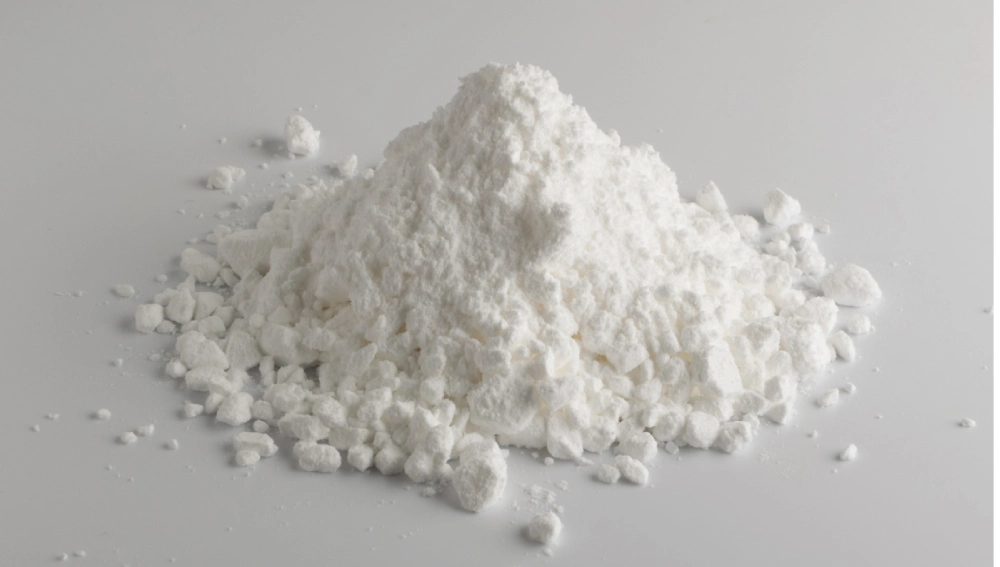
gypsum cement concrete

Conclusion:

Construction is dependent on gypsum. It has several exceptional qualities – fire resistance, noise exclusion, toughness, and flexibility. Gypsum is used in numerous products, including cement, plasterboard, or plaster,They apply it in residential homes and offices, among other buildings. Gypsum combines safety, convenience, and sustainability in the construction of living spaces. This makes gypsum an indispensable material for the construction industry for decades.

FAQS

What is the major use for gypsum?

The major use for gypsum is in the production of gypsum plasterboard (drywall), which is widely used for constructing walls and ceilings in buildings. Gypsum is also used in plaster, as a soil conditioner in agriculture, and in various industrial processes such as cement production.

Is gypsum good for a house?

Yes, gypsum is good for a house due to its versatility and benefits. Gypsum plasterboard is commonly used for walls and ceilings because it is easy to install, fire-resistant, and provides good insulation. It also helps in achieving a smooth finish and can improve indoor air quality by absorbing excess moisture.

Why is gypsum used in walls?

Gypsum is used in walls primarily because of its excellent fire resistance, ease of installation, and smooth finish. Gypsum plasterboard (drywall) provides a seamless, durable surface that can be easily painted or decorated. It also offers good sound insulation and helps regulate indoor humidity by absorbing and releasing moisture, contributing to a healthier indoor environment.

Versatile Uses of PCC in Construction: Foundations, Pavements

0
plain cement concrete

PCC is humble but versatile. It’s made of cement, sand, gravel, and water. PCC is an unsung hero in construction. Although it looks unassuming,t it plays a critical role.

PCC provides a strong base for many structures, ranging from tall skyscrapers to large projects. It’s everywhere because it’s affordable, easy to make, and strong. It’s a vital part of both small and large construction projects.

Many areas use it. People use it to create strong foundations and floors. It is also used to build tough pavements and water channels. Let’s dive into the uses of PCC in Construction.

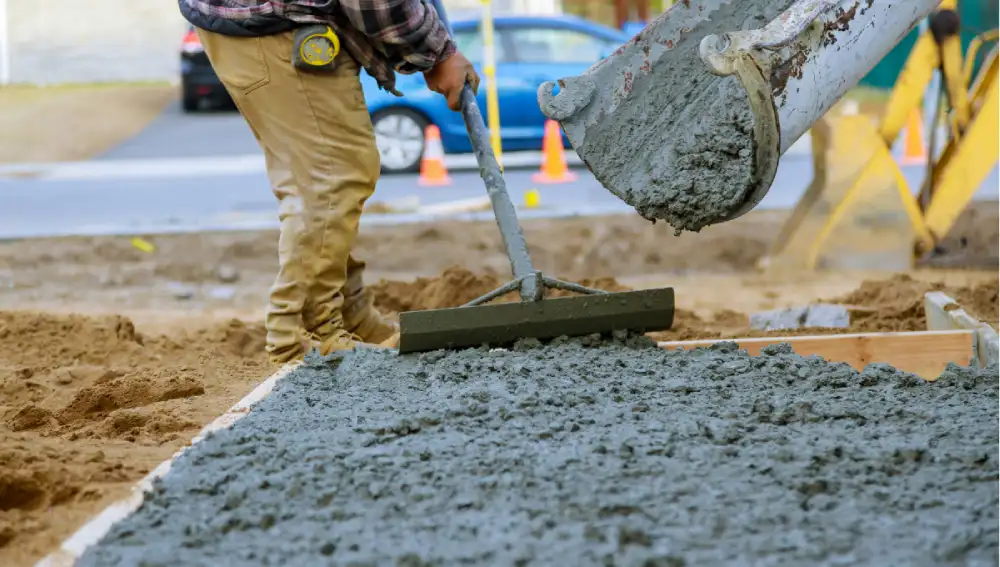
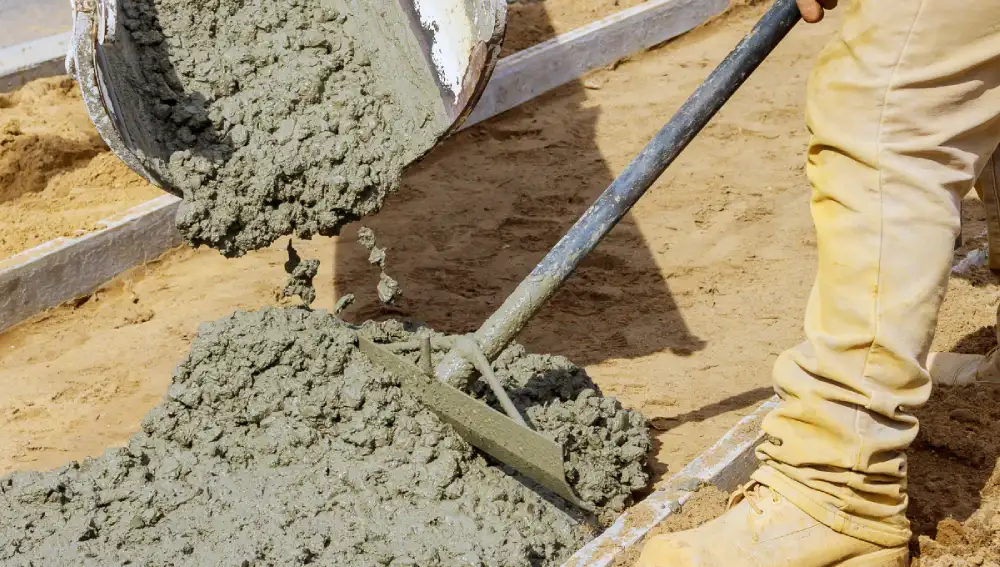
plain cement concrete

Use of PCC in construction.

1) Every structure needs PCC (Plain Cement Concrete). It provides a firm base for floors and columns. They must bear daily loads and last a long time.

2) They must withstand the huge forces of water. PCC’s capacity to withstand makes it the great choice for building gravity dams. Dams protect communities from floods and harness water for power.

3) Just imagine you are driving on a road and it feels like a silk ribbon. That’s the magic of PCC. Its rigidity removes the need for reinforcement. This leads to smooth, long-lasting pavements. They can withstand the daily grind of heavy traffic.

4) PCC is strong and impenetrable, making it perfect for making small canals. These canals move water for irrigation and other purposes. 

5) PCC often enhances the timeless beauty of stone masonry. It strengthens traditions, stone by stone. PCC acts as a bonding agent and reinforces the structure. It guarantees that historical buildings and monuments stand tall for all generations.

6) PCC isn’t about raw strength but has an artistic side. Its smooth finish is perfect for making pretty surfaces. People use them for windows, ventilators, and even sports courts. It adds elegance to functionality.

7) PCC cover blocks shield the steel inside concrete structures from damage. PCC prevents rust and keeps steel strong, protecting. buildings and bridges.

8) Before you lay that fine marble flooring or intricate tiles, PCC helps. It makes a level base, keeping. your floors even and crack-free. It gives a stable base for your dream home or office.

9) PCC forms the backbone of the busy city sidewalk. It withstands wear and tear, ensuring road surfaces and walkways remain safe and accessible for years to come.

10) PCC is super flexible, so you can make all sorts of precast pieces with it. Additionally, it’s budget-friendly. You may need pipes, blocks, poles, or decor. PCC gets the job done fast.

11) PCC is resilient to erosion, making it a natural choice for building retaining walls and barriers. These structures prevent soil erosion, shield the environment, and prevent costly damage.

12) PCC is crucial in bridge construction. It strengthens and durables decks and piers, withstands heavy loads and harsh weather, and  keeps vehicles and pedestrians safe when crossing rivers and valleys.

13) PCC is used in the construction of tunnels, which are used for transportation, water supply, and more. Its strength and durability make it ideal, and it.can withstand the immense pressure of the surrounding earth.

14) Many industries use PCC in their industrial infrastructure. People use it to construct factories, warehouses, and power plants. Its strength, durability, and chemical resistance make it useful for a wide range of industries use.

18) Many builders use PCC in constructing water and wastewater treatment plants. Its durability and resistance to corrosion are key factors. Plants need them to handle harsh chemicals and ensure they last.

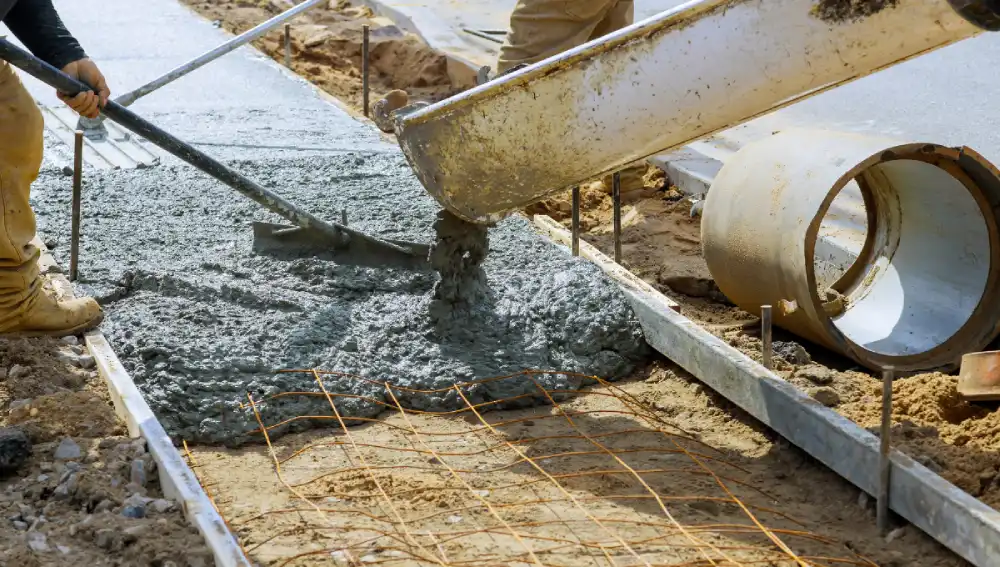
uses of pcc

Conclusion:

Construction fields changes every day and adapt new things. But plain cement concrete (PCC) remains a reliable foundation. Its adaptability, low cost, and strength make it significant. It is a key part of modern infrastructure.

Technology will bring new materials and methods. However, the lasting value of PCC is clear. PCC has shaped our built world. It continues to do so. It underpins the frameworks that define our existence.

PCC is simple and adaptable. It stays relevant by being sustainable and innovative. It’s used in homes’ foundations and the roads we travel. It will shape the future of our cities and communities.

FAQS

Why is PCC important in construction ?

Plain Cement Concrete (PCC) is important in construction because it provides a strong, stable foundation for structures. It is used as a base for various building elements, such as floors and pavements, to ensure even load distribution and to prevent uneven settlement. PCC also acts as a protective layer that helps in reducing soil moisture ingress, thus enhancing the durability of the structure.

What is the meaning of 1:2:4 PCC in concrete?

The notation 1:2:4 PCC in concrete refers to the mix ratio of the materials used. It means that for every 1 part of cement, there are 2 parts of sand (fine aggregate), and 4 parts of coarse aggregate. This ratio defines the proportion of each material in the mix, ensuring a specific strength and workability of the concrete.