Home Blog Page 70

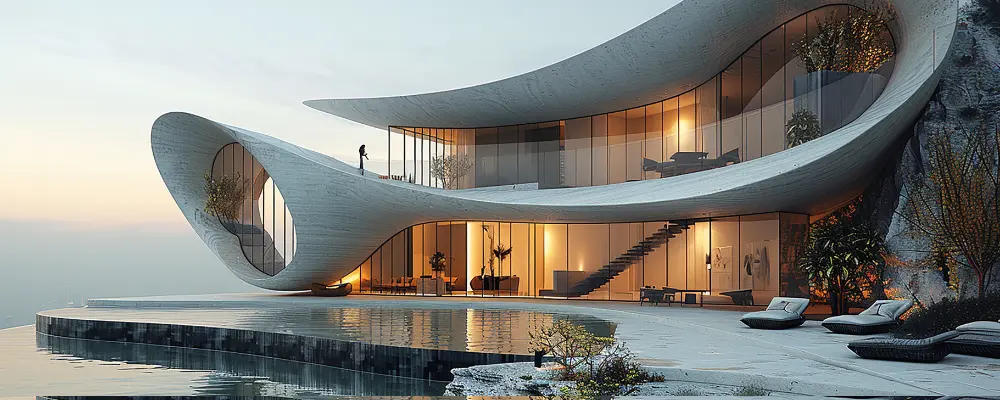
Mid-century Modern Architecture: Timeless Elegance and Innovation

0
Modern Architecture

“Mid-century modern style” is a phrase that we often hear in the AEC (Architecture, Engineering and Construction) industry, most commonly in the interior design field. It is a style that regularly creates waves of trend that inspire designers and home-owners alike. Read on to learn more about this style.

What Is Mid-century Modern (MCM) Architecture?

It is an architectural style that emerged during the middle of the 20th century, and was predominantly influenced by Modernist architecture, which rose to prominence during the early 20th century. Fostered by positive sentiments in the aftermath of the Second World War, this style experimented with newly developed materials such as steel, glass and concrete.

How Did Mid-century Modern Architecture Evolve?

Late 19th century and early 20th century architecture witnessed the birth and dominance of the Art Deco and Arts & Crafts movements, largely as a form of protest against mechanical buildings after the Industrial Revolution. These movements incorporated highly decorative and ornamental built forms. 

Modern architecture, in turn, evolved to bring back simpler forms, revolting against ornamentation. Greatly influenced by Louis Sullivan’s famous words— “Form follows function”—this style sought a cleaner approach to architecture. The Museum of Modern Art’s (MoMa) exhibition in 1932 showcasing “International Style”, called for the development of a ‘machine aesthetic’ with clean lines and the removal of ornamentation on buildings. Featuring works of prominent architectural leaders of the movement such as Walter Gropius, Le Corbusier, Frank Lloyd Wright and Mies van der Rohe, the exhibition led to a paradigm shift to modern styles of design.

What Were the Features of Mid-century Modern Architecture?

MCM architecture featured a few prominent characteristics that all proponents of the style strictly adhered to. These features dominantly distinguished it from other common styles of the era. 

  1. Open Floor Plans

Minimal interior partitions were created. This resulted in visually interconnected, seemingly larger spaces with flexible usage possibilities.

  1. Clean Lines

The use of sharp, straight, angular lines in elevation and planning resulted in flat roofs. Curvilinear and organic forms were generally not used.

  1. Functionality 

Aesthetic considerations took a backseat as more prominence was given to functionality. Simple, geometric forms emphasised that these structures were more user-centric.

  1. Material Usage

Newer materials like steel and concrete were used to create framed structures. This enabled the extensive usage of glass to create large floor-to-ceiling windows that bridged the gap between indoor and outdoor spaces. 

  1. Minimalism

Interiors consisted of sparse furniture with minimal clutter. Muted or earthy hues with occasional pops of colour were used. 

What Is The Difference Between Modern, Mid-Century Modern And Contemporary Architecture?

MCM architecture can be incorporated under the broader category of modern architecture. Modern architecture also encompasses other styles such as the ‘International Style’ and Frank Lloyd Wright’s ‘Prairie style’. It was significantly noticed from the early 1920s to the late 1970s, while MCM style was predominantly expressed from 1945 to 1969. MCM architecture was heavily influenced by the Bauhaus style in Germany (also a part of Modern style), owing to soldiers returning to America after the Second World War. Although largely similar to the Modern style, MCM architecture allowed for the use of a few accented colours as highlights, while still maintaining the principle of simplicity.

Contemporary architecture, on the other hand, varies substantially from these two styles. Not encompassing any particular period of time, this style is constantly evolving and can only be defined as the current style of architecture dominant at any time. Following similar principles of open plans and functionality over aesthetics, Contemporary architecture can be said to be derivative of Modern architecture. However, it often features organic forms and darker colours, while not necessarily adhering to minimalism. Subtle ornamentation can also be observed. 

Which Buildings Have Been Built in This Style?

Although the style originated in Europe, MCM style was majorly witnessed in the USA, especially in homes in the state of California and larger buildings in New York City. A few prominent architects advocating the style were Richard Neutra, Eero Saarinen, Ludwig Mies van der Rohe and Alvar Aalto.

Farnsworth House

This house designed by Mies van der Rohe, is one of the most well-known examples of the style. Built as a weekend retreat, the house features expansive glass windows offering panoramic views of the surrounding landscape, while its rectilinear form is emphasised with strong horizontal lines of the cantilevered floor and roof slabs. 

Glass House

Philip Johnson’s Glass House also embodied MCM principles. A steel framework with glass panels functioning as walls, made up the structure. A cleverly designed cylindrical brick structure camouflages the bathroom in the open floor plan.

Eichler Homes

Real estate developer Joseph Eichler was another major contributor to the popularity of the style, with his company Eichler Homes building more than 10,000 MCM houses in California, USA from 1949 to 1966. These were inspired by the designs of architect Frank Lloyd Wright and brought modern design to the masses.

Mid-century Modern Architecture Today

MCM is a term used to define an architectural style dominant strictly between 1945 and 1969. However, today’s architecture is heavily influenced by this style, even if the term itself cannot be used to describe it. Although the style was prominently witnessed only in the USA and parts of Europe, globalisation in the 1990s led to significant inspiration being derived from this style throughout the world, including India. 

Functional, simple forms combined with new-age technologies, are enabling innovations in architecture that are sparked by the original MCM style. Numerous interior designers are also currently favouring cosy furniture, warm interiors with subtle highlights and small pops of colour to brighten up spaces. Offering a range of potential for reinterpretation by current designers, MCM seems to be a style that will not stop trending anytime soon. 
19 Types of Cracks in Building

0
Cracks in Building

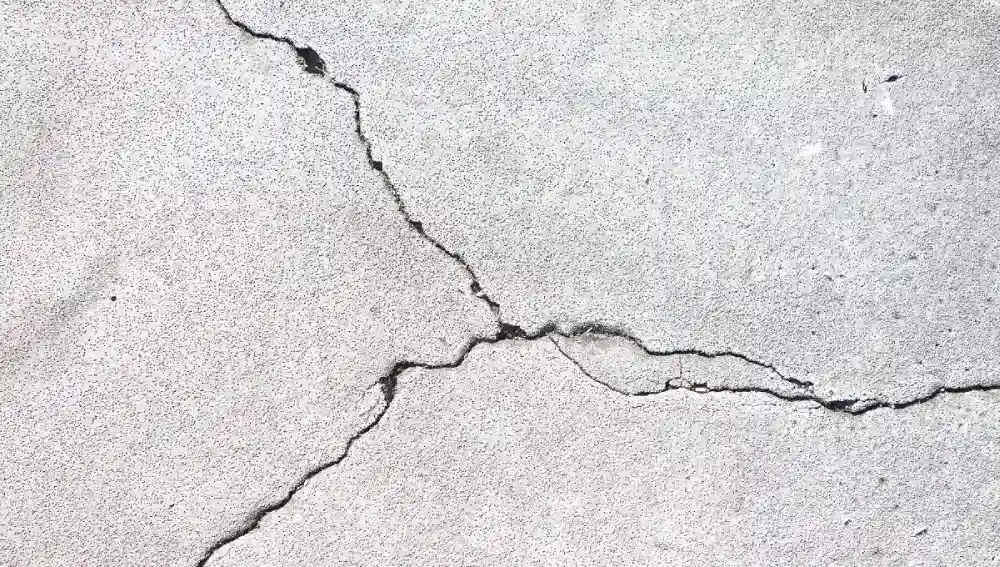
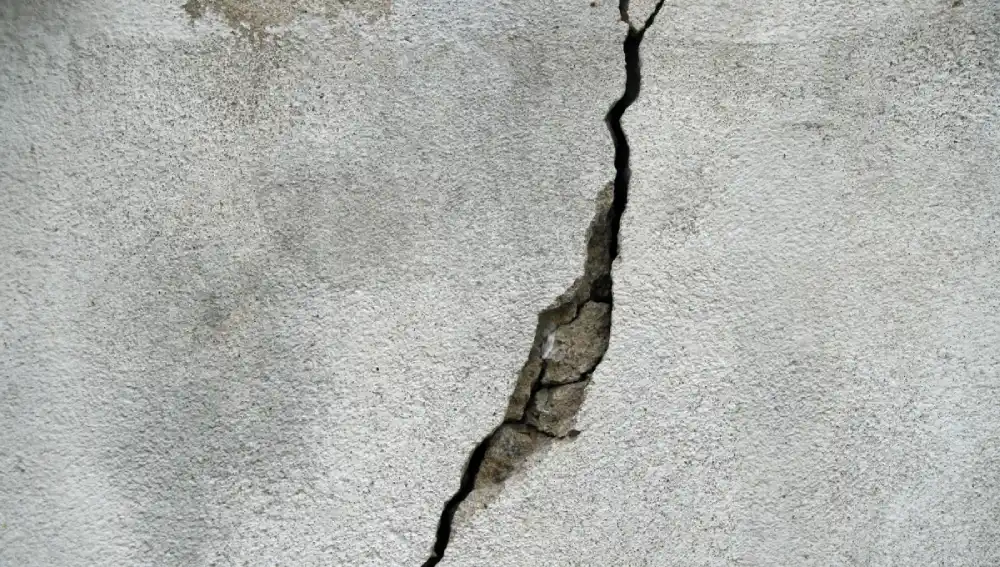
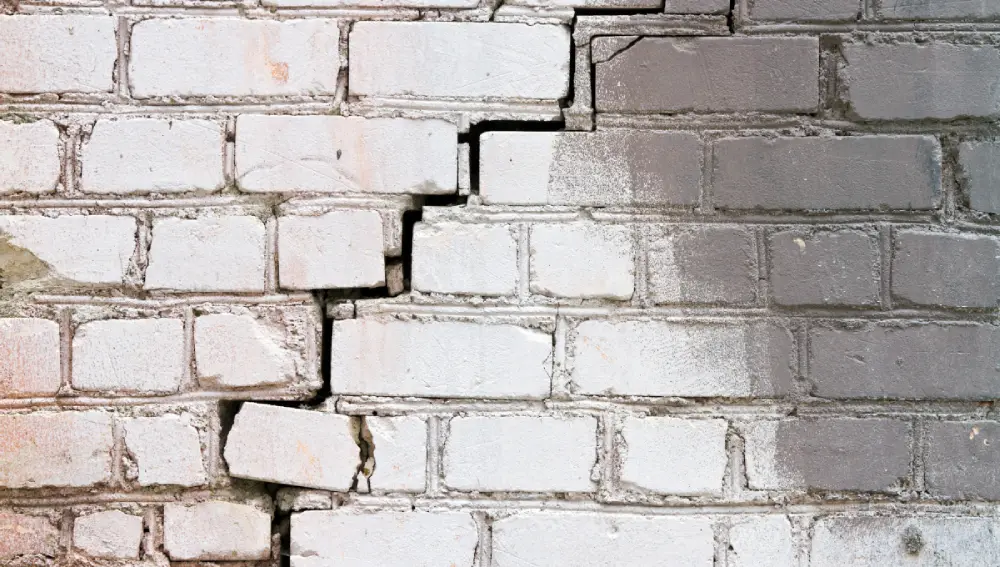
As a homeowner, you might encounter  various cracks in different buildings. Understanding the different types of cracks and their underlying causes is crucial for properly diagnosing and addressing them. In this blog, I’ll walk you through 20 common types of cracks, their causes, and the best methods for fixing them.

Cracks in Building

19 Types of Cracks in Building

Structural Cracks

These cracks can compromise the integrity of the building’s structure. Typically caused by overloading, poor design, or foundation issues.

How to Fix It

  • Epoxy injection seals cracks. It restores concrete’s strength by injecting thin epoxy under pressure.
  • Stitching involves drilling holes on either side of the crack. Then, you insert steel pins or staples to hold the crack together. This method is effective for masonry walls.

Flexural Cracking

Caused by bending stresses in beams and slabs. Appear as vertical cracks on the tension side of the member.

How to Fix It

  • Flexural cracks may require epoxy injection to seal the crack and restore structural integrity.
  • Adding more reinforcement helps. It can strengthen the affected area.

Settling Cracks

Caused by uneven settling of the foundation. Often due to poor soil conditions or inadequate foundation design.

How to Fix It

  • Addressing settling cracks may require underpinning, which involves strengthening or replacing the foundation.
  • Other methods can also repair foundations. They include piering or helical anchors. They can stabilize and prevent further movement.

Diagonal Cracks

Indicate shear stresses in the structure. Often caused by differential settling or overloading.

How to Fix It

  • Adding steel plates or fiber-reinforced polymer (FRP) wraps can distribute the loads. They also prevent more cracking.
  • These materials are bonded to the concrete or embedded inside it.

Crazing

A network of fine, interconnected cracks on the concrete surface. Typically caused by rapid drying or improper curing.

How to Fix It

  • Crazing is a cosmetic problem and does not typically affect the concrete’s structural integrity.
  • Sealants create a barrier on the concrete. They stop moisture and other factors from getting in.

Thermal Movement Cracks

Caused by the expansion and contraction of building materials due to temperature changes.

How to Fix It

  • Thermal movement cracks can be fixed. You fix them by adding expansion joints to the building’s structure.
  • Expansion joints allow materials to expand and contract. This prevents stresses that cause cracking.

Horizontal Cracks

Often caused by lateral soil pressure or hydrostatic pressure from groundwater.

How to Fix It

  • Horizontal cracks may need anchors or tiebacks. These will stabilize the wall and stop more cracking.
  • Anchors are driven into the soil behind the wall, providing a secure connection to counteract the lateral forces.

Initial Shrinkage

Occur in concrete and masonry due to the loss of moisture during the curing process.

How to Fix It

  • You can minimize initial shrinkage cracks by proper curing during construction.
  • Using curing compounds or wet burlap retains moisture in the concrete. This reduces the risk of shrinkage cracks.
Overloading Cracks

Overloading Cracks

Caused by excessive loads being applied to the structure, beyond its design capacity.

How to Fix It

  • Overloading cracks may require structural reinforcement to address the root cause of the issue.
  • More steel can be added. It can be in the form of beams or columns. This will spread the loads and stop more cracking.

Settlement

Similar to settling cracks, but caused by the gradual sinking of the entire foundation.

How to Fix It

  • Settlement cracks may need underpinning. Or, they may need other foundation repair techniques to stabilize the structure.
  • Underpinning involves strengthening or replacing the foundation to prevent further movement and cracking.

Corrosion Cracks

Caused by the expansion of corroded reinforcing steel within concrete. Leading to the cracking of the concrete cover.

How to Fix It

  • The corroded steel must be treated by cleaning or replacing the affected sections.
  • A repair mortar or coating is then applied to the affected area to restore the concrete’s structural integrity.

Expansion Concrete Cracks

Caused by the swelling of concrete due to chemical reactions, such as alkali-silica reaction (ASR) or sulfate attack.

How to Fix It

  • Expansion concrete cracks may require the removal and replacement of the affected concrete.
  • Using low-alkali cement or other preventions can help reduce the risk of future cracking from expansion.

Hairline Cracks

Extremely fine cracks that are barely visible to the naked eye. While they may not be a structural concern, they can indicate the presence of more serious issues.

How to Fix It

  • The sealant helps protect the concrete from weathering. It also stops the hairline cracks from getting worse.
  • Monitoring the hairline cracks over time is key. They may indicate bigger problems early.

Plastic Settlement

Occur in fresh concrete due to the settlement of aggregates and the formation of bleed water at the surface.

How to Fix It

  • Proper concrete placement techniques, such as vibration, can minimize plastic settlement cracks.
  • Proper consolidation of the concrete helps. This can be done through vibration or other methods. It eliminates voids and reduces aggregate settlement.

Premature Drying

Caused by rapid moisture loss from the surface of fresh concrete, leading to the formation of cracks

How to Fix It

  • Premature drying cracks can be prevented by proper curing techniques during the construction phase.
  • The application of curing compounds helps retain moisture in the concrete, reducing the risk of rapid drying and cracking.

Plastic Shrinkage

Similar to premature drying cracks, but caused by the evaporation of moisture from the surface of fresh concrete.

How to Fix It

  • Plastic shrinkage cracks can be minimized by protecting the concrete surface from wind and direct sunlight.
  • Proper concrete mix design is key. It needs an appropriate water-cement ratio. This can also reduce the risk of plastic shrinkage cracks.

Cracks in Roof Slab

This can be caused by a variety of factors, including thermal movement, overloading, or inadequate reinforcement.

How to Fix It

  • Cracks in roof slabs may need more reinforcement. This is to fix the underlying structural issues.
  • Fixing the root cause of the cracking is key. This cause may be thermal movement or overloading. It stops the problem from happening again.

Cracks in RCC Members

This can be caused by a variety of factors, including flexural stresses, shear stresses, or corrosion of reinforcing steel.

How to Fix It

  • Adding more reinforcement helps. They can strengthen the affected area.

Heaving Crack

Caused by the swelling of soil or expansive clays beneath the foundation, leading to the uplift of the structure.

How to Fix It

  • These techniques help counter the upward forces from swelling soil or clays.
  • Moisture barriers and soil stabilization techniques can help. They stop soil from expanding. Techniques include chemical treatment and compaction.

Conclusion:

By properly identifying the type of crack and its severity, you can implement the appropriate repair methods to restore structural integrity and prevent further damage. Remember, early intervention is key to maintaining the safety and longevity of your building.

5 Ways To Make a Building Earthquake Proof

0
5 Ways To Make a Building Earthquake Proof

Earthquakes are powerful natural disasters, and one cannot build a completely earthquake-proof building. However, earthquake-resistant buildings are completely possible. Earthquake-resistant buildings are built with the goal of maximizing life safety, minimizing damage, and maintaining functionality. Though there are multiple hacks available to make your building earthquake-resistant, this article highlights five fundamental steps that are highly recommended to build buildings earthquake-resistant.

Five Fundamental Steps to Make Your Building Earthquake-Resistant

Steps to Make Your Building Earthquake-Resistant

The following factors will make your building super earthquake-resistant:

  • Solid foundation
  • Structural reinforcement
  • Non-structural component reinforcement
  • Flexible utility lines
  • Seismic dampers

Solid Foundation

A solid foundation ensures that the forces of an earthquake are distributed evenly throughout the building and no cracks or structural failure occur, resulting in the collapse of the building.

How to Lay a Strong Foundation:

  • Choose an ideal site for your buildings. Locations with good bedrock provide firm soil conditions.
  • Employ grouting or other soil compaction techniques to harden loose or sandy soil in your building site.
  • Build a deep foundation using piling techniques like driving steel or concrete piles into the ground. This will help the foundation to carry the building’s weight more stably.

Structural Reinforcement

The structure of the building must be built in a way to absorb and dissipate the forces of the earthquake. This will prevent the building from crumbling.

How to Reinforce the Building’s Structure:

  • Use Reinforced Concrete: Concrete is weak with tension. Reinforcing the concrete using steel rebar embedding, known as Reinforced Cement Concrete (RCC), allows the building to bend slightly but prevents the building from cracking during an earthquake.
  • Use Structural Steel: Structural steel can provide a higher protection than concrete as it is very strong and ductile and would make a good earth-quake resistant component.
  • Placement of Shear Walls: Shear walls are made of thick reinforced concrete and placed strategically to resist the lateral forces of an earthquake.
  • Using Braced Frames: Braced frames are structures with diagonal braces and are made of steel or concrete. They act as trusses and hold the building, offering stability and preventing excessive lateral movement.
  • Using Diaphragms: Diaphragms are rigid horizontal elements like floors and roofs that prevent the earthquake forces from concentrating only on vertical structures like walls and roofs. They help distribute the earthquake forces to be distributed evenly throughout the building structure.

Non-Structural Component Reinforcement

Just as focusing on the building’s structure is important, it is equally important to focus on non-structural components of the building, like shelves, cabinets, furniture, light fixtures, and others. During an earthquake, unsecured furniture, things on the shelves, appliances, and others might fall and cause injury, cause accidents, and even block doorways.

How to Reinforce Non-Structural Components of the Building:

You can prevent the non-structural components from falling or crashing during an earthquake by:

  • Anchoring furniture, shelves, and cabinets to walls with essential anchoring components.
  • Strapping water heaters, microwave ovens, and other electrical appliances to the walls using appropriate strapping elements.

Flexible Utility Lines

Utility lines for drinking water, drainage, and electricity also get exposed to the forces of an earthquake and may get damaged. Using flexible pipelines can help prevent the lines from rupturing and minimize the risk of fires or leakages.

How to Employ Flexible Utility Lines:

You can use braided metal hoses or reinforced plastic for water lines For wiring you can use flexible electrical conduits.

Steps to Make Your Building Earthquake-Resistant

Seismic Dampers

Seismic dampers are exclusively designed to protect buildings and their occupants from earthquakes. They absorb the shock due to the earthquakes and dissipate them.

How to Employ Seismic Dampers:

There are two kinds of seismic dampers available:

  • Hydraulic Dampers: They are pressurized oil that moves through the structure, absorbs the earthquake’s energy, generates heat, and prevents the seismic movement from directly affecting the building.
  • Viscous Dampers: They are special fluids that absorb that absorb the energy of the earthquake tremors and reduce the shaking of the building.

Conclusion

As the saying goes, “Prevention is better than cure.” Building your building earthquake-resistant is indeed a wiser initiative. In addition to implementing the steps mentioned above, regular maintenance of the building can help you identify and take any preventive measures before an earthquake.

Also, consult a qualified structural engineer to assess the condition of your building and take the necessary measures to make your building earthquake-safe.

How to Pay TDS on Property Purchase: A Step-by-Step Process

0
Tax Deducted at Source

Buying a property is a big cost. Meeting all legal and tax rules is crucial. In India, you must pay Tax Deducted at Source (TDS) on property purchases over Rs. 50 lakhs. 

Here’s a detailed guide on how to pay TDS on property purchase.

Step 1 – Open the official website of the Income Tax Department.

new tax vs old tax regime

Step 2 – Register Your Account

  • To sign up as a new user, you should click on the “Register” button.
Register Your Account
  • Then, you should follow the instructions to create an account. For that you will need your permanent account number(PAN). You will also need your email and mobile number for the registration.
create an account

Step 3 – Login to Your Account

  • Once registered, log in using your PAN, password, and the captcha code displayed on the screen.
 Login to Your Account

Step 4 – Select e-Pay Tax

  • After logging in, navigate to the “e-Pay Tax” option available on the dashboard.
Select e-Pay Tax

Step 5 – Select New Payment

  • Click on “New Payment” to start the payment process.

Step 6 – Select TDS on the sale of property.

  • In the category of payments, choose “TDS on sale of property.”

Step 7 – Fill in the buyer’s details.

  • Enter the details of the buyer, such as PAN, address, and contact information. Ensure that all information is accurate and matches the records.

Step 8 – Fill in the seller’s details.

  • Enter the details of the seller, including their PAN, address, and contact information.

Step 9 – Fill in the Property and Payment Details

  • Provide details about the property you are buying. Include the address, type of property, and price.
  • Enter the TDS amount to pay, calculated as 1% of excess property value.
  • Enter the amount of TDS that you should pay. It equals 1% of the property value over Rs.50 lakhs.

Step 10 – Select payment options.

  • Choose your preferred payment method, such as net banking or debit card.
  • Review the details and proceed to make the payment.

Step 11 – Send us the TDS receipt.

  • After you successfully make a payment, the system will generate a challan. Download and save the TDS certificate (Form 16B) from the TRACES website.
  • Send the TDS receipt to the concerned parties as required.

Benefits of paying TDS online

If you wish, you also have the option to visit the nearest bank branch or tax office and make the TDS payment offline. However, the process is tedious and takes time. This is why it is suggested that you make an online TDS payment. Below are some benefits of making an online TDS payment. 

Convenience

With online TDS payments, you don’t need to visit the office in person to make the payment. This option is more convenient and eliminates the need for paperwork.

Less chance for errors

Manual TDS payment might have some errors. Online TDS payment portal has built-in checks that greatly reduces the chances of errors. 

Quick and efficient

Unlike offline payments, the online TDS payment procedure is simple and can be completed quickly. 

Better record keeping

Online portals are better at tracking records of your payment history than offline records. You can also access these records easily increasing transparency.

Secure payments

Online payment portals are highly secure and ensure a smooth and secure payment process. It can also save your financial information from fraudulent activities. 

Tax compliance: With online TDS payments, you can ensure that you make the payments on time and comply with tax laws. 

Complication of not paying TDS on time

Failing to pay your TDS within the stipulated time can lead to several legal complications. Below listed are some of them. 

Financial penalties

You will be charged interest for your late TDS payment. The income tax department may also impose penalties for non-compliance.

Legal consequences

In cases of severe non-compliance, you might face legal consequences like prosecution and imprisonment. 

Damage to reputation

Failing to pay TDS on time can cause severe damage to your business reputation. 

Tax disputes

Non-compliance with tax laws can cause inconvenient tax disputes. 

Conclusion 

Paying your TDS on time is a legal responsibility you must fulfill without fail. If you are into construction or are trying to sell a property, ensure you pay your taxes on time. 

FAQs

1. What is the time limit for paying TDS on a property purchase?

Deposit TDS within 30 days from the end of the deduction month. For example, if you deduct TDS in May, deposit it by June 30th.

2. Can I pay the TDS after property registration?

After you buy the property, it’s a good idea to pay the TDS promptly to avoid interest or penalties.

3. When should I pay TDS on a property purchase in installments?

If you make property payments in installments, deduct TDS with each payment. Make sure to deposit it within 30 days from the end of the month when the deduction is made.

What Is a Rectification Deed: Everything You Need to Know

0
Rectification Deed

As a property buyer, seller, or real estate professional, you may encounter errors or inaccuracies in property-related documents, such as sale deeds, title deeds, or purchase agreements. This blog aims to give you a full understanding of rectification deeds. And ensure that your property transactions are smooth and hassle-free.

What is a Rectification Deed

Rectification Deed

A rectification deed is a legal tool. It corrects errors in past property documents, like sale deeds, title deeds, and purchase agreements. It ensures that the document reflects the parties’ original intent. It prevents disputes from clerical mistakes.

Conditions for executing a rectification deed

  • The error in the original deed must be genuine and unintentional.
  • All parties involved in the original deed must mutually agree to the rectification.
  • The rectification deed can only correct factual errors and not legal mistakes.
  • Both parties ‘ interests should remain the same due to the rectification.
  • The sub-registrar must be convinced that the error in the original document was inadvertent.
  • The parties must appear before the sub-registrar to register the rectification deed.

What is the time limit for executing a rectification deed?

There is no specific time limit prescribed by law for executing a rectification deed. However, it is advisable to correct errors as soon as they are discovered to prevent any legal complications or disputes.

How much cost of rectification deed stamp duty?

The stamp duty for a rectification deed varies depending on the state and the nature of the error being corrected. In some cases, a nominal fee of Rs. 100 may be charged for minor corrections, while more significant errors may attract higher stamp duty.

How to create a rectification deed?

1. Identifying the error.

2. Draft a rectification deed that includes:

  • Corrective statement outlining the text that needs correction.
  • Reference to the original document, including the date and parties involved.
  • Mutual agreement clause confirming all parties agree to the corrections.

3. Get signatures from all parties in the original document. If the original owner has passed away, their legal heirs must be involved.

4. Both parties must go to the sub-registrar with supporting documents and pay the stamp duty.

How to register a rectification deed?

  • Visit the sub-registrar’s Office

Both parties involved must visit the sub-registrar’s office where the original deed was registered. This is required even if the rectification deed is being executed online.

  • Apply.

Apply the sub-registrar seeking correction of the error in the original document. Attach all supporting documents proving the error.

  • Pay the stamp duty.

This is usually a nominal fee of Rs. 100 for minor corrections. However, if major changes are being made, higher stamp duty may be applicable.

  • Witness Requirement

If the original document is changing a lot, the sub-registrar may require two witnesses from each party to be present.

  • Online Registration

Some states allow online appointments and stamp duty payments for rectification deeds.

State-wise official sites for rectification deed

Many states in India have dedicated websites for online registration of rectification deeds. Some prominent states websites are as follows:

– Bihar: http://bhumijankari.bihar.gov.in

– Delhi: http://revenue.delhi.gov.in

– Gujarat: https://services.india.gov.in

– Karnataka: https://kaverionline.karnataka.gov.in

– Maharashtra: https://gras.mahakosh.gov.in/igr/

– Tamil Nadu: https://tnreginet.gov.in

– Uttar Pradesh: https://igrsup.gov.in

Rectification deed format

1. Corrective statement: Clearly outlines the error and the correction.

2. Original document reference: It includes its date and parties involved.

3. Mutual agreement clause: Confirms that all parties agree to the correction.

The format below can change based on the specific requirements. It is for the changes to the original property document.

This deed of rectification is executed at [Place], on [Date], between:[Name], son/daughter of [Father’s Name], residing at [Address], hereinafter referred to as the “Rectifier/Vendor”, which term includes its successors and assigns of the ONE PART;

And[Name], son/daughter of [Father’s Name], residing at [Address], hereinafter referred to as the “Purchaser/Buyer”, which term includes his heirs, executors, administrators, representatives, and assigns of the OTHER PART.

WHEREAS:

A. The property was sold by the Rectifier in favour of the Purchaser herein in and by a sale deed dated [Date] and registered as Document No. [Number] in the file of the Sub Registrar of [Location], hereinafter referred to as the “Principal Deed”.

B. In the Principal Deed dated [Date] in line [Number] of page number [Number], the [description of error] was wrongly [details of error].

C. This [type of error] has come to the knowledge of the above-said Purchaser and the Purchaser has requested the Rectifier/Vendor to rectify the same.

NOW THIS DEED OF RECTIFICATION WITNESSETH AS FOLLOWS:

1. That in the Principal Deed dated [Date] in line [Number] of page number [Number], the [description of error] is hereby rectified as [corrected details].

2. That no consideration has been received by the Rectifier for executing this Deed of Rectification.

IN WITNESS WHEREOF, the parties have executed this Deed of Rectification on the day, month, and year first above written.

[Signatures of Rectifier/Vendor and Purchaser/Buyer]

Witnesses:
1. [Name, Address]

2. [Name, Address]

This rectification deed format includes:

1. Proper identification of the parties involved.
2. Recitals stating the background and reason for rectification.
3. The operative part clearly states the correction being made.
4. Confirmation of no additional considerations.
5. Signatures of the parties and witnesses.

Key facts to remember about the rectification deed.

facts to remember about the rectification deed

1. Honest mistake:

The errors in the original document must be genuine and unintentional.

2. Joint execution:

In the rectification deed, both the buyer and the seller should consent to its signing.

3. Registration: 

The rectification deed required certain formalities to be complied with to make it effective.

4. Legal remedy against its rectification:

A rectification deed was executed fraudulently or against all the parties’ interests. In that case, it can be contested in court.

Conclusion:

In conclusion, a rectification deed is a necessary legal tool. It fixes mistakes in property documents. But, it lacks power if not done with mutual consent and registration.

FAQ’s

1. Does a deed of rectification need to be stamped?

Yes, a rectification deed requires stamp duty. The duty can vary by state and by the kind of error being corrected.

2. What is the difference between a rectification deed and a correction deed?

Rectification deeds and correction deeds are used interchangeably. They refer to the same legal tool used to correct errors in property documents.

3. Can the rectification deed be cancelled?

You can cancel a rectification deed if it has fraud or lacks consent from all the affected parties. In such cases, the affected party can only seek legal redress by suing the deed.

Construction Materials Rate In Chennai

0
Construction Materials Rate

Is Chennai where you want to construct your dream house? Let’s not deceive ourselves. Understanding the prices of construction materials is like a Maze. 

The prices are always changing. Whether you are a veteran builder or an inexperienced homeowner, this blog post will guide you. Here we have listed the latest rates for construction materials in Chennai. This will help you plan and avoid surprise bills. 

Construction materials rate in Chennai

Brick & Stone, Sand Price List

ItemsNo’sPrices (Rs)
Solid Concrete Block140
Brick Red Partition Walls Solid Red Brick19
Fly Ash Bricks17.5
Thin Bricks118.5
Elevation Wire Cut Wall Brick132
Red Solid Clay Bricks17
Hollow Fly Ash Blocks & Bricks125
Solid Cement Cellolite CLC Blocks145
CLC Block145
Renacon CLC Blocks145
CLC & AAC Side Wall Block198
Bricks18 – 10.00
Bricks3000 No’s22,000.00 – 3,000.00
Jalli 21mm (Karungal)1 Unit5,000.00 – 5,500.00
Sand1 Unit10,000.00 – 11,000.00
M Sand1 Unit6000.00 – 6500.00
P Sand1 Unit7500.00 – 8000.00
Natural River Sand1165
Trichy Coarse River Sand grade1140
Trichy Medium coarse River Sand Grade155
Karur Coarse River Sand Grade150
Kollegal medium coarse River Sand grade150
Kollegal coarse River Sand grade150
Fine m-sand Grade141
Karur Medium Coarse River Sand grade150
Arcot Coarse River Sand grade171
0mm Blue Metal Aggregate155
20MM Blue Metal Construction Aggregates134
40 mm Blue Metal Grade130
12 mm Blue Metal Grade135
Blue Metal Dust Grade130
6 mm Blue Metal Grade130

Factors affect construction materials cost in Chennai

Factors affect construction materials cost in Chennai

As you must know, construction materials cost is not the same everywhere. Even in the same place, the price might fluctuate due to various reasons. Below are some factors that can affect the construction materials cost in Chennai. 

1) Fluctuating market

Rapid market changes due to supply and demand and other factors can influence the cost of construction materials like cement, sand, and steel. 

2) Material type

The type of material you buy can significantly influence the cost of the materials. For example, the cost is different for different types of bricks and cement. 

For cost-effective options, you might want to explore Low Cost Home Construction Materials.

3) Local variations

The place where you buy your construction materials also influences their cost. Some materials are cheaper or more expensive in certain areas. You need to look into areas where a certain material is cheaper and make your purchase there to reduce overall expenses. 

Below is an example of how certain factors can affect the cost of certain materials.

Bricks

The cost of bricks can be influenced by factors like local production, demand, and transportation. 

Cement

The price of cement can be influenced by demand, material availability, fuel costs, etc.

Sand

The overall cost of sand can be influenced by its availability, transportation costs, government regulations for sand prices, etc.

Other reliable sources of price information

Other reliable sources of price information

Here is a list of some other reliable sources you can look into to get the prices for quality construction materials. 

  • Contacting local dealers can give accurate information on materials costs.
  • You can log in to some construction apps that provide real-time construction materials costs to get the data.
  • You can visit online websites like Justdial and IndiaMART to learn the cost of construction materials.
  • You can also use the old method and look into newspapers for advertisements of other news regarding construction materials cost updates. 

Conclusion

Now, you understand the latest prices for building materials in Chennai. You have what it takes to make wise choices and start your project without doubts. 

However, remember that their prices can rise or fall from time to time, so confirm with them before making the actual purchase. It must not be an expensive experience to build something you have always dreamt of turning into a reality. 

This way, by knowing how things are going and working according to plan, you will surely achieve your targets without spending a fortune.

FAQ’s

1) Where can I find the most accurate and recent material rates?

In case, you can also get this reliable data from local suppliers, government websites or construction industry publications. Brick n Bolt (an online platform) is another source of information about these products. Local builders or architects may also be consulted for advice.

2) Are there big differences in prices among various brands/suppliers of the same product?

Yes, there are various things that can affect price such as brand name, quality, volume purchased and location of supplier. It would be prudent to compare prices from different sources before deciding on a purchase.

3) what are some reliable sources for getting construction price information?

Below are some reliable sources you can look into to get details on construction costs. 

* Local dealers
* Construction apps
* Construction websites
* Local newspapers

800 sq ft House Construction Cost in Tamilnadu

0
800 sq ft House Construction Cost

For homebuyers in Tamil Nadu looking to build an 800 square feet (sq ft) house, the construction cost is a critical factor to consider. Brick & Bolt, a leading construction company in the region, offers four distinct packages tailored to meet the diverse needs and budgets of its clients. 

These packages are designed to provide a comprehensive solution, covering the entire construction process from initial planning and design to final handover.

By leveraging Brick & Bolt’s expertise and the company’s extensive experience in the Tamil Nadu housing market, homebuyers can navigate the construction process with confidence. 

The company’s commitment to quality, innovation, and customer satisfaction ensures that each project is completed to the highest standards, providing a comfortable and efficient living environment for its clients.

800 sq ft House Construction Cost

1) Basic Package

  • The Basic package is Brick & Bolt’s most affordable option, suitable for homebuyers who want a functional and practical 800 sq ft house without compromising on quality. 

2) Classic Package

  • The Classic package offers more customization and higher-quality finishes compared to the Basic package. 

3) Premium Package

  • The Premium package is Brick & Bolt’s most popular offering, catering to homebuyers who desire a luxurious and modern living experience. 

4) Royal Package

  • For those seeking the ultimate in luxury and customization, Brick & Bolt’s Royal package is the perfect choice. 

800 sq ft house construction cost in Tamil Nadu

The cost of constructing an 800 sq ft house in Chennai, Tamil Nadu, can vary significantly from the usual House Construction Costs and cost is based on the quality of materials used, the complexity of the design, and the location of the property within the city. 

Factors like 

  • the availability of skilled labor,
  • the cost of land, permits, and 
  • utility connections 

can also significantly impact the overall construction budget.

On average, the average cost of an 800 sq ft house construction will range around Rs. 12 lakhs and Rs. 40 lakhs.

Based on cost-estimator, the construction cost varies by,

  1. Basic package – ₹2,150/sq.ft (Incl. GST), the total cost is ₹15,82,400
  2. Classic Package – ₹2,370/sq.ft (Incl. GST), the total cost is ₹17,44,320
  3. Premium package – ₹2,630/sq.ft (Incl. GST), the total cost is ₹19,35,680
  4. Royal Package – ₹2,890/sq.ft (Incl. GST), the total cost is ₹21,27,040

How can I minimize the construction cost for my 800 sq ft house?

How can I minimize the construction cost for my 800 sq ft house?

Always remember, the cost of your house construction, no matter if it is small or big, can be managed a bit if you wish to. Below are some tips you can follow to minimize the cost of your 800 sq ft house construction.

  • You can reduce the cost of architectural designs and opt for simpler but classy ones.
  • You can use the available space efficiently and avoid unnecessary costs.
  • Instead of costly imported building materials, you can opt for local, affordable, yet durable materials.
  • Make a bulk purchase instead of buying materials separately. This can decrease your overall costs.
  • Employ local laborers to save on extra costs.
  • You can do DIY activities like painting and tilting yourself if you are up for it. It can be fun and also reduce labor costs.
  • Ensure the particular task get completed on time without any delays.

What factors influence the construction cost of an 800 sq ft house in Tamil Nadu?

The cost of constructing an 800 sq ft house in Tamil Nadu can vary significantly based on 

  • The quality and type of building materials used, 
  • The complexity of the architectural design, 
  • The specific location of the property within the city, 
  • And the availability of skilled labor in the local market,
  • The cost of land, 
  • Obtaining necessary permits and 
  • Connecting utilities.

Conclusion

It’s important to note that these cost estimates are based on current market trends and may be subject to change due to factors such as fluctuations in material prices, labor costs, and local regulations. It’s always recommended to consult with a reputable construction company or a real estate professional to get a more accurate estimate for your specific project.

Building Construction Equipment

0
Building Construction Equipment

The construction industry is one of the most advanced and fastest-growing industries. With the growing possibilities and architectural advancements, primitive construction equipment will not allow contractors to achieve their goals.

This is where the numerous small-scale and large-scale equipment come into play. These equipment come in handy to assist the workers with tasks like moving, leveling, hauling, digging, etc.

In this article, we will discuss all about these amazing construction equipment and learn how they make the construction process much easier. 

Category-wise building construction equipment

Category-wise building construction equipment

Hand Tools

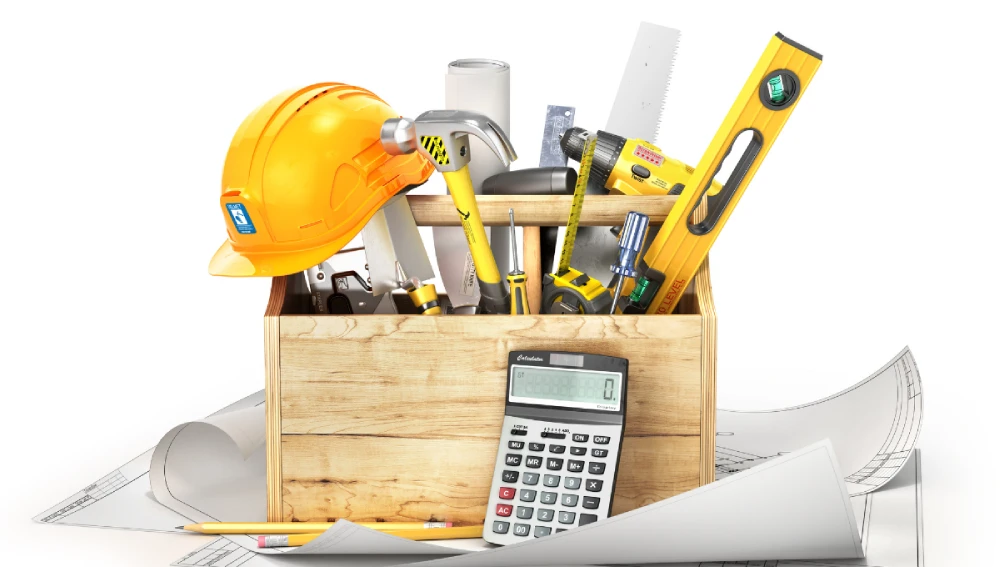
Hand tools are simple tools used for ordinary activities like measuring, cutting, shaping, etc. These tools offer precision in certain areas where power tools can’t. These tools are also portable and usually cost less than other equipment. Some common hand tools are listed below.

Hammers

A hammer is a tool with a weighted head fixed to a long handle. This tool is often used for small tasks like driving or removing nails from walls, crushing or shaping materials, etc. 

Screwdrivers

As the name suggests, screwdrivers are simple tools that are used to tighten or remove screws from a surface. They come in different sizes that can be used according to the screw size.

Wrenches

A wrench is a tool used to grip, tighten, loosen, or turn things like nuts and bolts, pipes, etc. They come in different sizes and can be used for various purposes. 

Hacksaws

A hand tool used to cut through metals like copper pipes and conduits. It’s a useful tool for electricians and plumbers. 

Drills

A hand drill makes holes in several materials like wood, brick, concrete, etc. It can also help tighten or loosen screws and other fasteners.

Power Tools

These are electrically or pneumatically operated tools that increase the speed and accuracy of the work. These tools are a little more efficient than hand tools and help workers complete tasks quickly.

Circular saw

It is a power tool designed to cut through wood and other materials. It has a sharp circular blade that rotates extremely fast to cut through materials. 

Jacking hammer

This tool is very efficient in breaking or making holes in large and hard materials like rocks, walls, pavements, etc. 

Grinder

A grinder, or an angle grinder, is a power tool used to cut, grind, or smooth hard surfaces. 

Heavy Equipment

Heavy Equipment

Any kind of construction vehicle or other equipment that is employed in earthmoving, material handling, and lifting comes under the heavy equipment category. 

Excavator

Excavators, also called diggers, are earthmoving equipment that is used for digging, demolition, landscaping, grading land, etc. 

Bulldozer

A bulldozer is an earthmoving machine heavy machine used for shallow digging, ditching, leveling, demolishing, etc. 

Crane

A crane is designed to lift and move loads. They do this in tall and large structures, such as tall buildings.

Loader

Multi-Terrain Loaders and Wheel Loaders can handle various materials across different terrains. They can navigate uneven ground, rough terrain, and soft soil.

Safety Gear

Construction work, no matter how small or big, requires proper safety precautions and measures. There are safety rules and regulations that all contractors and workers should follow while doing construction work. 

This gear includes 

  • protective helmets, 
  • safety goggles, 
  • hand gloves,
  • safety shoes,
  • Full-face shields,
  • N95 masks,
  • Full-face respirators,
  • Full-body protective suits, and many more. 

Versatile and Adaptable Machines

Furthermore, it is said that the construction industry is meeting modern demands. It is doing so by using more machines, that include articulated dump trucks, wheel trenchers, and soil compactors. These machines are used in all kinds of places such as in field tractors and in planting on asphalt or soil. They are used in road construction and skyscraper construction too. They ensure that construction is continuous.

Drones and Robotics

  • Drones are used in construction to survey sites and monitor worker safety. They are also useful for taking high-quality photos of finished buildings.
  • In this way, we can get into areas that are difficult to access or even areas that are risky to go through with the workers.
  • Machines controlled by computers are also more accurate, precise, and fast than humans. They also make fewer mistakes and face fewer accidents.

Road Rollers

  • Road Rollers are used to ensure a solid and stable foundation for construction projects, for compacting soil and asphalt. 
  • These machines are specialized. They apply controlled pressure to the ground. This compacts the soil or asphalt to make a sturdy base for buildings, roads, and other infrastructure.

Mobile Cranes

  • Mobile cranes are designed to lift and move loads. They do this in tall and large structures, such as tall buildings.
  • Such strong machines can be moved from one site to another. This means they are used to provide the lifting capacity needed in construction.

Telescopic Booms and Boom Lifts

  • Telescopic and Boom Lifts are focused and provide many benefits over using a crane for more accurate and maneuverable lifts.
  • This equipment is quite important in places such as the interior part of buildings and other structures where workers may be 

Cloud-based Solutions

  • We fully automate our operations and business processes. This allows one to point out that by using mobile apps and cloud solutions. They can cut the main routine work. This work involves collecting and entering data and filling in reports and documents.
  • This saves time and money. It also benefits the work’s precision and uniformity. 

Key Functions of Construction Equipment

Contractors use construction equipment for various purposes. Some key functions of these instruments include:

  • Site Preparation
  • Material Handling
  • Concrete Work
  • Masonry
  • Carpentry
  • Surveying
  • Safety

Conclusion

The construction industry is changing a lot. Companies that adapt to technology, like us, are at the forefront. Here, we see it as a chance to adopt advanced tech. The tech enhances the productivity, safety, and outcomes of the clients. As we advance to the future, more emphasis will be placed on the improvement of the industry through research and technology.

FAQs

Which are equipment used in building construction?

Building construction utilizes equipment like excavators for earth-moving, cranes for lifting, and concrete mixers for blending materials. Essential tools also include bulldozers, forklifts, and scaffolding to enhance efficiency and safety on-site.

Modular Home vs. Traditional Home

0
Modular home VS traditional home

While thinking of either building a new home or purchasing one, the decision between a modular home and a traditional built home may become very challenging. There are positives and negatives associated with each type.

In this blog, we’re going to explore and look at key differences relating to modular and traditional builds about the speed of build, cost, safety, design, environmental impact, sustainability, customization, land and the legal requirements.

Difference between modular home vs traditional home

Before getting into the key differences, modular homes, by their name, are built in a factory setting and then transported to the construction site for assembly. On the other hand, traditional homes are entirely built on-site using conventional construction methods. This basic difference in construction approach impacts diverse aspects of the home-building process and the final outcome.

modular home

Speed of Construction

Modular Homes:

One of the standout advantages of modular homes is the speed of construction. 

As it is built in a controlled factory setting, it allows a a highly efficient and streamlined construction process. From material storage to assembly, it reduces the time compared to traditional on-site construction setups.

Traditional Homes:

In traditional homes, site preparation and home building are sequential processes. The site must be fully prepared before construction can begin, leading to a longer timeline. Each phase, from foundation laying to framing, roofing, and finishing, must be completed in sequence, often with waiting periods between stages.

Cost Effectiveness

Modular Homes:

It is known to be cost-effective due to the bulk purchasing of materials, reduced labor costs, and decreased construction time. These savings are passed on to the homebuyer, making modular homes more affordable. As the total project duration is shortened, it serves additional cost savings.

Traditional Homes:

Traditional homes generally take longer to build due to the sequential nature of on-site construction. This extended duration increases the overall cost of the project, including the financing costs, on-site labor, and varied labor efficiency. Also, it’s susceptible to changing orders due to unforeseen obstacles and design modifications, which can add costs to the project.

Customizable

Modular Homes:

Modern modular construction provides a wide range of design options and floor plans. Many reputed manufacturers offer extensive cataloguesof styles, layouts, and finishes, allowing homeowners to choose elements that match their preferences. Buyers can often select the styles, roof types, window placements, siding materials, and interior finishes such as flooring, cabinetry, and countertops.

It can extend to more customizable advanced options like energy-efficient features, smart home technologies, and eco-friendly materials.

Traditional Homes:

It is highly customizable with limitless design options. Homeowners have complete freedom to work with designers and architects to create a unique layout and design that perfectly fits their vision and lifestyle. From custom-built cabinetry to unique details in lighting, traditional homes make it easier to adapt and modify plans during the building process.

traditional home

Safety Record

Modular Homes:

When building a new home, safety is paramount. In that way, modular homes are constructed to meet local building codes and regulations. According to the standardized construction practice, each module undergoes rigorous inspections throughout the construction process to ensure the same high safety standards.

Each checkpoint ensures that any issues are identified and addressed promptly, maintaining a high standard of safety and quality.

Traditional Homes:

Like modular homes, traditional homes must adhere to local business codes and regulations, which are typically verified through inspections by local authorities at various stages of construction. Factors that traditional home construction has to deal with include poor weather, which damages materials and affects the overall quality and safety of the home.

Environmental Impact

Modular Homes:

Considering the environmental impact, modular homes are built where the material usage is optimized. This prefers precise cutting and use of materials to minimize waste. It is mandated that factories have in-house recycling programs to recycle leftover materials like wood, metal, and drywall rather than dumping them.

That adds more relevance to it with energy-efficient features like better insulation, high-performance windows, and energy-efficient HVAC systems to lessen energy use and increase the environmental benefits connected to these homes.

Traditional Homes:

Material wastage here is not easy to control. Really it’s not.

When homes are built on-site, off-cuts and excess materials go to waste and hence lead to higher degrees of construction waste.

Homeowners can also retrofit with some of the more energy-efficient features in older homes, which could mean upgraded insulation, new windows, and heating and cooling systems that are much more efficient nowadays. This lessens the environmental footprint over time.

Durability and Longevity

Modular Homes:

Homes built in factories have an assurance that each module is built to withstand the stresses of transportation and assembly. This often results in a sturdier structure which is enough to be lifted by cranes and transported over long distances. 

Such factory setting uses precise construction techniques and the use of advanced machinery, ensuring consistent quality and strength in every module.

This contributes to their longevity, making them a wise investment for long-term homeownership.

Traditional Homes:

Traditional homes are often built using time-tested  construction methods which incorporate custom design and materials to enhance durability. This depends on the homeowner’s choice of high quality and durable materials like brick, stone and treated lumber, specific to preferences and local climate conditions. This provide excellent durability and longevity.

House layouts and design flexibility

Modular Homes:

In modular homes, there will be a wide range of pre-designed floor plans to choose from based on the buyer’s taste and needs. Homebuyers can have an open access to personalize interiors such as flooring, cabinetry, countertops and fixtures. It won’t end here, it also offers  a range of exterior finishes and styles including roof types, siding materials, window designs and more.

Traditional Homes:

Being a traditional home, it is designed entirely from scratch where the homeowners themself can create a bespoke layout that fits their needs by  optimizing natural light, views and landscape integration. This includes custom room sizes and unique architectural features.

For both interior and exterior design, one can choose or even combine different styles whether it’s modern, colonial, craftsman or any other design aesthetic.

Land and legal requirements

Modular Homes:

When it comes to land setup, just like traditional homes, modular homes requires a solid foundation. This means that there should no obstacles that could hinder the transportation of large modules such as narrow roads, steep inclines or low-hanging branches. Also, based on the location you may need to obtain land use permits or special exceptions to place a modular home on the site.

For Legal requirements, building permits are required for modular homes. This process involves submitting plans and specifications to local building authority for approval. A proper arrangements must be made for connecting utilities like water, electricity, gas and sewage to the modular home satisfying the state codes during construction.

Traditional Homes:

Traditional homes also require  a well-prepared foundation. The site must be accessible for the delivery of materials and equipment  Additionally, the site needs  grading to ensure proper drainage. This also includes having sufficient space for storing materials on-site. 

When comes to legal requirements, for obtaining building permits, a detailed architectural plans, structural drawings, and other specifications should be submitted to the local building authorities. Based on the local zoning laws, the type of structures allowed, setbacks from property lines and other land use restrictions are compiled.

Conclusion:

The above article should have given some idea that along with its pros and cons, both modular and traditional homes have a number of benefits and considerations linked. Shortening it down, modular homes are quicker, more affordable, and sustainable. Contrarily, traditional homes offer you more customizeable and flexible options for placements.

You can make wise decisions suiting your requirements by taking a peek into all those mentioned categories. Modular or traditional home, whatever it is, you want to create a space leading toward comfort and eternal togetherness with your loved ones.

FAQ:

1)  Are modular homes as durable as traditional homes?

Yes, modular homes are built to meet or exceed local building codes and undergo rigorous quality control in a factory setting. When properly maintained, they can last as long as traditional homes.

2) Are there any legal or land requirements unique to modular homes?

Much like traditionally built homes, modular homes must also comply with identical suburban zoning laws and building codes. Meanwhile, they must have accessible sites so that the modules could actually be transported to and assembled on. It’s important to ensure that the plot of land one chooses can meet these requirements.

3) How do the costs of modular homes compare to traditional homes?

Modular homes are often more cost-effective due to reduced labor costs and shorter construction times. However, the final cost can vary based on customization choices, site preparation, and local market conditions.

4) Can I build a modular home in any location?

Modular homes can be built in most locations, but it’s essential to check local zoning laws and ensure the site is accessible for delivery and assembly of the modules. Some areas may have restrictions or special requirements for modular construction.

5) How long does it take to build a modular home compared to a traditional home?

Modular homes typically take less time to build than traditional homes. The factory construction process can run concurrently with site preparation, reducing the overall timeline. Traditional homes usually take longer due to on-site construction and potential weather delays.

What is Ready-Mix Concrete (RMC)

0
Ready-Mix Concrete

Imagine building a house. But instead of mixing the concrete yourself, a giant truck arrives with the perfect concrete mix already prepared! That is Ready-Mix Concrete (RMC).

RMC is a good choice for large-scale construction projects that require large amounts of concrete mixtures that will take a long time to prepare on-site. 

So, what is ready-mix concrete, and how does it help in construction? Let’s look into all about RMCs in this article. 

What is Ready-Mix Concrete (RMC)? 

Ready-Mix Concrete (RMC) is a batching of concrete that is manufactured in a batching plant according to a set mix design and then delivered to a work site by truck-mounted transit mixers. 

This method uses precise measurement, providing high-quality concrete mixtures in construction projects. 

RMC is known for its quality and convenience, making it a popular choice for construction projects. It is commonly used in residential buildings and other large-scale projects.

Ready-Mix Concrete (RMC)? 

Breakdown of RMC

Ingredients

Cement, sand, gravel (or crushed rock), and water. The ratios for each ingredient are predetermined.

Pre-mixed

Unlike site-mixed concrete that is mixed on-site, RMC arrives perfectly mixed and ready to use.

Convenience

RMC saves construction time and reduces the mess created in site-mixed concretes.

Quality Control

Mixing at a dedicated plant ensures quality. This makes RMC a reliable choice.

Types of ready-mix concrete

There are many criteria that can be used to classify RMC. However, it is mainly classified based on the mixing process. Some major types of RMC based on the mixing process are listed below.

Transit-mixed concrete

In this type of concrete, all ingredients, including concrete and water, are mixed uniformly in the truck mixer when the concrete is in transit to the construction site.

Shrink-mixed concrete

In this type of RMC, the concrete is partially mixed during transit, and the remaining mixture is mixed in the construction site by adding some water.

Central mixed concrete

Unlike transit-mixed and shrink-mixed concrete, in central mixed RMC, the concrete mix is thoroughly prepared in the batching plant itself and then transferred to the construction site.

Specific construction sites require specific types of RMCs. choosing the right type of RMC is essential to get the best outcome. Ensure to take note of factors like its strength, durability, costs, etc.

RMC vs. Site-Mixed Concrete

Concrete comes in two types: 

  • Pre-mixed (ready-mixed concrete)
  • site-mixed concrete

Ready-Mix Concrete (RMC) arrives perfectly blended by truck, saving time and mess.  As we discussed above, the concrete mixture is prepared in the batching plant or during transit and can be used immediately on the construction site. 

RMC is often preferred during large-scale construction projects and urban areas where there won’t be enough time and place to prepare the concrete on site and there are transportation facilities. 

RMC mix will also be of high quality because it is produced in a controlled environment, which ensures uniform mixing. 

Site-mixed concrete requires mixing ingredients in specific ratios on-site, which is more labor-intensive. This method is preferred in small-scale construction projects when there are not enough transportation facilities. 

Benefits of Using RMC

Benefits of Using RMC

Faster Construction:

With ready-mix concretes that are mixed professionally in a batching plant, there is no need for on-site mixing. They can be used immediately upon arrival, saving valuable time and keeping projects on schedule.

Consistent Quality

Unlike on-site mixing, where the ratio for each ingredient is manually added, RMC is measured and mixed in a controlled environment. This ensures every batch of RMC is strong, reliable, and high quality.

Reduced Waste

Pre-measured ingredients reduce leftover materials, saving money and minimizing environmental impact. Even when the concrete structure is demolished in the future, it can be ground and used elsewhere as backfills or for laying new foundations. 

Cleaner Worksite

The concrete is pre-mixed and delivered to the site for immediate use. This eliminates dust pollution and mess associated with traditional on-site concrete mixing.

Potentially Lower Labor Costs

RMC requires less manpower, thus reducing labor costs. You also don’t need to pay separately for the resources needed to mix the concrete. Instead, you can just buy the finished product. 

Limitations/disadvantages of ready-mix concrete

Though RMC is very beneficial in large-scale construction projects, they do have some disadvantages that you should take not of. 

Higher initial cost

Though you can directly buy RMC mixtures, and they are easier to use than site-mixed ones, they are generally more expensive than site-mixed concrete. This involves the cost of transportation, production, and delivery. On average, RMC in India costs about Rs. 4000 to Rs. 6500 per cubic meter.

Limited timeframe

Once the concrete is mixed, it needs to be used within a specific timeframe or it will start to set. This can affect the concrete’s quality. 

Quality issues

Though RMC is prepared in a controlled environment and has better quality than site-mixed ones, factors like transportation and placement can affect its quality.

Higher carbon footprint

The production and transportation of RMC leaves a higher carbon footprint on the environment than site-mixed concrete.

Minimum order quantities

RMC has minimum order quantities, which might nit be suitable for small-scale projects. 

Conclusion

By delivering a pre-mixed concrete mixture, RMC eliminates the need for on-site mixing, saving time and labor costs.  RMC is also more environment-friendly and creates much fewer pollution concerns than site-mixed concrete. 

Remember, using site-mixed or RMC as your concrete mix is entirely your choice. However, it is best to consider all the factors, like the benefits and limitations of each concrete, before choosing the one for your construction project.

FAQs

What is the ratio of RMC?

The ratio of RMC (Ready-Mix Concrete) refers to the proportion of its key components—cement, sand, and aggregates—used to achieve desired strength and workability. Typically expressed as a mix ratio like 1:2:4 or 1:1.5:3, this ratio is crucial for ensuring the concrete’s durability and performance in construction.

How much does ready-mix concrete cost?

The cost of ready-mix concrete varies depending on factors like location, mix type, and quantity. On average, it ranges from $120 to $150 per cubic yard, but prices can fluctuate based on regional market conditions and specific project requirements.

What is the difference between concrete mix and ready-mix?

Concrete mix and ready-mix concrete differ primarily in their preparation and delivery:

Concrete Mix: This refers to the raw materials—cement, sand, gravel, and water—that are mixed on-site or in a batch plant according to a specified ratio. The mix is typically prepared by the builder or contractor just before use.
Ready-Mix Concrete: This is pre-mixed concrete that is manufactured at a central plant and delivered to the construction site in a truck. It is ready for immediate use upon arrival, saving time and labor compared to mixing on-site.