Home Blog Page 68

Land Title Deeds: Types, Importance, and How to Obtain Them

0
Land Title Deeds

Planning to purchase land? A big hurrah on your ventures!

As you plan your purchase, look into the documents you will have to produce during the purchase of the land to make the process hassle-free. A basic knowledge of the documents involved in the buying and selling of land can help you a great deal. 

This article will outline the role and importance of a land title deed and its different types.

What is a Land Title Deed?

Land Title Deeds

A land title deed is a crucial document that establishes the ownership of a specific property. It is the legal proof that you can use or sell a piece of land at your discretion.

The land title deed is commonly called a sale deed. The sale deed becomes the title deed when the document gets registered and validated by the court. The Registration Act of 1908 mandates the registration of the sale deed to make it legally authoritative and establish the ownership of the property.

What Does a Land Title Deed Include?

A land title deed usually contains details on the property and its ownership like:

  • Location of the property
  • Size of the property
  • Boundaries of the property
  • Name and details of the current owner(s)
  • Name and details of the previous owner(s)
  • History of ownership transfers
  • Limitations on the use of the property
  • Rights of use of the property granted to others, like public access

Importance of a Land Title Deed

A land title deed is an extremely important document one has to hold to claim ownership over a piece of property. The document comes with legal perks and other benefits. Some of the important uses of a land title deed include the following:

  • A documented ownership history helps resolve conflicts involving claims of ownership and boundary disputes.
  • Helps to negotiate proper compensation in case of land acquisition by the government.
  • Highly needed while using the property as collateral for availing bank loans and in mortgaging.
  • Buying Land is a strong reason for stable investments and attracts development projects.
  • Extremely required while selling or transferring the ownership of the property.

Above all, owning proper legally verified land title deeds provides peace of mind, knowing that the ownership of your properties is well-protected.

Types of Title Deed

There are different types of title deeds that are based on specific circumstances and legal requirements. The different types of land title deeds available include:

  • Sales deed
  • Gift deed
  • Mortgage deed
  • Lease / rental deed
  • Warranty deed
  • Quitclaim deed
  • Pledges
  • Chattel Mortgage

Sales Deed

A sales deed highlights that the ownership of a property has changed. It must be registered per the Registration Act of 1908, and the court must verify it to make it legally qualified. A sales deed usually contains the details of the transaction process.

Gift Deed

A gift deed is donated to a party per the conscious wish of a donor. To make it legitimate, the donor can register the property transaction in a Sub-Registrar’s office, and the donee has to accept the ownership during the donor’s lifetime. Gift deeds do not require payment on behalf of the donee to the donor for transfer of property rights.

Mortgage Deed

A mortgage deed outlines the terms and conditions of the mortgage. It has to be registered to make it legitimate. A mortgage deed acts as collateral. It transfers the title of ownership to the lender to secure a loan. The lender can hold the mortgage deed as collateral until the loan is repaid as agreed in the contract. Upon failure to abide by the terms agreed upon, the lender can take ownership of the property.

Lease or Rental Deed

A lease agreement or a rental deed is a legal document drawn between a property owner and a tenant. A lease or rent deed outlines the terms and conditions regarding the occupancy and utilization of the property, the duration of occupancy, payments, and others. If the lease or rental agreement exceeds 12 months, it has to be registered with a sub-registrar’s office.

Warranty Deed

Warranty deeds come with many benefits and are considered to be the most secure among the different kinds of deeds. It highlights whether the seller is the rightful owner of the property and has the legal right to transfer the ownership if the property is free from encumbrances. Properties with warranty deeds tend to have a higher resale value.

Quitclaim Deed

A quitclaim deed contains details about the property, the landlord’s name, address, and other relevant information. It transfers property ownership rights to the buyer but is not as clear as a warranty deed regarding the encumbrances issues.

Pledges

Pledges are typically used in trust agreements. Under certain conditions, land is pledged as a collateral security. However, unlike mortgages, pledges are not utilized in money-borrowing scenarios. Pledges are similar to promises, such as when a property is pledged or promised to be passed down to specific beneficiaries upon the owner’s demise.

How to Obtain a Title Deed?

Obtain a Title Deed

To obtain a title deed in India, you would have to take up the following initiatives:

Step 1: Verify the documents that state the ownership of the property.

Step 2: Do a title search with the help of a lawyer. It will help you identify if there are any encumbrances, disputes, or outstanding claims regarding the title of the property. 

Step 3: Visit the Sub-Registrar Office (SRO) linked to the land’s jurisdiction and fill out the application form for property registration.

Step 4: Submit the required documents like:

  • Proof of ownership documents 
  • Identity proof (Aadhaar card, PAN card, etc.)
  • Address proof
  • Land survey documents
  • No Objection Certificate (NOC) from any relevant authorities (if applicable)
  • Sale agreement (if purchased)

Step 5: Pay the registration fee and any applicable stamp duty charges.

Step 6: Upon scrutiny of the submitted documents and application, you will be asked to sign the deed in the presence of an SRO officer.

Step 7: The SRO officer will then register the deed and issue a copy of the registered deed. The registered deed is the official land title deed.

Do I Need a Land Title Deed to Sell It?

Yes, a title deed is essential when selling land. The deed provides proof of ownership and security for the buyers. Land with a proper title deed tends to be sold quickly.

Selling or buying lands without proper title deeds is not advisable. Title deeds are only required in cases of informal agreements and the selling of unregistered lands. It is advisable to register your property and obtain a legally verified title deed as early as possible if you do not have one.

Benefits of Obtaining a Title Deed

The advantages of owning a legally qualified title deed include:

  • Undeniable proof of ownership
  • Security during property transactions
  • Provides clarity during property transactions
  • Useful during mortgaging and availing loans
  • Helps in a smooth transaction of property

Challenges of Obtaining a Title Deed 

Title deed undoubtedly comes with a lot of benefits. However, some challenges you might face while obtaining a title deed may include:

  • The cost associated with securing title deeds like title search fees, recording fees, and so on
  • Delay in granting title deeds
  • Chances of fraudulency
  • Updating of any modifications done like subdivision or easements of properties

Wrap Up

Land title deeds are highly important documents you must hold to secure your ownership or title to a piece of land. A proper land title deed clearly highlights the details of the land and the history of ownership.

Since there are many benefits associated with title deeds, register your land and obtain a title deed as early as possible.

Get title deeds. Get legal aid.
Understanding Footing Foundations: Design, Cost, and Construction

0
Isolated Footing

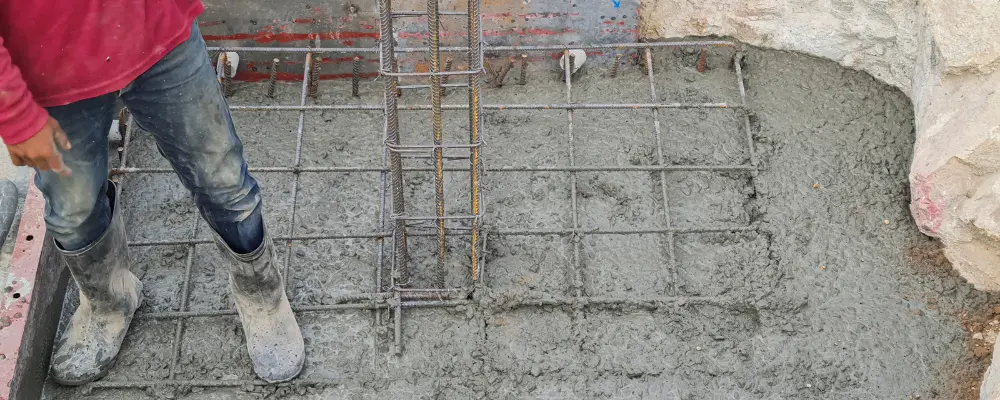
The footing foundation is a major element in the construction field. Are you planning on building a new home, or are you about to renovate the existing structure? It’s really important to understand what the footing foundation means. They will provide stability and support, and they will help transfer the weight of the building to the ground evenly.

In today’s Brick & Bolt blog, you’ll explore the design principles, cost considerations, and construction process of footing foundations.

What Are Footing Foundations?

Footing foundations are the elements of the structure designed to transmit all the imposed design loads to the soil beneath the footing. They distribute the overall weight of the structure over a larger area to prevent the soil from bearing too much pressure, which could lead to structural damage. That way, the overall structural loads of your home are lightened toward the foundation. Properly designed and constructed footings are essential for the longevity and safety of a building. They prevent uneven settling, cracking, and potential structural failure. The type of foundation chosen often depends on various soil types and other factors

What are the different types of Footing Foundations?

Footing foundations are generally classified into two major types:

1. Isolated Footing

2. Combined Footing

3. Mat Foundations

4. Continuous Footings

1. Isolated Footing

Isolated Footing is also called Spread Footing. The most common type of spread footing is square with square columns. However, round or rectangular spread footers can be provided by request. Isolated footings should only be worked with if it is absolutely clear that no varying settlements will occur below the entire structure. You need to keep in mind that spread footings are not appropriate for retaining widespread loads. Strip (continuous) or mat footings are used in that case.

2. Combined Footing

When two columns are close together, a single footing supporting both is called a combined footing. This footing will evenly transfer the overall weight of the structure to the foundation. Keep in mind that its a combined footing will comes to play when the load-bearing capability of the soil is low and the area required is more than that under the individual footing.

3. Mat Foundations

A mat or raft foundation is a big, continuous concrete slab, either rectangular or circular, that supports the entire weight of a building and spreads it out evenly across the ground underneath. This is considered a shallow foundation type and prevents uneven settlement. It’s especially useful for soil with low bearing capacity, when spread footings cover about 70% of the structure, for buildings with heavy loads, for soil types with soft spots or unknown cavities, and for very compressible soil that goes deep.

4. Continuous Footings

The continuous footing or strip footing is a type of concrete footing foundation which supports more than two columns. The continuous footing is used where the soil has good bearing capacity to resist the load occurrence on the structure. 

Footing Foundation Design 

Continuous Footings

The design of footing foundations depends upon several major factors:

1. Soil Conditions: 

Before the design of any footing foundations, you should get a soil testing report. Soil testing will help to understand the characteristics like soil bearing capacity (SBC), and different layers of soil type found beneath; all this data helps the engineer determine the type of foundation suited for the structure.

2. Load Distribution: 

After conducting the soil testing, engineers can calculate the total load of the structure. Total loads include dead loads, such as permanent weight, and live loads, such as temporary weight, like people, furniture, etc., to design footings that adequately distribute this weight.

3. Climate: 

The footing foundations will be designed based on the various climate conditions, such as high heat, cold, and rain.

4. Type of Structure: 

Based on the size and type of your building, the design of the footing foundation will be conducted. A multi-story building will require larger, deeper footings compared to a single-story structure.

What are Cost Considerations for Footing Foundations?

The Footing foundation costs can vary significantly based on several factors. Understanding these factors is crucial for accurate house construction cost estimation and effective project planning. 

  • Size and Depth: Larger and deeper footings require more materials and labour, increasing costs.
  • Soil Conditions: Poor soil may necessitate additional excavation, soil compaction, soil replacement, or larger footings, all of which increase costs.
  • Material Choices: Concrete is generally the most common, but the particular mix design and included concrete additives can influence the price.
  • Labour Costs: Labour costs will again vary in each region and on the complexity of the project.
  • Site Accessibility: Sites that are difficult to access might make necessary the application of special equipment with added costs.
  • Reinforcement: The requirement for reinforcement in terms of its amount or type of steel would effectively have a great influence on the cost of the work.

To give a very rough idea, the total Footing foundation cost for a normal-sized 300-sq-ft residential house might vary from 4 to 5 lakhs, but it again can fluctuate widely based on the above factors.

Footing Foundation Construction Process 

Mat Foundations

The concrete footing foundation construction typically follows these steps:

Site Preparation

In site preparation, the construction site has to be cleared of any debris, vegetation, or obstacles. Later, the soil will be compacted to create a stable base.

Setting the Foundation

Labour will lay out the site at the right levels and position of the building under the direction of qualified personnel. The labour will set out the layout of the foundation accurately, using surveying instruments, according to plans. They will set stakes and string lines outlining the perimeter and corners of the foundation. After that, the area will be excavated to the required depth and dimensions as per the foundation design and layout. 

Construct Formwork

Labour will build formwork of wood, steel, or other materials for the holding of concrete as it hardens. The labor shall make sure that it is aligned properly, levelled, and braced.

Installing Reinforcement

Steel bars or mesh are placed to support the concrete. This will strengthen the foundation and prevent cracking.

Pouring Concrete

Get the right mix of concrete according to the desired proportions for cement, aggregates, water, and additives. For the pouring to commence, the formwork should be clean and free of debris. Continuously pour the concrete mix into the formwork from one corner to the other using a chute or pump, if necessary.

Curing and Protection

Wrap the fresh pour with curing compounds, wet burlap, or plastic sheets to maintain moisture in the concrete and allow slow curing for better strength. There are various concrete curing methods that can be employed depending on the specific requirements of your project. Proper curing is crucial for concrete strength and durability, so it’s important to protect the concrete from inclement weather, such as rain, sunlight, or frozen conditions, while it cures.

Removing Formwork and Final Inspection

Curing should be done as per the time mentioned in the concrete mix design. Formwork needs to be removed after concrete curing with utmost care in a way that doesn’t damage the concrete surface. Defects, cracks, and surface roughness of the concrete footing foundation have to be checked and rectified.

Conclusion

Footing foundations are the main structure of concrete buildings that help support the loads. The footing foundation design has to take into account a number of factors, such as site conditions, soil properties, and anticipated loading, among others. Though the actual cost depends upon the project details, a proper and well-designed footing foundation can be considered an investment toward your dream house for long-term stability and safety. For reliable advice, you can visit construction companies such as Brick & Bolt. As a leading construction company, Brick & Bolt brings a whole lot of expertise to your project. They can also assist you in choosing the proper type of footing foundation based on the soil type and supply the right material for footing foundation construction along with the house floor plan.

Type 3 Sand: Essential Composition, Uses, and Benefits for Construction Projects

0
Type 3 sand

Sand is classified as a granular material and is made up of minute fragments of rock and minerals. It is used in construction and landscaping mainly for preparing concrete, mortar, and plastering and for constructing pavements. Type 3 sand is a subcategory that defines sand depending on its particle size and the other particles contained in it.

Understanding Type 3 Sand

According to particle size, type 3 sand is fine ranging between 0. 25 mm and 0. 5mm These ensure that the majority of the sand particles are of this size and shape though the shape may range from angular to subangular. Type 3 sand can be of different colors because of its mineralogical constitution and may have quartz, feldspar, or other minerals.

Understanding Type 3 Sand

Material Composition

Type 3 sand is an aggregate of hard and resilient rock and minerals eroded into small particles by weather conditions. The components in the type 3 sand can be different depending on the geology of the country and the kind of sand used.

Inclusion of Fines

Although type 3 sand consists of a large grain size, it can include some fine particles for example dust or any particle below 0. 075 millimeters. The fine particles can enhance the workability of sand. They also help the sand particles stick together in construction.

Absence of Impurities

Type 3 sand lacks organic materials, clay, and silt. These materials can make sand perform poorly in construction. But in any case, there is always a degree of contamination that depends on the raw material and the treatments made.

Applications of Type 3 Sand

Type 3 sand has many uses in construction and landscaping. This is because of its particle sizes and composition.

Sub-Base Material

One of the primary applications of type 3 sand is as a sub-base material for roads, highways, and building foundations. The sand is a good plane for construction. It ensures that stresses are spread well. This prevents buckling or cracking.

Roads and Highways

Type 3 sand is commonly used in the construction of roads and highways as a sub-base material. The sand provides a good base for asphalt and concrete. They cover the sand to prevent potholes and other damage.

Building Foundations

In addition to its use in road construction, type 3 sand is also used in the construction of building foundations. The sand allows the foundation to be firm thus preventing it from settling and also enabling the construction of a strong building.

Applications of Type 3 Sand

Advantages of Using Type 3 Sand

  • Improved workability: The fine particles that exist in type 3 sand can aid in making it more manageable to spread and level.
  • Enhanced cohesion: For the same reason, the fine particles in type 3 sand may further enhance the stability of the sand mass and prevent separation or segregation when applied in constructions.
  • Increased durability: The nature of the type 3 sand with hard, durable rock and mineral particles contributes to the increase of durability of construction materials which the sand is mixed with.

Disadvantages of Using Type 3 Sand

  • Potential for impurities: It may contain organic matter, clay, or silt. These impurities impact its performance in construction. They come from being bought raw or prepared wrong.
  • Limited particle size range: The analysis shows that Type 3 sand has a narrower size range than Type 1 sand. Thus, this sand may be less useful in construction that needs sand in many sizes.
  • Cost: Type 3 sand is not like type 1 and type 2 sand. It tends to be made from a wider range of sources. So, it may be more costly than other sand or aggregate types.

Selecting the Right Type 3 Sand

One must consider several factors when using type 3 sand for construction or landscaping.  

  • These include the region’s sand variations and the needed construction type. In many regions, there are local laws and rules regulating the use of type 3 sand in construction. This means you must get advice from local government and academics on the right sand. It is essential for making concrete blocks and complying with the above standards.
  • Before using any sand, check that it meets local standards and codes. Also, analyze it for the project. This may involve finding particle size. It also includes looking at impurities or other features. These features would show the sand’s usefulness in construction.
  • Type 3 sand has many advantages. However, it’s important to carefully consider its potential problems and choose the right sand for the project. 
  • Construction professionals can work with local experts and do tests. These steps can ensure they use the best sand for their projects.

Conclusion

Type 3 sand is a versatile and widely used material in construction and landscaping applications. Its particle sizes and composition make it perfect for use as a sub-base material in roads, highways, and building foundations. It is also good for concrete, mortar, and plastering.

You may be a construction professional, a landscaper, or a DIY enthusiast. Understanding type 3 sand’s properties and uses can help you make informed decisions about your projects. It will ensure they are successful.

Cement Block: Types & Uses

0
Cement Block

Like food and air, shelter is one of the basic human requirements. In the mediaeval period, only mud houses were present, but modern technology has introduced several building materials.

Cement blocks are one such material that is a primary material in concrete. These blocks provide strength and support to the building. This blog takes care of all the details on the cement blocks that you need to know before starting to build your dream home.

What Is A Cement Block?

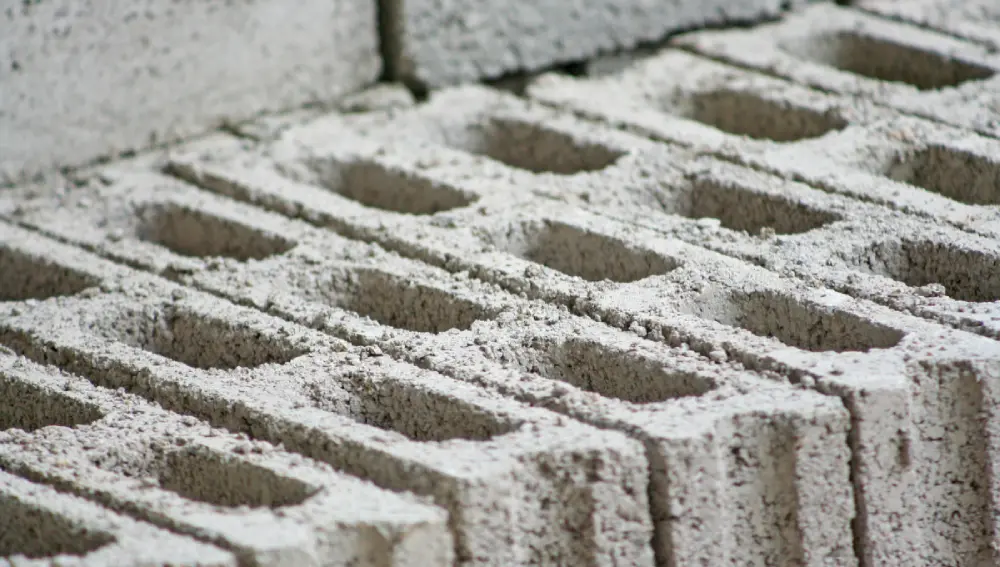
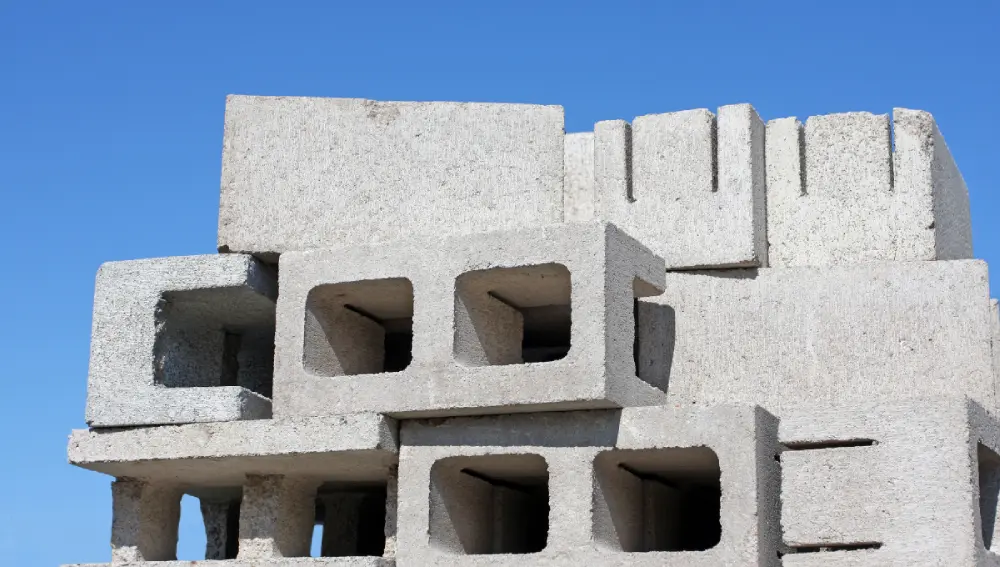
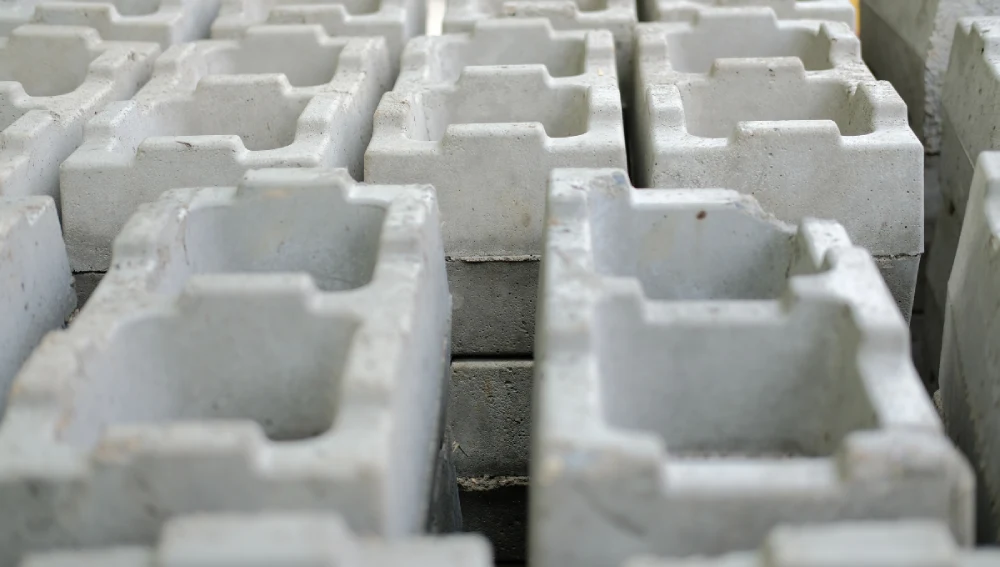
A cement block is a concrete material used as a building material. It is a general precast concrete choice for buildings. The cement blocks are made and hardened off-site at a factory. The blocks are then transported to the construction site. The cement blocks have plain or patterned designs. Some cement block designs have hollow shapes that are used as small windows.

What Is A Cement Block

Types Of Cement Blocks

Cement blocks are generally classified into two types based on the size, type of production, technique, and structure.

Hollow Blocks

A hollow block is also known as a breeze block or cinder block. Larger buildings use hollow blocks which are mostly used to make sure that at least half of the cross-sectional area appears hollow. This structure can hide cable wires or pipes seamlessly within the designs and gives a smooth finish. 

The cement blocks comprise fine gravel, sand, and cement in high-density blocks. In low-density blocks, industrial fly ash or bottom ash are used as raw materials. 

The Indian Standard-IS 2185, 2005, discusses that a hollow block that contains more than one hole has fifty to seventy percent of solid materials. These blocks reduce the cross-sectional area of the block. These blocks decrease the time of construction and save money on steam. 

Sizes of Hollow Concrete Blocks

There are two sizes available in a concrete block—full-length and half-length, depending on the purpose. 

  • Block Length: 400, 500, or 600mm
  • Block Height: 100 or 200 mm
  • Block width: 50, 75, 100, 150, 200, 250, or 300 mm.

Hollow Concrete Block Grades

Grade A: The grade A blocks are utilised in high load-bearing units. They have a minimum density of 1500 kg/m3. On the 28th day, the compression strengths are on an average of 3.5, 4.5, 5.5, 7.0, 8.5, 10, 12.5, and 15 N/mm2. 

Grade B: Similar to grade A, the grade B blocks are also used in load-bearing. They have a maximum density of 1000 kg/m3 and 1500 kg/m3. They have an average lower comprehensive strength of 3.5 and 5 N/mm2. 

Grade C: The grade C blocks have lower density compared to the other two and are used in load-bearing units. The density is 1800 kg/m3. The average compression strength is 4 and 5 N/mm2. 

The price of hollow concrete blocks is around 28 to 50 Indian rupees. 

Solid Blocks

The solid blocks are heavy and are grey-coloured bricks. They are used in the construction of houses or for other small projects. They can be used for creating walls and can protect against strong winds. 

Additionally, they can be used in other projects, namely planters, garden walls, steps, fire pits, and foundations. They are cheaper compared to hollow blocks. 

Sizes of Solid Concrete Blocks

A solid concrete block does not come in a single size. Depending on the need, its sizes vary, and some of the common sizes are listed below:

  • Block Length: 400 mm, 500 mm or 600 mm.
  • Block Height: 100 mm or 200 mm.
  • Block Width: 100 mm, 150 mm, 200 mm, or 250 mm.

Grades of Solid Concrete Blocks

The grades of a concrete block are present only for the hollow blocks. Solid blocks have no grade system. They are specifically designed for load-bearing and high-strength walls. However, some companies have their codes depending on the performance. 

Advantages of cement blocks

The advantages of cement blocks are listed below:

Cost Effective:

Block masonry is a type of cement block that is way cheaper compared to other materials. Comparing it with other bricks, they are at least Rs. 1,500 less than a cubic metre. Compared to other materials, these cement blocks are 17.65% cheaper for building walls.

Eco Friendly:

If you are a nature lover, then cement blocks will best suit your construction needs. The by-product of thermal power plant fly ash is the key ingredient in making the blocks. 

Sound Proof:

These blocks are denser than bricks. Buildings near noise pollution areas can benefit from using cement blocks rather than red bricks. 

Strength:

The cement blocks can withstand tornadoes and natural disasters. They have a long lifespan and are sturdy.

Advantages of cement blocks

Disadvantages of cement blocks

The major disadvantages of cement blocks are listed below:

  • The construction of an entire residence or building using a cement block will cost a fortune.
  • Some blocks require cutting to be fixed in the desired place. 
  • Cement blocks may not look appealing when looked at from the outside.
  • In comparison to conventional bricks, these cement blocks have a low strength-to-weight ratio.

Conclusion

In conclusion, cement blocks are conventional and cheaper options to consider for foundation, gardening, and building small residences. They are the best alternative for conventional bricks on the market. They consume less construction time and are available in different sizes.

FAQs

1. Are red bricks good or cement blocks?

Each type of brick and Cement block has its own individual property. When comparing tensile strength, concrete blocks are favoured. However, red bricks can last without water seeping. Hence, it depends on the purpose and person it is intended to.

2. Which is stronger, brick or cement?

When comparing the strength, cement is stronger compared to brick due to its high tensile strength.

3. Do cement blocks absorb water?

The cement blocks have pores in them and absorb water from the nearby areas as well. They are not advised to use in areas that experience high rainfall. 

Mixing of Concrete: The Key to Strong and Durable Construction

0
Concrete mixing

Concrete is made up of materials like cement, aggregate, and water. It serves as the backbone of any construction project and is an essential component in building everything from residential homes to tall skyscrapers. The stability and performance of concrete structures are linked with the mixing process. 

Proper concrete mixing ensures uniform material distribution, optimal cement hydration, and elimination of air pockets, which contribute to the structural integrity and durability of the final product. This blog will discuss the technicalities of mixing concrete, various mixing methods, quality control measures, and environmental considerations to produce high-quality concrete.

Materials for Concrete

Concrete consists of three basic ingredients: cement, water, and aggregates, which could be sand, gravel, or crushed stone. All these materials are important for the final properties of the concrete mix. 

Cement: It is used as a binding agent in concrete, and the most used cement is Portland cement, which reacts with water to form a paste that binds the aggregate together. Portland cement comes in different types, like Type I for general purposes, and Type II, which achieves high early strength.

Aggregates: About 60-75% of the total volume of concrete is composed of aggregate. They are classified into fine aggregates or sand and coarse aggregates. Their quality, size, and shape significantly affect the workability, strength, and durability of concrete. 

Water: Water is a key element for the chemical reaction known as hydration, which allows cement to harden and gain strength. The w/c ratio, that is water-to-cement ratio, is an important factor that influences the strength and workability of the concrete. Too much water can weaken the concrete, whereas too little can make it unworkable.

Admixture: Admixtures are the chemicals added to the concrete mix to modify its properties. Common admixtures used are plasticizers to improve workability, and air-entraining agents used to improve freeze-thaw resistance. For speeding or slowing the setting time process of concrete, admixtures like accelerators and retarders can be used.

Concrete Mixing Methods

There are various types of mixing of concrete, depending on the scale of the project and the specific requirements of the mix. The three primary concrete mixing methods are discussed below.

1. Hand Mixing

2. Machine Mixing 

3. Ready-Mix Concrete

Let’s discuss each of these concrete mixing methods briefly.

1. Hand Mixing

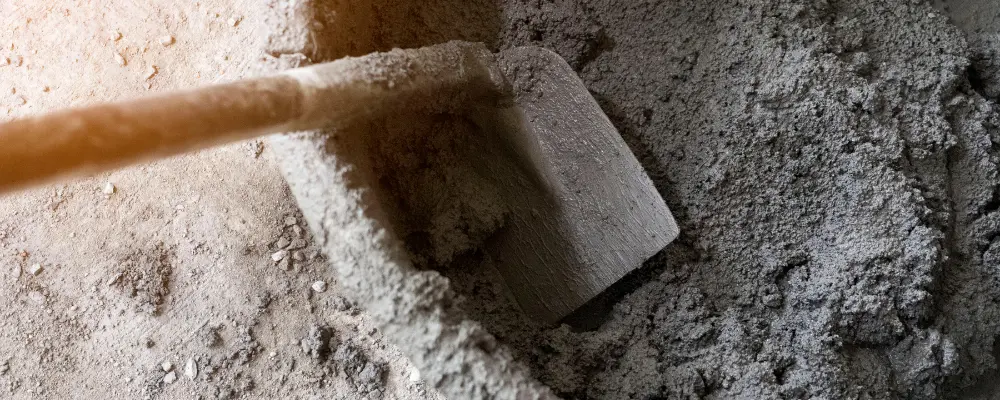
Hand mixing is normally used for small-scale projects or when machinery is unavailable or impractical. Mixing concrete by hand involves combining the materials on a clean, hard surface, such as a concrete slab or steel sheet manually. There are various factor that affects the mixing time, like material used, mix design, method used and batch size. Normally, the concrete mixing time limit is between 30 to 120 seconds. There are a few steps for how to mix concrete by hand as follows:

1) First, accurately measure the quantities of cement, sand, aggregates and water.

2) Mix the dry material that is cement and aggregate thoroughly until a uniform colour is achieved.

3) Now add water gradually to the dry mix while continuously turning the mixture to ensure even distribution. 

4) Continue hand mixing of concrete until it achieves a consistent and workable texture. 

2. Machine Mixing

For larger projects, the machine mixing approach is preferable as it saves labour and time while providing a uniform mix. The primary equipment used for machine mixing is the concrete mixer, which can be a drum mixer or a pan mixer. The difference between hand mixing and machine mixing of concrete is for machine mixing, the labour and time required is less than in hand mixing of concrete. This method of mixing concrete on site is done by the following process:

1) The procedure of mixing concrete by machine begins with measuring the quantities of cement, sand, and aggregates and then adding it to the mixer.

2) Allow the mixer to run for a few minutes to blend the dry materials. 

3) Gradually add water while the mixer is running to achieve the desired consistency of concrete.

4) Now, after all the materials are added, continue mixing for 2-3 minutes to ensure a uniform mix.

3. Ready-Mix Concrete

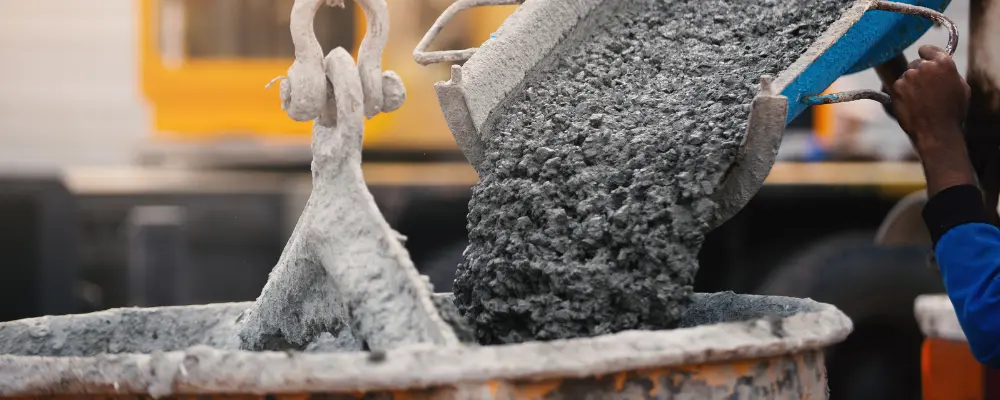
As the name suggests, ready-mix or batching concrete is produced in a batching plant and delivered to the construction site in a transit mixer. This type of mixing of concrete ensures high quality and consistency, making it suitable for large-scale projects. The process is as follows:

1) At the batching plant, precisely measure and combine the materials.

2) After that, mix the concrete in the stationary mixer at the plant.

3) Finally, transport the mixed concrete to the site using a transit mixer, which keeps the mix agitated to prevent segregation.

Quality Control in Concrete Mixing

The success of any construction project also depends on the quality of the concrete. Thus, these measures should be implemented at every stage of the mixing process, whether it is mixing concrete by hand or another method. Some of the measures are as follows.

1) Material Testing: Before mixing the concrete, it is important to test the materials to ensure they meet the required specifications. These tests include checking the fineness of cement, grading of aggregates, and purity of water. 

2) Mix Design: The concrete mix design involves finding the appropriate proportions of materials to achieve the desired properties. Also, consider factors like strength, durability, workability and environmental conditions.

3) Sampling and Testing: Regular testing and sampling of the concrete is very important to verify its quality. Some common tests are briefly described below.

  • Slump test: It measures the workability of fresh concrete.
  • Air content test: This test measures the amount of air entrained in the mix, which affects durability. 

Environmental Considerations

Construction projects have a significant effect on the environment, and concrete production impacts the environment due to the carbon emissions associated with cement manufacturing. To reduce this impact, engineers are exploring sustainable practices such as:

  • Using supplementary cementitious material (SCMs): To reduce carbon emissions, materials that partially replace cement can be used. These materials are fly ash, slag, and silica fume.
  • Recycling aggregates: Using recycled concrete aggregates reduces the demand for natural aggregates.
  • Adopting green concrete technologies: Innovations like carbon capture and storage (CCS) in cement plants and the development of low-carbon cement are being explored.

 Conclusion

You know by now that the process of mixing concrete is the most important aspect of construction projects that requires careful consideration of materials, methods, and quality control measures. By understanding and implementing the best concrete mixing methods, engineers can ensure the production of high-quality concrete that meets the demands of construction projects. As the industry evolves, it is essential to incorporate sustainable practices to reduce the environmental impact of concrete production. 

Impact of Interest Rates on Real Estate Investments

0
Real Estate Investments

The real estate market is growing consistently, but investors always have to face the Impact of Interest Rates on Real Estate Investments, which may raise the end cost of the property. 

Interest rates have the greatest impact on real estate investment. Whether you are investing in smart property or high-end infrastructure, rising interest rates on REITs continue to play an impactful role for investors. This has even begun to impact the housing market. 

While setting the stage to construct the property, make sure to choose a reliable construction company like Brick&Bolt that offers the right balance between rising interest rates’ impact on Real Estate Investment and affordability without compromising on quality. 

It is said that earlier, the interest rates were even higher than today; small changes in interest rates can have a negative impact on your real estate portfolio. Here we will be looking at the impact of Interest rates on real estate investments.

Interest Rates And Why Are They Crucial?

The majority of Indian citizens living in residential areas have limited savings and other means of income to buy a home. Is there any benefit to interest rates? An interest rate is what a lender charges for loaning money to a borrower. It is highly recommended to get a large loan now and pay off that debt later. 

There is a significant range of factors that affect mortgage interest rates, which include:

  • Economic conditions
  • Financial well-being
  • Liabilities or circumstances of the family

Therefore, it is highly important to choose a reputable construction company like Brick&Bolt with the most beneficial services to offer. Their primary objective is to help clients construct property that meets their needs and provide valuable advice regarding the most effective investment strategy. The experts can help you find the best ways to get a low interest rate that will benefit you in the long term.

Understand the Impact of Interest Rates on Real Estate Investments

When the interest rate is touching heights, borrowers may have to bear higher expenses for purchasing the property. Here, we have put together two scenarios to give you a clear explanation of the Impact of interest rates on the property market

  1. Rs 400,000 mortgage with a 5% interest rate

Borrowing Rs 400,000 on a 30-year fixed interest rate of 5% may demand monthly payments of Rs 20,000, excluding taxes and insurance. Throughout the loan period, you will have to take the total interest expense of Rs 4,20,000. The principal and interest on a loan for a rental property rent Rs 10,000 per month, which will give a balance of Rs 9,500 after paying the interest and principal.

  1. Rs 400,000 mortgage with a 7% interest rate

The monthly loan payment for repayment of Rs 400,000 at a 7% rate over 30 years would be Rs 28000 (excluding taxes and insurance). The total interest expense over the loan period would be 428,000. Assuming you invest in a rental property with a monthly rental rate of 10,000, you would need a loan with a principal and interest of 9,300.

Economic Effects of Rising Interest Rates

The following are some factors that will affect the housing market interest rates effects depending on how they are affecting the overall economy as a whole:

  • Borrowing costs go up. A rise in interest rates leads to higher loan and credit card payments. In this situation, people will be discouraged from borrowing money, resulting in a decrease in spending. With these expensive monthly payments, debtors have lower incomes for disposable items. In addition, they will reduce their expenditures on other consumables.
  • Currency value rises. Bank depositors may be attracted to countries with higher interest rates. As a result, the country’s currency will appreciate in value due to an increase in demand. The price of exports increases, which affects the country’s revenue.
  • Investing and consumption will be reduced. The rate increase will significantly impact both. Companies are also likely to lower their investments due to a negative economic outlook.
  • Interest payments by governments rise. Governments borrow money as well. There is the possibility that an increase in interest payments will result in a tax increase in the future.

Strategies for Navigating Interest Rate Changes in Real Estate Investing

It is important to limit your total interest exposure when investing in real estate with high interest rates. If interest rates are higher than usual, here are five ways to maximize returns.

  1. Look into adjustable-rate mortgages (ARM)

ARM fluctuates with the market, as opposed to a fixed-rate mortgage, which typically ends after a set number of years. Should rates fall again in the future, you need not take any action to take advantage of the lower rates. But be aware that if Real estate finance interest rates increase, so will your mortgage rate.

  1. Prepare for refinancing

When you choose a fixed-rate mortgage, the interest rate does not necessarily remain the same throughout the loan term. The refinance process gives you the complete flexibility to replace your existing mortgage with a new loan with a different set of terms. Hence, you could refinance at a lower rate if rates begin to fall in the future. If you’re planning on refinancing, you should wait until the interest rates have dropped significantly.

  1. Make short-term investments

A quick house flip may be an attractive option during a time when interest rates are high because it allows you to get in and out quickly without paying a lot of interest. If you sell the property and repay the loan early, verify that you won’t be penalized.

  1. Become a lender

If you are not comfortable taking out a loan against a property while interest rates are high, have you considered lending money to others? Investing in real estate without buying property is possible through the purchase of real estate notes, the issuance of hard money loans, and purchasing tax liens. You are the one who lends money in all of these cases, which allows you to get a higher interest rate.

  1. Syndicate real estate

Syndication of real estate involves multiple investors pooling their resources and working together on a project. Divvying up the required capital among several investors minimizes the need for future high-interest borrowing. Additionally, you benefit from the sponsor’s resources (experience, skills, network, and systems).

Conclusion 

Interest rates always have a greater impact on real estate investment and increase the end cost of constructing infrastructure. Brick&Bolt is a leading construction company in India catering to the infrastructure development needs of middle-class to high-class individuals. Our development comes with affordability and the greatest quality control that does not let you go out of budget to bear high interest on loans. 

We have a dedicated team of real estate developers who work hard to shape cutting-edge developments that exceed your expectations. Contact us today to bring your dream residential or commercial buildings to life.

Ready Mix Concrete: A Game-Changer in the Building Industry

0
Ready Mix Concrete

Ready mix concrete, or RMC, has revolutionised the modern construction industry, by providing a consistent, efficient, and high-quality solution for various construction projects. Its adaptability and steady performance make it a popular choice among experts of building construction, in India and around the globe. In this article, we’ll delve into what ready-mix concrete is, explore the benefits of ready-mix concrete, limitations of ready-mix concrete and uses of ready-mix concrete.

What is RMC Ready Mix Concrete?

As the name suggests, ready-mix or batching concrete is a type of concrete that is manufactured in a factory or batching plant and ready to be placed on the construction site. The ready-made concrete is made according to a set concrete mix design under standard conditions they contain high-strength and High-Performance Concrete. This form of concrete guarantees increased durability and sustainability. Because the task is performed by an expert and in the controlled environment the resulting mixture is exact and of higher quality. This concrete manufacturing technology may also efficiently produce special concrete combinations.

Process of Making Ready-Made Concrete:

Ready mix concrete contains cement, aggregates, sand, water, and other chemicals that are weighed at a centrally located plant to ensure high quality. Concrete is then brought to the construction site in transit mixers. This ready-mix concrete can be used immediately without further treatment. To create high-quality concrete, the autonomous plant precisely regulates weigh-batching, water-cement ratio, additive dosage, and moisture content. All ingredients used in the production of ready mix concrete are rigorously evaluated for quality in a well-equipped laboratory attached to the plant to ensure compliance with applicable standard codes. Trial mixes are created and tested to ensure that each batch of concrete leaving the plant conforms with various mix designs based on the client’s specifications for various grades of concrete.

Benefits of Ready Mix Concrete:

The following are the benefits of ready-mix concrete:

  1. Consistency and High Quality: 

One of the major benefits of ready-mix concrete is that every batch of concrete is consistent and uniform. Because it is manufactured in a controlled atmosphere with accurate measurements, the concrete’s uniformity and quality are maintained. This ensures that each batch of concrete fits the project’s precise specifications, resulting in a consistent and reliable concrete mix.

  1. Less Wastage of Raw Materials: 

The production of RMC minimizes the chances of over-mixing or under-mixing of concrete mix, which often happens in the cases of mixed on-site concrete. Because the concrete is produced to the engineer’s or client’s specifications, only accurate measurements are used, implying there is a minimum waste of materials. Better handling and mixing practices will help to cut cement wastage. A bulk amount of cement is utilised while making ready-made concrete, which reduces the need for cement sacks, thus reducing the wastage of cement.

  1. Time and Labour Efficiency: 

In traditional concrete mixing, the labourers have to wait for the concrete to be mixed before placing it. Employing ready-mix concrete in construction can eliminate the need to wait for the concrete to be mixed, as it comes in the final form directly from the batching plant. Choosing ready-mix concrete can also minimize delays incurred by installing and dismantling any onsite concrete mixing machinery, reducing the labour requirement for concrete mixing.

  1. Space Saving on site:

If RMC is used for a construction project, there is no need for space for storage of raw materials on site, if RMC is employed for construction. Also, the need for erecting a batching plant on the site is eliminated.

  1. Environmental Benefits:

Due to the high precision in making RMC, less cement is required than traditional mix on-site concrete. This helps lower the carbon footprint of cement production and the environmental impact.

  1. Customisation: 

Ready-mix concrete can be customized to fit the exact requirements of any project. The mix can be modified to offer the required strength, durability, and workability for a residential, commercial, or industrial building.

Limitations of Ready Mix Concrete

The following are the limitations of ready-mix concrete:

  1. Transport Limitations: 

The quality of RMC can be affected by transport time, as traffic during transportation can lead to its hardening. To maintain the quality of the concrete mix, concrete needs to be used usually within 1-2 hours after mixing.

  1. Expensive as Compared to Mix On-Site Concrete:

While RMC can be cost-effective in terms of time and labour, it may be more expensive than traditional on-site mixing. The cost can vary based on factors such as distance from the plant, type of concrete, and delivery charges.

  1. Dependency on Suppliers: 

Contractors depend on suppliers for the delivery of ready-made concrete. RMC requires coordination with suppliers for timely delivery. Any delays or issues with the supplier can impact the progress of construction work. Also, the contractor has less control over the mixing process compared to on-site mixing, so any issues with the mix need to be addressed with the supplier.

Uses of Ready Mix Concrete

Here are some of the popular uses of ready-mix concrete:

  • RMC is widely utilized in residential construction as well as in the construction of commercial structures.
  • One of the major uses of ready mix concrete is in construction of infrastructure projects, including bridges, roads, and airports, due to its ease of customisation to make high performance concrete.
  • RMC can be mixed with various additives to make special types of concrete, such as high-strength concrete or self compacting concrete

Ready made concrete mix price:

The ready-mix concrete price per m3 generally varies from ₹4000 to ₹6500 and depends on the following factors.

  • The RMC price per m3 varies according to the type and grade of concrete used and the distance between the concrete batching plant and the construction site. 
  • The standard concrete may cost less than high-strength concrete. 
  • The distance between the concrete batching plant and the construction site directly affects transportation costs. 
  • The ready mix concrete price per m3 in urban areas might be higher due to transportation costs and more demand of RMC. 
  • The price of ready made concrete can fluctuate based on market conditions also, so it’s advisable to obtain accurate price from local suppliers.

Conclusion

Due to its consistency, ready-mix concrete has become a crucial component of the construction industry. Its ease of customisation makes RMC, a popular choice among construction experts around the globe. Quality control is essential in the production of RMC since it must be combined with additives and transported to other locations. As the benefits of ready-mix concrete outweigh its limitations, RMC has become a popular choice for large construction projects. Hope this article has deepened your understanding of factors that govern ready-made concrete, which might help you make better selections for your construction project.

Explore Different Types of Pozzolanic Materials for Concrete

0
Pozzolanic Materials in cement

In the industry of building construction and civil engineering, innovation and sustainability are important. The introduction of pozzolanic materials has marked a significant improvement in concrete technology. When these natural or synthetic ingredients are added to Portland cement, the characteristics of concrete improve significantly, making it a more efficient and sustainable material. This blog brings you deep insights into what are pozzolanic materials, the types of pozzolans, and the benefits of using pozzolanic materials for concrete.

What are Pozzolanic Materials?

Pozzolanic materials maybe natural or synthetic substances that, when coupled with lime (calcium hydroxide) and water, react chemically to produce cementitious compounds. This reaction serves to reinforce concrete and increase its durability over time. They are used to enhance the properties of cement concrete.

The term “pozzolan” comes from Pozzuoli, a town in Naples, Italy, recognized for its large availability of natural pozzolanic materials. In ancient Rome, lime was mixed with volcanic ash soil to form a hydraulic binder.

Types of Pozzolanic Materials:

Based on their origin pozzolanic materials are divided as follows:

1. Natural Pozzolanic Materials

Natural pozzolanic materials are derived from volcanic deposits and sedimentary origins. When finely powdered and combined with lime (or calcium hydroxide) in the presence of water, naturally occurring siliceous or siliceous and aluminous minerals known as natural pozzolans react chemically to generate compounds having cementitious qualities. Natural pozzolanic materials often need to be finely ground to be effective in concrete. The common natural pozzolanic materials in cement are as follows: 

  1. Volcanic Ash: 

Volcanic ash contains amorphous silica in abundance, which can easily combine with lime to make cementitious compounds. It is produced during volcanic eruptions.

  1. Calcined Clays: 

Calcined clays, when heated to a particular temperature, get altered structurally, through the process of “calcining,” which improves the clay’s pozzolanic qualities.

  1. High Silica Sands: 

High silica sands, when ground to fine particles, can act as a pozzolanic material, as they have high silica content.

2. Artificial Pozzolanic Materials

Artificial pozzolans are usually industrial by-products, which are as follows:

  1. Fly ash: 

Fly ash, also known as pulverized fuel ash, is a by-product derived from thermal power plants. Fly ash pozzolanic material particles are finer as compared to cement and have a light grey to dark grey tint. Initially considered waste, its pozzolanic properties are now leveraged in PPC production.

  1. Silica Fume: 

Silica fume is often referred to as micro-silica or condensed silica fume. Silica fume is produced when high-purity quartz is reduced with coal in an electric arc furnace during the production of silicon or ferrosilicon alloy. The usage of silica fume in conjunction with superplasticizer has had a significant impact on modern high-performance concrete.

  1. Rice Husk Ash: 

Rice husk ash is created by burning rice husk in a regulated manner such that the environment is not polluted. Rice husk ash has excellent pozzolanic properties, which add to the strength and impermeability of concrete.

  1. Granulated Blast Furnace Slag: 

Ground granulated blast furnace slag (GGBS) is a byproduct of iron-making blast furnaces. It is a nonmetallic substance made up of calcium silicates and aluminates, among other bases.

  1. Metakaolin:

Metakaolin contains a mixture of unpurified, thermally activated ordinary clay and kaolin clay. It is not a highly reactive pozzolanic material, but it exhibits significant pozzolanic reactivity after eliminating unreactive impurities by the water process. Cement paste exhibits unique densification when treated with metakaolin, which serves to boost strength while decreasing permeability.

Benefits of Using Pozzolanic Materials for Concrete Production:

  1. Enhanced Durability

Using pozzolanic materials in concrete helps in increasing the durability of the structure. When they react with calcium hydroxide, they produce more calcium silicate hydrate (C-S-H), the main component responsible for concrete strength. This reaction reduces the amount of calcium hydroxide in the concrete. Hence less calcium hydroxide is available for reaction, which leads to less susceptibility to chemical attack. 

  1. Improved workability

Pozzolanic materials in cement help in improving the workability of concrete. They have spherical particles that act as micro ball bearings in the concrete mix. This reduces the amount of water required for a given workability.

  1. Heat of Hydration is Reduced 

Pozzolanic materials tend to produce less heat during the hydration reaction when compared to the Portland cement. By partially replacing cement with pozzolanic materials, the overall heat of hydration is lowered, lowering the risk of thermal cracking and increasing the structural integrity of big concrete structures.

  1. Improved Strength Development

Pozzolanic materials add to the long-term strength of concrete. While they may not have an immediate impact on strength growth, their pozzolanic reaction persists over time, filling voids and improving the microstructure. This makes pozzolanic materials in concrete appropriate for applications that require long-term performance.

  1. Environmental benefits

The use of pozzolanic materials for concrete has the following environmental benefits:

Waste Management: Some of the pozzolanic materials, such as fly ash and slag, are industrial wastes. The use of these pozzolanic materials for concrete diverts these materials from landfills.

Less Carbon Footprint: Cement production emits a significant amount of CO2. By partially replacing pozzolanic materials in cement, the overall carbon footprint of concrete production is lowered. This is a critical step toward more sustainable construction practices.

Resource Conservation: Using pozzolanic materials reduces the demand for Portland cement, which is made from limestone and other raw materials.

  1. Cost-Effectiveness

Pozzolanic materials are less expensive as compared to Portland cement. With the partial replacement of cement with these materials in the concrete mix, the total cost of building materials can be decreased without sacrificing quality, which makes up a big portion of large-scale construction projects.

Conclusion:

Pozzolanic materials offer numerous benefits that enhance the performance, durability, and sustainability of concrete structures. The use of pozzolanic materials in concrete mixtures is a practice that modern construction cannot afford to overlook. Engineers and builders can design more resilient and environmentally friendly structures in the future by using these revolutionary materials.  As the construction industry continues to prioritize sustainability, the use of pozzolanic materials for concrete will only become more crucial.

What is P sand and M sand?

0
What is p sand and m sand

Due to the increasing urbanization all over the world both in urban and rural areas, there is a huge demand for sand in construction, from concrete production to mortar creation, plastering, and even as a base material for paving. Their properties, such as size, shape, and composition, ascertain the strength and durability of any structures.

The two basically found types of sand are: M Sand (Manufactured Sand) and P Sand (Plastering Sand). Both are selected according to the construction project requirement and the quality of sand used for their final build.

In this blog, you’ll get ample information about M Sand and P Sand which helps you out what actually it is and which you can choose for your project.

P and M sand

What is M sand?

M Sand, otherwise known as Manufactured Sand, is made out of hard granite stone crushed into cubical particles of small sizes. It is often used as a substitute for river sand in construction due to its quality and availability. Although it is manufactured to meet IS specifications, which a particle size should be 0 mm to 4.75 mm.

What is P sand?

P Sand is a type of manufactured sand used for plastering purposes. It has finer features compared to M Sand, giving smooth and even results on the walls and the ceiling. It is produced by crushing granite rocks and is processed to achieve a finer state suitable for plastering applications. According to IS standards, the ideal particle size should be 0.15 mm to 2.36 mm.

Three types of M Sand

Based on usage, it is categorized into three main types: Concreting, Plastering, and Brick or Blockwork. 

M Sand for Concreting

The particle size of M sand for concreting shall be 4.75 mm to 3.5 mm. 

In general, for building’s foundations, slabs, beams and columns are built with this specifications. The typical ratio for concreting is attained by mixing 1:2:4  that covers a initial setting time of 30 minutes and final setting time of around 10 hours. It complies with IS Code 383:1970.

M Sand for Plastering

Plastering is important while finishing the interior and exterior structures like wall, ceiling, or any other surface. A fine mixture can provide a smooth finish. For this, the particle size of sand should be taken 2.36 mm to 1.2 mm mixed with the cement in a ratio of 1:4. Also, these requirements meets the IS Code 1542: 1992.

M Sand for Brick or Blockwork

M Sand is specifically designed to provide the necessary bonding and strength required for masonry applications. Structures like building walls, partitions, and other masonry works. 

Ideal particle size for Blockwork is 3.5 mm to 2.36 mm, typically mixed with cement in a ratio of 1:5 (cement: sand).

The manufacturing process of M Sand 

To ensure the production of high-quality sand, M Sand manufacturing can be broken down into 5 stages.

Step 1: First, high-quality granite rocks are selected as the raw material.

Step 2: Vertical Shaft Impact (VSI) crushers are used to break stones of various sizes into aggregates then put into a Rotopactor to be crushed into sand at the correct grain size. 

Step 3: After crushing, the material is screened to separate particles of different sizes. This helps in removing any oversized particles and filter uniform sand particles.

Step 4: Sand washing is done to remove tiny particles and dust. This is an important step where impurities such as clay, silt, and unwanted particles get removed from the sand.

Step 5: Grading of the final product is done to ensure that it has complied with IS standards.

The manufacturing process of P Sand 

The manufacturing process of P Sand 

Since P Sand is a substitute for Natural River Sand, it has to be made in such a way that the quality is comparative or better than the River Sand. Here are the exact details of the manufacturing process.

Step 1: First of all, hard rocks—either granite, basalt, or limestone—are selected free from impurities.

Step 2: The above raw materials are sent to the crushing plant wherein oversized rocks have been crushed by the primary crusher. After that, the secondary and tertiary crushers cut them into pieces of an even smaller fragment, i.e., less than 5mm in diameter.

Stage 3: Vibration screens segregate the different sizes, wherein the crushed materials are passed through vibrating screens, and the oversize goes back to the crushers for further reduction of size.

Stage 4: Water and sand washing equipment wash the material to remove impurities like clays, silts, and dust.

Step 5: Grading of the final product and, therefore, dried to remove moisture that makes it easier to store.

Which type of sand is ideal for building? 

The ideal type of sand for building depends on the specific application:

  • For Concreting, M Sand is first to-go for to its strength and durability.
  • For Plastering, P Sand is preferred for its fine grip and smooth finish.
  • And for Brick or Blockwork, M Sand provides strong bonding properties.

M sand vs. P sand 

FeaturesM SandP Sand
Particle SizeCoarser granules (4.75 mm to 3.5 mm)Finer granules (2.36 mm to 1.2 mm)
ApplicationUsed for concreting and masonry workSpecifically used for plastering
Final OutcomeProvides strength and durabilityProvides a smooth and even finish

Advantages of Manufactured Sand

M Sand has numerous advantages over natural river sand, including better consistency, higher quality, and enhanced durability for construction projects.

  1. It is uniform in size where the shape of particles ensures consistent quality.
  2. It is readily available when compared to river sand.
  3. More economical than river sand.
  4. It reduces the environmental impact caused by river sand mining.
  5. It is free of silt and clay particles and has denser particle packing than natural sand. 

Advantages of P sand

  • P Sand has better bonds with cement which increases the structural integrity of the construction.
  • It is more economical than natural sand. 
  • It promotes sustainable construction practices that reduce the environmental impact of river sand mining.
  • When compared to other types of sand, P Sand has low wastage due to uniform size and shape.
  • Concrete is free from harmful materials such as clay, silt, and organic impurities, which ensures its better strength and durability.

Is M sand better than river sand?

Compared to river sand, M Sand is better in uniform quality and consistent in particle size with high-value strength.But why not River sand? 

River sand contains more impurities, such as clay, silt, and organic matter. It is not much preferred because excessive extraction can lead to the depletion of natural resources.

However, River sand is more expensive due to the costs associated with mining, transporting, and legal restrictions. Hence, M Sand can be cheaper as it is locally produced and doesn’t incur high transportation costs.

Is P sand better than River Sand?

Indeed, P Sand is better than River Sand. P Sand is produced in a controlled environment where it does not disturb natural river ecosystems. It is made by crushing rocks in a sustainable way. As excessive mining of river sand can harm riverbeds and aquatic life, people are concerned about extraction and over-mining. Overall, P Sand is affordable and known for its quality and smoother finish for plastering.

FAQs

P sand full form

P Sand stands for Plaster Sand, which is used for plastering walls.

M sand full form

M Sand stands for Manufactured Sand, which is a substitute for river sand in construction.

Difference between m sand and p sand

M Sand (Manufactured Sand) is artificially produced by crushing rocks, while P Sand (Plaster Sand) is a finer, smoother variety of M Sand, specifically used for plastering purposes due to its fine texture.

p sand for plastering

P sand, also known as plastering sand, is a fine, well-graded sand used in the application of plaster, providing a smooth and even finish for walls and ceilings.

How To Apply For Home Loan Subsidy

0
Home Loan Subsidy

Home loan subsidies can help reduce our home loan burden. Applying for a home loan subsidy requires certain eligibility criteria to be met. The eligibility criteria may differ from scheme to scheme. 

The most popular home loan subsidy scheme in India is the Pradhan Mantri Awas Yojana (PMAY) scheme, which is currently closed to applicants but may be extended. To learn more about the resuming of the PMAY scheme, you can contact a local Common Service Centre.

In the meantime, here are other ways in which you can try applying for a home loan subsidy in India.

Banks and Home Loan Subsidies

Banks and Home Loan Subsidies

It is important to note that banks and other financial institutions do not offer separate home loan subsidies. Most often, these institutions extend partnerships with the government’s primary home loan subsidy program and offer home loans to applicants who qualify under these subsidy schemes. In short, they act as mediators between the scheme offerer and the eligible candidate to disburse the subsidized loan amount.

Some prominent banks and financial institutions that offer subsidized home loans under the PMAY scheme include the following:

Public Sector Banks (PSBs):

  • State Bank of India (SBI)
  • Bank of Baroda
  • ICICI Bank
  • HDFC Bank
  • Axis Bank
  • Bank of Maharashtra

Private Sector Banks:

  • ICICI Bank
  • HDFC Bank
  • Axis Bank
  • Kotak Mahindra Bank
  • Yes Bank
  • IndusInd Bank

Housing Finance Companies (HFCs):

  • LIC Housing Finance
  • HDFC Ltd.
  • Dewan Housing Finance Corporation (DHFL)
  • Tata Capital Housing Finance

At times, these banking and financial institutions may also require certain eligibility criteria to be met to qualify for the loan, such as having a monthly income above Rs. 25,000, working in a listed company, and so on.

So, it is essential that you inquire at your preferred financial institution about the eligibility factors required to qualify for a home loan subsidy.

State-Specific Home Loan Subsidy Schemes

The Indian states do not offer separate home loan subsidy schemes besides the central government’s Pradhan Mantri Awas Yojana (PMAY) with the Credit Linked Subsidy Scheme (CLSS).

However, certain state governments offer other initiatives to aid home loan schemes like-

  • The Tamil Nadu government’s Affordable Housing in Partnership (AHP) program, 
  • The government of Kerala’s Grihasree Housing Scheme, 
  • MN Laksham Veedu Punarnirmana Padhathi, and so on.

To learn about the details of the home loan schemes and other supporting initiatives undertaken by the state governments, visit their official housing or urban development department website or look up news articles and press releases on it.

State-Specific Home Loan Subsidy Schemes

Home Loan Subsidy Schemes for Government Employees

Central and state government employees can also enjoy home loan subsidy schemes under the PMAY initiative if they meet all the eligibility criteria. However, some government ministries or departments can offer housing schemes for employees like:

  • Subsidized land allotment
  • Housing projects with benefits
  • Collaborations with banks for preferential interest rates

If you require information regarding the housing loan schemes offered by your department, contact the relevant human resources or administrative department.

The PMAY CLSS Scheme

The Pradhan Mantri Awas Yojana (PMAY) scheme is a landmark housing scheme that has extended home loans and loan subsidies to people of different class strata across the country.

The PMAY scheme offers home loans and subsidies under four verticals:

  1. Beneficiary Led Construction/Enhancement (BLC): For building a new home on one’s land or improving an existing home.
  2. Affordable Housing in Partnership (AHP): The government collaborates with private developers to construct affordable housing units.
  3. In-situ Slum Redevelopment (ISSR): Redevelop existing slums with good housing infrastructure.
  4. Credit Linked Subsidy Scheme (CLSS): This vertical provides subsidies on home loan interests for eligible candidates through participating banks.

The Credit Linked Subsidy Scheme (CLSS) is a home loan subsidy offering scheme. It applies to candidates from the Economically Weaker Section (EWS), Lower Income Group (LIG), and Middle Income Group (MIG).

You can apply for the PMAY CLSS home loan subsidy program through the official website https://pmaymis.gov.in/ if the portal resumes accepting applications. You can also visit the nearby Common Services Centre (CSC) and apply for the PMAY CLSS scheme. 

Conclusion

Applying for home loan subsidies can become easier if the candidate meets the required eligibility criteria. Therefore, look into the eligibility criteria required by the financial institution you are approaching to avail of a home loan. 

Also, before approaching financial institutions, look for a scheme like the PMAY CLSS that could offer you a home loan subsidy.

If you are unable to access the PMAY CLSS scheme, check whether the organization you work for or your state government has a similar home loan subsidy scheme. You can also inquire about home loan subsidy schemes with different banks and financial institutions.