Home Blog Page 64

A Comprehensive Guide to Rooftop Rainwater Harvesting

0
Rooftop Rainwater Harvesting

Nowadays, Water scarcity is a big issue in rural and urban areas. Although we get enough rain during the rainy season, but most people don’t know how to manage it and keep the rainwater flowing and getting wasted. 

In today’s Brick & Bolt blog, you are going to understand one of the great solutions for water scarcity- rooftop rainwater harvesting, its benefits, components, design considerations, maintenance, costs, and challenges associated with rooftop rainwater harvesting.

What is Rooftop Rainwater Harvesting?

Rooftop rainwater harvesting is the collection, filtration, and storage of rainwater from rooftops for later use. Thus, instead of letting it go to waste, one can save such rainwater for use later.

Benefits of Rooftop Rainwater Harvesting

By implementing rooftop rainwater harvesting, you can experience many advantages, including:

  • Promoting sustainable water conservation and reducing water bills.
  • Taking a considerable quantity of water with rooftop rainwater harvesting lessens on-road flooding and soil erosion within your living surroundings.
  • The rooftop rainwater harvesting system is more cost-effective, easy to implement and requires less maintenance.
  • Reduces the usage of potable water for varied purposes.

Components of a Rooftop Rainwater Harvesting System

Generally, a rooftop rainwater harvesting system following major components:

1. Catchment Area: 

It is the rainwater collecting surfaces such as roofs, terraces, etc. A reinforced cement concrete (RCC) roof, galvanised iron, or corrugated sheets can also be used. The effectiveness of your rooftop rainwater harvesting system depends on the condition of your roof. To ensure optimal performance, consider implementing effective waterproofing techniques for your roof. This will not only improve water collection but also protect your home from potential water damage.

2. Gutters and Downspouts: 

Water is gathered in channels along the edge of a sloping roof and transported to a storage tank. The flow during periods of heavy rain determines the channel’s size. It is recommended to enlarge them by 10 to 15 percent. Polyvinyl chloride (PVC), bamboo trunks, or plain galvanised iron (GI) sheets can be used to make them.

3. First Flush Diverter: 

A valve that makes sure the first rainstorm’s runoff is removed and keeps it out of the system. This is necessary since a greater quantity of contaminants from the air and catchment surface are carried by the first rainy spell.

4. Filtration System: 

Generally, a filtration system includes filtering media such as fibre, coarse sand, and gravel layers. It is useful to separate the dirt particles from the water before they enter the storage tank. It removes the suspended contaminants from rainwater that has stuck over the roof. 

5. Storage Tank: 

These are helpful for storing the collected water until it’s needed.

6. Pump: 

Moves water from the storage tank to points of use.

7. Distribution System: 

Pipes and fixtures that deliver water to where it’s needed.

Design Considerations for Rooftop Rainwater Harvesting

For the effective design of a rooftop rainwater harvesting system, it’s crucial to consider the following factors:

1. Size of the Roof 

The collection of rainwater depends on the size of the roof. Therefore make sure to consider the size of the roof or terrace.

2. Local Regulations

The rooftop rainwater harvesting system design should obey the building codes, standards and health regulations.

3. Take Future Use Into Account

Prospective future demand is also significant. It’s possible that the facility will have a low occupancy in the beginning and that will rise as the business or family grows.

4. Consider Whole Life Cost

Although rooftop rainwater harvesting systems have the capacity to reduce municipal water dependence, they are not applicable to all cases. You must consider the environmental conditions and complete life costs for maintenance.

5. Overflow Management

Consider bringing extra water when there is a lot of rain. Rainwater harvesting techniques are commonly overlooked while designing stormwater attenuation tanks. However, rainwater tanks can help prevent flooding and contribute to a healthy urban drainage system. It might be able to incorporate stormwater attenuation into the design of the rainwater harvesting tank if the site’s drainage needs to fulfil a peak discharge restriction. Early consideration of this could result in a cost- and resource-effective method of meeting peak discharge requirements when designing the necessary drainage infrastructure. 

Maintenance of Rooftop Rainwater Harvesting System 

You have to maintain the rooftop rainwater harvesting system regularly to keep the system working efficiently:

  1. Regularly cleaning the gutters and downspouts helps to prevent clogging.
  2. Check the filters and clean them if required.
  3. Check for and repair any leaks in the system.
  4. Occasionally clean the storage tank to control sediment buildup.
  5. If you are using the water as potable, a regular test of water quality is a must; it will help keep the water safe.
  6. Maintain and service the pump as per manufacturer recommendations.

Cost Considerations

The initial cost for setting up a rooftop rainwater-collecting system depends greatly on the size and complexity of the system. Cost factors are sizing the catchment area, storage volume, and the complexity of filtration systems, among others—all depending on what exactly one plans to use the water for. Installations may be relatively expensive, but long-term savings on the water bill are usually significant enough to make good economic sense. On average, the expenditure while setting up RRWH for an individual house is Rs 15,000 to 30,000.

Challenges and Limitations

Even with all of its advantages, rooftop rainwater harvesting has certain challenges:

  • The system may not be suitable in areas with irregular or insufficient rainfall.
  • Without proper filtration and treatment, harvested rainwater may not be safe for all uses.
  • Large storage tanks can be expensive and may require significant space, which is not affordable for many people.
  • Regular maintenance is essential to keep system efficiency and water quality.
  • Some property owners cannot afford the huge initial investment.

Rainwater harvesting on rooftops is a key component of modern green building practices, offering a sustainable solution to water scarcity management. By harvesting the rainwater, you reduce their dependence on municipal water supplies and lower water bills. Although it has an associated cost with establishment and maintenance, its benefits in the long run—such as minimised flooding, soil erosion, and use of potable water—make Rooftop Rainwater Harvesting(RRWH) a good fit for most people.

For those interested in implementing RRWH or other eco-friendly construction practices, consulting with experienced construction professionals such as Brick & Bolt in Mysuru can provide valuable insights and ensure proper installation. These experts can help integrate rainwater harvesting systems seamlessly into new constructions or retrofit them into existing structures, maximizing their efficiency and environmental impact.


Oil-Well Cement: Composition, Characteristics, and Applications

0
Oil-Well Cement

Oil-well cements are specifically designed to endure the high levels of temperature and pressure encountered during oil-well drilling. Made from Portland cement or pozzolanic cement, they are enhanced with special organic retarders to prevent rapid setting. This article delves into the composition, applications, and other aspects of oil-well cement.

What is Oil-Well Cement? 

Oil-well cement, also called plugging cement, it is needed for drilling and production of oil-wells and natural gas wells. This process starts by inserting a steel casing into the wellbore and pumping cement slurry into the space between the wellbore wall and the casing. 

The primary function of oil-well cement is binding and sealing of steel casing from surrounding formations. In this process, a separate channel for oil flow is created by ensuring that oil, gas and water layers do not mix. This prevents them from mixing, which is needed for efficient and safe extraction.

Oil-Well Cement

Characteristics of Oil-well Cement

The key physical properties of oil-well cement include:

  • The ratio of water to cement helps in the determination of the workability and fluidity of the cement slurry.
  • Specific surface area affects the rate of hydration and development of strength.
  • The initial consistency is obtained in 15 to 30 minutes, and this indicates the initial behavior of the cement setting.
  • The time needed for slurry to reach a state in which it cannot be pumped.
  • The comprehensive strength of the cement at different temperatures, pressures, and curing times. 

Properly made oil-well cement will have appropriate density and setting time, additionally with low consistency, and show resistance to settling and pumpability. When injected into the wellbore at specific temperature and pressure conditions, it quickly sets, hardens, and achieves mechanical strength. Once cured, the cement provides high impermeability, stability, and corrosion resistance.

Oil-well cement is a specialized type of cement, made from Portland cement clinker. This clinker consists of calcium silicate hydrate, along with a suitable amount of gypsum and grinding aids to improve the performance.

Classification of Oil-well cement

As the depth of an oil-well increases, both temperature and pressure increase. At each 100 meters, the temperature and the pressure increase by about 3°C  and 1.0 to 2.0 MPa respectively. In accordance to American Petroleum Institute (API) specifications, oil-well cement is classified into eight grades, each with various types: ordinary (O, C3A < 15%), moderate sulfate resistant (MSR, C3A ≤ 8%, SO2 ≤ 3%), and high sulfate resistant (HSR, C3A ≤ 8%).

  • Grade A: This grade only has the ordinary type and is suitable for shallow cementing operations without special requirements. It is combined with water to make a slurry, and sometimes small quantities of additives are added.
  • Grade B: The grade B of oil-well cement consists of moderate sulfate resistance and high sulfur resistance types. It is used in cementing processes that need shallow resistance of sulfate.
  • Grade C: Known as early-strength oil-well cement, Grade C comes in ordinary, moderate, and high sulfate-resistant types. It is ideal for shallow operations needing early strength and sulfate resistance.
  • Grades D, E, F: These are retarded oil-well cements with moderate and high sulfate resistant types, used for medium to deep wells. Grade D is suitable for medium temperature and pressure conditions but can be costly to produce. Therefore, it can be replaced by adding retarders to Grade G or H cement. Grade cement is mainly used for conditions that have high levels of temperature and pressure. Grade F cement is normally used in ultra-high temperatures and pressures. 
  • Grades G, and H: Both grades G and H are known as basic oil-well cements. It has moderate and high sulfate-resistant types and is used for most cementing processes. They can be mixed with low-density materials (like fly ash or bentonite) to form a slurry for sealing low-pressure and leaky formations. They can also be combined with additives to create conventional density slurry for well-cementing projects. Additionally, these grades can be prepared with weighting materials (such as crystal powder or iron ore powder) for high-density slurry in deep and high-pressure well projects.
GradeUsage RangeTemperatureType (Sulfate Resistance)
A0-1830m≤76.7℃Ordinary
B0-1830m≤76.7℃Moderate, High.
C0-1830m≤76.7℃Ordinary, Moderate, High.
D1830-3050m76-127℃Moderate and High.
E3050-4270m76-143℃Moderate, High.
F3050-4880m110-160℃Moderate, High.
G0-2440m0-93℃Moderate, High.
H0-2440m0-93℃Moderate, High.

Manufacturing of oil-well cement

Manufacturing of oil-well cement

Oil-well cement can be produced using two methods. The first method involves creating clinker with specific minerals to match grade requirements, which can be quite challenging for cement plants. The second, more widely used method involves using basic oil-well cement (grade G or H) and adding admixtures to achieve the desired specifications. The production process is similar to that of Portland cement but with stricter requirements. Important steps in this process include:

  • Ensuring high calcium oxide content in limestone and low potassium and sodium in clay. 
  • Homogenizing the raw material to maintain consistency. 
  • Strictly controlling clinker composition and free calcium oxide content during calcination. 
  • Fully homogenizing cement after storage to ensure quality.

The steps involved in manufacturing of oil cement are,

  • Preparation of raw materials 
  • Raw material grinding 
  • Clinker production 
  • Cement grinding 
  • Storing or packing

Oil Well Cement Uses

Oil-well cement is used in different stages of well completion and production. Some of the uses are,

Used as primary cement

The function of oil-well cement is to bring the casing to the wellbore walls. This process helps in the isolation of zones and provides structural support. This prevents fluid migration in different geological forms. Additionally, it protects the casing from any corrosive substances present in the environment.

Remedial Cementing

This involves repairing or enhancing the cement sheath in existing wells. Some of the techniques, like squeezing cement, can be used for sealing zones that have unwanted water or gas production. This helps in improving the structural integrity of the well.

Plug and Abandonment

Oil-well cement is used for plugging wellbore at the end of its productive life. This prevents fluid migration and protects groundwater resources. The cement must provide a durable, long-lasting seal under varying conditions to ensure environmental safety. 

Conclusion

Oil-well cement plays a critical role in the oil and gas industry by maintaining well integrity and protecting the environment. Its unique properties and composition allow it to withstand high temperatures and pressures, ensuring the structural stability of wells. They provide isolation of zones and structural support while drilling, processing, and abandonment of oil-wells. 

FAQs

1. What is the role of retarders in oil-well cement? 

Retarders slow down the setting time, making the cement suitable for deeper wells with higher temperatures.

2. How is oil-well cement manufactured? 

It can be produced by creating clinker with specific minerals or using basic cement with admixtures.

3. What is Grade A oil-well cement used for? 

Grade A is used for shallow cementing operations without special requirements.

4. What is Grade B oil-well cement? 

Grade B has moderate and high sulfate resistance, used for shallow cementing requiring sulfate resistance.

5. How does oil-well cement contribute to environmental safety? 

By providing a long-lasting seal and preventing fluid migration, it protects groundwater resources and ensures safe extraction operations.

Types of Columns Used in Construction

0
Types of Columns Used in Construction

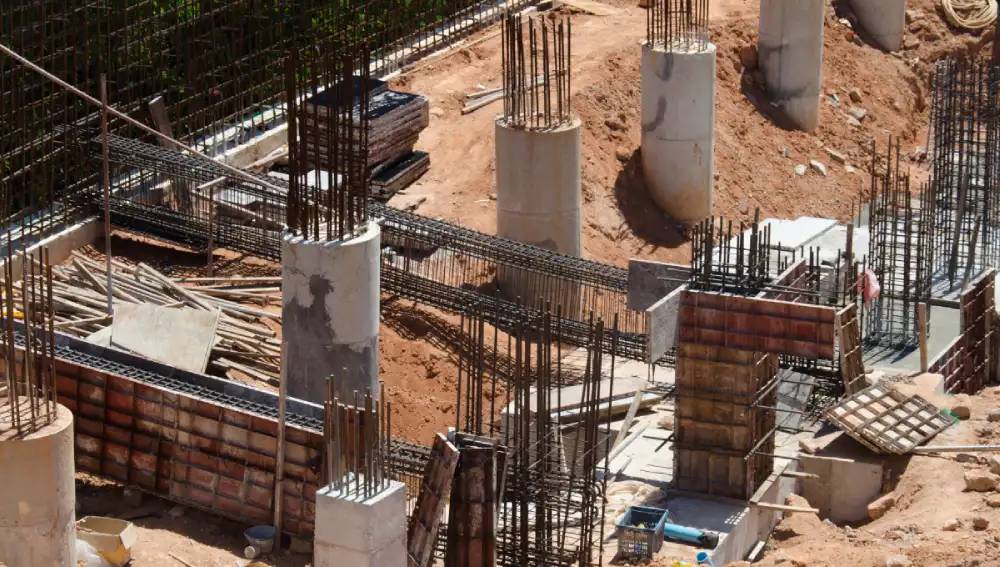
Columns are a fundamental element of any building – a vertical structural component that carries load from the slabs and beams of a building to the foundation. The compressive loads created in a structure are carried to the footings and then to the soil. The failure of a column may lead to instant collapses in the structure. 

Choosing the right type of column according to the construction requirements typically enhances the building’s stability and longevity.

The strength of a column is determined by numerous factors, such as cross-section size, material incorporated, its geometry, and the length and position of both ends. In this article, we will discuss the column types in detail along with their significance. 

Purpose of Columns

Purpose of Columns

Columns in construction act as vertical support for the structures. Some of their primary purposes are listed below:

  • Maintaining Stability: By using columns, the overall stability of the building can be improved by efficiently channeling the loads. It prevents walls from bulging and collapsing due to their own weight or any extra forces.
  • Supporting Floors and Roofs: Columns play a crucial role in supporting the weight of floors, roofs, and ceilings by directly transmitting them to the foundation. The loads are equally distributed to the ground, resulting in no structural damage.
  • Transferring Weight: Columns are capable of bearing the weight of structures, including roofs, beams, floors, or any other additional loads. This is possible by transferring the weight to the foundation, i.e., the ground. 

Types of Columns

Types of Columns

There are various types of columns, including Rectangular Column, RCC Column, Circular Column, Spiral Column, etc. Columns are classified into various types based on their shape, loading, length, etc. They are stated below:

1. Column Types Based on the Shape

a) Circular Column

A circular column is a cylindrical structure that supports vertical loads in buildings and other constructions. It has good deflection resistance and is mostly used to support and elevate buildings. For aesthetic purposes, round columns can be widely spotted at the piling and elevation of the structures.

It significantly provides higher bending resistance compared to rectangular or square columns. This can be achieved by using more than four steel bars as reinforcement.

Circular columns are commonly used in commercial buildings and public structures where aesthetics are important, such as in atriums, lobbies, or exterior facades. They are also frequently used in infrastructure projects like bridges and flyovers due to their higher bending resistance.

b) Square or Rectangular Column

Rectangular or square columns are pretty easy to construct compared to circular columns. These types of columns are primarily used in building construction due to their characteristics, like easy shuttering and reinforcement replacement. If cost is a major concern, then this is a prime choice to be considered.

These columns are widely used in residential buildings, particularly in load-bearing walls and as primary structural supports. They are also a cost-effective choice for commercial buildings, especially in areas where construction speed and cost efficiency are prioritized, like office spaces or shopping malls.

c) T Type Column

The T Type column is incorporated with the same features as a square or rectangular column, which helps to meet the desired structural design. It is commonly used in bridge and retaining wall construction.

T-type columns are used in bridge construction and retaining walls, where they help manage horizontal loads and provide stability. They are also utilized in certain commercial buildings, especially in parking structures or underpass sections where load distribution is critical.

d) L Type Column

The L-type column is used at the corners of boundary walls in a framed structure that has an L-shaped cross-section. Though it is unpopular, it acts as a good replacement to resist both biaxial bending and axial compression of corners.

These columns are particularly effective in residential buildings, especially at the corners of boundary walls or in corner areas of structures where they help resist both biaxial bending and axial compression. They can also be used in smaller commercial buildings where space constraints require creative load distribution.

e) Y-Shaped Column

These are generally made of reinforced concrete or steel, which offers extreme strength and durability. This Y-shaped column spreads the load more evenly, which makes the column more efficient. It typically reduces the amount of material needed and is most commonly used in bridge and flyover construction.

They are also sometimes used in unique architectural designs in commercial buildings to create visually striking support structures.

2. Column Types Based on the Types of Loading

a) Axially Loaded Column

An axially loaded column carries a straight vertical load directly along its center line. Achieving a perfect alignment with the cross-sectional center of gravity is quite impractical due to imperfections or manufacturing tolerances. However, the deviations from the center of gravity are more likely to introduce bending moments in the column.

These columns are common in both residential and commercial buildings where the load is evenly distributed. They are particularly useful in simple, straightforward structures like single-story homes or straightforward office layouts.

b) Biaxial Eccentric Loading

In this biaxial eccentric loading, the vertical load on the column does not corresponding to the center of gravity of the column cross-section. It doesn’t act on either the X-axis or the Y-axis. An example is when a corner column has two beams joining at its top at right angles, but not along either x or y axes.

These columns are typically used in multi-story commercial buildings, particularly in corner positions where beams meet at right angles. They are essential in structures that require careful management of bending forces, such as skyscrapers or large industrial facilities.

c) Uniaxial Eccentric Loading

Rather than acting at the center of gravity, the vertical loads on uniaxial eccentric columns operate eccentrically on either the X or Y axis. However, a column supporting a heavy load is not evenly loaded, carrying more weight on one side.

Uniaxial eccentric loaded columns are often used in buildings with uneven load distribution, such as residential complexes with varying room sizes or commercial buildings with asymmetrical layouts. They help effectively manage the imbalance in load distribution.

3. Column Types Based on Materials

a) Steel Column

Steel columns are a go-to choice for constructions that require exceptional strength and slender profiles. They are suitable for high-rise structures and long-span constructions like bridges.

These columns are ideal for high-rise commercial buildings, industrial facilities, and bridges where strength and durability are paramount. Steel columns are also favored in modern architectural designs for their ability to support large spans without bulk.

b) Timber Column

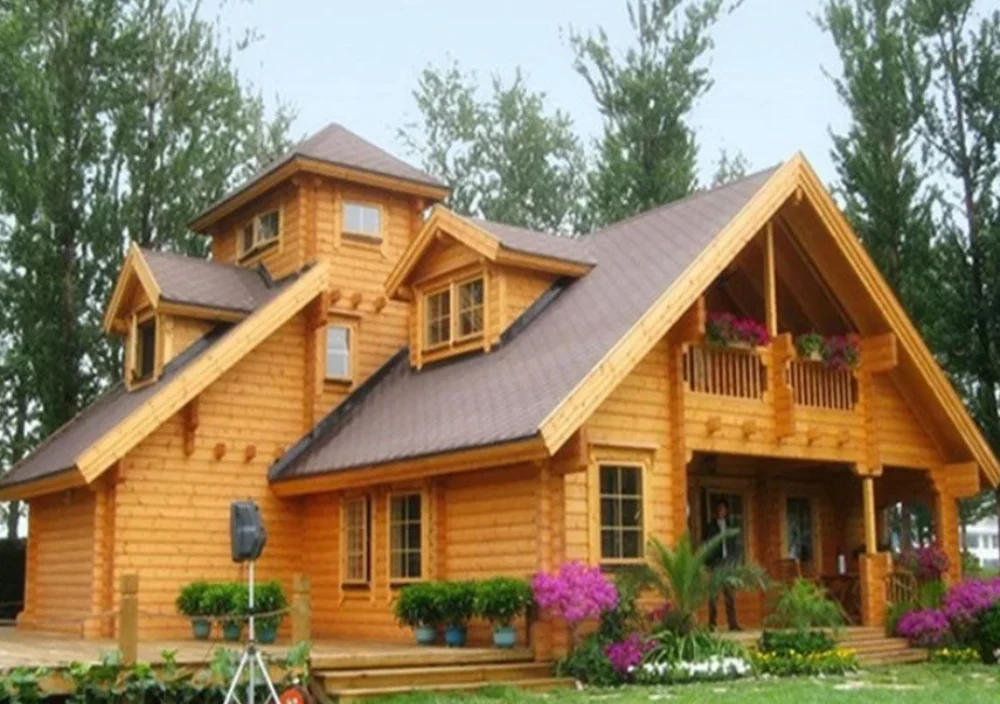
It is a vertical structural element made from engineered wood or solid wood products. Commonly used in houses or low-rise structures to support weight and transfer it to the foundation of a building. The primary function of this column is to add a natural and warm aesthetic look to the space.

Timber columns are primarily used in residential buildings and low-rise structures, particularly in eco-friendly or rustic designs. They are also used in small commercial buildings like lodges, cafes, or boutique shops where a warm, natural look is desired.

c) Brick Column

A brick column is another vertical structural element made of brick and mortar. It can be accomplished in various shapes and sizes to support porches, roofs, and any heavy loads. Its look can be leveraged with different types of brickwork and is an ideal option to add additional fire safety to warehouses and industrial buildings.

Brick columns are commonly used in residential buildings, particularly in older or traditional-style homes. They are also popular in industrial buildings and warehouses where fire resistance is a priority. Brick columns add a classic aesthetic and structural integrity to porches and verandas as well.

4. Column Types Based on Slenderness Ratio

a) Short Column

A short column has a relatively small ratio of the effective length of the column to its least lateral dimension (slenderness ratio). It means that they are extremely shorter and stockier than its width. A short column primarily experiences compressive stress while loading and collapses due to crushing in case of failure.

Short columns are often used in residential buildings and low-rise commercial buildings, where the focus is on compressive strength rather than slenderness. They are ideal for supporting heavy loads in compact structures like bungalows or small office buildings.

b) Long Column

A long column, on the other hand, has a high ratio of effective length to its least lateral dimension. Compared to their width, they are significantly longer and slender. It causes bending that allows the column to witness a lack of stability and strength upon failure. This type of column requires careful consideration of buckling resistance to improve its ability to resist bending. 

Long columns are commonly used in tall buildings and structures where height is a significant factor, such as high-rise residential complexes, office towers, and industrial chimneys. They require careful consideration of buckling resistance to ensure stability under load.

Conclusion

Columns are not just a structural element; they are more than just a supportive material. This article is entailed with different types of columns that assist engineers and architects in making informed decisions. From robust strength to elegance, each type is used for a specific purpose with unique advantages. Understanding its type ensures achieving the desired results. It is advisable to consult structural engineers to design ideal column types and sizing.

FAQs

1. With so many options, how do I choose the right column type?

Choosing the right column type empowers your structures to perform well for a long time by actively transferring their load to the ground. Based on the following factors, the qualities of columns can differ:

* Materials
* Shape
* Types of Loading
* Slenderness ratio 

It is advisable to consult structural engineer to design ideal column types and sizing based on specific project requirements.

2. What are the advantages of different column materials?

Depending on the type of material, the columns are categorized into different types. Each has its own unique significance and is explained below:

* Steel: highly strong and durable, good for long spans
* Brick: durable, fire-resistant, and aesthetic look
* Timber: made from solid wood, lightweight, renewable source, and warm aesthetic

1. With so many options, how do I choose the right column type?

Choosing the right column type empowers your structures to perform well for a long time by actively transferring their load to the ground. Based on the following factors, the qualities of columns can differ:

  • Materials
  • Shape
  • Types of Loading
  • Slenderness ratio 

It is advisable to consult structural engineers to design ideal column types and sizing based on specific project requirements.

2. What are the advantages of different column materials?

Depending on the type of material, the columns are categorized into different types. Each has its own unique significance and is explained below:

  • Steel: highly strong and durable, good for long spans
  • Brick: durable, fire-resistant, and aesthetic look
  • Timber: made from solid wood, lightweight, renewable source, and warm aesthetic

The Versatility of Cement Walls: A Modern Design Revolution

0
Cement Walls

The home’s interior and exterior design field is evolving day to day. Cement has become a star player in wall designs. From simple design to stunning wall designs, it evolved considerably. If you are planning to construct outstanding cement wall designs, then you are in the right spot.

Today’s blog of Brick & Bolt delves into cement walls, creative design ideas, applications, and practical considerations.

Cement Wall Designs 

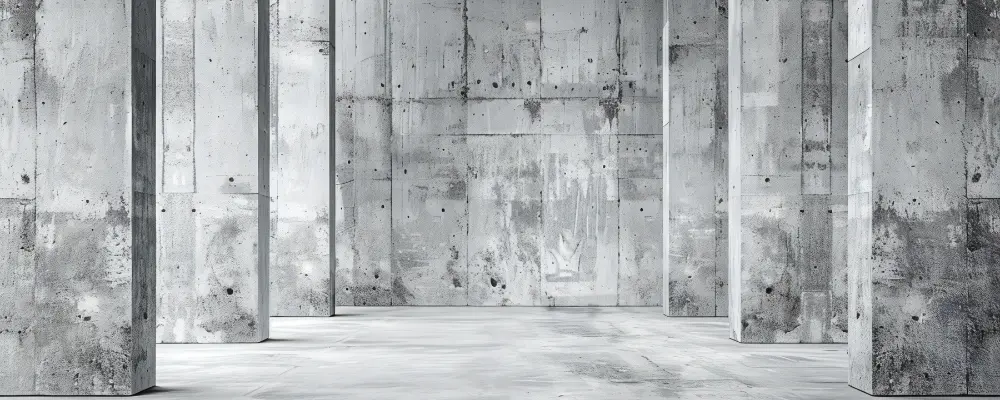
Cement walls are highly durable, resistant to fire, and weatherproof. They appear really authentic, particularly if they aren’t painted. For those interested in fire safety, cement is just one of several fire-resistant building materials that can enhance the safety of your home or business space.

Creative Cement Wall Design Ideas 

While cement wall designs offer a unique aesthetic, some homeowners may prefer to combine them with painted surfaces for added versatility.  

1. Simple Cement Wall Design

As the name suggests, this design highlights the simplicity with trendy elegance. The wall with clear lines and minimalistic addition of creativity provides a clear appearance. Along with the easy-going design process, it highlights the sophistication. Numerous architectural styles complement this design.

2. Cement Wall with Mural Designs

Do you want to give your house a more creative touch? A stunning cement design for the front wall of a home with murals can be the best option. You can display one-of-a-kind and customised murals on your external walls with cement carving designs. Cement carving patterns bring a creative touch to your home, whether they depict abstract art, natural scenes, or cultural themes. Your house will stand out from the crowd with these eye-catching cement wall mural designs.

3. Cement Wall Texture Design

The entire appearance of your home can be enhanced with a textured wall cement design that adds depth and visual interest. A tactile aspect can be added by using textured patterns on the cement surface, which results in a dynamic and eye-catching exterior. It gives a distinctive character and improves the wall’s visual attraction. You can experiment with different patterns, ranging from delicate to striking.

4. Natural Stone Cement Wall Design

Natural stone can enhance the beauty of your home design. Since natural stone can’t be affordable to all, you can use this for exterior walls to give a rich look. The wall design will not only require low maintenance but also elevate your home’s appeal. Moreover, the overall cost of this house’s front wall cement design will be lower. It will make the compound wall cement design appear connected with the surrounding landscape.

For a comprehensive approach to designing your home’s facade, including how to integrate cement wall designs, check out our guide on house front elevation design. This resource will help you create a cohesive and visually striking exterior that incorporates your chosen cement wall design elements.

5. Cement Design Wall with Brick

Using brick in cement wall design gives a modern look with a traditional touch. It is one of the most often-used options for interior and exterior walls. That doesn’t mean you have to place real bricks. It is possible to carve designs into cement that resemble brick walls. The front wall obtains warmth and character from the textured surface. 

If you’re interested in exploring color options for your living spaces, check out our guide on wall painting designs for living rooms. This can help you create a perfect balance between cement textures and painted surfaces in your home.

Creative Applications of Cement Wall Designs

Cement wall designs can be associated with different spaces as per your creative ways. The following are some creative applications:

1. Interior Spaces of Home

Living Rooms: Accent walls made of cement can give rooms a contemporary feel. Walls with texture can give an area a sleek, modern appearance or a rustic feel.

Kitchens: Cement walls are a great alternative since they can tolerate heat and dampness. Using colored cement can also improve the appearance of the space.

Bathrooms: Cement may produce a spa-like atmosphere and is water resistant. Using bright colors and smooth surfaces can elevate a bathroom’s aesthetic.

2. Exterior Applications

Facades: Homes and commercial structures can have striking facades created by cement walls. Facades with patterns or colors can make a striking first impression.

Outdoor Living Areas: Cement is a durable material that can be used to build patios, fire pits, and outdoor kitchens that blend in with the natural environment.

Retaining Walls: The retaining walls are designed in landscaping and can have decorative designs to improve the beauty of the garden in addition to serving structural functions.

3. Commercial Spaces

Offices: Cement walls can divide spaces without reducing natural light. Textures can give an area depth and coziness.

Retail Stores: Distinctive cement designs can draw clients and offer a contemporary and fashionable shopping atmosphere, improving the brand’s reputation overall.

Practical Considerations for Cement Walls

Along with enjoying the elegant aesthetic benefits, you have to consider the practical factors as follows:

Maintenance and Durability

Cement walls are very durable and typically require minimal maintenance. To improve longevity and avoid staining, they might need to be cleaned regularly. To maintain walls, regular washing with a little soap and water is usually sufficient. Check out our monsoon wall maintenance advice to make sure your cement walls stay in great condition all year round. Nevertheless, during monsoon seasons, extra caution may be required to protect your walls from moisture damage. 

Cost Factors

Depending on the finish, colour scheme, and complexity of the design, cement walls can range significantly in price. Cement has a longer lifespan and requires less maintenance than certain traditional wall treatments, so even while the initial cost may be more, it may end up being more affordable over time.

Cement wall designs are generally useful for both residential and commercial buildings. You can give different looks, from smooth finishes to textures. Cement walls provide possibilities to add style to your house and enrich the visual appeal. To learn more about cement wall design, you can consult a nearby construction company in Hyderabad, such as Brick & Bolt.

Concrete Wall Panels: Advantages & Future Trends

0
Concrete Wall Panels

The role of concrete in the construction world is indispensable. In recent times, this is the most prominent material drastically changing the way we build, i.e., concrete wall panels. Builders, architects, and designers on the market are gradually adopting this smarter wall design to take the structure’s durability to the next level.

So, if you’re seeking a construction material with superior quality, sustainability, and speed, concrete wall panels are the way to go. It can withstand any harsh climatic conditions and is recyclable at the end of its lifespan.

Whether you’re planning for a residential or commercial space, it can be tailored according to your tastes. This article explains the significance and design considerations of concrete wall panels, empowering your knowledge to make informed decisions.

What are Concrete Wall Panels?

Concrete Wall Panels 1

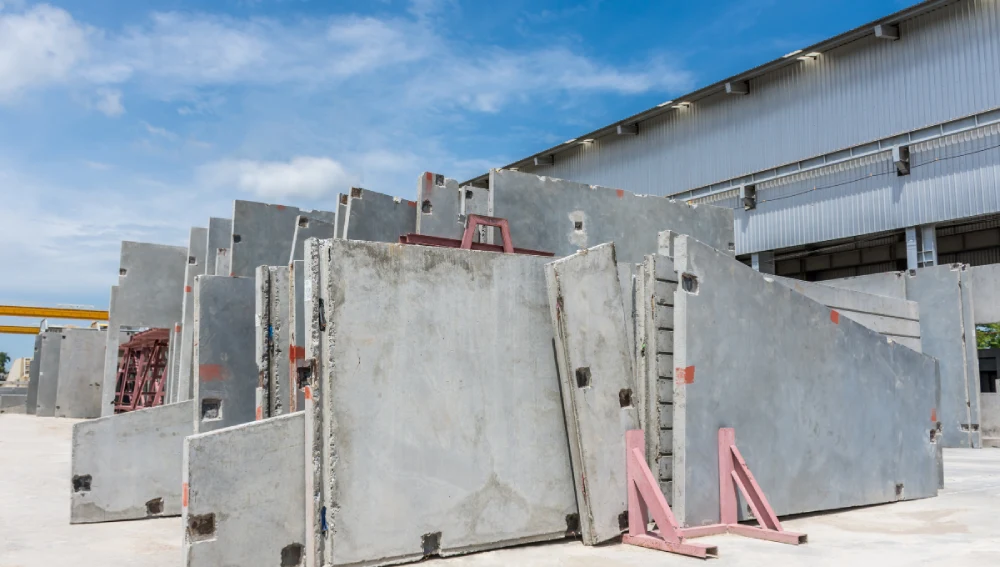
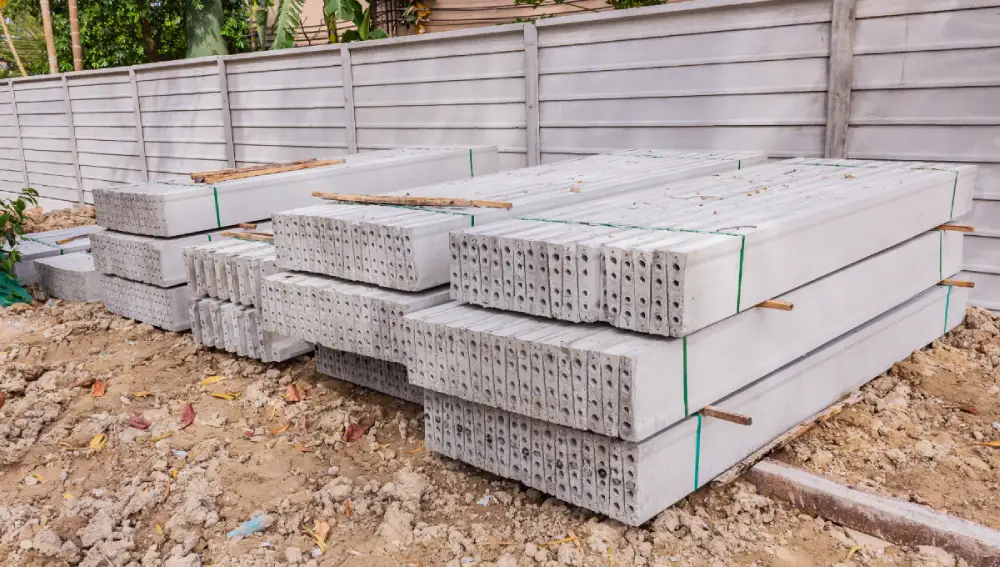
Concrete wall panels are made by pouring concrete into a mould either in a factory or plant rather than performing it directly at the construction site.

In simple terms, it is a pre-made concrete piece that is carefully curated in controlled environmental conditions until the desired strength is achieved. Then it is transported to the targeted destination. These panels can be quickly turned into a wall, covering it like cladding. They are typically found on exterior building facades, but are also popular for indoor applications.

Design Considerations for Concrete Wall Panels

  • Aesthetically Appealing: Concrete wall panels are used as a decorative item that can elevate the look of your space to the next level. They can be found in various colors, textures, and patterns and choosing the appropriate design enhances your whole building’s appearance.
  • Structural Integrity: The concrete panels must be made with high-quality raw materials to be capable of withstanding the heavy loads imposed by the buildings.
  • Installation Method: The installation method of each concrete wall is different, depending on the building design, site conditions, and panel type. Architects need to carefully evaluate these situations to choose the one that fits the construction site.
  • Maintenance: Unlike regular methods, concrete wall panels require minimal maintenance. However, periodic cleaning and inspections avoid unexpected troubles and increase the overall lifespan.

Advantages of Concrete Wall Panels

Advantages of Concrete Wall Panels

Beyond their modern style, concrete wall panels typically provide undeniable benefits compared to traditional wall structures like wood or drywall. They are discussed in detail below:

Exceptional Durability

Concrete wall panels are extremely resistant to bad weather conditions, abrasion, and erosion (while used in exterior walls). Due to this property, the precast concrete wall is largely maintenance-free and lacking in Tensile Strength leading to substantial cost savings over the long term.

Fire Resistant

The concrete wall panel is highly resistant to fire accidents, making it a preferred choice to meet both commercial and residential building regulations. It actively eliminates the necessity of installing additional fireproofing measures.

Inexpensive

The manufacturing process of concrete wall panels is simple and effortless, carried out with very few material wastes. Depending on the structural requirements, the shapes and sizes can be adjusted. Once it is created, the walls can be easily transported and installed at the construction site. The overall creation and maintenance costs are very low compared with traditional methods.

Speed of Construction

The panels can be solid or insulated, based on the required thermal performance. As mentioned, it is a pre-made concrete piece, which can be installed quickly at the construction site. It accelerates the project timeline and reduces the labor cost. 

Insulation Properties

Insulation concrete wall panels effectively block noise transmission and offer excellent thermal performance. They help create quieter interior spaces with improved comfort at reduced energy consumption. 

Suitable for both Residential & Commercial Buildings 

Concrete wall panels offer enhanced durability, security, fire resistance, soundproofing, and speed of construction work, making them suitable for both commercial and residential building constructions. 

Future Trends in Concrete Wall Panels

  • Integration with Smart Home Systems: Accompanying concrete wall panels with smart home systems helps improve the comfort, energy efficiency, and security measures of the structures.
  • Advanced Materials and Technologies: There is no end to technological developments. Right now, the construction industry is fully focused on developing new concrete mixes that excel in performance and concrete wall panels provide an efficient way of doing this.

Conclusion

Concrete wall panels offer an enhanced durable solution to construction projects. By understanding its excellence, architects or designers can provide the structures with the desired final output. When selecting the concrete wall panels, consider certain significant factors, like budget, aesthetic preferences, and project requirements, to make informed decisions. Whether it is a small or large-scale project, ensuring your requirements prior helps finding the best choice. 

FAQs

1. What is the life expectancy of concrete wall panels?

These pre-mixed concrete walls can last for 50 to 100 years or more. Generally, it is known for its enhanced strength and durability, yet the lifespan can be determined by the mixing of quality raw materials, the curation process, and environmental conditions. While using it in exterior walls, it can last for generations.

2. How much do concrete wall panels cost?

The cost of concrete wall panels can vary for each type, specifically based on their weight, size, thickness, and customization. When compared to the traditional type, it is quite cost-effective and typically improves the overall aesthetic appearance.

3. Why should you choose concrete wall panels?

Concrete wall panels are an attractive choice for any construction project. One of the primary reasons to prefer this method is that it can reduce labor costs and the overall construction timeline due to its pre-mixed manufacturing process. Additionally, it is highly durable, versatile, and can withstand any harsh climatic conditions.

Load Bearing Structure: A Comprehensive Guide on Its Meaning, Elements, Advantages, and Disadvantages

0
Load Bearing Structure

Building structures can generally be classified into two broad categories based on the way loads are transferred- load bearing structures and framed structures. Load bearing structures were the most commonly used typology until the late 19th century, when framed structures were first created due to the advent of steel, glass and concrete in construction. Read on to learn more about the timeless technique of load bearing construction. 

What is a Load Bearing Structure?

Structures where the building loads are transferred directly onto walls instead of columns or other vertical structural elements are termed as load bearing. Load bearing walls, as the name suggests, help in bearing and transmitting the loads of the structure, a function which would otherwise be performed by columns in a framed structure. Each wall serves as a structural element that assures the stability of a building. 

Elements of a Load-Bearing Structure

  • Roofs/ floors

Apart from shelter and usable horizontal spaces, roofs and floors provide horizontal surfaces for the uniform distribution of different types of loads that affect any building. Although these are generally present in the form of slabs, they can also be designed as vaults, arches or pitched roofs. However, one of the most crucial functions of any type of roof or floor is the transfer of loads to other elements.

  • Beams

Beams form horizontal elongated elements that collect load from roofs and floors and then transfer them to the succeeding elements in a structure. These however, are not a crucial element in loading bearing structures, where beams can be eliminated to enable roofs to directly rest on load bearing walls. 

  • Walls

Walls form the major component of load bearing structure. They are vertical elements which bear the weight of all the elements above them, such as beams and roofs, before transmitting it to the floor or foundation below it. 

  • Foundation

A building foundation forms the base of the building which rests directly on soil and transmits load onto it, responsible for the building’s overall stability. Load bearing structures generally do not require deep foundations. 

Material Options for Load Bearing Construction

Numerous material options are available for the construction of load bearing walls in the current era. These can be used individually or in combination with other such materials to create composite structures. 

  • Brick Masonry

Brick masonry is the most commonly used method for the construction of load bearing walls, especially for residences. Brick walls can be constructed solidly or with cavities, but need to have a minimum thickness of nine inches to be able to bear loads and transmit them effectively.

  • Stone

Stone is one of the oldest materials used for load bearing construction, especially for temples and other public buildings. Multiple types of stone such as limestone, sandstone and granite can be used to create structures that have extremely high durability and resistance to environmental conditions. 

  • Concrete

The most frequently used material in modern construction, concrete can be used to create wall panels that are precast or in-situ retaining walls. Easy to construct and highly durable, this is a relatively quick way to create load bearing structures.

  • Rammed Earth

A material created by the compaction of soil found in the construction site itself, rammed earth is a sustainable option for executing load bearing structures. However, rammed earth walls generally cannot bear excessive loads (such as in buildings with more than two storeys) and pose difficulties for routing of electrical and plumbing conduits. 

Apart from these conventionally used materials, a lot of new innovative materials such as metal panels, 3D printed wall and roof panels and structural glass are increasingly being used for constructing load bearing structures, offering versatile design options. 

Advantages of Load Bearing Structures

Although not frequently used in modern construction, load bearing structures encompass a time-tested methodology which has survived centuries of architectural revolution due to the numerous inherent advantages that it offers.

  • Cost

Reduced dependency on materials and labour for concrete/ steel/ other columns, along with the general usage of local materials like brick and stone result in the reduction of overall cost. 

  • Labour

Availability of specialised labour for the erection of columns is not required for load bearing construction, enabling swift and able construction with local and simple tools, techniques and labour. 

  • Uniformity

Load bearing walls are generally made of a single material, the uniformity of which allows better finishing, especially for plastered finishes. The absence of joints between different materials, such as concrete columns and brick walls, helps mitigate the probability of cracks.

  • Durability

Load bearing structures are highly durable due to enhanced resistance to adverse weather conditions and fire, combined with high structural stability.

What is a drawback of load-bearing construction?

Although the construction methodology of load bearing structures has survived multiple centuries, it has certain intrinsic disadvantages that limit its usage in modern construction. 

  • Decrease in Carpet Area

Load bearing structures generally feature walls that are thicker than conventional framed structures, resulting in reduced carpet area and usable space. This can also reduce the commercial value of built structures for selling or renting. 

  • Time Consumption

Framed structure construction allows erection of columns and slabs with simultaneous erection of walls in lower floors. This is not possible with load bearing structures, where walls must be completely built before the successive roof or floor slab can be erected, resulting in increased consumption of time for building completion.

  • Decreased Flexibility

Load bearing structures generally require walls of one floor to align with walls of every other floor. Excepting multi storeyed residences with repetitive unit plans, this can be a major disadvantage in buildings due to decreased flexibility and freedom in design.  

  • Additions/ Changes

Framed structures allow removal or changes in partition walls to accommodate changing or growing needs of building users. However, this is not possible with load bearing structures as any change in the load bearing elements can result in structural instability and failure. 

  • Restricted Building Height

Construction of high rise buildings with a load bearing structure is generally not probable and preferable, due to excessive wind loads and increased time consumption for completion.

Load Bearing Structure Design

The design of load bearing structures requires careful considerations and calculations of the various types of loads that affect buildings. Specific site factors such as climatic conditions, soil type and load bearing capacity also play a crucial role in opting for load bearing structures. Although such structures are often built in rural areas without external consultation, it is strongly recommended to take the expert advice of structural engineers, architects and contractors to ensure stable and durable construction. Contact Brick & Bolt today to construct your dream home based on planning by experts, accompanied with managed end-to-end construction processes.

Types Of Houses In India

0
Type of house

India’s rich cultural heritage and geographical diversity are reflected in the wide array of housing options across the country. India’s architecture ranges from grand, palatial villas of Rajasthan to quaint, eco-friendly cottages of the Western Ghats. It’s a true feast for the senses. 

Brick & Bolt is a leading home construction company. We know it’s important to help homebuyers and investors navigate India’s complex housing market. This blog covers many types of houses in India and explores their unique features, design elements, and the people they cater to.

Different Types Of Houses In India You Should Know

If you’re planning to purchase a new house or explore the construction industry for the first time, houses in India are categorised by material type, style, and density. Let’s break this down in an easy-to-understand way.

1. Based on material type:

a) Kutcha houses

Kutcha houses are a type of traditional dwelling commonly found in rural and tribal areas of India like Bihar, West Bengal, Odisha, Assam, Rajasthan, Tamil Nadu and Andhra Pradesh. These are made from locally available natural materials such as mud, thatch, bamboo, and reeds. Kutcha houses are generally temporary constructions that are not built to last and lack durability. As a result, kutcha houses are typically intended for short-term use and may require frequent repairs or rebuilding.

Kutcha houses

Some modern kutcha houses incorporate improvements by stabilising mud with cement or using treated bamboo to enhance durability. Kutcha houses generally are in need of more modern amenities. But, they are rooted in India’s culture and often showcase intricate craft and design.

b) Pucca houses

Pukka houses are permanent structures made from durable materials such as bricks, cement, steel, and concrete. These houses are designed to withstand various weather conditions and provide long-term stability and comfort. 

Pucca houses

These are typically found in metropolitan cities like Chennai, Bangalore, Kolkata, Mumbai, and Delhi and Tier-2 cities like Pune, Hyderabad and Jaipur. It is also found in coastal cities and towns like Goa, Kochi, and Visakhapatnam to withstand the coastal climate.

2. Based on style:

When it comes to style, from traditional courtyard houses in Kerala to ultra-modern smart homes, each style offers unique benefits to different climates, lifestyles, and preferences. Here’s an overview of types of houses based on their style:

Traditional Houses:

From the cool, stone-built houses in the Himalayan regions to the airy, thatched-roof structures in tropical areas, India showcases a diverse range of traditional architectural styles, each uniquely adapted to the country’s varying climatic conditions. 

1) Courtyard houses in Kerala

Courtyard houses are the most common feature of Kerala’s traditional architecture. These houses are designed with a central open courtyard, called a “nadumuttam,” which serves as the focal point for the entire structure.

 Courtyard houses in Kerala

Such houses are known for their natural ventilation and lighting, which reduce artificial systems, making them energy-efficient and eco-friendly.

2) Havelis in Rajasthan

The Havelis were not only living spaces but were commercial and community spaces. Today, many of these old buildings have been renovated. 

These are traditional mansions found in India and are known for their grandeur and intricate architectural details. These sprawling residences typically feature large courtyards, elaborate balconies, and ornate carvings on doors and windows.

Havelis in Rajasthan

Havelis often have multiple stories with expansive rooms, arched doorways, and beautifully decorated facades. The interiors are adorned with frescoes, mirror work, and vibrant murals.

It provides a natural cooling in the hot Indian climate, making them both functional and aesthetically pleasing. 

Some examples of famous Havelis are:

  • Patwon Ki Haveli in Jaisalmer is known for its intricate latticework and extensive frescoes.
  • Nathmal Ki Haveli in Jaisalmer features unique architecture with twin facades.
  • Salim Singh Ki Haveli in Jaisalmer is notable for its distinctive arched roof.
3) Kashmiri homes of wood/ Pahari houses

Kashmiri homes or Pahari houses, are notable for their unique wooden architecture, designed to withstand the harsh climatic conditions of the region.

These homes are primarily made from deodar or pine wood, known for its thermal insulation properties.

Kashmiri homes of wood/ Pahari houses

Wood can absorb seismic shocks better than rigid materials, making it suitable for the earthquake-prone region.

Coastal homes in Goa

Goa, known for its scenic beaches and vibrant culture, has homes designed to make the most of the coastal environment and often incorporate elements that reflect Goan architectural heritage.

Coastal homes in Goa blend traditional Goan and Portuguese architectural styles, reflecting the region’s rich cultural heritage. These homes are typically designed with sloping terracotta-tiled roofs, which are steeply angled to efficiently handle the heavy monsoon rains. 

The influence of Portuguese architecture often adorned with decorative wooden frames and shutters can be observed. The exteriors of these homes are frequently painted in vibrant colours like yellow, blue, and red, adding to the charm of the coastal landscape.

Coastal homes in Goa

Inside, large central courtyards, known as ‘Raj Angans,’ serve as communal spaces that provide natural light and ventilation. High ceilings and thick walls, often constructed from laterite stone, help keep the interiors cool. 

Ornate iron railings on balconies and terraces with stunning sea views further enhance the aesthetic and functional appeal of these coastal homes, making them well-suited to Goa’s tropical environment.

Modern Houses:

Modern homes often feature verandas, open floor plans, high ceilings, and large windows to maximise natural ventilation and light. 

Materials like local stone, wood, and thatch blend contemporary design with traditional aesthetics. New materials like steel, concrete and glass are utilised to incorporate a clean, simple and modern aesthetic.

Modern homes

Ultra-modern/ Emerging trends

Most of the modern houses are evolving with new technologies that make life easier for the users. Houses equipped with automated systems for lighting, security, climate control, and more are featured as ultra-modern homes. 

In general, household appliances utilise IoT (Internet of Things) for enhanced convenience and efficiency. This favours energy efficiency, enhanced security and remote control via smartphones.

Co-living/ shared homes

This type of house is designed to accommodate multiple residents in shared living spaces where it is cost-effective, favours social interaction, and provides shared amenities.

Micro and compact homes

Compact houses are a cost-effective method of tackling tight urban plots of modern times.

These incorporate multi-use zones to enhance functionality. Built-in furniture is used for multiple purposes like a bed that transforms into a desk. Even for storage, nooks, crannies and adjustable shelves are utilised to enhance space utilisation.

3. Based on Density

Density refers to the number of people living in a single building. Cost, privacy requirements and affordability are major factors that enable people to opt between low density, medium density and high density homes.

Villas/ bungalows/ independent homes

Homeowners have complete flexibility to work with architects to create bespoke designs that satisfy their lifestyle needs. Due to their standalone nature, these types of houses offer a high level of privacy and thus have a high potential for customization both in design and construction.

This type of designs are ideal for people who seek a serene and private living environment. 

Villas/ bungalows/ independent homes

While the initial and ongoing costs may be higher, the benefits of living in such a space often outweigh the disadvantages, particularly for those who value privacy and have the resources to maintain their property independently.

Low-rise apartments

Medium-density housing options are affordable solutions that balance the privacy of standalone homes with the community feel of high-rise apartments. It is a popular choice for families, young professionals, and retirees for its architectural design. 

Energy-efficient materials, HVAC systems, and appliances are used for lighting. Considering low utility costs due to shared infrastructure, these houses are more affordable than independent villas.

Low-rise apartments

It is ideal for young professionals and students because of its affordability, access to urban amenities, public transportation, and proximity to workplaces, restaurants, and entertainment venues.

High-rise apartments

High-rise apartments come under high-density housing options, which are prevalent in urban areas where land is scarce and expensive. These types of structures maximise the use of vertical space to accommodate a large number of residents, offering a variety of amenities and conveniences. 

They are a popular choice for city dwellers, including professionals, families, and retirees.

To ensure environmental sustainability, the owner should aim for Green building certifications like LEED (Leadership in Energy and Environmental Design).In addition, sustainability practices, such as green roofs, solar panels, and advanced energy management systems, can be included.

High-rise apartments

Despite some drawbacks related to privacy and space, the advantages of cost efficiency, location, and advanced amenities make high-rise living an attractive option for many.

Conclusion:

As a home construction company, we are proud of our ability to turn Indian housing’s unique character and traditions into modern, useful, and sustainable living spaces. We stay tuned to the changing trends and preferences in the Indian real estate market. We strive to make great homes that meet our clients’ needs and honour India’s diverse architecture.

Contact Brick & Bolt to build your dream home.

How Much Will It Cost To Build A Villa?

0
Villa

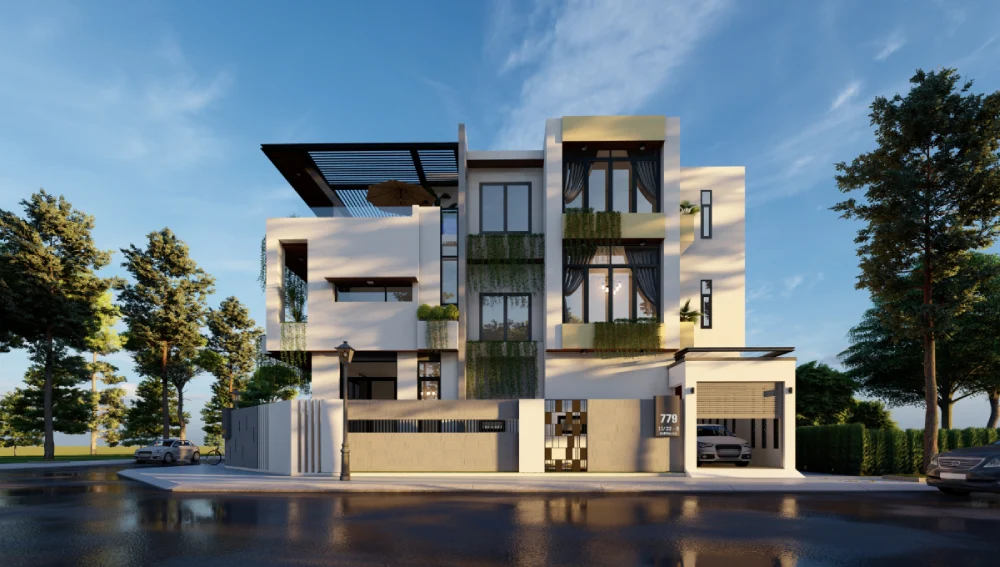
Nowadays, constructing a villa is more than just building a home. Whether you’re a growing family in need of more rooms or a couple seeking private time, a villa could be a perfect solution. Simply put, it suits those who value privacy. But first, before the blueprints, we’ve got to understand the costs.

This guide covers the factors that affect the construction costs of building a villa in different Indian towns. It provides a road map to help you budget for your dream villa.

How much is it to build a villa in Chennai?

How much is it to build a villa in Chennai

The cost of building a villa in Chennai can vary based on several factors, including location, size, design, materials, and quality.

Depending on the location, the land cost can range from Rs. 3,000 to Rs. 15,000 per square foot.

Villa TypeApproximate Cost Per Sq. Ft.
Basic constructionRs. 1,400 to Rs. 2,500
Mid-range constructionRs. 2,500 to Rs. 4,000
Premium constructionAbove Rs. 4,000

Let’s take a 3,000-square-foot villa in a mid-range area; the estimated costs should be calculated as below:

Land Cost:

3,000 sq ft x Rs. 10,000/sq ft = Rs. 3 crore

Construction Cost:

3,000 sq ft x Rs. 3,000/sq ft = Rs. 90 lakh

Total Estimated Cost:

Rs. 3 crore (land) + Rs. 90 lakh (construction) = Rs. 3.9 crore

Additional Costs like Architect, design fees, garden, and driveway range from 6-10% of the construction cost.

Factors affecting villa construction costs in Chennai:

  • Location: Prime locations (e.g., ECR, OMR, Adyar) will have higher land costs than suburban or less developed areas.
  • Materials: Selecting accessible materials reduces costs. The imported stones and high-end polishing will increase the cost.
  • Labor fees: Skilled workers may demand higher wages. The design’s complexity may also raise labor costs. 
  • The Contingency Fund allocates 10% of the estimated cost. It does so to cover our safety and emergency needs.

How much will it cost to build a villa in Bengaluru?

How much will it cost to build a villa in Bengaluru

In Bangalore, the construction of a villa typically costs more than in Chennai. So, you can focus on picking the materials and features in high demand.

Villa TypeApproximate Cost Per Sq. Ft.
Basic constructionRs. 1,500 to Rs. 2,000
Mid-range constructionRs. 2,000 to Rs. 3,000
Premium constructionAbove Rs. 3,000

Factors affecting villa construction costs in Bengaluru:

  • Location: Prime locations like MG Road, Koramangala, or Whitefield can have higher construction costs than suburban areas.
  • Material cost: The total cost will be reduced if the material is locally available. However, imported materials, such as high-demand marble and exotic wood, will increase the cost.
  • Labor cost: Similar to Chennai, key issues in Bengaluru include fees for architects and engineers, additional charges, and a contingency fund for unexpected costs. Eco-friendly features, which are in high demand, come with a higher price tag.
  • Additional cost: For BBMP and BDA approvals, the fee can range from Rs. 80,000 to Rs. 5,00,000. The fee depends on the project size and complexity and is essential to ensure compliance with local regulations and obtaining necessary permits.

How much will it cost to build a villa in Jaipur?

Building a villa in Jaipur offers a chance to bring Rajasthan’s rich architecture. 

The approximate cost for this project is between Rs. 1,800 and Rs. 2,100 per square foot. It means that 3,000 sq. ft will cost around Rs. 54 lakhs to Rs. 63 lakhs.

Also, the total cost will depend on factors like land prices, materials, and labor.

Factors affecting villa construction costs in Jaipur

  • Location: Main areas like Malviya Nagar, Vaishali Nagar, and Jagatpura tend to have higher construction costs.
  • Permit fees: Costs for JDA (Jaipur Development Authority) approvals can vary depending on the project size. If your project is large-scale, you might have to pay a higher fees for approval.
  • Labor cost: The fees for architects, builders, supervisors, and engineers vary based on the expertise required.

Building a villa in Jaipur can range from Rs. 54 lakhs to over Rs. 63 lakhs, depending on the factors mentioned above. The cost might even increase if you wish to be lavish. It is better to have a contingency fund of 10-15% of the total estimated cost to cover unexpected expenses.

How much will it cost to build a villa in Delhi?

Building a luxurious home in Delhi can be a wise investment, but planning the cost of construction can help you avoid sudden surprises at a later stage. 

Expect a range of Rs. 2,750 to Rs. 4,500 per square foot. This means a 2,000-square-foot villa could cost between Rs. 55 lakhs and a whopping Rs. 90 lakhs.

Factors affecting villa construction costs in Delhi:

  • Living in popular areas of Delhi, such as the Lutyens’ Bungalow Zone, will greatly raise land and construction costs. Areas in South Delhi (e.g., Vasant Kunj, Hauz Khas) will have higher costs than peripheral areas.
  • MEP works in construction activity ideally using only Grade-A materials like heavy-duty cables and wires.
  • Skilled labor may demand higher wages, especially for intricate designs and setting up the finishing touches, including flooring, ceiling, walls, lighting, woodwork, and facade.
  • If architecture and interior decor involve carvings, cornices, porches, and molding, the labor expertise and quality of materials cost more than usual.

As mentioned above, the cost of building a villa in Delhi can range from Rs. 55 lakhs to over Rs. 90 lakhs, depending on crucial factors. Consulting with local builders and architects is advisable for more accurate estimates for basic to premium construction.

How much will it cost to build a villa in Faridabad?

Faridabad is close to Delhi, providing easy access to the capital’s amenities. It is well connected via roads and metro, making commuting to Delhi and other NCR cities convenient. Building a villa in Faridabad can cost Rs. 1,700 to Rs. 2,100 per square foot, roughly Rs. 34 lakhs to Rs. 50 lakhs for a 2,000 sq ft villa.

How much will it cost to build a villa in Ghaziabad?

Ghaziabad is another attractive option in the Delhi NCR region. It is a go-to choice for its significant infrastructure, including highways, expressways, and metro extensions. As it is highly This provides affordable choices for achieving your villa goals. Here’s a breakdown of the estimated costs and the factors that can influence them.

Expected Cost can be Rs. 2,200 to Rs. 4,500 per square foot. A 2,000 sq ft villa could range from Rs. 44 lakhs to Rs. 90 lakhs.

Factors affecting villa construction costs in Faridabad and Ghaziabad

  • Land set-up: Based on the location, clearing, grading, and preparing the land for construction, including required excavation or leveling, can vary.
  • Delhi’s material options greatly influence the final cost of construction. Local materials yield affordable choices with one-of-a-kind design features.
  • Labor Landscape: Labor rates in Faridabad may be slightly lower than in Delhi. This offers some potential cost savings.
  • Like Delhi, Architects and engineers charge fees of around 5-10% of the total cost. This fee covers the villa’s design, including detailed blueprints, structural design, and aesthetic elements.

For any construction project in Faridabad, it’s better to allocate 10% extra for unforeseen expenses. 

Conclusion

Building a villa in India’s diverse cities involves various costs influenced by location, materials, and design preferences. Cities like Delhi bustle with activity, while Mysore offers serene landscapes. Each place presents unique opportunities and challenges for villa construction.

Key Takeaways:

  • Construction costs vary by city and within cities due to land prices, infrastructure, and local demand.
  • Material quality, labor, design preferences, and regulatory approvals influence costs.
  • Bengaluru and Gurgaon have higher construction costs due to luxury demands, while Jaipur and Mysuru offer lower costs, preserving cultural heritage.

Before getting into villa construction projects, understand local market trends and costs if you’re an investors and homeowners.

In conclusion, whether you choose the bustling streets of Delhi or the tranquil landscapes of Mysore, building a villa requires careful consideration of various factors to make informed and cost-effective decisions.

Types of Sand Used in Construction

0
Types of Sand

Sand is one of the irreplaceable materials used in construction. Sand is mixed with materials to produce mortar and concrete to increase the   strength, and stability. However, not all sand materials are made equally. 

Certain sands have impurities, making them less sturdy and stable for buildings. This blog discusses different types of sand used in construction. 

Types of Sand Used in Construction

Types of Sand Used in Construction

Different types of sand can be used for building construction depending on its purpose and material. The classifications are listed below.

River Sand

River sand is a natural produced as a result of erosion or weathering of rocks and minerals. It is found on riverbeds, banks and floodplains which is formed over thousands of years through this process. 

They have their grades, but they are generally coarse sand. Since river sand is a material of eroded rocks, it consists of silica sand from quartz.

It is usually light brown or yellowish in color due to the presence of iron oxides and other minerals. The grain size of river sand ranges from 0.2 mm to 0.5 mm which is ideal for plastering, and masonry work.

Characteristics of River Sand

  • It is naturally polished through erosion, enhancing workability in mixes where artificial polishing is not required.
  • It has fine and consistent grain size of 0.2 mm to 0.5 mm which is ideal for plastering and masonry.
  • Nearly 80-90% of river sand constitute of high silica content, that contributes to its high strength and durability in construction.
  • It is a best option as it is easy to mix, apply, and finish due to smooth texture and rounded shape.
  • Due to its water retention, it has balanced moisture content supports proper curing in concrete and mortar.
  • Unlike other types of sand, it contains natural minerals like quartz and feldspar, that enhance the construction aesthetics and performance.

Applications

The applications of river sand include:

  • Landscaping
  • Concrete production
  • Land reclamation
  • Filter media, and 
  • Beach nourishment
River Sand

Concrete Sand

Concrete sand is a coarse sand that is used specifically in concrete mixtures. It is derived from crushing hard stones like granite, basalt and limestone. Concrete sand is usually washed and screened to remove impurities such as clay, silt, and organic matter to ensure its cleanliness. 

Characteristics of Concrete Sand

  • Due to its rough and angular texture, it is essential for creating strong interlocking bonds in concrete mixtures. 
  • The particle size of concrete sand ranges from 0.75 mm to 4.75 mm. It serves effective void filling between larger aggregates in concrete ensuring stability of the final mix.
  • This type of sand is specifically graded after washing and screened to remove impurities such as clay, silt, and organic matter. This process ensure compatibility with other concrete components, such as cement, water, and coarse aggregates. 
  • It has excellent drainage properties due to its coarser grains, that prevent water from pooling within the concrete mix. This feature is crucial for reducing the risk of cracking of concrete structures.
  • It is recommended option for construction of pavements, roads, and foundations. It is also used as a leveling base for pavers and as a fill material for various construction projects.
concrete sand

Applications

The applications of concrete sand are listed below:

  • Used on foundation work
  • Used in road construction
  • Used in landscaping
  • They are better suited to drainage systems.

Pit Sand

Pit sand is coarse sand that is taken from natural deposits. The difference between river sand and pit sand is that pit sand has a gritty texture, while river sand has a smooth texture.

Characteristics of a Pit Sand

  • Since it has organic matter, the clay content in pit sand is generally higher than in other types of sand. 
  • The sand particles ranges from 0.06 mm to 2mm in diameter.  It has lower levels of silica compared to other sand materials. 
  • Notably, pit sand is free from salt as presence of same might lead to efflorescence. This also cause corrosion of steel when it is reinforced with concrete. 
  • It is reddish or brownish in color depending on its geographical location and the composition of parent rock from where the sand is formed.

Applications

The application of pit sand can be used as:

  • Bedding materials for pavers
  • Sandboxes,
  • Surface levelling
  • Bedding for pipe

M-sand

M-sand is also known as manufacturer sand which can be used instead of river sand. It is produced by crushing hard rocks like granite, basalt, or gneiss, into fine aggregates. The production process involves several stages, including primary crushing, secondary crushing, and screening to achieve the desired particle size and shape, due to the long process of M-sand the M sand prices vary from state to state

It generally has a high silica (SiO₂) content, similar to natural sand, typically above 90%. M-sand may require slightly more water in the mix compared to natural sand due to its angular shape, which can increase the overall water-cement ratio if not properly managed.

Characteristics of M-sand

  • The M-sand size is a minimum of .015 mm to 4.75 mm. 
  • The shape of M sand is cubical or angular.
  • They have a rough texture.
  • They may or may not have water content.

Applications

  • M Sand is the primary choice for concrete mixtures.
  • They are used in blockwork and brickwork
  • They are also mixed with asphalt. 

Utility Sand

Utility sand is popularly used in construction projects which is composed of mix of feldspar, quartz, and other minerals. It is also known as backfill or fill sand. The utility sand has an irregular shape and is made of feldspar, quartz, and other minerals. It is commonly used as bedding material for laying underground pipes and conduits. 

For any construction that require a stable support, Utility sand is go-to material which requires reliable backfill for projects. But due to its irregular particle shape and texture, it’s only preferred for limited usage in concrete mixes.

Characteristics

  • The size should be angular and have a sharp edge.
  • The particle size of utility sand ranges from 0.075 to 4.65 mm.
  • Depending on its application, the grades vary.

Applications

The applications of utility sand include:

  • Utility sand can be used for filling voids.
  • They can be used as trenches in construction.
  • They are used for filling large excavation areas,
  • They are used in bedding and pipe fittings.

Fill Sands

Fill Sands

Fill sand is a primary material used in construction projects which is cost-effective and easy to work with. It consists of ground particles of silica, feldspar and other minerals. The main component in it is quartz(SiO₂) which vary based on the source of the sand.

The particle size of fill sand is generally very fine, with grains typically smaller than 5 mm in diameter. It is commonly used as a base or sub-base material, backfill material in trenches, around foundations, and retaining walls, also a bedding material for laying underground pipes and conduits.

Characteristic

  • The characteristics of fill sand include a high compaction rating.
  • The size of fill sand ranges between 0.2 and 2.0 mm.
  • The shape of the sand should be angular and round.

Applications

Application of fill sand includes:

  • Utilising sand for filling holes or gaps
  • They can be used for building foundations, driveways, or walkways.
  • They have better drainage applications.
  • They are also used in sandblasting.

Which Sand is Good for House Construction?

M sand is one of the common sands used for construction purposes. The M sand is used for projects that require quality, consistency, minimal impurities, and availability.

As far as building walls are concerned, builder’s sand makes a strong foundation when mixed with cement. 

Concrete sands are best used for foundation works due to their flexible strengths. 

Conclusion

For your construction purposes, make sure that the sand is free from impurities, has less than 3% silt content, and is graded well. Consult your engineer or expert to understand the best sand for your construction type.

FAQs

1. What are the different types of sand?

Different types of sand include fill sand, pit sand, concrete sand, and river sand. 

2. Which sand is better for construction?

Concrete sand, with particle sizes between 0.15 and 4.75 mm, is better suited for construction purposes. It lays a strong foundation for the building.

3. What are the four zones of sand?

Zone one of sand is coarse, the second and third zones of sand are moderately coarse, and the fourth zone has the finest sand.

What Is The Use Of Hydrographic Cement?

0
Hydrographic Cement

Hydrographic element, also known as hydraulic cement, is prepared with water-repelling chemicals as additives. It is best suited for construction projects where physical contact with water is unavoidable, such as spillways, dams, and water-retaining structures.

The primary characteristics of this cement are its high workability and strength, which are mainly unaffected by rain or monsoons. Due to its water-repelling properties and withstanding efficiency in wet conditions, it is designated for marine and underwater construction projects.

This article explains to you the application of hydrographic cement, and it is different from others.

Applications of Hydrographic Cement

Applications of Hydrographic Cement

Hydrographic cement is a highly durable and versatile material that has been identified in various construction projects where water exposure is a major concern. Here are some keys where it is efficiently used:

Marine Construction

As mentioned earlier, hydrographic cement has enhanced water-repelling properties as it can set perfectly underwater. It is primarily used in structure designs such as bridge piers, dams, offshore wind turbine bases, seawalls, etc.

It serves consistent reliability and a stable foundation, offering robust protection against erosion and seawater damage.

Swimming Pools

The construction of decorative water features like swimming pools requires a durable and water-resistant base. A hydrographic cement, named for ultimate waterproofing capabilities, ensures leakproof and maintains water-tight integrity.

Building Foundations

Though traditional cement includes various protecting features, it suffers from water infiltration and tends to meet structural damage over time. However, hydrographic cement has excellent water resistance properties, hence protecting the overall structural integrity of buildings.

Waterproofing Basements and Moisture-Prone Structures

The construction structures and basements that are highly volatile to moisture can benefit from hydrographic cement. It seals the basement floors and walls and prevents water seepage therefore, you can protect your buildings from mold and mildew.

Filling Foundation and Cistern Cracks

Fountains and cisterns can be affected by the high water pressure pressing against the walls. This can cause the walls to crack over time, leading to water leakage and contamination. 

Hydrographic cement can fill or repair cracks, stop leaks, and prevent further damage. 

Benefits of Using Hydrographic Cement

Benefits of Using Hydrographic Cement

Hydrographic cement offers a plethora of advantages, and it is a preferred choice for construction projects particularly related to water exposure. Its ideal characteristics and performance benefits contribute to its use in different applications. Here are some notable benefits are listed:

Durability

One of the standout features to be highlighted is exceptional durability. It is capable of withstanding chemical attacks, harsh environmental conditions, water pressure, etc. The enhanced durability makes it an ideal choice for water-exposed structures, offers a longer lifespan, and meets with fewer repairs and maintenance.

Faster Setting Times

A rapid setting time is another notable feature here. Unlike traditional cement, it doesn’t take a few days or weeks to fully set. It can be fixed within a few minutes to hours based on the specific formulation. This Cement quick setting time is advantageous when you have a tight deadline and work during monsoon seasons.

Improved Workability in Wet Environments

Hydrographic cement is specifically established to perform construction projects in a wet environment. Its required formulation is prepared, placed, and cured underwater, there is no chance of delay or complications caused. This feature improves efficiency and reduces the time consumption of overall construction projects without any compromises in quality and performance.

Reduced Risk of Voids and Defects

With its extended durability, structures can be free from any kind of risks like voids and defects during the curing time. It can set quickly and reduces the chances of forming air pockets and inconsistencies. Because it is pre-mixed, the particle sizes are very fine resulting in filling the gaps and cavities more effectively. Overall, the building structure seems uniform and solid.

Potential Cost Saving in the Long Run

Hydrographic cement may cost more than the traditional cement. But it keeps you away from frequent repair, replacement, and maintenance costs over the long term. Additionally, the project timeline is shorter, leading to reduced labor costs and improved workability. 

Hydrographic Cement vs Hydrophobic Cement

AspectsHydrographic CementHydrophobic Cement
What it isSet quickly and harden when exposed to water or high moisture areas.It repels the water molecules and prevents moisture absorption.
Setting timeRapid setting time takes fewer minutes to hours.Standard setting time may take a few days to weeks.
WorkabilityImproved performance in wet environments.Offers standard workability
DurabilityEnhanced durability and reliability in water-exposed areas.Maintains high durability in moisture areas.
Primary UseWet areas and underwater constructionStructures that are highly exposed to moisture
MaintenanceLower maintenance requiredLower maintenance required
CostHigher initial cost Potentially lower cost, similar to traditional cement.

Conclusion 

The construction work in the water related areas is quite typical as it needs strong support to balance. Such balance here is hydrographic cement and is explained in detail above. Its usage and performance in wet conditions is simply amazing, while there is no frequent repair or maintenance required.