Home Blog Page 62

Wall Texture Designs For The Hall

0

If you want to add a dramatic texture to your wall or want to do a makeover, then textured walls help you to achieve the look. Textured walls add simplicity, elegance, luxury, and create calmness in the hall. 

Wall textures in halls can enhance the mood and help to create a serene environment. Your guests will be stunned by incorporating some of the patterns mentioned below. Read this blog to understand more about textured wall designs. 

Types of Textured Walls

Stone Finish Textured Wall

A stone is a strong material that is used for the building. Surprisingly stone is used in interiors as well. If you are someone who loves a rustic touch and  sensibility, then stone finish textures are your go-to style. Stone is a long-lasting material that is also durable and gives great visuality. 

The type of stone you choose depends on your budget and the finished look you desire. Stones like limestone, marble, sandstone, slate, and granite can be good choices. 

Mirrors for the Jazz in You

Mirrors are the best way to elevate your home’s empty spaces. A simple wall looks extremely luxurious just by adding mirrors to it. They are bright, modern, and sleek. They are another interior style to look out for. 

Wood Textures

Wood textured walls in the hall represent exquisite design. A wooden wall is a simple solution that can replace wallpaper and paint. This extends its life and reduces maintenance time. Wooden textured walls add warmth and deepen the room. They are natural and give a pleasing environment.

You can use wood from trees like oak, maple, walnut, cherry, pine, or cedar for this design. You can also use plywood or reclaimed wood to make these designs. 

Gold and Grey Texture Paint Designs

Gold is an elegant colour and can be mixed with a lot of tones to provide dimensions and enhance the look. A gold and grey texture to the assessment wall in your hall or foyer is a great pick. It brightens the room. However, choose a careful pattern for your living room. 

Gold and Grey Texture Paint Designs

White Textured Walls

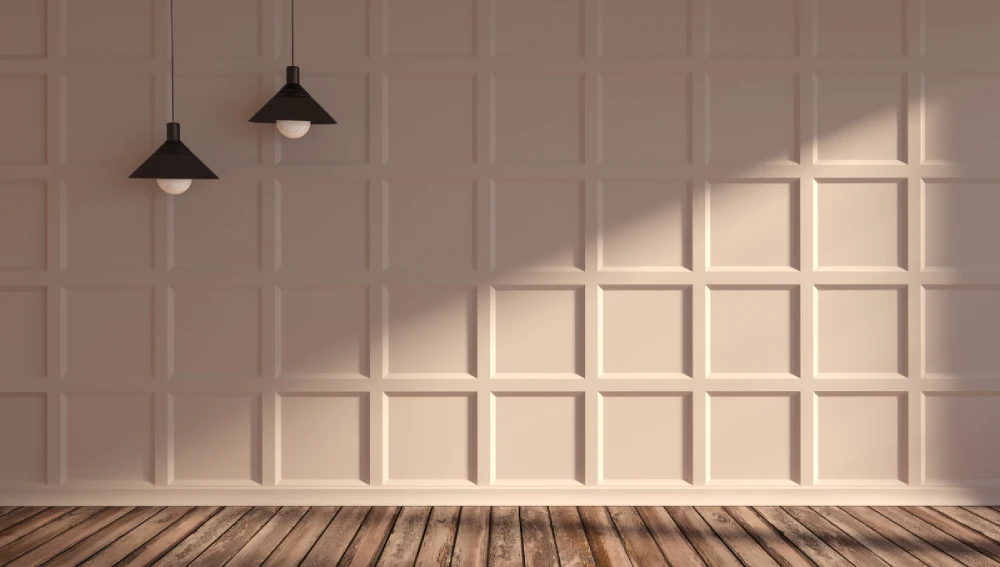
White textured walls are classy and give a rustic feeling to your home. Incorporate a simple design that looks natural and blends perfectly with your wall. You could replicate this look by applying thicker and thinner coats of wall putties and using your hand to achieve this look below. 

Soft Wall Texture Paint Design

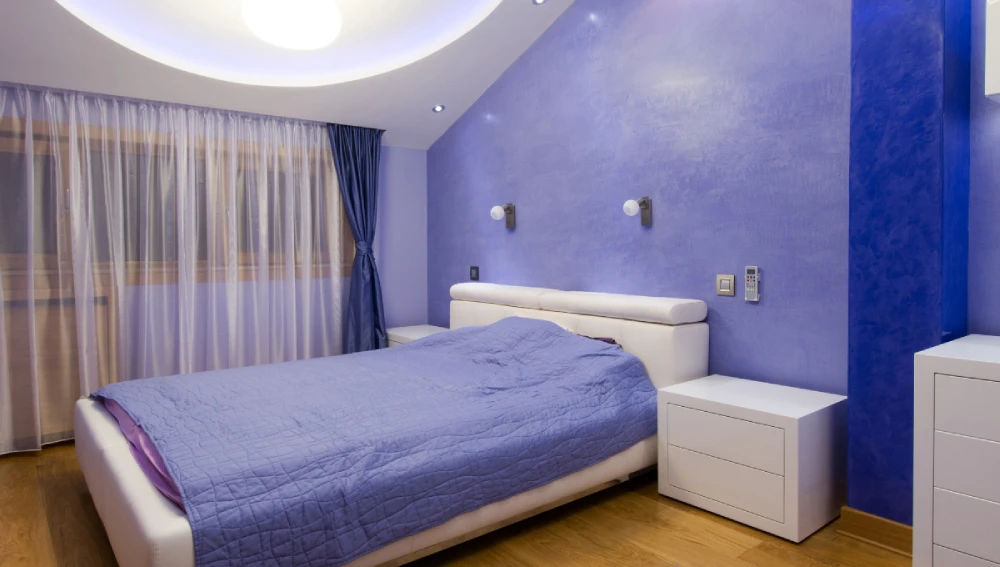
Looking for playful colours that also give luxury? Then soft wall painting is your go-to textured design. Using jewel tones, pastel colours, along with velvet textures creates a cosy and welcoming ambience. The soft waves add sophistication and make the hall a comfortable place filled with elegance and charm. 

Soft Wall Texture Paint Design

Cracked and Peeling Textured Paint Designs

Another rustic textured pattern is the use of different tools and textures to create a crack-and-peel effect. If you have a pristine house and want to add a WOW factor, then create a drastic difference by incorporating this textured design. Do hire experts for this wall design.

Cracked and Peeling Textured Paint Designs

Ocean-Inspired Textured Design

If you want to bring the salty breeze and the waves of serene coastal atmosphere to your home. Incorporate shades of green, blue, and sandy beige wave patterns to mimic the sea and also create a luxury effect. These designs bring in a natural look and transform your simple hall into an oasis of beachfront. In hall areas, this creates an atmosphere of relaxation and rejuvenation. 

Ocean-Inspired Textured Design

Cooper Living Room Texture Design

Cooper living textured rooms are ideal for small spaces. They give luxury and a contemporary feel to the hall walls. Cooper hues are used in different patterns such as swirls, abstract designs, and geometric shapes create depth and sophistication. The warm tone reflects light and provides an elegant look to the living space. In short, it’s luxury and modernity. 
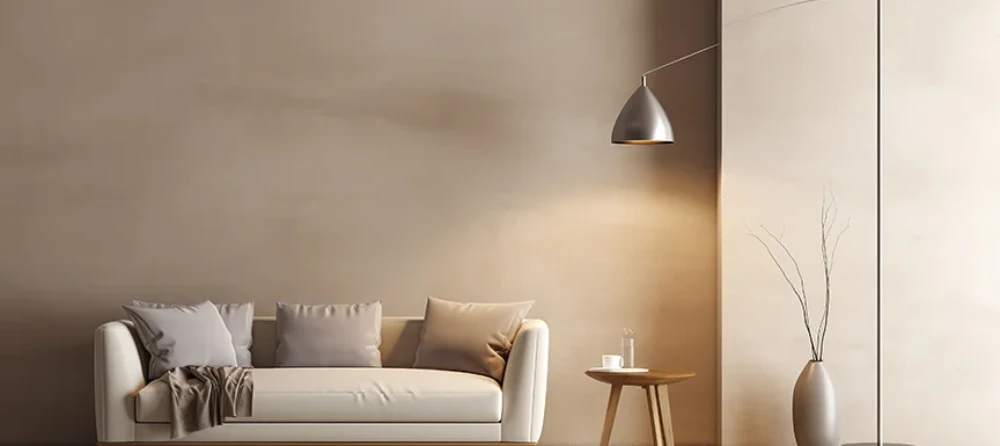
Cooper Living Room Texture Design

Types of Textured Paint Design Techniques

Different types of textured painting techniques are used in interior design. Some of them are listed below:

Sponging

Sponging is a technique that creates soft patterns. When the paint is added to the sponge with the right hands, it can create a subtle but pleasing atmosphere in the room.

Stippling

Use a stippling brush and dab on the wall to create a textured effect. This technique helps to give the wall a rustic appearance.

Rag Rolling

After applying a coat of fresh paint, rolling a rag over the paint creates a texture that mimics suede or leather. 

Dry Brushing

Dry brushing is a technique that focuses on highlighting the surface textures. When paint is applied to a dry brush and swept in the wall, it creates highlights. 

Marbling

A marble finish on walls can be achieved by combining and layering different colours. When done properly, this produces an elegant and luxurious finish. 

Crackling

Crackling patterns depict vintage styles. Using a special medium between the paint layers causes controlled crackling that gives the wall a weathered look. 

Conclusion

In summary, textured and royal textured wall designs add beauty and luxury to the hall. There are infinite patterns and textures you can choose to incorporate in your house. Add a touch of personalisation to your textures and relax in a serene environment. 

FAQs

1. Which texture is best for the wall?

In the living space orange peel, roughcast or metallic textured finish gives sophistication and adds depth to the wall. However, this is based on individual tastes and requirements.

2. Which is a trending wall texture design?

Incorporating materials, namely bamboo, stone, and reclaimed wood, welcomes warmth and adds a touch of nature to the space.

3. What is the most expensive wall texture?

The level 5 wall texture is the most luxurious and refined. This is the costliest wall texture because it creates a smooth finish and needs extra skill and labour.
PVC for Ceiling Design: Benefits and Applications

0
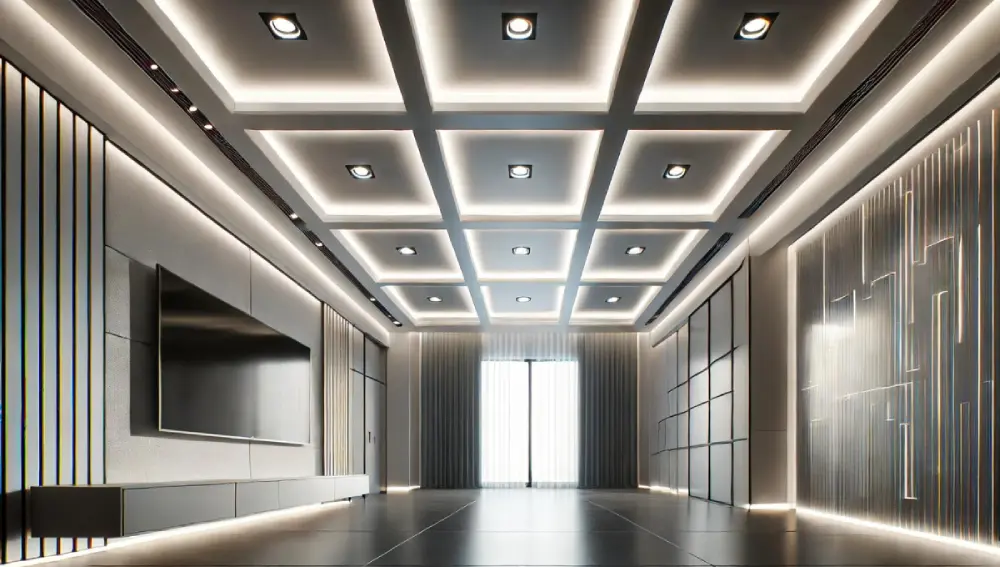
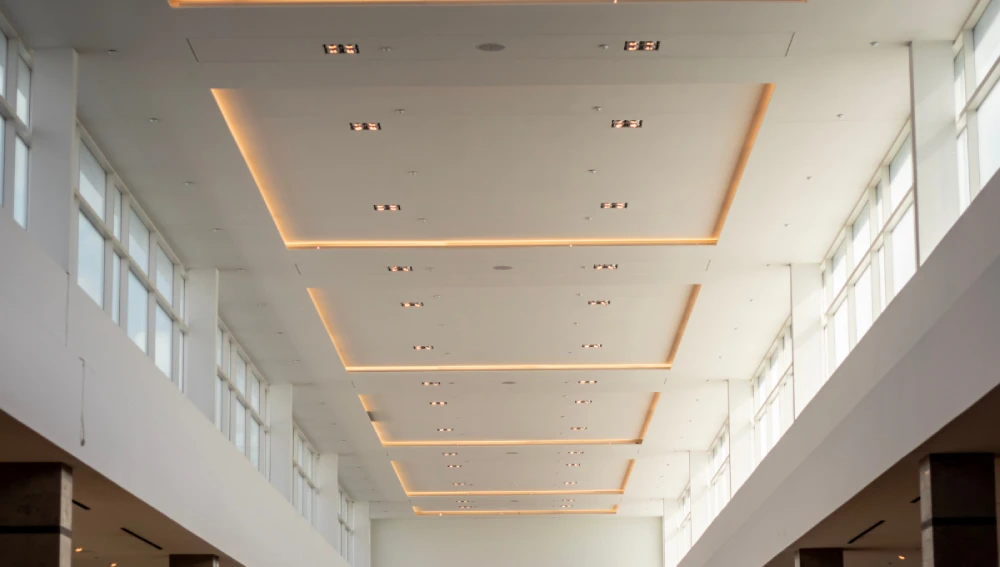
pvc Ceiling Design

Polyvinyl chloride (PVC) has brought great changes in the interior design industry, mainly ceilings. According to a recent survey, more than 60% of home constructions and renovations in the past year have used PVC ceiling panels because of their durability and appeal.

This blog will provide details regarding the benefits and applications of PVC in ceiling design. That can help architects, homeowners, and builders.

What is PVC?

Polyvinyl chloride (PVC)

Polyvinyl chloride (PVC) is a synthetic polymer derived from the polymerization of vinyl chloride monomers. PVC is chemically composed of carbon, hydrogen, and chlorine atoms that form a long polymer chain of vinyl chloride.

Polyvinyl chloride was first discovered in 1926 and was commercially available in the 1930s. Their initial applications were limited to electrical wire insulation. Then over time, the advancements in the manufacturing processes have become large and they are used in various industrial applications that include construction and interior design.

Properties of PVC

Some of the properties of PVS include,

  • Density – 1.3 to 1.45 g/cm3
  • Thermal conductivity – 0.14 to 0.28 W/(m*K)
  • Yield strength – 31 to 60 MPa
  • Young’s modulus – 3.4 GPa
  • Flexural strength – 72 MPa
  • Compression strength – 66 MPa
  • Thermal expansion coefficient – 5×10⁻⁵ mm/(mm °C)
  • Resistivity – 10⁶ Ωm
  • Surface resistivity – 10³ to 10⁴ Ω

Benefits of PVC for Ceiling Design

Benefits of PVC for Ceiling Design

Aesthetic Appeal

PVC ceiling panels come in various styles, ranging from modern to traditional patterns. They can imitate metal, wood, or sometimes marble and provide numerous possibilities for interior design. PVC ceilings improve the aesthetics of any room with their attractive finishing.

Durability

PVC ceilings have a long life compared to traditional materials like gypsum or wood, that have a short life. PVC doesn’t crack or peel for a long time. They are also resistant to insects, pests, and corrosion, making them low maintenance materials.

Cost efficiency

PVC ceilings are affordable when compared to other ceiling materials. Because of their long-lasting nature, there are only a few replacements and repairs. They are also easy to install which  saves them labor costs.

Easy Installation

PVC panels are lightweight and can be cut and installed easily.  Adhesives can be used for attaching the PVC ceilings to the existing ceilings, or screws can also be used. Their interlocking designs can help create a smooth and gap-free finish.

Fire and Moisture Resistance

PVC is resistant to moisture, making it suitable for use inkitchens or bathrooms. Their fire- resistant properties can add an extra layer for safety purposes. This is because PVC does not support combustion and also produces low levels of smoke. 

Applications of PVC in Ceiling Design

PVC Ceiling Design for Different Rooms

PVC ceilings give a versatile design options that can be used for various rooms in the home. They also improve functionality and aesthetics. Some of the examples of how they are used in different rooms are as follows,

PVC Ceiling Design for Bedrooms

Bedrooms, being serene and relaxing spaces, benefit from PVC ceilings with soft, minimalistic colors or subtle textures. Backlit PVC wall panels for the bedroom can create warm ambient lighting, while 3D designs add depth and liveliness to the room.

PVC Ceiling Design for Living Rooms

Living rooms, often the focal point of a home, deserve elegant PVC ceiling designs. Smooth, flat panels or textured, patterned ones can enhance modern simplicity and elegance. Suspended PVC ceilings can also be used to visually divide the space, creating distinct zones within the living area.

PVC Ceiling Design for Children’s Rooms

Both practical and aesthetic purposes can be brought to children’s rooms by using PVC ceilings. The imagination of the children can be improved by bright colors and patterns. Backlit panels with nature images can create a soothing environment, encouraging sleep and relaxation.

PVC Ceiling Design for Bathrooms

Bathrooms, with their high humidity, are ideal for PVC ceilings due to their water and mold resistance. Glossy or semi-textured designs blend well with bathroom environments, while backlit PVC panels can create a spa-like atmosphere.

PVC ceiling panels are also used in

  • Interior Wall Cladding
  • Ceiling Coverings
  • Bathroom and Kitchen Renovations
  • Retail Displays and Exhibits

Technical Aspects of PVC Ceilings

Material Composition

PVC ceiling panels are made by mixing polyvinyl chloride resin, stabilizers, plasticizers, and pigments. The accuracy of the composition differs depending on the manufacturer and application of the panels

Manufacturing Process

  1. High-quality raw materials are loaded into a screw feeder in precise proportions for PVC ceiling panel production.
  2. The materials are mixed uniformly in a heated chamber and then cooled in a mixer.
  3. The hot mixed materials are extruded and calibrated, forming the ceiling panel.
  4. The cooled ceiling panels are is automatically cut into different sizes.

Compliance and Standards

PVC ceilings must comply with related standards and regulations forof specific industries. These standards make the panels meet criteria for safety, performance, and environmental protection. Some of the common standards used are,

ASTM E 84: 

This standard evaluates the surface burning characteristics of building materials to ensure fire safety

ASTM D1784: 

Specifies the requirements for rigid PVC compounds and chlorinated PVC compounds to maintain material consistency.

ASTM D4226: 

Evaluates the impact resistance of rigid PVC materials, commonly used for exterior applications, ensuring they can withstand forces without cracking or breaking. 

ISO 9001: 

A quality management systems standard that ensures products meet customer and regulatory requirements.

ASTM G21:

Standard Test Method Standard Practice for Determining Resistance of Synthetic Polymeric Materials to Fungi.

EN 13501-1:

This European standard classifies Ffire classification procedure for all construction products and building elements.

Installation Process

Before Installation:

  • Ensure all panels are from the same shade and batch.
  • Check the product before installation.
  • Avoid direct sunlight exposure as the product lacks UV stabilizers.

Installation Steps:

  • Maximum brandering spacing: 500mm.
  • Ensure the branding is aligned horizontally or leveled. 
  • Screw panels onto wood or steel rendering using TS16 or SSDS16 screws.
  • Ensure screws are flush with the panel grooves.
  • Clip the second panel’s tongue into the first panel’s groove and gently secure it.
  • Cut the last panel to fit with a carpet knife.
  • Finish with a PVC cornice and dust with a cloth.

Environmental Impact of PVC

Sustainability

The European PVC industry has been dedicated to sustainable development for over 20 years, highlighted by initiatives like the  VinylPlus program. VinylPlus is a voluntary commitment to improving the sustainability of PVC throughout its life cycle. Launched in 2000, the program sets ambitious targets for recycling, reducing the environmental footprint of production, and phasing out harmful substances. It promotes circular economy principles, with significant progress made in recycling post-consumer PVC and ensuring transparency in sustainability efforts. PVC contributes significantly to modern life by offering cost-effective performance across various fields, such as housing and essential services. Its sustainability efforts ensure high living standards for present and future generations.

Green Certification

PVC ceiling panels can get various green certifications that can help them to meet specific standards in the environment and health. Some of those certifications are,

  • LEED (Leadership in Energy and Environmental Design)
  • GREENGUARD Certification
  • ISO 14001

Conclusion

PVC ceilings have various benefits, including their appeal, cost efficiency, durability, and easy installation. They can be used in various applications and are long-lasting. Their designs are of a large range that can be used in various applications in homes or offices. They can also be used in commercial buildings as they have high durability and cost efficiency.

FAQs

1. How does PVC’s thermal conductivity benefit ceiling design?

PVC’s low thermal conductivity helps in maintaining a consistent room temperature, contributing to energy efficiency.

2. What are the safety standards that PVC ceilings need to meet?

PVC ceilings meet safety standards for surface burning characteristics, impact resistance, and fire classification.

3. What is the initial step for installing PVC ceiling panels?

Ensure all panels are from the same shade and batch, and check the product before installation.

4. How do you finish installing PVC ceiling panels?

The installation completes with attaching a PVC cornice and cleaning the panels for a neat finish.

Flexural Strength of Concrete: Key to Durable and Crack-Resistant Structures

0
Flexural Strength of Concrete

Concrete is a fundamental construction material that excels in compression. Similar to its strength, its behavior under flexural stress or bending is equally crucial. The flexural strength of concrete is a paramount factor, which decides the ability of concrete to resist bending without breaking or cracking. 

Because it is a critical property that greatly influences the design and performance of buildings, from beams and slabs to pavements. In this post, we’ll delve into the significant points about how the flexural strength of concrete optimizes its performance.

What is the Flexural Strength of Concrete?

Flexural Strength of Concrete

Flexural strength, popularly known as modulus of rupture or bending strength, denotes the tensile strength of concrete slabs or beams. It is a critical parameter, ensuring that concrete structures can resist cracking and tensile stresses under load. In addition to extreme loading, these stresses can also be caused by drying shrinkage, warping, temperature gradients, and the corrosion of steel reinforcement.

Concrete contains enhanced durability and strength, making it an ideal construction material. This is strong in compression but weak in tension due to the fact that 10 to 20 percent of the flexural strength accounts from the existing compressive strength. The flexural strength of concrete is used particularly in applications where bending forces are significant, such as in pavements, beams, and slabs. 

Factors Affecting Flexural Strength

Factors Affecting Flexural Strength

Be aware of these crucial factors that affect the flexural strength and can lead to low-quality outputs.

Material Composition

The quality and proportions of the encompassed materials significantly influence the flexural strength of concrete. They are cement, water, and aggregates, where the type and size of aggregates also play a crucial role in resisting concrete’s bending ability.

A proper and balanced mix ensures optimal strength. Typically, the lower the water-to-cement ratio, the higher the strength. Adding too much water weakens the structure, while insufficient water content makes the mixture unworkable and prevents proper hydration. A good mix enhances strength and workability.

Environmental Factors (Temperature and Humidity)

High temperatures fasten the curing process but can result in cracking if not carefully maintained. Conversely, low temperatures slow down the curing process and improve strength.

High humidity maintains moisture content in the concrete, assisting proper strength development. Unfortunately, low humidity levels cause rapid drying and lead to shrinkage, cracks, and reduced strength.

Curing Conditions

As mentioned above, temperature and humidity levels are vital for proper curing. Generally, the longer the curing period, the greater the strength, as the cement also takes sufficient time to develop its properties. 

Maintaining an adequate temperature prevents the structure from drying out quickly, which causes cracking and shrinkage.

Mix Design

A proper proportion of materials aims to provide for balanced workability and strength. A consistent mix is key to achieving uniform strength throughout the concrete structure. Variations in the proportions lead to failure under heavy loads. You can use admixtures to tailor the concrete properties according to the construction needs, promoting flexural strength. In addition, you can also include fibers like glass fibers, steel fibers or synthetic fibers, which can be the best option to improve the overall durability and strength of the concrete.

Age of Concrete

Concrete rapidly gains strength within a few days of casting, but the earlier strength results are unpredictable. When it continues to hydrate for 28 days, it can gain optimal strength. Surprisingly, the concrete can increase its strength for certain months or years under optimal conditions.

How do You Enhance Flexural Strength?

Enhance Flexural Strength

Here are the lists of key factors given to improve flexural strength:

Use of High-Performance Concrete

HPC (high-performance concrete) typically contains superior mechanical properties and higher flexural strength because of its optimised mix proportions and material selection, like silica fume or fly ash. 

Fibers Incorporation

Using various kinds of fibers leads to improved flexural strength in concrete. These fibers aid in bridging cracks and improving durability.

  • Synthetic fibers: Helps increase impact resistance and reduce permeability.
  • Steel Fibers: Improve toughness, ductility and resistance to cracking.
  • Glass Fibers: Enhance durability and reduce shrinkage & cracking.

Pre-Tensioning and Post-Tensioning Techniques

These techniques introduce compressive strength into the concrete, reducing cracking and enhancing flexural strength. 

Optimized Mix Design

Ensuring the proper proportion of materials, including water, cement, admixtures, and aggregates, according to your specific requirements provides enhanced flexural strength for concrete.

Ways to Calculate the Flexure Strength of Concrete

Third-point loading method (ASTM C78)

  • The unreinforced concrete specimens with the size of 400 mm x 100 mm x 100 mm are properly cast with concrete grade and cured for 28 days.
  • The specimens need to rest in water for 2 days at a temperature ranging from 24 to 30 degrees Celsius before testing.
  • The testing must take place when the specimens are in wet conditions once they are removed from the water.
  • Place the specimen on two supports and apply the load at two equidistant points.

Find the flexural strength using this formula:

fb = Pl/bd2

Here, P denotes the maximum load, L is the span length, d is the depth of the beam, and b is the width. 

Empirical Formulas

The compressive strength of concrete is a basis for using empirical formulas to find flexural strength.

Flexural Strength=0.7×fc′​

Here, the term fc′ symbolizes the compressive strength of concrete in MPa (megapascals).

The Significance of Flexural Strength of Concrete

The flexural strength of concrete is a critical parameter because it indicates how efficiently it can resist breaking or bending under force.

Increase Structure’s Performance

Flexural strength of a concrete determines the durability of structures. The buildings with higher flexural strength can withstand tension stresses without causing cracking or deformation, improving structures performance.

Quality Control

During the construction of structures, flexural strength has been considered as the quality control measure. By calculating the flexural strength consistency, manufacturers guarantee that the final product has achieved determined performance standards and safety features.

Informed Material Selection

Understanding the flexural strength of concrete helps in choosing the right material during construction. For instance, lower strength can be a preferable option for a non-structural elements, while higher strength is paramount for a load-bearing components. 

Conclusion

Overall, the flexural strength of concrete is a valuable metric, for understanding the actual ability of the material and how effectively it can resist bending forces. It plays a crucial role in choosing appropriate materials, designing safe structures, and manufacturing durable products for various applications.

FAQs

1. What is Characteristic Compressive Strength?

It denotes the minimum guaranteed strength of a concrete, during the test results no more than 5% are expected to fall. This is a resemblance of reliable structures, ensuring the safety of construction or product development.

2. How is Flexural Strength Related to Other Material Properties?

Flexural Strength is often related to several other properties, offering a detailed view of any material’s bending resistance. The things include tensile strength, brittle and ductile materials, elastic modulus, and material composition.

3. What are the Factors Affecting Flexural Strength?

Here are the lists of various factors that highly influence flexural strength, including:

* Manufacturing process
* Presence of defects or voids
* Material composition
* Temperature

Basement Foundation: Features, Types, Advantages and Disadvantages

0
Basement Foundation

Building a dream home is a milestone for every individual and family. To do that, making the right decisions during construction will ensure a house stands the test of time. A crucial aspect of this is constructing a solid basement foundation, which serves as the backbone of your building. 

A well-built basement not only supports the entire structure but also offers resilience against natural disasters, ensuring your home remains strong and stable for generations.

In this blog, we will guide you through everything you need to know about basement foundations, providing you with the knowledge to make informed choices for your dream construction that will last for years to come.

What is meant by a basement foundation?

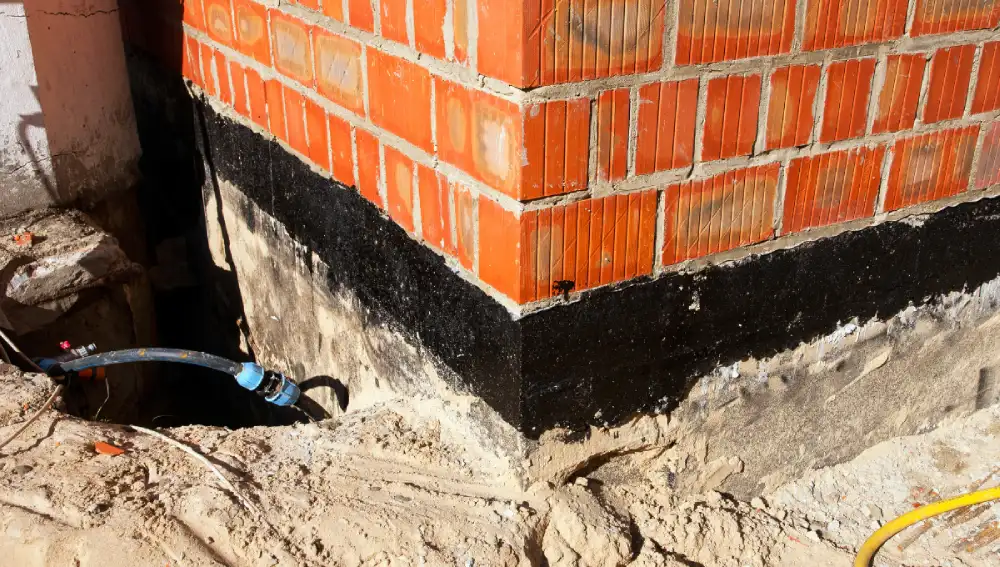
A basement foundation refers to the underground level of a house or building, which acts as both a structural support and an additional usable space. A well-constructed basement foundation with concrete distributes the weight of the entire building evenly across the ground. 

In addition, proper ventilation is crucial to prevent moisture buildup in the basement, which can occur if the space is not adequately aired out. Overall, the basement foundation is an integral part of the building’s complete structure, ensuring that the weight is balanced and supported for the safety of the building.

basement foundation

Key features of the Basement Foundation

Several features form the basement foundations of buildings, these are:

  • Excavation: In the process of creating basement foundations, the ground is dug to get a large space.
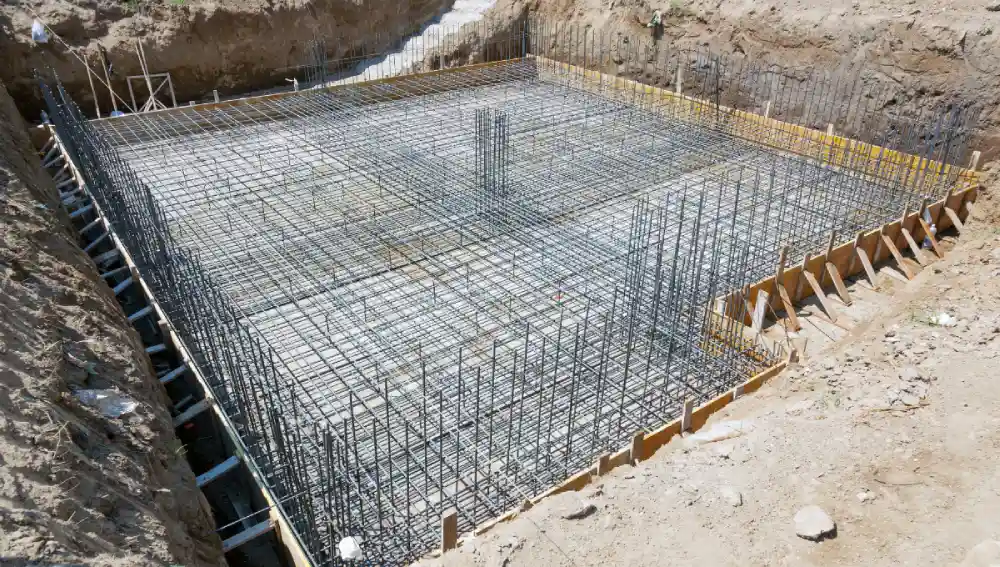
  • Footing: Concrete is poured to create footings on the base of the excavation, which would support the walls.
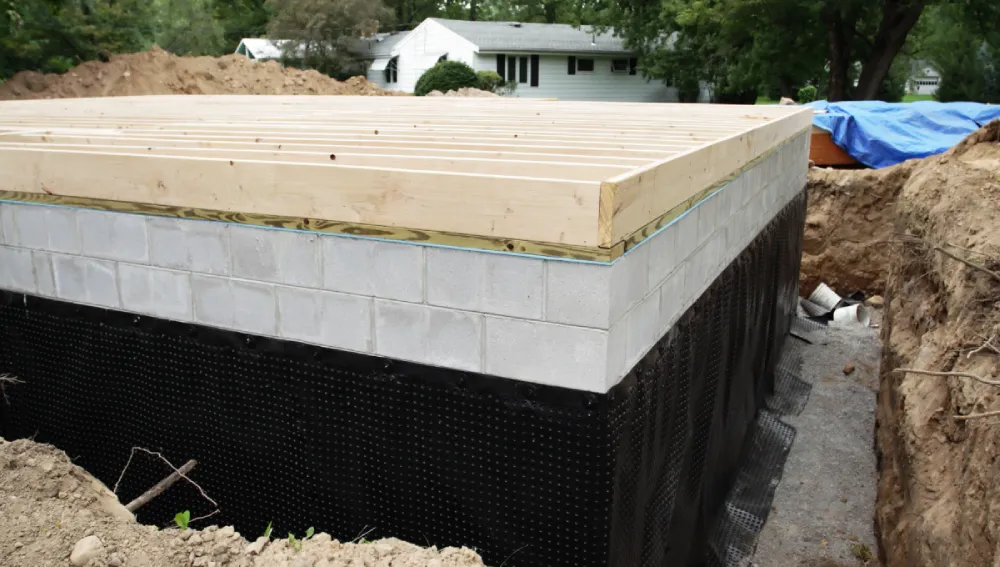
  • Foundation walls: Walls are built on top of the footings to produce a structure.
  • Floor slab: To create a basement floor, a concrete slab is poured.
  • Waterproofing: The exterior part of the wall is waterproofed, preventing water from getting inside. 
  • Drainage: For drainage purposes, pumps and drains are incorporated to prevent flooding

Types of Basement Foundation

Full Basement

There are several types of basements, some of which are explained below:

Full Basement

As the name indicates, a full basement structure is similar to the main floors. The extended surface in the basement will be the same measurement as the other floors in the building. Mostly the full basement construction will be a little expensive compared to other types. This type of basement provides enough space for living or parking, is generally built with staircases to walk easily, and can also store mechanical systems. This is mostly constructed for homes and commercial spaces.

Daylight Basement

This type of basement is built on sloped land. One side of the basement is underground, and the other side is above the ground where the sunlight rays directly pierce through the windows. By opening the windows, people can directly walk into their gardening area or ground floor. There is less risk of moisture seepage compared to fully finished basements.

Crawl Space

This type of basement is too short to stand up but one can easily move by crawling. The space can be used for routing plumbing lines and storing other electrical systems. The cost of this basement is lower than others. This is generally constructed for commercial spaces like shops, restaurants, or offices.

Advantages of Basement Foundation

Advantages of Basement Foundation

Basement foundations have several advantages, some of which are explained as follows. 

Additional Space

You can get additional space when you have a wide space in the basement. It can be used as an office space, living room, or guest room.

Easily Convertible

This basement area can easily be converted into a small room or simple party hall, or you can recreate it at your convenience.

Increases the Value of your Home

Basements make homes more attractive to buyers as such homes have more space.

Comfort for Seasons

The basement of the building will always have an air circulation, which keeps the home cool when the summer season begins.

Privacy and Silence

The basement space will be very quiet and you will not get unwanted sounds or disturbances from others. The basement area will be private.

Air Conditioning 

When the basement foundation is properly maintained and ventilated, it helps regulate indoor temperature by providing a cooler environment, which can reduce the load on the air conditioning system. 

This can lead to improved air circulation throughout the house, maintaining a more consistent and comfortable indoor climate.

Disadvantages of Basement Foundation

Even though there are many advantages to buildings with basement foundations, there are also disadvantages that may make their construction inconvenient. These are:

Additional Cost

You will spend additional money for basement buildings compared to normal slab foundations due to excavation and waterproofing system charges.

Temperature Regulation 

There will be higher air circulation which will keep the entire building in a cool atmosphere. But in some cases the cooling will get higher and cause risks, so at times, heater facilities are needed which causes an additional cost for the builders.

Maintenance 

Always check the cracks, and proper drains that move away from home, and check whether the sump pumps are working properly. If you don’t maintain it,  then it will cause an issue for the whole building.

Flooding Risks

There is a higher risk of flooding due to the basement being under the ground. If you maintain proper pumps and waterproofing systems, then there is a chance to avoid future risks.

Pest Problems 

If your basement is not properly maintained at the time of construction or cleaned, then there is a chance of insect attacks like termites and pests inside the basement area which damage the whole building. 

Moisture and Humidity

The damp condition of the surface will create mould and mildew which will affect your health. The surface moisture causes a musty smell which is not good for your health. 

What is the difference between traditional and modern basements?

Features Traditional BasementModern Basement
Design Lower ceilings and smaller windows with basic materials.Higher ceilings and larger windows with advanced materials.
Construction methodBasic excavation and simple waterproofingHighly advanced techniques for excavation and advanced waterproofing
Usage Mostly for storage purposesUsed for living rooms  and other habitable spaces.
Ventilation Poor ventilation and basic moisture controlImproved ventilation and advanced moisture control.

Factors Affecting Basement Foundation 

FactorExplanation 
Location The cost of construction in urban areas is higher than in rural areas.
Basement sizeWhen the size of the basement becomes larger, the cost will automatically increase.
Depth of the basementWhen the basement gets deeper, it needs more excavation and reinforcement which increases the cost. 
Condition of soilIf the condition of the soil is too rocky or waterlogged, then the cost will get increased.
Quality & MaterialIf you choose high-quality of materials for constructing the basement, then the cost also increases 
Labour costsAccording to the experience and the skills required, the labour cost will differ. 

Conclusion 

Basement foundation has several benefits for new building owners and this basement space will be more helpful in future. Some may use it for official purposes and some of them use it for private purposes. 

If you are interested in building a basement, you can start working on it. But you have to choose the best building construction labourers, quality of materials and a planned project.

FAQs

1. What is the best time to construct the basement?

his depends on the seasons and the climate. It is advisable to  avoid constructing at the time of heavy rains or freezing temperatures which will cause risks to the construction.

Types Of Wall Panelling for Adding Elegance to Interior Spaces

0
Wall Panelling

When looking for attractive wall designs to brighten up your home, you might have come across something called wall panelling. Wall panelling is not something new, it has been around for centuries and has been used for insulating and decorative purposes in numerous historical buildings.

Today, wall panels are mostly used for decorative purposes and to make homes more aesthetically pleasing. There are several types of wall panelling ideas you can choose from for your home, office, or any other space. 

In this article, we will discuss in detail what wall panelling is and the several types of wall panelling ideas you can choose from for your home. 

What is a Wall Panel?

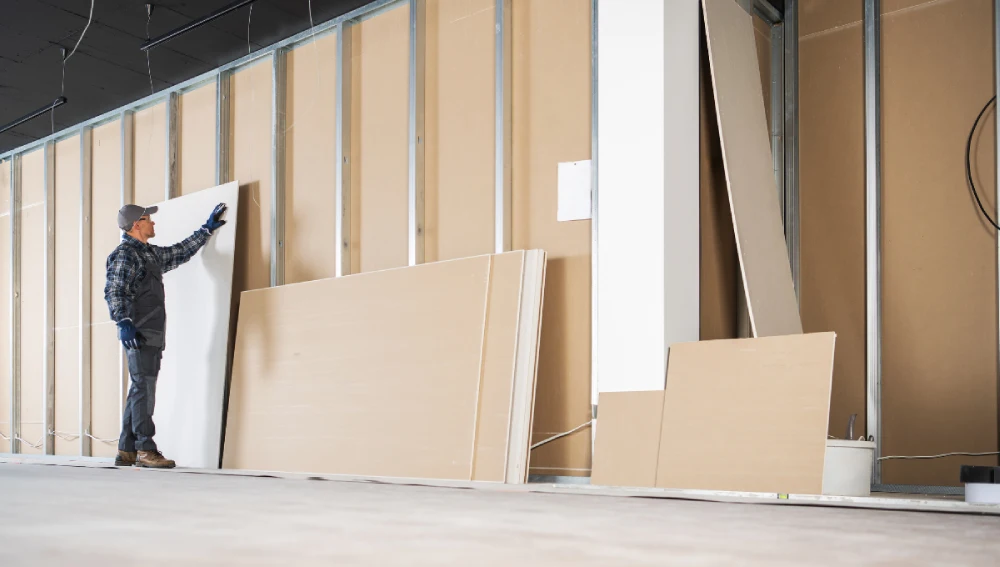
A wall panel is a single piece of long, rectangular material that can be fitted against the wall to entirely or partially cover the wall surface. Wall panels can be made from several materials like wood, plastic, PVC, MDF, hardboard, fibreglass, etc. 

A wall panel can be used for various purposes like decoration, damage repair, paint replacement, soundproofing, insulation, and many more. 

These panels are pleasing to the eye and can invariably increase the value of your property. 

Wall Panelling

Types of Wall Panelling

Wall panelling is a great choice for improving the ambience of your home. There are several types of wall panelling you can choose from. All of them are unique and can add a different kind of beauty to your home. 

1. Wainscoting

Wainscoting is a classic wall panelling method that has been around for several years. Though in the beginning wainscoting was done to protect the walls from damage, it is now also being used as a decorative element. 

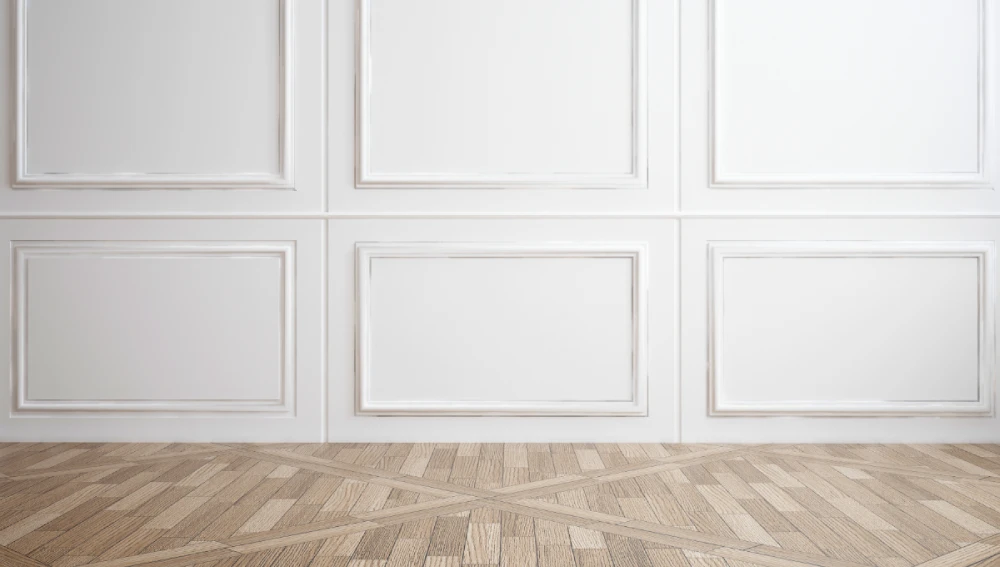
Wainscoting involves panelling the lower section of a wall (up to around 3–4 feet from the floor). The panels have square or rectangular mouldings that are placed uniformly around the wainscot. 

Wainscot is an excellent choice and often requires low maintenance. It can be installed by a professional or you can join your family and do it as a DIY project.

Wainscoting

2. Accent Walls

Accent walls are one of the best wall panelling types. This involves creating a visually appealing panel structure on one side of the wall only, leaving the other three empty. 

This is a popular wall panelling design and is being used in both residential and commercial properties. You can use wood, texture, or 3D panels to accentuate the wall. 

Painting this panel in a contrast colour to the other three walls can also make it the focal point in your room. 

3. Batten & Board (Shaker Style)

This method is almost similar to the wainscoting style, with only a minor difference. In wainscoting, the wall panel covers the lower portion of the wall and is only a few feet high. A shaker-style wall panel can cover half the height or the entire wall and this type of wall panel looks great in the living room. It is called batten & board because it consists of two main components:

  • Batten: Narrow strips of wood that cover the seams between the boards
  • Board: Long vertical panels that cover the wall. 

The design usually has long vertical lines running along the wall and can add a sense of uniformity and sophistication. 

Batten & Board

4. Tongue & Groove (Shiplap)

This design is mostly found in countryside buildings like farmhouses, storerooms, etc. This panelling is usually designed with wood but you can also use other materials according to your preference.

The tongue & groove or the shiplap wall panel consists of long boards that are tightly interlocked with each other, either vertically or horizontally. This design provides a classic and rustic charm and can be used for both interior and exterior design. 

5. Wooden Slats

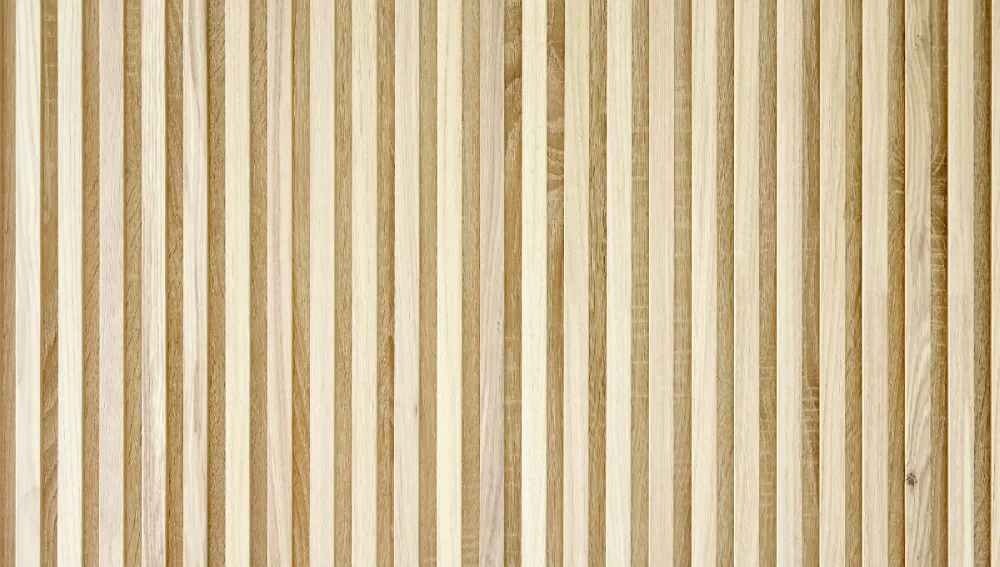
As the name suggests, this type of wall panelling involves placing thin strips of wood slats next to each other. The thickness of the wood slat (mostly plywood) will be around ¼ inch to 1 inch.

Most people prefer using thinner slats as they will have an aesthetic feel after placing them all together. Unlike other artistic wall panellings, this option will give you a clean look while also having a modernist and contemporary feel.

6. Geo Wood Panelling

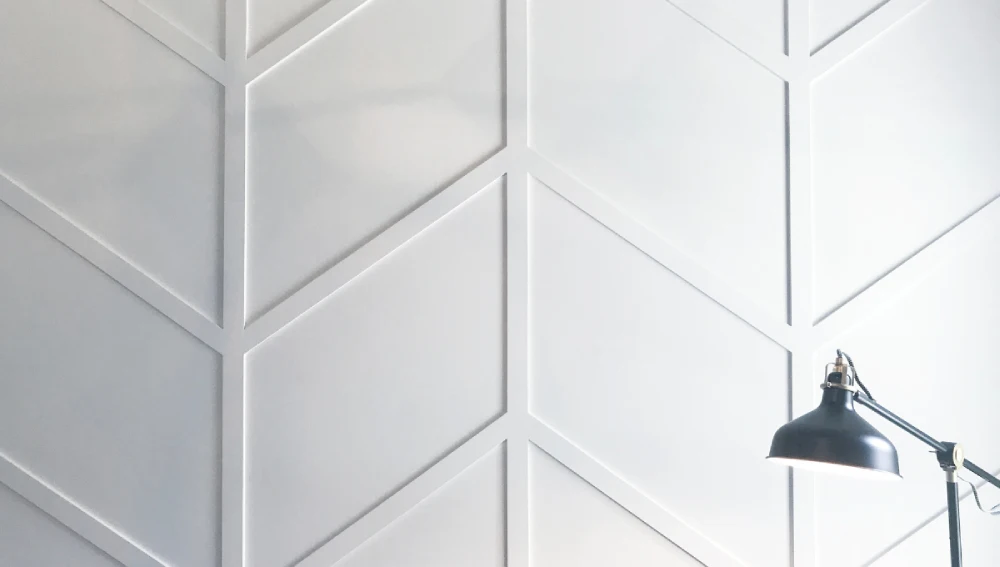
Geo wood panelling or geometric wood panelling also involves using narrow wooden slats that are around ¼ inch to 1 inch. Unlike the wood slat method, where you place the wooden strips closely together, here, you create some geometric shapes with the slats on the wall. 

You can go for different shapes like squares, rectangles, triangles, pentagons, hexagons, etc. It all depends on your preference and artistic style. This design will be a refreshing alternative to the traditional straight lines you create with wooden slats. 

7. Beadboard

Beadboard

This style is almost similar to the tongue and groove panelling we discussed above. This panelling has narrow wooden slates that are placed next to each other, with vertical grooves (or beads) running along the edges of the board. 

This is also a countryside panelling style and gives a coastal or cottage-style vibe. This type of panelling is usually done with wood, but you can also consider other materials if you like. 

8. Raised Panelling

This is also a good wall panelling model that is simple yet artistic. This wood panelling involves having recessed panels all over the wall accompanied by raised frames that create the shape (square, triangle, or rectangle) in them. 

This panelling kind of gives a 3-dimensional effect but also has a vintage and elegant look. You can customise this according to your tastes and liking. 

9. 3D wood Panelling

3D wall panelling is a contemporary wall panelling method that has been on the rise in recent years. Having immense depth and texture, this modern panelling is a visual treat to spectators. 

These panels are crafted from wood and feature intricate designs and patterns that create a stunning 3D effect. You can use geometric patterns, organic shapes, etc., to design your 3D wood panelling. Talk with your architectural designer and customise this 3D wall panelling to your liking. 

10. Mix and Match

When there are so many options in wall panelling, why settle for only one? Mix and match is a creative method where you mix different styles, colours, materials, and finishes in one wall panel. 

Mix and match wall panels are a good option. However, you need to find the right elements that complement each other and are visually appealing. For example, if you like both natural and man-made wall panels, you can combine them and artistically design them for your walls. 

It is best to consult a professional for this type of wall panel. Tell them clearly about your preferences and style requirements.

Conclusion

Wall panelling is a segment of architectural design that has immense opportunities for customization and improvements. There are numerous materials, styles, and types you can choose from for your wall panelling.

If you are confused by the myriad of designs and don’t know which to choose, you can consult a professional and decide on a suitable wall panel for your home or office.

Modern Bedroom Ceiling Designs

0
Modern Bedroom Ceiling Designs

Your bedroom, your personal space, is where you can be yourself and relax and enjoy. It is also where you can bring out your architectural prowess and indulge in some creative and modern designs. 

Your bedroom ceiling is what you see when you lie down on your bed. So, isn’t it important to have an attractive and pleasant ceiling when you look up? 

In this article, we will look at some modern bedroom ceiling designs that might just do the magic. Read till the end to know which one you like the most for your bedroom. 

Top Modern Bedroom Ceiling Designs

1. Geometric Design Ceiling

Create a sense of class and beauty by incorporating geometric shapes into your ceiling. It can be lines or any shape such as squares, triangles, circles, or any other random abstract shape. 

Choose a single pattern and intricately design them all over your ceiling to create a contemporary and sleek look. 

2. Floating Ceiling Or False Ceiling 

False ceiling design for bedrooms is a popular choice for a modern & small bedroom ceiling. It involves setting up false ceiling structures under the original ceiling. The false ceiling may cover the entire ceiling with gaps in between or just the area above your bed. 

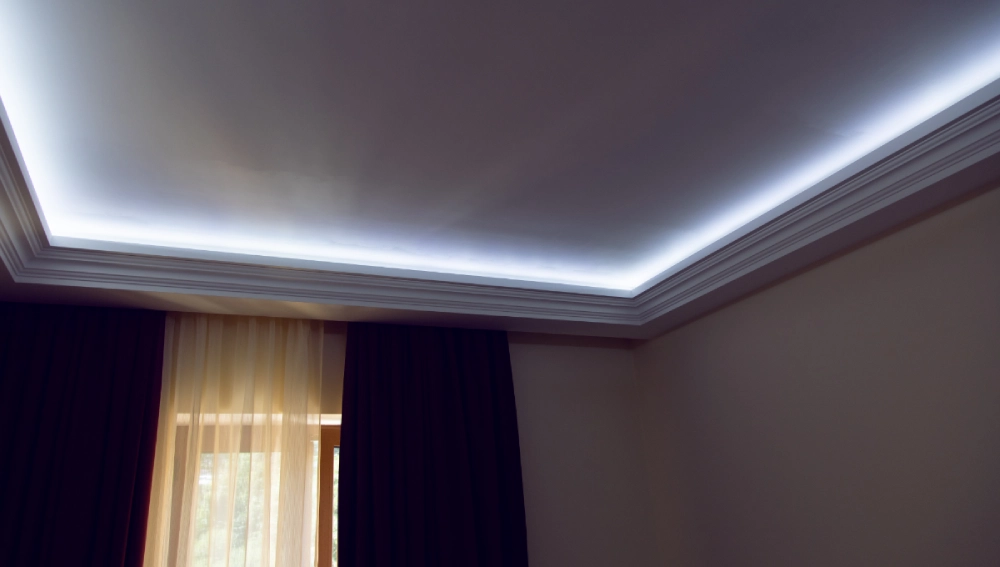
There are several designs you can create with false ceilings. You can go for recessed panels, layered designs, false ceilings with LED lights, etc. You can also use various materials like wood, PoP, gypsum board, metal, and many more.

This is an aesthetic design that has its own allure and magnetism among many people. There are various ways you can use false ceilings for your homes. 

Floating Ceiling

3. Exposed Wooden Beams Ceiling

Wood is the ultimate decor material for your home that can add a traditional yet contemporary touch to your home. Exposed wooden beams are popular in roofed homes where the bedroom interior is elevated like a cone and joined in the middle. However, it can be used for flat ceilings as well.

Wooden beams run from one end of the roof to another or along them. Choosing a light-coloured beam can give your room a traditional yet modern feel. 

4. Textured Ceiling

Textured ceilings, as the name implies, involve adding 3D textures or shapes to the ceiling. This design can add depth to your ceilings and also help hide imperfections. 

There are many textures you can use for your ceilings, such as popcorn textures, orange peel textures, acoustic textures, and many other innovative textures you can choose from. These can be a little difficult to clean, so consider them carefully before opting for them.

5. Minimalist Ceiling

Do you wish for a clean, simple, and neat ceiling design? Then, a minimalist ceiling is the best option for you. You can have a plain white ceiling with some minimal designs for a neat finish. You can also incorporate some recessed soft lighting or texture paints in the white colour itself.

6. Recessed Lighting Ceiling

Why just install a false ceiling in your bedroom? Add some lighting here and there, and Voila! You have a classy bedroom with beautiful lighting all around. At night, you can turn off all your main lights and enjoy the gentle glow of light that pools from above you. 

Recessed Lighting Ceiling

7. Wallpaper Ceiling

Using wallpapers for your ceiling or walls is not a new idea. This has been present for many years and is actively used by many people. However, this does not mean it is old either. 

There are several innovative ways you can use wallpapers for your ceilings. You can create wallpapers with intriguing patterns, textures, and accents and make them unique to your liking. This can add an alluring touch to your ceiling. 

8. Shiplap Ceiling

Want to add a rustic and countryside feel to your bedroom? Then the shiplap ceiling, or the tongue and groove ceiling is the one for you. 

This type of ceiling involves placing long, horizontal wooden panels next to each other closely. This can create a cosy atmosphere for your rooms. This ceiling is fairly DIY, and you can do it yourself with some assistance.

9. Chevron-patterned wood Panelling Ceiling

Chevron-patterned wood paneling ceiling is a type of wall panelling which involves having a distinctive V-shaped pattern on your ceiling. The interlocking V-shaped wooden boards create a visually striking look when you look at it from below. 

The pattern resembles roof rafters, which is where the name for the design is derived from. This design creates a unique and clean charm for your bedroom and is a popular choice among many.  

10. POP Ceiling

POP, short for Plaster of Paris, is a quick-setting gypsum plaster that has been popular in recent times. Its easy procedure and the visually striking patterns that can be made from it make it an excellent choice for modern-day ceiling designs.

POP is also a budget-friendly choice when you wish to use your creative prowess while designing your ceiling. Instead of spending too much money sculpting wooden boards, you can easily craft artistic patterns and structures with POP and paste them on your ceilings. 

Conclusion

Your bedroom ceiling is not just a normal structure in your house. It is what you look at when you lie in your bed after a tiring day. Apart from the ones we discussed above, there are still several unexplored designs that you can choose for your bedroom ceiling. 

Be it wood panels, PoP, gypsum, or wallpapers, each has its own style and elegance. Choose the one that fits your taste and create a modern bedroom ceiling filled with elegance and luxury. 

FAQs

1. How Can I Make My Bedroom Ceiling Interesting?

Here are some tips you can follow to make your ceiling more interesting.

* Use bold and vibrant colours.
* Use wood panelling and beams for a classic feel.
* Install the right lighting.

2. Is A False Ceiling Good For A Bedroom?

Yes, if you like it, you can add a false ceiling to your bedroom. It can add a more aesthetic look to your room and create a good atmosphere.

Wall Design Painting For The Hall

0
Wall Design Painting For The Hall

The Hall is the first place of the house that you and your guest spend most of the time in. It is important to make the space more lively and welcoming. Wall paintings are one such solution that changes the ambience and atmosphere of a living room. Wall paintings can improve the aesthetics, and you can add personalised styles and themes. Read the blog to understand different types of wall painting designs.

Top 12 Wall Design Ideas for Hall

1. Mandala Art

A mandala is a Sanskrit word that is used in Hinduism and Buddhism denoting a circle. In short, a mandala is a circular art form that represents the cosmos and deities. Mandala paintings with intriguing designs such as a peacock increases the beauty of the wall. Moreover, bright colours in mandala art with lighting are believed to bring prosperity and enhance the living space. 

Mandala Art

2. Textured Wall Painting

Texture paint can be achieved simply by changing the application of paint using different tools. It gives a 3D effect to the wall and a Royal Texture to the hall. With contrasting and contemporary designs, textured wall paints elevate the Hall’s presence with their simplicity in the living space.

Textured Wall Painting

3. Geometric Patterns

Simple geometric designs with lines or rectangles can instantly transform your living space. Utilising the benefits of monochromatic colour with contrasting lines or shapes can add character to your home. Since geometric designs include repetitive patterns they are simple and give uniformity to the wall. 

Geometric Patterns

4. Splatter Colour Wall Design

Drip painting or action painting is an abstract expressionist movement of art that started in the 1940s. In walls, the artist focuses on using brushes or flicking the paint in the wall to create art out of it. This creates a fun yet welcoming ambience with the playful colours of your choice.

Splatter Colour Wall Design

5. Nature-inspired themes 

Nature-inspired themes, namely tropical leaves, flowers, and vines, bring a calming effect to the house.

Floral Art

If you are someone who loves abstract painting with simple yet intriguing flower designs then play with some of your favourite flowers in the wall art. This adds a touch of personality to the hall. 

Floral Art

Tropical Style Walls

Painting tropical leaf designs on the walls brings the room alive. They create a peaceful ambience. Dark or light, they do look classy and vivid at the same time.

Tropical Style Walls

6. Mural Wall Painting

A mural wall painting is a type of graphic art form that can be painted or directly applied on the surface of the wall. Mural walls are often combined with majestic and traditional designs. Hence, they elevate your walls to a masterpiece. The techniques often include graffiti, marouflage, mosaic, and fresco. 

Mural Wall Painting
Mural Wall Painting

7. Stencils

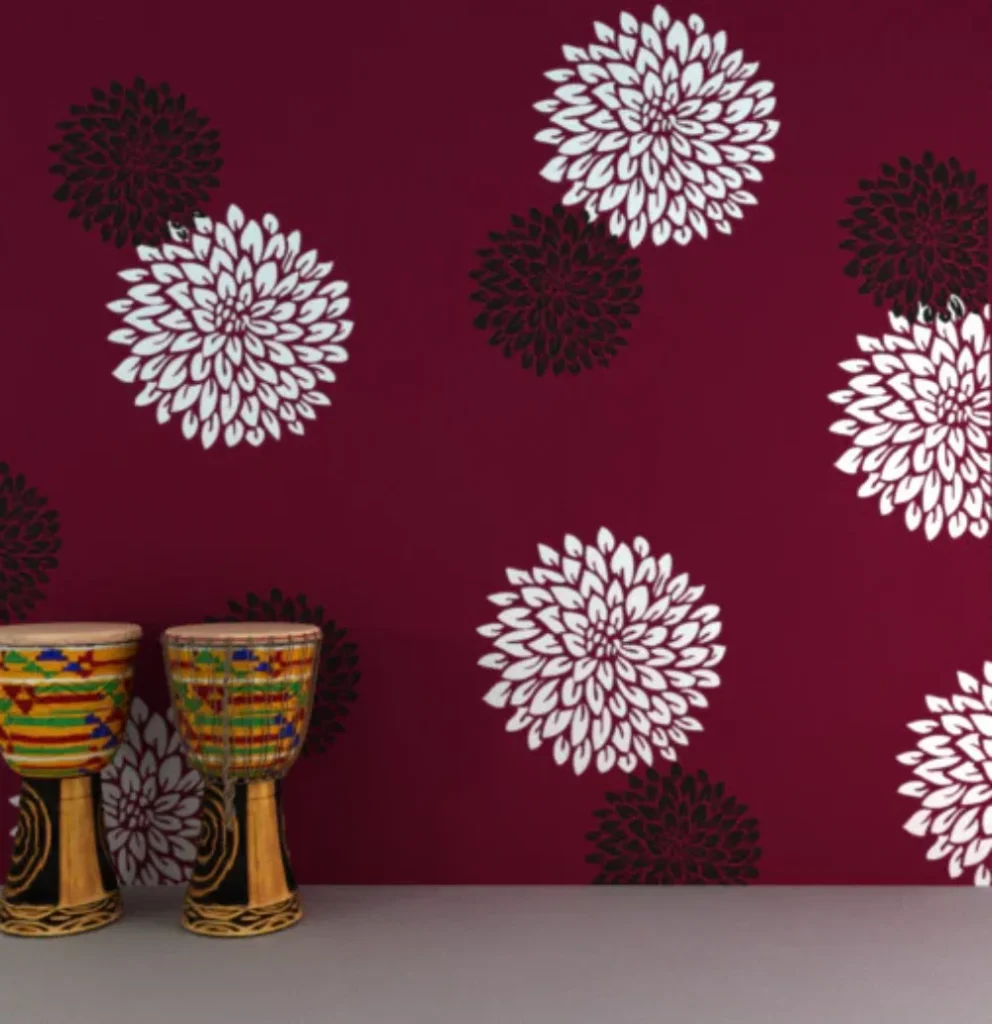
Stencils are tools used to create or replicate any art designs in a short period. They are easy to make and produce perfect replicas every single time. Stencils are flexible and are a superior design for wall decors. Moreover, the patterns and colours are entirely customisable, making them fit any design or trend that fits your taste. You can use flowers, motifs or modern designs for your living room wall.

Stencils
Stencils

8. Pop Art Colours

If you want to do something out of the box and want to display your funky style, then pop art is the option for you. Pop art generally means art pieces that are inspired from the late 1950s to 60s era. They can be themed on music, people, or anything famous during that period.

Including this type of painting in your hall screams a vintage style and gives an entirely new experience to the guests. 

Pop Art Colours
Pop Art Colours

3-D Wall Art

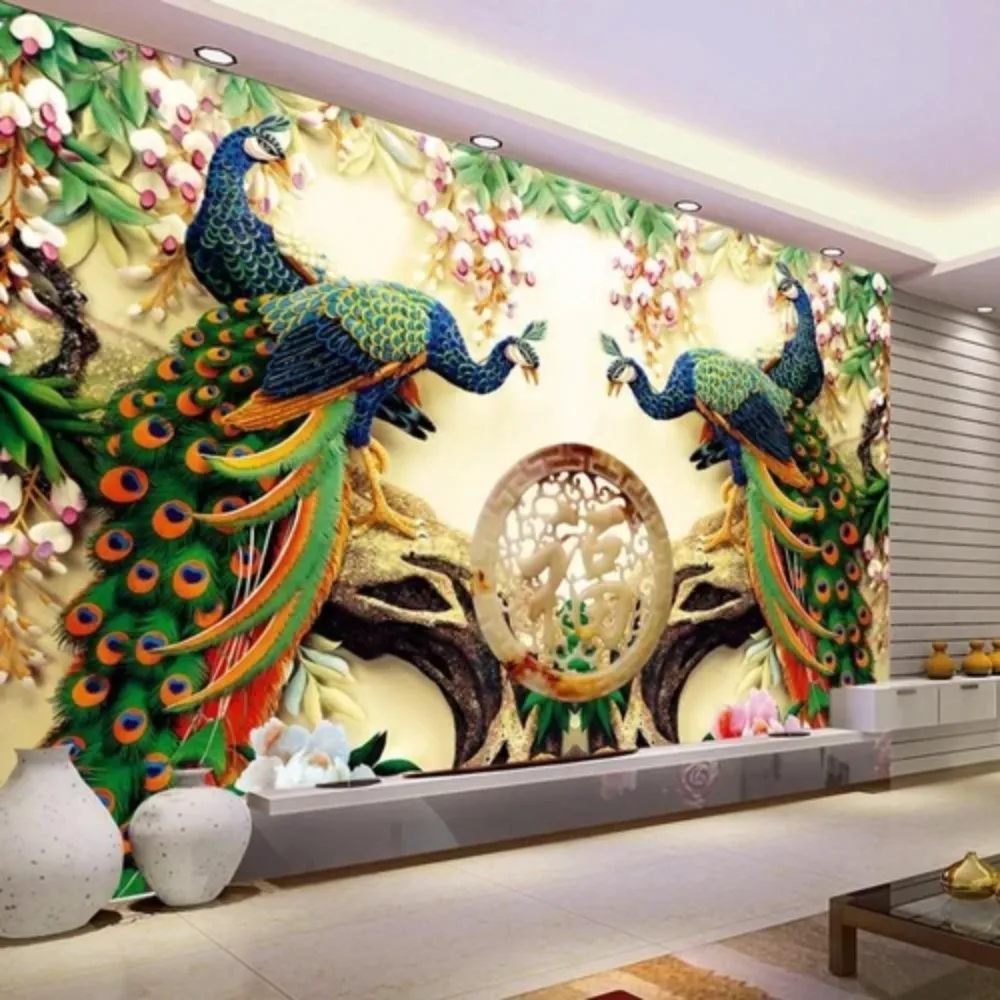
A 3-D wall painting is an art form that comes with a defined height, dimension, depth, and height. This careful artwork on the wall makes it real. These can be guaranteed to catch the eyes of your guests with their attractiveness.

They are customisable and add depth to the wall.

3-D Wall Art
3-D Wall Art

Note*-  The above pictures are for inspirational purposes. They are not promotional. However, you can customise them according to your style with the help of your interior designer. 

Tips to Choose Best Designs

There are certain considerations you should look for before choosing or confirming a design. They are listed below:

  • Space- It is important to understand whether the design will fit or match the interior of your living room. 
  • Colours- Colours should be chosen wisely. Most of the guests spend their time in the living room, hence, the colours should blend well with existing decor and add harmony to the space.
  • Maintenance- It is important to get designs that work along with you and don’t need extra care. 
  • Personalisation- At the end of the day, the living room must reflect your personal tastes and style.

Conclusion

In summary, wall painting is a home decor that can transform the hall into a welcoming and vibrant space. Give your walls a personal touch, choose bold colours, and make your hall unique like you.

FAQs

1. How do I choose wall art for my house?

To choose the best wall art painting for your house, look at the space, maintenance, colour, and lighting, and follow your instincts. 

2. Which wall painting is lucky for a home?

A ‘Lotus’ is considered to be a lucky painting for a home. You can choose either a portrait or paint your entire wall. However, these are based on personal beliefs.

3. Which type of colour is the best for wall painting?

It usually depends on the owner’s tastes and the colours of the remaining interior elements.

What Is Opc In Construction?

0
Opc

In most construction, ordinary Portland cement is an unsung hero. It is a versatile cement that can be blended with other materials to provide a propositioned cement ratio. Moreover, the cement is used for constructions starting from home to skyscrapers. This blog gives an insight about OPC.

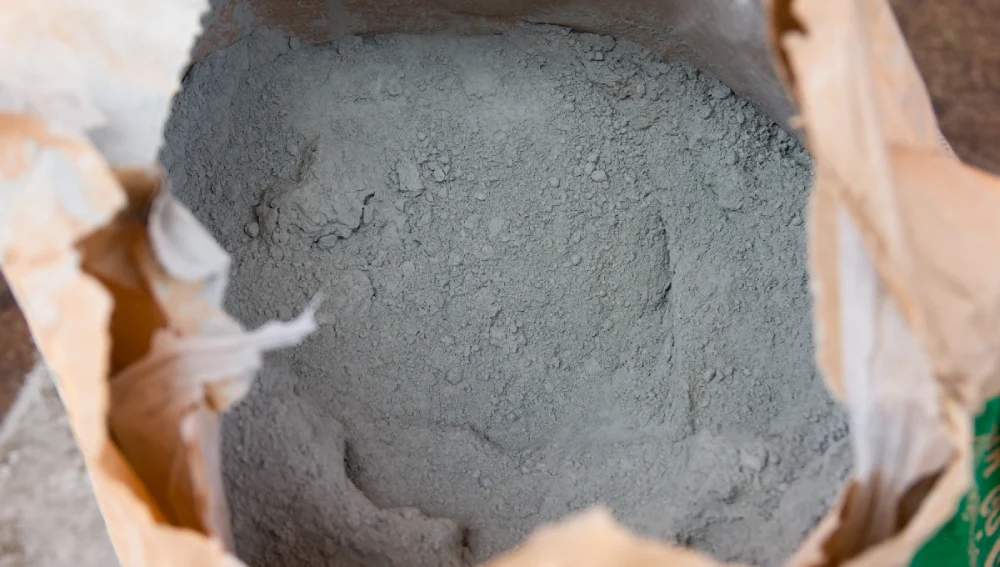
What is OPC cement in Cement?

OPC cement

Ordinary Portland cement (OPC) is a cement type used commonly for construction. It is a binding material that can set, harden, and adhere to other materials. It helps in binding them together. 

Chemical Composition Of OPC

The main components used in OPC are Calcium Oxide 60-67%, Silicon Dioxide 17-25%, Aluminum Oxide 3-8%, Ferric Oxide 0.5-6%, Magnesium Oxide 0.1-4% and Sulfur Trioxide 1-3%.

  • After the chemical reaction, these materials exhibit various properties like, Tricalcium Silicate (C3S) provides early strength
  • Dicalcium Silicate (C2S) gives later strength.
  • Tricalcium Aluminate (C3A) helps in setting time and hydration heat.
  • Tetracalcium Aluminoferrite (C4AF) helps in the maintenance of color. It also helps in overall strength. 

Types of Ordinary Portland Cement

OPCs are categorized into different grades based on their compressive strength. This can be measured using megapascals. These grades indicate the strength and quality of the cement. 

Here are some of the primary types of OPC,

OPC 33 Grade

The compressive strength is 33 MPa after curing for 28 days for OPC 33 Grade. It is generally used for common construction that does not need high strength. Their main applications are small residential buildings, flooring, and plastering.

OPC 43 Grade

The compressive strength is 43 MPa after curing for 28 days for OPC 43 Grade. They are used in reinforced concrete structures like columns, beams, slabs, and bridges. They provide a good balance between strength and workability.

OPC 53 Grade

OPC 53 Grade has a compressive strength of 53 MPa after 28 days of curing. There is high-strength cement. It is ideal for high-rise buildings, industries, and infrastructure projects like bridges and highways. They provide fast setting and hardening. This makes it suitable for construction work.  

How is Ordinary Portland Cement Made?

Ordinary Portland Cement

The preparation of OPC involves various steps. First, the raw materials are converted into fine powders called cement. The overview of the process is as follows,

Grinding clay and limestone 

Limestone and clay are extracted from quarries. Then they are crushed into smaller pieces. Then those materials are mixed in proper proportions and made into fine powder. This powder is called a raw meal.

Heat The Mixture

The raw meal that is obtained is added to the rotary kiln. It operates at temperatures of 1400 to 1500 degrees Celsius. At the end, clinker is produced. 

Grind Clinker

After cooling the clinker, small amounts of gypsum is added. This helps in regulating cement’s hardening time. After that, the mixture is made into fine powders. These fine powders are OPC.

Key Ingredients of OPC

The following are the main chemical constituents of Ordinary Portland Cement:

Lime (CaO)60 to 67%
Silica (SiO2)17 to 25%
Alumina (Al2O3)3 to 8%
Iron oxide (Fe2O3)0.5 to 6%
Magnesia (MgO)0.1 to 4%
Sulphur trioxide (SO3)1 to 3%
Soda and/or Potash (Na2O+K2O)0.5 to 1.3%

The above constituents forming the raw materials undergo chemical reactions during burning and fusion, and combine to form the following compounds called Bogue Compounds

Uses & Qualities of Ordinary Portland Cement

Uses:

  • Masonry and General Construction: Ordinary Portland Cement (OPC) is commonly used in masonry work, including bricklaying, plastering, and concrete production. Its versatile properties make it suitable for constructing buildings, pavements, and bridges.
  • Construction in Standard Soil Conditions: The basic composition of OPC allows it to perform well in standard soil conditions, making it a preferred choice for a wide range of construction projects.
  • Repair and Crack Filling: OPC is also used for filling cracks and performing structural repairs. Its relatively fast setting time is beneficial for quick fixes and emergency repairs, particularly in situations where time is a critical factor.

Qualities:

  • Durability: Resists weather changes and chemical attacks.
  • Workability: Easy to mix and apply in various construction jobs.
  • Strength: Provides the strength needed for many types of structures.

Difference between Portland Cement & White Cement

Here’s how OPC differs from white cement:

DifferencesPortland CementWhite Cement
ColorTypically grey due to iron and manganese.White because it has less iron and manganese.
UsageUsed for most general construction.Used for special and decorative finishes.
ProductionMade using standard methods.Requires extra steps to remove impurities that affect color.

Properties of Ordinary Portland Cement

Various properties have been shown by OPC as they can be used for multiple different construction purposes. Some of the properties are

Fineness

Fineness denotes the size of the particle in cement. If the cement is finer then the particle surface area will be greater. The surface area is needed for hydration purposes as this helps in the development of strength. They can be measured using the Blaine air permeability test.

Soundness

This helps in ensuring that cement does not undergo exceeding expansion. It may occur after setting, causing some cracks and structural failure. Soundness can be measured using the Le Chatelier test. 

Compressive Strength

It is an important property for cement. This helps in determining the bearing capacity of concrete structures. Strength can be tested using cement mortar cubes. These measure the resistance to compression at various stages, such as 3 days, 7 days, and 28 days. 

Setting Time

This refers to the time that it takes for cement paste to change its form. Normally it changes from a fluid to a rigid state. This has been classified into initial time setting and final time setting.

Initial Setting Time

The initial time setting is the time from which the water is added to cement to when it loses plasticity. The normal range is 30 minutes for OPC.

Final Setting Time

The final time setting is the time from which the cement paste turns into hardening. During hardening, they get sufficient strength. It normally occurs in 10 hours for OPC.

The following are some of the properties that define the performance of ordinary Portland cement  in construction, ensuring its strength, durability, and reliability.

PropertiesValues
Specific Gravity3.12
Normal Consistency29%
Initial Setting Time65mins
Final Setting Time275mins
Fineness330 kg/m2
Soundness2.5mm
Bulk Density830 – 1650 kg/m3

Advantages of Ordinary Portland Cement

There are various advantages to using the OPC in construction. Some of the advantages of ordinary portland cement is explained below:

  • Mainly, they have high strength that helps in faster completion of projects. Moreover, the strength can be customized by articulating the water-cement ratio. They are resistant to abrasion and are the perfect fit for high-traffic areas. 
  • Also, they are versatile. OPC can be used in slabs, beams, pavements, and foundations. Additionally they can be used with fibers, aggregates, or admixtures resulting in specific properties of concrete. This makes them useful for various construction purposes. 
  • Additionally, they are available widely and are also cost-efficient. This is because OPC are readily available in most parts of the world. 
  • Lastly, they offer durability and resistance to environmental factors.

Conclusion

OPC is a basic and important material used in construction. It is well known for its durability and also reliability. They have various grades that can be used for various constructions. OPC is a versatile cement that is used in pavements, and also in construction of skyscrapers. People often get confused between OPC and PPC but both are different and have a huge difference between them

FAQs

1. How is OPC categorized?

OPCs are categorized based on compressive strength into different grade types.

2. What is dicalcium silicate in OPC?

Dicalcium silicate helps in later strength development.

3. What is soundness in OPC?

Soundness ensures that cement does not expand excessively after setting. This is for preventing cracks.

4. What is the shelf life of Ordinary Portland Cement (OPC)?

OPC generally has a shelf life of about three months if stored properly in a dry place. It is best to use it within this time to ensure it is effective.

5. Can OPC be used for underwater construction?

Yes, OPC can be used for underwater projects, but it is better to use special cement designed for underwater conditions.

6. How does the strength of OPC develop over time?

OPC starts gaining strength quickly, reaching about 70% of its strength in the first 7 days. It achieves full strength after 28 days.

7. What are the environmental impacts of OPC production?

OPC manufacture requires a large amount of energy, and CO2 emission occurs in the process. Measures are currently being taken to alleviate these effects and to look for less damaging solutions.

Understanding the Differences Between 43 and 53 Grade Cement

0
Differences Between 43 and 53 Grade Cement

Cement is one of the fundamental materials used in the construction industry. It is used in various forms to build strong and durable structures. They act as binding agents as they are the main materials in concrete, mortar, and other materials. The quality and the cement type play a significant role in strength and long-life determination.

This blog provides you with details regarding different types of grade cements focusing on 43 Grade and 53 Grade Cement.

What is 43 Grade Cement?

OPC (Ordinary Portland Cement) of 43 grade conforms to IS:8112-1989 (an Indian code book specifying standards for OPC) and has a designed strength of 43 MPa after 28 days. While its early strength is lower than 53 Grade cement, it achieves similar strength over time. The initial setting of 43-grade cement is slower, releasing moderate heat during hydration, reducing micro-cracking risk with proper curing. 

It’s recommended for general civil construction, RCC works up to M-30 grade of concrete and precast items. OPC of 43 grade is also used in plastering and flooring. 

What is 53 Grade Cement?

OPC 53 grade cement was introduced by BIS (Bureau of Indian Standards) in 1987 and commercially produced from 1991. It conforms to IS:12269-1987 with a minimum 28-day strength of 53 MPa. It can be used in high-load structures like bridges and skyscrapers, due to its high strength and durability.

There may be a possibility of micro cracking if the 53-grade cement is not handled properly due to fast hydration. Proper supervision and curing are essential to mitigate the risks. This grade is suitable for applications needing high strength and stringent quality assurance.

Differences Between 43 and 53 Grade Cement

Compressive Strength

43 Grade Cement: 

This grade has a minimum compressive strength of around 43MPa after curing for 28 days. They are used in projects where very high strength is not an important requirement.

53 Grade Cement: 

53 grade has a minimum compressive strength of around 53MPa after curing for 28 days. It can be used in projects that need very high load-bearing capacity and high initial strength.

Fineness

The hydration rate, setting time and strength development are affected by fineness. 

43 Grade Cement: 

43-grade cement needs  225 square metres per kilogram as minimum fineness. 

53 Grade Cement: 

53-grade cement needs a high minimum fineness of up to  370 square metres per kilogram. This can help in quick hydration and early development of strength.

IS Codes

43 Grade Cement: 

Conforms to IS 8112 standards.

53 Grade Cement: 

Conforms to IS 12269 standards.

Strength Development

The strength development of these grades varies at different stages.

43 Grade Cement:

  1. 3 days: 23 N/mm²
  2. 7 days: 33 N/mm²
  3. 28 days: 43 N/mm²

53 Grade Cement:

  1. 3 days: 27 N/mm²
  2. 7 days: 37 N/mm²
  3. 28 days: 53 N/mm²

Strength Gain

43 Grade Cement: 

The 43-grade cement starts to get stronger after 28 days. It can be used in projects where long-term strength development is necessary.

53 Grade Cement: 

53-grade cement gets its strength within 28 days. It can be used in fast-paced construction projects.

Heat of Hydration

43 Grade Cement: 

It releases heat at a moderate level during the hydration process. 

53 Grade Cement: 

It releases heat at a particularly fast pace. This may cause microcracking if not maintained properly.

Cost

43 Grade Cement:

It is commonly obtained at a lower price of around ₹350 to ₹400 per 50kg bag. Cheaper but requires more quantity for higher grade concrete (above M30), making it less economical for high-strength applications.

53 Grade Cement: 

It is expensive compared to 43-grade cement with a price of around ₹400 to ₹500 per 50kg bag. Although more expensive, it can save 8-10% in costs for high-strength concrete due to its higher performance and reduced quantity requirement.

Applications

43 Grade Cement: 

43-grade cement can be used for PCC and RCC works up to M30 grade of concrete, tiling, plastering, flooring, masonry, pathways, and finishings of buildings, roads, bridges, culverts, and structures that retain water.

53 Grade Cement: 

53-grade cement can be used in RCC structures such as columns, beams, footings, slabs, industrial works, high-rise buildings, and precast concrete items including tiles, pavement, pipes, railways, blocks, and sleepers. Additionally, it can be used in projects that need high early strength.

Chemical Composition

Both grades have similar chemical compositions but differ in specific ratios that affect their performance.

43 Grade Cement: 

In 43-grade cement, the lime-to-silica ratio varies from 0.66 to 1.02.

53 Grade Cement: 

In 53-grade cement, the lime-to-silica ratio varies from 0.8 to 1.02.

Curing

Curing is a process to which the concrete maintains the temperature and moisture for the cement to ultimately gain strength. 

The curing process is the same for both 43 grade cement and 53 grade cement. However, they may have different strengths. 

Loss on Ignition

When water comes in contact with the cement it emits a large amount of heat to form solid concrete. The loss of ignition measures the amount of heat generated and water lost to make sure the strength remains unchanged.

43 Grade Cement: 

It should not exceed 5% by mass.

53 Grade Cement: 

It should not exceed 4% by mass.

Suitability for Different Climates

43 Grade Cement: 

It is used mainly in hot climates as it has moderate levels of hydration heat.

53 Grade Cement: 

It is used mainly in cold climates as it has a high hydration heat property.

Practical Considerations

43 Grade Cement: 

This cement provides flexibility in use for a wide range of construction projects where extreme early strength is not crucial.

53 Grade Cement: 

This cement can be used in fast-paced construction and applications that need high strength. It must be handled and cured carefully to avoid microcracking

Choosing the Right Cement

When selecting between 43 Grade and 53 Grade cement, consider the following factors:

  • Project Requirements
  • Environmental Conditions
  • Budget
  • Construction Speed

Both 43-grade and 53-grade cements have their unique properties and applications. The choice between 43 and 53-grade cement significantly impacts construction outcomes. 43 grade is cost-effective for standard applications, while 53 grade is best for projects demanding rapid strength and durability. However, it is advisable to consult structural engineers to recommend the right cement required based on specific project needs.

FAQs

1. Which grade is better for residential construction?

For most residential constructions, 43-grade cement is sufficient. However, for high-rise buildings, 53 grade cement may be used for certain structural elements.

2. Which cement grade is more expensive?

53-grade cement is generally more expensive than 43-grade cement.

3. What is the fineness requirement for 43-grade cement?

43-grade cement requires a minimum fineness of 225 square metres per kilogram.

4. What is the fineness requirement for 53-grade cement?

53-grade cement requires a minimum fineness of 370 square metres per kilogram.

5. Which grade of cement is suitable for high-rise buildings?

53-grade cement is preferred for high-rise buildings due to its higher strength.

Extra Rapid Hardening Cement

0
Extra Rapid Hardening Cement

Cement is an important component in any construction work, both small-scale and large-scale. It binds the materials together and holds the construction in place. 

Several types of cement are available for construction purposes. There is ordinary Portland cement (OPC), Portland pozzolana cement (PPC), rapid hardening cement, low-heat cement, Extra rapid hardening cement, etc. 

All these types of cement have different properties and are used in different construction projects. In this article, we will look into extra-rapid hardening cement, discussing its definition, properties, and many other aspects in detail.

What is Extra-Rapid Hardening Cement?

Extra-Rapid Hardening Cement

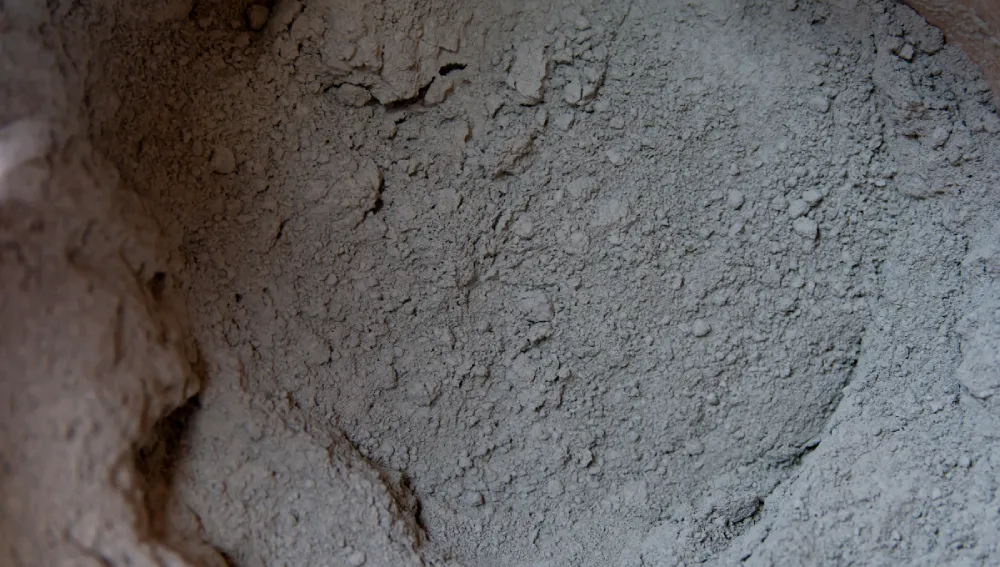
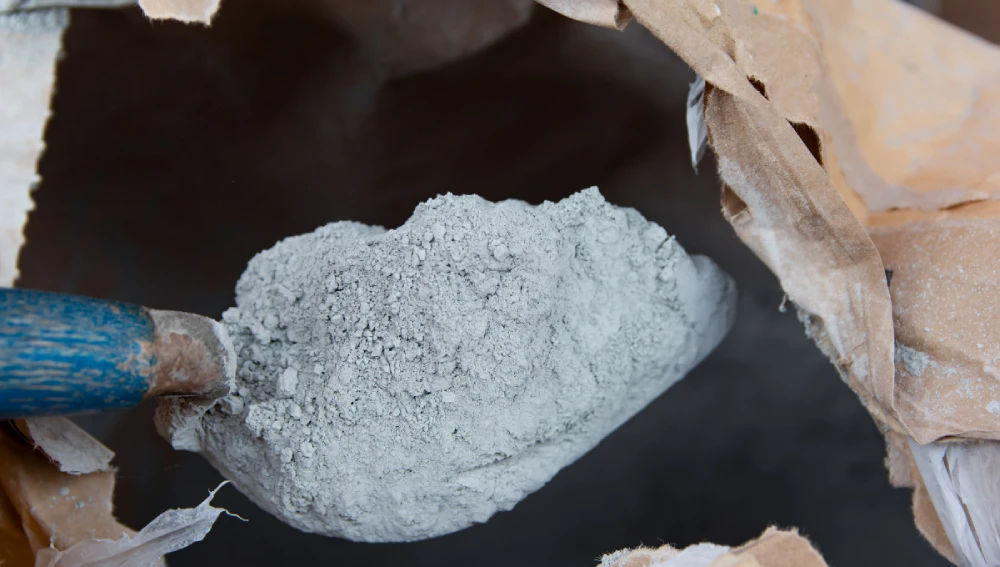
As the name suggests, extra-rapid hardening cement (ERHC) is a type of cement that sets and hardens very quickly after application. This cement sets more quickly than OPC (ordinary Portland cement) and rapid-hardening cement. 

The main factor that causes its rapid setting is the high amount of tri-calcium silicate (C3S). This compound is the main contributor to the early setting and hardening of Portland cement. It also adds strength to the concrete. The higher its composition, the quicker and harder the cement sets.  

Manufacturing Process of Extra Rapid Hardening Cement

The important element in this process is tricalcium silicate. The rapid hardening cement process is carried out under dry process conditions. Shale and limestone are heated at high temperatures and form clinkers. 

Once the clinkers are attained, then the gypsum is added to grind it into a fine paste. Once the paste is finely ground, it results in the formation of rapid hardening cement. The primary difference between normal cement and extra-hardening cement is the amount of limestone used. 

Ordinary Portland cement contains 80% of limestone, whereas extra rapid hardening cement contains 80-90% of overall limestone. The rapid hardening is achieved in a week due to the limestone used in the cement.

Composition

Extra-rapid hardening cement is also called high early-strength cement. This is because, apart from hardening, it also strengthens the concrete mix. This is mainly attributed to its composition and the compounds added to it.

Below is the approximate estimation (in presentation) of each component added to the cement. The percentage may vary for each component, depending on the manufacturer. 

Component Approximate Range (%)
Tri-calcium silicate (C3S)40–60%
Dicalcium silicate (C2S15–30%
Tricalcium illuminate (C3A)5–15%
Tetracalcium aluminoferrite (C4AF)5–15%

Note: Increasing the percentage of C3S can increase the rapid setting properties of the cement. 

Properties

Properties of extra rapidly cement

As you already know, the ERHC is designed to to rapidly set and harden concrete once applied. Below are some of its notable properties. 

  • It has a higher percentage of C3S (tri-calcium silicate) and C2S (di-calcium silicate) compared to ordinary Portland cement (OPC), for faster setting and strength development.
  • Rapid setting and hardening of concrete. Its initial setting time is around 30 minutes.
  • High early strength compared to other cement. Its approximate walk-on strength time is 4–6 hours, and its drive-on strength time is 8–12 hours. Typically, people can start their routine activities within a day of applying. 
  • ERHC is ground finer than OPC to increase its surface area and accelerate hydration.
  • It generates more heat during hydration than OPC. This can be beneficial in cold-weather places where there is less heat for the cement to set properly.
  • Best suitable for repair and maintenance works where quick setting is necessary.
  • It is not suitable for large-scale construction projects due to its higher risk of shrinkage and cracks from its rapid heat generation.

Usage

Extra-rapid hardening cement is a highly valuable material used in several construction works. It is mainly used for binding, repair,  and it is less commonly used for massive construction works.

Below are some common applications of this cement.

  • Road repairs: Repairing cracks, potholes, drives, paths, etc.
  • Concrete patching: Used for repairing damage to concrete structures such as steps, walls, and other building elements.
  • Time-constrained constructions: Setting manholes, repairing floor screed, fixing fence posts, etc.
  • Cold weather concreting: ERHC generates more heat and sets quicker than other cement, making it more suitable for cold-weather concreting.
  • Industrial applications: Repairs and installations in factories, warehouses, and power plants. 

Applications of Extra Rapid Hardening Cement

The rapid hardening cement falls under type three cement, and the applications are listed irrespective of the ratios.

  • Used in sites where early strength is needed.
  • Road pavement needs materials that harden and dry quickly; hence, rapid-hardening cement plays a crucial role in these kinds of applications.
  • To construct a framework for the construction
  • The concrete protects the cement from freezing. Rapid cement hardening is popular in areas where there are high winters or where the moisture rate is high.
  • Famous concrete products, namely electric poles, block fences, posts, and slabs, are constructed using this cement.
  • When the formwork has to be replaced in a short time, then extra rapid hardening cement is utilised. 
  • They can also be used in areas where high strength is required for construction.

Advantages

Extra-rapid hardening cement is the type of cement that most people go to for quick repairs and easy setting. It has many notable advantages over other types of cement. Below are some of those advantages.

1. Sets Quickly After Application

ERHC is one of the best cement options you can go for if you wish for a quick setting and hardening cement. It sets within 30 minutes of application, and people can resume their regular activities within a day. 

2. Higher Early Strength

It has approximately 25% higher strength than rapid-hardening cement in the first two days. 

3. Beat the Cold Weather

The ERHC generates heat during hydration. This makes it suitable for use in cold-weather areas where ordinary cement will have difficulty setting. 

4. Reduce Overall Labor Costs

The cement sets faster, and the work can be completed quickly. This reduces overall labor costs and saves money.

5. Versatile cement

ERHC can be used for multiple construction projects, including small-scale and large-scale repairs and maintenance. It is also weather-resistant and can be used in various weather conditions. 

Disadvantages

Aside from many advantages, ERHC also has some disadvantages that can limit its usage in certain conditions. Below are some disadvantages you should take note of before using the cement. 

1. Generates more heat than other cements

Though this quality is an advantage in some areas, its higher heat generation makes it unsuitable for use in major construction works, especially in large pours. The heat can cause thermal cracking, which is problematic in massive concrete structures.

2. Excess water usage

ERHC does not necessarily require more water for hydration than other cements; however, controlling the water-to-cement ratio is crucial. Excessive water can lead to increased porosity and reduced durability, which might give the impression of higher water usage.

3. Higher risks of shrinkage

ERHC sets faster than other cements. However, it also has a higher chance of shrinkage, which can cause cracks to develop in the concrete structure. 

4. Entry points for dust and damaging particles

Cracks that develop due to shrinkage or other stresses in ERHC can indeed become entry points for dust, moisture, and other damaging particles. Over time, these intrusions can weaken the concrete and lead to more significant damage.

Conclusion

From this article, you can understand that extra-rapid hardening cement has numerous benefits, mainly when it comes to repair and maintenance works that need quick completion. However, it is not suitable for large-scale works like construction projects. 

Before deciding on using cement, it is important to understand whether it is suitable for your desired work. Consult with a professional before choosing this cement. 

FAQs

1. What causes extra-rapid hardening cement to harder so quickly?

The main factor that causes its rapid setting is the high amount of tri-calcium silicate (C3S). This compound is the main contributor to the early setting and hardening of Portland cement. It also adds strength to the concrete. The higher its composition, the quicker and harder the cement sets.

2. What are some advantages of extra-rapid hardening cement?

Below are some advantages of extra-rapid hardening cement.

* Sets quickly after application. 
* Higher early strength than other cements.
* Beat the cold weather.
* Suitable for use in cold weather areas where ordinary cement will have difficulty setting. 
* Reduce overall labor costs
* Versatile cement that can be used for multiple construction projects.