Home Blog Page 6

Anchorage – Types, Materials, & Applications in Construction

0
anchorage

Providing the necessary strength, stability, and safety is essential for any construction, from small residential projects to giant structures. There are numerous construction practices to achieve these criteria, among them anchorage systems are one of the efficient ones. They provide good physical characteristics, making them suitable for a variety of applications.

It is crucial to understand anchorage systems, and this blog will provide detailed information about it.

What is Anchorage in Construction?

Anchorage is the process of securing the structural elements to the foundation or other parts of the structure. In simple words, it is the process of connecting non-structural and structural members. It ensures the safety, stability, and durability of the building and maintains the overall structural integrity.

What is Anchorage Point?

An Anchorage Point is a specific attachment point that acts as fall protection equipment, which plays a crucial role in any personal fall arrest system (PFAS). These points are strategically selected to provide safe and secure connections for workers with fall protection gear. Anchorage points provide the necessary strength to withstand forces exerted during a fall. This prevents the occurrence of injuries or even death.

Types of Anchorage Systems

Anchorage systems are mainly classified into two types— Cast-In Systems and Post-Installed Systems

Cast-In System
Cast-In System

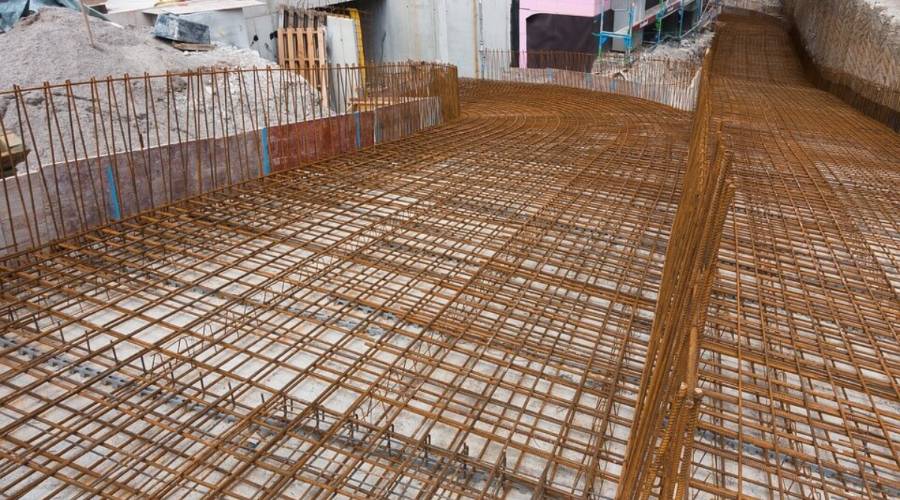
In a cast-in system, the anchorages are installed within the formwork and cast into the concrete structure, to help provide an efficient transfer of load from the structure to the anchorage, through mechanical interlocking of headed bolts, bent anchor bolts (J&L Bolts), and studs.

Post-Installed System

Post-installed anchorage systems provide a versatile solution by drilling holes into the pre-existing concrete structure and installing anchorages. The load-transfer mechanism is carried out through mechanical interlocking, bonding, and friction. Post-installed systems are broadly classified into two types:

  • Mechanical Anchors: These are used to expand within the drilled hole to provide the necessary grip to the substrate material. Materials such as wedge anchors and screw anchors are some of the reliable mechanical tools used.
  • Chemical Anchors: Chemical anchors such as epoxy, grouts, and other adhesives can be used to secure the anchor within the drilled holes to enhance the load-bearing capacity of the structure.

Materials Used for Anchorage

Steel

It is one of the most commonly used materials in the anchorage system that provides high strength, stability, and durability to withstand heavy loads. Some of the common steel types used in anchorages are:

  • Carbon Steel
  • Stainless Steel
  • Galvanized Steel
  • High-Strength Steel

Concrete

Concrete is another primarily used anchorage material, especially in foundations and in places of structural elements. Reinforced concrete and precast concrete provide the necessary strength to support large loads.

Aluminum

It is a lightweight material used in anchorage systems, where weight and erosion resistance are crucial. Aluminium in the form of eyebolts, anchors, and roof anchorage systems is used as anchorages in construction.

Chemical Adhesives

Chemical adhesives such as epoxy resins, grouts, and other cementitious mixtures can be used to bond the anchor to the substrate material. They provide corrosion resistance and are used in non-load-bearing applications, where weight reduction is crucial.

Design Considerations for Anchorage

Load Requirements

Determining the anticipated loads of the structure, including dead loads, live loads, wind loads, and seismic loads, is essential in designing the anchorage system. Designing after determining the potential loads can help in providing appropriate safety features. 

Substrate Conditions

The strength and condition of the concrete substrate play a major role in influencing the efficiency of the anchor. The edge distance of the concrete is crucial in preventing potential cracks around the anchor.

Load Transfer Dynamics

It is necessary to understand the right load transfer mechanism for the anchorage system. Some of the key aspects of load transfer dynamics include:

  • Direct Bearing Forces: The loads are directly transferred at the anchor head.
  • Interfacial Shear: The shear forces acting on the anchor shaft.
  • Concrete Cone Formation: Under tensile loads, a breakout cone is formed at a 35-degree angle, which is critical for the calculation of the capacities and spacing requirements.

Environmental Conditions

It is necessary to ensure that the anchorage is free from moisture, temperature fluctuations, and chemical exposures, as these could affect its efficiency. In case of moisture or temperature fluctuations, proper corrosion-resistant coatings or materials should be used.

Installation Process on Anchorage

Preparation

The first and most important step in installing an anchor is to ensure that the substrate is suitable for installing an anchor and addressing the potential issues. The depth and diameter of the anchor holes should be determined to choose the right design specifications and anchor type.

Drilling

After preparing the substrate and designing, the location for drilling anchor holes on the substrate should be marked and drilled. After drilling, the surface should be completely cleaned to remove dust and debris.

Anchor Installation

Insert the anchor into the hole and ensure that it is positioned correctly. Tighten the wrench until the anchor expands and securely holds the substrate. In the case of chemical anchors, the adhesive should be injected into the drilled hole.

Final Inspection

After installing the anchor, inspect for any defects to ensure safety and reliability. Perform load testing to find out the performance of the anchorage.

Applications of Anchorage in Construction

  • It provides the necessary support to the structural elements of the building, including beams, columns, and walls, for effective load distribution.
  • It is used in the foundation of construction to stabilise structures against lateral forces and upliftment.
  • Anchorage systems play a critical role in the construction of bridges, connecting girders and deck slabs, to ensure safety and longevity.
  • The primary usage of anchorage points is to provide fall protection systems in construction sites, to ensure the safety of the workers.
  • It provides additional support and stability to retaining walls to protect the structure against soil pressure.
  • It is vital in holding machinery and equipment to the floors in industries for efficient operations and ensuring safety.

Conclusion

In summary, anchorages are an essential part of construction that provides numerous values in maintaining structural integrity and safety. They protect the structure from all sorts of external and internal forces and help in the efficient transfer of loads. It offers numerous materials and installation processes in both the pre-construction stages and in existing structures. By prioritising proper installation and maintenance, anchorage can protect the structure efficiently.
Red Oxide Flooring – Manufacturing, Benefits, Cost & Upkeep

0
red oxide flooring

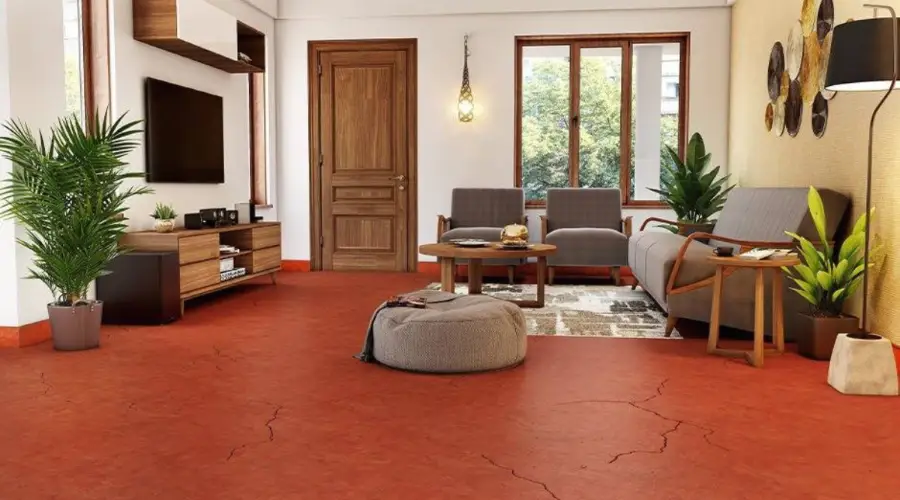
Red oxide is one of the most classic flooring options, and it has endured over time. It is frequently connected to historic design and gives rooms a feeling of cosiness and history. To assist homeowners, architects, and design aficionados in embracing this durable flooring option, this article explores the rich tapestry of red oxide flooring, including its definition, manufacturing process, advantages, potential disadvantages, and modern applications.

What is Red Oxide Flooring?

With a perfect blend of sustainability, beauty, and charm, red oxide flooring makes it a versatile choice that enhances any home. It is also called “terrazzo flooring” or “red floors,” with their reddish-brown colour from natural iron oxide. This visually appealing flooring comprises cement, red iron oxide, marble powder, and other aggregates. It’s created by pouring the liquid mixture onto a prepared, leveled, and polished surface for a smooth, flawless finish. For centuries, homes have been beautified with this combination of art and science.

Manufacturing Process of Red Oxide Flooring

A careful blend of raw materials is used in the manufacturing of red oxide flooring to produce the appropriate colour, texture, and durability. The fundamental binding substance that gives the flooring its strength is cement. Red iron oxide, the main ingredient that gives the mixture its unique hue, is metered out and added with care. The flooring’s shine and finish are enhanced by marble powder. The natural beauty of the red oxide flooring is then shown by pouring the liquid onto a flat surface, letting it cure, and then polishing it.

Advantages of Red Oxide Flooring

Here we discuss some advantages of oxide flooring in homes or commercial spaces:

  1. The classic charm that never goes out

The classic visual appeal of red oxide flooring is among its most important advantages. Warm, earthy hues arouse feelings of authenticity and heritage, making it popular for rooms seeking a classic charm. It complements a variety of design styles, from rustic to contemporary, and provides character to both residential and commercial spaces.

  1. Built to last for years

Because of its exceptional durability and strength, oxide flooring is highly praised. It is an excellent option for busy corridors, busy entryways, and commercial spaces because of the combination of cement and iron oxide that produces a hard, durable surface that can easily sustain heavy foot traffic. If red oxide flooring is properly cared for and maintained, it will last for several generations and add a timeless character to your room.

  1. An affordable and efficient flooring option

When compared to some expensive flooring options, red oxide flooring is more reasonably priced and offers a beautiful balance of durability, design, and price. For households and companies on limited budgets searching for a fashionable, long-lasting flooring alternative without compromising quality or cost, it’s a fantastic option.

  1. Tailored choices to suit your unique needs

During the manufacturing process, red oxide flooring offers plenty of room for personal touches. Homeowners can customise the flooring’s colour to match their preferences by adjusting the ratio of red iron oxide to other materials, creating beautiful shades of red that suit their style. Even the polishing process can be tailored to achieve different levels of sheen, adding an extra layer of personality to the final look. This flexibility makes each floor feel truly unique and perfectly suited to its space.

  1. Sustainable, environmentally conscious, reducing harm to nature

Compared to certain synthetic flooring solutions, red oxide flooring is more environmentally friendly because it is composed of natural materials like cement, iron oxide, and marble powder. Additionally, the transportation’s environmental impact is lessened, and its carbon footprint is further minimised by using locally obtained products. It’s a flooring choice that is environmentally friendly in addition to improving your area.

Disadvantages of Red Oxide Flooring

Several disadvantages of red oxide flooring are mentioned below:

  1. Formation of fissures or breaks in the surface

Red oxide flooring is susceptible to breaking even if it is long-lasting, particularly if the base or substrate is not adequately prepared. A well-engineered base and sufficient surface preparation are necessary to lower the chance of cracks.

  1. Regular care to preserve appearance and durability

Red oxide flooring is low maintenance but needs regular cleaning and resealing to maintain its durability and look. The porous nature of the material makes it prone to stains. Prompt cleaning and sealing help prevent long-term damage. With a little care, your red oxide floors will remain beautiful and lasting.

  1. Variety of hues and colour options

Compared to other flooring materials, red oxide flooring does have fewer colour options, even though it may be customised to achieve various degrees of red. For people who want a wider selection of colours to fit particular design tastes, this could be a drawback.

  1. Initial change in visual appearance

Red oxide flooring may look different right after installation than after it is finished and polished. Polishing is necessary to bring out the actual colours and create a consistent finish because the initial appearance may seem flat or uneven.

Cost of Red Oxide Flooring

Red oxide flooring, or terracotta flooring, is a popular choice for modern homes that adore traditions. Its cost varies based on factors like location, thickness, material quality, and area size. Here are some general price estimates for red oxide flooring.

  • Basic Red Oxide Flooring:
Basic Red Oxide Flooring

Costs range from ₹40 to ₹80 per square foot, covering surface preparation, application, and protective sealing.

  • Premium Red Oxide Flooring:
Premium Red Oxide Flooring

Costs between ₹80 and ₹120 per square foot or more, featuring additional designs, patterns, or customised finishes for enhanced aesthetics.

  • Installation Charges:

Installation costs are separate and range from ₹10 to ₹20 per square foot, covering labour and application work.

For an accurate estimate, consult local suppliers and experienced contractors.

Maintenance of Red Oxide Flooring

Red oxide floors are easy and hassle-free to maintain. They continue to look new with routine sweeping or vacuuming to get rid of dust and debris. Sometimes all you need to keep them pristine is a damp mop and a light cleaning solution. By preventing stains and extending the floor’s lifespan, a protective sealer helps maintain the floor’s stunning, deep colour for many years to come.

Modern Applications of Red Oxide Flooring

Red oxide flooring has a long history, but it works well in modern designs. More designers and homeowners are using it to add character and personality to today’s spaces as follows:

Red oxide flooring with a High Gloss Finish: 

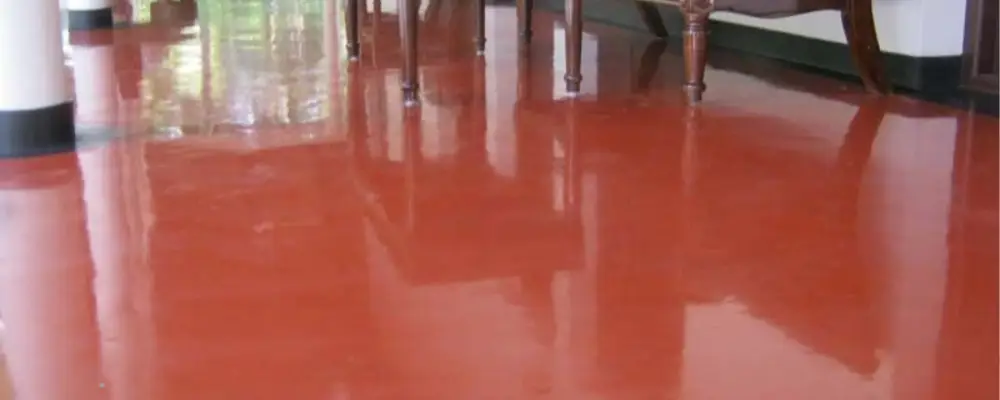
A glossy finish brings a touch of class to modern homes, and with its sleek, glossy appearance, it elevates the design.

Polished Red Oxide Floors: 

These floors are shiny and smooth and highlight the natural beauty of this floor. Thus, these floors are durable and resistant to heavy usage, excellent for high-traffic areas.

Patterned Red Oxide Tiles: 

These are red oxide tiles that form patterns such as herringbone or basket weave, thereby adding texture and style with character to the room and giving it an original look.

Red Oxide Flooring with Inlay Designs: 

Intricate inlays with geometric or floral patterns turn the floor into a showpiece, adding elegance and charm to your space.

Red Oxide Flooring for Outdoor Spaces: 

Red oxide flooring is weather-resistant and durable, making it great for patios, verandas, and garden paths, blending well with outdoor areas.

Red Oxide Flooring for Traditional Homes: 

It adds warmth and a vintage feel to traditional homes, fitting nicely with rustic or vintage decor for a cosy atmosphere.

Red Oxide Flooring for Modern Homes: 

The bright colour and smooth surface of red oxide flooring bring a modern touch to any room.

Red Oxide Flooring for Bathrooms: 

They not only bring warmth and personality to the bathrooms but are relatively easy to maintain, proving to be a long-lived material.

Red Oxide Flooring with a Matte Finish:

They can be characterised as a soft, muted look that helps in the coziness of any home.

Conclusion

In conclusion, red oxide flooring is making a comeback in modern home design because of its timeless charm and flexibility. Its rich history and cultural value bring a touch of tradition to modern spaces. With its great looks, durability, and low maintenance, it’s a popular choice for both homeowners and designers.

Red oxide flooring fits well in different rooms and styles, making it adaptable to various home designs. Whether in a cosy cottage or a stylish apartment, red oxide flooring continues to inspire and add beauty to modern homes.

Wall Caps – Types, Benefits, Tips for Installation & Care

0
Wall Caps

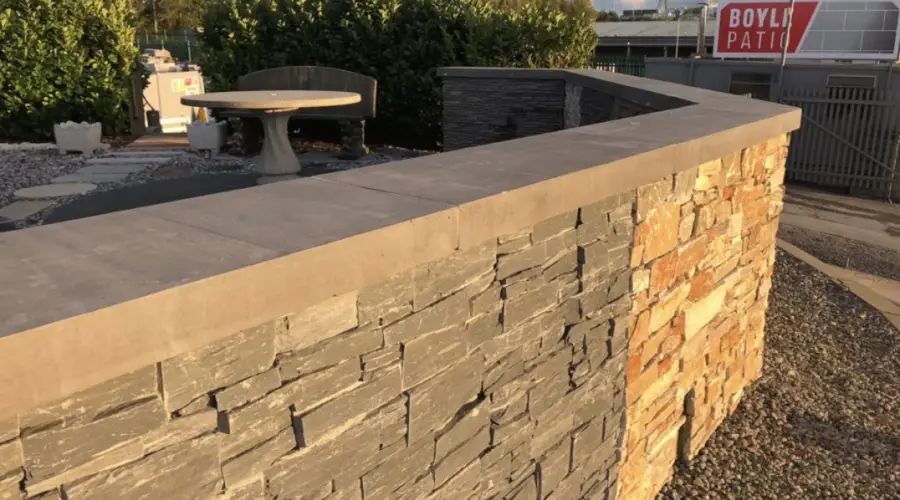
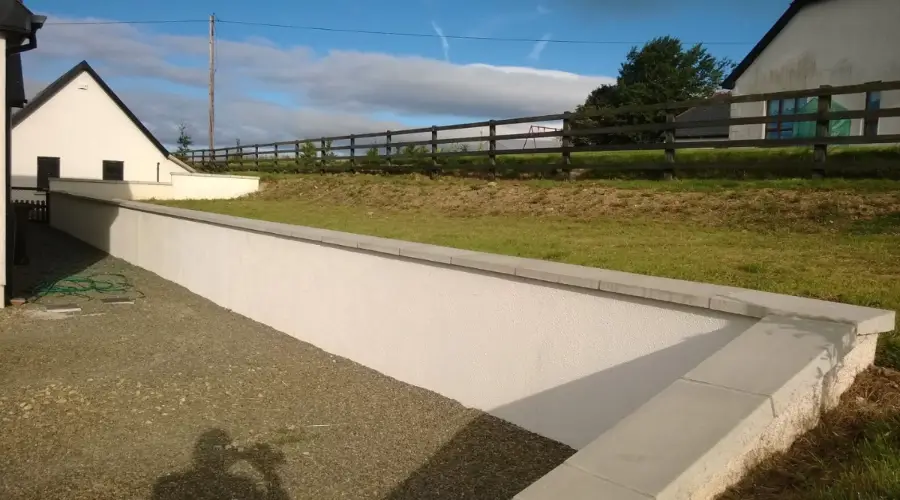
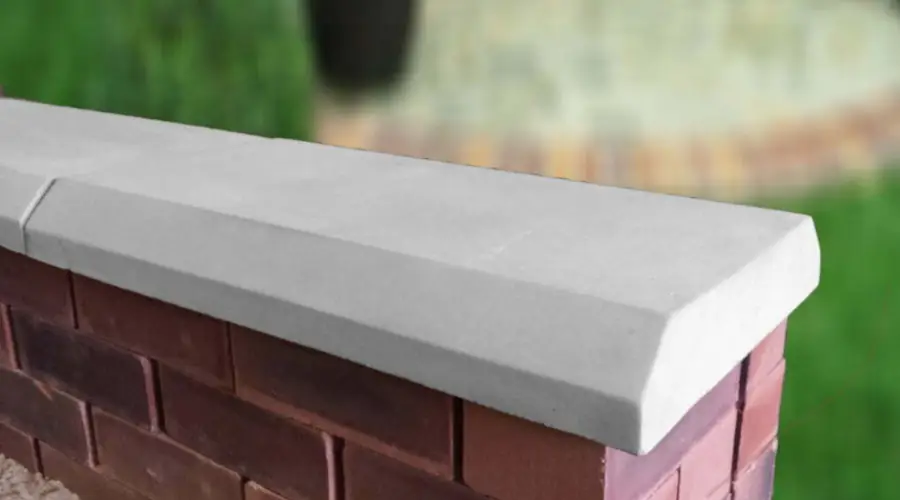
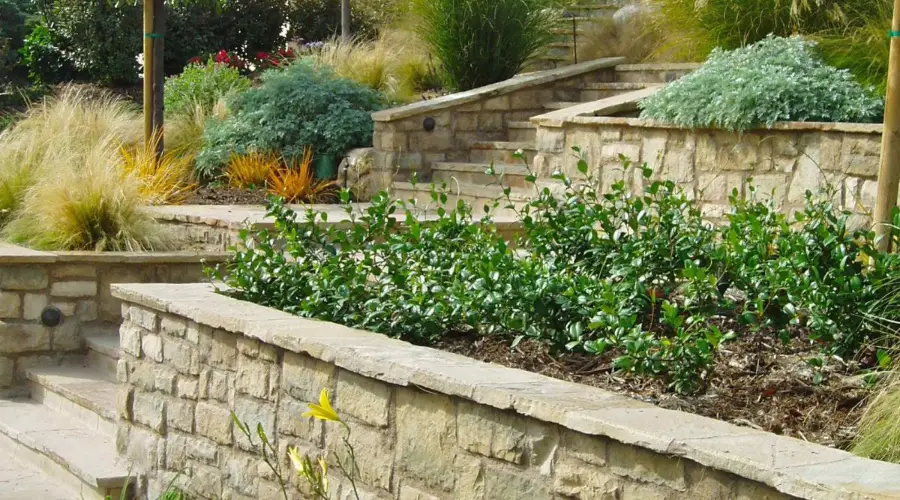
Wall caps are protective coverings or finishing elements that are placed on top of a wall to enhance the appearance and provide protection against rain, snow, and sun. They are primarily made of stone, concrete, brick, metal, or other designed substances to achieve decorative and functional properties. This blog will help you understand wall caps in detail.

Benefits of Installing Wall Caps

Weather Resistance

Wall caps provide excellent protection against rain, snow, and other extreme weather conditions, reducing the potential damage such as wear, freeze-thaw, and erosion. This increases the lifespan and durability of the wall surface.

Moisture Control

Sealing the top portion of the wall reduces the water ingress into the wall, preventing potential damage to the structural integrity. It helps in using the wall caps on retaining walls or garden walls, where moisture control is crucial.

Aesthetic Appeal

Wall caps can be prepared by using various materials and finishes such as stone, brick, concrete and more. The customisable option, variable styling, and design pattern enhance the overall appearance of the wall.

Increased Safety

Wall caps with a smooth and finished edge seal the sharp and rough edges of the brick wall. They prevent the risk of injury, especially in places where children and pets frequently traffic.

Low Maintenance

Walls with caps are easy to maintain, as they provide the necessary protection against all forms of dust, stains, and moisture accumulation. The enhanced protection requires less maintenance, and reduces the frequency of repair, thereby reducing the cost of maintenance.

Types of Wall Caps

Flat-Top Wall Cap

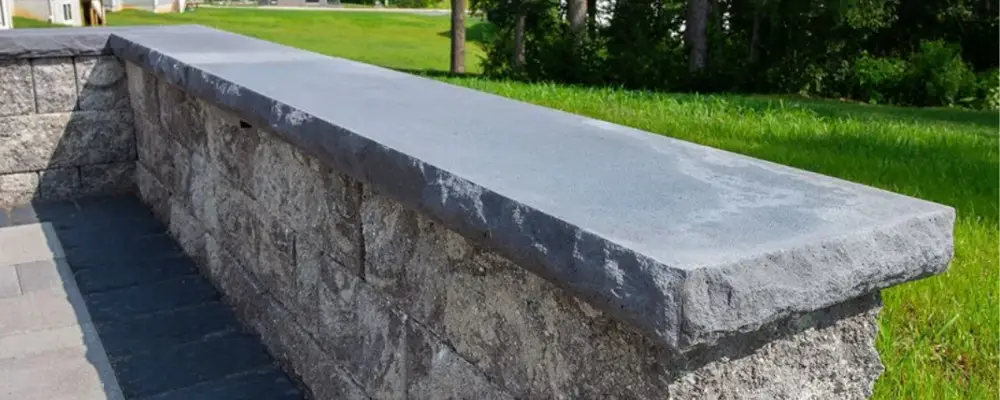
Flat-Top Wall Cap

A flat-top wall cap has a level surface that provides a clean and modern look to the walls. They are highly effective in providing adequate protection against weather and moisture and also enhance the aesthetics. It is a simpler form of cap and can fit a wide range of walls. They are made from various materials such as concrete, stone, and brick.

Feather Edged Wall Cap

Feather Edged Wall Cap

The feather-edged wall cap offers a slightly tapered edge with a smooth and organic look. Their edges are gently sloped downwards, mimicking the natural lines of stones, and are helpful in water runoff. This wall cap design is suitable for creating a more rustic and traditional look in gardens and landscaping.

Saddle Back Wall Cap

Saddle Back Wall Cap

This wall cap provides a more distinct, curvy shape with an arch formation in the middle and raised edges. They are highly effective in draining rainwater accumulation and add a more decorative and elegant touch to retaining and garden walls.

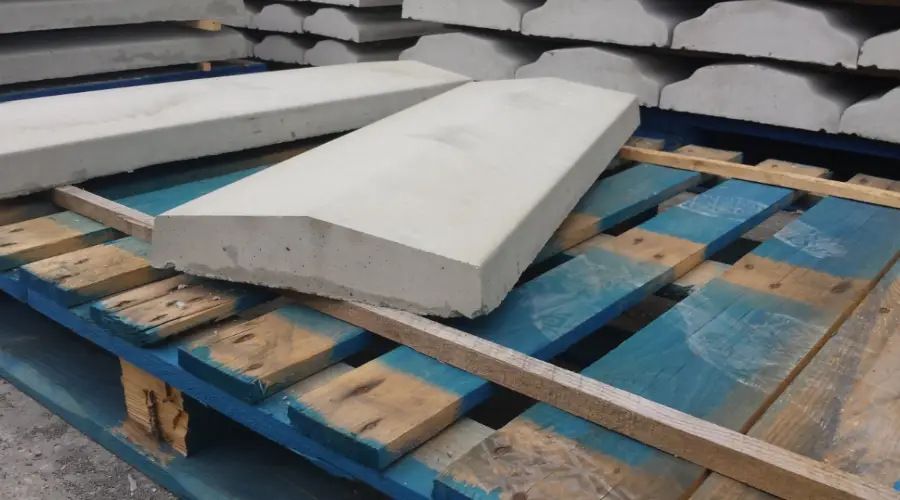
Single Chamfered Wall Cap

Single Chamfered Wall Cap

A single chamfered wall cap has a bevel along the edge of the top and on the side, making it more angular, and soft in looks. They are ideal for directing water away from the wall and provide a contemporary and classic look.

Tiered Wall Cap

Tiered Wall Cap

As the name suggests, tiered wall caps have multiple tiers or levels, creating a more sophisticated and unique look to the wall. It adds more height and dimension to the wall, balancing the proportions and elegance. It is suitable for garden walls and landscapes with dramatic effects.

Choosing the Right Wall Cap

Materials

The materials used for wall caps depend on the aesthetics, budget and overall span of the wall. Natural stone, concrete, brick, and wood are some of the most common materials used for wall caps.

Natural stones such as limestone, granite, or sandstone offer a premium look for the wall cap. Construction bricks create a cohesive design blending with the walls. Precast concrete caps provide a more modernized and unique look.

Aesthetics

Wall caps provide enhanced looks to the walls with clean and finished edges. They come up in a variety of shapes, colours, and textures, to complement the overall design of the landscape. Choose the right wall cap, that complements the overall design of the wall or building.

Size and Profile

The size and profile of the wall play a crucial role in determining the choice of wall caps. It is important to choose the cap that fits the dimension and profile of the wall, to ensure that they are perfectly fit, for a pleasing appearance.

Installation Method

The installation methods of certain wall caps are complex, as they demand specialized installation techniques, skilled labour, and certain tools and adhesives. Therefore, it is vital to follow the manufacturer’s instructions, before choosing the right wall cap.

Budget

Consider overall budget for construction needs to be considered, as wall caps consume money in both materials and installation. The material cost varies based on the category and availability. Thus, it is necessary to choose the materials based on the budget requirements.

Maintenance Requirements

Choosing wall cap materials that are easy to clean and maintain is essential for a long life. Smooth, and flat surfaced caps are easy to clean, compared to caps with complex and more intricate designs.

Installation Process

Preparing Wall Surface

It is mandatory to prepare the surface of the wall to ensure the perfect fit and finish of the wall caps. The top of the wall should be clean, and free from dust, debris, and dirt. The top surface should be even, and free from chips and cracks, ensuring a perfect installation.

Mixing and Applying Adhesive

After preparing the surface, prepare the mortar or adhesives in an appropriate mix ratio, based on the types of materials used. Apply the adhesive in a thin layer onto the top of the wall, based on the manufacturer’s instructions.

Positioning the Cap

After the application of adhesive, the wall cap is positioned carefully on top of the wall. The cap is then gently pressed down to ensure  good adhesion, and fill the gap between the cap and the wall. Use a rubber mallet to tap over the cap, to position and leveling the cap.

Grouting

If necessary, use grouting materials to seal the joints between the cap and the wall. This can prevent the wall from water ingress and other moisture damage.

Curing

Allow the mortar or adhesive to cure for at least one or two days, depending on the adhesives, before using it for functional purposes. 

Maintenance and Care

  • While wall caps protect the walls from potential damage, regular inspection at least once or twice a year is recommended. Some of the most common flaws to look for in the inspection include cracks, loose caps, efflorescence, erosion, and mould.
  • The cleaning of the surface should be done regularly to remove first, dust and debris deposition. It can be rectified by cleaning using a soft brush with mild soap and water.
  • If the inspection notices any damages, the damaged portion can be repaired to prevent further deterioration.
  • Waterproofing and grouting can be done regularly to prevent potential water damage.
  • Remove efflorescence deposits using a water and vinegar solution and brush over it carefully, avoiding damage to the surface.

Conclusion

Wall caps are decorative elements that combine the functionality and aesthetics of any wall. They provide necessary protection to the wall and act as a support in enhancing the support, looks, and durability. There are various types of wall caps based on the materials and design, and it is necessary to understand which type could be the best fit for your walls.

Kubera Corner in House – Enhance Wealth with Vastu Tips

0
Kubera Corner in House

Vastu Shastra plays a significant role in the architecture and design. People have a strong belief that it brings good health and financial success. This is very particular about the Kubera Moola direction, which scientifically connects to Lord Kuber, who is a deity of wealth and prosperity. He rules the northeast direction that we refer to as Kubera Moola/Kubera Location or Kuberastan.

In general, we usually place the cash almirah or cash locker near the south or south-west direction. So that it opens in the north direction.

If you are curious to know about the Kubera corner, then read this article. It covers its significance, things to be placed in the Kubera corner, and its common misconceptions.

Significance of Lord Kubera in Vastu

Since the ancient period, both the Vastu Shastra and Hindu Mythology pay close attention to the Kubera Corner. Lord Kubera is the god of wealth and takes responsibility for protecting the wealth.

There is a belief that if you have a blessing from Kubera, you would be able to bring unexpected success, money, and abundance into your lives.

In the principle of Vastu, it is important to place the cash almirah or cash locker in the Kubera location to attract monetary energy and riches.  If you are with someone with sudden richness and financial stability, it means that their house is properly aligned with this Vastu direction.

Identifying the Kubera Moola Direction in Your Home

The Kubera Moola, also known as the Kubera Corner, refers to the northeast direction. Some may be confused about the exact direction or space in their home or office, so the points below are given:

  • Some Vastu practitioners suggest that the center-north direction of a house is an exact Kubera Moola. They strongly believe that this is the space where exactly Lord Kuber lies and brings wealth and prosperity to your family.
  • Others use a compass to determine the Kubera Moola. It is about where exactly the compass needle points towards the true north direction, which is considered the Kubera Moola.To be frank, there is no single and universally accepted direction of the Kubera Corner. People have different beliefs and opinions; they tend to follow it accordingly.

Common Misconceptions About Kubera Moola Direction

Here are some of the common misconceptions about the Kubera corner:

  • Kubera Moola specifically influences financial prosperity and overall well-being, including health and relationships.
  • It is always exactly the center-north direction of the house that indicates the Kubera moola. The space or location can be easily determined by a compass.
  • Only heavy objects should be placed in the Kubera Moola, which obstructs the flow of positive energy.
  • Any positive changes made in the Kubera Moola according to the Vastu Principle will manifest noticeable changes.

Setting Up the Kubera Corner: Best Practices

Generally, the northeast direction is considered the Kubera corner of the house or property. By following some best practices in that space, you can influence financial abundance and overall well-being.

Keep it Neat and Clean: The area should be cleaned and dust-free as it can obstruct the flow of positive energy inside the home. It helps you free yourself from negative impacts and bad signs.

Place a Kuber Yantra: It is a sacred geometric design believed to attract wealth and prosperity. Ensure placing it in the northeast direction on a clean surface.

Recommend Auspicious Colours: You can improve your home peace and décor using the same way. Pick out the colours favoured by Lord Kuber, like green, yellow, or gold, to attract more wealth and prosperity.

Avoid Placing Bathrooms or Toilets: People who are unaware of the impacts of Kuber corner often occupy the northeast direction with bathrooms or toilets. It creates various negative impacts in your house.

Items to Place in the Kubera Corner

Lockers & Safes: You can keep all of your valuables, money, and financial documents in the Kubera location. It is one of the finest ways to assure the financial stability and overall well-being of you and your family.

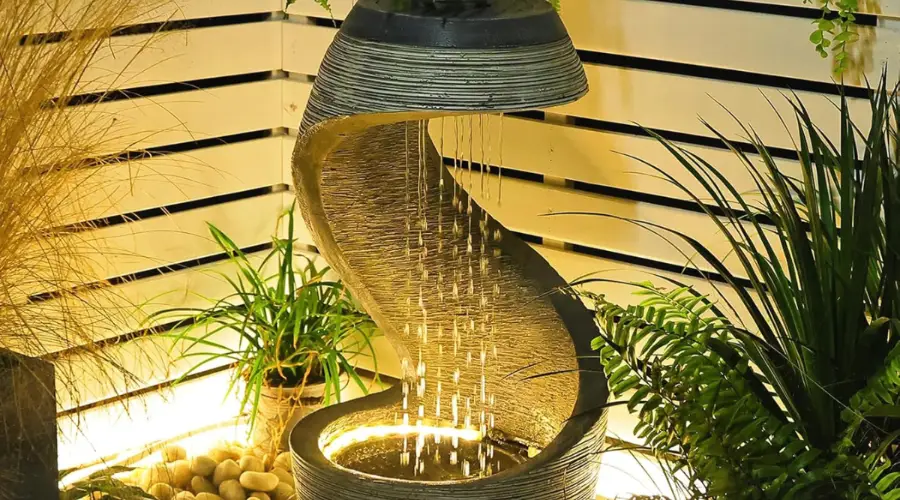
Water Fountains and Aquariums: Placing small water objects in the northeast direction is believed to bring money and positive impacts to the home. You can plan for an aquarium or small water fountain; however, it should be cleaned often to keep it free from stagnant water or dirt.

Items to Place in the Kubera Corner - Water Fountains and Aquariums

Grow Money Plants: Grow the plants like jade or money plants, which might attract wealth and prosperity to the residence.

Grow Money Plants

Improving Wealth and Prosperity Through Kubera Vastu

By applying specific Vastu principles, you can enhance the flow of wealth, positive energy, and prosperity inside the living or working space. This is not a big deal; just keep the area clean and place the impactful things, like the Kuber Yantra, plants, or cash almirah.

Closing Thoughts

It may be a living space or working office, people wish to improve the wealth and money flow through the Vastu Shastra principles. One among them is the Kubera corner, which has been quite sensitive since ancient times. By following the aforementioned rules and steps, you can bring the positive impact and wealth to the residence.

FAQs

1. Is there a specific day or time to set up the Kubera corner?

There is no specific time or day to set up the Kubera corner; however, these days are best to consider:
1. Dhanteras
2. Full Moon Nights
3. Tuesdays and Thursdays

2. Can the kubera corner face any direction?

Whether it is a home or office, the northeast direction is generally considered to be a Kubera Corner, and some may follow the center-north direction. Based on the belief of individuals, they follow the vastu principles.

3. What colors are suitable for the Kubera Corner?

You can enhance the flow of money and prosperity in your home through color options that are auspicious for the Kubera corner.
1. Green: Symbolises harmony, growth, and abundance
2. Yellow: Associated with intellect, prosperity, and optimism
3. Gold: Indicates wealth, luxury, and abundance.

4. Can the Kubera corner be set up in any room?

No, the Kubera corner can adapt to any room, but ensure you are choosing the northeast direction. It may be a home or working space, maintaining it neat and clean.

5. What items should be placed in the Kubera Corner?

Here are some items you can consider placing in the Kubera corner, such as:
1. Image of Lord Kubera
2. Kuber yantra
3. Money plant
4. Cash locker
5. Green or gold decorative items
6. Laughing Buddha
7. Crystal bowl with coins

Erosion – Causes, Effects, & Solutions Control in Construction

0
erosion

One of the key concerns in construction projects is erosion control, as it varies in cause and severity. Each situation requires a tailored solution to protect new structures, preserve construction sites, and minimise environmental impact.

Contractors are continuously innovating with new methods, and manufacturers develop advanced materials to fight erosion. This blog covers erosion control and both common and advanced techniques for effective management of the same on construction sites. Read more to learn about it!

What is Erosion in Construction?

During the construction of any building or structure, soil, rocks, and other materials are moved around because of the activities related to construction. This can also happen naturally through wind or water. Human activities like excavations and gradings may even lead to soil erosion. The debris cleared off the surface is prone to erosion of soil. The increase in soil erosion may result in disturbing the vegetation as well as degrading the soil quality. So, the contractors have to implement some types of erosion preventive measures in favour of the environment and in favour of the constructed structures.

Causes of Erosion on Construction Sites

You must understand why erosion occurs in construction. The factors that contribute to erosion on construction sites include the following: 

  1. Compaction of Soil

Due to the presence of massive machinery and equipment on the construction sites for excavation purposes and other reasons, sometimes soil compaction takes place. 

  1. Removal of Vegetation

Pre-construction work includes clearing the site of debris, including trees, bushes, and grass. This may also cause soil erosion.

  1. Lack of Erosion Control Measures
Lack of Erosion Control Measures

Sometimes the failure to implement erosion control measures during construction may also result in erosion.

  1. Effect of Construction Activities on Water Flow Patterns

Construction activities can change natural water flow patterns. If water is not properly directed, it can accumulate and create areas more susceptible to erosion. This is often seen in urban areas, where improper water management during construction can lead to flooding on construction sites.

  1. Disruption of the Current Drainage System

Construction may require modifications to existing drainage systems, such as culverts and underground pipes. If these changes are not properly implemented, they can disrupt the current drainage system.

Effects of Erosion on Construction

Construction erosion can have severe effects, even when it just affects the immediate surroundings. Filling and grading are examples of activities that degrade soil quality, cause erosion, and harm the ecosystem.

The following are a few risks associated with erosion from construction sites:

Deterioration of soil quality

In urban areas, the biggest on-site damage is loss of topsoil, caused by wind and water erosion or removal by heavy machinery. The highest levels of organic matter, biological activity, and plant nutrients—all essential elements of healthy soil—are found in this soil layer. The natural capacity of the soil to supply nutrients, control water movement, and fight off pests and disease is all but eliminated when this top layer of soil is lost on-site.

To control landslides, slope-retaining construction is being done.

Water Contamination

Construction-related erosion has an impact on and off-site. Erosion leads to two forms of water pollution: sediment and nutrients that are harmful to aquatic systems.

A surplus of nutrients, such as phosphorus and nitrogen, can cause eutrophication. When these nutrients lead to excessive plant growth, the ecosystem’s equilibrium is upset.

Water that is opaque or turbid due to sediment discharge is unable to receive sunlight. Plant growth is harmed by this decrease in photosynthesis. Fish, plants, and other aquatic life are impacted when photosynthesis is reduced because it lowers oxygen levels.

Strategies for Erosion Control

On building projects, effective site management and planning are essential to stopping soil erosion. Effective design preserves the environment, minimises soil disturbance, and maintains natural water flow. Construction teams can reduce the danger of erosion and practice responsible construction by taking these actions. Here are some key steps to consider:

Site Analysis: Pay close attention to the site’s features such as the soil, landform, and water movement. This directs planning and aids in identifying erosion hazards.

Maintaining Natural Features: When possible, preserve existing vegetation, trees, and natural drainage systems. These characteristics support soil stabilisation and ecosystem maintenance.

Reduce Disturbance: Carefully consider construction plans to prevent causing harm to delicate places, such as steep slopes or wetlands. This lessens the amount of grading and excavation that can cause erosion.

Design for Appropriate Drainage: Configure the area to preserve the water’s natural flow. Create spaces like swales to filter and slow down water, reducing erosion.  

Erosion Control During Breaks: To avoid soil damage from wind or rain, employ erosion control techniques even during construction breaks.

Stockpile Management: To stop rain or wind from causing runoff, keep building supplies out of the way of waterways and cover them.

Preserve Vegetation: To safeguard the soil, plant or reseed disturbed areas. For erosion control, use plants with extensive root systems.

Manage Runoff from Stormwater: Utilise stormwater management strategies, such as rain gardens or permeable surfaces, to prevent erosion and maintain pure water in the area.

Frequent Examinations: Make sure erosion control methods are effective by checking them frequently. Resolve any problems as soon as possible to stop soil erosion.

Implementing Erosion Control Measures

Here, we shall examine seven critical concepts on implementing effective erosion control techniques, to provide useful insights that go beyond the basics.

Install Erosion Control Measures

To effectively halt runoff and stabilise the soil, use silt fences, erosion blankets, and sediment barriers right away.

Strategically Plan the Site

With careful site planning, reduce soil disturbance and preserve natural drainage patterns. In order to control water flow and avoid concentrated runoff, proper grading is essential.

Conserve and Restore Plant Life

If at all possible, keep the current vegetation or temporarily remove it while development is underway. To stabilise the soil and stop erosion, replant or reseed disturbed areas as soon as possible.

Maintain Slope Stability

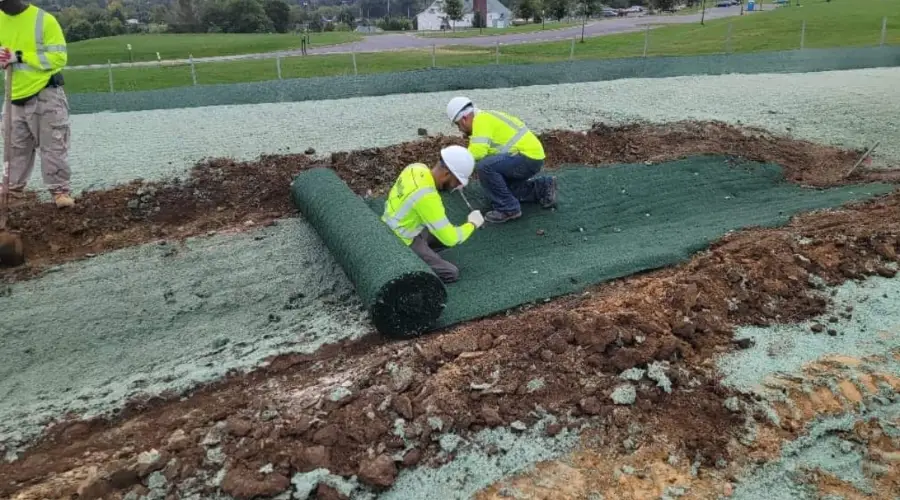
Slopes can be secured with geotextiles, matting, or erosion control blankets. Incorporate plants with deep roots to offer stability and prevent soil movement.

Maintain Drainage Systems

Drainage systems should be routinely inspected and maintained to avoid erosion and water accumulation. Make sure there are no obstacles in any of the drains or culverts.

Reduce the Compaction of Soil

To lessen soil compaction and increase permeability, use heavy machinery sparingly and choose low-ground-pressure equipment.

Advanced Erosion Control Techniques

Some advanced erosion control techniques can be used by construction teams to prevent soil erosion effectively as follows:

Turbidity Barriers

Turbidity barriers shield water sources from pollution and aid in halting soil erosion. They consist of a water-resistant fabric curtain and a flotation boom and are constructed from floating geotextile membranes that are secured with weights. These simple-to-use barriers, also known as floating turbidity silt curtains, aid in sediment containment during construction.

French Drains

French drains direct surface and groundwater to exit points via perforated subterranean pipes. These devices divert excess water while allowing it to sink into the soil. Appropriate drainage is guaranteed by a small slope of 1 inch every 10 feet.  Project management software increases installation efficiency.

Mechanically Stabilised Earth (MSE) Walls

With alternating soil and reinforcement material layers, MSE walls are sophisticated retaining walls. They are a popular option for tall structures because of their advantages, which include high load capacity, flexibility, seismic resistance, and faster installation.

Articulated Concrete Blocks (ACBs)

Interlocking concrete blocks create ACBs, which include erosion-resistant systems. These blocks create protective coverings for places like boat ramps and drainage ditches that are vulnerable to erosion. They are adaptable to different terrains and long-lasting.

Geotextiles

Geotextiles stop erosion and increase soil stability. Before building roads, pipelines, or embankments, these textiles are utilised. They are also useful tools for soil reinforcement since they help with drainage, filtration, and separation.

Soil Nails

Soil nails are steel bars inserted into the ground to stabilise slopes and prevent erosion. To give the appearance of a retaining wall, they are capped at the surface. This easy-to-install technique works well on difficult terrain.

Techniques for Dust Control

Dust control is crucial in areas prone to air and water pollution. To control dust and reduce wind erosion, the use of silt barriers, misted water, and polymer additives is practiced.

Riprap

In order to stop soil erosion on slopes or unstable locations, riprap entails piling big stones. This technique works well for safeguarding lakeshores and riverbeds and is frequently used in combination with geotextiles.

Inflatable Dams

An affordable substitute for earthen dams and sandbags is inflatable water dams. They provide superior water control and are simple to install, adapting to site boundaries.

Conclusion

As it can negatively impact the environment and other ecosystems, soil erosion is a major concern on building sites. However, construction teams can reduce the danger of soil erosion and encourage responsible construction practices by putting in place efficient prevention and mitigation measures.

How to Fix Spalling Concrete – Causes, Prevention, & Repair

0
how to fix spalling concrete

Every building construction includes typical planning and designing to ensure its overall durability and longevity. Unfortunately, even the most carefully curated construction can also lead to a commonly occurring challenge known as concrete spalling. It is crucial to take this into consideration to avoid creating costly issues on the concrete surfaces. If you’re not aware of this condition, read this article. This is about what concrete spalling is, its causes, and preventative tips.

What is Spalling Concrete?

Concrete spalling is a common condition that occurs when the surfaces are about to crack, chip, or break off. It’s not a natural occurrence; this is due to underlying structural issues. This phenomenon is characterised by the disintegration of concrete surfaces, leading to significant damage if you fail to provide proper maintenance and repair.

Concrete spalling is a big example of compromising the structural integrity when you build with concrete. It may be up to 150 mm or more in diameter and at least 25 mm in depth.

Why Is It Important to Fix It?

Early identification of concrete spalling prevents the occurrence of many serious concerns. Here are the reasons:

Structural Integrity: Spalling has the potential to weaken the concrete surface, which compromises its overall structural integrity. When the outer layer of concrete peels away, it exposes rebar to moisture and other contaminants, leading to cracks and corrosion. It further causes potential damage to the structure.

Reliability: Concrete spalling accelerates the deterioration process, resulting in more significant damages from environmental factors like acid rain, freeze-thaw cycles, and de-icing salts. Ultimately, you may want to avoid compromising the overall lifespan of the structure.

Safety Hazards: Spalling creates sharp edges and loose pieces of concrete, which are hazardous to vehicles and people using it. Such falling debris can cause serious problems, like uneven surfaces and injuries.

Aesthetic Appeal: Imagine a structure with uneven concrete surfaces visible cracks. Undoubtedly, it creates a negative impact on the overall property value and aesthetic appeal of the building.

Causes of Spalling Concrete

These are the primary causes of spalling concrete:

  • Reinforcement corrosion is a significant reason, resulting in water and oxygen penetration inside the concrete surface. It weakens the rebar and allows rust to expand throughout the concrete, causing it to spall and crack.
  • A poor concrete mix design with an excessive range of water-cement ratio or insufficient cement content can also create concrete spalling.
  • The alkali-silica reaction in the cement causes expansion and cracking in the concrete.
  • Improperly constructed joints are also a significant factor behind joint spalls.
  • Pouring low-quality concrete over the reinforcing steel causes spalling.

Step-by-Step Guide to Fix Spalling Concrete

Below are the steps involved in repairing the spalling concrete. Hiring a professional concrete contractor is advisable to execute this process efficiently.

Assess the Damage: Identify the size and depth of the damaged area to plan for the solution accordingly. You can determine it through the signs of cracks, corrosion, or other issues that may contribute to discovering the appropriate underlying causes.

Prepare the Area: Clean the existing loose concrete using a hammer, chisel, or other suitable tools to thoroughly remove the dust, debris, and other contaminants. Using handy tools like a wire brush or power washer is recommended.

Apply Bonding Agent: Once the surfaces are cleaned, apply the bonding agent according to the manufacturer’s instructions. Ensure the newly poured concrete is adhered to the surface properly.

Fill the Spalled Area: It is paramount to choose the right mortar or concrete mix for your specific application. To ensure a smooth and uniform finish, proper concrete compaction and consolidation are key.

Cure the Repair: Allow the repaired area to cure completely. You can use either a curing compound or plastic sheeting to cover the specific area, preventing rapid drying and further damage.

Tools and Materials Needed

These are the tools and materials you will need while handling spalling concrete:

  • Safety gear like gloves, dust masks, and safety glasses.
  • Chisel and hammer to remove the loose concrete.
  • Wire brush or power washer to clean the surface thoroughly.
  • Mixing bucket and trowel for proper mixing and applying of repair materials over the surface.
  • Putty knife for smooth repairs.
  • Plastic sheet for curing the repaired area.
  • Measuring tape to measure the area to be repaired.
  • Repair mortar or concrete mix suitable for the specific application.
  • Bonding agent to create adhesion between old and new concrete.

Common Mistakes to Avoid

Some common mistakes that may occur during the concrete spalling. Being aware of these points will help you avoid problems:

  • Inadequate removal of loose concrete may weaken the bond between new and old concrete, causing the repair to fail prematurely.
  • Choosing inappropriate repair material will not fit specific applications properly; it may lead to various damages.
  • Inadequate curing can significantly reduce the repaired concrete’s strength and durability.
  • Determining the underlying causes of concrete spalling will likely lead to recurring problems.
  • Severe or complex spalling issues require professional guidance to prevent further costly mistakes to the structure.

Preventive Maintenance Tips

By following the given tips, provide assistance preventing concrete spalling. Let’s have a look at them:

  • Conduct a regular inspection to identify early  signs of spalling, like surface flaking, discoloration, or small cracks. It helps prevent further damage and can repair it easily.
  • Pay close attention to the areas that are highly exposed to harsh weather conditions like chemical spills or de-icing salts.
  • Most importantly, using high-quality concrete mix can ensure the structure’s strength and durability.
  • A proper curing of concrete is a way to achieve its maximum strength.
  • You can use sealants or protective coatings to prevent chemical attack and moisture penetration.

Closure Lines

Concrete spalling is a common cause, yet it can be avoided easily. By using quality concrete mix and proper care, you can prevent the surfaces from severe damage and ensure the longevity of the structure. In this article, you have been provided with the causes and tips to prevent the spalls. Make use of this information in the right way to ensure the strength and durability of the structure.

Blistering – Causes, Prevention, and Effective Solutions

0
blistering

Concrete professionals have different views on why fresh concrete sometimes develops blisters, especially in cooler weather.

Unlike skin irritations, concrete blisters are small, hollow bumps on the surface. While they are usually small, about the size of a dime or up to an inch wide, they can sometimes grow as large as three inches depending on the circumstances.

Let us explore the causes of blistering and their prevention strategies to help you understand what blistering is all about.

What is Blistering?

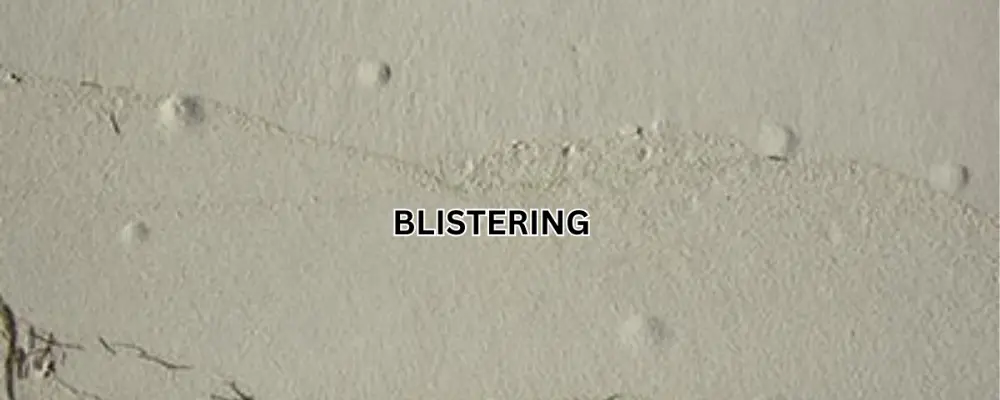
Blistering occurs when air gets trapped under the surface. This occurs when the surface seal, created during finish troweling or by a rapidly setting concrete surface, prevents the air from escaping. As a result, the trapped air forms blisters under the sealed surface.

Why it occurs:

Blisters form when bleed water or trapped air bubbles rise through the concrete but cannot escape the surface. This often happens when the surface is sealed too early during finishing, trapping air and water beneath the mortar layer. While blisters can appear shortly after finishing, they may be hard to spot in low light. Often, they become noticeable only after the concrete has cured and the blisters break open under traffic pressure.

Causes of Blistering in Concrete

Even though blisters frequently result in concrete delamination, it’s crucial to prevent the formation in the first place. After the surface hardens, it is typically challenging to fix this flaw as well as other kinds of concrete flaws. Typical elements consist of:

Excessive Evaporation of Bleed Water

When this occurs, the concrete still releases bleed water and trapped air even when the surface looks ready for final finishing. It’s a serious issue when the environment around you goes through:

  • Low humidity, 
  • High wind speeds, and/or 
  • High ambient temperatures.

Entrained Air

Entrained air, whether intentionally added or present in higher-than-normal amounts, significantly reduces both the amount and speed of bleed water in the concrete. This reduction can make the concrete appear ready for floating and finishing sooner than it is, but proceeding at this stage can lead to premature finishing and potential quality issues.

Cohesive or Sticky Concrete

This circumstance typically occurs when the sand has an excessive amount of particles or cementitious elements, which results in less bleeding and a slower rate. When the air content in the concrete is lower, bleed water rises to the surface more quickly, completing the process in a shorter time. However, if the total amount of bleed water is higher overall, it takes longer for all the water to evaporate, which delays the start of the finishing process.

Prematurely Applying Dry Shake

Premature application of dry shake materials often happens when working with air-entrained concrete. This is because the reduced bleed water caused by the entrained air can make the surface appear ready for dry shake application earlier than it is.

Placing the Slab on an Impervious Base

Placing a concrete slab on an impervious base, such as a vapour retarder, can contribute to blistering because the impervious layer prevents bleed water from escaping downward. The bleed water is pushed upward to the surface instead. If the surface of the concrete sets or hardens too quickly due to finishing or environmental conditions, the trapped bleed water and air below the surface can create pressure. This pressure may cause blisters to form as the surface layer is lifted slightly, resulting in imperfections.

Prevention Strategies for Blistering

Some preventive measures are to be taken to avoid blistering as follows:

Proper Finishing Techniques

Work quickly to place, level, and bull-float the concrete, taking care not to create a thin layer of mortar on the surface. During the first floating, keep the float blades flat to avoid hardening the surface too soon. When using a machine trowel, make sure the blades are properly balanced, and fix any surface flaws with a hand trowel.

Timing of Finishing Procedures

Finish the concrete only when it’s ready. After the first bull floating, wait for the surface to release bleed water naturally before moving to the next step. In cooler weather, you can use accelerating admixtures or heated concrete to speed up the process and prevent blistering. Make sure to leave enough time between troweling passes for the best results.

Use of Appropriate Tools

For the first step, use a magnesium hand float to smooth the concrete. If you have enough time, go over the surface twice with the float to improve the finish. When using a machine trowel, start with flat blades during the first pass to evenly smooth the surface. As you move the machine, ensure each pass overlaps the last one by about half the machine’s width. After using the trowel machine, if you notice any bumps or rough areas, use a hand trowel to smooth them out and achieve a more polished, even finish.

Avoiding Premature Sealing of Surface

Avoid sealing the surface too early, as this traps air and bleed water, leading to blisters. Protect the surface with coverings, such as polyethylene, to prevent evaporation. In high evaporation conditions, test a small section to check for bleeding before proceeding with finishing.

Solutions for Existing Blisters

If you are worrying about your existing blisters, the following solutions will help you to get rid of blisters. These procedures work well to remove existing blisters and enhance the concrete surface’s general condition.

Flattening Trowel Blades

When finishing, use a trowel with flat blades to avoid sealing the concrete surface too soon. This helps reduce blister formation and prevents the surface from becoming too dense too quickly.

Using a Wood Float

During the finishing process, surface sealing can be decreased by using a wood float instead. By improving ventilation for trapped air and bleed water, wood floats help prevent blisters from forming.

Delaying Further Finishing

If there are indications of premature sealing or quick setting on the surface, stop further finishing work. To guarantee adequate curing and prevent air or moisture from being trapped beneath the surface, allow the concrete to stabilise before proceeding.

Protecting Surface from Rapid Evaporation

To keep the concrete sufficiently moist and prevent evaporation, cover it with polyethylene or apply a fog spray. By doing this, the surface is kept from drying too quickly, which could cause scaling and sealing.

Conclusion

It’s crucial to employ the right finishing procedures, ensure there are sufficient curing conditions, and let the concrete adequately bleed and set before finishing in order to avoid blistering. You may reduce the chance of blistering and create a smooth, long-lasting concrete surface by being aware of the causes and taking preventative measures.

Bevel in Construction – Types, Uses, and Bevel Benefits

0
bevel

Achieveing a precise, detailed, functional, durable, and elegant space in construction is essential. However, in most cases, people have to sacrifice between looks and functionality. That’s where beveling plays a major role, providing a perfect balance between the two. This blog explored what a bevel is in construction, types, importance, advantages, and applications.

What is a Bevel in Construction?

A bevel in construction refers to a sloped or angled surface that is created by cutting and grinding materials. It is generally applied to the edges using wood, metal, or concrete to make it a more functional and aesthetically pleasing surface.

Types of Bevels in Construction

Plain Bevel

It is the basic bevel type that is created by cutting an edge at an angle (other than 90 degrees) to the adjacent surface. This type of bevelled surface is highly durable and is most commonly used in carpentry applications, specifically at the edges of furniture, frames, or trim.

J-Prep Bevel

As the name suggests, this level has a J-shaped cross-section, and is typically used for butt welding two materials are joined along a straight line. This beveling type provides better penetration and strength in welded joints and provides a channel to accommodate welding materials more effectively.

J-Prep with Back Bevel

J-prep with a back bevel typically differs from J-prep, as it compliments both the J-prep and a back bevel to improve penetration and access. It provides strength, penetration, and load-bearing capacity, and is typically suitable for welding applications.

Compound Bevel

A compound bevel is a blend of two complimentary angle surfaces on each edge. This beveling is most commonly used in woodworking and metalworking applications, to make it more aesthetically appealing with complex shapes.

Compound J-prep with Back Bevel

It is another complex beveling process that combines compound, j-prep and back bevel, providing multiple angles and slopes. It improves the joining strength, penetration, and load-bearing capacity, making it suitable for welding applications to achieve desired shapes and dimensions, reducing the risk of stress or failure.

Applications of Bevels in Construction

Countertops and Surfaces

Bevel edges enhance the appearance of kitchen countertops with a sleek and modern look. They also help in reducing the risk of chipping, ensuring durability, and making it easy to maintain by facilitating water drainage and reducing dirt accumulation.

Doors and Windows

Bevel edges provide a polished look, making the door and window surface suitable for smoother operations and reducing the friction at the edges. The angled edges of doors and windows not only improved functionality but also improve the aesthetic look.

Flooring

Beveling the floor surfaces is most commonly used in laminating tiles or hardwood flooring. It creates an illusion of large spaces and helps hide minor imperfections in installation. 

Furniture Design

Bevel edges are primarily engulfed into furniture designs to add more elegance and comfort. These edges are most commonly used in dining tables, coffee tables, cabinets, and other functional furniture applications, ensuring durability.

Welding

Bevel edges play a crucial role in welding applications, providing the necessary strength, larger bonding surfaces for joints, and improved structural applications.

Advantages of Bevel Edges

  • Using bevel edges in construction reduces the stress in components by eliminating the sharp edges, reducing the risks of wear, tear, and other damages.
  • beveling helps in the easy alignment of components, reducing the complex assembling of parts.
  • It helps in deeper penetration and ensures better fusion and strong joints, making it suitable for high-quality and strong welding.
  • The bevel edges enhance the overall design with a more modern and sleek look, making it suitable for both residential and commercial spaces.
  • The angled edges enhance safety by reducing the risk of injury caused by sharpened edges.
  • They reduce the occurrence of chipping and damage in glass and ceramics, thereby maintaining the structural integrity for a long time.
  • Surfaces with bevel edges are easier to clean with improved water drainage and reduce the accumulation of dust and stains.

Considerations When Implementing Bevel Edges

Material Selection

The choice of material plays a major role in impacting the beveling process. Different materials react to the beveling method uniquely, affecting the durability and aesthetic quality. It is crucial to choose the right materials that are suitable for achieving the desired finish and application.

Angle of Bevel

Bevel angles vary from one structure to another, and it is essential to identify the appropriate bevel angle for the edges. A steeper angle improves visual appeal but affects durability. On the other hand, shallow angles are more durable but could affect the looks. Balancing both functionality and aesthetics is the key to having an effective design.

Cost Implications

The implementation of bevel edges could increase the overall costs due to the need for specialized materials, and labour. It is essential to allocate the budget accordingly for the beveling proces.

Machine Capabilities

The machines used for implementing beveling should have proper spacing to cover the entire beveling edges, to ensure error-free and delay-free work. Any limitations in machinery or spacings inadequate for beveling affect the quality and functionality of the surface.

What is the Difference Between Bevel and Chamfer?

What is the Difference Between Bevel and Chamfer?
BevelChamfer
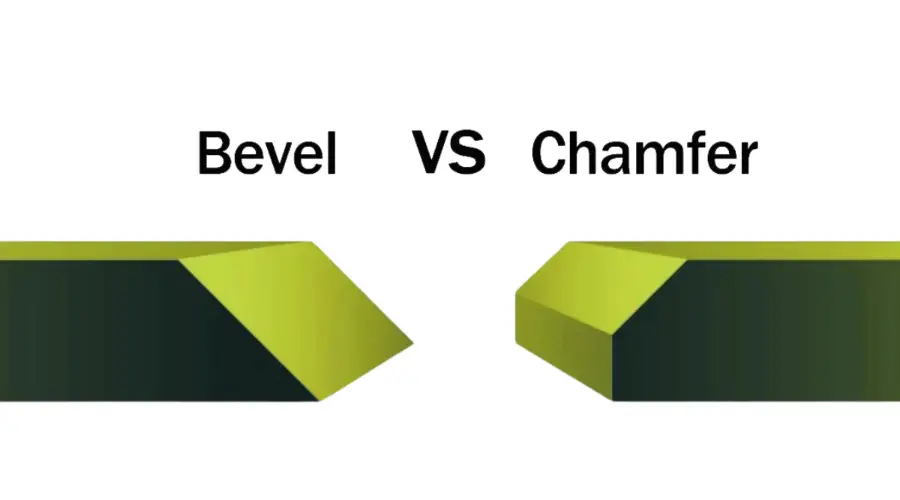
A bevel is a sloped or angled edge that cuts the corner of a material at a varying sloppy angle, other than 90 degrees.Chamfer is a type of bevel cut that has a straight and uniform cut, most commonly at a 45-degree angle.
The main purpose of implementing beveling is to join materials and improve strength and aesthetics.The main purpose of using chamfer is to enhance safety, easy assemby, and serve decorative purposes.
It is most commonly used in carpentry, welding, stair treads, and trimming works.It is primarily used for metalworking, furniture, and shaping door and window frames.
Beveling edges are sloping and gradual in angle.Chamfer edges are straight and uniform in angle.

How to Create Bevel Edges?

For Woods

  • A table saw or mitre saw is used to create the required bevel angle in wood. 
  • Adjust the blade of the table saw at an appropriate angle, based on the requirements.
  • Place the wood horizontally on the table and feed it into the saw to cut the desired angle.
  • After cutting the edges, a power sander or hand planer is used to smoothen the surface.
  • If needed, wood stain and varnish can be applied to protect the surface and provide aesthetic looks.

For Stone and Tile

  • Mark the angle that needs to be cut on the stone or tile surface.
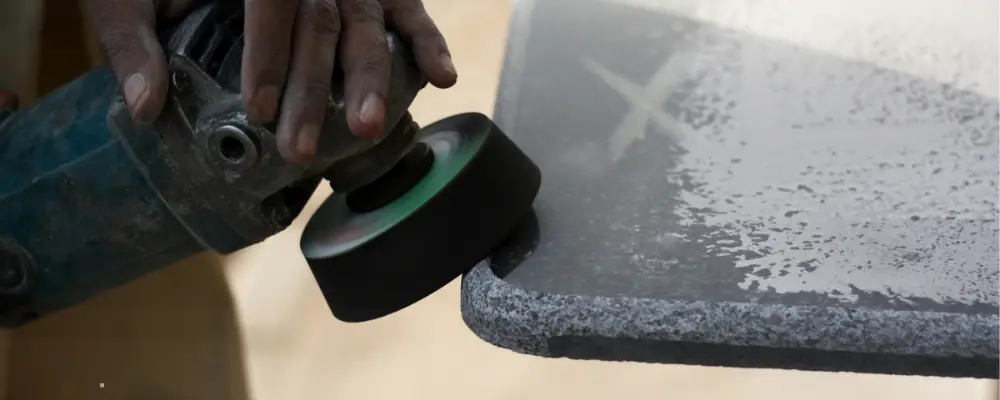
  • An angle grinder with a diamond blade or hammer and chisel can be used to cut the required angle carefully.
  • Polishing pads can be used to achieve a smoother and elegant-looking surface.

For Glass

  • A glass beveling machine or a specialised hand tool can be used to cut the bevel glass piece.
  • Carefully set the glass piece in the machine and adjust the angle of the runner appropriately.
  • Feed the glass edge through the machine to create a smooth bevel without causing any chips or cracks. 

Conclusion

Beveling is a crucial concept in construction that provides an angled, smooth surface. It gives a blend of elegance and functionality by using various materials and settings. It enhances the safety, durability, and aesthetics of the space, and is used for a variety of applications, from kitchen countertops and floorings to furniture, doors and window surfaces.

Addendum – Uses, Examples, Limitations & Legal Consideration

0
Addendum

An addendum is an extra document that is not part of the main contract. It is usually created and signed after the main contract and includes additional terms, obligations, or information. In this article, we will explore the comprehensive guide for addenda in contracts that helps you to understand what addenda are and their use cases.

What is an Addendum?

An addition to a contract that changes its terms and conditions is called an addendum. The terms and conditions of many different kinds of contracts can be effectively updated with addenda.

An addendum is there to modify, qualify, or even rescind a portion of the main document. It could be as simple as extending the contract dates or as complex as changing the deliverables and payment schedules.

Uses of Addendum in Legal Documents

Addenda are legal documents that may be required to modify or clarify an agreement or lease. An addendum is created when the parties involved in the original agreement sign it to make changes or provide further clarification. If something was overlooked during the initial drafting but now needs to be included, an addendum can be added. It can be attached to contracts, leases, or deeds of sale.

Addenda serve to address evolving aspects of an agreement or contract. They can be used for various purposes, such as adjusting prices, altering payment terms, changing delivery dates, or updating payment methods. They may also refer to prior agreements to offer clarification or fill in gaps that have emerged over time.

When to use addenda?

Standard legal addenda are used for contracts involving long-term projects where changes are expected over time. This type of addendum allows you to outline the changes that should be made during the project. It can clarify how these changes impact the project’s scope and budget. Addenda also help track agreed-upon price changes at various stages, such as in a rental agreement.

Examples of Addendum in Legal and Permit Contexts

There are several situations in which an amendment to a contract may be utilised. Let’s examine a couple of them.

Addendum for Real Estate Transactions

Addenda are used in real estate transactions to alter an initial lease or purchase agreement. The signed lease or purchase agreement typically has an addendum that details the financing conditions and the need for a property inspection.

The real estate industry frequently uses addenda. Addenda offer details on matters and items not covered in the original draft of the agreement that a prospective home buyer and seller negotiate, which is commonly known as the purchase and sale agreement. Information that is pertinent when employing contingencies, including the buyer’s capacity to secure appropriate financing or a real estate-owned (REO) home sold as-is, is defined in the addenda.

Addendum for Construction Permits

In construction, an addendum is a formal document added to the original contract to include changes or additions to the project. Adjustments could be on the scope of work, materials, or project schedules. The need for addenda often arises from unforeseen situations during the construction process, such as changes in building codes or delays in the acquisition of permits.

Addenda play an essential role in preserving clarity with all stakeholders. Through appropriate documentation of the modifications, they help prevent misunderstandings or disputes. Thus, the project should be done smoothly and timely.

Steps to Draft an Addendum

It is essential to draft a successful addendum to guarantee parties’ alignment, enforcement, and clarity. When writing an addendum, keep the following important stages in mind:

1. Recognising the parties and the original contract

The complete legal names of each party to the original contract should be stated clearly. Add the date the original agreement was signed as well as their respective positions (e.g., buyer/seller, service provider/client). For convenience, it’s also a good idea to include a title or summary of the original contract.

2. Clearly outlining the addendum’s goal

Whether the addendum adds new clauses, clarifies ambiguities, or changes existing ones, explain why it is necessary. Giving a concise justification promotes cooperation between the parties.

3. Explaining proposed adjustments and their reasons

Give a thorough explanation of each suggested modification, mentioning the original agreement’s impacted terms or sections. Give explanations for the modifications, such as changing requirements or conditions.

4. Replicate the original contract’s language

Try to keep the text, formatting, layout, font size, and style as close to the original contract as you can. This guarantees that the addendum is regarded as equally significant and pertinent.

5. Evaluate and negotiate

Engage in a comprehensive review process with all involved parties, including legal advice if required. Get the addendum contract signed by the authorised representatives of each party following the review and negotiation procedure. Electronic signatures are now the most practical and secure method of signing an addendum. 

Legal Considerations When Using Addenda

Creating a clear and legally valid addendum is important to avoid problems later. Before getting everyone’s agreement, keep these points in mind:

  1. Making the Addendum Valid
    Make sure the changes or additions do not go against the original contract. Also, check if the addendum follows the laws and regulations for your business or the type of contract being updated.

To make the addendum stronger, include details like:

  • Effective date change.
  • Any “force majeure” conditions (events outside anyone’s control).
  • A section for all parties to sign and date the document, either on paper or electronically.
  1. Getting Signatures and Approval
    For the addendum to be valid, everyone involved must sign it. Signing shows that all parties understand and accept the updates. This process might involve holding meetings or getting approval from co-owners, shareholders, or other stakeholders.

Limitations of Addenda

When an addendum is created, implemented, or relied upon in a contract, limitations in the addenda relate to the boundaries or constraints that may emerge. Such constraints could consist of:

Inconsistency with the Original Terms

There may be misunderstandings or disagreements if the addendum conflicts with the terms of the original contract. To prevent invalidation, the addendum must be consistent with the original agreement.

Non-compliance with the law

The addenda must abide by all relevant laws and rules. If legal standards are not followed, the addendum may not be enforceable.

Language Ambiguity

The parties involved may have different perceptions or misunderstandings if the addendum is poorly written or confusing.

Not Getting the Right Consent

Only when all parties agree and sign an addendum does it become legally binding. Changes may be nullified if agreements or signatures are missing.

Restricted Changes

Addenda are only intended for particular additions or adjustments; they cannot completely alter the contract. It is better to draft a new contract if significant changes are required.

Problems with Enforceability

Without precise information, dates, or stipulations, an addendum might not stand up in court.

Implementation Delays

Late project additions may cause delays or issues, particularly if the addendum contains substantial revisions.

Excessive Use of Frequent Changes

An excessive number of addenda might reduce the original contract’s overall clarity by making it difficult to maintain and read.

Effect on Other Contracts

If a modification is made to one contract, it may unknowingly alter other contracts, creating more problems.

Absence of Legal Professional Review

Addenda may contain errors or omit crucial legal concerns if they are not properly reviewed by a lawyer, which would compromise their legitimacy.

Conclusion

Addenda are documents added to original contracts to change the terms and conditions. They can be used to update standard contracts, make changes due to new situations, or reflect a new agreement between the parties. Once an addendum is signed, it replaces the original terms it modifies.

Tile Popping – Causes, Prevention, and Fixing Techniques

0
Tile popping

Tiles have become one of the most essential elements of construction due to their aesthetic values, and durable and levelled flooring surface. It is mandatory to have a smooth and levelled flooring surface. However, tile popping is something that is very common and affects the structural integrity of a building. This blog will help you understand what tile popping is, with certain tips and tricks to have a durable tiled surface.

What is Tile Popping?

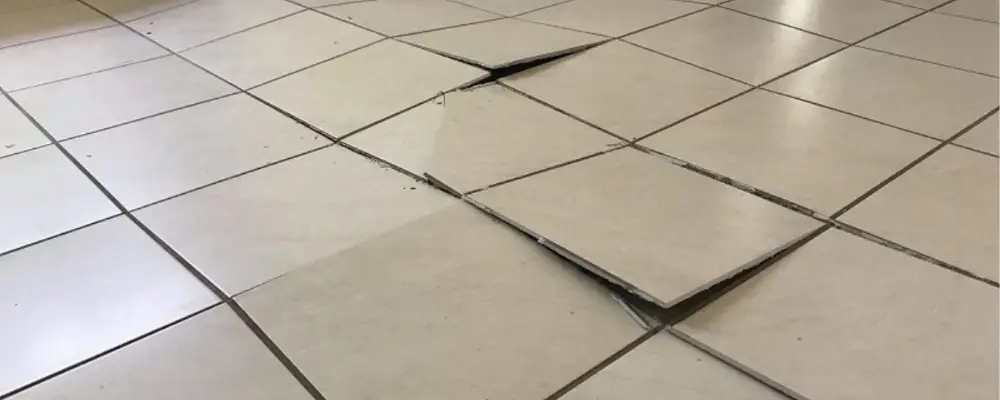
Tile popping is a common issue in tiled surfaces. In this issue, a tile or a bunch of tiles loosens itself from the substrate layer and pops out, creating a noticeable gap and bulge. In some cases, the tile will completely detach from the substrate, affecting the structural integrity and creating a hazardous surface.

Common Causes of Tile Popping

Inadequate Adhesive Coverage

If the mortar application is insufficient or not uniform throughout the tile surface, it creates a weak bond with the substrate, resulting in tile popping over time. A thin layer of adhesives, improper mixing or poor mortar spread, are some root causes of tile popping.

Substrate Preparation Issues

If the substrate is not properly cleaned, smoothed, or levelled before the tile installation, it creates poor bonding and uneven stress, causing the tile to loosen or pop up.

Moisture Intrusion

Moisture has a major impact on tile bonding and can adversely impact the structural integrity. Excessive moisture weakens the adhesives and grout, causing the tile to loosen. Improper waterproofing and dampness in the subfloor before installation, causes tiles to pop up.

Thermal Activities

Extreme temperature fluctuations can cause the mortar to contract and expand, which can cause tiles to crack or pop out of place. Thermal activities causing tile pops are pretty common in outdoor areas.

Poor Quality Materials

Using low-quality adhesives or grouting materials can cause poor bonding with the subfloor, causing long-term popping or failure. On the other hand, using low-quality tiles that have defects and imperfections can cause them to pop or crack.

Impact or Stress

When the tile surface is subjected to heavy loads or traffic, particularly in sloping areas, it can be vulnerable to popping or cracking in tiles or substrate.

How to Avoid Floor Tiles Popping Up?

Substrate Preparation

Ensure that the substrate is thoroughly cleaned and levelled to correct uneven surfaces and provide optimal bonding. Any moisture content in the substrate should be cleaned and coated with damp-proofing layers to enhance adhesion.

Use High-Quality Materials

Use high-quality tiles, mortar, grout and other adhesive materials for durable installations. It is necessary to ensure that the adhesive and grouts are suitable for specific tile applications and conditions.

Address Substrate Movement

Provide expansion joints to adapt to the natural movement and prevent stress buildup. To strengthen the substrate and minimise movements, reinforcement materials can be provided.

Sufficient Curing

Provide sufficient time for curing the adhesive and grout to achieve the necessary physical properties before heavy use and exposure to moisture. The curing time differs depending on the types of tiles and grouting materials used. It is recommended to follow the manufacturer’s instructions.

Regular Inspection and Maintenance

It is mandatory to have regular inspections of the tiled surface to address any issues at the early stages. Perform regular maintenance tasks, especially by resealing the grouting lines and repairing the cracked tiles to ensure structural integrity.

How To Fix Popping Tiles?

Inspect the Severity of Damage

It is necessary to assess the severity of tile popping by identifying the underlying factors. This can be done by checking the affected areas of damaged tiles. The severity of displacement and structural damage need to be addressed.

Remove Popped Tiles

After initial inspection, carefully remove the popped tiles from the substrate, and clean the surface using residual adhesive for a clean and smooth reinstallation.

Repair Tiles

Check the substrate for issues related to uneven surfaces, cracks, or moisture damage that caused the tiles to pop from the surface. Fix the surface issues before replacement to prevent the recurrence of the problem.

Replace Tiles

After preparing the substrate, the popped tiles should be replaced with new ones of the same size, style and material. Apply a fresh layer of mortar to the substrate surface and press the tiles firmly into place by aligning them with the surrounding tiles.

Grout and Seal

After the adhesive is completely cured, the tile joints are sealed with grouts using a float. Allow the grout to cure, based on the manufacturer’s instructions. Apply a sealer to protect the tile from moisture and stains.

Conclusion

Tile popping is one of the most common problems in tiled surfaces. Popping of tiles affects the structural integrity and requires regular maintenance. However, understanding the preventive measures and addressing the issues efficiently can help improve durability and resilience. Using the right quality materials, proper substrate preparation, and maintenance is key.

FAQs

1. What are the immediate steps to take when a tile pops up?

The immediate steps you need to take after spotting tile pops is to inspect the severity of the damage, and the potential root cause behind it. In minor cases, the tiles can be reinstalled with fresh mortar. In case of multiple pops, consult a tile installer to repair and replace the popped tiles.

2. Can tile popping occur in newly constructed homes?

Yes, tile pops can occur in newly constructed homes if the installation is poor, excess load is placed on the surface, or if the tile experienced thermal expansion or compaction.

3. How can I differentiate between tile popping and other tile issues?

You can differentiate tile popping from other issues by performing certain physical inspections and simple tests. If the tile produces a hollow sound, has an uneven subfloor, weak adhesive bonding, or experiences heavy foot traffic, thermal fluctuations, or moisture attacks, tile popping is the major issue. Other conditions than this can be caused due to other issues.

4. Is tile popping more common in certain climates or regions?

Yes, climatic conditions play a major role in causing tile popping. Exposure to very hot or cold climatic conditions causes the substrate surface to expand or contract, resulting in the lifting of tiles.