Home Blog Page 5

Apartment vs Independent House – Key Differences Explained

0
Apartment vs Independent House

Unlike in earlier days, the choice to buy a home is not limited. Whether you are planning to buy or construct a home, everything is feasible with improved facilities. Right now, people are confused about the terms such as independent house or apartment.

Identifying the best among them is not a big deal when you are clear with your requirements. However, understanding the key differences between both the terms allows you to make an informed decision. In this article, you will learn the significance of apartments and independent houses in detail. Let’s have a look at them:

What is an Apartment

Apartment

Apartments or flats are the most common form of property, valued for their enhanced protection, contemporary looks, in-house maintenance facilities, and modern-day amenities. This can be an excellent choice for self-use or renting the property and investment purposes, requiring lower maintenance. When it comes to customisation, you will be restricted by certain regulations. Beyond self-use, apartments can be a good investment option with higher rentals.

What is an Independent House

Independent House

An independent house or villa is a standalone property, offering complete freedom and ownership to a particular person. You will be free to choose the design and architectural style for both indoors and outdoors, which makes them ideal for people who value privacy. But these individual homes come with higher maintenance costs and responsibilities. If you are not ready to compromise on your privacy and desire a quieter environment, an independent house can be an ideal choice.

Comparison Factors

Some of the significant factors are compared below to give you an idea. Read to know before making a decision.

ParametersApartmentIndependent House
Added AmenitiesOwning a flat or apartment comes with added services like security, water, electricity, etc., which often includes shared amenities like clubhouses, swimming pools, and gyms.An independent house typically requires additional investment to arrange, manage, and maintain all the required facilities on your own.
Buying CostFor apartments, the contractor or builder will take care of all legal formalities, as the homeowner just needs to pay the appropriate price. The cost of buying is far lower than that of buying an individual house.In general, the cost of an individual house is higher than the cost of an apartment, as it includes property value, labor cost, materials, legal formalities, and other extra amenities.
Bank LoanAcquiring a loan for the flats or apartments is pretty easy and trouble-free, as the contractors will also have ready tie-ups with the banks.However, for an individual house, the bank will scrutinize the lenders based on your repayment capacity. It is a very time-consuming and complicated process.
SpaceFlats are constructed in common areas, offering a limited space and flexibility to the buyers compared to an independent house.An independent house provides ample space and privacy for both indoors and outdoors with greater customization freedom.
LocationApartments are usually planned in urban areas, providing easy access to transportation like workplaces, education, or avenues for recreation.Individual villas or houses can be identified in both urban and suburban areas, including a wider range of options and facilities.
Privacy & Safety24/4 security comes by default when you are purchasing a flat. Due to common areas and shared walls, you need extra care and attention for your properties.Independent houses, on the other hand, do not have security features like an apartment. Instead, you need to arrange security on your own accord.
Under Construction PropertyIf you are planning to buy an under-construction property, everything from scratch will be taken care of by the builder and contractor.If it is an independent house, your involvement needs to be from plot buying to registration.
Time PeriodTime delays may be caused by various reasons; however, the contractor will take responsibility for completing it within the desired deadline.When you are directly involved in the construction process, the time limit is practically in your hands.
Maintenance CostApartments have shared amenities, as they typically have lower maintenance costs.Due to its larger property size, homeowners need higher maintenance costs for all repairs and management.
Resale ValueFlats have restricted freedom and facilities. The resale value is not so much higher than the individual house due to some significant factors like age, location, and market conditions.An independent house has a higher resale value, offering more privacy and freedom than apartments.
CommunityFlats have shared spaces with a minimum of 1000 to 3000 families. So you have a lot of chances and scope to develop interpersonal relationships with neighbours.You might find peace and privacy in an individual house, but you may be declined in social interaction.

Who Should Choose an Apartment?

An apartment is a great choice for people who have the following needs:

  • Compared to individual houses, apartments have lower upfront and maintenance costs, suitable for people who prefer affordability.
  • Easy access to public transportation, shops, entertainment, and restaurants.
  • Apartments have enhanced security features, offering peace of mind.
  • They offer extra amenities like pools, community spaces, and gyms, which improve your lifestyle and health.
  • Shared spaces provide a chance for social interaction and allow for maintaining a healthier relationship with the public.

Who Should Choose an Independent House?

Independent houses fit the people who value:

  • Freedom and privacy without common areas or shared walls.
  • The ability to design and customize living space from interior space to landscaping.
  • People can enjoy the outdoor space with a garden, private yard, or patio for relaxation.
  • Enhanced flexibility for pet owners without any restrictions exists in apartments and flats.

Final Lines

The decision between an individual house and an apartment varies from one another. It can be influenced by certain significant factors like family size, budget, lifestyle preferences, and location. Understanding the key differences between these concepts helps you make informed decisions.

FAQs

1. Which is better for investment: an apartment or an independent house?

From an investment perspective, independent houses have higher resale value with greater appreciation and customization options. However, the factors like location, cost, and individual investment play a crucial role in making the best choice.

2. Do apartments appreciate in value as much as independent houses?

Generally, independent houses are recognized more than apartments, but there are some exceptions, such as location, building quality, and market condition. Property values can significantly vary due to the changes happening in real estate markets.

3. What are the hidden costs of owning an independent house?

Independent houses have some hidden expenses beyond the initial investment, such as:
1. Maintenance and repair cost
2. Property taxes
3. Home insurance
4. Utilities
5. Landscaping and exterior maintenance
6. Security upgrades
7. Neighbourhood association fees


Soil Exploration – Objectives, Methods, Stages & Importance

0
Soil Exploration

Constructing safe, durable, and quality buildings is the utmost requirement for every construction project. As most people rely on the quality of building materials, the soil exploration phase often goes unnoticed or becomes underrated. It is the unsung hero of every successful construction, helping to design safe, secure, and long-lasting buildings and infrastructure projects. This blog explores soil exploration, its objectives, importance, stages, and techniques.

What is Soil Exploration?

Soil exploration is the process of inspecting the subsurface soil to determine the composition, structure, and characteristics within the surface area. It collects and documents the necessary information that is crucial in designing and constructing a safe and stable structure. It also cautions against potential problems and hazards that may arise in the future.

Objectives of Soil Exploration

Determine Soil Properties

It provides the necessary physical and engineering properties of the soil, such as load-bearing capacity, compressive strength, permeability, and more. This is crucial for designing the foundation and other structural elements.

Determine Groundwater Table

It helps determine the groundwater table of the place and the surroundings, which has a significant impact on the design and construction of foundations, retaining walls, and other load-bearing structures.

Identify Potential Problems

It determines the potential problems or hazards that could affect the structural integrity. Problems related to unstable soil, high water table, and the presence of contaminants are some of the most common problems identified. Early identification of these issues can help mitigate risks and develop appropriate solutions.

Choose Foundation Types

It is essential to determine the type of foundation based on the soil conditions to ensure stability and longevity of the structure. It provides the data required for designing the foundation and other structural components.

Identify Soil Improvement Techniques

The determination of soil conditions helps in identifying improvement techniques to provide necessary compaction, stabilisation, and reinforcement to improve the soil’s physical properties and functionality.

Methods of Soil Exploration

Geophysical Surveys

This process involves various techniques to understand the soil subsurface characteristics without affecting the soil conditions. The geophysical surveys are conducted using techniques like seismic refraction and electrical resistivity methods.

  • Seismic Refraction: It uses seismic waves to detect soil layers and their properties.
  • Electric Resistivity: It measures the soil’s resistance to electrical currents to estimate the compaction of soil and water content.

Tools such as seismic sensors, geophones and electrodes are some of the commonly used tools in geophysical surveys.

Open Trial Pits/Trenches

Open trial pits or trenches can be dug for soil exploration to analyse soil visually, sample, and perform in-situ testing. It is used for shallow structures where boring is not applicable. Backhoes, shovels, trowels, and other sampling tools are used to perform this soil exploration method.

Subsurface Soundings

Subsurface soundings are the techniques used to investigate the subsurface area to determine the soil properties.

  • Standard Penetration Test (SPT): SPT is the process of driving a split-spoon sampler into the soil using a hammer. During the process, the number of blows taken to drive the sampler is noted to measure the resistance and density.
  • Cone Penetration Test (CPT): CPT is the process of inserting a cone into the soil to get real-time measurements that analyse the resistance, shear strength, friction, and soil stratigraphy.

Boring and Sampling

It is the common method of exploring soil beneath the ground surface by extracting samples and testing them at the laboratory. There are numerous boring methods.

  • Auger boring: It is the process of drilling holes and extracting soil samples from the site. It is typically used in shallow soil layers.
  • Percussion boring: It uses a heavy, drop bit to break the soil and obtain samples. It is generally used for deep drilling.
  • Rotary boring: It is used to bore through hard and dense materials. This method is used for drilling with mud.

Stages of Soil Exploration

Site Reconnaissance

It is the visual inspection process on the construction site and the surrounding area that collects necessary information and data about the topography, vegetation, and neighbouring structures, and helps plan suitable soil exploration methods. The site reconnaissance also analyses the existing records and mapping for a better understanding of the site’s history and topography.

Preliminary Site Exploration

Preliminary tests and inspections are conducted at this stage to understand the physical characteristics of the subsurface. Testing the soil samples and performing in-situ tests, such as the Standard Penetration Test, Cone Penetration Test (CPT), or boring test isconducted during this stage. This preliminary exploration is usually conducted for smaller projects for light structures, highways, and airfields.

Detailed Site Exploration

Detailed Site Exploration

This is an in-depth investigation of the construction site conducted based on the information obtained from the preliminary exploration methods. Numerous field tests such as vane shear tests, plate load tests, laboratory tests, and compressive tests are conducted to have a thorough understanding of the subsurface conditions. This detailed and advanced method is generally used for complex and exceptional engineering projects like dams, bridges, skyscrapers, etc.

Documenting Report

Based on the tests and observations done in the previous stages, a complete and comprehensive report is prepared. The report consists of real-time data that helps structural engineers and architects design the foundation and other structural components of the project. The report consists of

  • Description of the site and its surroundings.
  • Geological and hydrological conditions of the site.
  • Soil exploration methods and tests conducted.
  • Comprehensive results of field and laboratory tests.
  • Recommendations for the foundation design and suitable construction techniques.

Importance of Soil Exploration

  • It helps in designing suitable construction methods by ensuring the safety and long-term stability of the structure.
  • By assessing the soil conditions, the potential risks can be mitigated, and a suitable construction method is chosen. This helps in optimising the overall construction cost and reducing the cost spent on expensive repairs.
  • Through a comprehensive geotechnical approach, the potential hazards and risks can be predicted, and the appropriate risk mitigation strategies can be implemented to reduce the likelihood of property damage.
  • Soil exploration can help in designing and constructing structures based on the local building codes and ensuring regulatory compliance.

Conclusion

In summary, soil exploration is more than just a preliminary stage in construction. It is the most crucial process behind every successful construction. It provides information about the soil’s characteristics, strength, and potential future risk factors. The real-time information collected through sampling and tests helps the engineers and architects execute suitable construction practices, ensuring safety and sustainability.

What is Shingles on Roof – Types, Benefits & Tips

0
what is shingles on roof

It doesn’t matter whether you are constructing a new roof or planning to replace your old one; understanding the roofing types will help you make an informed decision. Weighing their pros and cons might allow you to choose the appropriate one that fits your changing requirements. If you are the one reading this article with confusion about finding the right roof type, then leave your worries behind. We are going to discuss the most familiar roof type, known asshingles, ruling the industry for over two decades.

The following article covers what roof shingles are, their types, advantages, and maintenance tips.

What Are Roof Shingles?

Roof shingles are a popular material widely used in India and the United States. They are thin, overlapping piece that cover the entire roof of a building. They come in different materials like plastic, slate, wood, metal, asphalt, or composite materials. They act as a waterproof barrier that keeps you and your family dry and comfortable all the time. Beyond functional characteristics, roof shingles are also serve as a decorative element.

Types of Roof Shingles

Roof shingles provide various options to choose from; each has its own set of features and advantages.

Asphalt Shingles: Asphalt roofing is an excellent choice for residential buildings, primarily due to its variety and cost-effectiveness. They have been available in diverse styles and colours, making them suitable for different structural needs. They are easy to install and maintain, providing an average lifespan of 25 to 30 years. To make the roof durable, manufacturers compress the layers of fiberglass, granules, and tar.

Asphalt Shingles

Clay Tile Shingles: Clay tile has been a popular choice for centuries, valued for its visually striking appearance and durability. If you would like to transform your space into something more classic and luxurious, then this can be the best choice. They need low maintenance and also fire resistant. Compared to other options, this type might be expensive and require additional structural support.

Metal Shingles: Metal shingles are strong and offer a modern look to the entire space. It combines the strength of a metal to provide enhanced longevity and performance in harsh climatic conditions. They are energy-efficient, fire-resistant, and durable. Metal shingles come in multiple colours but may cost more than asphalt shingles.

Wood Shingles: Wood shingles on a building offer a rustic, natural look because they are made from materials like cedar. It seems naturally beautiful and delivers exceptional sustainability. More than its visually appealing appearance, they become a natural insulator. Unlike other options, they need more maintenance and have a shorter lifespan.

Wood Shingles

Composite Shingles: They are made from synthetic materials and are lightweight, easy to install, and resistant to algae growth, fire, and other impacts. To make them cost-effective, they are often made from recycled materials.

Advantages of Using Roof Shingles

Here are the lists of advantages that you can avail yourself of through roof shingles:

Economical: One of the primary reasons to prefer roof shingles is the price tag. For people who would like to go with the most economical option, this is a perfect choice. With no compromises in performance and quality, you can install at the best possible price.

Easy Installation: The installation of roof shingles is not so challenging. By hiring experienced and skilled contractors, you can avoid unnecessary complications and extra labour costs.

Quick Repairing: Replacing or repairing the roof shingles is not uncommon. It is quite an easy and quick process. Unlike other roofing styles, it is not expensive if you choose the right contractor.

How Are Roof Shingles Installed?

The installation of roof shingles is a multi-step process and is explained as follows:

  • Roof preparation is the primary step involved in the installation process. It helps ensure the roof deck is dry, clean, and level before starting work.
  • Starter strip installation is the second step to create an even and straight edge.
  • You ned to lay the first layer of shingles over the starter strip using roofing nails according to the manufacturer’s instructions.
  • To prevent water penetration, a flashing is installed, which is a thin and flexible metal sheet around vents and chimneys.
  • Once the installation is successfully completed, remove the dust and debris deposited over the roof.

Maintenance and Longevity

Roofing is a crucial section that needs to be maintained periodically according to the manufacturer’s instructions to improve its performance and longevity. Let’s have a look at the maintenance tips:

  • Inspect your roof twice a year to identify any damages that happen due to heavy storms or winds. It helps you find damaged tiles, shingles, or leakages early.
  • Remove leaves, branches, or other debris deposited over the roof, which may cause damage and water penetration.
  • It is advisable to trim the branches and trees nearer to the roof section. It ensures safety and prevents unexpected damage.
  • Choose a qualified roofer to improve its performance and longevity.

Common Issues and Repairs

These are some common issues and repairs you may encounter with your roof shingles.

  • The causes, such as long heat exposure, age, and poor ventilation, influence shingles to curl upwards at the edges.
  • Inadequate ventilation or excess moisture content can cause blistering on the shingle surface.
  • Severe damages like cracks or breaks may happen due to age and extreme temperature fluctuations.
  • It is advisable to replace missing shingles with alternatives to protect the roof from water penetration.

Cost of Roof Shingles

The cost of roof shingles can significantly vary based on several factors like type of shingles, location, labour cost, and quality. However, it typically ranges from Rs. 60 to 200 per square foot. You can consult one or two manufacturers to compare the cost and quality to make an informed decision.

Choosing the Right Shingles for Your Home

If you are planning to renovate your roof with shingles, consider your personal preferences, architectural style, and budget. The changing requirements can significantly vary from one another. If cost and versatility are your primary concerns, you can confidently go with the appropriate shingle type.

Final Thoughts

Opt for shingles if you are looking for an option with flexibility and cost-effectiveness. Before starting work, you can consult professionals to discuss your expectations and possibilities. This may give an idea to aim for the best outcome at the best possible price.

FAQs

1. How long do roof shingles last?

The shingles can typically last for 15 to 30 years; however, it depends on the type and quality. If your location has changing climate and weather conditions, your choice needs extra care and attention.

2. Can I install shingles on my own?

While there are possibilities to install shingles yourself, it is not generally recommended for some reasons, such as:
1. Safety
2. Proper installation needs specialised knowledge.
3. It may void the manufacturer’s warranty.
4. You may make mistakes in the cost of materials and tools.

3. What are the most durable types of roof shingles?

These are the roof types recommended when durability is the primary concern:
1. Metal Shingles
2. Clay or concrete tiles
3. Asphalt shingles

4. How can I tell if my roof shingles need replacement?

Here are some key signs mentioned that tell you your roof shingles need replacement:
1. Missing, curled, or cracked shingles
2. Age
3. Leakage
4. Algae growth
5. Granule loss

Bamboo Reinforcement – The Eco-Friendly Alternative

0
Bamboo Reinforcement

Steel is commonly used in construction, but growing concerns about energy and the environment are driving the search for non-polluting materials that use less energy. Efforts are being made to develop alternatives from waste or fibers. As industries face the energy crisis, people often choose materials based on price and quality. However, a lack of technical knowledge and awareness of local materials leads to the use of industrialised materials. Bamboo, with its high tensile strength and relatively lower specific weight than steel, is becoming an attractive alternative.

Let us explore the importance, applications, properties and other information about the bamboo reinforcement used in construction practices.

What is Bamboo Reinforcement in Construction?

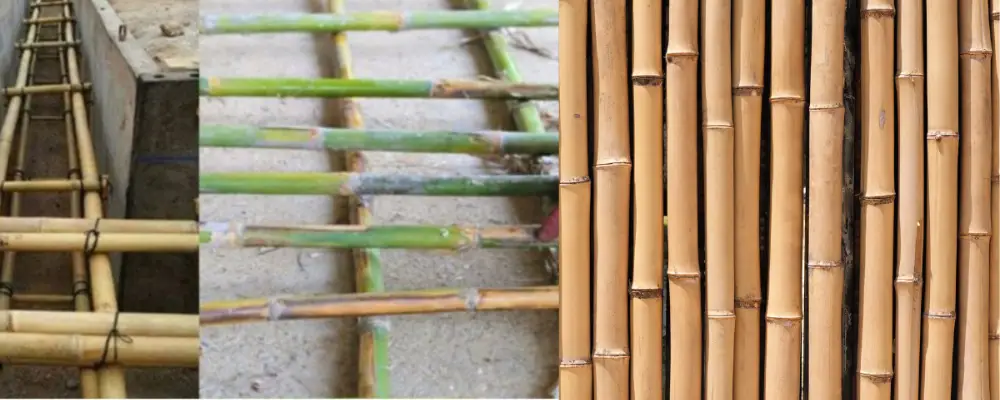
With the use of bamboo in place of steel, the design, mix ratios, and construction methods are similar to concrete using steel reinforcement. In medium-to-large projects, bamboo as a natural material has been used in construction for formwork, scaffolding, and building shelters among many other uses. With its reinforcement property, bamboo is known as an excellent building material as it is renewable, biodegradable, energy efficient, and environmentally friendly.

Importance of Bamboo Reinforcement 

  • Strength and Durability

With its remarkable strength-to-weight ratios, bamboo, sometimes referred to as “green steel,” is a potent substitute for materials like concrete and steel. Bamboo fibres may match steel in strength when treated properly, giving buildings a strong frame.

  • Environmental Impact and Sustainability

Due to its rapid growth and low energy and resource requirements, bamboo is an environmentally friendly material. It is a sustainable option for building because it grows well in a variety of conditions. Building projects have a less negative environmental impact when bamboo is used.

  • Flexible and Lightweight

Bamboo is simple to handle, transport, and install. Its adaptability enables innovative design possibilities, and because of its capacity to absorb energy and improve structural robustness, it is particularly helpful in seismically active regions.

  • Cost-Effectiveness

In comparison to conventional materials, bamboo is more affordable. Construction projects can save money by using it because of its low production costs, widespread availability, and convenience of use. It also helps to lower labour expenses.

  • Cultural Importance and Involvement in the Community

Bamboo has cultural value in many places, and its use in construction ties contemporary projects to regional customs. By exchanging information and expertise about bamboo building techniques, it also encourages community involvement.

  • Standards and Regulatory Assistance

Bamboo is becoming more widely accepted as a building material by governments and organisations, and guidelines are being developed to guarantee its appropriate use. This assistance contributes to the safety and quality standards of bamboo-reinforced constructions.

Application of Bamboo Reinforcement

Bamboo, despite challenges in durability and dimensional stability, has found several practical applications in construction.

  1. Crack Control in Concrete Slabs

Small bamboo splints can replace crack control reinforcement in concrete slabs. These slabs are designed to remain uncracked or allow controlled cracking, making bamboo a viable option.

  1. Light Cement Bamboo Frame (LCBF) Panels

Bamboo is used in Light Cement Bamboo Frame (LCBF) panels, also known as bahareque construction. This technique involves a bamboo or metal lath wall matrix nailed onto a bamboo frame, which is then plastered with cement or lime mortar. Recognised under ISO 22156 standards, this method is suitable for structures with low wall stress.

  1. Masonry Construction

Bamboo splints are also used in masonry reinforcement, especially in hollow-core masonry for non-seismic environments, offering an alternative to traditional materials.

  1. Engineered Bamboo Composites

Heat-treated, densified bamboo composites have shown promise for concrete reinforcement due to their high strength. Additional processing and materials may affect their sustainability.

How to Select Bamboo for Construction?

These criteria can be used to choose bamboo for reinforcement.

  • Colour and Age: Use bamboo that has a noticeable brown hue. This indicates that the bamboo is at least three years old.
  • Diameter: Use specimens with long, large culms for diameter.
  • Harvesting: Bamboo harvested in spring and summer should be used.
  • Species: You have carefully researched and experimented on the bamboo, which you selected out of 1500 bamboo species for being a reinforcing material.

Properties of Bamboo When Compared to Steel

Bamboo and steel exhibit significant differences when used as reinforcement materials in concrete, influencing their applications and performance.

  1. Elasticity and Brittleness

Unlike steel, which is ductile and allows for greater engineering flexibility, bamboo is elastic and brittle, limiting its allowable stress in structural applications. This makes bamboo less suitable for seismically active regions or statically indeterminate structures that rely on the ductility of steel for safety.

  1. Tensile Modulus and Strength

Bamboo’s tensile modulus (7.5–13 GPa) and strength (around 40 MPa) are considerably lower than steel, which impacts its load-bearing capacity. Its high moisture content (12%) further reduces its design strength to about 16 MPa, requiring careful consideration for serviceability, such as deflections and crack control.

  1. Anisotropic Nature

Bamboo’s anisotropic properties create challenges in compatibility with concrete. Its coefficient of thermal expansion (CTE) varies significantly between longitudinal and transverse directions, affecting composite bonding and dimensional stability. Treatments are often necessary to minimise moisture absorption and improve performance.

  1. Durability

While bamboo is resistant to corrosion, unlike steel, it is vulnerable to degradation in high-alkali environments and under hygrothermal conditions common in concrete. Bamboo is also prone to termite and fungal attacks, especially in moist conditions, and lacks sufficient protection against rot, even with waterproof coatings.

  1. Environmental Considerations

Despite its drawbacks, bamboo’s resistance to corrosion and renewable nature makes it an environmentally appealing option in specific contexts, though its performance limitations must be carefully addressed in the design.

Concrete Mix Proportion for Bamboo Reinforcement Concrete

Concrete reinforcement materials must have specific qualities to ensure the structure performs well under load. Just like steel, bamboo should undergo quality control, with its strength values evaluated and manufactured to precise proportions.

Bamboo’s ability to reinforce is determined by its strength, thickness, and texture, all of which differ among species. For reinforced concrete to be tough and durable, the water-cement ratio plays an important role. As it is a natural product, the water absorbed can swell the bamboo. This could be minimised by maintaining the minimum possible water-to-cement ratio for bamboo-reinforced concrete. It is also recommended that high early-strength cement is used to reduce the cracks created by the swelling of bamboo.

As reinforced concrete does not affect the compressive strength of concrete, a concrete mix similar to that used for reinforced steel can be made for reinforced bamboo.

Steps for Implementing Bamboo Reinforcement

The procedures for using bamboo reinforcement in buildings are as follows:

1. Choosing the Right Bamboo Species

For reinforcement, choose bamboo species that have the proper strength, pliability, and durability. It’s crucial to select the species that best fits the project’s particular requirements because different species have different traits.

2. Treating the Bamboo

To increase its longevity, shield it from moisture, termites, and fungi, and guarantee its stability in concrete, bamboo must be treated. Soaking, chemical preservation, and heat treatment are common treatment techniques.

3. Concrete Mix Design

Create a concrete mixture that takes bamboo’s special qualities into account. This can entail making sure the mix has high early-strength cement to prevent cracking and modifying the water-to-cement ratio to minimise bamboo swelling.

4. Preparing the Reinforcement

Before being inserted into the concrete, bamboo reinforcement needs to be chopped, shaped, and pre-assembled into the appropriate shape. For the bamboo to be strong and aligned correctly throughout construction, this step is essential.

5. Using Bamboo to Make Concrete

Before the concrete is poured, insert the bamboo reinforcement into the formwork. If bamboo is positioned correctly and firmly attached to the concrete structure, it can be used in place of conventional steel reinforcement.

6. Concrete Pouring and Curing

After covering the bamboo reinforcement with the concrete mix, let it cure. Make sure the concrete reaches the strength required for the proposed structure throughout the curing phase.

7. Monitoring and Testing

Check the bamboo-reinforced concrete’s structural soundness once it has dried. Keep an eye out for any indications of the bamboo swelling, cracking, or absorbing moisture, and adapt as needed for upcoming tasks.

8. Maintenance

To ensure bamboo-reinforced structures last, inspect and maintain them regularly. Address issues like moisture or damage quickly to extend the reinforcement’s lifespan.

Conclusion

Finding more ecologically friendly uses for concrete throughout its life cycle is crucial as its demand continues to grow. Bamboo-reinforced concrete aims to reduce waste during production and recycling. More research is required for using bamboo as a composite material for construction. While most companies still use traditional concrete, bamboo concrete is more eco-friendly and has many advantages over regular concrete. 

Prefabricated Wall Panels – Revolutionizing Construction

0
Prefabricated Wall Panels

Prefabricated wall panels are building products made off-site and assembled on-site. They are constructed using standardised measurements and materials, enabling fast installation. Depending on the intended look, strength, insulating properties, and fire and moisture resistance, among many other reasons, these panels can be made of different materials and are suitable for a wide range of places, from hospitals and hotels to private houses.

In this article, you will learn the advantages of using prefabricated wall panels as well as the factors and difficulties that you should consider in choosing the best option for your project.

What are Prefabricated Wall Panels?

Different portions of the walls that can be constructed under a controlled environment with exact measurements are termed prefabricated wall panels. According to their intended usage, a manufacturer has to expertly design, measure, cut, and assemble each piece without any damage. These wall panel components are manufactured in a setting where each portion has to be produced in a controlled environment, rather than being framed and constructed on the construction site. After production, the panels are then transported to the construction site for further installation processes. 

Manufacturing Process of Prefabricated Wall Panels

Prefabricated wall panels employ high-quality materials such as sheathing, engineered timber, and dimensional lumber. They have been assembled in a controlled atmosphere at a separate production centre to guarantee a high-quality product. The time and energy required to construct wall panels on-site can be saved by producing them in this controlled environment around the clock.

Some businesses may use professionals who have been carefully educated to use the newest technology to enable simplified manufacture, delivery, and installation of every prefabricated wall panel in addition to offering a superior product that is economical and saves time on projects.

Properties of Prefabricated Wall Panels

Because of their dependability and efficiency, prefabricated wall panels are frequently utilised in construction. Important characteristics include:

  • Sturdy: Designed to endure and withstand challenging circumstances.
  • Accurate: Featuring smooth finishes and exact measurements.
  • Insulated: Make sure there is adequate sound and heat insulation.
  • Adaptable: Capable of fitting many finishes, sizes, and designs.
  • Eco-friendly: Use sustainable products and cut down on waste.
  • Cost-effective: Quicker production and installation save time and money.
  • Lightweight and strong: Very strong but simple to install.
  • Enhance building safety by making it fire-resistant.
  • Stay strong throughout time by being resistant to moisture and pests.
  • Easy to Install: Faster building thanks to pre-made components. 

Benefits of Using Prefabricated Wall Panels

Prefabricated wall panels offer utility to every building project, be it residential or commercial. The benefit of using a prefabricated wall panel lies in its ability to enable the building project to meet tight deadlines and expenditures. Since panels are built to specifications according to a particular job, construction professionals do not have to rely on wasted material, shortages, and weather delays. Additional benefits of wall panel components include:

  • Allowing construction to continue without interruption.
  • Respecting strict budgets
  • Providing a high level of durability and quality
  • Accurately designed wall panels
  • Making the workplace safer
  • Ensuring a smooth and rapid installation
  • Cutting down on project waste
  • Assisting in the fight against labour shortages in building projects

Applications of Prefabricated Wall Panels

The following uses for prefabricated wall panels are very advantageous:

  • Building with multiple families
  • Construction of new homes
  • Garage additions to homes
  • Stables, barns, and additional outbuildings

Installation of Prefabricated Wall Panels

Prefabricated wall panel installation is a simplified procedure that drastically cuts down on labour expenses and construction time. This is a detailed tutorial on the standard installation procedure:

1. Site Preparation

A survey needs to be conducted to make sure the installation location is stable and level. To support the panels, a strong foundation is needed. Depending on the project, a concrete slab or footing is typically used for this.

2. Panel Delivery: 

Off-site production of prefabricated panels is followed by their transportation to the construction site. Larger or heavier panels may require specific transporting techniques, and the panels are usually transported in bulk. Based on their size and weight, panels are carefully unloaded and staged for installation using forklifts or cranes.

3. Lifting and Positioning

Cranes or other heavy machinery are used to raise large panels into place. It is possible to raise smaller panels by hand or with mechanical support. The panels are set and aligned as per the architectural plan. A great deal of care is taken to ensure that the panels fit exactly into their assigned locations.

4. Securing the Panels

The panels are bolted, screwed, or welded to the foundation or existing structures. Joints are sealed to avoid moisture or air leakage, and gaskets or sealants are applied for a secure fit.

5. Bond Strengthening

Additional reinforcements, for example, in the form of steel brackets or reinforcement bars are added to fortify the bonds between panels. Temporary braces will sometimes be installed to support panels while permanent bonding is made to secure the entire structure.

6. Finishing Sealing Gaps: 

Gaps between the panels and surrounding surfaces are sealed for tightness and weather resistance. Finishing treatments like painting, texturing, or cladding are applied based on the panel type (concrete, steel, or composite). 

7. Inspection and Quality Check

The final examination is carried out to ensure that the panels are firmly in place, properly aligned, and free of installation flaws. The strength and durability of the installed panels are verified to ensure they can support the planned loads and environmental factors.

8. Final Touches:

After panel installation, additional work like plastering, painting, and insulation may be done. Plumbing, electrical wiring, and other utilities are also installed as needed.

Cost Analysis of Prefabricated Wall Panels

This simple comparison table shows the differences in price for prefabricated and traditional wall panels in India. Keep in mind that these prices may fluctuate based on region, quality of materials, and specific needs for the project.

Prefabricated Wall Panels OR Traditional Wall Panels
S.NoCost FactorPrefabricated Wall PanelsTraditional Wall Panels
1Material Costs₹450 – ₹700 per sq. ft.₹300 – ₹500 per sq. ft.
2Labour Costs₹100 – ₹150 per sq. ft.₹250 – ₹400 per sq. ft.
3Installation Costs₹50 – ₹100 per sq. ft.₹150 – ₹250 per sq. ft.
4Transportation Costs₹10 – ₹20 per km (for bulk delivery)₹5 – ₹15 per km
5Project Duration (per sq. ft.)30-50% faster installationStandard duration
6Maintenance (Annual)Low (minimal upkeep)Medium to High (depends on material)
7Energy Efficiency SavingsHigh (insulated panels)Medium (depends on material)
8Customisation Costs₹100 – ₹300 per sq. ft.₹50 – ₹100 per sq. ft.

Conclusion

Prefabricated wall panels have revolutionised commercial construction by making the building process easier. Their benefits include faster construction, consistent quality, reduced waste, and improved environmental sustainability. They also offer architectural flexibility and enhance safety on building sites. In fact, this adaptability has clear benefits for building owners as well as developers and builders, who stand to earn enormously.

What is Zero Slump Concrete – Features, Uses & Benefits

0
What is Zero Slump Concrete

While there are different types of concrete for various purposes, zero-slump concrete is often preferred among constructors. It is a highly dense and stiff mixture with less flowability. This prevents any unnecessary movements between materials, providing enough strength to the structure to withstand heavy loads. Its characteristics make zero-slump concrete stand out from other concrete types. Its uniqueness makes it an irrefutable choice in high-performance construction applications. If you still can’t figure out the role of zero-slump concrete in the construction sector, this article will answer all your questions. Who knows, it may become your preferred product in your dream projects.

What is Zero Slump Concrete?

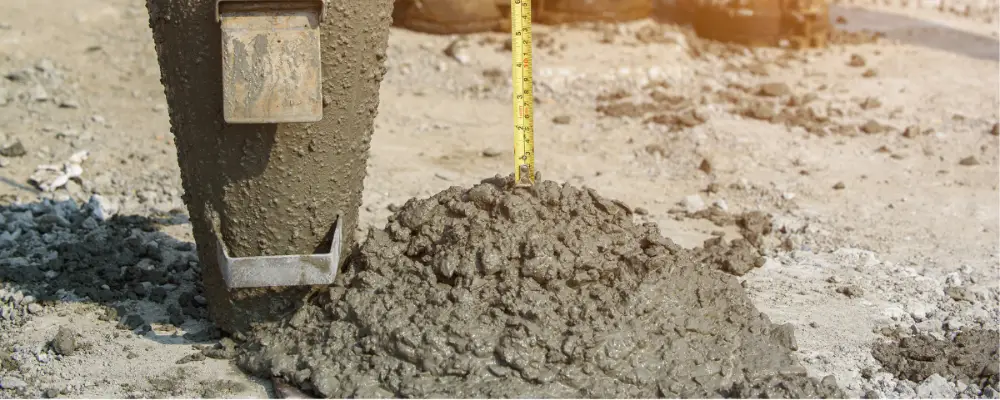
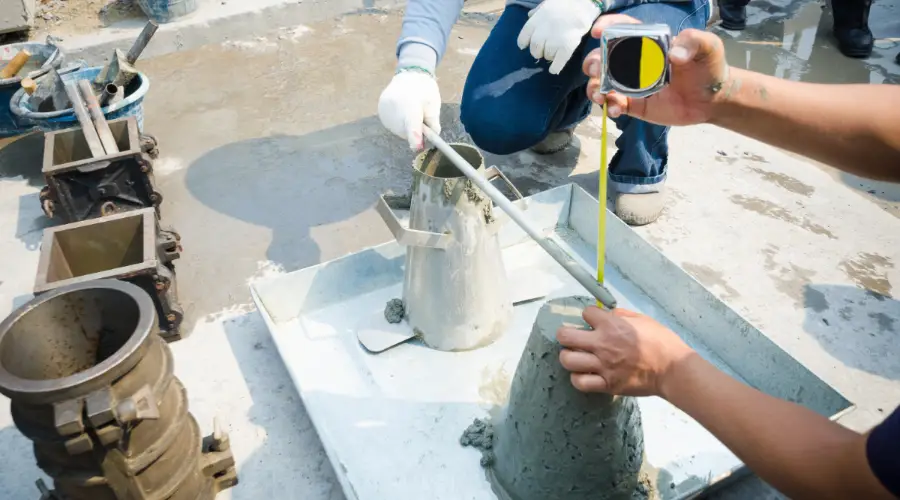
It is a type that has a very low water-to-cement ratio, making it thick and dry in consistency. The standard slump test, which is used to measure the workability of concrete, shows little difference to no change. This height difference in the test implies the inability of the mixture to flow or spread under its weight. However, the decrease in the amount of liquid or water content does not reduce the binding and hydration properties of the cement. This type is often used in precast concrete products as they require form retention and minimal shrinkage. Some precast concrete products are concrete blocks, paving stones, and industrial flooring. The addition of chemical mixtures can increase the flowability to a certain extent, making it adaptable to handle stiff mix.

Key Features of Zero Slump Concrete

  • As said above in the introduction, it is the features of zero-slump concrete that make it special from other conventional mixes. One of those special features is a low water-cement ratio, providing a non-flowing mixture. Below are some of the features that make it a perfect choice.
  • Zero-slump concrete is a perfect match for load-bearing structures and heavy-duty applications. This becomes possible because of its reduced water content. The reduced water content provides a suitable situation to develop high compressive strength.
  • It requires special equipment such as mechanical vibrators and structured molding techniques to handle it with ease.
  •  Zero-slump concrete is less susceptible to shrinkage, cracking, and other faults. Low water content makes it more durable in harsh environments. This makes it infallible even in extreme temperatures and exposure to aggressive chemicals.
  •  Once cured, zero-slump concrete improves durability and increases its resistance to wear and tear.
  • Time consumption in terms of setting is much less compared to other concrete mixes. Its reduced water content provides a beneficial outcome in certain construction applications.

Practical Uses of Zero Slump Concrete in Construction

Practical Uses of Zero Slump Concrete in Construction

Wherever there is a requirement for high strength and durability in construction applications, zero-slump concrete appears to be a lifesaver. Some of the common applications where the usage of zero-slump concrete could be found are,

  • Zero-slump concrete’s ability to hold form without giving rise to any weakness makes it the perfect choice for producing moulded products. The moulded products include precast concrete elements such as pipes, manholes, blocks, and panels.
  • As we know now that zero-slump concrete is highly durable and has heavy load-bearing capacity, it is widely used in the construction of industrial pavements and roadways. Its tendency to withstand wear and tear makes it a preferable choice for projects where heavy loads are expected.
  • It is also used in the foundation work of large construction projects that involve heavy machinery and equipment. It is possible because of its maximum strength and load-bearing capacity.
  •  As it is resistant to environmental conditions, zero-slump concrete is used in industrial floors and offshore platforms to resist any exposure to chemical wear, freeze-thaw cycles, and abrasion.
  •  It is even used in reinforced concrete structures like beams, columns, and slabs to support substantial weight.

Benefits of Using Zero Slump Concrete

While the number of advantages can be reaped from the usage of zero-slump concrete, some of the key benefits are,

  • The minimal water content reduces the possibility of shrinkage by increasing the strength. This also contributes to the durability against weather, chemicals, and mechanical wear and tear.  
  •  Low water content maintains the form of the concrete without developing cracks. This makes them suitable for long-lasting structures.
  • The curing time for zero-slump concrete is much faster than that of other conventional concretes. This reduces the overall construction time, making it suitable for projects that require quick turnaround.
  • Less consumption of water by zero-slump concrete is considered to be more sustainable. High durability negates the need for periodic maintenance, reducing the overall environmental impact.
  • Their stiff nature makes them adaptable to fit into any mould of various shapes, making them suitable for precast concrete structures.


Limitations and Challenges with Zero Slump Concrete

While there are many advantages, zero-slump concrete has its challenges and limitations. Some of the common challenges in terms of application of zero-slump concrete are,

  • In terms of handling zero-slump concrete, low workability poses a greater challenge for mixing, transporting, and placing. This requires special equipment such as mechanical vibrators, pumps, or specialised mixing trucks. This, in turn, increases the overall cost of the project.
  •  Zero-slump concrete requires high aggregate and additives to balance the low water content inherited with them. This again increases the cost of mixing when compared to other types.
  • They cannot be used in all types of construction projects because of their dense consistency. They are suitable for precast elements, road pavements, and structural components.
  • Zero-slump concrete requires huge labour, and its low workability increases the difficulty in achieving a smooth finish. This may reduce the aesthetic look of the concrete surfaces.

Testing and Monitoring Zero Slump Concrete Quality

Testing any type of concrete is crucial to assess its desired performance standards. While slump tests are the usual assessment method, when it comes to assessing the workability of zero-slump concrete, it is not effective. Specific tests and monitoring techniques employed are

Compression Strength Testing: Cast cubes or cylinders are cured and subjected to load to test the compressive strength of the concrete. This determines whether concrete has achieved the desired strength or not.

Durability Testing: This method is used to test the long-term performance of the concrete and assess its resistance capacity against freeze-thaw cycles, chemical attacks, and abrasion.

Water-to-cement ratio monitoring: As we all know, the ratio of water-to-cement is very important in zero-slump concrete to ensure proper curing and hydration; it is also assessed.  

Conclusion

Zero-slump concrete has a distinct set of characteristics owing to its low water-to-cement ratio and stiff consistency. It is in high demand for structural elements that require a high bearing capacity, such as heavy-duty pavements, precast elements, and other substantial structural components due to its low brittleness and cracking, as well as high compressive strength and shrinkage properties. However, deciding on zero-slump concrete does come with limitations considering it has low workability which requires specific equipment to mix it or even place it. In today’s world, zero-slump concrete is a valuable asset; however, it is neither cost-effective nor effective in all kinds of construction work. As such, this makes it a daunting material to work with amid such high standards concerning strength, durability, and form retention. Keeping that in mind, zero-slump concrete must be monitored consistently and correctly tested to maintain its quality.

Structural Integrity – Factors & Methods for Ensuring Safety

0
Structural Integrity

Structural integrity ensures that structures are designed to support loads and forces without breaking. It also involves studying past failures to prevent future issues. In simple terms, it means a structure’s ability to stay intact and function well under pressure while resisting flaws and external threats to meet industry standards. Let us explore factors affecting structural integrity, their main causes, major components, and how to calculate the integrity of structures in this article.

Understanding Structural Integrity

Structural integrity ensures that building components support the weight to prevent deformation, malfunction, or breakage. Structural engineers focus on material quality, mass, coordination, geometry, and efficiency to ensure a building’s value and longevity. Experts can provide consulting and execution support to optimise these factors.

Factors Affecting Structural Integrity

Several factors determine and maintain a building’s structural strength. These elements are made up of the materials used, design guidelines followed, and the environmental conditions the construction is exposed to.

Material Quality: The capability of a structure to resist stress and decay over time depends significantly on the strength, resilience, and elasticity of the materials involved.

Design and Construction Methods: Integrity is ensured through thorough and quality constructions as well as designing methodologies take into account loading conditions and potential stress points.

Environmental Factors: Exposure to water, temperature cycling, or chemicals may cause corrosion, freeze-thaw damage, or other forms of material deterioration.

Load and Stress: Structures need to be built to handle both moving and steady loads, like wind, earthquakes, and human traffic, without breaking. Steady loads include the structure’s weight.

What are the Main Causes of Structural Failure?

Several different variables might cause construction structures to deteriorate. However, the following are the main ones:

Weak Structures

At some time, structural failure is likely to occur if an asset structure or component is not constructed on a solid foundation that can support the building’s weight.

Deterioration of Structures

Structures can deteriorate due to a variety of conditions, including wear, rot, corrosion, and fatigue. Furthermore, the building components may experience stress, fractures, and failure due to cracks and pores, which could result in abrupt failure. Inaccurate measurements, ill-fitting geometric designs, poor material selection, or neglected maintenance often exacerbate this issue.

Manufacturing Errors

Structural failure may occur if the material selected for manufacture does not adhere to the correct standards or procedures. Manufacturing failure can also arise from incorrect handling or poor application.

Inappropriate Environmental Factors

In certain cases, building engineers might fail to recognize the project’s geological and environmental components and neglect to account for catastrophic events and natural disasters.

Unfit Operating Circumstances

Failures may also occur if the structure is mishandled on the operational front and is not utilised for the capacity or purpose for which it was designed. This can also cause components to deform excessively, resulting in the deadliest accidental structural breakdown.

How to Ensure Structural Integrity?

Maintaining construction integrity requires a coordinated approach, starting with damage inspection using non-destructive testing and ensuring structural accuracy as per designs and standards. Structural integrity must address environmental factors, and regular checks on quality and performance help maintain structural elements. Modifications are made as needed over time. A solid structural integrity plan during the design process ensures the structure meets stress requirements and functions optimally throughout its lifespan.

What are the Major Components of Structural Integrity?

Selection and Testing of Materials

Material selection plays a critical role in determining a building’s stability. A structural engineer has to select materials that can withstand environmental stresses and natural disasters. The structural integrity engineer has to conduct comprehensive testing on the strength, weight, and corrosion resistance of the material during this phase. This will help maintain structural integrity and avoid structural failure because each structural part performs its function effectively and coherently.

Safety and Design Margin

Regardless of the nature of the project, a structural engineer should include safety margins and redundancies in their designs to accommodate for unforeseen stress, material flaws, and serious damage from incorrect weight calculations, engineering flaws, or system failures.

By ensuring that structures are constructed with a maximum safety factor and are capable of supporting loads beyond the maximum anticipated, these safety precautions help to preserve the highest possible level of safety. Engineers can avoid catastrophic failure by using the concepts of fracture mechanics to stop cracks from developing and spreading.

Frequent Maintenance and Inspections of Structures

Regular inspections and stress checks are essential to keep a building safe and strong. Potential structural issues like cracks and deformation can be found with the aid of structural integrity evaluation. A structural integrity engineer can identify problems early and carry out the required corrections and repairs to stop structural failure by employing non-destructive inspection techniques.

Load and Stress Analysis

Analysing the loads and stresses a structure will face is key in structural engineering. Engineers must consider how repeated loads can cause cracks over time. By understanding how stress is spread across different parts, engineers can design buildings that won’t deform too much under pressure, ensuring long-term stability.

Environmental and External Factors

Structural components need to withstand environmental factors like earthquakes, hurricanes, and other natural events. Engineers assess how these forces affect the building and ensure it stays intact. They also consider potential damage like corrosion, which could weaken the structure over time, ensuring the building remains safe and functional for many years.

How to Calculate the Integrity of Structures?

Engineers incorporate a variety of factors, including fracture mechanics, stress analysis, and material performance, into the design process. To preserve its integrity, a structure must be inspected and maintained after it is constructed. To accomplish this, an engineer could:

  • Conduct examinations to find damage. The application of non-destructive testing (NDT) may be necessary for this.
  • Verify that a structure was constructed in compliance with the relevant standards and specifications.
  • Verify that a structure is being used in a way that is suitable for the environment it was intended for.
  • Make suggestions and design changes to solve problem areas.

Conclusion

The fundamental component of every building process is structural integration. Project owners and stakeholders can guarantee the integrity of the structure by implementing a process of planning, analysis, validation, execution, and maintenance that covers all facets of structural health and performance with the aid of structural integrity management. Using expert services to assist with structural coordination and integrity designs can go a long way towards ensuring that your structural entity is in the best possible form.

Concrete Compaction – Methods & Value for Strong Structures

0
Concrete Compaction

Building a strong, dense, and durable structure is necessary for any construction process. Concrete compaction plays a major role in giving the necessary robust characteristics and the desired physical properties. This blog explores concrete compaction, its importance, applications, and methods.

What is Concrete Compaction?

Concrete compaction is crucial in constructing a concrete structure, to keep it denser and stronger. It is the process of removing air voids from the freshly poured concrete and improving the bonding between aggregates and cementitious components. 

Purpose of Concrete Compaction

  • The primary purpose of concrete compaction is to remove air voids from the freshly poured concrete.
  • It improves the compressive strength of the concrete structure by 50% and helps it withstand heavy loads.
  • The denser structure reduces water ingress, and protects the structure from all kinds of environmental and chemical attacks, thus improving the durability.
  • Reducing the voids helps in close bonding between reinforcement and concrete.
  • It prevents the formation of honeycombing on the structure, that makes the structure weak.
  • It minimises the shrinkage and creep characteristics of the concrete.
  • It provides a smooth and finished look to the structure, making it more pleasing.

Methods of Concrete Compaction

Manual Compaction

Manual Compaction

It is the process of compacting the concrete manually using a rod or wooden stick. It can be done using three methods:

  • Rodding is the process of poking the concrete with a long rod at corners and edges.
  • Ramming is generally used for compacting plain concrete on the ground surface.
  • Tamping is used for thin concrete surfaces such as floors or pavements.

Mechanical Compaction

Mechanical Compaction

As the name suggests, this method uses mechanical equipment to compact the concrete. This is one of the most common methods in the modern construction field and has better efficiency than manual methods.

  • Internal Vibrators are inserted directly into the concrete and the vibration generated helps in effective compaction for higher volumes.
  • External Vibrators are used for places where internal vibrators cannot be inserted. They provide the vibration outside the formwork, for effective compaction.
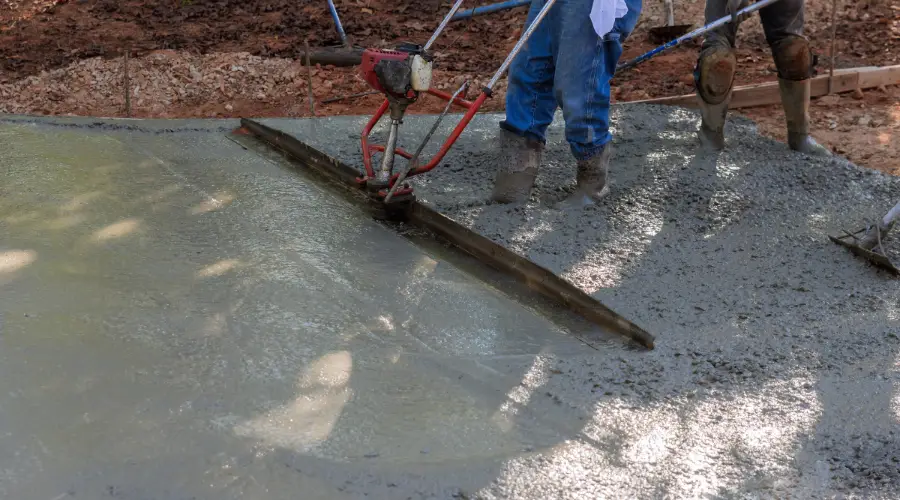
  • Surface Vibrators are used for flat surfaces such as slab and pavement work. These vibrators are kept on the surface of the concrete and provide shaking movement to remove voids.

Applications of Proper Concrete Compaction

  • Concrete compaction is crucial for foundations for all sorts of buildings, to help withstand heavy loads, and reduce the risk of cracking or settling over time.
  • It is used in the construction of bridges to withstand traffic and environmental conditions, by protecting the structure against cracks, leaks, and corrosion.
  • It is necessary to pave roads, walkways, and runways to provide strong, smooth, and durable pavement for seamless transition, and effective load distribution.
  • It is used in precast concrete manufacturing, to provide high-quality structural elements of precise dimensions, and smooth finishes.
  • In reinforced concrete structures, compaction is crucial in increasing the bonding between the concrete and the reinforcement steel.
  • In retaining walls, proper compaction provides the necessary strength and stability to withstand external pressure effectively.

Process of Concrete Compaction

Preparation

Ensure that the concrete mix poured is properly mixed without any slump, and formwork is properly installed, to minimise segregation. Gather all the tools necessary for compaction at the construction site.

Concrete Pouring

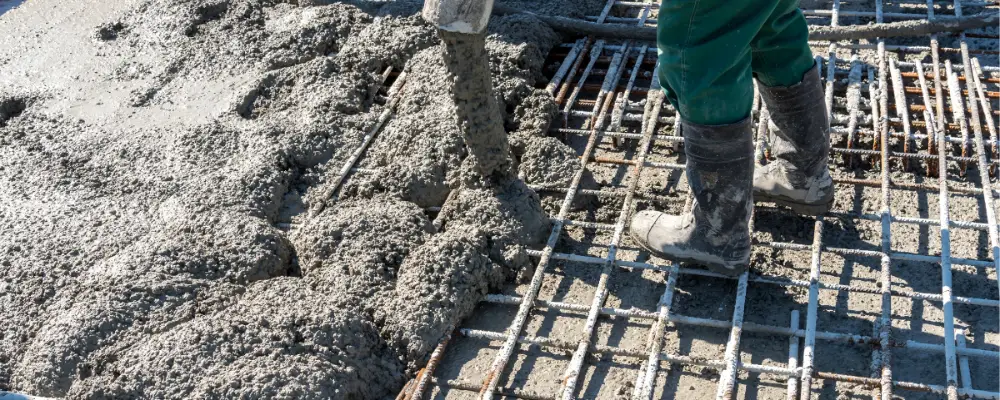
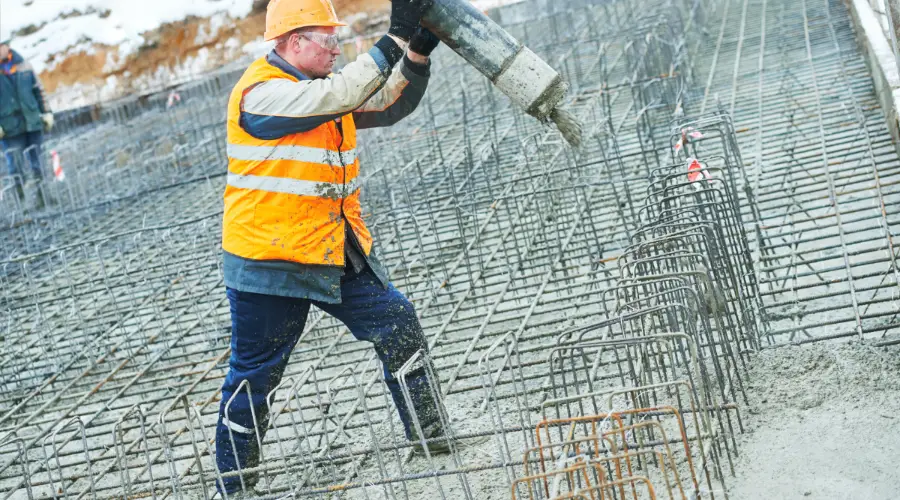
The freshly prepared concrete is poured into the formwork. It is necessary to ensure that the concrete is freely flowing throughout the formwork evenly, without any interruption, or leakage.

Initial Compaction

After pouring the concrete up to a certain height, initial compaction for 3 to 5 seconds is done to prevent slumping and provide a level surface. This is generally carried out using manual or mechanical methods such as rodding, tamping, or using concrete vibrators. It is done to agitate the concrete and expel entrapped air. 

Final Compaction

After initial compaction, an immersion vibrator is placed into the concrete for about 7 to 15 seconds. The final compaction is done to completely eliminate the trapped air bubbles in the concrete and help achieve the maximum density.

Curing

After compaction is done, the concrete surface is kept idle for curing to achieve the required strength and stability. Formworks are removed once the concrete structure develops stability to stand on its own.

Conclusion

In summary, concrete compaction is a crucial process in creating strong, safe, and long-lasting structures, by removing air voids and improving workability. Compaction can be done both manually and mechanically and has a wide application in almost every construction process using concrete.

FAQs

1. What are the signs of poor concrete compaction?

A poorly compacted concrete structure could develop honeycombing, uneven surfaces, cracks, hollow spots, and settlements. In the longer run, it may cause durability problems, causing permeability, corrosion, poor load-bearing capacity, and more.

2. How efficient is rodding compared to tamping in manual compaction of concrete?

Rodding provides better precision, deeper penetration, and reduced surface disturbance, and is used for compacting all forms of concrete structures, compared to tamping.

3. What are the tools and equipment used for concrete compaction?

Tools and equipment used for concrete compaction include steel rods, metal tampers, sledgehammer heads, needle vibratos, surface vibrators, formwork vibrators, and table vibrators.

What is Resilient Flooring – Types, Benefits & Applications

0
what is resilient flooring

Both the designers and architects are familiar with the term “resilient flooring.” It can be an ideal choice for both residential and commercial building works. If you don’t have any idea about this topic and want to learn something, then you are at the right place. This article covers what resilient flooring is, its types, benefits, and installation process. Learning the process can assist you in making informed decisions when designing a construction project.

What is Resilient Flooring?

Resilient flooring is a non-textile flooring that is available in various materials. However, it is not made from textiles, wood, concrete, ceramic, or stone. It can be any floor covering material, providing comfortable underfoot. The point to be highlighted is that it can retain its original shape even after being stretched, pulled, compressed, or bent. The best example of resilient flooring is vinyl flooring.

Types of Resilient Flooring

Resilient flooring is broadly classified into several types. Here are the lists of those:

Vinyl

Vinyl flooring

Vinyl flooring has become the most commonly used type for both commercial and residential settings. It comes in two different forms, such as:

Luxury Vinyl Tile (LVT):

Luxury Vinyl Tile (LVT)

LVT includes multiple layers that are made from different materials. It can be maintained easily with mild cleaners and acrylic floor finish.

Vinyl Composition Tile (VCT):

Vinyl Composition Tile (VCT):

VCT flooring is extremely durable and water resistant, which makes it suitable for high-traffic areas and bathrooms.

Rubber Flooring

Rubber flooring is a durable, water-resistant, and comfortable option, often used in commercial settings. It can be an excellent choice for playrooms and gyms and is easy to clean and maintain. It comes in interlocking tiles, sheets, or square tiles.

Cork Flooring

Cork is a natural, eco-friendly, and insulative flooring option. It is primarily valued for its comfort and softness and can help to reduce noise inside. This flooring can be more expensive than other available options.

Linoleum

Linoleum is made from natural materials like cork dust, wood flour, and linseed oil. It is natural, water-resistant, reliable, and easy to clean. It come in a variety of patterns and colours, making them suitable for individual flooring needs.

Carpet Tiles

Carpet tiles, also known as square carpets or modular carpets, can be a practical flooring option and be easily interlocked to create a larger floor covering.

Benefits of Resilient Flooring

Resilient flooring has been widely used due to its significant benefits. The most valuable points are its durability and toughness, though there are some more to mention. Here are those:

Soundproofing: Resilient flooring has excellent soundproofing properties, resulting in reduced foot traffic and a quieter environment overall. It can be particularly suitable for a hallways and bedrooms.

Cost-Effectiveness: It is a cost-effective option since it can withstand heavy wear and tear over time. Unlike other flooring types, it does not require frequent repair or maintenance.

Sustainable: Resilient flooring made from synthetic materials is quite durable and sustainable. Additionally, it can be recyclable, resulting in reduced waste.

Drawbacks of Resilient Flooring

While offering several benefits, it also have some potential drawbacks:

Temperature Sensitivity: Resilient flooring types are extremely temperature-sensitive, which can make you feel cold underfoot in colder climates. This is particularly identified with the vinyl backing and can be used with rugs or underfloor heating.

Limited Design Varieties: Undoubtedly, the market is filled with expanded design options; however, some resilient flooring types have limited designs, colours, and patterns compared to other flooring choices. It is better to understand the availability and choose the appropriate option.

Less Durability: Resilient flooring is generally durable; still, some types of options, like vinyl, are subject to dents, stains, and scratches. You may want to spend money on repairs or maintenance.

Applications of Resilient Flooring

Resilient flooring is a versatile and practical option for many spaces. However, it is significant to choose the right type that fits your specific needs.

Where Resilient Flooring Works Best:

High-Traffic Areas: Some specific types of resilient flooring contain exceptional durability, which makes them suitable for use in heavy foot traffic like commercial and residential spaces. It includes offices, restaurants, hospitals, airports, kitchens, entryways, mudrooms, and bathrooms.

Wet Areas: Due to its water-resistance properties, resilient flooring can be a perfect choice for

  • Laundry rooms: floors and walls.
  • Bathrooms: showers, tubs, and surrounding areas.
  • Kitchens: Around sinks and countertops.
  • Basements: Basements need additional care and attention to maintain their lifespan. When resilient flooring has excellent moisture resistance and the ability to withstand occasional flooding, this will be your primary choice.

Where Resilient Flooring is Not Ideal

High-Heel Traffic: Some types of resilient flooring are susceptible to damage when used in high-heel traffic areas. For instance, thinner vinyl is less durable, and may be often damaged due to heavy traffic and load.

Direct Sunlight: Prolonged exposure to direct sunlight can cause fast fading and damage in some cases. It will not be a choice if your selection of area is continuously exposed to harsh temperatures.

How to Choose Resilient Flooring

Resilient flooring comes in numerous patterns, textures, and colours. Before deciding on a type, it is important to compare all options and consider your requirements. Ask professionals whether the type of flooring is waterproof and can withstand heavy traffic while being used in challenging areas.

It is quite significant to understand its complete specifications and qualities before finalizing. Choosing the inappropriate flooring type can lead to costly damages and make you need to repair often

Installation and Maintenance

Installation:

Preparation: Subfloor preparation is the first step involved in the installation of resilient flooring. This process typically involves smoothing, leveling, and priming the surface.

Methods: Installation methods can vary depending on the type of resilient flooring you have chosen. However, the most common methods are loose-lay, click-lock, and glue-down.

Maintenance:

  • Do regular vacuuming or sweeping to keep it free from dust and debris.
  • A mild cleaner is advisable to mop the floor to improve its durability. Avoid using abrasive cleaners or harsh chemicals.
  • You can use furniture pads to prevent dents or scratches on the floors.
  • Regular cleaning and polishing of the surface helps maintain its appearance and improve its longevity.

Final Lines

It primarily matters what type of floor you have been choosing. From there, you can conclude the right cleaning machines, chemicals, and process of cleaning. To avoid any damage, ask for suggestions from your manufacturer and follow their advice accordingly. Understand the purpose of individual flooring and choose the one that perfectly suits your needs.

FAQs

1. Is resilient flooring eco-friendly?

The eco-friendliness varies based on the type of resilient floor you are choose. Types such as cork and linoleum are made from natural materials, which are highly sustainable. However, the other types may contain potentially harmful chemicals

2. How long does it last?

Resilient flooring can provide enhanced performance, which is typically between 10 to 25 years. By providing proper care and maintenance, you can significantly improve its lifespan.

3. Can it be installed in wet areas?

Yes, resilient flooring can be an exceptional choice for wet areas. It is highly durable and water-resistant, suitable to use in kitchens, laundry rooms, and bathrooms.

4. Is it safe for pets?

Yes, resilient flooring is a pet-friendly option. In general, it is easy to clean, maintain, and resistant to moisture and stains. Unlike other options, it is free from any harsh chemicals and prevents falls and slips.

Bituminous Concrete – Composition, Applications & Benefits

0
Bituminous Concrete

A composite material that can be ultimately used in highway construction typically involves the constructing asphalt roads; this material is bituminous concrete. Although concrete roads offer certain advantages, over 90% of roads are built using asphalt, also known as bituminous concrete, due to its superior cost-effectiveness, ability to utilise unskilled labour, and appealing aesthetics. Keep reading to explore bituminous concrete roads, their construction process, and more.

What is Bituminous Concrete?

Bituminous concrete is commonly used for paving parking lots, roads, and highways. A binding agent holds the mixture of stone and other aggregate components together in the final product. Bitumen, a by-product of the petroleum refining process, is the binding material. Like tar, it gets thick and sticky when heated. It also forms a dense surface when cooled. Asphalt is another name for bituminous concrete.

Despite their similar names, bituminous concrete is very different from ordinary concrete and does not contain cement. It stands out due to its distinctive black colour, whereas most cement surfaces are white or grey.  

Application of Bituminous Concrete 

Bituminous concrete is durable, moisture- and weather-resistant. Furthermore, production and maintenance costs are not excessively expensive. These characteristics have made it a popular choice for a wide range of applications, including:

  • Road construction
Road construction

In road construction, bituminous concrete is used to create both the surface layer and the foundational base of roadways.

  • Service roads, Driveways and Pavements

Bituminous concrete is often the first choice for sidewalks and driveways. Additionally, it is occasionally used to construct play areas and other surfaces that need to have a durable, non-slip quality.

  • Road repair
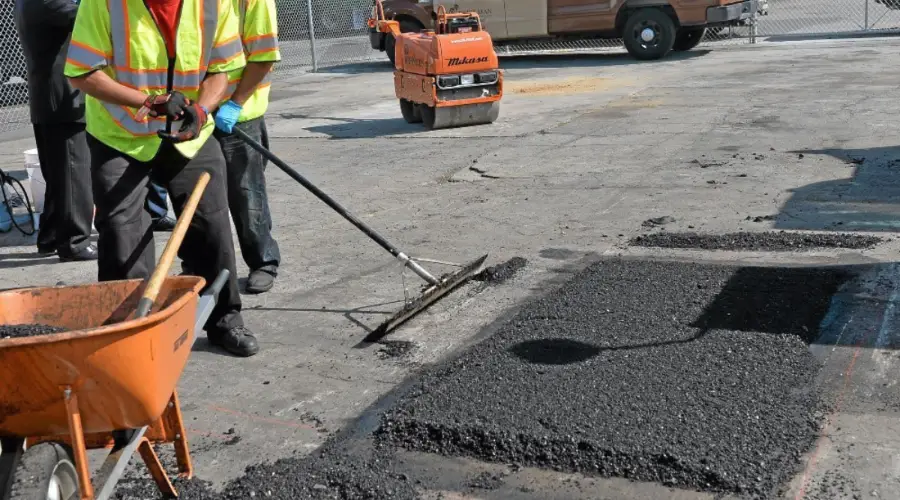
Road repair

In order to fix or fill in holes and irregularities, bituminous concrete (BC) mix is commonly placed on deteriorated roads. In order to construct new roads and parking lots, it is also placed immediately on top of a base layer of gravel. Large paving machines are used to crush and smooth the surface of the bituminous concrete after it has been poured onto the road.

Benefits of Bituminous Concrete 

Airports, parking lots, and other public areas are surfaced with bituminous concrete. Paving equipment is typically used to compact it after it has been laid in layers. It is less expensive, easier to repair, rides more smoothly and quietly, and is more resistant to rutting and cracking than regular concrete. The environmental impact, reduced strength, increased maintenance, and vulnerability to oxidation and weathering are some of its drawbacks.

Composition of Bituminous Concrete

Bituminous concrete has a high level of stability and hardness since it is composed of bitumen, coarse and fine aggregate, and mineral filler. The right bitumen amount and suitable aggregates ensure the desired density.

Bitumen that satisfies IRC & MORTH requirements and is sourced from an authorised source should be viscosity-graded bitumen or bitumen treated with polymers.

Coarse aggregate

Coarse aggregates are composed of crushed rock, crushed gravel (shingles), and crushed air-cooled slag that has been screened through a 2.36 mm screen. They must be devoid of organic matter, dust, soft or friable materials, and other dangerous substances. Aggregates should be cubical, sturdy, and strong.

Fine-grained aggregate

Fine aggregates are made up of crushed stone that has been kept on a 75-micron filter after going through a 2.36 mm sieve. They must be devoid of organic matter, dust, soft or friable materials, and other dangerous substances. They also need to be dry, clean, firm, clear, and strong.

Filler

The filler will be either finely divided cement or hydrated lime, as the engineer determines. It must fulfil the grading requirements specified in MORTH’s table 500-8. 

Advantages of Bituminous Concrete

Asphalt paving is still the most widely used material in road building, despite not having the same strength as traditional concrete. The following are some advantages of bituminous concrete roads:

  • Sturdy yet simple: They can tolerate years of traffic load and are rather easy to repair or refinish. 
  • Less noisy and smoother: Compared to cement concrete roads, BC roads provide a quieter and smoother driving experience, which helps to reduce noise pollution around major roads and highways.
  • Reduced cost: Bituminous concrete roads are less expensive to maintain initially and over time than cement concrete roads. 
  • Progressive decay: It refers to BC pavement deformation and failure. Brittle failures are a result of cement concrete pavements.

Although recycled components may not be as durable as new ones, bituminous concrete (BC) roads are also fully recyclable. Some manufacturers incorporate glass aggregate or recycled tires into their recycled asphalt to increase its strength and durability.

Disadvantages of Bituminous Concrete

The environmental impact of bituminous concrete is a key disadvantage in its use. The bituminous binding components in asphalt are derived from fossil fuels, which are naturally finite and non-renewable resources. Furthermore, fossil fuels significantly contribute to environmental contamination through a variety of processes. Toxic chemicals released into the atmosphere during the extraction process contribute to global warming and damage air quality, posing major ecological and public health risks. 

Properties of Bituminous Concrete

The key properties of bituminous concrete are as follows:

  • Stability: The ability to withstand deformation under repeated or extended stressors with sufficient resilience.
  • Durability: The capacity to tolerate deterioration brought on by abrasive forces or weathering. Bituminous concrete withstands harsh weather and traffic wear.
  • Flexibility: Bituminous mixtures adjust to the base design and bend without cracking.
  • Skidproof: To offer enough protection against sliding off. Helps to stop tyres from skidding by providing enough resistance.
  • Impervious: Should reduce seepage of rainwater. 

Production and Laying Process

Production of Bituminous Concrete

You have to mix the components of bituminous concrete at the initial stage with crushed stone, gravel, or sand. The mixture comprises 95% aggregate to 5% bitumen.

Additives that consist of fibres, emulsifiers, and polymers may be added to provide greater resistance to water and deformation. The mixture is heated in a batch plant or drum once the ingredients have been combined. The bitumen becomes more fluid and uniformly spread throughout the aggregate as a result of the heat. The mixture solidifies and becomes more cohesive as it cools. In order to produce uniform, high-quality bituminous concrete, this heating stage is essential.

Laying Process of Bituminous Concrete

  • Preparing the Base Layer: Fill potholes and imperfections in the base layer with premix chippings for at least a week before adding the surface layer.
  • Applying Tack Coat: Apply bitumen at 6.0–7.5 kg per 10 sq.m. for bituminous bases, and 7.5–10 kg per 10 sq.m. for non-bituminous bases.
  • Placing Premix: Spread premix from a hot mix plant using a mechanical paver at 121–163°C, ensuring proper layer and camber alignment.
  • Rolling: Compact the spread mix with a road roller at a speed below 5 km/h.
  • Quality Control: Regularly check aggregate grading, bitumen quality, and the temperatures of mixing and concrete compaction. Test one sample for every 100 tonnes of mix from the hot mix plant.
  • Finishing: Use a 3.0 m straight edge to inspect the surface for smoothness, ensuring longitudinal undulations do not exceed 8.0 mm over 300 m and that no more than 10 undulations exceed 6.0 mm.

Conclusion

In road construction and other paving projects, bituminous concrete is a common and long-lasting paving medium. Bituminous concrete can endure for many years with minimal maintenance if the proper production procedure and quality control methods are followed. To guarantee the greatest result, manufacturers must employ the right techniques and materials for laying roads or other paving projects.