Home Blog Page 55

Is Buying Land a Good Investment

0
Buying Land

Investing in land can be a more advantageous option compared to investing in securities such as stocks, bonds, and mutual funds. It appreciates the construction of new roads, metro lines, and other infrastructure facilities. Unlike buildings, land requires minimal maintenance, and does not lose its value over time. It can be used for residential, commercial, or even agricultural development.

Why Buying Land is a Good Investment in India in 2024

Buying Land is a Good Investment in India in 2024

Appreciation in Value:

  • Historical Growth: Urban and peri-urban areas have seen an increase in land value for several decades now. Recent reports indicate that land prices in Bengaluru, Pune, and Hyderabad have increased by approximately 10-15% annually in recent years, although specific long-term trends over a decade were not definitively detailed in the provided data.
  • Infrastructure Projects: Major infrastructure projects such as the Delhi-Mumbai Industrial Corridor (DMIC), Bharatmala Pariyojana, and new metro rail projects significantly boost land values. Land near these projects appreciates due to improved connectivity and increased economic activity.

Low Maintenance:

  • Minimal Upkeep Costs: Unlike buildings, land requires minimal maintenance, as there are generally no costs associated with repairs or renovations.
  • Natural Resilience: Land is not subject to wear and tear or depreciation like physical structures. Natural elements like trees or grasslands can even enhance their value over time.

Diverse Uses:

  • Residential Development: Land can be developed into residential plots, such as gated communities and high-rise apartments, to accommodate the growing urban population.
  • Commercial and Industrial Development: Commercially zoned lands can be turned into shopping malls, office buildings, or industrial parks, hence attracting good rental yields as well as capital gains.
  • Agricultural Potential: Productive lands are a source of income from agriculture even during harsh times, especially in states like Punjab, Haryana, and Maharashtra that possess strong agricultural bases.

Inflation Hedge:

  • Asset Protection: Compared to stocks or bonds, land is one of the physical assets whose price rises with inflation. This implies that in times of excessive inflation, land prices go up, preserving the value of the buyer’s capital.
  • Diversification: Land investments help diversify investment portfolios. This reduces risks associated with stock or bond market volatility.

Disadvantages of  Buying Land  in India in 2024

Disadvantages of  Buying Land  in India in 2024

Legal Issues:

  • Title Disputes: Many parcels of land in India suffer from unclear or controversial titles. Legal verification process may take a long time, sometimes running into years before it is resolved.
  • Encroachments: Unauthorized encroachments on land can lead to legal battles. Reclaiming encroached land often involves prolonged court cases and significant legal expenses.

High Initial Costs:

  • Upfront Investment: Premium location costs such as Central Business Districts (CBDs) or near key infrastructure projects can be too high. To illustrate plots within Mumbai’s prime areas can fetch over several crores per acre.
  • Associated Fees: Similarly, they will be charged enormous stamp duty, registration fees as well as legal expenses. In other states the stamp duty is usually about 7-8% of the value of land.

Lack of Liquidity:

  • Difficult to Sell: It usually takes a long time for real estate transactions, including the disposal  of land. It may take several months or even years before one gets a buyer, especially when the market is down.
  • Market Volatility: Land prices can be volatile, and economic downturns can lead to long periods during which it is hard to sell at a profit-making price.

Infrastructure and Accessibility Issues:

  • Underdeveloped Areas: Due to a lack of road networks, electricity, and water supply, among other infrastructure, remote or underdeveloped areas’ land may not appreciate significantly.
  • Future Uncertainty: When planned infrastructure works are delayed or canceled, the land’s expected appreciation is affected.

Economic Factors:

  • Market Fluctuations: The real estate market is sensitive to economic conditions. Economic slowdowns, changes in interest rates, or policy shifts can negatively impact land prices.
  • High Financing Costs: High loan interest rates on land purchase financing can make this kind of investment expensive. For instance, an interest rate on loans for land at 10-12% could substantially raise total investment costs and reduce net returns.

Conclusion

Land investments in India in 2024 have many opportunities as well as challenges. On one hand, land has the potential for significant value appreciation, offers low maintenance costs, and provides investors with diverse development options.  Conversely, legal problems, high initial costs, and illiquidity pose a sizable danger. 

Before making one’s mind up on any choice, investors should conduct intensive due diligence, take into account specific characteristics of a piece of land, and line up their investment strategy with financial goals and risk appetite.


Mortgage Deeds: Significant Details, Pros, and Cons 

0
What is a Mortgage Deed

Are you looking to buy a home using a mortgage? Then get to know its crucial details before proceeding. It includes several legal terms and conditions applicable for both a lender and borrower.

A mortgage deed is a legal document that acts as an evidence for both the parties. They are officially recorded in public records to avoid any legal complications in the future. If you have a plan to go for a mortgage, then get to read this article.

It includes significant points that you must get to know:

What is a Mortgage Deed?

A mortgage deed is a legal document essential for both a borrower and a lender. It secures loan repayment by placing a charge on the borrower’s property, typically real estate.  

The mortgage deed is explained with the rights and obligations of both parties. It typically includes the repayment schedule, interest rate, and what happens in the event of default. This document serves as proof of the mortgage and provides the lender with a legal claim to the property if the borrower fails to meet their repayment obligations.

Details and Technical Aspects

Details and Technical Aspects on Mortgage deed

Key Components 

Parties Involved:

  • Borrower (Mortgagor): It refers to an individual who borrows money to purchase a property.
  • Lender (Mortgagee): The lender can be a financial institution or individual providing the loan.

Property Details:

  • This includes detailed information about the mortgaged property. It covers the address, boundaries, and other unique features.
  • The Title Deed is proof of ownership of a house or land. It is used as collateral.

Principal Amount and Interest Rate:

  • Principal Amount: The total amount lent by the borrower.
  • Interest Rate:  The rate of interest that will be paid on the debt, which can either be fixed or changing.

Repayment Terms:

  • The repayment schedule is a detailed plan showing the amounts and times of monthly repayments.
  • Tenure: Within the mentioned duration, the loan should be cleared. The period may range from 5 to 30 years. 

Covenants:

  • Borrower’s Covenants: The borrower promises to maintain the property, pay taxes, and not sell it without the lender’s consent.
  • Lender’s Covenants: The lender will not interfere with how the borrower uses the property as long as the loan is paid on time.

Default and Foreclosure:

  • The default clause covers when the borrower is in default. This happens, for example, if they miss payments.
  • The foreclosure process includes steps the lender can take to recover the loan amount. They can take the property and sell it.

Practical Aspects

Practical Aspects on Mortgage Deed

Legal Verification:

  • A detailed title search is necessary. It will ensure there are no encumbrances or disputes. This verifies that the borrower has the authority to mortgage the property.
  • All property documents of both the lender and borrower are verified.

Registration of Mortgage Deed:

  • The taxes imposed by governments will vary by state. So, for it to become valid, this document must be stamped and registered.
  • Register the mortgage deed with the local sub-registrar office. This action legalizes it as a mortgage.

Role of Legal Advisors:

  • Consulting a legal advisor ensures that the mortgage deed is understood. Each party is satisfied with the terms of the mortgage deed. They also draft and review documents that aim to protect borrowers.
  • Consultants can help negotiate lower interest rates and better repayment schedules.

Impact on Credit Score:

  • Paying on time enhances good credit ratings, making one more trustworthy in credit matters and allowing for longer periods of borrowing abilities.
  • Missed payments lower your credit score, making it difficult to get loans in the future; also, foreclosure remains part of the borrower’s credit history.

Insurance Requirements:

  • Property insurance is required by most lenders. It protects against damages and ensures that the property keeps its value.
  • Life insurance might be required by some lenders. It covers the loan amount if the borrower dies. It provides security for both the lender and the borrower’s family.

Documentation and Process Flow:

  • With all the relevant documents, such as income and identity proofs, the borrower applies for the loan. Additionally, they attach property papers.
  • Property valuation is done to determine its market price. The intention is that it can possibly pay off the money borrowed.
  • Once the valuation is done, a lender approves and authorizes it. Furthermore, he prepares mortgage deeds.
  • Both parties sign the document and register it at the sub-registrar’s office within their jurisdiction.
  • The loan amount is disbursed to the borrower after registration.

Pros and Cons

Pros

  1. Access to Large Funds:
    • Mortgages allow individuals to buy homes. They do not have to pay the full price upfront. This makes homeownership possible for more people, including those with low savings.
    • Mortgages help real estate investors buy properties. These properties may gain value, creating chances to make money from rent or selling.
  2. Structured Repayment Plan:
    • Fixed-rate mortgages offer predictable monthly payments. This helps borrowers plan their finances with certainty. This stability can be particularly beneficial for budgeting and long-term financial planning.
    • Amortization reduces the principal balance that borrowers owe but grows their equity in a property. Payments increasingly shift from being interest-based to principal payments over time. Once this shift takes place, there is an increase in the pace at which equity builds up.
  1. Potential Tax Benefits:
    • In India, the home loan interest is deducted from your income tax under Section 24(b) of the Income Tax Act. The overall tax liability is reduced, which makes borrowing affordable. 
    • You can also get a deduction for repaying the home loan principal through Section 80C. This lowers taxable income.
  2. Property Appreciation:
    • As property values increase, borrowers’ equity improves. It can be accessed through home equity loans or lines of credit. 
    • Real estate usually appreciates over time, possibly with a good return on investment. This appreciation can contribute to long-term wealth building.
  3. Legal Security:
    • A mortgage deed clearly outlines the loan’s terms. These include the repayment schedules and interest rates. They also cover the rights and duties of both parties. This protects the interests of both the borrower and the lender. 
    • Laws and rules govern mortgage transactions. They protect borrowers from unfair practices and ensure clear dealing. 
    • Mortgages use the purchased property as collateral. 
  4. Lower Interest Rates:
    • Mortgages use the purchased property as collateral. This reduces the lender’s risk. This security usually has lower interest rates than those for unsecured loans like personal loans or credit cards.
    • Lower interest rates mean that borrowers pay less in interest over the life of the loan, which can save them significant money. 

Cons

  1. Long-term Financial Commitment:
    • Mortgages often last 15 to 30 years and put borrowers under long-term financial obligations. This period can be scary and requires continuous financial discipline.
    • There are large interest costs over the life of a loan. They often exceed the original loan amount. For example, on a 30-year mortgage, borrowers may pay almost as much in interest as the amount they borrowed. 
  2. Risk of Foreclosure:
    • Missing mortgage payments can cause complications, giving the lender the right to foreclose on the property. This results in borrowers losing their homes and any invested equity they may have had.
    • Foreclosure also damages one’s credit score significantly. It becomes hard and expensive to access more credit. Such a negative rating may be there for many years. 
  3. Market Fluctuations:
    • The property market can be volatile. A fall in property values has negative equities when the mortgage exceeds the property value, which might make it difficult to refinance or sell.
    • Adjustable-rate mortgages (ARMs) experience changes in interest rates, which lead to higher monthly payments.
  4. Upfront and Ongoing Costs:
    • Buying a home involves big upfront costs. These include a down payment and closing costs. Also, stamp duty, registration fees, and legal fees can add up to a substantial amount.
    • Homeownership involves spending money on property maintenance, repairs, and insurance. These expenses can cause financial strain, especially in older homes that require more maintenance.
  5. Complexity and Legal Requirements:
    • A mortgage involves extensive paperwork and legal documentation. This can be time-consuming and requires careful attention to detail.
    • Legal fees increase the cost of getting a mortgage. You pay lawyers to review and process mortgage documents.
  6. Liquidity Constraints:
    • Real estate has less liquidity than other investments like stocks or bonds. Selling a property can take months or even years.
    • Selling is hard in tough financial times. It would help if you sold quickly to pay off the mortgage. Market conditions and property location significantly impact how soon it is sold.

Conclusion

A mortgage deed is very important for securing a mortgage loan. It sets the terms of the agreement and protects the interests of both the borrower and the lender. It also ensures a clear legal framework for the transaction. Understanding the details of a mortgage deed is key. It helps borrowers make informed decisions and manage their duties well

A Comprehensive Guide to Raft or Mat Foundation

0
raft or mat foundation

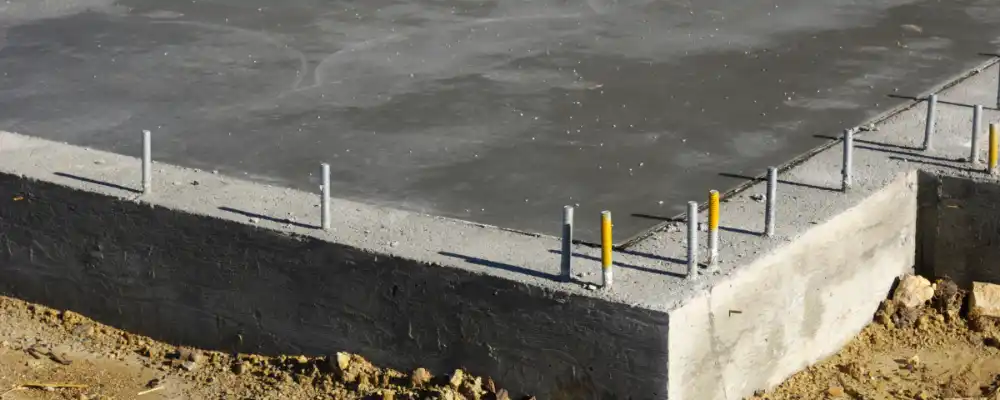
Raft or mat foundations are very important in the construction of large buildings. It is used especially when the ground wherein construction is to be done is very weak or where the construction work requires the structure to spread out its mass. In this article, we provide you an overview of raft foundation, its working, the pros and cons of using it, and some construction tips.

What is a Raft Foundation?

raft Foundation

A raft foundation, also known as a mat foundation, is a thick expansive concrete slab that covers the entire area of the foundation. While the conventional techniques of construction employ individual footings for columns, a raft foundation distributes the load over a large slab that extends below the whole structure and provides uniform load transfer to the soil.

How Does a Raft Foundation Work?

A raft foundation influences load distribution by spreading it over a larger area, which reduces pressure on the soil. Think about placing a heavy book on the sand. If you stand it on its edge, it sinks. However, if you lay it flat, it stays on top. A raft foundation applies the same principle to distribute the weight of a building across a wide surface, which prevents sinking and maintains stability.

Types of Raft Foundations

Different types of raft foundations exist, each designed to suit specific situations:

  1. Solid Slab Raft: One uniform concrete slab makes up this basic type.
  2. Slab and Beam Raft: This type includes beams in the slab to boost its strength and rigidity.
  3. Cellular Raft: A cellular raft consists of linked cells or boxes, which helps to spread loads more efficiently.
  4. Piled Raft: This type adds piles under the raft for additional support in very soft soil.

Advantages of Raft Foundations

Advantages of Raft Foundations

Raft foundations offer numerous perks, making them a go-to choice in construction:

  1. Even Load Distribution: These foundations spread the weight uniformly, lowering the chance of uneven settling.
  2. Cost-Effective: One big slab can cost less than several separate footings for large structures.
  3. Time-Saving: Constructing a raft foundation often takes less time because it’s a single large slab instead of many smaller footings.
  4. Good for Weak Soils: They work well in areas with poor soil conditions as they spread the load across a wide area.
  5.  Less Excavation: These foundations need less digging compared to deep foundations, which helps in busy areas and reduces excavation time.

Disadvantages of Raft Foundations

Raft foundations have some downsides too:

  1. Not for All Soils: They don’t work well on some extremely  soft soils where you might need deep foundations.
  2. High Material Costs: They need a lot of concrete and steel, which can make them expensive.
  3. Complex Design: Creating a raft foundation can be tricky and needs careful planning.
  4. Risk of Cracking: Bad construction can cause cracking, which can make the foundation weak.

Construction Process

To build a raft foundation in construction, you need to follow several key steps:

  1. Site Preparation: Clean the site. Remove trash, plants, and the top layer of soil. Level and pack the ground.
  2. Excavation: Dig to the right depth. Make sure the hole is flat.
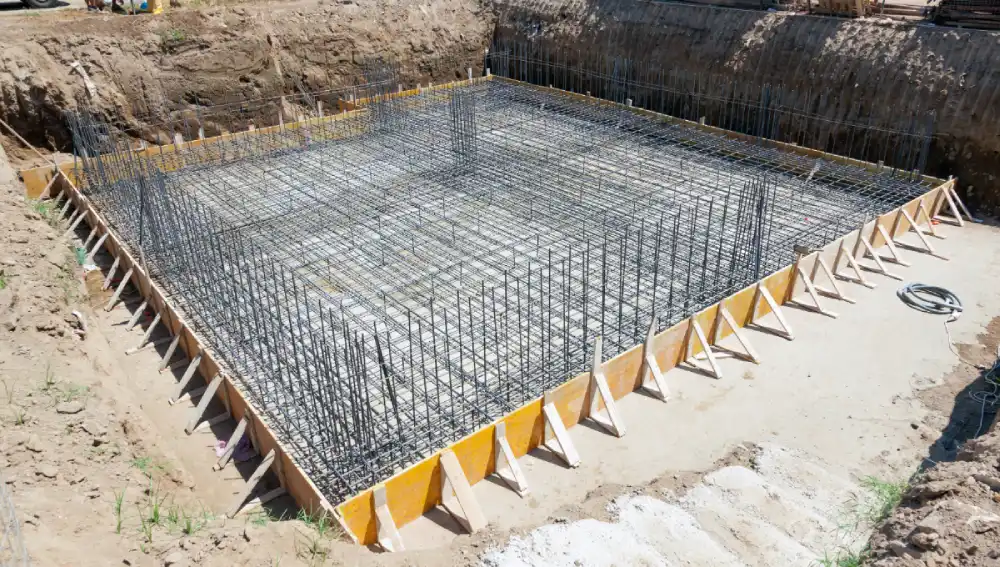
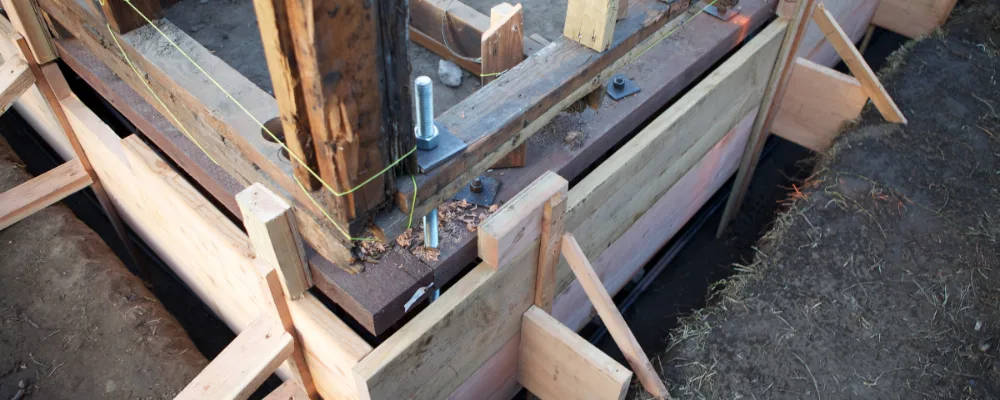
  3. Formwork: Build forms around the edges to keep the concrete in place.
  4. Reinforcement: Lay steel bars (rebar) in a grid. Space them out well and support them.
  5. Concrete Pouring: Pour concrete. Fill all gaps and cover the rebar.
  6. Curing: Allow the concrete to harden and get stronger. This takes a few days.
  7. Inspection: Check the foundation to ensure it meets all specifications and standards.

Practical Tips

Here are some hands-on suggestions to build a raft foundation:

  1. Proper Planning: Map out the layout with care to spread the load evenly. Consult structural or civil engineers to ensure appropriate design.
  2. Quality Materials: Pick top-notch concrete and reinforcement materials to ensure strength and longevity.
  3. Professional Supervision: Get seasoned engineers and supervisors to watch over the building process.
  4. Regular Maintenance: Check and inspect the foundation often to catch and fix problems.
  5. Soil Testing: Run in-depth soil tests to grasp its traits and load-bearing ability.

Conclusion

Raft or mat foundations work well for many building projects on weak soil. They spread the weight over a big area, which makes the strcuture  stable and cuts down on the chance of uneven sinking. They do have some issues, but good planning and use of high-quality materials , along with  expert supervision  can help make sure the building is sufficiently stable. Knowing about the advantages and how to build raft foundations can help you make smart choices for your next building job.

FAQs

1. When is a raft foundation used?

Builders pick raft foundations when the ground can’t hold much weight or when they need to spread out the building’s load over a big area to stop uneven sinking. You’ll often see these foundations under big buildings, factories, and structures on soft or swelling soils.

2. How thick should a raft foundation be?

The weight it needs to hold up and the type of soil decide how thick a raft foundation should be. These foundations are generally between 300mm and 1,200mm thick. But you’ll need an engineer to figure out the exact thickness with some careful math.

3. Can a raft foundation be used for a house?

Yes, builders can use a raft foundation for a house when the ground isn’t right for normal strip or trench foundations. It gives a solid base and stops uneven sinking when the soil is weak or might shift in cases where the soil is prone to movement.

4. What are the common problems with raft foundations?

Some of the common raft foundation issues are cracking due to poor construictions, uneven settling in case the soil beneath is not compacted, and water seepage in a case where the waterproofing is not done right. Such issues can be noted through regular inspection and maintenance and consequently solved before they get out of hand.

5. How long does it take to build a raft foundation?

The time it takes to build a raft foundation may depend on a few major parameters: the project size, soil conditions, and the weather. Usually, it may run into a few weeks; sometimes, it can also run up to two months.

The time it takes to build a raft foundation may depend on a few major parameters: the project size, soil conditions, and the weather. Usually, it may run into a few weeks; sometimes, it can also run up to two months.

Sheet Piling: Applications, Benefits, and Practical Tips

0
Sheet Piling

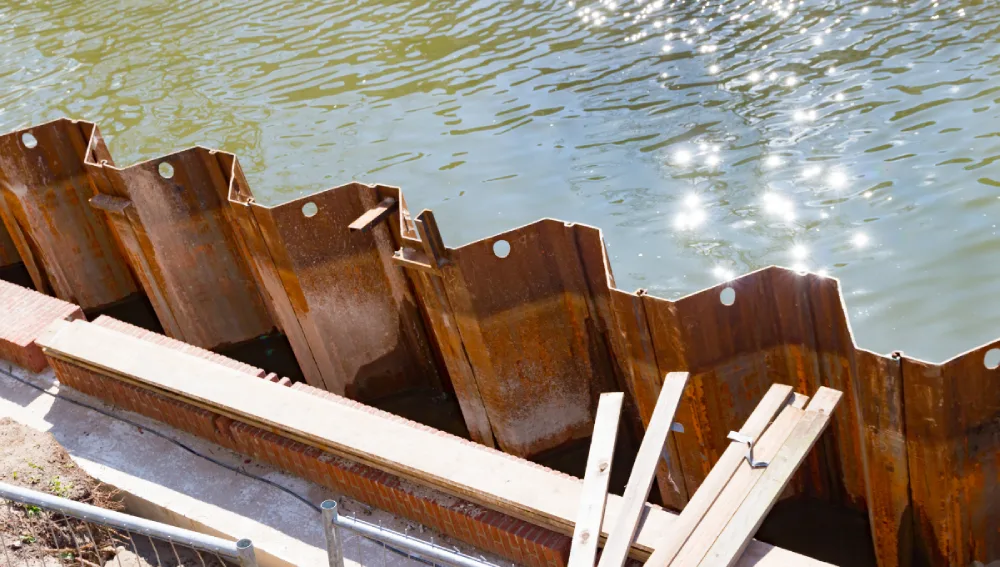
Sheet pile walls are a type of structure used in construction and created to retain soil, or water, or both, most often available as an interlocking system such that individual pieces providing intermediate structural nature function together. Reading this article, you will learn about the term sheet piling, the concept, how it is used, the advantages and disadvantages of this technique, as well as about what the process entails. 

What is a Sheet Pile?

Sheet Pile

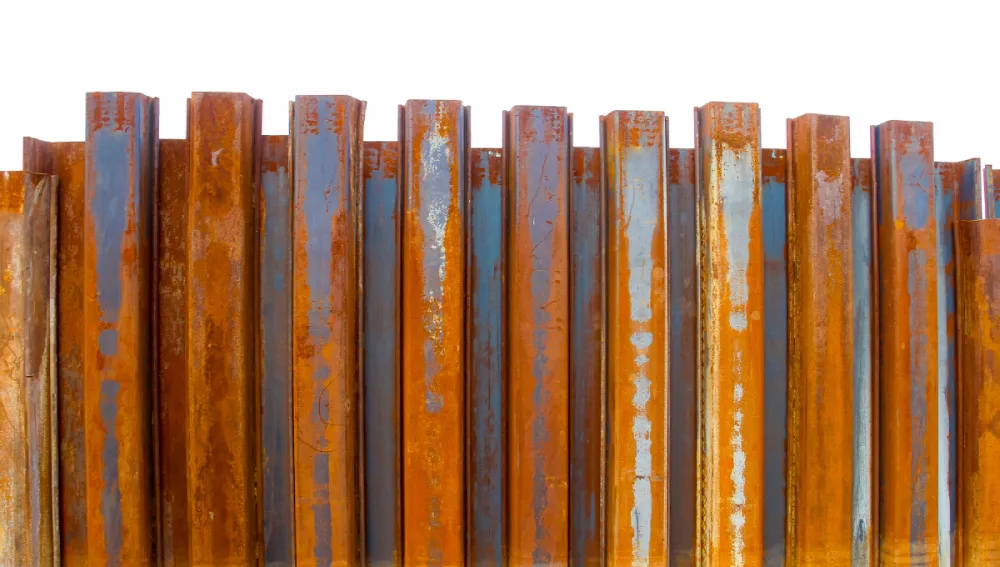
A sheet pile is a thin, long sheet typically made of steel that interlocks with other sheets to form a continuous wall. Driven into the earth, these sheets create a barrier capable of retaining soil or water. Sheet piles are often employed in or near water bodies to hold back the surrounding soil.

What is Sheet Piling?

Sheet piling involves driving sheet piles into the soil, thereby creating a secure barrier. This technique is typically used in areas where the soil is unstable or where excessive water poses a threat to the site being excavated. These structures are called sheet pile walls.

How Does Sheet Piling Work?

Sheet piling involves driving interlocking sections into a appropriate materials, such as compacted sand (or other fill materials), to form an impermeable barrier. A machine drives these sheets into the ground, and the sheets are mechanically connected to create a durable and stable wall. Once in place, they can stop soil or water.

Types of Sheet Pile Foundations 

There are various types of sheet pile foundations based on material type and installation method:

  1. Steel Sheet Piles: The most commonly used; created out of resilient and robust steel, making them ideal for handling large loads.
  2. Vinyl Sheet Piles: These are produced from plastic materials that  are lighter in weight and do not corrode easily; hence, they are commonly used in marine environments.
  3. Wooden Sheet Piles: They are made from timber and utilized for temporary structures or areas where eco-friendliness is a priority.
  4. Concrete Sheet Piles: Made from concrete, these are very strong and durable, often used in permanent structures requiring long-term stability.

Benefits of Sheet Piling

  1. Versatility:
    • Suitable for various soil types and conditions.
    • Effective in both temporary and permanent applications.
    • Can be used in urban and rural environments with equal efficiency.
  2. Strength:
    • The interlocking design creates a strong, stable wall.
    • Capable of withstanding significant pressure from soil and water.
    • Provides excellent structural support for adjacent buildings and infrastructure.
  3. Speed:
    • Installation is relatively quick, maintaining project schedules.
    • Minimizes site disruption and downtime.
    • Reduces labor costs due to faster completion times.
  4. Durability:
    • Steel and vinyl sheet piles are long-lasting and resistant to corrosion.
    • Capable of withstanding harsh environmental conditions.
    • Require minimal maintenance over their lifespan.
  5. Reusability:
    • Can often be removed and reused, making them cost-effective.
    • Environmentally friendly due to the potential for recycling materials.
    • Reduces waste and promotes sustainable construction practices.

Downsides of Sheet Piling

  1. Noise:
    • Driving sheet piles can be very noisy, which can be problematic in residential areas.
    • Noise pollution can disrupt local communities and lead to complaints.
    • Mitigating noise requires additional measures, increasing project costs.
  2. Vibration:
    • The process can cause vibrations affecting nearby structures.
    • These vibrations can potentially damage sensitive buildings and infrastructure.
    • Requires careful monitoring and possible mitigation techniques to prevent harm.
  3. Cost:
    • Initial material and installation costs can be high.
    • High upfront investment may not be feasible for all projects.
    • Long-term maintenance can add to overall costs.
  4. Corrosion:
    • Steel sheet piles can corrode over time, especially in marine environments.
    • Corrosion can compromise the structural integrity of the piles.
    • Mitigation with coatings and regular maintenance is necessary but adds to costs.

Sheet Piling Method

Sheet Piling Method

Sheet piling is one of the essential elements of many constructions that need to be built on the earth with unstable ground water . The following are the general methods used in sheet piling method: 

Vibratory Hammer: This technique involves hitting the sheet piles with a vibratory hammer, which drives them into the ground. The hammer produces vibrations that  decouple the soil, and thereby making it easier to penetrate through. It is most suitable for finer-grained soils and for sandy or gravely soils.

  1. Impact Hammer: In this method, an impact hammer is employed to hit the sheet piles with force, making them sink to the ground. It gently hammers at the top of the sheet pile, creating a transfer  force to drive through the ground. It is suitable for operating in dense or hard soils when driving sheet piles.
  2. Press-in Method: This method is quite revolutionary in that hydraulic or mechanical presses are used to drive the sheet piles into the ground in portions. Another advantage of the press-in method is that, it is suitable for locations sensitive to noise and vibration.
  3. Pitch and Drive Method: During this method, the sheet piles are thrown into the ground and then  driven to the needed depth with the help of an impact hammer. The method is very general and can be altered during the construction of the machine.

Practical Tips

  1. Proper Planning:
    • Ensure the right type of sheet pile is chosen, and the installation method is appropriate.
    • Conduct thorough site assessments to identify potential challenges and plan accordingly.
  2. Quality Material:
    • Use high-quality materials for durability and stability.
    • Source materials from reputable suppliers to guarantee their performance and longevity.
  3. Skilled Manpower:
    • Hire experienced workers for proper installation.
    • Provide ongoing training to workers to keep them updated on the latest techniques and safety protocols.
  4. Regular Inspections:
    • Conduct inspections during construction to catch any issues early.
    • Schedule post-installation inspections to ensure the integrity of the sheet pile wall over time.
  5. Environmental Considerations:
    • Minimize the impact of noise and vibrations.
    • Implement measures to protect local wildlife and habitats during construction activities.

FAQs

1. When is sheet piling used?

In construction projects with unstable soil or where water needs to be prevented from entering an excavation site, also for creating retaining walls.

2. How far can sheet piles protrude into the earth?

They can be driven approximately twenty to thirty meters deep based on the specific project and soil conditions.

3. What sets sheet piling apart from other foundation techniques?

It is characterized by driving consecutive interconnecting sheets into the soil, which often creates a wall faster and more flexibly than any other method.

4. What is the duration of installing a sheet pile barrier?

The time of installation may take several days up to weeks depending on the complexity and size of the project.

5. Can sheet piles be reused?

Yes, they can often be removed and reused in other projects, making them cost-effective.

The Ultimate Guide to Understanding Shaft Foundations

0
Shaft Foundations

Foundation engineering is one of the fundamentals of the stability and safety of a building. You can raise your building to any height based on the foundation. Among the various methods utilized for deep foundations, the drilled shaft foundation, or shaft foundation, is the major one. 

This article will illuminate drilled shaft foundations – what they are used for, how their design transfers load so effectively, their pros and cons relative to other options, and the process involved in installation.

What is a Shaft Foundation?

Shaft Foundation

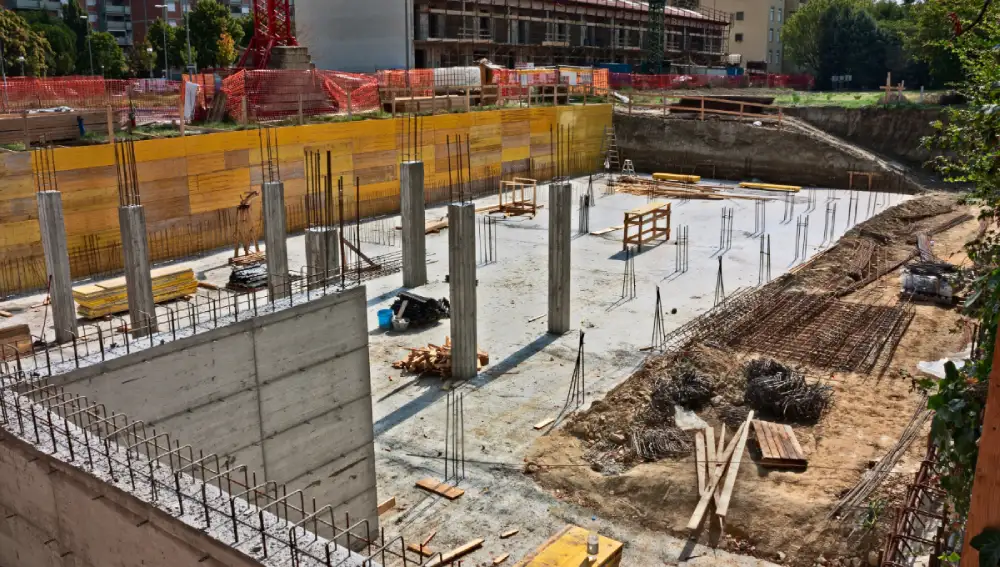
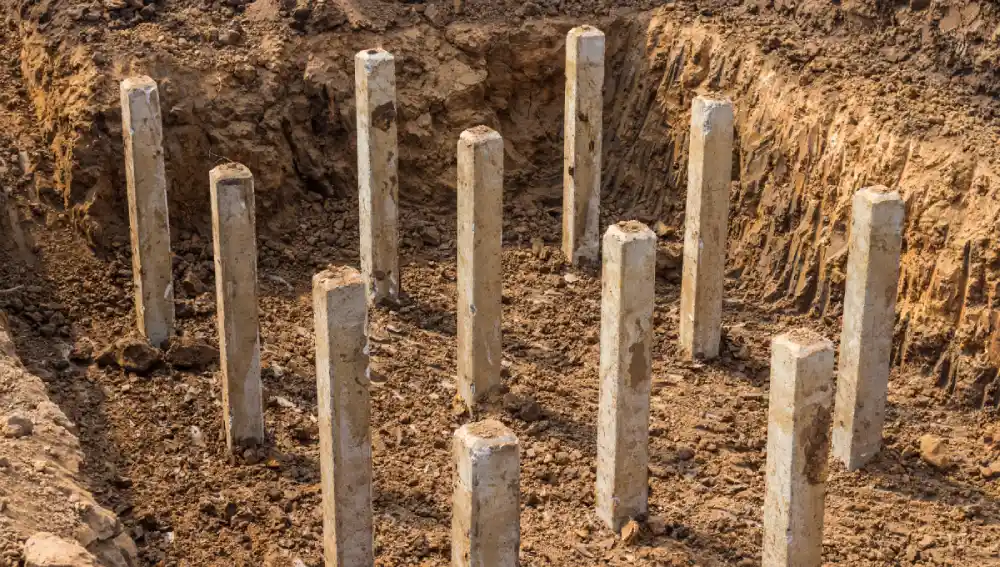
A shaft foundation, commonly referred to as a drilled shaft structure, is a deep foundation system designed to sustain large structures. Unlike ordinary foundations that sit within the topsoil, they reach farther below the surface whenever the upper layers cannot reliably bear the weight. Rather than distributing stress across a broad area as a raft foundation would, a shaft foundation funnels the load directly to the stable ground lying deeper. These cylindrical columns can be tailored regarding both diameter and depth relative to structural demands and soil-bearing capacity at a site. They are commonly used in the construction of bridges, towers, and other tall structures where the weight needs to be transferred deep into the ground.

How Does a Drilled Shaft Foundation Work?

Drilled shaft foundations transfer load from the weak near surface to the stronger soil or rock layer at depth. This can simply be done by boring a deep hole, inserting a steel reinforcement cage, and then proceeding to pour in concrete. This method effectively distributes the load to stable layers below, providing reliable support for heavy structures.

Types of Drilled Shaft Foundations

There are different types of drilled shaft foundations for various conditions:

  1. Straight Shaft: A simple cylindrical shaft filled with concrete. It is the most basic type and is used when the soil conditions are fairly uniform.
  2. Belled Shaft: The bottom of the shaft is widened to a bell shape for extra support. This type increases the bearing capacity and is useful when deeper layers are not strong enough alone.
  3. Underreamed Shaft: Similar to a belled shaft but with several widenings for more friction. This type provides additional resistance against heavy loads by increasing the surface area in contact with the soil.
  4. Socketed Shaft: A shaft drilled into rock for strong support. This type is used when very strong support is needed, and the shaft is anchored into the bedrock to provide maximum stability.

Advantages of Drilled Shaft Foundations

Drilled shaft foundations have many benefits:

  1. High Load-Bearing Potential: They can handle heavy loads, making them great for tall buildings and bridges. This is because they transfer the load to deeper, more stable layers of soil or rock.
  2. Low Ground Motion: The construction causes minimal vibration, which is good for busy areas or buildings near other structures. This reduces the risk of damage to nearby buildings during construction.
  3. Versatile Applications: They work well in different soils, from soft clay to hard rock. This versatility makes them suitable for a wide range of construction projects.
  4. Reduced Settlement Risk: They transfer weight to stable layers, reducing the chance of sinking. This ensures that the building remains level and stable over time.
  5. Potential Cost Savings: They can be cheaper than other deep foundation methods for some projects. This is especially true for projects where the required depth is not excessively deep.

Disadvantages of Drilled Shaft Foundations

There are also some downsides to drilled shaft foundations:

  1. Complex Procedures: They need special equipments and skilled workers. This can increase the cost and complexity of the project.
  2. Quality Control: Ensuring the shaft integrity can be tough, especially in different soils. This requires careful monitoring and testing during construction.
  3. Weather Conditions: Rain and other weather can delay construction. This can prolong the project timeline and increase costs.
  4. Time-Consuming: Drilling and filling deep shafts can take weeks. This is because each step of the process needs to be done carefully to ensure the stability of the foundation.

Construction Steps

Construction Steps for shaft foundation

Building a drilled shaft foundation involves several steps:

  1. Subsurface Exploration: Check underground conditions, water levels, design loads and soil exploration. This helps to determine the best type and size of shaft for the project.
  2. Drilling: Use a rig to create holes of the right depth and diameter. The hole needs to be straight and clean to ensure the stability of the shaft.
  3. Temporary Casing: If needed, use a casing to keep the hole stable during drilling. This is especially important in loose or sandy soils.
  4. Reinforcement Placement: Put the steel reinforcement cage in the hole and support it properly. The reinforcement provides additional strength and stability to the shaft.
  5. Concrete Pouring: Pour concrete into the hole, making sure it covers the reinforcement and fills all spaces. This creates a solid, stable base for the building.
  6. Casing Removal: Remove the casing as the concrete is poured. This allows the concrete to come into direct contact with the soil, providing additional friction and support.
  7. Curing: Let the concrete harden for a few days before applying any weight. This ensures that the shaft is strong and stable.

Practical Tips

Here are some tips for installing drilled shaft foundations:

  1. Proper Planning: Plan the shaft layout and type carefully to meet requirements and site conditions. This ensures that the foundation is strong and stable.
  2. Quality Material: Use strong concrete and good steel reinforcement for durability. This helps to ensure that the shaft can support the weight of the building.
  3. Skilled Manpower: Hire experienced engineers and workers for the job. This helps to ensure that the construction is done correctly and safely.
  4. Regular Inspections: Check the shaft during construction to catch any issues early. This helps to ensure that the foundation is strong and stable.
  5. Environmental Considerations: Think about noise, vibration, and groundwater management during drilling. This helps to minimize the impact of construction on the surrounding area.

FAQs

1. When is a drilled shaft foundation preferable?

Drilled shaft foundations are ideal where topsoil is too poor to support buildings and mixed kinds of soil exist, including hard rock.

2. How deep can drilled shaft foundations go?

They can be very deep, often 20 to 30 meters,with respect to the load being carried and under soil conditions. They are therefore able to reach stable sections of either soil or rock.

3. Can drilled shafts be used in all soil types?

Drilled shafts are adaptable and find usefulness in diverse kinds of soil, like soft clay or high strength rocks, among others. However, specific soil properties may require additional precautions, such as casing or slurry stabilization, thus making them favorable for various construction projects.

Precast Concrete Wall Panels: All You Need to Know

0
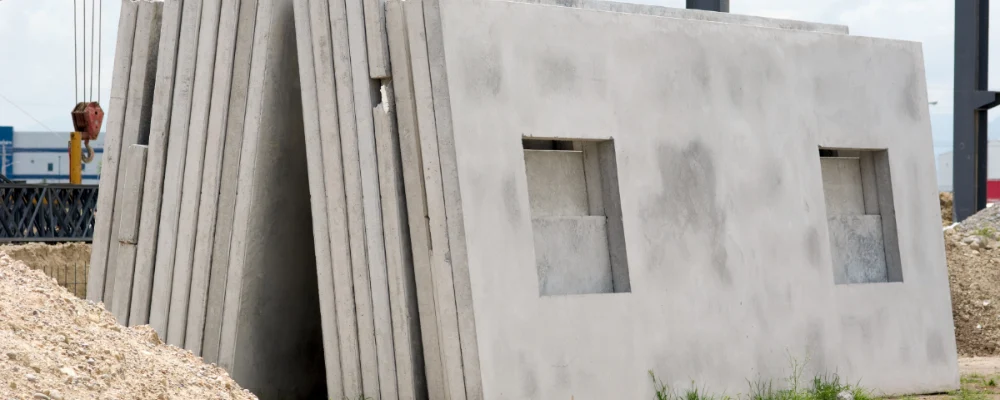
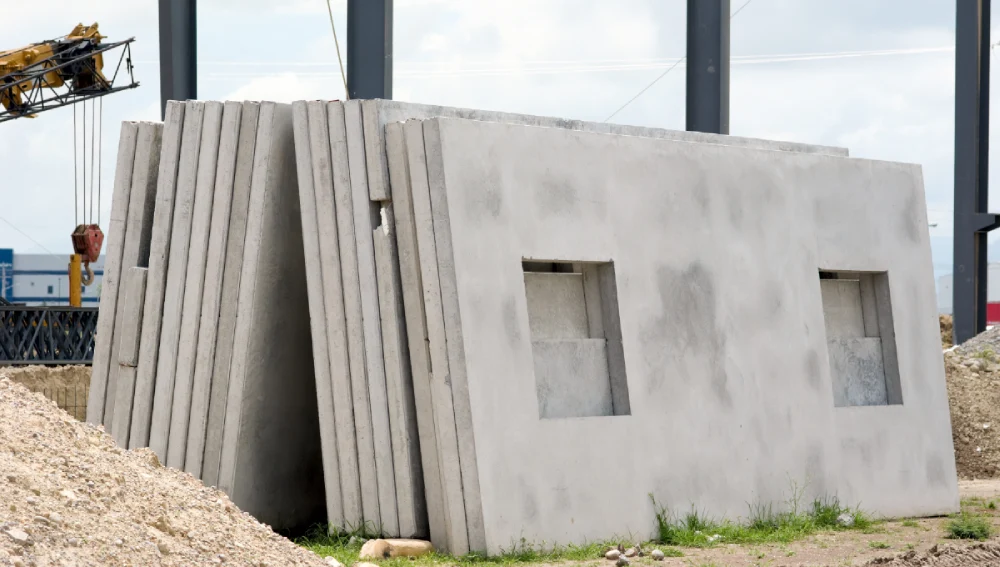
Precast Concrete Wall Panels

Precast concrete wall panels are gaining popularity in modern construction due to their numerous advantages. Compared with conventional building techniques, it becomes a prime choice for builders, property owners, and architects looking for durable and cost-effective solutions.

It fundamentally transforms the way we build, allowing us to exceed expectations for the final product. From a faster construction timeline to lower labour costs, you can experience flexibility in all aspects. Whether you are planning for a commercial or residential building, consider precast concrete wall panels as a prime choice for wall materials.

This blog explains the types and hidden benefits of precast concrete walls, exploring how to use them for your next construction project.

What are Precast Concrete Wall Panels?

Precast Concrete Wall Panels

A precast concrete panel is an element  used to create interior or exterior walls. They are prepared by pouring concrete into a mould and curing it in a controlled environment. Reinforced bars embedded with concrete provide extensive structural integrity. When the concrete mixtures are carefully formulated, buildings can obtain the desired durability, strength, and insulation properties.

Once the estimated properties are achieved, it can be easily transported to the construction site as a finished material. Instead of on-site concrete casting, this method allows for increased speed of construction, cost-effectiveness, and durability. It improves construction quality, thus improving the lifespan of the buildings.

Significance of Precast Concrete Walls

The benefits that the prefabricated wall Panels bring to the table are exceptional. They are an innovative building solution that contributes to quick installation, on-time delivery, and cost-effectiveness. Some of the key advantages are explained below: 

Superior Strength and Durability

There is no doubt that precast concrete walls are remarkably durable against harsh environmental forces, including rusting, weather conditions, fire, abrasion, and erosion. During off-site manufacturing, the mixture of products is carefully curated to maximise the full potential of concrete, thus leading to enhanced strength and durability. Easy to Install

The prefabrication process drastically reduces building time. When the concrete walls are completely ready, they can be installed much faster than traditional wall construction. It accelerates the overall timeline and reduces labour costs. The building owners and construction teams take advantage of the streamlined execution methods, promoting minimal disruption, excellent coordination, and enhanced resource allocation.

Sound Proof

A precast structure contains a dense composition of concrete and acts as a barrier against sound. The mass of concrete creates a quieter and more comfortable indoor environment, ideal for noise-sensitive areas. Whether it is a residential or industrial structure, including airports or hospitals, they are widely used for reduction of sound transmission.

Maintenance and Repair

Unlike traditional building methods, precast concrete walls don’t require frequent maintenance. A regular cleaning is recommended to efficiently remove the dirt, dust, and debris. When it is manufactured in a controlled environment, there is no opportunity to encounter frequent repairs or damages. To improve its durability, periodic communication with qualified professionals is advisable.

Lower Cost

The cost of precast concrete depends on a host of factors, including the desired quality, transportation charges, and type of materials. This doesn’t mean that it is expensive. When compared with traditional concrete construction, precast concrete walls are low cost. They are extremely flexible installation wise. When you select concrete wall panels, you are not only saving money but also time. Typically, it optimises the overall project timeline, resulting in reduced labour costs.

Technical Characteristics of Precast Concrete Wall Panels

Technical Characteristics of Precast Concrete Wall Panels

The below mentioned are general estimates, they may vary depending on the production site. Builders and owners are advised to inquire about the significant factors that influence choosing the best concrete wall that fits their building’s requirements. Here are those key factors compared to other commonly used wall materials: 

  • Compressive Strength: Precast concrete wall panels have a  comprehensive strength of 25 – 50 MPA, which is significantly higher than stone (around 20 – 50 MPA) and brick (around 10 – 20 MPA).
  • Flexural Strength: 4 to 6 MPA – Exceeds brick and stone, highly resistant to bending and cracking.
  • Dimensions: Can be as large as 12.34m x 3.80m.*These large sizes reduce construction time and labour cost.
  • Average Weight: 280 to 350 kg/m2 – it is significantly heavier than wood and steel.
  • Thickness: 16 to 50 cm – Thicker panels offer extreme strength and insulation, but may increase cost and weight.
  • Seismic Zone: Precast concrete wall panels can withstand seismic activity, designed particularly for earthquake-prone areas.  

In a Word

Precast concrete wall panels are a great wall material choice for modern construction. They benefit the contractors or builders in all aspects, such as design flexibility, speed of construction, and durability. The materials and quality are tailor-made, making them popular for various building types. By carefully considering its significant factors, you can achieve successful and long-lasting projects.

Additionally, exploring the Types Of Wall Panelling available can offer even more design options to suit specific project needs. The materials and quality are tailor-made, making them popular for various building types. By carefully considering its significant factors, you can achieve successful and long-lasting projects.

FAQs

Where are precast concrete walls commonly used?

Precast concrete wall panels are used in a wide range of applications due to their  enhanced durability, energy efficiency, and speed of construction. Mostly, they can be observed  in:

Residential construction
Agricultural structures
Industrial facilities
Commercial buildings and
Retaining walls

Can precast concrete wall panels be customizable?

Yes, the construction type of each project is unique in its own way. This method offers design flexibility with various sizes, finishes, colours and textures to fit the architectural style. Builders or contractors can choose the panel that suits their project requirements.

3. How strong are precast concrete wall panels?

The concrete mix and reinforcement are the deciding factors in the strength of precast concrete wall panels. Typically, the flexural strength ranges from 4 to 6 MPa and the compressive strength from 25 to 40 MPa.

Concrete Mix Design: All You Need to Know

0
Concrete Mix Design

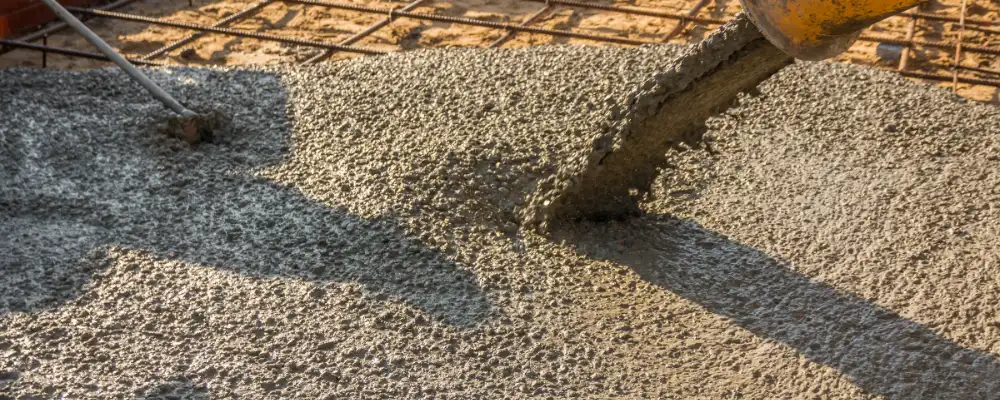
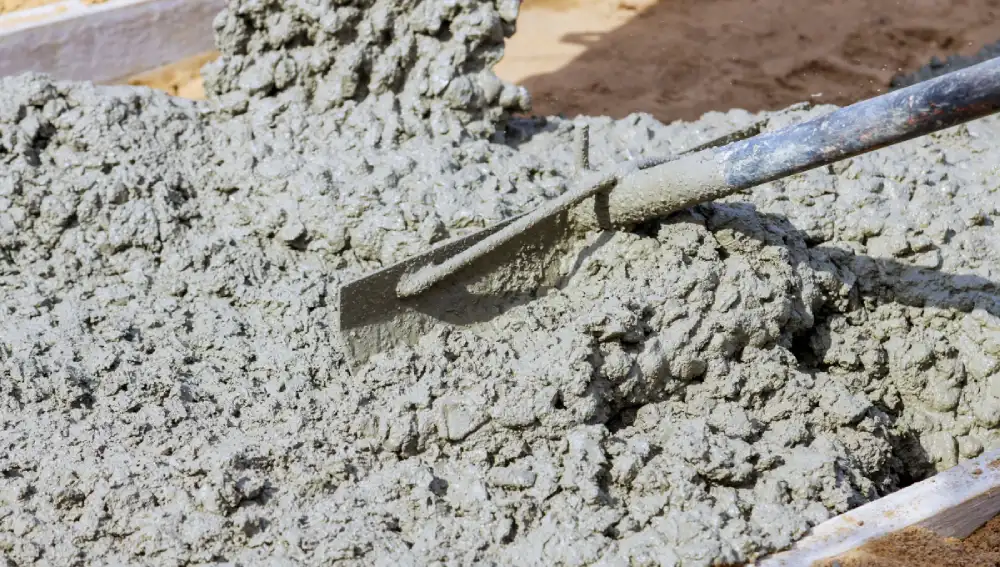
Concrete mix design is a meticulous engineering process. It determines the accurate proportion of cement, water, fine aggregates, coarse aggregates, and chemical admixtures to create concrete with desired properties.

Each of these raw materials possesses unique physical characteristics. By carefully considering these significant factors, engineers can achieve the structures with enhanced strength, durability and workability. Depending on the construction needs, professionals decide the concrete mix ratio with the intent of improving strength and durability. For instance: bridges, flatwork, walls, and underground pipes – the construction of every project needs concrete with different properties.

The process  also involves selecting the suitable ingredients and appropriate quantities of concrete mix, which significantly impacts the final product. This article provides a  complete guide to concrete mix design and its  methods.

What is Concrete Mix Design?

Concrete Mix Design

Concrete mix design is a critical process to define the type of ingredients, and the proportions to use them, in order to create concrete with expected technical specifications, enhancing the structure’s strength with desired properties. These properties include workability, durability, strength, and cost-efficiency. It can vary depending on the project needs.

Methods of Concrete Mix Design

The important methods used in the concrete proportioning are as follows:

Maximum Density Method

This method involves weighing the concrete  aggregates, using the proportion with heaviest weight for the same volume. It is a unique approach with the principle of obtaining dense and workable concrete. The process particularly requires a box filled with numerous amounts of fine and coarse particles. During this method, the proportion that produces the heaviest weight is used.

It is estimated using the following equation:

P= 100 x (d/D) x 0.5

Here, P denotes % by weight of matter finer than diameter (d).

D represents the maximum size of aggregates.

Arbitrary Method

In this approach, the proportion of cement, water, sand and related aggregates is randomly chosen, while checking for minimal air voids. However, to achieve the desired workability the amount of water in the cement paste is adjusted as required.

For normal construction work, the preferred mix ratio will be 1:1.5:3 and 1:2:4, while for the foundations and mass concrete work, the ratio may be 1:4:8. If the construction subsequently requires higher strength and grade, concrete with a ratio of 1:1:2 is used.

Fineness Modulus Method

The fineness modulus method describes the proportion of coarse and fine aggregates in a concrete mix. It is based on the particle size distribution and is usually represented in index numbers.

The sizes of aggregates play a crucial role in achieving the determined durability, workability, and strength of concrete. The fine aggregates typically generate a Fineness modulus ranging from 2.3 to 3.1 while the value for coarse aggregates is 5.5 to 8.0.

Surface Area Method

The surface area method is a sophisticated approach that minimizes the total surface area of aggregates, reducing the cement paste needed in the mix. When optimizing the amount of cement paste requirements, the concrete mix can be stronger, denser and more cost-effective.

Benefits of Proper Concrete Mix

Benefits of Proper Concrete Mix

The proportions of ingredients and other components like admixtures potentially impact the final concrete product. The proper concrete mix ensures:

  • Strength: Concrete with proper mixing can withstand the intended loads without causing any shrinkage or cracking.
  • Durability: A right mix ensures the longer lifespan of the structure withand resistance to weathering, chemical attack and cracking.
  • Cost-effectiveness: Estimating the required level of ingredients avoids waste and optimizes costs.

Types of Concrete Mix Design

The following are the types of concrete mix designs.

Design Mix Concrete

The primary purpose of a designed mix is giving concrete the essential strength. Not only the strength, you can obtain all the desired characteristics through both the fresh and hardened stages of concrete. The properties of fresh concrete can be optimized to achieve the required workability and performance of concrete.

During the making process, there are various standard guidelines needed to follow including the IS method, BS method and ACI method. Before applying for the work, this method is tested in different applications to ensure its final results.

Nominal Mix Concrete

The nominal mix concrete contains lower strength when compared to the design mix. Hence it is preferred for simpler, unimportant and small-scale concrete projects. The fixed ratio of ingredients like cement, aggregates, concrete, and sand is used to achieve a certain strength.

According to the ‘Indian Standard – IS 456:2000’, this type is used for concrete of M20 and  lower grades such as M5, M7.5, M10, M15.

For example: M indicates mix design and 20 is standard strength of concrete. The mixed ratio of M20 is fixed at 1:1.5:3. It means 1 part of cement, 1.5 parts of fine aggregate, and 3 parts of coarse aggregates.

S.noConcrete GradesConcrete Mix Design Ratio(Cement: Sand: Coarse Aggregate)
1M51:5:10
2M7.51:4:8
3M101:3:6
4M151:2:4
5M201:1.5:3
6M251:1:2

Factors Affected by  Concrete Mix Design

Here are the primary factors affected by  concrete mix design: 

Workability of Concrete

Insufficient workability causes incomplete compaction that severely influences strength, surface finish and durability of concrete. Additionally, high workability concrete is mandatory for narrow and complicated sections containing various corners and inaccessible parts. It ensures achieving full compaction at a reasonable effort.

Durability of Concrete

Durability determines the ability of concrete to withstand harmful environment conditions. In general, high strength concrete is more durable than low strength concrete. Using the right concrete mix proportions ensures that the concrete can resist environmental forces and chemical attacks, while reducing porosity and ensuring longevity

Quality Control

Concrete strength varies during every batch of pouring. The variability in the concrete strength is inevitable during production. Controlling these differences is paramount to maintain the structure quality throughout the project. These variations can be identified and adjusted by using a uniform concrete mix design.

Summary

A well-designed concrete mix ensures the success of any structural project. It ensures provision of  strong, cost-effective and durable concrete, resisting shrinkages. Choosing qualified professionals can ensure the selection of the right kind of concrete mix design. They are proficient in basic principles, and can implement suitable methods to meet the requirements of the desired structure.

FAQs

1. Which concrete mix is best?

The best concrete mix significantly includes Portland cement, aggregates and water. For achieving higher strength, a low water-to-cement ratio is preferred with the inclusion of admixtures like plasticizers. The mix design can be tailored according to the environmental conditions and specific requirements of a project.

2. Can sea water be used to mix concrete?

Due to the presence of harmful salts and contaminants, sea water is not advised for mixing concrete. Meanwhile, if it is used in reinforced cement concrete, it leads to the corrosion of steel reinforcements and weakens the concrete structure.

3. Nominal mix versus design mix: when should I use it?

A nominal mix is a suitable method for small-scale structures, free from any complexities where the precise strength is not essential. The design mix can be used in high-strength applications or critical structures in which workability is a primary characteristic.

How to Use White Cement to Fill Gaps

0
How to Use White Cement to Fill Gaps

White cement is a material that often gets overlooked when it comes to fixing up your home. But this material can do a lot. You can use it to fill spaces between tiles, fix cracks, and even make cool art. If there happen to exist any empty spaces among your tiles, white cement would be the perfect option for you. It’s easy to work with, budget-friendly and even comes in similar hues as those of your tiling so that they don’t look awkward when put side by side. We will guide you through filling up spaces using this type of cement from start to finish.

Step-by-Step Guide to Fill Gaps with White Cement

Step-by-Step Guide to Fill Gaps with White Cement

Step 1: Preparation

  • Clean the Area: Start by vacuuming up dirt from the cracks among the panels or tiles. A chisel or blade will help you get rid of all accumulated dirt, dust or even remnants of aged grouts, but be careful to avoid scratches. This helps the cement stick well to the surfaces.
  • Protect Surrounding Areas: Put masking tape on areas next to the gaps you’ll fill. This stops accidental spills on the tiles or other surfaces.

Step 2: Mixing the Cement

  • Mix the Paste: Mix white cement with water until it forms a consistent smooth mixture. The mixed cement should have a consistency similar to ground peanuts  not too watery and neither should it be in any way solidified.

Step 3: Putting on the Cement

  • Fill the Spaces: Apply the cement into the gaps using a putty knife or margin trowel. Press hard to make sure the cement fills the entire gap and sticks well to the tile edges.
  • Get Rid of Air Pockets: Tap the filled gaps with the flat side of the knife. This helps to remove any trapped air ensuring a solid fill and avoiding future cracks.

Step 4: Smoothing and Cleaning

  • Make It Smooth: When you are done stuffing in all those cracks, use a putty knife to level out your cement surface. Make sure it’s level with the tiles.
  • Remove Extra Cement: Right away, wipe off any extra cement from the tile surfaces with a damp sponge or cloth. This stops the cement from hardening on the tiles and becoming difficult  to clean later.

Step 5: Curing

  • Let It Dry: Give the cement at least 24 hours to dry. Keep the area undisturbed during this time to allow the cement to set. You can use a fan to help it dry faster if needed.

Step 6: Final Touches

  • Check the Work: After the cement dries look at the filled gaps to spot any flaws. Sand any bumpy areas if you need a smooth surface.
  • Protect the Surface: To make it last longer and resist water better, think about putting a sealant over the filled gaps.

Why Use White Cement?

White cement offers several benefits that make it a top pick for filling gaps:

  • Looks Good: Its colour can mix well with white tiles or blend with dyes to match other shades.
  • Toughness: Just like regular cement, white cement lasts long and creates a solid bond.
  • Flexibility: You can use it for many jobs besides filling cracks and gaps, like plastering and finishing surfaces.
  • Toughness: It stands up well to weather, so you can use it inside and outside.

Things you need

Before you start plugging holes with white cement, get these tools and materials:

  1. White Cement: You can buy it with or without sand mixed in.
  2. Mixing Container: To make the cement paste.
  3. Putty Knife or Small Trowel: To push the cement into the gaps.
  4. Sponge or Wet Cloth: To wipe off extra cement from the tiles.
  5. Gloves: To keep your hands safe while you work.
  6. Water: To mix with the cement and clean.

Advice for Using White Cement

  1. Weather Conditions: Work when it’s not too hot or cold. This helps the cement dry at the right speed, which affects how it turns out.
  2. Adding Colour: During preparation, incorporate colouring  pigments into the white cement to blend it up with shades of coloured tiles. Before applying over an area, remember to do a patch test for approval first.
  3. Safety Precautions: While working on concrete use gloves so that your hands are protected. In addition, if necessary, wear a mask for safety from inhalation of cement powder.

Common Mistakes to Avoid

  • Poor Cleaning: Gaps that aren’t cleaned well can cause the cement to stick and crack later.
  • Wrong Mixing: Using the incorrect amount of water to cement can make the mix weak. Read and follow what the instruction says to get the best results.
  • Too Much Filling: If you fill past the top of the tiles, you might end up with bumpy surfaces once the cement dries.

Alternative to white cement You Can use in the gaps ?

When filling gaps between tiles, white cement is commonly used due to its smooth finish and ability to blend well with light-colored tiles. However, there are several alternatives available, each with specific benefits depending on your project requirements, such as durability, moisture resistance, or aesthetic preferences.

  • Grout
  • Epoxy Grout
  • Polymer-Based Tile Adhesive
  • Silicone Sealant
  • Cement-based Tile Adhesive

Differance between White Cement and Rest

PropertyWhite CementGroutEpoxy GroutPolymer-Based Tile Adhesive
CompositionA blend of white cement and fillersMixture of cement, sand, and waterEpoxy resins and hardenersPolymer modified cement and adhesive compounds
StrengthModerate, not as strong as grout or epoxyModerate, with sanded grout being stronger than unsandedVery high, resistant to cracking and stainsHigh bonding strength, ideal for demanding installations
Water ResistanceModerate, may not be fully water-resistantStandard grout is not waterproof, but improved with sealersExcellent, highly resistant to moisture and stainsGood water resistance, especially in moist environments
DurabilityLess durable than epoxy or adhesiveDurable, but may crack over timeExtremely durable, long-lasting in high-traffic areasDurable and flexible, but can degrade under extreme conditions
Ease of UseEasy to apply, but may require skill for smooth finishEasy to apply, may require sealing for better durabilityRequires careful mixing and applicationEasy to apply with a trowel, highly adhesive
Use CaseFilling gaps in non-moisture-prone areasCommon for standard tile installations in dry areasBest for high-traffic, moisture-prone, or commercial areasIdeal for areas with heavy-duty bonding requirements
AppearanceSmooth, white finish that blends with light-colored tilesVaries by grout type (sanded for wider gaps, unsanded for narrow)Available in a range of colors, glossy finishGenerally matches tile adhesive colors, less aesthetic
CostGenerally cheaper than epoxy groutAffordable, especially for unsandedExpensive due to high durability and chemical propertiesMid-range cost depending on polymer quality

To wrap up

Using white cement to fill gaps between tiles works well and looks good too. If you follow the steps in this article, you can get results that look professional without much work. Whether you’re fixing old gaps or setting up new tiles, white cement is a good choice that keeps your surfaces smooth and strong.

FAQs

1. Is white cement good for wet areas?

White cement works well in wet spaces like bathrooms and kitchens because it repels water. Make sure to seal it to boost its performance.

2. How long does it take for white cement to dry?

White cement takes 24 to 48 hours to dry. This depends on how thick you apply it and the conditions around it. Don’t touch the area while it’s drying to let it set right.

3. Can I fill outdoor gaps with white cement?

White cement stands up to the weather and fits well for outdoor use. You can use it to fill gaps in patios, walkways, and garden tiles.

4. Does white cement have more strength than regular grout?

While white cement lasts long, keep in mind that it differs from grout, which is made to fill tile gaps. White cement can work as an option when grout isn’t around or doesn’t fit the job.

5. How to use white cement to fill gaps between tiles ?

To fill gaps between tiles with white cement, mix the cement with water to form a paste. Use a grout float or rubber spatula to apply the mixture into the gaps, ensuring it’s evenly spread. Once applied, smooth the surface with a damp sponge and allow it to set before cleaning excess cement.

how long does it take for white cement to dry ?

White cement typically takes about 24 to 48 hours to fully dry, depending on the thickness of the application and environmental conditions. However, it may set enough for light handling in 3-4 hours. It’s important to allow it to cure for a longer period to achieve maximum strength and durability.

Lime Mortar vs. Cement Mortar: Understanding Their Differences

0
lime vs cement

Lime or cement mortar? This is one of the common questions faced by many contractors and builders today. In general, each mortar type has its own unique characteristics and properties that apply to different construction projects. Selecting the right mortar is a critical decision, ensuring the building’s long-term appearance and durability.

Historically, lime mortar has been a renowned choice for both traditional and modern buildings due to its durability and breathability. However, the introduction of cement in the 19th century made it popularly known for its quicker setting times and superior strength.

Both are ideal materials in their own ways and can be used for their suitability to different projects . With this article, you’ll dive deep into its characteristics, advantages, and applications, empowering your knowledge to make informed decisions.

Lime Mortar

Lime Mortar

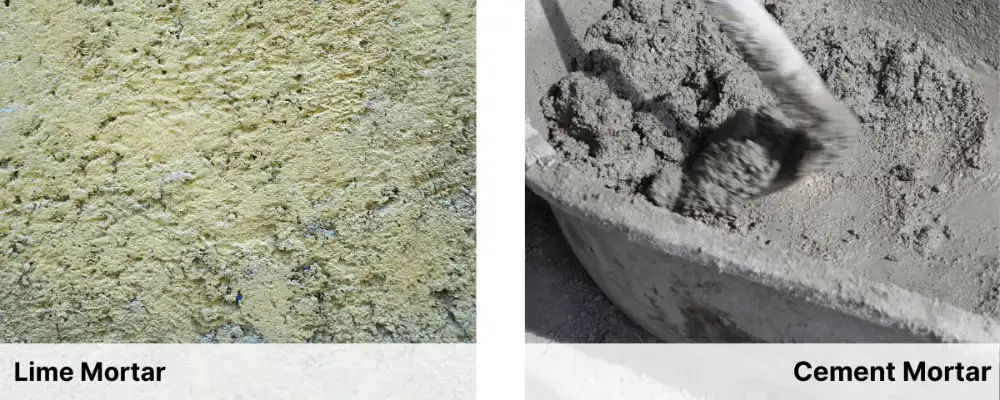
Lime mortar comes in different forms and is composed of hydrated lime, water, and sand. Typically, it is a good binding material that requires much more time than cement to achieve its full strength. Being a traditional product, it is still  fairly used in new-build masonry construction. Due to its enhanced  breathability, it avoids  problems of dampness, particularly in old buildings with solid walls.

Properties and Applications of Lime Mortar

  • Flexibility: Lime mortar can adapt to the natural movement of buildings, preventing the likelihood of cracking. This flexibility is suited for seismic regions or for structures that are highly subjected to temperature fluctuations.
  • Breathability: Lime mortar’s breathability allows moisture content to evaporate freely in a damp environment. It ensures a healthier indoor environment by preventing mold formation and saltpeter.
  • Looks Appealing: Compared to cement mortar, it creates a softer, more natural architectural aesthetic. It gives buildings extra grace and character over time.
  • Compatibility: Lime mortar has excellent compatibility, making it an indispensable choice for restoring heritage buildings. However, it may not be suitable  for structures subjected to heavy loads.

Cement Mortar 

Cement Mortar

Cement mortar is a widely used construction material made of three basic components: cement, sand, and water. It is incredibly versatile and is used in various construction projects to bind building blocks together. Knowingly, cement mortar is a dominant choice in contemporary construction, excelling in compressive strength and water-resistant properties.

Properties and Applications of Cement Mortar

  • High Compressive Strength: Cement mortar is a prime choice for load-bearing structures that need to  withstand extreme compressive loads.
  • Quick Setting Time: Cement mortar accelerates the setting time, leading to a reduced construction timeline. Unfortunately, there is no time gap to make corrections or adjustments to the applications once they bind together. 
  • Water Resistance: It may not  be completely waterproof but offers good resistance to moisture content, making it ideally suitable for exterior applications.
  • Durability: When the raw materials are properly mixed and applied, cement mortar can provide excellent durability and longevity. This  primarily depends on the water-cement ratio; even a small variation can cause significant impacts on the mortar’s strength and workability.
  • Environmental Condition: Harsh weather conditions, such as extreme humidity, rainfall, heat, or cold, can influence the curing process and setting time of cement mortar. It potentially compromises its overall structural integrity and strength.

Comparing Lime vs. Cement Mortar

FeaturesLime MortarCement Mortar
Ratio1 part lime putty: 3 parts sand. The ratio may vary according to the lime type and application.1 part cement:3 parts sand. This is a commonly used ratio, but varies based on application.
ColourColour is defined by the type of sand used in lime mortar. Most probably, it is found in earthy  colors like cream or beige.Most often, it has been identified in grey colour.
Slaking processLime is slaked by adding water to produce lime putty.It doesn’t require slaking.
CompositionTypically composed of lime, sand, and water. In addition to that, fibers, earth, hair and some other additives can be included.Modern cement mortar is made from Portland cement, water, sand, and additives like plasticiser if required.
Water AbsorptionLime mortar is highly porous and breathable as the water content can evaporate freely in a damp environment.Less breathable, often impervious.
InclusionHas  lime inclusions, appearing as soft, powdery lumps.May contain impurities.
ApplicationsBreathable structures, historic preservation and interior walls with aesthetic appeal.Modern constructions, load-bearing structures, and exterior walls.

Choosing the Right Mortar

Finding the appropriate mortar as per the project requirements needs careful consideration of several factors. They include:

  • Age of the Building: Generally, lime mortar is a predominant choice for historic structures, maintaining superior authenticity and compatibility. However, it can be used in modern buildings to incorporate sustainability or to add traditional aesthetics.
  • Building Type: Cement mortar is primarily known for its extensive strength and is the most preferable option for load-bearing structures.
  • Aesthetic Preferences: Cement mortar fits well for modern constructions where walls are plastered, while lime mortar can be left exposed and offers a soft, natural appeal to traditional architectural styles.
  • Cost: Cement mortar is quite budget-friendly compared to lime mortar. When the cost is not a big constraint, you can go with lime mortar based on your construction requirements.

Summary

The choice between cement and mortar or Lime mortar is not a personal preference, it is based on the performance and durability that we want for our construction. In simple terms, cement mortar is a default option for many cases, while lime mortar is valued for restoring historic structures and creating healthier indoor environments, along with incorporating sustainability. With the properties discussed in this article, you can understand the workability of both mortars and choose the suitable one.

FAQs

1. Which mortar is stronger: lime or cement?

Lime mortar can withstand building movement, consuming more time to set, but is not as strong as cement. Cement mortar, on the other hand, has  higher compressive strength and is , suitable for heavy load-bearing structures.

2. Can I use lime mortar on a new build?

Yes, lime mortar can be used for new builds where traditional looks and sustainability are important. However, it has a slower setting time and strength compared to cement mortar.

3. Can I mix lime and cement mortar?

Mixing lime and cement mortar is not recommended as both possess unique properties, curing processes, and setting times. It leads to potential troubles and inconsistent results.

How to Select the Best Quality Electric Wire For Your House

0
Best Quality Electric Wire

Picking the right electric wire for your home matters a lot. It lasts longer, conserves energy, and keeps you safe. This article explains the many kinds of wires, what to look for in a purchase, some technical details, and setup advice. We will not discuss specific  brands. Rather, we’ll concentrate on what constitutes a high-quality wire so you may select the ideal one for your project.

Types of Electric Wires

Types of Electric Wires

To pick the right wire, you need to know what kinds are out there. Each type works best for different purposes

1. Non-Metallic (NM) Sheathed Cable

  • Description: NM cables also called Romex, are used in home wiring. They have several wires inside a flexible plastic covering.
  • Uses: Great for indoor jobs like wiring outlets, switches, and lights.

2. Armored Cable (AC)

  • Description: These cables have a metal covering, which gives them extra protection from physical harm.
  • Uses: Good for places that might get damaged, like garages, outdoor or underground spaces and  basements.

3. Underground Feeder (UF) Cable

  • Description: UF cables are made to be used outdoors, with a strong covering that keeps out moisture.
  • Uses: Great for installations underground, like wiring for lights outside and other things buried in the ground.

4. Thermoplastic High Heat-Resistant Nylon-Coated (THHN) Wire

  • Description: THHN wire can handle high heat well and is often used in business and factory settings.
  • Uses: Works well for both conduit and open-air setups in homes.

5. Copper-Clad Aluminium (CCA) Wire

  • Description: Aluminium core in CCA wires has a copper cover; therefore, it is both cost-effective and conductive.
  • Uses: These wires find application in situations where weight and cost matter, though they’re not generally seen in homes.

6. Coaxial Cable

  • Description: Coaxial cables used to transmit data consist of a central conductor insulation, a metallic shield, and an outer cover.
  • Uses: These cables play a crucial role in TV and internet connections but don’t carry electrical power.

Things to Think About When Picking Electric Wires

Choosing the right electric wire requires you to weigh several key factors to guarantee safety and effectiveness:

1. Wire Gauge

  • Definition: A Wire gauge denotes  how thick a wire is. Lower numbers mean thicker wires that can handle more current.
  • Common Gauges: Houses often use 12-gauge wires for outlets and 14-gauge for lighting.

2. Material

  • Copper vs. Aluminium: Copper conducts well and resists rust, making it the top pick for most home wiring. However, Aluminium weighs less and costs less but doesn’t conduct as well.
  • Consideration: Go with copper for most home jobs unless you need to watch the  weight or budget.

3. Insulation

  • Importance: Quality insulation guards wires against environmental factors and lowers the chances of electrical fires.
  • Types: Materials like thermoplastic and nylon are used to insulate wires providing great durability and protection.

4. Voltage Rating

  • Definition: This rating shows the highest voltage a wire can handle.
  • Requirement: Make sure your wires can support the voltage of your home’s electrical system to avoid overheating.

5. Environmental Conditions

  • Indoor vs. Outdoor: Pick NM cables for indoor use and UF or armoured cables for outdoor or underground setups.
  • Durability: Think about wires with extra protection for tough environments, in order to prevent corrosion by natural elements and rodents..

6. Compliance with Standards

  • Safety Standards: Check that wires follow local and national electrical rules.
  • Certification: In India, certifications or standards are provided by the IS (Indian Standard) code and BIS (Bureau of Indian Standards).

Understanding  Electrical Conductivity

Understanding  Electrical Conductivity

How Conductivity Affects Wiring

Electrical conductivity measures how well something can carry an electric current. In-home wiring, conductivity plays a key role in how well the electrical system works.

Copper has excellent conductivity, making it the best choice for most residential wiring. Its high conductivity guarantees that electricity flows efficiently, reducing energy loss and heat creation.
Aluminum Conductivity: Despite the fact that aluminium does not conduct as well as copper, it is nonetheless used in various applications due to its light weight and inexpensive cost.

Conductivity’s Role in Choosing Wires

When picking wires for house wiring, thinking about the material’s conductivity helps make sure the system can handle the expected electrical load. Conductivity has an impact on:

  • Energy Efficiency: High conductivity has an influence on energy loss reduction as heat results in more productive energy use and smaller electricity bills.
  • System Safety: Good conductivity helps minimisze the chance of overheating, which can cause fires or harm the electrical system.

Wire Sizing and Ampacity

Understanding Ampacity

Ampacity means the highest amount of electric current a wire can handle without getting too hot. Picking the right wire size based on ampacity is key to ensuring safe and effective electrical setups.

  • Factors That Have an Impact on Ampacity:
  • Wire Gauge: This means that thicker wires (with less gauge numbers) can support more electricity because they have higher ampacity.
  • Insulation Type: Wire insulation materials possess varying thermal resistance properties, thereby affecting their ampacities.
  • Ambient Temperature: Higher temperatures can lower a wire’s ampacity, so you might need bigger wires or different insulation to stay safe.

Wire Sizing Guidelines

To pick the right wire size, you need to make sure your electrical system can handle the expected load. Here are some basic rules for common home uses:

  • Lighting Circuits: 14-gauge wire suits circuits that handle up to 15 amps.
  • Outlet Circuits: 12-gauge wire works for circuits that carry up to 20 amps.
  • Kitchen Appliances: Bigger appliances might need 10-gauge or even 8-gauge wire, based on how much power they use.

Figuring Out Wire Size

To figure out wire size, think about these things:

  1. Figure Out the Load: Add up how much current all devices on the circuit use to make sure the wire can handle it.
  2. Think About Length: Longer wires can lose voltage, so you might need thicker ones to make up for it or shorten the wiring route.
  3. Check the Rules: Always look at local and national electrical codes to make sure you’re following safety standards.

Tips and Good Practices for Installing

To get the most out of high-quality wires and keep things safe, you need to ensure the following :

  1. Plan Your Layout: Figure out where you want outlets and fixtures in your electrical system. This helps you work out how much wire you need and what kind.
  2. Follow Electrical Codes: Stick to local and national rules to keep things safe and legal.
  3. Use Proper Tools: Get good tools to cut, strip, and join wires. This makes setting up easier and more reliable.
  4. Label Your Wires: Put clear tags on your wires. This stops mix-ups when you’re setting up or fixing things later.
  5. Secure Wires: Use clamps and staples to hold wires in place. This stops them from getting damaged or messy.
  6. Test Your System: After installation has been done start checking with a multimeter and see that all connections have been made properly and there is continuity.
  7. Hire a Professional: If you think you can’t do installation alone then let the job be done by a licensed electrician. In that way, you will be sure it is well executed.

Ensuring Proper Connections

Strong and correct connections are essential to operate your electrical system. Here are some expert tips:

  • Use Quality Connectors: Make sure connectors match the wire size and type you’re using. Pick wire nuts, terminal blocks, or crimp connectors that fit the job.
  • Tighten Connections: Loose connections can cause sparking and overheating. Check all connections twice to make sure they’re tight and secure.
  • Avoid Overloading Circuits: Make sure each circuit has the right load to prevent overheating. Spread out appliances and fixtures across several circuits as needed.

Managing Heat Dissipation

Proper heat control helps your wiring system last longer and stay safe:

  • Give Wires Room to Breathe: Make sure wires have enough space around them so air can move and cool them down.
  • Pick Heat-Tough Materials: In hot places, choose wires with insulation that can handle high temperatures to avoid breakdown.

Guarding Against Physical Harm

Shield your wiring from physical damage during setup and after:

  • Put Wires in Tubes and Channels: In spots where wires might get knocked around, use tubes or channels to protect them.
  • Skip Sharp Turns: Sharp turns can hurt the wire covering and make it harder for electricity to flow. Keep curves smooth when you’re setting things up.

Upkeep and Checking

Regular upkeep and checks keep your electrical system safe and working well:

  • Regular Checks: Look at wiring often to spot wear, rust, or damage.
  • Update When Needed: Switch out old wires or circuits that can’t handle current power needs.
  • Expert Review: Get a skilled electrician to check your system now and then to make sure it’s safe and follows rules.

Selecting the Right Wire

Choosing the right quality wire can be a daunting task. Use the guidelines mentioned above to ensure Electrical Safety Measure and durability. However, it is always advisable to include professionals such as architects and electrical engineers to design the right electrical layout and assure its quality. Always use well-known brands of wires rather than local ones, so that safety is a guarantee.