Home Blog Page 46

What is Screed in construction and it’s Types?

0
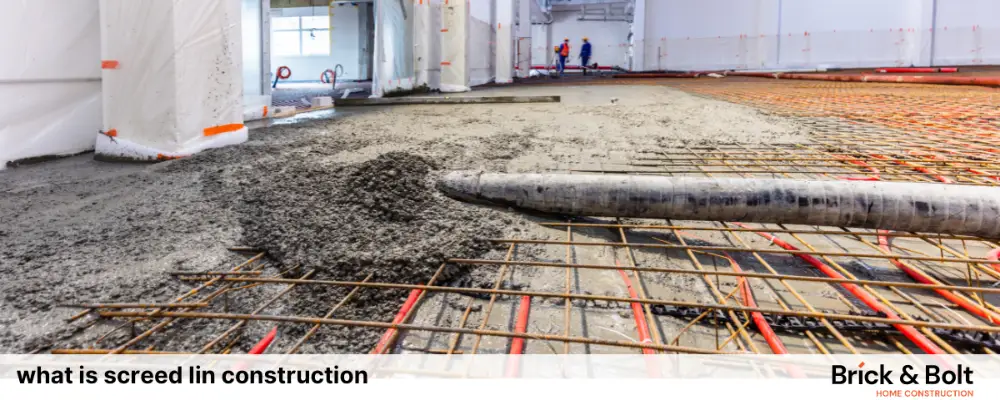
what is screed Iin construction

Screed in the construction industry has a major role in leveling the surface with a smooth finish. Eventually, the screed acts as the top, like the concrete slab or any base to finish the final flooring. A thin layer is prepared to level the surface and create a smooth base. It serves as a base for other materials, including tiles, hardwoods, and carpets.

What is Screed in Construction?

A slim layer known as the screed is typically obtained from a mixture of cement sand and water. When applied over a concrete base, it serves as a base helping enhance the strength and workability with the inclusion of additives. When undergoing reinforcement with a screed, popularly used materials are fibers or mesh. It helps improve durability and strength. Based on the application, the thickness of the screed can very commonly range from 25 mm to 100 mm. Demanding modern advancement has forced the incorporation of screed with advanced materials to meet contemporary construction requirements. 

The purpose of the screed is to provide even flooring by avoiding irregularities and protecting the underlying structure. Extending the lifespan of the flooring by the process also contributes to distributing the load, which prevents a localized stress point. 

What are the Different Types of Screed?

There are three primary types of screed, each suited for specific applications based on the type of base being used. These include:

Bonded Screed

The bonded screed is directly applied to the concrete substrate. It creates a strong bond between the screed and the base layer. It is normally made from cement, sand, and water. They are ideal solutions for areas with heavy loads or high traffic. Bonded screeds include traditional sand-cement screeds and modified screeds. When added with additives, it helps enhance the performance. They often utilize bonding agents or primers, improving adhesion. Frequently, it requires regular maintenance to ensure longevity. They are generally more cost-effective with reduced material usage. Often considered less flexible than unbonded screeds, bonded screed offers superior strength and precision, guaranteeing consistent thickness and levelness. Its application includes warehouses, industrial floors, and car parks, providing good thermal conductivity for underfloor heating. 

Additionally, specialized training is required for optimal use, and bonded screeds are considered eco-friendly, especially when low-emission bonding agents are utilized. They operate quietly compared to mechanical screeds, are easy to transport due to their lightweight nature, and require minimal storage space. Proper handling reduces the risk of injury, making bonded screeds a safe choice for indoor and outdoor applications.

Unbonded Screed

Unbonded screed is indirectly bonded, unlike bonded screed to the substrate. Instead, the concrete undersurface is separated by a membrane. Generally, it is composed of a mix of cement, water, and sand. Unbonded screeds are ideal for places with movement or where seismic activity is seen. It includes traditional sand-cement screeds and modified screeds with additives for enhanced performance. A polythene slip membrane is generally used to separate the screed from the substrate. It is generally thicker than bonded screeds, with a minimum thickness of 40 mm. An unbonded screed provides good strength, but its performance relies on its thickness and reinforcement. It also faces the problem of curling.

Floating Screed

A floating screed is laid over an insulation layer, allowing it to “float”. It is ideal for areas where enhanced acoustic or thermal performance is required. It includes traditional cement screeds and modified screeds with additives for improved performance. 

The screed typically requires a minimum thickness of 65mm, which can increase to 75mm for heavily loaded floors. Floating screed offers good strength and durability, making it suitable for various applications, although it requires regular maintenance to ensure longevity.

Additionally, it is generally more cost-effective due to the reduced need for bonding agents, although its thicker application makes it heavier. The design also allows for flexibility, enabling the screed to move independently of the substrate.

Types of Screed Tools

Hand Screeds 

A hand screed is a tool known for its versatility, designed for smoothing and leveling the concrete. They are most commonly used for projects like residential driveways, slabs, etc. Made from materials like aluminum, magnesium, or wood, these tools consist of a straight edge manually applied across the concrete surface. It is known to be a suitable and ideal solution for small projects and areas with difficulties in reaching the power creed. 

The length of the hand screed can range from 3 feet to 20 feet in length and often requires physical effort to pull across the concrete. Although hand screed operates significantly slowly, it has an impact on the quality of the finish by achieving a flat surface level. The wooden screed remains a popular choice due to its low cost

Some hand screeds with vibration features help enhance the settling of concrete, which contributes to a smooth surface finish, giving a final touch. It is quite easy to operate and has a less environmental impact, creating a lower risk of injury due to the absence of any moving parts. This makes it a go-to choice due to its cost-effective solution for achieving a smooth concrete surface. 

Vibratory Screed

A vibratory screed is an essential tool for leveling and smoothing the process of screed application, which uses vibration. Known for its light weight and durability, it is typically made from aluminum or magnesium.  It uses a mechanism consisting of a vibrating unit attached to the screed bar. 

Common types of vibratory screeds are 

  • Truss screed
  • Handheld screed
  • Roller screed

Using the vibration mechanism helps settle the concrete by removing air bubbles. The usual length of the vibratory screen ranges from 4 feet to 20 feet in length. The major power sources are mostly gasoline, diesel, or electric motors to produce the vibration. It has a frequency range from 3000 to 5000 vibrations per minute, which ensures consistency and is suitable for larger and open areas.

Laser Screed

A laser screed is categorized as a high-tech tool used to level and smooth freshly port concrete. Laser technology is applied in this process, which consists of a laser transmitter, receiver, and a laser screed head. It serves as an ideal solution for large-scale projects that require higher precision and flatness. 

The major types of laser screeds are:

  • Walk behind screeds
  • Ride on screeds
  • Boom screeds

By utilizing a laser transmitter and receiver, precise leveling is always obtained. The typical length of this type of screed ranges from 10 feet to over 20 feet in length.  It is majorly designed to withstand heavy use and harsh conditions. Compared with manual screeds, these are heavier and require support for transportation. However ,physical effort and manual labour are reduced by using this, making it more suitable in more open areas and large spaces. 

Roller screed

Roller screed uses a spinning tube to obtain the final level and smooth surface. Its basic design consists of a power source under a rotating table that enables the smoothing process of the concrete. Aluminium or steel are the most common  materials used. It increases durability, making it ideal for low-slump and pervious concrete applications. 

Major types of roller screed are:

  • Hydraulic screed
  • Electric screed
  • Gas screed
  • Battery powered screed

Roller screeds are generally powered by electric, hydraulic means, and gas. Though it is best for heavy-duty industrial applications, it is also suitable for indoor uses. It stands out significantly due to no emissions. Proper handling is required to reduce the risk of injury as it is machine-oriented. It also releases some noise due to the motor. It is efficient for large-scale projects and requires significant storage space. It produces minimal vibration and reduces operation fatigue. The major applications are commercial floors, large slabs, and parking lots.

Conclusion 

Screed is an indispensable element in the construction process. It provides structural benefits and contributes to the overall performance of flooring systems. Understanding the importance of screed is essential in improving stability. The selection of the appropriate type for specific applications. It can enhance building functionality, sustainability, etc. As the construction industry continues to evolve, the innovation and development of screeding techniques play a key role. 

Beautiful Pooja Room Door Designs

0
pooja room door designs

When designing a special space like a pooja room, every detail matters, including the door. The door not only provides access to this serene area but also adds to its beauty and ambience. A well-chosen door can elevate the spiritual atmosphere of the room, making it more inviting and conducive for prayer and meditation. Here are some great pooja room door designs that make this important space even more special.

Why is the Pooja Room Door Important?

Beyond serving as an entry point, a well-designed door is essential for creating the right atmosphere for worship and contemplation. A good, well-designed door sets the tone for the entire room, reflecting the family’s cultural values and personal taste. It also contributes to privacy and separation from the rest of the house, allowing the pooja room to maintain its tranquil and serene environment. Also, the door design can complement the décor of the whole room, enhancing its spiritual value.

Types of Pooja Room Doors

There are various designs concerning pooja room doors, each with its special features and style. Here are several recent popular designs that one may find interesting:

1. Wooden Doors – Traditional

Traditional pooja doors are usually made of wood. Most of them are prepared with very expensive wood and are elaborately carved with cultural or religious patterns. The usual designs include the picture of gods, floral patterns, or other forms of geometrical shapes. Rich texturing and warm tones of the wood may impart a timeless charm to the pooja room. They are durable enough to last for several years if properly maintained.

Advantages of Wooden Doors:

  • Timeless Appeal: Wood doors never go out of style.
  • Durability: Good quality wood can withstand wear and tear over time.
  • Customisable: Wood can be carved and finished in various ways to match the room’s décor.

2. Wood Frame Glass Doors

Glass doors framed with wood bring a  sleek and moderntouch. The entry of sunlight brightens the room with an airy feeling. The framing of wood can be in traditional designs or with a modern finish to combine both modernity and classic features. This would be a good alternative for families who wish to bring in more natural light without losing the essence of tradition.

Benefits of Glass Doors:

  • Light and Open Feel: Glass doors create a more spacious and airy feeling inside the room.
  • Modern Look: They have a sleek and modern design.
  • Versatility: This combination of glass and wood can suit a wide range of interior styles.

3. Ornamental Metal Doors

The strength of the metal doors is impeccable. Being decorative, they can have a Preference for intricate patterns, motifs, or embossing seen on any metal door. Metal doors can be painted in various colours or finishes, shiny or matte. They find a place in most modern homes where one needs a robust yet stylish door. They can also be personalised with religious symbols or other highly elaborated patterns.

Advantages of Metal Doors

  • Strength: Metal doors are highly durable and secure.
  • Design Customization: They can be made with intricate patterns and finishes.
  • Low Maintenance: Generally, metal doors are easy to clean and maintain.

4. Engraved Doors

Engraved or carved doors are a different and artful alternative for pooja rooms. These kinds of doors have detailed carvings that may include images of deities, floral designs, or abstract patterns. The carvings can be in any style, from traditional to modern, and give it the look of a piece of art. Carved doors are fabricated with wood, but these days, such doors are also manufactured with other materials.

Benefits of Carved Doors:

  • Aesthetic appeal: The carvings can add to the decoration and artistry.
  • Personal Touch: The carvings can be personalised for personal or cultural importance.
  • Unique Look: Every carved door is unique.

5. Sliding Doors

Sliding doors can be practical for smaller pooja rooms and houses. Unlike conventional swinging doors, sliding doors work on a track, which is convenient, constituting space savings and access to the room. Materials used to make sliding doors range from wood to glass; there are simple yet elegant designs common in the form of sliding pooja doors.

Advantages of Sliding Doors:

  • Space-Saving: They do not need extra space to open.
  • Modern Design: Sliding doors are designed with a sleek, modern look.
  • Easy to Use: They are convenient and easy to operate.

Choosing the Right Design

While selecting the right door for a pooja room, various factors are taken into consideration:

  • Room Style: The door should be in effect with the general style of the pooja room. In the case of a traditionally appealing room, a carved wooden door will work just perfectly. For modern rooms, a glass or metal door will work fine.
  • Material: The various materials would bring different aesthetics and functions. Wood provides that warm, classic feel, glass allows natural light and adds a touch of modern essence, metal is for strength and durability, and carved doors add an artistic touch.
  • Size and Space: Consider the size of the door and the space into which it will be installed. Sliding doors can fit into little spaces, while large and more ornate doors do well in larger rooms.
  • Personal Preference: Let the door reflect the doorway into your tastes and values as a family. Entertain by adding symbols, colours, or designs with special meaning.

Conclusion

A pooja room dimension for the door is important because it, in turn, creates the room’s ambiance and reflects the heritage and preferences of the family. Be it a traditional wood door, a glass door with a modern look, or the decorative look provided by metallic doors, the right design choices make the pooja room more beautiful and hence create a welcome space for paying your prayers and meditating. You will be able to choose a door that will not only fit well with the room but also attest to your personal touch in such an important part of the home by considering style, material, and design.

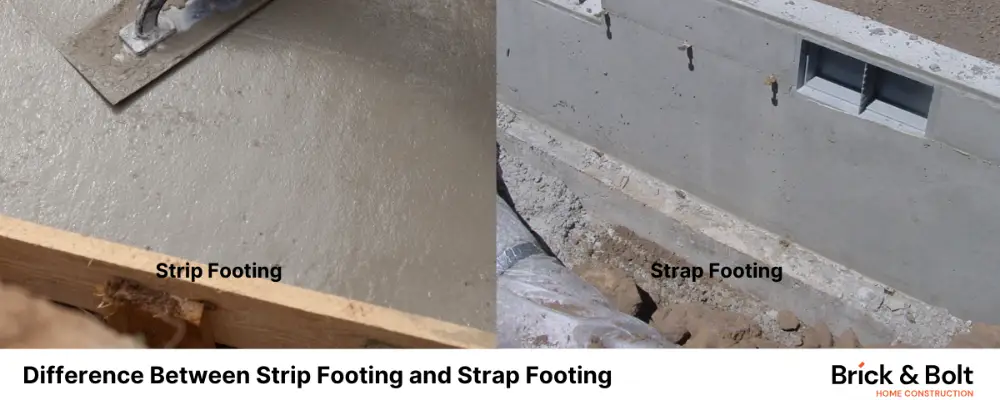
Difference Between Strip Footing and Strap Footing

0
difference between strip footing and strap footing

The foundation is key to a house’s stability and strength. The main types are strip footing and strap footing. Though they are similar, they have distinct differences, each designed for specific structural needs. Let us dive in and explore what each type is and its differences.

What is Strip Footing?

Strip footing is the most common foundation used for load-bearing walls. It consists of a continuous strip of concrete that runs under walls, which helps evenly distribute the building’s load to the ground.

Characteristics of Strip Footing:

  • Continuous in nature: The foundation runs continuously in a strip under the walls.
  • Supports load-bearing walls: This foundation is used primarily for walls that carry the weight of the building.
  • Wide base: The base of the strip footing is normally wider than the wall it supports to help spread the load over a larger area.

Materials Used:

  • Concrete: This is a very common material in strip footings. Its made from concrete and provides strength and durability through reinforcement.

Strip footings can provide uniform support in soils that are so stable and support the weight of the structure. They are also cost-effective and simpler to construct.

What is Strap Footing?

Strap footing is used when there are two or more columns that need to be supported but are too close to each other. In place of having individual footings for each column, a strap-a beam or concrete connection-joins the footings to transfer the load between them.

Characteristics of Strap Footing:

  • Connected footings: The columns are connected at their footings via a strap beam.
  • Used for uneven loading: The foundation can be useful in situations when there is uneven load distribution between columns.
  • Prevents tilting: The strap beam equalizes the weight and prevents the tilting of the structure due to unequal load distribution.

Materials Used:

  • Reinforced concrete: Like strip footings, strap footings are usually made of reinforced concrete.

Strap footing is used when the columns are close to property boundaries, where space does not allow independent footings for each column.

Differences Between Strip Footing and Strap Footing

AspectStrip FootingStrap Footing
Foundation TypeContinuous footing under load-bearing wallsIndividual footings connected by a strap beam
Load DistributionEvenly distributes the load along the entire wallTransfers load between columns to balance uneven loads
UsageUsed under load-bearing wallsUsed when columns are too close or near property lines
Space RequirementsRequires more space as it runs continuouslySuitable for areas with limited space
CostTypically, more affordable due to simplicityMore expensive due to the use of strap beams
ConstructionEasier to construct due to its continuous natureMore complex because of the connection between the footings

When to Use Strip Footing?

Strip footing is suitable in areas where the soil can evenly support the weight of the structure. It is recommended for buildings with load-bearing walls, especially when the floor needs to be as simple and economical as possible. Since this is a continuous one, the load is dissipated over a large area, thereby reducing the intensity of stress on the soil.

When to Use Strap Footing?

Strap footing is typically used when columns are located near property boundaries and there isn’t enough room for independent footings. It is also useful when there’s uneven load distribution between columns, as the strap beam helps balance the weight. This footing type is more complex and expensive than strip footing but ensures better stability in specific conditions.

Advantages of Strip Footing

  • Cost-effective: Strip footings are usually less expensive to build because they are less complicated in design.
  • Even load distribution: The weight of the structure is distributed over a very large area, thus reducing the pressure upon the underlying soil.
  • Easy construction: Since it is continuous, strip footings take less time in construct and are easier to build.

Disadvantages of Strip Footing

  • Not suitable for unstable soil: If the soil is not strong enough, strip footing may not provide enough support.
  • Requires more space: As strip footing runs continuously under the walls, it requires more space than other foundation types.

Advantages of Strap Footing

  • Space-saving: Strap footings can be used when there’s limited space, such as near property boundaries.
  • Prevents tilting: The strap beam helps balance uneven loads, preventing the structure from tilting.
  • Supports multiple columns: Strap footings are ideal for structures with multiple columns that are close together.

Disadvantages of Strap Footing

  • More expensive: Strap footings are more expensive to construct due to the additional materials and complexity.
  • Complex construction: The connection between footings requires more planning and construction work, making it more complex than strip footing.

Conclusion:

Both strip and strap footings are vital in construction but serve different needs. Strip footings suit buildings with load-bearing walls on stable soil. Meanwhile, strap footings are for closely spaced columns or those near property lines. Knowing the differences helps builders choose the right foundation, ensuring safety and stability.

FAQs:

1.  Which is better, strip footing or strap footing? 

It depends on the building’s needs. If you are dealing with load-bearing walls and have enough space, strip footing is simpler and cost-effective. If you are dealing with multiple columns close together or near a boundary, strap footing is better as it prevents tilting and balances uneven loads.

2.  Can strip footing be used in earthquake-prone areas?

Yes, but it may require additional reinforcement to withstand lateral forces that may occur during an earthquake.

3.  Why is strap footing more expensive? 

Strap footing is more expensive because it involves additional materials like the strap beam and requires more complex construction to connect the footings.

Difference Between General and Special Power of Attorney

0
difference between general and special power of attorney

General Power of Attorney (GPoA) and Special Power of Attorney (SPA) are two widely used types of Power of Attorney (POA). Understanding the differences between them is necessary before you delegate such authority. This blog provides the details regarding the differences between the two main types of power of attorney, i.e, General Power of Attorney and Special Power of Attorney. 

What is a General Power of Attorney (GPA)?

A legal document that can provide someone the power to make decisions on behalf of you when you are not available/ unable  to do so by yourselves is called a general power of attorney. This power of attorney can be used in various situations, it may be if a person is unable to travel or if a person is a minor or if they are incapable.

Before the creation of a general power attorney there are some things that you must understand. That is a person needs to get all the documents that are needed for supporting the claim, like identification cards, residential proof and any other means that can help in proving the identity and authority. After gathering all the information, a person needs to complete the process of filing the form, namely application, for grant of general power of attorney. This application must be filed in the proper government office.

After your application has been processed, you need to provide the documents for verification that you have given the power of attorney to the person you choose. Some other documents—like a lawyer’s letter or doctor’s letter to confirm that the person is incapable or unable to make their own decision—are also necessary. 

What is a Special Power of Attorney (SPA)?

Special power of attorney is a device that can allow one to act on behalf of another person only during specific circumstances. The person who is granted a special power of attorney can only make decisions regarding particular aspects on behalf of the person who has granted this power, and the power cannot be utilised for other decisions. 

Differences between General and Special Power of Attorney

FeaturesGeneral Power of Attorney (GPoA)Special Power of Attorney (SPA)
Scope of AuthorityBroad and comprehensive authority for various purposes.Limited to specific actions or transactions.
PurposeUsed for a range of general or unspecified activitiesTypically used for a specific and well-defined purpose
DurationCan be enduring until revoked or until the principal’s incapacityOften has a specified timeframe or is event-specific, ending when the task is completed
ApplicabilityUseful for situations where the principal wants the agent to handle multiple affairsApplied when the principal wants someone to act on their behalf for just a specific matter, which may not be their subject of expertise.
ExamplesManaging financial affairs, business transactions, real estate dealingsBuying or selling property, legal proceedings, financial transactions
CustomisationMay cover a wide range of activities, providing flexibilityCan be tailored to meet the specific needs of a particular transaction
RevocationRevoked when the principal dies, becomes incapacitated, or explicitly revoked itTypically revoked automatically after the specified task is completed or upon principal’s revocation
Common Use CasesLong-term financial management, business operationsShort team real estate transactions, legal matters, business deals
FlexibilityMore flexible as it covers a wide range of activities, suitable for ongoing managementMore restrictive and less flexible, ideal for one-time or short-term needs
Risk of AbuseHigher risk due to the broad scope of authority, which could lead to misuseLower risk as authority is limited to specific tasks, reducing potential for misuse
ControlPrincipal relinquishes significant control, which may be unsettlingPrincipal retains more control over overall affairs, beneficial for specific tasks
Revocation ProcessMore complex, cumbersome, and time-consuming to revokeEasier and simpler to revoke once the specific task is completed
Potential for OverreachAgent may overstep and make decisions beyond what the principal has scopedLimited scope reduces potential for overreach by the agent
OversightDifficult to oversee the agent’s decisions, which may lead to mismanagementEasier to monitor and manage due to the limited scope of authority
ConvenienceCentralising authority in one document is hassle-free for ongoing needsRequires multiple SPAs for various tasks, which may be cumbersome to manage
Streamlined Decision-MakingAllows the agent to act without verifying specific powers for each actionLimited authority may cause delays if the agent encounters situations outside their designated power

Why Might You Need a Power of Attorney?

A power of attorney is an important legal document that can give permission for someone else to act on the behalf of you in various situations. This is very important if you are unable to make the decisions by yourself due to physical or mental incapability. A power of attorney can be categorised into general power of attorney and his special power of attorney. In case of general power of attorney, it gives the appointed person to have most of the permission to manage almost any task and not mostly restricted by law. That task ranges from handling financial transactions to making decisions that are related to your property. Meanwhile, a special power of attorney is a very focused document that will provide permission only to perform some specific task. For example, a special power of attorney may allow someone to manage their finances like money withdrawal from the bank account or to make any healthcare decisions or to buy a property.

There are various situations where a power of attorney must be needed. That is, if you are incapable of making any decisions, then the power of attorney can make sure that someone that you trust can help you in managing your affairs. It can also be advantageous in situations where you need someone to handle your specific business, access your assets or represent you legally in the court. In this case, the power of attorney will aid you with having peace of mind as you know that your matters will be handled by another person efficiently.

Laws for Both Types of POA in India

In India, both the central power of attorney and special power of attorney act as legal devices that can help you in appointing someone else to act for you because of a special situation. 

The creation of a general power attorney or special power of attorney involves only a few steps in India. Initially, you need to find a lawyer who is registered and authorised to practise in India. They will then help you in completing the application forms that include the details about the agent as well as the individual and the main reason for giving this authority. 

Conclusion

In India, there are mainly two types of power of attorney namely, general and special. A general power of attorney is to give someone else permission to make decisions on his or her behalf regarding different matters, if the original owner is not capable of doing so for any reasons. Special power of attorney is about allowing someone else the power to make decisions regarding specific matters. Both of these are very important in the legal realm, especially for senior citizens or specially abled people who may not be able to make independent decisions.

FAQs

1. How does a GPA differ from an SPA?

GPA covers a wide range of responsibilities, while SPA is limited to specific tasks, giving the agent authority only in clearly defined areas.

2. When should I use a General Power of Attorney?

Use a GPA when you need someone to manage multiple aspects of your life, especially if you’re unavailable for an extended period.

3. When is a Special Power of Attorney more appropriate?

An SPA is ideal for one-off tasks, such as signing a legal document or handling a specific financial transaction when you are travelling or are temporarily incapacitated.

4. Can a GPA be used for healthcare decisions?

Yes, a GPA can grant someone the power to make healthcare decisions on your behalf, depending on the terms outlined.

5. Is an SPA automatically revoked after the task is completed?

Typically, yes. An SPA usually ends once the specific task or event it was created for is completed.

6. Does a GPA require witnesses or notarization?

In India, it’s often advisable to have a GPA notarized and witnessed to ensure its legal validity.

Understanding Strap Footings in Construction

0
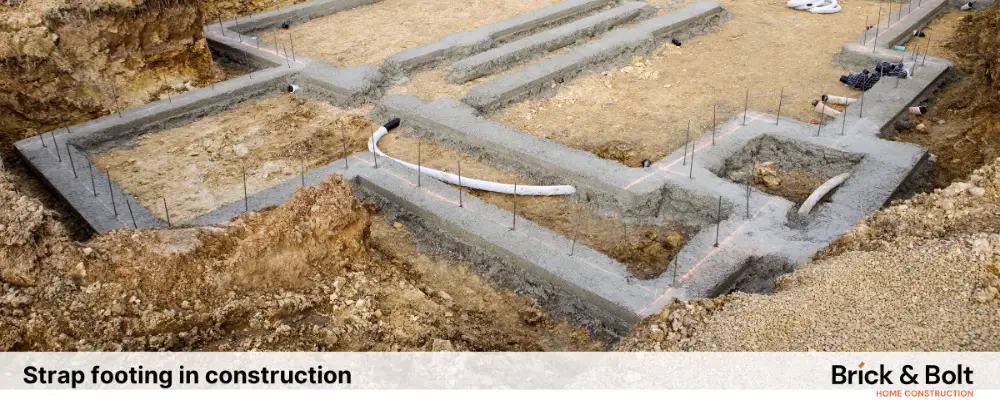
Strap footing in construction

Think about it: every time you’re building something, like a tall tower of blocks, it’s important that everything sets in place so it doesn’t fall over. Well, the builders must face the same challenges when constructing real buildings. One of the major components of making the building safe and strong is something called a “strap footing.” Let’s find out what strap footings are, why they’re important, and how they work.

What is a Strap Footing?

Imagine building a tall tower of blocks. To prevent it from falling over, you need to ensure that the blocks on the bottom are spread out evenly. Similarly, strap Footing in construction ensures the building stands tall and doesn’t fall over.

What is a Footing?

Before trying to understand what strap footings are, let’s briefly understand what a footing is. A footing in construction is a particular type of supporting base that supports the very foundation of a building. Think of it like the foundation of a table. If the table’s legs are not sitting evenly on the floor, the table might wobble. Likewise, the footing helps make the building’s foundation sit even on the ground for stability and strength.

What Makes Strap Footings Special?

A strap footing refers to a type of footing that helps an individual distribute the weight of an entire structure over a large area. This especially will come in handy in cases where the ground one has decided to build on is quite weak or unevenly set.

Now, imagine trying to stand on a soft, sandy beach. If you just stand on one small spot, you may sink into the sand. But if you spread out by lying down, you will stay on top of the sand. That’s kind of what strap footings do for a building; they help spread the weight so the building doesn’t sink or settle unevenly.

Parts of a Strap Footing

Strap footings are made up of several parts:

  1. Footing Slab: It’s a flat, thick layer of concrete slab that spreads out the weight of the building from the walls.
  2. Strap: This is a beam or thick strip of concrete that connects two or more footings together. It helps distribute weight between different areas.
  3. Foundation Walls: Sit on top of the footing and strap; they are the vertical pieces of the building that carry floors and the roof.

Why Use Strap Footings?

Here are some reasons why builders use strap footings:

  1. Weak Soil: When building on unstable ground, strap footings help distribute the weight over a larger area of a building. This reduces the chances of the building sinking into the ground.
  2. Uneven Ground: In cases of uneven ground, strap footings are used to hold the building steady since straps connect different parts of the footing for balanced weight distribution.
  3. Heavy Loads: For heavy buildings, such as large warehouses or high-rise apartments, strap footings share the weight evenly so that there is no structural collapse of the building.

How are Strap Footings Built?

Building a strap footing involves several steps:

  1. Planning: Planning is a step in the process whereby builders decide where footing and straps will sit. They use specific tools and plans to ensure everything is aligned just right.
  2. Excavation: This process involves digging into the ground in which the footing will come into place – digging a large hole in readiness for the base of the building.
  3. Setting Forms: Builders put wooden or metal forms into the holes. These forms mold the concrete as it is curing to shape.
  4. Reinforcement: These are steel bars or mesh set inside the forms. This will give the concrete added strength and prevent it from cracking.
  5. Pouring Concrete: A method in which concrete is poured into the forms. It is then allowed to cure for a few days. Just like you would let a cake cool down so you can take it out of the pan.
  6. Removing Forms: With the hardening of concrete, the forms are removed, giving the site solid footings and straps.

Benefits of Strap Footings

Strap footings are important for several reasons:

  1. Stability: They give buildings stability even on weak or uneven ground. It prevents the building from settling or tilting over time.
  2. Durability: Strap footings distribute the weight of a building over a wide area, reducing the possibility of cracks and other structural damages that may result from unequal weight distribution.
  3. Safety: While strap footing secures the building, it also keeps all the occupants of the building safe.

Examples of Where Strap Footings are Used

Strap footings are used in many types of buildings. Here are a few examples:

  • Large Warehouses: These will carry heavy loads. Sometimes, the land where the warehouses are situated is not of total potency. The strap footings keep them firm and intact.
  • High-Rise Buildings: High-rise buildings require highly strong footing structures if their weight is to be supported. Strap footings are useful in distributing the weight of a building evenly.
  • Residential Homes: Strap footings are a very good solution to keep homes safe and strong in case the soil may not be strong or if the ground is uneven.

Conclusion

Strap footing supports usual building loads and distributes them in such a way as not to have concentrated binding forces. These types of footings, especially, will serve their purpose where lands contain weak or unevenly distributed soils and buildings that bear significant loads.

Is Concrete Spalling Dangerous?

0
Is Concrete Spalling Dangerous?

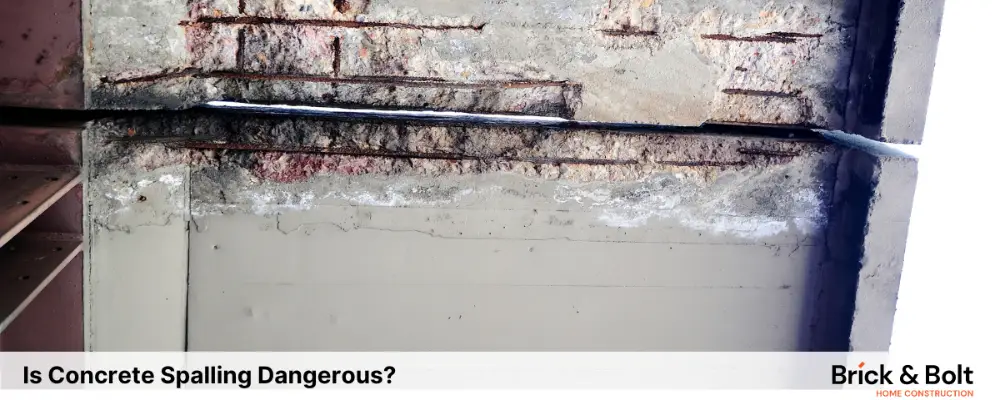
Spalling refers to the breaking off of pieces of concrete from a surface. Just think of walking on a sidewalk and noticing that sections have chipped away or crumbled. Visually, that is what concrete spalling might look like, and that could also happen to buildings, bridges, and other structures. But is it dangerous? Let’s find out.

What is Spalling in Concrete?

Concrete is a dense combination of cement, water, and other added ingredients, like sand or gravel. Over time, it may degrade due to improper care of the concrete. This is what they call spalling-when the breaking up of concrete is already obvious. First, tiny cracks or flakes may appear on the surface, and if this condition gets worse, it may result in the chipping off of substantial parts of concrete.

What are the causes of concrete spalling?

Some things might let concrete to spall:

  1. Water: If water seeps into the concrete, it can rust the steel bars inside it. The expansion of these bars due to rust is responsible for causing the concrete to push outwards and thus results in the breaking of the concrete.
  2. Cold Weather: In those places where the temperature falls considerably, water inside the concrete freezes and then thaws as it warms up. That kind of freezing and thawing causes cracking and spalling of concrete.
  3. Poor Construction: Sometimes, concrete is mixed or poured inadequately. A mix applied with too much water or fails to dry out completely will eventually weaken and, after some time, spall.
  4. Chemicals: Direct attack by strong chemicals, such as from ice-curing salts used on highways, can cause the concrete to deteriorate and spall.
  5. Too Much Weight: When too much weight is applied to concrete that was not supposed to bear weight, it cracks and spalls.

Recognising the Signs of Concrete Spalling

  • Flaking or Chipping: Visible signs of flaking or chipping on the surface of the concrete. Spalled areas often have a rough, uneven texture.
  • Exposed Aggregate: When spalling occurs, it can expose the aggregate within the mix of concrete, therefore leaving a pitted look on the surface. 
  • Cracks and Gaps in Concrete: The surface of the concrete should be checked for cracks and gaps within. Spalling is usually accompanied by the formation of cracks, which could deteriorate further or cause other hazards.
  • Discolouration: Spalled areas can become discoloured, showing concrete that has weakened or been damaged.

Why is Concrete Spalling Hazardous?

Concrete spalling may not sound serious, per se, but workability can become hazardous for several reasons:

  1. Weakening Structures: When spalling occurs in concrete, it tends to weaken the structure from which it is a part. What that means is the building, the bridge, or the structure must not be as strong, and that could be dangerous.
  2. Falling Pieces: If large fragments fall off, they may hurt people or even damage anything that may be below them.
  3. More Water Infiltration: Cracks and openings due to spalling can let more water in, exacerbating the problem and causing further damage.
  4. Costly Repairs: The repairs that involve repairing spalled concrete are expensive, especially if the damage is extensive. Sometimes the costs accumulate when this is left unaddressed early in the process.
  5. Unsightly Appearance: While less dangerous, spalling affects buildings and sidewalks by giving them the look of age and deterioration, which could be a worry to property or building owners.

How to Prevent Spalling of Concrete

There are ways to stop spalling of concrete or at least retard its pace:

  1. Good Construction: Putting concretes properly mixed and correctly poured in the first place is the original step. The application of an appropriate quantity of water combined with the proper drying time can avoid spalling.
  2. Regular Checks: Inspecting concrete surfaces regularly can help catch spalling early before it gets worse.
  3. Keep Water Out: Sealers can prevent water from getting in and damaging the concrete with resultant spalling.
  4. Utilise Superior Materials: Using materials that do not corrode or rust as easily can help maintain the strength of the concrete.
  5. Allow for Movement: Putting in special joints at large areas of concrete allows the concrete to expand and contract without cracking.

How to Repair Concrete Spalling

It is important to then fix spalling that has already started to avoid bigger problems:

  1. Patching: Small spalled areas can simply be patched up with new concrete. This is often limited to cleaning the area and refilling the same area with fresh material.
  2. New Layer Addition: In the case of heavy-area spalling, the laying of a new concrete layer can be done over the damaged portion.
  3. Epoxy Injection: If the spalling has caused cracks, epoxy can be injected to fill gaps and hold concrete together.
  4. Treatment of Steel Bars: Potentially, spalling occurred because the steel bars rusted. In this respect, they may require either treatment or replacement to stop the damage.
  5. Replacing Concrete: If the damage is too severe, the old concrete might need to be removed and replaced with new concrete.

Conclusion

Concrete spalling refers to the breaking of concrete apart, which becomes dangerous if not corrected. It may weaken buildings and other structures, cause pieces of concrete to fall, and can be so expensive to repair. On the other hand, good care in maintenance and repairs on time can reduce such damage to the concrete and keep structures safe and durable.

FAQs

1. What is concrete spalling?

Spalling is a condition wherein the concrete breaks and causing flakes or cracks on the surface.

2. What causes the spalling of concrete?

Causes include water getting inside the concrete, cold weather, poor construction, chemical exposure, and too much weight.

3. Is the spalling of concrete dangerous?

Yes, it can weaken the structures and cause falling debris, which would be very costly to repair.

4. How can I prevent concrete spalling?

Good construction practices, regular inspection, keeping water out, using improved materials, and providing for movement.

5. How do you repair spalled concrete?

Small areas can be patched, large areas, a new layer can be added, cracks can be filled with epoxy, and severely damaged concrete needs to be replaced.

Types of Pointing in Building Construction

0
Types of Pointing in Building Construction

Building construction is a unique blend of art and science, where creativity and skillful knowledge is utilised to transform ideas into physical structures. Constructing a building needs meticulous planning, skilled craftsmanship, technology and coordination among collaborative engineers and architects. Numerous techniques are used in construction to ensure the stability and durability of built structures. One such technique is pointing for masonry.

In this article, we shall explore various types of pointing in construction, its benefits and purpose. 

 Types of Pointing Based on Shape and Finish

Various techniques are used in pointing in construction. Each type has its own distinct fascinating appeal and functional convenience. Following are some of the prominent types of pointing used in building construction:

1. Flush Pointing

Flush pointing is a widely used method that can create a smooth and levelled surface on the wall. In this technique, the gaps between the masonry blocks are carefully filled with mortar by hard pressing and then, the mortar is smoothed out to remove excess mortar. Once the mortar joint is pressed flush with the surface of the wall, it gives an aesthetically pleasing appearance. However, it may not be very effective in diverting water away from walls.

2. Recessed Pointing

In this type, using a suitable tool, the mortar is pressed into the joints of a wall and creates a depth of around 5 mm from the edges, while the face of the pointing remains vertical. .

3. Tuck Pointing

Tuck pointing is a precise style of pointing in which the mortar is forced into the raked joints and creates a groove that is typically 5-10 mm in width and 3-10 mm in depth. This technique is time-consuming and requires skilled labour.

4. Beaded Pointing

Once the mortar is pressed into the joints of the wall, a concave groove is formed with an iron or steel tool with a concave shape. This results in a distinctive appearance known as beading, and creates an elegant visual appeal. This type of pointing is easily vulnerable to damage due to its projected surface.

5. Struck Pointing

Struck pointing involves two steps. First, the gaps are filled and pressed to achieve a smooth face of the masonry. Next, the lower edge of the raked joint is pressed inward to form a sloping or inclined slope of about 10mm to drain rainwater rapidly.

6. Rubbed, Keyed or Grooved Pointing

Rubbed, keyed or grooved pointing is a sort of mortar joint in which mortar is forced into joints with a pointed tool to create a curved arc groove like a series of keyways. These keyways are commonly used in locking the masonry pieces and it provides a stronger vertical joint of the wall. It can withstand any weather condition and gives an aesthetic appeal.

7. V-Grooved Pointing

V-Grooved pointing is a construction technique which is similar to keyed pointing work. Here, the mortar is pressed and filled into the joint, establishing a flush finish. A specialised V-shaped instrument is then inserted to the joints to create a V-shaped groove.

8. Weathered Pointing

This is similar to struck pointing. However, the upper edge is pressed backwards instead of the lower edge to create sloped pointing joints.

Types of Pointing Based on Materials Used

Cement Mortar Pointing: Cement mortar pointing primarily consists of cement, sand, and water. It is known for its durability and weathering resistance, preventing water ingress.  Properly executed pointing protects the structural integrity of the masonry.

  • Lime Mortar Pointing: Lime pointing is a traditional technique used in historical buildings as it employs lime-based mortars, which are preferred for their compatibility and their ability to allow structures to breathe. It involves filling and finishing the joints between masonry blocks with mortar made from lime, sand, and water. This technique is essential for maintaining the structural integrity and aesthetic appearance, as it allows moisture to move through solid-walled structure, reducing the risk of damage from trapped moisture.
  • Pointing with Paint:Pointing with paint refers to the application of a specific paint that imitates the appearance of traditional mortar pointing. It can be used for both ceilings and woodwork in traditional settings, and is designed to mimic the soft, light, and warm undertones of lime pointing. It generates attractive spaces when used on walls and always softens the look of a room.
  • Sand Pointing: In this technique, a sand-based mortar is used to fill and finish the joints between masonry blocks to give a smooth surface. This method is particularly beneficial for enhancing the overall aesthetic appearance. It also contributes to longevity as it acts as a resistance to weathering and erosion. 

Conclusion

In summary, pointing is a vital technique in masonry construction that offers durability, enhances the overall aesthetic value, and increases overall structural integrity. It provides an effective and essential protection against environmental elements. It also increases the value of  your property and provides a desirable outcome. Consult your architect or contractor to incorporate the right type of pointing for your next masonry construction.

How Much Does It Cost to Build a 3BHK House?

0
how much does it cost to build a 3bhk house

Building a house is not just about the brick and mortar, but is about the space that creates memories living with family. A 3BHK house is a common choice for families that need moderate space with manageable size. But the building cost of such a house will be high if it is not planned properly. When it comes to building three BHK houses, many factors will affect their pricing. Understanding these factors and the overall cost is essential for anyone planning to build their home. 

This blog will provide you with the components that influence the cost of building a 3BHK house, as well as the detailed cost breakdown and tips on how to save money.

Factors Affecting the Cost of Building a 3BHK House 

Cost to build a 3BHK house can be affected by some factors such as,

Location of the Building:

The building cost can be different in different locations. City areas will have higher costs when compared to rural areas. For example, if a small house is built in a city like Mumbai or Delhi, it will be more expensive than building in Tier 2 cities or rural areas. 

Design and Size:

Square footage is another factor that can determine the cost of a house. A larger home needs more material and labourers, which will increase the overall expenses. Also, the design complexity can play an important role in the cost, as unique layouts, intricate architectural designs, and custom-made features can increase the price.

Material Cost:

For the determination of overall expense for building a 3BHK house, material cost will play an important role. The cost of the building can be affected by the quality of the material that is chosen. By choosing high quality materials, overall cost increases. It is also important to understand that the prices of the material can change depending on the market conditions and location. If you are building a house in a remote area, then the transportation cost will increase and that can increase the total material cost.

Labour Cost:

The labour costs change based on the location and skill level of workers. In cities, the labour costs are high as the cost of living is high. Skilled workers for tasks like plumbing or electrical work will charge more. Meanwhile, very specialised work, such as construction with rare materials, will also cost more.

Legal Permits and Fees:

If you are building a house, then you need to get legal permits and approvals from the respective authorities. This is to confirm that your project has adhered to local regulations. The price for getting permits will vary depending on the location. Along with the legal fees for the registration of the land, property taxes and other documentation can also add to the overall cost of the building.

Other additional features:

Adding extra features to your 3BHK house like an energy efficient system, smart home technology, high end finishing and so on, can improve their value as well as give comfort. Luxurious finishes may include premium flooring, custom fixtures and appliances that are most adaptable to more sophisticated spaces. 

It is important to understand that these upgrades will come with their cost that can increase the overall budget of construction. 

Average Cost of Construction in India

When building a 3BHK house in India, there are several factors that influence the cost. The calculation mainly depends on the area, construction quality, and regional rates. 

In India, construction costs generally vary from ₹1,800 to ₹5,000 per square foot, depending on the quality and materials. An overview of possible costs are given below:

  • Basic construction costs ranges between ₹1,800 – ₹2,500/sq ft
  • Mid-range construction may vary between ₹2,500 – ₹4,000/sq ft
  • High-end construction ranges from ₹4,000 to ₹10,000/sq ft

For a 1500 sq ft 3BHK house, here’s an example of how construction costs may vary:

  • Low-range cost: ₹1,800 x 1500 = ₹27,00,000
  • Mid-range cost: ₹3,000 x 1500 = ₹45,00,000
  • High-end cost: ₹5,000 x 1500 = ₹75,00,000

Cost Breakdown for a 3BHK House 

The total construction cost  for 1500 sq ft can be divided into several key components like:

  • Architectural Design Charges: may be 3-15% of total cost.
  • Structural Design Charges: will be 0.5-5%  of total cost.
  • Contractor’s charge is 20% of the total cost.
  • Labour cost will be around 40-50% of total cost.
  • Material costs will be 50-60% of total cost.
  • Services (Plumbing and Electrical Work) costs may be 18% of total cost.

These numbers are just a general indicator for the rough estimates for construction before the details about designs are confirmed. 

Construction Cost Calculation for a 3BHK House (considering 1500 sq ft as the built-up area)

ComponentLow Range (₹1,800/sq ft)Mid Range (₹3,000/sq ft)High Range (₹5,000/sq ft)
Architectural Design₹40-150 per sq ft₹60,000 – ₹2,25,000₹90,000 – ₹3,75,000
Structural Design₹10-50 per sq ft₹15,000 – ₹75,000₹20,000 – ₹1,00,000
Material Cost (50-60%)₹13,50,000₹22,50,000₹37,50,000
Labour Cost (40-50%)₹10,80,000₹18,00,000₹30,00,000
Contractor’s Profit (10%)₹2,70,000₹4,50,000₹7,50,000
Overheads and Miscellaneous₹2,70,000₹4,50,000₹7,50,000
Total Cost₹27,00,000₹45,00,000₹75,00,000

These are approximate figures and can vary depending on specific project requirements, location, and market conditions.

Detailed Breakdown and Calculation Example

Let’s calculate the construction cost for a mid-range 1500 sq ft 3BHK house at ₹3,000/sq ft. The mid-range cost typically includes basic services and materials like:

  • Architectural and Structural Design: ₹2,25,000
  • Material Cost (~60%): ₹22,50,000
  • Labour Cost (~40%): ₹18,00,000
  • Contractor’s Profit (~10%): ₹4,50,000
  • Overheads and Miscellaneous (~10%): ₹4,50,000
  • Services like Plumbing and Electrical: ₹8,10,000

The total estimated cost for a mid range 1500 sq ft 3BHK house construction would be approximately ₹45,00,000.

City Specific Construction Costs

Construction costs vary from city to city. Here’s a rough estimate of construction costs per sq ft in major Indian cities:

CityLow Range (₹/sq ft)Mid Range (₹/sq ft)High Range (₹/sq ft)
Delhi₹1,900₹2,500₹4,000 – ₹10,000
Bengaluru₹1,810₹2,500₹3,000 – ₹10,000
Pune₹1,560₹1,950₹2,500 – ₹8,000
Chennai₹2,150₹2,630₹4,000 – ₹9,000

Depending on the quality, city and specific requirements, the total construction costs for a 1500 sq ft 3BHK house in India differs.

The cost starts at approximately ₹27,00,000 for basic construction and luxury constructions can exceed ₹75,00,000.

Tips for Reducing Construction Costs

  • Detailed planning
  • Buying materials in bulk 
  • Efficient Design
  • Sourcing materials locally
  • Regular Monitoring

Conclusion

Building a 3-bedroom house is an important investment that needs careful planning, budgeting, and making informed decisions. Starting from the plot layout to the finishing touches, every aspect of the construction process will affect the overall cost. There are various factors that need to be understood by the owner that can help them make better decisions and choices. 

FAQs

1. How much can additional features add  to the cost?

Adding energy-efficient features or smart home technology can increase costs but also enhance the home’s comfort and value. These features may require an additional budget but can lead to long-term savings.

2. What role does the size of the plot play in determining construction costs?

A larger plot increases the overall construction costs due to the need for more materials and labour. However, the cost per square foot may decrease slightly with a larger plot size due to lower number of floors.

3. How does the availability of materials in the region affect construction costs?

Limited availability of materials in certain regions can drive up costs due to transportation and scarcity. Sourcing materials locally can help reduce these expenses.

4. What is the impact of plot orientation on construction costs?

Plot orientation can affect the cost by influencing the design and layout of the house. For example, a north-facing plot may require more complex designs to optimise natural light, increasing costs.

Everything You Need to Know About OPC 43-Grade Cement

0
opc 43 grade cement

Due to its consistent quality, OPC cement 43-grade cement is a well-known cement type in the construction industry. This article aims at analyzing advantages as well as the main characteristics of OPC 43-grade cement and its most typical applications, along with key specifications.

What is OPC 43 Grade Cement?

OPC 43-grade cement or Ordinary Portland Cement 43 grade is one of the most common construction materials used worldwide. It gets the term “43-grade” due to its compressive strength of 43 MPa after 28 days after concrete pouring. This type of cement can be used in a range of activities in construction and offers the essential strength and durability necessary for different structures.

Advantages of OPC 43 Grade Cement

OPC 43-grade offers several advantages that make it a preferred choice in construction, such as:

  • Cost-Effectiveness: OPC 43-grade is more cost-effective than 53-grade cement, while still offering adequate strength for most structural requirements. 
  • Good Workability: OPC 43 Grade has good workability. It can be easily mixed with water and other materials to get a homogeneously mixed, workable paste. This property is very important in assuring that the cement can be applied evenly and consistently for high-quality finishes. 
  • High Compressive Strength: Even though OPC 43-grade has a comparatively lower initial strength, its compressive strength is 43 MPa after curing for 28 days. This would remain considerable for general construction purposes, therefore offering a structure that is stable and can resist the effects of various loads and stresses.
  • Low Heat of Hydration: Low heat is associated with the hydration process of this cement compared to higher-grade cement, such as OPC 53. This reduces the chances of thermal cracking in large concrete pours, making it safe and reliable.
  • Versatility: OPC 43-grade  is suitable for a wide range of construction types, from residential to commercial construction, and even infrastructure projects such as roads, bridges, etc. This versatility makes it a favourite with several builders as well as contractors who can handle a range of projects with much ease.

Characteristics

It’s important to understand the features of OPC 43-grade so that you are assured you are going in for the right material for your work. Some of the key characteristics are as described below:

  • Setting Time: Cement setting time means the period within which cement hardens right from the time it is mixed with water. Setting time of OPC 43-grade is moderate with a minimum of 30 minutes as the initial setting time and a maximum of 600 minutes as the final setting time. This provides enough working time well after mixing, during the journey, and the final application of cement. The moderate setting time also allows excellent finishing and minimizes the formation of cracks.
  • Fineness: A higher fineness of cement controls the rate of hydration and gives a faster rate of development of strength. The minimum fineness for OPC 43-grade cement with pozzolanic material is 225 square meters per kilogram. Higher fineness values will tend to give a larger area to allow the chemical reactions of hydration, which will give higher strength and better durability.
  • Soundness: The cement can resist change in volume after it gets set. Its importance lies in the fact that any significant volume change can lead to the development of cracks and occurrences of associated structural problems. OPC 43-grade has a low expansion rate, and hence it is stable and reliable for construction operations. Soundness is tested via the Le Chatelier method, and the maximum permissible expansion is 10 mm.

Table 1 – Physical Specifications of OPC 43-Grade Cement

CharacteristicRequirement
Fineness (Blaine’s Apparatus)Not less than 225m2/kg
Soundness (Le Chatelier method)Maximum 10mm
Initial Setting TimeNot less than 30 minutes
Final Setting TimeNot more than 600 minutes
Compressive Strength – 28 days43 MPa – 58 MPa

Applications of 43 Grade OPC

OPC 43-grade is versatile and used in many applications. Some of the most common applications include:

  • Residential Buildings: It can be employed in construction of residential buildings, apartments and villas. In all such construction, it gives the needed strength and durability in the structures to support all tensions that arise out of day-to-day usage and climatic conditions. The moderate setting time and the good workability of cement make it suitable for application in residential constructions where accuracy and quality are prime.
  • Commercial Projects: OPC 43-grade is used in commercial building constructions, including administration buildings, shopping centres, hotels and hospitals. The OPC 43-grade cement possesses properties that make it a high, dependable material for use in commercial projects where heavy loads need to be supported. It is also resistant to sulphate attack and has good workability, which makes it ideal for such use.
  • Industrial Structures: Some of the elementary industrial structures are warehouses, storage facilities, and factories. With large machinery usages and constant loading and unloading, such industrial buildings must be solid. The high compressive strength and resistance to thermal cracking make OPC 43-grade cement suitable for this kind of application in these demanding environments.
  • Infrastructure Projects: OPC 43 grade is used in projects such as roads, bridges, and dams. Such types of projects require very durable materials that don’t fail under stress, weathering, or a chemical attack. The balanced properties of OPC 43 grade make it the ideal cement for such infrastructure projects that are sure to remain safe and functional for long periods.

Specifications of OPC Grade 43

OPC 43-grade must conform to certain quality and performance parameters as prescribed in standards. According to the Bureau of Indian Standards (BIS), the following specifications must be met: 

Table 2 – Chemical Specifications of OPC 43-Grade Cement

Chemical PropertyRequired Value
Loss on Ignition, percentage by massNot more than 5.0%
Magnesia Not more than 5.0%
Insoluble ResidueNot more than 4.0%
Sulphuric Anhydride (SO₃)Not more than 3.5%
Chloride ContentNot more than 0.1%

Conclusion

OPC 43-grade cement is used as a reliable construction material and is suitable for numerous types of building construction. OPC 43-grade cement is used in homes, offices, and construction of infrastructure projects and provides strength, durability, and steadiness, hence playing a major role in modern construction.

Main Hall LED Panel Designs to Brighten up Your Home

0
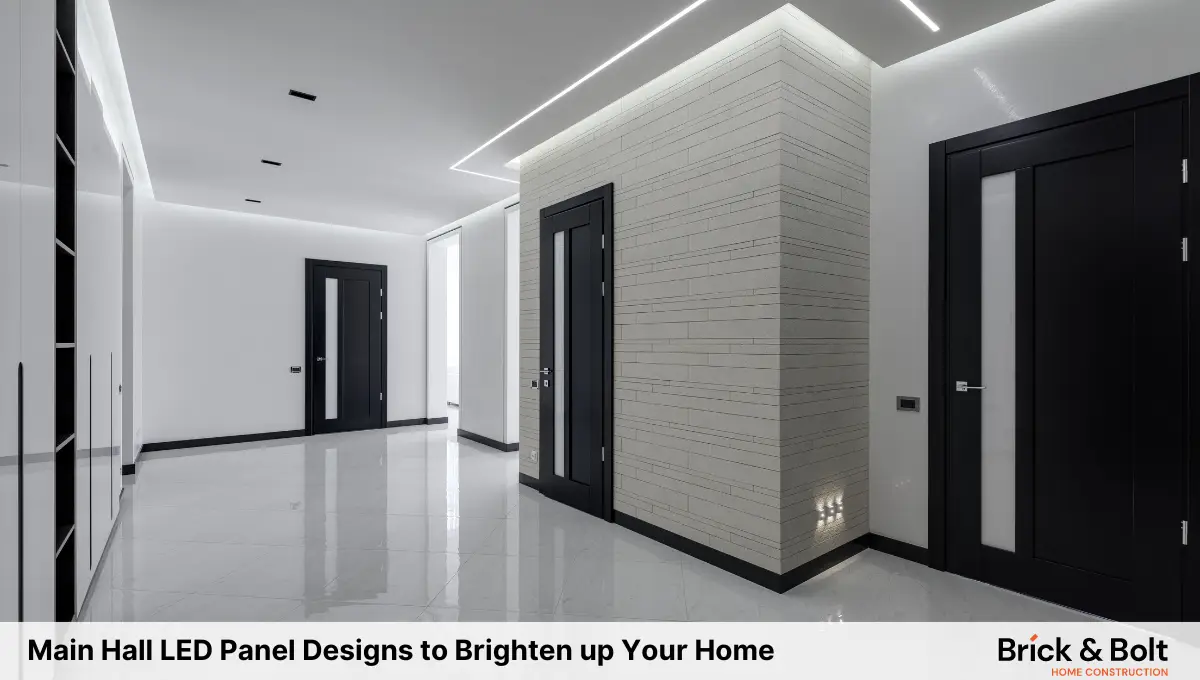
Main Hall LED Panel Designs to Brighten up Your Home

Creating a captivating atmosphere in the main hall of a home can be transformative. LED panels have become a solution that can help in efficiently lighting a home, specifically in large spaces like the main hall. Main halls are the first space that any person sees upon entering a house. It needs lighting that can be functional and improve the overall aesthetics of the space. This needs a careful balance between technical specification, creativity, and practical considerations.

This blog will help in understanding the details regarding the main hall LED designs, their types, and functions.

Overview of LED panels

LED panels have become one of the most important elements in lighting design. They provide a uniform illumination of light across the entire surface, unlike traditional bulbs or tubes that can produce light from a single point. They can glow without any shadows or hotspots. 

These panels can be made by using a combination of LED chips, aluminium frames, and light-diffusing materials, and are designed for durability and optimal light dispersion. The structure allows them to integrate seamlessly into walls, ceilings, and even floors, making them a preferred choice for modern interior design. Because of their modularity, they can be used individually or can be combined with large illuminated surfaces and can provide flexibility in lighting design. 

They can improve the user experience and also help in ensuring energy efficiency in homes. The main hall can be converted into a multi-functional space with the consumption of low energy and reduced environmental impact through a well-designed LED panel system.

Innovative LED Panel Designs for Your Living Room

Cove Lighting LED Panel

Cove Lighting LED Panel may work for the living room.  They are normally installed along the upper edges of a wall or the corners of a ceiling, where light panels are hidden behind a cove..  They produce a subtle effect with ambient lighting which is not too bright or flashy.


Wall-Mounted Artistic LED Panel

If you want to add an artistic touch to your living room, then wall-mounted artistic LED panels are an ideal choice. These panels come in different shapes and designs that help you to incorporate your personal style into the room. 

Wall-Mounted Artistic LED Panel

Backlit TV Wall LED Panel

For converting your room to look like an entertainment hub you can just install the backlit LED panel behind the TV. A soft glow will be surrounding the TV and provide a cinematic feel and improve the viewing experience. It will make the TV area look more functional and add sophistication as well as depth to the design. This will make the area a focal point in the living room.

Backlit TV Wall LED Panel

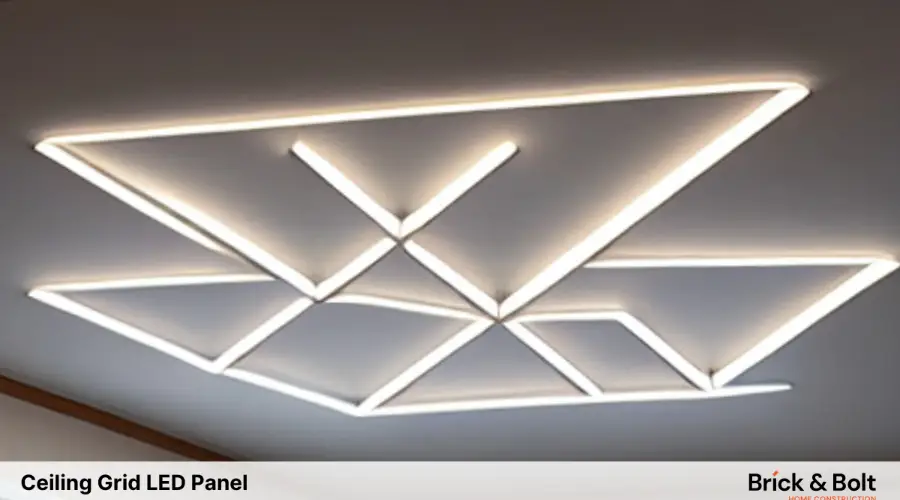
Ceiling Grid LED Panel

This type of LED panel has a grid like arrangement of LED lights that has been installed on the ceiling. This will help in even lighting in the room. This design is generally preferred by people who like structured and organised patterns.. This design can also provide a bright and spacious atmosphere.

Ceiling Grid LED Panel

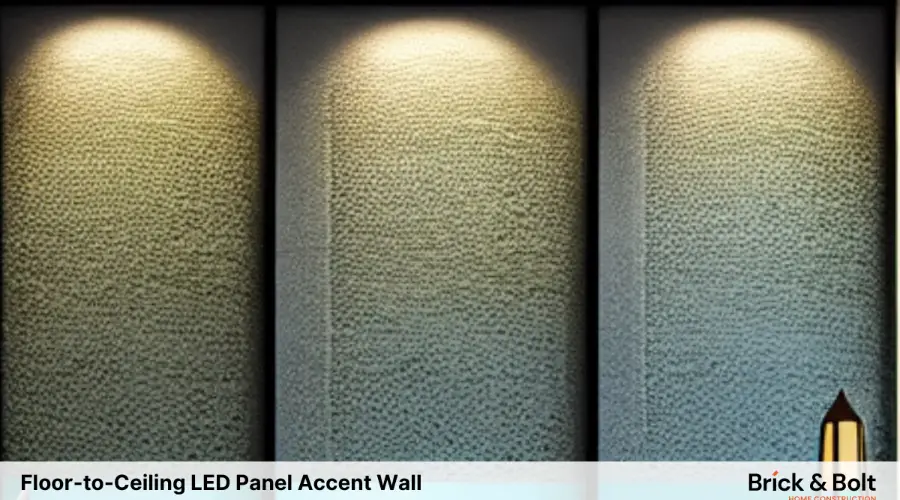
Floor-to-Ceiling LED Panel Accent Wall

A floor-to-ceiling LED panel is a bold addition to a living room and can act as an accent wall. This design can produce a visually striking appearance in the room and it can also be customised with different lightning effects, colours or patterns. It is a great way to visually increase the space area and create attractive points that can instantly gather attention.

Floor-to-Ceiling LED Panel Accent Wall

Structural and Electrical Design

Various structural and electrical designs can be used in the main hall for incorporating LED panels. Some of them are,

  • Wall mounted panels 
  • Ceiling mounted panels 
  • Suspended panels 
  • False ceilings
  • Encased beam and column designs

Design Trends

LED panel designs for large venues like main halls are changing constantly with new trends and technology. Some of the trending technologies and designs are as follows,

  • Dynamic and adaptive lighting 
  • Integration of smart home technology
  • Sustainable and eco-friendly design
  • Minimalist and seamless aesthetics
  • Multifunctional lighting solutions

 Factors To Consider When Choosing Led Panel Lights

  • Brightness and Output
  • Colour Temperature
  • Energy Efficiency
  • Lifespan
  • Installation
  • Warranty and Support

Conclusion

The functionality and aesthetics of the main hall can be improved by integrating LED panels into the design.  The versatility of the LED lighting system can provide for various activities like relaxing, reading and watching TV and also promote the efficiency of energy and sustainability. By carefully balancing the technical specifications and  innovations,practical designs can produce a more captivating atmosphere that can improve the overall experience. LED panels can be designed for various atmospheres from warm and inviting atmospheres to cool ambience. They can be integrated seamlessly with the interior decor and structural design. With the help of energy efficiency and customization options,  LED panels can be used as a smart and stylish choice for any main hall design. 

FAQs

1. What are some design trends in LED panels for main halls? 

Dynamic lighting, smart home technology integration, and sustainable designs are trending.

2. What innovative solutions are available for LED panel challenges?

Advanced dimming, tunable white light, and smart integration offer innovative solutions.

3. How do LED panels impact the design aesthetics of a main hall?

They can be used to create different types of atmospheres such as warm and inviting or cool and ambient.

4. Why should LED panels be considered for main hall designs? 

They offer a modern, energy efficient, and versatile lighting solution for any type of usage.