Home Blog Page 42

Shuttering in Construction: Types, Importance, and Key Factors for Selection

0
Shuttering in Construction

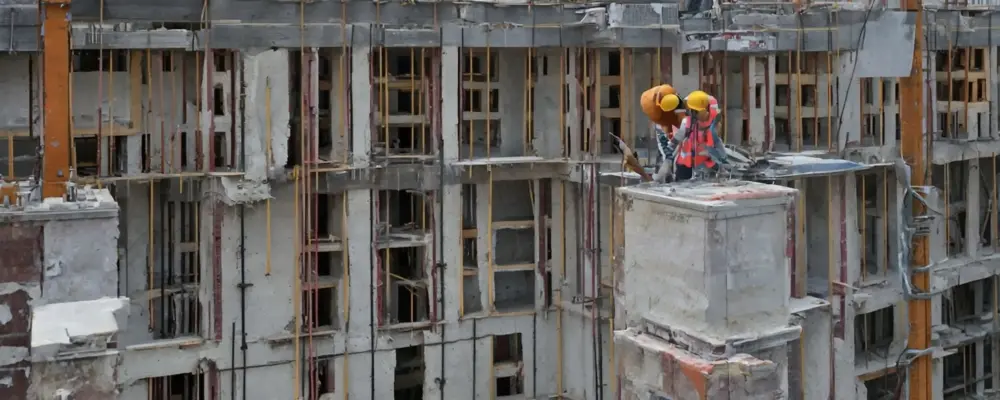
Shuttering, often termed formwork, plays a crucial role in the construction industry. It includes using temporary moulds where constructors pour the concrete to create structural elements. Your formwork acts as a support system, shaping the concrete until it achieves enough strength to hold its independent form. The choice of your shuttering materials is crucial, as it influences the quality of your final structure, construction speed and overall expenses.

Besides giving your concrete the desired shape, it ensures the safety and integrity of your buildings. With the right shuttering material, your construction achieves a smoother finish, reduction in labour costs and shorter deadlines. While you can choose traditional materials like timber and steel or modern alternatives like plastic and aluminium, it is important to consider factors like environmental conditions, project size, and budget.

This blog aims to explore the different types of shuttering materials commonly used in modern construction projects and offers in-depth knowledge about the advantages and disadvantages of various materials used in shuttering, helping professionals make informed decisions for future projects.

Importance of Shuttering in Construction

Different structural elements require different types of concrete shuttering material. You must use shuttering when you pour wet concrete and allow it to set and attain enough strength so that it carries its weight. The process involves creating temporary moulds of wood, steel or other materials where you need to pour the concrete. Ensure that the shuttering or formwork is hard enough to support its weight.

The appropriate formwork selection depends on the size of the structure, its strength and surface finish. You must use formwork for reinforced concrete structures, including columns, foundations, beams, bridges and hydraulic structures. Experts are using formwork or creating specific shapes and sizes to maintain design requirements. When you choose ideal shuttering materials for your construction project, you help minimize cracks and other defects on the concrete surface. Your formwork ensures that your final concrete structure is able to support various loads.

Different Types of Shuttering Materials Used in Construction

You need to use shuttering in various areas of construction, including walls, foundations, concrete slabs, beams, columns, roofs, porches and sidewalks. Depending on what you are constructing, you can use the following shuttering materials in your construction projects.

Timber Shuttering

This shuttering is lightweight and easy to install. One can carve timber into various forms, allowing you to design concrete structures in different shapes and sizes. Besides, they are cost-friendly, and you can construct them easily on-site. While most shuttering, like steel shuttering, is ideal for large projects, timber shuttering is perfect for smaller projects. You must secure the formwork types with sheets, ledgers, plank battens and props. Since the shuttering timber has a shorter lifespan, you must reuse it with appropriate considerations. Ensure that the timber used in shuttering is free of loose knots, well-seasoned and easy to nail without splitting the wood.

Steel Shuttering

If you are planning for a large construction project, steel shuttering is an excellent choice. Manufacturers design building shuttering using numerous steel plate panels and connect them with steel angles at the edges, making steel shuttering stronger than others. The manufacturers use clamps, bolts and nuts to secure the panels. Besides large construction, you can also use these formworks to create curved structures, including tanks, chimneys, sewers, and tunnels, although these forms may be more complicated to create. The shuttering is easy to handle and reusable. Since they provide a smooth and levelled concrete surface, it helps prevent moisture from collecting on the concrete surface.

Plastic Shuttering

In this shuttering, manufacturers use plastic panels as formwork. The best part of the formwork is that they are lightweight, easy to install and dismantle, and labour-friendly. If you are thinking of reusing them in your future construction projects, you can reuse them over 100 times. If you are constructing plain concrete structures, plastic shuttering is an ideal choice. However, since manufacturers prefabricate the shuttering, they are not as flexible as your timber or plywood shuttering. Once you remove the plastic shuttering for concrete, you can clean it easily. Above all, using this formwork in your concrete structure offers a smooth and glossy finish to your concrete surface, minimizing the necessity of plastering.

Plywood Shuttering

In manufacturing plywood shuttering, manufacturers attach sheets of water-resistant plywood to wooden frameworks to give the desired shape and size of the mould. They are ideal for decking, sheathing and form-lining work. You no longer need to use the large planks of wood to support your concrete structures; instead, you need large panels of shuttering plywood. You can also use densified plywood, which manufacturers make by compressing multiple core veneer layers with a smooth film on both sides. With plywood shuttering, you achieve a smooth concrete finish. The inherent stiffness of these formworks provides minimal deflection when you pour concrete into it. Since they are highly durable, you can use them in your future constructions.

Fabric Shuttering

In this type of concrete shuttering, instead of wood and steel formwork, you must employ geotextile fabrics as formwork. The manufacturers designing the fabric shuttering include woven polyethene and polypropylene fabrics, making them lightweight and flexible. The geotextile fabric’s use supports the pressure created by the wet concrete. It further helps you achieve complex shapes with minimal reinforcement.

Tunnel Shuttering

The tunnel form is a box-sized steel fabricated form suitable for mass housing projects, such as hotels, hostels and other commercial developments. You can reuse the factory-made tunnel formwork up to 500-600 times. If you are looking for a shuttering that reduces the number of joints and improves water tightness, tunnel shuttering is an ideal choice. Besides, it reduces your labour cost and overall construction time. With the shuttering, you create efficient load-bearing structures that are resistant to seismic activities.

Factors to Consider When Selecting Shuttering Material for Your Construction

You must select shuttering materials while keeping your construction requirements in mind. When you understand the properties and applications of each material, you, as a construction professional, can make informed decisions, enhancing the quality and efficiency of your projects. It further ensures durable and aesthetically pleasing concrete structures. You must focus on the following factors while selecting shuttering material for your construction projects.

Materials Used

Your shuttering must use inexpensive materials which can be reused for longer. Besides, the supplies required for shuttering projects must be accessible immediately. Ensure to use higher-grade materials for your shuttering. Moreover, your shuttering must be lightweight and feasible.

Rigidity and Insulation

Whatever shuttering material you use in your construction projects ensures that the structures are rigorous and stiff. Your shuttering must experience minimum bending and distortion of concrete surfaces. Besides, your shuttering must have proper insulation. Since concrete does not set correctly during temperature changes, proper insulation is vital.

Strength and Consistency

Ensure that your shuttering board is strong enough to support the necessary weights. Pouring and setting of concrete leaves a load. The shuttering acts as a dead load, supporting the concrete. Be sure to use high-quality and durable shuttering so that you can utilize it in your future projects.

Smooth Surface and Easy to Remove

Your shuttering must have a smooth surface to ensure levelled finish. Ensure that the shuttering you use in your projects is easy to remove. You must do it without harming the concrete’s surface. Opt for shuttering material that requires no hammering while removing it, as this can cause damage to the edges and surface of your concrete.

The intricate tapestry of Indian home construction requires the right shuttering, ensuring strength, precision and longevity. When you consider the grade, thickness, quality, reusability, moisture resistance and compatibility while purchasing the shuttering, you pave the right path towards a well-designed and enduring home. Therefore, it’s important to balance quality with budget.

As a leading Indian home construction company, Brick & Bolt provides its customers with complete end-to-end services with features like real-time tracking, transparent communication, quality checks, and updates on projects. With an aim to bring transparency and trust into the construction space through high quality and the latest technology, Brick & Bolt has completed over 4500 homes. We provide the best quality raw materials for each project, including formwork, ensuring unmatched credibility in each project. Contact Brick & Bolt today to ensure the best construction quality for your dream home!


Resilient Design: Principles, Architecture, and the Future of Sustainable Building

0
Resilient Building Design

Resilient design is a unique strategy used in the construction field. This includes erecting structures that do not collapse under any set of risks like natural threats and human-made hazards. By reading today’s Brick & Bolt blog, you can learn about the various ways and materials through which resilient architecture can be achieved.  

What is Resilient Design?

Resilient building design involves the process of designing buildings that are able to withstand or recover rapidly from external attacks and fire, as well as other risks that may be terrorism-related and natural disasters. It refers to building structures up to a standard that can bear damage, and are still working when the going gets tough by implementing reliable materials and leveraging smart design techniques.

Key Principles of Resilient Design

The following are fundamental resilient design principles:

  • Reliability: Structures must be able to withstand severe weather conditions, including hurricanes, earthquakes and flooding. That means implementing features that can handle major storms and large flash flood events.
  • Alternate Power Sources: Buildings shall include a secondary source of power and other means to ensure the continuation of essential functions such as lighting, water supply or temperature control in case of prolonged interruption.
  • Adaptation: Buildings should be able to adapt to changes in the habitat over time as demands and specifications will change. This requires you to use modular construction methods that allow you to easily reuse and reconfigure spaces.
  • Resource Efficiency: Buildings need to be designed with resource efficiency in mind, meaning they must use water and energy as sparingly as possible. This can be done with the use of eco-friendly building materials, which include recycled steel and concrete, that make the most of energy-saving practices like passive heating and cooling as well as renewable energy systems.

Resilient Architecture and Its Role in Disaster Resilience

Disaster Resilient Architecture is a very important city service for buildings, public transit, power systems, internet, and communication services, which can withstand natural disasters and human-made threats. These include earthquakes, tsunamis, volcanic eruptions, landslides, hurricanes, floods, heat waves, and droughts. Terrorist activities and accidents are threats that human beings create. Design with resilience in mind uses better site planning and more industrial construction to resist these. 

All these threats have different but just as devastating effects on lives and also infrastructure. It is very difficult to design an architecture where different natural disasters hit. For example, earthquake-resistant buildings can stand against earthquakes well but can easily be swept away by a tsunami.

Therefore, disaster-resistant architecture is designed for areas most likely to experience a certain type of natural disaster. This minimises the impact of natural disasters on property and speeds up risk management, allowing people to reach a safer place sooner.

Climate Adaptive Design: An Essential Component of Resilience

Among the many components that make up resilient design as a whole is a climate-adaptive design. Its main goal is to help you better understand the local climate and use ways to improve a building’s performance in spite of these obstacles. Effective flood-resistant design strategies include elevated foundations, well-planned landscaping, and impermeable materials that divert water and lessen susceptibility.

Climate-adaptive architecture involves a variety of methods and techniques used to design structures and surroundings that can withstand the different effects of climate change. The following are some of the major processes involved:

  • Site Selection and Analysis: In order to reduce the risk of exposure to climate hazards, you need to plan carefully on which site a project may be located and what potential risks can be prevented. It informs your design whether to orient a building right or left, up or down.
  • Management of Stormwater: By creating pieces of landscape that trap and manage stormwater runoff, you can reduce flooding and promote infiltration of the water into the ground, which results in a resilient building environment during extreme weather periods.
  • Energy Efficiency and Renewable Energy: Including energy-efficient technologies and renewable energy sources, such as solar panels and wind turbines, make it easier for a building to operate without any interruptions during power outages and reduce the environmental footprint of our consumption of energy.
  • Resilient Building Materials and Methods: An architect should consider building materials that are resilient in nature, especially those tested for extreme heat or cold temperatures as well as storms and precipitation.

The Concept of Resilient Infrastructure

Systems and buildings that are planned, constructed, and maintained to withstand and quickly recover from both expected and unforeseen threats are referred to as resilient infrastructure. This ensures that they can keep operating and provide services to the people who depend on them. Resilient infrastructure is necessary to achieve sustainable development. In addition to supporting economic activities and acting as the first line of defence against shocks and disasters, infrastructure offers vital services to communities. Significant financial and societal costs are associated with an increase in the frequency and intensity of risks, which also leads to an increase in the frequency of interruptions to infrastructure systems.

The Future of Resilient Building Design: Emerging Trends and Technologies

With new trends and technology providing creative answers to industry problems, the future of resilient building design is bright. Among the most important developments and technologies are:

  • Climate-responsive design: Buildings can be designed more resilient to natural disasters and climate change by using design principles that are sensitive to the local climate and weather conditions.
  • Smart materials: Buildings can be designed to be more resilient and long-lasting by utilising smart materials like shape-memory alloys and self-healing concrete.
  • Digital technologies: Building design, construction, and maintenance may all be made better by integrating digital technologies like the Internet of Things (IoT) and Building Information Modelling (BIM).
  • Renewable energy: Buildings can be made more resilient to disruptions and power outages by utilising renewable energy sources like solar and wind power.
  • Green infrastructure: Building resilience can be increased, and the effects of natural disasters can be lessened by utilising green infrastructure, such as rain gardens and green roofs.

Emphasising resilient design and resilient architecture is essential for creating structures that not only survive but thrive in the face of challenges posed by nature and human activity. Along with the moving time, understanding the elements of disaster-resistant construction and sustainable urban planning will gradually become important for developing a better future, which includes the evolving needs of our landscapes.

The addition of flood-resistant design, hurricane-proof structures, and earthquake-resistant buildings will make sure that we move towards a sustainable and resilient future. Adding these principles and practices can enhance our ability to adapt to present and future challenges.

Properties of Cement: Essential Insights for Quality Construction

0
Properties of Cement

In the construction sector, cement is considered the primary binding component of concrete. You can plan to build a house, a strong bridge, or any other project; the base material used to build all these is cement. Cement alone is not adequate, but the right cement.

To that, it becomes very imperative to understand the properties of cement for engineers, architects, and builders so that the quantity and quality of their work could be assured. The article covers some key properties of cement and their effective application in order to satisfy the requirements of modern construction.

Physical Properties of Cement

Physical Properties of Cement

While it is a first-to-go construction material in a checklist, it has various physical properties you haven’t heard of before.

Fineness of cement

Fineness of cement refers to the particle size distribution of the cement particles. It is a measure of how finely the cement has been ground during the manufacturing process. Usually, it is measured in square centimeters per gram (cm²/g), or as the percentage of cement retained on a standard sieve. 

Finer cement particles have a larger surface area available for hydration, leading to faster chemical reactions and quicker strength gain. According to IS recommendations, the fineness of cement should be below 10%.

In another way, we can test through the Blaine test, which allows a certain quantity of air to pass through the bed of cement particles.

By this test, the cement particle size is determined by the rate of airflow resistance.

Soundness

Soundness of cement refers to its ability to retain its volume after setting, ensuring that the hardened concrete or mortar remains stable and does not undergo expansion or contraction over time. This property is crucial because any excessive changes after setting can lead to cracking, warping, or disintegration of the concrete structure. 

The main cause of this dimensional stability is when excess free lime above the normal level is combined with acidic oxide at the kiln. Another reason can be the high presence of magnesium or calcium sulphate. 

Here’s where you need to consider the soundness of cement.

To check this, you can use two traditional methods while purchasing:

  1. Le Chatelier Test and 
  2. Autoclave Expansion Test.

In the Le Chatelier Test, ordinary Portland cement should not expand more than 10 mm according to ASTM C151 or IS 4031 Part 3.

The autoclave expansion test for ordinary Portland cement shall not show an expansion of more than 0.8% as per ASTM C151 or IS 4031 Part 3.

Consistency

More elaborately, the consistency of cement refers to the ability of cement to mix with water and give out a homogenous paste. This provides strength in concrete structures.

The perfect consistency of the mix is provided by the accurate water-to-cement ratio. A high water-cement ratio results in a more fluid paste, while on the other hand, a lower ratio results in a stiffer paste.

It should be noted that different water contents are needed to yield standard consistency for various types of cement, like ordinary Portland and rapid-hardening cement.

The Vicat apparatus can typically be used to undertake the standard test to determine the consistency of cement paste. This will outline its fluidity and plasticity.

Strength

Cement has the ability to withstand axial loads. A proper volume of cement mixed with materials impacts a load bearing capacity of the concrete which provides compressive, tensile, and flexural strength.

The proportions of compounds like C3S (tricalcium silicate), C2S (dicalcium silicate), C3A (tricalcium aluminate), and C4AF (tetracalcium aluminoferrite) can affect strength development.

However, the use of relevant chemical and mineral admixtures can enhance or modify the strength rate of cement.

Setting time

Setting time refers to the periods a cement paste takes to change from a fluid or plastic state into a rigid state.

Setting time of cement therefore refers to the two periods namely; 

Initial setting, and Final setting.

i) Initial Setting Time

The time from the addition of water to cement until such time when the paste starts losing plasticity is what we call, the initial setting time. During this stage, further methods of molding or shaping can be done.

For Ordinary Portland cement(OPC), the initial setting time should not be less than 30 minutes.

ii) Final Setting Time

The final setting is a period of time from the addition of water to cement; the paste at this moment has lost plasticity and is hard enough to resist a certain load.

The ideal value for the final setting time for OPC should not be more than 600 minutes (10 hours).

Heat of hydration

When cement comes into contact with water, exothermic chemical reactions liberate the heat.

The reaction is significant in the setting and hardening process of cement. Evolved heat may raise the temperature of concrete, which affects the performance and durability of the concrete structure as a whole.

The products formed in these reactions give cement its strength.

Higher C3S and C3A content increases the heat. The presence of gypsum affects the reaction of C3A, controlling the heat release.

Both these ingredients produce less heat during hydration.

Loss of Ignition

A cement sample on heating at 900 – 1000°C loses weight. This loss of weight on heating is computed as loss of ignition.

Poor or adulterated during transportation or transfer the material may undergo pre-hydration or carbonation, both of which may be reflected by increased loss of ignition.

Chemical Properties of Cement

Chemical Properties of Cement

The much needed raw material for cement production is limestone.

It is largely made up of calcined, sand or clay, bauxite and iron ore; it may include shells, chalk, marl, shale, slates, clay and blast furnace slag.

Chemical analysis of these cement raw materials provides ample information about the chemical properties of cement.

Tricalcium aluminate (C3A)

The low content of C3A makes the cement sulphate-resistant.

Gypsum reduces the hydration of C3A, which evolves a large amount of heat at the beginning of hydration. C3A does not contribute more than a few per cent of strength. There are two types.

Type I cement: It contain more than 8% C3A and has up to 3.5% SO3. The higher sulphate content helps to control the hydration process of the high C3A content.

Type II cement: It contains less than 8% C3A and has up to 3% SO3. This lower sulphate content is suitable for the lower C3A levels, helping to maintain appropriate hydration control and contributing to moderate sulphate resistance.

Tricalcium silicate (C3S)

It reacts quickly with water, releasing moderate heat. It is responsible for early strength gain and structural integrity. About 45-60% of cements comprises of C3S.

Dicalcium silicate (C2S)

In contrast with tricalcium silicate, C2S is responsible for early strength gain. Calcium Silicate in cement helps the strength gain after one week. This improves the resistance to chemical attacks and comprises about 15-30% of cement.

Ferrite (C4AF)

Ferrite is a fluxing agent which gives colour to cement. It reduces the melting temperature of the raw materials in the kiln from 3,000°F to 2,600°F. 

Though it hydrates rapidly, it does not contribute much to the strength of the cement. Also, it provides lower heat of hydration when compared to C3A and C3S which typically comprises 8-12% of cement.

Magnesia (MgO)

The manufacturing process of Portland cement uses magnesia as a raw material in dry process plants. Small amounts are good to consider, whereas excessive MgO can lead to expansion and cracking.

It is mandated to keep the MgO content below 6%.

Sulphur trioxide

A high amount of Sulphur trioxide can make the cement unsound, requiring more setting time than usual. To make this efficient, 1-2% of SO3 is acceptable. 

Iron oxide/ Ferric oxide

Iron Oxide or Ferric oxide is known for its contribution for colour to cement. It is responsible for formation of clinker compunds like Tetracalcium Aluminoferrite(C4AF) and other properties such as setting tie, heat of hydration and workability. By knowing the amount of Fe2O3 in the cement mix, one can produce high quality cement with desirable outcomes.

Conclusion:

More than having  knowledge about the cement and its usage, understanding its properties is essential to ensure the quality, durability and performance of concrete structures. Above discussed physical and chemical properties play a crucial role in its application and effectiveness.

Structural Steel: Properties, Composition,Types and Applications

0
structural steel

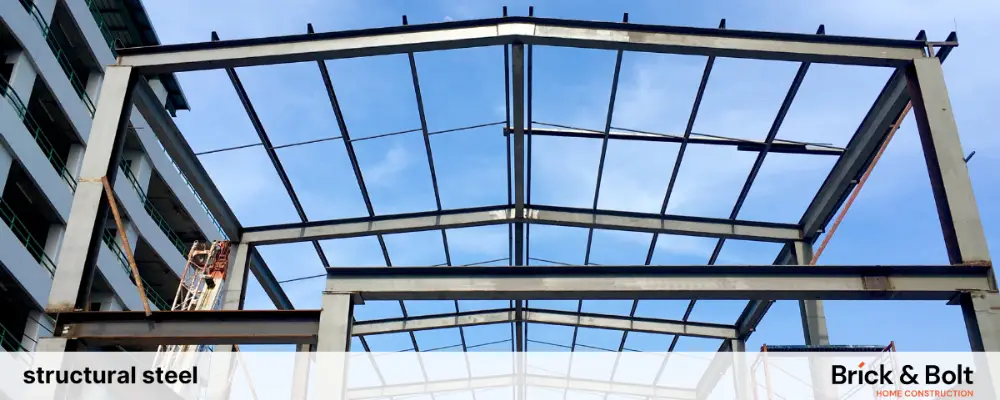
Structural steel is one of the world’s most important construction materials today. It is a major framing material for practically all modern constructions and infrastructure.  It’s valued for its strength and resistance to decay. This guide covers what structural steel is, its properties, types, uses, composition, shapes, and applications. Engineers and builders need this knowledge to make informed decisions in construction.

What Is Structural Steel?

Structural steel can be referred to as a particular type of steel made specifically for use in construction, This type of steel may be said to differ from others in that it assumes shapes and sizes that endow it with excellent engineering performance in its application. The major components of structural steel are iron and carbon. The carbon content is kept within certain limits so that it will have higher strength and ductility.

It can be bent without failure, making it suitable for construction.

Structural Steel Properties

Structural steel has several key properties, which include:

High Strength

The high strength of structural steel allows it to bear loads as great as those that exist. It is, therefore, ideal for the building of skyscrapers, bridges, and manufacturing plants. Its impervious nature towards weather, rust, and corrosion makes this material long-lasting. The latter also ensures a long life of the construction and facilities, even in rigorous conditions.

Ductility

Ductility can also be described as the ability to deform without breaking. This property is critical for structures that may face earthquakes. They must absorb the energy of the impulse without collapsing.

Weldability

Structural steel is easy to weld. So, it can be assembled and fabricated on construction sites. It allows fast connections of different portions of a structure.

Types Of Structural Steel

Structural steel may be of numerous classes, for example:

Plain Carbon Steel

Carbon steel, with a certain content of carbon, is the most common kind of structural steel. One category of steel is the construction grade, which is highly useful in the field.

Alloy Steel

Alloy steel contains additional elements, for example, manganese and nickel. Those elements improve some specific features of alloy steel, like toughness or strength. This is one of the reasons alloy steel is utilised in demanding applications.

Stainless Steel

Rust is one enemy, among many others, that stainless steel is known to remain impervious to. It finds its use in kitchens, hospitals, and other places where sanitation is very important to be maintained.

High-Strength Low-Alloyed Steel

HSLA steel is stronger and more corrosion-resistant than carbon steel. It’s typically used in buildings that require strength without adding much weight.

Uses of Structural Steel

There are numerous applications for structural steel. Some of the common uses include:

Buildings

The skeleton that stabilises and supports forces that commercial and residential structures are prone to is mainly composed of structural steel.

Bridges

Structural steel is used in the construction of many bridges because of its high strength and toughness that allow spanning of long distances with safety. Steel bridges can support heavy loads of traffic and the earth’s tough weather conditions.

Industrial Structures

Structural steel is used in the framework of factories and warehouses, which makes it very practical for its use under heavy machines and equipment.

Transportation

Structural steel is used in various ways in the construction of railways and highways.

Energy

The very high strength of structural steel is used in other applications that require the lowest amount of steel attainable in the overall construction. As well as in the structure of power plants and wind turbines, structural steel may be used to erect a variety of renewable-energy structures.

Composition of Structural Steel

Structural steel is based on iron and contains 0.1% to 1.5% carbon. Various additives can be put into molten iron to impart strengthened properties to the resulting steel:

Carbon

The strength increases with the addition of carbon but ductility decreases. A good balance is required for structural use.

Manganese 

It increases toughness and  hardening, allowing the steel to resist wear..

Silicon

It is added to provide increased strength and improved oxidation resistance.

Nickel

The addition of nickel enhances toughness and, in that connection, increases the ability of the steel to resist high-temperature conditions.

Chromium

It enhances corrosion resistance and increases hardness; is in fact, a constituent mostly present in stainless steel.

Structural Steel Shapes

There are many shapes that structural steel comes in, and they are used for a variety of different notions. Some of the more common basic shapes are:

Angles

These are L-shaped structural members used for bracing and supporting structures, widely used in frames and connections.

Tubing

A steel tube is a hollow section that can be applied in many forms, from columns and frames to railings, whereby its shape combines strength and light weight into.

I-Beams

An I-beam is a beam whose cross-section looks very much like the letter ‘I’. It helps the beams and girders to support each other, leading to one of the most common shapes used in construction.

H-Beams or Wide Flange Beams

H-beams or Wide flange beams are those whose flange section goes beyond the standard I-beam, for providing greater support in heavy construction.

Channels

Channel sections are used mostly for framing and support. They are primarily applied in walls and roofs to give stiffness to the whole frame construction.

Plates

These flat, thin components have many uses. They are applied in flooring, general fabrication, bridge-building, and Steel reinforcement.

Rods

Steel rods find applications in many areas dealing with reinforcement and others on a structural basis; they frequently exist in concrete steel structures for carrying extra strength.

Conclusion

Structural steel retains its significance in modern construction and engineering. Its strength, durability, and versatility allow it to be used for a wide range of applications, from buildings to bridges. Structural steel’s properties and applications shape modern construction. Builders and engineers must grasp its nuances to make informed decisions.

RCC Column Construction: Types, Techniques, and Best Practices

0
RCC Column

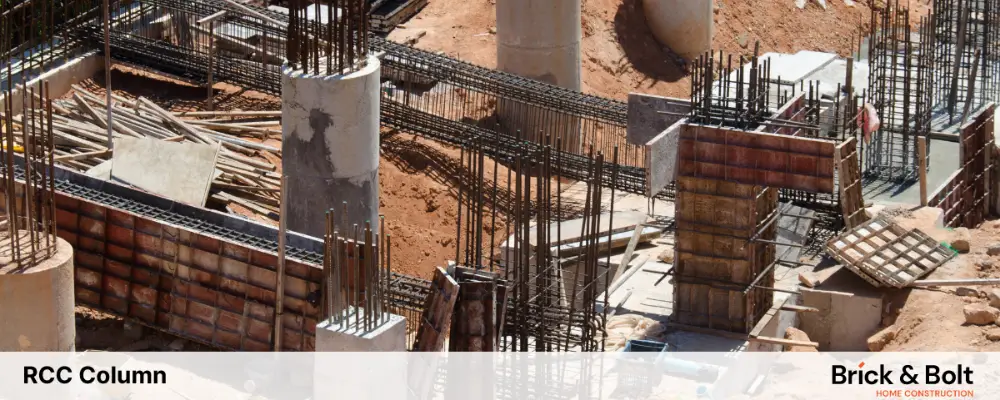
Reinforced cement concrete columns are an important element used in construction. They provide structural stability and load-bearing capacity for the buildings. By understanding different types of reinforced cement concrete columns, their shapes, lengths, and methods of construction can help in providing efficient and safe building designs.

What is the RCC Column?

The RCC column is a vertical structure that is designed for carrying compressive loads. It is mainly made up of reinforced concrete with steel bars. This helps improve strength and durability. The RCC column will support the loads from the beams, roofs, and floors while distributing the weight to the foundation. 

The RCC columns have two purposes in the construction, as they can act as a load-bearing element as well as provide lateral stability. These columns can differ in their shape, size, and design. This mainly depends upon the load that they are expected to carry on the requirements of the building. 

Types of RCC columns

NameTypesCompositionManufacturingApplication
RCC Columns Based on Shapes
CircularConcrete reinforced with steel barsManufactured on-site or as precast units; circular formwork is usedUsed in high-rise buildings, bridges, towers; architectural designs
Square/RectangularConcrete with steel reinforcementEasier construction due to straight formworkResidential and commercial buildings; easier alignment with walls
RCC Columns Based on Length
Short ColumnConcrete with steel, L/B ≤ 12Designed to avoid buckling; requires standard reinforcement techniquesUsed in low-rise buildings where floor height is approx. 3m or less
Long ColumnConcrete with steel, L/B > 12Requires additional reinforcement to prevent buckling; slender columnsCommon in high-rise buildings and towers where floor height exceeds 3m
RCC Columns Based on Moments
Biaxial ColumnReinforced concrete; axial load & moment in 2 directionsAdditional steel reinforcement to handle stresses from multiple directionsUsed in corner columns of buildings to manage forces from multiple directions
Uniaxial ColumnReinforced concrete; axial load & moment in 1 directionSimpler reinforcement compared to biaxial columnsUsed in side or internal columns where loads act predominantly along 1 axis

Types of RCC Columns Based on Shapes

Circular Columns

Circular columns are commonly used in the areas where they will be exposed to lateral forces while also maintaining aesthetic appeal. These columns can be seen in bridges, towers, and high-rise buildings, as a circular shape can be more effective at resisting the load from multiple directions. 

Square or Rectangular Columns

The rectangle columns are normally adapted for various structures. They are used in conventional construction. The rectangular or square shape makes them easier to construct and economically feasible compared to circular columns. These columns can be seen in residential buildings and commercial buildings because they can align with the walls easily.

RCC Column Types Based on Length

Short Column

A short column has the column length less than or equal to 12 times the least lateral dimension. The columns are normally stronger as they are less susceptible to buckling under the load. Short columns are normally used in low-rise buildings where the large loads are concentrated in a small area.

Long Column

Long columns have a column that is more than 12 times the least lateral dimension. These columns are affected by buckling, and they need additional reinforcement for prevention of failure. These columns are normally used in towers and high-rise buildings where the height is necessary. Long columns can generate more forces, so they must be designed with caution. 

Types of RCC Columns Based on Moments

Biaxial Column

Biaxial columns are mainly subjected to bending moments about both perpendicular axes. Biaxial columns are commonly used in areas subjected to loads from multiple directions, such as corner columns of buildings.. The reinforcement in biaxial columns is designed carefully for handling the stress from both directions. This will help in ensuring the stability and their different loads.

Uniaxial Columns

Uniaxial columns are mainly subjected to the bending moments in one axis. These columns are normally used in the areas where loads act along one axis, like interior columns in a building. Uniaxial column reinforcement is simple compared to that of biaxial columns, as it needs to resist the force from one direction. However, axial loads are still resisted, and shear forces may need to be considered depending on the design.

Construction Methods of RCC Columns

There are mainly four stages of construction used in RCC columns; they are,

  1. Column layout work.
  2. Column reinforcement work.
  3. Column Formwork and
  4. Pouring Concrete

Column Layouts

This is the first step in the construction of columns. In this step, the column location will be decided practically in the field. Here the ropes will be laid out in the gridlines, and the location of columns will be marked.

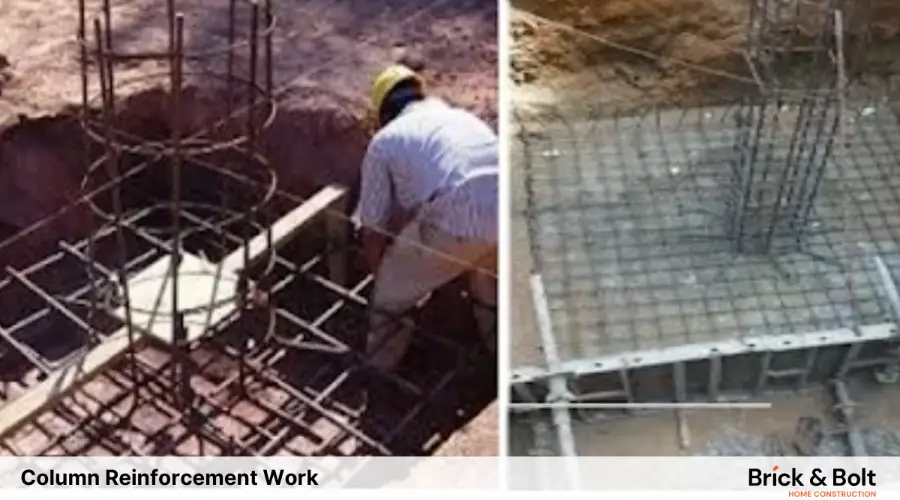
Column Reinforcement Work

When marking the location of the column is completed, the reinforcement column will be placed based on the structural drawing.

Example 1:

C1-12#16 mm and stirrup-10 mm@4″c/c

Here the column has 12 vertical steelbars, and each of them has a  16 mm diameter. This is supported by stirrups made of a steel bar of 10 mm diameter. These stirrups will be placed at a distance of 4 inches apart from each other.

Example 2:

C2-8#20 mmØ + 10#16 mmØ and stirrup-10 mmØ@(4+6″)c/c

This means column C2 will have:

  • 8 vertical bars, each with a 20 mm diameter, and
  • 10 vertical bars, each with a 16 mm diameter.

The stirrups (10 mm diameter steel) will be spaced as follows:

  • In the middle half of the column’s height, the stirrups will be placed 6 inches apart.
  • In the top quarter and bottom quarter of the column’s height, the stirrups will be spaced 4 inches apart.
Column Reinforcement Work

Column reinforcement works must follow some checklists on the site. That are,

  1. The numbers and diameter of the vertical bars must be checked.
  2. Vertical bars space
  3. Development length must be checked as it depends upon the bar diameter.
  4. Lapping in an alternate bar must come at a similar height.
  5. And lapping must not come inside the beam or a slab.
  6. As per the structural notes, the lapping must be 1/3 or 2/3 the column.
  7. The spaces between must follow the drawing.
  8. Hooks must be properly bent at right angles.
  9. Check the corner of the stirrups. The vertical bar must come at the right angle of the edge to properly bind to the binding wire.

Column Formwork

Columns will carry a load of structure, and they can be critical. It is important to align the columns vertically so that the load will be transmitted properly. The column shuttering must be strong enough to undertake the pressure of fresh concrete and also must remain in position during concreting.

The height of the floor is normally kept at 10 feet. If the slab has been kept, then the concrete has to be poured on the beam’s bottom level. For instance, if the height of the beam given in the drawing is 1′-6″, then the casting height for column formwork will be 8′-6″.

You must understand that dropping concrete more than 5 feet high is not allowed because it creates segregation. Since it is necessary to create the formwork within 5 feet height. Once the first part is completed in casting, then the rest of the part will start.

Guidelines on column shuttering

  • For holding the concrete shuttering in place and for the correct alignment, the concrete pad called starter is cast. The starter pad will be cast before fixing the suttering. The thickness will be around 45 mm to 60 mm, and the dimensions will be correct as proposed in the dimensions of the column. Also, the starter pad must be cured for a day or two so that it can be hard enough for fixing the shuttering around it. 
  • Column shuttering is made from plywood sheets or steel sheets that are fabricated along with adequate stiffeners.
  • To the inner surface, thin films of oil or grease must be applied that can help in easy removal of columns after the hardening of concrete.
  • The alignment of the shuttering must be proper in vertical and diagonal directions, as it can ensure the accuracy of the dimension.
  • Formwork has to be completely supported with the proper size before pouring into the concrete. This is because it must not move horizontally or vertically during the concreting process.
  • Gaps present near the shuttered joints must be sealed by using plaster or wood for prevention of any slurry leakage.
  • The preferred time to remove shutters is after 24 hours of casting, and if they are in need to be removed earlier, Then it must not be removed within 16 hours.
  • The shutters must be removed gently without any jerkings so that the column edges will not be damaged.
  • Regarding the fixing and support of column shuttering. Care must be taken for prevention of movement during concreting.
  • For dimensional accuracy, the diagonals of the shuttering must be checked. 

Pouring of Concrete

The concrete pouring is the last step of column construction. They can be completed in two different methods, namely manual and by using a machine or pump.

Steps that must be followed during and after concreting

  1. Machine-mixed concrete can be used for less quantity, and ready-mix concrete must be ordered for a larger quantity.
  2. You must ask the client for approval regarding placement of concrete by pump or manual.
  3. The concrete must be poured down to the bottom slab. Then the remaining column can get concreted during slab and beam pouring.
  4. Mechanical vibrators can be used in the column, but excess vibration can lead to segregation. So each layer must be properly compacted.
  5. The target slump can be 160 mm, and the height of pouring the concrete must not be more than 1.5 meters.
  6. Joint construction must be avoided for columns.
  7. Proper cover according to the structural drawings must be maintained.
  8. While boring the concrete, the temperature must be below 30 degrees.
  9. After pouring the concrete and vibrating it with the help of a vibrator, the horizontality and verticality of the column must be checked.

Conclusion

The most fundamental element used in the construction is the RCC column, as it can provide strength and durability to the buildings. RCC columns can be used in various forms for supporting the loads and resisting the external forces. They also provide structural integrity to the building. 

FAQs

1. What is the size of the RCC column?

The size of the RCC column normally differs depending upon the loads that it needs to carry and the structural design. Some of the common senses for residential and commercial buildings will range from 230 mm x 230 mm to 450 mm x 450 mm.

2. What is the RCC grade for a column?

The grade for the concrete used in the RCC columns usually ranges from M20 to M30. This mainly depends upon the requirements of the structure. Higher grades can be used in high-rise buildings.

3. How to calculate RCC column weight? 

For calculating the column weight of RCC, first weigh the column volume and calculate the concrete weight. Then calculate the steel reinforcement weight and at the end, calculate the total weight of the column.

Gravel Fill: Types, Advantages, and Selection Tips for Builders

0
gravel fill

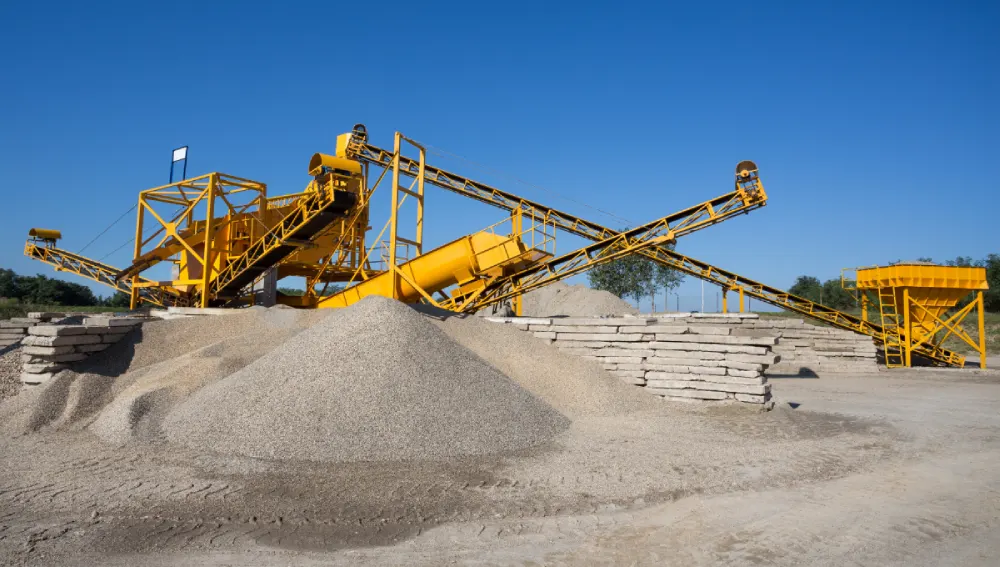
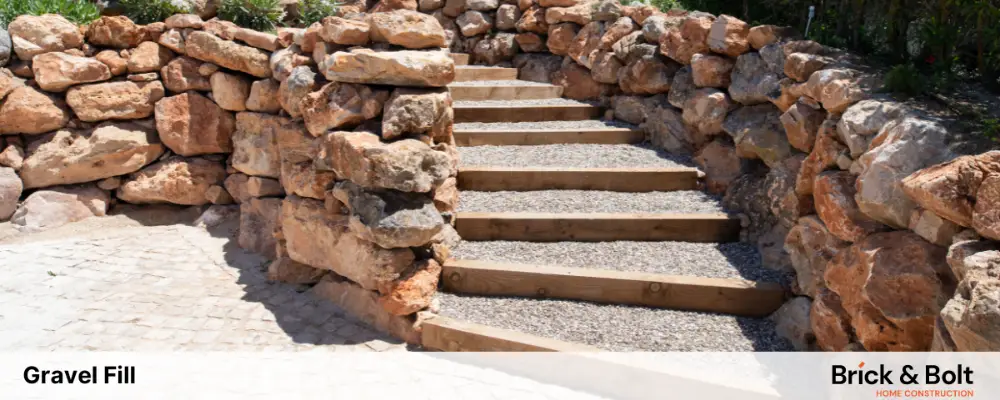
Gravel is a very small piece of rock and stone that is coarser than sand. It is used in constructing buildings for filling foundations, concrete, and other paving works. It has a unique drainage property that allows the water to flow through it. It is a key material that is used in building a structure. In this article, let us explore the importance, role, and advantages of using gravel in the construction process.

What is Gravel Fill?

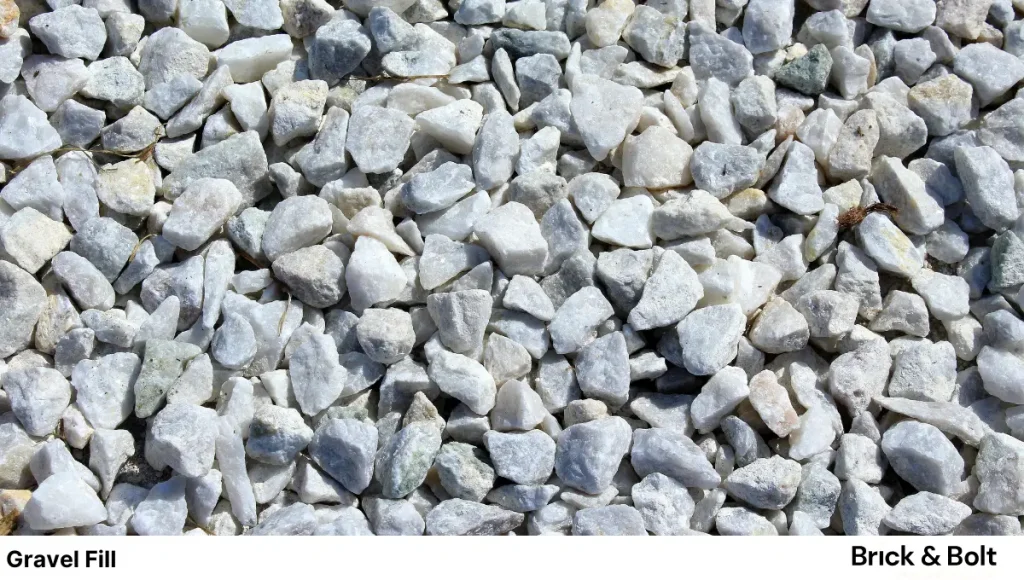
Gravel fill is an aggregate fill and involves placing the necessary gravel materials to support drainage, stability, and structural strength in foundations, roadways, landscapes, and other construction areas. The size of the gravel material ranges from 2mm to 75mm. They are also available in different colours, textures, and stone types. It is used as a backfilling material in the construction process. The selection of gravel depends on soil conditions, application, and the budget of the project.

What is the Role of Gravel Fill in Construction?

Gravel fill serves multiple purposes in construction projects. The different roles of gravel fill in construction are as follows:

  1. Provide a solid basement

At first, it provides a solid basement with tightly packed gravel in high density. It reduces the risk of soil settlement due to climatic changes. This stability is pivotal for buildings and constructions to withstand natural calamities for years to come. 

  1. Excellent drainage property

Gravel fills have high drainage properties. Due to this, the water flow is easily perforated through the gravel and drains the excess water. This allows the buildings to have strong foundations without the collection of water below the foundation.

  1. Top load-bearing capacity

Gravel fill supports the construction built above it by evenly distributing the loads to the columns and transfers them to the building or the structure. By doing this, it reduces the stress on the soil as well as soil erosion or settlement.

  1. Water conservation

Graves are an excellent supporting material for rainwater conservation. It allows the rainwater to flow into it and directly transfer it into the soil. It increases the underground water in the soil supporting groundwater replenishment. 

  1. Environmentally friendly

Gravel stones are easily sourced at the local market. Therefore, it cuts down on transportation charges as well as carbon emissions into the air. It also controls soil erosion by providing a stable soil foundation. 

Importance of Gravel Fill

Gravel fill is also known as ‘fill dirt’ or ‘fill material’. They consist of tiny and granular materials that comprise small rock fragments. It serves as an important material for laying the foundation process in construction projects. It can be used for various applications such as drainage purposes, enhanced stability, and load-bearing capacity of the structure or the building. 

It can be widely used in building residential and commercial structures. It can also support other projects like roadways, building foundations, landscapes, and soil erosion control. To prove their durability and longevity, gravel fill acts as an essential component of the construction process.

Types of Gravel Fill

For different applications of construction projects, different types of gravel fill materials are available in the market. You have to choose the type of fill material that suits your construction projects. The three types of gravel fill are as follows:

Crushed Stone Gravel

Crushed stone gravel can be widely used in many construction projects. It is suitable for structures that need high strength and durability. Like in roadways, heavy traffic areas, or heavy load-bearing structures, this crushed stone gravel is added to provide a stable base. They interlock with the adjacent particles and pave the way for a smooth basement.

Pea Gravel

The name itself describes its size and shape. It is a pea-shaped gravel that is suited mainly for decorative purposes. Like in pathways, playgrounds, gardens, and landscaping, this pea gravel is used to provide a pleasing appearance for the audience. It also supports the structures of low-traffic areas with minimum load-bearing capacity.

Jersey Shore Gravel

Jersey shore gravel is widely used in water management projects. It is sourced from New Jersey, a coastal region. They are popular for their drainage and soil erosion control properties. They are mostly used in French drains, drainage systems, gravel pits, etc.

Advantages of Gravel Fill

Gravel fill provides tremendous advantages to the construction industry. Construction professionals are very interested in using this gravel in their construction projects. The utmost properties of gravel stones are cost-effectiveness, durability, and lifetime. You must be conscious of choosing the right gravel for your projects. Let us see the properties below.

Cost-Effectiveness

Compared to other filling materials, gravel fill is considered the most cost-effective. Because of its availability at any place. The process of extracting gravel fill material is simple and easy. It doesn’t require any complex machinery to acquire this material. The manufacturing and processing of gravel fill is economical. 

Durability and Longevity

Gravel fill materials can perform their intended function for a long time without excess maintenance or repair. It can withstand extreme heat or cold. Thus, it resists any external factors without affecting its quality or test of time. They have been known for their permanence by avoiding settlement and shifting of soil. They always remain solid for years.

Choosing the Right Gravel Fill for Your Project

Choosing the right gravel fill needs clear knowledge and analysis of particular usages of gravel fill. These factors may help construction professionals make informed decisions on selecting the right gravel fill for their projects. They are as follows:

  • The condition and type of soil in which the project is going to take.
  • The load requirements of the building or the structure can be calculated.
  • Must consider the environment or surroundings you are going to perform the construction process.
  • You must confirm the budget for the project. According to that, you can select your choice of gravel fill that suits your project at your minimal budget.

Conclusion 

On the whole, gravel fill plays a vital role in the construction process. It provides strong physical support and drainage filters to the construction project.

Beach House Construction: Essential Tips, Building Codes, and Materials

0
Beach House

Imagine every morning your day starts with listening to the music of sea waves, cool breezes and beautiful seashore views and ending with a charming sunset. Most of the time, it’s a dream for many people. But you can change your dream into reality by building your dream house

Want to learn more about this? Continue reading Brick & Bolt’s blog for complete details about beach house construction.

Importance of Building Codes for Coastal Areas

Before the construction of any building, everyone must obey building codes. When it comes to beach house construction, your building is going to be vulnerable to natural disasters like storm waves, hurricanes, and rising sea levels. Make sure your house floor plan follows the building codes for coastal areas. The codes include regulations and standards that can be reliable for the design, construction, and maintenance of structures according to the geographical conditions of the site. This will minimise risks and ensure the safety of occupants and the long life of the buildings.

Structural Integrity and Safety

In coastal areas, building a structure will be a challenging task because you need to maintain the durability and safety of the building against high wind loads, storm surges, and saltwater exposure. The building codes ensure that the structure, foundation, and materials used for construction can withstand these challenges. By following them, you can avoid structural failures due to extreme weather conditions and protect building occupants from injury.

Resilience and Sustainability

Building codes often require resilient design features that will contribute to the sustainability of coastal commercial buildings over the long term. Elevated foundations, impact-resistant windows, and reinforced roofing systems advance resilience to climate-related hazards while enhancing the ability of the structure to withstand environmental forces over time. 

Choosing Coastal Construction Materials

When you wish to live a long life with your beach house, the selection of coastal construction materials plays a major role. Keep in mind that the materials you choose should be resistant to corrosion, moisture, and high winds.

Here are a few commonly used materials:

  • Concrete: Ideal for its strength and durability. Properly sealed and treated concrete can withstand harsh coastal conditions.
  • Steel: Generally used along with concrete to provide extra support. Coated steel is necessary to prevent corrosion, especially in marine environments.
  • Vinyl: Lightweight and resistant to corrosion, but may not be suitable for high-load applications. It is often used for smaller seawalls and as a protective cover for other structures.
  • Aluminium: It is less commonly used. However, it will be useful in areas where the possibility of corrosion is high. It is lightweight and should be coated well to improve durability.

During the stage of beach house design, you must select suitable coastal engineering solutions. Durable materials can extend the life of structures considerably, which is even more crucial in places open to environmental stresses. 

Coastal Architecture and Design Principles

Coastal architecture requires the design of structures that are in harmony with their environment, while addressing the challenges that come with shoreline living. Designs often include a smooth transition and collaboration with the landscape, maximising ocean views and site protection from the elements.  

Key points of coastal architectural design include:

  1. Open Floor Plans: Open floor plans will give a spacious feel and improve the coastal life experience. It offers better airflow and natural light in your home design, and there won’t be any barrier preventing you from viewing the ocean.
  2. Elevated Structures: Many beach house building plans use raised foundations to help reduce flood risk. This solves two issues: it protects the house and maximises coastal views. 
  3. Use of Natural Materials: One of the advantages of coastal architecture is that you can use materials that combine well with natural elements. Materials like wood, stone, and plants create a harmonious aesthetic.
  4. Large Windows and Outdoor Spaces: Large windows improve the connection to the outdoors while also allowing for natural light in your home. Decks and patios allow for the enjoyment of outdoor spaces and fresh air. 

Before finalising your beach house design, read more to understand the types of architectural drawings and plans required to build a house.

Coastal Construction Techniques

Depending upon the needs and local environment, coastal construction techniques will vary. Here are a few fundamental methods:

  • Reinforced Foundations: Coastal foundations must be structurally designed to resist the impacts of flooding and erosion. Raising buildings above the floodplain is a widely accepted method. 
  • Planting Solutions: Dune planting and the use of natural vegetation in coastal restoration may mitigate the effects of erosion and promote biodiversity. This is frequently used with engineered solutions. 
  • Innovative Drainage Solutions: Wisely engineered drainage solutions are required to deal with water runoff and flooding. Proper drainage is required to maintain structural integrity.
  • Construction of Seawall: Building seawalls with new beach house construction readily protects property while enhancing aesthetics. 

Coastal construction techniques are important to achieving structures that are sustainable in the forces of nature, while achieving the aesthetics desired for living a coastal lifestyle. 

Understanding Seawall Construction

A seawall is a physical barrier, a wall built to stop the erosion of the beach and to stop waves from interfering with the coast’s properties. Seawalls work best at reducing the impacts of erosion and are, therefore, the best way to protect coastal properties.

There are 8 major types of Seawalls:

1. Timber seawalls 

2. Cobblestone seawall

3. Concrete seawall

4. Sheet pile seawalls

5. Riprap

6. Vinyl seawall 

7. Composite seawall

8. Steel seawall

Seawall construction goes through multiple phases. It starts with pre-construction planning and design to confirm that seawalls meet the protective demands of private property and ecological systems.

Building a seawall involves choices regarding the preferred coastal area construction materials. Building materials often used in these systems include concrete, steel, aluminium, and vinyl. Concrete is prominently used due to its strength and durability, and it provides resistance to the corrosive effects of saltwater; thus, it is a popular design option for seawall contractors. Steel and aluminium offer durability and desirability in their design but require special coatings put in place to protect their structure from corrosion.

Working with Beach Home Builders

When initiating a project to build a beach house, working with experienced beach home builders is very essential. These professionals understand the problems of coastal living and can guide you through the complexities of construction in these environments. They will assist in selecting appropriate beach house building plans that meet your needs and follow local regulations.

Beach house construction can be a great investment, and it’s important to choose builders who focus on high-quality work and sustainable methods. A good builder guides you through the many decisions involved in the process, making sure your home is not only attractive but also strong enough to last in coastal conditions.

Popular Beach House Building Plans

When planning to build a beach house, consider the following popular building plans that blend functionality and coastal charm:

  • Elevated Cottages: The foundations of these buildings will be raised. This will be helpful to protect the building from flooding while maintaining a homely, welcoming impression.
  • Modern Coastal Homes: With large windows, open layouts, and decks for outdoor activities, these homes increase ocean views and promote a seamless indoor-outdoor experience.
  • Traditional Beach Houses: Classical beach house designs reflect timeless coastal appeal while combining modern construction practices by adding classic elements like porches and shutters.

Your beach house plan should satisfy and match your lifestyle and should obey safety regulations.

Although coastal construction involves a number of potential challenges, it will produce a stunning, dreamy beach home. By effectively handling the challenges with construction, following building codes for coastal areas, choosing effective coastal construction materials, and building a seawall, you can create a stunning and durable beach house.

Cement Clinker: Its Types, Uses and Composition

0
what is cement clinker

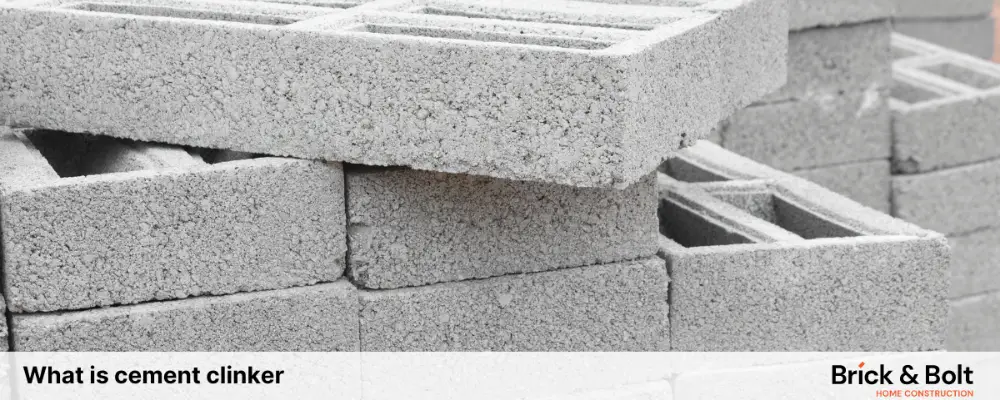
Cement clinker is a solid material collected during the production of Portland cement. These lumps or nodules act as a binder in many cement products. It is a cornerstone of modern construction demanded by people worldwide.

If you want to know cement clinker in detail, then read this article. We’ll discuss cement clinker, its types, uses, and composition.

What is Cement Clinker?

Cement clinker is an intermediary product produced during the manufacturing of cement. It looks solid and dark grey in colour. It is collected as lumps or nodules appear in 3mm to 25mm in diameter. The cement clinker is produced by heating clay and limestone together at a temperature range of 1400 to 1500 degrees Celsius. When ground finely and mixed with gypsum, cement is manufactured.

Cement Clinker Types

Cement clinker is categorised into 5 different types and is explained below:

Sulfate Resistant Clinker

Sulfate resistant clinker contains 1% free calcium oxide, 2% tricalcium aluminate, 5% belite, 16% tetracalcium aluminoferrite, and 76% alite. The primary purpose of using this type of clinker is sulfate resistant capacity. However, its production has drastically decreased in recent times, as this functionality is easily obtained by granulated furnace slag during cement production.

Low Heat Clinker

The composition of this clinker is 29% alite, 2% tricalcium aluminate, 54% belite, and 15% tetracalcium aluminoferrite. It has very little amount of free lime. This type of clinker is no longer under production. Because the same low heat properties are being taken from the ordinary clinker and granulated blast furnace slag.

White Clinker

The white clinker is composed of 7% tricalcium aluminate, 76% alite, 2% free lime, 15% belite, and no tetracalcium aluminoferrite. These compositions may vary according to the requirements. White clinker is a primary material to produce white cement, which can elevate the overall space look in construction. It is primarily used in pre-cast concrete applications.

Low-alkali Clinker

The alkali content in the clinker can be achieved in two different ways, such as:

Replacing the source of raw-mix alumina with another component. In this way, you will receive a more expensive product from a distant source.

Another way is to install an alkali bleed, which involves removing high-temperature gases. The primary drawback of this method of wastage of heat. 

Belite Calciumsulfoaluminate Ternesite (BCT)

These days, cement manufacturers are also emerging to take part in environmental responsibility. BCT is one type of green clinker that has 30% less carbon dioxide emissions than other types. Its manufacturing process is energy-efficient and consumes around 15% less electricity.

Uses of Cement Clinker

The primary purpose of clinker is to produce cement. It is a hard nodular substance and is essential to store in a dry condition for several months. Cement manufacturers around the world demand clinker for their cement plants where the raw materials are unavailable.

Clinker is used as a binder in cement products by combining it with some additives and crushed into a fine powder. Based on the desired properties of cement, the materials are adjusted. Meanwhile, the constant core substance is “gypsum,” which helps avoid immediate setting of the tricalcium aluminate.

Beyond regulating the setting time, it also improves the compressive strength of the cement. The most common additives used in the clinker are ethylene glycol, oleic acid, Triethanolamine, and dodecyl-benzene sulphonate. These ingredients with clinker produce other types of cement, such as

  • Pozzolana cement
  • Ground granulated blast furnace slag cement
  • Silica fume cement
  • Composite cement

Composition of Cement Clinker

The four major components of clinker are as follows:

Alite (Ca₃SiO₅)

Alite approximately contains tricalcium silicate, which is typically about 65% of the total composition. This is the abundant material responsible for the rapid hardening of cement.

Belite (Ca₂SiO₄)

Clinker contains almost 15% of dicalcium silicate of the total amount, which contributes to enhanced durability and strength of the cement.

Aluminate (Ca₃Al₂O₆)

This mineral is about 7% in the total composition of clinker, which helps for rapid setting. When this component reacts with sulfate, it may lead to expansion and cracking.

Ferrite (Ca₄Al₂Fe₂O₈)

Clinker contains approximately 8% of tetracalcium aluminoferrite, which includes iron, calcium, and aluminum. It plays a crucial role in the heat of hydration and controlling the setting time of cement.

General Percentage of Ingredients in Clinker

Apart from major components, clinker also contains some other substances in smaller amounts and are listed in the table:

IngredientsPercentage
Iron Oxide0.5 to 6%
AlkalineNil to 1%
Lime60 to 65%
Sulfur Trioxide1 to 3%
Magnesia1 to 3%
Silica17 to 25%
Calcium Sulfate0.1 to 0.5%
Alumina3 to 8%

Final Thoughts

Clinker is a fundamental material in cement production, which is a mix of minerals and limestone. Its properties can be tailored according to the desired requirements. This article includes complete information about clinker, its types, properties, uses, and composition. It will be useful when manufacturing the Portland cement for the construction industry.

FAQs

1. How much clinker is required for cement?

Ordinary Portland cement contains a maximum of 95% clinker (the other 5% is gypsum). It means that for every 100 kilograms of cement, approximately 90 to 95 kilograms of clinker are required.

2. Can cement be made without a clinker?

Yes, the decarbonized cement has 0% clinker that aims to reduce carbon footprint in the environment. Though it is not eliminated completely, the usage is drastically reduced for arresting the amount of carbon emission during the manufacturing process.

3. What is an alternative to clinker?

The alternative materials used in the cement production instead of clinker are such as broken glass, volcanic ash, ground limestone, and metakaolin. The primary reason to go with these alternatives is reducing the emission of carbon footprint.

Calculating Construction Cost in Chennai: Factors, Estimates, and Cost Calculator

0
Construction Cost in Chennai

Offering advanced technological and business hubs, proximity to the coastline, and maritime trading docks, Chennai is a rapidly developing metropolis in Southern India. This growth is driven by large-scale rural-to-urban migration into the city, accompanied by a booming demand for new housing. With skyrocketing land prices and persistently evolving construction costs in Chennai, building a house in the city can be an intimidating task. This blog serves as a comprehensive guide on house construction costs in Chennai to enable property owners to make informed choices and decisions with enhanced financial planning.

Factors That Affect Construction Costs in Chennai 

Numerous physical, environmental, and political factors affect the home construction cost across various regions. A few of the specific factors influencing construction costs in Chennai are explained below. 

Climate Control

Chennai has a warm and humid climate, caused by its proximity to the sea. This demands additional architectural features such as passive shading elements (such as overhangs and chajjas) and electrical devices such as coolers, air conditioners, and dehumidifiers. All of these features result in a significant increase in the building construction costs, as well as running or maintenance costs. 

Site Location

Chennai is a fairly large city, thus the location of the site inside the city is a major factor that affects the building construction cost. Material transportation costs for sites in the centre of the city may be high (as materials are generally manufactured on the city outskirts). However, labour costs will be higher for isolated sites or sites far away from the city centre. Use of locally available materials is vital to ensure minimisation of costs for material transportation. Accessibility to the site with adequate road sizes and quality is also important. For example, sites with small abutting roads will require manual labour for excavation since they cannot be accessed by large vehicle excavators, this consequently increases the total construction cost. 

  • Local Regulations and Approvals

The building plan approval process in Chennai requires various documents to be submitted to local authorities like the Greater Chennai Corporation. Electrical and water supply connections must be obtained through the TNEB (Tamil Nadu Electricity Board) and CMWSSB (Chennai Metropolitan Water Supply and Sewerage Board). Apart from this, stamp duty and registration also need to be completed. All of these processes entail specific costs, which may be subject to variation based on the site location and current political conditions. 

Type of Construction and Material Choices

Chennai is a city composed of a diverse population with very large income differences between the poor and rich. This means that home construction choices can range from very basic to ultra-luxurious. The type of materials for building the main structure and for finishing can likewise range from affordable to extremely expensive. These choices predominantly affect the home construction costs in Chennai.

Estimating the Average House Construction Cost Per Sq Ft in Chennai

Construction cost per square feet in Chennai varies widely depending on the factors explained above. For estimation, it is first necessary to calculate the total built-up area of a house, which can then be multiplied with the square foot rate to obtain the total cost of construction.

Prices in Chennai generally start at ₹2150/sq ft for basic construction, while high-end home construction costs can even go beyond ₹10,000/sq ft. 

In general, the above mentioned square foot construction cost is made up of the following components:

ComponentPercentage of total cost required
Architectural design charges3-15%
Structural design charges0.5-5%
Contractor’s charge20%
Labour cost40-50%
Material cost50-60%
Services cost (plumbing and electrical work including labour and materials)18%

These figures are just general indicators that can be used to derive rough estimates for construction before all the building details are designed and confirmed. 

Cost of Building a 1000 sq ft House in Chennai

Considering the general values explained above, the total cost of constructing a 1000 sq ft house in Chennai can be calculated as:

Low range cost (at ₹2150/sq ft)Mid range cost (at ₹2500/sq ft)High range cost (starting at ₹3000/ sq ft)
Architectural services (₹20 to ₹100/sq ft)30,00080,0001,00,000
Structural design services (₹10 to ₹25/sq ft)10,00020,00025,000
Material cost (~60%)10,08,00011,40,00013,65,000
Labour cost (~40%)6,72,0007,60,0009,10,000
Contractor’s profit (~10%)2,15,0002,50,0003,00,000
Overheads and miscellaneous (~10%)2,15,0002,50,0003,00,000
Total cost 21,50,00025,00,00030,00,000

Similarly, the construction costs for different sizes of houses can be calculated:

Size of House (Built-up area)Low-range cost (at ₹2150/sq ft)Mid-range cost (at ₹2500/sq ft)High-range cost (starting at ₹3000/sq ft)
500 sq ft₹10,75,000₹12,50,000₹15,00,000
1000 sq ft₹25,80,000₹25,00,000₹30,00,000
2000 sq ft₹43,00,000₹50,00,000₹60,00,000
5000 sq ft₹1,07,50,000₹1,25,00,000₹1,50,00,000

The figures mentioned above are only indicative and variable depending on the numerous site conditions and specific project requirements, such as location, number of floors, and design complexity. 

Home Construction Cost Calculator

The steps explained above can be followed to obtain rough estimates for building construction costs in Chennai. However, Brick & Bolt’s Construction Cost Calculator can be used to procure more accurate construction per square feet rates in Chennai. This calculator will produce estimates based on customisable options for structural materials, finishing materials, types of services required, site location, and various other aspects.

Brick & Bolt is a tech-enabled company with 4500+ completed residential projects that conducts 470+ quality checks at every construction stage to ensure the best quality for your house. With 3200+ customisable designs to tailor your home to accommodate your desires and the provision of end-to-end construction services, Brick & Bolt is one of the top construction companies in Chennai and numerous other Indian cities. Contact Brick & Bolt today to construct your dream home at the lowest market price in Chennai!

Calculating Construction Cost in Gurgaon: Factors, Estimates, and Cost Calculator

0
Construction Cost in Gurgaon

Offering advanced technological and business hubs and proximity to the Indian capital city of Delhi, Gurgaon is a rapidly developing metropolis in Northern India. This growth is driven by large-scale rural-to-urban migration into the city, accompanied by a booming demand for new housing. With skyrocketing land prices and persistently evolving construction in Gurgaon, building a house in the city can be an intimidating task. This blog serves as a comprehensive guide on construction costs in Gurgaon, to enable property owners to make informed choices and decisions with enhanced financial planning.

Factors That Affect Construction Costs in Gurgaon 

Numerous physical, environmental, and political factors affect the home construction cost across various regions. A few of the specific factors influencing construction costs in Gurgaon are explained below. 

Climate Control

Gurgaon has a hot and dry climate, with strong warm and dusty winds. This demands additional architectural features such as passive shading elements (such as overhangs and chajjas), insulating materials, and electrical devices such as coolers, air conditioners, and humidifiers. All of these features result in a significant increase in the building construction costs, as well as running or maintenance costs. 

Site Location

Gurgaon is a fairly large city, thus the location of the site inside the city is a major factor that affects the building construction cost. Material transportation costs for sites in the centre of the city may be high (as materials are generally manufactured on the city outskirts). However, labour costs will be higher for isolated sites or sites far away from the city centre. Use of locally available materials is vital to ensure minimisation of costs for material transportation. Accessibility to the site with adequate road sizes and quality is also important. For example, sites with small abutting roads will require manual labour for excavation since they cannot be accessed by large vehicle excavators, this consequently increases the total construction cost. 

  • Local Regulations and Approvals

The building plan approval process in Gurgaon requires various documents to be submitted to local authorities like the MCG (Municipal Corporation of Gurgaon). Electrical and water supply connections must be obtained through the DHBVN (Dakshin Haryana Bijli Vitran Nigam) and HSVP (Haryana Shehri Vikas Pradhikaran). Apart from this, stamp duty and registration also need to be completed. All of these processes entail specific costs, which may be subject to variation based on the site location and current political conditions. 

Type of Construction and Material Choices

Gurgaon is a city composed of a diverse population with very large income differences between the poor and rich. This means that home construction choices can range from very basic to ultra-luxurious. The type of materials for building the main structure and for finishing can likewise range from affordable to extremely expensive. These choices predominantly affect the home construction costs in Gurgaon.

Estimating the Average House Construction Cost in Gurgaon

Construction cost per square feet in Gurgaon varies widely depending on the factors explained above. For estimation, it is first necessary to calculate the total built-up area of a house, which can then be multiplied with the square foot rate to obtain total cost of construction.

Prices in Gurgaon generally start at ₹1810/sq ft for basic construction, while high-end home construction costs can even go beyond ₹10,000/sq ft. 

In general, the above mentioned square foot construction cost is made up of the following components:

ComponentPercentage of total cost required
Architectural design charges3-15%
Structural design charges0.5-5%
Contractor’s charge20%
Labour cost40-50%
Material cost50-60%
Services cost (plumbing and electrical work including labour and materials)18%

These figures are just general indicators that can be used to derive rough estimates for construction before all the building details are designed and confirmed. 

Cost of Building a 1000 sq ft House in Gurgaon

Considering the general values explained above, the total cost of constructing a 1000 sq ft house in Gurgaon can be calculated as:

Low range cost (at ₹1810/sq ft)Mid range cost (at ₹2250/sq ft)High range cost (starting at ₹3000/ sq ft)
Architectural services (₹20 to ₹100/sq ft)20,00050,0001,00,000
Structural design services (₹10 to ₹25/sq ft)10,00015,00025,000
Material cost (~60%)8,50,00010,44,00013,65,000
Labour cost (~40%)5,70,0006,91,0009,10,000
Contractor’s profit (~10%)1,80,0002,25,0003,00,000
Overheads and miscellaneous (~10%)1,80,0002,25,0003,00,000
Total cost 18,10,00022,50,00030,00,000

Similarly, the construction costs for different sizes of houses can be calculated:

Size of House (Built-up area)Low-range cost (at ₹1810/sq ft)Mid-range cost (at ₹2250/sq ft)High-range cost (starting at ₹3000/sq ft)
500 sq ft₹9,05,000₹11,25,000₹15,00,000
1000 sq ft₹18,10,000₹22,50,000₹30,00,000
2000 sq ft₹36,20,000₹45,00,000₹60,00,000
5000 sq ft₹90,50,000₹1,12,50,000₹1,50,00,000

The figures mentioned above are only indicative and variable depending on the numerous site conditions and specific project requirements, such as location, number of floors, and design complexity. 

Home Construction Cost Calculator

The steps explained above can be followed to obtain rough estimates for building construction costs in Gurgaon. However, Brick & Bolt’s Construction Cost Calculator can be used to procure more accurate construction per square feet rates in Gurgaon. This calculator will produce estimates based on customisable options for structural materials, finishing materials, types of services required, site location, and various other aspects.

Brick & Bolt is a tech-enabled company with 4500+ completed residential projects that conducts 470+ quality checks at every construction stage to ensure the best quality for your house. With 3200+ customisable designs to tailor your home to accommodate your desires and the provision of end-to-end construction services, Brick & Bolt is one of the top construction companies in Gurgaon and numerous other Indian cities. Contact Brick & Bolt today to construct your dream home at the lowest market price in Gurgaon!