Home Blog Page 40

Cavity Wall Construction: Its Purpose, Applications & Advantages

0
cavity wall construction

When constructing a new building or a home, the choice of wall construction is significant. Among the comprehensive range of options, cavity walls are often preferred in many construction projects.

They consist of two layers of masonry filled with an airspace between the inner and outer layers. They offer several advantages to structures, like enhancing energy efficiency and regulating indoor temperature. Additionally, these walls provide exceptional structural support, prevent moisture from penetrating the walls, and insulate the building.

Cavity walls present an innovative solution to the problems associated with traditional solid masonry walls. To know more about cavity walls in detail, continue your reading:

What are Cavity Walls?

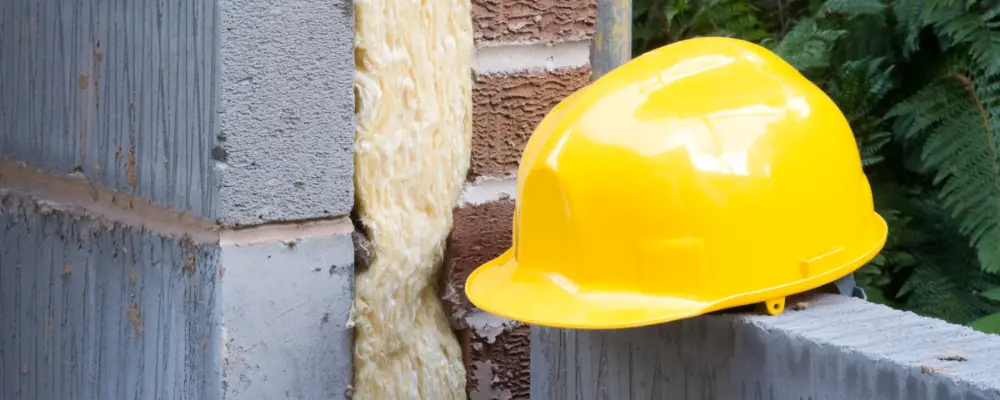
Cavity walls are constructed with two layers of masonry that are separated by a cavity.

The gap between walls is referred to as “leaf” and is usually filled with insulation material. The outer layer is called “outer leaf,” while the inner layer is called “inner leaf.” A cavity wall, also known as a hollow wall, can be constructed using concrete blocks or bricks.

Purpose of Cavity Walls

Cavity walls are an indispensable part of modern construction, used for several essential purposes, including:

Thermal Insulation: One of the primary functionalities of a cavity wall is providing thermal insulation. As mentioned earlier, the space between the inner and outer leaves is filled with insulation material, which helps to reduce heat transfer. It keeps the building warm in winter and cool in summer.

Sound Insulation: The cavity wall is specialised in maintaining certain degrees of sound insulation property. It typically restricts voice transmission from the outside world to the inside of the building and vice versa. This is especially suitable for urban areas, where privacy is a major concern.

Prevent Moisture: It is well known that moisture can cause a lot of damage to the building. It may lead to leakage or mold growth. With cavity wall construction, you can prevent entering rainwater into the inner leaf by deviating directly from the outer leaf downward.

Construction of Cavity Wall

A cavity wall may not require any footings as deep as for solid walls. In some cases, it is essential to ensure structural stability. Both the inner and outer layers are constructed normally, with a minimal cavity in between them. By filling the bottom of the cavity with some concrete, it can provide additional support. 

The inner leaf is constructed with normal bricks, while the outer lead is made with facing bricks. The bottom of the outer leaf is equipped with weep holes at intervals of 1 meter. Both the inner and outer leaves are connected by wall ties or metal ties, which are completely rustproof. 

They are made from steel and available in different shapes. The maximum vertical spacing between the leaves is 450 mm, whereas the horizontal spacing is 900 mm. Beyond all functionalities, these wall ties don’t allow moisture inside the space.

When requiring one brick thickness or more, a Flemish or English bond is used. Similarly, the stretcher bond is used for half-brick thickness. While laying bricks, using wooden battens at suitable dimensions instead of cement mortar ensures preventing mortar from dropping in the cavity.

Applications of Cavity Wall

Cavity walls are used in various applications, such as:

  • Cavity walls provide flexibility in material choices and offer versatile design options
  • Act as an energy-efficient insulation in buildings
  • Prevent mold formation through leakage of moisture content.
  • Adapt various construction methods and masonry types.
  • Excellent sound insulation property, quite suitable for urban areas.
  • Resistant to water penetration and prevention of dampness
  • Provides thermal insulation for a comfortable environment
  • Maintains good structural stability

Advantages of Cavity Wall Construction

Here is  a list of advantages provided by the cavity wall:

Sound Absorption

  • Sound insulation, or soundproofing, is a technique used to restrict the amount of noise that travels from an outdoor environment to an interior space. 
  • It is significant in both residential and commercial settings to enjoy extreme comfort and privacy.

Damp Prevention

  • Damp prevention is essential to creating a healthy, hygienic, and comfortable living environment. 
  • Enhanced dampness leads to the development of a wide range of problems like structural damage and mildew growth. Therefore, being aware of these proactive measures prevents dampness from occurring.

Efflorescence Prevention

  • When the masonry surface or surface of concrete is supposed to meet water-soluble salts and other materials, efflorescence can occur. 
  • They finally leave a white or grayish powdery deposit that leads to the deterioration of the surface.

Increased Durability

  • The use of metal ties or wall ties between the two layers of masonry provides excellent stability and strength to the walls. 
  • They prevent cracking and other severe structural problems.

Disadvantages of Cavity Wall Construction

Sediment and Dirt Collection

Older buildings contain sediments such as flaking mortar, dirt, debris, and other materials in the cavity. 

Such sediment may lead to thermal bridging, which affects the significant advantages of cavity walls.

Expertise Assistance

Cavity wall construction may seem simple when hearing out. But it needs an experienced mason to handle and lead the project in the possible right way. 

Though you are ready to spend on the project, choosing an experienced craftsman is important to do the job.

Where to Construct a Cavity Wall?

Cavity walls can be used in both residential and commercial locations, as some of the common places are listed here:

Doors or Windows Opening: When constructing a cavity wall around window and door openings, extra care and attention must be taken. These areas are generally called reveals; this special attention is to ensure providing structural stability, insulation, and weather resistance.

Roofs: Cavity walls are the best choice for roof construction. It typically provides structural stability, soundproofing, and insulation. They are constructed between rafters filled with insulation material that improves energy efficiency and prevents heat loss in the building.

Parapet Wall: It is a low wall that extends above the roofline of a building. The height of parapet walls can vary, with standard practices suggesting a minimum height of approximately 30 inches (or 2.5 feet) for flat roofs. Building codes often require heights of at least 36 inches (or 3 feet) to ensure safety and provide wind protection. Cavity walls are constructed between the inner and outer layers of the wall and filled with insulation material. While used in parapet walls, they provide excellent insulation, and structural strength, elevate aesthetic features, and soundproofing. It protects the roof membrane and insulation from rain, wind and other weather drawbacks. 

Final Thoughts

Cavity walls are a superior choice in various types of building construction. It can be used in a variety of areas for an efficient and comfortable living environment. By using cavity walls in buildings, we can make the project durable and cost-effective.

Differences Between Fly Ash Bricks & Red Bricks which is best

0
fly ash bricks vs red bricks

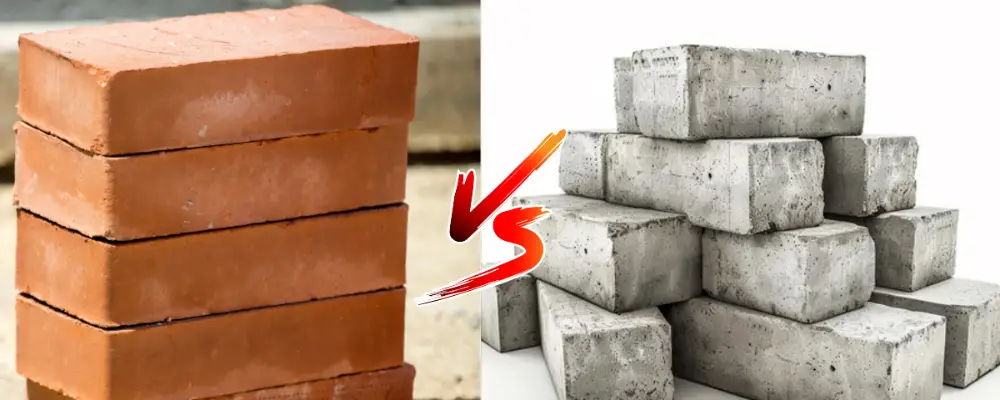
The construction industry requires various diverse materials. Among the materials available, bricks are a fundamental component. The commonly used types of bricks are fly ash bricks and red bricks. Each type has distinct properties and advantages. Let’s look into their differences in detail. 

Material Composition

Fly Ash Bricks:

The composition of fly ash bricks includes a by-product of burning coal (fly ash), which is then mixed with cement, water, and sand or gypsum, lime, water and sand to form fly ash bricks. 

These materials are compressed at a very high pressure to produce fly ash bricks. They utilise industrial waste, which makes it eco-friendly.

Red Bricks:

Red bricks are produced by mixing natural clay with water and firing it in kilns. Typically, they are reddish brown, as the name says, which is due to the presence of iron content in the clay. It uses natural clay, which is a nonrenewable resource, therefore it is less eco-friendly.

Cost

Fly Ash Bricks:

Fly ash bricks are generally cheaper to produce when compared to red bricks as it utilises industrial waste material for manufacturing. The initial investment is low compared to traditional brick kilns. The smooth finish reduces the need for plastering, leading to lower maintenance costs.

Red Brick:

Red bricks are generally more expensive due to the traditional manufacturing process. The cost of raw materials used in this can be higher based on the location. The production process relies heavily on labour, which also drives up labour costs. Small-scale production of red bricks typically results in higher costs per unit.

Area Coverage

Fly Ash Bricks:

Fly ash bricks are uniform in shape and size, which reduces the need for plastering. They are also comparatively larger in size, thus reducing the number of bricks required to cover a unit area. 

Red Brick:

Red bricks have varying shapes and sizes, requiring plastering. Their smaller size necessitates a larger quantity to cover a unit area. The construction speed is comparatively slower due to difficulties in handling and the need for plastering.

Surface Finish

Fly Ash Bricks:

Fly ash bricks have a smooth surface finish. The fly ash brick manufacturing process also ensures consistent and uniform texture. This provides an aesthetic and modern look to the building. All you need is any additional finishing for the construction based on your choice. Dimensionally, these fly ash bricks are precise, which ensures a uniform surface. This allows better bonding with mortar.

Red Brick:

Red bricks typically have a rough surface finish, which results in inconsistent texture. This is mainly due to the natural clay finish, which provides a traditional and rustic appearance. This leads to high water absorption and provides better mechanical bonding with mortar. Red bricks need extensive preparation before the painting process. 

Insulation Properties

Fly Ash Bricks:

Fly ash bricks have lower thermal conductivity when compared to red bricks. This makes them conduct heat better, contributing to energy efficiency in the building. Their thermal conductivity can be 0.90–1.05 W/m2

With better insulation properties, it is suitable for areas with extreme temperatures and has high fire insulation properties. The thermal mass of fly ash is less than the red bricks. Hence, it helps save energy in the building and reduces the overall life cycle costs.

Red Brick:

The red bricks have higher thermal conductivity compared to fly ash. They are less efficient and retain heat, which leads to temperature fluctuation. Heavy and denser characteristics of fly ash bricks provide good fire insulation properties. 

These are less efficient due to higher thermal conductivity and are not appropriate for extreme weather conditions. The red bricks absorb high moisture and have inferior thermal insulation properties. This leads to higher life cycle costs, contributing less to energy savings in the building.

Environmental Impact

Fly Ash Bricks:

The fly ash brick utilises industrial waste, which reduces the landfill burden. Therefore, carbon emissions are lower due to reduced energy consumption. As it uses waste material, it is not likely to deplete natural resources. 

Its manufacturing process also requires less water, thus helping in managing the fly ash waste from the power plants. These are not toxic and significantly cause lower environmental impact, encouraging innovation in construction techniques.

Red Brick:

Red bricks involve the moulding of clay and firing at high temperatures. This results in the need for high energy consumption due to the kiln firing. The use of natural clay leads to resource depletion with higher carbon emissions. This causes intense energy production with limited recyclability. They are non-toxic, but the production can release pollutants, which are less likely to qualify for green building certification.

Density

Fly Ash Bricks:

Fly ash bricks are generally lighter in density when compared to red bricks. This is due to the inclusion of fly ash, which is a lightweight material. They have a density of about 1200 to 1850 kg/m3. This reduced weight characteristic can be beneficial for high-rise buildings to reduce the overall load. 

Red Brick:

Red bricks are denser and heavier when compared to fly ash bricks. The higher density results in greater weight, which increases the dead load on the structure. The density is about 1800 to 2000 kg/m3. The material used in its production creates high density due to the compact nature of clay. The heavier weight can be difficult to handle during construction, causing increased transportation costs.

Compressive Strength

Fly Ash Bricks:

Fly ash bricks have higher compressive strength, typically around 7.5 to 10 MPa. These also have higher tensile strength and are much more flexible in terms of usage. They are less prone to cracking and have higher flexural strength. They are resistant to chemicals and suitable for load-bearing structures.

Red Brick:

They have lower compressive strength, typically around 3.5 to 5 MPa. The red bricks have high workability and are more prone to cracking. It has lower tensile strength, but is heat resistant. The chemical resistance and flexural strength of these bricks are low.

Fire Resistance

Fly Ash Bricks:

Fly ash bricks have high fire resistance due to their noncombustible nature. It offers better thermal insulation. 

Red Brick:

Red bricks also have good fire resistance due to the high firing temperature. They provide good thermal insulation.

Water absorption

Fly Ash Bricks:

Fly ash bricks typically have a lower water absorption rate, which is around 10 to 15%. The reduced water absorption also minimises the risk of efflorescence, which is the formation of white salt deposits on the brick surface. Thus, it lessens the risk of shrinkage and cracking during drying.

Red Brick:

Red bricks have a higher water absorption rate, which is typically around 20 to 25%. These are more porous due to the natural clay material leading to higher water absorption. This results in the risk of efflorescence causing high shrinkage and cracking.

Durability

Fly Ash Bricks:

Fly ash bricks perform well in harsh conditions and are highly durable. They provide high resistance to weathering effects and are prone to less cracking. It has a higher surface hardness.

Red Brick:

These are durable but can degrade over time, especially when left exposed without surface finishes. The red bricks are less resistant to weather adversities and have lower resistance to impact. It comes in variable quality due to traditional manufacturing and has lower surface hardness.

Conclusion

In conclusion, understanding the differences between these two types of bricks enables a user to make an informed decision on the choice of bricks. Each has different compositions, properties, advantages and disadvantages. Ultimately, the decision is based on specific requirements of the construction project. 

Home Lighting Design: Key Factors and Types

0
Home Lighting Design

Lighting is one of the most important interior features that can affect the look and feel of a home. It can create warm and inviting atmospheres for guests to feel welcome in your home or a focused and calm environment for you to carry out your daily household activities. Home lighting design also has significant impacts on thermal comfort, mental and physical health and overall productivity of residents. Today, numerous lighting options are available in the market, enabling suitability to every need and desire. 

Read on to learn about factors to be considered for house lighting design, types of interior lighting available and how to choose the right light design. 

Factors to Consider for House Lighting Design

Several factors affect the quality and aesthetics of interior lighting, some of the important ones are:

  • Light Intensity

Light intensity refers to the brightness of light over a specific area. Having extremely bright lights can be hurtful to the eye and cause discomfort. Heavy focus lights with high intensity can also cause the colours in paintings and artwork to fade over time. Light intensity must therefore be selected based on the usage of spaces and limited to ensure thermal comfort and functionality.

  • Colour Temperature 

Despite what the name suggests, colour temperature does not indicate the heat generated by a light, but rather its appearance as felt or seen. For example, yellow coloured lights generate a warm feeling, while pure white lights feel cooler on the eyes. Normally, lights are available in three different temperatures- white (5500-6500K), warm white (3500-4500K) and yellow (2000-3000K). However, lights can often be customised to produce other colours and temperatures as required for mood interior lighting.

  • Purpose of Light

Certain activities, such as studying, working, creating high-precision drawings and reading, require brighter lights to avoid straining the eyes. However, dimmer lights may be more suitable for other activities such as relaxing, watching TV and eating. Lights must be selected to accommodate the specific activities in each space. Dimmable lights or lights whose intensity and brightness can be adjusted, are a good option for spaces that have numerous purposes and varying light requirements. 

  • Energy Consumption

Traditional lights consume a lot of energy and also generate heat, making a home thermally uncomfortable and increasing energy bills. Modern solutions, such as LED lights, are a better option to reduce energy consumption. They are also available in various colours, intensities and designs and have dimmable or adjustable features. LED lights can last up to 25 times longer than traditional lights, making them a durable and cost-effective lighting solution.

  • Position/Location

Lighting design must consider the location of windows, doors and other openings, along with usable areas and electronic gadgets. For example, placing lights near TVs can cause unnecessary glare, while lights near windows can create bright spots in these areas and dark spots in further areas. Lights focused towards seating spaces must also be avoided to prevent hurting the eyes of users and to maintain comfort levels. It is important to ensure the uniform distribution of lights throughout every space. 

  • Room Size

The height, width and length of a room are significant factors affecting house lighting design. Rooms with large heights can utilise suspended or pendant lights, while ceiling-mounted or recessed ceiling lights can be used in smaller-height rooms to ensure uniform light distribution and ambience. Additional wall lights can be incorporated as required in lengthier rooms. 

  • Interior Decor

It is important to select lights that look good even during the day or when they are not switched on. The lights must also align with the general aesthetics and architectural/ interior style of the room in which they are installed. Incorporating mood lighting or flexible and adjustable lights is a good option to ensure that the lights match the room’s current use or style. 

  • Cost and Maintenance

Along with the cost of the light fixture itself, additional costs such as installation, design charges and maintenance must be considered. Often, fancy and decorative light fixtures such as chandeliers are difficult to install due to the large height of spaces. These also require heavy maintenance due to the accumulation of dust in their intricate features, which becomes a difficult and expensive procedure due to the difficulty in accessibility.

Types of Interior Lighting

Different types of lights for homes are available, allowing versatility in function and aesthetics. 

  • Accent Lighting

Accent lighting is utilised to create highlights or ‘accents’ for certain special features, such as paintings, photographs or other decorative elements. They create focal points and generate visual interest.

  • Task Lighting

Task lighting refers to light fixtures that have been installed to support specific tasks that require focused lights, such as reading, high-precision drawing and studying. They are generally brighter in intensity.

  • Ambient Lighting

Home ambient lighting or mood lighting generates a uniform distribution of light (that is generally not too bright) across an entire room or space. It ensures the elimination of dark spots and creates a tranquil atmosphere. 

  • Decorative Lighting

Such lights are added mainly for aesthetic rather than functional purposes, although they can combine both. They are generally designed to match harmoniously with other interior decor elements. 

Types of Light Fixtures for Homes

The type of light sources and fixtures selected for a home must prioritise functionality and visual integrity with the rest of the interior decor in a space. Some of the types available are:

  • Pendant Lights

Pendant lights are fixtures that are suspended from the ceiling to reach a lower height for performing specific tasks or to create visual interest and mood lighting. They can generally be observed in rooms with large heights or above dining tables and other special features.

  • Ceiling Lights

Ceiling lights are available in two forms- surface mounted and recessed. These are generally the easiest to install, as electrical conduits and routing can be executed through the ceiling slab. They provide ambient light across rooms when evenly distributed in number and position.

  • Wall Lights

Wall lights are the most commonly used type of lighting due to their easy accessibility and low maintenance. Serving dual functions of providing focus options for specific functions, as well as producing ambient light, they are often an indispensable part of home lighting design.

  • Track Lights

Track lights consist of tracks installed on wall, floor or ceiling surfaces, with light fixtures that can slide along them. These are generally used for providing focus on surfaces with moving special features, such as art walls where the artwork is frequently changed or requires different amounts of lighting during different periods of time.

  • Surface Washers

As the name suggests, surface washers create an even spread of light along different surfaces, such as floors, ceilings or walls. They are usually utilised to create accent walls, features or surfaces and produce a unique backlit-like effect. 

  • Table/ Floor Lights

These are generally not used as primarily light sources, but as supplementary lights for supporting specific tasks or for mood lighting. They are also added on to create visual interest or to enhance the interior and lighting design of a space. 

Choosing the Right Light Design

With numerous light options available currently and new types emerging everyday, home lighting design can be an intimidating task. It requires careful evaluation of individual requirements and preferences, interior decor, functionality and aesthetic factors. It is advisable to consult with industry experts to produce the best results to accommodate your desires and needs. Brick & Bolt is a tech-enabled construction company with 4500+ completed projects. It is one of the pioneers of the industry, providing end-to-end construction services with the highest quality standards. Contact Brick & Bolt today to ensure the best home lighting design for your dream project!

Weight batching concrete:Technical Ideas for Modern Building

0
weight batching of concrete

Weight batching of concrete is a time-honoured method in construction. In this type of batching, the materials are measured by weight rather than volume. They are highly preferred choices for large-scale projects and critical applications. In recent years, there has been a significant shift towards greater accuracy and efficiency. These innovations not only streamline the batching process but also facilitate real-time monitoring. 

By delving into the integration of weight batching, we can appreciate its importance in the construction industry. Let’s get into detail and learn about its significance and technical aspects.

Process of Weight Batching

Weight batching of concrete is a method where the ingredients of concrete (cement, sand, coarse aggregate, and water) are measured by weight. This method is preferred for large-scale industries. They are applied especially on critical construction projects due to their accuracy and consistency. It plays a crucial role in achieving the desired strength and durability. Here are the technical aspects and detailed steps involved in weight batching:

Technical Aspects of Weight Batching

Measurement of Ingredients:

  • Measurement precession
  1. Cement: Cement is always measured by weight which is represented in kilograms. The standard weight of one bag of cement is 50 kg. The accuracy should be within ±2% of the cement quantity.
  1. Aggregates: Fine and coarse aggregates are measured using weighing scales. The accuracy of the scales should be within ±3% of the batch quantity.
  1. Water: Water is measured by weight using meters or weights. The 1 litre of water is often weighed with 1 kg of cement. The accuracy for water measurement should be within ±1% of the total weight.
  1. Admixtures: These are also measured by weight, with an accuracy of ±5% of the batch quantity.

Proportioning:

The proportions of the ingredients highly influence the design of the concrete and its properties. 

For example, for M20 grade concrete, the ratio might be 1:1.5:3 by weight.

It contains 

The water-cement ratio is crucial to obtain the desired strength and improve the workability of the concrete.

Moisture Content: The moisture content of the aggregate must be considered in the right quantity. Adjustments can be made to obtain the desired concrete mix. These adjustments depend on whether they are measured in dry or wet state.

Let’s learn the process and steps involved in the weight batching of concrete along with its significance. The steps include as follows:

  • Material Preparation
  • Weighing
  • Mixing
  • Discharge

Material Preparation

Cement, aggregates and water are the basic ingredients that are necessary for concrete. Additionally, admixture can be included in the concrete as it comprises special properties. 

Cement and aggregates should be obtained from a dry place and free from impurities. It should be protected against moisture absorption. The fine and coarse aggregates are usually stored in separate bins to avoid contamination. 

Weighing

Materials are weighted according to the mix design accurately to provide comprehensive strength. To obtain precise measurements, either weighing scales or automatic batching plants are used. Aggregates are often adjusted for moisture content to ensure the correct weight. 

Loading materials can be of two types, namely: 

  • Sequential weighing 
  • Normal weighing 

In sequential weighing the materials are added one by one to the weigh hopper. The typical order is coarse aggregates, fine aggregate, cement and then water. 

In normal weighing each material is weighed separately. The weight hoppers measure the weight of each material as it is added. Once the desired weight is acquired the process stops automatically

An accuracy check is done to ensure that the weight of each material is within a specific tolerance. Adjustments are accordingly made to obtain the desired measurements. 

Once the overall materials are weighed, they are processed into a concrete mixer. It can be either done manually or automatically, depending on the preferred batching system.

Mixing

The mixing time typically ranges from 1.5 to 3 minutes. It depends on the type of mixture and batch size used. The different types of mixers used are 

  • Tilting drum mixer 

It is suitable for mixes with low workability and large aggregates 

  • Non-tilting drum mixer 

The drum remains horizontal in this type and discharging occurs by reversing the drum rotation.

  • Pan type mixer 

It is a forced action mixer that ensures thorough mixing by using blades and paddles.

Discharge

Weight Batchers Equipment

Weigh Batchers are essential in construction to obtain accurate measurements and mixing of the concrete ingredients. Here is a list of equipment explained with uses:

Manual Weight Batching

These are suitable for small projects. The weighing and batching are done manually by hand by using an ordinary platform scale.

The process includes  includes:

  • Measurement of each ingredient 
  • Then mix them manually by adding them to the mixer 

Advantage: Simple and cost-effective for small projects 

Disadvantage: Time-consuming and prone to human error.

Semi-automatic Weight Batching

The semi-automatic weight batching uses weight buckets and hoppers. They are done with human interventions for discharging and loading. In this, the bin gates are manually opened, but the system automatically closes after the material is delivered. 

Key features include:

  • The operator starts the process by opening the Bin gates.
  • The system automatically closes the gate when the required weight is reached. 

Advantage: Reduce human error and increase deficiency when compared to manual batching 

Disadvantage: It requires manual intervention which can slow down the process.

Fully Automatic Weigh Batching

In fully automatic systems, materials are weighed automatically, including both discharging and loading processes.

Specific features include: 

  • The microprocessor controls the batching including the opening, weighing, mixing, discharging and adjusting of the ingredients. 
  • It ensures high precision and consistency of the mix.

Advantage: Highly efficient which reduces the labour cost and minimises the errors. 

Disadvantage: The initial setup is higher and requires technical experts for maintenance.

Comparison of Weigh Batching and Volumetric Batching

AspectWeigh batchingVolumetric matching
AccuracyMore accurate as it measures ingredients by weightLess accurate as it measures ingredients by volume and can vary widely.
ConsistencyProvides consistent quality due to precise measurementQuality can be poor due to inconsistent measurement
Equipment requiredThe weigh batching equipment used is weigh scales or load cells for measurement. It uses gauge boxes or containers for measuring 
CalibrationRegular calibration of equipment is important to maintain accuracy.Less frequent calibration is needed when compared to weigh batching
AutomationIt can be easily automated by reducing human errorDifficult to automate, leading to potential human error
Suitable Project typeIt is ideal for large-scale projects where precession is essentialIt is ideal for smaller construction projects like residential buildings or repairs
Material wasteMinimal material waste in this typeHigher chance of material waste due to inaccurate measurement
CostHigher initial cost due to the equipment setupLower initial cost
Speed of batchingIt is slow when compared to volumetric batchingFasters as materials are quickly measured by volume
FlexibilityLess flexible as it is designed specifically and controlled according to proportionsThese are more flexible but less precise in the ratio of mixing
Environment and impactLow environmental impact due to reduced material wastage.It causes high environmental impact due to the potential overusage of materials.

Advantages and Disadvantages of Weight Batching of Concrete

Advantages 

  • Weight batching of concrete provides precise measurement of materials. This ensures consistency in concrete quality resulting in uniform strength and durability. 
  • It facilitates better quality control by allowing adjustments. Also, it reduces material wastage by using precise quantities. 
  • They typically result in higher compressive strength when compared to volume batching
  • The weight batching is best suited for projects with specific moisture content requirements. They can also be adaptable for various types of concrete mix. 
  • It also helps in the accurate recording of data for quality assurance. Therefore, it provides better workability and finish. 

Disadvantages 

  • The initial cost for setting up is higher due to the weighing equipment.
  • Requires regular maintenance and calibration of weighing equipment 
  • It depends on the reliable power supply for operation and also needs more space for setup.
  • It is more technical, leading to delays as it is a complex system.

Conclusion

The weight batching of concrete stands as a cornerstone of modern construction practices. It prioritizes precision and consistency by adopting highly technical equipment. Weight batching has various significant advantages. The innovations and software that integrate real-time data can transform the batching landscape, allowing dynamic adjustments. 

Integrating IoT devices and AI-driven analytics can push the boundaries and improve efficiency and quality. The weight batching of concrete ensures the delivery of reliable and high-quality concrete. The construction industry continues to refine its methods. As weight batching evolves, it promises to remain a vital component in meeting the demands of modern construction.

A Comprehensive Guide on How to Make Fly Ash Bricks

0
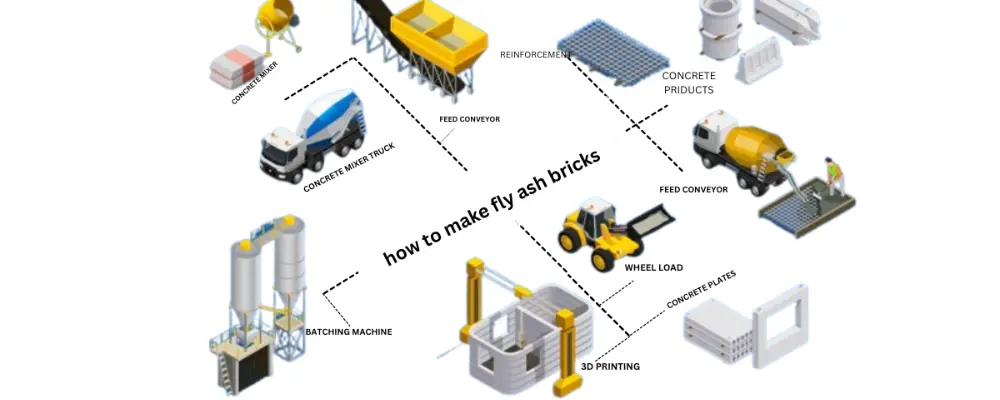
how to make fly ash bricks

Fly ash bricks are made from various raw materials. They are known for their high compressive strength and uniform size. The fly ash brick industry is witnessing significant growth, fuelled by the booming construction industry and advancements in processing technologies. 

Fly ash bricks account for about 1/6th of India’s annual brick production and are an eco-friendly alternative to other types of building blocks. Therefore, their use is a popular solution for residential and commercial structures. Let’s understand the composition and production process of fly ash bricks.

Fly Ash Brick Making Materials for Manufacturing

Fly ash bricks are made up of various raw materials, each with different proportions. The major raw materials used in fly ash brick manufacturing are, namely: 

  • Fly Ash
  • Sand
  • Sludge LIme 
  • Gypsum
  • Grit 4 mm to 8 mm
  • Crusher Dust 
  • Cement

Let’s learn the significance of each of the raw materials, their mix proportion and their attributes below.

Fly Ash: 55-60%

Fly ash is a by-product of coal combustion from thermal power plants. It includes silica, alumina, iron oxide, and calcium oxide. According to Indian Standards, it is of two types, namely:

  • Grade 1 with more than 70% of SiO2+Al2O3+Fe2O3 content. 
  • Grade 2 with 50-70% content of SiO2+Al2O3+Fe2O3. 

Fly ash in general provides good thermal insulation and is highly durable.

Sand and Grit: 20-25%

  • The sand acts as a binding material and helps hold the fly ash, lime, and gypsum together. 
  • It fills the voids between fly ash particles, providing a compact structure.
  • The sand contributes to the compressive strength of the brick and improves its workability. 
  • 4 mm to 8 mm grit serves as an aggregate in fly ash bricks. It provides structural integrity and strength. The specific size range from 4 mm to 8 mm ensures the optimal compaction and bonding of materials with each other. 
  • It also enhances the comprehensive strength of the fly ash brick, making it suitable for heavy loads and helps reduce the water absorption rate of the brick. 

Sludge Lime: 15-22% 

  • Sludge lime is a by-product of the paper and pulp industry. It consists mainly of calcium carbonate and is less expensive than hydrated lime. 
  • Using sludge lime helps in waste management by utilising the industrial by-products. 
  • Sludge lime is usually wet and contains lumps, which need to be broken down before its use in fly ash bricks.

Gypsum: 5%

  • Gypsum acts as a binding agent in fly ash bricks, bringing all the materials together. 
  • Gypsum is chemically known as calcium sulphate dihydrate. During the hydration process, gypsum reacts with water to form a crystalline structure that contributes to the strength of the bricks. 
  • The setting time of the fly ash brick is controlled by gypsum, which ensures the hardening process.
  • It enhances the long-term strength of the brick performance and leads to improving the brick’s workability. 
  • The presence of gypsum also enhances the durability of the fly ash brick, making it more resistant to weathering.

Crusher Dust 

  • Crusher dust is defined as the fine particles produced during the crushing of stone used as filler material. 
  • It is cheaper than river sand, which reduces the overall cost of fly ash bricks.
  • It reuses waste from stone crushing to reduce environmental impact.
  • The crusher dust minimises the white salt deposits on the brick surface. It also helps improve the durability of the fly ash brick as it reduces the water absorption rate of the bricks.

Cement: 8-12%

  • Cement can be used as a substitute for gypsum and lime. When cement is used, the sand and grit content increases to 30-40%. 
  • Cement acts as a binding material in fly ash bricks, holding other materials together to form a solid, durable brick. When the cement is mixed with water, it undergoes a hydration reaction. It forms a hard substance that binds the fly ash and sand particles. 
  • It contributes to the comprehensive strength of the fly ash and makes it suitable for load-bearing applications. 
  • The use of cement enhances the durability of fly ash bricks. It makes them resistant to weathering and harsh chemicals.

Fly Ash Brick Manufacturing Process

The manufacturing process of fly ash bricks involves a series of controlled steps. It transforms industrial waste into high-quality construction material. Fly ash is collected and processed. This results in the formation of fly ash bricks that offer superior strength and durability. 

The following steps are adopted in the manufacturing process:

Mixing the Raw Materials  

The raw materials are measured and used according to the required proportions. First, the dry materials like fly ash, sand lime, and gypsum are mixed well to ensure correct proportions and uniform distribution.

Then the water is gradually added to the dry ingredients to achieve the desired consistency. 

The mixing process takes approximately about 5 to 10 minutes, depending on the equipment used. A mixer or any batching plant can be used for the mixing process. In the end, a uniform mixture with the right consistency must be obtained with no lumps or dry patches. Sometimes additives (chemical admixtures) are added to improve the workability of the content.

Moulding  

The mixtures are then transferred to a moulding machine. It is put into a hydraulic or manual moulding machine. These machines are typically made from mild steel or cast iron. 

The mixture is compressed in the machine to achieve consistent shape and density. Therefore, the desired brick shape is obtained using the high pressure of the hydraulic system.

To ensure a smooth release of the bricks, the moulds are cleaned and lubricated. This prevents the mixture from sticking to the mould and is essential for easy brick formation. 

Curing

After the raw materials are moulded, they are placed in palettes or racks. It helps in easy handling and transportation during the curing process. 

The bricks are typically cured using a steam, which is placed in a curing chamber. The chambers maintain a temperature of around 66°C for 24 hours. 

The curing process generally lasts for 7 to 14 days. It accelerates the chemical reaction between the materials and provides strength to the brick. 

Proper curing ensures the brick achieves maximum compressive strength and durability and also helps reduce the chance of efflorescence.

Drying  

The drying step is critical during the manufacturing process of fly ash bricks. This process can involve air-drying (naturally drying under sunlight) or machine-induced drying for faster completion. 

Final curing

After the drying, the bricks are in the process of final curing. In this step, the bricks are kept in moisture and can last for several days to weeks. This is continued until the brick attains the appropriate strength.

Sorting and Stacking  

Sorting 

Once the fly ash bricks are dried and cured, they undergo a quality check. They are sorted according to the qualities required to meet the standards. 

Stacking 

The sorted bricks are ready for assembly. They are stacked systematically and stored in a designated area for dispatch.

Conclusion

In conclusion, fly ash brick represents the advancement of the construction industry. The modern market highlights the ongoing efforts to promote fly ash bricks. Also, various studies emphasise its potential to enhance sustainability, making it a crucial material in the real estate industry. 

Flaky and elongated aggregates-Impact, properties, reduction

0
flaky and elongated aggregate

Flaky and elongated aggregates are becoming a growing focus in today’s construction industry. These shape-based aggregates have a considerable impact on structural integrity. It’s usually not prioritised as much as other aggregates. Rather, it has numerous other implications that cannot be ignored completely. Its irregular shape often adds benefits to ‌construction materials. 

Modern construction projects usually limit the use of flaky aggregates, ensuring the standards. The industry’s‌ shifts in trends to focus more on material characteristics, enhancing the construction outcome, and keeping the use of these aggregates minimal.

What is Flaky Aggregate?

Aggregates are classified as flaky when their particle thickness is less than 60% of the mean dimension of the particle.

Also, the particle thickness should be smaller than both the length and width. Generally, the flaky aggregates are thin and flat with a higher surface area, which impacts the workability of the concrete. 

Flaky aggregates negatively impact the strength and durability of construction materials due to their inadequate interlocking capacity. They require fewer binding substances because of the tighter packing of particles, resulting in fewer voids. However, they can break down more easily as they have poor load-bearing capacity along their thin axis. 

Causes of Flaky Aggregate in Construction

Source: Since they are obtained from weak or laminated rocks by improper crushing techniques. The flaky aggregates are usually considered poor quality.

Natural Rock Type: The flaky aggregates can be naturally produced in rocks such as schist and slate. The weathered rocks are more likely to break and form this type of aggregate.

Shape and Size: The aggregates are of various shapes. Those that are smaller with irregular shapes are classified as flaky aggregates. The major sources include river beds and quarries. However, when compared to quarries, river beds contain fewer flaky aggregates.

Climatic Influence: Geological conditions can cause flaky aggregates to form due to thin layers or planes of weakness. Additionally, poor extraction methods can contribute to their production.

Processing: Higher moisture content during crushing results in the production of flaky aggregates. Also, soft aggregates break down into flaky particles. 

Properties of Flaky Aggregate

Thickness: Flaky aggregates have a very small thickness, which is less than 0.6 times the mean size. 

Shape Index: a shape index defines flakiness. Flakiness is defined by a shape index. It measures the aggregate’s thickness relative to its length. 

Workability: Flaky aggregates increase ‌water demand. It results in providing poor bonding with the cement paste.

Strength and Durability: Bonding affects the concrete. Due to poor bonding, structures with flaky aggregates have lower overall strength. This also causes reduced durability.

Void Amount: The flaky aggregate increases the void content within the concrete. This results in higher water and cement demand.

Interlocking Property: Flaky aggregates reduce the interlocking of particles, weakening the material.

Load Bearing: It causes reduced load-bearing capacity and creates poor stability. Makes compaction harder with concrete when the flaky aggregates are used. 

Flaky and Elongated Aggregate

Flaky and elongated aggregates negatively affect the strength of concrete. When combined, they significantly reduce the concrete’s overall strength and durability. 

The permissible percentage of flaky and elongated aggregates is typically limited to 15-30%, depending on the specific application. Crossing this limit can affect and lead to rejection. 

Difference Between Flaky and Elongated Aggregate

AspectFlaky AggregatesElongated Aggregates
CriteriaThe thickness should be less than 0.6 times the mean dimension.The length should be greater than 1.8 times the dimension of the mean value.
Shape and sizeFlat and thinLong and Narrow
Index MeasurementFlakiness IndexElongation Index
ConcreteReduces concrete workability and strengthIncreases the water demand and reduces workability
CompactionDifficult to compact; results in higher void contentHard to compact due to particle interlocking
Angular NatureLess angular, more prone to breakageMore elongated, affecting angularity

How to Measure Flakiness and Elongation Index

Flakiness Index: The Flakiness Index measures the proportion of flaky aggregates in a material sample. It is known as the “Shape Index.” It determines the aggregate thickness relative to its length. It should be less than 60% of its mean size. A thickness gauge is used to determine the percentage of the flaky particles in the aggregates. It is calculated by dividing the mass of the flaky particles by the total mass of the aggregate sample.

Elongation Index: The Elongation Index measures the percentage of elongated particles in the aggregate sample. It determines the aggregate length with a greater dimension. Its length should be 1.8 times more than the mean value. A length gauge is used to determine the percentage of the particles in the aggregates that are elongated. It is calculated by dividing the weight of the elongated particles by the weight of the entire sample. 

Effects of Flaky and Elongated Aggregate on Construction Materials

  • The flaky and elongated aggregate requires more water. This results in reduced workability of the concrete. The increased water requirement can decrease the strength and durability of the concrete.
  • These types of aggregate have poor compaction. Therefore, it leads to poor density and stability of the concrete. 
  • Flaky aggregate has a high possibility of breaking down during construction. Concrete with flaky and elongated aggregate tends to have decreased durability. 
  • The concrete particles produce internal resistance. It is highly influenced by the shape of these aggregates. With the decreasing index value of these aggregates, the stability of the concrete reduces. 
  • Flaky aggregate creates more voids in the concrete. This leads to less density and requires more binding material. 

Impact of Flaky Aggregate in Concrete Mixes

Workability Issues

Flaky aggregates significantly affect the concrete’s workability. Workability is defined as how easily the concrete can be mixed and handled. 

These aggregates, relative to the volume, have a larger surface area. This increases the friction between the concrete particles. As a result, more water is often required, making it difficult to handle. Achieving the desired cement-water ratio causes other issues, such as segregation and bleeding.

Reduction in Strength

Flaky aggregates compromise concrete strength. Increased water demand causes a higher water-cement ratio, which creates more voids and decreases the density of the concrete. 

Additionally, flaky aggregates under pressure tend to break. This reduces the overall construction strength. Therefore, this aggregate usage is critical in the application of high-rise buildings.

Poor Bond with Cement Paste

The bond between cement paste and aggregate is crucial for developing structural integrity. This determines the durability and the compressive strength of the concrete. The irregular shape of the flaky aggregate with a larger surface area makes adherence difficult. 

This creates more voids within the concrete. It weakens the bond and thus decreases the overall workability. This causes poor bonds of aggregate particles in creating the cement paste. 

Methods to Minimize Flaky Aggregate in Construction

The flaky and elongated aggregates can create a negative impact on the concrete. It affects the concrete’s strength, durability, and workability. It can affect the compactness and bonding of the concrete particles. Lesser use of flaky aggregates is important. Here is a detailed explanation of methods to minimise the flaky aggregates:

Proper Selection of Materials

  • The source of material selection can significantly affect the shape of the aggregate. This greatly influences the concrete quality. Prefer choosing aggregates from reputed queries. 
  • Avoid using aggregates with high flakiness and elongation index. Always ensure the aggregates are well-graded. This means that the particles must be adequately distributed. It helps in achieving stability and density.

Use of Crushing Equipment to Reduce Flakiness

Crushing tools play a significant role in reducing the flakiness of aggregates. The following methods can be used for crushing:

  1. Jaw Crushers: For primary crushing, use Jaw Crushers. It can produce more cubical aggregates good for construction.
  2. Cone Crushers: These are effective for secondary crushing. This tool can produce aggregates with better shape and texture. 
  3. Vertical Shaft Impact (VSI) Crushers: This tool forms cubical aggregates. It is done by using high-speed impact to break down the particles.

Quality Control Measures

Implementing quality control measures is essential. It ensures that the aggregates used in construction meet the required standards. Key measures include:

  1. Regular testing on aggregate samples is crucial. It can monitor their shape, size, and quality. Tests include the flakiness index, elongation index, and sieve analysis.
  2. Inspection and monitoring of the aggregate production process ensure consistency in quality.
  3. Maintaining detailed records of aggregate performance is needed. The tests, inspections, and quality control data are secured. It measures to track performance and identify areas for improvement.

Conclusion

In conclusion, flaky aggregates present significant challenges in modern construction. Their flat and thin nature affects the construction process, particularly in high-stress environments. It includes application in roads and load-bearing concrete structures. 

The main concern with flaky particles is their inherent weakness, which result in reduced compaction and bonding strength of concrete. This leads to durability issues over time. While flaky aggregates remain available in the market, their use is increasingly restricted. It is due to the negative impacts on material performance. Construction standards evolve to focus on sustainability, strength, and longevity. Therefore, minimizing flaky aggregates has become a critical part. Mainly, it helps ensure the quality of concrete structures.

Flat Slab: Types, Advantages, and Design Techniques

0
flat slab

In traditional construction, columns, and beams support the slab. However, beams are eliminated in the flat slab method, and columns directly support the slab. This technique is popular for constructing asymmetrical column layouts, offering flexibility in design. It allows for using columns of varying sizes, creating a modern aesthetic that draws attention to individual elements. 

Designers favour this method as it gives them creative freedom. Let’s explore the types of flat slabs, their advantages, disadvantages, applications, and construction methods in detail.

What is a Flat Slab?

It is a reinforced concrete slab that rests on the columns without the support of a beam. It behaves like a two-way slab with a thickness greater than the thickness of a concrete slab with beam support. The thickness of this flat slab is often cited as 125 mm. It can have varying thicknesses based on specific design requirements and structural needs.

It is defined as a one-sided or two-sided support system that concentrates its shear load with the supporting columns as well as drop panels. The drop panels are a significant supporting system that increases the overall capacity and steadiness of the structure. They are square, and their thickness is twice the thickness of the flat surface.

Types of Flat Slab Construction

The following are the types of flat slabs that can be widely used in the construction industry.

  • Simple Flat Slab

It is a two-way reinforced concrete slab that does not have beams or column heads to support it. It directly transfers the heavy weight of the structure to the supporting columns. It has a uniform thickness with a similar structure of consistent cross-section. 

The drop panels are the thickened part above the supporting columns. This square-shaped part increases the negative moment capacity of the structure. It also increases the shear strength of the building structure.

  • Flat slab with column heads

A column head is the enlarged concrete-reinforced part that lies above the head of the column. It acts as a necessary part of the column that supports the flat slab surface.

  • Flat slab with both drop panels and column heads

When a flat slab has both the drop panels and column heads, it increases the overall structural integrity of the slab. It bears heavy loads and transfers loads uniformly to the drop panels and column heads.

Types of Flat Slab Design

Designing a flat slab involves crucial steps and methods as follows:

  • The empirical method

The empirical methods are used for smaller-frame buildings. The stone or brick walls are placed in two directions, especially in length and width. These walls are then connected with the floor and roofs to ensure side-to-side support during earthquakes or heavy winds. This keeps the structure strong for years to come.

  • The sub-frame method

The sub-frame method is used in most of the irregular frames. The designing process for this method is expensive and complicated.

  • The yield line method

This type of flat slab design method is used to determine the load capacity of the slab. It estimates the bending resistance of the slab. This can also be useful for analysing failure mechanisms.

  • Finite-element analysis

It is a computer-based method that helps to understand the behaviour of the structure for various external factors and reduces its physical test. The structure of the buildings is converted into a mesh that can be calculated using mathematical techniques. It is cost-effective and reduces the evaluation time of the construction.

Advantages of Flat Slab

Builders and engineers use flat slabs in multiple projects for their effective usage and benefits. They are as follows: 

  • It is used to provide a variety of room layouts and avoids the requirement of a false ceiling.
  • It is easy to handle and position.
  • Extensive table formwork is quick to install and provides faster construction.
  • Flat slabs are supported by columns and are thus easy to use for constructing commercial and residential buildings.
  • It offers a better visual appearance and diffusion of natural light.
  • It has excellent fire resistance properties and is suitable for flooring systems.
  • It is budget-friendly and cost-effective.

Disadvantages of Flat Slab

Even though flat slabs have many benefits to the builders and engineers, they may also have some disadvantages. They are as follows:

  • The length of the structural component is limited in flat slabs. It is not used for larger spans.
  • It is not suitable for brick and stone masonry work as they are easily cracked due to their brittle nature.
  • The drop panels in flat slabs may interfere with the oversized mechanical ducting.
  • In flat slabs, the middle portion is bound by the column strips, which are deformed side-to-side due to their overload.
  • The thickness of the flat slab is greater than the conventional RCC slabs.

Applications of Flat Slabs

  • This type of flat-slab construction has a pleasing appearance due to its simple plane ceiling and spacious rooms as compared to beam slab construction.
  • It allows the natural diffusion of light into the building. 
  • It also provides a larger headroom and a shorter floor height.
  • Flat slabs are generally used in parking garages, hotels, commercial buildings, residential buildings, and areas where beams are not required.
  • It can also be used for buildings with structural aesthetic appearance.

Conclusion

In conclusion, the flat slab method increases the shear strength of the structure. It can provide many benefits for the builders, such as easing the construction process with reinforced concrete slabs. Larger buildings are constructed by using the flat slab method, which requires minimum cost and labour. It is preferable for builders and engineers over the conventional method.

FAQs

1. Are flat slabs suitable for seismic areas?

Flat slabs are generally not suitable for high seismic areas due to their poor performance under lateral loads. However, they can be used in lower seismic zones if designed with adequate reinforcement and additional lateral stability measures, such as shear walls.

2. What is an RCC flat slab?

It is a reinforced concrete slab that is constructed without beams. The columns provide the support for this RCC flat slab. It can be used for building horizontal surfaces like floors, roofs, and decks.

Cementing Paste: Uses, Types and Advantages

0
cementing paste

The cementing paste is one of the most basic elements in construction, serving as a bonding element for concrete, mortar, and other construction. As simple as it may be, the science behind cementing paste is complex, involving many chemical reactions and properties that contribute to the strength and durability provided in structures.

In this blog, we’ll dive into its composition, types and uses, and applications of cementing paste.

What is cement paste?

The cementing paste is the initial product of cement mixed with water and forms the basis for concrete and mortar. This paste undergoes a chemical reaction in the form of hydration whereby water and cement react to produce Calcium Silicate Hydrate(C-S-H) and CH, which is calcium hydroxide, thereby giving strength to the material.

When cement and water are combined, the paste occupies 25 to 40% of the concrete volume. The remaining volume is taken by other aggregates such as sand, gravel, or crushed stone. The regular water-to-cement ratio (W/C ratio) of cement paste ranges from 0.35 to 0.5. A paste with a higher water-to-cement ratio (W/C ratio) or greater volume of water has less strength, although its workability is higher.

Key Components of Cementing Paste

Two critical components of cementing paste are cement and water; however, sometimes admixtures are added to modify their properties.

1. Cement

The most significant constituent in cementing paste is the cement itself, with the majority made from Portland cement. It usually consists of, in weight percentages, the following:

  • Limestone (60-65%)
  • Silica 20-25%
  • Alumina (3-8%)
  • Iron oxide (2-5%)

It is all these that combine in a fine powder form, reacting with water under hydration to produce the hardened, rock-like structure of the cementing paste.

2. Water

The water acts as an activator in the cement paste. It makes the hydration process possible and initiates the chemical reactions that make the paste set. The main problem with cement paste is that the optimum dosage of water is of primary importance in obtaining appropriate strength and workability. For example:

  • W/C ratio of 0.4: This can make a very strong and workable paste, quite suitable for making high-strength concrete.
  • W/C ratio of 0.5: W/C gives an optimum mix of strength and workability, suitable for general construction.
  • Higher W/C ratios than 0.6: It weakens the paste and increases the potential for paste cracking.

 3. Admixtures

Sometimes admixtures are added to cement paste to modify its properties – such as setting time or workability. Admixtures that can be used include:

  • Plasticisers: These improve flow without extra water.
  • Accelerants: To fasten the hardening process.
  • Retarders: These are meant to delay the setting time in hot weather conditions.

Uses of Cementing Paste

It is utilised in almost all construction activities, ranging from minor repairs to large-scale infrastructure. The following are the main applications of cement paste:

Concrete Production: The cementing paste makes up about 15-20% of the volume of concrete and is used to build buildings, bridges, and roads. It binds the aggregates to result in a strong and lasting material.

Mortar: The bonding of bricks, stones, and blocks is done by means of mortar, which is basically a cementing paste. Compared to concrete, mortar usually has a higher water content having a W/C ratio of about 0.6 to 0.7, to ensure better workability.

Manufacture and Repairs: The cement paste is utilised to repair cracks and fill structure gaps. For example, a paste of cement with a W/C ratio of 0.35 has already been found to be right for repairing damaged concrete sections because it presents high strength.

Types of Cementing Paste

There are many different types of cementing paste, and each of them is manufactured for specific uses. Some of the most common will include the following:

Portland Cement Paste

This one is the most used cementing paste, which comprises Portland cement and water. It forms the base for most of the concrete and mortar construction purposes. The normal W/C ratio that is generally taken by the paste made up of Portland cement lies between 0.4 and 0.5 on an average scale, giving enough strength and durability.

Polymer-Modified Cement Paste

Polymer-modified cement paste is polymer-based, enhancing the properties of cement paste. The two most important properties these polymers introduce into pastes are flexibility and adhesion. Pastel-like materials from such combinations find their applications in flooring, repairs, and even in cases requiring high bond strength, like tile adhesives. The addition of these polymers raises the tensile strength of the paste by as much as 30%.

Other Specialized Cementing Pastes

Other types of cementing pastes include high-alumina cement and magnesia-based cement. Some applications of such special cements are given below:

High-alumina cementing paste: This is known for its fast-setting properties; hence, it is excellent in cases that require emergency repair, finding applications at high temperatures.

Magnesia-based cement paste: This has excellent fire resistance and is used in refractory linings and industrial applications.

How Cementing Paste is Prepared

This paste must be measured and mixed with a minimum of accuracy to ensure optimum performance. Below is a technical guide to preparing cementing paste:

Ingredients:

  • Portland cement: 1 part
  • Water: approximately 0.4 parts or 40% of the weight of cement in case the W/C is 0.4

Procedure:

  • Step 1: Measure the cement and water accurately. For example, for every 1 kg of cement, add 0.4 kg of water.
  • Step 2: Mix water with cement in small quantities, then stir constantly to avoid lumps.
  • Step 3: Mix well, using a mechanical mixer for larger batches of homogenous mixture.
  • Step 4: Immediately after mixing, apply the cementing paste because in about 30-60 minutes, depending on the temperature and humidity, it starts setting.

Advantages of Using Cementing Paste

Following are some of the advantages of cementing paste in use at construction sites:

Strength: Cement paste leads to the compressive strength of concrete. Concrete mixes have achieved strengths as high as 50 MPa, on which the W/C ratio is dependent.

Durability: Once the cementing paste forms, the structure is protected by a water-resistant barrier against weathering and environmental damages, hence allowing long service life for buildings and infrastructures.

Versatility: Its versatility allows it to be used in applications ranging from high-strength concrete in bridges to low-strength mortar for bricklaying.

Cost Efficiency: The cost of the cementing paste is rather cheap compared to the other adhesives, and thus, it can be availed at a cost of approximately ₹300-₹400 per bag (50 kg) for Portland cement in India, and therefore is within easy reach for small and large-scale works.

Common Issues Related to Cementing Paste and How to Avoid Them

Despite many advantages, the cementing paste may sometimes have some issues if dealt in the wrong way. Here are common problems and how to avoid them:

Cracking: This could be caused by rapid drying or shrinkage while the paste is setting. Keeping the paste moist during setting, at least for the first 7 days, and keeping the temperature stable will greatly reduce problems of cracking.

Weakness: The water-to-Cement ratio (W/C) is a high ratio leading to a weak cementing paste; this is due to the added surplus water, which reduces the strength of the cementing action. When the ratio exceeds 0.6, there is a serious reduction in strength. Conclusion The water/cement ratio for ideal conclusions must be kept within the range strictly between 0.4 and 0.5.

Entrapment of Air: If the ingredients are mixed too quickly or in a careless way, it may entrain air bubbles in it. By this, the compressive strength is reduced by 5-10%. Hence, the mixing should be carried out slowly and thoroughly.

Conclusion

The concreting paste is more than just a mixture of cement and water; it is the backbone that holds mighty structures together when mixed in proper proportions and prepared accordingly, with an understanding of its properties. From Portland cement paste to specialised types, each form of cementing paste serves unique roles in construction. Knowing how to mix it properly and apply it goes a long way in making successful forays into the building.

Rounded Aggregates: Properties, Benefits & Construction Uses

0
Rounded Aggregate

Aggregates are vital in construction. They are key for the production of concrete, asphalt, and other materials. Rounded aggregates, in particular, are notable for their distinct qualities. This article provides an overview of rounded aggregates. It covers their properties, benefits, and uses in construction. Let’s dive in!

What are Rounded Aggregates?

Rounded aggregates are one of the types of rocks. Nature has gently polished them over time through water flow or glacial movements. These stones are smooth and spherical. They are often found in riverbeds, on seashores, and in glacial areas. They have a low void percentage of about 32-33%. This greatly improves concrete’s workability. 

Types of Rounded Aggregates

Rounded aggregates are classified based on their source:

Riverbed Aggregates:

These are formed by the continuous flow of rivers. They are typically 10–50 mm in size, making them ideal for both concrete and asphalt applications. Their smooth surfaces facilitate enhanced workability, making them a preferred choice in many construction projects.

Sea Gravel Aggregates:

Sea gravel aggregates, found along ocean shores, typically range in size from 5 to 30 mm. These materials are strong, durable, and resistant to environmental factors. They are great for coastal and marine projects. 

Glacial Till Aggregates: 

Glacial till aggregates are generated from the natural processes of glaciers that carve rocks into smooth, rounded shapes. They measure about 20 to 75 mm. You can find these interesting stones in areas that were once covered by ice.

Properties of Rounded Aggregates

Understanding the properties of rounded aggregates is crucial for determining their suitability in different construction contexts. 

1. Shape and Texture

The smoothness of rounded aggregates reduces friction between particles, allowing for better flow and mixing in concrete. This property is essential when working with concrete that requires high fluidity. 

2. Size Distribution

Rounded aggregates have a consistent size. This helps control concrete mixes, especially in precast structures. Before use in construction, rounded aggregates are graded and tested for particle size. This process ensures that the size distribution is consistent. A good mix of aggregates is vital. It minimises voids and boosts the product’s strength. 

3. Strength and Durability

Rounded aggregates typically exhibit lower compressive strength compared to angular aggregates. Their spherical shape prevents strong bonding with the cement matrix, making them unsuitable for high-strength concrete applications.

4. Porosity: 

Rounded aggregates are smoother and have a lower void ratio, resulting in reduced internal voids. This is great for projects where low water absorption is important. It helps to reduce the risk of water damage.

5. Moisture Content

Because of their smooth surface, rounded aggregates hold less moisture than rough, angular aggregates. This helps reduce water content in concrete mixes, further enhancing the material’s workability.

6. Specific Gravity: 

The specific gravity of rounded aggregates typically ranges from 2.4 to 2.7, indicating their relative density and compactness. Higher specific gravity aggregates contribute to stronger and more stable concrete structures.

Advantages of Using Rounded Aggregates

Rounded aggregates offer several advantages in construction, particularly when metrics like workability and durability are prioritized.

1. Improved Workability

Due to their smooth texture and rounded shape, rounded aggregates offer improved workability in concrete mixes. Their low void percentage allows for more compact packing, reducing the amount of water and cement required.

2. Enhanced Durability

Rounded aggregates may offer lower bond strength. But, they excel in durability when compressed and used over time. They are perfect for decorative projects and low-stress areas, like paths and garden features.

3. Better Aesthetics

Rounded aggregates have a smooth surface. This gives them a polished look. So, they are ideal for decorative concrete and aesthetic construction elements.

4. Reduced Noise Pollution

The use of rounded aggregates in mixing and laying produces less noise pollution due to their easy rolling and lack of friction between particles. This is especially useful in projects near residential or noise-sensitive areas.

Disadvantages of Using Rounded Aggregates

Despite their advantages, rounded aggregates come with some challenges:

1. Higher Cost

Price Differential: Rounded aggregates can cost 20–30% more than crushed aggregates due to limited availability and the transportation costs associated with sourcing them from rivers or coastal areas.

2. Limited Availability

Regional Restrictions: Rounded aggregates are not uniformly available, making them less accessible in some regions, especially inland or mountainous areas. Transporting them over long distances can further increase project costs.

Applications of Rounded Aggregates

Rounded aggregates are versatile and are employed in a variety of construction applications:

1. Concrete:

For non-load-bearing structures, like garden paths and sidewalks, low-strength mixes often use rounded aggregates. A common mix is 1 part cement, 2 parts sand, and 4 parts aggregate. The water-cement ratio should be 0.35 to 0.4.

2. Asphalt:

Rounded aggregates are strong and have a smooth texture. This makes them suitable for asphalt, especially in road construction where a smooth surface is needed.

3. Masonry:

Rounded aggregates are used in masonry to produce smooth, visually appealing surfaces. They are particularly useful in creating durable mortar mixes for brickwork and stonework.

4. Drainage Systems:

Due to their low water absorption and smooth surface, rounded aggregates are ideal for drainage systems, facilitating efficient water flow and reducing clogging.

What is the difference between rounded and angular aggregates?

CharacteristicRounded AggregatesAngular Aggregates
Surface AreaThe greater surface area due to smoother shape.Lesser surface area due to irregular and sharp edges.
InterlockingPoor interlocking due to smooth surfaces.Better interlocking due to angular and rough surfaces.
WorkabilityHigher workability in concrete mixes.Lower workability; may require more cement paste for cohesion.
Typical UseSuitable for exposed aggregate finishes and decorative concrete.Used in heavy-duty applications like foundations and roads.
Bond StrengthLower bond strength with cement paste.Higher bond strength due to better interlocking with paste.
Water RequirementLower water requirement for mixing.Higher water requirement for adequate workability.
PerformanceGood aesthetic appeal but may reduce strength.Higher mechanical strength and durability in applications.

Conclusion

Rounded aggregates are crucial in construction for their unique traits and workability. Their benefits often justify the cost. So, they are worth it, despite being more expensive and harder to find. These include better durability, ease of use, and a pleasing look. They are essential in concrete, asphalt, masonry, and drainage systems. Thus, they help build strong, efficient, and lasting structures.

Also, rounded aggregates reduce the risk of cracking and damage in structures. They enhance the distribution of stress and increase flexibility within the material, enabling builders to construct more resilient structures that last longer and need less frequent maintenance.

Seawalls: Understanding Types, Benefits, and Design Considerations for Coastal Protection

0
Seawalls

If you are living near coastal regions or whenever you visit the coastal region, you can see seawalls. Have you ever wondered why they are built there? Here is the answer: Continuous waves are often a threat that erodes the coastline on any beach, causing loose sand and heavy stones to crash against each other. By constructing a seawall, you can achieve shoreline protection. 

In today’s Brick & Bolt’s blog, you are going to understand what seawalls are, their types, and other aspects regarding seawalls.

What are Seawalls?

A seawall is a protective wall or barrier that is used to achieve coastal protection by minimising the disruption and damage caused by hurricanes, tsunamis, waves, tides, and other natural catastrophes. Sea walls prevent storm surges and overturning waves. Ultimately, they stop the land from sliding by helping coastal areas hold onto soil that might otherwise be lost or disturbed over time. Additionally, they prevent water damage from occurring to commercial and residential properties as well as other coastal resources. 

Benefits of Seawalls 

The following are the top advantages of building a seawall:

  • Seawalls offer a frontier between the sea and the land.
  • The safety provided by a seawall promotes investment within that area.
  • Proper maintenance and timely repairs ensure that seawalls remain durable for a long time.
  • Seawalls can be easily modified, repaired, or adjusted by professionals to make them suitable for changing weather conditions.
  • By lowering and preventing shoreline erosion and flooding, seawalls play a part in coastal stability.
  • Seawalls improve safety for residents and visitors spending time closer to the shore.
  • These structures help protect the environment by preventing soil damage.
  • Seawalls also protect wildlife from being displaced into the water due to erosion.

Types of Seawalls

There are mainly 8 types of seawalls based on the material used to construct them:

1. Timber seawalls 

2. Cobblestone seawall

3. Concrete seawall

4. Sheet pile seawalls

5. Steel seawall

6. Riprap

7. Vinyl seawall 

8. Composite seawall

1. Timber Seawalls

Timber seawalls are made up of wood. They help to avoid soil erosion around your property. Timber seawalls create an aesthetically natural look but require regular maintenance. The seawall erosion rate depends on the environment and weather conditions; you have to replace them regularly.

2. Cobblestone Seawall

The cobblestone seawall is made up of huge rocks/stones heaped over gravel and small stones, which are included in mortar. They are aesthetically beautiful and are usually constructed in less challenging places where the wave motion is weak. 

3. Sheet Pile Seawalls

Sheet pile seawalls are rooted deeply in the soil and reinforced with huge boulders at the base to provide additional strength. While these seawalls may not be as visually appealing as other types, they work incredibly well to stop soil erosion and divert waves. For regions that experience mild to moderate wave action and soil erosion from strong storms, sheet pile seawalls are perfect.

4. Concrete Seawall

Generally, concrete seawalls are constructed with large blocks or with reinforcement concrete. Compared to other types, concrete seawalls are highly durable and require minimal maintenance. Wherever heavy sea waves often cross the shorelines, concrete seawalls are used. The panels that are used to construct this seawall can be made to match the desired appearance or they can be made to reflect the general design of the construction. 

5. Steel Seawall

Steel seawalls are a reliable option because steel is resistant to a wide range of weather conditions. Steel seawalls are a smart choice when considering installation costs and life span. But be aware that steel will eventually rust or corrode, particularly if it is exposed to saltwater.

Before building a steel seawall, it’s also crucial to keep in mind that steel can be quite difficult to install and move, and some sensitive regions may need the use of heavy equipment.  

6. Riprap Seawall

Riprap seawall is one of the general types of seawall, and it includes small and large stones in its general composition. Sometimes, chunks of concrete can also be used to prepare them. Generally, these types of seawalls are used on river banks or armour coastlines.

Riprap can scatter the waves’ force before reaching the soil behind the rocks. They are also employed to prevent soil erosion and to reinforce the bases of existing seawalls.

7. Vinyl Seawall

Vinyl seawall panels are less susceptible to corrosion and have a lifespan of around 20 years. Hence, they are used most of the time. They avoid erosion throughout the property. They are mainly used during emergency weather conditions. With regular inspection and proper maintenance, you can extend the seawall’s lifespan while preparing financially for its replacement.

8. Composite Seawall

The composite seawall offers the best defence against storm surges and coastal erosion as it combines the most favourable qualities of different materials. They are highly durable and resistant to corrosion.

Composite materials won’t rust, rot, or degrade like wood or concrete when exposed to sea elements because they are constructed from materials like fibre glass-reinforced polymers (FRP). Seawalls, when combined with tie-backs put deep into the soil, need minimum maintenance and may survive direct strikes from floating debris during hurricanes. With a composite seawall in place, homeowners can rest assured that their property and family are safe from even the biggest storms. 

Key Factors in Seawall Design

In seawall engineering, there are numerous factors that influence the design of seawalls. The following are some of the most important considerations:

  • Wave Energy and Direction: The design of the seawall should consider wave energy and direction. The wall can become damaged by waves that come from the front or begin to erode from waves that have come down from the side.
  • Water Depth and Currents: If the water out front is very deep, for example, or if there are strong currents that could undermine a new seawall, the design would be affected. This may require the structure to be more substantial in deeper water or stronger currents and may also need further reinforcement.
  • Coastal Geology and Sedimentation: The stability and durability of the seawall depend upon the rock and soil underneath it. Sedimentation, or the accumulation of sand and sediment, will also play a role in designing your seawall.
  • Environmental Factors: The seawall design must also consider environmental factors like tides, storms, and sea level rise. A seawall that is unprepared for these powerful forces will crack and eventually collapse.
  • Cost and Maintenance: It might cost a fortune to design and erect a seawall, only for it to be in constant need of repair. Seawall design needs to consider these factors, as well as the costs and benefits, far into the future.
  • Community and Economic Factors: The demands and concerns of the neighbourhood and local community, as well as any potential economic effects of the project, should be considered in the seawall’s design.

Every single property, which can be a beach house, commercial building, or other building, is a result of the hard work and dedication of people. Seashores have millions of memories. Each life staying near a coastal region deserves a protective and joyful life. Many environmental challenges, like rising sea levels and stronger storms, cause issues for coastal living, and investing in seawalls is a major step in safeguarding coastal regions for future generations.