Home Blog Page 39

What is Concrete? Its Types, Properties, and Importance

0
what is concrete

Have you ever thought about the vast amount of concrete surrounding us? It’s everywhere and acts as the foundation of modern infrastructure, supporting buildings, bridges, and foundations. Imagine a building without a sturdy base – unthinkable without concrete’s foundational support. Its exceptional strength and adaptability have made it the most popular choice in construction. 

Let’s explore its importance, composition, and properties further.

What is Concrete?

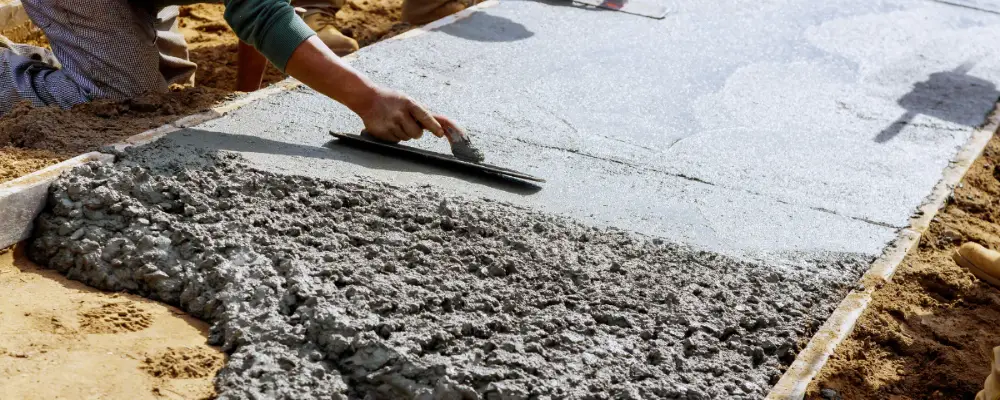
Concrete is the versatile building material that can be molded into any shape and and sized accordingly. Surprisingly, concrete ranks as the second most consumed material globally. Its widespread use is due to its ability to give a solid structure for different construction needs.

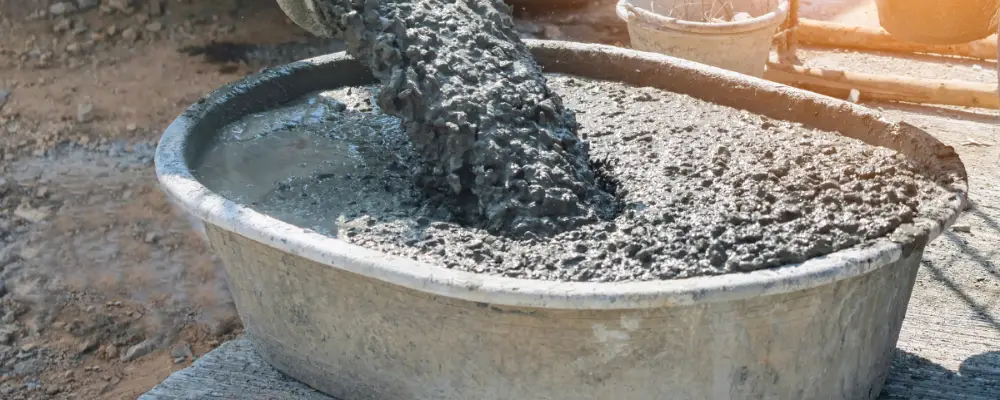
Concrete is a carefully balanced mixture of cement, water, sand, and admixtures, with lime in the form of hydrated lime or quicklime, sometimes added for enhanced properties. When combined perfectly, this mixture transforms into a durable, rock-like structure, earning it the nickname ‘domesticated rock’ – basically, a man-made material as sturdy as natural rock.

What is Concrete Made of?

Concrete is a fundamental building mixture consisting of 4 primary ingredients:

  1. Water
  2. Sand (fine aggregate)
  3. Gravel (coarse aggregate)
  4. Cement, typically Portland cement

Additionally, optional materials can be combined to enhance its properties, including:

  • Admixtures (chemical additives)
  • Lime
  • Fly ash
  • Fiber reinforcement materials

As concrete is made from fewer materials, it is an economical and effective choice. Moreover, the proportions of these ingredients vary depending on the specific construction purpose.

Composition of Basic Concrete Mix

The materials of concrete mix play a crucial role together in giving enhanced strength and desired properties. The proportions can be adjusted according to the local climate conditions and construction methods. Let’s explore the key materials and their roles in making a quality concrete.

Binding materials

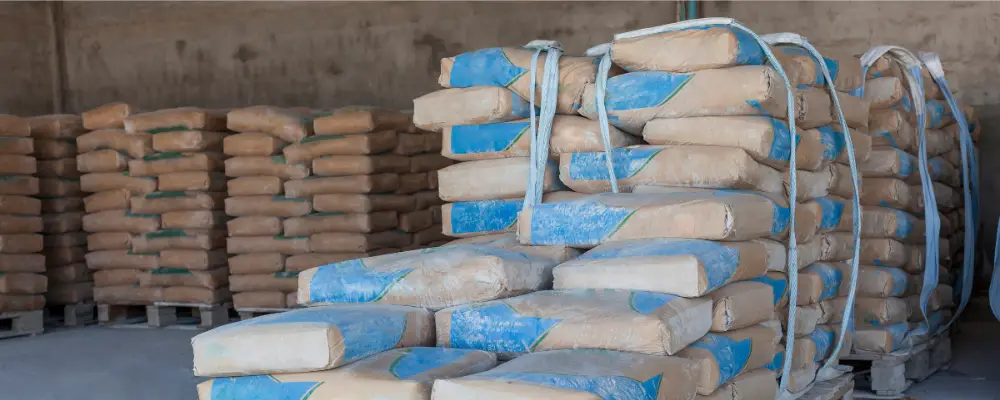
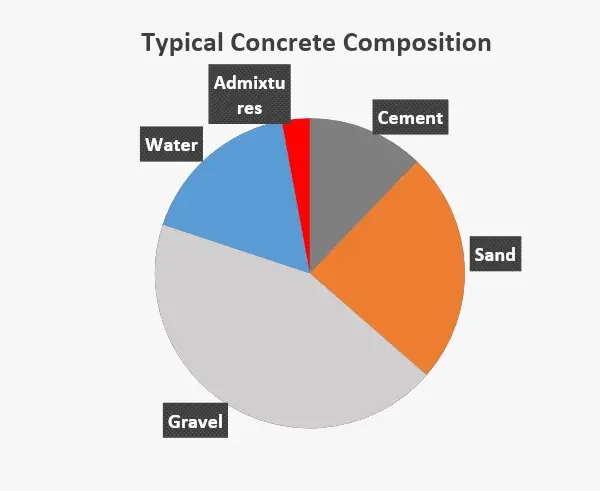
Cement acts as the binding material in the concrete mix. It helps in binding sand and gravel together. Further, they fill gaps between particles and control shrinkage. It holds the mix together, thereby providing strength and durability. For concrete mixes, Portland cement is typically used, making up 10-15% of the total mix.


Besides cement, materials like fly ash, lime, and silica fume are used as binding materials in concrete. They enhance stability and also reduce environmental impact. Typically, they constitute 5-15% of the total concrete mix, depending on the application. They react with water and form a binding gel that complements Portland cement in holding the mix together.

Aggregates

Aggregates (sand and gravel) make up most of the concrete mix. The role of the aggregates in the concrete mix:

  • Provide strength and stability
  • Improve durability and resistance to wear
  • Reduce shrinkage and cracking
  • Enhance workability and flow
  • Reduces cement usage (economically viable)

Fine aggregates (sand) usually constitute 20-30%, while coarse aggregates (gravel) make up 40-50% of the total mix.

Water

Water plays a crucial role in the concrete mix and it usually accounts for 15-20% of the concrete mix. The role of water is to 

  • Hydrate cement, initiating chemical reactions 
  • Lubricate aggregates, improving workability 
  • Help achieve desired consistency and flow 
  • Facilitate placement and finishing

Admixture

These are chemical additives that constitute 1-3% of the total mix to improve concrete’s properties. Further, they enhance performance, reduce water usage, and optimize setting time for desired results.

Cement-Water Ratio

Adding the right amount of water according to cement weight for making a concrete mix is essential, as it ensures optimal strength. If it is mixed in the wrong ratio, it can cause cracking and degradation. The correct mixture of concrete only facilitates easy placement. As per standards, the water-cement ratio varies from 0.40 to 0.60.

Example:

For a concrete mix with:

Cement: 400 kg/m³
Water: 160 kg/m³

Water-Cement Ratio = Water / Cement = 160 / 400 = 0.40

This means 0.4 kg (or 400g) of water is used for every 1 kg of cement.
what is concrete

Types of Concrete Mix

Concrete mix is available in various types to meet the demands of different construction projects. Let’s see the types and their applications one by one.

Reinforced Concrete

Reinforced concrete gets its name because it combines compressive strength with the reinforcing power of steel bars. This type of concrete mix is suitable for beams and columns. They provide stability to building structures and prevent cracks and shrinkage. 

Due to its high load-bearing capacity, reinforced concrete is extensively used in constructing heavy buildings, bridges, and other large infrastructure projects. It is noted for its exceptional stability and durability.

Lightweight Concrete

As the name indicates, lightweight Concrete is a type of concrete mix that’s stronger but lighter. It’s made with special lightweight materials. This helps reduce the weight on buildings, keeps them cooler, resists fire, and makes them easier to build. 

This concrete mix is ideal for roofs, floors, walls, bridges, and prefabricated construction projects.

High-Strength Concrete

A high-strength concrete mix has extra stability and resistance. It has 40 MPa compressive strength, roughly equal to 400 kg force per cm². It makes it ideal for multi-level buildings, bridges and auditoriums.

Precast Concrete

Precast Concrete is made in a factory and transported to site for assembling. This method speeds up construction, ensures quality, and minimises wastage. It is perfect for building walls, floors, beams, and bridge sections.

High-Performance Concrete

When compared to regular concrete mixes, High Performance Concrete exhibits superior performance and enhanced properties. It offers high resistance, durability, and endurance against environmental conditions. This makes it the best choice for high-demanding projects, such as marine structures, factories, tunnels, and tall buildings.

Properties of Concrete

Concrete mixes have distinct properties that determine their quality and suitability for various construction projects. The following are key concrete properties and their importance:

Strength

Concrete strength determines its ability to resist crushing and deformation. High strength concrete supports heavy loads and structural demands.

Durability

Concrete durability ensures its performance over time despite environmental factors. If the concrete is durable, it will minimise maintenance and extend lifespan.

Creep

Creep refers to the slow, continuous deformation of concrete under constant loads. Concrete creep impacts its ability to support long-term structural integrity.

Shrinkage

Shrinkage occurs as concrete contracts during the drying process. If it becomes uncontrollable, it will affect concrete’s integrity and appearance.

Modular Ratio

Modular ratio is the ratio of elastic modulus of concrete to steel reinforcement. It ensures compatible deformation between concrete and steel under load.

Poisson’s Ratio

Poisson’s ratio measures lateral strain response to longitudinal stress. It helps predict concrete’s behaviour under different loading conditions.

What is the Difference Between Concrete and Cement

Concrete and cement are often used interchangeably and have become common. However, it is essential to understand the difference, as engineers and experts cannot afford to use these terms with incorrect conceptions. Although they are interconnected, both have distinct applications and standards.

CharacteristicsCementConcrete
CompositionFine powder (limestone, clay, minerals)Mixture of Cement, water, sand, gravel
FunctionBinder for aggregatesProvides stability and structures to infrastructures
UsageIngredient in concrete, mortar, groutFinal building material used in construction
Standalone UseNoYes

Importance of Concrete cement 

– Provides structural strength and stability to buildings and infrastructure.
– Enables durable and long-lasting construction of roads, bridges, and buildings.
– Supports urban development and high-level buildings construction.
– Ensures safety and resistance to natural disasters and extreme weather.
– Drives economic growth through efficient and cost-effective construction.

Conclusion

From the above discussion, it is clear that concrete is an integral part of our daily lives. It protects people’s lives and provides a proper landscape. Concrete has become as essential to human beings as trees and forests, fulfilling a basic need.

Its incredible role in the construction sector and its promising properties make it a widely used building material.

FAQs

1. What affects concrete’s strength?

Concrete strength is affected by factors such as cement quality, water-cement ratio, aggregate type, curing conditions, mixing methods, reinforcement, age, and environmental conditions.

2. Can concrete be recycled?

Yes, concrete can be crushed and reused, reducing waste and saving natural resources.

3. How long does concrete take to set?

Concrete typically sets within 24-48 hours but requires 28 days to achieve its full strength.
M7.5 Concrete Ratio: Aspects, Advantages,& Uses in Construction

0
m7.5 concrete ratio

Concrete is a blending of major elements, including cement, sand, water, and gravel or stone, creating a thick mixture that provides high durability and strength to the building structure. The difference in each proportion of these materials results in different grades of concrete mixtures. 

Each project has its unique requirements for concrete grade. In this article, we examine the specific M7.5 concrete ratio, its components, benefits, and applications in the construction industry in detail. 

What is the M7.5 Concrete Ratio?

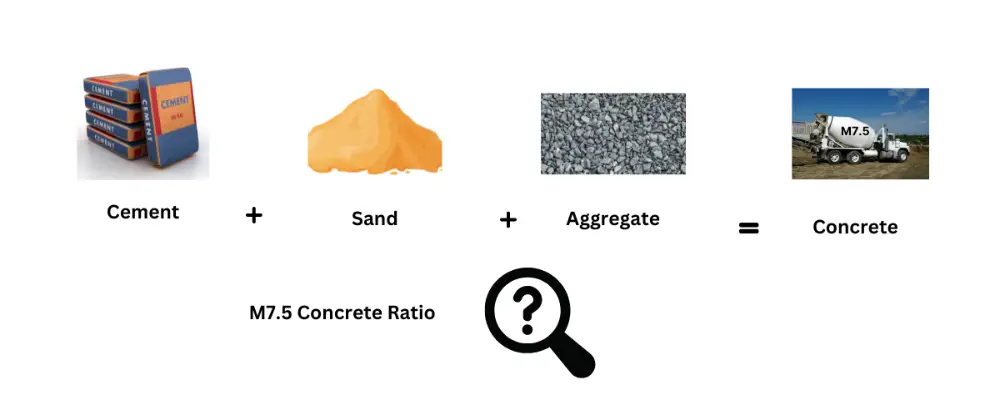
The M7.5 concrete ratio is particularly known as the mixing ratio of the concrete in the construction process. It is the value of the cement, sand, and aggregate volumes. The standard mixing ratio of the M7.5 concrete grade is 1 part cement, 4 parts sand, and 8 parts aggregate. This can vary depending on the strength, working process, and concrete application as per project requirements.

Components of M7.5 Concrete Grade

The different components of concrete grade are explained as follows:

Cement

The binder is the major ingredient of concrete. It can be combined with other components like sand or gravel to form a powerful adhesive material.

Fine Aggregates

Sand is the most commonly used fine aggregate in construction, serving specific purposes such as plastering or concrete production. A smooth and compact surface can be achieved using these aggregates in construction projects. They are ideal for use under pavers, path fines, track fines, athletic infield material, and soil amendment.

Coarse Aggregates

The irregular granular materials may contain gravel and crushed stones that can be mixed with sand and cement to provide strength to the concrete mixture. These can be sourced naturally or through blasting in quarries. Large granular stones are crushed through crushing machines to benefit the construction and transportation processes.

Water

Water is used to form a paste with cement and other concrete materials. The water is incorporated into the concrete mixture to moisten it. Then, the mixture dries and strengthens the structure to which it is applied.

Admixtures

An admixture is a material that is used to modify the nature of the concrete mixture. This can be sourced naturally or chemically.

Use of M7.5 Concrete

The main purpose of M7.5 concrete is to support small-level construction projects, including foundations, footings, pathways, and other plain cement concrete works. Some common applications of M7.5 concrete mix are as follows:

Footings and Foundations

M7.5 concrete mix is used to build footings that are actually in contact with the ground and foundations, the superstructures that transfer the load to the earth. They are essential for building strength and structural stability.

Floor Slabs

In residential and small-rise commercial buildings, this M7.5 concrete is used to provide smooth surfaces and finishes. It lasts for a long time and ensures the strength of the floor slabs.

Paving

M7.5 concrete is sometimes used for paving pathways, sidewalks, and driveways. It offers a durable surface that withstands foot traffic and lighter vehicle loads.

Precast Concrete Elements

The premade concrete materials are manufactured using the M7.5 concrete mix. The most popular premade concrete materials include beams, columns, slabs, planks, stairs, and retaining walls. These are widely used in the construction industry to withstand tough weather conditions and provide sustainability.

Strength and Durability of M7.5 Concrete Ratio

The 28-day curing method is used to evaluate the strength of the concrete after being poured into the structure. The high compressive strength of M7.5 concrete is estimated at 7.5 MPa (N/mm²), which determines the approximate load-bearing capacity achievable with this type of concrete.

The durability of M7.5 concrete depends on the quality of the material used in the concrete mixture. It is applicable for lightweight and non-structural construction works. Some factors may affect the durability of concrete, such as the chemical composition of air, water, and soil that binds together, the proper curing process, the quality of materials used in the concrete mixture, high temperatures, and changing weather conditions.

Concrete gradeConcrete mix ratio(cement: sand: aggregate)Compressive strength
MPa (N/mm2)psi
M7.5 concrete gradeThe mix ratio is 1:4:8.7.5 MPa1087 psi

Factors Affecting M7.5 Concrete Quality

The quality of concrete is vital for maintaining the strength and durability of the building structure. But in some cases, it can be affected by several factors, as follows:

Water-Cement Ratio

The water-cement ratio is crucial for controlling the quality of the concrete. A minor change in this ratio will affect the workflow and nature of the concrete. For various concrete mixtures, the water-cement ratio is around 0.50.

Cement Quality

Some properties of cement may influence its performance in concrete. They are fineness, setting time, compressive strength, chemical composition, and hydration. Some popular methods, like float tests, setting time tests, etc., may help to check the quality of cement.

Curing

Proper curing ensures the optimal strength and durability of the concrete mix. It maintains the temperature level and moisture to ease the hydration process necessary to achieve strength.

Aggregate Quality

The good-quality concrete can be made using well-graded, durable, and dust-free coarse and fine aggregates.

Admixtures

Admixtures are added to modify the properties of concrete to attain strength and durability. They can impart water-resistant properties by enhancing setting, curing, hardening, and incorporating small air bubbles into the concrete mixture to increase its durability.

Conclusion

In conclusion, M7.5 concrete can be used for building moderate load-bearing structures. Small-level construction projects may use this type of concrete mixture for footings, foundations, retaining walls, floors, slabs, and other plain cement concrete works.

What is Bleeding of Concrete: Causes, Effects, and Solutions

0
what is bleeding in concrete

Bleeding in concrete is one of the most common challenges faced in the construction industry. The global construction industry is moving towards higher performance and precision. But bleeding remains a highlighted concern. It occurs when water in the mix rises to the surface. This results in a weaker top layer of concrete and reinforcement bonds.

Bleeding is a natural phenomenon that occurs in the hydration process. Minor bleeding is often considered inevitable. In modern construction, effectively controlling bleeding is essential for sustainability and efficiency. This enables the delivery of high-quality concrete. 

As technology improves, so does the ability to predict and manage issues like bleeding. Let us look at specific improvements, how they affect concrete, and how to avoid bleeding.

What is the Bleeding of Concrete?

Bleeding in concrete is defined as the process where free water in the mix rises to the surface. It is due to the settlement of heavier particles like cement and aggregate. It manifests as a layer formed on the surface of freshly placed concrete before it has set. This phenomenon is also known as “water gain,” “weeping,” or “sweating.”

The primary reason for its cause is the gravitational settlement of solid material in the concrete mix. Bleeding is a form of segregation. It separates the particles from the water. The rising water often carries cement particles to the top surface. It forms a weaker layer called “laitance.”

Some bleeding can be beneficial as it helps control plastic shrinkage and cracking. In other cases, excessive bleeding can delay the finishing process. This is mainly due to ‌surface water, which needs to evaporate before finishing. 

The premature finishing can trap bleed water, forming blisters under the surface. The bleeding water can reduce the bond between aggregate and paste, thus weakening the concrete.

Accumulated water under reinforcing bars can weaken the bond between the steel and paste. It leads to corrosion. If the rate of evaporation is higher than the bleeding rate, the surface may dry out and crack. The higher water-to-cement ratio leads to increased bleeding. In the case of fine aggregates, their type and amount affect the rate of bleeding. 

Causes of Concrete Bleeding

Water-to-Cement Ratio

A high water-to-cement ratio increases bleeding as there is excess water in the mix. Inadequate mixing can lead to segregation and bleeding. Poor aggregate quality results in bleeding due to rounded or poorly graded aggregates. 

Admixtures

Excessive admixture results in overuse of chemicals. Bleeding can also occur due to higher slumps present in the concrete.

Fines Content

Insufficient fine aggregates and certain types of cement can influence the bleeding rate. Taller concrete pours exhibit increased pressure, and higher temperatures cause increased evaporation. The rapid evaporation can also occur due to the windy conditions. All of these can result in the bleeding of concrete. 

Vibration

Excessive vibration during compression leads to segregation. Delayed finishing of the surface and excessive troweling can bring more water to the surface, resulting in water accumulation. Hence, bleeding occurs. 

Aggregate Sizes

When compared to larger aggregates, angular aggregates reduce bleeding. Finer cement particles improve water retention by reducing bleeding. 

Effects of Concrete Bleeding

  • Surface weakness occurs on the top, resulting in weak and porous surfaces where the surface is dusted easily. 
  • Bleeding reduces the overall strength of the concrete and increases its permeability, making it susceptible to water ingress.
  • Due to differential settlement, the surface is prone to cracking. Bleeding creates a non-uniform strength distribution throughout the concrete. 
  • The top surface takes a longer time to set compared to the bottom, which is a result of segregation caused by bleeding. 
  • Early shrinkage can occur, leading to cracking. Further, it leads to the weakening of joints between successive layers of concrete. Therefore, there are visible streaks of sand that can appear on the surface. 
  • Voids can form under the aggregate, which reduces the strength and bonding between the cement paste and the aggregates.
  • Problems such as surface scale and flake-off require regular maintenance and curing time. Bleeding results in the long-term durability of the concrete being compromised. Also, water channels are formed, leading to weak spots. It results in the concrete mix losing its perfection, causing blisters and voids to form.
  • The surface is vulnerable to erosion and thermal cracking due to fluctuating temperatures. This leads to a decrease in the concrete’s load-bearing capacity.
  • Bleeding causes an increased alkali-silica reaction and higher carbonation. Further adhesion of coatings and finishes is reduced, leading to surface spalling.

Solutions for Concrete Bleeding

  • Lowering the water-to-cement ratio can minimise bleeding. Also, the slump of the mixture should be reduced to minimise the amount of free water present. 
  • Using finer cement and increasing fines in the sand can increase the surface area for hydration.
  • Use supplementary cementitious material like fly ash and slag to reduce bleeding. The use of microfiber cement can slow the migration of water to the surface. This helps keep the consistent ratio of water to cement.
  • Adding air-entraining admixtures can create tiny air bubbles within the mix, thereby improving workability and reducing bleeding possibilities. 
  • Using silica fume and other pozzolanic materials, such as calcium hydroxide, can increase the concrete to a higher density and reduce the rate of bleeding within the concrete.

How to Check Bleeding in Concrete?

The bleeding of concrete can be analysed through various processes. Some are listed below:

Concrete Layer: A visible layer of freshly placed concrete is found on the top layer of the water surface. 

Bleeding Test: A filter press is used to measure the capacity of the concrete to retain water under pressure.

Water-Cement ratio: Ensure that the water-cement ratio is appropriate, as higher ratios can cause increased bleeding. 

Aggregate Size: Check the aggregate size and its grading before use, as poorly grated aggregates can cause bleeding. 

Slump Test: Perform slump tests to ensure the concrete has the correct consistency. 

Air Entrainment: Use air-entraining admixtures to reduce bleeding by creating microscopic air bubbles that help reduce bleeding.

Concrete Height: Be aware that all taller concrete pours can cause more bleeding due to increased pressure. Therefore, make sure that it is of adequate height.

Temperature and Wind Conditions: Monitor the temperature during mixing and placing. Consider the wind conditions during placement, as they can accelerate evaporation. 

Compaction and Vibration: Ensure proper compression and appropriate vibration technique to minimise the void and reduce the segregation.

Surface Evaporation: Use evaporation retarders to slow down the rate of evaporation of bleed water. 

Permeability and strength: Measure permeability and bond strength between the concrete and reinforcement.

Conclusion

The issue of bleeding remains a critical focus in the construction industry. While traditional construction practices often see bleeding as an unavoidable challenge, it drastically affects the concrete design. Bleeding is a natural part of concrete curing but can negatively impact structural integrity. Technically, bleeding is a symptom of improper ratios and other effects caused by the materials. Looking ahead, the focus on sustainability brings bleeding back into the spotlight. 

Eliminating bleeding plays a crucial role in creating long-lasting and high-performance concrete. This shift underscores a growing commitment to quality control. More technical challenges, including bleeding, can be resolved with the right approach and innovative technology. 

FAQs

1. What is the difference between bleeding and segregation?

Segregation is the separation of concrete mix components. It separates particles from aggregate and cement base. This leads to an uneven distribution of materials.

Causes: 
It is primarily caused by improper handling of concrete. Dropping concrete from an excessive height can cause heavier aggregates to settle at the bottom. Additionally, excessive vibration and high workability can increase the likelihood of segregation. 

2. Is bleeding good for concrete?

Bleeding is generally not considered beneficial in concrete. While a small amount is normal and can help in finishing the surface, excessive bleeding leads to several issues, such as weak surfaces and durability issues like cracking.

Concrete Mix Ratios: Types, Applications, and Benefits

0
concrete mix ratio by volume

It is undeniably true that the mixing ratio of the compact material offers good workflow and finishing for the structure. It has different applications and ratios to get the desired durability and strength. This essay will discuss the types, applications, benefits, and mixing table of concrete mix. 

What is the Concrete Mix Ratio?

The primary ingredients of the compact material include cement, sand, and stone or gravel. It is a process that involves mixing the required components at different proportions. It provides the inherent benefits of strength, durability, safety, and affordability for the structures built. This mixture often requires a longer setting time than cement alone. But it can be configured into other forms for better outcomes. 

According to the project requirements, the proportion of the mixture can be changed. Cement acts as a glueing material that binds the concrete mixture. It is suited for building versatile and attractive structures that solve the needs of the construction industry. This article gives details on the types and benefits of concrete mixes.

Types of Concrete Mix Ratio

Concretes are mixed in different proportions according to the construction requirements. They are as follows:

Nominal Mix Concrete

In the actual concrete mix, the proportions for the compact materials are predefined. Minor construction projects can use this mix.

The table below will provide the distributions of nominal concrete mix.

S.NoConcrete GradeThe total quantity of dry coarse materials by mass per 50 kg of cementDifferent proportions of fine and coarse aggregateThe amount of water per 50 kg of cement
1M5800The general ratio is 1:2, but for the upper limit, 1:1.5, and for the lower limit, 1:2.5.60
2M7.562545
3M1048034
4M1533032
5M2025030

Standard Concrete Mix

The standard proportion of concrete mix used for building superstructures is 1 part cement, 2 parts sand, and 4 parts gravel or stone. The standard concrete mix comes under the grades M25 to M50.

High-Strength Mixes

The high-strength compact material comes under the grades M55 to M70. Special infrastructures like reservoirs, highly elevated buildings, and bridges require high-strength compatible materials to increase their durability and strength. It can also reduce high permeability in concrete.

Design Mix Concrete

After analysing the properties of ingredients, the engineer can determine the mix ratio of the concrete. The ratio can be fixed according to the project requirements. In this process, different additive materials can also be added to attain perfection.

Concrete Proportioning Methods

Different methods are used to determine the proportion of the concrete mix. They are as follows:

Arbitrary Method 

In the arbitrary method, the proportions of concrete mix – cement, sand, gravel, or stone, are chosen randomly. They can be adjusted with water as per the construction requirement.

S.NoConstruction WorkConcrete mix ratio
1For foundations and mass concrete work1:4:8
2For normal concrete processesThe defined proportions are 1:1.5:3 and 1:2:4.
3For high-strength concrete workThe ratio is 1:1:2.

Fineness Modulus Method

The proportional sizes of the coarse and fine aggregates can be determined using the fineness modulus (FM) method. The aggregates must comply with Indian standards. As per the Indian standard, the sizes of the coarse aggregates are 80 mm, 40 mm, 20 mm, 10 mm, and 4.75 mm. The IS sieves for fine aggregates are 1 mm, 600 μ, 300 μ, 212 μ, 150 μ, and 75 μ. The simple formula for deriving the fineness modulus is as follows:

P = [(X-Y)/ (Y-Z )]x 100 

Where, X = FM of coarse aggregate

           Y = FM of fine aggregate

           Z = FM of combined aggregate

S.NoParticle size (mm)Fineness modulusAverage FM
Maximum Minimum
1204.75.14.90
225.45.05.55.25
331.55.25.75.45
438.15.45.95.65
5405.76.36.00
6806.57.06.75

Maximum Density Method

This method is applicable when the concrete mix is caused by determining its aggregates in a way that the heaviest weight for the same volume involves dense concrete.

Concrete Mix Ratio Table

The below table will comprise the ratios of concrete mixes and their compressive strengths.

S.NoTypes of ConcreteGrades of concrete mixConcrete mix ratioCompressive strength 
1.Nominal concreteM51:5:105 N/mm2
M7.51:4:87.5 N/mm2
M101:3:610 N/mm2
M151:2:415 N/mm2
M201:1.5:320 N/mm2
2.Standard ConcreteM251:1:225 N/mm2
M30Design Mix30 N/mm2
M35Design Mix35 N/mm2
M40Design Mix40 N/mm2
M45Design Mix45 N/mm2
M50Design Mix50 N/mm2
3.High strength ConcreteM55Design Mix55 N/mm2
M60Design Mix60 N/mm2
M65Design Mix65 N/mm2
M70Design Mix70 N/mm2

Engineers or builders always prefer nominal concrete for M20 concrete grade.

Benefits of Accurate Concrete Mix Ratio

The proper mixture of the compact material with the right proportion increases the capacity and strength of the concrete poured into the building structure. Some points include:

Durability and Strength of Structure

The accurate ratio of the compact material provides the strength and durability of the structure. It can withstand heavy loads without causing any cracks or damage to the structure. It can also be resistant to natural disasters, thus increasing the durability of the structure.

Cost-Effectiveness

The required ingredients are measured easily and avoid creating waste. It can also depend on the type of concrete you are using, the project size, and the pricing and transportation of the local company.

Reduced Risk of Failure

The proper mixing, curing, and reinforcement of concrete in construction reduces the risk of failure in building structures.

Conclusion

A well-predefined concrete mix contributes to the success of any construction project. You must choose a strong, high-quality, and cost-effective concrete mixture for better outcomes. Qualified construction professionals may identify the right proportion of concrete mix. They are strong in their construction knowledge and ensure standard mixing processes for delivering high-quality structures.

Live Load On Buildings: All You Need To Know

0
live load

Live load is essential in every structural design and is produced by the use and occupancy of a building. It is often called a probabilistic load or imposed load. To ensure structure stability, live load needs to be defined in every building project by a structural engineer.

It helps them ensure that the building can withstand such heavy loads or the design needs to be adjusted to accommodate the load. Read on to understand what live load is, the importance of calculating live load and its examples, which are explained in detail below:

What is Live Load?

Live load refers to the variable loads produced by the use and occupancy of a building. It includes the weight of furniture, office equipment, people, cars, etc. The value of each building’s live loads is defined by the standard codes of practice, and this is the reason to estimate the usage of any structure before the design is executed. This way, the loads can be calculated in a standard manner and the errors are reduced.

Components of Live Loads

Live loads are moving loads that can be estimated with some important components, such as:

Occupants: It defines the number and weight of the people and their belongings like clothing, bags, accessories, etc.

Furniture: All movable furnishings like chairs, cabinets, tables, and beds

Storage: inventory, tools, equipment, and other items stored in factories, warehouses, etc.

Vehicles: Vehicles include buses, cars, trucks, and bikes that may be parked near or on the structure. Examples are bridges and parking garages.

Wind and snow: Forces by wind and snow created on the exterior surface of the wall or structure

Other Temporary Loads: It refers to the loads that are temporarily produced on a structure, including construction equipment, crowds of people, and other factors.

Importance of Live Load in Structural Design

Live loads are dynamic and can vary significantly over time and location. The accurate estimation of load ensures the safety and durability of a structure. Here are some of the key reasons why live loads are crucial in structural design:

Safety and Structural Integrity: Every structural design is aimed to withstand both live loads and dead loads. Sometimes, insufficient consideration of live loads causes potential failures that can lead to injury or loss of life. To prevent excessive damage or deformation of structures, careful evaluation, calculation and design are vital.

Functional Requirements: The type and intensity of the live load are typically based on the use and occupancy of the structure. Adhering to the building codes and standards ensures that the structure is completely safe and secure from all kinds of potential damages. If it is a warehouse, high live load capacity is required to tolerate heavy loads of materials and equipment, while a residential building requires less live load capacity, which includes only the weight of furniture, appliances, and occupants.

Structural Performance: Repeated application of live loads causes excessive vibration that affects the functionality of a structure. Planning for adequate design factors helps mitigate these issues in advance.

Examples of Live Loads

Areas used for domestic and residential activities: bedrooms, kitchens, and toilets in hotels; rooms made in residential houses and buildings; bedrooms and wards in hospitals.

Shopping Areas: refers to department stores and general retail shops.

Storage Areas: Areas that are highly susceptible to accommodating goods, like industrial areas.

Areas where people may congregate: Areas susceptible to large crowds with fixed seats and tables like dining halls, cinemas, theaters, conference rooms, concert halls, stands, railway platforms, etc.

Live Load Direction

In general, the live load is applied to a horizontal element like stairs, slabs, flat roofs, and balconies. Here, the load gets transferred vertically downwards from the structure to the foundation.

In inclined surfaces, the live load acts vertically downwards, but the load gets distributed along the slope of the inclined surface. It is then transferred to the supporting horizontal or vertical supports such as beams or columns.

How is Live Load Calculated?

For any structural design, calculating the maximum live load is important to avoid costly mistakes and fatalities. It may greatly vary in each situation, for example, a stadium, a single-family house, and a school. Regardless of the exact calculation, being aware of the minimum live loads that every structure can withstand will save you.

In particular, live loads are determined by a variable part, daily usage and occupancy. If you want to simply use the calculation method, calculate live loads as uniform loads (as defined by Indian Standard codes) and apply it over the area of the structure.

Elements to Consider When Calculating Live Load

Most importantly, live load is not static and uniform. When the forces are applied, the structure may feel extra load, and it must be considered in calculations. Some of the key factors essential to be taken into account and are listed below:

  • Vibration
  • Amount of Movement
  • Material wear
  • Impact
  • Fluid dynamics 

Final Thoughts

Structural elements are susceptible to carrying multiple varying loads, whereas live load is important to calculate before the design is commenced. Hopefully, this article has explained everything in detail, which may be useful when dealing with any residential or commercial building works.

Wood Columns: Learn its Types, Value, & Installation Methods

0
wood columns

Wood columns have played a crucial role in architecture since ancient days. It is primarily used in residential construction, known for its structural support and aesthetic appeal. Over time, wood columns have evolved in various designs, shapes, and sizes to meet modern architectural needs. Choosing the wise option adds a unique charm and beauty to homes along with structural integrity.

They are also known as pillars or posts, providing support to withstand the weight of the structure. By blending with modern technology, the use of wood columns continues these days.

This article explains what a wood column is, its types, advantages, and maintenance works. Continue your reading to understand them in detail:

What is a Wood Column?

A wood column is a vertical structural component designed to withstand loads and transfer them safely to the foundation. It is made from timber and used in various constructions such as pergolas, homes, and decks. They come in numerous styles, shapes, and sizes, each with its own characteristics and capacities.

The appropriate selection ensures long-term performance and durability. Right now, wood columns are the most popular choice, offering both aesthetic and functional value to your properties.

Types of Wood Used for Columns

Wood columns are widely classified into four different types based on their design and construction. Here is their explanation:

Solid Wood Columns

Solid wood columns are primarily known for their greater strength and durability. It is constructed from a single piece of wood, often used in structural applications. A solid wood column is widely used in places where the load-bearing capacity is essential.

Hollow Wood Columns

Hollow wood columns are assembled around the central core, which is constructed using multiple pieces of wood or plywood. Due to their lightweight and easier installation process, they have become an ideal choice for construction compared to solid wood columns. It can elevate your structure’s appearance and make it unique. But they have lower load-bearing capacity compared to solid wood columns

Non-Load-Bearing Columns

Unlike other wood columns, non-load-bearing columns are not specifically designed to withstand any significant weight. They are purely used for decorative purposes and create dramatic and visually appealing interest in a space where the structural support is not necessary.

Fluted Columns

Fluted columns are another well-known decorative element to fuel the structural design. They feature vertical grooves or channels along their length and can be made from solid or hollow wood. It is widely noticed in classical architecture.

Installation and Maintenance of Wood Columns

Proper installation and maintenance is paramount to ensuring long-term stability and performance. It doesn’t matter where we are using; continuous care and maintenance can uplift their longevity. However, here are some of the installation and maintenance tips provided; make use of them:

Proper Alignment: Proper alignment of the columns is crucial for even load distribution. When the wood columns are properly arranged, they can evenly bear the load and transfer them to the foundation without any structural issues.

Strong Column Foundation: Provide extra care and attention to the design and construction of column foundation. It not only prevents costly impacts but also provides essential support to the structural weight.

Regular Painting or Staining: Wood columns may be susceptible to peeling or fading over time. It harms the natural beauty and aesthetic appeal of wood grain. So, painting or staining them regularly can protect wood columns from all such harmful elements.

Regular Inspection: Regular inspection is advisable to identify the signs of damages like infestation, cracks, or rot in advance. Providing early treatment can avoid further repairs.

Advantages of Wood Columns

Wood columns have been a popular choice in architecture for centuries. They offer numerous advantages to the construction, such as:

Structural Support: Wood columns are fundamental elements in residential construction to support the load of the floors and beams above them. They are mostly used in classical and traditional architectural styles, transferring the weight to the foundation. Properly designed and maintained wood columns stay away from settling, sagging, and other structural problems that occur over time.

Aesthetic Appeal: Beyond structural support, they offer unique design and detailing to a home. As mentioned earlier, wood columns come in a variety of styles and shapes that enhance the overall look and feel of your home.

Comfort: Wood is more comfortable and warmer than other materials like concrete or steel. They prettily absorb the sound and keep the interior environment calm and peaceful.

Disadvantages of Wood Columns

Though wood columns offer several advantages to the construction, they also have some potential drawbacks, such as:

Regular Maintenance: Wood columns often require inspection and maintenance to improve the performance and longevity of structural support. If any signs of damage are found, it needs to be repaired immediately.

Susceptible to Damage: Wood columns are highly prone to moisture damage, decay, or mold. To mitigate these risks, wood columns should be treated with fire retardants, preservatives, and other protective chemicals.

In a Word

Wood columns are an essential element that provides both structural support and aesthetic appeal to the construction. By understanding the various types of wood columns and their individual properties, you can make informed decisions when constructing your home.

FAQs

1. What size are wood columns? 

Wood columns are available in various sizes based on building codes, structural requirements, and aesthetic preferences., Typically ranging from small 4×4 inches to large 12×12 inches and more. It is advisable to consult your structural engineer to determine the exact size required for your specific project.

2. What is the best wood for columns?

For structural purposes, hardwoods like hickory, oak, or maple are the best choices to go. If you are looking for weather-resistant or desired aesthetic appeal, the choices of wood selection may vary.

3. Which wood is the highest quality?

In general, teak wood is the highest quality wood used in most of the furniture work. Sal, deodar, oak, rosewood, acacia, and mahogany are the other types of quality woods, which are exceptional in durability and fire resistance.

OPC 53 Grade Cement: Composition, Properties, and Benefits

0
opc 53 grade cement

The rapid growth in the construction sector, driven by technical advancements, has increased the demand for good quality materials. This growth highlights the importance of cement since it is a binding force that unites structural elements to form a building. 

The construction industry produces many cement types. Among these, OPC 53 Grade cement stands out for its exceptional strength, durability, and high resistance. Let’s learn about OPC 53 grade cement further with focus on properties of Cement, composition and its uses.

What is Ordinary Portland Cement 53 Grade?

Ordinary Portland Cement is a standard cement used for construction offering high strength and durability. Today, OPC is widely made and used globally in construction. There are various grades that have been introduced in OPC. Particularly, OPC 53 grade is a top choice for its strength and durability, meeting the standards of Bureau of Indian Standards (BIS). Additionally, it has three key benefits: quick hardening, high resistance, and low maintenance. This high-grade cement is a blend of limestone, clay, sand, and other essential minerals.

Composition and Properties of OPC 53 Grade

The 53 in OPC 53 Grade cement indicates its compressive strength which is 53 megapascals (MPa), allowing it to bear heavy loads and resist high pressure. This cement can bear a minimum load of 53 MPa, roughly 540 kilograms of force per square centimetre. Its strength value is tested and verified 28 days after setting. Thus, OPC 53 Grade cement offers higher strength compared to lower-grade cements, making it suitable for demanding construction projects.

OPC 53-grade cement requires high-quality material and techniques for its production. The raw materials including limestone, clay, silica, iron ore and other necessary minerals are brought from quarries and mines. Then, these materials are crushed and made into a fine powder. Afterwards, this powder is heated at an optimum temperature in a rotary kiln, wherein calcium carbonate, known as limestone, gets oxidised to form calcium oxide. This process, known as calcination, forms a clinker. In the final stage, a small percentage of gypsum is added to the clinker, and the mixture is ground again into fine powder to produce OPC 53 grade cement.

Thus, OPC 53 grade cement is a blend of:

·      Limestone (CaCo3) – 60-65%

·      Clay (SiO2, Al2O3) – 20-25%

·      Silica (SiO2) – 5-10%

·      Iron ore (Fe2O3) – 2-5%

·      Other minerals – 1-5%

But what makes it a 53 Grade cement is the optimal combination of high-quality raw materials, optimal chemical composition, controlled calcination and clinker formation, accurate gypsum addition, and advanced grinding technology. This fusion enables OPC 53 Grade cement to achieve high compressive strength, durability, and performance.

Physical properties for OPC 53 Grade cement

Physical properties refer to the solid nature of cement that we can touch, measure, and observe without changing its chemical composition. These include texture, appearance, and performance, which help understand its behaviour in various situations. In the context of OPC 53 grade cement, physical properties show its quality, strength, optimal mixing ratio, and guide effective storage techniques. Let’s see the important physical properties of OPC 53 grade cement along with technical specifications.

Fineness

The crucial quality of OPC 53-grade cement is its enhanced fineness. Fineness is a hallmark of cement quality, characterised by minimal particle size distribution, which effectively prevents air and water passage. 

Consequently, this fineness ensures faster hydration, improved flexibility, enhanced durability and superior compressive strength. 90-95% of OPC 53-grade particles can pass through a 45 μm finer sieve, which emphasises its exceptional fineness.

Soundness

Soundness in cement refers to the volume in the substance remaining the same without expansion or contraction after the setting period. This prevents cracks or any structural damages in buildings, leading to low maintenance and enhanced durability.

In fact, top-notch OPC 53 grade cement has optimal soundness, particularly due to the presence of controlled lime content, magnesium oxide, and fine particles. It ensures minimal expansion and contraction, thereby preventing cracks and shrinkage of structural elements.

Setting time

OPC 53 grade has moderate to fast setting time, dependent on humidity, temperature, and mixing conditions. Generally, the setting time refers to the time taken after applying a cement paste for it to harden and become resistant to forces. If the initial setting time is minimal, it reduces time consumption, speeding up the construction project.

Compressive strength

Compressive strength refers to the maximum ability of cement to bear heavy loads, withstand pressures, and resist high compressive stresses. This property is vital as its quality prevents building structures from collapsing or falling. For instance, OPC 53 grade cement has gained a good name for its high compressive strength of 53 MPa.

This feature enables it to maintain structural integrity and durability, making it the best choice for heavy building construction projects.

Durability

The high strength and durability of OPC 53 grade cement shows that it is an ideal option for high-rise buildings, bridge construction, and other infrastructure projects. It has the ability to support heavy loads and resist harsh environmental conditions. This cement consistently shows optimal performance by maintaining structural stability.

Physical PropertiesTechnical Specifications as per the IS (Indian Standard) code
Fineness225m2/kg (Blaine apparatus)
Setting TimeInitial setting time- 30 minutes (min.)Final setting time- 600 minutes (max.)
Soundness10mm (max.)- Le Chatelier method0.8mm (max.)- Autoclave test method
Compressive Strength3 days – 27 MPa7 days – 37 MPa28 days- 53 MPa (min)
Bulk Density1.1-1.4 g/cm3
Particle Size Distribution               0-50 µm (90-100%)
Tensile Strength1 day- 4.5 MPa (min)28 days – 6.5 MPa
Water Requirement25-30 % waterCement and water ratio- 1:0.4 – 1:0.6Example: OPC 53 Grade cement=100 kg, Water- 40-60 litres

Chemical Properties

Chemical properties, which refer to the composition of chemical compounds in cement, shows its performance, reaction, and durability. OPC 53 grade cement has well-defined chemical properties, indicating it meets industry standards and resists chemical attacks and corrosion. Let’s examine the important chemical composition of OPC 53 grade cement, along with its properties.

Calcium oxide (CaO)

As stated earlier, heating limestone produces calcium oxide. It is a key component of OPC 53 Grade cement. It helps cement set and gain strength when mixed with water. CaO also controls setting time and ensures proper hydration. When CaO reacts with water, it forms Calcium Hydroxide Ca(OH)2, which contributes to cement’s early strength and binding properties. OPC 53 grade cement usually comprises 60-67 % of CaO which is essential for its quality and performance.

Silica (SiO2)

Silica is extracted from silica-rich minerals such as sand or quartz. The main role of silica in OPC 53 grade cement is to:

·      Contribute to strength and durability through Calcium Silicate formation

·      Enhance chemical resistance

·      Helps cement hydration

OPC 53 grade cement mostly contains 20-25% silica.

Alumina (Al2O3)

Alumina comes from natural sources like clay, bauxite, and shale. Though it is present in minimal percentage of 3-5%, its composition is significant in OPC 53 grade cement because:

·      It regulates setting time

·      Improves sulphate resistance

·      Enhances durability

Iron oxide (Fe2O3)

Iron oxide comprises 2-5% of OPC 53 Grade cement, derived from iron ore, clay, and limestone. It plays a crucial role in cement properties:

– Contributes to early strength development
– Enhances durability and resistance to chloride and sulphate attacks

Storage and Handling of OPC 53 Grade Cement

1. Store cement in dry, well-ventilated store rooms

2. Use waterproof covers and sacks to store cement

3. Avoid direct sunlight exposure

4. Handle bags carefully to prevent wastage

5. Use forks to lift cement bags

6. Keep face and mouth covered to avoid inhaling dust

7. Monitor storage area regularly

Practise these tips to maintain cement quality, enhance safety and prevent waste and damage.

Application of OPC 53 Grade

OPC 53 Grade cement has various applications and due to its consistent performance, it is being widely used in:

Structural Construction

This cement is ideal for foundation works, columns, beams, and slabs due to its high strength and durability. Moreover, it helps build strong structures that can resist harsh weather and heavy loads.

High-Rise Buildings and Skyscrapers

OPC 53 Grade cement is the best option for high-rise buildings due to its strength and low heat release. Moreover, it has the ability to speed up the construction project and also minimise cracks and shrinks.

Bridges and Flyovers

As OPC 53 grade cement is highly resistant to sulphate attacks and erosion, it is widely used in bridge construction to withstand heavy traffic and resist adverse environmental conditions. 

Industrial Flooring and Pavements

OPC 53 grade is used in industrial flooring, pavements, and runways because of its high compressive strength and erosion resistance. It can endure heavy traffic and provide longevity with low maintenance. 

These applications show that OPC 53 Grade cement is versatile and reliable among other types of cement in the construction field. 

Benefits of OPC 53 Grade

High Compressive Strength: Achieves 53 MPa strength in 28 days, ensuring strong buildings.

Fast Setting and Hardening: Enables speedy construction, reducing project timelines.

Low Heat of Hydration: Minimises cracking, ensuring durability and structural integrity.

Excellent Durability: Resists chemical attacks, sulphate attacks, and weathering, extending lifespan.

Cost-Effective: Balances high performance with economical pricing, optimising project costs.

Conclusion

To conclude, OPC 53 grade cement stands out as top-notch quality compared to lower-grade cements, which provides maximum benefits to meet modern construction demands. Its performance depends on optimal mixing conditions, weather, and other factors. Notably, OPC 53 grade cement consistently shows excellent durability over the years, and thus it effectively addresses cracking and shrinkage issues. Ultimately, it emerges as the best solution for builders and engineers seeking high-quality and reliable materials.

FAQs

1. Can OPC 53 cement be used for plastering and brickwork?

Yes, OPC 53 grade can be used for plastering and brickwork, but its high strength and price make it unnecessary and costly.

2. Is OPC 53 cement good for underwater projects?

 Yes, OPC 53 cement is suitable for underwater projects. Its waterproof property and strength make it perfect for building bridges, dams, or other structures in water.

3. How long can OPC 53 cement be stored?

 OPC 53 cement can be stored for 3 to 6 months. To keep it fresh, store it in a dry place and keep it away from moisture and humidity.

Shrinkage in Concrete: Know Its Types, Causes, and Tips

0
what is shrinkage in concrete

It is a widely known fact that concrete is extremely durable and resistant to damage. While it is non-combustible and requires low maintenance, its susceptibility to cracking presents a different challenge. One of the primary causes of cracking in concrete is dry-shrinkage cracking, which can lead to bigger issues in the future. This shrinkage can pose challenges during the curing process of concrete.

In this article, we will explore what concrete shrinkage is, its types, causes, and the effects created in construction.

What is Shrinkage in Concrete

Concrete shrinkage is caused by a decrease in the length or volume of concrete. It happens when the changes occur due to  chemical reactions or moisture content. However, concrete shrinkage is common in all construction; they are classified into different types. Based on the category of shrinkage, the curing process will be efficiently handled.

Causes of Concrete Shrinkage

Here are some causes that may lead to experience concrete shrinkage in construction:

  • Environmental factors such as low humidity and high temperature can accelerate the drying process and cause shrinkage in concrete.
  • The size, shape, and type of aggregates used in concrete can also influence shrinkage.
  • A low water-cement ratio and high cementitious content can lead to drying shrinkage.
  • Evaporation of water and moisture movement in concrete can affect shrinkage.
  • Instability in concrete drying influences the curing process.
  • Excessive water content in concrete and the contraction of hydration products can induce shrinkage.

Effects of Shrinkage in Concrete

Shrinkage in concrete contributes to various consequences, both concerning structural integrity and appearance. Some of the primary effects are:

Cracking

Cracking is the most common and visible consequence of shrinkage. When the concrete dries and shrinks, the cracking can occur. It not only reduces the structural integrity but also compromises their load-bearing capacity. Cracking eases the water penetration and leads to freeze-thaw damage, deterioration, and reinforcement. Aside from compromising strength, cracks can also detract from the appearance of concrete structures.

Structural Integrity

Structural integrity of the construction can be drastically compromised due to shrinkage-induced cracking. In extreme cases, cracks may lead to structural failure, which affects the overall aesthetic appeal and functionality. Shrinkage also results in loss of stiffness, leading to excessive movement or increased vibrations.

Types of Concrete Shrinkage and Their Preventions

Concrete shrinkage can be classified into the following types:

Plastic Shrinkage

Plastic shrinkage develops on the surface of fresh concrete due to fast evaporation or absorption of water from that surface. The water movement creates the contraction in length of volume of a concrete before it sets well. This can occur during the changes in environmental conditions or hydration process of wet concrete. The more the concrete dries, the greater the potential for plastic shrinkage.

How to Prevent Plastic Shrinkage

  • Create proper vibration of the concrete.
  • The use of evaporation reducers and microsynthetic fibers
  • Prevent excessive temperature of the concrete mixture.
  • Use of expansion cement and aluminium powder
  • Covering the surface of a concrete with a polyethylene sheet

Drying Shrinkage

The pores in the building materials are unavoidable, resulting in the increased absorption of moisture content from the atmosphere and causing shrinkage. When the movements are reversible, cracks in buildings may occur due to drying shrinkage. It occurs when the water from exposed concrete quickly evaporates.

How to Prevent Drying Shrinkage

  • A proper curing process is essential.
  • Reduce the volume of cement paste.
  • Maintaining an accurate level of water/cement ratio in the concrete mix
  • Selecting high-quality ingredients for the concrete mix

Autogenous Shrinkage

Another type of concrete shrinkage occurs due to the chemical reactions that take place within the concrete. When the cement hydrates, it becomes denser and makes the concrete structure compact. If the water content in the concrete is insufficient for the hydration, swelling occurs.

How to prevent Autogenous Shrinkage

  • By using low-heat cement and shrinkage-reducing admixture
  • Adding pre-soaked lightweight aggregate
  • Using polypropylene and steel fibers
  • Adjusting the cement content in the mixture

Carbonation Shrinkage

Carbonation shrinkage are primarily found in hardened concrete. The calcium hydroxide from the hardened matrix reacts with carbon dioxide in the environment. It results in the formation of water and calcium carbonate, leading to the reduction in volume.

How to Prevent Carbonation Shrinkage

  • Providing appropriate joints in the structure during casting
  • Using lower cement content and a higher modulus of the aggregate
  • Maintaining regular contraction joints in the concrete

Chemical and Thermal Shrinkage

The chemical binding of water in the cement hydration process typically reduces the volume of cement paste. It causes movement in the concrete and leads to chemical shrinkage. The variations in the temperature promote cracking in the concrete, which creates thermal contraction.

How to Prevent Chemical and Thermal Shrinkage

  • Reduce the agents in the concrete.
  • Use of shrinkage-compensating admixture

How is Concrete Shrinkage Prevented

The primary solution to reduce the concrete shrinkage is maintaining an appropriate water-cement ratio. When you want to acquire the desired workability, focus on adjusting the admixtures rather than the water content. Ensuring the ambient conditions like low humidity and high heat typically prevent shrinkage in the concrete. Beyond that, being aware of these strategies limits the damages.

  • Adequate reinforcement
  • Accurate shape and size of the concrete elements
  • Protecting concrete surfaces from rapid moisture loss

Final Lines

This article discusses the types, causes, and prevention methods of concrete shrinkage. By following these guidelines carefully, you can get relief from unexpected damages caused by shrinkage. Get help from experts who can assist you in reducing issues with your project.

Volume Batching of Concrete: Process, Ratios, and Benefits

0
volume batching of concrete

In the construction industry, volume batching of concrete remains a fundamental practice. It is especially suitable for small-scale projects with a focus on simplicity. Despite increasing automation in batching, many regions still rely on volume batching. The main reason is its cost-effectiveness and low initial investment setup.

Precision in material proportioning is essential for successful volume batching. Consistency is key to preventing discrepancies in values and ratios. The construction industry is striving to blend traditional methods with technology, leading to the evolution of volume batching practices.

What is Volume Batching of Concrete?

The volume batching of concrete is a method that includes measuring the ingredients by volume before mixing. The ingredients include sand, coarse aggregate, and water. The main purpose of this is to ensure the correct proportion of materials during the concrete formation.  It is commonly used on small-scale construction sites.

Volume batching involves certain attributes, which include 

  • Measurement of ingredients 
  • Proportioning
  • Moisture Content

Measurement of Ingredients:

  • Cement

Cement is typically measured by volume rather than weight in volume batching. However, this measurement can be inaccurate.

  • Aggregates

Fine and coarse aggregates are measured using a gauge box. The gauge box should be filled and levelled using a straightedge. 

  • Water

Water is typically measured in liters but is represented in kilogrammes (kg) for volume batching. Therefore, the density of water is 1 kg/L.

  1. Proportioning:
    • The ingredients are specified in volume proportions. The water-cement ratio is crucial for maintaining the mix design to ensure the desired strength and workability.
  1. Moisture Content:
    • The moisture content in aggregates must be valued and monitored. It affects the volume and weight of the aggregates. The surface moisture can vary based on the condition of the aggregates.

How is Volume Batching Done in the Field?

Step 1: Batching of cement

Batching of cement refers to the process of measurement and combining the raw materials. Cement materials are measured using gauge boxes, also known as “farmas or forms” in volume batching. Volume batching is less accurate when compared to weight batching

The gauge boxes are typically made of timber, steel, or iron. One pack of cement, which is 50 kg, is considered 35 liters. The gauge box has a volume of 0.035 cubic meters(m³). This is equivalent to one bag of cement. The cement should be ideally measured by weight to ensure accuracy. This is because the volume can vary based on compaction and moisture content.

Step 2: Batching of aggregate (by volume)

Aggregates, such as fine and coarse aggregate, are measured using the gauge box. It should be filled to the top and level with straight heads to ensure consistent volume. These gauge boxes are designed to match the volume of one bag of cement. The gauge box has a dimension of 0.40 m × 0.25 m × 0.25 m with a volume of 0.025 m³, which is equivalent to a volume of 25 litres.

Step 3: Batching of water

The water-cement ratio is essential and commonly measured in kilograms. If the water-cement ratio is 0.5, then 1 cement bag of 50 kg or 35 litres will require 17.5 l of water.

Volume Batching of Concrete Ratio

Concrete mixes are typically mixed with a specific proportion of their materials. Its ratio is often represented by cement: sand:  aggregate. This ratio indicates the amount of each ingredient to be used. This helps to achieve the desired concrete properties and strength when mixed. Here are some common ratios:

  1. M10 (1:3:6)
    • Cement: 1 part
    • Sand: 3 parts
    • Coarse Aggregate: 6 parts
  2. M15 (1:2:4)
    • Cement: 1 part
    • Sand: 2 parts
    • Coarse Aggregate: 4 parts
  3. M20 (1:1.5:3)
    • Cement: 1 part
    • Sand: 1.5 parts
    • Coarse Aggregate: 3 parts
  4. M25 (1:1:2)
    • Cement: 1 part
    • Sand: 1 part
    • Coarse Aggregate: 2 parts

Advantages and Disadvantages

Advantages:

  • The volume batching is simple and quick for small projects.
  • It does not need sophisticated equipment.

Disadvantages:

  • Volume batching is less accurate when compared to weight batching.
  • It is not suitable for large or critical structures.
  • Variability in material properties can affect the mix quality.

Volume Batching of Concrete Formula

For a concrete mix of 1:2:4 (cement:sand: coarse aggregate), which is an M15 grade:

  • Cement: 

1 bag of cement=50 kg 

 In volume= 35 liters

  • Sand

2 gauge boxes are required 

2 x 35 liters = 70 liters

(1 bag of cement= 35 litres)

  • Coarse Aggregate: 

4 gauge boxes are used

4 x 35 liters = 140 liters

  • Water

Water: cement= 0.5

If the water-cement ratio is 0.5, then 17.5 litres of water is required for 35 litres of cement( = 1 bag of cement).

Technical Considerations

  1. Accuracy:
    • When compared to weight batching, volume batching is less accurate. Thus, the volume of each material can vary due to factors like moisture content and compaction.
    • It is essential to consider the moisture content in aggregates. For example, take very wet sand. It can contain up to 7.5% surface moisture by weight, which can greatly impact the mix proportions.
  2. Suitability:
    • Volume batching is suitable for small-scale construction works. In these types, precision is not critical.
    • It is highly not recommended for reinforced concrete structures or large-scale projects. This is mainly due to the potential for variability in mix proportions.
  3. Economy:
    • While volume batching is economical and straightforward, it may not be cost-effective in the long run. It is due to potential inconsistencies in the concrete mix, which leads to reduced strength and durability.

Common Mistakes in Volume Batching

  • Improper proportions of the materials can lead to the weakening of the concrete.
  • Ignoring the moisture content can affect the ratio of water to cement. 
  • Using inaccurate measurement tools leads to inconsistent batching. 
  • Inadequate mixing can often result in non-uniform concrete with lumps found. 
  • Overloading the gauge or mixer can cause incomplete mixing and underloading can cause inefficient mixing
  • Adding water inconsistently can affect the strength and workability of the concrete. 
  • Ignoring the temperature effect can cause an impact on the setting time and the strength of the concrete. 
  • Improper calibration of equipment can lead to inaccuracy during the batching. 
  • Using the wrong size of aggregate can affect the concrete mix. 

Conclusion

Volume batching of concrete remains a pivotal method in construction. It ensures the consistency and accuracy required for high-quality concrete. From a technical standpoint, volume batching can lead to several variations. This makes precision critical. Therefore, current industry standards increasingly advocate for the use of computerized batching systems. Ensuring awareness of its limitations and ongoing development is essential in its advocacy in the construction industry. 

Ultimately volume batching serves a specific purpose in the industry. While moving towards smart systems and sustainable practices, the method’s relevance depends on its advancement. 

This balanced perspective reminds the industry that while volume batching has its merit, the future lies in adapting it with technological precision. This helps to meet the growing demand for quality and sustainability in the construction industry.

Buying vs Renting a Home- Which is Better?

0

The biggest debate among today’s generation regarding real estate is whether to buy or rent a home. The selection is not so easy as both options have set of their own pros and cons that you need to consider for a wise choice.

For example, buying is great for people who plan for long-term investment and want to live a peaceful life for upcoming years. Renting, on the other hand, is good for people who are just starting their career. The decision will be the best if you consider both the options based on your monthly commitments and earnings.

With this article, you’ll be explained the factors, pros, and cons of both buying and renting a home.

Importance of Deciding Between Buying and Renting

Good decision-making saves you from many complications. If you choose homeownership, you will enjoy tax benefits, stability, and potential equity, but it also involves some potential troubles like limited mobility, upfront costs, and maintenance responsibilities.

In contrast, renting a home provides limited maintenance, lower upfront costs, and flexibility. It lacks equity and the rent may increase every year. Consider these factors with your financial situation and lifestyle goals to make an informed decision.

Owning or renting a home that doesn’t suit your financial goals may significantly impact your future days. Being aware of all the factors will provide you with a valuable solution.

Factors to Consider When Making a Decision

Before moving forward, here are the lists of things you need to consider: 

Evaluate your Financial Situation: Check whether you have a stable financial position when you’re deciding to buy a home. Then analyze whether you have enough funds to pay upfront costs, down payments, and closing costs.

Standard Earnings: Job security is the primary thing to be evaluated by your lender. To secure a home loan and pay a mortgage, they will check whether you have a standard income. It involves verifying your employment and income rate for the last two years. If you’ve got a decent grade, the lender is likely to provide a home loan.

Think about your Five-year Plan: If you would have to relocate to other cities or areas, then renting a home would be a better option. When you’re about to stay in a single location, then consider buying a home.

Evaluate the Time and Money You Need to Maintain a Home: When you rent a home, if anything breaks, your landlord will fix it. But if it is your own home, the time and money spent will be entirely yours. Beyond the home loan and upfront costs, you should have extra money to handle these potential repairs.

Benefits of Buying a Home and Renting a Home

HomeownershipRenting
Homeowners have a complete freedom to decorate, renovate and modify their homes according to their personal taste and needs.Renters can relocate to the place they want. It will be the better choice for people who often move.
When you buy a home, you don’t need to answer to anyone like the landlord. It’s completely based on your preferences and comfort.Renters are not responsible for lawn care, major repairs or property maintenance. Everything will be handled by the landlord and no time or money will be spent at your end.
Homeowners can enjoy tax benefits and they will be able to save significant transaction costs.Beyond the monthly rent, you don’t have any extra stress like regular repairs or maintenance.
Owning a home is one kind of financial security that supports you during bad times.You don’t have any property tax bills.
You will fulfil a long-term investment, which brings a sense of pride.Fewer upfront costs and paperwork.

Drawbacks of Buying a Home and Renting a Home

HomeownershipRenting
Buying a home means you have to take complete responsibility towards maintenance and it will cost extra.Your monthly rent is not stable from year to year. The cost of rent can vary.
You have to pay a large upfront cost or down payment initially. If your financial situation is not stable, it can be a burden for you.Unlike buying, renters don’t get any equity with each rent payment. Instead, the landlord will enjoy those benefits.
It becomes challenging to move across towns or regions.It can be difficult to find the ideal home to suit your requirements in high-demand areas.
You are required to pay property taxes every year.You don’t have any freedom to make changes in your home, and there is no guarantee that they will approve your request.
Homeownership can be a costly affair.You are at the mercy of the landlord, meaning that you can be evicted if he/she so wishes.

Other Differences Between Owning and Renting

Beyond financial status, buying and renting property are differentiated in many ways. Homeownership means you have a feeling of community and stability. Renting, on the other hand, doesn’t have any long-term responsibilities. Anyhow, let’s see some significant differences in detail:

Building Equity 

When you buy a home, it is not only your investment but also builds equity over time. If your home value goes up in the future, you have a chance to sell for a bigger value. Additionally, you don’t worry about fluctuating monthly rents, as you have complete freedom to do what you like.

Tax Implications

Another significant factor for home buyers is potential tax benefits. By taking the mortgage interest deductions, you can lower down the federal tax liability. In general, property taxes depend on the assessed value of the home you buy and its location.

Maintenance Costs

Homeowners are responsible for repairs and maintenance, and when you rent a home, it will be handled by the landlord. If you are planning to buy a home, you might not be committed to these levels of maintenance. You need to conduct regular inspections and maintain things over time before it creates potential red flags.

Insurance Requirements

No central or federal laws require homeowner’s insurance, but the mortgage lender requires it when you buy a home. Depending on the location, the extra coverages will be charged for earthquakes or floods. When compared with home insurance premiums, renters insurance will be more budget-friendly.

Is Renting Really Cheaper than Owning?

The cost of buying and renting a home is drastically varied. It specifically depends on the local housing market and the location. Unlike buyers, renters don’t need any mortgage or large down payment, and this is the biggest relief to many people.

Most rental homes will ask for a security deposit or advance payment that will be returned when the lease contract is over. However, before signing a contract, ask your landlord clearly whether the monthly rent includes gas, internet, water, or electric bills.

For homeowners, the upfront cost is significant. Another big hurdle is the monthly mortgage payment. It includes interest and principal for the loan that may fluctuate over time with variable interest rates.

If you are someone with a very high career commitment, then renting would be a better option to save you from these troubles.

Tips for Buying a Home

Buying a home is a typical investment. Here are some tips provided to navigate the process:

Access your finances: Before buying, decide your budget to overcome the down payment, repair, and maintenance costs. If your situation is fine to balance this long-term investment, then you can chase homes according to your budget range.

Research the Market: Understand the local housing trends and prices where you live. The cost of home will significantly vary from place to place. Being aware of the market price will help you.

Conduct Home Inspection: Hire a professional inspector to survey your place to ensure that they have any potential issues. Beyond size, location, and amenities, the property should have clear documentation to avoid any legal consequences.

Tips for Renting a Home

Renting is a great option, offering freedom and flexibility to live your life until a certain time.

Find a Convenient Location: You might be studying or working; ensure choosing a home according to your travel convenience. It helps handle your day-to-day commitments without any extra effort.

Ask for Recommendation: Ask your friends, family, or coworkers; they may have a better suggestion. Finding a home through referrals saves you from excess rental prices, landlord complications, maintenance charges, etc.

Inspect the Property: Check the property well to see if any damages have occurred, cleanliness, and overall conditions. It helps analyse whether the house is worth your monthly rental payment.

In a Word 

Buying or renting a home is dependent on an individual’s financial situation and their needs. You can analyse and choose the one that fits your current situation. Whether you decide to buy or rent, inspect the property and location thoroughly to ensure smooth living.