Home Blog Page 37

Snagging Construction: Types, Snagging Lists, and Process

0
snagging construction

It is an influential step in construction to guarantee that the finalised property meets the desired standards and specifications. It refers to identifying any minor defects in the building before handing it over to the client. Lists are prepared to capture any overlooked issues that need fixing before the final completion of the property. In this article, we will look in detail at the types, lists, and the snagging process.

What is Snagging in Construction?

The term “snag” refers to pinpointing the minor or neglected issues that pop up towards the end of the project. Through thorough snagging inspections, developers can avoid delays in delivering the project to the client. It is commonly a defect that can be fixed to meet a client’s requirement. It can also prevent future maintenance issues.

Process of Snagging

Snagging can be carried out in three phases of the construction project. They are as follows:

  • Pre-handover phase: The final construction walkthrough is decisive for addressing issues and rectifying them as early as possible before the handover process. It ensures that all the aspects of the project meet the client’s specifications and requirements.
  • Throughout the construction process: For larger projects, the contractor may use this proactive method to pick out the problems while the construction work is going on. The contractor may always have a checklist and verify whether the pending works are completed on time or not. It may also stop delays in the construction work.
  • Post-completion phase: Once the project is completed, the contractor may revisit the site to ensure that the listed issues are rectified according to schedule. Any new issues can also be identified and solved quickly. After this process, the property is truly ready to hand over to the client.

Five steps are carried out to excel your snagging process, as mentioned below:

  • Document the snags.
  • Assign tasks to relevant individuals.
  • Be clear in your communications.
  • Use images to identify the snag issue.
  • Optimise the snagging process with software for better outcomes.

Types of Snags in Construction

The types of snags that are profoundly found in the construction process are as follows:

Damages

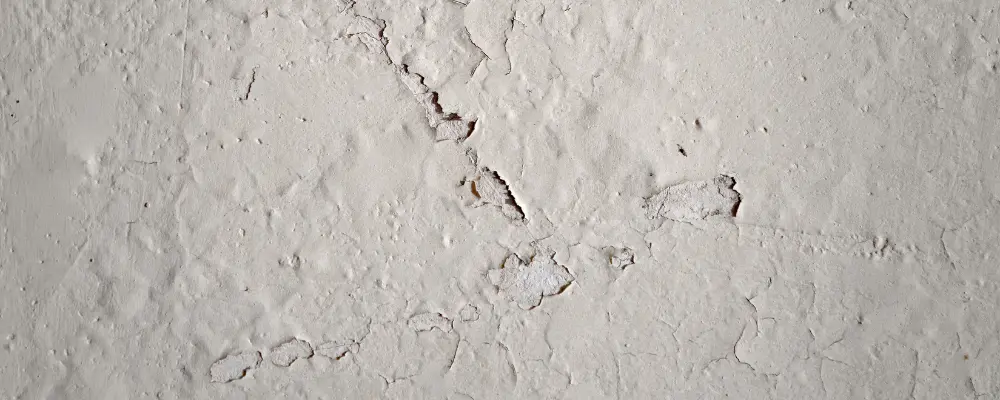
Environmental factors such as temperature changes or the settling of buildings may cause the paint to peel away from the wall or building. Cracks may also be found due to improper drying of walls or ceilings.

Poor Workmanship

Sometimes workers may not be aware of detailed attention to project specifications. This may lead to incomplete finishes, uneven surfaces, and missed joints.

Unsuitable Construction Design

When the initial architectural design is not accurate about the designing process, it results in poor design outcomes.

Issues that arise due to faulty machines and equipment

Equipment and machines are widely used for electrical and plumbing purposes. When there is a fault in using these machines or equipment, it results in poor wiring work and leakage problems.

Wrong Installation of Materials

Materials like tiles, fixtures, and insulations are installed properly. If there is any issue with these materials, it can reduce their function and lifespan.

Faulty Smoke

Any malfunction or improper installation of smoke and fire detectors may cause insecurity to the occupants and violate the building rules and regulations.

What is a Snag List?

Different problems might crop up during the final stage of the completion phase. During the site inspection, the contractor or developer may identify defects or minor issues. As soon as they are identified, they compile a systematic record of lists that comprise the details of different problems and locations that arise in the construction process called a snagging list. 

Some defects, such as cracks in the painted wall, damage to windows, leakage in water pipes, etc., can be included in this list. These noticed problems are then rectified as per the lists taken by them. As per the nature of the problem, the building authorities provide attention to patch up the defects as soon as possible.

The common format of snagging lists comes along these lines:

  • Item Number
  • The location of the snag identified
  • Type of the problem
  • The date at which the snag was identified
  • Information about the snag
  • Schedule for rectification
  • Follow-up

Snagging Lists in Construction

The top 10 snag lists that can be identified in construction are as follows:

  • Fibres in Concrete

Fibres are used to reduce cracking in concrete slabs. Often they can appear on the surface of the concrete slabs. Regular maintenance may prevent vehicular damage in the future.

  • Missed installations

Loose wiring and missed joints are essential to rectify in this stage. Unfinished electrical work can be addressed during this phase.

  • Cleaning problems

Final cleaning is essential after completing all the outstanding works. Clearing the waste is important before handing it over to the client.

  • Unsatisfied painting

Once the construction work is finished, painting has to be done. It is a critical part where you have to check whether the coating is applied evenly at all parts of the building. Missed parts should be painted as soon as you find them.

  • Manhole work

Manholes in the site can be checked to see if they open and close properly. It will be easy for future maintenance purposes.

  • Joinery issues

The proper functioning of windows and doors can be thoroughly analysed.

  • Damaged items

Elements such as lights, doors, fixtures, switches, and fire or smoke detectors can be checked for damage. They needs quick repair and replacement.

  • Small holes in the wall

Small holes in the wall can be detected and filled quickly to avoid further damage caused to the wall.

  • Sealing problem

Proper sealing is essential for fire detectors. It ensures safety standards.

  • Incomplete false ceiling

The panels used in the false ceiling must be checked for their proper fit and secured. 

Snagging is the vital final check of the building project to deliver a detect-free project to the client. Thorough snagging inspections help the contractors and developers catch any defects and provide a finished product that aligns with contractual and regular standards.

FAQs

1. What is the difference between snagging and defects?

Snagging is the process of identifying the defects or issues in a finalised construction project. Defects are issues or problems that impair the quality of the project.

2. Who Uses Snagging Lists in Construction?

People involved in using snagging lists in construction include owners, contractors, subcontractors, and architects. 

3. Tips for Managing a Snagging List in Construction

Some important tips for managing a snagging list in construction are as follows:
Categorise the snags
Assign the tasks
Set deadlines
Follow-up

Segregation in Concrete- Types, Causes, Signs and Prevention

0
what is segregation in concrete

Concrete is a strong building material, but it needs proper mixing and setting to attain the required strength. Concrete ingredients must be mixed precisely to achieve optimal stability and durability. But when this balance is disrupted, segregation occurs, compromising the concrete’s quality. 

Let’s explore what segregation means in concrete, its causes, and prevention methods.

What is Segregation in Concrete?

Segregation, an error in the concrete process, occurs when the concrete mixture’s components separate. Heavier components, including sand and gravel, settle at the base, whereas admixtures and cement paste rise to the top. 

This separation occurs because concrete ingredients fail to maintain uniformity, usually resulting from improper mixing ratios or methods. As a result, it leads to poor concrete placement.

Let’s see further why and how this segregation happens.

Types of Segregation in Concrete

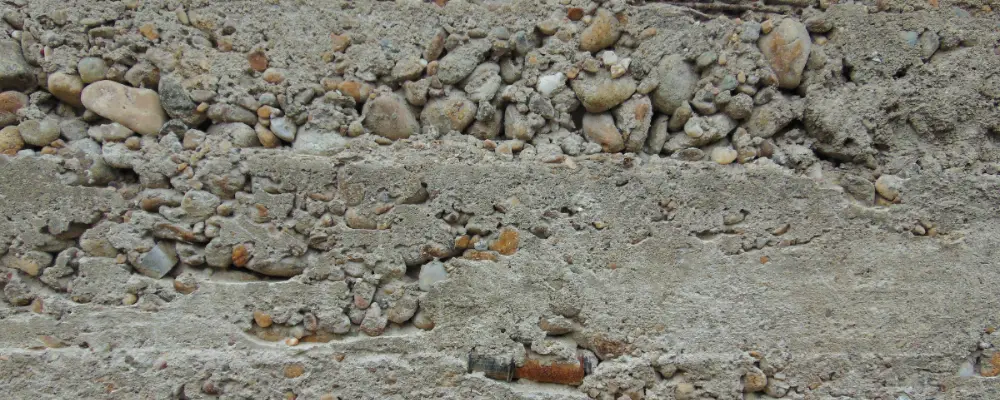
Segregation can manifest in various forms, including separation of aggregates at the surface (bleeding), settlement of coarse aggregates at the bottom (settling), or formation of voids and pores with honeycomb-like structures. 

Separation of Coarse Aggregates

Coarse aggregates, like sand and gravel, separate from other materials and settle at the bottom due to weight differences. This happens when mixing is insufficient or the aggregate grade is incorrect. As a result, coarse aggregate separation leads to uneven surfaces, reduced strength, and increased water passage.

Bleeding Segregation

The optimal amount of water should be added to the concrete. It should be in a ratio of 0.4 -0.6 to cement as per standards. When this level is not followed and excess or less amount of water is added to a concrete mix, it can lead to bleeding segregation, which means water from the concrete starts to bleed and rise to the surface while coarse aggregates tend to settle at the base. 

This separation can cause uneven distribution and reduce concrete strength.

Laitance Segregation

Laitance segregation occurs when finer particles separate from coarse aggregates in freshly placed concrete. This happens due to over-vibration, insufficient compaction, incorrect mix , or poor workmanship. As a result, a weak, porous layer forms at the surface, prone to cracking and scaling, which reduces  durability.

This also causes uneven texture and allows water and contaminants to enter, compromising concrete’s strength and appearance.

Grout separation

Grout refers to the cement paste used for filling gaps between sand and gravel particles. Incorrect mixing, water ratio, or vibration causes grout separation, creating gaps between grout and aggregates. This weakens concrete, makes it prone to water damage, and affects its appearance.

Causes of  Segregation in Concrete

Here is the list of factors that contribute to the segregation of concrete:

Uneven Proportion

Mixing ingredients in the wrong quantity can lead to segregation. For instance, if cement, sand, and gravel should be in the ratio of 1:2:4 but instead use 1:1:4. This imbalance leads to uneven distribution, where aggregates either settle at the bottom or rise to the surface. It results in affecting workability and weakening concrete properties.

Insufficient Mixing Time

Insufficient mixing time refers to inadequate blending of concrete ingredients, failing to achieve a uniform mixture. This can lead to segregation, as:

– Cement paste and aggregates don’t fully integrate.

– Materials aren’t evenly distributed.

– Clumps or pockets of unmixed materials form.

Handling of Concrete Mix

Concrete should be handled carefully, using proper force and equipment. When transferring concrete from one place to another, dropping the mix should be prevented. Additionally, excessive vibration should be avoided, as it can push aggregates apart, leading to segregation.

For example, pouring concrete from a height without using a chute or drop chute can cause segregation. Similarly, a poorly maintained mixer can fail to re-blend separated materials.

Placing of Concrete Mix

Proper placement of the concrete mix is crucial to prevent segregation. For this, concrete should be poured as close to its desired position as possible. Pouring from excessive heights should be avoided, and spreaders or finishing tools should be used to avoid segregation.

Vibration of Concrete

Improper vibration of concrete can contribute to segregation. Over-vibration or incorrect vibration techniques can:

– Displace aggregates, settling them at the bottom.

– Push cement paste to the surface.

– Create air pockets and honeycombing.

It can increase the risks of defects in concrete structures.

Chemical Segregation

Even mixing of concrete’s chemical components is crucial. However, differences in density, particle size, and chemistry often cause cement, aggregates, and additives to separate or settle. This leads to chemical segregation, affecting the concrete’s performance.

Biological Segregation

Biological segregation in concrete occurs when living things like microorganisms, insects, or animals contaminate the mix. This happens due to dirty materials, pest problems, or growth of bacteria, algae, or fungi. These biological activities affect how cement sets, causing weaker concrete, discolouration, and cracks. To prevent this, use clean materials and seal concrete properly.

How To Prevent Segregation

  • To fix segregation, improve mixing techniques by ensuring thorough blending of ingredients and consider mixing time and equipment.
  • Optimise aggregate gradation by selecting aggregates with suitable size and distribution to minimise separation and promote uniform distribution.
  • Adjust concrete workability by achieving optimal water content, admixture usage, and temperature control.
  • Using segregation-resistant mix designs, which incorporate elements like higher cement content, reduced water-cement ratio, and optimised aggregate proportions, can also help.
  • Proper placement and compaction techniques, such as vibratory compaction, tamping, and finishing operations, minimise segregation during placement.
  • Reducing transportation and handling mistakes and doing regular checks can also help prevent segregation.

Signs of Segregation in Concrete

  1. Signs of segregation in concrete include visible separation of aggregates and cement paste.
  2. Aggregate accumulation at the surface or bottom of the concrete indicates segregation.
  3. Discolouration, such as streaks or patches, can result from segregation.
  4. Honeycomb-like structures, characterised by voids and separated aggregates, are a common sign of segregation.
  5. Segregation often leads to reduced strength, increased cracking, and concrete deterioration, making honeycomb structures vulnerable to water penetration and damage.

Conclusion

In conclusion, following standard guidelines and processes prevents concrete segregation. Unchecked segregation reduces concrete strength and increases maintenance costs. Moreover, good quality materials and equipment, and skilled workers are necessary for a strong and durable concrete mix.

FAQs

1. Can segregation occur during concrete transportation?

Yes, segregation can happen during transportation due to excessive vibration, poor truck mixing, or insufficient covering. 

2. Can segregation be repaired?

Minor segregation issues may be addressed through surface treatments or repairs, but severe cases may require removal and replacement of affected concrete.

3. How can segregation be identified in concrete?

Signs of segregation include uneven texture, colour variations, sand or aggregate accumulation, and variations in surface finish. Visual inspections and testing (e.g., slump tests) can help identify segregation.

Exploring Concrete Flooring: Types and Benefits 

0
concrete flooring types

Choosing appropriate concrete flooring is a challenging task. Good flooring is a way to transform the entire visual and functional aspect of your home. It not only creates an aesthetic appearance, but also contributes to the overall comfort of a space. With numerous options available, you can search for the best choice with low maintenance, affordability, and durability.

It may be for your residential or commercial projects, choosing the right type benefits you in several ways. In this article, you’ll be explained the different types of concrete flooring and their associated benefits.

Different Types of Concrete Flooring

When it comes to concrete flooring, each type has its own unique set of features and benefits. Choosing the right option improves your overall flooring system. Let’s delve into the details of each type to determine which option suits you more.

Polished Concrete

Polished concrete is quick to produce, sleek, and easy to install. Concrete is naturally durable and polishing provides extra longevity to your flooring. The range of options extends from satin to high gloss finishes.

Polished concrete is sustainable and provides a longer life service. Grinding and polishing the concrete with the right equipment enhances its beauty and makes it more appealing. Unlike other flooring types, it doesn’t need any harsh cleaners, adhesives, or chemicals to clean.

Benefits of Polished Concrete

  • Polishing concrete eliminates dust from efflorescence, hence, maintenance costs will be reduced.
  • Protects the surface from penetration and makes the floor dense enough to repel oil, water, and other contaminants.
  • Maximises ambient lighting, reduces the cost of energy bills, and increases safety.
  • Polished concrete does not require any stripping and waxing treatment to maintain its sheen.

Stained Concrete

Staining concrete is an easy and effective way to brighten up dull grey-coloured concrete floors. It is relatively simple and permanent but essential to be handled by professional hands for a perfect finish.

To enrich the look of a design, you can select one or more colours and create a mottled, variegated, or monochromatic look. Applying colour can be done in two different methods, either through water-based or acid-based stains. It is a popular flooring option for both residential and commercial properties.

Benefits of Stained Concrete

  • Stained concrete is easy to clean.
  • Requires only an occasional sweep and mop to remove the dirt, dust, and debris on the floor.
  • It is highly resistant to fire and can withstand typical wear and tear.
  • It helps regulate the temperature and you can save money on your energy bill.

Terrazzo-style Concrete

Terrazzo is a composite material poured in place or precast. It is the strongest yet most elegant material used widely in outdoor construction projects. Terrazzo uses an epoxy matrix or cement as the binder and consists of chips of materials like shell, marble, quartz, glass, granite and other stones (these chips are generally waste materials from other construction processes). Whether you want to style your place in a simple or complex way, they provide numerous aesthetic finishes and designs. Beyond endless customisation options, terrazzo offers flexible finishes, long-lasting benefits, and low-maintenance lifespans.

You can pick any design with the colour you like according to your taste. It is appropriate for indoor and outdoor surfaces for both residential and commercial spaces.

Benefits of Terrazzo-style Concrete

  • Terrazzo is a highly durable material that allows the surface to last for long years.
  • Affordable option for building owners and architects
  • Customised designs add a special touch to your floors.
  • Most economical and environmentally friendly
  • Resists water damage, chemical spillage, fire damage, and other stain risks.

Epoxy Flooring

Epoxy is one of the common types of concrete flooring that acts as a protective coating. It seals the concrete surface and is made from resin. It can be widely used in garages, warehouses, and industrial settings. Epoxy is extremely resistant to chemicals and has become a hygienic choice for floors.

It prevents the concrete surface from the growth of mould and bacteria. With epoxy, you can avail a wide array of finishing options that create an awesome look just the way you want.

Benefits of Epoxy Flooring  

  • Epoxy is naturally slip-resistant and suitable for high-risk areas such as bathrooms, kitchens, and locker rooms.
  • Resists stains, chemicals, spills, moisture, and even microbes.
  • Provides a high-shine look that enhances the overall comfort of your space
  • Epoxy floors are extremely easy to clean.
  • It looks sleek and shiny with a wide range of colour choices.

Stamped Concrete Flooring

Stamped concrete flooring is a versatile decorative option that involves stamping moulds on the surface of fresh concrete. This flooring type perfectly imitates all types of materials.  It is perfect for both indoor and outdoor spaces. Its textured pattern looks like stone or brick. If you are looking for a flooring type with a customised option, then this can be a perfect choice.

Due to its excellent sturdiness, stamped concrete can be mostly installed in driveways, walkways, and patios. This is a cost-effective option and the designs can be personalised according to your requirements.

Benefits of Stamped Concrete Flooring

  • They offer a seamless surface finish with no gaps or cracks.
  • Safe for pets and children to run and play without the risk of injury
  • Water drains easily through its porous surface.
  • Easy, quick, and clean installation
  • Provides aesthetic value at your budget.

Exposed Aggregate Concrete Flooring

This is a type of concrete finish with visible aggregates such as sand, pebbles, and stones. Beyond providing aesthetic appeal, it offers excellent resilience and durability to the surface. It is a useful, hard-wearing, and durable concrete flooring option suitable for various forms of applications, from garages to domestic living rooms and warehouses to art galleries. It provides  a slip-resistant and textured surface, making it an ideal choice for pool decks, kitchens, patios, and bathrooms.

Benefits of Exposed Aggregate Concrete Flooring

  • Exposed aggregate concrete flooring is extremely strong, durable, and tough.
  • They last for decades without regular maintenance.
  • Improves safety and aesthetic appeal in high-traffic entryways and staircases
  • It suits well for patios, driveways, and other outdoor surfaces.
  • Can withstand harsh weather conditions

Trowel Finished Concrete

Trowel finish is the most basic method to finish concrete manually with a trowel or hand-held tool. It levels the surface and offers a raw and semi-rough look. The result is an even, sleek and perfect finish floor that also increases the slip resistance. Once the concrete is laid in the formwork and levelled, it provides attractive floor finishes that are best for indoor use. This is commonly used in interior slab and floor applications. 

Benefits of Trowel Finished Concrete

  • Reduces the risk of concrete cracking 
  • Provides classic, sleek and even surface condition that is slip-resistant
  • Eliminates uneven drying in the floor 
  • The primary feature is to remove all kinds of irregularities

Final Thoughts

Concrete flooring is strong, durable, and provides high performance for heavy foot traffic. Whether you are looking to elevate your indoor or outdoor spaces, concrete flooring types are an ideal option. With the choices of concrete flooring listed above, you can go with the one that suits your project best. Explore their features and benefits to pick out the one that fits your needs.

A Comprehensive Guide to Micro Concrete in Construction

0

Micro concrete, also known as microcrete, is an innovative and adaptable material that has gained popularity in the construction industry due to its unique features and aesthetic appeal. It is basically a cement-based coating that can be applied to a variety of surfaces, offering a seamless and modern look that is both durable and stylish. 

In this comprehensive guide, we will explore the characteristics, applications, benefits, and pricing of micro concrete as well as its use in flooring and walls. Whether you are a homeowner, contractor, or architect, this guide will help you understand the potential of micro concrete in construction. 

What is Micro Concrete? 

Micro concrete is a fine cement-based composite material that is normally used for coating surfaces. It is made up of a blend of cement, fine aggregates, polymers, and additives, which together create high-performance thin-layered concrete that can be applied to a variety of substrates, including concrete, wood, metal, and even existing tiles. It is a popular choice for both residential and commercial applications because of its smooth finish and variety of textures and colours.

Unlike traditional concrete, micro concrete does not require joints, which means it can create a continuous, seamless surface, as it is applied in thin layers, usually 2-3 mm thick. This property makes it an excellent choice for modern interior design, where clean lines and minimalist aesthetics are highly sought after. It is also known as micro cement when used for floors, highlighting its versatility in floor applications.

Application Process of Micro Concrete 

The application process of micro concrete includes the following steps.

1) Surface Preparation 

The surface has to be clean, dry, and free of any impurities. Any existing cracks or uneven areas should be repaired to ensure a smooth application.

2) Primer Application

To help the micro concrete adhere better to the substrate, a primer is applied. 

3) Base Coat Application 

The first layer of micro concrete is applied using a trowel. This layer serves as the base and helps create a uniform surface.

4) Finishing Coat 

To achieve the desired texture and appearance, the finishing coat is applied. This layer can be customised with pigments or aggregates to enhance the aesthetic appeal.

5) Sealing 

Once the micro concrete has cured, a sealer is applied to protect the surface from stains, moisture, and wear.

Applications of Micro Concrete 

Micro concrete is a flexible material that can be used in a wide range of applications. The most common uses are explained below.

1. Micro Concrete Flooring 

It is highly popular in contemporary designs due to its seamless appearance and durable surface. Micro concrete flooring is ideal for both indoor and outdoor use, making it suitable for living rooms, kitchens, bathrooms, patios, and even commercial spaces like offices and retail stores. It is easy to maintain, resistant to heavy traffic, and can be customised in various finishes, from matte to glossy.

2. Microtopping

Microtopping is a type of micro concrete that is applied in thin layers, usually between 1 to 3 mm. It is used to refresh old surfaces and create a uniform, sleek finish. Microtopping flooring is commonly used in high-end residential and commercial projects due to its stylish appearance and durability.

3. Micro Concrete Walls 

Micro concrete can also be applied to walls, creating an ideal and durable finish that is resistant to moisture and easy to clean. Micro concrete walls are often used in bathrooms, kitchens and living rooms to create a modern, industrial look. They are another variation that offers a textured, decorative finish. 

4. Micro Concrete in Bathrooms 

Micro concrete is particularly popular in bathrooms due to its water resistance and flawless appearance. It can be used to create stunning micro concrete showers, sinks, and bathtubs, offering a sleek, cohesive look that is easy to maintain.

Benefits of Micro Concrete 

Micro concrete has a range of benefits that make it a preferred choice for modern construction and renovation projects.

1) Smooth Finish: One of the unique features of micro concrete is its ability to create seamless surfaces without joints, making it ideal for larger spaces where a continuous, flowing appearance is desired. 

2) Durability and Resistance: Micro concrete is more durable and resistant to abrasion, UV rays, and chemicals, making it suitable for high-traffic areas and outdoor applications. Its strong nature ensures that it can withstand the rigours of daily use without showing signs of wear and tear. 

3) Versatility in Design: There are many design options because it comes in a wide range of colours, textures and finishes. Whether you prefer a rustic, matte look or a polished, glossy finish, micro concrete can be designed according to your personal style.

4) Quick Installation: Compared to traditional concrete, micro concrete has a faster installation time. Its thin application layer means that it can be applied quickly and efficiently, reducing downtime and labour costs. 

5) Low Maintenance: Micro concrete surfaces are easy to clean and maintain. Regular sweeping and occasional mopping are enough to keep the surface looking new. In contrast to tiles, micro concrete does not have grout lines, so there is no need for deep cleaning or resealing. 

6) Eco-Friendly: Micro concrete is considered an eco-friendly option as it can be applied over existing surfaces, reducing the need for demolition and waste. In addition, the use of local materials in its production helps lower its carbon footprint.

Conclusion

Micro concrete is an advanced material that blends the strength and durability of traditional concrete with the flexibility and aesthetic appeal of modern coatings. Its flawless finish, adaptability and low maintenance make it a perfect choice for many different applications, from flooring to walls. The micro concrete price depends on factors like the quality of materials, the complexity of the application and the location of the project. The initial cost is higher, but its long-term durability and low maintenance make it a cost-effective choice in the long run. 

The professionals at Brick & Bolt will help you construct your dream home with end-to-end construction services. Whether you are looking to rebuild your home or design a contemporary commercial space, the experts here will guide you about micro concrete that offers a stylish and practical solution that stands the test of time. 

M10 Concrete: Mix Ratio, Features, Applications, and Benefits

0
M10 Concrete

Concrete is a basic and widely used construction material and used in almost all the construction procedures for modern infrastructure. It is available in many grades, each with special qualities. Among the various grades of concrete available, the M10 concrete fundamental mix is important for specific applications in construction. This article explores the key aspects, applications, benefits, and technical specifications of M10 concrete. 

What is M10 Concrete?

M10 concrete is the lower grade of concrete, defined by a mix ratio of cement, sand and coarse aggregates at a proportion of 1:3:6. This means that for every one part of cement, there are three parts of sand and six parts of the aggregate. M10 concrete has a compressive strength of 10 MPa after 28 days of curing and is and due to its lower strength, it is mainly used for non-structural elements and foundation work.

7 Key Features and Specifications of M10 Concrete

Following are the important characteristics of M10 concrete that you should know before using it.

1. Mix Ratio

The ratio of M10 concrete is 1:3:6, that is, cement: sand: aggregate. This ensures that the concrete is suited for purposes where high strength is not a major requirement. Aggregate gives the concrete mix volume, while cement binds everything together. 

2. Workability

M10 concrete displays moderate workability, making it easy to handle and place during construction. The slump value can range from 25 mm to 50 mm, depending on the water content and admixtures used. To improve the workability of concrete for specific applications, water can be added, or superplasticizers can be used. 

3. Curing Time

M10 concrete, like most other concrete, needs proper curing to reach its full strength. It takes 28 days for M10 concrete to reach its desired compressive strength of 10 MPa. Proper curing is important to prevent the concrete from cracks and shrinkage.

4. Compressive Strength 

M10 concrete has a lower strength spectrum, with a compressive strength of 10 MPa. It is not meant for the use of load-bearing applications but is suitable for filling and non-structural tasks. The full compressive strength is obtained after 28 days of curing.

5. Density

M10 concrete has a density ranging from 2200 to 2400 kg/m3, which makes it similar to most other normal-weight concrete. Concrete’s density depends on the type of aggregates that are used in the mix.

6. Water-Cement Ratio 

The water-cement ratio of M10 concrete ranges normally from 0.55 to 0.6. This makes certain that the mix is workable while maintaining the desired strength. 

7. Aggregate Size

The maximum aggregate size used in M10 concrete is 20mm. Depending on the type of application, larger aggregates can be used, but normally, smaller sizes are preferred for better handling and finish.

Applications of M10 Concrete

M10 concrete can be used in areas where high load-bearing capacity is not required. Its common applications are given below.

1) Foundation and Footings

M10 concrete is widely used for the base preparation of the footings and foundations, as it provides a stable base for the reinforcement of the higher-grade concrete, acting as a levelling layer.

2) Paving and Road Work

M10 concrete can be used for paving pedestrian pathways, walkways, and road curbs where heavy vehicular loads are not expected.

3) Floor Screeding 

It is ideal for floor screeds or levelling floors before the final concrete or finishing layer is applied. 

4) Sub-Bases

M10 can be used for projects that need a stable sub-base before laying higher-strength concrete or tiles.

5) Void Filling

This grade of concrete can be used for filling voids and cavities during construction, particularly in non-critical areas where strength is not a concern. 

6) Non-Load Bearing Walls

M10 concrete can also be used for non-load-bearing partitions or walls where the structure does not require the support of heavy loads. 

7) Temporary Structures

The cost and durability of M10 concrete are low, which makes it suitable for temporary structures and frameworks. 

Benefits of M10 Concrete

1) Cost-Effective: One of the primary advantages of M10 concrete is its cost-effectiveness. It uses a lower amount of cement compared to higher grades, is cheaper to produce and is often chosen for non-structural applications. 

2) Easy to Use: It is relatively easy to mix and pour because of its moderate workability. This makes it a convenient option for simpler construction projects.

3) Sufficient for Non-Load Bearing Applications: Even though it does not have high compressive strength, it is sufficient for certain tasks like screeding, flooring, and non-load-bearing structures.

4) Quick Setting: M10 concrete sets quickly compared to higher grades, especially when used in dry or warm climates. When working on projects with short deadlines, this can be helpful. 

5) Versatility: It is versatile and can be used for a wide range of foundational, levelling, and filling applications.

6) Reduced Shrinkage: The lower cement content reduces the likelihood of shrinkage cracks in M10 concrete, which is beneficial for applications like screeding. 

As explained above, M10 concrete is a lower grade of concrete used in non-load-bearing applications where high strength is not necessary. Its mix ratio of 1:3:6 makes it ideal for foundational work, sub-bases, and non-load-bearing structures. It is cost-effective and easy to handle, making it a suitable option for simpler construction tasks. 

Consult the professionals and builders at Brick & Bolt, who will guide you about the specific properties that can ensure a solid foundation or stable base for your projects that do not need high structural integrity. A proper understanding of its applications, technical specifications, and curing requirements allows for efficient and effective use in construction. 

Brick Parapet Wall Designs: Construction & Design Ideas

0
Brick Parapet Wall

Parapet wall designs have evolved into an important component of the exterior architecture of buildings. Modern parapet wall designs use a variety of materials, such as metal, glass, and rocks, to create unique and fashionable aesthetics. There are many options to choose from, ranging from simple parapet designs with bricks to complicated patterns. To give the house a cohesive appearance, it is usual practice to build a parapet wall that completely fits the design of the building. The parapet wall improves a home’s exterior aesthetics and monetary value. This article brings you detailed information on parapet wall construction guidelines, and different parapet design with bricks for your home.

What is a Parapet Wall?

The parapet wall is an extension of the roof’s edge that acts as a barrier and can be found not just on rooftops but also on balconies, terraces, and walks. A parapet masonry wall is constructed when the outside walls of a structure rise above the roof line. Building terraces provide many functions such as sitting, walking, and recreational activities. In this instance, you must have a parapet wall on the roof. These walls can be made of bricks, reinforced cement concrete, steel, aluminum, or glass, to name a few materials.

Need for Parapet Walls:

Parapet walls assure the safety of people on the rooftop or at higher levels of the house. They serve the following purposes:

  • Allow people to move around without falling off the roof.
  • Allow you to enjoy indoor activities safely and completely.
  • The building’s aesthetics are improved, and its cleanliness is preserved.
  • Helps to restrict excessive air from blowing onto the roof.

Factors to Consider for Parapet Wall Construction:

Here are some considerations which should be kept in mind while doing parapet wall construction:

  • Height is a crucial consideration when building a parapet wall. The height of the parapet wall varies based on the construction laws and restrictions in the state or city where the house is located. However, the National Building Code of India (NBC) requires that the parapet wall be at least 1.05 metres (approx. 3.44 ft) above the roof level. 
  • The standard thickness of the parapet wall is determined by a number of factors, including the building’s height, construction type, and the loads that the wall is intended to withstand. According to the National Building Code of India (NBC), the minimum thickness of the parapet wall should be 23 cm (9 inches) for a masonry wall and 15 cm (6 inches) for a reinforced cement concrete (RC) wall.
  • To avoid dampness in the parapet wall, it is recommended to do plastering of wall from both the sides.
  • The joint in between the roof and the parapet wall must be closed with sealants properly.
  • Proper coping must be done to avoid water penetration in parapet walls.
  • It is critical to keep the wall away from internal building components such as plumbing, electrical wiring, terrace farming, and so on.

Brick Parapet Wall Design

Brick parapet walls have a timeless appeal and are quite popular due to their durability and versatility. Numerous brick patterns, textures, and colours provide the possibility for creativity, allowing you to create a unique design that complements your overall architectural style. Due to their durability and aesthetic appeal, brick parapet wall designs are a popular choice for both residential and commercial structures. 

Brick parapet design with patterns is the popular option since it adds aesthetic value to the building. To ensure the endurance and durability of a brick parapet, make sure the bricks are properly installed and the mortar is strong.

Brick Parapet Design Ideas for Homes:

Here are some house parapet design with bricks for your home:

  1. Simple Parapet Design with Bricks

Simple parapet designs with bricks are an extension of the structure’s primary wall. They have no patterns and aren’t particularly appealing unless you paint a mural on them. It provides several benefits, including stability, safety, and privacy. They are easy to build and maintain because there are no complicated designs in their structure. Add copping and corbels to increase structural load-bearing capability of such parapet walls.

  1. Perforated Parapet Design with Bricks

Perforated parapet wall designs incorporate decorative openings such as flowers, trefoils, and circles. They can be built from a brick wall or with individual embedding. Historically, they were usually built on palace terraces.

  1. Sloped Parapet Wall Design

Sloping parapet wall designs are designed as an extension of the roof to drain rainwater and prevent leaks. They can be found in commercial buildings such as factories or warehouses. Rather than appearance, the key goal is functionality.

  1. Contemporary Border Parapet Wall Brick Design

A border in your parapet wall brick design adds a distinct and sophisticated appearance. An eye-catching border can be created using bricks. This design feature has a clean and elegant finish, making it an excellent choice for modern structures.

  1. Stepped Brick Parapet Wall Design

Although stepped parapet designs with bricks are similar to sloped ones, they offer a different perspective and additional visual appeal. The walls have a top, and the sloping sides have steps. This parapet is built as steps or a staircase, and the elevation height varies according to the design. In addition to increasing the building’s height and look, stepped parapet wall increases people’s safety if roof maintenance is required or an accident happens. Such a parapet might be constructed to add flair to the façade.

  1. Curved Parapet Wall 

Curved parapet walls frequently have smooth, flowing lines that appear to be a deviated straight line. This design is excellent for adding the necessary grace to the structure. The natural contour and curving roofline match the house parapet design with bricks. 

  1. Embattled Parapet Wall 

These parapet wall designs have square notches uniformly placed along the upper length. Previously, these crenels were meant for archers, who would hide behind the adjacent square and aim from the notches. These walls are currently designed to give structures a regal or imperial appearance.

In conclusion, the parapet wall serves as a barrier by extending the roof’s edge wall. It can be applied to more than only roofs, such as balconies, terraces, and pathways. There are numerous beautiful brick parapet designs for modern structures. When deciding on the right type of parapet wall design with bricks for your project, you should consider both architectural style and shape of the house. You can choose the type of parapet wall that is best suited to your specific demands by investigating the various parapet wall brick designs and their associated benefits and drawbacks. Parapet walls are a vital element of every building because they keep people safe.

Essential Cement Tests: Types, Methods, and Importance in Construction

0
Cement Tests

The quality of cement is important when constructing any structure. The durability of any structure made from cement concrete is directly dependent on the quality of cement employed during the construction. Any decrease in cement quality might cause serious structural problems. Proper testing of cement helps to ensure that concrete constructions are safe, durable, and fulfils the necessary quality standards. Thus, testing of cement helps to guarantee that it meets the essential standards for construction projects. These cement tests assess a variety of physical and chemical properties of cement to ensure that it fulfils safety standards. Testing of cement is the process of determining the quality and characteristics of cement.

Significance of Testing of Cement:

Testing of cement is essential for the following reasons:

  1. Ensuring Cement Quality: 

Cement testing helps ensure that the cement used in concrete meets the specified quality criteria. This ensures that the finished concrete has the necessary strength and durability.

  1. Assessing Performance: 

Testing of cement paste allows to assess the performance of cement under various conditions. Testing cement strength, helps to determine the cement’s ability to bear compressive stresses. Material tests, such as fineness testing and chemical analysis, shed light on the composition and properties of cement, which can influence its performance in the concrete mix.

  1. Quality Control: 

Cement testing is critical in maintaining cement quality during the manufacturing process. Manufacturers may verify that their cement production fulfils the criteria and regulations by testing it on a regular basis. This aids in identifying and resolving any concerns early on, limiting the use of poor cement in construction projects and assuring consistency.

Different Types of Cement Tests:

There are various types of cement tests that evaluate different properties of cement to ensure that it is suitable for its intended use. These cement tests are categorised as field tests or laboratory tests.

Field Test of Cement

The field test of cement is a simple and quick method to examine the cement quality on-site. These physical tests of cement, while not as exact as laboratory tests, aid in the identification of major abnormalities. These on-site cement tests provide immediate indicators of its quality, particularly for minor building activities. 

  1. Date Of Packing (MFG Date):

One of the primary physical tests of cement is to check the manufacturing date mentioned on the cement bag. According to IS Specifications, cement that has been stored for more than three months should be retested to confirm its quality and strength according to appropriate standards. The strength of cement may weaken over time.

  1. Visual Inspection:

Visual inspection of cement involves checking the colour of cement, which should be a uniform grey with a greenish hue. Ensure there are no apparent visible lumps in the cement. 

  1. Sensory Testing or Feel Test:

The feel test involves rubbing a little amount of cement between the fingers. Good cement should feel smooth, whereas roughness implies impurities. A fresh cement feels cold when one touches it. Cement should be devoid of hard lumps, suggesting that moisture has not been absorbed.

  1. Float Test:

Float test is done to check the density of the cement. Grab some cement and throw it into a pail of water. Keep a close eye on the cement particles as they float briefly before sinking slowly. This implies that the cement is of appropriate density and purity.

These field tests of cement are carried out when the cement quality is checked on-site. While these tests might give you an indication of cement quality, they cannot measure all engineering properties. They only provide an early indication of any potential concerns for the cement batch.

Laboratory Tests of Cement:

The laboratory testing of cement examines the physical and chemical properties of cement using scientific techniques to assure its quality. When determining the acceptability of cement for construction, conformity to Indian Standard Specifications is critical. These tests are conducted under controlled settings and adhere to specified standards (for example, IS, ASTM). Some of the most common laboratory tests of cement are:

  1. Fineness Test:

The fineness of cement is defined as the diameter of its smallest particle. Cement’s fineness has a significant impact on its hydration rate, strength increase, and heat development during the process. Finer particles have a larger surface area, which helps to promote early strength development. However, extremely fine grinding may increase permeability and lead to early deterioration. As a result, it is critical to ensure that cement fineness meets regulatory specifications.

The fineness test’s objective is to determine the surface area of cement particles and how they affect strength development. Cement fineness can be determined using either grain size or surface area. The fineness of cement is determined by the sieve test and the Blain’s air permeability test.

  1. Standard Consistency Test:

The consistency of cement paste is referred to as the ability of a freshly prepared cement paste to flow easily. This test determines the amount of water required to make a good cement paste that is neither wet nor dry. In other words, it specifies the minimal amount of water needed to trigger the chemical reaction between water and cement material. The amount of water used in cement paste, concrete, and mortar is critical. It is recommended that the standard consistency for Portland cement should be in the range of 26 to 33%.

  1. Compressive Strength Test of Cement:

The compressive strength of cement is the most important property of cement. As a result, the strength of cement is always tested prior to major construction projects. This value provides a sense of its strength. Ultimately, it will determine how much cement to use and how much strength you will obtain.

The cement mortar cubes are formed by mixing cement with sand and adding water to achieve a standard consistency in cement testing labs. The mixture is then placed in cube moulds, usually of 70.6 mm size, and compacted to remove air voids. After 24 hours, the cubes are demoulded and immersed in water for 3, 7, and 28 days. After curing, the cubes are tested in a compression testing machine, and load is applied until the cube fails. The strength of the cube at this point is determined and then compared with desired strength. 

  1. Setting Time Tests:

The initial setting time is when the cement paste begins to lose its plasticity, while the final setting time is when the cement paste loses all of its plasticity and becomes hard. In other words, during the initial setting time, cement paste begins to convert from a fluid to a rigid state, and by the final setting time, it has entirely reached a rigid state. The cement setting time must be known so it does not set too quickly or too slowly.

The initial setting time of cement paste is critical, as it impacts the transportation, placement, and compacting of concrete. The final setting time test is useful to determine the removal time of scaffolding and moulds. The recommended initial setting time of OPC is a minimum of 30 minutes and the total setting time should not be more than 600 minutes.

  1. Soundness Test of Cement:

Cement’s soundness is defined as its capacity to withstand volume expansion after setting. The cement used in construction should be sound and hence, it should not change volume significantly after setting because this will result in cracking, disintegration, and deformation of the set and hardened mass.

The soundness test of cement is performed to assure that, after setting, there will be no significant change in volume or future expansion. Excess lime mixed with acidic oxides in the kiln might cause instability. The amount of surplus lime is determined during the soundness test of cement. This cement test can be performed using either the Le-chatelier method or the Autoclave method in cement testing labs. 

  1. Chemical Composition Test:

Cement is made out of a variety of components, including lime, silica, alumina, and iron oxide. These elements interact with one another in the kiln during the manufacturing process, resulting in a complex compound. Chemical properties of cement depend on the proportions of raw materials of cement.

This cement test tries to detect and quantify the various chemical elements of cement. The cement contains chemicals such as silica, alumina, iron oxide, calcium oxide, magnesium oxide, and others that have a direct impact on cement’s properties and behaviour during hydration and setting. Various tests are used to determine the percentage of different cement ingredients. 

Cement tests are a critical component of modern construction. Testing of cement is required to ensure compliance with industry norms and regulations. Construction professionals can ensure the finest quality cement by adhering to established methods and regulations, resulting in safer and more efficient buildings. Whether you’re working on a small-scale project or a huge infrastructure development, cement testing is always critical to ensure successful completion of the project.

Hip Roof: Its Types, Advantages, Applications & Materials Used

0
hip roof

Whether you are building a new home or renovating your roof designs, understanding the pros and cons of different designs will help you choose the right style. A hip roof is the most popular option because it helps achieve a home’s unique design, including enhanced durability and stability.

A hip roof is a type of roof design where all the sides slope downwards to the walls. It creates a harmonious pyramid-like structure that not only looks aesthetically appealing but also provides excellent durability. The hip roof is a masterpiece of architectural design that includes both form and function.

This article provides the details of the hip roof types, applications, advantages, and disadvantages that you need to know.

Types of Hip Roof

A hip roof is a recognised roof type for both residential and commercial buildings due to its exceptional design, durability, and stability. Herewith the types are explained as follows:

Simple Hip Roof

This is the most common hip roof consisting of four sloping sides meeting at the ridge. These slopes look symmetrical and are usually equal in length. It can withstand strong winds and is suitable for areas that are highly prone to heavy storms or hurricanes.

Pyramid Hip Roof

It appears to be a perfect pyramid shape with four equal triangular sides meeting at a central point. This roof style adds a sense of touch to any building and structure. Pyramid hip roofs are well-suited for smaller buildings, such as small cottages and gazebos.

Cross Hip Roof

A cross-hipped is a type of roof that contains two or more rooflines intersecting at right angles. It became a popular choice for buildings with a rectangular or square footprint, particularly for the areas with strong winds and snowfall. They are durable and versatile roof types that offer a touch of elegance to any building.

Half Hip Roof

A half-hip roof, also known as a jerkinhead or clipped gable roof combines features of both hip and gable roofs. Both ends of the building have sloping sides, while the front and back have vertical gables. It creates a unique and attractive look for your homes and other buildings.

Dutch Hip Roof

A Dutch hip roof is often called a Dutch gable roof that combines the elements of both gable and hip roof styles. It is a popular choice for homeowners and builders due to its aesthetic appeal, functionality, and potential for adding more living space. They are versatile and enhance the overall appeal of the building.

Hip Roof Design Consideration

When choosing and designing a hip roof, there are several important factors to consider. One such significant consideration is geographic influence. Architectural styles and preferences for roofing can vary in every region. For instance: the areas prone to high winds require additional reinforcement to secure a home. Conversely, regions with heavy snowfall recommended roof types to slide off easily.

Installing a well-designed and quality hip roof ensures protection against all external elements, such as snow, rain, and wind. Before buying, the slope of the roof should be calculated to prevent water pooling that may lead to leakage and damage over time.

Proper ventilation helps regulate the temperature inside the house. It prevents moisture buildup and other potential damages caused to the roof structure.

Advantages of Hip Roofs

Hip roofs have become a popular choice for homeowners and builders. They offer several advantages to the roofing, such as:

Provides Stability and Wind Resistance: As mentioned earlier, the slopes of all four sides intersect at the right angles, making it an excellent choice for harsh weather conditions. This design minimises the chances of damage caused by heavy wind and storms.

Aesthetic Value: Hip roof style offers an attractive look and adds a sense of touch to any structure and building. Most commonly, they have been used in home designs such as craftsman, traditional, and modern architecture.

Excellent Durability: Choosing a reliable roof type ensures strength and longevity. With all four sloping sides, the roof can distribute the weight evenly. This makes the roofing stronger and reduces the stress caused by harsh weather conditions.

Disadvantages of Hip Roofs

Despite the many advantages of hip roofs, they also have some potential drawbacks, including:

Expensive: The hip roof is a little more expensive than other standard gable roofs. This is because of its complex design and more material usage. Labour costs have been excluded, which makes the overall cost even higher.

Risk of Leakage: A hip roof can be installed by skilled professionals to ensure the designs are done perfectly. Otherwise, you may tend to encounter water infiltration.

Applications of Hip Roofs in Construction

Hip roofs are used in many structures due to their exceptional appearance, versatility and durability. However, they are commonly used in applications such as:

Residential Homes in Windy or Storm-Prone Areas

Hip roofs are suitable for residential homes located in areas prone to storms and wind. Their sloping sides distribute weight evenly to the roof and reduce stress on the building. Additionally, a hip roof promotes running water quickly, preventing uplift and damage. This option is safe and reliable during harsh weather conditions.

Commercial Buildings

The hip roof is a popular choice for commercial buildings in areas with terrible weather conditions. This sturdy design offers excellent durability, stability, and resistance to wind and weather. They provide a uniform appearance all over the roof and more attic space than other types of roofs.

Gazebos and Pavilions

Hip roof offers aesthetic appeal and practical benefits to the structure. The symmetrical design creates a unique and balanced appearance, often used in Gazebos and Pavilions. The sloping sides of a roof shed off the rain and snow efficiently and protect the structure from leakages.

Materials Used in Hip Roof Construction

A hip roof typically involves the use of a variety of materials such as:

Asphalt Shingles

Asphalt Shingles offer decent durability and lifespan, it may depend on quality and maintenance. It is widely used due to its easy installation and affordability. Asphalt shingles come in a variety of styles, colours, and textures that cater to diverse architectural preferences.

Metal Roofing

Metal roofing can be made in various materials including zinc, steel, copper or aluminum. Each has its unique aesthetic value and properties. They require minimal maintenance, occasional cleaning and inspection.

Wooden Shingles

Wooden shingles offer a classic and rustic charm look to your home. They are likely to be durable and can withstand heavy climatic conditions without causing any damage. Wooden singles are generally more expensive than asphalt shingles and may require maintenance.

Clay and Concrete Tiles

Clay and concrete tiles are extremely durable and fire resistant, making them an ideal choice for extreme weather conditions like wind or storm. The cost of tiles can vary due to weight and installation complexity.

Hip Roof vs Gable Roof 

FeaturesHip RoofGable Roof
Structural DifferencesSloping on all four sides at a ridgeContains two sloping sides with vertical ends that meet at a ridge.
ProsProvides structural strength, better wind resistance and improved drainage.Easy to construct and less expensive.
ConsComplexity in design, and expensive to build.Potential for water leaks, and more susceptible to wind damage.
Best Use CasesHomes located in areas prone to storm or wind, commercial buildings, barns and other structures require exceptional stability and durability.Homes located in mild weather conditions, smaller buildings, and structures where minimising costs is a priority.

Final Lines

Hip roof offers seamless balance on all sides and angles, providing a classic touch for traditional and modern structures. With improved wind and storm resistance, a hip roof prevents your home from any external elements. Understanding its significance can help you to enhance your space and make it more appealing.

Water Seepage: Causes, Effects, Prevention and Solution

0
Water Seepage in home

Water seepage is one of the most common concerns in Indian homes. The structural stability of a house may be jeopardised if water seeps through the slabs, beams, or columns on a regular basis. When water comes in contact with steel of the RCC and corrodes it, it results in weakening of the structure. Seepage happens when water penetrates the walls, causing ugly stains, mould development, and structural damage. Identifying the source of wall seepage is critical for successful treatment and prevention. This article investigates the causes of water seepage, its effects and wall seepage solutions to help in keeping your house safe and dry.

What is Water Seepage?

Seepage is the gradual movement of water or other liquids through cracks in walls, floors, ceilings or other building surfaces which results in water leakage. Over time, this seemingly minor condition might worsen, causing considerable property damage. Water seepage occurs when water seeps through a wall during a rainstorm or when water enters the wall through small cracks. 

Common Causes of Water Seepage:

To effectively combat water seepage in walls and other surfaces, it is critical to identify the root causes. There are several factors that might cause wall seepage:

  1. Defective Waterproofing:

Waterproofing is a preventive technique used during construction to keep water out. Water can infiltrate through walls and foundations if waterproofing is not properly done or if it is defective. Waterproofing walls during the construction can help minimize water seepage. 

  1. Leaky or Faulty Plumbing System:

Leaky pipes inside walls frequently cause water seepage. Leaking pipes within walls can go unnoticed for long periods of time, causing water to seep into other parts of the building. Water leaking from a wall promotes moisture and mould growth. Water seepage might also occur due to fractures in your bathroom fixtures, faulty pipes, incorrect plumbing, or leaking taps. Filling these cracks and having the pipes assessed as soon as possible will help to prevent further damage.

  1. Moisture build-up:

Walls can suffer from water seepage when a room has high humidity and lacks proper ventilation. This explains why bathroom and small kitchen walls face the highest risk of water seepage.

  1. Cracks in Walls and Foundations:

Cracks in walls and foundations contribute significantly to wall seepage. Cracks can occur as a result of foundation settling, soil movement, thermal expansion or shrinkage, or poor construction techniques. Water can easily pass through these cracks, causing water seepage in walls.

  1. Heavy Rains or Flooding:

In places with heavy rainfall or flooding, structures are more prone to seepage. Excess rainwater can collect around the foundation, and if the drainage system is inadequate, the water may permeate the walls and flooring.

  1. Poor Ground Drainage:

Poor drainage can lead to water seepage around a building. When water does not drain away from the structure, it may collect at the foundation. This raises the likelihood of water leaking in walls and flooring.

Effects of Water Seepage

Water seepage can be detrimental to both the structure of a building and the health of its occupants. Some of the major effects of water seepage include:

  1. Structural Damage:

Water seepage has a big impact on buildings. It can ruin walls, ceilings, and foundations. Over time, this moisture makes them weak and cracks occur. The reinforcement inside concrete starts to rust when it comes in contact with water. This weakens the structure. In the worst cases, structural collapse can occur.

  1. Mould & Mildew Growth:

Damp surroundings encourage the formation of mould and mildew. Water leaking from walls causes wet areas in which fungi can grow very rapidly, which results in poor indoor air quality. Prolonged exposure to mould can lead to health problems, particularly respiratory problems for the residents.

  1. Peeling of Paint:

Wall seepage makes paint and wallpaper come off. It can also make bubbles in paint or paint discolouration. Efflorescence is also caused due to water seepage. It happens when water dissolves salts present in the wall, which then rise to the surface when the water evaporates.

  1. Unpleasant Odours:

Water seepage may result in unpleasant odours in areas where moisture has accumulated. This can make living spaces uncomfortable and is often the result of the development of mould or dampness within the walls.

Wall Seepage Solutions:

There are various wall seepage solutions available, such as:

  1. Fixing Leaky Pipes:

If the water seepage is caused by a leaking pipe, the first step is to locate and repair the leak. This may include opening up walls or floors to gain access to the pipes and then replacing or sealing any damaged areas.

  1. Improving Drainage:

Proper drainage around the building is critical to preventing water from gathering near the foundation. This can include installing or upgrading gutters, downspouts, and drainage systems to divert water away from the building.

  1. Waterproofing Walls:

Waterproof coatings or sealants are one of the most effective ways to keep water out of walls. Applying water-repellent coatings to walls or roofs that are exposed to rain can reduce the occurrence of seepage. Consider using a waterproof coating or membrane on the inner walls of existing buildings. These wall seepage solutions create a protective layer on the outer surface, preventing water from reaching the walls. Also ensure that the joints are sealed properly.

  1. Seal Cracks:

Sealing cracks in walls and foundations is critical to preventing water seepage in walls. To seal any minor cracks, use high-quality sealant, cement, wall putty, or, in rare cases, epoxy resin. Larger cracks may necessitate the assistance of a specialist to achieve a complete and effective repair. 

  1. Maintaining Roof and Gutter Systems.

Proper roof maintenance is essential to preventing water seepage. Ensure that roofs are in good shape, with no cracks or gaps, and that gutters are free of obstructions.

How to Prevent Water Seepage:

These are some common measures to prevent water seepage:

  • To reduce the likelihood of water seepage during construction, use high-quality, water-resistant materials.
  • Inspect plumbing, roofing, and drainage systems on a regular basis to detect any problems early on.
  • Ensure that rooms are properly ventilated to avoid moisture build-up.
  • Pipelines and other rooftop installations should be cleaned on a regular basis to avoid water accumulation on the roof.
  • Rapid repair of emerging cracks using cement and mortar, or other water-resistant materials.
  • Long-term protection from seepage can be achieved using modern procedures like grunting, pressure grouting, or damp-proofing installation.

Water seepage may appear to be a minor issue initially, but it can cause serious damage to the house if not addressed immediately. Homeowners and builders may safeguard their houses from the effects of water seepage by knowing its causes and applying proper preventive and corrective measures. Application of proper wall seepage solutions, efficient drainage, and building system maintenance are essential for preventing and resolving water seepage problems.

Lime Plaster in Construction: Everything You Need to Know

0
Lime Plaster in Construction

Lime plaster has been a primary building material for centuries, serving as a key component in construction from ancient times to the present day. Its flexibility, breathability and sustainability make it a favourite among modern builders and environmentalists. 

Egyptians, Greeks, and Romans used lime-based plasters for both structural and decorative purposes. This blog explores everything you need to know about lime plaster in construction, including its history, types, advantages, disadvantages, and application methods.  

What is Lime Plaster? 

A building material called lime plaster is made by mixing lime, sand and water. It uses lime as the binding agent instead of cement. This mixture is applied to ceilings and other surfaces, where it hardens through a chemical reaction called carbonation, in which lime reacts with carbon dioxide in the air to form calcium carbonate, resulting in a strong, sustainable, and flexible protective layer. 

Limestone is processed into hydrated lime, which, when combined with water, undergoes a chemical reaction that allows the material to harden over time. This material is used for lime plaster walls, both interior and exterior, due to its natural qualities that promote healthy building environments by regulating moisture and providing a long-lasting finish. 

There are two basic types of lime used in plastering:

1. Non-hydraulic lime

It is made of pure limestone. It sets slowly by absorbing carbon dioxide from the air and is a flexible and highly breathable form of lime. 

2. Hydraulic lime

It contains impurities like clay, causing it to set faster than non-hydraulic lime, even in damp conditions. It is usually used for exterior applications.

Components of Lime Plaster 

1. Lime: It can be quicklime (calcium oxide) or hydrated lime (calcium hydroxide). When water is added to quicklime, it goes through a chemical reaction called slaking, creating hydrated lime. Hydrated lime is the form used in lime plaster.

2. Sand: It is mixed with lime to give the plaster strength and prevent shrinkage during the drying process. The quality of the sand affects the finish and durability of the plaster. For good bonding and durability, well-graded sharp sand is used.

3. Water: It is added to the lime and sand to create a workable plaster mix, and the amount of water depends on the specific application. However, it is important to control the moisture content to avoid cracking during the drying process.

4. Additives: Additives like pozzolans, which react with lime to form stronger bonds and pigments, can be added to improve the properties or appearance of the plaster.

How to Apply Lime Plaster? 

Lime plaster application needs careful planning and attention to detail. The general steps are explained below.

1. Surface Preparation: The surface must be clean and free of any debris, dust, or loose particles. For old walls, the surface should be moistened to prevent plaster from drying too quickly. 

2. Mixing: Limestone plaster is mixed on-site to ensure proper consistency. The lime, sand, and water are combined in a specific ratio and mixed properly until the desired texture is achieved. Additives, if needed, can be added at this stage.

3. First Coat (Scratch Coat): The first layer is usually around 5-7 mm thick and serves as a base for subsequent layers. The surface is scratched with a tool to create a rough texture that helps the next coat to adhere properly.

4. Second Coat (Brown Coat): Once the scratch coat has dried and carbonated slightly, the second layer is applied. It is thicker than the first and helps even out the surface. It is normally around 8-10 mm thick and should be left to dry thoroughly before applying the final layer.

5. Final Coat (Finish Coat): The final coat is applied to achieve the desired texture and appearance. This layer is thinner, and so for aesthetic preferences, we can smoothen or use textures. 

6. Curing: After application, a long curing period is needed. The plaster should be kept moist to prevent cracking during the initial drying phase. Full carbonation can take several weeks or even months, depending on the environmental conditions. 

Types of Lime Plaster 

There are a few types of lime plaster, each with its special properties and uses.

1. Hydrated Lime Plaster

2. Cement Lime Plaster

3. Gypsum Lime Plaster

4. Lime Concrete Plaster

Let us briefly discuss these types of lime plaster.

1. Hydrated Lime Plaster

Hydrated lime plaster is made from slaked lime, which results when quicklime is mixed with water. This type of plaster is highly flexible and permeable, making it ideal for historic restorations and traditional buildings. The plaster will grow stronger over time because of its slow curing process. 

2. Cement Lime Plaster 

Both lime and cement act as binding agents in this mixture. Cement gives the plaster more strength and rigidity, while lime imparts flexibility and breathability. This type of plaster is suitable for areas that need additional durability, but cement lime plaster lacks the same permeability found in pure lime plaster. 

3. Gypsum Lime Plaster

This plaster combines gypsum with lime, giving it faster-setting properties. It is commonly used for internal lime plaster wall finishes, especially where faster drying times are needed. Gypsum lime plaster is not suitable for damp environments because it is less permeable than traditional limestone plaster.

4. Lime Concrete Plaster 

It is made by mixing lime with concrete, making the plaster strong and durable. It is often used in high-traffic areas where impact resistance is needed. Lime concrete plaster retains some breathability but is more rigid compared to pure lime plaster. 

Lime Plaster Mix

The basic lime plaster mix includes lime, sand and water, and its proportion depends on the type and application of lime. The ratio is one part lime to three parts sand. The sand provides structure and texture, while the lime acts as a binding agent. Maintaining the correct mixing and setting times for lime and plaster before application is essential.  

For exterior lime plaster, coarse sand is used to add durability and resistance to weather. For internal lime plaster, finer sand or aggregates are used for a smoother finish. 

Advantages and Disadvantages of Lime Plaster in Construction 

AdvantagesDisadvantages 
Good breathability. It allows moisture and vapour to pass through, reducing the risk of trapped moisture which leads to mould growth or structural decay. Longer drying time. Lime plasters take longer to dry and fully carbonate and can be a disadvantage for projects that are time-sensitive.
Highly flexible. It is less prone to cracking and is important in buildings subject to movement due to thermal expansion or settling. It can self-heal small cracks over time as it continues to absorb carbon dioxide and carbonate.The initial cost is higher than  cement-based plaster, particularly when using high-quality materials and skilled labour. However, long-term durability and low maintenance costs can offset the initial investments. 
As it is obtained from natural limestone, it is environmentally friendly. Lime production emits less carbon compared to cement. It absorbs carbon dioxide during the curing process, reducing its environmental impact.Lime plaster needs special knowledge and skills to apply correctly. It must be applied in thin coats, and the mixture must be carefully managed to prevent cracking or uneven drying.
More durable. If applied correctly, lime plaster can last for centuries.Lime plaster often necessitates hiring experienced craftsmen, which can add to the cost of the project.
Lime plaster offers a smooth, matte finish that is aesthetically pleasing. It can be pigmented or textured to suit different design preferences. Lime plaster is highly breathable, but this feature can make it unsuitable for environments where excessive moisture is present. For this, hydraulic lime plaster, which sets in wet conditions, can be used.

Lime plaster continues to be a popular choice for construction projects because of its application in interior and exterior plaster of walls and for the restoration and conservation of historic buildings. Whether using hydrated lime plaster, cement lime plaster or gypsum lime plaster, lime offers flexibility, durability, breathability and an aesthetically pleasing finish.

Lime plastering cost can vary based on the type of lime used, location and difficulty of the project. Lime plastering cost is normally more than cement-based plastering due to high material costs and skilled labour requirements. Limestone plaster walls are easy to maintain and repair and can heal minor cracks on their own through the carbonation process. Lime-based materials for repair ensure compatibility with the original plaster. By choosing the right lime plaster mix, you can ensure beautiful and long-lasting results.