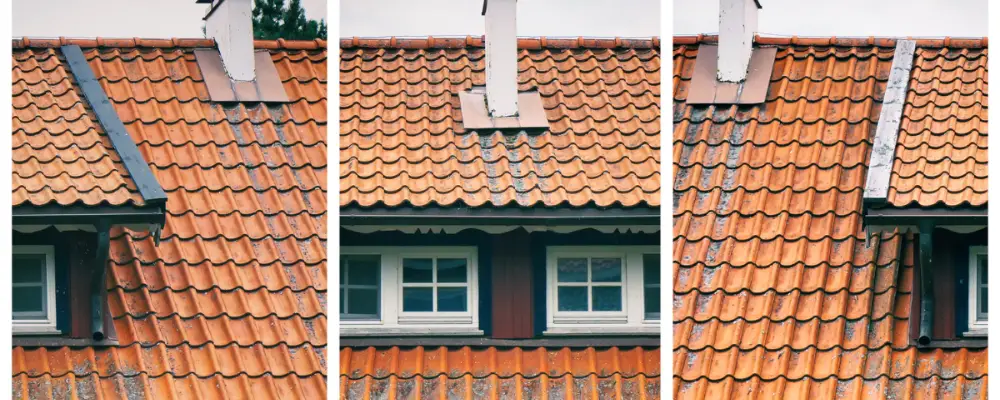
Home Blog Page 36

Understanding Green Cement: Types, Benefits, and Applications

0
Green Cement

Have you ever heard about green cement? If you have not, there is no need to worry, as this blog will help you understand green cement, along with its types, benefits, and much more. But, why consider green cement other than conventional cement? This is why. Nowadays, people are looking for sustainable options in every product they use, which is a great thing to appreciate.  

Similarly, green cement is an eco-friendly option which reduces carbon footprint and is composed of waste materials. As a property owner, you can also choose this sustainable alternative and reduce carbon emissions in the environment. 

Don’t delay. Keep reading to find out how it is beneficial for your new property and the Mother Nature. 

What is Green Cement?

Green cement, specifically, refers to a type of cement manufactured and created to cause less harm to the natural environment. Conventional cement, widely used in the construction of buildings, roads, and bridges, contributes roughly about 8% towards global CO₂ emissions. This is because its manufacturing process requires a lot of energy and results in an equal amount of CO₂ being emitted. Green cement is manufactured using materials that reduce the production of carbon emissions. Some of these materials consist of waste products extracted from factories in their production processes, including fly ash and slag. This not only helps reduce pollution but also offers economic feasibility.

Types of Green Cement

There are many types of green cement, and each one of those helps the environment in a different unique way. 

Ekkomaxx Cement

Ekkomaxx cement is one of the main green cement types, reducing up to 50% CO₂ emission and uses only 60% of energy required by conventional Portland cement. Manufactured from the residual waste of other industries left during production, fly ash, or slag, such cement is strong and eco-friendly; therefore, it is ideal for use in durable projects. In addition, this type is efficient since its production entails less energy, hence making it cost-effective.

Magnesium Oxychloride Cement

One such greener alternative is magnesium oxychloride cement, more commonly referred to as Sorel cement. It eliminates the use of limestone, instead manufacturing it with a combination of magnesium oxide and magnesium chloride. The process of manufacture does not require such high temperatures; which results in lower energy consumption. Inherently, by this very nature, it has a much lower carbon footprint. Flooring, walls, and fire-resistant areas are manufactured using this type of cement due to its strength and flame retardance properties.

Geopolymer cement

The geopolymer cement results from a specific chemical action between the so-called aluminosilicate materials and an alkaline solution. This process, not requiring high temperatures, emits significantly less CO₂. Another very green attribute of the geopolymer cement is the ability to utilize waste material such as fly ash. It is highly resistant to chemicals; hence, it can be used in applications where normal cement would degrade.

Ferrocrete

Ferrous concrete, more popularly known as ferrocrete, is green cement with a mixture of steel fibres or mesh. These sorts of steel products add extra strength to the concrete. With reduced use of natural resources in the mixture of cement, it helps reduce environmental damage. This can help a great deal in projects that involve very strong materials, like bridges or water tanks.

Calcium Sulfoaluminate Cement

CSA cement is made at a considerably lower temperature, about 1,250°C, compared with conventional cement at 1,450°C. This lower temperature significantly reduces energy consumption and carbon emissions. That means much lower energy consumption and lower CO₂ given off. CSA cement sets fast and hardens to high strengths with minimal drying shrinkage. It’s perfectly suited to rapid construction applications, such as highways and airports.

Sequestrated Carbon Cement

The formulation of sequestrated carbon concrete is made to sequester C02 during the curing process of this type of cement. That means that instead of releasing C02 into the atmosphere, the concrete absorbs it during its curing stage, thus contributing to a significant reduction in its carbon footprint. It’s a new technology that will help cut down the total amount of CO₂ in the atmosphere.

Portland Cement Prepared with Superheated Vapor

In this process, steam is superheated above its boiling point to make cement. This process uses superheated steam out of the combustion of fossil fuel to decrease energy consumption in cement production; therefore, it is less polluting and energy-resource than the end product.

Hydrothermal Liquid-phase Densification

Waterproofing with high pressure and at a higher temperature is the technique used herein to make the cement denser and stronger. The process involves less heat compared to conventional cement production; hence, a reduction of CO₂ emission. This process also makes the cement much more durable and long-lasting, which translates into fewer repairs over time.

How is Green Cement Made?

Green cement is manufactured with waste materials through the application of less energy-intensive processes; in the manufacturing process of conventional cement, for instance, there is a need to heat limestone at a very high temperature in kilns, with the effect of too much CO₂ being released to the atmosphere. In green cement, a certain portion of the limestone is substituted with other recycled materials such as fly ash, slag, and silica fume, decreasing the consumption of limestone. This helps to lower the amount of CO₂ emitted.

There are several ways in which Green cement is produced, including using lower-temperature processes. Some green cement, like CSA cement, is made at lower temperatures than conventional cement; therefore, it saves energy. Other types, like geopolymer cement, do not require high temperatures at all. These modifications open the gates for cleaner production and a greener future for cement.

Advantages and Disadvantages of Green Cement

Advantages:

  • Reduces Carbon Emission: Green cement can reduce CO₂ emissions by up to 40%.
  • Energy Efficiency: Some types, like the Ekkomaxx, use as little as 60 per cent less energy.
  • Reutilization of Waste: Green cement can utilize industrial wastes such as fly ash and slag, reducing the need for raw materials.
  • Durable: most types of green cement have superior durability and strength compared to conventional cement.. 
  • Waste Material: Green cement uses an enormous quantity of waste materials to reduce the extraction of raw materials, hence saving natural resources.

Disadvantages:

  • Higher Costs: Green cement is more expensive than its regular counterpart due to the advanced technologies involved.
  • Limited Availability: Not all types of green cement are readily accessible to all regions.
  • Longer Setting Times: Some green cement, such as geopolymer cement, may have longer setting times, which could delay construction.

Applications of Green Cement:

It can be used in a wide range of applications from constructing houses to roads and even bridges. Besides its remarkable tensile strengths, it can also be used in high-stress areas like factories or by the sea, where the cement comes into direct contact with saltwater. Green cement has increasingly been adopted across various applications in ‘green’ construction projects, especially the ones that are environmentally friendly.

Green Cement Scope

Green cement works in unison with the awareness of people towards the impact brought about to the environment by construction. More and more governments want to reduce CO₂ emissions, as well as companies that will take part in the difference it makes. Because it is strong and durable, green concrete can make buildings that need fewer repairs and therefore save resources over time. 

Sustainability of Green Cement 

Green cement is an essential component in contributing to the sustainability of the construction industry.. It allows for up to 85% reduction in the amount of CO₂ emitted at production, considered very important in dealing with climate change. By recycling waste materials, green cement reduces the need for mining and quarrying raw materials, such as limestone. In the future, there will be more and more people and companies that will want to take responsibility for building scientifically; they require green cement for construction.

Conclusion

Green cement is really innovative and much more eco-friendly compared to standard ones. Due to the inclusion of more recycled materials and more energy-efficient ways of production, green cement contributes to a reduction of CO₂ emissions, which are harmful to the Earth, thus lowering the general environmental impact of construction. As technology advances, the acceptance and adoption of green cement are expected to increase, thus helping to leave the construction industry cleaner and more sustainable for the next generation.
Air Entrained Concrete: Benefits,and Mechanism Explained

0
air entrained concrete

Concrete has evolved so much over the years. By adding various admixtures, and introducing new mixing techniques, it has undergone numerous changes. Furthermore, it has been optimised according to temperature conditions and various applications. One such type is air-entrained concrete, which utilises the mechanism of air bubbles. 

In this blog, let’s explore further about this interesting concept and why we need air bubbles in the concrete mix.

What is Air Entrained Concrete?

Air-entrained concrete refers to a concrete mixture characterised by the intentional introduction of tiny air bubbles to enhance its properties. These air bubbles are created by adding air-entraining agents during the mixing process, which may include various admixtures, such as:

– Vinsol (resin-based admixtures)
– Darex (synthetic surfactants)
– Teepol (anionic surfactants)
– Polycarboxylate-based admixtures

The recommended air content in concrete exposed to freezing and thawing conditions is generally between 5% and 7% by volume. While some specifications may indicate a range of 4% to 8%, the most common standard for exterior concrete subjected to freeze-thaw cycles is indeed centred around 6%. It is essential to note that for some specific applications, such as decorative stamped concrete, a lower air content of around 4% is often recommended to ensure proper finishing without compromising durability.

Application of Air Entrained Concrete 

Freeze-Thaw Prone Areas

Climatic conditions can weaken the strength of concrete. In regions where room temperature is unstable, frequently changing between extremely high and low temperatures, concrete loses strength. In these cases, when air bubbles are created in the concrete, it becomes more resistant to cracking and scaling. Thus, Air entrained concrete is ideal for:

– Northern climate construction (regions with harsh and cold climates)
– Coastal and marine structures (If freezing temperatures involved)
– Water treatment plants
– Freeze-thaw prone areas

Air-entrained concrete has the ability to combat damages caused by temperature fluctuations.

Infrastructure Developments

Compared to other types of concrete, air entrained concrete has better workability. This is due to air bubbles within concrete mix which act as a smoothing agent among ingredients. This results in better pouring of concrete and placement of concrete mix in the desired place. Due to its workability, increased resistance to cracks and scaling, it can speed up infrastructure projects and lower maintenance costs. Therefore, air entrained concrete is ideal for:

– Highway pavements
– Airport runways
– Parking garages
– Building foundations and walls

This ensures successful completion of infrastructure projects while maintaining structural uniformity.

Why Use Air Entrained Concrete

Air entrained concrete is specifically designed for regions prone to freeze-thaw cycles. The air bubbles within concrete act as a key to resistance against these cycles. Consider areas with extreme temperature fluctuations – scorching hot or bitterly cold, or constantly shifting between the two.

During freezing temperatures, water inside concrete expands by 7% as it turns to ice. This expansion creates internal pressure, causing cracks as water seeks to escape. When temperatures rise, the ice melts back into water. This constant freeze-thaw cycle damages concrete.

Air entrained concrete solves this issue. The air voids provide space for water to expand when it freezes, which relieves the internal pressure and prevents cracking. This makes air entrained concrete crucial for areas with poor and adverse climatic conditions.

Advantages of Air Entrained Concrete

Improved Freeze-Thaw Resistance

Air bubbles reduce damage from water expansion during freezing which increases durability.

Enhanced Workability

The incorporation of air bubbles in air entrained concrete facilitates smoother pouring and precise placement.

Increased Resistance to Scaling

Air entrained concrete can reduce water permeability and it prevents scaling and potential damages.

Reduced Shrinkage

Air bubbles compensate for shrinkage, thereby minimising overall shrinkage cracks.

Improved Durability

Air entrained concrete’s enhanced durability withstands chemical attacks, abrasion, and erosion.

Lower Maintenance Costs

By minimising repair needs and extended lifespan, air entrained concrete lowers long-term maintenance costs.

Increased Structural Integrity

Air entrained concrete ensures safer structures through improved resistance to cracking, scaling, and degradation.

Disadvantages of Air Entrained Concrete

Reduced Compressive Strength

Air bubbles in the concrete introduce numerous voids, which in turn affect concrete’s compressive strength. Hence, air entrained concrete is not ideal for heavy construction works.

Lower Unit Weight

Increased air content reduces concrete’s unit weight, potentially affecting structural calculations.

Increased Cost

Air entraining agents themselves are not particularly expensive, but quality control, proper mixing techniques, and ensuring uniform air void distribution during large-scale production can slightly increase costs. However, in regions requiring freeze-thaw protection, these additional costs are often justified by the longer lifespan and reduced maintenance.

Difficulty in Achieving Desired Air Content

Air bubbles must be of optimal diameter. If excessive, large voids form, it compromises concrete strength and structural integrity. So, air entrained concrete requires careful mixing and control.

Air Loss During Transportation

Air entrained concrete is susceptible to losing air content during transportation due to vibrations and pressure changes. Modern practices like the use of stabilising agents or continuous mixing help minimise air loss during transportation. Also, appropriate quality control measures ensure that the required air content is maintained.

How is Air Entrained Concrete Made

The four primary ingredients of air entrained concrete are cement, coarse aggregates, fine aggregates and water, which remain the same as normal concrete. However, an air-entraining agent (AEA) is added to create air bubbles to achieve its purpose.

Batching: Cement, coarse aggregates, fine aggregates, water, and air-entraining admixtures are measured and combined.

Mixing: Ingredients are blended precisely to create a uniform mixture.

Air Bubble Formation: AEA reduces surface tension, generating air bubbles (1-4 mm diameter).

Air Void Distribution: Mixing energy distributes air bubbles evenly throughout the mixture.

Vibration: Drum vibration ensures uniform air bubble distribution.

Casting: Mixed concrete is poured into forms.

Finishing and Curing: Standard concrete finishing and curing process follow.

Thus, the air-entraining agent is the main role player in air entrained concrete, which gives numerous benefits and helps mitigate damages due to adverse climate conditions.

Mechanisms of Air Entrainment in Concrete

Void Creation

Air entrainment in concrete begins with void creation. It starts with the addition of AEAs that facilitates air bubble formation in the mixture through reduced surface tension. The AEA ensures these bubbles remain stable, preventing collapse or merging.

Void Stabilisations

Stable air bubbles are essential in this concrete. AEAs make this happen by smoothing the water-air interaction. Air-entraining agents work by reducing the surface tension between water and cement, which creates stable, well-distributed air voids that don’t merge or collapse. The stabilising film around these bubbles prevents them from coalescing during mixing and placement.

Effects on Concrete Properties

Air entrainment concrete affects concrete’s physical properties. Notably, 1% air entrainment typically reduces compressive strength by 5-10%. However, it improves workability by enhancing mix consistency. Moreover, the air voids provide relief from freeze-thaw pressure, enhancing durability.

Key Factors Influencing Air Entrainment

Several factors influence air entertainment’s effectiveness. Optimal AEA dosage is crucial, as excessive or insufficient amounts compromise air void stability. Mixing energy also plays a vital role, ensuring even air bubble distribution. Additionally, water content affects air bubble stability, requiring careful control.

Conclusion

To conclude, air entrained concrete acts as a shield in protecting buildings from harsh cold climates. But it requires controlled mixing and techniques to achieve its full quality. This leads to infrastructure that lasts longer, performs better, and keeps communities safe.

FAQs

1. How does Air Entrained Concrete work?

AEC air bubbles reduce internal pressure, thereby preventing cracks and damage. This increases its resistance to freezing, thawing, and de-icing salts.

2. Does Air Entrained Concrete affect compressive strength?

Yes, AEC’s air bubbles slightly reduce compressive strength. However, its benefits in durability and resistance overcome this limitation.

3. Is Air Entrained Concrete expensive?

AEC’s initial cost is slightly higher than regular concrete. However, its long-term durability and reduced maintenance needs compensate for the extra expense.


How Many Doors and Windows as per Vastu

0
how many doors and windows as per vastu

Vastu Shastra guidelines are essential to be followed for doors and windows in a home. It is a typical truth that all the energies flow in and out through these windows and doors. There is a belief that they should be placed in a specific direction to acquire a wealthy and healthy lifestyle.

Homeowners or builders who wish to make a Vastu-compliant home should pay close attention to the placement of doors and windows. In addition to letting in proper air and sunlight, they also help to create positive energy inside the home.

So, if you are engaging in building a new home or renovating the old one, here are some Vastu tips you should follow for placing the doors and windows.

Ideal Number of Doors as Per Vastu

As per the Vastu, positivity and wellness are associated with even numbers. Vastu experts also say that the number of windows and doors in a home should be placed in even numbers. It means in multiples of two, four, six, etc. However, even numbers like 10 or multiples of eight are not recommended.

Guidelines for the Total Number of Doors in a House

As mentioned above, the number of doors and windows should be in even numbers but not ten or multiples of eight. When counting the numbers, there are some rules to follow as per Vastu. 

  • The doors outside the home and the main gate will not come under the count. 
  • If your home contains two flanged doors, it has to be considered as one door.
  • Some house entrances may seem without doors, in case if they are engaged with an enclosed passage, then they are counted as doors. 
  • Any doors that don’t touch the ceiling do not come in the door count.

Here is the table that explains the number of doors in a house and their effects:

No. of DoorsEffects
2 DoorsMoney and growth flow
4 doorsCauses extended life
6 doorsGood child bearing
8 doorsWealth development
11 doorsDestruction of the good fortunes
12 doors2x Business growth
14 doorsIncrease in wealth

Ideal Number of Windows as Per Vastu

Similar to doors in a house, prefer an even number of windows, such as two, four, six, and so on. However, you should avoid the even number 10, which is not recommended. It is essential to keep the window size as per the Vastu Shastra without any variations for best results.

Recommended Number of Windows in Different Rooms

According to Vastu, the recommended number of windows can vary for every room. The alignment of the number of windows can influence the positive vibration in the home. Below are the suggestions based on the Vastu belief: 

AreaNo. of WindowsPlacement
Bedroom2 WindowsOne in the north or east direction as another in the south or west direction for natural sunlight. on the same side, you can keep your medication for any kind of emergency
Living Room2 or 3 WindowsWindows in the north, east or north-east direction allows positive energy and natural light enter the room.
KitchenAt least one windowNorth or east direction is recommended for ventilation and natural light.
Study RoomAt least one windowEast or north direction for good focus and concentration.
BathroomOne windowEast or north direction for allowing natural light and ventilation.

Vastu Shastra Tips for Doors and Windows

Here are some additional Vastu Shastra tips to be followed for best results:

  • Plan the entrance in the direction such as east, north, or west. To reduce the influence of negative energy and bad impacts, avoid placing doors or windows in the south and southwest directions. 
  • Compared to other doors, the main door should be the largest in the home.
  • To attract positive energy inside the home, place the statues, poles, plants, or other objects in front of the main door.
  • Every window of a home should be of appropriate height and symmetrical shape. Uneven sizes are considered unlucky.
  • Ensure that the windows and doors are made from the same material, especially teakwood, for good luck. Avoid using metal frames and neem wood for making the main door; they are believed to be unlucky.
  • It is important to verify that the house has proper ventilation inside. Bringing natural light and fresh air will make space more comfortable and healthy.

Do’s and Don’ts for Doors and Windows as per Vastu Shastra

Do’s

  • Doors need to be placed off-center or in the extreme corner.
  • Considering rectangular windows are better than square windows
  • Ensure the doors inside the home are the same size. If you plan for the largest door inside, then place it in the side or southwest direction of the house.
  • Windows in the south direction are best to avail natural light and ventilation all over the house.

Don’ts

  • Avoid placing any negative influences or obstacles near the main door, such as garbage, shoes, or a septic tank.
  • Don’t plan for doors or windows in the odd numbers or multiple of eight.
  • Never keep any broken windows, glass, or doors inside the home as per the Vastu Shastra.

Final Lines

When installing doors and windows, it’s essential to follow Vastu’s tips for optimal results. Optimal placement of things creates positive vibration and good luck in your home. This arrangement allows smooth air flow, and natural light falls inside the living space.

Vastu for Bedroom Design: Essential Tips to Create a Harmonious Space

0
Vastu for Bedroom

With the digital world’s never-ending demands on our time, each of us require good quality sleep. Among all the spaces in your home, the bedroom holds special importance. It is the place where you rest after your busy schedule to restore your energy for a fresh day. Besides improving your concentration and productivity, resting well improves your immune function, psychological health and aids in maintaining physical well being. Thus, it is important to create an environment that encourages sleep. 

The design and layout of your bedroom has a significant impact on your mind, health and relationships. Therefore, creating a space following the Vastu rules enhances harmony, promotes sound sleep and creates an environment that fosters positivity. From the direction of the windows and choice of colours to placing your bed, these small adjustments can make a huge difference in the energy flow of the room.

This blog focuses on guiding you through the essential tips on Vastu for bedroom design, helping you create a space that boosts the aura of the room, bringing balance and peace to your lives. Whether you are designing a new bedroom or want to make changes, this blog will help you achieve a tranquil and harmonious living space.

Why Build Your Bedroom According to Vastu?

Vastu, a science of balance, shapes your spaces with harmonious energies, influencing productivity and prosperity. Since your bedroom is an essential place for rest and relaxation, the space plays an important part in your psychological and physical rejuvenation. Following Vastu principles while designing your bedroom, and placing your bed as per Vastu ensures the flow of positive energy within the space, promoting better sleep, health and emotional balance. Besides, a Vastu-compliant bedroom uplifts your spirits and enhances functionality.

Moreover, if your bedroom follows the rule of Vastu, it offers a sense of tranquillity. Proper bed direction for sleeping, furniture, windows and lighting eliminates negative energy, promoting a calm environment. Furthermore, maintaining Vastu guidelines promotes harmony in relationships by fostering positivity and emotional stability. It’s beneficial for couples as Vastu-aligned bedrooms strengthen the bond between spouses. By following Vastu principles for your bedroom, you can create a nurturing environment that supports relaxation, well-being and harmony in your personal life.

Ideal Bedroom Placement According to Vastu

Tips for Master Bedroom Direction as Per Vastu Shastra

According to Vastu Shastra, the southwest corner of your house is the best direction for your master bedroom. Bedroom Vastu suggests having plenty of windows on the east and northern walls. Besides, doors must open at 90-degrees. Ensure that you do not design your bedroom in the northwest direction of your house. Since the southeast direction stands as the fire or Agni quadrant of your house, it’s not an ideal direction for your bedrooms. Having your master bedroom in the southeast direction will lead to quarrels and misunderstandings. Opt for single doors, as it’s ideal as per Vastu, and ensure to place them on the north, east or west walls.

Tips for Guest Bedroom Direction as Per Vastu Shastra

According to Vastu, the northwest direction is the most suitable for your guest bedroom, while the sleeping position should be towards the west or south part. However, if your house lacks the space in the northwest direction, you can design your guest bedroom in the southeast corner of your house.The south stands as the best sleeping direction as per Vastu. Place all the electronic items, such as televisions on the southeast wall. 

Tips for Kids’ Bedrooms as Per Vastu Shastra

Most homeowners often forget to maintain Vastu principles while designing their kids’ bedrooms. Your kid’s bedroom has equal importance, as it helps foster a loving and nurturing environment for your children. The western part with the door facing the east is the best for your kid’s bedroom. Your children’s room must have their bed according to Vastu Shastra. The west or the southwest corner of the room is the best sleeping direction, as it brings good health and fortune. Place your kid’s study desk to the west or southwest direction and the bookshelf in the northwest direction.

Vastu Tips for Your Bedroom Layout

Bed Direction According to Vastu

If you are looking to make your bedroom Vastu-compliant, your bed face as per Vastu must head towards the east or south for a sound sleep. Opt for a simple shaped bed with ample space around it. With ample space around your bed, you can move freely. Besides, you can experience free movement of energies in the room.

Bed Direction as per Vastu for Couples

Bedroom Vastu suggests young couples to place their beds in the northwest position. Ensure that you place the bed according to Vastu away from the corner, as it might hinder the energy flow. You must maintain a symmetry in your bedroom’s layout, especially regarding placing your bed and furniture. Moreover, do not clutter the northeast corner of the room with heavy furniture and objects. Furthermore, if you love placing décor items like statues and animal portraits, they must be in pairs. Although red is the symbol of passion, Vastu advises avoiding excessive red décor or bedding. Doing so might lead to overstimulation and conflict. Also, you must remove or cover all sharp objects, including the corners of furniture or exposed edges.

Sleeping Direction According to Vastu Shastra

Sleeping direction in Vastu is towards the south or east. These directions ensure you have a sound sleep and a long life. You can also sleep by placing your head in the west direction, as it increases your wealth and improves your reputation. You can generally sleep in whichever direction you want other than in the north. Sleeping with your head in the north direction can add stress to your life.

Vastu Tips for Bedroom Colours

Light rose, grey, green and blue are some of the most suitable colours for your bedroom. Alternatively, you can opt for colours like brown, yellow and cream, as these colours induce happiness. While blue imparts calmness to your place, green can help you with healing and growth. Avoid painting your bedroom in dark colours. Moreover, never use dark-coloured bed sheets and curtains, as they cause problems with your health.

Vastu Shastra Tips for Bedroom Flooring

Since bedroom Vastu considers wooden flooring auspicious, most homeowners are opting for the same. Opt for light coloured floorings such as beige, cream and light brown. Ensure that your flooring is smooth, free of cracks and other irregularities. If you have any broken or damaged flooring, repair it immediately. Moreover, avoid using flooring with excessive patterns or designs, as it creates visual clutter and can overwhelm the senses.

Vastu Tips for Bedroom Windows

Following the Vastu tips in bedrooms, your windows must be in the east or in the north direction, allowing ample natural light to enter the room throughout the day. Placing windows in these directions allows free flow of positive energies in your bedroom. Opt for a bedroom design to facilitate cross ventilation by placing windows in the opposite walls. Avoid placing heavy furniture or objects in front of bedroom windows. You must not opt for heavy drapes of curtains, as they block sunlight and airflow when drawn closed.

Vastu for Your Bedroom Wardrobe

Vastu must be followed for placement of heavy furniture, as it plays an important role in maintaining the balance in the room. If you want to place a wardrobe in your bedroom, it must be in the west or southwest direction. If you cannot place your windows in any of these directions, place them in the northwest wall of your bedroom. However, ensure to place your safes and lockers in the southwest direction as this is considered to be prosperous.

Conclusion 

Since your bedroom is the place where you spend a lot of your time, you must design it following the Vastu principles to ensure harmony. If our bedroom isn’t Vastu-compliant, you can make small changes to harness the cosmic energy, creating a positive and peaceful space. Following the Vastu tips discussed in this blog will make sure that you start your day with a positive attitude. Embrace the right bedroom Vastu principles and transform your personal space into a sanctuary of harmony and well-being that promotes better sleep and overall well-being.

As a prominent and trustworthy construction firm, Brick & Bolt aims to make your dream home’s construction process smooth, memorable and efficient. The team of architects, designers and other professionals are experts in bringing innovative touches while following Vastu principles, ensuring every inch of your bedroom design is well thought of. Whether you want to design a new bedroom or redesign an existing one, Brick & Bolt’s team offers optimum support through their customer-centric approach and tech-enabled solutions. Contact Brick & Bolt to build your dream Vastu-compliant home today!

Exploring Landscape Architecture: Meaning, Importance, and Project Types

0
Landscape Architecture

Most people love having open spaces like patios, gardens and a cosy backyard to spend leisure with family, pets and friends. They find these open spaces perfect for creating memories, enjoying fresh air, playing small outdoor games and admiring nature’s beauty. Do you want to create a cosy garden in your small residential apartment or an open lawn in your farmhouse? Each of these projects requires creating a well-planned landscape design, integrating nature with human activities.

Planning and designing a landscape goes beyond beauty. With landscape architecture, you address major environmental issues like water wastage, erosion and preserving biodiversity. In an urban setting, the field of study reduces pollution and creates recreational spaces. It reconnects people with nature, improving their psychological well-being. In the rural sphere, landscape architecture supports eco-friendly land use, restoring natural habitats and promoting sustainable agriculture.

This blog focuses on the world of landscape architecture, helping readers to explore its meaning, importance and types. Whether you are a homeowner or an expert professional in city planning or a nature lover, this guide will help you discover how the field of landscape architecture shapes the world we live in.

What is Landscape Architecture?

Landscape architecture is a field of study and practice wherein qualified professionals design, plan, manage, maintain, rehabilitate and preserve outdoor and indoor environments of different sizes. As a professional landscape architect, your ideas influence the designs of outdoor public areas, structures and landmarks. The primary goal is to create environmental, social and aesthetically pleasing spaces after investigating existing geological, social and ecological conditions of the landscape. The complex field requires an extensive knowledge of design, combining the fields of engineering, architecture, botany, horticulture, sociology, psychology along with other branches of the arts and sciences. 

Modern landscape architects focus on the functions of the land, touching on aspects like urban designing and planning, private and residential master planning and designing. It further focuses on site Landscape planning, stormwater management, restoring nature and planning green infrastructure. These professionals involve conceptual design of spaces pertaining to public outdoor structures like streets, apartment compounds, shopping complexes, museums, schools, regional parks, gardens, playgrounds and cemeteries.

Importance of Landscape Architecture

Though professional landscape architects existed since the 1800s, it has emerged as an essential part of building and regeneration of natural environments only recently. Research shows that when you design with natural systems, you create resilient communities. These communities remain better prepared and quickly recover for emergencies like flooding. The research also points to the psychological benefits of people when we remain connected to nature, especially those dwelling in urbanised environments.

Enlisted are the key benefits that landscape design and architecture brings to communities.

Preserving nature

Most people love living amidst nature filled with trees and vegetation. You can find buildings in large cities and megacities covered under vegetation like plants and trees. Though today’s urban world largely consists of cement flooring and concrete walls, you can witness plants in various small places around them. Since people are more conscious about the environment today, landscape design is gaining more importance than ever before. Landscape architecture addresses issues regarding modern environmental concerns, preserves the environment and conserves natural treasures.

Stormwater Management

Today’s world is experiencing drastic climatic changes and pollution. These severely affect the freshwater supply in several areas, especially in urban settings with factories. Wetlands with biodiversity filter stormwater and control floods, but are becoming endangered now. The complex field of architecture and landscape protects wetlands, seeking solutions for natural water management.

Regeneration of Contaminated Areas

Today, we live in an industrialised world where we experience pollution every day, especially in areas with factories. Although factories are harmful, they are an essential part of a country’s economic growth. Factories generating huge amounts of waste and pollutants will leave the area unusable for longer even after the factory experiences a shut down. A landscaping professional can fix these negative effects through plantation and green design after an intense clean up.

Cleans Soil and Water and Purifies Air

The soil and water present around us contains high amounts of pollutants. Therefore, the water and soil requires early clean up through a process called phytoremediation. Phytoremediation is a cost-effective solution that involves direct use of living green plants to remove the contaminants present in soils, groundwater and surface water. Landscape architects provide professional advice to achieve this.

Better Care for Plants

Plants and trees are important for our survival, and landscape architecture helps in protecting and caring for them. They require the best quality soil, the right quantity of water and right level of sun exposure for their optimum growth. The field of study takes all these into consideration when advising the right plants for each site.

Types of Landscape Architecture Projects

Enlisted are some of the common types of landscape architecture projects.

Urban Landscape Architecture

The field strives to improve a city’s public spaces, including parks, plazas, streetscapes and pedestrian pathways. The professionals in these densely populated environments balance greenery with built structures, creating spaces that promote physical and psychological well-being. The architects associated with these projects include aspects like green corridors, tree-lined streets and open plazas. These features serve multiple functions, including beautifying the city, mitigating pollution and creating spaces for recreation and social interaction.

Residential Landscaping

Since renovating your house enhances your outdoor spaces, these come under residential landscaping projects. A residential landscape architect aims to create aesthetically pleasing and functional environments, complementing the architecture of your house. The architects often include features like planting, water bodies, walkways and outdoor seating areas. These features offer entertainment, relaxation and beautify your home. You can also include personal preferences, which in combination with the surrounding environment influence the design of your residential landscape, giving a uniqueness to your project.

Public Spaces and Recreational Areas

Creation of public spaces like parks, playgrounds, national parks, nature reserves and other recreational areas fall under this category of landscape architecture. These spaces created by architects provide enjoyment, relaxation and connect you with nature. Often, projects require incorporating certain elements such as playgrounds, trails and seating. These features encourage outdoor activities and foster community engagement, while preserving natural beauty.

Creating Sustainable Landscapes

Sustainable landscape architecture focuses on creating eco-friendly designs that help in conserving the resources and promoting environmental health. These projects  include incorporation of green roofs for reducing energy consumption and insulation, rain gardens for managing stormwater and xeriscaping that utilizes drought-tolerant plants for minimizing water usage. Whether it’s an urban or a rural setting, sustainable landscapes play a crucial role in addressing environmental challenges.

The Process of Landscape Design

While planning an architectural landscape design, you must consider the hardscape and softscape features of an area to make optimum use of the space. Your planning must consider privacy, maintenance, drainage system, cost, aesthetics and functionality. Your design’s purpose is to show the big picture about the development of the property over time.

When planning a landscape design, ensure to follow the enlisted steps:

Site Analysis

It is the first step of planning wherein you must survey the property and take note of the existing features. These include the hardscapes, elevation of the property, existing planting and drainage systems. Ensure the assessment of utilities, including gas lines, cables, drywells and other similar lines during this phase.

Conceptual Planning

Here, you must create an initial layout depicting all the softscape and hardscape. Hardscape refers to all the permanent and static features, including pools, patios, walkways, driveways and retaining walls. The softscape, on the other hand, refers to all the dynamic or changing features, such as planting and vegetation. It also includes determining whether you want to create a formal, an informal space with modern styles or a traditional look. The step is crucial, as you can still discuss each aspect of your design and alter them as required. An expert landscape designer ensures that all the elements in a space coordinate with each other to make the design functional.

Master Planning

After your conceptual plan gets approved, the designer will draft a scaled-to-size master plan or blueprint depicting the layout of the hardscape and softscape. Your blueprint must have the detailed listings of hardscape and plant materials along with their sizes, quantities and specifications. Generate a computer rendered image to showcase your complete design to your clients for better understanding. 

Implementation

This is the final and long-term step, which might even take several months or years. With a blueprint of the landscape design, the process becomes simple and easier, making your project much more enjoyable.

Conclusion

Whether you live in an urban or a rural setting, landscape architecture plays an essential role in shaping the quality of life. From enhancing the beauty of your homes to creating functional public spaces, the complex field of architectural landscape design combines functionality, sustainability and architecture of the space. In the current urban setting, the field of study addresses existing environmental issues to foster well-being and connect communities with nature.

We are experiencing rapid urbanisation and environmental challenges, making landscape architecture more vital. It is crucial to explore and appreciate the transformative power of well-designed landscapes and contribute towards creating healthier and sustainable living environments for future generations.

Brick & Bolt, as a prominent construction company in India, offers top-tier landscape designing. With a focus on blending functionality, aesthetics and sustainability, our designers and architects create innovative outdoor spaces tailored to their clients’ unique needs and preferences. From residential gardens to large commercial landscapes, the expert team of professionals will transform the environment with cutting-edge designs, keeping in mind environmental balance and beauty. The professionals’ commitment to excellence, attention to detail and innovative approach have helped Brick & Bolt emerge as a trusted partner for all landscape architecture projects.

Flagstone Flooring: know its Durability, Costs, and Benefits

0
Flagstone Flooring

Among the currently popular natural stone materials used for flooring, both indoor and outdoor, are flagstones. Individually, flagstones are made of different sedimentary rocks split into thin, flat slabs. In the choice of option, these stones stand among the best due to their durability, non-slip texture, and aesthetic virtues. The composition of flagstones includes natural tones from the earth; hence, their aesthetic appeal is added to places since they provide practical benefits like longevity and low maintenance.

Available in several colours, patterns, and finishes, flagstone flooring can be custom-made according to design preferences. It is commonly available in thicknesses ranging from ¾ inch to 1½ inches; these slabs can be installed using a dry-laid method or set in mortar methods. This versatility makes flagstone suitable for heavy-traffic areas and decorative spaces, increasing its demand for both residential and commercial construction.

Types of Flagstone

Different types of flagstones exhibit different properties, which basically depend on the geological composition of flagstones. The following are some of the common types used for flooring.

Slate

The Slate is a fine-grained metamorphic rock that breaks readily along parallel cleavage planes into thin, strong sheets and has been traditionally used for flagstone. The composition is mainly quartz and clay minerals, which give the slate a high compressive strength of about 379.3 to 448.3 kg/cm² (5,500-6,500 pounds per square inch). Natural slate flagstones provide a non-slippery, cleft surface. While there is colour variation, normally ranging from dark greys through greens, and purples to reds, it is a good material to work with visually.

Key Properties:

  • Water Absorption: 0.2% to 0.5%
  • Density: 2.56 to 2.88 g/cm³(160-180 lbs/ft³)
  • Compressive strength: 37.93 to 44.83 MPa (5,500-6,500 psi)

Sandstone

Sandstone flagstones are made up of mineral particles in the size range of sand and are mainly made up of quartz. The compressive strength is from 27.58 to 41.37 MPa (4,000 to 6,000 psi); sandstone is quite hard, resistant to weathering, and for this reason, very well adapted for outdoor usage in patios and walkways. Sandstone is picked up from earthy tones like beige, brown, and even reddish in tone. The surface is naturally rough in texture, further amplifying the slip resistance.

Key Properties:

  • Water absorption: 1.0% to 6.0%
  • Density: 2,240 to 2,480 kg/m3(140-155 lbs/ft³) 
  • Compressive strength: 27.58 to 41.37 MPa(4,000-6,000 psi)

Basalt

Basalt is a dense volcanic rock with very good durability for applications using flagstones. Compression resistance in basalt flagstones is relatively high, normally more than 103.42 MPa(7,500 psi). The flagstones of basalt are common in darker colours, such as black and grey. The non-porous surface resists water absorption; hence, basalt will be ideal for lying around areas that have much moisture, like pool decks or garden pathways.

Key Properties:

  • Absorption of water: Less than 0.3%
  • Density: 2,880 to 3,215 kg/m3 (180-200 lbs/ft³)
  • Compressive strength: 51.72 MPa+ (7,500+ psi)

Quartzite

Quartzite is characterised as the metamorphic enhancement of sandstone, which has a lot of quartz in its mineral composition. Additionally, it really demonstrates high compressive strength up to an extreme of 103.42 MPa(1,034.2 kg/cm²) which makes it one of the top materials for use in flagstone floors. Quartzite is heat-, water-, and stain-resistant, and is available in various shades including white, grey, and pink.

Key Properties:

  • Water Absorption: 0.1-0.5%
  • Density: 2,560 to 2,720 kg/m3 (160-170 lbs/ft³)
  • Compressive strength: Up to 103.42 MPa (15,000 psi)

Limestone

Limestone is another common sedimentary rock which happens to be primarily consists of calcium carbonate. The compressive strength of such flagstones is from 4000 to 8000 psi; this means that they are relatively hard wearing but still softer than basalts and quartzites. A bit softer and more chalky, this material is considerably in use for flags due to the reasons mentioned above, which are quite applicable for walkways, patios, and indoor flooring. Limestone flagstones are available in all shades of colour except very dark tones: beiges, creams, and soft greys are quite typical of this material and give an ageless look to the flooring.

Key Properties:

  • Water absorption: 1.0% to 2.0%
  • Density: 2,240 to 2,480 kg/m3 (140-155 lbs/ft³)
  • Compressive strength: 27.58 to 55.16 MPa(4,000 – 8,000 psi)

Travertine

Travertine is considered to be a variety of limestone, and common to most limestones, it exhibits voids and textures which are similar to marble. Also, in most cases, it is weaker than quartzite or basalt, which has compressive strength somewhere between 17.24 to 34.48 MPa(2500 to 5000 psi). While using travertine for Pool decks or Patios, it is often observed that the surface heats up when the sun beats down on the deck, but the deck doesn’t feel hot on your feet. The colour range includes shades of tanned and beige, as well as light and bright colours, thus creating classy indoor and outdoor applications.

Key Properties:

  • Water Absorption: 2.0% to 3.0%
  • Density: 2,240 to 2,480 kg/m3 (140-155 lbs/ft³)
  • Compressive strength: 17.24 to 34.48 MPa(2,500-5,000 psi)

Bluestone

Bluestone is a dense variety of sandstone that is strong and wear-resistant, making it well-suited for indoor applications, especially wall flooring. It has a compressive strength of about 41.37 MPa(6000 psi); hence bluestone will be preferred for walkways, patios and pool decks. It is available in blue, grey, and green colours, thus infusing nature into an elegant fashion in any design.

Key Properties:

  • Water Absorption: 1.0% to 2.5%
  • Density: 2,560 to 2,880 kg/m3(160-180 lbs/ft³)
  • Compressive strength: 41.37 MPa(6,000 psi)

Arizona Flagstone

Arizona Flagstone is a member of the sandstone family and is usually found in richly coloured varieties containing earthy shades such as red, brown and orange. It has become boundlessly sought after for exterior flooring due to its warm colours and natural cleft texture.

Key Properties:

  • Water absorption: 1.0% to 4.0%
  • Density: 2,240 to 2,560 kg/m3 (140-160 lbs/ft³)
  • Compressive strength: 34.48 to 41.37 MPa(5,000-6,000 psi)

Application of Flagstone Flooring

Outdoor Patios

Patios can often be made from flagstone because they resist the weather conditions outside and are aesthetically pleasing. Its slip-resistant surface and ability to bear extreme temperatures make it ideal for an outdoor living space.

Walkways and Pathways

Since flagstone possesses superior durability and slip resistance, it would be ideal for use around walkways and pathways. The big, flat stones provide an immense deal of stability, while the natural colour and texture changes offer an aesthetic design suitable to blend into natural landscapes.

Interior Flooring

Staying inside, flagstone is also used as interiors for entryways, kitchens, and living rooms to give an earthy or rustic look. Its natural thermal properties allow it to absorb and retain, making it a practical choice for homes in colder climates.

Pool Decks

Due to its non-slip texture, flagstone is also suitable for use in pool decks because of its moisture resistance. Basalt and travertine provide specific water absorption rates and hence are tough and long-lasting.

Flagstone Flooring Cost

It is costlier compared with other materials; it generally ranges from ₹30 to ₹150 per square foot, based on the stone type, the thickness, and the finish. It could cost even more due to the installation process, as these often involve skilled labour with proper preparation of the base. Other variables that may determine the cost include such aspects as the complexity of the design and the size of the project.

Advantages and Disadvantages of Flagstone Flooring 

Advantages 

  • Durability: Flagstone can be highly durable, lasting over 50 years with proper care and maintenance.
  • Aesthetic appearance: Flagstone gives natural beauty and variation in colour that makes it popular for high-end design projects. 
  • Non-slip surface: Most of the flagstone types have a natural rough texture. It is excellent for serving outdoors when the surface is wet and watery. 
  • Low Maintenance: Besides being extremely beautiful, flagstone requires low maintenance. The surface needs some sealant treatment once every couple of years, which will protect the stone from further water damage and stains. 

Disadvantages 

  • High Cost: Material and installation costs are relatively high at the start in comparison to other flooring types like tile or concrete. 
  • Weight: Flagstone is heavy, and that may extend the time for its installation and consequently raise the cost, especially when it requires additional foundation reinforcement. 
  • Limited Availability: Some types of flagstones can be sourced only with considerable effort; this can increase material costs and project delays. 

Conclusion 

Flagstone floors offer an unbeatable combination of beauty, durability, and versatility. Be it for outdoor patios or even walkways, to say nothing of the interior, its inherent nature makes it an elite, fitting choice for a plethora of applications. Although flagstone tends to be more expensive upfront than other types of flooring, the benefits it yields in the long run-aesthetic value, durability, and minimal maintenance-render it a truly worthwhile investment in properties both residential and commercial.

Vacuum Concrete: Applications, Advantages, and Procedures for High-Strength Construction

0
Vacuum Concrete

Water is a key ingredient in the concrete mix, which gives it a fluid texture. But adding the right amount of water is critical. While a water-to-cement ratio of 0.38 initiates the chemical reaction, a ratio of 0.40 to 0.60 makes the mix easier to work with. For this, vacuum emerges as a solution that strikes a balance between these two needs and boosts strength. To explore this further,todays Brick & Bolt’s blog will shed light on vacuum concrete’s applications, procedures, and benefits. Keep reading.

What is Vacuum Concrete?

Vacuum concrete is a type of concrete that involves dewatering from freshly placed concrete using vacuum pressure before hardening. Vacuum pumps and mats are used to remove excess water from the concrete. After achieving the desired workability, excess water should be removed so that the concrete can enhance its durability and strength.

Components Required for Vacuum Dewatering of Concrete

Vacuum dewatering of concrete refers to the process of removing surplus water content from the surface of the concrete using vacuum pressure. The following are the major components required:

Vacuum Pump

Typically, a vacuum pump with a capacity of 5-10 HP is used. It creates controlled vacuum conditions to generate pressures and extract water from the concrete surface.

Water Separator

It is used to separate extracted water from air, preventing water re-entry into the vacuum system.

Filtering Pad

A filtering pad usually consists of porous fabric like muslin cloth and flexible sheet. It prevents debris, aggregates, and contaminants from entering the vacuum system. Moreover, it ensures cement and fine particles are not removed with water. The filtering pad must be at least 90 cm wide and 60 cm long.

Screed Board Vibrator

It supports the process by creating vibration which allows water removal, and further consolidates the mix to ensure levelling of concrete mix. This device has a 4.2-meter steel bar, spaced 250 mm apart, with a water-protected motor.

Procedure of Vacuum Concrete 

The vacuum concrete process involves several key steps, which are described below:

  1. The basic ingredients of concrete are mixed together to achieve a slurry texture, just like in normal concrete. This mixture is then transferred to the formwork.
  1. Next, a screed vibrator is used to create vibration and compaction in the concrete, allowing water extraction to occur.
  1. After surface vibration, filter pads are placed on the fresh concrete, leaving approximately 4 inches of concrete exposed on all sides.
  1. A suction mat top cover is then positioned over the filter pads, covering the concrete completely.
  1. The vacuum pump is connected to the top cover via a suction hose, and once activated, generates a vacuum of approximately 0.08 MPa.
  1. As the pump operates, a vacuum is created between the top cover and filter pads, compressing the concrete and squeezing out excess water. 
  1. This process reduces the water content in the concrete by 15-20% and decreases the concrete layer depth by up to 3%.
  1. The dewatering process typically takes around 1-1.5 minutes per cm of concrete thickness, with the pump running for 15-20 minutes.
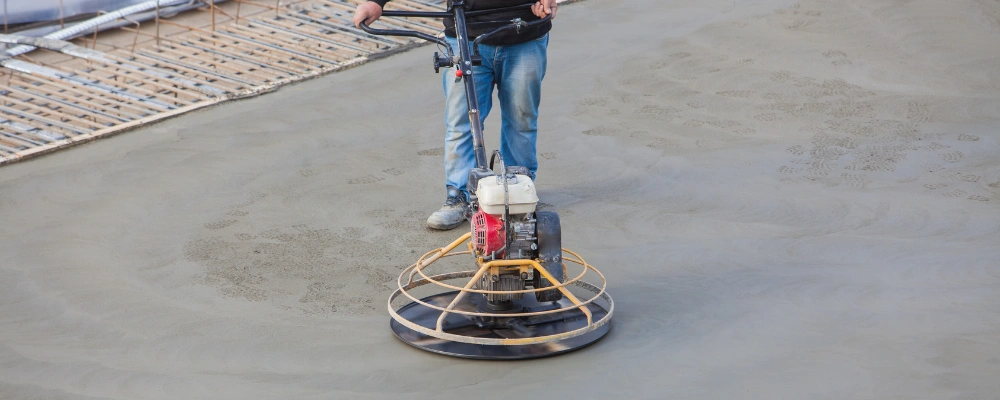
  1. Once dewatering is complete, the concrete is levelled and smoothed using a power trowel and power floater machine. 
  1. The resulting concrete now has enhanced strength and is ready to set.

Advantages of Vacuum Concrete

  • A key benefit of vacuum concrete is that workability and strength can be achieved simultaneously.
  • The reduced water-cement ratio increases compressive strength by 10% to 15%.
  • Vacuum concrete is highly durable compared to normal concrete.
  • As excess water is removed, it becomes highly resistant to corrosion attacks.
  • Due to its high compressive strength, vacuum concrete prevents water infiltration through the concrete in the future.
  • Being void-free, vacuum concrete minimises shrinkage issues.
  • Additionally, cement sets faster, allowing for quicker formwork removal.
  • The finished floor is level, smooth, and has an even surface.
  • Vacuum concrete exhibits high wear and tear resistance.
  • Overall, vacuum concrete provides superior durability, it’s one of the high density concrete compared to normal concrete.

Disadvantages of Vacuum Concrete 

  • Vacuum concrete needs special machines and trained workers, which can be expensive.
  • The vacuum process uses a lot of energy which increases electricity costs.
  • Vacuum concrete is very dense, making it hard to add reinforcement.
  • Vacuum concrete can shrink and crack if not done correctly.
  • Vacuum concrete is not suitable for complex or irregular shapes, it is mostly

suitable for flat surfaces.

  • The process generates noise and vibrations, potentially disturbing nearby areas.
  • Specialised formwork may be needed to achieve desired shapes.
  • Vacuum equipment needs regular maintenance, adding costs and repairing damaged vacuum concrete also requires special techniques.
  • Vacuum concrete requires longer curing times due to its density.

Application of Vacuum Concrete

Vacuum concrete has a wide range of applications, some of which are listed below.

Structural Components

High-strength buildings and bridges benefit from vacuum concrete’s enhanced compressive strength, ensuring structural integrity.

Water-Resistant Constructions

For water-resistant constructions such as water tanks and swimming pools, vacuum concrete is the preferred material.

Industrial Flooring

Vacuum concrete’s durability minimises maintenance costs for industrial floors in warehouses and factories.

Precast Components

Precast building components, including walls and roofs, rely on vacuum concrete’s precision and durability, ensuring a long lifespan.

Marine Infrastructure

Marine structures, like seawalls and docks, are protected from seawater corrosion with vacuum concrete.

Heavy Foundations

Specialised foundations for heavy machinery require vacuum concrete’s high load-bearing capacity, providing stability.

Architectural Designs

Complex architectural designs and curved shapes can be achieved with vacuum concrete’s precise forming capabilities, allowing creative freedom.

Infrastructure Repair

Vacuum concrete’s long-lasting properties extend the lifespan of repaired infrastructure, including roads and bridges.

Pavements

Vacuum concrete is suitable for pavements, supporting heavy vehicle traffic in parking lots and other high-traffic areas.

Conclusion

Vacuum concrete is the optimal choice, offering workability and high compressive strength. Although its applications are limited, it provides the best solution for construction projects. By utilising efficient energy, vacuum concrete optimises concrete’s strength, water resistance, and durability, ensuring building structures last longer.

Is vacuum concrete expensive?

Vacuum concrete can be more expensive than traditional concrete due to specialised equipment and processing.

How does vacuum concrete differ from normal concrete?

Vacuum concrete is stronger, denser, and more durable than normal concrete due to reduced water and air content

What are the quality control measures for vacuum concrete?

Tests such as slump tests, compressive strength tests, and density measurements are taken to check the quality of vacuum concrete.

How long does vacuum concrete take to set?

It usually takes 12-24 hours but it depends on mixture and environmental conditions.

Sawtooth Roof: All You Need to Know About It

0
sawtooth roof

Choosing a unique roof style is the easiest way to improve the overall appearance of any building. Such a significant design is the sawtooth roof, which allows sufficient sunlight to enter a building without creating excess heat. Before the usage of electric lights, saw-tooth roof design was the primary choice for industrial buildings and factories.

This design comprises a series of ridges with dual pitches on either side. It became a popular choice for large industrial buildings.

There is so much to learn about saw-tooth roof style, which is explained in the below:

Types of Saw-tooth Roofs

Saw-tooth roofs are classified into various types, each with its own features and style. Herewith, some of the popular types have been explained below:

Single Sawtooth Roof

It is a series of skillion roofs containing sloping in one direction with vertical surfaces. It provides additional storage space for the existing buildings or structures. This roof type is particularly suitable for a taller wall. It transmits natural light into the building or factory and makes space brighter without any electrical lights.

Multi-Sawtooth Roof

The multi-sawtooth roof is characterised by a series of triangular shapes that are similar to the teeth of a saw. This design accumulates the features of glass panels, allowing natural light to enter the structure. It provides excellent ventilation, as the heated air can escape through the gaps in between the slopes.

Tips on Building a Sawtooth Roof

A sawtooth roof is made with sturdy materials like concrete, wood, or metal. Builders often consider this roof style during construction if they prefer natural light and ventilation as the major sources.

The beams of the roof are far longer and provided with extra reinforcement work. The dead weight of the roof is higher than the live weight. For achieving additional support, builders chase steel bracing to handle the roof’s open parts. They are sturdy and long-lasting.

One of the straightforward ways to frame this roof is by creating a series of ridges and valleys. Unlike asphalt shingles, the building structure is typically weak and often requires metal or slate to provide extra support.

Each section has a roof piece, which is titled at the right angle of 15 degrees. The gutters are another important factor to consider. Ensure they are strong enough to drain water when it heavily rains. If you would like to install box gutters, maintain them regularly to prevent them from falling or leaking.

At last, you must take extra concern about the snow fall on your sawtooth roof. It may lead to the formation of mold growth around the windows.

Applications of Sawtooth Roof in Construction

Due to its functional and aesthetic benefits, sawtooth roofs have become a recognized architectural choice. Here are some significant applications that you need to know:

Industrial Buildings and Factories

Sawtooth roofs provide a unique architectural style where the building requires natural light and ventilation. The glazed panels placed on the steeper slopes allow light deeper into interior space. Additionally, the open gaps between the slopes reduce heated air and provide a constant air flow.

Modern Residential Architecture

A sawtooth roof adds a rustic and modern look to your residential homes. Their angular lines and geometric patterns make the overall appearance awe-striking. The primary reason to use it in the modern structure is offering airy interior space and bright light. However, the alternating slopes on the roof improve privacy for homeowners.

Commercial and Public Buildings

Sawtooth roofs are often found in retail spaces due to their inviting atmosphere. The natural light penetrates inside the space to highlight products and draw customers’ attention. With ample natural light and a ventilated workspace, shops can experience increased productivity.

Advantages of Sawtooth Roofs

Let’s see the benefits offered by sawtooth roofs to buildings, such as:

  • Penetrates Natural Light: Glass panels are the primary component of a sawtooth roof, which allows natural light and ventilation on the inside. These panels not only look great by look but also protect buildings from ultraviolet radiation.
  • Provides Extra Space: Due to its lofty ceilings, buildings can avail spacious interiors. This is a major benefit offered by the sawtooth roof to the massive structures.
  • Creates Unique Design: Sawtooth roofs are functional and aesthetic appeal, which can quickly improve the look of any building. The designs are eye-catching and unconventional, perfect for modern, open-concept homes.
  • Energy Conservation: When a sawtooth roof has been installed correctly, it keeps a home warm in winter and vice versa in the heat of summer. Along with a natural light, it improves ventilation inside the home.

Disadvantages of Sawtooth Roof

  • Expensive: The construction of a sawtooth roof is more expensive than other roofing styles because of its complex design and increased material requirements. Undoubtedly, choosing an intricate design will raise your budget range, which typically involves material cost and additional labor cost.
  • Higher Maintenance: Sawtooth roofs may tend to rust. It is often made of metal and when the water or snow fall is not shed off easily, it requires high maintenance. This means that you need to replace or fix roofing often. During maintenance, it is important to note down the quality of materials used to replace older ones.

Materials Used for Sawtooth Roofs

Sawtooth roofs are constructed of various materials that provide excellent weather resistance, aesthetic appearance, and structural integrity.

Metal Roofing Sheets

Metal roofing is an ideal choice for sawtooth roofs, known for its exceptional durability and longevity. They are available in various materials, including copper, steel, and aluminum, each having its own properties and appearance. Metal roofing is extremely resistant to weather conditions, corrosion, and rust formation.

Glass Panels

Glass panels improve energy efficiency by allowing natural light to enter the building. It creates a modern and rustic look to any structure with increased ventilation inside. The energy consumption for artificial lighting is reduced, and no heat can be experienced.

Concrete and Timber Framework

This is the most commonly used framework, providing increased stability and structural support to the building. Both materials are recognised for their durability and longevity, providing unique architectural styles from modern to traditional structures.

Why do factories have sawtooth roofs?

Factories have sawtooth roofs to maximize natural light and ventilation. The design allows sunlight to enter through the vertical glass panels while minimizing direct heat, improving energy efficiency and working conditions.

Final Thoughts

Sawtooth roofs are aesthetically pleasing and they provide natural light to highlight the interiors. They were initially widely used in factories, but later, their energy efficiency gained popularity among households. If you plan on constructing any commercial or residential building, then consider this roofing style a priority.

I Beam Types, Key Features, Applications, Advantages, and Disadvantages

0
i beam

I-beams, named for their distinctive ‘I’ shape, are structural beams that simplify the construction process by providing excellent load-bearing capacity. Over the years, the I beams have been prompted at customised sizes and specifications on project needs. They are integral in high-rise buildings, offering configurational stability while reducing the need for thick walls and columns for support.

I-beams are widely used as supporting members in the construction of bridges, skyscrapers, parking garages, hospitals, and more. They can handle dynamic loads such as traffic and environmental stresses. This article provides an overall explanation of I-beam types, manufacturing processes, applications, and key features, as well as their advantages and disadvantages.

How Does an I-Beam Work?

As its name suggests, it resembles the capital letter “I” in shape. In a diversity of dimensions and specifications, I beams are created to meet the specific structural needs of buildings. They are also known as universal beams for their wide range of construction applications. These beams are used in frames and vital support elements. 

The five main factors involved in the resisting property of the I beam are as follows:

  • Bending: When subjected to a load, an I-beam experiences both tensile (stretching) and compressive (squeezing) forces. These forces combine to create a bending moment. When the beam’s yield limit exceeds these forces, the beam may deform and fail to bear more load. I-beams are designed to resist bending through the distribution of material in the flanges, where most of the stress occurs.
  • Buckling: Buckling occurs when compression causes a sudden change in the shape of the beam, potentially leading to collapse. The I-beam’s flanges help prevent buckling by adding lateral stability, especially when used as columns in vertical loads.
  • Deflection: The degree to which the beam is about to bend to its applied stress or under load is called deflection. It is influenced by the beam’s length, material, and load distribution. Increasing the thickness of the steel or adjusting the beam’s depth can minimise deflection.
  • Tension: Tension refers to the pulling or stretching forces that act on the beam’s lower flange during bending. They can be avoided by choosing the right thickness of the web and flanges.
  • Vibration: Some usage of external machinery like engines, pumps, and compressors may cause vibration in the construction site. Using I-beams made from stiff steel with higher mass helps reduce the impact of these vibrations, enhancing stability in the construction.

I-Beam Sizes and Classification

I-beams are classified based on factors such as their support, geometry, and cross-section. The I beams are classified into horizontal and vertical beams depending on the position of the flange beam. I-beams are manufactured based on three factors: various steel grades, different sizes such as depth, flange thickness, width, and web thickness, and different shapes (S, W, H, or I).

The standard I-beam steel grades are determined using their yield strength and tensile strength, Which are the minimum and maximum strengths applied to test the grade quality of the steel. The commonly used steel grades are as follows:

  • A36: 250 MPa (approximately 36,000 psi).
  • A572: The commonly used grade has a yield strength of 345 MPa (50,000 psi), with a range from 290 MPa (42,000 psi) to 415 MPa (60,000 psi).
  • A588: This grade can also be used as an alternative to A572.
  • A992: Yield strength ranging from 345 MPa (50,000 psi) to 450 MPa (approximately 66,000 psi).

I-Beam Size Chart:

I-Beams are available in different sizes for different applications. The size of the I beam is based on the dimensions and sizes required for the project.

Standard sizeFlange lengthWeb lengthWeb thicknessFlange thicknessWeight
800x300x14x26x12m80030026142520kg
900x300x16x18x12m90030018162880kg
600x200x11x17x12m60020017111272kg
588x300x12x20x1258830026141812kg
500x200x10x16x12m50020016101075kg
200x100x7x10x12m200100107312kg
250x125x7.5×12.5x12m25012512.57.5457.2kg
300x150x10x16x12m3001501610786kg
400x150x10x18x12m4001501810864kg

Types of I Beam

I-beams have two horizontal planes referred to as flanges, joined by a vertical element called a web. The cross-section of the I-beam is taller than the wide flange. The most common three types of I-beams used in the construction industry are as follows:

Lightweight I Beams

They are lightweight and often used in construction projects such as low-rise buildings and structures. With their web and flanges, they provide support and stability to the structure. They are cost-effective due to their lightweight nature.

Universal I Beams

The “I” design in the beams allows them to provide sturdiness for heavy load-bearing structures such as bridges and high-rise buildings. The vertical-shaped web is the main load-bearing component, whereas the horizontal shape of two flanges provides support to the structure. They are unique in providing unidirectional bending moments parallel to the web.

Wide Flange I Beams

I beam doesn’t have wide flanges, but it is tapered and narrower than the web, which acts as base materials for bridges and frames.

Applications of I Beams in Construction

  • I-beams have a high load-bearing capacity, which reduces the need for excessive steel usage while maintaining structural integrity. Its flexible and stable nature makes it a good choice for every contractor and engineer. 
  • The web components in I-beams are responsible for withstanding shear stresses. 
  • Flanges resist bending with their unidirectional bending behaviour. 
  • Excessive usage of steel can be avoided due to I-beams load-bearing capacity. 
  • With their wide range of usage and availability, they are considered economical for the construction process.

Advantages of I Beam

  • I beam is frequently used in building commercial structures that do not rise above a few heights.
  • They are economical and easier to work with due to their lightweight and smaller footprint.
  • It can handle the loads effectively from top to bottom of the beam.
  • For smaller construction jobs, these i-beams are used to support a span of up to 33 to 100 feet.

Disadvantages of I Beam

  • Torsional resistance: I-beams are less suitable for resisting the twisting effect due to their sloped flanges.
  • They are effective for building only small-scale construction projects.

Key Features of I Beams

  • Shape: It has a cross-section that resembles the shape of the capital letter “I”.
  • Web: The vertical cross-section of the beam is considered a web.
  • Flanges: The horizontal component of the beam is called a flange. There are two flanges available in each beam.
  • Strength: They are solid in providing bending and shear stress.
  • Weight Distribution: They provide ideal bending resistance where the top and bottom of the beam bear the load.

I-Beam Manufacturing Process 

The production of i-beam involves several processes. They are as follows:

  • Preparation of Raw Material

Iron ore is the chief raw material for the production of I-beams. Molten iron is produced from blast furnaces of iron ore with coke and limestone. Meanwhile, scrap metal is sourced from different sources.

  • Steel Making Process

In a basic oxygen furnace (BOF), pure oxygen flows at high rates to oxidise the impurities from molten iron. In an electric arc furnace (EAF), the steel scraps are loaded in a furnace and an electric arc is generated to melt to scraps.

  • Continuous Casting procedure

By continuous casting, the liquid steel is converted into a semi-finished product which is a raw material for further process.

  • Rolling

The semi-finished products are then reheated and passed into the rolling mills which have multiple stands to shape into the desired steel shape. 

  • Cooling and Straightening

The i-beams are then cooled using the cooling method and straightened to get the desired shape of the steel without any bending.

  • Cutting and Inspection

Finally, they are cut into the required lengths.

Conclusion

In conclusion, I-beams are suitable for supporting small construction projects that need to support long-distance spans with significant bending resistance. The manufacturing process is also simple in that it may not need more steel for producing I-beams.

Mansard Roof: Know its Types, Advantages & Materials Used

0
mansard roof

Choosing the right roof style changes the overall enchanting look of your home and building. From quality material selection to decorative items, everything plays a crucial role in your home. In that case, the roof style or design is no exception. If you are not familiar with what roof style to choose for your house, then considering a mansard roof will give a unique transformation. Whether you are interested in historic or modern designs, they can be achieved through this design.

In this article, you will see a detailed account of the mansard roof, its types, materials, and advantages. Continue your reading to know more:

What is Mansard Roof

Mansard roof, also known as curb or French roof, contains slopes on every side of the building. It is a double-sloped roof recognized by a lower or flat slope roof section on top.

In simple terms, it can be described as a hipped-gambrel roof.

The combination of these styles provides a unique and complex design to your home. It not only elevates the elegance but also maximizes the internal space. This type of roof is the most commonly found example of French-style architecture, marked by a detailed feature.

Types of Mansard Roof

Throughout the second empire, mansard roofs were adapted to décorate various house types. It can be altered in different styles according to the preferences and needs. Some of the major styles are explained below:

Sloping or Steep-Sided Mansard Roof

A steep-sided mansard roof is characterized by its two slopes on each side of the house or building. It creates a pointed structure, providing drainage facilities on all the sides of the roof. The lower slope is steeper than the upper slope, often appearing vertical from the ground.

Double Pitch Mansard Roof

A double-pitch mansard roof contains two distinct pitches on each side of the building. Both the upper and lower slopes have different angles, creating a visually appealing roofline. It ensures an effective drainage facility and distinctive architectural design.

Straight Shaped

A straight-shaped mansard roof has an upper slope as the top appears almost flat. Both the lower and upper slopes are straight lines, without any bends or curves. Adding a dormer window in the bottom slope provides natural light and ventilation inside the home. This style offers a more angular and geometric appearance, adding aesthetic value to your home.

Convex Shaped

A convex-shaped mansard roof has a lower slope that bends outward. This design can be identified in courthouses and other government buildings. It features dormer windows, which add further elegance to the overall design. The convex-shaped mansard roof is frequently found in residential homes; it makes the interior space as you dreamed of without any additional floors.

Concave Shaped

Unlike convex mansard roofs, the concave style features an inward curve that flares at the outward edge. It makes the dormer window more impactful and creates an admiring home’s exterior. However, when compared to convex and straight mansard roofs, it drastically reduces the interior space and looks small. If you would like to build a traditional French home, this style will be a good option.

S-Shape

S-shaped mansard roofs combine the architectural styles of concave and convex slopes. The type of rooftop is almost flat and offers more interior floor space on the upper level. The lower slope of this style begins with an inward slope at the top, then swells outward. Since it has more pitches and curves, it can be costlier.

Advantages of Mansard Roof

Mansard roofs are offering several advantages, including:

Aesthetic Appearance: Mansard roofs of all the styles provide aesthetic value to any homes and buildings. This French-style architecture has unique value in the market and is likely to make a good impression.

Increased Living Space: The steep lower slope creates a boxy loft area that increases the living or storage space of your home. This loft area is ideal for a home office or main bedroom. The interior space will also be featured with special designs such as exposed beams, high windows, and vaulted ceilings.

Efficient Heat and Light Distribution: Mansard roofs are usually designed with recessed windows or dormers that offer aesthetic appeal and increased natural light. Additionally, this design improves air circulation inside the floor through the home’s upper levels.

Disadvantages of Mansard Roof

Mansard roof has some significant drawbacks to note:

Higher Installation Cost: Mansard roofs are less commonly used due to the increased amount of time and installation cost. Choosing complex building designs includes multiple bends, curves, and pitches, resulting in extra time and materials required for the job.

Elevated Maintenance Cost: A primary drawback of mansard roofs is frequent maintenance. The structures include irregular shapes and windows that can accumulate moisture, mildew, and debris. the complex design makes cleaning more difficult.

Reduced Weather Resistance: Mansard roof designs are stunning in look, but they may not be a durable choice. The roof contains a very gentle pitch from side-to-side, which makes it difficult to slide off the snow, rain, and debris. Its long-term participation on the roof causes superior damages.

Materials for a Mansard Roof

The choice of material for a mansard roof can significantly influence durability, appearance, and overall cost. Let’s explore some of the common materials:

Slate Tiles

Slate tile is known for its rustic, timeless look that appears in traditional architectural style. It is highly durable and lasts for centuries with proper maintenance. Slate tile is primarily recognised for its weather, fire, and pests resistance. It is slightly expensive, but their aesthetic appeal and longevity will be worth it.

Asphalt Shingles

Asphalt shingles are generally versatile and durable and come in numerous styles and colours. People can customise it according to their style preferences and needs. They are typically budget-friendly, but their lifespan can significantly vary due to local climate, quality, and installation.

Wooden Shingles

Wooden shingles offer a natural and classic look made from redwood, cedar, and other wood spices. It blends well with certain architectural styles but requires frequent maintenance and replacement. However, they are highly susceptible to insects, fire, and rot.

Metal Roofing

If you want to acquire a sleek and modern look, then metal roofing is an ideal choice. It is made from a variety of materials, such as zinc, steel, copper, and aluminum. Beyond excellent durability, metal roofing is resistant to fire, weather, and pests. With proper care and maintenance, they last for decades.

Mansard Roof vs. Other Roof Types

FeaturesMansard RoofGable RoofHip Roof
ShapeThis design has a distinctive shape with shallower upper slopes and steep lower slopes. It provides a unique architectural style and increased attic space.The gable roof has triangular sides and a ridge at the top. In this design, the dormer windows can be easily added.The hip roof has sloped sides on all the sides of the building. They are highly stable and resistant to heavy snowfall.
ProsAdmiring architectural style provides increased attic space and better insulation.Construction work is simple, and it is quite easy to add dormer windows in this style.Highly strong and stable, it can withstand heavy snowfall.
ConsComplex construction work and cost higher.Contains limited attic space that may be prone to leakage in the future.Requires complex framing and can be quite expensive than a gable roof.
Common UsesSuitable for commercial and residential buildings.This design can be highly influenced by barns, sheds, and residential homes.Often seen in barns, residential and commercial buildings.

Final Thoughts

The Mansard roof style is unique compared to other standard roof styles. Hopefully, this article will cover in detail the types, advantages, and differences between them and other roof styles. Ensure choosing the right material and quality can last for long and provide long-term durability.