Home Blog Page 35

Which Floor is Best According to Vastu?

0

From ground-floor inhabitants to high-floor residents, Vastu provides some specific guidelines to follow for each. You can learn and adapt to what suits you and your family’s lifestyle. Naturally available flooring materials like marble, natural stone, and wood increase the overall experience of the occupants. 

Meanwhile, living on specific floors provides a significant impact on the vibration of any living space. Choosing the right floor to live on may bring harmony and peace among the relationships of the occupants. In this article, we will discover the influences of Vastu at different floor levels.

Understanding Vastu Shastra and Its Influence on Floor Selection

Each floor carries a unique flow of energy. The floors in the building have a link with the natural elements like air, water, space, fire, and earth that provide the flow of life force into the building. It can be based on each person’s unique preferences and belief system. The major aspects you have to consider before choosing to live are as follows:

Ground Floor

If you are looking to choose the right floor for your living space to enhance your standard of living, you may choose the ground floor. The ground floor always has a connection with the earth element, which promotes solidity and security. It represents nourishment and growth. When you are closer to this earth element, it incorporates these qualities into your family.

It symbolises the roots of a tree that helps to provide a strong foundation for the family to live a longer, healthier life. The other benefits are ease of access, low maintenance, affordability, and accessibility for people with mobility issues. 

Floors: One, Two, Three

These floors preserve the coherence between the earth’s elements and air. These are mid-level floors that enhance the concentration and mental clarity of the inhabitants. It caters for accessibility and elevation. This balance makes it an ideal choice for more people. 

The air element always represents freedom and movement. When you acquire these floors for living, these qualities will apply to your well-being. The free flow of air is compared to the flow of ideas and energies, which promotes creativity and intellectual growth.

Fourth Floor and Above

Even though these floors had fewer connections with the earth element, the high-rise floors have their unique benefits for the residents. Persons who enjoy solitude and magnificent views of the surroundings may enjoy this type of living space. Natural light and ventilation flow freely into these high-rise areas. Meanwhile, it increases the sense of isolation or detachment. It can also be considered to add more privacy for the occupants. So it is ideal for people who enjoy breathtaking scenery and solitude. 

The elemental connections for each floor are as follows:

FLOORSRELEVANT ELEMENTS
Ground FloorEarth
Floors: one, two, threeAir
Higher floors above fourSpace

Vastu Approach to Selecting the Ideal Floor

Rather than selecting a single floor, you can approach Vastu for your ideal living space. It emphasises positive energies in your home. Vastu is not fixed for an individual; it can be flexible for everyone. You can alter the position of objects in your home for the betterment of Vastu doshas. The ground floor is considered best for anyone who needs a solid foundation of growth and development. Every floor has its energy flow; the simple changes in Vastu can change the way you live. 

Which Floors Are Considered Auspicious According to Vastu?

When we buy a house, the factors influencing Vastu principles also exist in our minds. Vastu principles are designed to create a balanced environment that fosters harmony and prosperity for the building’s inhabitants. By aligning the home’s design with natural elements, Vastu supports the physical and mental health of its residents, contributing to their overall happiness and well-being. Additionally, it helps promote abundance and positive energy flow within the space. 

Among every floor, the ground floor is auspicious for everyone, according to Vastu. Because it connects with the earth and water elements, which bring optimistic changes to the residents. Mid-rise and high-rise floors can also be a good choice due to their remarkable benefits to the inhabitants.

First and Second Floors

The mid-rise elevation and connection to the earth element may give prosperity and abundance to the inhabitants. The air element helps to flow energy into the house, and natural lighting brings good fortune.

Higher Floors

The interior layouts of the high floors can be balanced using Vastu principles. Balconies and open spaces are essential to maintaining the airflow and natural light in the house. Highly elevated floors may be devoid of earth and water elements, which cause conflicts in relationships. But the surrounding landscapes and splendid views may give the flow of thoughts like oneness, liberation, and openness.

Conclusion

On the whole, Vastu principles are the guidelines for the flow of energy, not a strict rule to follow. They encourage the inhabitants to be more creative, active, and conscious of their well-being. Apply Vastu to balance the energy flowing into your house and lead a happy life.

FAQs

1. Does Vastu apply to higher floors?

Yes. Vastu can apply to higher floors also.

2. Which floor is better to live on?

Floors such as the ground floor, first floor, second floor, third floor and fourth floor are considered better places to live.

3. Which flooring is best according to Vastu?

Natural materials like wood, natural stone, and marble are considered the best flooring options as per Vastu principles.

Which Direction to Sleep as Per Vastu?

0
which direction to sleep as per vastu

Resting in the right direction is decisive for your well-being. Many individuals overlook how their sleep posture can influence the quality of their rest and overall health. It’s also essential to understand how much sleep one needs to maintain good rest and support a healthy lifestyle. 

Likewise, it’s important to understand the impact of your sleep position. Whether you sleep on your side, back, or stomach, each position offers different benefits and supports your body’s mechanism. Changing your sleeping position may lessen your sleeping disturbances and enhance the overall health of your body. In this article, we will explore the perfect direction of sleep according to Vastu. 

Ideal Sleeping Directions According to Vastu

The most favourable sleeping direction is to position your head facing south and your feet facing north. This is the most recommended and healthy position to sleep. The north-East is know for it’s health and healing position it is better to keep your medication on the northeast side and also This position aligns with the Earth’s magnetic field, promoting better sleep and overall health. Positioning your head facing east is also considered good to improve the quality of your sleep. 

Other tips to ensure proper sleep:

  • Keep your bedroom well organised and free from untidy things.
  • Proper ventilation in your bedroom will promote good sleep overnight.
  • Use soft and dim lighting in your bedroom to relax your body and take a rest.
  • Use cotton cloth covers for your bed and pillow and for curtains to provide comfort.
  • Remove electronic devices from your bedroom to follow good sleeping habits.

Bed Position as per Vastu

The ideal bed position is essential for quality sleep. The best bed positions as per Vastu are as follows:

S.noFeaturesDirection
1.Bed directionSouthwest
2.Bed position With head towards south or east
3.Sleeping direction to avoidCentre of the house, facing north
4.Unfavourable position of the bedFacing towards a corner of the room, one side of the bed against a wall, straightly above a kitchen, and behind a toilet wall
5.The direction of the master bedroom Southwest
6.Improper bedroom position to avoidNortheast or centre of the house
7.The best material for your cotWood or natural material
8.Cot designRegular shapes
9.Things to avoid in your bedroomElectronic items and old objects
10.Best colours for your bedroomEarthy colours, blue, green, white, or pastel shades
11.Unfavourable colours for the bedroomBlack and dark blue colour
12.Plants to keep in your bedroomMoney plant, bamboo, lily, lavender

Sleeping Direction as per Vastu

In general, sleeping means the resting state of your body. You must give rest to your body as well as your mind. In a sleeping state, your internal organs work slowly to balance the metabolism of the body. Adjusting the direction of your sleep may improve your sleep. The most practiced sleeping direction as per Vastu is as follows:

Sleeping with head towards the north

  • Sleeping towards the north side is considered the worst sleeping position. 
  • It can disrupt your body’s alignment with the Earth’s magnetic field.
  • It is associated with creating many health issues and disturbed sleep.

Sleeping with head towards the south

  • It is generally advisable to sleep in the south direction.
  • It promotes deep sleep for anyone whose head faces towards the south.

Sleeping with head towards the east

  • Sleeping towards the east is considered a favourable one for everyone to improve blood circulation in the body as well as provide mental stability.
  • It aligns with the earth’s magnetic natural forces and also receives the energy of the rising sun.
  • It also promotes spiritual well-being as well as brings positivity to the occupants.

Sleeping with head towards the west

  • It is not advisable to sleep in the west direction.
  • It causes emotional imbalance as well as stress.
  • As per Vastu principles, it’s recommended to sleep with your head pointing south and your feet towards the north for optimal energy flow and better rest.

Vastu Guidelines for Different Groups

Vastu principles aren’t just for the elderly in the family; they offer guidelines that everyone in the household can follow. They are as follows:

Best Sleeping Direction for Couples

Bedroom Direction: The general direction of the bed for married couples should be at the southwest corner.

Best Position: The head of the bed should face either south or east. While sleeping, the legs of the couple should face north or west.

Sleeping Direction: The best way to sleep for couples, according to Vastu, is to keep your head towards the south, southeast, and southwest. Facing your head in the north direction is strictly avoidable, as it may drain your energy and result in emotional stress.

Sleeping Direction for Children

West is considered the ideal direction for children to get good sleep. Your child must keep their head facing east or south to have undisturbed sleep. While waking up in the morning, they should see the sunlight flow into their room uninterruptedly.

Vastu Sleep Direction for Elders

Sleeping with the head in the southwest direction is apt for elders. It may bring security, stability, and good sleep.

Sleep Direction for Pregnant Women

Pregnant women are advised to sleep on their left side, which can increase the blood flow and nutrients supply to the baby. The blood circulation will reduce other health issues.

Sleeping direction to avoid

One should avoid sleeping in the north direction. This may interfere with the earth’s magnetic field and may cause health and mental sickness.

Side effects of a negative sleeping position

In tradition, sleeping with your head facing towards the north is considered inauspicious. Only a dead person’s body can be kept facing towards the north before cremating. You can also be advised not to sleep with your legs facing towards the door of the master bedroom. It will bring mental illness and sleeping disorders into your life. So, it is strongly advised to avoid sleeping with your heads facing in the north direction.

Best Direction to Sleep According to Zodiac Signs

Each direction has its unique features according to the zodiac signs of individuals. Here we can see a clear explanation of suitable directions according to individual zodiac signs as follows:

Aries

DirectionFeatures
SOUTHThe lord of the zodiac sign Aries is Mars.
You can keep your money, important documents, and a bedroom in the south direction.

Taurus

DirectionFeatures
SOUTH-EASTVenus is the god of Taurus.
You can keep orange-coloured things and let sunlight flow in this direction.
Don’t waste water.

Gemini

DirectionFeatures
NORTHMercury is the god of Gemini.
You can keep colourful flowers and do accounting and writing-related work in this direction.

Cancer

DirectionFeatures
NORTH-WESTThe Lord of the zodiac sign Cancer is the Moon.
You can keep light luggage and worship Lord Shiva in this direction.

Leo

DirectionFeatures
EASTThe Lord of the zodiac sign Leo is the sun.
You can keep your computer and worship lord Vishnu in this direction.

Virgo

DirectionFeatures
NORTHThe Lord of the zodiac sign Virgo is Mercury.
This direction can keep you safe, so do not do kitchen work or cooking in this direction.

Libra

DirectionFeatures
SOUTH-EASTThe Lord of the zodiac sign Libra is Venus.
You can do kitchen work in this direction and use white, silver, or golden colours in this place to give you more prosperity.

Scorpio

DirectionFeatures
SOUTHMars is the Lord of Scorpio.
You can paint a red colour or fit any red-coloured object on the wall in this direction, making it more auspicious for you.

Sagittarius

DirectionFeatures
NORTH-EASTJupiter is the Lord of Sagittarius.
Offering silver pitchers and pearl garlands for idols in this direction can invite prosperity into your life.

Capricorn

DirectionFeatures
WESTSaturn is the god of Capricorn.
You can worship Sani Maharaja in this direction and keep this place as a study room, bedroom, or dining room.

Aquarius

DirectionFeatures
WESTSaturn is the god of Aquarius.
You can keep crystal balls or children’s toys in this direction.

Pisces

DirectionFeatures
NORTH-EASTThe Lord of the zodiac sign Pisces is Jupiter.
This direction is suitable for worshipping Lord Shiva and Water. 

Conclusion

From the above discussion, we learnt that sleeping and bed positions are crucial for quality sleep and optimal health benefits. In house construction, designing bedrooms with the correct placement of beds according to Vastu principles can help reduce stress and promote emotional and physical well-being. Sleeping in the wrong position may affect your body with emotional and physical stress.

Stamped Concrete: Explaining its Installation Process & Uses

0
stamped concrete

Stamped concrete is gaining huge popularity in the construction sector. As a decorative technique, it is expected to achieve rapid growth, and more urban spaces are adapting to it. They are providing countless advantages to the structures, which make it an ideal choice for all types of construction work.

In addition to other properties, stamped concrete offers an aesthetic appearance with its wide range of designs. It became a durable and versatile material that acts as the best choice for modern flooring.

This article explains its installation process, properties, and benefits in detail. Read further to understand things clearly.

What is Stamped Concrete

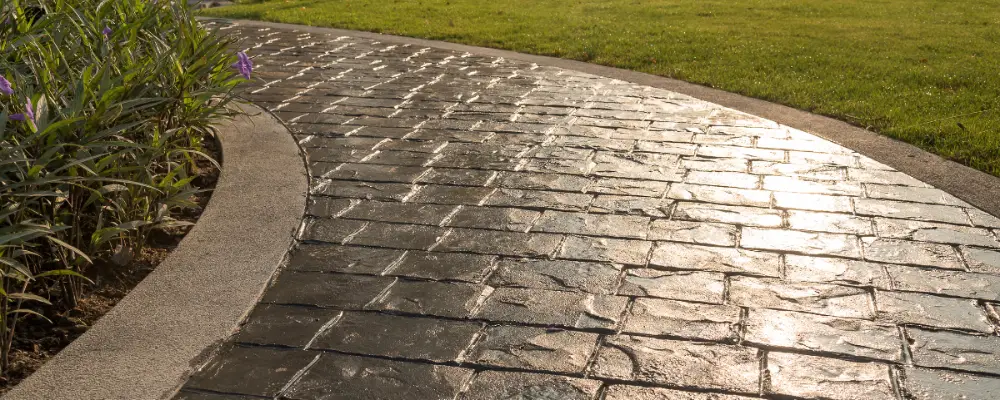
Stamped concrete is one of the home remodelling trends that is available in several patterns and textures that imitate natural materials. The colours and designs achieved through this stamped concrete are infinite. The patterns on the surface resemble stone, wood, bricks, and slate, serving as a sustainable and cheaper alternative to natural stone or bricks.

This decorative technique is used particularly in the fields of terraces, gardens, pavements, shopping centers, entrances, garages, and swimming pools. Its enhanced durability and versatility are the keys to success. They can be applied to both indoor and outdoor surfaces.

Process of Installing Stamped Concrete

Stamped concrete installation can be done with these steps for better results:

Step 1: Preparation of the forms, reinforcement, and subgrade

Before getting into the work, it is important to prepare the area that you are going to work with. This process involves subgrade preparation, installation of reinforcement, and forms. The subgrade is the layer of bedrock situated underneath the construction. It actively prevents soil erosion under the concrete and helps with proper drainage. The next step is the attachment of forms to the stakes, keeping the concrete in the desired area. Lastly, installing reinforcement is crucial to increase impact resistance and control cracking.

Step 2: Finishing the Concrete Surface

Once the area preparation is ready, the concrete should be placed on the surface. According to the construction requirement, the mix needs to be ready in a truck. It has to pull up to the area and place the concrete. To ensure the construction quality, the excess concrete has to be removed from the surface.

Step 3: Applying Colour 

Colour can be applied to concrete in two ways: the broadcast method and the integral colour method. The broadcast colour method involves applying dust colour hardener to the concrete after it is poured on the concrete. In the integral colour method, powder colour is mixed into the concrete in the truck before it is poured.

Step 4: Release Agent

Before the stamping process, applying the release agent is significant. The concrete stamp may not work as you expect if you skip this step. Ensure choosing the accent colour to apply as a release agent that can complement the base colour.

Step 5: Stamping Process

The next step is the stamping process. The time period of this step is very crucial, so it is essential to proceed with the things without causing any interruptions in between the texturing.

Step 6: Curing and Cleaning the Concrete

After stamping, the concrete must be allowed to cure. Proper curing makes the concrete less permeable and more denser, achieving the desired strength and durability. Before the concrete fully cures, any colored release powder on the surface should be cleaned.

Step 7: Adjusting Joints

This step can prevent cracking. When you adjust the joints with proper spacing and depth, it relieves the unwanted stress on the concrete slab. However, some cracks may be caused due to shrinkage and temperature changes.

Step 8: Sealing

The stamping process is incomplete without sealing. It enriches the applied colour and makes it shine. Sealing allows the concrete to be free from chemicals, leaves, dirt, and other elements.

Places to Install Stamped Concrete

Stamped concrete is used in various outdoor areas. Here are some:

Garden Pathways

Stamped concrete provides aesthetic appeal and durability to the gardens. The concrete surface will be long-lasting and resist wear and tear from heavy foot traffic. Choosing customised colours and patterns helps enhance the appearance and overall surrounding space of your garden.

Pool Decks

Your pool looks both functional and stylish when it is made up of stamped concrete. Providing slip-resistant property around the pool ensures the safety of swimmers. This concrete method is ideal for withstanding heavy climate conditions and water exposure. You can personalise the features to improve the pool surroundings.

Outdoor Entertainment Areas

Stamped concrete is an ideal choice to transform outdoor entertainment areas. Patios or other elements made using this material are extremely stylish and durable. It helps create a safe and enjoyable outdoor experience by providing a heat-resistant surface.

Properties of Stamped Concrete

Stamped concrete offers several advantageous properties, which make it a popular choice in the construction sector.

Durability and Resistance

Stamped concrete is primarily known for its enhanced strength and durability, which can typically resist wear and tear, fading, and cracking. It is fair enough to handle heavy weather conditions, foot traffic, and exposure to chemicals.

Quick Execution

The installation process of stamped concrete is quick and easy compared to other materials like brick or natural stone. It not only saves your time but also helps you complete the project at the estimated deadline.

Low Maintenance

After installation, the stamped concrete requires pretty low maintenance. You don’t need to pour much care and attention. Just a periodic cleaning and sealing is enough to preserve its original appearance and protect it from stains and weathering.

Benefits of Stamped Concrete

Some of the notable benefits are discussed below:

  • The colours and patterns are customised according to your needs and space infrastructure.
  • It is strong and durable, which lasts for a long time when it is properly installed and maintained.
  • Available in many colours, offering numerous design possibilities
  • No special care and maintenance are required; just regular cleaning and sealing is required.
  • Provide ultimate resistance to heavy traffic and moisture areas.

Final Thoughts

Stamped concrete is a perfect choice for homeowners and builders to elevate the space with modern style. It offers a wide range of patterns and colours, even on an affordable budget. Based on your preference, you can choose a style to décor your home in the way you want.Meta Description: Stamped concrete is the best choice for construction where the strength and aesthetic appeal is paramount. Read this article to know its properties, steps to installation and advantages.

End Bearing Pile Foundations: Working and Material Types

0
end bearing pile

The real success of a building’s strength is based on its foundation. When constructing on unstable soil conditions, deep foundations are necessary to ensure the building’s integrity and strength. Pile foundations achieve this by inserting piles underground to support the building’s loads and transfer it to the soil in deeper layers. Among various pile foundation types, end-bearing piles stand out as an effective solution for providing strength in weak soil layers.

Let’s examine the system, workings, and applications of end-bearing piles in detail.

What is an End Bearing Pile?

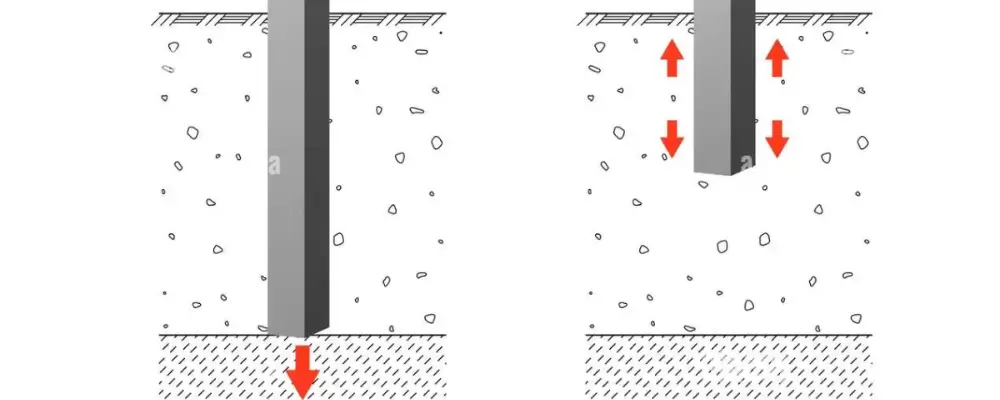
End-bearing pile is a type of structural element that provides strong foundational support for buildings, ensuring they remain stable. Typically made of concrete, timber, or steel, it comprises three parts: shaft, tip, and base. It is then inserted deep into the soil, connecting weak and strong layers (rock stratum, sand, or gravel). Its primary role is to transfer loads from the building structure to the rock stratum, enabling structures to withstand high loads.

How End Bearing Piles Work

End-bearing piles operate on the principle of transferring heavy loads to a stable, hard soil layer beneath unstable soil. To establish end-bearing pile foundations, rotary drilling or augers are employed to drill holes that reach the hard stratum. The size and diameter of the hole depend on the length of the piles. 

After drilling, end-bearing piles are inserted through the soft layer, extending to the hard layer. The pile tip must reach and sit firmly on the rock layer or dense sand. Thereafter, the heavy load of the building structure can be transferred to the piles, with the pile tip withstanding loads due to the resistance offered by the rock or gravel.

Site preparations and safety arrangements are carried out under the supervision of experienced engineers to ensure proper installation.

What are End Bearing Piles Made of?

End-bearing piles are usually made from three primary materials: wood, steel, and concrete.

Timber Piles

The size and length of the piles vary depending on the tree species. These piles are made from pine, sal, fir, or teak woods. They are treated with coatings and preservatives to prevent decay and pest damage. But placing the timber pile below the groundwater level can protect the timber against rot and decay. Furthermore, to protect the tip’s surface from soil adhesion, it can be covered with a toe cover. Timber piles are suitable for small building structures in weak soil conditions.

Steel Piles

They are manufactured from fabricated steel sections and treated with protective coatings. They possess high strength and long-lasting durability. These steel piles can withstand heavy loads, making them the best option for heavy structures. Notably, H-piles, a type of steel pile, can endure heavy stresses. They are designed to transfer heavy loads to regions with solid rock or dense sand.

Concrete Piles 

Concrete piles are versatile, as they combine the strength of concrete with steel reinforcement. They provide reliable support and corrosion resistance in corrosive soil regions. These piles are generally pre-manufactured and transported to construction sites. Concrete piles are often ideal for heavy structures and marine projects. They are usually installed above the ground water level in weak soils.

What are the Common End Bearing Pile Sizes?

Size of end bearing piles vary depending on the soil conditions, structure of the building and materials used.

Timber Pile

Short piles (less than 14 metres): Minimum tip diameter = 150 mm
Long piles (more than 18 metres): Minimum tip diameter = 125 mm

Concrete Pile

Typical concrete pile shapes include square, triangle, circle, and octagon. They are manufactured in lengths from 3 to 13 metres.

Steel Pile

Steel Pile Dimensions for End-Bearing

– Diameter Range: 250-600 mm
– Minimum Thickness of gauge: 20 mm
– Shape Options: I-shaped, Hollow, H

Applications of End Bearing Piles 

End bearing piles have a wide range of applications due to their ability to provide stability, strength, and longevity. Some of these applications are:

High-Rise Structures

In urban landscapes, tall buildings require strong deep foundations rather than wide surface footings. To withstand heavy loads, deep foundations are crucial, especially in weak top soil conditions. End bearing piles transfer loads and stresses to underlying rock layers, supporting the building’s strength, providing structural integrity and ensuring safety.

Bridge Structures

For bridges, every element, such as piers and beams, relies on strong foundational support. End bearing piles emerge as a solution due to their high load-bearing capacity. Additionally, they are ideal for bridge construction in marine areas, resisting water stresses and preventing corrosion.

Water Tanks

End bearing piles resist water pressure and soil settlement, providing a strong base for water tanks. Their wide and long dimensions require robust foundational support, which end bearing piles effectively provide, accommodating massive loads and preventing damage and leakage.

Advantages of End bearing Piles 

End bearing piles offer several benefits, making them a popular choice for deep foundation projects.

  • Reduced Settlement: End bearing piles settle less due to their deep foundation in solid ground.
  • Suitable for Tall Structures: Ideal for high-rise buildings as end bearing piles transfer heavy loads to solid rock, ensuring structural integrity.
  • No Buckling Issues: Their deep installation prevents buckling, providing added stability and safety.
  • Customisability: End bearing piles can be pre-manufactured to specific sizes and shapes.
  • Stability in Weak Soils: End bearing piles provide strong stability in areas with poor soil conditions.
  • High Load Capacity: End bearing piles can handle massive weights without compromising foundation stability.

Disadvantages of End bearing Piles

While end bearing piles offer several benefits, they also have some drawbacks:

  • High Installation Costs: Heavy equipment and specialised drilling vehicles are required, increasing installation expenses.
  • Soil Friction and Adhesion: Friction around the pile can cause soil to stick, potentially reducing load bearing capacity. However, covering the pile tip can mitigate this issue.
  • Depth-Dependent: End bearing piles require reaching solid rock or firm ground, which can be challenging to find and costly in areas with deep or unpredictable soil conditions.
  • Environmental and Noise Concerns: Drilling and installation can generate excess noise and vibrations, which can disrupt nearby ecosystems, such as residential areas, wildlife habitats, and underground utilities, causing disturbance to both human and animal life.

Conclusion

End-bearing piles are one of the most effective deep foundation types. They are capable of resisting lateral, vertical, and uplift loads. They serve as a crucial structural component, providing immense strength and stability to buildings, especially high-rise ones. Moreover, their specialised techniques ensure longevity. By employing proper techniques and selecting suitable materials for piles, builders can fully benefit from their use in building structures.

FAQs

1. What types of materials are used for end-bearing piles?

Piles made from concrete, steel, and timber can be used for deep foundations. It is chosen based on project needs and soil conditions.

2. How are end-bearing piles installed?

End-bearing piles use drilling, driving, or augering techniques for installation and it depends on soil conditions and pile material.

3. How to maintain end-bearing piles?

Regular checks and monitoring for damage or settlement is crucial to ensure long-term performance.

Where to Keep Tulsi Plant at Home According to Vastu

0
where to keep tulsi plant at home according to vastu

The tulsi plant is commonly found in every Hindu home. It is recognized as basil that acts as a remedy for seasonal ailments such as flu, cold, and cough. As per Vastu, having a tulsi plant in a home brings harmony and happiness within the family.

However, one of the common questions that arises from people is where they should keep the tulsi plant at home. According to Vastu, it should be placed in the right direction for acquiring its complete benefits. Read on to learn about its right placement in a home.

Importance and Benefits of Tulsi Plant in Homes

Having a Tulsi plant at home has several benefits, such as:

  • Promotes Immunity Level: The tulsi plant contains a rich amount of micronutrients and antioxidants, which helps you to fight against common ailments such as fever, asthma, cold, flu, etc. Drinking tulsi water or chewing tulsi leaves relieves you from a cold and sore throat.
  • Purifies the Blood: This auspicious plant is primarily known to purify the blood and do wonders for your overall health and skin. It flushes out the toxins and cleans your entire digestive system.
  • Regulates Blood Sugar Level: Consuming this ancient herb maintains Type-2 diabetes levels and reduces its damaging effects. Tulsi leaves improve the metabolism process and help the body process fats and carbohydrates.
  • Reduces Blood Pressure: Hypertension brings a variety of troubles in your body, such as headaches, lack of sleep, high blood pressure, anxiety, and depression. Holy basil leaves are a powerful medicine that benefits a person by lowering high cholesterol levels and blood pressure.
  • Promotes Peaceful Environment: Beyond all medicinal properties, tulsi is an auspicious plant that provides positive vibration around the home. It brings mental peace by eliminating stress.
  • Purifies the Surroundings: The tulsi plant naturally contains a pleasant aroma that keeps the surroundings fresh. There is a belief that basil absorbs toxic gases from the air, such as carbon monoxide, sulphur dioxide, carbon dioxide, etc. Additionally, the plant has mosquito-repellent qualities.
  • Therapeutic Properties: Tulsi is recognized for its anti-bacterial, anti-viral, and anti-fungal properties. These properties help fight against infections and health troubles like respiratory illnesses, cancer, skin problems, heart-related diseases, bacterial infections, etc.

Where to Keep Tulsi Plant at Home According to Vastu Shastra

It is believed that worshipping the tulsi plant results in long life and prosperity. But it is essential to make sure that the plant is placed in the right direction as per the rules of Vastu Shastra. If you are planning to keep a tulsi in your home, then follow these tips and suggestions:

  • Locate a tulsi plant on the eastern side of your house, where it can obtain the first rays of sunlight in the morning. If it is not possible, you can keep it near the window or balcony in the north or north-east directions of your home.
  • Avoid placing it in the southeast direction, which is the known direction of Agni or the fire god, as this can have negative influences.
  • The location of your tulsi plant should be higher than the foundation of your home. In order to enjoy all the health and medicinal benefits, you should keep the plant neat and clean. The areas around the tulsi plant should not be covered with any unusual things such as mops, brooms, or clutter.
  • Most importantly, this Vastu plant should not be grown with any thorny plant species like cactus, as it may lose its properties.

Placing the tulsi plant as per Vastu Shastra is the easiest way to enjoy all the medicinal properties and peaceful vibrations of the tulsi plant.

Number of Tulsi Plants to Keep as Per Vastu

According to the Vastu Shastra principles, a home should contain a tulsi plant in odd numbers such as one, three, five, etc. Following this rule promotes a peaceful environment and positive vibrations. As mentioned earlier, avoid placing a tulsi plant near any thorny plant for best results.

Best Day to Worship Tulsi Plant

Worshipping the tulsi plant on days such as Tuesday and Friday brings you peace and positive vibration in your home. These are the auspicious days of the week to do Pooja for the tulsi plant.

Do’s and Don’ts of Tulsi Plant as Per Vastu

Vastu Shastra offers specific guidelines and rules for the care and placement of tulsi plants. These are explained in detail below:

Do’s:

  • As mentioned earlier, tulsi plants in the home should be placed in the north or northeast direction for the best results. These placements create positivity and growth in your life.
  • Ensure the plant receives sufficient sunlight and water regularly, but avoid overwatering.
  • The tulsi plant and its surroundings should be clean and free from clutter.
  • Place flowering plants near tulsi, which improves positive energy.

Don’t’s

  • Tulsi plants in the home shouldn’t be in even numbers like two, four, or six.
  • Don’t allow the plant to over dry or get withered, watering often is essential to keep it fresh.
  • Avoid placing thorny plants and other unusual things like shoes, dustbins, brooms, etc.

Final Thoughts

The tulsi plant is an indispensable part of ancient tradition and is commonly found in many Hindus homes. Beyond worshipping, this auspicious plant provides numerous health benefits and strength to fight against evil and sinful energies. Follow the rules mentioned in this blog to avail its complete benefits.

Understanding Modular Construction:Types, Advantages, & Uses

0
modular construction

More and more people prefer modular construction over the traditional ones. It’s because of the enhanced convenience and affordability. Are you planning to build a new home or residential building? If so, you should consider modular construction to revolutionise the way of building and stay unique from the rest of the world. 

Keep exploring this article to learn more about modular construction and identify how it is beneficial to you. 

What is Modular Construction?

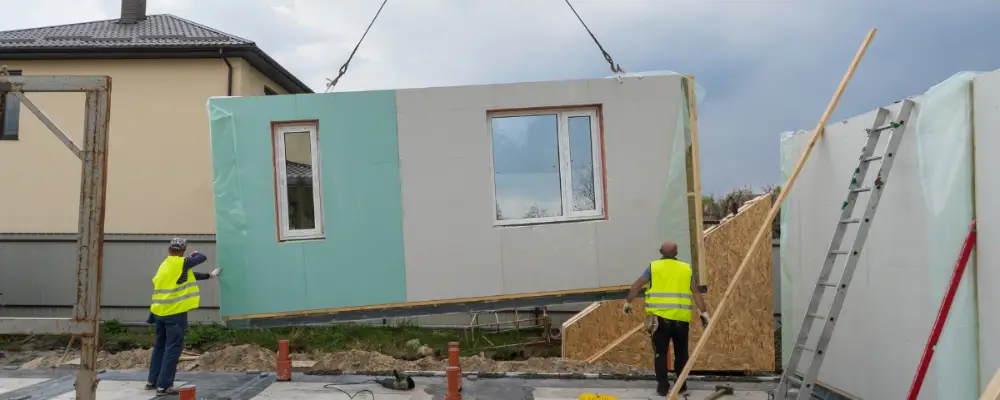
A modular building can be defined as a building component, which is first partially constructed off-site and later assembled on-site after transportation. Those components of the structure that are constructed in advance are referred to as “modules”. They all, however, use materials that are almost the same, if not the same and have the same standards of construction as the conventional houses built. Rather, modular buildings are used for houses, schools, office buildings, and even hospitals. 

One significant advantage of modular construction is that the overall process may be shorter, as some aspects of the work can occur simultaneously with the assembly of the modular project.

Types of Modular Construction

Permanent Modular Construction

Permanent modular construction is used in buildings that will not be moved, remain in one location and can last as long as conventional buildings. Common examples are schools, offices, and homes. Some studies indicate that it is possible to slice construction time by up to 50% using the method. 

Relocatable Buildings

Relocatable buildings are defined as temporary structures that can be moved and set up at variable locations. They are sometimes used for classrooms, offices, or even shelters. As they can be reused, they may save as much as 20 percent in costs as compared to original conventional buildings. 

Closed Modular Construction 

In closed modular construction, entire rooms or large parts of the buildings, including walls, floors, and ceilings, are manufactured in a factory. When the modules are on site, they are assembled, with the minimum additional work to be carried out. 

Open Modular Construction

In open modular construction, the parts, such as walls and floors, are never built as a single unit. These modules are joined at the site, and the subsequent plumbing and electrical wiring are completed after assembly.

How Modular Construction Works

Modular buildings are manufactured in a factory. The modules are built to exact measurements so that they will fit perfectly once they are transported to the building site. Working indoors eliminates weather-related delays.

Once the modules are ready, they are transported to the site and assembled. This reduces the man-hours spent on-site by workers. In this way, projects can be completed 30-50% faster than traditional building methods.

Cost Factors in Modular Construction

The two overwhelming advantages of modular construction over the more traditional methods are that it is cheaper and there is less waste. Building in a factory has reduced labour costs and results in fewer wasted materials, which could potentially reduce costs between 10-25%. Adding modules to a site could also add 3-5% to an overall cost. This holds for larger or more considerably larger projects farther from the factory itself. 

Modular Buildings versus Conventional Buildings

That would be the case with traditional construction, for everything is built on-site. Weather and labour issues can slow things down. Most of the work in modular construction is completed within a factory; this speeds up the project.

Modularity can finish the building in a much shorter period, precisely by 30-50% faster. Not only that but due to controlled environment modular construction, it also generates much less waste, saving possibly up to 90% of material that would otherwise go to waste on-site.

Uses of Modular Buildings

Modular buildings can be used for a wide variety of purposes:

  1. Houses: Modular homes are becoming more common. They are most of the time cheaper and can be built in less time.
  2. Workplaces: Companies can expand more quickly via modular buildings.
  3. Schools: Temporary classrooms can easily be put up to accommodate the ever-increasing population of students.
  4. Hospitals: Permanent and temporary healthcare facilities are built by a modular construction process.
  5. Emergency Shelters: At this point, modular buildings stand very well in providing the need for temporary housing and shelter during natural disasters.

Advantages and Disadvantages of Modular Construction

Advantages

  1. Faster Construction: Projects with modules are completed up to 50% faster.
  2. Savings by way of cost: Modular construction can reduce costs by up to 25%.
  3. Less Waste: Construction in a factory reduces waste by up to 90%.
  4. High Quality: Errors are minimal because of factory-controlled environments, leading to well-built and higher-quality buildings.
  5. Reusability: Relocatable buildings can be relocated to save money and resources.

Disadvantages

  1. Transportation: Transportation costs are higher on-site, where transportation costs of the modules to the site may be expensive.
  2. Design Limitations: In most of the complex designs, their performance cannot be fully expressed by such modular construction.
  3. Site constraints: Areas that are inaccessible to transport huge modules or for some reason may not be suitable for modular buildings.

Conclusion

Modular construction is also much quicker and sometimes even cheaper when it comes to building homes, schools, offices, etc. It reduces the construction time by half and fails to waste materials, saving money simultaneously. Although limitations exist, such as transportation costs and design constraints, the significant advantages render modular construction an ideal choice for numerous projects. The number of buildings that are built with modules is on the rise. They are here to stay.

FAQs

1.  What is the lifespan of a modular building?

Modular buildings can last as long as traditional buildings, often exceeding 50 years or more, depending on the materials used and proper maintenance.

2.  Can modular buildings be customised?

Yes, modular buildings are highly customisable. They can be designed to meet specific needs, from simple homes to complex hospital buildings, allowing flexibility in layout, materials, and finishes.

3. Are modular buildings environmentally friendly?

Yes, modular construction reduces waste by up to 90% and often uses energy-efficient building methods. The controlled factory environment helps minimise material waste and energy consumption.

Vinyl Flooring: Types, Benefits & Installation Guide

0
Vinyl Flooring

Looking for an extremely comfortable and affordable flooring option? If yes, then vinyl is the right choice. Under low maintenance, your floors shine brighter, which gives a warm welcome to the guests. 

Adding to this, vinyl flooring is water-resistant, can handle high foot traffic, easy to install, and is an aesthetic choice for both commercial and residential buildings. In that instance, this would be a great choice for your new projects and renovations as well. 

So, keep exploring this article to know A to Z about vinyl flooring. Guess what? It also covers installation methods, don’t miss to check it.  

What is Vinyl Flooring?

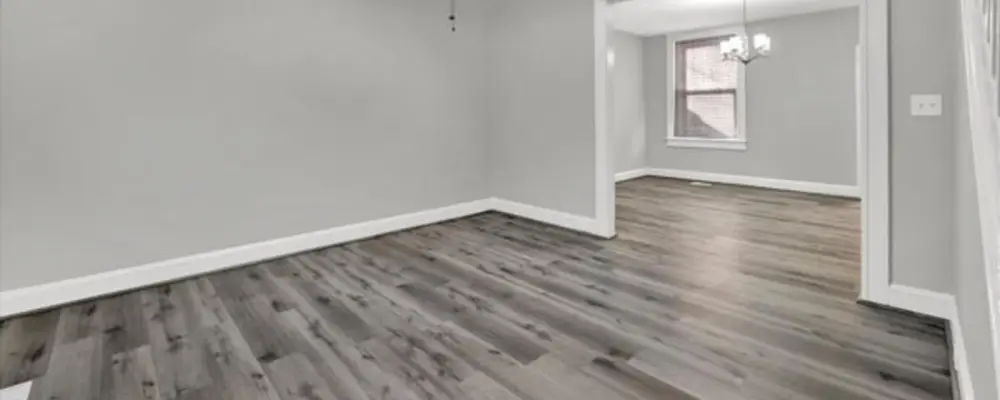
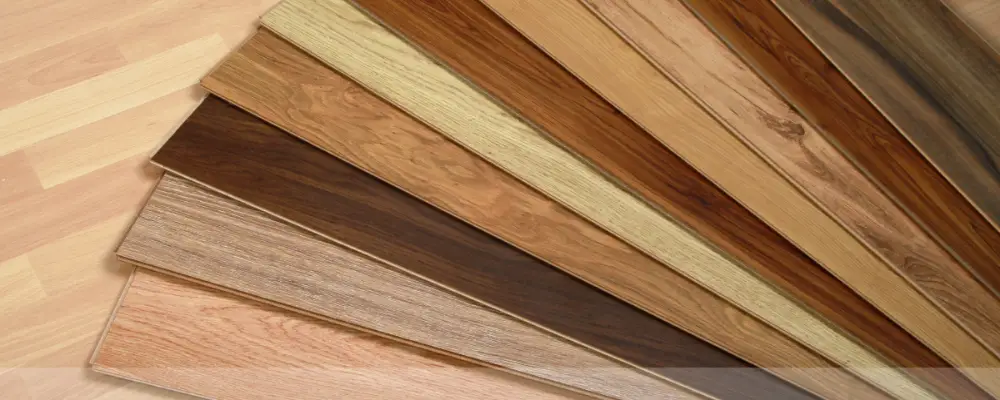
Vinyl flooring is the class of floors manufactured from synthetic polymer plastics, such as polyvinyl chloride, commonly referred to as PVC. This material is quite unique and popular among people. After all, it resists wear and tear, is easy to clean, and prevents water damage. It is also obtainable in diverse styles, including wood and stone at a cheaper attempt than real wood or stone.

Vinyl Flooring Types

There are several types of vinyl flooring with unique features. Here are the main types:

Luxury Vinyl Tile-LVT

LVT is an acronym that stands for Luxury Vinyl Tile, it is made from vinyl but is engineered to resemble other materials such as wood or stones. It is not a large and robust fiber, however, it is layered and thick. This is ideal to be laid out in places such as living rooms or bedrooms where you would want the stylishness of a floor that’s still easy to take care of.

Vinyl Roll

The vinyl roll is manufactured in large sheets that can be easily cut into separate pieces for the appropriate area. It is ideal in rooms where waterproof flooring is required, such as kitchens and bathrooms. Vinyl rolls are commonly available in widths ranging from 2 to 4 meters; installation is pretty simple by just laying or gluing.

Sheet Vinyl Flooring

Sheet vinyl is also similar to vinyl roll, but this kind of flooring is available in wide big sheets(typically 6 or 12 feet). When installed, it creates a seamless surface throughout the room, making it suitable for wet areas like bathrooms and laundry rooms.

Vinyl Plank Flooring

Vinyl plank flooring is a great choice for house owners who need the look of wood flooring at a very affordable price. Because this resembles wood plank but is made of Vinyl. Plus, it can last up to 20 years if it is maintained properly. 

Moreover, installing vinyl plank flooring is easy and perfect for DIY projects, which could take between 1 to 2 days. Its incredible durability makes it an ideal choice for bathrooms and basements.  

Vinyl Tile Flooring

Vinyl tile floors consist of individual tiles that are installed one at a time. They are commonly used in offices or shops because of their durability and, when damaged, easy to replace. If it gets cracked, you just have to replace that single tile, not the entire floor.

The Cost of Vinyl Flooring

Vinyl flooring is generally affordable to purchase. It majorly lies in the range from ₹ 50 to ₹ 200 per sq. ft, according to their type and quality. The long-lastingness and stunning look of LVT and vinyl planks make it quite expensive than others. 

Vinyl roll and vinyl tiles are normally less expensive. The installation cost for vinyl is also relatively low because it is very easy to lay compared to other floors such as wooden or tile floors.

Benefits and Drawbacks of Vinyl Flooring

Benefits

  • Long Lasting: With proper maintenance, the vinyl surface can serve the user for an estimated lifespan of twenty years.
  • Water Resistant: Ideal for use in washrooms and kitchens.
  • Low Maintenance: Regular cleaning requires only dusting and damp mopping.
  • Affordability: Unlike wood, stone, or even ceramic tile floors, vinyl flooring is believed to be one of the affordable options that most people will go for.
  • Comfort: Vinyl floorings are more cushioned when walking on them compared to tiles or timber making them more pleasant to use.

Disadvantages

  • Vinyl is durable but does not have the longevity of real wood or stone floors.
  •  Scratches can occur due to sharp objects or due to heavy furniture.
  • In case of huge damage, it might be quite difficult to repair the vinyl floor.

Properties of Vinyl Flooring

Durability

Vinyl flooring is strong and resistant to a high volume of footfalls because the wearing layer enables it to be resilient. It’s ideal for busy areas like hallways and living rooms because of its enduring nature.

Water Resistance

Perhaps one of the best features of vinyl flooring is that water will not damage it. This makes it the ultimate product for bathrooms and kitchens, as well as basements.

Comfort

Compared to other harder materials like wood or tile, vinyl flooring is soft and comfortable to stand on. This is easy on your feet and back if you have to stand for long periods.

Design Variation

Vinyl is available in many styles, mimicking the look of wood, stone, and modern patterns. In this respect, it becomes versatile for use in any room or style.

Installation Methods of the Vinyl Flooring

The laying of vinyl flooring is possible depending on the type. A few general laying methods include:

Glue Down Method: 

The glue-down method involves applying adhesive to the subfloor before laying the vinyl down. This installation technique ensures a strong bond and is particularly beneficial in areas with heavy foot traffic, as it keeps the flooring securely in place. Two types of adhesives may be utilised: hard-set and pressure-sensitive. Hard-set adhesive is suitable for environments with heavy rolling traffic, while pressure-sensitive adhesive allows easier replacement of individual planks.

Click-Lock Method: 

The Click-Lock method allows vinyl planks or tiles to be installed without the use of glue. Instead, the planks feature a mechanical locking system that snaps them together, creating a secure, floating floor. This method is popular due to its ease of installation, making it accessible for DIY projects, and is often regarded for its versatility and aesthetic appeal.

Loose-Lay Method: 

The Loose-Lay installation method refers to laying vinyl flooring without any adhesives or fasteners. This technique relies on the weight of the vinyl material to keep it in place. It is beneficial for quick installations and renovations where the existing flooring does not need to be removed and allows easy maintenance as well as swapping of individual planks if needed.

Care and Cleaning of Vinyl Flooring

Care for vinyl flooring is really simple: just regularly sweep or vacuum it to remove dust and dirt. Then, one needs to simply mop the floor with water and a mild cleaner to keep it bright. Water and mild cleaners will do the trick; strong chemicals should not be used on vinyl, as they may burn the vinyl.

Best Rooms For Vinyl Flooring

Vinyl flooring is quite versatile, but it works best in rooms that have water and moisture concerns.

  • Bathroom: Since Vinyl flooring does not absorb water, it is perfect for bathrooms. It can also resist humid conditions and occasional splashes without damage. 
  • Kitchen: Vinyl is easy to clean and resistant to spills; it is, therefore, very suitable for kitchens. Also, it’s soft on your feet while you cook. 
  • Basement: Basements can be susceptible to moisture problems, so vinyl can be a great choice. It will not buckle or become damaged due to wetness. 
  • Laundry room – Vinyl will do well in the laundry because it can easily withstand water in cases of spills or humidity. 

Vinyl Flooring Sections – Other Options 

Vinyl flooring is cheaper compared to hardwood and tiles. It’s easier to install and simple to maintain. It is softer and more comfortable to go with your feet. 

However, vinyl does not last long like real wood or stone and may be scratched or damaged more easily. Vinyl is perfect for those who have a tight budget; yet, it does not provide the same luxurious touch as natural materials.

Conclusion 

Vinyl floors are relatively cheap, long-lasting, and easy to maintain making them one of the most preferred choices for many people. Whether it is LVT, vinyl plank, or sheet vinyl, there is vinyl flooring suitable for every room in the house. It is water resistant so it’s great to use in kitchens, bathrooms, and basements. Although it is not as hard-wearing as wood or stone, the price and the many designs available make it a practical material for the majority of homes.

Gable Roofs: Types, Designs, Benefits & Price Range

0
Gabled Roof

A look of a home can be elevated by the selection of the right roof type. It brings instant aesthetic appeal and makes it an excellent part of the whole infrastructure. One of the most common and recognisable roof types is a gable roof, which can be observed in many homes and buildings.

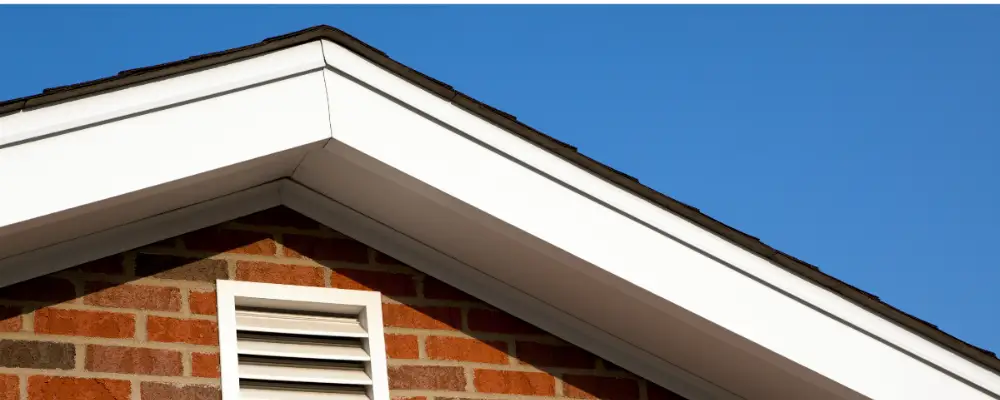
A gable roof features two sloping sides that meet at the top in a triangular shape called a ridge or peak. It is well-suited for places susceptible to heavy rainfall. They are available in various types and can be easy to construct and maintain. With this article, you can learn about its types, designs, price, and advantages.

What is a Gable Roof?

Gable roof is characterised by its triangular shape, containing two sections whose inclined surfaces meet at the top to form its ridge. This is the most common type used in very cold or temperate climates as its design promotes water and snow runoff and provides additional attic space.

Types of Gable Roof

Gable roofs are classified into several types, some of which are explained as follows:

Box Gable

A box gable gives a more finished look to your home. It has two sloping sides that end with a triangular extension. Such roofs generally do not have any overhang and create a closed box-like shape.

Cross Gable

It refers to a roof that contains at least two gable rooflines intersecting each other at a 90-degree angle. The height and length of each section can significantly vary, creating different styles.

Dutch Gable 

A Dutch gable roof has a small gable at the top of a hip roof. A small gable roof is installed at the top of the roof to add aesthetic appeal to a space or to provide shading for windows and other openings. It efficiently sheds off snow and rainwater and costs less compared to other roof overhangs.

Front Gable

It is a pitched roof with two sloping sides containing a gable roof in the house’s entrance or front side. The ridge at the top runs perpendicular to the front wall of the building. This design standard is particularly suitable for Colonial-style houses and acts as a statement piece.

Gambrel

Gambrel roof is a symmetrical, two-sided roof consisting of two slopes on each side. Each side consists of a steeply angled lower roof surface attached to an upper roof surface which has a shallower angle.

Saltbox Gable

A saltbox gable is asymmetrical in design and consists of two inclined surfaces that end at different heights. Most commonly, the front side is short, while the back side is long and has a slight slope.

Shed Gable

It is also known as a lean-to roof or skillion, containing a single sloping surface. Shed gable is easy to construct, and it provides some storage space in the attic space. This simple design is often used in modern and contemporary homes.

Advantages of Gable Roofs

Gable roofs offer several advantages to your homes, such as: 

Simple and Elegant Design: A gable roof may seem like a simple design but improves the overall look of your home. It is simple, easy to construct, and maintain. The entire process can be completed much faster than other roof types.

Water Drainage: Since the roof top features a slope, it acts as a strong drainage system. It allows rainwater and snow to slide off naturally and efficiently.

Excellent Ventilation: A gable roof is primarily known for its excellent ventilation. The triangular shape of the roof regulates the temperature range and prevents moisture buildup.

Affordable Option: A gable roof on your home is an effective investment since it is easy to build and maintain. It uses the most affordable materials, involving very few labour charges when compared with other roofing choices.

Disadvantages of Gable Roofs  

Although gable roofs offer numerous benefits, they also have some potential drawbacks, including:

Prone to Wind Damage: If you are located in areas prone to high winds, then a gable roof is not an apt choice. The top of the roof actually overreacts to wind and the roof starts peeling off.

Less Living Area: Whether it is an office or a home, a gable roof is not an option to have more space. Homeowners cannot maximise their attic space with these sloping ceilings and the terrace area also gets eliminated.

Repairs and Maintenance: Gable roofs can undergo wind damage often. You have to end up with additional repairs and maintenance that may cost more than the cost of installation upfront.

Price to Build a Gable Roof  

Gable roof installation has no fixed price range and can be influenced by several factors such as materials preferred, location, and design complexity. In general, it costs around Rs. 300-400 per square feet in India. When installing any additional features, such as dormers or skylights, the cost may go even higher. In general, gable roofs are less expensive than complex roof types but more expensive than flat roofs.

Components of Gable Roofs

Gable roofs consist of various components, including:

Ridge Board

Ridge board is a horizontal board that runs along the top of the gable roof and connects two sides effectively. It provides long-bearing support to the structure and elevates its strength.

Rafters

Rafters are compulsory for traditional-method homes or buildings to frame roofs. It connects the ridge board to the top of side walls as the sloping structural members provide sufficient support to the roof.

Fascia

Fascia is a vertical board or any other roofing material that runs along the roof’s edge, often supporting gutters. It is primarily responsible for protecting the roof from any exterior elements. Fascia prevents the interior of the home from moisture content and plays an aesthetic role as well.

Soffit

Soffit basically means any finishing material installed to cover the underside of your roof overhang. They perfectly cover the underside of the rafters and provide excellent ventilation inside.

Final Thoughts

A gable roof is a well-known and versatile roofing option that benefits you in numerous ways. It provides a classic look, increased space, and excellent ventilation. Though gable roofs have some drawbacks, they become a great choice to create attractive roof designs.

Understanding Mosaic Flooring: Types, Applications, and Benefits

0
mosaic flooring

Is creating a vibrant and inviting atmosphere your goal? If so, then you can opt for mosaic flooring. Yeah, stunning mosaic flooring would be the perfect choice to commemorate your nostalgic memories and create good vibes for the future generation. It’s a better option for both present and future generations as mosaic flooring is durable and never goes out of style. 

So, no more second choices. Go with the sturdy choice that resists scratches and shines brighter over time. Read about this timeless flooring choice, mosaic in this blog and know why it is never out of the trend. 

Mosaic Floors

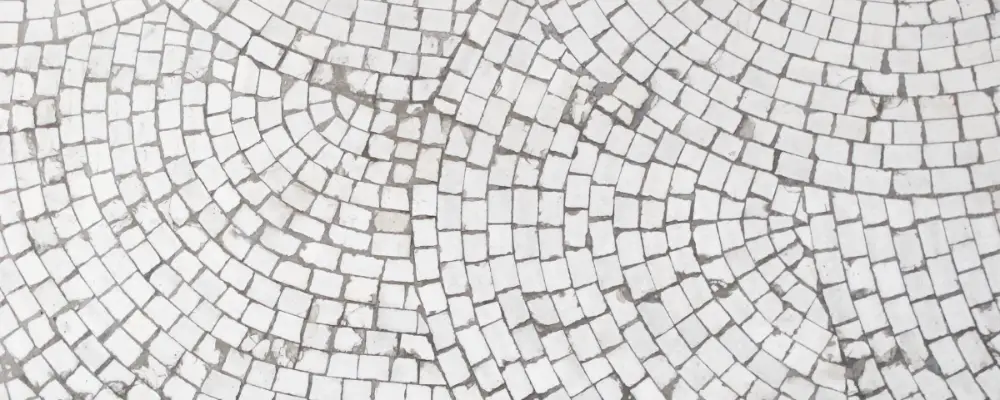
Mosaic flooring is the decorative type that consists of small pieces of tiles, normally arranged in somewhat intricate designs and patterns. It is generally made out of materials such as glass, stone, ceramic, or metal. The pieces used are usually less than 2 inches in size; each piece is known as a tessera, which creates complex and colourful options in flooring. Mosaic floors are generally used because they are both beauty, durable, and easy to maintain.

What is Mosaic Flooring? 

To achieve a mosaic floor means that some elements in the form of small pieces of tile, glass or stone are arranged on the floor in a pattern or image. In this case, they will be embedded in a plane and filled up between them by grout for a complete design. Mosaics have been used in the decoration of houses and public buildings, historically, from periods of ancient Rome and Greece. Mosaic design and requirements have been around ever since. For certain, this is a new strain of beauty in 21 century homes, but it is also liked for practicality. Generally, mosaic tiles come in thicknesses of 2 to 3 mm thick and are available in various sizes and shades. Since floor coverings undergo a lot of use, wear or tear, Boral mosaics can be used extensively in areas that are prone to heavy traffic.

Probably the most important metric to consider in mosaic flooring: its PEI rating refers to the Porcelain Enamel Institute. Essentially, this rating indicates the durability of the tile. Most mosaic tiles bear a PEI rating of 3 or higher and are well-suited for residential and light commercial spaces. 

Types of Mosaic Tiles

Mosaics are generally made of different materials with distinctive features: 

Natural stone

Natural stone mosaic tiles are constructed of materials such as marble, granite, slate, or travertine. These materials are then processed to create small uniform pieces which are polished to give it a great finish. Stone tiles are thick and resistant to wear and tear, and most often their hardness is within the range of 7 to 8 in the Moh’s scale of hardness. This is why they can be comfortably placed outside, in kitchens, and bathrooms.

Mosaic Tile in Metal

Metal mosaic tiles are made of different metals such as stainless steel, aluminium or copper. They find a very wide application in modern designs due to their sleek look. Areas with stainless steel tiles can be said to have low moisture levels due to their corrosion resistance and thus have their application in kitchens and bathrooms effectively. The weight of these tiles is also less, which makes installation easier.

Glass Mosaic Tile

Glass mosaic tiles reflect light through them and make the room brighter and appear larger. Many are familiar with those used in swimming pools, obviously very resistant to the water almost always present. Glass tiles are rated about their water absorption, and at less than 0.5%, they are great for wet areas. They are available at variable thicknesses like 4mm and 8mm.

Ceramic & Porcelain Mosaic Tile

The primary materials that are used for making mosaic floors apart from ceramics are also ceramic and porcelain tiles. For instance, porcelain is considered to be highly moisture resistant, with a water absorption of less than 0.5%. Such tiles are also known to be clay-based tiles that are baked at high heat, rating about 5 to 6 on the Moh’s scale.

Chevron Mosaic Tile

Chevron tiles are in the zigzag pattern; this pattern is repeated for kitchens and hallways because of their visually striking impact. Chevron tiles may be ceramic or stone, and because of that design, this can create an illusion of movement. This pattern can sometimes make small spaces appear larger.

Marble Mosaic Tile

Marble is a natural stone that is greatly loved for its beauty. Mosaic marble tiles are thick and heavy, weighing in the range of 30 to 50 pounds per square foot, thus very durable. Although it is durable, it is a more delicate stone, with a softness grade of 3 to 4 on the Mohs scale, so sealing and care must be performed with caution to avoid scratching it.

Penny Hexagonal Tile

Penny tiles are small, rounded mosaic tiles installed either in the bathroom or kitchen areas. They give quite a retro look because of their small dimension, measuring ¾-inch to 1-inch in diameter. They come in different types of materials, including ceramic, porcelain, and glass.

Mosaic Tile Applications

Mosaic tiles have a wide range of applications due to their flexible design and durability.

  • Bathrooms: Most bathrooms have mosaic tile applications on the floor and walls. Among such applications, glass and ceramic tiles are put into use because they are excellent against water and stains.
  • Kitchens: Mosaic tile installation can be very common in kitchens, as it tends to be easy to clean and resistant to heat, most especially around the cooking area. Metal or glass mosaic tiles can even add a modern touch to kitchen decoration.
  • Swimming Pools: Glass mosaic tiles are ideal for linings over pools because they are waterproof and can reflect light, which may make the pool more colourful.
  • Living Spaces: Stone and ceramic mosaic tiles installed in living rooms created a more creative-looking floor or wall feature that would add texture and colour to the room.

Advantages and Disadvantages of Mosaic Tile

Advantages

  1. Durability: Most mosaic tiles, especially those of stone and porcelain materials, are very long-lasting. Some may even be able to last for more than 50 years provided proper maintenance is followed.
  2. Water Resistance: Tiling made out of glass, ceramic, and porcelain has low water absorption rates. This makes them highly effective for places with wet surroundings and areas such as bathrooms and swimming pools.
  3. Aesthetic Appeal: Mosaic tiles have the freedom to customize, which allows any homeowner to create original designs and colours that speak to their taste. 
  4. Easy maintenance: Most mosaic tiles, especially glass and ceramic ones, are easy to clean. A damp piece of cloth or mop can deal with most dirt and stains.

Disadvantages

  1. Price: Mosaic tiles could account for a price higher compared to larger ones. The cost varies from ₹50 to ₹500 per square foot, depending on the pattern and material. 
  2. Installation Time: Because tiles are small, this can take longer to install, which could increase the cost of labour. 
  3. Care and Maintenance of Grout: With grouts, mosaic flooring has more grout lines that tend to collect dirt much faster than with regular tiles, and they may require frequent cleaning. 

Mosaic Tile Ideas for Around the House

  1. Bath Mosaic tiles used in the shower are truly a touch of luxury. Glass mosaic tiles are in great demand because they are made from a low 0.5% water absorption rate material, hence ideal for areas that are always wet.
  2. Kitchen Mosaic tiles can be used as backsplashes in kitchens. Because of its ease of cleaning and resistance to heat, the preferred materials used in this application are tile metals or glasses.
  3. The Floor-to-Wall – This would provide a continuous look when the mosaic tiles are extended from the floor onto the wall. This is often done in bathrooms and kitchens to give the impression of cohesion.
  4. Laying and Maintenance of Mosaic Flooring – Installation of mosaic tile requires a level surface and true alignment. Generally, tiles are set in thin-set mortar and grouted to fill the seams. The average tile size is about 2 inches or 5 cm per piece, and more grout lines are visible, as opposed to larger-format tiles. Professional installers are often required for greater accuracy.
  5. Maintenance – Wet mopping or a moist cloth would be good for maintenance. Sealing the grout lines once every six months will also be good so that the accumulation of dirt will not occur. Grout sealer helps in maintaining the appearance and durability of mosaic floors.

Conclusion

Mosaic flooring is versatile and strong enough to be best suited for most areas of the house. From materials of glass, ceramic, and stone, mosaic tiles offer flexibility in design, proving long-lasting and practical. Mosaic tiles in bathrooms, kitchens, and swimming pools add to both their aesthetic appeal and functionality. The installation and maintenance might need more effort, but it’s all worth it through the unique and personalised touch they provide to a room.

Panelised Construction: Building Smart and Fast

0
Panelized Construction

The way of construction is evolving to a new level and adapting to new technologies, building techniques, and materials. Many of you know very well about sustainable construction methods and how they are beneficial for the environment and property owners. 

Similarly, panelised construction is a unique way of building that reduces construction material waste and job site disturbance at affordable costs. So, it is eco-friendly, cost-effective and energy-efficient. Why don’t you choose this construction process for your upcoming project? 

It’s indeed a great idea. Get clarity on this topic through this elaborated article on panelised construction and improve the overall look of your buildings. 

What is Panelised Construction?

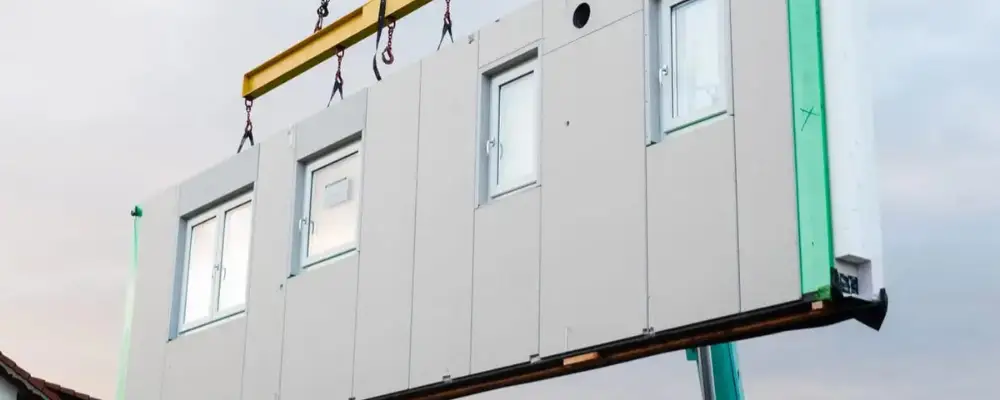
Panelised construction is a smart way of constructing buildings. Rather than crafting everything on the site, parts of the building are manufactured in a factory. Parts, or panels, can be made up of walls, roofs, and floors. The panels are then shipped to the site and assembled like large pieces of a puzzle. This process makes the building faster and usually better in quality.

Types of Panelised Construction

There are several types of panelised construction. Each type has a different material makeup and varying advantages. The main types are listed below:

Timber Frame Panels

In the case of Timber frame panels, the frame of a panel is made of wood. They are lightweight and at the same time, strong. Very often, insulation is installed inside such panels to keep the warmth of the building in during winter and out during summer. It is easy to transport timber panels, and they are quick to erect.

Steel Frame Panels

Steel frame panels use steel to make the structure strong and durable. They are utilised for large building purposes such as offices and warehouses. The steel panels do not warp or rot; hence, they last longer compared to wood. They are also fire resistant and, therefore, offer a significant safety advantage.

Concrete panelised Systems

Large pieces of concrete are utilised by the concrete panel systems. The panels are very strong and can be utilised for various types of buildings. Insulation can also be built into precast concrete panels, which, in turn, makes them energy-efficient. They are heavy; therefore, they require special equipment to move them.

Structural Insulated Panels – SIPs

In simple terms, SIPs are panels made from a layer of insulation sandwiched between two structural facings, normally of wood. This approach is excellent in terms of energy efficiency because the temperature is contained inside the building. SIPs are lightweight and hence easy to install, saving time.

Modular Panels

Modular panels help in the construction of those portions that are movable. Every portion is known as a module, customarily prepared in one lot, even with walls and floors. Later on, these modules are transported to the site and are quickly assembled.

Hybrid Systems

The hybrid system integrates various panel types, such as wood and steel. This allows contractors to utilise the pluses of each material for particular uses within the building. Hybrid systems are adaptable and can be customised for different projects.

Panelised Construction Components

panelised construction varies in the different parts that make up a building:

Wall Panels

The panels are the vertical elements of the building, including window and door openings. It can be made of wood, steel, or SIPs. In addition, these panels prevent external elements while keeping them insulated.

Roofing Panels

The panels of the roof are the elements that cover the top of the building. They protect the interior from rain and snow. The roofing panels are often pre-insulated, keeping the building warm or cool.

Floor Panels

Floor panels are the basis of the building’s rooms. They must be strong enough to withstand furniture and persons. The floor panels could be of wood or concrete, depending on the builder’s requirements.

Applications and Uses

Panelised construction is used in many varied building types. The most common uses are:

  • Homes: Panelised construction is preferred as it mostly accelerates the building process.
  • Schools: With panelised systems, classrooms can be built in less time, reducing the period in which students have disruptions.
  • Offices: Panelised construction is normally used to construct office spaces.
  • Hospitals: The speed at which this building technology can be constructed is of utmost importance to health services.

Sustainability of Panelised Construction

Panelised construction is also more feasible for the environment than conventional methods. The material waste can be reduced up to 20%. This happens because parts are made in a factory where leftover materials can be used again. Apart from that, the buildings that are constructed using panels show less energy consumption for heating or cooling.

Panelised Construction: Advantages and Disadvantages

Advantages

  1. Speed: This implies that buildings can actually go up at a faster pace; building completion times can be reduced by as much as 50 percent.
  2. Quality Control: Since the panels are manufactured in a factory, they tend to possess higher quality than being made at a construction site.
  3. Energy Efficiency: Panelised systems can result in abuilding that is up to 30 percent more energy-efficient than traditional buildings.
  4. Cost-effective: While initial costs may be high, you tend to save on energy bills gradually.

Disadvantages

  1. Initial Costs: Since factory work is required, the initial cost may be higher.
  2. Transportation: It is expensive to move large panels to the site, especially in remote areas.
  3. Less Design Flexibility: Because the panels are made in standard sizes, there may be fewer options for unique designs.

Difference between Panelised Construction and Modular Construction

While both use factory-made parts, panelised and modular construction methods differ. In modular construction, whole sections or modules of a building are created in a factory and brought to the site. Such modules can also include plumbing and electrical systems. Panelised construction is similar but only includes parts of the building, such as walls and roofs, made in factories and assembled on-site. This often means that when modular buildings arrive on-site more complete.

Conclusion

Panelised construction is an extremely efficient, modern method of building. It accelerates the process, improves energy efficiency, and ensures better quality. With new technologies, panelised construction becomes more acceptable in homes, schools, and businesses by offering flexibility to meet today’s building needs.

FAQs

1.  What are the major categories of panelised construction?

Main systems include timber frame panels, steel frame panels, concrete panel systems, structural insulated panels, modular panels, and hybrid systems.

2.  Is panelised construction green?

Yes, it does: material waste is huge, reportedly even up to 20%, and energy efficiency is higher due to better insulation and less energy usage during the construction process.

3. How does panelised construction compare to traditional construction?

Panelised construction is faster, results in energy consumption, and the quality is higher, although a bit more expensive at the outset, initialy during the prefabrication process.