Home Blog Page 34

Differences Between Cement and Mortar And Pros and Cons

0
Differences Between Cement and Mortar

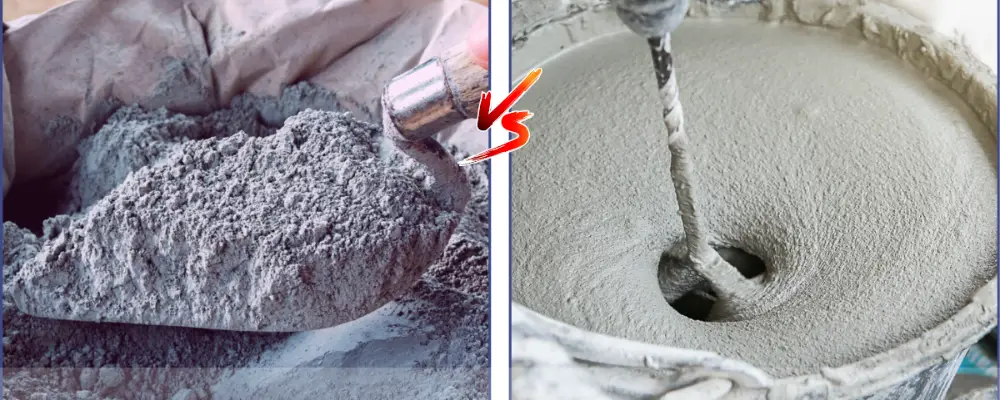
The common differences people find difficult to understand are between mortar and cement. Even professionals are not clear about explaining the significant differences between mortar and cement.

In general, people define both materials as substances used in construction to harden the surface. Though the terms may sound the same, both have different uses and properties.

In this article, we will explain the key differences between cement and mortar, their materials, applications, and advantages.

Overview of Cement

Cement is a fine binding powder that is never been used alone. Instead it serve as a component of mortar, adhesives, or grout for landscaping and tiling jobs. It is made of shells, silica sand, limestone, and clay, which efficiently act as binding agents in both mortar and concrete.

As is well known, limestone is the most common ingredient, along with the following materials, which are combined with other ingredients like iron ore and then heated to high temperatures. Through this process, the clinker is obtained, which is ground into a fine powder called cement.

Overview of Mortar

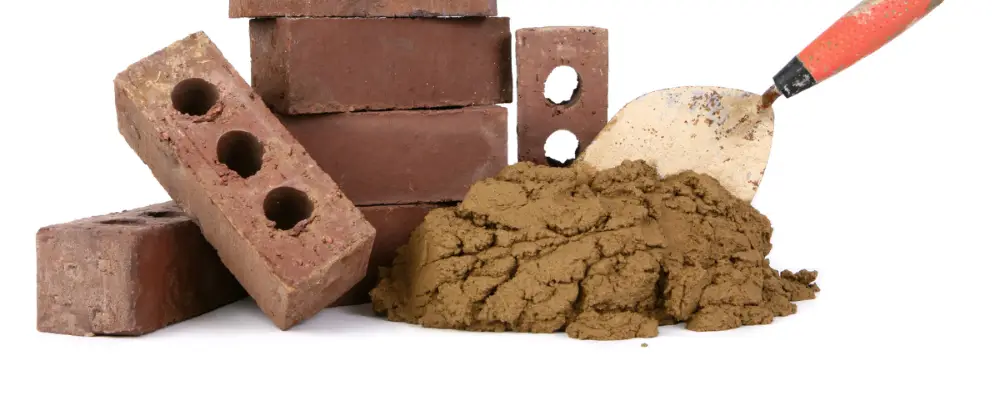
Mortar is an adhesive material used with concrete blocks, brick, or stone. It is composed of ingredients like fine sand, limestone, and cement. Water is also an ingredient added to a mortar to activate the cement and let it harden.

It is not only used as a building material but also acts as a glue when holding cinder blocks, stone, bricks, or any other construction materials together. Mortar is available in a pre-mixed form, which is as strong as concrete.

Key Differences of Cement and Mortar

The significant differences between cement and mortar are explained in a tabular format. Read below to understand them:

FeaturesCementMortar
Composition and Materials UsedCement is composed of ingredients like silica sand, shells, limestone, and clay.A mortar is a mixture of sand and cement, along with some other additional ingredients that depend upon the type.
Strength and DurabilityHigher strength and durability can be achieved through a proper curing process. It makes them potentially be used in load-bearing structures like concrete slabs and foundations.The strength and durability of mortar is not stronger than cement. However, it depends upon the proportion of ingredients like sand and cement used. On the other hand, mortar is extremely flexible, allowing it to build strong bonds with bricks, tiles, and stones.
Applications and UsageCement is used in various construction applications such as masonry work, concrete, and plastering.It is primarily used in rendering, masonry work, and plastering.
Setting and Curing TimeCement sets quickly, however, giving a proper curing time provides extreme strength and durability to the construction.Setting time of mortar is influenced by two potential factors: temperature and water-cement ratio. Similar to cement, a proper curing helps achieve the desired strength.
Water-retentionCement has average retention properties, however, it can be adjusted using admixtures.Mortar has excellent water-retention properties, especially while lime is added as an ingredient.

Advantages of Using Cement and Mortar

Cement

  • Cement offers exceptional compressive strength that makes it able to withstand heavy loads and pressures caused on the structures. 
  • A primary benefit of using cement is molded into required forms and shapes. It can be used in various applications from simple to complex architectural structures. 
  • Required properties like water resistant, strength or fire resistance can be achieved by adjusting the additives accordingly. 
  • Cement is budget-friendly as it doesn’t need extra cost on repair and maintenance. 
  • Cement can be recycled and reused, which reduces waste and conserves resources.

Mortar

  • Mortar is less expensive, which is easy to afford and builds an unbreakable bond between masonry units. 
  • Mortar contains excellent thermal insulation properties, which helps regulate a comfortable indoor environment. 
  • Mortar can act as a barrier against moisture penetration, preventing structure damage.
  • It is easy to apply and can be shaped and molded as per the surface requirements.

Disadvantages of Using Cement and Mortar

Cement

  • The production of cement contributes to the emission of greenhouse gases, particularly carbon dioxide.
  • Cement-based materials may tend to shrink while they are drying and curing, which causes cracks and other potential structural issues.
  • Cement may seem cost-effective, but the initial cost of materials and the manufacturing process is literally costlier.

Mortar

  • Mortar is not as strong as cement, which has less compressive strength and is not so suitable for high load-bearing structures.
  • It absorbs water and causes potential issues such as freeze-thaw damages, especially in cold climates.
  • The durability of mortar is influenced by certain factors, such as exposure to harsh climatic conditions, the quality of materials, and proper mixing.
  • It requires periodic maintenance to address issues like erosion or cracking in prior.
  • The production of mortar needs to take into account certain environmental concerns like energy consumption and resource extraction.

Choosing Between Cement and Mortar in Construction

The choice between cement and mortar is based on the specific requirements of desired properties and construction project requirements. However, with these below factors, you can choose the appropriate option:

Structural Integrity: If structural integrity plays a major role in your construction, then cement plays a prominent role in it. They offer greater strength and durability to the building.

Masonry Work: Mortar is significant for building masonry units to provide an aesthetically pleasing appearance and desired durability.

Budget and Time: The setting time and curing requirements may greatly influence the project timelines. Based on your project deadline and budget range, you can use cement or mortar that suits your project.

Maintenance: Repairing and maintaining the structure is the biggest concern. Evaluate the potential requirements of your project to choose either cement or mortar that fits more efficiently.

Final Lines

Both cement and mortar are widely used materials in construction. By carefully evaluating these significant things, you can choose the appropriate one. Hopefully, you are clear about its application, advantages, and disadvantages in detail. It will help you to go with the most suitable option.
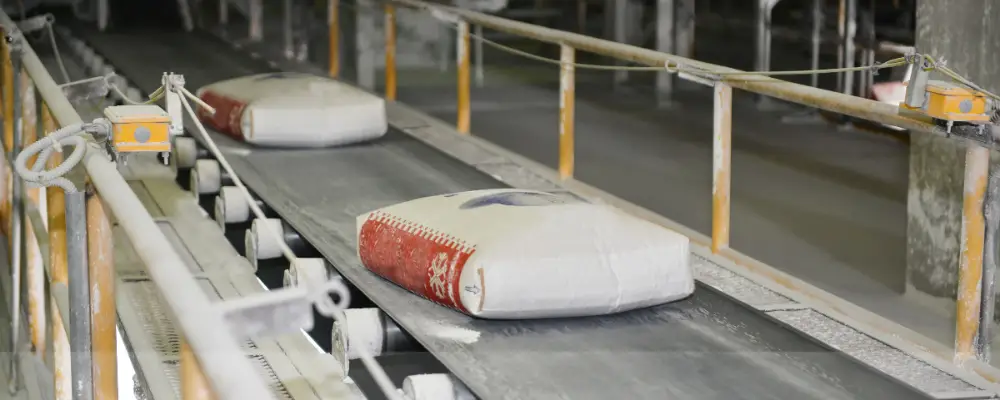
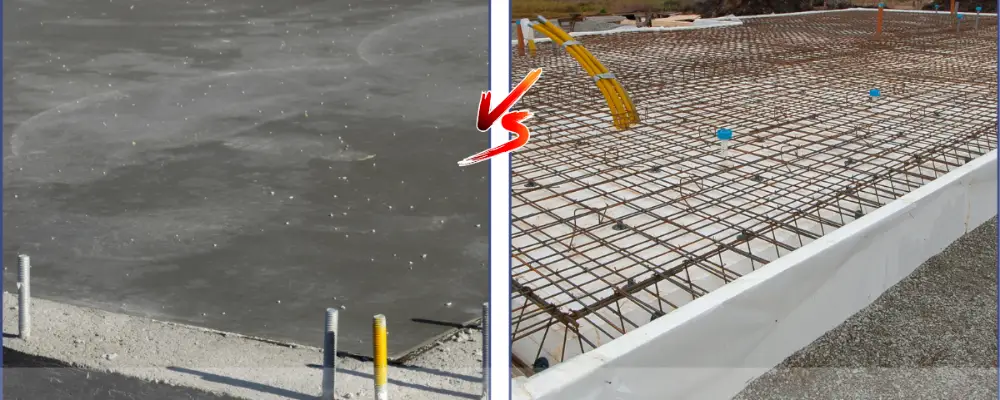
PPC 53 Grade Cement: Properties, Use, and Benefits Explained

0
PPC 53 grade cement

In any construction project, the type of cement selected in most cases is the one that will influence the strength, durability as well as the life of the structure. PPC 53 grade cement is one of the most popular cement grades in comparison to that of other grades. This Brick & Blog blog article focuses on PPC 53 grade cement. It details its composition, characteristics, manufacturing process, uses, and advantages over other conventional cement grades. To construct and maintain the degree of quality and resistance required, with an understanding of the advantages of PPC 53, one could choose the appropriate grade of cement for their structures. 

PPC 53 Grade Cement

In general, there are three grades of cement available in the market. Those are 33 grades, 43 grades, and 53 grades. Compressive strength is the primary basis for the differences in cement grade. PPC, called Portland Pozzolana Cement, is prepared by grinding pozzolanic clinker with Portland cement. The addition of gypsum or calcium sulphate with the pozzolana or by intimately and uniformly blending Portland cement and fine pozzolana can also produce PPC. Compared with ordinary Portland cement, this cement has high resistance to various chemical attacks on concrete. This feature of the cement makes it more enticing. 53-grade cement is a type of OPC with a compressive strength of 53 megapascals (MPa) after 28 days of curing. These grade cements are well-known for their superior strength and durability properties. 53 Grade Cement is appropriate for projects such as bridges, high-rise buildings and heavy-duty infrastructure.

Composition

Portland Pozzolana Cement includes pozzolanic materials such as fly ash at up to 35% or volcanic ash and gypsum at 4% along with clinker. The clinker is a nodular material made by burning materials containing silica, alumina, iron oxide, and calcareous and argillaceous materials at high temperatures. The materials are ground together in a closed-circuit mill with a high-efficiency separator.

Properties

The physical properties of PPC 53 Grade Cement include fineness of not less than 300 m2/Kg and its ability to resist volume expansion during the setting and hardening process ranges not more than 10 mm if the Le Chatelier method is followed. The autoclave test for the same soundness ranges is not more than 0.8%. When it comes to setting time, the initial setting time is not less than 30 minutes and the final setting time is not less than 600 minutes. On the other hand, the chemical properties of cement include that the total loss of ignition is not more than 5.0% by mass. Magnesia is not more than 6.0% by mass. The insoluble residue ranges from not more than x + 4(1000 – x)/ 100. The presence of Sulphuric anhydride is not more than 3.5% and the total chloride content ranges to not more than 0.10%.

Manufacturing Process of PPC 53 Grade Cement

The manufacturing process of PPC includes four main processes: obtaining limestone as raw material, crushing of limestone, clinker production, and finally clinker grinding with pozzolanic material and gypsum. In the initial stage, using blasting techniques the limestone is extracted from mines. The extracted boulders are then sent to the primary crusher for conversion into a suitable size as required for further processing in the plant. The second stage is in which the mined limestones are properly adjusted with the right dose of Calcareous and Argillaceous materials. These adjusted raw materials are sent to primary crushers for the reduction to the right size. The piled raw materials are subjected to pre-homogenization for further processing. For calcination and chemical reactions under high temperatures, the raw materials are sent to a rotary kiln. Following this several chemical reactions occur and the materials are converted into clinkers. At a particular specified temperature, these materials are subjected to cooling. Post-cooling, these clinkers are stocked in a silo. Finally, the fine grey-coloured powder called cement is obtained by final grinding along with pozzolanic material and gypsum in a pre-set proportion.

Applications of PPC 53 Grade Cement

This cement grade is ideal for mass concrete works like dams, retaining walls, and large foundations. This is because PPC reduces the heat of hydration and prevents thermal cracking. Due to its ability to resist chemical attacks from water and salts, PPC is used in hydraulic structures such as canals, ditches, and irrigation projects. Its extraordinary workability and setting characteristics make it more prevalent in the usage of bricklaying and plastering. It is highly preferred in repair and rehabilitation works for old and damaged structures, as it provides better resistance to chemical attacks and improves the durability of the repaired structures. It is also used along with soil to improve its strength and reduce the settlement for soil stabilisation projects. Some of the common construction applications include foundations, slabs, beams, columns, precast concrete elements and mass concrete structures.

Difference Between 43 Grade and 53 Grade Cement

Compressive strength and fineness are the two major differences between 43-grade and 53-grade cement. In terms of compressive strength, 43-grade cement is designed in such a manner to achieve a minimum compressive strength of 43 megapascals (MPa) after 28 days of curing. On the other hand, 53-grade cement is designed to reach a minimum compressive strength of 53 MPa. This relative difference in compressive strength makes 53-grade cement more suitable for structural projects requiring greater load-bearing capacity. The second significant differing factor between these two grades of cement is fineness. While 43-grade cement needs to have a minimum fineness of 225 square metres per kilogram, 53-grade cement requires a higher minimum fineness of 370 square metres per kilogram.

Advantages of PPC 53 Grade Cement

In general, 53-grade cement offers higher strength and durability compared to 43-grade cement. They are highly suitable for structural projects that need greater load-bearing capacity, such as bridges, high-rise buildings, heavy infrastructure and industrial construction. To be more precise, the usage of this grade of cement will eliminate surface cracks due to low heat of hydration. The greater setting time than OPC provides more workable time. The less porous property of PPC makes it even more resistant to chemical attack. Apart from these structure-strengthening advantages, PPC-grade cement is more eco-friendly, consuming less energy to make each ton of cement by blending in high-strength fly ash. The inclusion of pozzolanic materials reacts with calcium hydroxide in concrete to form additional cementitious compounds resulting in the reduction of carbon footprint.

Conclusion

PPC 53-grade cement versatility offers sustainable solutions for various construction projects. Modern builders prefer PPC 53-grade cement over other types due to their slow heat of hydration, improved durability, and reduced carbon footprint. Its compatibility with various admixtures and aggregates allows for tailored solutions to meet specific project demands. The above-enunciated factors emphasise that incorporating PPC 53 into your projects can contribute to the creation of more resilient and environmentally responsible structures. 

What is the Difference Between Raft and Slab Foundation

0
What is the difference between raft and slab foundation

Whether it is a residential structure or an industrial one, choosing an appropriate type of footing is one of the most serious matters in constructing a building. The foundation of any structure is the part that bears the weight of the entire structure and its load. It distribute these loads to the ground safely. Raft and Slab foundations are two conventional types of foundations, each having its own merits and demerits. This Brick & Bolt blog examines the nature of structural design and load distribution of slab and raft foundations. In addition, it gives a detailed view of their differences, uses, and scopes, construction costs, soil and site conditions. This blog article provides clarity on the scope of work required to ascertain the most appropriate foundation for the project. 

What is Raft Foundation

Raft foundation, also known as a Mat foundation is a commonly used type of foundation. It is a thick concrete slab reinforced with steel, supporting columns or walls and transferring loads from the structure to the soil. This concrete slab rests on a large area of soil. In most cases, the mat foundation is spread across the entire area of the structure it is supporting. This type of foundation is a large area foundation built either solidly or in cellular form. Its tendency to tolerate pressure makes it apt for lightly loaded structures on soft natural ground or other ground where a weak zone exists.

What is Slab Foundation

Slab foundation, also known as slab-on-grade foundation is a type of foundation made up of a flat poured concrete surface. This creates the floor of the structure it supports by settling directly on prepared soil. This foundation is mostly preferred in places with warm climates and low soil moisture. The slab is often reinforced with steel bars to increase its strength and stability. The thickness of the slab ranges from around 4 to 6 inches in the centre, whereas the edges are thicker, about 2 inches wide. This allows for an additional strength around the perimeter. The slab foundation is widely used in areas with flat ground, fewer freeze-thaw cycles, and high-water tables.

Key Difference Between Raft and Slab Foundations

As discussed above, the raft foundation is a reinforced concrete slab covering the entire footprint. In contrast, a slab foundation is a reinforced concrete slab that directly supports the structure. Raft foundation is widely used in the construction of heavy structures such as warehouses, and industrial buildings. In contrast to that, slab foundation is used in residential and commercial buildings. The slab foundation is well compacted and water flows to a suitable substrate. The liquefaction effect of the raft foundation allows it to float when shaken.

Structural Design and Load Distribution

In general, the structural design for both raft and slab foundations is the same. The structural design of these two foundations includes soil investigation, structural analysis, foundation design, and settlement analysis. However, the inherent characteristics of these two types of foundations leads to differences in load distribution, settlement, and reinforcement. When it comes to load distribution, raft foundation reduces stress on the soil by spreading out over a large area. The slab foundation concentrates much of its load on a smaller area. The larger footprint of the raft foundation provides an advantage over differential settlement. In contrast, slab foundation needs additional measures to mitigate differential settlement. In terms of reinforcement, the raft foundation requires extensive reinforcement due to the larger area. On the other hand, a slab foundation requires simpler reinforcements. 

Application and Usage

Raft foundations, which were once used in the construction of commercial buildings such as warehouses or supermarkets are now becoming popular in domestic construction projects. In simple terms, raft foundation is commonly used in various construction projects including large buildings, weak soils, areas with high water tables, and seismic zones. Whereas a slab foundation is preferred to provide direct support for the superstructure and its reinforcement capability provides some degree of lateral resistance. They are widely preferred in areas with stable soil conditions and limited space.

Construction and Cost Implications

Slab foundation construction begins after site preparation, minimal excavation, and formwork is installed to define the structure and shape of the entire slab. Following this, reinforcements are placed using bars and other structures. After the sand layer or gravel is compacted, plumbing, water lines, and electrical are laid down. When all these preparations are set, concrete is poured, finished and cured. Frameworks are removed after the concrete is hardened.

Raft foundation construction includes identifying the desired depth at which the foundation is to be placed. The soil is then excavated up to the required depth and compacted. Following this, a waterproofing membrane is provided and reinforcements are laid using spacers. Finally, the concrete is poured to the desired depth and cured.

In terms of cost implications, larger structures will require larger foundations which will naturally cost more. Raft foundation in poor soil need special attention, such as deeper foundations or specialised Foundation reinforcement, which can further increase the cost. A slab foundation is more cost-effective than a raft foundation as it includes a small structure. This is because of its simpler design and construction process.

Soil Type and Ground Conditions

Raft foundation is often preferred for cohesive soils. Its ability to distribute loads and reduce the risk of differential settlement makes it appropriate for cohesive soil. While slab foundation can be used in cohesive soils, careful consideration must be given to drainage and swelling. In granular soil, a slab foundation is often preferred. The raft foundation is suitable for areas with low bearing capacity, whereas a slab foundation is used in areas with moderate to high bearing capacity. Additional waterproofing and drainage measures are required in slab foundations in comparison to raft foundations.

Which Foundation Type to choose

While no single factor would be sufficient to determine which type is better, requirements such as bearing capacity, settlement, and expansive soils may provide an answer. For large structures, a raft foundation is better than a slab foundation. In terms of cost-effectiveness, the slab foundation is less expensive. Besides, factors such as groundwater level and lateral loads need to be considered before making a choice. One could conclude that the factors mentioned above and the type of project determine the most appropriate foundation type.

Conclusion

Finally, as discussed above, preference between a raft and slab foundation depends on various factors including soil conditions, structure size, budget, and local building codes. For the structural integrity and long-term performance of any building, a well-designed foundation is essential. While a raft foundation is well-suited for structures on unstable ground, a slab foundation is suitable for stable ground. With careful consideration of various factors involved in the project and consultation with a structural engineer, one can select the most appropriate foundation type for the project.

Top 10 Roof Shed Designs for Modern Homes

0
roof shed design for home

The chief motive of a roof shed is to shield the home’s interior from harsh atmospheric conditions such as heat, rain, wind, and snow. The design of the roof is tailored based on the home’s location and the local climate. Beyond protection, roof sheds also enhance the structural integrity of the building by offering strength, stability, thermal insulation, noise reduction, fire resistance, and long-lasting durability. This article explores the top 10 innovative roof shed designs that are ideal for modern home construction.

Top 10 Roof Shed Design Ideas for Home 

Before making any informed decisions, you must know the current styling roof shed design ideas that suit your home and align with structural requirements and aesthetic preferences. The top 10 roof shed design ideas for your home are as follows:

Curved Roof

This type of roof design includes smooth curves instead of sharp angles. You may choose a gentle curve design or go for a solid, eye-catching curve shape for your taste that suits your building constructions.

Advantages

  • The curved shape will give a unique appearance to your home.
  • Resist wind effectively.
  • Runs off water easily.

Disadvantages

  • The installation process is complex and needs more efficient labour and planning.
  • Curve sheds are costly to install as per labour and material requirements.

Single Slope Shed Roof (Lean-to Roof)

It offers a single-sided sloped Roof shed that efficiently falls off the snow or rainwater. It can also maximise the top floor space of the building.

Advantages

  • The construction process is cost-effective.
  • It requires minimum labour and cost to construct a single-slope shed roof.
  • It provides a well-organised drainage system and rainwater harvesting system.

Disadvantages

  • It can be built in only a limited space.
  • The chances for wind uplifting are there in a single-shed slope roof. However, the wind-uplifting risk might not be higher than other designs if built with proper bracing and reinforcements.

Bonnet Roof

It contains two slopes on all sides. The lower slope extends far over the wall. The upper slope of this roof is slightly vertical when compared to the lower slope. These two slopes combined to give a specialised aesthetic appearance in weather conditions.

Advantages

  • It can provide additional space for outdoor areas like vehicle parking, outside sitting areas, etc.

Disadvantages

  • Due to its complex design and plan, it is most expensive to construct. It is based on the specific materials and labour costs.

Saltbox Roof

The saltbox roof is a traditional-style roof shed that has a short steep slope on one side and an extended steep slope on the other side. It influences modern style with an old-fashioned look. They are generally used in home construction to increase space or create an asymmetric look.

Advantages

  • It provides a good drainage system, has high wind resistance, and a unique modern look.

Disadvantages

  • More labour and materials are required to build a saltbox roof shed.

Flat Roof

The flat roof design is a popular choice for sheds, featuring a single sloping surface that is not connected to other roof sections. Though it appears nearly horizontal, it has a slight slope on one side to ensure proper water drainage.

Advantages

  • A simple and easy installation process that allows for extra rooftop space as well as solar panel installations.

Disadvantages

  • It may create water pooling due to several reasons, which is not suitable for heavy rainfall areas. However, modern flat roofs often have internal drainage systems or improved materials like rubber membranes to combat this issue.

Clerestory Roof

The clerestory roof has windows or openings at one side to have proper ventilation and natural light in the shed. It can also be combined with another roof style. It is an excellent choice for contemporary roof styles.

Advantages

  • Available in modern homes and commercial structures.
  • It can brighten up your interior with a natural light setting by avoiding artificial lights. 

Disadvantages

  • Additional supporting structures are required depending on the overall design of the building to assist the clerestory roof shed, which is more expensive.

Gambrel Roof

Gambrel roof resembles a barn roof that contains two distinct slopes on two sides of the roof. The lower slope has a slightly vertical pitch, while the upper slope is slightly horizontal. While compared to other styles, this roof style offers extra space for a room.

Advantages

  • Gambrel roofs give a traditional and rustic look to sheds.
  • This type of gambrel roof is essential for providing storage spaces like storing seasonal items, equipment, tools, etc.

Disadvantages

  • Unsafe for resisting hind winds. However, offer good wind resistance if properly constructed with adequate reinforcement.

Dutch Gable Roof

It is a mixture of both gable and hip roof. At the bottom, you may find the standard gable roof design, and at the top, there exists a small hip roof design. It can also combine both the benefits of a gable roof and a hip roof for providing stable space.

Advantages

  • This roof design adds extra design for the adjacent architectural styles.
  • Adds more space and aesthetic look for the contemporary shed styles.
  • It is better for storage space and potential conversion.

Disadvantages

  • More materials are required to build with high labour costs.

Hip Roof

Hip roofs have slopes in all four directions. They connect at the top to form an elevation on square structures. While rectangular structures will feature elongated slopes. The length of the slopes is equal on all sides and forms a pyramid-like shape. 

Advantages

  • It provides excellent stability and resistance to high wind.
  • Good choice for areas that are prone to heavy snowfall.

Disadvantages 

  • More expensive compared to other styles.
  • Designs are only limited to particular spaces in the attic.

Pyramid Roof

A pyramid roof is a type of hip roof that has four slopes in all directions meeting at one place at the top, forming a pyramid shape for the roof. These roofs get their name, as they resemble the famous Egyptian pyramid shape. The steep slopes offer ample height for the structure and reduce space within the slopes.

Advantages

  • It offers a unique look with strong resistance to high wind.
  • It is apt for building small gazebos, simple structures, etc.

Disadvantages 

  • Requires complex design and construction processes.

Conclusion

On the whole, roofs are designed to be built according to the location and environmental conditions of the house in which they are located. Each design has unique features and advantages that serve the structure that is occupied better. Some roofs are cost-effective and environment-friendly. However, some more attention is required to detail, and it requires more cost to construct.

Wood Flooring: Analyzing Types, Repair, and Important Factors

0
wood flooring

Wooden floors are environmentally friendly, durable, and stylish solutions for both residential and commercial establishments. There are many varieties of these squares, and each one of them has unique characteristics and internal design. Even industrial spaces with modern minimalism appreciate wooden flooring, as it brings cosiness and charm to any space. Another great aspect of these floors is how durable they are. With the proper care, these floors can last for many decades – thus being a great investment.

In this blog, we will explore the different types of wood flooring, discuss installation methods, offer maintenance tips, and highlight the advantages and disadvantages of wood flooring.

Different Types of Wood Flooring

Various types of wood flooring are available, each having its own advantages. Let’s look at some of the most appropriate options available:

1. Laminate Flooring

Laminate is produced by binding a fiberboard core that is laminated with a layer of photographic wood design on top. Laminate resembles real wood in looks, but the price is cheaper. Laminate is quite easy to install and clean; thus, it is one of the most popular choices for DIY projects. However, it is not as resistant as real wood, and conceals probable scratches, dents, and fading; therefore, refinishing is not an option when it wears out.

  • Thickness: 6mm to 12mm
  • Lifespan: 10-20 years, depending on the quality

2. Hardwood Flooring (Solid)

Hardwood flooring is made from solid wood planks, which are 18-22mm thick or more. It is one of the most robust floor coverings and can be sanded down to an extremely low thickness and re-finishing several times to remove scratches and bring back its luster. However, it is sensitive to moisture, since these would make it warp or swell.

  • Thickness: 18mm – 22mm
  • Ages: 50-100 years

3. Engineered Wood Flooring – Composite

Engineered wood is a more dimensionally stable counterpart to solid hardwood. It features a real wood top layer (lamella) bonded to plywood or HDF. Due to its design, engineered wood is less likely to expand or contract with changes in humidity. More importantly, it can be installed in areas where regular wood is unsuitable, including basements.

  • Thickness: Top layer varies from 2mm up to 6mm
  • Lifespan: 20-40 years

4. Parquet Flooring

Parquet flooring is made from small pieces of wood arranged in geometric patterns like herringbone and basketweave. It adds an artistic touch to rooms, making it ideal for living rooms or entryways. Parquet can be crafted from different types of wood, allowing for a high level of customisation.

  • Tile Size: 200mm x 200mm (approx.)
  • Lifespan: 20-30 years

5. Bamboo Flooring

Bamboo flooring is constructed from pressed bamboo stalks, thus it complies with the aspects of green building practices. Firm, water resistant and as well in weight, bamboo is quite difficult to scratch or dent. Bamboo being a green material, has been adopted in many contemporary structure.

  • Thickness: 10mm to 15mm
  • Lifespan: 20-25 years

6. Cork Flooring

Cork is one of the natural resources as it takes a pinched bark cork oak tree. It gives sotto, warm feeling while walking on it and also it is naturally resistant to mold and mildews. Cork flooring is ideal for areas where comfort and sound insulation are important, such as bedrooms or playrooms.

  • Thickness: 4mm – 12mm
  • Lifespan: 10-30 years

7. Walnut 

Walnut is one of the darker-colored hardwood species, the grain of which runs straight. Walnut is softer than most of the other hardwoods and hence it is more prone to dents and scratches. For its luxurious appearance, walnut is much favoured for its high-end interiors.

  • Hardness: 1,010 lbf (janka hardness rating)
  • Lifespan: 50-100 years

8. Oak

Oak is a very common choice in wood flooring applications due to its hardness and ease of supply. There are two kinds of oak wood: red oak and white oak. The red oak has a tinge tone of red, while the white oak is not tinted. Eigenschaften von Holzparkett, designböden und naturholzböden. Wood packed with oak timber is highly resistant to decay and breakage. It can also be sanded and refinished several times over the years.

  • Hardness: Red Oak 1,290 lbf; White Oak 1,360 lbf
  • Lifespan: 50-100 years

9. Pine

It is a softwood with knots and grains that give it that rustic look. Pine is cheaper compared to hardwood but, since it is softer, dents and scratches show more clearly. 

  • Brinell hardness: 380-870 lbf (depending on species)
  • Lifespan: 20-50 years

Installation and Maintenance of Wood Flooring

Installation

There are a couple of ways to install wood flooring:

  • Nail Down: This method involves nailing or stapling solid hardwood planks directly to the subfloor. It provides a strong and stable bond, but it’s mainly used for hardwood floors installed over wood subfloors and requires professional tools.
  • Glue Down: This technique is used for engineered wood and parquet flooring. Planks are glued to the subfloor, offering a secure hold and reducing noise. It’s ideal for concrete subfloors and helps create a smooth, seamless surface.
  • Floating: Common for laminate and engineered wood, floating floors snap together without nails or glue. The planks sit above the subfloor, making installation quicker and easier while still allowing the floor to expand and contract with temperature changes.

Maintenance

To keep the wood floors at their best:

  • Regular sweeping helps to eliminate dirt and grit that may scratch the surface.
  • Mop with a wet but not soaking wet cloth to clean off spills and stains.
  • Use furniture pads when moving furniture to avoid scratches.
  • Refinishing replenishes solid wood every 7 to 10 years with regain of luster and removal of surface damage.

Things to Consider When Selecting Wood Flooring

Advantages:

  1. Durability: One must take into consideration the hardness of the wood. Hardwoods, like oak and maple, are tougher whereas softwoods, like pine, easily get worn and torn.
  2. Moisture Resistance: Engineered wood is more moisture-resistant than solid wood; these are suitable for moisture-prone areas while mixing, such as kitchens or basements.
  3. Aesthetic: Each type of wood has a different range of colours or styles in grain, so choose according to your style.
  4. Budget: Laminate and engineered wood are significantly cheaper compared to solid hardwood.
  5. Climate: Engineered wood is less likely to expand or contract due to humidity changes compared to solid wood.

Disadvantages 

  • Cost: The cost of solid hardwood is higher, because of the installation costs. 
  • Humidity Sensitivity: Wood tends to warp or swell in highly humid locations. 
  • Scratches and dents: Softwoods, such as pine, are more susceptible to scratch marks and dents. 
  • Regular Care: The nature of the wood floors dictates that one cleans them regularly and sometimes even finishes them again. 

Conclusion 

flooring is classic and versatile, meaning it is suitable for use in either a house or an office. From solid hardwood to laminate and engineered varieties, there is a type of wood flooring to suit every area and budget. Each one has a different set of pros and cons; nevertheless, with proper care, all types of wood floors can bear up to the test of time. Whether one is drawn to the natural beauty of an oak or even to simply the eco-friendly bamboo, wood flooring adds value and character to any space.

Buoyancy Raft Foundation -Types and their Design Factors

0
buoyancy raft foundation

In the construction field, the requirement for innovative solutions to handle challenging soil conditions and environmental factors has resulted in the development of specialised foundation systems. One such solution is the Buoyancy Raft Foundation, commonly called floating foundations. These systems are designed to elevate structures above floodwaters and mitigate the risks associated with constructing on soft or weak soils. 

In today’s Brick & Bolt blog, you are going to explore its definition, types, construction, challenges, applications, mechanisms of action, and design considerations of Buoyancy Raft Foundations.

What is the Buoyancy Raft Foundation?

Buoyancy Raft foundations, also known as floating foundations, are an innovative solution that prevents houses from flooding. It is a reinforced concrete foundation designed to elevate the house above flood waters and is widely used in building construction on soft and weak soils. Apart from flooding, the foundation is highly preferred when there is a need for load distribution over soft, weak, compressible soils. This feature negates the need to permanently raise the house high off the ground. Under the structure, floatation blocks are utilised in conjunction with steel frames and vertical poles. 

As a result, the house remains grounded during normal times. During inundation, the blocks lift the house, and the poles help it to rise and fall safely in water without much mobilisation or destabilisation. The inclusion of such a foundation is a cost-effective way to protect homes from being deluged, avoiding issues that may arise from permanently raising buildings, and allowing them to remain grounded during normal conditions.

Types of Buoyancy Rafts

Buoyancy Raft Foundation, also known as Hollow Box Foundation, can be categorised into two types. They are,

1.     The basement rafts, and

2.     The buoyant raft

It is critical not to confuse these two types in construction. Unlike buoyant raft foundations, basement rafts involve only the excavation of soil. The weight of exhumed soil equals a part of the weight of the building.

Construction of Buoyancy Rafts

Whenever the shear strength of the soil in the site is very low, the buoyancy raft construction is introduced. In such cases, floating the foundation is the only way that works. To facilitate this, cellular rafts are sunk in the form of the box section. This reduces the settlement and forms a rigid raft foundation. This in turn, reduces the load from the soil and makes the superstructure float like a boat. Then after, the bottom basement is placed on the excavated area. The cellar for the foundation is the bottom slab. The bottom slab, in connection with the ground slab forms a raft foundation. This foundation can be made cellular if required. Using hollow rafts or cellular rafts in the substructure reduces the load value contributed by the building and the foundation. When it comes to the construction of Caisson-type buoyancy rafts, this type is limited to certain individual areas or in the form of strips.

Challenges in the Construction of Buoyancy Raft

In practice, it is not easily achievable to balance the load to ensure no additional pressure is applied to the soil. The foundation’s buoyancy is often altered by the fluctuation in the water table. In most of the cases, the intensity and distribution of loading cannot be accurately predicted. The reconsolidation of swollen soil caused by the elimination of overburden pressure during substructure excavation contributes to the settlement of a buoyant foundation. When loading is replaced on the soil, any swelling caused by elastic or long-term movements must be followed by reconsolidation. After the total dead load of the structure and its full live loading have been attained, it is usual practice to allow some net additional load to come onto the soil. Despite many buoyancy raft foundations evading bearing capacity failure, there is a danger of suffering an eventual limit condition owing to its floatation of the completed substructure. An overestimation of soil density and ground-water table height could result in excessive settling. The weights of construction materials and wall thickness in multi-cell buoyancy rafts can be very critical. Placing fill around a semi-buoyant substructure can be critical if placed on one side and may cause tilting.

Application of Buoyancy Rafts

The major application of Buoyancy rafts is to support structures in challenging soil conditions. Some of the most commonly used situations include areas where ordinary footings are not suitable. This could be used in areas where there is a significant chance of differential settlement. The rafts can also be retrofitted to the existing houses to allow them to float on water during floods.      

How Buoyancy Raft Work

It acts like a floating dock, where a steel frame supports the floating blocks attached to the underside of the house. Near the corners of the house there will be four “vertical guidance” poles. All the poles’ heads are attached to the frame. The pole telescope facilitates the movement of the house up and down. At the time of inundation, the foundational blocks lift the house. This step includes the steel frame transferring the force between the house and the blocks. The presence of vertical guidance poles prevents the house from going anywhere except straight up and down on top of the water.

Design of Buoyancy Rafts

The step-by-step process involved in designing a Buoyancy raft is,

1.     The first step is to determine the depth of the excavation and size according to the plan of the building.

2.     To sustain the structural buoyancy, the overburden removal is made by calculating the centre of gravity.

3.     Following this, the basement design obtained must be compared with the client’s needs as well as with his opinions.

4.     To assess the floatation phenomenon, the water pressure should be calculated.

5.     The final step is to prepare a design for external walls, and floors as well as separating walls. Besides, a special design for floatation must be considered.

Design Consideration for Buoyancy Rafts

Before skimming through the text, it is essential to understand the differences between a basement and a buoyancy raft. Not all types of buoyancy rafts are constructed solely for buoyancy foundations. The two main purposes of the basement are to provide more space in the building and to lower the net bearing pressure due to the weight of the displaced soil. The role of the basement in decreasing net bearing stresses is taken as an advantage to create additional substructure floor area.

The genuine buoyancy raft is a foundation of a structure that uses the buoyancy provided by the displaced earth, with no consideration for other uses of the space. To achieve this goal, the raft design should be as light and rigid as possible. This structural form will limit the excessive need for space within the substructure and accommodate any pipework or service ducts passing through holes in the walls of the cells. To avoid problems inherent in the design and construction of buoyancy rafts, the rafts will be supplanted by various types of piling. Another troublesome factor is that maintaining buoyancy in underground conditions might cause issues to the cells that need to be waterproof. Interior cell walls should have openings to drain out water using an automated pump. The cells must be sealed to prevent pervasion of dangerous gas accumulation within the substructure.

In an open excavation, the buoyancy rafts can be constructed either as open well caissons or in situ. The soft soil often demands the need for the caisson method, as the soil within the cells can be grabbed as the rafts sink under their weight. This method has a limitation for ground conditions when rigidity and weight are required to facilitate sinking through obstructions. Construction in open excavations is appropriate where the groundwater level can be maintained by pumping without the risk of boiling.

Conclusion

Due to the challenging soil conditions, the traditional foundation methods have become obsolete. The buoyancy raft foundation provides a unique and effective solution for construction projects, even for low-bearing capacity or high-water tables. By incorporating the principle of buoyancy, these foundations provide a stable and durable base for structures even in adverse environments. 

Different Types of Mortar: Know Its Advantages & Cost

0
Types of mortar

Mortar is a binding paste that builds a strong bond with masonry units, like concrete blocks, bricks, and stones. With all these components together, ensure the improved durability and structural integrity of the buildings. 

Mortar is used to bind bricks and stones, and the ratios of the mortar components (cement, sand, lime, water) can vary according to the specific project requirements. This article explores the properties and different types of mortar, along with their pros and cons. You can read it and understand the purpose of usage.

Understanding Mortar Mix

Mortar mix is a workable paste that builds a strong bond between the building materials. They include stones, bricks, and other units. It is composed of various ingredients such as cement, water, sand and lime. The ratio of these components can vary for each project, based on their desired properties and requirements.

Each ingredient in the mortar plays a significant role in the construction. For instance: Lime is added to achieve the maximum flexibility and workability, cement is for exceptional strength and durability and finally, sand acts as an aggregate. Together, these ingredients ensure stability and longevity of the masonry structures.

Properties of Mortar

A good mortar possesses various key properties, and some of them are explained in the following:

  • A quality mortar provides extreme compressive and tensile strength to the construction to support any structural loads.
  • Generally, mortar can withstand harsh environmental conditions like weathering, moisture content, and temperature fluctuations. It ensures long-term durability and stability of the structures.
  • A good mortar can be easily workable, building proper bonding between masonry units.
  • Mortar has excellent adhesive properties that help avoid any loosening or displacement over time.
  • Mortar needs appropriate setting time, which allows maintaining the construction efficiency.

Different Types of Mortar

There are various types of mortar available, which are as follows: 

Cement Mortar

Cement mortar is typically a binding material including the components like cement, sand, and water. It is primarily used to achieve enhanced strength and durability. The proportion of cement to sand varies for every project and it generally exists between 1:2 to 1:6. 

AdvantagesDisadvantagesCost
Cement mortar is relatively easy to mix, apply and finish on the buildings.Its lack of flexibility in cement mortar is prone to cracking when it is subjected to vibration or movement.The cost of cement mortar may fluctuate due to the quality of sand, location, admixtures and transportation. However, it approximately costs Rs. 150 to 200 per square foot.
Due to its strong bond, cement mortar is highly resistant to chemicals, weathering, moisture content or any environmental conditions.Cement mortar can shrink during drying, potentially causing cracking and other defects.
Contains high compressive strength, which makes it suitable for various applications.Setting time of this cement mortar can be influenced by temperature and humidity, which affects your timeline.

Lime Mortar

Lime mortar is one of the fundamental binding materials in this mortar type. used in construction is generally categorised into two types: fat lime and hydraulic lime. Fat lime is a suitable option when working with dry conditions whereas the hydraulic lime is appropriate for areas with water-logging. Lime mortar in a building allows moisture content to evaporate from walls, reducing the risk of moisture-related damage. It primarily offers good workability, however the setting time is a little bit longer than cement mortar.

AdvantagesDisadvantagesCost
Lime mortar allows moisture to escape, which helps prevent mold formation and regulate indoor humidity.Due to its lower compressive strength, the structure needs additional support to handle the loads.The pricing can vary for each supplier due to market conditions and other significant factors. It costs approximately Rs. 250 to 300 per square foot.
Highly flexible than cement mortar, making them less susceptible to cracking during movement or settlement.Slower setting time and less suitable for modern construction.
Provides aesthetically pleasing appearance, suitable for traditional construction and historic preservation.It is expensive and requires specialized knowledge and preparation before using.

Gypsum Mortar

Gypsum mortar is made from gypsum and water, sometimes additives, and is primarily used for interior plastering and decorative purposes. The primary reason to go for this type of mortar is providing a smooth finish to the surface. Additionally, it can be molded to the required shapes, ideal to work on wall finishes and ornamental plasterwork. 

AdvantagesDisadvantagesCost
Gypsum mortar provides moderate strength, making it a good choice for interior applications.Less strength and durability in exterior applications.Buying in bulk quantities can cost lower per unit. As of now, it costs around Rs. 120 to 180 per square foot.
Easy to mix and apply on the surfaces.Gypsum mortar is highly sensitive to moisture.
It is more affordable than cement or lime mortar.

Gauged Mortar

This mortar type combines cement and lime with water and sand. It takes the workability of lime and strength of cement. Gauged mortar combines the workability of lime with the strength of cement, offering stability suitable for various construction projects.

AdvantagesDisadvantagesCost
Gauged mortar offers sufficient strength and durability and is especially suitable for load-bearing structures.While using it in exterior applications, they offer less strength and durability.It may approximately cost around Rs. 150 to 200 per square foot.
It can do wonders in both interior and exterior applications.Not suitable for all types of masonry work.

Surkhi Mortar

Surkhi mortar is composed of lime, sand, and finely ground brick dust (surkhi) as a pozzolanic material.This type of mortar is suitable for humid conditions due to its improved strength, durability and resistance to moisture.

AdvantagesDisadvantagesCost
Surkhi mortar has average compressive strength, making it a good choice for many construction applications.Offers lower strength and can be sensitive to moisture.The price range of surkhi mortar may fluctuate and it costs around Rs. 100 to 150 per square foot.
Highly durable and resistant to weather conditions.Requires advanced knowledge for preparation and may not be suitable for all types of masonry work.
Available at an affordable cost, which can apply for both interior and exterior applications.

Aerated Cement Mortar

Aerated cement mortar drastically reduces the overall weight of the structure. It includes the components like water, cement, sand and a foaming agent. This type of mortar has exceptional soundproofing ability and thermal insulation properties. 

AdvantagesDisadvantagesCost
Offers moderate compressive strength and highly resistant to moisture and weathering.Lower strength and durability, requires specialized equipment for application.Aerated cement mortar costs around Rs. 200 to 250 per square foot.
Suitable for several applications such as flooring, masonry, and plastering.It is not suitable to apply on all types of construction.

Mud Mortar

It is the oldest type of mortar made from sand, clay and water. It is typically used in rural and low-cost construction projects. Mud mortar has excellent thermal insulation properties but has lower strength and durability. It is suitable for only non-load-bearing structures.

AdvantagesDisadvantagesCost
It is typically suitable for non-load-bearing walls and partitions.It can be messy and time-consuming.It may approximately cost around Rs. 50 to 80 per square foot.
It can be durable in dry climatic conditions but is prone to moisture damage and cracking.Offers low compressive strength, which is not so suitable for load-bearing structures.
It is pretty easy to mix and apply, making them convenient to use in small-scale construction projects.

Heavy and Light-weight Mortar

Heavy mortar has the bulk density of 15 KN/m3 or more. It includes the high-density aggregates like iron ore or barytes applicable to many specialized applications. Lightweight mortar, on the other hand, combined with lightweight aggregates such as perlite, pumice, or vermiculite.

AdvantagesDisadvantagesCost
Both the mortars offer a wide range of applications, and meet the demand of various construction needs.Heavy mortar is difficult to work with, similarly, the lightweight mortar is less likely to be durable.The heavy mortar may cost around Rs. 150 to 200 per square foot. If it is a lightweight mortar, it costs nearly Rs. 100 to 150 per square foot.
Heavy mortar is highly durable in exterior applications, while the lightweight mortar is durable in certain conditions.

Thin-set Mortar

It is a cement-based adhesive specifically used for tile installation. Thin-set mortar establishes a strong bond between tiles and surfaces. It includes sand, cement, and a water-retaining agent. Beyond its adhesive properties, they are highly resistant to water and ensure a smooth surface.

AdvantagesDisadvantagesCost
Contains high compressive strength and resistant to cracking and shrinkage.Not as durable as traditional mortar in certain applicationsThin-set mortar can cost around Rs. 150 to 200 per square foot.
Easy to apply and finish, suitable for various applications such as masonry and tile setting.Not works well at all types of tiles and can be sensitive to moisture content.

Epoxy Mortar

Epoxy mortar, also known as chemical resistant mortar, offers exceptional durability, strength, and chemical resistance. It is made of hardeners, epoxy resins, and aggregates. Epoxy mortar sets quickly, making it suitable for repair work, industrial flooring, and areas exposed to chemicals.

AdvantagesDisadvantagesCost
Provides excellent compressive strength and durability.It requires special mixing and application.Based on its source of ingredients and quality, the cost can differ everywhere. Approximately, it costs around Rs. 300 to 400 per square foot.
They are highly resistant to chemicals, which makes them suitable for a wide range of applications such as industrial applications, flooring, and repair work.Unfortunately, it is not suitable for all types of surfaces.

Fire-resistant Mortar

Fire-resistant mortar is specifically designed to prevent the spread of fire and withstand high temperatures. This mortar type contains fire clay, ceramic fibers, and calcium aluminate. It is used in various applications, including chimneys, furnaces, and fire-rated walls.

AdvantagesDisadvantagesCost
It is highly resistant to fire, high temperature, weathering, and moisture content, ensuring long-term performance.It contains less compressive strength compared to conventional mortar.Fire-resistant mortar can cost around Rs. 250 to 350 per square foot.
It works well at various applications, including masonry, and fireproofing. This mortar type is ideal for areas where fire safety is a primary concern.It can be expensive.

Packing Mortar

Packing mortar is an ideal choice for tight, and secure fit. They are used between beams and walls or around pipes. This type of mortar is known for its enhanced performance, which can be achieved through a high proportion of sand and additives.

AdvantagesDisadvantagesCost
Packing mortar is pre-mixed and ready to use, saving time and effort during construction.Contains only limited customization options.It cost nearly Rs. 200 to 250 per square foot.
It can be applied on the surfaces quickly, resulting in increased productivity.Not suits for large-scale construction projects.
Offers consistent quality and performance for a long-run.Typically requires additional mixing for certain applications.

Final Lines

Mortar plays a prominent role in civil engineering, providing enhanced durability, strength, and functionality to masonry structures. Understanding the different types of mortar, their functionalities, advantages, and cost can assist you in selecting the appropriate type for each project.

Carbon Steel vs Stainless Steel: Idea for Create Your Home

0
Carbon Steel vs Stainless Steel

Among various types of steel, carbon and stainless steel have become popular and are used worldwide. They both cater to the various needs of different sectors. But what sets carbon steel and stainless steel apart? When should you choose one steel type over the other?

This article will help you find the answer. It also guides you in choosing the right material for your projects.

Though they both have similar alloy metals, distinct properties and characteristics make them different in outcomes. Keep reading to understand the key differences between them.

Overview of Carbon Steel and Stainless Steel

Both carbon steel and stainless steel have iron as their base metal. In addition to this, they have other alloying elements to enhance properties.

As per standards, carbon steel can have up to 2.1 % carbon. Some other alloy elements include: 

  • Manganese (maximum 1.65%) 
  • Phosphorus, Silicon and Sulphur, each up to 0.5%. 

Also includes some other alloying elements

  • Chromium
  • Cobalt
  • Nickel
  • Titanium
  • Tungsten
  • Vanadium

There is no minimum value for these elements. These are added to enhance properties. Thus, this composition makes carbon steel hard and tough to achieve high strength.

On the other hand, stainless steel is composed of a minimum 10.5% chromium in total material. It also contains nickel and molybdenum. 

The presence of chromium in higher amounts makes it corrosion-resistant and stainless. It is ideal for water-based applications.

Key Differences Between Carbon Steel and Stainless Steel

Let’s explore what makes carbon steel and stainless steel unique in their characteristics. 

Composition

Carbon steel focuses on high strength, while stainless steel prioritises durability and corrosion resistance.


Carbon steel is mainly composed of 96-98% iron and carbon, with additional elements including manganese, silicon and phosphorus.

Stainless steel combines iron and chromium, nickel, and other alloys to provide corrosion resistance.

Corrosion Resistance

Corrosion occurs in materials when they react with moisture or air in the environment. This process is called oxidation, as metals react with oxygen and moisture. It is essential to prevent corrosion or rust in substances to ensure longevity.

Carbon steel is easily affected by moisture, which leads to corrosion.Stainless steel got its name for its high corrosion resistance.
It can prevent degradation caused by air and moisture.
However, its corrosion resistance can be increased through the galvanisation process.Here, chromium plays a main role against corrosion and rust.
It is done by adding a layer of zinc to protect carbon steel.

Tensile and Yield Strength

Tensile and yield strength are important aspects in the construction of bridges or heavy buildings. 

Tensile strength refers to how much stress a material can bear before breaking. On the other hand, yield strength means whether a material can withstand heavy loads without bending or deforming permanently.

Carbon steel has a yield strength from 250- 800 MPaThe minimum yield strength for stainless steel is 170 MPa. It can go up to 1200 MPa if it is hardened stainless steel
Its tensile strength varies from 450-1600 MPaThe tensile strength is generally 500 MPa, and it can reach 700 MPa maximum.

Generally, stainless steel has good yield strength. In contrast, carbon steel has high tensile strength. But this depends on specific grades of steel.

Appearance

People with flexible budgets prioritise external appearance and quality over cost when choosing materials for their projects.

Carbon steel has a rough and uneven surface.Stainless steel has a glossy, smooth finish. It is visually appealing.
When it develops rusty or scaly surfaces, it doesn’t appear good.A good example is compound wall gates in our homes, which start to peel off after a few years.Today, stainless steel is often used for staircases, window rims and gates.
It requires coating or painting often.It doesn’t require coating, but its cost is high

Machining and Welding

Machining and welding properties show the nature of steel to work with.

Carbon steel can be easily machined. It is easy to cut, melt and weld.Stainless steel needs specialised machining and welding.
So, the process of hardening is not difficult here.The chromium content makes it difficult to conduct heat.
It increases the risk of bending, so the process of machining and welding becomes harder

Heat Resistance

It indicates the material’s ability to withstand high temperatures.

Carbon steel has low heat resistance compared to stainless steel.Stainless steel has high heat resistance.
It begins to lose its strength when it is exposed to high temperatures around 500ºFIt can endure temperatures up to 1000ºF.
It is an ideal material for automotive parts and aerospace industry.

Manufacturing Process

Carbon Steel

Carbon steel is produced through a multi-step process, starting with combining iron ore, coke, and lime. First, the iron ore is extracted and processed into a usable form. Next, the iron, coke, and lime mixture are heated in a blast furnace at extremely high temperatures.

Following this, the resulting molten iron is transferred to a Basic Oxygen Furnace for further refining. Then, oxygen is blown in to remove excess carbon and impurities.

Additionally, alloying elements like manganese and silicon are added to the molten steel to enhance its properties. Then, the mixture is stirred and heated to achieve the desired chemical composition. 

Finally, the molten steel is shaped using continuous casting or ingot casting, resulting in a strong and hard carbon steel product suitable for various applications.

Stainless Steel 

Stainless steel is made to look smooth and shiny, even manufactured from scratch. To start, tons of metals, including iron, chromium, nickel, and others, are combined.

These metals are then heated to ensure added strength and rust-proofing. After several hours, the metals start to melt at high temperatures. The molten metal is transferred to a refining furnace to remove impurities. 

Argon and oxygen gas are passed through pipes to remove impurities. It causes them to float to the surface for removal. Finally, the refined mixture flows out of the furnace and is cast into a long mould. The result is a long ribbon of steel, which is later cut into slabs.

Applications 

Carbon Steel

  • Its hardness makes it ideal for heavy construction projects, bridge components and other marine structures.
  • It is also used in railway tracks as it can endure high vibrations and shocks.
  • Carbon steel is ideal for making sharp-edge tools and cutting tools, as it makes them hard and durable.

Stainless Steel

  • Stainless steel parts are used widely in vehicle parts, such as engines, gears, and exhaust systems, due to their high heat resistance and low maintenance.
  • Its use extends even to aerospace applications, as it has low maintenance and fewer repair needs.
  • Stainless steel plays a vital role in places where hygiene is needed. We can see many stainless-steel equipment made from it as doctor’s tools. It remains clean without any chemical reactions.
  • One of the common uses of stainless steel is as kitchen utensils. It gives a glossy finish, durability, and overall health benefits to use stainless steel in kitchens through cutlery or utensils.
  • Nowadays, it is used in staircases and gates for an aesthetic appearance and easy maintenance.

Advantages of Carbon Steel 

  • Incredibly strong and highly resistant to wear and tear. Hence, ideal for heavy-duty projects.
  • Considered affordable and fit within budget.
  • Can be used in various industries, construction projects, and tool-making.
  • Has high tolerance to shocks and vibrations.
  • Can be recycled easily and machined and welded quickly.

Disadvantages of Carbon Steel

  • Sometimes less malleable in nature due to high carbon content.
  • Vulnerable to moisture, leading to corrosion.
  • Has a rough finish and an unattractive appearance.

Advantages of Stainless Steel

  • The best feature is that it acts well against corrosive situations.
  • Can resist high temperatures.
  • Low long-term costs.
  • Gives a smooth and shiny appearance.

Disadvantages of Stainless Steel

  • High setup costs.
  • Challenging manufacturing process, leading to high material waste.
  • Requires well-trained labourers and specialised equipment.

How to Choose the Right Steel for Your Project

The key differences, advantages, and disadvantages of carbon and stainless steel have been explained above. Now you can easily choose the right steel type for your projects. Here are a few steps regarding steel type selection:

  1. Understand your project purpose: You should be clear about your objectives. Consider factors such as project type (residential, commercial or industrial), environmental factors, and design requirements.
  1. Strength: Calculate the strength required for the construction. If high yield strength and tensile strength are needed, choose carbon steel.
  1. Corrosion Resistance: This depends on environmental conditions and the client’s wishes. If regular checks and maintenance are not feasible, opt for stainless steel.
  1. Budget: Above all, budget matters. If you have a high budget, you can select stainless steel for construction projects like gates, grills, and staircases.
  1. Consult with suppliers or project makers: It is always advisable to get support from reliable project experts to choose the right metal for your project.

Conclusion

The choice between carbon steel and stainless steel is based on the requirements of your project. By understanding the key differences of each material, it is easy to make informed decisions. By consulting with experienced project makers and suppliers, you can ensure the success of your project.

FAQs

1. Which type of steel is best for outdoor use?

Stainless steel is suitable for outdoor uses. It can resist harsh environments, heavy rain and high humidity.

2. Should I use carbon steel or stainless steel?

Consider factors like strength, corrosion resistance, budget, and usage needs. Consult experts if needed.

3. Is it possible to weld carbon steel and stainless steel together?

Yes, but it needs more caution and specialised techniques. It needs fillers to prevent damage and ensure strong joints.

Carbon Steel – Types, Applications, and Advantages

0
Carbon steel

Steel is a commonly used engineering material. It has many uses, from construction to industries and aerospace to even kitchenware. There are many types of steel. They have different properties for various needs. Among those carbon steels are standard, cheap and have various properties.

This blog will explain further about carbon steels, their types, and applications. Keep reading.

What is Carbon Steel

Like other steels, carbon steel also has iron as its base metal. But it contains up to 2.06% carbon as an alloy. It also has other elements

Manganese – up to 1.6 %

Sulphur- typically below 0.05% to avoid brittleness, although some lower-quality grades may reach up to 0.5%

Silicon – 0.5 %

Phosphorus – 0.5 %

However, the carbon content determines the strength and ductility of steel. If it is present in a higher amount, it becomes harder but less ductile. Low-carbon steels are usually flexible and easy to stretch.

Types of Carbon Steel

Carbon steels are usually classified into three categories based on the presence of carbon content such as:

Low-Carbon Steel

  • Carbon content-0.05-0.3%. 
  • It is also known as mild carbon steel. Due to their low carbon amount, they are very ductile. This makes them easy to melt, weld, and work with. 
  • Additionally, they are highly flexible, allowing for easy stretching.
  • Low-carbon steel is commonly used in wires, machine parts, and sheets. It has lower production costs.

Medium-Carbon Steel

  • Carbon content: 0.3-0.6 %
  • Though it has a slightly higher carbon content, it is relatively stronger and resistant to wear.
  • It can offer a balance between ductility and hardness.
  • It can be heated to increase its properties.
  • It is commonly used in the production of axles, gears, engine parts, and machine components.

High-Carbon Steel

  • Carbon content: 0.6-1.0% It is the highest grade of carbon steel. 
  • It is harder but less malleable in nature.
  • Due to its hardness, it is commonly used in cutting tools, high-strength wires, springs, and other tools.

Manufacturing of Carbon Steel

Iron ores are extracted from natural deposits to produce carbon steel. It is then combined with coke (a special coal) and limestone. Next, these ingredients are heated in a blast furnace at 1200-1400 º C.

During heating, the coke’s carbon dissolves into the molten iron, increasing its carbon content.

This produces pig iron, which is rich in carbon. The remaining impurities then form slag with the limestone and rise to the surface for removal.

Afterwards, the carbon amount is reduced to the desired level through further refining. Finally, the material undergoes casting, rolling, and heat treatment to become carbon steel.

Properties of Carbon Steel

Here is a list of different properties of carbon steel along with their specifications.

PropertiesDefinitionSpecifications

Physical Properties
DensityIt indicates how much mass is packed into a given volume of the material.
7.7-7.9 g/cm3


 Mechanical Properties
HardnessMeasures the material’s surface resistance to wear and scratches.125-580 Brinell
Yield StrengthMeasures the stress point at which material flexibility ends and permanent bending begins.
250-800 MPa
Ultimate Tensile StrengthMaximum load a material can handle before completely failing.
450-1600 MPa
Elastic ModulusIt shows how stiff and firm the material is. It shows the ability to prevent deformation when facing stress. It influences the structural integrity of carbon steel.
190-210 GPa
Poisson’s RatioIt refers to how the width of a carbon steel changes when subjected to vertical pressure. It shows the ability to stretch and compress.
0.28-0.30
Shear ModulusMeasures the shear stiffness or resistance to deformation under shear stress.72-80 GPa


Thermal Properties
  Thermal    ExpansionIt describes how materials respond to various temperature conditions.11-16.6 µm/m.K

Melting Point
It refers to a temperature point at which a material changes from solid to liquid. It is helpful for welding and joining processes.
1450-1550 ºC
  Thermal ConductivityAbility of a material to conduct heat.24.5-65.2 W/m-K
Specific HeatEnergy needed to raise the temperature of 1 unit mass by 1 degree.0.470-0.519 J/g-ºC
  Electrical Properties
Electrical Resistivity

It measures the opposition to the flow of electric current through a material.

0.213 µΩ/m(at 70º C)

The values provided here are approximate only. It can vary based on carbon content, manufacturing process and materials used.

Uses and Application of Carbon Steel

Carbon steel has a wide range of applications due to its overall good performance. Some of these applications are explained below.

Construction

Carbon steel and concrete are used widely in the construction sector for reinforcement. They are less expensive yet strong and durable. 

Beams and columns in bridges are made with carbon steel due to its high resistance to wear and tear. Moreover, carbon steels can withstand heavy stress, making them ideal for high-load carrying projects.

Automotive Parts

Most automotive parts utilise carbon steel in production. Starting from gears, engines, shafts, and other parts, it is highly suitable for toughness and resistance. It is cost-effective in the production of vehicles.

Cutlery and Knives

Carbon steels can be heat-treated and forged. It makes them ideal for making cutlery and knives. It provides hardness, sharpness, and edge perfection. Moreover, it is affordable to make knives in carbon steel compared to other steel types.

Tools

Drills, saws, and hammers require toughness and hardness. Carbon steel provides these properties and helps maintain sharp edges. It can produce durable tools that can withstand heavy wear and tear.

Carbon Steel vs. Other Types of Steel

Carbon SteelStainless SteelAlloy SteelTool Steel

Carbon steel has a high amount of carbon up to 2%

Compared to carbon steel, Stainless steel has significant chromium as its major alloy, making it distinct. 

Alloy steel contains varying amounts of different alloys along with base metal. 

Tool steel has high amounts of tungsten, molybdenum, and vanadium.

Offers hardness and strength.

Prioritises corrosion resistance above all. 

Gives a balance between strength, hardness, and corrosion resistance.

Tool steel, extremely hard and highly resistant to wear and tear.

Used in various structural and mechanical applications due to its strength and affordability, including:- Construction
– Automotive
– Bridges
– Shipbuilding
– Machinery
– Railway tracks

Utilised in corrosive environments and in hygienic needs such as:- Kitchenware
– Medical equipment
– Food processing
– Chemical and pharmaceutical industries
– Aerospace
– Decorative elements 

Commonly used in- Aerospace
– Power generation
– Chemical processing
– Oil and gas drilling
– Heavy machinery

Due to its extreme hardness and wear resistance, it is used in:- Cutting tools
– Dies and moulds
– Machine tooling
– Wear-resistant parts
Carbon steel is cheap because it involves simple composition and production.Stainless steel is expensive because it has properties of corrosion resistance and high strength. The presence of chromium makes it pricey.Alloy steel is moderately high in price due to the various alloying elements.Tool steel is the most expensive because it involves complex production. It has a higher production cost due to the use of rare alloy elements.
Strongly attracted to magnetsSome are magnetic, some grades are non-magneticGenerally magneticHighly magnetic

Advantages of Carbon Steel 

  • Carbon steel has high strength and durability.
  • It can be heat-treated, easily weldable, and made into desired shapes.
  • Carbon steel is more budget-friendly when compared to other steel types. 
  • It is used in many fields including construction, industries, cars production, and machinery.
  • Carbon steel can be easily produced and is accessible worldwide. 
  • It is resistant to heavy vibrations and stresses.

Disadvantages of Carbon Steel

  • Carbon steel rusts easily in moist or airy environments. 
  • High temperatures can weaken and warp carbon steel. 
  • The more carbon in carbon steel, the more likely it is to crack under stress.
  • Regular maintenance, coatings, and painting help protect and preserve carbon steel

Conclusion 

To conclude, carbon steel is a reliable material with many uses. Its strength and affordability make it a popular choice across industries. While it has some limitations, selecting the right grade ensures optimal performance. 

FAQs

1. How does carbon steel differ from stainless steel?

Carbon steel is stronger and cheaper but rusts easily. While stainless steel resists corrosion and is ideal for wet environments.

2. Is carbon steel magnetic?

Yes, carbon steel is strongly attracted to magnets. So, it is useful for magnetic applications.

3. Can carbon steel be prevented from corrosion?

Yes, if it is galvanised. This process involves coating of the carbon steel with a layer of zinc.

Low Carbon Steel: Properties, Grades, and Key Applications

0
low carbon steel

Carbon steel, a popular material, has various grades and types to serve different functions. One such type is Low Carbon Steel. Let’s explore why it’s named so, its properties, and what makes it unique. To understand its importance, let’s explore its characteristics.

What is Low Carbon Steel

Steel alloy that consists of 0.05% carbon to a maximum of 0.3% carbon is classified as low carbon steel. It is also known as soft steel or neutral steel. Additionally, small amounts of silicon and manganese are also added to offer some corrosion resistance. However, the main function of low carbon steel is to provide flexibility and ductility. 

Low Carbon Steel Properties

Ductility

Ductility means a material’s ability to stretch without breaking. Usually, materials with high ductility can be pulled and made into various shapes.

Low carbon steel has high ductility due to its low carbon content. It also has ferrite as microstructure, which makes it soft and flexible. 

It makes it resistant to cracking and high elongation at break. This means low carbon steel can stretch up to 20-30% of its original length before failing. 

Weldability

Weldability means the ability of steel to perform under heat and pressure to join together. This property is essential for making a proper structure using steel.

Low carbon steel is weldable in nature due to its minimal carbon content, which allows for welding without warping.

Density

Density enables steel to maintain structural integrity, despite being lightweight. Low carbon steel has a favourable density range.

Melting Point

Low carbon steel has a notably low melting point. This becomes beneficial for welding and forging processes.

Thermal Conductivity

Low carbon steel has a moderate thermal conductivity. It ensures efficient energy diffusion and minimises heat loss in cookware appliances.

Tensile and Yield Strength

Low carbon steel has high tensile strength so it can endure strong forces. But it has moderate yield strength, which limits its resistance to heavy loads.

Shear Modulus

Low carbon steel has moderate shear modulus. However, it can start to lose its shape and structures at constant shear stresses.

PropertiesSpecifications of Low Carbon Steel
Density2.85-8.08 g/cm3
Tensile Strength400-550 MPa
Yield Strength200-300 MPa
Melting Point1420-1460 ºC
Shear Modulus70 – 80 GPa
Thermal Conductivity25.3- 90 W/m-K

Types of Low Carbon Steel

Low carbon steel is available in various types, and the list of those types is given below.

Low Carbon Structural Steel

  • It is suitable for construction and structural projects. 
  • It can offer high stiffness and durability.
  • Its major uses include building and bridge construction.

Low Carbon Sheet and Strip Steel

  • This type of steel comes in coils, sheets, and strip forms.
  • Applications that require thin material can use this, as it is renowned for thin and flat surfaces.
  • Very flexible to work with
  • Thickness range- 0.18 mm – 4.50 mm (IS 513)
  • Sheets and strips can be easily turned into desired shapes, which are useful for vehicle parts, air conditioners, and other electronics parts.

Low Carbon Tubing and Piping Steel

  • Tubing and piping steels can carry oils, water, and gases at high temperature and pressures.
  • They are made from steel sheets by rolling.
  • It is used in

-Chemical plants

-Underwater oil pipelines

-Water treatment plants

-Oil and petroleum refineries

  • These pipes and tubes can also be seamless without welds or joints.
  • Length of seamless pipe: 16 ft – 35 ft (ASTM A106 Grade B)
  • Thickness ranges from 3mm to 12 mm

Low- Carbon Pressure Vessel Steel Plates

  • It can endure heavy pressure and offers high strength
  • Commonly used in 

-Boilers

-Pressure vessels

-Storage Tanks

-Heat exchangers

  • Length – 12.5 mm – 200 mm
  • Carbon content in these steel plates vary from 0.21 % – 0.3%
  • It shows excellent weldability and has high tensile strength from 415-620 MPa (ASTM A516)

Grades of Low Carbon Steel 

There are various standards and grades for different types of low-carbon steel. These are governed by renowned organisations such as:

– ASTM International -American Society for Testing and Materials

– AISI -American Iron and Steel Institute

– SAE -Society of Automotive Engineers

These organisations establish international standards. Moreover, they drive innovation and quality in steel production and applications.

In India, BIS sets standards for steel products, which are known as Indian Standards. For example, IS standards specify grades for carbon steel sheet and strip.

Low Carbon Steel Sheet and Strip Specifications

StandardGradeCarbon %Manganese %Sulphur %Phosphorus%Titanium %


  IS 513
CR10.150.600.0350.050
CR20.120.500.0350.040
CR30.100.450.0300.025
CR40.080.400.0300.020
CR50.060.250.0200.0200.15

Applications of Low Carbon Steel 

  • Low-carbon steel is used in manufacturing car parts, because it has high flexibility and strength.
  • It has a thin, flat, and shiny surface, which is suitable for building frames.
  • Low-carbon steel can resist high pressure, so it’s widely used in oil and gas lines and industries.
  • The thin and flexible nature of low carbon steel is ideal for electrical wires.
  • Low-carbon steel is common in our home appliances, such as refrigerators, washing machines, and air conditioners.
  • Low-carbon steel is used for storage tanks, and it’s safe to use in containers carrying liquids and gases.

Advantages of Low Carbon Steel

  • It is inexpensive compared to other carbon steel types
  • Has high weldability. So it can be trimmed and joined to the desired shapes.
  • It has less risk of cracking and breaking.
  • It can be available in any form, such as tubes, pipes or sheets due to its malleable nature.

Disadvantages of Low Carbon Steel

  • It can lose its properties at high temperatures.
  • Low carbon steel has low strength and cannot bear heavy loads.
  • It is not completely rust-proof but has some resistance to corrosion
  • It is difficult to achieve accurate dimensions.

What is the Difference between Low Carbon Steel and High Carbon Steel?

Low carbon steelHigh carbon steel
0.05-0.25 % of carbon0.5 -1.5 % of carbon
It is softer and more flexibleIt is harder, stronger and also brittle in nature
Can be easily stretched, twisted and turned into any shapesDifficult to weld and shape
Ideal for general construction, vehicle parts and home appliancesUsed for making cutting tools and high-strength products.

Conclusion

Low-carbon steel’s properties make it suitable for various applications surrounding us. It is recommended to follow standards when manufacturing and selecting low-carbon steel. Additionally, its affordability makes it a common material in construction and other purposes.

FAQs

1. What is low carbon Steel used for?

Low carbon steel is often used in building construction, manufacturing of cars, machines, and pipes.

2. Does low carbon steel rust easily?

Yes, low carbon steel can rust, but special coatings with zinc can provide protection.

3. Can low carbon steel be recycled?

Yes, it can be recycled and it is an environmentally friendly choice.