Home Blog Page 33

M5 Concrete Ratio: Composition, Features, Uses, and Factors

0
m5 concrete ratio

The M5 concrete ratio is economical when it comes to building applications. It provides a basic level of strength that is suitable for lightweight construction. It is composed of a blending of different elements like cement, water, and sand along with some additives that can be added to get the desired paste-like formation which is adequate for building applications. This process can be done using hands or machines to achieve a perfect ratio for the intended use. In this article, we will delve into getting information about the M5 concrete ratio. 

What is the M5 Concrete Mix Ratio?

The M5 concrete signifies the fusion of different elements at different ratios for batting the high compressive strength of the concrete that is measured in N/mm². The strength of the concrete is achieved after 28 days of curing, which is the standard period for assessing its load-bearing capacity. With M5 concrete, the compressive strength is approximately 5 MPa(725 psi), meaning it can support a load of 5 N/mm². This blend ratio is typically used for low-strength applications, where the primary need is not for heavy load-bearing but for basic structural filling or levelling purposes. 

Concrete gradeConcrete mix ratio(cement: sand: aggregate)Compressive strength
MPa (N/mm2)psi
M5 concrete gradeThe blend ratio is 1:5:10.5 MPa725 psi

Composition

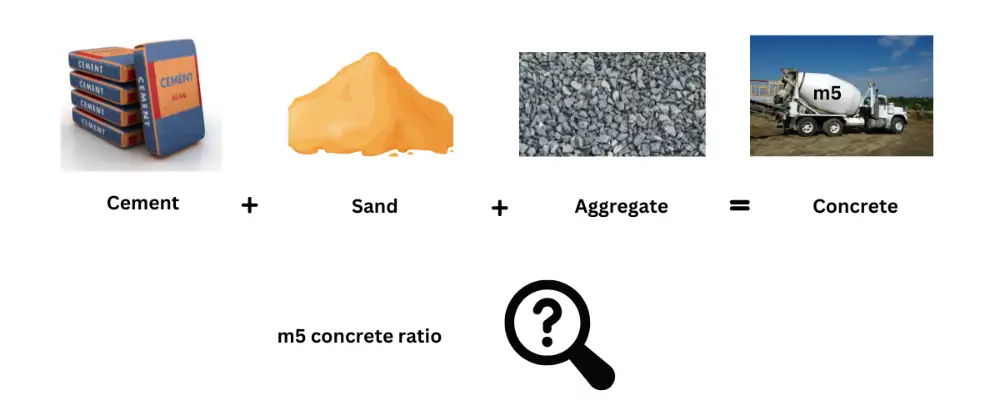
The M5 concrete blend ratio is 1:5:10, meaning it consists of 1 part cement, 5 parts sand, and 10 parts aggregate. The aggregate includes coarse aggregates, typically gravel or stone.

The ingredients of the M5 concrete mix ratio are as follows:

  • Cement: It acts as a glue to bind the aggregate materials together. 
  • Sand: Sand is the key component of concrete that improves its overall solidity and permanence.
  • Aggregate: It serves for many purposes in concrete. It contributes mechanical strength to the concrete as well as withstands hard environmental conditions.

How to Prepare M5 Concrete Mix?

Follow the steps to prepare M5 concrete mix:

  1. Prepare the mixture: 

While using it for simple projects, start by mixing the components in the correct ratio: which is 1 part cement, 5 parts sand, and 10 parts aggregate. Make sure to keep the water-cement ratio usually around 0.50 to achieve optimal consistency of the mixture.

  1. Spread out the cement-sand mixture

Spread the above mixture on a flat surface.

  1. Add the coarse aggregate

Spread the measured coarse aggregate above the cement-sand mixture.

  1. Blend the components

Now mix all the components by hand or by a concrete mixture machine.

By following the above steps, you will get the concrete mixture to pour into the structure. To match the immediate construction requirements, it can be prepared in single batches to speed up the process. The addition of admixtures enhances the performance of the mixture. 

Properties

The essential properties of M5 concrete mix are as follows:

  • Mix ratio: The standard fuse ratio of M5 concrete mix is 1:5:10.
  • Compressive strength: The M5 concrete mix achieves a compressive strength of 5 N/mm², suitable for lightweight construction work.
  • Water-cement ratio: Balancing the water-cement ratio around 0.50 is decisive for achieving the perfect combination.
  • Components: The M5 concrete is composed of main elements like cement, sand, and aggregates.
  • Uses: The M5 concrete mix is commonly used in applications that do not require structural support.

Application of M5 Concrete Ratio

M5 concrete mix is often used across various applications as follows:

Non-Structural Applications

As the M5 concrete mix can withstand moderate load or pressure, it is suitable for some non-structural applications such as levelling beds, basement floors, paths, compound walls, pavement, sidewalks, and simple footings concrete work. In these areas, you don’t need high strength where the load is minimal.

Light-Duty Applications

Due to its lower strength characteristics, the M5 concrete mix is suitable for applications like building facade walls, landscaping, partition walls, etc.

Support and Backfill

M5 concrete mix is commonly used for filling or levelling purposes. Their lower strength enables them to fit as a filler in foundations and pavement work.

Trench Filling

A trench is a deep, narrow hole in the ground. It is typically deeper than wide. The M5 concrete mix is used to fill the gaps in the trenches created for foundations or underground facilities following construction. It can also be helpful to fill the foundations.

Mix Proportions

The consistent mixing of elements as 1 part cement, 5 parts sand, and 10 parts aggregate, represented by the ratio 1:5:10. Water is added in the right proportion to activate the cement’s hydration process, which hardens and gains strength to the concrete.

Water-Cement Ratio

Understanding the ratio of water to cement is decisive because the higher water-to-cement ratio may weaken the strength and durability of the concrete. The water-cement ratio usually lies around 0.50.

Curing Process of M5 Concrete Ratio

The typical curing time for M5 concrete under standard environmental conditions is around 7 days. However, in hot and dry climates, the curing process may take up to 12 days to ensure proper hydration and strength development.

Factors Affecting M5 Concrete Quality

Various factors that may affect the M5 concrete quality are as follows:

  • Cement Quality

Using high-quality standard cement in construction projects ensures the longevity and strength of the concrete. If there is any mistake in selecting cement quality, then the entire project may get spoiled. Be careful in selecting quality products for concrete mix.

  • Aggregate Quality

The quality and characteristics of the selected aggregates, such as sand or coarse aggregates like stone or gravel, should be verified properly to get a fine concrete outcome. 

  • Curing

Curing is important to improve the stability of the concrete. A reliable curing method is essential to maintaining the moisture and right temperature in the concrete.

  • Admixtures and additives

During the curing period, chemical admixtures or additives can be added to the concrete mixture to enhance the hydration property of the cement to attain its perfection stage.

  • Environmental  Conditions

Extreme environmental conditions, such as high temperatures, humidity levels, and other strong winds, may affect the quality of the concrete. In extreme conditions, extending the curing time may be necessary to ensure concrete quality.

Conclusion

On the whole, the M5 concrete mix is ideal for non-structural construction projects, which don’t require higher loading capacity. The M5 concrete mix specifically fills the roles that are essential for low-strength applications. It is economical to complete basic construction work. However, careful attention is required where a high-strength concrete mix is required. You may use the M5 concrete mix to complete non-structural applications.
Jali Brick: Types, Benefits, and Modern Applications

0

You may have seen some village homes with jali brick windows or walls in concrete form. Those structures were likely built around 30 years ago. However, jali has been a popular architectural element since the Mughal period in Indian architecture. The well-known example that comes to mind is the Taj Mahal, famous for its jali work. People know jali bricks for their privacy and decorative features. 

Let’s explore how this ancient element is making a comeback in modern homes. We’ll look at different types of jali bricks and their benefits.

What is Jali Brick

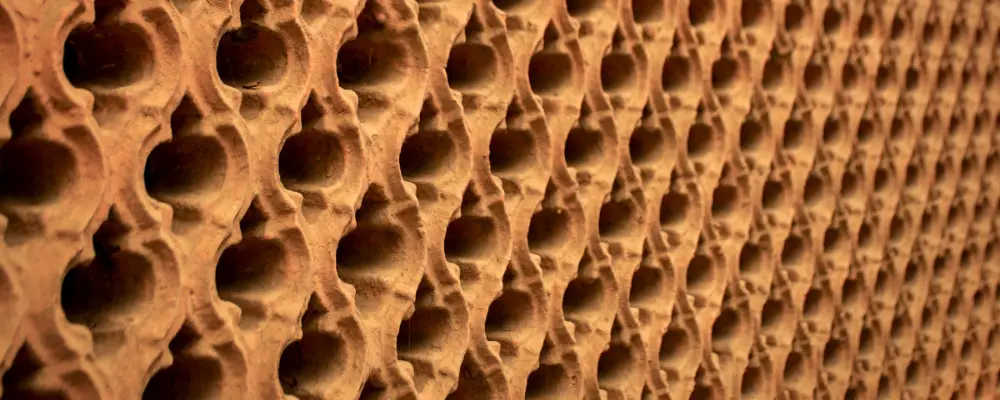
Jali brick refers to a type of brick that resembles a net, featuring intricate, repetitive patterns. When jali bricks are layered, they act as a screen that allows natural light and ventilation to homes. Moreover, they can serve as windows, division walls, and other decorative elements.

Jali bricks have become a popular building material in modern architectural styles to provide aesthetic appeal and serenity.

Types of Jali Bricks

In ancient times, jali work was done by carving stones, wood, and marble. Nowadays, jali bricks offer a simplified solution. They are available in various patterns and materials. Let’s see types of jali bricks based on material.

Clay Jali Bricks

If you want to incorporate natural beauty into your facades, clay bricks are the best option. They are made by mixing natural clay and water. These bricks come in red or brown colours, similar to clay burnt bricks. They are layered using a mortar mix, which adds beauty to your walls while allowing natural sunlight and airflow.

Clay jali bricks are mostly available in floral designs or simple geometric patterns. They can serve as large windows and dwarf walls in terrace areas.

Concrete Jali Bricks

Concrete Jali bricks are made from aggregates, cement, and water. They can be moulded into various patterns. They are durable and require low maintenance. Though these bricks are greyish-white in colour, they can be painted with desired colours. 

Concrete Jali bricks can resist harsh weather conditions. Moreover, they are affordable and cost-effective compared to clay Jali bricks. They are ideal for kitchen windows and outdoor spaces such as basil plant stands and prayer areas.

Stone Jali Bricks

Stone jali bricks usually come in larger sizes. They bring traditions and art forms into homes. These bricks are crafted from marble, granite, or sandstone. They give a classic appearance when used in balcony areas. It is possible to create unique designs with stone jali bricks.

Stone jali bricks undergo polishing to add elegance. Additionally, they are highly resistant to water and heat, ensuring strength and longevity to the structures.

Terracotta Jali Bricks

Terracotta jali bricks are made from terracotta clay and water. The terracotta clay is baked at high temperatures. Then, it is moulded into desired shapes and designs. The colour of the terracotta jali bricks ranges from red to yellowish-brown. Moreover, they are stronger and more durable than clay Jali bricks.

These bricks provide a natural cooling effect, keeping interiors cooler. When used as facades, they bring an earthy essence to homes. As roofing materials, they add a charming, rustic touch. Moreover, these bricks have a rougher texture than clay bricks, which gives a natural beauty to homes.

Uses of Jali Brick 

  • Jali Bricks are installed in homes or offices to add a natural and aesthetic look to them.
  • Unlike normal brick walls, Jali Bricks are not completely closed; they have holes in them that allow air and natural light to pass through.
  • They have various applications, starting from facades, balconies, and other interior purposes.
  • Normal brick walls add more bulk and do not allow ventilation; however, jali brick walls act as partitions and save space.
  • The unique patterns of Jali bricks reflect beautiful shadows into balconies or porticos, calming the mind and creating a creative space for inhabitants.
  • In some homes, due to area limitations, staircases are installed in front elevations, affecting the look of the building. Jali bricks can hide these staircases, adding a warm and charming look to the building.
  • Jali brick work in the front portion of homes provides privacy to inhabitants from the outside world, allowing them to spend leisure time in areas surrounded by Jali bricks.
  • Normal brick walls add weight to the building, but Jali brick walls are lightweight and also cost-effective.
  • Jali brick walls can be used for planting areas as they promote air and light circulation. The holes in the brick also allow beautiful vines to grow through. 
  • Jali brick walls act as feature walls in garden areas with added light settings to give a warm ambiance.

Limitations of Jali Bricks

  • Jali brick walls lack structural integrity and need more structural support.
  • The holes in the brick wall can trap dust, and rain can pour through them. This makes the cleaning process harder.
  • Jali Bricks are available only from specialised contractors, which limits their accessibility. This increases transportation costs and overall expenses.
  • When a piece of the jali brick wall gets damaged, replacing it becomes more difficult.

Installation of Jali Brick Work

Jali bricks typically measure 8 inches in length and 8 inches in width, with thickness varying from 2.5 inches to 3 inches. The standard dimension for most jali bricks is 8×8×3 inches. Unlike regular bricks, jali bricks require support or a frame to be laid upon. For instance, in corridor spaces, jali bricks are installed within a normal brickwork frame, serving as a screen.

Mortar is used to layer and join the jali bricks, with adhesive sometimes applied as an additional bonding agent. For smaller areas, the jali work is constructed fully without additional support. However, larger spaces require steel sections or concrete bars as columns for added support.

Local labourers initially find working with jali bricks challenging due to concerns about their strength. However, as clients increasingly request jali work, labourers have become more familiar and comfortable with it. Consequently, jali brick installation has become more widespread.

Notably, concrete jali bricks are more durable and stronger than other types, resisting breaks and damage. Handling other types requires proper care. Proper planning and layout are crucial for installing jali bricks and to add charm and aesthetics to homes.


Conclusion

To conclude, jali bricks are well-known for combining architecture with ventilation and natural light. Their varied patterns and earthy tones give buildings a warm and welcoming look. Proper planning and installation are necessary to bring out the full beauty of jali bricks.

FAQs

1.What are the benefits of using Jali bricks in gardening?

Jali bricks promote air circulation, provide support for climbing plants, and add a decorative touch.

2. Can Jali bricks be used for indoor decor?

Yes, Jali bricks can be used as feature walls, sections to hold TVs, pooja room walls, or room dividers. They add warmth and texture to indoor spaces.

3. Can I use Jali bricks for load-bearing walls?

No, Jali bricks are for decorative purposes. They cannot bear weight due to their perforated structure.

Exposed Brick Cladding: Everything You Need to Know

0
exposed brick cladding

Designing a home may be stressful when you are out of ideas. You have tons of decorative options available in the market today, but choosing the right one transforms your space dreamily.

A home or house is the place where we find our entire peace and happiness.  Using exposed brick cladding, you can achieve a traditional and vernacular look while retaining modernism. Its unique and out-of-the-box approach comes as an interesting solution to your needs.

In this article, you will be explained the types, advantages, and applications of exposed brick cladding. By understanding them thoroughly, you will get an idea about choosing the right decorative method.

What is Exposed Brick Cladding?

Exposed bricks are nothing but a brick wall that is exposed naturally. They are uncovered with any paint, plaster, or other finishes. Such walls reflect the natural beauty of brickwork and give a rustic finish. As a base material, they protect surfaces from any external causes like water, sun, wind, etc.

The appearance of naturally exposed raw brick walls provides rustic, modern, and minimalist architectural style. Whether you are constructing a new home or renovating historical structures, this option can be a durable and eye-catching one.

Types of Exposed Brick Cladding

Exposed brick cladding has been classified into different types. They have been made from various materials possessed with ideal characteristics. Here are those:

Natural Brick Cladding

Natural brick cladding is a widely used type made from natural materials like shales and clay. They can be used to elevate the elegance of both the interior and exterior of a building. A perfect decorative material involves using brick or brick-like tile to cover the surface. It allows you to feel the original colour, texture, and shape of bricks, which seems visually interesting. It works great for traditional as well as contemporary houses and has reduced energy consumption.

Thin Brick Veneer Cladding

An exterior wall cladding with brick veneer feels lighter than traditional brick. They are made from lightweight, engineered materials that resemble the appearance of traditional brickwork. It can be a perfect choice to achieve your desired aesthetic look. Thin brick veneer cladding is primarily used to reduce the load of a building and can withstand harsh weather conditions. It is pretty easy to install at reduced labour costs and is available in various colours, textures, and finishes; you can choose the one according to your architectural style.

Materials Used in Exposed Brick Cladding

Exposed brick cladding is a recognized decorative choice for both interior and exterior spaces of a building. However, the look and aesthetic appeal depend upon the materials used in it. They are:

Clay Brick: Clay brick is the most common brick type crafted by hand. It is extracted by clay fired in a kiln or sunburnt and then moulded into specific patterns or shapes. They offer a classic and rustic appearance, available in numerous sizes, textures, and colours, but generally in earthy tones.

Sand-Lime Brick: This man-made brick uses lime instead of cement and selected sands. Sand lime is a white brick cast in moulds and then cured. They are used for several purposes in construction industries, especially for their enhanced durability and fire resistance.

Brick Veneer: If you would like to replicate the appearance and feel of traditional brick, then this can be your ultimate choice. A thin and lightweight material often used for exterior cladding. It may not be suitable for some areas prone to harsh weather conditions.

Mortar and Adhesives for Brick Cladding

A strong bonding ensures longevity, structural integrity, and appearance. The choice of adhesive or mortar should be appropriate to the binding needs of construction projects. Here are some of the common options provided:

Mortar: It is a common and traditional binding material that builds durable bonds between bricks. They are made from ingredients like cement, water, and sand. Choose the right mortar type based on the construction project you are dealing with:

  • Portland cement mortar for enhanced strength and resilience.
  • Lime mortar, a traditional option for plasticity and breathability.
  • Polymer-modified mortar contains the combined properties of polymer and Portland cement, providing exceptional strength and flexibility.

Adhesive: A newer binding option with improved flexibility. Opt for adhesives if you are installing lightweight brick cladding systems such as veneers. They dry quickly and provide the required strength.

  • Silicone-based adhesive is known for good adhesion, but it will not work great for all brick types.
  • Acrylic-based adhesive is primarily used in interior applications, ensuring a strong bond.
  • Hybrid adhesives have combined properties of both acrylic and silicone adhesives, providing exceptional flexibility and performance.

Installation Process of Exposed Brick Cladding

Here are the lists of processes you need to follow before installation:

Surface Preparation

  • Ensure that the existing surface is coated with paint or plaster, clean it properly for good adhesion.
  • Then use a levelling surface to make the surface smooth and even, which helps avoid unwanted gaps.
  • Applying a primer appropriate to the surface condition can improve adhesion and prevent moisture penetration.

Brick Laying and Bonding

  • Create a solid foundation using masonry or concrete blocks, which is essential when the surface is about to handle the heavy loads.
  • The surface is prepared with a backing material, and then the bricks are laid one-by-one using mortar or adhesive.
  • To avail a neat and proper installation, bricks should be arranged uniformly using lining tools.

Pointing and Finishing

  • Once the bricks are arranged in a proper alignment, pointing needs to be done to ensure that the mortar joints look clean.
  • Finally, the surfaces need to be cleaned and a sealant applied to ensure the performance of brick cladding.

Applications of Exposed Brick Cladding

As mentioned earlier, exposed brick cladding is a suitable choice for both interior and exterior applications. Based on the architectural style, you can choose the right type of cladding system:

Interior Applications

Exposed brick cladding offers a natural and rustic appearance, which adds a sense of warmth to any room. They are unique, versatile, and long-lasting. It helps create both a vintage and modern look, depending upon your architectural style. You can transform your living rooms, bedrooms, kitchen, and bathroom into a cosy and inviting atmosphere.

Exterior Applications

Exterior brick cladding, on the other hand, creates privacy and adds aesthetic value. The exterior appeal of your home attracts potential buyers and improves its monetary  value. Brick is a strong and durable material that can tackle any harsh weather conditions, including temperature fluctuations, rain, and wind. You can install it in your garden walls, barbecues, fireplaces, and facades to add a traditional look.

Advantages of Exposed Brick Cladding

Aesthetic Appeal and Natural Look: Exposed brick looks very natural and classic. It provides a timeless beauty and long-lasting appearance to your interior and exterior applications at minimal maintenance. At reduced cost and time, you can create an inviting atmosphere.

Thermal Insulation Properties: Exposed brick cladding carries excellent thermal insulation properties and reduces heat transfer and regulates indoor temperature in any climatic conditions. When the installation is done properly, brick can act as a protective layer with enhanced effectiveness.

Disadvantages of Exposed Brick Cladding

Higher Initial Cost: Compared to other cladding materials, the initial investment in brick is generally higher. Additionally, installation is crucial and requires highly skilled labour, therefore increasing the overall cost.

Limited Colour and Texture Variations: Every architectural style deserves a unique appearance, which can be varied through colours, patterns, and textures. But it is restricted in this natural brick cladding, compared to paint or other cladding systems.

Potential for Cracks or Wear Over Time: Improper installation can lead to cracking, discoloration, wear and tear. Regular maintenance can help enhance the appearance and prevent damage. Exposed brick surfaces may also start to chip out or wear out over time and require regular application of sealants to prevent this.

Water seepage: Since exposed bricks generally do not have any waterproof coating (such as plaster or paint) over them, water seepage can be a common problem faced by such walls when placed externally. This can also lead to moisture accumulation and mould development.

Final Thoughts

Exposed brick cladding can be a perfect choice for construction projects where a blend of tradition and modernism is required.  While it can be beautiful and strong, proper installation and regular maintenance are required to guarantee its durability. Ensure proper supervision and maintenance to obtain a long lasting finish.

Difference between Type N mortar and Type S mortar

0
Difference between Type N mortar and Type S mortar

Building a structure with the right mortar type enhances the strength and longevity. Different types of mortar exist, each with varying compressive strength, flexibility, and bonding properties. Each mortar has specified sand proportions, Portland cement, and hydrated lime applicable for various projects.

It doesn’t matter whether you go with Type S or Type N mortar. It is important to ensure their properties and functionalities meet your desired requirements. Type S mortar is fundamentally known for its increased strength and durability, it can be widely used in load-bearing foundations and walls. In contrast, Type N mortar is highly versatile and suitable for non-load-bearing walls and repairs.

To make the best choice, understand the key differences between both mortar mixes. In this article, we’ll explain them clearly:

Overview of Type S Mortar

Type S mortar is particularly designed for harsh weather conditions. It is recognised for its exceptional durability and strength. It is composed of ingredients in the ratio of one part lime, two parts cement, and nine parts sand.

Type S mortar is a common choice for masonry applications such as sewers, foundations, retaining walls, and manholes. It has an average compressive strength of around 12.41 N/mm², however, the mixes can yield a strength between 15.8 and 20.6 N/mm².

Overview of Type N Mortar

Type N mortar is the most commonly used mortar mix and possesses a compressive strength of around 5.17 N/mm². It is versatile and recommended for use on exterior and above-grade walls.

Type N mortar is composed of 1 part lime, 1 part Portland cement, and 6 parts sand, providing balanced strength and flexibility. It is a preferred choice for both interior and exterior load-bearing installations. Notably, it can achieve a strength between 10.3 and 16.5 N/mm² after 28 days.

Key Differences Between Type N and Type S Mortar

Type N and Type S mortars have different properties and are used for various purposes. The key differences between these mortars help you choose the right type. Herewith, both the components are differentiated in detail:

FeaturesType S MortarType N Mortar
CompositionType S mortar is composed of sand, Portland cement, water, along with Hydrated lime.Type N Mortar contains water, Portland cement, lime, and sand.
Strength and CompressionIt offers high-strength applicable to both below-grade and above-grade masonry units.Type N mortar has a medium strength, suitable only for above-grade masonry units like block and brick.
Compressive StrengthDue to its excellent water-resistant property, Type S mortar is ideal for areas susceptible to moisture content and extreme weather conditions.It contains a compressive strength around 5.17 N/mm², which is not suitable for structures requiring high strength and durability.  
Water ResistanceDue to its extreme water resistant property, Type S mortar is ideal to areas susceptible to moisture content and extreme weather conditions.Compared to Type S mortar, it has moderate water resistance. It makes them applicable only for above-grade applications. 
FlexibilityType S mortar is highly flexible, allowing it to withstand movement and cracking.Type N Mortar has moderate water resistance and is suitable for only the above-grade applications.
Bonding PropertiesIt provides exceptional bonding properties, ensuring a strong and reliable bond between masonry units.It has good bonding properties but less likely than Type S mortar.
ApplicationIt can be used for a wide range of applications such as foundations, load-bearing walls and masonry units.Type N mortar is primarily used for above-grade masonry applications, such as block walls and brick veneer.

Advantages and Disadvantages of Type S Mortar 

Advantages

Longevity: Type S mortar provides extreme longevity and can handle the pressure created from wind, seismic loads, and moisture. However, its resistance to freeze-thaw cycles will cause impacts to other materials. 

Applicable for Marine Structures: Type S mortar has low permeability and is used widely in marine structures like piers, seawalls, and docks.

Masonry Applications: It is a popular choice for masonry applications where structural stability is paramount, such as laying bricks, stones, or blocks.

Disadvantages

Expensive: Due to its improved properties and higher strength, Type S mortar is more costly than Type N mortar.

Not Fit for Certain Applications: Type S mortar is highly versatile, which cannot be a suitable option for all kinds of masonry applications, especially in areas where strength and water resistance are not so required.

Advantages and Disadvantages of Type N Mortar

Advantages

Easy to Apply: Type N mortar is easy to apply and finish, and it doesn’t require any special skill sets or equipment to handle.

Low Price: From initial to end, the cost of materials and labour is typically low compared to Type S mortar.

Disadvantages

Limited Versatility: It is particularly designed for above-grade masonry applications, making it not suitable for areas where the strength and water resistance are important.

Lower Strength: Type N mortar is possessed with lower compressive strength, which makes them less suitable for load-bearing applications.

Factors to Remember When Choosing the Mortar

Choosing the mortar type is typically based on the project requirements. But here are the lists of factors that help you choose the appropriate one:

Load-bearing Requirements: If your structure involves load-bearing walls or foundations, then you need a mortar type with higher strength and durability. It helps withstand heavy pressure, movement, or vibration.

Weather Condition: When planning your construction in areas prone to harsh weather conditions, choose mortar with high water resistance. Then only the structure can survive without any cracking or critical damage. 

Pricing: Budget is the primary concern of any construction project. Generally, Type N mortar is more affordable than Type S mortar. By considering your project needs and requirements, you can choose the best one within your budget.

Final Thoughts

In this article, you have seen the key differences between Type S and Type N Mortar. It makes you understand which mortar will be the best choice for your project needs, including cost considerations, the skill level of the labour, load-bearing capacity, and exposure to moisture. With careful consideration, we can ensure the success of every masonry project.

What Mortar to Use for Brick House?

0
What mortar to use for brick house?

We’ve all wondered about homes built 100 years ago and how they stand so strongly. The reason is that high-quality mortar was used in their construction. Those old homes were built with stones or mud using a sand and lime mixture as mortar. In modern construction, mortar mixtures have evolved to cater to various needs. Let’s explore the mortar systems used today to construct strong brick houses.

Understanding Mortar in Brick Construction

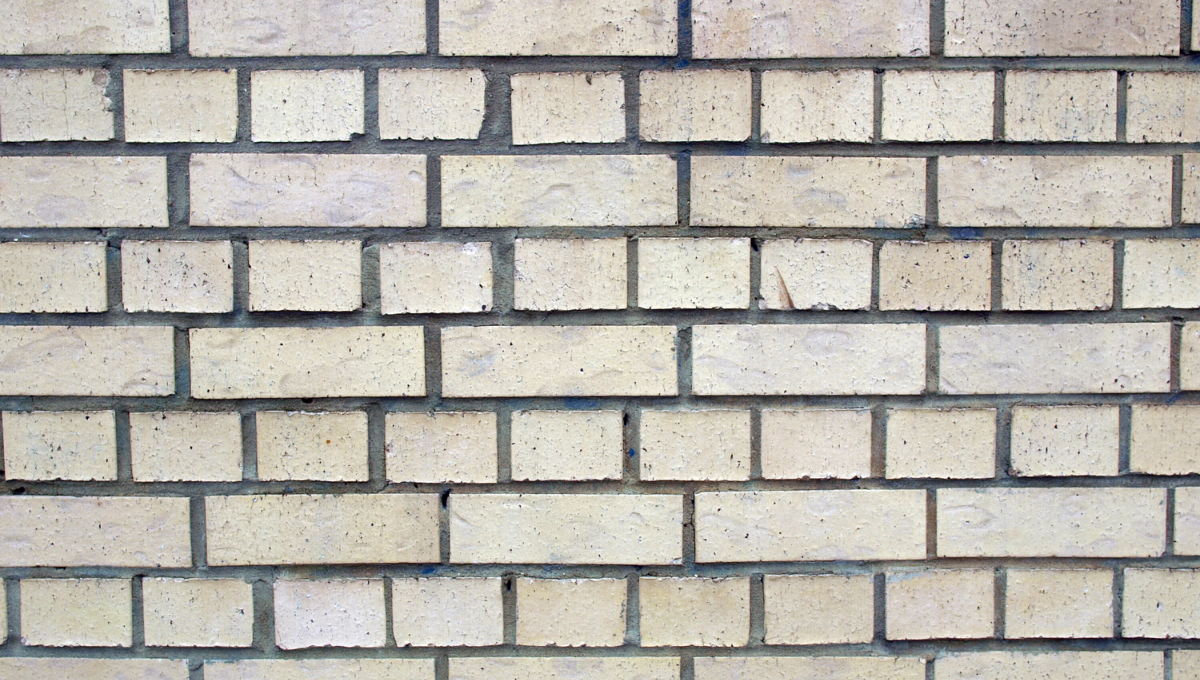
Let’s clear the confusion between mortar and concrete. Concrete is made by mixing aggregates, cement, and water, used to build bridges, roads, buildings, and foundations. This is unlike mortar— a combination of cement, sand, water, and sometimes lime.

Mortar mix acts as a glue to hold bricks or blocks together, and it is helpful in bricklaying and filling gaps. 

Why is Mortar Important for Brick Houses?

Mortar is a must-have material in brick construction. Without it, bricks can’t stand together firmly. Mortar provides structural integrity and enhances appearance. Interestingly, the brick-and-mortar look has become a popular wall design and aesthetic appeal.

Mortar not only fills gaps but also provides compressive strength by uniting bricks. It prevents pest attacks, water passage and ensures weather resistance. Ultimately, mortar creates a solid structure.

Types of Mortar for Brick Houses

Mortar types are categorised into four main classes based on their composition, usage, and compressive strength:

1. Type N
2. Type S
3. Type M
4. Type O

In all four types, Portland cement, hydrated lime, and water are common in the mix, but the ratio of the mix varies.

Type N Mortar

  • Proportion- 1 part cement, 1 part lime, 6 parts sand
  • Type N mortar is widely used in construction. It offers medium strength and durability, making it ideal for above-ground structures like walls, windows, and roofs.
  • Type N mortar is suitable for various climates and supports minimal loads.

Type S Mortar

  • Proportion- 2 parts cement, 1 part lime, 9 parts cement
  • For construction works below the ground structure and in earthquake-prone zones, high tensile bonds and resistance to pressures are necessary.
  • Unlike Type N, Type S mortar achieves high compressive strength due to its unique composition.
  • It is suitable for foundations, pathways, underfloor and parking areas.
  • Type S mortar can resist external and internal pressures and therefore ensure structural integrity.

Type M Mortar

  • Proportion- 3 parts cement, 1 part lime, 12 parts sand
  • Type M mortar offers the highest compressive strength among all mortar types.
  • It’s ideal for high-traffic areas, pavement, foundations, load-bearing walls, and structures in harsh climatic conditions.
  • Type M mortar provides exceptional strength and durability.
  • However, its high cement content reduces its binding nature, making it challenging to work with.
  • Due to its thick texture and limited workability, it is difficult to handle.

Type O Mortar

  • Proportion – 1 part cement, 2 parts lime, 9 parts sand
  • Type O mortar is rich in lime content and provides very low compressive strength.
  • It can be used to repair joint areas and refill gaps in bricks.
  • Due to its low load-bearing capacity, Type O mortar is not suitable for above the ground structures or high-traffic areas.
  • Instead, it’s perfect for interior work, including non-load bearing structures and walls that act as divisions.

Compressive Strength 

Mortars are graded based on the minimum compressive strength they can achieve at the age of 28 days. 

  • Type M mortar’s compressive strength ranges from 17.2 to 17.5 N/mm². It is ideal for heavy-duty applications due to its highest compressive strength.
  • Type S Mortar can reach 12.41 N/mm² of compressive strength after a setting period of 28 days. It is suitable for exterior purposes with high compression.
  • Type N Mortar has moderate compressive strength of 5.17  N/mm². It is a general-purpose mortar for both interior and exterior walls with moderate strength.
  • Type O mortar has the lowest compressive strength of 2.41  N/mm². It is suitable only for non-load bearing walls.

How to Choose the Right Mortar for Your Brick House

When choosing the mortar type for your brick house, several factors come into play. The number of storeys is a crucial consideration; for instance, single-storey buildings require less mortar strength, whereas multi-storey structures demand high-strength mortar, specifically Type M, in larger quantities.

Budget and proper planning are also vital to ensure sufficient funds for the project. Additionally, consider the environmental conditions, soil type, and project timeline to determine the most suitable mortar.

For outdoor spaces, such as sitting areas and parking, Type M mortar is ideal due to its high strength. In contrast, non-load bearing walls, slabs, and doors can utilise Type N mortar. Decorative portions like dwarf walls and cupboards, built for aesthetic appeal, are perfectly suited for Type O mortar.

Brick Type and Construction

Different brick types are available for homes, made from clay, concrete, or fly ash bricks. Each has its own strength and weakness. It is advisable to choose high-quality brick types based on your project. Burnt clay bricks are considered high-quality bricks for homes and are commonly used in many regions. However, they cost more than hollow blocks, typically used for load-bearing walls.

Moreover, the mortar system plays a crucial role in determining the bonding strength of bricks. Proper construction methods should be used when laying bricks. Nowadays, many tools have entered the market to speed up the bricklaying process.

There is always mortar waste during brick construction. However, experienced and trained labourers are skilled at minimising waste using specialised techniques and tools. Additionally, the thickness and level of mortar vary from brick to brick, depending on factors like brick size, shape, and texture. Bricks with hollows require more mortar, while dense bricks with a smoother texture need less.

Understanding the brick type, choosing the right mortar, and following proper construction methods can ensure the overall structural integrity and longevity of brick houses.

Climate and Environmental Considerations

Before starting your brick house construction, you should always keep in mind the climate and environmental factors. If the construction is going to take place in seismic zones, the mortar mix should have high compressive strength. 

Regions near coastal areas face a major issue with saltwater. That will affect the bonding strength of mortar. Brick houses will start to crack in the future when mortar fails to do its role. Temperature conditions, and humidity levels will affect the setting time and strength of the mortar.

All kinds of environmental factors should be considered to prevent damages and cracks. By understanding these factors, following local guidelines, and choosing the right brick type, you can ensure the long-lasting building structures. This will reduce the maintenance and repair costs.

Tips for Applying Mortar for Brick House Construction

  1. First, clean the bricks and ensure they are free from dust and debris.
  1. Mix the mortar required for your project.
  1. Apply a uniform layer of mortar, approximately 1/4 inch thick.
  1. Hold the trowel at the correct angle to spread mortar uniformly.
  1. Move the tool in a zig-zag motion for full coverage.
  1. Place bricks and firm them tightly to avoid shifting.
  1. Fill joints and gaps between bricks with mortar using tools.
  1. Remove excess mortar.
  1. Allow 24 to 48 hours for the mortar to dry and set.
  1. The setting period takes around 28 days to achieve full strength.

How to Repair Mortar in a Brick Wall

Brick walls lose their bond or strength due to age, weather exposure, and water passage. Even with strong mortar, it degrades over time, causing cracks and breakages. It’s best to repair brick walls in the initial stages. This can be done by removing old mortar and applying new mortar. Follow these steps:

  • Check for Damage: Look for signs of damage. Check if the brick wall has minor or deep cracks or significant water stains.
  • Preparation: Prepare by buying the needed mortar mix and gathering the necessary tools. Clean the wall surface using a brush, cloth, or chisel.
  • Remove Old Mortar: Carefully remove mortar from horizontal joint areas with a chisel. Insert the tool into the joints and gently scrape out the mortar, avoiding brick damage.
  • Clean Joints: clean the joints using chisel, trowel or cloth.
  • Prepare Surface: Mist the brick wall with water and let it absorb overnight.
  • Mixing Mortar: Mix mortar in the correct ratio, following instructions.
  • Fill Joints: Start horizontally, filling joints with mortar. Scoop mortar with your trowel, fill the required amount, then move to vertical joints. Use a sharp-edged tool to spread mortar.
  • Allow to Set: the filled joints dry for a few days. Remove surface dust using a brush or cloth. Use a trowel to press and smooth the joints.

Important Tips

  • Avoid adding excess mortar.
  • Choose the correct mortar type.
  • Let it dry for at least 48–72 hours.

Conclusion

It is clear from the above statements that choosing the right type of mortar is mandatory for constructing your home. It should align with environmental factors, budget, and personal preferences. For most residential brick homes, Type N mortar is often recommended due to its balance of strength and flexibility. However, for specific needs, such as structural integrity or exposure to harsh weather, consider using Type S or Type M mortar. Consider consulting with project experts to use mortar effectively and ensure the strength and safety of your home.

FAQs

1. What is the thickness of mortar for brick construction?

The thickness of mortar for weight-bearing brick walls is typically a maximum of 3/8 inch. For other construction types, it can range from 1/8 inch to ¾ inch

2. How long does mortar take to dry and set?

Mortar typically takes 2-3 days to dry. The setting time varies based on climate factors. It usually takes 2-4 weeks to set completely.

3. Do different types of bricks require different types of mortar?

Yes, different types of bricks require specific types of mortar for strong bonding and durability.

Where to Keep Tortoise at Home According to Vastu and Types

0
Tortoise

Animals are regarded as sacred beings in Hindu mythology. Different animals bring different aspects of benefits with them. People from all walks of life believe the tortoise is a god-gifted animal with a long span of life. The Vastu tortoise symbolises long life, stability and wealth. According to Vastu Shastra, placing different types of tortoises made of different materials in appropriate directions can expedite the flow of positive energy. This article discusses the various materials used for tortoises and their colour significance to attract positivity in people’s lives.

Types of Vastu Tortoise for Your Home

Metal Tortoise

According to Vastu Shastra, having a metal tortoise at home will increase longevity of family members and sharpen the kid’s minds and focus in the house. People believe that metal increases the curiosity and concentration in kids and adults. This will instigate curiosity in children and ameliorate their knowledge and learn new things with interest. This benefit could be attained if the metal tortoise is placed in the kid’s room. The metal tortoise must be kept either in the north or northwest directions to maximise its benefits.  

Wooden Tortoise

Wooden tortoises are considered to bring positive energy and happiness. According to Shastra, the wood represents earth signs, promoting stability and balance among family members. Having this inside the house will bring harmony among the family members residing. The position that needs to be followed for a wooden tortoise is at the home entrance or in the living room. This positioning will radiate positivity to everyone who enters the house. The favourable direction to optimise its benefits is the east or southeast direction of the house.

Hematite Tortoise

These types of tortoises are generally kept in the house to maintain the health of family members. If any one of the family members is fighting chronic illness, this tortoise could be the cure. Having a hematite tortoise in the room of an ailing person can help improve his/her health drastically, symbolising hope. This can even be provided as a gift to their recovery process. Sick and suffering from any disease to improve.

Clay Tortoise

When people lose hope in what they do, things fail to go as planned, clay tortoises come in handy. The Vastu posits that this type of tortoise brings stability to the home and decreases the ups and downs in the lives of the people. In addition, it is believed to bring harmony, serenity, wealth and longevity to an individual’s life. This has the aura to bring people out of their messy lives and bring stability to every aspect of their lives. The favourable direction in the house is to keep them in the southwest corner of the house.

Crystal Tortoise

Crystal tortoises represent signs of longevity, protection, and wealth. Generally, they are safe to use as a décor in the home. There is no concern about keeping a crystal tortoise, as they do not involve live animals or ethical problems. According to Vastu Shastra, having crystal tortoises in the north direction will bring fortune. The crystal tortoise falls in the expensive price range. There is a widespread belief that the more you invest to buy the crystal tortoise the more you will get in return. In addition to fame and prosperity, they also indicate survival, helping people to get out of difficult situations in their lives.

Rhinestone tortoise

The rhinestone tortoise is well-known for influencing the financial state of the family members. Placing it in the direction of the north and its head facing inwards towards the house will resolve all financial problems prevailing in the house.  

Yellow colour tortoise

The colour yellow is associated with optimism and happiness. In addition, it is regarded to be the colour of the sun and is considered sacred and spiritual. Having a yellow tortoise in the home can help an individual or family members to meditate and bring calmness.

Blue Tortoise

The colour blue indicates tranquillity and calmness. According to the colour pallet, it is regarded as a cool colour. This characteristic of blue colour helps relax a person’s mind, body and soul. People are encouraged to have blue-coloured tortoises if they want to meditate with calm and spread cool vibes in their homes.

White Tortoise

As per the colour palette, white represents tranquillity and peace. The presence of white tortoises in the home promotes good spiritual vibes. This white tortoise can be in material, be it painted on glass, stone, or marble tortoise. The favourable position to optimise the benefits is the southeast or in the south corner of the house.

Black Tortoise

One may be prejudiced that black colour signifies evil and attracts negativity. However, the Vastu Shastra has a different explanation. It posits that a black tortoise at one’s house will bring prosperity in terms of their business. It is highly recommended for those seeking career growth. The position suggested by the shastra to maximise the benefit is the north direction of the house. The black tortoise is the most popular and easily available in the market.

Green Tortoise

This green-coloured tortoise is recommended for those families in which kids often get distracted. Keeping this tortoise will increase focus and dedication among all the individuals in the family. This acts as a protective force and distances negative energy away from home.

Where Should a Tortoise be Placed at Home?

One may find tortoises made from different materials in the market. However, not all tortoises can bring fortune. Every colour and material of the tortoise emits varying energy. This distinct energy facilitates different purposes of the people. The north centre of the house is governed by Tortoise, along with Lord Kubera. This relationship of the tortoise with Lord Kuber makes it ideal to have in the direction of the north. One can even keep the tortoise in office space to avail of such benefits. Keeping a tortoise in the front of the entryway is also considered auspicious. This wards off negativity from the house. In addition, one can even have holy serpent turtles in the east direction. Having them in the East will help strengthen relationships among the family members. One can keep metal turtles either in the north or the northwest directions. Metal turtles in the north direction are believed to entice good fortune into the children’s lives and help boost concentration. In the Northwest, they help to sharpen minds.

For Wish-Fulfilment

Apart from the many benefits listed above, tortoises can even be used to fulfil one’s wishes. To attain this benefit, one needs to buy a tortoise made of metal that can be opened. Then the person needs to write down the wish on yellow paper, place this inside the tortoise and close it. The tortoise should be placed on a red cloth. Do see it every day. 

For Career Growth

To accomplish career growth, place black-painted metal tortoise in the living room or workspace. This tortoise should have a Chinese coin in its mouth to signify income growth. To make this real, position the statue in a way that faces the main door of the house. Or else, place the black tortoise in the north, near water features for career growth.

For Promote Health

A statue of a turtle can make miracles for those who combat illness in their day-to-day life. This statue should be placed in the best direction calculating the system of numerology based on the birth year and gender. By doing so, any terminal illness can be cured, promoting the health of the inhabitants.  

Benefits of Keeping Tortoise at Home

People practise the tradition of placing tortoises in the house to invite positive energy to the house. It induces good well-being and a long life for the inhabitants. Many prefer to ward off negative energies away from home. This helps in fulfilling one’s wishes and aid in career growth. Having them in the bedroom can even treat people who suffer from insomnia and anxiety. In Hindu mythology, Lord Vishnu’s second avatar, the Kurma Avatar, was in the form of a tortoise. One must remember that the tortoise should be kept in a bowl, glass bowl or plate. Keeping the tortoise in a bowl filled with water doubles its positive effects. The turtle is viewed to be auspicious and will bring peace, harmony, long life, and cash.

Conclusion

It is always considered to be good to keep certain animal idols in the house. There is no compulsion to follow the above-mentioned facts for all. For intrigued people, it is important to understand where you should place the tortoise according to the principles of Vastu Shastra. Both the placement and the colour of the tortoise are essential to gain the benefits. If you are a non-believer of this, keep a tortoise as a décor in your house and see the magic it spreads in your life. 

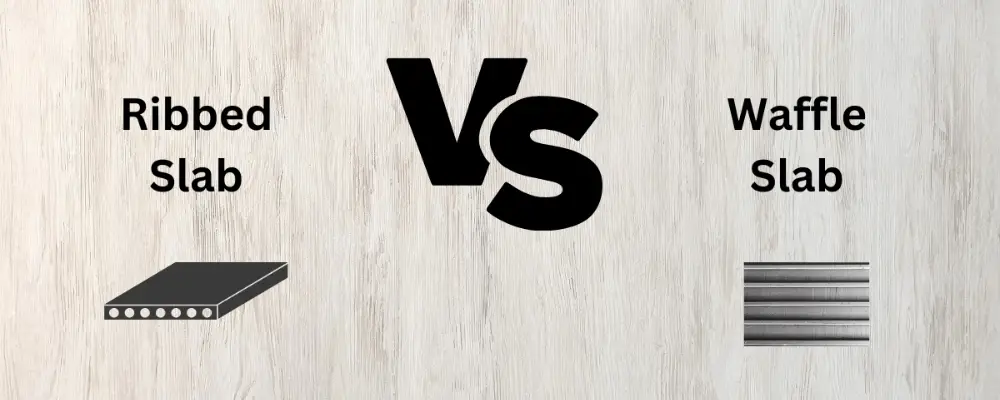
Ribbed Slabs and Waffle Slabs – Understand the Key Differences

0

Ribbed slabs and waffle slabs are widely used in the construction industry for their long-spanning abilities. They are popularly known for their aesthetic potential along with other engineering benefits. Both maintain strength by using a grid of reinforced beams or ribs. Load distribution is made possible by the depressions on the bottom surfaces, making them preferred choices in earthquake-prone regions.  

The pattern of ridges or depressions helps to increase the strength and stiffness of the slabs. The ultimate load is decreased by reducing the extent of foundations, ensuring both safety and durability. 

Ribbed slabs and waffle slabs also allow for larger spans without numerous internal supports. They are especially helpful in large commercial buildings, parking garages, and laboratories. 

In today’s construction industry, ribbed slabs and waffle slabs represent a blend of form and function. They help deliver on both aesthetic and practical needs. They can span vast areas, resist dynamic loads, and contribute to sustainability. This leads to material efficiency, making them a cutting-edge choice in modern architectural design. Read on to learn about the differences between the two types.

What are Ribbed Slabs? 

Ribbed slabs are reinforced concrete slabs, containing a series of parallel beams or ribs running underneath. The main purpose ‌of the ribs is to increase the slab’s strength and stiffness by reducing its weight. They can be constructed in situ or using precast elements. The slab typically uses materials such as concrete with steel reinforcement. When compared to flat slabs, the materials are used in lesser quantities. 

The thickness of ribbed slabs ranges from 85 to 150 mm, making them stiffer than equivalent flat slabs. Ribbed slabs can have an overall depth of 300 to 600 mm, providing high flexural strength due to their design. The ribs in these slabs are typically 75 to 200 mm wide, with spacing between 600 and 1500 mm. Reinforced ribbed slabs can extend up to spans of 16 metres and offer enhanced shear strength and low flooring deflection compared to flat slabs

What are Waffle Slabs? 

A waffle slab is a reinforced concrete slab with a grid pattern on its underside. The main purpose of the grid pattern is to increase the slab’s strength and stiffness while reducing its weight. The overall depth of waffle slabs ranges from 250 to 600 mm, making them lighter than flat slabs. The slab design features ribbed grid support to reduce the required concrete. ‌ It has a greater load capacity and steel rods are used to reinforce the ribs. Special moulds or formwork are used to create the characteristic waffle pattern. Its construction process involves formwork, placing waffle moulds, arranging steel reinforcement, and pouring concrete. The ribs generally have a spacing of 600 – 900 mm. Waffle slabs distribute loads evenly, making them suitable for large spans greater than 12 metres (40 feet). The underside’s grid pattern can be left exposed for aesthetic purposes.

Advantages and Disadvantages of Ribbed Slabs

Advantages 

  • Ribbed slabs are lighter when compared to solid slabs. This reduces the overall load on the structure as it uses less concrete and steel. 
  • They generally do not require intermediate columns, beams or other supports, allowing large open spaces.
  • The ribbed design produces efficient load distribution, saving overall cost. This reduces the expense of materials and labour. 
  • They are highly durable and require low maintenance. 
  • Ribbed designs can be visually appealing; this allows for creative architectural designs. 
  • The voids in ribbed slabs provide good thermal and sound insulation.

Disadvantages

  • It comprises complex design and more detailing with skilled labour for construction. 
  • Voids in the slab accumulate dust and debris, requiring regular maintenance. It also leads to the potential transmission of sound through the voids and has an increased risk of moisture accumulation.

Advantages and Disadvantages of Waffle Slabs. 

Advantages

  • Waffle slabs can cover large spans without intermediate columns or support structures. It is ideal for large open spaces. 
  • They are up to 30% lighter when compared to solid slabs of equivalent thickness and can withstand higher loads than flat slabs. 
  • Waffle slabs provide excellent vibration control. Their grid design helps reduce the formation of cracks. 
  • They contribute to providing better structural integrity and even distribution of weight. This enhances ‌stability, ideal for building requirements with minimal vibration. 

Disadvantages 

  • Waffle slabs require more height between each floor, which can be expensive.
  • The construction can be challenging due to complex formwork.
  • Sometimes, it can be difficult to maintain, and the initial investment is higher due to specialised formwork. 
  • Its complex design makes it difficult for any further changes in construction.

Key Differences of Ribbed Slabs and Waffle Slabs

Strength

  • Ribbed Slabs: These are large and generally strong due to the parallel reinforced T-beam formed by the ribs. They are generally suitable for medium to heavy loads.
  • Waffle Slabs: Waffle slabs are specially designed to handle larger spans. Compared to ribbed slabs, these can bear heavier loads. They provide additional strength and stiffness due to the two-way ribbing provided by the slabs. These are grid-like systems that run in both directions.

Thickness

  • Ribbed Slabs: These slabs have thinner tops, and slab ribs are usually deeper. It has varying overall depth but is generally less than the waffle slabs.
  • Waffle Slabs: The overall grid-like system of ribs makes the slabs thicker. They are deeper as the ribs run in both directions.

Construction

  • Ribbed Slabs

Firstly, the spacing and dimensions are determined. Formwork—a temporary structure is used to form the ribs. To ensure structural integrity, reinforcement bars within the formwork are placed. This process is followed by pouring the concrete. It is relatively straightforward and can be done on-site.

  • Waffle Slabs: 

Waffle slabs can be constructed in situ or using a precast panel. This construction process creates a grid or void using various forms or pods. Reinforcement is placed on top of the pods before pouring the concrete. This method is complex and time-consuming.

Vibration Control 

  • Ribbed Slabs: These slabs provide good vibration control due to the rib stiffness. They are particularly suitable for buildings where vibration control is essential.
  • Waffle Slabs: These slabs offer excellent vibration control due to the two-way ribbing system. Therefore, it is an ideal choice for construction in places with high noise levels where vibration control is critical. 

Reinforcement

  • Ribbed Slabs: Reinforcement is typically provided in the form of steel placed within the ribs, forming a one-way Slab load transfer system. The top slab may also have a mesh reinforcement.
  • Waffle Slabs: This is a two-way reinforcement system. In this case, steel bars are placed in both directions within the ribs. It provides additional strength and stability.

Application 

  • Ribbed Slabs: These are commonly used in residential buildings, parking structures, and commercial buildings. It is applied in places where medium to heavy loads are expected.
  • Waffle Slabs: These are ideal for large-span structures or open areas. For example, auditoriums, theatres, and large commercial buildings. They are also used where aesthetic consideration is required. They are popularly known for their unique ceiling patterns. 

Conclusion

Ribbed and waffle slabs are becoming a stand-out choice in today’s construction landscape. They are a blend of structural innovation and aesthetic appeal. Moreover, with advancements in construction technology, these slabs are positioned as forward-thinking solutions. The combination of form and function makes it ideal for modern construction. This makes ribbed and waffle slabs efficient, aesthetic, and sustainable. Ultimately, the selection between the two options will rely on the project’s specific needs.

Steel Structure Construction: Types, Advantages & Applications

0
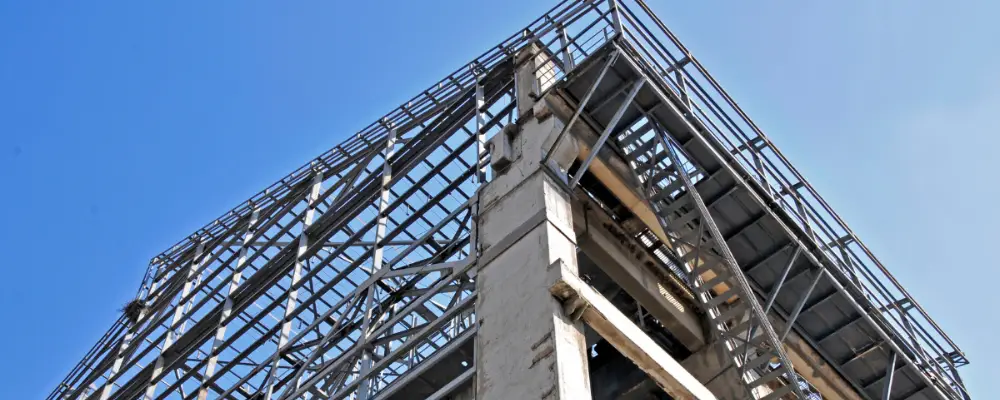
Steel Structure Construction

Modern steel construction involves prefabrication methods that are manufactured off-site and assembled at the place of construction. Steels are highly recycled as they are durable and sustainable with their wonderful properties like reusability and strength-to-weight ratio. 

It reduces the building weight and bears heavy load capacity. Steel frames are used in various applications of the construction industry. In this article, we will delve into the elements that comprise steel frames and buildings, as well as their pros and cons, in detail.

What is Steel Structure Construction? 

A steel structure is a construction system using steel components (beams, columns, girders, etc.), not just a single frame. With advancements in technology, steel buildings are designed for energy efficiency and thermal performance. It plays a decisive part in reducing building weight and provides lightweight foundations. This type of structure is widely used in industrial and commercial projects.

It is a process in which we create steel frameworks to bear the weight and load of the building. This type of construction process is widely used in building bridges, high-rise buildings, and heavy industrial plants. Steels are favoured for creating open spaces and expanding floor spaces, which are hard to achieve in the traditional construction process. It is used for their high strength-to-weight ratio, making them ideal for load-bearing and tall buildings.

Types of Steel Structure

The four common types of steel frames that are profoundly used in the construction process are classified as follows:

  • Simple Structures: They are the Simple or Shear Connections that are commonly used in low-rise building structures like homes, small buildings, and warehouses. It mainly consists of columns and beams without having any additional support structures.
  • Rigid Frame Structures: This type of structure is made of stiff steels that provide enhanced stability and is commonly used in commercial buildings, aircraft garages, and sports stadiums. The joints are well connected and ensure stable structures for a long time.
  • Truss Structures: They are known for their triangular shapes and are used in bridges, towers, and roofs. They are well crafted for their specific strength-to-weight ratio.
  • Arch Structures: This type of structure features an arch shape. They are used to build various constructions like tunnels, large warehouses, and curved roofs. They are unique in their designs, which provide exceptional structural support for the buildings.

What are the Elements of Steel Structures?

A steel construction is a combination of steel elements that bonds the structure together. Here we are describing the elements of steel structures as follows:

  • Steel Beams: They are composed of two metal beams joined by a vertical beam. In addition to bigger structures like stadiums and skyscrapers, they offer structural support for a range of projects, including commercial, industrial, and residential buildings.
  • Columns: Serving as vertical support, metal columns are valued for their strength, durability, and the rigid connections they form in construction projects.
  • Trusses: With their triangular design, they efficiently distribute loads across a metal surface, reducing the amount of material needed while ensuring strength.
  • Steel Bracing: Various types, such as X-bracing, V-bracing, and K-bracing, counteract lateral stability and resist forces like wind and seismic activity. They are designed to withstand horizontal loads.
  • Steel Girders: Typically, horizontal components offer durable support, low maintenance, and facilitate fast construction.
  • Steel Connections: Metal frames rely on various connectors such as rivets, bolts, and welds to secure their components effectively.
  • Steel Frames: As the backbone of many metal buildings, they are essential in constructing warehouses, industrial facilities, and tall buildings.

Advantages of Steel Structures

  • Steel decking and integrated edge protection create a safe work platform. 
  • With their inherent robustness and ductility, steel structures can manage heavy loads.
  • Their lightweight property speeds up the construction process more than concrete materials.
  • The prefabricated steel structures are helpful for faster construction.
  • They are used to create large open spaces without having columns to support them.

Disadvantages of Steel Structures

  • Steel structures are prone to rusting. To prevent rusting, steel frames have to be painted at regular intervals. 
  • Steel loses strength rapidly at high temperatures (above 500°C), and fireproofing methods (like intumescent coatings) are often used to increase fire resistance.
  • Steel is prone to corrosion when exposed to moisture and oxygen without proper protection, such as galvanisation or protective coatings.
  • It can require excessive costs to start the project due to fabrication and fireproofing, but it may result in savings due to reduced construction time and less maintenance.
  • Only standard steel types are being utilised for the construction process without introducing any new shapes or forms.

Applications of Steel Structures

The most common applications of steel structures are as follows:

  • Industrial buildings
  • Commercial buildings
  • Residential buildings
  • Bridges, high-rise buildings
  • Sports stadiums
  • Healthcare facilities like hospitals
  • Agricultural buildings like storage houses
  • Equipment and tool storage buildings

Examples of Steel Structures

To determine the flexibility of the steel structures, the notable examples are as follows:

  • Bridges: The Golden Gate Bridge utilises steel for its durability and increased load-bearing capacity.
  • Skyscrapers: Modern skyscrapers like Burj Khalifa in Dubai rely on metal frames for testing their structural integrity.
  • Industrial structures: To store heavy machinery and equipment, industrial structures are built using these steel frames.

The Difference Between Structural Steel and Steel Structure

It is crucial to know the difference between structural steel and steel structure, as mentioned below.

TermDescriptionComponentsApplication
Structural steelIt refers to the specific category of steel mainly used for construction purposes. Typically designed to meet the standard of the building, it includes beams, columns, and frames.Beams, columns, and steel frames.The chief component in bearing heavy loads in the construction.
Steel structureThe whole building is made of steel structures, including roofing, cladding, and siding.Beams, columns, roofing, cladding, and siding.The whole building is comprised of steel elements, including the exterior items.

What Grade is Structural Steel?

In the construction industry, steel frames come in a variety of grades that are chosen according to the particular requirements of the project. The most popular grades—A36, A572, A992, and A500—have a specific function.

  • A36: This grade is frequently utilised in general construction projects, like building construction (without heavy-load structures), because of its low carbon content and exceptional weldability.
  • A572: This grade is frequently utilised in constructing elements for major projects like bridges and high-load buildings and is preferred for heavy-duty applications.
  • A992: This grade provides increased strength and load-bearing capability and is commonly utilized in complicated structures and high-rise buildings.
  • A500: This grade of steel is Known for its ability to withstand corrosion. The A500 is cold-formed structural tubing, typically used for hollow sections like pipes. Its appeal is in its strength and versatility in architectural applications. A500, FE500, and 550 TMT help in increasing vital infrastructure projects and high-rise construction

Each steel grade serves a specific purpose depending on the structural demands of the project.

Conclusion

On the whole, steel structures are a critical element of the modern construction industry. They are a perfect choice for their sustainability, adaptability, and strength for various project requirements and specifications. To create a remarkable structure that stands the test of time, you must include steel structures in your projects.

Type S Mortar Vs. Portland Cement And Choose is the Best!

0
type s mortar vs portland cement

If you are planning for construction, then choosing the right binding material is important. The two common options influencing the construction sector are type S mortar and Portland cement. Both are essential components in the industry but contain different properties and serve distinct purposes.

Understanding the differences may guide you to choose the appropriate option. In this article, you’ll learn the key differences, pros, and cons of both components in detail. Continue your reading to know more about them: 

What is Type S Mortar?

Type S mortar is a type of mortar specifically designed for masonry construction. It typically contains one part hydrated lime, two parts Portland cement, and nine parts sand. They are widely used in various masonry applications. Due to its balanced properties, Type S mortar is a primary choice for laying stones, blocks, or bricks.

It has an excellent compressive strength of around 12.5 MPa(1,800 psi). They are strong enough to withstand different environmental factors such as seismic conditions, harsh wind, and high soil pressure.

What is Portland Cement?

One of the common types of cement is made by heating clay and limestone to around 1350 to 1400 degrees Celsius. Portland cement acts as a key ingredient in making plaster, concrete, mortar, and stucco.

It is a kind of hydraulic cement available in the form of finely ground powder. It provides excellent strength and durability to the structures. Portland cement is a primary ingredient in concrete and helps build roads, buildings, bridges, and more.

Difference Between Type S Mortar and Portland Cement

Understanding the key differences helps you choose the right option. Both the components are differentiated in a tabular format below:

FeaturesType S MortarPortland Cement
StrengthType S Mortar offers moderate strength, making it suitable for various commercial and residential masonry projects like stonework, bricklaying, and blockwork.Due to its high strength, Portland cement is used in heavy-duty construction such as slabs, foundations, beams and more large-scale infrastructure.
DurabilityType S mortar is known for its good durability, maintaining a strong and long-lasting bond between masonry units. Additionally, it can withstand various environmental factors.It offers excellent durability to the structures that makes them strong and resistant to chemicals and exterior elements over time.
CompositionIt is a pre-mixed blend specifically designed for masonry applications, containing Portland cement, sand, and hydrated lime.Portland cement is a hydraulic cement, composed of alumina, lime, iron oxide, gypsum, and silica.
PropertiesType S Mortar is easy to apply and finish, establishing a balanced combination of water retention, strength, and workability.Portland cement is possessed with excellent strength, versatility, and water-resistance properties, which makes it widely used in various construction applications.
ApplicationsIt is primarily designed for masonry construction for both residential and commercial buildings, including stonework, bricklaying, and blockwork.Portland cement can be found in numerous construction projects, most commonly in stucco and industrial applications, concrete production, and mortar mixing.

Advantages and Disadvantages of Type S Mortar

Advantages: 

Good workability: Easy to spread and apply on surfaces that potentially reduce labour costs.

Pre-mixed: It is convenient and time-saving, eliminating the stress of the on-site mixing process.

Good bonding properties: It establishes a strong and secure bond with masonry units, leading to a stable and durable structure.

Disadvantages

Average Strength: It offers moderate strength and can’t be used in high-load-bearing structures.

Shrinkage: It may lead to shrinkage and cracking, upon drying. However, proper maintenance can save you from unexpected expenses.

Advantages and Disadvantages of Portland Cement

Advantages

Versatility: Portland cement can be used in various applications such as mortar, stucco, and concrete.

Strength: Offers exceptional strength to the construction, making it well-suited for beams, foundations, and slabs.

Easy Accessibility: This product is widely available; builders can easily buy it from nearby suppliers.

Disadvantages

Instant Mixing: On-site mixing requires additional labor involvement, which makes the process more expensive than pre-mixed mortar.

Carbon Footprint: The manufacturing process of this cement contributes to greenhouse gas emissions, especially CO2.

Choosing Between Type S Mortar and Portland Cement

The selection of mortar or cement is a common decision in construction. By considering certain significant factors, builders can make an informed choice. Here are some major considerations:

Project Requirements: Both the components have different properties and are used for various purposes. Based on your material compatibility, you can choose mortar or cement to ensure proper bonding and durability.

Environmental Conditions: The local climatic condition is a primary factor to consider. The areas that are highly susceptible to extreme humidity, temperature, or exposure to harsh weather conditions will typically affect the performance of mortar or cement. Choose the one that best suits your region’s climate.

Appearance: The mortar and cement offer different aesthetic appeals to the structures. Based on the desired textures and finishes, you can go with either mortar or cement. Some mortars can provide a rustic and creative look to the buildings, while others offer a smooth finish. The colour option influences the overall aesthetics of the structure. Being aware of these features will help you choose the right one.

Load-bearing Capacity: Estimate how much weight the structure needs to support. This is important to consider before choosing mortar or cement. If you are dealing with foundations, walls, or any other critical elements, the structure must need enough compressive strength to hold the expected loads, even if they are subjected to movement or stress.

In a Word

Both Type S mortar and Portland cement are significant components in the construction industry. Understanding their differences, pros, and cons can help you choose the right option for your structure. An appropriate choice ensures the building will be strong and durable without causing any damage like shrinkage or cracking. Hopefully, this article clearly explains these differences and helps you become aware of the critical points. It surely assists you in choosing the best one that fits your project requirements and budget.

Mild Steel: Properties, Uses, and Grades

0
Mild Steel: Properties, Uses, and Grades

In brief, mild steel is a form of low-carbon steel. Although both are used commonly, there is a slight difference between them. Low-carbon steel refers to a broader category, while mild steel falls under this category. It has a trace amount of carbon ranging from 0.05-0.25%. Mild steel has become a crucial material in modern construction. Let’s explore the properties and uses of mild steel further. 

What is Mild Steel 

Mild steel is a type of steel alloy mainly composed of iron with a nominal carbon content (typically 0.05-0.25%). It has no other major alloying elements than carbon. Notably, mild steel is well known for its flexibility, adaptability, and weldability. It is bendable and stretchable for different construction purposes.

Properties of Mild Steel

Mild steel has diverse properties, which are explained below

Physical Properties 

Density: Mild steel possesses a firm solidity with a density of 7.87 g/cm³.

Melting Point: Its optimal melting point range of 1420-1460°C facilitates easy welding and shaping.

Specific Heat Capacity: With a relatively low specific heat capacity of 510 J/kg. K, mild steel regulates room temperature and enables effective thermal storage systems.

Thermal Conductivity: It is an important aspect of industrial machines or systems. It needs to be high so that damage to machine parts will be avoided. Mild steel has high thermal conductivity (50-65 W/m-K). It makes them ideal for heavy machinery parts.

Magnetism: Mild steel is strongly magnetic as it contains high amounts of iron and has a ferrite structure.

Ductility: Mild steel is renowned for ductility so it facilitates trimming, welding, and shaping into desired shapes.

Malleability: Its mouldable nature enables various product manufacturing processes.

Yield Strength: 250-300 MPa is the range of yield strength set for mild steel. It shows its resistance to deformation.

Tensile Strength: Value between 350-480 MPa is expected as tensile strength in mild steel. It means that mild steel can ensure maximum load-bearing capacity.

Chemical Properties

Chemical properties refer to the reactions or qualities of elements used for steelmaking. Understanding chemical properties helps in assessing the overall performance of steel in adverse climatic conditions. As already mentioned, carbon steel has alloying elements in only trace amounts. Though less amount of carbon is beneficial for machinability, it is not corrosion resistant. 

Some other elements like manganese, phosphorus, sulphur, and silicon are added in small quantities to enhance corrosion resistance properties. However, it can only provide resistance up to a minimal level. The carbon content of steel provides flexibility and elasticity, making it suitable for shaping.

Mild Steel Composition

Mild steel is majorly iron-based with small amounts of other elements. The composition contains

– Iron (98-99.5%)
– Carbon (0.05-0.25%)
– Manganese (0.5-1.5%)
– Silicon (0.1-0.5%)
– Phosphorus and sulphur: very small amounts
– Other metals (like chromium, nickel): trace of amounts

This composition gives mild steel strength, adaptability, and ease of shaping.

Applications of Mild Steel

Construction

Mild steel has high tensile strength, so it can withstand heavy loads. This makes it ideal for beams and columns in bridges. It is also combined with concrete for reinforcement to build strong structures. Mild steel for roofing in homes is an affordable choice.


Machinery

Mild steel is used to make vehicle parts like gears, shafts, and bearings. It’s easy to bend and shape, making it suitable for engine parts.

Industries

Mild steel pipes are used in industrial pipelines to carry oil and gas. This is because it can conduct heat well.

Electrical System

Mild steel is good at carrying electricity so it is used in making electrical wires and used in transmission towers, and transformers.

Fencing

Mild steel is cheap comparatively. We can see many farmlands using mild steel for fencing. It is thin and twisted but made into a fence. It offers high strength and protects the farm lands. It is ideal for residential and land boundaries also.

Magnetic Doors

Mild steel is magnetic in nature, so it is fitted in magnetic door closures for holding.

Appliances

Mild steel is used in many appliances, like refrigerators, washing machines, microwave ovens, and other electronics.

Grades of Mild Steel

There are different grades available for mild steel depending on composition, mechanical properties, and applications. IS 2062 is a standard mild steel in India and it has various grades. Two of them with properties and specifications are given below.

Grade with QualityIS 2062 E250 A (Plates)IS 2062 E300 A (Plates)

Composition (%)

Carbon – 0.23 (max)Manganese – 1.50  Sulphur – 0.045Phosphorus- 0.045Silicon – 0.40

Carbon – 0.20 (max)Manganese- 1.50Sulphur- 0.045Phosphorus- 0.045Silicon- 0.40

Dimension

Width: 1000 – 3000mmThickness: 5-150 mmLength: 3000-18000 mm

Width: 1500-4020 mmThickness: 6-300 mmLength: 3000- 27000 mm

Tensile Strength (MPa)

   410

    440 

Yield Strength (MPa)
     230 (Min)
   280 (Min)

Elongation Percentage
        23          22

Application

This grade steel plates are used inSugar and paper industriesAerospace and nuclear plantsCement factoryBoilers and Heat exchangersAutomobilesInfrastructure

This grade steel plate is utilised inAutomobileMachine buildingGeneral engineeringFabricationHeavy infrastructural projects

Difference Between Mild Steel and Stainless Steel

CharacteristicsMild SteelStainless Steel
Composition

Carbon is the key alloying element (0.05-0.25 %)Chromium is the key alloying element (at least 10.5 %)
Strength

Provides high strength for everyday applications.Higher in strength compared to mild steel and more durable.
Corrosion ResistanceLow corrosion resistanceHigh corrosion resistance
Cost
Low in costMore expensive than mild steel
Magnetic Property
Attracted to magnetsNot all grades are magnetic
WeldabilityEasy to cut and joinDifficult in welding and needs specialised techniques
Thermal Conductivity
High in thermal conductivityLower than mild steel
Application

Construction, machinery, roofing and fencingMedical equipment, food processing, kitchen utensils and aerospace
Appearance
Rough and uneven surfaceSmooth and glossy appearance


Advantages of Mild Steel

  • Mild steel can bend, shape, and twist easily due to its low carbon content. This makes it perfect for creating intricate and complex designs. Its soft nature allows it to stretch extensively without breaking.
  • For easy metal fabrication, a low melting point is essential. Mild steel has this property, making welding simple and preventing the overheating or burning of the metal. 
  • Although mild steel is less expensive than other steel types, it doesn’t compromise on strength. Made from readily available resources and fewer alloying elements, mild steel remains cost-effective.
  • Mild steel is highly recyclable, so it can be reused multiple times without losing its properties.

Disadvantages of Mild Steel

  • The major issue of mild steel is it is vulnerable to corrosion. It is easily affected when it comes into contact with moisture or water. It needs special coatings to prevent corrosion, but that provides only minimal protection.
  • Mild steel has low heat resistance. It cannot be used for high-temperature applications and starts to lose strength and warp in those conditions.
  • Mild steel has relatively low tensile strength, so it becomes unfit for heavy load-carrying structures.

Conclusion

Mild Steel plays an incredible role in the development of infrastructure, industries, and aerospace. Its adaptability and strength make it renowned for various uses. Though there are many grades available, it is always best to choose the grade which is suitable for your project.

FAQs

1. How does mild steel differ from other types of steel?

Mild steel differs from other steel types by having low carbon content. It is less strong but more ductile and easier to weld when compared to other steel types.

2. Is mild steel resistant to scratches?

No, mild steel can be easily scratched and damaged.

3. How does mild steel compare to stainless Steel?

Mild Steel is stronger and cheap, but stainless steel is more durable and resists corrosion better.