Home Blog Page 28

Single Legged Stirrups: Applications & Installation Process

0
single legged stirrups

The recent advancement in construction and structural engineering is overwhelming. Every new strategy and component ensures the safety and stability of buildings. Based on the type of construction, builders have a range of options to improve the strength and durability. Stirrups are one such important structural element. 

In general, stirrups are classified into various types based on their shapes and designs. This article explains to you about the significant type named single legged stirrups. Let’s delve into the article to learn more.

What are Single Legged Stirrups?

Single legged stirrups are significant reinforcing bar holders and play a vital role in construction. They are often called “open stirrups” and are used in structures where space is limited.

As an open loop, this stirrup type holds the bars together in a reinforced concrete structure, providing superior ductility and confinement. However, its holding capacity compared to other stirrup types limits its usage. The primary purposes of these single legged stirrups are providing lateral support and holding reinforcement columns in place.

Applications of Single Legged Stirrups in Construction

Unlike other stirrups, single legged stirrups are not often found in constructions due to their limited strength and applications. They are mostly seen in specific scenarios like low-load applications and older structures. Here are some common applications:

Low-Load Bearing Structures

Single legged stirrups might be used in small-scale residential constructions and particularly in structures with minimal load requirements. They provide basic reinforcement to light-duty columns.

Specific Reinforcement Needs

In certain design scenarios, single legged stirrups can be an option for engineers or architects to achieve specific detailing. Additionally, it is a simple and effective solution for structures.

Advantages of Single Legged Stirrups

Simplicity: Single legged stirrups are primarily known for their easy installation and straightforward design. They can be a worthwhile choice for small-scale projects to not only reduce the labour costs but also the construction time.

Versatility: This stirrup type is extremely versatile and can be easily bent and shaped as per the construction requirements. Since it is flexible to various reinforcement configurations, it is suitable for different structural requirements.

Economical: Projects with budget constraints can utilise single legged stirrups for certain applications like low stress areas and specific detailing needs. Constructions with low-lead bearing structure can use it as the best option to reduce the overall cost.

Disadvantages of Single Legged Stirrups

Limited Applications: Single legged stirrups have low strength and can be applicable for only low-load bearing structures or specific design needs. This is not a preferable choice for modern construction, where they demand the ability to withstand significant loads.

Limited Strength: Compared to double and multi-legged stirrups, they can’t provide the same level of strength and shear resistance to the construction. This impact limits their usage in high-stress areas like heavily loaded columns and beams.

How to Install Single Legged Stirrups

Reinforcement Preparation: First, the reinforcement bars should be placed and secured properly. Ensure the location and spacing of the stirrups align with the structural design.

Stirrup Position: A single-legged stirrup needs to be positioned around the reinforcement bars at the designated location.

Tie the Stirrup: Take a piece of cut wire in an appropriate length and thread it through the stirrup’s hook. Next, wrap the wire around reinforcement bars back through the hook to secure the stirrup. Repeat the same process for all the stirrups to fix all of them well.

Differences Between Single Legged and Two Legged Stirrups

Single legged StirrupsDouble legged stirrups
It contains one leg that has been bent into a U-shape.It has two legs shaped into a closed loop.
Single legged stirrups are possessed with lower strength, which is limited to use in low-load bearing structures.It has superior strength and stability, capable of withstanding higher loads and stresses.
It can be used only in small-scale projects wherelow-load bearing structures and light columns are present.It can be used in high-load bearing structures.
It is easy to install, and can be bent and shaped as per the requirements.The installation process is quite complicated; it requires bending two legs.
They primarily bind two rods together.Double legged stirrups reinforce the columns and beams to prevent shear failure.

Final Wordings

Stirrups in construction are an indispensable element and provide enhanced safety, longevity, and stability to reinforced concrete structures. By understanding the types of stirrups and their significant parameters, you will be clear in choosing the wise option. In this article, you’ve learned in detail about single-legged stirrups and their role in structures. When dealing with any small-scale projects, it can be an efficient and cost-effective solution.

FAQs

1. Are single-legged stirrups suitable for modern construction?

No, due to its limited strength and versatility, it can be used only in small-scale projects where the place requires low-load structures. For larger modern construction, you can consider double legged and multi-legged stirrups.

2. What are the complications faced while using single legged stirrups in inappropriate applications?

When using single legged stirrups in high-stress structures, it can lead to reduced structural integrity, resulting in an increased risk of failure. It may also cause extreme collapses or structural damages in the buildings.
Flemish Garden Wall Bond: Importance, Layout, & Applications

0
Flemish Garden wall bond

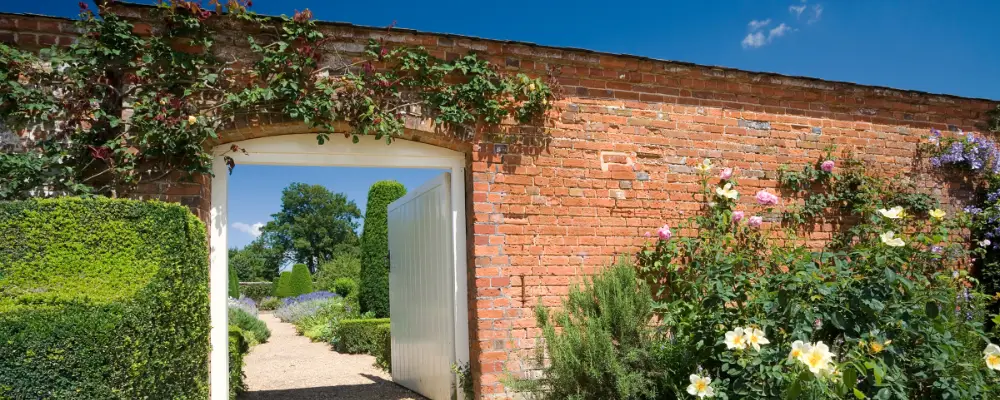
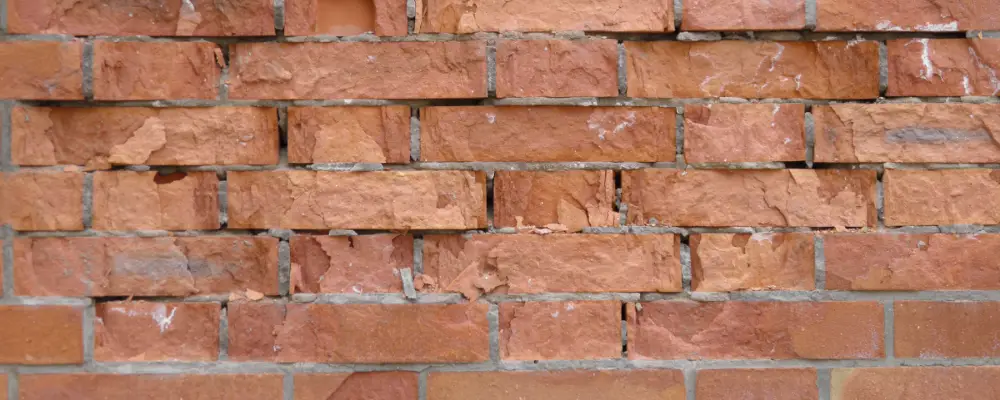
One of the most popular brick masonry patterns followed in building walls is the Flemish bond. For each course, the headers and stretchers are placed alternatively. It is a common brick pattern that is profoundly established in Georgian architecture. This bond can be found in European architecture dating back to the Middle Ages.

When planning your brickwork, it’s essential to take this pattern work into account, as it can influence the overall look of the building. In this article, we will explore the applications, layout designs, advantages, and disadvantages of Flemish garden walls in detail.

What is a Flemish Garden Wall Bond?

Flemish bond is a type of traditional pattern of brick masonry where stretchers and headers are laid alternatively in a single course. Each alternate course starts with a quoin header at the corner. The quoin closer is placed to the right of the quoin header to encourage the face lap. The placement of the patterns supports each header centrally over the stretcher underneath it. 

Importance of Flemish Garden Wall Bond

Flemish bond is not only used for decorating garden walls but it can be used for many historical buildings to enhance their aesthetic appearance and stand the test of time. The historical importance of the Flemish garden wall bond which makes it widely popular across the world is as follows:

S.NoFeaturesDescription
1.Historical Popularity in EuropeThe Flemish bond was widely used across Northern and Central Europe during the late Middle Ages, showing its importance in medieval European architecture.
2.Introduction to EnglandThe Flemish bond became highly valued in England starting in the 17th century, particularly for high-quality architecture, marking it as a preferred style among English architects of the period.
3.Status Symbol in Colonial AmericaIn 18th-century colonial Virginia, the use of the Flemish bond indicated wealth, making it a symbol of status and sophistication in American colonial architecture.
4.Comeback in the 20th CenturyDuring the early 20th century, the Flemish bond again became popular in the United States, particularly while doing restoration projects at Colonial Williamsburg, which emphasised historical accuracy.
5.Enduring Use in Historic and Modern StructuresFlemish bond continues to be a regular feature in both historic restorations and modern buildings, showcasing its timeless architectural appeal.

How to Lay Out Flemish Garden Wall Bond

Three stretchers are attached to one header in each row of the Flemish Garden Wall Bond, sometimes referred to as the Sussex Bond. Ironically, garden walls were not frequently coated with this bond historically, but became popular later.

Throughout the course’s length, this alternates between one header and three, and occasionally even five, stretchers in succession. A header is set above the centre of each central stretcher, and a three-quarter bat is positioned next to the quoin header in each alternate course.

A Flemish garden wall pattern is constructed by laying alternate stretchers and headers in a single course. Special attention and good workmanship are required in laying Flemish garden wall bonds. It provides a charming and attractive appearance in every thickness of the walls. We found partly continuous vertical joints in this pattern. To break the vertical joints in successive courses, brickbats are inserted in alternative courses next to the quoin header.

Application for Flemish Garden Wall Bond

Garden Walls and Landscaping: Flemish Garden Wall Bond is widely used in garden walls because of its decorative appeal and structural durability, adding visual interest to outdoor spaces.

Property Boundaries and Dividers: This bond is often used to create property boundaries, adding elegance and a traditional look to fences and dividing walls.

Architectural Accents: Flemish Garden Wall Bond can be used as an accent or design feature within larger brick structures, adding contrast and depth to specific wall sections.

Restoration and Historical Projects: Due to its historical significance, the Flemish Bond is often selected for restoration projects and buildings with a traditional architectural style to maintain authenticity.

Advantages of Flemish Garden Wall Bond

  • Under stress, the Flemish bond is especially strong and resilient.
  • It produces an eye-catching and very attractive brick bond design.
  • The wall is stabilised and strengthened by the mortar joints.
  • When bricks are laid using the Flemish bond method, the wall becomes extremely sturdy and less likely to collapse.
  • Additionally, the Flemish bond is quite lovely and gives any construction a refined look.

Disadvantages of Flemish Garden Wall Bond

  • To prevent degradation and a bad appearance, the unsightly mortar joints need to be kept clean and in good condition.
  • Finding a builder who is knowledgeable about Flemish bond brickwork may be more difficult because it is less frequently used than other types of brick bonding.
  • Since the bricks have different sizes, there is less chance that two of them will end up being precisely the same size, which can typically pose problems when laying bricks.

Conclusion

Flemish garden wall bonding has a better appearance than other types but is not as strong as the English bond for load-bearing structures. Due to their weaker strength, they are used only for visual purposes and not to withstand very heavy loads.

FAQ’s

1. What is the Flemish garden wall bond?

A Flemish garden wall bond is a masonry bond where each course is made up of three or four stretchers and one header, with the courses breaking joints in different ways.

2. What are the applications of Flemish garden wall bonds?

The Flemish garden wall bond is widely used in decorative and non-load-bearing structures. Even though it is not as strong as the English bond it may be applicable for various purposes as follows:
Garden walls and landscaping
Property boundaries and dividers
Architectural accents
Restoration and historical projects

Ceramic Tiles – A Comprehensive Guide

0
ceramic tile

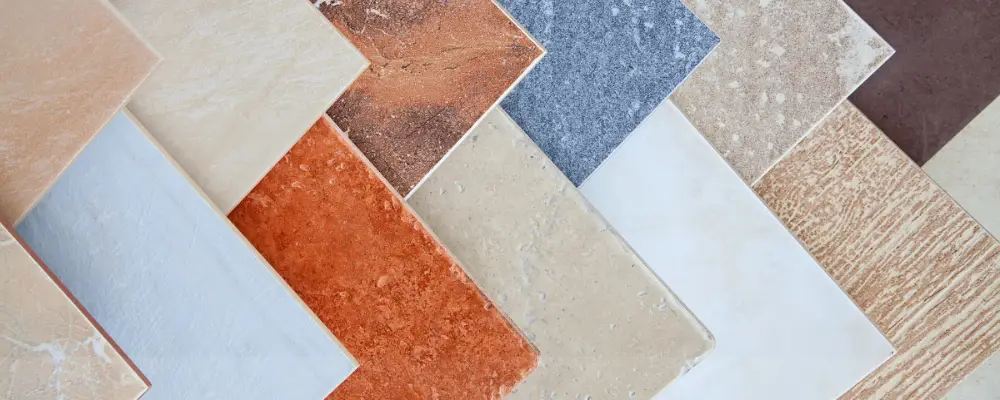
Tiles have become more than a furnishing material in the modern construction field. People prefer tiles that have more durability and strength. Although there are different tiles in the market, ceramic tiles are highly preferred. So, what makes it one of the go-to tiles in the market? Here is everything you need to know about ceramic tiles and why you must consider them for your dream home.

What are Ceramic Tiles?

Ceramic tiles are made from excavated earth materials such as clay, sand, quartz, water, and other natural elements. These tiles can withstand heavy weight and can withstand high temperatures. These types of tiles are versatile and are used in residential buildings, commercial sites, restaurants, shops, offices, bathrooms, and kitchen floors.

Types of Ceramic Tiles

Glazed Tiles

These tiles come with a layered finish that is either glossy or matte. Glossy finished tiles have a polished look, with a smooth texture, that is suitable for wall installations. On the other hand, matte-finished ceramic tiles are ideal for natural stone designs and are used for both walls and floors.

Wall Tiles

These tiles are globally used in showers, kitchens, hallways, backsplashes, and other accent walls. They come with attractive designs that boost the appearance of the room and come with similar sizes as floor tiles.

Floor Tiles

These are matte-finished floor tiles that are extremely durable compared to other tiles. It is essential to make sure that the ceramic tiles are suitable for the floor, based on the type of building and requirements.

Properties

  • Withstand weights up to 350-400 kilograms per square centimeter.
  • Easy to clean and have low maintenance.
  • Resist acid and alkalis and prevent the floor and walls from discolouring.
  • Lightweight and thinner in size compared to mosaic. Ceramic tiles are just one-third of the weight and 7.5 mm thick compared to mosaic.
  • They are germs-free and are ideal for places where hygiene is crucial.
  • They act as natural soundproof and can be used to reduce external noises inside the structure.

Material used for Ceramic Tiles

  • Clay- Primary material that gives the plasticity to form the shape. 
  • Feldspar- It acts as a fluxing agent that lowers the melting point to protect the structure from fire and to improve its strength and durability.
  • Sand (Silica)- Provides structure and stability to the tile and resists fire.
  • Alumina- Improves strength, hardness, thermal and chemical resistance of the tile.
  • Pigments- Colour pigments are used to provide the required colour for the tiles.
  • Water- Used for blending the other raw materials to form a workable paste to shape the tiles.

Manufacturing Process of Ceramic Tiles

Batching

The raw materials are weighed and batched to achieve the desired physical and chemical properties.

Mixing & Grinding

After batching, the ingredients are weighed, and they are added together in a shell mixer, ribbon mixer, or intensive mixer to ground them into finer particles under dry grinding. Sometimes, water is added to improve the blending process, and the water is dried out using filter pressing and dry milling.

Spray Drying

If wet grinding is done, the excess water is removed by spray-drying, pumping the slurry to an atomiser, and spraying hot air into the nozzle. On the other hand, the granulation process is used for dry grinding, where the material is mixed with water to form granules.

Forming

The prepared free-flowing powder is placed in a mold and compressed under high pressure, where the tile body is forced through a die to give tiles the desired shape.

Drying

Once the tiles are formed, they are dried in a controlled environment to remove the moisture content. This method is helpful to improve the strength and durability of tiles.

Glazing

The tiles are glazed by heating at high temperatures in a kiln. This process melts the glaze and forms a layer on the surface of the tiles, to give a shiny look.

Firing

The tiles are burnt again to improve their hardness, and durability, and to make them resistant to water and stains.

Pros & Cons of Ceramic Tiles

Pros

  • Very hard, durable, and has high water resistance.
  • Low maintenance and can last for decades if cared for properly.
  • Easy to clean stains, dirt, and liquids, with a gentle sweep.
  • Resistant to moisture.
  • Can be cut into different sizes and shapes to create unique designs.
  • Available in different colour palettes for aesthetic appearance.

Cons

  • Difficult to install.
  • Uncomfortable to stand for a long period.
  • Poor heat resistance.
  • Not recommended for high-rise buildings.

How to Install Ceramic Tiles?

  • Prepare the substrate that is ideal for laying ceramic tiles. The flooring should be even and free from moisture and gaps, and they need to be sealed.
  • Dry-fit the tiles from the middle to create a cross pattern without mortar and avoid cutting tiles against the wall.
  • Spread the mortar across the surface and lay the tile by pressing the tile to the thin-set mortar.
  • Leave a 1/4-inch gap between the tile and the wall or between other tiles using tile spacers. Tap the tiles with the rubber mallet to level them.
  • After installing, remove the tile spacers and press the grout using the rubber float, moving it diagonally. 
  • Seal the gaps between the tiles using the sealer with a brush, after wiping off the excess grout from the tile faces.

Cost and Maintenance of Ceramic Tile

Ceramic tiles are affordable and easily available, making them one of the budget-friendly tiles in the market. These tiles are also easy to maintain, as they just need a wipe to clean dust, stains, and other chemicals.

Porcelain Tiles vs Ceramic Tiles

Durability

Porcelain tiles are thicker, longer-lasting, and have high resistivity. Ceramic tiles do have high durability and strength but are comparatively lower than porcelain tiles.

Water Resistance

Porcelain tiles absorb less water and are widely applicable in places exposed to water. Although Ceramic tiles have pore holes in them, they can resist water when properly sealed.

Design Options

Both tiles come in various colours and have various design options. Porcelain tiles have more design options; however, ceramic tiles have different aesthetic choices such as colour.

Cost

Porcelain tiles are expensive compared to ceramic tiles, due to their use of heavy equipment in the manufacturing process.

Conclusion

Ceramic tiles are highly preferred tiling options for many residential and commercial sites due to their more appealing and eye-catching looks to the interior structure. These tiles have immense advantages in their arsenal and have versatility in their applications. Although they are hard to lay, they are cost-effective and have low maintenance compared to other tiles or mosaics.

English Garden Wall Bond: Applications, Maintenance, and Value

0
english garden wall bond

In the construction industry, bonding gives a pattern for the laid bricks. It enables strong and stable structural integrity with a dramatic effect on the visual appearance of the brick. Types of bonds in brick masonry wall construction are categorised based on the style of laying and bonding bricks in walls. Bonding in brick masonry is created by filling mortar between brick layers and in grooves when bricks are placed next to each other and stacked in layers within walls.

Cement mortar is the most commonly used material for brick masonry bonds, although lime mortar and mud mortar are also used. Let us explain the English garden wall bond in detail.

What is the English Garden Wall Bond?

The English garden wall is a small variation of the traditional English bond. In the brick-laying process, stretchers and headers are the two different types of laying bricks that are used in different types of wall bonds.

A stretcher bond is also called a running bond, which is considered the most common type of brick bond. In this pattern, the bricks are laid horizontally by showing their long and narrow sides. Their thickness is usually half a brick. Whereas, a header bond is also called a heading bond, in which the bricks are laid with their headers facing outside. The overlapping between bricks is equal to half the width of a brick. 

Importance of English Garden Wall Bond

It is commonly used for gardening walls, boundary walls, and also decorative purposes. It will be a good choice for increasing the aesthetic appearance of the wall. In this wall bonding method, a layer of headers is inserted at regular intervals between the stretchers. To achieve the perfect outstanding effect, the headers are placed approximately at every fourth, fifth, and sixth course. 

The visual pattern of the wall can be increased by placing the stretchers and headers alternatively. It is primarily a decorative material that enhances the appearance of the built wall. The headers, which are added intermittently, may form a break to the continuous stretchers, which adds additional beauty and provides a visual treat for the viewers.

How to Construct an English Garden Wall Bond?

It is made up of two alternative course stretchers and headers, each with one line of stretchers and another line of headers. Each alternate row is aligned vertically, with the headers centered on the stretchers. Following the initial header, a quoin closer is at the beginning and end of the wall to disrupt the alignment of vertical joints. Half-length bricks are used as quoin closers at the corner of the brick walls.

An English bond can be suitable for all kinds of wall thicknesses. It is one of the strongest wall bonds among all other types. In this bond, each brick is laid alternatively as shown by the one above. A queen closer is placed after the quoin header in each heading course. This placement helps to break the vertical joints, preventing them from forming a continuous line.

Application for English Garden Wall Bond

The English garden wall is a single brick-thick wall. It can serve as a boundary wall or as the outer layer of a cavity wall. This type of wall is cost-effective and budget-friendly to construct, as it does not require skilled workers for its construction process; even unskilled workers can build this wall.

The exposed brickwork provides a uniform appearance and enhances aesthetic appeal. However, its unique look may not be as strong as the English bond. Its primary purpose is to satisfy aesthetic considerations rather than provide solid support for a structure.

The English garden wall has limited applications, such as dwarf walls, short-height walls, and other types of walls that are not subjected to heavy loads or stress. It is ideal for non-load-bearing walls or shorter structures where aesthetics take precedence over strength. This wall type works well for garden or boundary walls in commercial, residential, or school projects.

Moreover, the English garden wall bond requires fewer facing bricks, thereby reducing the need for each brick to be flawless.

Cost and Maintenance of English Garden Wall Bond

To calculate the cost and maintenance of an English Garden Wall bond, you’ll need to consider both the materials and labour costs as well as ongoing maintenance. Here are the approximate dimensions and costs with the following specifications:

  • Wall Height: 1 meter
  • Wall Length: 5 meters
  • Cost per Brick: ₹8
  • Mortar Cost per Cubic Meter: ₹4000
  • Labor Hourly Rate: ₹100
  • Repointing Cost per Square Meter: ₹150

1. Cost Calculation

  • Total Wall Area

First, calculate the total wall area:

Wall Area = Height X Length = 1 m× 5 m = 5 square meters

  • Brick Cost

For an English Garden Wall bond, typically 60–75 bricks per square meter are used. Here, we assume an average of 70 bricks per square meter for calculation:

  • Total Bricks Needed:

Total Bricks = Wall Area × Bricks per Square Meter = 5 × 70 = 350 bricks

  • Total Brick Cost:

Total Brick Cost = Total Bricks × Cost per Brick = 350 × 8 = ₹2800

  • Mortar Cost

For brickwork, approximately 0.03 cubic meters of mortar per square meter is required.

  • Total Mortar Volume Needed:

Total Mortar Volume = Wall Area × Mortar per Square Meter = 5×0.03 = 0.15 cubic meters

Total Mortar Volume = Wall Area × Mortar per Square Meter = 5×0.03 = 0.15 cubic meters

Total Mortar Cost = Total Mortar Volume × Mortar Cost per Cubic Meter =0.15 × 4000 = ₹600

Labour Cost

Assuming it takes 8 hours to construct this wall (due to its small size and precise pattern), we calculate labour cost as follows:

Total Labor Cost = Total Labor Hours × Labor Hourly Rate = 8 × 100 = ₹800

2. Maintenance Calculation

For maintenance, repointing (renewing the mortar between bricks) is typically required every 5–10 years. Based on the repointing cost per square meter:

Repointing Cost = Wall Area × Repointing Cost per Square Meter = 5×150 = ₹750

Based on these calculations, the total cost breakdown is as follows:

  • Total Brick Cost: ₹2800
  • Total Mortar Cost: ₹600
  • Total Labor Cost: ₹800
  • Repointing Cost: ₹750 (for maintenance every 5–10 years)

Total Initial Construction Cost: ₹4200 (excluding maintenance)

Conclusion

The English garden wall bond adds a decorative touch to buildings, making them look more attractive and charming. It creates a traditional appearance that fits well with historical styles, and you can change the pattern of the bricks to get the look you want.

FAQ’s

1. What is the English garden wall bond used for?

It is an economical bond type that uses very few bricks to make its structure. It can be used for building single-thickness walls that do not have to support any additional or existing structures. So, fewer bricks form a weaker structure but give a charming appearance.

2. How does the English garden wall bond differ from the English bond?

English garden wall bond is less strong than English bond and is typically used in traditional walled gardens and other modest structures. It’s also used less frequently outside of the north of the UK, where it’s more common on the east coast.

Eco Bricks: Sustainable Building from Plastic Waste

0
eco bricks

The usage of plastics has marginally increased, and the waste generated is causing major threats to the environment. Although there are several government norms regarding plastic usage and manufacturing, waste generation is still not controlled and continues to pollute nature. However, eco-bricks can help in solving the pollution caused by plastics to a certain extent. So, what are eco-bricks? Here, we break down everything that you need to know about eco-bricks.

What is an Eco-Brick?

An eco-brick is a building material made out of non-disposable plastics dumped in a plastic bottle tightly. They are used for various construction projects, replacing bricks and blocks. These are eco-friendly and are ideal for disposing of plastic waste productively. Eco-bricks have numerous benefits that could effectively reduce energy consumption and costs.

Importance of Eco Bricks

Environmental Benefits

Eco-bricks help reduce pollution from plastic waste. This waste is often discarded in landfills, where it harms the environment. By using eco-bricks, we can also decrease the risk of plastic entering oceans, seas, and ecosystems.

Sustainable Building

Eco-bricks are an alternative to traditional building materials. Generally, traditional bricks consume a lot of natural resources and energy; however, they only use waste that pollutes the environment. Using eco-bricks could help reduce the natural resources and energy used by promoting sustainability.

Community Engagement

Unlike other building materials, eco-bricks can be easily made by any individual or community. These bricks could educate people about sustainable practices and raise awareness regarding plastic pollution.

Versatility

Eco-bricks are versatile and are used in various construction and furnishing projects. These bricks can be perfect for building walls, benches, pavements, and design elements. Furthermore, they are lightweight and can be employed easily in construction projects as design components.

The Manufacturing Process of Eco Bricks

Collect Plastic Waste

Collect dry and clean plastic wastes that can be used as fillers in the plastic bottle. Wastes such as plastic bags, photo paper, crisp packets, food containers, straws, plastic cutlery, cling film, plastic packages, and polystyrene can be used as the source. Plastics that are biodegradable and contain organic matter should be used. 

Prepare Plastic Bottle

Collect plastic bottles that are uniform in size and shape. Plastic bottles that have a narrow neck and no damage can be used in a clean and dry state. 

Fill the Bottle

Fill the plastic bottles with the plastic waste using a stick or other tools to pack the bottles densely until they cannot be compressed further. Sand can also be included in an equal or adequate amount to fill the bottles.

Seal & Label the Bottle

After the bottle is filled, seal it with the cap tightly or with tape, ensuring that the bottle can not be opened or broken. Label the bottle with the date, type of the plastic used, and remarks for tracking content. The eco-brick is now produced and can be used for construction processes. The manufacturing process can take place anywhere in the world and is easy enough for common people to undertake.

Advantages and Disadvantages of Eco-bricks

Advantages

  • Using plastic as a resource can reduce the harmful effects on the environment, which impacts several areas adversely.
  • They are extraordinary building materials, that keep the structure more sustainable.
  • These bricks are comparatively low in cost and require less energy compared to other bricks on the market.
  • These bricks are not burnt in the kilns or fire furnaces like clay bricks. Thus it reduces carbon emissions and soil pollution.
  • The manufacturing of eco-bricks is very simple and can be easily made, upon understanding the manufacturing process.

Disadvantages

  • There is a belief that using plastics in the structure could be harmful in the long term.
  • These bottles have the potential to break down when exposed to sunlight and could form a dump of non-recyclable waste that contaminates the environment.
  • Breaking eco-bricks could be harmful to both animal and human health.
  • Eco-bricks are not a permanent solution to getting rid of plastics, as they only delay the plastic dilemma.

Applications of Eco Bricks in Construction

Building

These bricks are ideal for the construction of building walls, benches, pavements, beds, gardens, and other structures. They can replace the bricks or blocks and could reduce the use of mortars.

Furniture

These bricks can be used to produce furniture such as chairs, stools, tables, and other furniture products, by arranging and fastening them together.

Landscaping

These bricks can be used for decorating walls, building borders, and for constructing corner beds. Painting the bottle with attractive colours and arranging them creatively could make it one of the decorated building elements. 

Insulation

Plastic bricks that are filled with plastic and sand, act as fire resistant, that can withstand heavy temperatures, as they are thermal insulators. Using these bricks in walls, roofs and other functional structures could help protect the building from external temperatures.

How do Eco Bricks Help the Environment?

The use of Eco-bricks is an effective way to control plastic waste management.

  • They reduce plastic pollution from plastic being thrown away, burnt, and affecting the soil and ocean ecology.
  • Reduces carbon emissions caused by burning.
  • Reduces the usage of natural resources and remains sustainable.
  • Educate people about the hazards associated with plastic products.

Conclusion

Eco-bricks represent a creative and effective waste recycling process, that requires minimum to zero natural resources. They use landfills and polluting plastic waste for production and use, upcycling it effectively. They are strong, durable, resistant, and sustainable, helping to decrease the overall construction cost. They can be used for construction, making furniture, and designing ornaments. These bricks are easy to make and use, reducing the use of costly equipment, and manpower. These bricks also educate people about the threats of plastic usage and methods for managing plastic waste.

Fire Bricks – Types, Manufacturing, and Key Applications

0
Fire brick

There are many bricks in the construction market; however, not every brick can be used for every purpose. Bricks differ based on the raw materials used, shape, size, characteristics, and purposes. One such special brick is Fire Brick, which has unmatched resistance to fire and decomposition. Here, we take a look at Fire Brick, its types, uses, production, and grades.

What is Fire Brick?

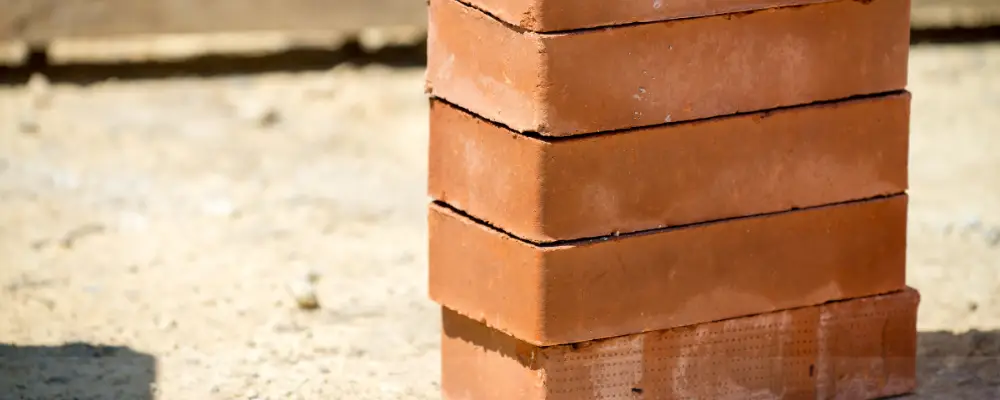
Fire Bricks or Refractory bricks are made exclusively to withstand extremely high temperatures. These bricks resist fire, water, chemicals, and mechanical stresses. They are made like other ordinary clay bricks, however, they use fire clays and get exposed to high temperatures while curing, which makes them more durable. They are generally employed in places with fire like kilns, reactors, and furnaces.

Types of Fire bricks

Acidic Fire Bricks

Acidic fire bricks or acid-resistant bricks are exclusively designed to withstand chemical attacks caused by acids and other climatic conditions. There are three types of acidic fire bricks based on the composition of raw materials.

  • Ordinary Fire Bricks- These bricks are made from natural fire clay mixed with crushed clay and sand. They consist of 50-75% Silica and 20-40% alumina and liquifying agents below 10%. Used for acid refractory linings in furnaces and has temperature resistance up to 1600℃.
  • Silica Bricks These bricks contain 95% silica. They are made from sandstones or quartzite, 2-3% lime. They are used in furnaces for glass manufacturing, steel furnaces, acid furnaces, and copper melting furnaces. They can resist up to 2000℃ of temperature.
  • Ganister Bricks- The main ingredients of these bricks include 85% silica, 10% clay, and 2% lime. They are highly dense and can withstand high temperatures up to 2100℃.

Neutral Fire Bricks

These bricks are made from a well-balanced amount of alumina and silica. These bricks can resist both acids and bases and are durable against any chemical attacks.

  • Chromite Bricks- These bricks are made from fire clays of 50% chrome iron ore, 30% iron oxide, and 20% bauxite with a minimum amount of silica. They have a temperature resistance of up to 2000℃.
  • Carborundum- These bricks are made from fire clays of higher silicon carbide content. These bricks are used in electric furnaces. They can resist temperatures up to 1900℃.
  • Chrome Magnesite Bricks- These bricks are made by using a chrome and magnesite mixture.
  • Spinal Bricks- These bricks are made from a mix of alumina and magnesia in balanced proportions.
  • Forsterite Bricks- These bricks are made from magnesium silicone oxide mineral.

Basic Fire Bricks

These bricks are made from clay that is rich in magnesium and lime. These bricks are highly resistant to corrosion and other chemical reactions.

  • Magnesite Bricks- These bricks contain 85% magnesium oxide, 3-5% iron oxide, and a limited amount of lime and alumina. They are commonly used in furnaces for linings, as they have fire resistivity from 1800 to 2100℃.
  • Dolomite Bricks- These bricks consist of high dolomite. They are a cheaper alternative to magnesia bricks and can withstand temperatures from 1400 to 1600℃. 
  • Bauxite Bricks- These bricks are made from fire clays that have 86% Bauxite and can resist up to 1600℃.

Uses of Fire Bricks

  • Fire Bricks are used for lining in places with high temperatures such as fire kilns, burning furnaces, chimneys, etc.
  • Used for building fire-resistant structures to prevent fire accidents and other extreme climatic conditions.
  • These bricks are applicable for wood-fired ovens, steel manufacturing units, glass-making factories, etc.

Manufacturing Process of Fire Brick

Digging & Cleaning

Fire Clay that is rich in silica, alumina, and magnesia is extracted from mines. The extracted clay is cleaned to eliminate impurities and vegetable matter.

Weathering

The materials are then dried, and exposed to open-weather conditions, to reduce the moisture content and increase durability.

Tempering

The weathered raw materials are mixed with water and kneaded to form a homogeneous mixture, ready to get moulded.

Moulding

The plastic-like mixture is transferred to the moulds of the required shape and size. They are moulded using different methods such as extrusion, pressing and casting. This process reduces the pore gaps and makes the brick more dense and hard.

Burning

The bricks are kept in fire and burnt at very high temperatures that range from 1300℃ to 1800℃ to provide density and durable properties.

Pros and Cons

Pros

  • Fire bricks have extraordinary insulation properties that stop the heat from passing through the brick, protecting the structure from external climatic conditions.
  • They are more durable compared to ordinary bricks.
  • They are denser than other clay bricks.
  • These bricks can withstand heavy chemical reactions compared to common bricks.

Cons

  • They use heavier materials compared to other masonry bricks, which could increase the overall weight and cost of the structure.
  • These bricks are highly compact and cannot effectively isolate sound within the structure.
  • Using natural resources such as silica and alumina, along with the release of smoke during the burning process, negatively affects the environment.

What are the Grades of Fire Bricks?

Fire Bricks vary based on the composition of raw materials used, properties and applications. Grades are determined for the most efficient use in construction projects.

Low Duty

The fire bricks that contain 24-36% of alumina, and have a maximum resistance of 1750℉ are termed low-duty bricks. They are primarily used in chimneys.

Medium Duty

Medium-duty fire bricks consist of 34-38% alumina and can withstand high temperatures up to 2700℉. These bricks are used in low-temperature ceramic kilns and chimneys.

High Duty

These are first-quality fire bricks that consist of 36-40% alumina. They can withstand high temperatures up to 2850℉. These bricks can be used in the construction of boilers, ceramic kilns, chimneys and lining processes.

Super Duty

These bricks contain 40-44% alumina and have a resistivity of 2900℉. The temperature of these bricks can be reduced by several hundred degrees and the same can be applied for higher temperatures.

High-Fired Super Duty

These bricks have 40-44% alumina and can withstand very high temperatures ranging from 3000℉ to 3150℉. It is the superior version of fire bricks that have low porosity, high physical strength and extreme resistance to alkali attack and carbon disintegration.

What are the Differences Between Common Brick & Fire Brick?

Manufacturing Process

Both common brick and fire brick use clay, sand and other natural additives as the raw materials, made quite similarly. However, fire bricks are exposed to extreme burning and thermal shocks to maintain their structural integrity.

Properties

Common bricks have high compressive strength, are versatile, affordable, strong and  excellent for a variety of construction processes. On the other hand, firebricks have high heat resistance and are suitable for fireplaces. Although common bricks have thermal properties, they cannot withstand high temperatures. Common bricks are comparatively less in weight and less smooth than fire bricks. 

Applications

Common bricks have numerous applications and can be used in several construction projects such as load-bearing walls, fences, chimneys and other commercial structures. On the other hand, firebricks are ideal for places with high temperature such as kilns, chimneys, wood-burning ovens and industrial furnaces.

Conclusion

Fire bricks are ideal for fireplaces and places that require high thermal resistance. There are several bricks in the market that have thermal resistance, but they cannot withstand temperatures as high as fire bricks. If thermal resistance is not the only priority, there are many other bricks to consider, as these bricks are comparatively priced high and have very limited applications compared to common bricks.

Title Search Report: Essentials, Types & Verification Steps

0
title search report

Real estate transactions involve typical document verification. Buying a home or property is a significant investment, which can be a dream of many. When you are taking a big risk, ensure that the property is free from any legal and financial complications. Before getting into the registration formalities, a thorough title search should be conducted.

According to the Limitation Act, 1963, the time frame of this title search can be valid for 12 to 13 years. While delving into the property transaction, it’s quite necessary to have a complete understanding of the legal landscape.

If you are curious to know more about title search reports, read this comprehensive guide.

What is a Title Search?

A title search report basically refers to the ownership rights over a land or property. It can be determined through many sources, such as court judgements, tax liens, land records and deeds. Normally, this title search report is ordered by businesses or individuals who want to confirm the property’s legal ownership. A clean title indicates that a property is ideal to own. Registration or transaction can be restricted when there is any lien on the property.

Key Components of a Title Search Report

A title search report includes crucial information about the property, such as legal boundaries, ownership, or any other restrictions associated with it.

Chain of Ownership: Verifying the history of ownership clarifies the gaps or inconsistencies possessed with property ownership. If this conclusive proof is not clear, avoid further transactions.

Liens and Encumbrances: Identify any encumbrances or liens that could potentially impact your ability to secure financing (loans from banks or lenders) or your property’s marketability in the future. An outstanding lien clearly means that the property requires loan repayment.

Property Description: An inaccurate property description can be an integral part of title failure. So, it is important to describe the parcel of land accurately to identify exactly where the property is located.

Easements: Easement should be clear for a property or home that you are buying. If easements exist, they grant rights to others to use this property.

Types of Title Search Report

Title search reports can be classified into two types: full search and limited search. Before financing a property purchase, understand that these differences protect you from several fraudulent transactions.

Full Coverage Search

In order to conduct a detailed investigation, a full coverage search can be helpful. It provides a comprehensive review of the property’s history and title for a period of at least 30 years. This examination can be performed when a property is about to be sold, resold, or when construction loans are involved.

It transparently provides details of every aspect of the property, such as easements, legal issues, liens, ownership rights, covenants and restrictions, litigation status, and ownership rights.

Limited Coverage Search

Limited coverage search, on the other hand, is usually performed for simple title guarantee reports, refinance transactions, and short-term leases. Its license is restricted to fifteen years. However, the scope is also limited to encumbrances, disputes, and recent transactional history.

How Title Searches Work

As noted above, a title search report verifies that the property or home has a clean title and checks whether it has any defects like liens. The public record errors associated with the property prevent the transaction between parties. 

This title search is conducted by a prospective buyer or a title company who is interested in making an offer on the property. The process is generally initiated by a lender to check whether the property claims any legal issues or judgements. If you have a plan to apply for a loan or other credits, it is essential to verify this title search before approving. 

The requesting entity or buyer can conduct research using legal documents or other public records to identify that property is possessed with any liens or judgements.

How Long Does a Title Search Take to Complete?

The process of a title search report can approximately take between 10 and 14 days to complete. The time may extend due to various significant factors such as type of property, property’s age, liens and title issues, transaction history, and availability of documents.

What Needs to be Checked and Verified?

Title History

It is usual that a property has been transacted through multiple hands before. By doing title verification, you not only get to know about the current owner but also the chain of past owners. You can verify all the linked documents, starting from the mother deed to the latest deed. But if you find the continuity link is broken, it indicates that there is a major red flag hidden behind the transaction.

Land Use and Nature of Property

During verification, it is essential to verify the nature of property, like whether it is private-owned or government-owned. When it belongs to the government, it cannot be used or transferred without any legal permission. Further, the land usage is classified into two different categories: agricultural and non-agricultural land. When conducting a search, determine the land use status of a particular property. If it is non-agricultural land, again it is classified into commercial, residential, industrial, institutional, etc.

Development and Construction

It is important to identify that the construction plan adheres to the prescribed regulations of municipal authorities. Additionally, the builder has to seek various approvals and permissions with respect to infrastructure like environmental compliance, water, electricity, sewage, etc. Ensure all this information related to the construction is clear and transparent before the transaction.

Encumbrances

Any previous owners may use this property as collateral to take loans. It results in an encumbrance charge over the property and may be subject to a mortgage or lien. Such properties cannot be transferred to anyone without the legal permission of the lender (bank or financial institution). Identifying encumbrances, mortgages, charges, or liens is important and can impact the title of the property.

Ownership Details

It is absolutely essential to verify that the transferor is the real property owner possessed with clear and marketable rights. These details can be identified using property-related documents authorised by local authorities. You can consider legal documents as evidence of property ownership, such as a gift deed, deed of partition, sale deed, will documents, conveyance deed, etc.

Final Wordings

A property value can be easily examined through the title itself. A property with a clear and transparent title has huge value in the market and acts as a proof that you have rights to own or sell the property. So, if you are planning to invest money in real estate, be aware of the marketable title, which determines that it is free from any risks or doubts

Engineering Bricks: Types, Details, and Uses in Construction

0
Engineering Bricks: Types, Details, and Uses in Construction

There are a number of bricks actively available in the construction industry. However, not all the bricks are the same; They vary based on the raw materials used, their qualities, characteristics, and purposes.

Engineering brick is one type that is specially engineered for high-resistance purposes. Here, we take a look at what an engineering brick is, its types, properties, and applications, and how it differs from other bricks.

What is an Engineering Brick?

Engineering bricks are clay bricks that exhibit high strength and high resistance to fire and acid reactions. These bricks are made from high-quality clay, and burnt at high temperatures to withstand high loads, heat, and chemical reactions. These bricks are generally used in structures where strength and load-bearing are crucial. These bricks are also used in underground structures, such as foundations, sewers, and drainage systems.

What are the Properties of Engineering Bricks

Size

Engineering bricks are typically the same size as solid clay bricks. However, they also come in different shapes and sizes for different needs. Some engineering bricks have holes in them, which makes them lighter and better at holding onto adhesives. These size options make engineering bricks suitable for strong structures like foundations and load-bearing walls.

Colour

Engineering bricks are available in two main colours- red and blue. Generally, blue colour bricks are classified as Class A bricks, while red-coloured bricks are classified as Class B. However, red Class A bricks and blue Class B bricks are also available in the market.

Water Absorption

Engineering bricks have low water absorption rates. They won’t be able to absorb water more than 7% of the brick weight, which is lower than other brick types. The high water resistance prevents the structure from moisture, rainfall, and water penetration.

Fire Resistance

These bricks resist fire and other heat waves, as they are dried at high temperatures during the manufacturing process. Their ability to withstand high temperatures makes them ideal for structures requiring fire resistance. With these properties, they are suitable for use in fireplaces, chimneys, and furnaces.

Compressive Strength

These bricks demonstrate higher resistance to compressive loads compared to other clay bricks. Their compressive strength ranges from 75 N/mm² to 125 N/mm², depending on the type and quality of the bricks.

Manufacturing of Engineering Brick

Clay samples are collected and tested to ensure quality, as manufacturing engineering bricks requires clay with high durability. The clay is excavated, cleaned, and blended with sand, water, and additives to form a mixture. This blended clay is then compressed into a homogenous paste and moulded using machines to remove any air gaps. The molded bricks are dried under the sun and then fired at a high temperature in a low-oxygen environment until they achieve high strength and durability. 

Types of Engineering Bricks

Engineering bricks are classified into two types based on strength, durability, and resistance.

Class A Bricks

Class A bricks are superior-quality bricks with high strength and resistivity. They have a compressive strength of 125 N/mm² and a low water absorption rate of around 4.5%. These bricks generally appear in blue due to exposure to high temperatures in a low-oxygen environment.

Class B Bricks

Class B bricks have a compressive strength of more than 75 N/mm² and water absorption not exceeding 7%. These bricks are typically red and are priced less than the Class A bricks, making them a preferred option for many applications.

Perforated Engineering Bricks

Engineering bricks are also available in perforated form with holes within the structure. This design could help reduce the overall weight of the structure and help adhesives to hold bricks. These also act as thermal insulators, not allowing the outside weather to affect the room temperature.

Application of Engineering Bricks

Building Foundations

These bricks have high compressive strength and can be used for building foundational structures. Both the Class A and Class B bricks have high compressive strengths, and both can be applicable to construct retaining walls and foundations.

Damp Proof Courses

Engineering bricks have high durability against chemical reactions and abrasion. They can prevent the wall from dampness, effectively preventing moisture and water content on the surface. Their use can protect the exterior structure from dampness under hydrostatic pressure.

Water-exposed Structures

Since Engineering bricks have high water resistance, they can be applied to water-facing structures such as tunnels, canal walls, bridges, pipelines, etc. Both Class A and Class B bricks have low absorption rates, which could help the structure last longer, even in extreme conditions.

What is the Difference Between Engineering Bricks and Facing Bricks?

Engineering BricksFacing Bricks
The main purpose of Engineering bricks is to resist heavy loads, high temperatures, and low water absorption rates.The main purpose of Facing bricks is for aesthetically appealing design.
They are typical of standard size and come in either blue or red colour.Available in various shapes and colours, including red, grey, and black.
They have a low water absorption rate, making them suitable for moisture- and water-resistant structures.They have higher water absorption rates; however, some facing bricks with low water absorption rates are also available and can be used for enhanced durability.
They have high compression strength of 75 to 125 N/mm², suitable for load-bearing structures.Facing bricks have seven to ten times lower compressive strength and are used for low-load-bearing structures and other ornamental uses.

Conclusion

Choosing the right building materials is essential for any construction process. Every project is aimed to last longer, with security and durability as the key priorities. Engineering bricks provide high strength, durability, and resistance against heat and water, thereby preventing structures from any kind of external hazards. Although there are several brick options available in the market, engineering bricks play an underrated role, as they are mostly used in non-visible structures(such as foundations, sewer systems, and damp-proof courses). The uses of these bricks are vast, and their versatility makes them appealing for any construction project.

A Comprehensive Guide to Coarse Sand in Construction

0
Coarse Sand

In the construction sector, a structure’s strength, stability and durability are all dependent on a number of materials. One such material, often forgotten but essential to construction projects, is coarse sand. Coarse sand is a basic element in several construction applications, and its properties can significantly impact the quality and longevity of structures. In this guide, we will explore what coarse sand is, its properties, and how it compares with other types of sand used in construction.

What is Coarse Sand? 

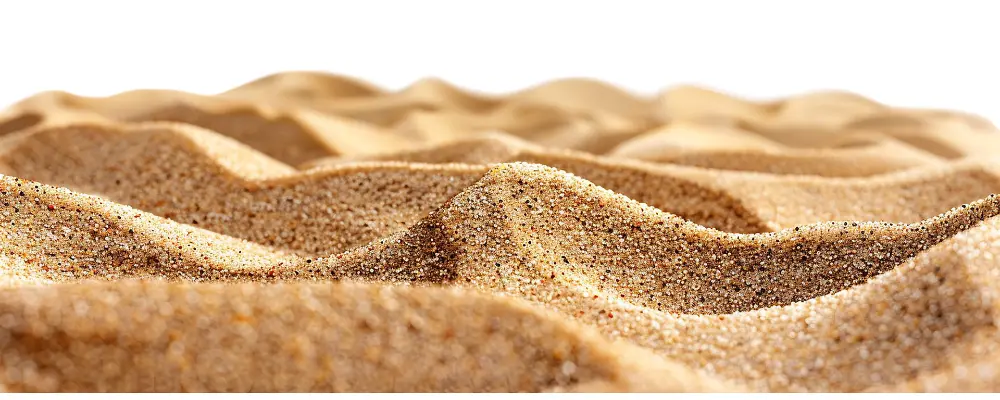
Coarse sand is a type of sand with large particle size, normally between 2.0 to 4.75 mm, though this may vary slightly depending on regional standards. It is free from slit and clay and has a gritty texture that is easily different from finer sand types. Coarse sand is primarily used in construction due to its ability to enhance the strength and bonding properties of concrete and mortar mixes.

The qualities of coarse sand are decided by its origin, with most coarse sand either mined from riverbeds or manufactured from crushed rocks. The particles of coarse sand have angular or irregular shapes that improve the binding properties when mixed with cement and other aggregates. This makes medium coarse sand a perfect match for use in concrete, mortar, plaster, and other building materials where strength and stability are required.

Properties of Coarse Sand 

The basic properties we need to know about coarse sand before using it for construction projects are:

1. Particle Size

Coarse sand particles are larger and irregularly shaped compared to fine sand. The size and texture of the particles are essential for specific construction applications, particularly in providing strong interlocking and bonding capacity. 

2. Grain Shape 

The angular and rough shape of the grains allows better grip and interlocking in concrete and mortar. On the other hand, rounded particles in fine sand do not bind as well.

3. Water Drainage 

The particle size of coarse sand adds to excellent drainage properties, reducing the risk of waterlogging in the foundation of structures. This is why medium coarse sand is used in the bedding layer of foundations to prevent water accumulation.

4. Permeability 

Coarse sand has higher permeability due to its larger grains and lower fineness. This allows water to pass through more easily, which is especially useful in situations requiring proper drainage, such as in road construction or laying underground pipes. 

5. Low Fineness Modulus

Coarse sand has a low fineness modulus, which measures the coarseness or softness of aggregate material. A lower fineness modulus shows that the sand particles are large, making it suitable for structural applications requiring greater strength.

6. Resistance to Shrinkage and Cracking 

Due to its larger particle size and better bonding properties, coarse sand reduces the chances of shrinkage and cracking in concrete and mortar. This property enhances the long-term durability of structures. 

Quality Standards for Coarse Sand

To ensure that the coarse sand and fine sand meet the required specifications for construction, it is vital to follow certain quality standards. These are:

1) Sieve analysis: It is a test that determines the particle size distribution of the sand. This test makes sure that the coarse sand falls within the specified size range for the intended construction application. 

2) Cleanliness: Coarse sand should be free from impurities such as clay, silt, and organic matter, which can affect its bonding and strength properties. It is important to wash and remove any contaminants before using fine coarse sand. 

3) Grading: Proper grading of coarse river sand is essential to ensure that it meets the required particle size distribution. Poorly graded sand can lead to issues with strength and durability in concrete and mortar mixes.

4) Moisture content: Excessive moisture in coarse sand can affect the water-cement ratio in concrete and mortar, leading to weaker mixes. Sand should be properly stored and handled to prevent the absorption of moisture. 

Applications of Coarse Sand in Construction 

Coarse sand is very useful in various construction tasks due to its adaptability. Some common uses are as follows:

1. Concrete Mixes 

Fine coarse sand is an important component of concrete mixes. When combined with cement, water and other aggregates, it forms concrete that can be used in constructing roads, bridges, buildings and other infrastructures. The large particles of coarse sand provide the necessary compressive strength required for these structures. 

2. Mortar and Plaster

Coarse sand is also used in the preparation of mortar, which is essential for laying bricks, blocks and stone. Its grainy texture allows for better adhesion and bonding between materials. Similarly, fine coarse sand is mixed into the plaster to create a durable and weather-resistant surface for walls and ceilings.  

 3. Foundation Work

Coarse sand is used in foundation construction, in layers beneath slabs and footings. Its ability to drain water effectively prevents water accumulation and ensures a stable foundation. It is also used as a bedding material for pipes and underground cables to provide a stable base and minimise shifting.

4. Paving and Road Construction

In road work, coarse sand is used as a sub-base material to improve the load-bearing capacity of roads. The rough texture and large particle size of coarse sand create a solid foundation that reduces the risk of shifting and settling under heavy loads.  

5. Backfilling

Coarse sand is also used in backfilling operations around foundations, trenches, and retaining walls. Its excellent drainage properties help reduce water pressure on the structures, minimising the risk of damage due to water infiltration.  

6. Landscaping

Coarse sand is widely used in landscaping for constructing pathways, artificial beaches, or as a base material for patios and driveways. Coarse sand for plants can be used because its high permeability prevents water pooling and ensures long-lasting durability in outdoor projects.

Difference Between Coarse Sand and Fine Sand

While both coarse sand and fine sand are widely used in construction, their applications are based on their particle size and properties. The choice between these two depends on the specific requirements of the project. For applications that need strength and stability, coarse river sand can be used, while fine sand is suitable for smoother finishes and less critical structural elements. 

Coarse SandFine Sand
Coarse sand has large particles, which provide better strength and bonding properties.Fine sand consists of smaller particles that are smoother and more uniform in size.
It is used in structural applications like concrete and mortar, where strength and durability are important.It is used in finishing work, like plastic or as a filler material in gaps between tiles or pavers.

Conclusion

Coarse sand plays an important role in construction, contributing to the strength, durability and stability of structures. Its large particle size and rough texture provide excellent bonding and drainage properties, making it ideal for use in concrete, mortar, foundation work and road construction. Understanding the unique properties and applications of coarse sand can help ensure that construction projects meet the highest quality and performance standards.

Oxide Flooring: A Comprehensive Guide to Manufacturing, Laying, and Maintenance

0
Oxide Flooring

Oxide flooring, known for its durability, vibrant appeal and eco-friendliness, is a preferred flooring solution for regions with tropical climates like India. You can find this flooring if you visit any of our heritage homes, colonial buildings and old mansions. This flooring is a blend of traditional and modern appeal. Manufactured using cement, iron oxide pigments along with other natural ingredients, you achieve a smooth and seamless surface that you can polish to a high sheen. From traditional reds to modern greens, the deep hues of this flooring can give your spaces a warm and inviting feel that resonates with timeless charm.

With excellent cooling properties and resistance to wear and tear, oxide flooring is ideal for homes in the tropical regions. Besides, the longevity of these floorings has made it the most popular choice for areas experiencing high foot-traffic. Are you renovating your old flooring or looking for a sustainable and durable flooring solution? Red oxide flooring is the solution. From selecting the materials to ensuring a flawless finish, this blog guides you on everything about the flooring’s manufacturing and laying processes.

Oxide Flooring: What Is It?

It’s a traditional and unique flooring option that has remained a popular choice in Indian homes for decades. Manufactured by mixing natural oxides, cement and other aggregates, the blend results in a durable and smooth surface. You achieve highly polished floors that enhance the aesthetic appeal of your space.

Are you bored seeing the same red oxide flooring everywhere? Whether you love the classic red colour or contemporary shades like black or blue oxide flooring, you have extensive colour possibilities. Besides, this flooring comes in your choicest colours, designs and patterns. Thus, you can choose a design that complements your interior décor.

You can customise the patterns in your oxide flooring, giving a unique and personalized look to your interiors. Besides the aesthetic appeal, these floors are popular for their functionality. The rich earthy tones of the floors add warmth and character while keeping your rooms cool. Therefore, these floors are an excellent choice for the Indian climate.

Manufacturing Process of Oxide Flooring

Materials Required for Oxide Flooring

Known for its smooth texture and rich hues, the colour cement flooring requires specific materials to achieve the desired look and feel. The primary ingredients required to manufacture the popular flooring include the following:

  • Oxide pigments of your choice
  • Cement
  • Fine quality sand 
  • Aggregates
  • Agents used to for mixing the ingredients like water  
  • Plasticisers

Systematic Way of Installing An Oxide Flooring

Here’s a systematic breakdown of the essential stages involved in the oxide flooring laying process:

Preparing the Surface

Before installing the flooring, clean and level the floor. Your floor must be free of any impurities, such as dirt and debris. If you install oxide flooring on an unclean surface, it will never set. If your floor has any uneven surfaces, it will hinder the final finish. Does your floor have cracks or holes? Ensure to fill and smooth them with suitable fillers.

Mixing the Oxide Compound

After preparing the surface, you must combine the oxide compounds. These involve combining the natural oxides, cement and aggregates in perfect proportions to form a consistent paste. The paste stands as the core material that experts apply on the floor. Ensure that the pigments mix well, or else, it will cause colour inconsistencies in the final flooring.

Applying the Mixture

Now, it’s time to apply the mixture on the floor. Spread the flooring mixture evenly on the floor with the help of trowels and ensure that the layer is free of lumps. Application of the mixture is an art. One must apply it in small sections and ensure its smoothness and thickness. Since the compound begins to dry immediately after its application, the professionals must work quickly and efficiently. Achieving an even application is vital to obtain a uniform finish, preventing visible flaws.

Polishing

After applying the flooring solution, you will notice that it begins to harden. Once set, the next step involves polishing. Are you looking to achieve a smooth and glossy finish? Then, you require specialised polishing tools. Witness the richness of the oxide colours after the completion of the polishing process. Your floors will obtain a sleek and reflective finish. 

Curing

The installation of your oxide floor ends with curing. The newly installed flooring requires some time to cure for maximising strength and durability. The floor must have some moisture content at a stable temperature, which will help set the mixture and bind it together. Curing boosts the durability of your floor and prevents issues like cracking and premature wear and tear.

Tips You Must Follow to Maintain Oxide Flooring in Good Shape

Clean the Floor Regularly

Do you want your floors to maintain the same look and feel for years? Sweep the floor regularly with a broom to remove dust and dirt. Ensure to use a soft bristled broom. Alternatively, you can also use a vacuum cleaner brush attachment to prevent scratching the surface of your oxide flooring designs. Besides, you will require mopping the floor at least once a week. For best results, use warm water. Ensure to wring the mop well to avoid excess water on the floor. Exposing your oxide flooring to excess water will damage the floor.

Protect the Floor From Scratches

Areas that receive high foot traffic such as entryways, hallways and areas under furniture experience premature wearing. You can prevent this by placing rugs and mats. Alternatively, you can also attach felt pads to the legs of your furniture, which will prevent them scratching the floor during movement. Moreover, you must never drag heavy objects across the flooring. It will cause deep scratches and permanent damage. Use furniture sliders when moving heavy objects, as it will prevent your floor from experiencing damage.

Never Use Harsh Chemicals

Often homeowners use cleaning agents to clean and disinfect the floors. If you are one of them and have an oxide flooring, remember never to use harsh chemicals on your floors. Instead, opt for mild cleaning agents or pH-neutral floor cleaners. Besides being gentle, these cleaners are effective in removing dirt and stains without compromising the integrity of your flooring. Never use cleaners that contain chemicals like ammonia, bleach or acidic cleaners, which can discolour your floor and wear down the glossy finish. Instead, you can mix a bit of mild soap with water for routine cleaning.

Re-Polish the Floors

With regular use, your oxide flooring texture will diminish and the shine will decrease over time. Therefore, you must re-polish your oxide floors regularly, which requires applying a special polish or wax. The application will restore the shine and protect the surface. Besides enhancing the appearance of the floors, you also extend the lifespan of your flooring. 

Repair Damages

Never ignore any damage caused to your oxide flooring. You must promptly address any chips or cracks to prevent further damage. You can avail an oxide floor repair kit in the market that can be used to repair small cracks and chips. The kit includes a patching compound and colour pigments that match the existing floor. However, if your floor experiences a large or a severe damage, it’s best to seek professional help for a seamless repair. Do not forget to inspect your floor regularly to identify the development of an issue at an early stage. Early detection allows you time to repair the floor and prevent further damage.

Conclusion

Oxide flooring is a blend of tradition and sustainability. With its unique properties and modern design, this flooring is a timeless solution. Furthermore, with proper installation and maintenance, you can make your floors last for years.

As a leading construction company in India, Brick & Bolt offers the best flooring solutions tailored to meet each client’s expectations. When it comes to installing your favourite red oxide flooring, our experts ensure to use the best materials. The professionals associated with the organisation execute each flooring project with precision, ensuring longevity and boosting the overall beauty of your homes. Brick & Bolt commits to provide superior artisans and customer support, making the company a reliable choice for homeowners seeking premium flooring solutions for their spaces.