Home Blog Page 27

Coursed Rubble Stone Masonry: Properties, Pros & Cons, and Applications

0
Coursed Rubble Stone

Stone Masonry is a craft of arranging stones of desired shape to form a structure. This process of construction has been employed for thousands of years and has a great history. There are numerous design patterns in the stone masonry process, and coursed rubble masonry is one among them, where the stones are arranged in a pattern with stones either undressed or roughly dressed. They are widely popular in rural areas and provide a good appearance to the structure. Here we take a look at coursed rubble stone masonry and everything you need to know about it, including the properties, applications, pros and cons.

What is coursed rubble stone masonry?

Coursed rubble stone masonry is the process of arranging stones in horizontal layers at certain intervals. The stones used in coursed rubble masonry are hammer-dressed and are of equal heights; however, the sizes differ by course. These types of stone masonry are used for the construction of residential buildings, boundary walls, warehouses, and more.

Properties of coursed rubble stone masonry

Size & Shape

The size of the stone that is used for coursed rubble stone masonry should not be less than 15 cm. The shape of the stones should not have a rounded surface. The stones are hammer-dressed on top, bed, and on the sides to make it compatible for laying close to other stones in the course.

Compressive Strength

The stones used for coursed rubble stone masonry should be hard, sound, and durable. It should have a compressive strength of at least 104.9 MPa.

Aesthetics

As the stones are hammer-dressed they have a rough texture that looks more balanced between rustic and architecturally pleasing.

Wall Dimensions

Generally, stone walls have a thickness ranging from 30 centimeters to 60 centimeters. The stone chosen for coursed rubble stone masonry should not be more than ¾ of the thickness of the wall. The horizontal courses of the stone wall should be of equal sizes; however, it can vary for different courses.

Construction Process in Coursed Rubble Stone Masonry

Selecting the stones

The stones can be selected from the quarries that are suitable for the construction. The stones should be of uniform color, quality, and texture, and should be clear from impurities and other deleterious materials. Stones that have a round face should not be selected.

Testing of stones

The selected stones are tested in the lab and should pass the compression and water absorption test. The stones should possess a compressive strength of not less than 300 kg/cm² and should not absorb water in excess of 5%. The size of the stones should be not less than 15 cm and not more than 3/4 of the thickness of the wall.

Dressing

Each stone is hammer-dressed on the face to remove uneven edges and sides, making it suitable to be laid close to neighbouring stones. The dressing process removes the bushes of more than 40 mm on the exposed face and 10 mm on the plastered face.

Preparing the mortar

A mixture of cement, sand, or lime is mixed to form a dry mixture of a standard ratio. The dry mixture is then mixed with water to bring it to a consistency for binding.

Laying Stones

All the stones should be wetted before laying. The wetted stones are laid close to the neighbouring stones. Ensure that the mortar joints that bind the stones are not more than 20 mm. The joints are monitored properly, and a wooden mallet is used to position the stone firmly. The levels of the horizontal courses can be adjusted using stones of similar height and mortar.

Joints

Stones are laid in a way that all the joints are fully packed with mortar and stones. The face joints should not be more than 12 mm thick and can be flushed and finished. The top portion of the structure is finished with mortar and small stone pieces.

Quoins

The quoins can be dressed and placed at the correct angle, which is approximately the same height as that of the course. They can be laid with a header and stretcher in the alternate courses.

Curing

The masonry work that uses cement is constantly kept moist for a minimum period of one week, for complete curing. The structure should be protected from rain, as it may damage the construction from mortar dropping and other damages.

Advantages and Disadvantages of coursed rubble stone masonry

Advantages

  • The stones are hammer & chisel-dressed and are perfectly shaped to lay close to the other stones in the course.
  • These bricks are strong, hard, and have high durability.
  • They are eco-friendly as they don’t need steel or cement.
  • These bricks can carry heavy loads and have high compressive strength.
  • They give both a rough and aesthetic look to the structure.

Disadvantages

  • They can be subject to damage or collapse when stones are not bound correctly.
  • They have poor abrasion resistance against water, which could wash away the mortar and other fine materials.
  • Cracks can develop within the structure if subjected to excessive weight and external stress.
  • The stones are too heavy and transporting costs and labor needs can be high.
  • The construction of coursed rubble stone masonry is time-consuming.
  • Rainy and frost climatic conditions can penetrate through pores, leading to cracks.

Applications of coursed rubble stone masonry

  • These masonry works are used for the construction of modern residential buildings, public buildings, hospitals, and schools.
  • They are used for low-height walls, compounds and boundary walls.
  • They are primarily used for laying the foundations of a structure that requires high load-bearing capacity.
  • They are also used to build piers in ordinary bridges.

Conclusion

​Coursed rubble stone masonry is widely applicable in  construction projects that require a more balanced structure. They are both rough and the same way aesthetically pleasing. They can load heavy loads and are durable for a long period of time. These masonry works although requiring skilled labor, have a very low chance of failure. They are reliable for low-height walls, modern residential houses and other commercial structures.


Construction Project Management: Different Stages, Functions and Risk Management

0
Construction Project Management

The ultimate goal of construction project management is to avoid costly mistakes. A project manager must be bound to time frames and financial constraints. To keep the entire process on track, construction project management software helps you with effective planning and design, resource management, budget allocation, and more. In this article, we will discuss the different stages of construction project management, functions, and risk management in detail.

What is Construction Project Management?

It is a process in construction which involves organising and guiding the project work. It covers the planning and completion of the project. In today’s industrial era, construction project management boosts productivity and efficiency. 

It also enhances the work to meet deadlines and budgets and  organises the work that everyone has to do, thus increasing the productivity of the work. It keeps the entire construction process on track. 

The Role of the Construction Project Manager

Construction Project Manager

A construction project manager must manage a team of architects, engineers, and contractors in order to complete the project on time and within budget. A construction project manager must coordinate the project from start to finish. The primary roles of a construction project manager are as follows:

  • Planning and organisation for construction processes
  • Managing budgets
  • Legal and regulatory compliance
  • Allocating and managing the resources.
  • Risk management
  • Overseeing the process.
  • Regular communication with all the team members.

5 Stages of Construction Project Management

Stages of Construction Project Management

A construction project manager must know the 5 key project stages to ensure a great result.

1. Development and planning of the project

Planning is essential for every project. Also deciding when to start the construction work is very important. You must know the resources and budget at the initial stage of the project if you want to cut down cost overrun and avoid unplanned execution of the project. A project manager must know if the plan will yield a good ROI and have manageable risk.

2. Designing process

If you have decided to do a project, it’s time to start the design process. Designing helps to bring life to your project and gives a clear picture of it. You can alter or refine things in this stage. It includes the project’s sketching process, from the start to the end. The blueprint of your project is also prepared during this stage. Once you approve the design, you must proceed to the next step.

3. Preconstruction – a way to the construction process

The preconstruction process requires detailed plans and execution. It must follow the timeline and budget for everyone in the project. A project manager must assign the roles of contractors, engineers, architects, and stakeholders, coordinate with them and oversee their operations. 

4. Buying resources and materials

Procurement is a critical task that needs perfect preconstruction planning. You must know whether to buy materials from the local market or outside. Sourcing includes transportation costs. You must be very clear on the budget.

5. The Construction Process

Now everything is on the line. The process of constructing a building has started. Everyone knows their unique roles and responsibilities in the process. If you need any changes or adjustments in your plan, analyse it thoroughly and take informed decisions.

Selection Process of Contractor

The contractor may work under the construction project manager. They are generally selected with an auction or bidding process. The three most used methods for selecting contractors are low-price, best-price, and qualification-based selection.

  1. Low-bid selection: Construction companies offer their lowest priced proposals, with the only consideration being price. The lowest offer is subsequently selected by the project owner.
  2. Best value selection: This method takes cost and qualifications into account. The proposal that provides the best value in terms of both price and quality is chosen by the owner.
  3. Qualifications-based selection: This approach selects a construction management business only based on qualifications. By using a request for qualifications (RFQ), the owner can learn more about the skills and experience of the contractor.

The project owner has the right to select the type of contractor he needs. After the selection process, the assigned contractor may oversee day-to-day job site operations, providing quality resources and safety measures.

Functions of Project Management Process

Construction project management includes some tedious functions to provide excellent outcomes. It can be derived as follows:

  • The preconstruction, design, and construction processes are helpful. They will achieve the project’s goal. According to the goal set, everything has to be planned and executed. 
  • Strong communication can improve workflow and boost productivity in construction.
  • A construction manager must have all legal documents to support the work. Any missing document may slow down the construction process and lead to project delays.

Risk Management

Construction project management has its own set of challenges that can be faced by workers and employers in day-to-day operations. Some of them are mentioned below:

  • Effective Communication and Document Management: Streamlining the construction process is a decisive task. Efficient communication with all stakeholders and teams may help find ways to identify potential issues easily. The culture and language of the workers must be understood to create a stable environment and ensure a smooth workflow. 

The general contractor must maintain a healthy relationship with the stakeholders and contractors to collect the necessary documents on time. A common platform with easy access at any time, anywhere may make the process more efficient.

  • Estimating

In construction, precise cost, resource, and schedule estimation is essential. Project losses can result from even minor mistakes, particularly in light of the narrow industry margins. A high sunk cost could emerge from a major estimation error that stops progress on large projects, such as building a power station. Forecasting methods are available to help account for these variables and enhance accuracy, even if estimation is difficult because of factors like price variations, currency swings, and supply shortages.

  • Siloed Data

Projects frequently wander off track and miscommunication arises when data is dispersed and difficult to access. Timeliness, risk management, and cost control can all be impacted by data silos. You run the risk of delays and errors if a contractor waits for information or moves on without it.

Use a data management solution that integrates all of your systems and centralises information to prevent this and make data easily accessible to your team from wherever.

  • Lack of Real-time Data for Risk Assessment and Change Orders

If your data is out of date, sharing it with your team is pointless. You need real-time data to handle new developments and address issues as they arise since building projects are continuous. This can be aided by the appropriate software, which provides simple access to current dashboards and reports along with tools to visualise workflows and comprehend the consequences of your choices.

Conclusion

While overseeing a construction project involves many complex steps, effective construction management software offers a streamlined and efficient solution. It provides tools for scheduling, tracking, communication, document management, and more. In short, a construction project management team is essential for your dream project. They know all the ins and outs of the building process in the construction industry. Their vast knowledge and experience can reduce costs and delays in the work and ensure an efficient construction project.

FAQ’s

1. What is the importance of construction project management?

Construction projects are complex processes that involve heavy budgets and a lot of risks. Managing it correctly will reduce the loss of money and safety risks associated with the structure. It boosts productivity and increases the workflow.

2. What duties does a construction project manager have?

A construction project manager has the skill and courage to manage the resources and people effectively. The responsibilities include planning and developing construction ideas, cost control, budgeting, risk management, effective communication, monitoring project workflow, and checking closeouts.

Garden Wall Bond: Types, Benefits, and Building Guide

0
garden wall bond

Garden Wall Brick Bond has been a widely used construction technique for years and has a great history and legacy for years. It has been practiced since ancient civilisations in Romanian and Egyptian architectures for the construction of sturdy walls, that are still in existence over time. This bonding has evolved and is now compatible with gardening and landscaping designs. Here we take a look at what is garden wall bonding, its types, where it is used, pros, cons, and more.

What is Garden Wall Bond?

A Garden Wall Bond is a brickwork that is constructed with a single-brick thickness for non-structural walls that are not more than two meters in height. These bonds use both headers and stretchers in the structure of facing walls. Although they are quite similar to English Bond, they differ in strength. These bonds are versatile, have numerous advantages, and are widely used construction techniques for most outdoor structures.

Different types of Garen Wall Bonds

There are three types of Garden Wall Bonds in the masonry works/construction field, namely- Garden Wall Bonds, Garden Wall Flemish Bonds and Garden Wall Monk Bonds.

Garden Wall English Bond

In this bond type, one header course is laid for every three stretcher courses. In each header course, a queen closer is laid next to the quoin header to provide the necessary bond, between the bricks. In the stretcher courses, the quoin headers are placed in alternate courses. If five stretcher courses are laid consecutively between a header bond course, it is called a Scottish Bond. Whereas using five stretcher courses between a header course is called an American Bond.

Garden Wall Flemish Bond

In this bond type, one header is placed between three to five stretchers on the same horizontal course. A 3/4 brick bat is placed next to the quoin header in the alternate course to form the lap. The header is laid in the middle of each central stretcher. This bond is also called a Scotch bond or Sussex bond.

Garden Wall Monk Bond

This bond is similar to a Flemish bond, where one header course is placed between two successive stretcher courses. Each alternate course contains a quoin header and a 3/4 brickbat.

Advantages and Disadvantages of Garden Wall Bonds

Advantages

  • Garden Wall Bricks, when constructed properly, can last longer, as it has high-durability properties.
  • The design patterns give the wall an aesthetic look for the outdoor spaces, offering classic, contemporary, and rustic looks.
  • These bricks can be designed to fit various design needs, whether it is a straight line, a curve, or any unique visual effects.

Disadvantages

  • These bricks can cause structural damage, as plant roots can grow inside the wall; therefore, the plants that are grown in the garden should be carefully selected.
  • These walls are not as strong as English bonds.
  • The walls need to be maintained frequently to avoid moisture damage, cracks, and abrasion.
  • If poorly constructed, they may require high maintenance costs, which also reduces their durability.
  • They need skilled labour, as the placement of headers and stretchers must be precise.

Step-by-Step Guide for Building a Garden Wall Bond

Digging the Foundation

The position of the garden wall that needs to be built is marked and the soil is dug out for at least 150 mm thick and at least 50 mm depth below the ground level.

Laying the foundation

Lay the level concrete foundations using ballast and cement by blending them with water. Pour the mixture into the trench and spread it out. The spread-out concrete is tampered with to remove pour gaps. Using a long spirit level, check if the concrete is flat and does not form any slope.

Setting the string level

Dry lay the bricks on the first course of the block like a footing and use a taut string to line the placement and level of the first course of walling the bricks. The level strings are used at the top of the brick to check if the spirit level is flat.

Preparing the mortar

Blend three parts of sand and one part of cement with water and other additives to form a mix until it comes to a consistency to hold the bricks together and form a structure.

Building the first course

Pour the mortar on the concrete footing to form a concrete bed and lay the brick over it. Lay all the bricks in the first course and check for levelling by using the rubber mallet and spirit level. Check whether the mortar exudes between the joints.

Building the wall

Lay the mortar on the first course to fill the joints using the chisel, ensuring it is capable of holding the bricks above the previous layer for the perfect vertical joint. Make sure to smooth off the mortar and maintain at least 10 mm joint gaps vertically. Repeat the process until the wall reaches the required height.

What is the difference between the English Bond and the English Garden Wall?

English BondEnglish Garden Wall
In English Bond, the courses are arranged with stretchers and headers in the alternate courses.In the English Garden Wall, the three to five stretcher bond is followed by a header bond.
They have more strength and durability.They have less strength compared to English bonds.
These bonds have one-and-a-half to two brick thicknesses.These bonds have a single brick thickness.
These bonds can be used for both load-bearing and non-load-bearing walls.These bricks are only used for non-load-bearing walls.

Conclusion

Garden Wall Bricks have a rich history with versatile usages. They are known for their durability, strength, and attractive build, making them a pleasing choice for outdoor walls. They create a good look to the garden and parks and also can withstand for a long period. These bricks can be blended with stone and other design elements to make the outer wall more attractive. All these characteristics make them one of the ideal choices for your outdoor garden walls.

Stack Bond Brickwork – Aesthetic Appeal and Key Insights

0
stack bond

Brick bonding is a process of arranging the bricks in a certain pattern, that forms a wall or a structure. These bonds give more physical and mechanical benefits for the structure, including the strength, stability, and aesthetic properties. There are different types of bonds and each has its unique characteristics, properties, and applications. Among all the bonds, the stack bond is a very basic type but gives a more modern look to the structure, when bound together. Here we take a look at what a stack bond is, its applications, the laying procedure, its pros, cons, and more!

What is a Stack Bond?

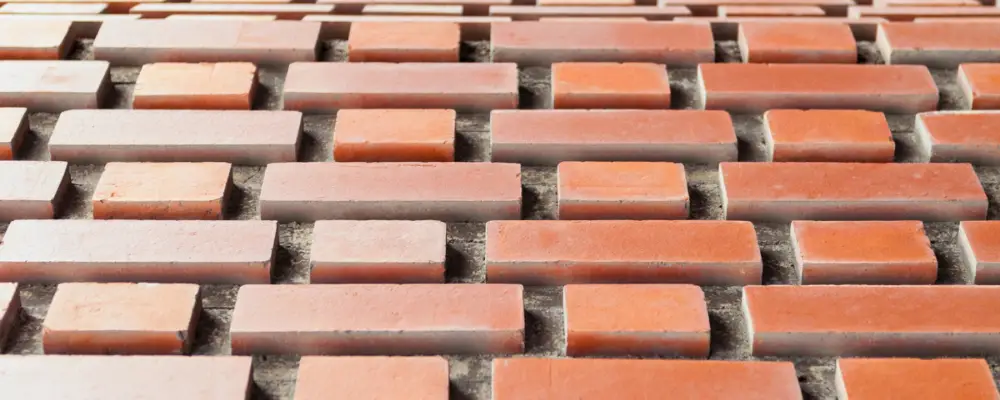
A stack bond is a type of brickwork in which the bricks are arranged in a simple, vertical alignment, one over the other. The bricks are laid on the long sides (stretchers) as the face of the walls. The arrangement of these bricks forms a continuous vertical pattern that runs through the length of the wall. These are basic bonding types and are easy to lay. They are used in non-load-bearing walls and decorative structures.

Application of Stack Bond

  • These bonding patterns are used for modern residential and commercial buildings, which prefer aesthetically pleasing exterior and interior designs.
  • These bonds are used to build accent walls and create more attractive interior designs in bedrooms, hallways, dining rooms, etc.
  • These types of bonds are widely popular for their decorative purposes in garden walls, partition walls, and other non-load-bearing structures.
  • These bonds, when combined with a steel structure and reinforced cement concrete, can be employed for walls that bear a medium load.
  • These bonding patterns are not only ideal for bricks but also for blocks and tiles.

Advantages and disadvantages of Stack Bond

Advantages

  • These bonds are pretty basic and easy to lay, and they do not require any skilled labor to lay the brick one over the other.
  • These bonds give the construction a modern look and make it more pleasing to the eyes.
  • These bonds gain strength when combined with steel structures or reinforcement. This gives the bond to create the ability to withstand medium loads.
  • These configurations create a more classic look to the structure, with clear vertical and horizontal linings.
  • The stack bond requires low maintenance, as they are easy to wash, and the structure can be cleaned quickly and effectively.
  • Fewer bricks are wasted, as they don’t need brickbats.

Disadvantages

  • These bricks are not so strong compared to the other bonding types. As all the bricks are stacked one over the other, the chances of the structure collapsing are high.
  • The concentrated loads cannot be distributed evenly across the head joints horizontally, as the bricks are laid one over the other. The loads are only distributed vertically and not horizontally.
  • The stack bonds are primarily suitable only for non-load-bearing walls, that carry zero load or minimal load. Since the bricks stacked up themselves represent a concentrated load, they have poor stability.

Properties of Stack Bond

  • The bricks are laid directly on top of another brick with mortar joining both bricks.
  • These brick pattern runs vertically down throughout the wall and gives the appearance of an Excel sheet.
  • These bonds are weak and primarily used for non-load-carrying walls.
  • Some stack bonds are aligned with joint reinforcement in the horizontal course to give more strength to the structure by distributing the load evenly.

How to Lay a Stack Bond?

  • Prepare the ground or bed to lay the mortar, where the structure needs to be constructed.
  • Lay the mortar of the required consistency on the surface and place the brick with a stretcher facing the wall.
  • Place all the bricks with the stretchers facing the wall in the horizontal course, leaving small gaps for the mortars to join the bricks.
  • Use a plumb bob and a straightedge to check if the bricks are arranged both vertically and horizontally.
  • Lay the mortar over the underlying bricks, setting the bed for the overlay bricks.
  • Continue the layering of bricks by stacking one brick over the other over the mortar and checking the levels using the level bob.
  • For structural walls, a horizontal wire reinforcement is placed on the alternate course, to make the bond distribute concentrated loads more evenly. 

Conclusion

Stack bonds are more uniformly distributed, aesthetically pleasing walls, that are usually used for non-load-bearing structures. This brickwork requires less effort in case of laying and maintaining. Although they are more attractive in design, they cannot be used for structural walls and load-barring structures, due to their poor load distribution. Now, it is not a concern, as a combination with reinforcement walls, gives it a property similar to running bond. The stack bond with reinforcement can be used for structural walls and can be employable in high seismic conditions and hurricane areas.

Flemish Bond Brickwork – Types, Properties, & Uses Explained

0
flemish bond brick

Flemish bond is one of the European-style bonding of bricks. Although the name says Flemish, it is not native to Flanders or even France or the Netherlands. This pattern has its origins in Northern and Central Europe, particularly in Poland, Germany, and Georgia (the country).

It gained significant attention in the 17th century and became widely popular in European construction, thus providing historical significance. Good examples of Flemish Bond-type construction are Frauenkirche in Munich, Kew Palace in London, Gloria Dei Church in Philadelphia, Ludwell-Paradise House in Virginia, and St. Luke’s Church in Smithfield, Virginia.

The European style started influencing the people of India, leading to a demand for a Flemish touch in their dream homes. So what makes this bond so widely popular? Here we take a look at the design pattern of Flemish bond, their types, applications, and much more.

What is Flemish Bond Brick?

Flemish Bond is the arrangement of bricks with the combination of stretchers (the long narrow side of the brick) and headers (the shorter square side of the brick) in the same horizontal plane (course). The headers are centrally supported by the stretcher on the underlying course. A quoin header is placed at the corner of the wall, marking the beginning of the alternate course. A quoin closer is positioned to the right of the quoin header to promote the face lap

Types of Flemish Bond Brick

Flemish Bonds are of two types- Double Flemish Bond and Single Flemish Bond. Both the bonds vary in the brick-laying pattern and have their own physical properties and characteristics.

Double Flemish Bond

The double flemish bond looks similar on both the interior and exterior faces of the structure. It exhibits good wall thickness and has superior looks and designs. The headers and stretchers are alternatively arranged on the same course. Half-bats and 3/4 bats are used with an odd number of half-bricks. Walls that are made evenly don’t need half-bats.

Single Flemish Bond

This is a combination of Flemish and English brickwork patterns. A double flemish bond is visible on the face, while an English bond serves as the backing, with hearting in each course. The Single Flemish Brick leverages the strengths of both English and Flemish bonds. They have a thickness of one and a half brick size.

Properties of Flemish Bond Brick

  • The Flemish bonds are highly resistant and vigorous against dust and stress, making it look more clean and strain-free for a longer time.
  • These brick bonds are decorative and make it aesthetically appealing.
  • The mortar binding the bricks and closing the joints strengthens and stabilises the wall.
  • The bricks are arranged in alternative segments on the same course, which reduces the chances of collapse.
  • The arrangement of bricks gives an aesthetically pleasing touch to the structure, even without plastering.
  • Both the front and back elevations of the double flemish bond are identical.
  • Quoin closers and quoin headers are used in the alternate courses.
  • The headers are centrally supported by the stretcher on the underlying course.

Applications of Flemish Bond Brickwork

  • Flemish Bond has been widely used in European countries such as Germany, Virginia, England, and Georgia(the country) since the 17th century.
  • These bonds can be used for the construction of both internal and external structures such as walls and other structures.
  • They are applicable for places that demand more thickness in the structure for one to two bricks, depending on the single flemish or double flemish bond.
  • These bonds have the strength and stability to withstand high loads, and they can be used for load-bearing structures.
  • This bonding style is attractive, and it can be used for decorative walls for visually appealing purposes.
  • As the pattern is more decorative, it can be ideal for non-plastered structures.
  • These can be used for garden walls, cavity walls, and partition walls of high thickness.

How to Lay a Flemish Bond Brick Wall?

  • Prepare the ground or bed to lay the mortar, where the structure needs to be constructed.
  • Lay the mortar of the required consistency on the surface and place the header next to the quoin of half or 3/4 bricks.
  • Place the stretcher and header side of the brick in an alternate place on the same horizontal course with a minimal gap, to fill it with the mortar.
  • Use a plumb bob and a straight edge to check if the bricks are arranged both vertically and horizontally.
  • Lay the mortar over the underlying bricks, setting the bed for the overlay bricks.
  • Continue layering with quoin headers and closers on the alternate courses and fill the joints with the mortar.

What is the Difference Between the English and Flemish Bond?

Flemish BondEnglish Bond
In the Flemish bond, the headers are centrally supported by the stretcher on the below course.In English bond, the headers and stretchers are arranged in alternate courses.
The Flemish Bond provides one full brick thickness.The English Bond has a higher thickness than the Flemish Bond, where walls are thicker than 1.5 bricks.
These bondings are more aesthetically pleasing.These bondings are less aesthetic, compared to Flemish.
It is a more economical option. However, it requires more skilled labourers to lay the bond.It is more expensive but requires only intermediate-level skilled labor.
These bonds are highly resilient to strain and do not require regular cleaning.The mortar joints in the English Bond demand more regular cleaning.
They have strength, stability and are less prone to collapse.They have high strength when laid perfectly and have a very low chance of collapsing.

Conclusion

To conclude, Flemish bonds are a widely popular type of bond in the construction of walls. They are known for their strength, durability, and aesthetic properties. They have the excellence and endurance of English craftsmanship and architectural excellence. It is comparatively less strong than the English Bond, however, it is still the preferred brick-laying type, for its versatile properties and physically appealing looks. Will you be considering, the European style architectural construction for your dream home?

Caisson Foundation – Types, Mechanism, Pros & Cons Explained

0
Pneumatic caisson

As a cornerstone of modern site engineering, a caisson serves a vital role in establishing steady foundations for different structures such as bridges, skyscrapers, and other buildings. The caisson foundation offers a potential solution for conditions where soil might be too weak to support heavy loads. It provides a dry area at a site that is typically underwater. Read on to learn more about this vital foundation type.

What is a Caisson Foundation?

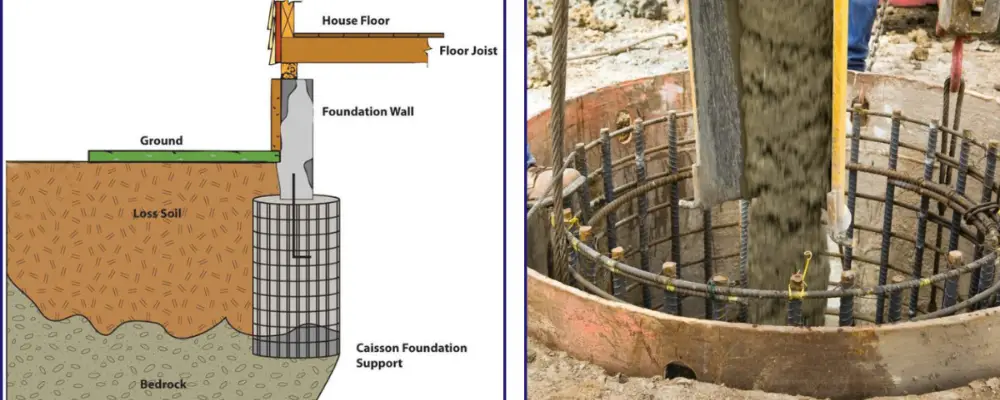
Caisson is a water-retaining structure and pier foundation system used as a bridge pier to construct dams or repair ships. A prefabricated hollow box or cylinder is sunk into the ground to some depth and then filled with concrete, which helps create a dry, sturdy area below water level by keeping water out, making it suitable for foundations in aquatic environments. This feature is critical in supporting heavy loads and providing stability where other types of foundations may not be feasible. The caisson remains in its original position and becomes an integral part of the structure.

Importance  of the Caisson Foundation

The foundation acts as a large, hollow box or cylinder that is sunk to a desired depth and then filled with concrete, giving it the strength needed to support significant loads and prevent water from seeping into the construction area. This dry, reinforced space ensures long-term stability and reduces the risk of shifting due to soil movement. While compared to pile foundations, caissons offer distinct advantages and features that make them suitable for certain applications.

Mechanism of Caisson

A caisson is an impermeable box with no bottom that may be submerged in water while maintaining a dry workspace. Water cannot enter the caisson when it gets submerged because of trapped air. To counteract this, a platform is built above, with a tube leading to the caisson, through which compressed air is pumped. This equalises the pressure inside and outside, keeping water from seeping in.

Once the caisson is stabilised, workers enter and start excavating the soil at the bottom. However, removing soil could allow water to flood in, so a water-filled pipe is installed. Air pressure from both the caisson’s interior and the external environment holds the water in place within the pipe. Workers lower a bucket through the pipe to collect soil, which is then lifted to the surface. This process allows workers to dig progressively deeper into the riverbed, ensuring the caisson remains stable and watertight throughout.

Types of Caisson Foundations

Here is an overview of the different types of Caisson foundations:

  • Box Caissons: Watertight, heavy boxes that open at the top are called box caissons. After being floated to the building site, they are lowered and filled with brickwork or concrete.
  • Excavated Caissons: To stabilise the foundation, these cylindrical caissons are placed into a site that has already been dug and filled with concrete.
  • Floating Caissons: Also known as floating docks, floating caissons are prefabricated boxes with cylindrical cavities that are easy to transport and install.
  • Open Caissons: Similar to box caissons, open caissons have openings on both ends. They are utilised for deep manholes, tunnels, and jetties and are appropriate for soft terrain. 
  • Pneumatic Caissons: Perfect for underwater construction, these are big, air-pressure-powered, waterproof boxes.
  • Compressed Air Caissons: These employ an air pressure and are intended for dry working environments when alternative techniques are less successful.
  • Monolithic Caissons: Compared to other caisson types, this monolithic caisson is the largest one of any other type.

Caisson Construction Process

The site must first be marked and secured to place a caisson foundation. After that, a cutting edge is added to the precast caisson on land to help with its controlled sinking. A towboat is used to transport the partially built caisson to the installation location once it is ready. The caisson is attached to a guiding structure at the site, which guarantees proper alignment as it is lowered gradually. After that, concrete is added gradually to give it weight, which causes the caisson to gradually sink until it reaches the required depth. The caisson can be precisely positioned in underwater foundations such as bridge piers and breakwaters thanks to the guide’s assistance in controlling this descent.​

Around the air domes, forms are built inside the box, and concrete is poured between them to avoid getting in water due to soil transfer. The open space above the air domes is called dredge wells. The caisson sinks deeper when it reaches the riverbed because the air domes are taken off and dirt is dug up through the dredge wells. Until the desired depth is reached, excavation keeps going. Lastly, the foundation is finished by pouring concrete into the bottom part of the dredging wells and sealing the tops.

Advantages of the Caisson Foundation

  • For underwater foundations, caissons offer affordable solutions.
  • They are easier to build and clean than any other type of foundation.
  • Caisson effectively handles both horizontal and vertical loads.
  • They can be altered according to the specific site requirements.
  • They are easy to handle and install. 
  • They don’t require additional pile caps.

Disadvantages of the Caisson Foundation

  • Precise and complicated engineering techniques are required to build a caisson foundation.
  • Old structures cannot be renewed with this technique.
  • Structural engineers and geotechnical engineers are quite limited in this field to design this type.
  • Workers in underground structures may face hazardous diseases like caisson disease due to decompression.
  • Qualified inspectors are required, but not easily available for inspecting this type of foundation.

Conclusion

Caisson foundation stands as a significant part of civil engineering for its ultimate support and structural integrity for bridges, docks, etc. It offers permanent support for the structure that is going to be built above it. The word caisson defines a box-like structure. In short, construction work that needs high structural support, especially underwater, may use this caisson foundation for its strength and stability.

FAQ’s

1. What is the principle of the caisson foundation?

The Caisson foundation works on the principle of air pressure to prevent the entry of water when the structure is surrounded by water on all sides.

2. Where can you use the caisson foundation?

Civil engineers can use the caisson foundation to build structures underwater or near water bodies.

Stretcher Bond in Brick Masonry – Properties & Applications

0
stretcher bond in brick masonry

Bonding of bricks is the way the bricks are arranged in a certain way using mortar to form a structure such as walls, pathways, floors, etc. There are numerous bonds in brick masonry, each has a unique style, purpose, properties, advantages, and disadvantages. Although there are multiple types of bonds in the construction industry, a stretcher bond is one which is widely used for a variety of applications. Here we take a look at what a stretcher bond is, its properties, applications, advantages, and disadvantages.

What is a Stretcher Bond?

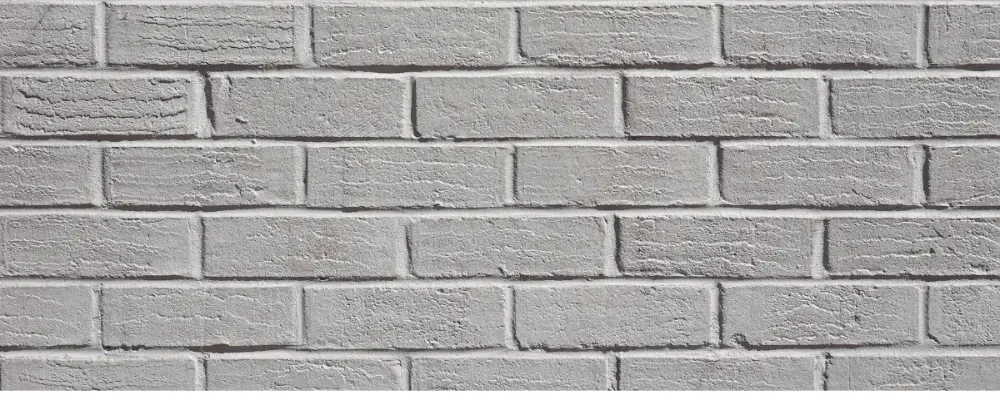
The longer narrow face of the brick is called a stretcher (9”x3”). As the name suggests, the bricks that are arranged with the stretchers on the faces of the walls are called a stretcher bond. This is also called a running bond. Only the stretchers are visible in the structure on the external and internal surfaces. The overlaying bricks are arranged in the midpoint of the underlying bricks, showing a uniform pattern in alternative layers.

Applications of a Stretcher Bond

  • Stretcher bonds are primarily used in exposed walls of steel and reinforced concrete structures.
  • These bricks are also applicable in the construction of boundary walls and garden walls.
  • Used for structures that need only half the brick thickness such as partition walls and balconies.
  • Ideal for the construction of straight walls and short-spanned walls.

Properties of a Stretcher Bond

Visible narrow face

The stretcher bonds are laid with the long narrow face of the bricks facing the wall. This way of building makes only the narrow face visible on the external and internal surfaces of the wall.

Thickness

The thickness of the structure that is built with a stretcher bond is half the size of the brick. The minimum thickness of the structure is 4.5 inches without plastering.

Overlapped Half-Breadth

The overlaying bricks are arranged in the midpoint of the underlying bricks, showing a uniform pattern in alternative layers. These arrangements help in fine bonding and uniform distribution of loads.

Strength & Stability

These bricks have less load-bearing capacity and the pressure is not evenly distributed. This makes it unstable and unsuitable for load-carrying structures. A column-like masonry brick structure is built in between to support the structure.

How to Construct a Stretcher Bond?

  • Prepare the mortar by blending cement, sand, or other adhesives with the appropriate amount of water.
  • Blend all the raw materials into a mixture that is suitable for binding the bricks together.
  • Prepare the bricks necessary for the construction of the structure, (by choosing the right bricks and calculating the number of bricks required).
  • Put some cement mortar  of the right consistency on the ground surface before placing the first layer of bricks.
  • The bricks are placed over the cement mortar, with the longer narrow face (9”x3”) of the brick laid on the face of the wall.
  • Arrange all the bricks in the same alignment until the first row of bricks is aligned with small gaps for mortar, to fill the gaps and bind the blocks.
  • Use a spirit level or bob level to check whether the angle is accurately 90 degrees.
  • Put some mortar over the first layer of brick and place bricks over it, in half of the breadth (Stretch) of the underlying brick, making the alternate layers have similar alignment.

Advantages of Stretcher Bonds

  • Stretcher bond is easy to construct and requires low effort and time.
  • No skilled labourers are required for the construction, except for producing the right consistency of mortar.
  • Less or no material waste is produced, as there is no need to cut the bricks in half.
  • Can work effectively with steel structures and reinforced concrete frames.
  • Walls with low width or thicknesses can be obtained.

Disadvantages of Stretcher Bonds

  • Only used for the construction of half-brick-thick walls.
  • Stretcher bonds with adjacent bricks cannot be as effective as full-width thick brick walls.
  • Not stable enough to stand alone over longer spans and heights.
  • They require supporting structures, such as brick masonry columns at regular intervals for effective support for a longer span.
  • Not effective for curved surfaces or other rounded surfaces, as they may not be as effective as they are for straight structures.

Conclusion

Stretcher bonds are commonly used brick bonds  both for external and internal structures. These bricks are arranged on the narrow head, making it one of the easiest ways to construct that does not require skilled labour. These bonds build a thin structure that is suitable for compact areas. However, the structure under this bond cannot carry heavy loads, due to its poor weight distribution. Although these brick bonds have both positives and negatives, they are widely applicable and effective when used with steel and reinforced concrete frames.

Rat Trap Bond Wall – Construction Method, & Benefits

0
rat trap bond WALL

A rat trap bonding wall method is used to assemble brick walls. They can almost reduce 30% of the cost and material requirement of the construction work. This method effectively lowers construction costs and material requirements. The cavity created in this brick wall enhances the structure’s thermal efficiency without encompassing its stability. Let us explore detailed information about a rat trap bond wall.

What is Rat Trap Bond Wall?

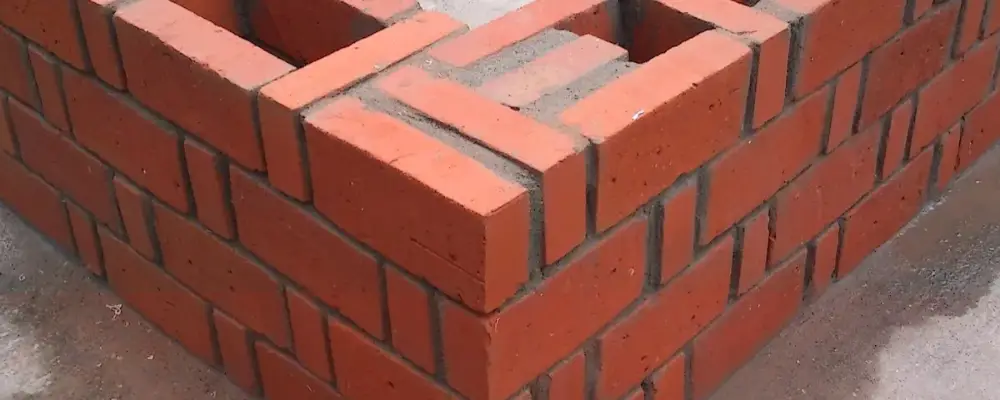
A rat trap bond is a common mason brickwork that involves placing the bricks vertically rather than horizontally. Unlike conventional wall construction, it creates a gap between the bricks while placing them by keeping the same thickness of the wall. The famous architect Laurie Baker introduced this rat trap bond wall method in Kerala, which reduces construction costs and other material needs.

This type of building brickwork is commonly called a Chinese brick bond, which drastically reduces the number of bricks required for building a wall without compromising the quality of the work.

How to Construct a Rat Trap Bond Wall?

In rat trap bond, bricks are arranged vertically rather than horizontally, meaning that the larger 110 mm face of each brick is visible from the exterior rather than the smaller 75 mm face (assuming the brick size is 230 x 110 x 75 mm). The wall’s overall thickness remains at 230 mm, but a cavity (space) is created inside due to this vertical arrangement. 

The first and last layers of the wall are built using a conventional method. To fix any mistakes, the sides and sills are also formed using solid masonry to incorporate any frames. The horizontal and vertical bars are inserted into the cavity to provide additional strength and support to the structure as well as resistance to earthquakes. Electrical work and plumbing can be done with prior planning to put inside the cavity for a better aesthetic look.

Things to Consider While Using Rat Trap Bond

The selection of bricks is a crucial factor in determining the quality of the rat trap bond. As it requires only minimal materials, you have to use first-class quality items in building your walls to get excellent outcomes. Several factors are involved in selecting the right type of brick for rat trap masonry work. They are as follows:

  • While choosing the right type of brick, make sure to choose only the standard size of the brick. Even a minor variation in size may create a weakened structure.
  • The standard brick size in India typically measures between 200-250 mm in length, 100-115 mm in width, and 65-75 mm in height. 
  • The corners and edges of the brick should be sharp enough without being blunt to achieve the desired result.
  • This modular type of brickwork always needs uniform materials to attain the expected results.

Applications of Rat Trap Bond in Modern Construction

Rat trap bond is frequently utilised in a range of construction projects, such as institutional buildings, commercial buildings, and residential dwellings. Since its thermal insulation qualities help to keep rooms cool during the summer, it is especially well-suited for areas with hot climates.

Rat trap bond is superior to conventional brick bonding techniques like stretcher bond and Flemish bond in several ways. It is a favoured option for resilient and sustainable building projects because of its special design, which offers superior water drainage capabilities, increased structural stability, and higher thermal insulation.

Advantages of Rat Trap Bond

  • The empty spaces inside the brick act as thermal insulators to maintain the temperature during summer and winter.
  • For constructing a rat trap brick wall, only fewer bricks are used than in the conventional method.
  • You can use this brick wall as a partition or a load-bearing wall.
  • It is mainly used for giving aesthetic appearance rather than conventional use.
  • A perfect choice for draining waters, thus avoiding the formation of mold and mildew growth.
  • Structures built using this method serve as examples of long-lasting durability.

Disadvantages of Rat Trap Bond

  • Not effective in providing sound insulation.
  • Requires mid-level or skilled labourers for undertaking this construction work.
  • Frequent cleaning should be done if you have not plastered the wall.
  • Effective planning is required to build a rat trap bond wall.

Design Consideration for Rat Trap Bond Wall

The first step for constructing a rat trap bond wall is to make a solid first and last layer without a cavity. Lay the bricks on the edge in a continuous row while maintaining a space of about half an inch between the bricks. The first layer would be four inches high, with the ends of the bricks facing the wall’s inner and outer faces. 

The third row from the ground should be two parallel-laid bricks along the interior and exterior surface of the wall with the cavity between them. The ends of the bricks can be balanced by placing a single brick on the edge that spans the width of the wall. A single layer of brick can be laid at the base of the window opening. Reinforcement bars can be inserted inside the cavity to resist earthquakes.

Conclusion

In India, most of the houses in villages or urban areas are constructed in single-story or two-story buildings. To provide effective cost savings to the project, one can incorporate the rat trap method brickwork. As the construction is visually appealing, you may not need plastering on many occasions. 

FAQ’s

1. What is a rat trap bond wall?

In the rat trap bond wall method, a hollow space is created by placing the bricks vertically rather than horizontally. This forms a unique design and reduces heavy material usage.

2. How can a rat trap bond wall be helpful in construction?

The ultimate purpose of a rat trap bond wall is to provide thermal insulation and reduce extra material requirements.

3. What are the things you have to consider when building a rat trap bond wall?

The quality, shape, and size of the brick should be uniform to get the desired results.

Piled Raft Foundation – Benefits, Uses, & Design Considerations

0
piled raft foundation

The foundation is the ultimate part of every construction project. One cannot rise to a high-rise building without a strong foundation. Strong foundations help to bear the heavy loads above the ground. Different types of foundations are used for various construction works. 

Shallow foundations can be used for midrise buildings and small-scale construction projects. On the other hand, deep foundations are required for building tall structures with heavy load-bearing capacity. In this article, we will explore the benefits, pros, and cons of piled raft foundations in detail.

What is the Piled Raft Foundation?

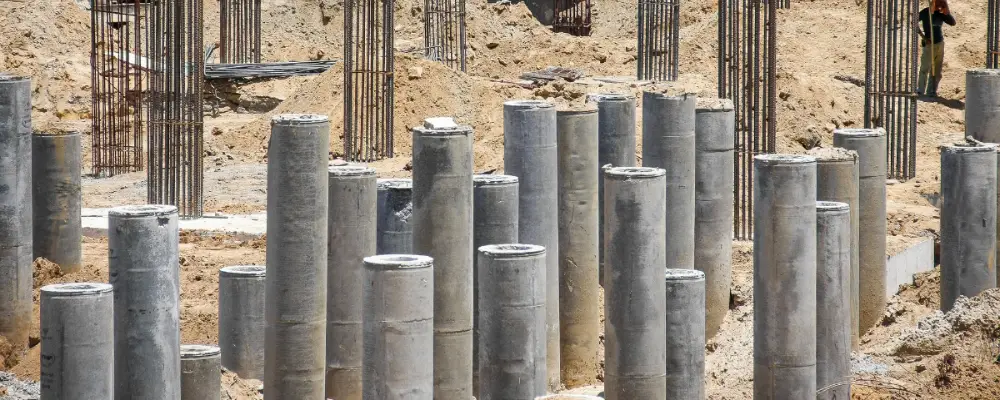
To support superstructure loads and effectively distribute them over competent strata, the piled raft foundation is a hybrid structure that combines piles and reinforced concrete rafts.

The raft is a suspended slab that transfers the axial and lateral loads of the superstructure to the piles, which support the loads via end bearing and shaft friction. However, a conventional raft foundation doesn’t provide support for the structure; its functionality is enhanced by the piles inserted into the soil or ground, thus resulting in a pile raft foundation.

Uses of Piled Raft Foundation 

Pile raft foundations are essential for supporting heavy structures in locations where building structures are difficult to establish. The below points will discuss various benefits provided by pile raft foundations.

  • Piling raft foundations support large structures and conditions where the soil is not stable or insufficient to bear the heavy load of the structure. 
  • Tall buildings are always constructed using piled raft foundations.
  • The ideal number, placement, diameter, reinforcement, and length of piles are all established during the design phase to guarantee the stability of the structure, which is cost-effective.

How Piled Raft Foundations Work?

When the capacity of a raft alone is insufficient to meet design requirements, a mixed-piled raft foundation is an effective foundation for medium-rise buildings. Through a process of interaction between the pile, soil, and raft, a load-sharing mechanism between the pile and raft transfers the applied load. 

Both the raft’s and the piles’ capacities are used for load-bearing capacities, in contrast to a traditional pile foundation design where the piles are intended to support the majority of the weight. The majority of piled raft foundations come with piles to reduce settlement.

Advantages of Piled Raft Foundation

  • Piled raft foundations are an economical and cost-effective solution when the ground condition doesn’t support the bearing of raft and strip foundations that are less than 1.8 meters.
  • Highly concentrated loads can be supported by suspended raft foundations, which are normally shallow reinforced concrete structures that are 225-300 mm thick.
  • Usually, a piled raft foundation supports the external balcony or canopy posts, along with the entire building’s footprint.

Disadvantages of Piled Raft Foundation  

  • Pile raft foundations are costly compared to traditional foundations due to the involvement of more piles, reinforcement, and a large raft structure.
  • Their complex design and structure require skilled labour and engineers to perform this process.
  • Piled raft foundations may not be beneficial for high-rise buildings resting on soft and clayey soils.
  • Seismic effects can negate the beneficial effects of piled-raft foundation on the superstructure’s response.
  • If any issues arise during the construction process of piled raft foundations, additional costs and time may be needed to repair the structure.

What is the Difference Between a Pile and a Piled Raft?

Their purpose is similar when compared, but you may find some differences while understanding them much better.

S.NoAspectPiled Raft FoundationPile
1.Foundation StructureA piled raft foundation includes at least four piles per column to support a building’s weight. The piles are grouped under each column and secured by a pile cap.Piles are vertical structural elements that transfer the load of the building to deeper, more stable soil layers.
2.Pile CapThe pile cap, although touching the ground, does not bear ground pressure. It is a thick, rigid slab designed primarily to resist shear forces and is reinforced with horizontal links.The pile cap connects the tops of the piles and distributes the load from the structure above.
3.Raft RoleThe raft supports part of the building’s load and resists bending forces. It is reinforced with horizontal bars on the top and bottom but does not include links.Not applicable
4.High Shear Force AreasWhere shear forces are high, beams with vertical links are added between columns to strengthen the foundation.Not applicable
5.Pile FunctionPiles in a piled raft reduce settlement and may increase the load-bearing capacity of the foundation.Piles transfer loads from the structure to the soil, providing stability and minimising settlement.
6.Soil CompatibilityFriction piles are unsuitable for clay, as they may cause greater settlement. End-bearing piles, which reach gravel or rock layers, are preferred for clay to avoid excessive settlement.Piles can be designed as friction piles or end-bearing piles, depending on soil conditions.
7.Load-Bearing CapacityPile groups enhance the soil’s ability to carry the load when a single footing cannot provide sufficient bearing capacity.Piles increase the overall load-bearing capacity by transferring loads to deeper, more competent soil.
8.Primary ReinforcementHorizontal bars reinforce the raft at the top and bottom.Not applicable
9.Connection of Piles and RaftThe piles are grouped under each column, with the pile cap holding the group securely.Not applicable
10.Comparison of ServingAlthough both serve a similar purpose in supporting buildings, each component (pile, cap, and raft) has a unique role and may function differently depending on the soil conditions and load requirements.Not applicable

Design Considerations for Piled Raft Foundations

Traditional Design Approach:

To safely support the vertical portion of the total load transferred by the superstructure, the traditional design technique for piled-raft foundations involves modifying the diameter, length, and number of piles. The raft-soil contact and load-bearing capacity is considered.

A Creative Approach:

The new modern design approach involves both the raft and piles in the piled raft foundation process. This design approach’s primary goal is to balance the raft’s and pile’s physical properties of being stiff and resisting bending. The load sharing between the raft and pile is determined by their respective stiffness.

Conclusion

In conclusion, the combined performance of both the raft and piles in giving stiffness and resisting bending enhances the structural integrity of the tall-rise building. So, a pile raft foundation is a suitable combination of the raft and pile to achieve the stability of heavy-load-bearing structures.

FAQ’s

1. What is the purpose of a piled raft foundation?

The primary purpose of piled raft foundations is to support heavy-load-bearing structures and reduce soil settlement.

Header Bonds in Brick Masonry: All You Need to Know

0
header bond in brick masonry

Bond is a masonry/construction term that indicates the uniform arrangement of bricks/blocks to build a wall or a structure. These bonds ensure the strength, stability, appearance, and aesthetic properties of the structure. There are different types of bonds in masonry, each with its unique characteristics, properties, and applications. Among the different bonds, one fundamental bond is the header bond. In this blog, we take a look at what header bond is, its properties, pros, cons, and applications.

What is a Header Bond?

In brick masonry, the header is the shorter square face of the brick (4.5”x3”). In header bonds, bricks are laid as headers on the faces of the walls. As bricks are laid with the shorter side forming the face, this gives the full brick thickness to the wall (9”). In general, the overlapping bricks are kept equal to half the brick’s width. Three-quarter brickbats are used in alternative courses (quoins) to achieve the right alignment of the bricks.

Applications of a Header Bond

  • Header bonds are used to construct thicker walls with a minimum thickness of around 9 inches.
  • Cavity walls and partition walls can be built using the header bond.
  • Header bonds can be used to lay the footings in the foundation for better distribution of loads.
  • These bonds can be used to improve the visual appearance for aesthetic purposes.
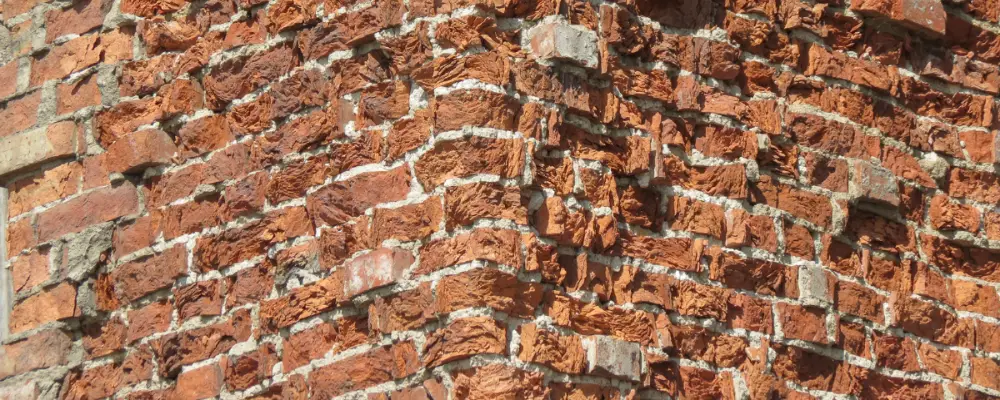
  • Ideal for constructing curved and round architectural structures.
  • Construction of non-load-bearing walls, garden walls, and partition walls can be done.

Properties of a Header Bond

Visible Short Heads

Small heads of the bricks are visible on both sides of the structure, as they are laid on the face of the structure. These shorter heads are visible on both sides of the wall and can be used as design elements in non-plastered structures.

Quoins

Two three-quarter brickbats (3/4 bricks) are used in alternative courses as quoins. These are used in the edges, to create a bond and prevent the wall from collapsing if the bricks bond are arranged one over the other. 

Thickness

The thickness of the wall that is built using header bond, will have a full brick thickness (around 9 inches), which is double the width of the stretcher bond.

Overlapping

The bricks that are laid one over the other are kept more than or equal to half the width of the lower brick head. This is to avoid stacking the bricks over others, which will cause poor structural integrity.

Stability

The arrangement of bricks in a header bond adds more pressure to the length of the structure and makes it less stable.

How to Construct a Header Bond?

  • Prepare the mortar, by blending cement, sand, or other adhesives with the appropriate amount of water.
  • Blend all the raw materials into a mixture that is suitable for binding the bricks together.
  • Obtain the bricks necessary for the construction of the structure, (by choosing the right bricks and calculating the number of bricks required).
  • Put some cement mortar on the ground surface with the right consistency, before placing the first layer of bricks.
  • The bricks are placed over the cement mortar, with a shorter square head (4.5”x3”) as the face.
  • Arrange all the bricks in the same alignment until the first row of bricks is placed with small gaps for mortar to bind them.
  • Use a spirit level or bob to check whether the angle is accurately 90 degrees.
  • Put some mortar over the first layer of brick and place bricks over it, in half of the width of the underlying brick.
  • A 3/4 brickbat should be used as a quoin closer, on alternate layers, to help the correct arrangement of bricks.

Header Bond vs Stretcher Bond

Header BondStretcher Bond
The bricks are laid with their shorter heads (header) parallel to the face of the wall.The bricks are laid with their long faces (stretcher) parallel to the face of the wall.
The walls that are built using a header bond are generally double the thickness of the stretcher bond.The walls that are built using a stretcher bond are less thick (half the thickness) compared to the header bond. 
Header bonds are ideal for constructing curved surfaces of a structure.Stretcher bonds are widely used for various structures, including half-brick thick partition walls, thin garden walls, cavity walls and more.
This bond lacks strength and stability, which makes it unsuitable for load-bearing walls.This bond is stronger and more stable than header bonds, but still is not used for load bearing walls in general.

Pros & Cons of a Header Bond

Pros

  • Header bonds provide good thickness to the walls, compared to other bonds.
  • These bonds are easy to construct and do not require skilled labour.
  • Header bonds are not only used for constructing walls but also for decoration purposes and layering the garden.
  • These bonds are ideal for circular or curvy design structures.

Cons

  • These bonds have low strength and are less stable, so they cannot be used for load-bearing structures.
  • As headers are aligned on the face parallel to the wall, the pressure on the structure is delivered along the length of the wall, which can collapse the structure easily.
  • These bonds are not recommended for very long straight walls, as they have less stability and strength.

Conclusion

Header bond is a type of brick masonry that is used to erect walls and other non-load-bearing structures. Although they are thick enough, the arrangement of bricks lacks load-bearing capacity and durability. They cannot be used for load-carrying structures, however, they are used for building partition walls, cavity walls, curved finishes, and garden walls. Will you be considering header bonds for your dream house?