Home Blog Page 26

Deformed Steel Bars – Types, Benefits & Applications

0
deformed steel bars

In the world of construction, deformed bar is a common term being used. It is a steel bar derived from the deformed pattern that you can identify at the surface of the bar. These bars are available in several deformation patterns that can be used in structural elements based on construction requirements.

These bars are typically manufactured from high-strength steel to ensure strength and structural integrity. If you would like to learn more about this deformed bar, continue your reading. This article clearly uncovers its types, manufacturing process, and advantages.

What is a Deformed Bar?

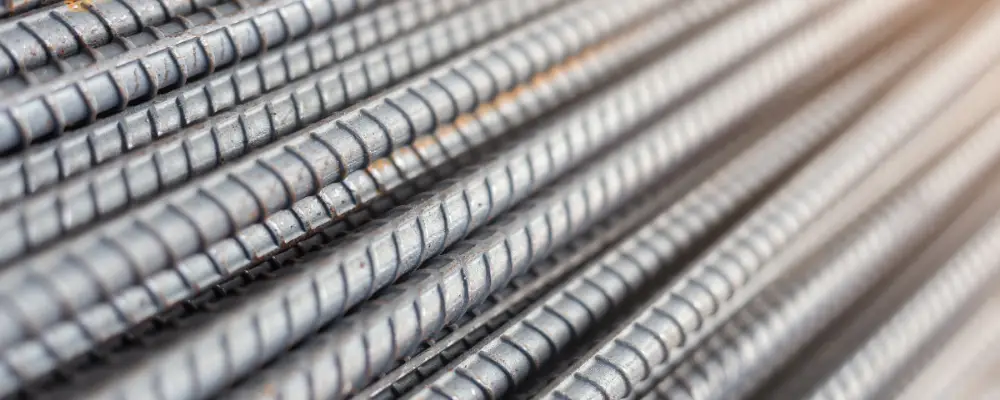
A deformed bar is a steel bar, also known as a reinforcement bar or rebar. The primary duty of deformation is to increase the bond strength between reinforcement and concrete, ensuring a stronger and more durable structure. The name has been obtained from the deformed pattern on its surface, which also includes ribs or projections. It is made from high-strength steel, capable of withstanding significant loads.

Types of Deformed Steel Bars

Understanding the types of deformed steel bars will assist you in choosing the right one for your construction. Let’s have a look at them:

Hot Rolled Deformed Bars

Hot rolled deformed bars are often called TMT (Thermo Mechanically Treated) bars, used to build steel reinforced concrete structures. It is also a type of steel reinforcement bar made by a unique manufacturing process that involves hot rolling and controlled cooling. These rebars are superior in producing the combination of enhanced strength and ductility.

Cold Twisted Deformed Bars

Cold twisted deformed bars are popularly known as TOR steel in India. This is a type of high yield strength deformed steel bar that provides increased strength and ductility to the structures. It is made by cooling hot steel bars, which can be stretched and twisted at certain ambient temperatures to achieve the desired size and shape.

Sizes of Deformed Bars

Deformed bars are manufactured in several sizes that builders can use based on the construction requirements. However, the common sizes available in India, such as:

Diameter: 6mm, 8mm, 12mm, 16mm, 20mm, 25mm, 32mm, 40mm, 45mm, and 50mm.

Length: 300 mm, 600 mm, 6 m, 9m, and 12 m.

Grades of Deformed Bars

The grades of deformed bars are adhered to IS 1786:2008. Below is the combination of high-strength deformed bars and wires that must be used in RCC construction. It typically determines the strength and bond between concrete and reinforcement.

Fe 415, Fe 415D, Fe 415S

Fe 500, Fe 500D, Fe 500S

Fe 550, Fe 550D

Fe 600

Application of Deformed Bar

Deformed bars, also known as rebar, have been used in various construction applications based on the project requirements. They immensely contribute to improved strength and durability of the structures.

  • Reinforced concrete structures: buildings, bridges, and dams
  • Building concrete foundations
  • Construction of hydraulic structures
  • Construction of roads, tunnels, highways, water systems, and sewerage systems
  • Reinforcing concrete columns
  • Residential and commercial buildings

Cost of Deformed Steel Bar

In India, there are many manufacturers selling deformed bars. Based on the cost of resources and complexities in manufacturing, the price can vary from region to region. Herewith, the approximate cost is explained:

Round deformed bar: price ranges from Rs. 46 to 56/kg.

High-strength deformed bar: the price range is approx. Rs. 64000/metric tonne.

TMX 500 deformed bar: it costs Rs. 65,000/tonne.

Advantages of Deformed Bar

Deformed bars offer several advantages to RCC structures, including essential strength and durability. Let’s discuss the pros in detail:

  • Enhanced ductility allows structures to withstand minor movements and deformations. This is particularly essential for the buildings that exist in seismic regions, where they need to tolerate natural disasters like earthquakes.
  • Deformed bars improve the bond strength between concrete and reinforcement, preventing the occurrence and development of cracks.
  • These steel bars are proficient in carrying the significant loads and prevent structures from experiencing significant failures or deformations.
  • Deformed bars are available in variable sizes and lengths, suitable for use in various applications and load requirements.

Disadvantages of Deformed Bars

There are significant drawbacks to discuss regarding deformed bars, such as:

  • As is known, rebar is a kind of steel bar that is prone to rust when it is exposed to oxygen and moisture. It may weaken the structural integrity and strength of the concrete.
  • Steel is an expensive material, so the cost of deformed bars may significantly increase the overall construction budget.
  • The production of steel contributes to significant energy consumption and greenhouse gas emissions.

Manufacturing Process of Deformed Bar

Here is the lists of manufacturing processes involved in deformed bars:

  • The resources like limestone, iron ore, and coal are heated in a furnace to obtain molten steel. It is then poured into the molds and let it be cooled down to form solid billets.
  • Such billets are reheated and rolled into thin, long bars.
  • The next step in the deformation process involves passing the bars into machines to engrave the ribbed pattern over the surface.
  • Allow deformed bars to cool down to achieve their desired strength and durability. After that, they are cut into the required size and length.
  • At last, the quality of the bars is inspected and then packaged for shipment.

Deformed Bars in Sustainable Construction

Deformed bars have gained significant popularity in sustainable construction. They provide enhanced durability and longevity to the concrete structures. Here’s how:

  • The ribbed pattern molded on the bar surface provides excellent mechanical bonding with concrete. They are fundamental to improving the overall strength and lifetime of the structure.
  • The optimization of reinforcing and design requirements can reduce the amount of overall concrete and steel in your construction project.
  • The enhanced strength and longevity of RCC structures reduce the need for frequent maintenance, leading to long-term cost savings.
  • Deformed bars contain excellent seismic resistance that can protect the structure from damage due to earthquakes or harsh weather conditions.

Final Words

Deformed bars are widely used in the construction sector. It plays a vital role in many applications and can be personalised according to the project design and requirements. Thus, you can ensure the building needs are met and order raw materials accordingly.


Screw Piling – Everything You Need to Know

0
screw piling

Building a foundation is the most crucial part to focus on. Any construction project will primarily demand a strong and reliable foundation. The method that has gained great popularity and recognition among the builders is screw piling. This method can be widely used for residential buildings to large-scale infrastructures, because of its ideal efficiency and reliability. 

In comparison to traditional foundation methods, screw piling offers numerous advantages for the construction. It carries a unique design and effortless installation process, which makes it suitable for diverse construction projects. 

Undoubtedly, screw piling is an effective foundation system compared to others. This blog aims to provide a comprehensive guide about screw piling, its advantages, applications, and installation process.

What is Screw Piling?

Screw piling is the most popular foundation method that provides competitive support to the structures. It involves installing long, hollow steel pipes with one or more helical plates into the ground. The plates are rotated using a hydraulic motor, providing a screw-like effect that anchors the pile into the soil. A screw pile consists of various components, each performing a different role. 

A screw pile has several parts, each with a specific job:

  • The shaft is the main part of the pile, made from strong steel, and it helps carry the structure’s weight to the ground.
  • The helical plate, attached to the shaft, is shaped like a large drill bit. It keeps the pile stable in the soil.
  • The pile cap sits on top of the pile, spreading the weight evenly across the structure.

Application of Screw Piles

Screw piles can be used in various scenarios of construction. Let’s see them in detail:

Infrastructure Projects: Screw piling is primarily known for laying a reliable foundation that improves the strength of structures, which are subjected to carry heavy loads. It works well in various infrastructure projects, such as highways, tunnels, bridges and more. Beyond extreme support, they are actively working against ground movement and subsidence. 

Residential Construction: Screw piling is a reliable and budget-friendly option for residential construction projects. Because they are simple and easy to install, ideal for single-family homes, multi-family homes, and townhouses. It requires very minimal site preparation and extends the lifespan of the building.

Commercial Construction: Screw piling plays a paramount role in commercial construction projects, including industrial buildings, offices, and retail stores. These types of projects involve carrying heavy loads and require a strong and durable foundation. However, it can be installed quickly, reducing the construction time and saving the overall project costs.

Solar Panel: The helical plates attached to the screw pile anchor a foundation. They offer a stable and secure base for installing the solar panels. No matter how harsh the weather condition would be, screw piles are highly resistant to ground movements and subsidence.

How do Screw Piles Work?

Screw piles are long, cylindrical steel pipes with helical plates attached to the outside. In that, the size and number of helices used in the process depend on several factors, including the total load and the soil condition.

The helical plates act as an anchor that rotates into the ground according to the level that the job needs. When the piles are in place, they must be filled with concrete or grout to provide strong and reliable support to the structures.

Screw Piling Installation Process

Just like a screw drilled into the wood, these screw piles are twisted into the ground. This means that the installation process involves rotation; however, it depends on various factors. They include the size of the helical piles, the condition of the ground, the depth you need to screw, and the space you need to operate.

If it is a modest home project, it can be managed easily with a simple installation kit. In order to handle large-scale commercial or infrastructure projects, heavy groundwork machines like excavators are required.

Advantages of Screw Piling

Screw piling is an innovative solution that offers several advantages to the construction projects over traditional foundation methods. They include:

Simple and Speedy Installation: Screw piling carries a speedy installation process, reducing the construction time and overall project costs. Unlike other foundation methods, they don’t need any heavy machinery like excavators when handling small-scale projects like residential buildings. It typically reduces the site noise and disruption.

Versatile: Screw piling is extremely versatile and capable of being used in a wide range of soil conditions, like rock, clay, and sand. It can be installed even in tight spaces with the support of appropriate equipment, making them ideal for constrained construction sites.

dEnhanced Safety: Screw piling is a safer alternative to other pile foundation methods. The installation process is simple and quick and requires less excavation. It typically reduces the injuries and chances of accidents on the construction site.

Year-Round Installation: Screw piling can be installed at any time without worrying about the weather conditions. It is not compulsory that the soil needs to be in dry condition for a proper installation. Screw piles can work efficiently in wet or frozen ground, creating no more impact on the construction schedule.

Lower Environmental Impact: The screw piling process is environmentally friendly, resulting in less soil disturbance and environmental footprint of construction. The installation process requires very little excavation, as it can be removed and reused in other projects.

Disadvantages of Screw Piling

Screw piles are quite advantageous over other systems, yet they also have some potential drawbacks, such as:

  • Screw piles can work efficiently in many soil types, but they are limited in grain size. The sizes larger than 60% are typical to manage.
  • Installation processes require precise torque control, which needs the support of specialised equipment and trained professionals. Poor installation can lead to various issues.
  • Applying too much torque can compromise the integrity, so that shouldn’t exceed the limit.

Final Wordings

Screw piles have been widely used in construction projects for more than two hundred years. Traditionally, they have been seen in railways and building roads. The application is gradually increasing from residential buildings to large-scale infrastructure projects. The biggest advantage is easy installation with less excavation. If you are planning to build any type of construction project, then consider this as a wise option.

Four-Legged Stirrups in Construction – Advantages & Tips

0
Four Legged Stirrups

A layman would wonder if they got to know the fact that steel bars wrapped around the columns and beams can reinforce frameworks. This may sound simple. However, this simplistic of responsibilities holds an important role in the construction phase. The reinforcing component named stirrups prevents the concrete from cracking under pressure. They also offer strength and stability that contradicts their appearance. People will have this inherent question about stirrups when we mention them as components that reinforce the framework of the structure. What can these stirrups, a small component, do for a colossal structure? Many know these stirrups give the structure better lateral support, improving longevity and structural strength. Thus, this article provides a detailed account of stirrups and their types. Following this, the article boils down to the importance of four-legged stirrups in construction and their advantages and disadvantages.

What are Four-Legged Stirrups?

Before we understand what a four-legged stirrup is, we need to have a basic idea of what a stirrup is. As mentioned in the introduction, the stirrups are structural elements that reinforce the strength and stability of construction structures. These stirrups are made of steel which resists the tensile forces occurring in the structure. In contrast, four-legged stirrups are designed to comprise two overlapping stirrups. Unlike other stirrups, four-legged stirrups do not enclose the rod.

Types of Stirrups Used in Construction

Single-Legged Stirrups

The light nature of single-legged stirrups is preferred in low-intensity construction works. The design comprises a bar bent in a U-shape that is tied to the primary reinforcement bar. This type of stirrup could be found in buildings with less shear stress. However, their minimal strength and limited use made them obsolete.

Double-Legged Stirrups

This type of stirrup is the most commonly used in construction. They have a bar with two bends providing better strength and stability to the structures. Excessive shear strength in column construction and beam construction makes this the highly preferable among constructors.

Four-Legged Stirrups

As the name suggests, this type of stirrup consists of four bends. The four bends provide additional strength and resistance to shear forces. High-rise buildings and bridges exert more loads, so four-legged stirrups are used to resist this factor.

Circular Stirrups

These types are commonly used in foundations, bridges, and cylindrical structures. As the name suggests, these stirrups are designed for cylindrical or spiral columns. The circular cross-section distributes the load uniformly, thereby providing resistance to both axial and shear forces.

Helical Stirrups

These stirrups are similar to circular stirrups but do not take the same form. They are also called spiral stirrups. Unlike circular stirrups, helical stirrups are in continuous form. The ultimate strength is added and allows better confinement of the concrete is achieved by the stirrups encircling the TMT bars. This feature provides flexibility and load-carrying capacity to the columns.

Torsion Stirrups

The main purpose of torsion stirrups is to resist the torsional forces in the structures. Beams and slabs are the structures that make use of torsion stirrups as they hold heavy torsional loads.

Combined Stirrups

These are hybrid versions used in structures that have multiple forces like shear, torsion and other axial forces occurring simultaneously. They exert maximum resistance and reinforcement concerning respective design needs.

Applications of Four-Legged Stirrups

Beams and Columns: In tall structures and industrial buildings, beams and columns are subjected to substantial axial loads and bending moments. The use of four-legged stirrups offers exceptional shear resistance and structural integrity.

Foundations: Mat foundations and raft foundations in construction use four-legged stirrups to confine the concrete and prevent the emergence of shear failure in the foundation.

Retaining walls: These walls rely on their weight to resist lateral earth pressure and in some cases are subjected to bending moments and shear forces. The use of four-legged stirrups negates all these factors, providing the structure with better stability.

Advantages of Four-Legged Stirrups in Construction

  • Use of four-legged stirrups in beams can bear the shear forces exerted near supports and can distribute these forces preventing shear failure.
  • The four legs of the stirrup can distribute the load evenly across the beam. This reduces the risk of localised failure.
  • The high ductility of four-legged stirrups can provide us with a warning before the structure completely collapses. Before falling, the ductility causes deformation in the structure.
  • The configuration provides better anchorage for the reinforcement bars. This increases the bonding between the concrete and steel. Overall, the integrity of the concrete is improved.

Disadvantages of Four-Legged Stirrups in Construction

  • The need for more steel reinforcement compared to other stirrups increases the material costs.
  • The fabrication process where the four-legged stirrups are used involves a complex and time-consuming process.
  • Improper usage of four-legged stirrups leads to over-reinforcement which can be unnecessary and inefficient.
  • In congested areas, the usage of four-legged stirrups may minimise flexibility.

How to Install Four-Legged Stirrups

  • The main reinforcement bars are arranged according to the design drawings. Ensure the space between the bars is intact.
  • Four stirrups are positioned around the longitudinal bars. Ensure the space between the stirrups is even.
  • Tie wires are used to secure the stirrup with the longitudinal bars. They must be tight to prevent any displacement during concrete pouring.
  • Stirrups overlapping mount ranges between 150mm to 200mm.
  • The above steps are repeated along the length of the reinforcement cage.

Difference Between One-legged, Two-Legged Stirrups and Four-legged stirrups

CharacteristicsOne-Legged StirrupsTwo-Legged StirrupsFour-Legged Stirrups
Leg CountThis type of stirrup has one legThis type of stirrup has two legs.This type of stirrup has four legs.
ShapeThe shape of the one-legged stirrup is open.The shape of the two-legged stirrup is closed.The shape of the four-legged stirrup is closed.
Shear ResistanceThe ability to provide shear resistance is low.The ability to provide shear resistance is moderate.The ability to provide shear resistance is high.
Material UsageThe amount of material used in this type of stirrup is low.The amount of material used in this type of stirrup is moderate.The amount of material used in this type of stirrup is high.
Fabrication ComplexityFabrication complexity is low.Fabrication complexity is moderate.Fabrication complexity is high.
Primary UsePrimarily used for binding two reinforcing bars together.Used in beams and columns.Primarily used in structures that have heavy loads.

Conclusion

The use of four-legged stirrups is prevalent in contemporary construction practices. Most notably for stiff structural elements that experience substantial forces and shear. The four-legged stirrups are advantageous over the conventional type due to their ability to provide high shear resistance and confine the concrete. This contributes to increasing the strength of the structure. Even though they have some notable benefits, their advantages should be tempered by their higher volume of material usage and higher complexity of fabrication. Understanding both the benefits and limitations of four-legged stirrups allows engineers and contractors to make informed decisions on their use in various construction projects, ultimately ensuring safe, stable, and long-lasting structures.

Steel Fibre Reinforced Concrete – Composition & Applications

0
steel fiber reinforced concrete

Concrete naturally has the ability of developing high compressive strength but has a weak tension force. As it is fragile in type, cracks are formed easily, which leads to shrinkage or deformation of the concrete structure. Fibres are added to concrete to increase its strength and endurance and prevent structural failure. This method improves the sturdiness of the structures that have steel fibres integrated with reinforced concrete.

What is Steel Fibre Reinforced Concrete?

Steel fibres are isotropic and have the same size or physical properties when measured in different directions. They are short and discontinuous metal reinforcements that frequently resemble metal threads or filaments. They also have the same strength and stiffness when measured along different axes. Typically, they have flat or shaped ends and are smooth, folded, or irregular.

They are usually recycled from industrial wastes, such as used tyres from cars and trucks. Depending on the amount of reinforcement needed, the short steel fibre strands, which are typically 4 to 5 cm long, are added to the concrete mix in amounts ranging from 25 to 100 kilograms per cubic metre. After that, the liquid is dumped straight onto the building site.

Concrete is improved in all directions by the consistent dispersion of steel fibres. When the steel fibres are integrated with reinforced concrete, they show exceptional bending, tension, and compression resistance.

Composition of Steel Fibre Reinforced Concrete

Steel fibre reinforced concrete usually comprises cement, water, coarse aggregate, fine aggregate, and steel fibres. The traditional mesh-reinforced concrete can be replaced by this SFRC. They are used to create a concrete floor without expansion joints instead of steel bars. The steel fibres are mixed along with the concrete mix and directly poured into the steel reinforcement.

The mix design ratio for 1 m³ of M25 grade concrete is as follows:

Cement: 400 Kg

Water: 200 Kg

Coarse aggregate: 1185.83 kg

Fine aggregate: 671.90 kg

This mixture can produce a durable concrete floor that resists cracking and lasts for a long time.

Properties of Steel Fibre Reinforced Concrete

Depending on the project requirements, different types of fibres are used in the construction project. The properties of the steel fibres can be modified according to the purpose of the project. The steel fibres are added to resist the tensile stresses. The properties of steel fibres that can be reinforced into the concrete are as follows:

S.NoPropertiesDescription
1.Measurement of steel fibresThey are distinct, short, and available in rectangles, rounds, and deformed bundles.
2.Aspect RatioRanges from 20 to 100
3.Diametre0.25 mm to 0.75 mm
4.Tensile Strength280 to 420 MPa
5.Poisson’s Ratio0.30
6.Young’s Modulus200 GPa
7.Ultimate Elongation3.6%
8.Specific Gravity7.86

Manufacturing Process of Steel Fibre Reinforced Concrete

Steel fibre is one type of reinforced concrete. Usually, it is made up of sand, cement, water, gravel, and steel fibres. Additives may be added in some cases based on  the project requirements. They are similar to metal filaments or threads. They are recycled from many other industrial activities. They are popularly available in automobile and truck scrap tyres.

Depending on the required level of reinforcement, short fibres, usually 4 to 5 cm long, are mixed into steel fibre-reinforced concrete (SFRC) at a ratio of 25 to 100 kg per cubic meter.

The mixture is then poured directly into the site. Steel fibres have less tendency to crack. Using the dry shake method, a granular mixture is spread across the new concrete pouring. Finally, the concrete is levelled to attain a smooth surface.

Applications of Steel Fibre Reinforced Concrete

In modern construction techniques, SFRC is widely used in a variety of applications, which are as follows:

  • Pavements 
  • Airfields 
  • Overlays or roads 
  • Bridge decks
  • Flooring
  • Roads
  • Pipes
  • Sleepers
  • Septic tanks

SFRC can reduce the thickness of the pavement. SFRC is highly used in repairing works of roads and laying highway roads. Its high bending strength and ability to resist deformation when a heavy load is applied make this material more suitable for building roads and highways. Hydraulic structures like dams, weirs, breakwaters, barrages, and pontoon bridges can be built using this SFRC material due to its corrosion-resistant capacity. This material can also be used to make precast concrete. Fibre shotcrete is manufactured from this material to support tunnel lining, bridges, pipes, stabilisation of rocks, dams, and steel structure protection, etc. It improves the mechanical strength of the reinforced rebar concrete.

Advantages of Steel Fibre Reinforced Concrete

  • Consistent performance in all directions is ensured by the equally dispersed fibres.
  • Boosts resistance against erosion and abrasion.
  • Increases the lifespan of concrete flooring by reducing cracks and fissures.
  • A higher load-bearing capacity is made possible by increased resistance to compression, tension, torsion, and shear pressures.
  • Increases conventional concrete’s ductility and durability.
  • Provides improved protection against dynamic loads like cyclic loads, collisions, and explosions.
  • For an even more resilient system, wire mesh can be added.
  • Makes it possible to build lighter, thinner structures while conserving materials.
  • Concrete floors are easier to clean and maintain because they may be installed without joints over 2500 m².
  • By measuring up to 50% thinner than conventional floor slabs, floor slabs can save money on materials.

Disadvantages of Steel Fibre Reinforced Concrete  

  • Structures run the risk of developing steel fibres on their surface, which could detract from the final product’s visual appeal.
  • Fibre clumping may result from improper mixing of the steel fibres with the concrete, threatening the material’s consistent performance.
  • Concrete’s elasticity may be diminished by the addition of steel fibres.
  • To ensure optimum performance, it is crucial to carefully choose the right kind, amount, and length of fibres.

Conclusion

Because of its dependable and appealing mechanical qualities, steel-reinforced concrete, is frequently utilised in concrete applications. This substance efficiently increases the strength and durability of concrete, enabling the construction of sturdy, lightweight, and thin structures. It is widely used in a variety of applications that can be built in modern construction.

FAQ’s

1. What is the benefit of using steel fibres instead of synthetic microfibres?

Concrete is improved in distinct ways by steel fibres and synthetic microfibres, which are not interchangeable. Steel fibres strengthen the concrete after it has cracked, and synthetic microfibres increase fire resistance and lessen plastic shrinkage cracking. When it comes to fortifying concrete, both kinds of fibres play different roles.

2. Will steel fibres rust?

Steel fibres are no more likely to rust than steel bars, as they are small and discontinuous.

3. What is the purpose of using steel fibres?

Concrete’s ductility and effective concrete strength are considered as the residual concrete strength, which are enhanced by the addition of steel fibres and also serve to reduce cracks.

Steel Reinforced Concrete – Types, Benefits & Process Explained

0
steel reinforced concrete

With reinforced concrete made from steel establishing a standard component of almost all construction projects, building construction has experienced a revolution. It is one of the most widely used structural materials for building works. Because of the astounding robustness and durability that steel and concrete provide, structures can endure pressure and last for many years.

What is Steel Reinforced Concrete?

To withstand large loads during building projects, steel-reinforced concrete combines the tensile strength of steel with the compressive strength of concrete. It is frequently utilised in footings, foundation walls, columns, and foundations. It can be used in high-traffic areas like carport flooring and driveways. It is particularly useful for large shed flooring where more support is required.

During the pouring process, the steel reinforcement, usually in the form of steel mesh or rebar, is embedded in the concrete. By strengthening the concrete overall and preventing significant cracks from forming, this reinforcement helps keep the mixture together. Steel reinforcement improves the structural stability of buildings and other structures by enabling the development of longer, thinner cantilevered structures and less supported slabs.

Types of Reinforced Concrete

Reinforced concrete is an integrated part of cement and steel that works together to manage both tensile and compressive forces. The following types of reinforced concrete are available for use in construction:

Rebars

The reinforcing bar is shortened to “rebar.” This mild steel bar is available in several thicknesses, including 3/8 inch (10 mm thick) and 1/2 inch (12 mm thick). Rebar, such as ribbed rebar, is frequently made to improve grip.

Welded Wire Mesh

In construction, welded wire mesh is frequently utilised. It is a flat, grid-like sheet made of steel wires that have been welded together at right angles. In fact, the usual wire thickness is about 4 mm, though this can change based on the structural needs. Typically, the grid pattern measures 150 mm by 150 mm.

Reinforcement Coil

Concrete constructions can benefit from the additional strength and support that a reinforcement coil, also known as a rebar coil, offers. Constructed from premium steel, its ribbed or deformed surface enhances adherence to the surrounding concrete, increasing the construction’s solidity and longevity.

Application of steel-reinforced concrete 

Concrete slabs, foundation walls, bridges, and high-rise buildings are made using steel-reinforced concrete. In the contemporary modern construction industry, this type of composite material is widely used for its robust structural integrity, flexibility, and capacity to bend according to the project requirements. This composite material is essential for the development of infrastructure due to its unique properties that serve a variety of construction needs.

Advantages of Steel-reinforced Concrete

  • Reinforced concrete has a strong compressive and tensile strength because of the steel and concrete mix. They resist both tensile stresses and improve the solidity of the structure. Reinforced concrete is therefore thought to be more resilient. 
  • It is reasonably resistant to weather and fire.
  • Concrete contractors can use less concrete and still have a sturdy and supported concrete slab because steel reinforcement can strengthen thinner concrete slabs. 
  • The time and manpower expenses associated with supplying, transporting, mixing, and pouring concrete are reduced when less concrete is used.
  • Additionally, steel is a reasonably priced material that is less expensive than some of the other reinforcement possibilities, such as stainless steel and aluminium bronze.

Disadvantages of Steel-reinforced Concrete

  • Steel reinforcement might save developers money up front, but they tend to ignore the long-term requirements of maintenance, replacement, and repairs.
  • Iron, the primary component of steel, is prone to rust. Corrosion is therefore still a significant drawback of employing steel-reinforced concrete.
  • In concrete structures, this corrosion is hard to detect. However, it weakens concrete’s endurance, resulting in a lifespan of only 50 to 100 years, with degeneration beginning as early as 10 years. 
  • Because of this reduced lifespan, it is costly to restore deteriorating buildings, bridges, highways, and other infrastructure. 
  • The price of repairing and reconstructing steel-reinforced concrete buildings is quite high compared to traditional building structures.

How does Steel-reinforced Concrete Work?

Structures that can be made of steel-reinforced concrete can withstand both compressive and tensile forces. If both materials are used separately, they won’t support the structure by bearing the different types of stresses. Concrete’s high compressive strength withstands compression, and steel can resist tension. When they are combined, they form a robust composite structure that can bear both stresses effectively.

Concrete firmly adheres to the steel reinforcement as it solidifies, forming a monolithic (one cohesive) structure. Due to these relationships, both materials will deform (or strain) at the same rate when forces are applied, allowing them to function as a single unit. Because of the ability to distribute and withstand stresses more efficiently than either material could on its own, the finished structure’s structural integrity and longevity are enhanced by this homogeneous deformation.

For a variety of construction applications, reinforced concrete is extremely effective due to the interaction between concrete and steel, particularly in buildings, bridges, and other load-bearing structures.

Process of Reinforcing Concrete with Steel

Steel Preparation: Steel is ordered according to the structure’s engineering specifications.

Frame Assembly: The steel reinforcement frame, which will serve as the wall’s main reinforcement, is put together by steel fixers using technical plans.

Formwork Setup: To create a mold of the wall, shuttering carpenters secure treated plywood around the steel frame. To keep it from moving under the weight of the concrete, they reinforce it with struts and fasten it with bolts.

Pouring and Finishing Concrete: After the concrete is poured into the mould, finishers smooth it down to create a level surface. Because concrete is caustic, protective equipment (PPE) is necessary.

Formwork Removal and Final Touches: After the concrete has dried, the plyboard is pulled down, the bolts are extracted, and any visible steel is cut. Finishers for concrete fill in bolt holes.

What are the Differences Between Structural Steel and Reinforced Concrete?

The usage of structural steel and reinforced concrete in the construction industry is indispensable. The common differences that always go for debate are as follows:

S.NoFeaturesStructural SteelReinforced Concrete
1MaterialHigh or mild carbon steel, and steel rebars are its main composition.Soil, cement, water, and gravel. Reinforced steel is added to strengthen the structure.
2StrengthFor structural steel, the range of values is 400–500MPa.It can achieve compression strengths of up to 415 MPa for reinforced concrete but only up to 70 MPa for unreinforced concrete.
3Cost-effectivenessAlthough using structural steel might reduce the need for maintenance and repairs, it can be costly.For small-scale applications, reinforced concrete might be a more affordable option. 
4AvailabilityReadily available and recyclable material.Applies the same to structural steel. They are also readily available.
5Fire-resistanceNegatively impacted by high temperatures.Negatively impacted by high temperatures.

Conclusion

The application of steel reinforcement signifies its importance in the construction industry. For creating resilient and long-lasting structures, steel and concrete are combined as a composite material that withstands the test of time. It is a preferred choice of many builders for its distinctive properties that support constructing many structures. It is anticipated that steel reinforcement will transform research and technology progress, bringing with it fresh advancements that will influence infrastructure and building practices in the future.

FAQ’s

1. What is steel reinforcement in concrete?

It can efficiently support large loads by combining the tensile strength of steel with the compressive strength of concrete. Steel reinforcement in concrete supports structures like footings, foundation walls, and columns, making it ideal.

2. What are the disadvantages of steel-reinforced concrete?

The installation process of steel-reinforced concrete may include high costs and skilled labourers. It is considered a major disadvantage because it requires specific equipment and training. The total cost may rise due to the intricacy of the procedure and the equipment needed.

3. How long does steel-reinforced concrete last?

The actual lifespan of steel-reinforced concrete is only 50-100 years.

Rectangular Columns – Applications & Benefits in Construction

0
rectangular column

A column or pillar in a structure plays a pivotal role in transmitting the weight of the construction to all other structural elements. The most commonly used shapes of columns in the construction are rectangular, circular, and square shapes. In most of the projects, you can see rectangular shapes over square and circular for some practical reasons.

Deciding the types of columns is as important as the orientation and position of columns. In this blog, you will see why rectangular shaped columns are most commonly used and their typical applications and advantages.

What is a Rectangular Column?

A rectangular column is a long-bearing structural element with a depth-to-width ratio of 2:3. It actively provides sufficient support to bear the weight of a building and transfers the loads to the foundation. It’s often made of concrete and used in numerous construction projects such as offices, industrial buildings, institutional structures, residential buildings, and agricultural facilities.

Its rectangular cross-section provides stiffness in one direction, which helps minimise drift and deflection.

Applications of Rectangular Columns in Construction

Rectangular columns offer several advantages in construction and are explained below:

Bridges and Infrastructure: Rectangular columns can efficiently transfer the vertical loads from the building to the foundation. They offer strong and secure support to the structures, which makes them well-suited for bridges, multi-story buildings, and other areas where robust support is needed.

Residential Buildings: Rectangular columns play a pivotal role in carrying heavy loads of floors, walls, and roofs. They are often concealed within structural cores or walls to support the weight of typical loads.

Commercial Buildings: They are strategically used in commercial buildings to support the weight of multiple floors and heavy loads such as occupants, furniture, and other equipment. Beyond handling the loads, the designs are awe-inspiring and improve the overall appearance of architecture.

Industrial Buildings: Industrial constructions like factories, warehouses, or industrial plants are supposed to withstand heavy loads. Rectangular columns are extremely durable and can tolerate harsh industrial environments.

Advantages of Rectangular Column

Let’s discuss the significant advantages of rectangular columns:

Support Heavy Loads: Rectangular columns are popular in carrying and transferring vertical loads to the foundation. They can be widely used in projects where the structures are essential to withstand significant weight.

Design Flexibility: rectangular columns can be easily integrated into the design and style you want. More than structure stability and strength, they offer design freedom to the construction than circular columns. Builders can express their creative expression and customisation to enhance the overall style of the construction.

Efficient Space Utilization: Unlike other column types, rectangular columns can be strategically placed in the available space of the building. This minimises the interference with other structural elements and causes no trouble while installing.

Construction Efficiency: Rectangular columns are quick and simple to construct, particularly when using prefabricated formwork. This typically reduces the construction timeline and overall cost and is suitable for projects with strict deadlines.

Disadvantages of Rectangular Column

Construction Challenges: Rectangular columns in construction often require complex formwork and shuttering, which is typical to handle in all situations. Even a small error can cause notable variations in column shape and size, impacting the structural integrity. Ensuring proper alignment is necessary to prevent defects and simultaneously and achieve accurate column dimensions.

Complexity in Reinforcement: When compared to circular columns, obtaining reinforcement design in a rectangular column is quite difficult. It typically requires proper placement and spacing of reinforcement bars to achieve the desired strength and durability. Importantly, incorrect or inappropriate reinforcement bars can cause potential failure and reduce overall structural performance.

Design Considerations for Rectangular Columns

When choosing rectangular columns, there are several important key factors to be considered. They are uncovered below:

Load Consideration: Ensure the column is capable of withstanding axial loads and must resist wind or seismic forces. If the structure is subjected to lateral loads, the column may bend.

Right Material Selection: Choosing the right material ensures the compressive strength and stiffness of the columns. Both the concrete and steel are excellent choices to use in industrial structures and high-rise buildings.

Geometric Properties: The cross-sectional dimensions are crucial to consider, as they determine the overall load-bearing capacity of the structure. The ratio of the longer side to the shorter side of the dimensions creates a great impact on the column’s behaviour, which can be evaluated under different load conditions.

Why Rectangular Column Shape Preferred Over Circular Column?

Here are the lists of reasons to consider a rectangular column over a circular column:

Cost and Difficulty in Formworks: The formwork of a rectangular column is much simpler than that of a circular one. In general, achieving a circular-shaped column requires specified edges and corners and better formwork materials and workmanship. It results in additional costs and time. If it is a medium-scale project and the client has certain budget constraints, then rectangular columns would be the best choice.

Functional Requirement: In most of the buildings, columns are used as images, signage, and notice boards. When compared to circular, rectangular columns offer a plain surface that is suitable for use in parking areas, warning boards, basements of shopping malls, and other commercial establishments.

In a Word

The rectangular column is one of the common column types used in most construction projects. Compared to other types, it offers a simple design and doesn’t require any complicated equipment or the support of any high expertise. Hopefully, this article provides a comprehensive guide about rectangular columns, their applications, and their advantages.

Ashlar Masonry – Types, Features, and Construction Process

0
ashlar masonry

The usage of stone masonry has been carried out for thousands of years and is still one of the more popular methods of construction compared to brick masonry methods. It is a craft of arranging stones in a desired pattern to erect structures that are strong and visually pleasing. Although there are numerous stone masonry processes, ashlar masonry is a widely popular choice among people, as it blends both beauty and durability. Here we take a look at what ashlar masonry is and everything you need to know about it.

What is Ashlar Masonry?

Ashlar masonry is a kind of stone masonry that uses finely dressed stones that have uniform shape, size, and texture and are bound together using cement or lime mortar. The Ashlar blocks are usually cuboid in shape and laid in horizontal courses. The gaps between the stones are very thin and have a uniform thickness, making them hard and strong, leading to their use in a wide range of construction processes.

Types of Ashlar Masonry

Ashlar masonry is classified into six types based on the arrangement pattern and layering of stones.

Ashlar Rough Tooled Masonry

In Ashlar rough tooled masonry, the beds and sides are finely dressed using a chisel. The exposed face is dressed using a rough tool, resulting in a rough exposed finish in the masonry. Although the exposed face is rugged, the face angle should not vary more than 3 mm in any direction. This type of masonry is also called bastard masonry.

Ashlar Fine Tooled Masonry

It is the finest ashlar stone masonry, where the beds, joints, and faces of the stones are chisel-dressed to remove undulations and obtain perfect horizontal and vertical joints. The joint gaps in this masonry should not be more than 10 mm and the courses are less than 15 cm thick. These stones are laid in a horizontal course, such that stone breath should not be less than the height. 

Ashlar Facing

This type of masonry work uses stones that are rough-tooled and chamfered to give a more rough look to the structure. These stones are rectangular and have straight side faces and beds, with joint thickness less than 10 mm. 

Coursed Ashlar Masonry

This type of masonry lies between regular ashlar masonry and rubble masonry, where stones are hammer-dressed. Stones of the same height are laid in horizontal courses. The stones do not have a uniform shape, yet they are laid to cover the lower layer.

Chamfered Ashlar Masonry

It is a special type of ashlar masonry, where the exposed face of the stones is chamfered at an angle of 45 degrees at a depth of 25 mm. It creates a long deep line between the neighboring stones.

Random Ashlar Masonry

This type of ashlar masonry doesn’t follow any specific rule for the arrangement of stones. The stones are arranged in a random order and the vertical joints need not be stacked over the other stones.

Application of Ashlar Masonry

  • These masonry works are used to build facades (exterior walls) due to their attractive looks.
  • As the ashlar masonry has good interlocking, strength, and stability, it can be used for the construction of retaining walls.
  • Decorative structures such as arches, columns, domes, and lintels can be built.
  • Historical buildings such as forts, monuments, palaces, temples, and other religious buildings are built, as they possess highly durable properties.
  • They can be used for building foundations, walls, pillars, pavements, and railroads.
  • These masonry works can be used for building pathways, steps, and boundary walls.

Properties of Ashlar Masonry

Cutting & shaping

Ashlar masonry is finely cut and shaped to obtain uniform dimensions and sharp finishes to fit together with other stones and look more aesthetically pleasing. 

Courses

The stones are arranged in such a way that the height of the stones should not be greater than the breadth. The stones of similar heights are arranged in horizontal courses, to obtain a symmetrical and more enhanced overall look. 

Joints

Cement or lime mortar is used to bind the stones together in ashlar masonry. The mortar joints are thin and even, to give the structure a uniform look. It also provides good strength and stability for the structure.

Dressing

Ashlar masonry stones have dressed sides, beds, and faces having a smooth texture. The dressings are made using a chisel or hammer to give the stone an appealing polished look. The dressing of stone faces could vary based on the structural and aesthetic requirements.

Versatility

These masonry constructions are applicable for both load-bearing and non-load bearing walls. They are commonly used for exterior walls, pillars, and decorative walls. Their versatile properties make them suitable for numerous construction projects.

Advantages and Disadvantages of Ashlar Masonry

Advantages

  • They are resistant to all types of exterior weather conditions including rain, snow, and drought.
  • They have high durability and can sustain for a long period.
  • This masonry construction is used for historical buildings that require a lengthy lifespan.
  • They can be used for both load-bearing and non-load-bearing structures.
  • The sophisticated and elegant looks make the structure stand out from other neighbouring buildings.
  • As the joints are kept tight, they can withstand any type of water and moisture-related damage.
  • They require low maintenance, which could save a lot of time and money.

Disadvantages

  • Requires skilled labour for dressing and installing.
  • Expensive masonry construction compared to other types.
  • Finding high-quality stones can be challenging.
  • The stones are huge and are difficult to transport and handle.  

Construction Process of Ashlar Masonry

Selection of stone

The stones used for ashlar masonry are carefully selected from the quarry. They should be hard, sound, sturdy, and durable. They should not have any cracks, cavities, holes, or patches. The selected stone should be workable (liftable by hand) and its length should not exceed three times the height and the length should not be more than 3/4th of the thickness of the wall. The ideal size of the stone should be within 15 cm thick and 30 cm high.

Dressing

The stones are cut and chiselled to bring them to the desired shape and size to give a smooth texture. The stones should be made suitable for laying near the other stones in the horizontal course, with straight edges not exceeding 6 mm.

Laying of Ashlar Masonry

The mortar of appropriate consistency is prepared and poured on the surface. The stones are wetted and placed on the beds in the horizontal direction and positioned using wooden mallets. A plumb bob and string are used to check whether the stones are laid in the right direction. The stones are laid on a uniform level close to other stones, leaving minimal gaps between them. 

Bonding

The bonding of the stones runs through the thickness of the wall and should not exceed 60 cm. The mortar binding between the stones should be 60 cm thick and must have uniform layering. The length of each bond stone should not be less than 2/3rd of the thickness of the wall.

Joints

The joints between two stones should not be more than 6 mm thick and the face joints should be of uniform depth of 20 mm.

Curing

The completed structure should be kept wet for a minimum of seven days and should not be exposed to heavy rains or extreme moisture conditions to avoid the washing away of mortar.

Differences Between Ashlar Masonry & Rubble Masonry

Ashlar MasonryRubble Masonry
The stones are carefully cut and dressed to form a uniform shape and size.The stones are irregularly shaped and are roughly dressed.
The stones are arranged properly with minimum joints within the course.The stones are generally randomly laid and the gaps are filled with mortar.
They have uniform and polished looks, making structures more aesthetically pleasing.They are built with irregularly placed stones and mortar joints, making them look more rough and rustic.
They are used in the construction of both load-bearing and non-load-bearing designing structures.They are less formal and are generally used in non load-bearing walls.

Conclusion

The use of stone masonry has been increasing due to its numerous advantages in the construction field. Although there are numerous types of stone masonry, Ashlar masonry has been the popular choice for more modernised construction. They are more aesthetically pleasing and can last longer, making it ideal for all types of construction.

Rubble Stone Masonry – Types, Properties, Components & Uses

0
rubble-stone-masonry

Masonry is a crucial part of every construction process. A structure can be constructed out of bricks, stones, or other such materials. Rubble stone masonry is one kind of stone masonry that is frequently utilised to make walls in contemporary architecture. It can be categorised according to finishing, course continuity, and joint thickness. Stones are an affordable building material since they are widely accessible and prized for their strength and durability. The different kinds, characteristics, and elements of rubble stone masonry will be thoroughly covered in this article.

What is Rubble Stone Masonry?

In rubble masonry, rough and undressed (sometimes even just broken and not cut stones) stones are utilised to erect walls or other similar structures. This design has been a preferred option since ancient times since it gives the structure strength and durability. Some of our old civilisations used this technique to build defensive structures, proving its reliability. The length of the rubble stones, the mortar’s composition, and the mortar’s quality in filling in the spaces between the stones all affect how strong a rubble stone masonry structure is.

Components of Rubble Stone Masonry

Rubble stone masonry comprises stone and mortar. 

  • Stone

The stones used in masonry must be solid, hard, and free of sand holes, cavities, and other flaws. The availability of the stone and the significance of the structure determine which stone is used in a building project. Stones, including granite, marble, laterite, sandstone, and limestone, are frequently used in masonry.

  • Mortar

Mortar binds masonry together and is made from sand, water, and cement or lime, creating a uniform mixture. Key factors for choosing mortar type include:

  • Required strength
  • Stone colour
  • Expected structural loads

Types of Rubble Stone Masonry

The major classifications of rubble stone masonry are as follows:

  • Coursed rubble masonry

In this construction style, the height of each stone in a layer or course is maintained to be consistent. The stones are not of the same size, whereas the course is also not of the same height. However, the outcome of the structure is uniform.

Application: This can be widely used in public buildings, residential properties, abutments, and piers of standard bridges.

  • Uncoursed rubble masonry

This is the roughest and least expensive type of stone masonry. The stones are available in various sizes and shapes. The undressed stones are directly taken from the nearby quarry. In this type of construction, we find there is no consistent course. Smaller stones are used to fill in the spaces between the larger stones once the larger stones have been positioned. The following describes two common forms of uncoursed rubble masonry used in construction:

  • Random Uncoursed Rubble Masonry

A masonry hammer is used to adjust the weal corners and edges of the course rubbles. And so, larger stones are added to strengthen the structure.

  • Square Uncoursed Rubble Masonry

In this type of construction, the shape of the rubble stones is square. Hammers are used to dress the front side of the masonry and larger quoins are found at every corner of the course. Chips are not used for bedding.

  • Dry rubble masonry

This masonry work is done without using mortar. The small spaces between the larger stones are filled by small stones only. There is no binding composition used between them.

  • Polygonal masonry

Polygonal masonry is characterised by the use of stones shaped into irregular polygons. To avoid vertical facework, the stones are placed to create a polygonal shape for each layer to add natural strength to the structure. The vertical facework may weaken the masonry.

  • Flint masonry

In places where flint is abundant, flint crushing is utilised. Unevenly shaped bits of silica are called flint stones, and they are extremely hard but fragile. Their lengths vary from 15 to 30 cm, and their edges are between 8 and 15 cm thick.

Properties of Rubble Stone Masonry

S.noPropertiesRubble Stone Masonry
1.StrengthHigh Strength
2.DurabilityExcellent
3.Fire ResistanceLow
4.HandlingRequires lifting devices
5.Method of ConstructionQuarrying, dressing
6.CostHigh
7.UsePier, Dam, Residential

Construction Process of Rubble Stone Masonry

Rubble stones need to be tough, long-lasting, and hard enough to meet the required criteria for strength. Before being used, stones should be wet, roughly dressed, and uniformly sized and coloured. Make sure the stone fits snugly to prevent hollow areas in the wall. If at all possible, use step joints to protect masonry work from cracking; otherwise, try to maintain its level. To improve stability, insert through stones at regular intervals. 

Avoid lengthy vertical lines in the face by positioning stones to break joints. Use headers, or through stones, every one to one and a half metres. If necessary, add artificial headers, such as RCC. Avoid seams that are too smooth, and make sure the mortar bonding is strong (approximately 20 mm thick). Keep the column faces and masonry 12 mm apart and maintain perfect vertical alignment. Use a wooden mallet and space expansion joints every 15 metres.

Application of Rubble Stone Masonry

  • Ordinary buildings that require low height can be constructed using this type of masonry work.
  • Residential buildings, boundary walls, godowns, etc. can use these for their strength and stability.
  • While constructing public buildings, hospitals, schools, and modern residential buildings, this type of masonry can be used.
  • In hilly areas, good-quality stones are naturally available, and this type of masonry is commonly used.

Advantages of Rubble Stone Masonry

This masonry has the following benefits:

  • Enhanced fire safety, which makes it perfect for hearths.
  • High resilience to weather, natural catastrophes, pests, and decay.
  • Depending on the materials utilised, an attractive appearance might range from rustic to exquisite.
  • Robust resilience and the capacity to support large compressive pressures.
  • Greater thermal mass, which contributes to energy efficiency.
  • Greater durability in comparison to alternative materials.

Disadvantages of Rubble Stone Masonry

The disadvantages of rubble stone masonry are as follows:

  • Heavy stones make transportation difficult.
  • Cracks can form if the foundation settles.
  • Not suitable for rainy or freezing conditions.
  • Construction is time-consuming.

Conclusion

To put it briefly, rubble masonry is a dependable construction style that blends conventional methods with contemporary uses. Rubble masonry may create sturdy and appealing structures if it is constructed properly. Rubble masonry can use naturally available materials to increase the aesthetic appeal of the construction. Due to its strength and durability, modern architects often integrate this method into new construction.

FAQ’s

1. What is meant by rubble masonry?

The stones used in this kind of masonry are either loosely dressed or partially covered. The thickness of these structures varies. The quality of the mortar used, the use of long-through stones, and the appropriate filling of mortar between the stone joints and voids all affect how strong the rubble masonry is.

Snow Load – Calculations & Roof Design Tips for Winter Safety

0
Snow Load

Snow load is one crucial factor to consider in structural designs, particularly in regions with heavy snowfall. Accurate snow load assessment helps prevent structural failure and ensures the buildings are safe. 

Along with the right calculations, considering key factors like roofing design, material, elevation, and much more guides engineers to build a highly tailored design that withstands the weight of accumulated snow. 

Learn more about this topic to enjoy a leak-free winter under a safely built roof. 

What Is Snow Load?

Snow load is nothing but a pile-up of snow or ice spread over the building’s roof. So, the roof design, style, and material should hold the snow load pressure or force without any damage to the building.  

Snow is a live load that changes over time and its density determines the pressure snow puts on the roof. Some snow can be powdery and light, which might be easily removable. But, wet and compact types of snow are quite difficult to clear. 

So, based on the snow type, the density varies. Here is a table to show the snow type and its density. 

Type of Snow Pound Per Cubic Square Foot 
Ice57.25 
Wet and heavy ice 46.82 
Wind-packed snow 23.41 
Settled snow 15.61
Damp, freshly fallen snow6.87 
Freshly fallen dry snow3.75 

How to Calculate Snow Load

Multiplying the snow’s depth (in feet) by the weight of a cubic square foot of snow (in pounds) is the easiest way to calculate the snow load. 

However, ASCE also shows the right direction for the structural engineer to calculate the Flat roof snow load (Pf). 

  • Pf = 0.7 * Ce * Ct * Is * Pg  

Here,

  • Exposure factor Ce
  • Thermal factor Ct 
  • Important factor Is 
  • Ground Snow Load Pg 

Snow Load and Roofing Design

Choosing the best roofing design to sustain the heavy snow load will be an obvious goal for many. In that case, considering and crosschecking the factors affecting the roof can prevent snow load damage and make the goal achievable. 

  • The Amount of Snowfall in a Single Storm: Compare the amount of snow in a blizzard. It is comparing 30 inches of snow throughout the winter vs. a blizzard that drops 30 inches in 24 hours. 
  • Wind Gusts: Drifting snow may create tall snowdrifts that put more pressure on the specific areas of the roof. 
  • Temperature Fluctuations: The temperature fluctuations in the afternoon and nighttime can transform the light snow into much denser and wetter snow. 

Predicting nature is impossible, but considering these factors helps to determine a better roof design for snow load. 

Roof Pitch

Steeper roof pitches are highly recommended for areas with heavy snowfall. Because steeper pitches allow the snow to shed more easily on the roof structure. 

The ideal and safer pitch ranges from 3:12 to 6:12. According to FEMA, a subtle 10-degree or 2:12 pitch reduces the snow accumulation effectively. So, try to follow these guidelines to improve the safety. 

Roof Style 

The two popular roof styles to prevent snow accumulation are Gable and Hip roofs. 

Gable Roofs: This is a common type of roofing style that everyone opts to tackle snow load. The design comes with steep angles and sheds water, snow, and other debris very quickly. 

Adding to this, gable roofs are more affordable, quickly maintained, and provide enhanced space inside the room. 

Hip Roofs: Hip Roof and valley roofs are well-known for their ability against water and snow buildup. This design is also similar to classic gable roofs but with the four sides meeting at the peak to support heavy loads. 

The slanted sides reduce the risk of leaks and water damage. It also offers excellent stability, wind resistance, and durability over time. That’s why hip roofs are considered the most suitable for managing snow loads. 

Roof Material 

What could be the best roofing material to prevent snow load? Classic Asphalt roofs will not work in this brutal winter, so you can choose metal. 

Metal is an ideal choice for managing heavy snow loads because it can withstand heavy snowfall and protect the building throughout the winter. 

Roof Obstructions 

So far, you have learned about some important factors that help to prevent and manage the snow load. However, this is one of the essential things to avoid when planning to manage snow loads. 

Roof obstructions can block the pathway of the snow and make it very tough to shed and slide. It also increases the pressure on the roof.

Hence, instead of choosing roof obstructions, prefer modern heated roof panel systems. These designed roofs are automated and gently warm the snow and ice on the roof.  

Ground Snow Load vs. Roof Snow Load

Ground and roof snow loads are the two extreme things to compare. It’s because there is no connection between the ground and roof snow accumulation level. 

But, measuring ground snow load can help to calculate the roof snow load. Let’s know how it is possible, here. 

Ground Snow Load 

The ground snow load (PG) is used in the determination of the roof snow load of a site. This number is usually based on historical measurements taken at different weather stations. 

So, if it is winter, make sure to contact your local building department to determine the local ground snow load. This helps you to calculate the exact amount of snow. 

Roof Snow Load 

Roof snow load is nothing but the pressure exerted by the increased amount of snow or ice. Multiplying the density by depth of snow or ice is the easiest way to calculate roof snow load. 

Snow Load Capacity of the Structures

Awareness of your barns and other buildings’s snow load capacity ensures your family’s safety. However, the snow load capacity of the structure is determined by the roofing and other building materials and the construction style. 

In general, residential roofs are built to withstand an average amount of snow load, around 20 to 30 pounds per square foot (psf). It also varies according to the geographic location of that particular region. 

In areas of India that get heavy snowfall, like Himachal Pradesh and Jammu & Kashmir, there are strict building rules to help houses handle the weight of the snow. Homeowners in these regions should talk to local building officials or structural engineers to check how well their roofs can hold up under heavy snow. ​Following these rules and getting expert advice can help keep homes safe and strong during winter weather.

Conclusion

In conclusion, snow load is an essential consideration in the structural design process, particularly for heavy snowfall regions. So, ensuring proper safety measures and prior planning of roofing designs help to manage the load effectively. 

Utilise the calculations and other tips in this blog to prevent the beautiful roofs of any building.  

All You Need to Know About Random Rubble Stone Masonry

0
Random Rubble Stone Masonry

Stone masonry is the process of building structures with the help of stone walls, which can be with or without the use of mortar. It is a craft of arranging and shaping stones to form a structure. This process of construction has been employed for thousands of years and several famous historical sites have been built using it. There are several types of stone masonry and one of them is random rubble stone masonry. Here we take a look at what random rubble stone masonry is, how it is built, its applications, advantages, disadvantages, and more.

What is Random Rubble Stone Masonry?

Random rubble stone masonry is the process of constructing a structure/wall using either undressed or hammer-dressed stones. The stones used for the construction are not uniformly shaped and are of irregular size and joints. The random rubble masonry is divided into two types- uncoursed random rubble masonry & coursed random rubble masonry.

Uncoursed Random Rubble Masonry

Uncoursed random rubble masonry is laid without forming the courses and is laid roughly with stones of different shapes and sizes. The projecting corners of the stones are sculpted off before laying and the joints are filled and flushed. This is one of the roughest and cheapest forms of stone masonry.

Coursed Random Rubble Masonry

These types of stone masonry are laid in levelled courses at equal intervals with stones being hammer-dressed. These stones are laid with headers having equal heights, however these stones could be of different sizes. All the courses differ in height and size.

Materials used in Random Rubble Masonry

Stones

Stones that are hard, sound, and durable are chosen for random rubble masonry. The stones shall not be less than 15 cm in size. The stones that have a rounded surface are generally not suitable. Stones that have a broader face are used for bedding to give stability. The stones are hammer-dressed before being laid.

Mortar

Cement mortar or lime mortar can be used for binding the joints and stones together. Mortar should be of specified composition. Cement mortars can be from a 1:3 to 1:6 ratio & lime mortar can be of 1:2 to 1:3 ratio. Mortars are prepared dry and mixed with water to bring them to a workable consistency. Sometimes, random rubble masonry does not utilise mortar, but instead relies on dry stacking of stones to erect walls. 

Hammer/Chisel

The hammer or chisel or both are used to dress the stones to obtain suitable shape and size before being laid. It gives the necessary shape for stones that have uneven finishes and sets the platform for binding with the overlying horizontal course.

Construction Process in Random Rubble Masonry

Choosing the Stones

The stones can be excavated from the ground or can be selected from the quarries. They generally need to have uniform colour, quality, and texture, and should be clear from impurities. Stones that have a round face should not be selected. The selected tones should be tested in the lab and should pass the compression and water absorption test. The stones should possess a compressive strength of not less than 300 kg/cm² and should not absorb water more than 5%. The size of the stones should be not less than 15 cm and not more than 3/4th of the thickness of the wall.

Dressing

Each stone is hammer-dressed on the face to remove uneven edges and sides, making it suitable to be laid close to neighbouring stones. The dressing process removes the bushes of more than 40 mm on the exposed face and 10 mm on the plastered face.

Preparing the Mortar

A mixture of cement, sand, or lime is mixed to form a dry mixture of standard ratio. The dry mixture is then mixed with water to bring it to a consistency for binding.

Laying Stones

All the stones are watered before laying. The wet stones are laid close to the neighbouring stones. Ensure that the mortar joints that bind the stones are not more than 20 mm. The joints are monitored properly and a wooden mallet is used to position the stone firmly. The levels of the horizontal course can be adjusted using stones of similar height and mortar. Quoins can be used on alternate courses of the same height. After each layering, the structure is checked with a plumbing bob, to ensure the right shape. 

Joints

Stones are laid in a way that all the joints are fully packed with mortar and stones. The face joints should not be more than 20 mm thick and can be flushed and finished. The top portion of the structure is finished with mortar and small stone pieces.

Curing

The masonry work that uses cement is constantly kept moist for a minimum period of one week, for complete curing. The structure should be protected from rain, as it may damage the construction due to mortar movement and other damages.

Advantages and Disadvantages of Random Rubble Masonry

Advantages

  • Random rubble masonry is environmentally friendly, as it does not require manufactured materials such as bricks, cement, and steel.
  • They are cost-effective as the completed masonry work doesn’t need dressing and can be left exposed.
  • This masonry work doesn’t need too many skilled labourers and expensive equipment throughout the process.
  • They can withstand heavy loads and are long-lasting.
  • They can resist extreme weather conditions.
  • Random rubble masonry provides a rustic, natural and aesthetically superior look.

Disadvantages

  • They can be subjected to water damage, as water can easily penetrate through the structure and wash out the mortar and fine materials.
  • If the mortar is poorly mixed and used for the random rubble masonry, they will reduce the strength of the structure, and even make the structure collapse.
  • Cracks can develop within the structure if it goes through excessive stress due to external factors.
  • This masonry works cannot be used near sea shores, as the salt content in the soil and air could damage the structure by crystallising the stones.

Applications

  • These masonry works can be used for the construction of foundations, boundary walls, retaining walls, outer walls, godowns, residential buildings, and more.
  • They are used for historical buildings such as cathedrals.
  • They are used in eco-friendly buildings for the construction of walls and pavements.
  • They can be used in the foundations of low-rise buildings up to two floors high.

Conclusion

Random rubble stone masonry is a basic, economical, and environmentally friendly masonry process used in the construction process. It has been in practice for thousands of years and is known for its high strength and durability. Such structures are eco-friendly, as they don’t require any manufactured materials that use high energy. Although they have numerous applications and advantages, the built form attains all the structural properties only if the masonry work is done accurately with careful placement of stones and proper sealing of joints.