Home Blog Page 25

Hollow Core Slabs – Applications, Advantages & Drawbacks

0
hollow core slab

Choosing the right type of slabs is essential in large-scale construction projects. The choice of material is not only based on the test of time but also on the project’s timelines, budget, and practical needs. While different types of slabs suit different needs, hollow core slabs stand out as an ideal choice for many large-scale projects. Some common irrefutable needs in all construction projects are structural strength, installation efficiency, and sustainability. The creation of hollow core slabs, cutting down on construction time and costs without diminishing quality, has aided the transformational changes happening in the construction industry. This article delves deep into this revolutionary slab system and its advantages and disadvantages in large-scale projects.

What is a Hollow Core Slab?

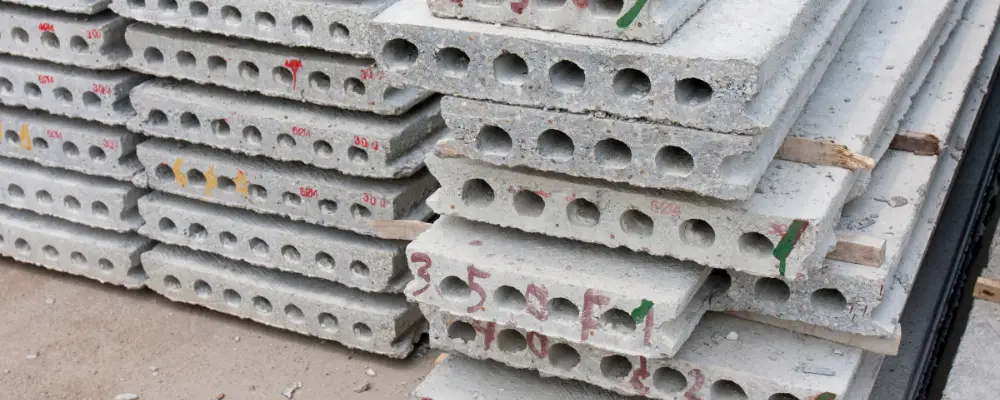
The idea of hollow core slabs found its origin in the 20th century when manufacturers searched for alternative systems to reduce the weight of concrete slabs without a reduction in strength. This led to the development of hollow core slabs as we know them today.  Hollow core slabs are majorly used to construct floors and roofs in many types of buildings and consist of prestressed concrete elements that have a constant cross-section. The evolution of this type has made it even more efficient and versatile for accommodating modern construction needs. Due to their technical and economic characteristics, they form one of the most well-known prefabricated elements used in construction.

Applications of Hollow Core Slab

Residential and Commercial Buildings: This type of slab is preferred in multi-storey residential and commercial buildings as it provides structural stability for managing the weight of the building. In some cases, they even serve as ceilings as they are resistant to sound and heat transmission providing sound insulation benefits.

Parking Structures: There is a requirement for durable floors in parking spaces. The high load bearing capacity of hollow core slabs enable them to withstand heavy vehicles and resist cracking. They can even be used as ramps within parking garages.

Bridges and Overpasses: They are sometimes used in short-span bridges or pedestrian overpasses. The prefabrication of the slabs makes it easier to transport, allowing rapid construction.

Stadiums and arenas: The hollow core slab’s high load capacity is preferred for creating seating arrangements as it provides a strong platform at a light weight.

Advantages of Hollow Core Slabs

  • The quality of hollow core slabs is constantly high as the manufacturing of the concrete elements uses specific equipment and high-end quality systems.
  •  Additional finishing is not needed as the lower surface of the element is smooth and visually pleasing.
  •  The installation of hollow core slabs is simple and requires less workers to install. 
  •  This type of slab system is produced with high fire resistance for up to 180 minutes.
  • Due to the transversal load distribution, slabs have minimal deformation sustaining a high slenderness ratio.
  • A hollow core slab can be produced with large spans, making it a preferable choice in the residential, healthcare, education, industrial and commercial markets.
  •  The uniform cross-section enables large production volumes at low cost with different cable reinforcement configurations.
  •  They have good insulation properties against airborne sound transmission.
  •  The anti-seismic property of this type of slab makes it a favourable choice for seismic zones.

Disadvantages of Hollow Core Slabs

  •  Reduced load-bearing capacity makes it less efficient compared to solid slabs. 
  • It has limitations towards resisting shear forces. This results in the non-usage of these slabs in applications requiring high shear resistance.
  • In certain cases, the installation of hollow core slabs as a retrofitment in existing buildings is difficult and sometimes not feasible.
  • It is not very resistant to high moisture or salt exposure, making it vulnerable to harsh environments.

Manufacturing Process of Hollow Core Slabs

A hollow core slab can be produced by two methods. The first one is using an extruder machine. This machine casts a single phase and it does not require a vibration. This reduces the noise of the machine to a minimum. Compaction is maintained at every point along the element with the support of Archimedean screws pushing concrete around the forming tubes. These tubes help in the creation of shapes and voids of the element. The height and thickness of the vertical ribs varies depending on application and element specification. The other method is using a slipformer machine. This method includes the use of vibration to avoid formworks. The feeding tables deliver concrete from the main hopper to the delivery hoppers. The delivery hopper is mounted on the forming insert. The concrete is then delivered to the production bed where the voids are formed with the support of forming tubes.

Hollow Core Slab Installation Process

As in every construction procedure, site inspection is the very first step in installing a hollow core slab. The heavy-weighed hollow core slabs are then lifted using lifting loops to place them on the bearing surface. Careful measures are taken to ensure that adjacent slabs are positioned together for load distribution and structural integrity. Then the grout is used to fill the joints between the slabs. Filled-in grout is left aside for good settlement. Finally, a thorough inspection is carried out to ensure that the connections and alignments are secure.

Hollow Core Slab vs Solid Slab

Both hollow core slabs and solid slabs are used widely in construction projects. However, one is preferred over the other based on its advantages as well as disadvantages. The splendid advantages that come along with the hollow core slabs such as lightweight composition, sustainable material use, and cost-efficient, flexible installation methods for various utilities make them highly preferable over solid slabs. However, for requirements of very high load-bearing capacity or in challenging environments like coastal areas, solid slabs are more preferable. 

Conclusion

The effectiveness of hollow core slabs has made it a preferred choice in the construction industry.. Given that it is lightweight, can be installed quickly, and displays excellent structural performance; it can be effectively used in a wide variety of applications including residential, commercial and industrial structures. However, even if it may be considered to be inappropriate in some particular cases, it offers numerous advantages in most cases. Hollow core slabs can be considered as an option or possibility, especially when attempting to comply with the measures that are presently widely emphasised in the construction industry such as sustainability and cost efficiency. 
Stone Compound Wall Construction – Planning & Process Guide

0
Stone Compound Wall Construction

Building a stone wall adds beauty and elegance to any structure. Compound walls improve the property’s overall appearance while defining boundaries. Because of their strength and longevity, stone compound walls are a great option for anyone looking for a lasting boundary wall. They require minimal maintenance and may require some permissions, depending on local regulations. This article provides valuable insights into the planning and construction of compound walls.

What are Stone Compound Walls?

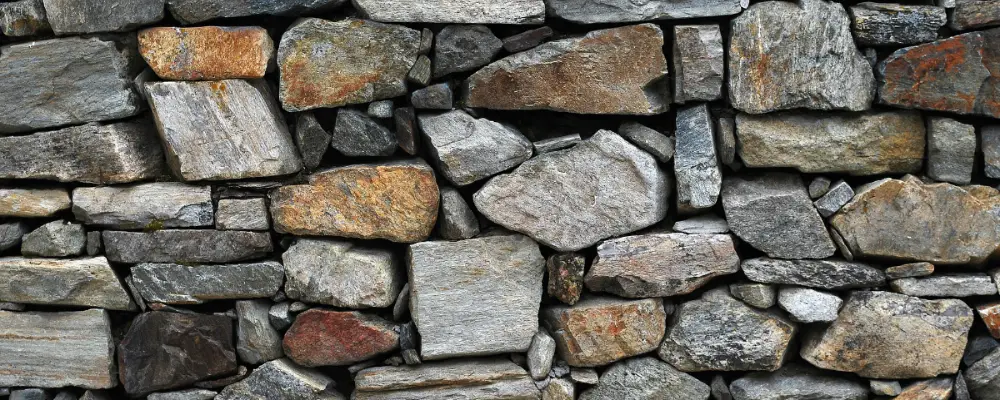
Granite, sandstone, and similar stones are commonly used to construct these robust walls. They are well-suited for traditional or rural environments, offering a natural and rustic look. Your property’s security, privacy, and visual appeal are all improved by a compound wall. It creates a distinct boundary between your home and its neighbours, keeping undesirable elements out. 

The height, thickness, and style of these walls can be altered to match the location’s architectural style. These structures are popular alternatives for landscapes that aim for a harmonious blend with nature because of the inherent texture and colour variations of stone, which give them a particular attractiveness.

Planning and Designing a Stone Compound Wall

Before building a stone compound wall, it’s essential to plan carefully. Start by determining the wall’s height and length, as some areas have regulations for walls over 30 or 36 inches. The wall’s height will also affect its thickness—generally, you’ll need one foot of base width for every foot of height. Next, choose stones that can handle the wall’s pressure and the slope it supports. 

Traditional Designing Ideas for Stone Walls:

Dry Stone Walls: These walls are constructed using only the organic form and arrangement of stones rather than mortar. This centuries-old technique provides a beautiful, rustic look.

Flagstone Walls: Constructed from precisely fitted flat stone pieces, flagstone walls can be set in a variety of colours and patterns to create a distinctive and creative appearance.

Rock Walls: Rock walls, ideal for both retaining and boundary purposes, are built from large, uneven rocks stacked with mortar to give a natural, earthy look.

Limestone Walls: Made from limestone blocks cut into various sizes and shapes, these walls are strong and have a timeless, classic appearance.

Modern Designing Ideas for Stone Walls:

Stone Tiles

Stone tiles can be added to any compound wall frame for a textured, natural look. Thin stone slabs come in various colours and patterns, allowing for customization with geometric or mosaic designs that suit both modern and traditional styles. Locally sourced stone tiles are an especially eco-friendly option.

PVC Boards

PVC or fibre boards offer a simple way to create 3D patterns on compound walls. Available in multiple colours and designs, these smooth, low-maintenance sheets can be attached with screws for a seamless or random pattern. PVC is also resistant to weather damage, making it a lasting choice.

Cement Plaster

Cement plaster can be shaped into custom designs, motifs, or murals directly on the wall. You can opt for ready-made designs or have an artist create a unique look. Cement plaster is low-maintenance and easy to clean with a simple water rinse.

Wood Planks

Wood adds warmth and natural beauty to compound walls. Treated wood planks, available in various shades, can either clad an existing wall or be used to build the entire structure. Regular polishing will keep the wood looking great over time.

Metal

Metal sheets can be cut into decorative jali (lattice) patterns for an elegant wall accent. Ready-made metal designs, like grilles or perforated sheets, are easily installed and add a striking element to compound walls. Coating iron installations will prevent rust, while steel is more naturally weather-resistant.

Bricks

Exposed bricks remain a popular choice for walls, adding a classic appeal that pairs well with many home exteriors. Bricks can be arranged in solid or jali styles, at various angles or patterns, and sealed to withstand the elements.

Material Used for Stone Compound Wall Construction

Efficient stone walls can be constructed using the right materials and tools as follows:

Equipment Required:

  • A shovel and a spade
  • A wheelbarrow and compactor
  •  Landscape fabric, mason’s stakes, and line
  • A trowel and jointing instrument
  • A 3-inch chisel made of carbide
  • A three-pound hand sledge and safety goggles

Selecting Stones: For stability and aesthetic appeal, use fieldstones that are flat, uniformly thick, and in a variety of sizes. To guarantee adequate mortar adhesion, clean the stones of any dirt or debris.

Step-by-Step Guide to Stone Compound Wall Construction

  • Getting Your Stone Wall’s Foundation Ready

1. Excavate the Trench

For your wall to last, a strong base is necessary. Dig a trench that is around two feet wider than the wall and below the frost line. This could require digging as deep as four feet in colder climates.

2. Establish a Firm Foundation

Use a plate compactor to compact the 6-inch layer of stone after lining the trench with landscape cloth and overlapping seams. To provide stability and drainage, keep going until the base is about 8 inches below ground level.

  • Setting the First Course

1. Establish Cornerstones

To set and align the cornerstones, use stakes and a mason’s line. To make a straight edge, position them at either end of the wall.

2. Create a Level Foundation

Stones should be placed on both sides of the wall as you work inward from the corners. Use smaller stones to provide stability and check the layers you are laying.

  • Putting Up the Wall

1. Make the Joints Stagger

Stagger joints as you add layers by positioning each stone to bridge the joint of the row behind it, which will increase stability.

2. Shape and Cut Stones

Mark stones that require cutting using a pencil, then use a sledgehammer and chisel. Safeguard your eyes while working on stones.

  • Including Structural Assistance

1. Stones that Tie Back

Add longer stones every few rows to connect the front and back faces of the wall for stability, particularly on taller walls.

2. Strengthen Walls Higher

Use reinforcing materials between layers, such as geogrid or steel rebar.

  • Final Details

1. Put a Cap on the Wall

For the top course, use wide, flat stones to divert water. Make sure they are level and set in mortar.

2. Adjust the Joints

Use a jointing tool to make concave joints after the mortar has half set to enhance the look and aid in water drainage.

  • Including Landscape Components

1. Selecting Plants

Choose plants that go well with the style of the wall and your climate. For more texture, use flowers, shrubs, or perennials.

2. Mulching 

To keep moisture in, control weeds, and stop erosion, spread mulch at the base of the wall.

3. Lighting for the Landscape

Install low-voltage lighting to draw attention to the texture of the wall at night. For a dramatic effect, use uplighting or downlighting.

Cost Factors and Budgeting for Stone Compound Walls

Cost of a Stone Wall Per Square Foot

The average cost per square foot for a stone wall in India ranges from ₹1,200 to ₹1,800, depending on the materials used and the labour charges.

Stone walls are not just about stacking stones with mortar. Most standalone stone walls need their own footing, foundation, and drainage system to manage water flow beneath the ground.

Estimated Costs Based on Size

Size (Square Feet)Estimated Cost Range (Rs.)
35 sq. ft.Rs.42,000 – Rs.63,000
80 sq. ft.Rs.96,000 – Rs.1,44,000
140 sq. ft.Rs.1,68,000 – Rs.2,52,000

Which Type of Stone Wall is Within My Price Range?

Materials and labour are the two primary determinants of cost when designing your stone wall. Labour expenses will be reduced for a tiny accent wall, such as one surrounding a rock garden, but the cost will increase if you use premium stone.

However, materials may be less expensive for a larger project, such as a 50-foot stone veneer patio wall, but labour prices will increase due to the longer length and structural requirements.

Conclusion

Compound walls made of stone provide an amazing blend of strength, longevity, and aesthetic appeal. These walls may provide any property enduring value and appeal with careful planning, high-quality materials, and expert construction. Knowing each step of the procedure can help you create a stunning, long-lasting wall, whether you’re building it for seclusion, security, or aesthetic purposes.

FAQ’s

1. What is stone wall construction?

For thousands of years, masonry constructions such as stone walls have been in use. Farmers and other prehistoric people built the first stone walls by stacking loose field stones into a dry stone wall.

2. What is the function of stone wall construction?

In hilly terrains or uneven surfaces, a stone wall can help level it out, adding structural support and making it a suitable place for future gardening preferences.

3. What are the benefits of stone walls?

When stone wall cladding is installed outdoors, its exceptional durability is especially crucial. It can endure severe weather conditions and is more resilient to chipping and breaking than many other walling materials, like concrete cladding. Stone cladding doesn’t need much upkeep.

Spread Footings – Types, Applications & Construction Guide

0
Spread Footings

A solid foundation supports the structure to stand marvellously. Spread footing spreads the load evenly, enabling the building to bear the heavy loads. A strong foundation is key for structures, as it acts as a structural element for bearing and distributing the loads in a smooth and equal manner. By spreading the weight across the foundation, it reduces the stress on the soil below. In this article, we are going to explore types of spread footing, applications, advantages and disadvantages, and design considerations.

What are Spread Footings?

A solid foundation system is used to support building columns and bridges with good load-bearing capacity. The potential failure of soil can be prevented by equally distributing the heavy loads of the structures at every edge. The applied load of the structure increases the stability of the soil and load-bearing capacity while integrated with the spread footing foundation system. 

A spread footing is a foundation type that supports tall and heavy structures with their unique properties. Spread footings effectively stabilise the building by balancing the upward soil pressure with the downward load of the structure. While designing the spread footings, the linear distribution of soil pressure can be measured to guarantee that the footing is rigid enough to cause only small deformations when a heavy load is applied.

Types of Spread Footings

In the case of building bridges, each column should be supported individually to create a robust foundation system. Here are the types of spread footings that can be widely used in providing tremendous supporting foundations:

  1. Wall Spread Footing (Strip Footing)

The weight of the building is spread across a larger area in a wall-spread footing. It is created by adding thickness to either reinforced or unreinforced concrete behind load-bearing walls. Wall footings are frequently used in dwellings to give both structural and non-structural walls solid support. Concrete, brick, or stone are used to build wall spread footing.

  1. Combined Footing

Two or more columns arranged in a straight line can be supported by combined footing. In some situations, such as when building a house, combined footings are utilised even though isolated footings are more economical for each column.

Two primary categories of combined footing exist:

  • When the columns are comparable in size, rectangular combined footing is utilised.
  • When there are size differences between the columns and restrictions on the amount of space they can occupy, the trapezoidal combined footing is utilised.
  1. Isolated Spread Footing (Column Spread Footing)

Any individual column can be supported by isolated spread footing. It is popular in areas with stable soil conditions, is cost-effective, and is simple to build.

  1. Continuous Spread Footing

A continuous spread footing foundation is frequently used for stability in earthquake-prone areas, supports many columns, and comprises a continuous beam linking each column base.

  1. Strap Footing

Strap footing connects two columns with a strap or cantilever footing to help transmit weights evenly, particularly in situations where column separation is significant.

  1. Grillage Footing

A grillage footing is a shallow foundation that is utilised in loose or damp soil, is supported by large loads, and is composed of several beam layers over concrete.

  1. Inverted Arch Footing

Inverted arch footings disperse loads over soft soil and were historically common for multi-story buildings, but they are rarely used today.

  1. Raft Foundation (Mat Foundation)

This reinforced concrete slab, also known as a mat foundation, distributes loads over a wide area and supports several columns or walls, making it perfect for soft soil.

Applications of Spread Footing

  • Spread footings are reasonably priced and appropriate for a range of constructions, including factories, residences, and commercial buildings.
  • Strip footings are frequently used to continually support load-bearing walls in warehouses and multi-story buildings.
  • Raft footings are perfect for major constructions like bridges and high-rise buildings because they distribute loads evenly and steadily.
  • Pile foundation, which are frequently employed in infrastructure projects, oil facilities, and marine construction, are required for difficult soils.
  • Because they require less excavation and take up less space, combined footings are ideal for structures with intricate designs or small foundation areas.

Advantages of Spread Footing

As a popular foundation system in the construction field, spread footings have the following benefits:

  • Compared to load-bearing foundations, they feature a wider base, which helps to distribute the weight over a greater area for increased stability.
  • Spread footings offer constant support throughout the building, in contrast to spot footings, which only make contact with the ground at a single point.
  • They support the foundation or pillars of a building.
  • Usually constructed of reinforced concrete, spread footings increase strength and lower failure risk.
  • Structures with spread footings are more resilient and less likely to sustain damage since they disperse the weight more evenly. 

Disadvantages of Spread Footing

While using spread footing as a foundation, one may encounter specific disadvantages as follows:

  • Different kinds of soil require different spread footing methods.
  • Because a lot of concrete needs to be prepared, it is challenging to fill the entire space at once.
  • Concrete pouring is a time-consuming task that demands a team rather than a single person.

Materials Used in Spread Footings

The basic materials that can be used to construct spread footings are as follows:

Construction Process of Spread Footings

The initial stage of the construction process: Digging the trench, laying forms, adding reinforcement rods, pouring concrete, and then backfilling the pit with the excavated dirt are the first steps in the spread footing building process.

Excavation Depths: Wall support is usually not necessary for shallow excavations (up to 5 feet), but sloping or wall support is necessary for deeper excavations (particularly for depths over 5 feet) for safety.

Supporting Excavation Walls: Vertical, supported walls are required for excavations close to structures or property lines. Vertical timber boards can be used for excavations under 10 feet deep; more substantial support systems are required for deeper excavations.

Techniques for Deep Excavations: Steel sheet piles or soldier pile systems are used to support vertical cuttings in place of timber sheeting for excavations deeper than 12 to 15 feet.

Special Support Systems: Steel sheet piles may be utilised in place of soldier piles in unstable soils, such as dry sand, and tiebacks or inclined braces may be utilised to support soldier piles in specific soil situations.

Design for Spread Footing

Check for Soil Bearings:

Calculates the size of the footing and confirms that the soil can sustain the weight of the construction without failing. The actual pressure beneath the footing must be less than the soil’s allowable bearing capability.

Check for Shear:

Guarantees that the footing is capable of withstanding both one-way and two-way shear stresses. One-way shear makes sure the shear doesn’t go beyond the permitted shear by checking it across the footing’s width. To avoid failure, two-way shear checks punching shear close to columns.

Flexural Check:

Establishes how much reinforcement is required to withstand the bending (moment) brought on by the load on the structure. Guarantees that the footing’s moment capability exceeds the actual moment.

Inspecting Development Length:

Confirms that the reinforcing bars are embedded into the footing for a sufficient amount of time to reach their full potential strength.

Verification of Stability:

By comparing the resisting and overturning moments, the overturning check makes sure the footing won’t topple over when the structure is loaded.

  • Sliding Check: Verifies that under horizontal stresses, the footing won’t slide.
  • Uplift Check: This check verifies that the footing is stable and able to withstand upward forces from the structure.

Determining the soil’s bearing capacity, shear resistance, bending strength, development length, and stability under different forces are all important considerations when building a spread footing. Every step guarantees that the foundation can sustain the weight and stay stable.

What is the Difference Between Spread Footings and Mat Foundations?

Here we can see the tabular difference between spread footings and mat foundations as follows:

S.NoFEATURESMAT FOUNDATIONSSPREAD FOOTINGS
1.CostMore expensive due to higher concrete, steel, and labour requirementsMore affordable as it requires less material and labour.
2.PerformanceMore efficient in distributing loads evenly and reducing soil stressLess efficient, localised load distribution might stress the soil more
3.ConstructionMore complex, requiring more excavation, formwork, and curingEasier and quicker to construct with less excavation and formwork
4.DurabilityMore durable, less prone to cracking, settlement, and erosionLess durable and may experience more cracking and settlement.
5.MaintenanceRequires less maintenance, especially in stable conditionsMay need more frequent repairs depending on soil and load conditions.

Conclusion

Spread footings are versatile. They can support various construction applications like buildings, bridges, towers, industrial, commercial, and residential structures. It uniformly transmits the heavy load of the structure to the ground and ensures the stability of the building constructed above it.

FAQ’s

1. What is the purpose of spread footing when constructing structures or buildings?

A popular foundational system that distributes the weight of the structure or building is termed a spread footing. They effectively stabilise the building by balancing the upward soil pressure with the downward load of the structure.

Mutation Certificate – Importance, Process & Online Steps

0
Mutation Certificate

Property ownership handling involves various legal processes and documentation. A mutation certificate is one of them, which serves as evidence to legally transfer property ownership. This document is quite essential, especially when you are seeking financial assistance for your property or land.

Let’s have a look at this process from various aspects. If you plan to register any property, having knowledge about this process will be helpful.

What is a Mutation Certificate?

A mutation certificate is a key to alter the title entry entered in the revenue records. It is officially maintained by the local revenue authorities. There are many reasons for transferring a property from the existing owner to the new owner. They include receiving a property as a gift, the death of the original owner, or inheritance or succession.

For every new ownership, the changes in the revenue record are vital for preventing ownership disputes, facilitating future transactions, and accurate property tax collection. In simple terms, a mutation certificate ensures smooth property management.

Types of Mutation Certificates

There are two types of mutations, such as:

Agricultural Land Mutation

The mutation certificate is quite essential for agricultural lands. It is not typical to transfer a land title from the existing owner to the new owner without the submission of a mutation document. In case a government body is about to acquire a particular land, they provide compensation to people whose names are legally enrolled in the land revenue records.

Non-Agricultural Land Mutation

Non-agricultural land includes residential, commercial, independent houses, and industrial properties. Even though the mutation certificate is not compulsory, it may create some future complications like ownership disputes and property taxes. It also prevents them from receiving water and electricity connections.

Importance of Mutation Records in India

Mutation records play a huge role in property ownership. They benefits both the new property owners and government authorities in various aspects.

  • It allows government authorities to accurately charge the property tax when there is a change in property ownership.
  • When selling a property, prospective buyers will demand the mutation record as evidence of ownership. It ensures a smooth transaction between an existing and a new buyer.
  • If a property is agricultural land, a mutation certificate is quite essential to transfer or sell the ownership of a property.
  • It acts as legal proof, providing assurance and legal validity to the property owner.
  • Mutation records are essential for utility connections like water and electricity. Sometimes, the providers may demand this certificate to verify the legal ownership of the property.
  • The legal property owners are eligible for various government schemes and subsidies, which can be verified by mutation records.
  • It helps you track the record if any unauthorised transaction happens against the property.

What is the Format of a Property Mutation Certificate?

After the completion of the process associated with the mutation of land, the mutation certificate will be issued. It serves as evidence for changing the property ownership. Here’s how the format of mutation certification will look:

  • Owner’s name
  • Date of Mutation
  • Property Details
  • Mutation order number
  • Finally, the seal and signature of the local revenue department

How to Get a Mutation Certificate Online in Telangana: A Step-by-Step Guide

You can apply for mutation certification via both online and offline. Here, you can understand the steps to be followed while applying online in Telangana:

Step 1: Visit the official website address of C&DMA (Commissioner & Director of Municipal Administration).

Step 2: Click on Registration and Mutation Data listed in the menu.

Step 3: Select the appropriate district name. You will be presented with the report as per the SRO PLT VT Abstract ULB.

Step 4: To check the status of your application, select an option such as application number, In Process, Issued, or Rejected within 15 days.

Step 5: Next, select your request number from the list to view your property details.

Steps to Apply for a Mutation Certificate Offline in Telangana

Here are the steps you need to take while applying for a mutation certificate offline in Telangana:

Step 1: Visit the sub-registrar’s office directly with the necessary documents

Step 2: Fill out the application with appropriate details, including your name, address of the buyer and seller, survey number of old and new land, and other significant registration details.

Step 3: Submit the required documents along with your application form to the concerned official.

Step 4: After that, you will receive a transaction ID sent to your registered phone number.

Step 5: To ensure the mentioned information, a physical inspection will be carried out by the officials.

Step 6: Once the verification is done, the concerned body will provide a mutation certificate.

Documents Required for a Mutation Certificate

Below are the list of documents required to acquire the mutation certificate while changing the property ownership.

  • Ration card
  • Sale deed
  • Applicant’s Aadhaar card
  • Registered deed of sale (including previous and current)
  • The value mentioned on the stamped sheet of paper
  • Application form filled out for mutation of the property
  • Copies of the will
  • Succession certificate or the death certificate of the owner
  • Indemnity bond
  • Property tax receipts
  • Affidavit for mutation of property

What Happens If Mutation of Property is Not Done?

The properties without the mutation certificate cause a penalty, which is not high and typically ranges from Rs. 25 to Rs. 100. However, individuals are free to apply for a mutation certificate at their convenience. As mentioned earlier, the proof of mutation is essential while selling or transferring a property. To avoid any further complications, you should apply for a proper mutation to keep yourself on the safer side.

What are the Fees and Charges for Mutation?

Fees will be charged while applying for a mutation certificate. When you apply offline or online, the sub-registrar’s will collect the required fee and send it to the municipal corporation. The charges vary for every city or region.

Final Thoughts

Applying a mutation certificate is a small step, but it saves you from the biggest consequences while selling or transferring your property. It acts as a valuable document from selling to availing the basic utility connections like water and electricity. If you have a plan to buy any land or property, ensure it has a mutation certificate before the transaction.

Cast in Situ Pile – Types, Construction, Pros & Cons

0
Cast in Situ Pile

When a structure is heavily loaded and the soil layer beneath it is thick and fragile, a cast-in-situ pile foundation is utilised. It moves the weight from a weak layer of soil to a stronger one. In this article, we are going to explore the types, construction processes, applications, and benefits of cast-in-situ pile foundations that can be widely used in the construction industry.

What is Cast in Situ Pile?

Cast-in-situ is a process in which concrete casting occurs in position. A casing is erected and strengthened with rebar, and concrete is poured as the casing vibrates out of the earth to create a simple pile. 

Cast-in-situ piles are recommended over driven piles in locations with noise limits, adjacent structures, or unstable soils. Soil testing, boring, rebar cage installation, and concrete pouring through a tremie pipe are all steps in the construction process. 

Types of Cast in Situ Pile

various types of cased cast-in-situ concrete piles are available as follows:

  • Raymond piles: 

The economical Raymond piles are divided into two types based on their unique properties, including standard Raymond pile and step-taper Raymond pile. The standard Raymond pile consists of a mandrel, which can be removed and filled with concrete once it reaches the desired length underground. The step-taper Raymond pile consists of a series of shells, which can be placed one above the other. Their length can be easily adjusted as needed.

  • Mac-Arthur piles

Mac-Arthur piles have an equal diameter and consist of a shell made of corrugated steel. They are driven using heavy-gauge steel casing, which is removed after reaching the required depth, leaving the corrugated shell in place to be filled with concrete.

  • Union metal monotube pile

Union metal monotube piles consist of a tapered, fluted steel shell without a mandrel. They are durable, watertight, suitable for various soil conditions, and can be driven to great depths with a hammer. After driving, the shell is inspected and filled with concrete.

  • Swage pile

Swage piles are used in hard soils, with a pre-cast concrete plug at the bottom for driving. To create a watertight junction, a steel core is placed into the shell to expand it. Once the shell reaches the required depth, the core is removed and concrete is poured into it.

  • Western button bottom pile

Western button bottom piles are used in end-bearing soils and have a concrete button at the base to aid driving. This button is slightly wider and sharpened, creating a larger hole to reduce side friction.

Construction Process of Cast in Situ Piles

There are four primary steps involved in building a bore cast-in-situ concrete pile:

Boring Pile Hole:

Set up a hydraulic rig or manual auger, mark four reference points for alignment, and start boring to 2 meters using the appropriate tool diameter; continue boring as per the sub-soil report, adding liner or bentonite slurry as needed, and insert a temporary guide casing to maintain positioning.

Bore to the required depth while monitoring and circulating bentonite slurry for stability, then perform underreaming to complete the bulb cutting.

Lowering reinforcing cage

The prefabricated reinforcement cage is prepared according to approved Construction drawing and placed near the pile site for lifting and lowering into the borehole once approved. Circular cover blocks ensure proper concrete cover, and for long cages, sections are spot-welded and measured to ensure they reach the borehole bottom.

Cleaning the hole:

After lowering the reinforcement cage, 200 mm tremie pipes are placed in the hole, ensuring a 75–100 mm gap between the tremie and pile foundation, and a funnel is attached to the top. Fresh bentonite slurry is circulated through the tremie to flush the bore until the slurry consistency matches at entry and exit, removing all loose sediments.

Concrete Pouring:

The fluid density near the borehole’s bottom must be under 1250 kg/m³, and samples are periodically taken to monitor the drilling mud density. After rinsing, a tremie pipe is used to pour concrete, confirming a watertight seal.

Each submerged batch has 10% more cement, and the tremie is cleaned after use. Constant concrete pouring keeps the green concrete head high to block water or debris, with the concrete placed at least 300 mm above the cut-off level.

Advantages of Cast in Situ Pile

  • The shell’s material and design create a balanced resistance, allowing it to be driven effectively and steadily into the ground without excessive force.
  • Once the concrete is poured, it cannot be disturbed by any external forces.
  • When the shell is driven into the ground, it can be checked internally for any potential damage or check whether the soil is perfect for further concrete pouring process.
  • Cased piles offer flexibility because they allow for quick modifications in length, whether by cutting or extending, depending on the project’s needs and soil conditions. 

Disadvantages of Cast in Situ Pile

  • Strict quality control and supervision are necessary during the installation of cast-in-situ Piles, covering all materials used in construction.
  • Sufficient storage space is required for all construction materials, making the method complex.
  • Granular soil compaction requires higher bearing capacity, often achieved using driven piles instead of cast-in-situ piles.
  • Cast-in-situ piles cannot be used in areas with strong groundwater flow or high artesian pressure.

Application of Cast in Situ Pile

In the construction process, cast-in-situ piles play a decisive role and can be used in various circumstances, as follows:

  • Foundations for new residential and commercial buildings
  • Infrastructure projects and floor slabs
  • Bridge abutments, piers, and load transfer platforms
  • Sites with variable ground conditions or existing obstructions that could damage pre-formed piles

Limitation of casting in Situ Pile Construction

  • Pouring concrete from height can reduce the quality of pile casts due to segregation.
  • When piling is done, it’s generally recommended to avoid conducting additional piling very close by until the initial pile has been set.
  • Reinforcement cages can indeed be displaced during piling work if not properly secured or handled with care.

Factors Affecting Cast-in-Situ Pile Foundation

Several factors may affect the process of casting in-situ pile foundations, as follows:

  • Soil Type: Different soils (clay, sand, rock) affect pile stability and penetration.
  • Load Requirements: Pile size and strength must match the structure’s weight needs.
  • Material Durability: Steel piles may need coatings to prevent corrosion, especially in harsh environments.
  • Installation Method: Techniques like driving or drilling impact alignment and surrounding soil.
  • Water Levels: High groundwater can reduce pile friction and stability.
  • Pile Size: Length and diameter should meet the project’s stability requirements.
  • Noise and Vibration Limits: Hammer driving may be restricted in sensitive areas.
  • Environmental Conditions: Weather and site access affect installation timing and quality.

Conclusion

In conclusion, cast-in-situ is a favourable and preferable option compared to any other piling foundations. They are considered economical as they reduce material waste and time consumption. Furthermore, it minimises transportation charges also. Finally, it is efficient for bearing heavy loads of superstructures, as it can be cast deep down into the ground.

FAQ’s

1. What are cast in situ piles?

Cast-in-situ is a process in which concrete casting occurs in position. A casing is built and strengthened with rebar, and concrete is poured as the casing is vibrated out of the earth to create a simple pile.

2. What is the difference between precast and cast in situ piles?

Cast-in-situ concrete is cast on-site, whereas precast concrete is manufactured in a factory and delivered to the location.

3. What is the curing time in cast in situ concrete piles?

Cast-in-situ concrete piles have a long curing time. When the temperature rises above 5ºC (40ºF), curing should last at least 7 days or until 70% of the required strength is reached.

4. What are the factors that influence the selection of the piling technique?

Piling technique selection depends on soil conditions, available equipment and labour, site specifications, and overall cost.

5. What are the disadvantages of cast-in-situ concrete?

Cast-in-situ concrete needs a lot of labour, and quality can vary. Curing takes weeks and may be delayed by bad weather.

Waterproof Chemical for Walls: Effective Wall Waterproofing Solutions

0
Waterproof Chemical for Walls

Water damage is not an issue that can be easily avoided in any building. Natural elements eventually wear down even the strongest, most advanced concrete structures. This can seriously reduce the aesthetic appeal and structural integrity of your property, which can significantly lower its value.

A waterproof chemical for walls can prevent these effects, preserving structural integrity and getting your business back on track. The type of chemicals you use will depend on the structure of your building.

Brick & Bolt, the leading construction company in India, employs industry specialists to guide you on the proper chemical waterproofing and how to do the job correctly.In this post, we will be covering everything about the best wall waterproofing solutions

Top-Notch Chemical Waterproofing Methods

  1. Grout And Epoxy Injection

If you find cracks forming on your concrete, you can stop its spread and waterproof the site with grout and epoxy injection. Injected into cracks or by drilling holes into the surface, the chemicals penetrate the surface. The pressure injection of the grout reacts with any remaining water in the insulation to act as a sealant. It ends up producing a gel or foam where the crack used to be, forming a water and weather-resistant barrier. This method can be used in piping, tanks, tunnels, and foundational walls.

  1. Vinyl Ester Resin System

Another protective coating used on concrete surfaces is vinyl ester resins, which prevent acid and corrosion damage. The resin’s chemical properties form waterproof membranes to combat moisture and water damage. Vinyl ester can also be applied as a mortar or slurry mixture.

  1. Polyurethane Liquid

Polyurethane is a chemical membrane mainly used as a waterproofing material for roofing or exposed areas. It is a very flexible material, but is best applied on flat surfaces and without elevating the moisture level of the concrete. Should this occur, de-bonding of membranes can happen, which throws off the entire process. Although this wall seepage treatment is very effective, it is very expensive.

  1. Polyurea Coating

One of the most resilient and flexible protective coatings is polyurea. This is due to its polymer molecular properties. It is also known as water-resistant, abrasion-resistant, and extremely strong. Anti-bacterial properties are also found in Polyurea coatings.

  1. Bituminous Waterproof Method

Waterproofing concrete foundations is best achieved through the application of bituminous coatings. This is also known as asphalt coating: combined sand or gravel, a dark substance. Waterproofing properties depend on the polymer grade and adding fibre to the chemicals. This is another flexible substance offering value as a protective coating.

  1. Crystallisation Waterproofing

Chemically, crystallisation waterproofing is designed to resist the impact of key elements causing corrosion, such as CO2, NO2, and CO, as well as water damage. Depending on the surface’s porosity, the substance’s crystalline properties fill the gaps in the cement composition to keep water out. It can be implemented using either brush or spray methods. Chemicals penetrate deep into the concrete and are set to create long-term protection.

  1. Permeability-Reducing Admixtures (PRAs)

Several types of PRAs exist, all like the crystallisation waterproofing technique described above. The chemicals used are favourable as they act proactively to cause a reduction in the permeability of concrete. Furthermore, PRAs help to minimise dry shrinking, shield the concrete from thawing and freezing outcomes, and decrease chloride-ion actions by reinforcing sealing within concrete. 

PRAs are frequently used on the concrete mix itself, which means that the plastic properties of the concrete are affected. In the whole of construction, it is most appropriate for architectural concrete that is exposed to rain or damp areas frequently.

Why You Should Waterproof Your Home: Benefits of Waterproofing

The following are some of the home waterproofing advantages – 

  • Saves you from challenges such as rising dampness caused by moisture penetration into the walls.
  • Effective waterproofing chemicals reduce the harm caused by seepage, which interferes with the structural stability of a house.
  • It can eliminate the chances of corrosion of metallic structures and gradual deterioration of wooden ones due to weeping. 

How to Choose the Right Waterproofing Chemical?

Before choosing a waterproofing chemical for your house, consider the following factors. Here are a few of them.

UV stability

Look for the waterproofing solution’s UV stability during construction. The wrong selection may cause undesired degradation of the surface or some of its features may deteriorate drastically if exposed to direct sunlight. Therefore, it is ideal to use a product that is enriched with UV light and can take sunlight quite well.

Hardening Time 

Select a waterproofing chemical that cures quickly. While some items require as much as 48 hours to dry, others require just a few seconds. So, choose wisely.

Binding capacity

If you are going to combine the substrate you have identified with another substrate, make sure that it has enough binding capacity and adheres well to the surface where it needs to be applied.

Durability

When embarking on waterproofing, ensure that the waterproofing solution you choose is durable. For this, you have to make sure that the product you have chosen can provide incredible elongation power as it lifts and inflates. Depending on the weather, this power sometimes decreases soon after its application. Consequently, there will be the least cracks, wear, and tear on the surface of your walls.

In addition, you also need to look at the testimonials of the brands from which you are about to purchase your waterproofing solution.

Conclusion 

Choosing the right waterproofing solution matters a lot to maintain longevity and protect your property walls. But choosing the top notch construction company also matters to construct strong structures while keeping up with the tone of the space. Choose a trusted company like Brick & Bolt to meet your construction requirements. We hold decades of experience in constructing cutting edge structures that fulfil all your desires. With us, you receive a complete balance of appeal and strong structure. Get in touch with us today to construct your dream space. 

Properties of Bricks – Types, Features & Engineering Insights

0
properties of bricks

Bricks are one of the most widely used building materials, which have been in use for millions of years. They are primarily used for the construction of walls, pavements, foundations, and other masonry work. Over the years, there have been several types of bricks in the market and each of them differs in properties and applications. Here we take a look at what are the properties of the bricks, what characteristics a good brick possesses and what are the properties of engineering bricks.

What are the properties of bricks?

The properties of bricks vary based on the types and manufacturing, which describe the looks, strength, and capabilities of the bricks. The most important properties of bricks are generally grouped as physical properties, mechanical properties, and structural properties.

Physical Properties

Size and dimensions

The bricks should be rectangular and must have sharp and straight edges. The size of the bricks should be uniform in shape and must follow the IS standard size of 190 x 90 x 90 mm or 190 x 90 x 40 mm(19 x 9 x 9 cm or 19 x 9 x 4 cm).

Weight and Density

According to Indian Standards, the ideal weight of the bricks should be between 2.5 to 3.5 kilograms. The bricks are usually dense and the weight varies based on the type of raw materials used and the type of brick molding. The standard density of bricks varies from 1600 kg/m³ to 2000 kg/m³.

Colour and Appearance

The general colour of any clay brick is red and should have uniform colouring throughout the brick. The quality of the clay, pigments, and the burning of bricks play a major role in determining the colour of the bricks. Although bricks are generally red, some bricks are available in different colours including white, orange, grey, black, blue, and more.

Texture and Surface Characteristics

Bricks should have a uniform texture and solid surfaces with sharp edges and straight sides. There should be no cracks or cavities in the structure, making it more smoother.

Mechanical Properties

Resistance against compression

This property shows how strong a brick is when pressure or weight is applied to it. It tells us how much load a brick can handle without breaking. The strength of a brick depends on the type of clay used and how well it is fired in the kiln. Different types of bricks have different levels of compressive strength, usually ranging between 35 kg/cm² to 100 kg/cm². Bricks that can handle more pressure are ideal for building structures that need to support heavy loads.

Tensile Strength

It determines the maximum load a brick can support when stretched or split without breaking. The tensile strength of the bricks varies from one brick type to another. The average tensile strength of a brick is 2.5 MPa.

Impact Resistance

The brick when dropped at a height of 1 meter onto a hard surface, should not develop a crack or break. Bricks that develop cracks or breaks have low impact value and are not suitable for construction work.

Hardness

The brick is scratched on the surface with metal to check the hardness. The abrasion should not leave any impression or marks. If the brick has any scratch marks or cracks, it means that the brick is of poor quality.

Structural Properties

Durability

The durability of the bricks determines how long the brick can last while remaining intact when used in the construction. Generally, bricks are employed in almost every building project, which makes the structure stand longer. Bricks that are hard, dense and can withstand any external stress have high durability.

Water Absorption

The bricks are immersed in water for 24 hours, and their water absorption rate is measured. An ideal brick should not absorb water that exceeds 20% of its body weight. The lower the weight it gains after immersing in water, the lower the water absorption rate.

Weathering Resistance

The bricks that are used in external structures have to be adaptable to all kinds of weather conditions. Bricks that are dense, less porous, free from cavities, have a low efflorescence rate and are insulated from fire have good weathering resistance and can be applicable for almost all types of structures.

Fire Resistance

Bricks should have low thermal conductivity so that they can withstand high temperatures and maintain a warm temperature within the structure. Clay and sand are the key materials responsible for the fire resistance properties. Bricks that are highly dense and burned in the kiln under high temperatures have high fire resistance.

Sound Insulation

Bricks that are dense and heavy have poor sound insulation, whereas hollow bricks and shale provide good sound insulation and can be applied to places where external noise cancellation is crucial.

What are the properties of Good Bricks?

Choosing a good brick for your dream construction is crucial. Here are some of the quality indicators that determine the properties of a good brick.

Quality Indicators

No Cracks or Flaws: The bricks should not have any cracks, cavities, or large pore holes in the structure. 

Free from Organic Matter: The clay and sand used for the manufacturing of bricks should be free from vegetable wastes, roots, and other organic matter. They should also be free from pebbles and stones.

Proper porosity: The bricks should have less or no large pore gaps. Bricks that have high pore holes are weak, absorb more water, promote crystallisation, and develop cracks.

Adequate density: The bricks should have adequate density so that they can bear the load. The density of the brick depends on the types of clay used, tempering, and tight molding process. An ideal brick should have a density between 1600 kg/m³ to 2000 kg/m³.

Uniform Texture: The bricks should have a uniform smooth texture, free from any undulations and cracks. Bricks that have uneven edges and powdery surfaces are not suitable for construction.

What are the Properties of Engineering Bricks?

Engineering bricks are high-quality bricks that have high strength and resistance against heavy loads, heat, and other chemical reactions. Here we take a look at the properties of engineering bricks.

High Strength

These bricks have high resistance to compression ranging from 75 N/mm² to 125 N/mm², which is higher than other clay bricks.

Excellent resistance to water

Engineering bricks have a water absorption rate of less than 7%, which is lower than other brick types. The high water resistance property prevents the structure from external moisture, rainfall, and water penetration.

Chemical attack

Engineering bricks have high resistance to chemicals such as acids and alkalis, preventing the structure from all kinds of chemical attacks and weather conditions.

Durability

Engineering bricks can last for a long period of time as they can withstand any internal and external stresses.

Conclusion

In summary, a good brick should possess all the physical, mechanical, and structural properties and should follow the Indian Standard shape and composition. The key elements of the bricks are the raw materials used, the manufacturing process, their appearance, and their mechanical and structural properties. Choose the right bricks for your dream house or other commercial properties, keeping these qualities in mind.

Pipe Pile – Sizes, Types, Applications & Installation Process

0
pipe pile

The technique of driving pile foundations into the earth close to a building that is being built is called piling. The loads are transferred from the structure to the ground using these piles. Pile foundations are crucial when the soil is too weak to support heavy loads from the structure. 

What is a Pipe Pile?

Pipe piles are hollow helical-welded or welded steel pipes designed for deep-foundation applications. By using both skin friction and point bearing to withstand pressure, they move loads from buildings and other structures to deep, stable soil layers. 

Pipe piles come in both closed-ended and open-ended designs, and they can be pushed into place using plates or points. In some circumstances, pipe piles are filled with concrete to increase their robustness and support the weight of the building above them. In some situations, filling smaller, thinner piles with concrete may not always be more economical than employing larger, thicker pipe piles.

Common Sizes

Pile pipes are available in a variety of sizes to support the heavy loads of the structures from 50 to 500 kips. Most options are available in diameters of 18” to 28”(18 inches to 28 inches). Pipe piles can also be connected to form structures hundreds of feet long.

Types of Pipe Piling

Some important types of pipe piling with unique properties and applications are as follows:

  • Open-Ended Unplugged Pile: This pile is open at both ends, allowing water to enter and form a hydraulic lock, which adds stability. It works well on soft or watery soils.
  • Open-Ended Plugged Pile: Similar to an unplugged pile, but with a cover at the top to keep water out, making it more stable in moisture-sensitive soils.
  • Bottom Plate Steel Pipe: This pile has a flat plate at the bottom for greater bearing capacity and is ideal for constructions that require substantial support, such as high-rise structures.
  • Steel Pipe with Rock Shoe: A steel shoe with rock at the bottom adds stability in loose or soft soils.
  • Franki Pipe Piles: Franki pipe piles are permanent piles loaded with wet concrete that can withstand higher driving impacts than other varieties.

Application of Pipe Pile

Pipe piles are typically used for:

  • Construction, bridge, and highway foundations
  • Foundations for marine constructions, docks, and offshore projects.
  • Railway and oilfield construction foundations
  • Foundations of communication towers and columns

These are just a few scenarios in which pipe piles can be used. They are best suited for large, massive buildings as well as regions with weak soil or shallow depths that require deep driving for stability. Pipe piles are ideal for marine applications that require extra support at the base on the ocean or canal floor.

Advantages of Pipe Pile

Steel pipe piles offer several key benefits for construction projects, including:

  • They are strong and resilient, ideal for structures that need to handle heavy loads and tough conditions.
  • Their adaptable design suits a variety of construction applications and can be customised for specific project needs.
  • Steel pipe piles resist corrosion, making them suitable for constructing heavy structures that bear heavy loads.
  • They can also withstand harsh environments and rough weather conditions.
  • Although their price seems high initially, their durability makes them a long-term, budget-friendly choice.
  • Steel piles can pierce through hard layers and boulders.
  • The amount of soil moved by the piling operation is small.

Disadvantages of Pipe Pile

  • Rust and Electrolysis:

Steel may weaken (rust) when exposed to moisture, soil chemicals, or extreme temperatures. Electrical currents in the soil, known as electrolysis, can potentially cause damage to steel piles. These effects gradually weaken the steel, diminishing its rigidity and longevity.

  • Price:

Steel piles are typically costly, particularly if they are not driven deep enough to reach a solid, load-bearing layer of soil or rock capable of supporting heavy loads. If a strong layer is not available at a sufficient depth, the additional material and installation costs may make steel piles less cost-effective.

  • Comparison to Friction Pipes:

Steel piles are primarily designed to support loads at the pile’s end. Friction piles, on the other hand, are more successful when weights can be dispersed evenly across the pile’s surface area due to friction with the surrounding soil. Friction piles are better suited to particular soil conditions than steel piles.

How to Interlock Pipe Piles?

Interlocking pipe piles are formed by joining pipes with a “ball-and-socket” mechanical connector welded along their full length to make a continuous, waterproof wall. These piles can be used temporarily or permanently. They are typically used for:

  • Supporting open excavations.
  • Groundwater flow barriers.
  • Flood control in low-lying locations.
  • Cofferdams and Dry Docks
  • Unlike other methods such as sheet piling, interlocking pipe piles can be constructed in bouldery terrain.

A pile guide is utilised to ensure vertical installation, and the piles are installed using rotary percussion drilling techniques with an air or water flush, as well as a down-the-hole hammer to deal with obstacles.

The pile assembly is manufactured off-site for quick installation and may be easily embedded in solid rock. Grouting inside the pipe and around the pile is completed.

Installation Process of Pipe Pile

To install a steel pipe pile, use a pile driver to force it into the earth. This technique requires careful planning to ensure that it is appropriately positioned and capable of supporting the necessary weight.

Before driving the pile, the soil conditions and load requirements must be assessed to determine the appropriate length and diameter. The soil should be robust enough to withstand vertical and lateral stresses.

The pile driver subsequently drives the pile into the earth to the specified depth. Once in position, the surrounding soil is compacted to provide extra stability.

Conclusion

A deep foundation is required for structures that will withstand enormous loads. Steel pipe piles are extremely versatile and may be customised to specific load needs, which helps to cut costs. They are less expensive, easier to install, and can be safely examined and tested before use. Furthermore, they are simple to add to after construction and have inexpensive replacement costs because they do not crack during installation.

FAQ’s

1. What is a pipe pile?

Pipe piles are hollow helical-welded or welded steel pipes designed for deep-down foundation applications. By using both skin friction and point bearing to withstand pressure, they transfer loads from buildings and other structures to deep, stable soil layers.

2. How do you install a pipe pile?

Steel pipes are drilled or driven into the earth to form a pipe pile. They are normally driven using a large impact hammer.

3. How much does a pipe pile cost?

Steel pipes used for piling range in wall thickness from 0.109″ to 2.500″ (2.8 to 63.5 mm), with diameters ranging from 8″ (203.2 mm) to 48″ (1219 mm). Common pipe pile sizes can withstand loads ranging from 60 kips (267 kN) to over 400 kips (1779 kN).

4. Are pipe piles filled with concrete?

Pipe piles are usually filled with concrete, but in some cases, they are left empty to reduce costs. If not filled with concrete, a corrosion protection layer should be applied.

Mud Plastering: Composition, Properties, Advantages & Application Methods

0
Mud Plastering

Although plastering materials and methods have evolved with time and technology, plastering remains a significant aspect of modern construction. If you love smooth, polished and visually appealing walls and ceilings, you must consider plastering as a vital process of homebuilding. One type of plaster does not suit all home types and purposes. Rather, it varies depending on your purpose, material usage and the desired finish. The plaster you choose for your dream home will influence the overall look and feel of your interiors. 

Today, most Indian homeowners and construction professionals are debating over cement and mud plastering. Popular for its earthy, rustic appeal and minimal environmental impact, mud plaster is a natural and eco-friendly material that people have used for centuries for coating their walls and other surfaces. Once prevalent in worldwide cultures, mud plaster has experienced a recent resurgence in sustainable architecture.

Whether you are a homeowner planning to refurbish your interior walls, or a builder involved in new construction, this guide gives you information on all you need to know about mud plaster. It discusses the plaster’s composition and unique properties that make it a standout choice for modern and eco-conscious construction. The blog further discusses the advantages and disadvantages, outlining the methods of application that help you achieve a long-lasting and beautiful finish.

Mud Plastering: What Is It?

Plastering is an age-old technique used in the construction industry, where a professional applies a thin cover of plaster by mixing cement or lime, sand and water in specific quantities to cover your home’s exposed walls, partitions and ceilings. With proper plastering, you receive a seamless and smooth finishing of your wall surfaces. It helps in concealing brickwork, concrete and other materials.

If you are planning to include an eco-friendly plastering option in your structure, mud plaster is the best choice. Made from mud and admixtures, mud plaster or earthen plaster or clay plaster stands as a healthy and resilient alternative to other types. Though a basic form of plaster, it creates stunning interior wall finishes. The best part is that the plaster is adaptable to dyes, which is why you can create a range of colours. Moreover, you can use the plaster to create rustic, undulating walls with smooth finishes.

Composition of Mud Plaster

Finest clay, coarse sand and silt are the primary constituents of mud plaster. If you are using pure mud plaster, the constituents of mud act as the binder and aggregate. However, in case of clayey soil or sandy soil, clay content lies between 12 to 30 percent by mixing mud types in required proportions. Cow dung helps bind all the ingredients together, is antiseptic and has water-repelling qualities.

The plaster further contains tapioca starch and crushed tamarind seeds. Besides, you must add barks and leaves of certain trees, including neem, teak and turmeric. These ingredients help boost the bind strength and keep away termites. Gums from Kulamavu tree and Acacia tree are sometimes added to the plaster to reduce dust accumulation. You can also obtain various colours with different types of soil and natural pigments. Lastly, the professionals apply a coat of linseed oil, coconut oil or neem oil to the plaster to create a waterproof layer. 

Properties of Clay Plaster

Some of the most common properties of mud plaster include the following:

Flexibility

The fibre content in the mud plasters make it flexible. They are similar to fat lime plasters. Besides, their inherent soft and pliable properties indicate that the ingredients you mix with the mud such as straw will hold the plaster together. With high fibre content, the plaster does not experience cracks even during gradual movements.

Aesthetic

If you are using clay or earthen plaster in your home, keep it unpainted to obtain a rustic look. Clay plaster shrinks after drying, giving your mud plaster wall an open texture even after polishing. When light falls on the surface of mud plaster, it reflects and refracts without producing a shiny effect.

Reversibility

As opposed to lime plasters, mud plasters are reversible and reworkable. However, you must ensure that it is uncontaminated. Besides being easy to remove, the plaster never stains walls and does not have the caustic qualities of lime. The breathing qualities of this plaster helps it protect the most vulnerable parts of your structure by absorbing large amounts of moisture, salts and pollutants.

Breathability

Earthen plasters have high vapour permeability and hygroscopic qualities. The significance of clay plaster lies not in the amount of moisture it can absorb, but the rate at which it can absorb the moisture. While hygroscopic qualities relate to capillary structure of the material, the clay plaster draws in moisture and holds it within itself by ionic bonding. It has less capillary draw compared to regular materials used in construction such as lightweight brick and some cement products. However, the plaster has more capillary draw than most timber. Therefore, when you expose a traditional timber frame building to mud plaster, it will draw water droplets away from the timber.

Advantages of Mud Plaster

Since the plastering comes with numerous advantages, construction professionals and homeowners consider it an appealing choice for modern construction and interior designing projects. Here are some of the benefits offered by mud plastering.

Environmentally Friendly

Its eco-friendliness is one of the most significant reasons why most construction professionals and homeowners are inclined towards the use of mud plaster. The plaster comes from a natural material, clay, which is non-toxic and sustainable. Besides, it requires minimal energy and processing during its production. Moreover, its low carbon footprint makes it an ideal choice for professionals planning to create ecologically conscious construction projects.

Aesthetically Pleasing

If you want to give your interiors a beautiful, earthy finish, look no further than clay plaster as it gives your space a natural touch. The best part is that you can apply it to various surfaces, including walls, ceilings and even on curved surfaces, creating a visually appealing textured look.

Breathable and Regulates Moisture

Clay has a unique property- to retain and set moisture free from the surrounding air. This property regulates humidity levels, establishing an agreeable and sound living climate. Since the breathability of clay plaster prevents occurrence of mould and condensation, this plaster is ideal to improve indoor air quality.

Disadvantages of Mud Plaster

Although earthen plastering offers numerous advantages, it also comes with several drawbacks that you must consider before implementing it in your construction project. Some of the disadvantages of clay plastering are:

Initial Cost

When you opt for mud plastering, the upfront cost is higher than conventional plastering because you require specialised materials and labour for execution. However, the long-term benefits and eco-friendliness might justify your initial investment.

Longer Drying Time

When compared to other forms of plastering, clay plaster requires more time to dry, which often extends the estimated time for your construction. Besides, you need to depend upon environmental conditions like temperature and humidity for the drying process. Moreover, the plastering requires specific surface preparation. It involves application of eco-friendly primers for proper adhesion and longevity. The additional steps often add complexity to the plastering process.

Limited Availability of Skilled Labour

Clay plastering requires specialised skills for application. Since it is not a conventionally used technique, finding appropriate labour becomes challenging. Moreover, the availability of products used for this plastering varies from one region to another. Although mud plastering is long-lasting and sturdy when properly stored, application of the plastering might pose serious challenges in high-traffic regions and in homes with small children and pets.

Mud Plastering: Methods of Application

Preparing the Plaster 

The first step involved in methods of plastering involves preparation, which follows the below procedure:

Basic earth plaster contains a mixture of clay, sand and straw together in specific quantities. The proportion of these materials depends on the location. You must mix them until they achieve a nice gooey consistency. 

Do you want to make the mixture more satisfying? Try preparing dirt in your home and add it to the mixture. It will create a low impact and is pocket-friendly. When making the dirt in your home, ensure to have knowledge about the amount of clay in the dirt. Most soils you use contain a mixture of clay, sand and silt. The mixture is vague and highly inconsistent. Generally, you must mix clay, sand and straw in equal proportions. Therefore, if your mixture is clayey, you will not need to add more clay to it.

Ensure to sieve the dirt properly before using it. Now, mix the dirt with straw. Don’t forget to stomp it properly. For best results, use dry soil to mix the ingredients and slowly add water to bind the ingredients. Allow the earth and straw mixture to percolate for a few days. Now, add sand and other ingredients, such as lime, brick dust or manure. Ensure to mix all the ingredients well before application. 

Application of the Plaster

When applying mud plaster, you must take care of certain aspects. These include preparing the surface, appropriate application techniques, layering the plaster and curing for effectiveness and durability. Let’s discuss each of the points thoroughly.

Preparing the Surface

The process begins with cleaning the walls to remove dust and debris. The presence of dust and debris hinders adhesion. Then, you must dampen the walls so that the surface does not absorb moisture from the plaster. It ensures a strong bond.

Appropriate Application Techniques

You can use either hand-based or tool-based methods for application. The former is a traditional technique where you apply plaster layer after layer using either your hands or a trowel, which allows detailed work for smaller areas. However, if you require covering a large surface, a tool-based method, such as the trowel and float technique is ideal. With this technique, you achieve a uniform and smoother finish.

Layering the plaster

Layering starts with a rough coat. It serves as a base to bond with the walls. The first coat requires forceful application and must be 20mm thick. Before the coat hardens, groove, scratch or pit the surface, which will help bind the second coat. Allow the first coat to dry before applying the second one. Ensure that the second layer is smooth, as you apply it to achieve the desired finish and thickness. Never expose your plasterwork to the sun. Moreover, you must never apply plaster on hot and windy days.

Curing 

Curing is vital, as it prevents cracking. Your plasterwork must remain damp for a few days. When you allow it to set gradually, the plaster improves its strength. With proper curing, you not only achieve a stable finish, but also ensure longevity.

Conclusion

Although the use of clay plastering dates back to over 9,000 years, most construction firms and homeowners overlook or ignore the use of mud plaster in modern construction. The reasons involve lack of understanding about the technical qualities of clay and availability of materials. However, today, this form of plastering is experiencing a revival in interior design due to its unique properties and many advantages, such as eco-friendliness and reversibility.

As a leading construction firm in India, Brick & Bolt strives to incorporate sustainable processes like mud plastering in its projects. The organisation helps you build your dream home, bringing it to life by providing exceptional construction services. With Brick & Bolt’s unique quality assurance system, you receive the highest quality standards during the construction process. Contact Brick & Bolt today to build your dream home!

Square Rubble Masonry – Uses, Benefits & Construction Guide

0
square rubble masonry

In the construction industry, masonry is unavoidable in the process of any building construction. It is a process used in the construction of the walls, columns, lintels, arches, beams, etc. of a building. The core of a wall is faced with masonry such as brick or ashlar. Stones are abundant in nature. Proper usage of such stones can provide an economical material for the construction of various parts of the building. Based on the thickness of joints, continuity of courses and finish of the face, stone masonry can be classified into different types. This masonry is divided into two types which further get divided based on several aspects. Rubble masonry and Ashlar masonry are the two types of stone masonry. This Rubble and ashlar masonry is divided into several types. One such type of rubble masonry is square rubble masonry. This article gives a detailed brief on square rubble masonry and its advantages in the construction industry.

What is Square Rubble Masonry?

This type of stone masonry consists of stones whose corners are shaped into squares by the methods of hammering or chiselling the stone. The stones need not be of the same size. The different sizes of stones can be fitted in equal courses if coursed every third or fourth stone. The usage of this type is often used in hilly regions. Because these are the places where good quality and cheap stones are available. This factor results in it being the least expensive type compared to the other masonry. The stones used in this type are taken straight from the quarry. The square appearance of stones classifies this type of square rubble masonry. In every construction that uses square rubble masonry, the front side has a hammer-dressed finish.

Application of Square Rubble Masonry

Foundations: This masonry is used for constructing strong and durable foundations in soil conditions that require solid, long-lasting construction. This could even be used in retaining walls to hold back soil or water. This is achieved with better interlocking and stability that comes from the irregularity of stones.

Boundary walls and Fences: The availability of local materials and their cost-effectiveness make them highly preferable for the construction of boundary walls or fences. The appearance of a traditional rustic look along with the providence of strength and durability is another factor for preferring square rubble masonry.

Bridges and Culverts: In rural or historical settings, square rubble masonry provides the necessary structural support. It becomes highly advantageous for smaller bridges or culverts where there is no need for precision stone cutting or when using locally available materials.

Retaining Structures for Landscaping: The traditional rustic appearance and the randomness provide structures with a sense of natural beauty. This makes them preferable for building low retaining walls, garden features, or decorative stonework.

Agricultural Structures: Square rubble masonry can also be used for agricultural buildings like barns, silos, and storage tanks. This type is preferred in rural areas where the locally sourced stone is abundant. They can even be used to create durable structures.

Construction Process of Square Rubble Masonry

Site selection and choosing appropriate stones for the masonry are the key initial steps. One should look for abundant local stones that can be shaped to interlock well with each other. Mortar is prepared and the first course or layer is prepared with the use of the largest and most level stones. Then the prepared mortar is applied to create a strong bond between layers. Even though these masonries are not uniform, we must ensure the bond between them is as tight as possible. Subsequent layers are built enhancing the stability of the wall with the interlocking pattern. As the height of the wall increases with the addition of every layer, frequent verification with a level and plumb bob is required. This measurement ensures that the structure is both straight and stable. If it is a retaining wall, then backfilling and compaction should be done. Finally, the smoothening of walls with mortar improves the aesthetic and durability of the masonry.

Advantages of Square Rubble Masonry

  • This type of masonry improves the fire resistance of the building. This results in increased fire protection.
  • They provide resistance against rotting, pests, weather, and natural disasters.
  • Depending on the material used, they provide an attractive rustic or elegant look.
  • They provide high durability and are resistant to compressive weight loads.
  • The usage of these masonry units increases the thermal mass of buildings.
  •  They provide longer lifespans as this masonry is extremely strong and can last for centuries.
  • Usage of local materials in the construction of the masonry can contribute to sustainability.

Disadvantages of Square Rubble Masonry

  • The construction process is a bit complicated as it involves heavy stones. Transporting massive stones before using them is not easy.
  •  There is a high possibility of developing cracks if any settling of the foundation occurs.
  •  The process of setting masonry cannot be done in rainy or freezing conditions.
  • The need for precision stone cutting demands skilled labour for proper fitting and mortar application.
  • Their irregular appearance does not match the sleek or uniform look that some modern constructions prefer.
  •  It consumes a considerable amount of time.

Cost and Maintenance of Square Rubble Masonry

The two major cost-contributing factors in the construction of square rubble masonry are stone and mortar. In addition, labour costs, tools and equipment, and transportation costs are added. As a ballpark value, the construction of a simple square rubble masonry wall could cost around 4000 rupees to 8000 rupees. In terms of maintenance, regular checks on cracks and settling, mortar deterioration, erosion and weathering, and structural integrity can increase the endurance of the structure.

Conclusion

A square rubble masonry is a form of building that has been in practice for many centuries and combines elements of strength, toughness, and beauty. It’s also a masonry technique that’s cost-effective and environmentally friendly as it uses stones sourced from the vicinity. Even though it is labour-intensive, involves skilled workers and is expensive to prepare, the merits of such a masonry technique outweigh its weaknesses. Apart from the ability to provide construction works that can withstand the test of time for the next hundreds of years, it is a significant resource in the construction industry. In the future, as we look out to build efficient and pleasing structures, it will be vital to learn and adopt traditional techniques like square rubble masonry.