Home Blog Page 23

What is a Construction Lien? Key Insights & Benefits

0
what is a construction lien

Adapting to the changing construction law can be a daunting task for everyone involved in the building process. The term that has frequently emerged in the sector is construction liens. It may sound familiar to contractors, suppliers, and subcontractors.

Understanding the concept of construction liens helps protect their rights in the building industry. It potentially navigates the complexities associated with financial claims and payment disputes after the completion of work.

In this guide, you’ll be exposed to the concept of construction liens, including their purpose and benefits. Let’s delve into the discussion:

What is a Construction Lien?

A construction lien, also known as a mechanic’s lien, is a legal way for contractors, suppliers, subcontractors, and labourers to claim their payment for completed work. If they’ve not been paid by a property owner, the legal claim will be placed on a property by the concern team who has provided materials, services, or labour for the construction project.

Before filing a legal claim, a specific timeframe is provided to a property owner. It’s a way for individuals or businesses to claim their payment for the work or materials provided.

Purpose of Construction Liens

The main purpose of a construction lien is to protect the rights and interests of contractors, subcontractors, and suppliers who put their effort into improving the property but have not been paid by the relevant property owner. Here are the key purposes:

Secure Financial Interest: By filing a construction lien, unpaid parties can establish a legal claim against the property owner. The legal jurisdiction provides them the rights to claim financial interest in the property from its overall value.

Ensuring Payment: Construction liens ensure the payment security to the contractors or workers who provide them materials, labour, or services to their property. This legal framework compels property owners to pay for the work done. The threat of a lien prevents payment delays and motivates owners to make timely payment.

Protect the Payment Chain: Construction projects involve various parties, including suppliers, labourers, contractors, and subcontractors. Liens help protect the payment chain; they ensure every individual or business gets paid for their work or materials.

Support Fair Business Practices: A construction lien is a legal protection that encourages fair business practices in the construction sector by promoting timely payment for invoices and discouraging late payment. Any individual or business can approach their property owners through this legal claim and get paid for their contributions.

How Do You Get a Construction Lien?

The process of filing a construction lien can vary from state to state. Here’s a breakdown of the common steps involved:

  • Initially, you would be a person or business that supplied unpaid work or materials to a specific construction project.
  • Before filing a claim, you need to send a preliminary notice to a property owner, contractors, or sometimes the lender. This informs them about the pending payment involved in the project, and you have the potential rights to claim through a lien.
  • There is a certain timeframe for filing a lien against a property owner. The legal rules and regulations vary by state. However, you must notarise your timeframe, like the last day of material delivery or the last day of work.
  • To legally file a lien, you need to submit the specific form at the appropriate government agency, which is probably the county’s clerk office. The form must include clear details such as the description of work, the property, the materials provided, and the amount owed.
  • Once the legal complaint is filed, it will be entered in a public record and also be attached to the property title. Then it is difficult for the property owner, who can’t sell or refinance the property until the lien is resolved.

What’s the Difference Between Construction Liens and Mechanic’s Liens?

Here are the differences between construction liens and mechanics’ liens uncovered:

FeatureConstruction LienMechanic’s Lien
DefinitionA construction lien is filing a legal claim against the contractor or subcontractor for the unpaid work or materials used in the construction project.Mechanic’s lien covers a broader scope, including all the professionals involved in the project, such as contractors, suppliers, builders, and labourers. People who contribute their effort to the property can claim their payment through this legal framework.
PurposeEstablished to protect the financial interests of contractors and subcontractors who have not been paid for their contribution.It helps regulate fair compensation for all parties involved in a construction project, including individuals or businesses.
Filing ProcessUnpaid contractors or subcontractors can file a lien at the appropriate government agency responsible for property records.The process is similar to a construction lien, but there is a slight change in specific requirements and deadlines for different types of professionals.

Removing a Construction Lien: Steps and Options

There are various ways to remove a construction lien on a property:

Paying off the lien: Clearing a pending payment to a concerned professional is the simplest way to remove a lien. Once you’ve paid the debt, you can file a release of lien form.

Lien Waiver: In some cases, a property owner provides a written agreement to the counterparty to have a legal right against their property. This method is often used in the construction industry.

Surety Bond: This is also known as a lien discharge bond. Property owners can get a bond from an insurance company to cover a specific lien amount. It allows you to sell or refinance the property, while the lien also being disputed.

Concluding Lines

A construction lien is a legal security for contractors and subcontractors to claim their payment for doing improvements on a property. This could be for work, materials, or any contribution that is associated with the construction project. Understanding its complete purpose can assist you in claiming your money legally. Additionally, seeking legal guidance can help resolve these issues as quickly as possible.
Gypsum Mortar – Composition, Uses & Key Benefits

0
gypsum mortar

Mortar is a mixture of fine aggregates, that is made into a paste, which binds the building blocks together and seals the irregular shapes in the structure. Mortars are ideal in the masonry process and there are numerous mortars in the market. Among them, one of the most ancient mortars that are widely used in modern constructions is the gypsum mortar. Here we take a look at what is a gypsum mortar and everything you need to know about it.

What is Gypsum Mortar?

Gypsum mortar also known as plaster of Paris is a construction material that has been in use since ancient times. It is one of the eco-friendly and economical materials that is applied as a replacement for cement mortar. It is made with gypsum as the primary material that is mixed with sand, and water at an appropriate ratio. After the water gets evaporated, the plastic mixture becomes hard.

Composition of Gypsum Mortar

Gypsum

It is the primary raw material that is finely ground and calcinated to remove the moisture content, to make it a white powder known as plaster of Paris. Gypsum powder, when mixed with water, rehydrates to form a hard and solid substance.

Sand

Sand is the secondary raw material used, which increases the volume and workability of the mortar. The sand used in the mortar should be fine and free from impurities and stones to provide a smooth finish when applied to the surface.

Water

Water plays a vital role in transforming the gypsum and sand mixture into a workable paste. Water rehydrates the gypsum and brings it to a plastic consistency to get applied on walls, ceilings, and other surfaces of the building.

Application of Gypsum Mortar

Gypsum Mortar is one of the most versatile construction materials, known for its workable properties. Here are some of the key applications.

Plastering

Gypsum Mortar is a popular choice for plastering walls and ceilings to achieve a smoother and even surface finish before painting or adding stickers. Its quick setting time allows the construction process to proceed at a faster pace.

Skimming

Gypsum Mortar has a fine texture and excellent adhesive properties, making it an ideal material for skimming on plastered surfaces.

Molds & Ornaments

This mortar has the ability to capture fine details, for which it is used to create molds, cornices, and other ornamental parts of the building.

Repair

The rapid hardening process of gypsum mortars makes it an ideal element for patching cracks and holes in the buildings. They provide effortless repairs, that easily blend with the existing material.

Fixing Tiles

This mortar is used as an adhesive to fix tiles on the floor and walls due to its quick setting time and smooth application.

Advantages & Disadvantages of Gypsum Mortar

Advantages

  • Gypsum mortar is known for its faster setting time, which helps the construction process to go rapidly.
  • This mortar is comparatively smoother than cement or lime mortars, giving it a high-standard finish.
  • They are easy to apply and shape, thereby reducing the time and effort of the laborers.
  • Gypsum is highly resistant to fire and is an excellent choice to protect the building from any fire attacks.
  • The raw materials used, including gypsum, sand, and water, are natural, which reduce the carbon footprint.
  • Gypsum can be recycled and is an environmentally friendly option.
  • It possesses good sound insulation properties due to the tiny voids in the mortar.

Disadvantages

  • Gypsum mortar cannot be used for external structures or water-prone areas, as it has poor water resistance.
  • The cost of gypsum is higher compared to other mortars.
  • Gypsum cannot be stored for a long period of time after manufacturing.

How to apply Gypsum Mortar?

Mixing

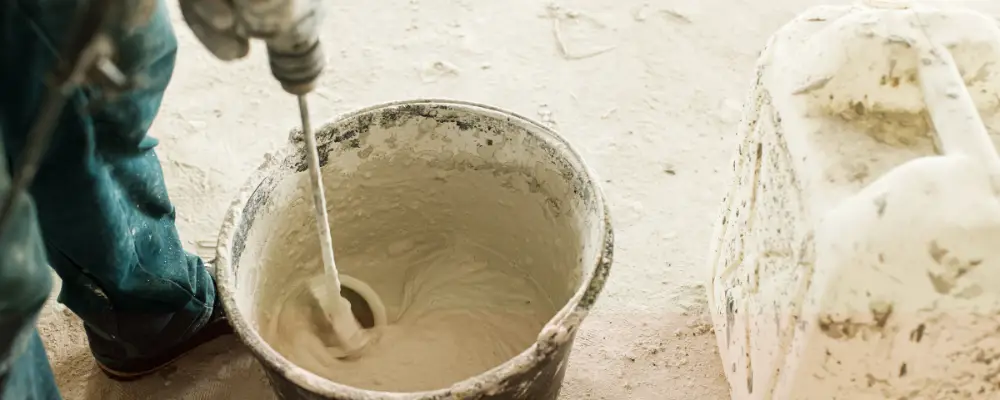
An adequate proportion of gypsum powder (plaster of Paris) and sand should be mixed with clean water in a container to avoid contamination. The mixing process should continue until the mixture becomes lump-free and attains a plastic consistency. It is important to note that the amount of mix prepared should be used within 30 minutes due to its quick setting time.

Applying

After blending into a paste, the mortar is applied in thin layers using a trowel or a plastering tool. If the gypsum paste is used for plastering, the thickness should be 1-2 mm. Ensure that the surface is clean and slightly damp to improve the adhesion.

Curing

This mortar has a rapid setting time and does not require any curing like a cement mortar. However, the mortar should be protected against high temperatures using damp cloths or plastic sheets.

Temperature Considerations

These mortars should be applied at temperatures above 5°C (41°F) and below 35°C (95°F) for proper setting and enhanced performance.

Conclusion

Gypsum Mortar is one of the most versatile construction materials widely used in the modern construction industry. It provides a wide range of applications for interior structures, offering a high-standard appearance in a short period. Their excellent properties and advantages make them an ideal choice. Although it offers numerous advantages, its cost, availability, short lifespan, and inability to withstand moisture hit back. This mortar could be a great fit for internal structures and projects where high-quality results are crucial.

AAC Cement Blocks – Benefits, Applications & Installation

0
aac cement block

In today’s modern construction industry, selecting the appropriate building material is essential. In the fast-paced modern construction industry, AAC cement blocks are set to revolutionise the building industry. At a rapid pace, they are replacing traditional blocks as a contemporary building material. Using wood as a building material may cause termite damage, be flammable, and decompose. Civil and industrial construction widely use this type of cement block rather than traditional blocks for quick construction. In this article, we will see the key benefits, applications, manufacturing process, and installation of AAC cement block.

What is an AAC Cement Block?

AAC (Autoclaved Aerated Concrete) cement blocks are light building materials that are made in a factory. They are created from a mix of fly ash, cement, lime, gypsum, and a special ingredient that helps them expand. This process makes the blocks have lots of small holes inside, making them lightweight and strong. ​Because of these qualities, AAC blocks can be used for many different types of construction projects.

Composition of AAC Cement Block

Fly ash, cement, lime, gypsum, and an aeration agent are the ingredients of autoclaved aerated concrete, or AAC. Because the blocks are porous and lightweight, they must be handled carefully to prevent breakage and shielded from the weather. In a perfect setting, a dynamic AAC cement block risesslowly. Just as the dough rises, the AAC cement block rises in a warm and consistent environment. After completing the drying process, the mixture consists of 80% air in it.

Then the mixture is moulded, autoclaved under tremendous pressure, and cut into specific shapes and dimensions. Now, an eco-friendly product is ready to build your construction project by adding a perfect expansion agent as an add-on. It is comparatively three times lighter than the traditional red bricks.

Key Benefits of Using AAC Cement Blocks

Did you know? AAC cement blocks are an excellent alternative and sustainable modern building material compared to traditional blocks.​ However, with its unique properties, we have to recognise the top benefits of using AAC cement blocks in civil and industrial construction processes.

  • Reusable and Renewable Products

Ideally, eco-friendly products are made from recycled materials that reduce the usage of new resources. The production methods of these materials include less emission, reduced water and energy usage, and limited waste.

  • Lightweight and Compact

These blocks are substantially lighter than conventional red bricks, which lowers the building structure’s weight (or “dead load”). Because the lower load places less strain on the foundation and supporting components, this feature enables engineers and architects to construct higher buildings without sacrificing stability.

  • Heat Protection and Energy Savings

The block’s tiny air spaces serve as thermal insulators. AAC cement blocks are dsigned to keep interior temperatures comfortable, minimise radiation, and use less energy, especially for heating and cooling.

  • Acoustic Performance: 

These blocks are perfect for buildings that need quiet spaces, including hospitals, schools, hotels, and workplaces, because of their porous construction, which absorbs sound and reduces noise.

  • Fire Resistant: 

Due to its exceptional fireproof properties, it can tolerate high temperatures (up to 1600°C). As the fire resistance property is essential for building constructions like commercial and residential buildings, it can withstand exposure to high temperatures for up to six hours.

  • Seismic Resistant: 

The seismic effect on buildings can be reduced for less mass structures because of less inertia. This results in lower the chances of building damage. Because of its lightweight properties, it drastically reduces the mass of the sturdy building.

Applications of AAC Cement Blocks in Construction

The many use and structural advantages of AAC Cement Blocks make them a popular option in building. Their various applications are as follows:

  • Building Houses and Apartments: AAC blocks are used to build residential houses and apartments for their solidity and endurance.
  • Warehouses & Industrial Facilities: Perfect for constructing factories and storage spaces where robustness and load-bearing capacity are essential.
  • Building Educational and Healthcare Structures: Schools and hospitals can be built using these blocks for their sturdiness and longevity.
  • Infrastructure Projects: Massive structures like bridges, tunnels, and other steady infrastructure projects may use these blocks for their hardness and durability.
  • Industrial and Commercial Structures: Industrial and commercial spaces can be constriucted quickly by using AAC cement blocks.

The Manufacturing Process of AAC Cement Block

Do you want to know how AAC blocks are made? The below steps will help you to understand the process of making AAC cement blocks in detail.

  • Step 1: Preparation of Raw Material 

Processing the raw materials is the first step in creating AAC blocks:

Cement: For consistent quality, 53-grade Ordinary Portland Cement (OPC) is needed. To avoid batch fluctuations, plant-supplied cement is preferred.

Fly ash and Lime Stone Powder: Fly ash is used as a slurry. Another necessary ingredient is limestone powder, which is either ground on-site or purchased already from vendors.

Gypsum: A common building material used in the manufacture of AAC blocks.

  • Step 2: Mixing and Dosing 

Dosing and mixing are the next steps in the production of AAC blocks once the basic ingredients have been prepared. The outcome of this process is influenced by its quality. Here is a summary:

Ratios of ingredients: 

Fly Ash, Lime, Cement, and Gypsum = 69:20:8:3.

0.08% of the total dry components are aluminium powder.

Ratio of water: 0.60 to 0.65

The procedure employs a dosage and mixing unit and takes approximately 5.5 minutes:

The following materials are measured into different containers: fly ash, lime, cement, and gypsum.

Each ingredient is released into a mixing drum once the proper weight has been achieved.

A smaller feeder is used to add aluminium powder individually.

The mixture is then put into moulds. The dosing and mixing cycle is fully automated, with minimal human involvement, to prevent material solidification and maintain a continuous flow.

Step 3: Casting, Rising, and Curing

To avoid sticking, the prepared raw material combination is placed into greased moulds, which are usually 4.2 x 1.2 x 0.65 meters. Aluminium in the combination expands up to three times its initial size as it combines with calcium hydroxide and water, releasing hydrogen gas in the form of tiny bubbles (2–5 mm) which gives insulating and lightweight properties. Depending on the temperature and material combination, the mixture (also known as “green cake”) is allowed to cure for one to four hours after expanding. Once firm, it is cut to the required sizes.

The blocks are strengthened and set by high-pressure steam (800–1200 kPa) at 180°C during the final curing process in an autoclave, a sizable steel chamber.

Step 4: Demolding and Cutting

The green cake is prepared for demolding and cutting when it reaches the required strength. Following pre-curing, a crane raises the mould for demolding. The demolding and cutting procedures can differ based on the technology employed, although the preparation, mixing, and casting of raw materials are generally identical.

The green cake is taken out of the mould and transferred to the cutting line using a variety of mould types and techniques, which are primarily categorised as tilt cake and flat cake.

How to Install AAC Cement Blocks?

A brief explanation for installing AAC blocks can be discussed below:

The debris can be removed from the area of the foundation and dug to the necessary depth of drainage. To establish a level foundation, compact the dirt, add geotextile fabric for support, and pour concrete.

Planning the Layout: Measure and mark the foundation’s wall configuration. Align using chalk or string, taking into account window, door, and fixture openings.

Use mortar by combining cement, sand, and water. Evenly distribute it around the foundation, allowing room for reinforcement if necessary.

AAC block placement involves starting in a corner, placing blocks on the mortar bed, and then lightly covering each block with mortar. Use a spirit level to make sure everything is aligned and level.

Joint Reinforcement and Filling: Apply mortar to joints and install.

Maintenance and Care for AAC Cement Blocks

  • To get rid of grime, use a soft brush or low-pressure water to clean AAC blocks. AAC blocks cannot withstand high-pressure washes and rough or scratching cleaning methods.
  • To guard against moisture and weathering, repaint or waterproof blocks every few years using high-quality materials.
  • To avoid more problems, regularly inspect for damage, water seepage, or cracks and make repairs as soon as possible.
  • To avoid water buildup around the foundation, which over time may erode it, make sure drainage is effective.
  • To find any damage or settling of the foundation, regular inspection will help.
  • Proper insulation and ventilation facilities may reduce moisture and increase energy efficiency.
  • To preserve stability and increase longevity, reinforce structures in seismically active locations or as needed.
  • To avoid damage, make sure downspouts divert water away from the foundation and clean gutters regularly.
  • For difficult maintenance or repair issues, seek the advice of professionals (such as architects, engineers, or contractors).
  • To guarantee the AAC block structure’s long-term endurance, take immediate care of any maintenance requirements.

Conclusion

As the construction industry is growing rapidly by using renewable and recyclable materials in building construction, AAC cement blocks are performing well in that category. Companies are also moving fast with the growing market by increasing the production of AAC cement blocks. These blocks have advantages over conventional materials, and builders and developers are realising these long-term benefits. 

FAQ’s

1. Which cement is used for AAC blocks?

To maintain the quality and grade portland cement is used for manufacturing AAC cement blocks.

2. Is AAC cheaper than concrete?

The manufacturing cost of AAC blocks is high when compared to concrete. The overall project will be reduced by using AAC blocks.

Floating Foundations – Applications, Benefits & Challenges

0
Floating foundation

A strong foundation is a bedrock for any construction project. The stability of the overall structure depends on the load-bearing capacity of the foundation. However, it is primarily affected by the settlement of the foundation, caused by many significant factors. They include poor compaction of the soil, low bearing capacity of the soil, etc.

These troubles can be efficiently handled by floating foundations. It is used in a wide range of construction projects, from small-scale to large-scale architecture, where there is a need to distribute the loads.

In this blog, you will see in detail about floating foundations, their principles, construction process, and advantages. Continue your reading to gain a better understanding of the whole topic:

What is a Floating Foundation?

A floating foundation is a type of foundation that plays a vital role in various construction projects. In this type, the total weight of the structure is approximately equal to the weight of the water and soil excavated from the construction site.

This method efficiently balances the weight and prevents excessive settlement of the structure. It is primarily used in areas where weak, compressible soils are unsuitable to carry significant loads. Importantly, the drainage, electrical lines, and plumbing works should be carried out before pouring the foundation, as these are typically running through the floor.

Principle of Floating Foundation

The primary principle of a floating foundation is to balance the weight of excavated soil with the structure of the same weight. This foundation method is also called a balanced raft foundation, which causes zero settlement to the structure.

Let’s imagine a ground with a water table and planning to construct a building on it. Currently, the ground is excavated below the water table, and a building is constructed with a foundation that matches the weight of the removed soil and water.  The weight will be balanced here, and no changes can occur.

However, you need to make a note of this point, you can’t start constructing a building immediately after an excavation. Due to the depth of excavation, it may cause vertical pressure and create unbalanced weight while constructing. Therefore, we used to call this type of foundation a partly compensated foundation rather than a compensated or fully floating foundation.

Advantages of Floating Foundation

Floating foundations, also named as balancing rafts, possess several advantages, including:

Reducing Settlement: By balancing the weight of soil and water removed with the weight of the structure, reduce the differential settlement. It improves structural integrity and prevents the occurrence of cracks and uneven floors.

Self-leveling: Constructing a structure in weak soil is quite complex. To provide a stable base on the uneven ground, the floating foundation is used. It makes the foundation strong, and the weight is evenly distributed over a larger area, reducing the pressure on the soil.

Adaptability to Extension: This method is also efficiently suitable for existing buildings. You can easily extend the structures without causing any impacts to the existing foundations, and the loads can be evenly distributed.

Fight Against Water Seepage: Water seepage causes severe damage to the structures. It is quite possible in areas with high groundwater levels. This floating foundation acts as a barrier and protects the building from moisture damage.

Disadvantages of Floating Foundation

Here are the lists of significant disadvantages associated with floating foundations:

  • This foundation method requires accurate calculation and careful consideration to maintain the balancing principle.
  • Compared to other types of foundations, it is likely to be expensive and may not be suitable for structures with budget constraints.
  • It is quite complex to maintain the utilities beneath the foundation.
  • It may be subjected to soil movement, especially in expansive clay soil. They cause concrete to lose strength, resulting in cracks and structural inability.
  • Floating foundations are not suitable for high seismic zones.
  • Modification or construction expansion can be challenging; it might disturb the delicate balance of the foundation.

Construction Process of Floating Foundation

Site investigation: Before beginning any construction project, the soil condition should be investigated to determine its moisture content, bearing capacity, and other significant properties. This helps design the foundation’s dimensions and reinforcement appropriate to the soil condition and structural loads.

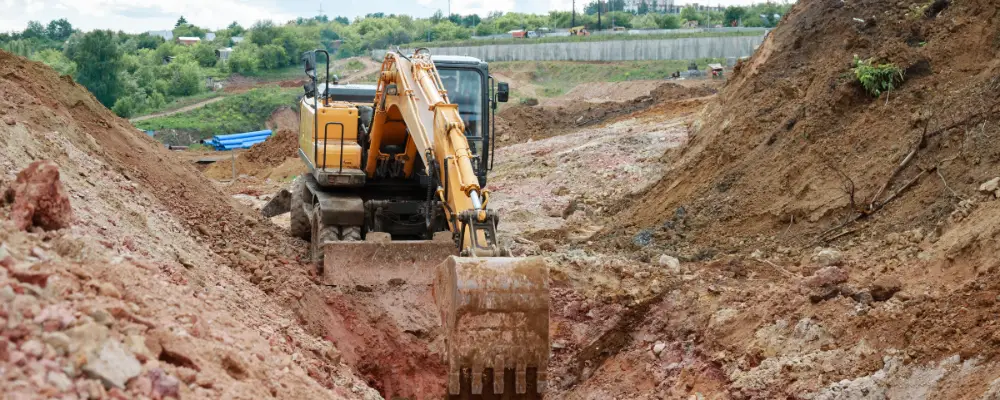
Site Excavation: Excavation is the initial preparation process. As per the planned depth, the weight of the removed soil and water needs to be balanced with the weight of the constructed structure. To prevent any damage, sheet piles or other supportive methods can be used.

Gravel Base for Foundation: Before the construction process, the drainage should be planned on the sides and bottom of the foundation. By laying a gravel base, the water can be easily drained out.

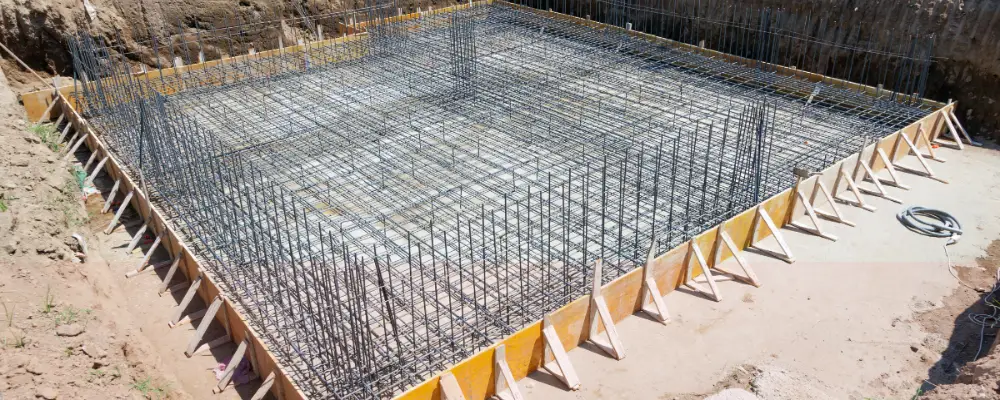
Reinforcement: The foundation of a building can be a reinforced concrete slab or a box-shaped structure. Reinforcement bars are placed within a formwork to improve the structural integrity of a building.

Backfilling: The excavated area and its surroundings should be backfilled with suitable material to ensure stability and prevent water absorption.

Challenges Faced During Construction of Floating Foundation

The construction of floating construction includes several challenges, such as:

  • Accurate determination of soil properties, including compressibility, bearing capacity, and water content, is essential to prevent foundation failures and design errors.
  • Balancing the excavation stability in soft soil is quite challenging.
  • If the structure requires a dewatering operation, which is costly and time-consuming.
  • It is difficult to ensure the concrete placement and curing in a confined space.
  • Handling differential settlement is critical; it may affect the structural integrity of the building.
  • Changes in the groundwater levels can significantly influence the foundation’s performance.

Final Wordings

Floating foundations can accommodate the changes in water levels and cause no damage to the structures. If you are planning to construct a building in wet soils, then consider a floating foundation as your primary choice. It can efficiently handle clay and high groundwater pressures. Ensuring soil type and bearing capacity helps determine the foundation properties accurately.

Trench Filling – Guide to Process, Benefits & Construction

0
Trench Filling

Foundations are one of the important parts of the building, that play a major role in binding the structure to the soil. They transfer the loads of the building to the soil and play a major role in holding a structure in place. Numerous types of foundations are laid in the construction industry, among which trench-fill foundations are one of the simplest and most widely used foundation types. Here we take a look at what is a trench filling or trench filling foundation, its construction process, pros, cons, and more.

What is a Trench Filling?

Trench filling is a shallow foundation in which a linear trench is excavated at the ground level and filled with concrete to make it a hardcore foundation for the building. The perimeter of the foundation is based on the dimensions of the proposed building. This is quite similar to a strip foundation, but it eliminates the need for bricklaying below the ground surface.

Importance of Trench Filling

Trench fill foundation is one of the simplest and basic types of foundation. They require less excavation, and constructing them is very quick and straightforward. They are suitable for all types of soil, no matter how loose the soil is or how high the water table is. They are fairly inexpensive and are a wise choice for many low-budget domestic building projects.

Advantages and Disadvantages of trench filling

Advantages

  • They are quick and easy to construct within a short period of time.
  • They require minimal excavation compared to other types of foundations.
  • They are suitable for all types of soils and can accommodate and fulfill various loading requirements.
  • These foundations don’t require any complicated or costly formwork before filling.

Disadvantages

  • Trench-fill foundations require a lot of concrete to fill the trench, which could increase the cost of construction.
  • As no reinforcements are used, they are unsuitable for large-scale buildings or structures requiring high load-bearing capacity.
  • If the foundations are not designed or constructed properly, they could lead to cracking and other structural problems.

Mechanism of Trench Foundations

  • The ground conditions should be analysed before the trench foundations are laid. Although it is suitable for all types of soils, special consideration should be given to soils that possess frost, shrinkable, and volume-changing characteristics.
  • If the ground is found to be hazardous, the NHBC should be notified in advance.
  • Dead loads and imposed loads should be calculated before deciding the width and depth of the trench.
  • The trench’s depth should not be less than 1 m or above the frost level.
  • The width of the trenches should be 50 mm more than the supporting wall on either side.
  • The concrete used to fill the trenches should be water-resistant and should withstand freezing and thawing.
  • The trench should not possess any moisture and water content, as it may affect the stability of the structure.
  • After the concrete is poured, the foundation should be kept idle to harden it with periodical curing using water.
  • After the foundation gains the necessary strength and stability, the foundation can be used for the construction process.

Depth of Trench Fill Foundations

Factors that decide the depth of the trench-fill foundation include:

  • Strength & composition of soil- A soil test is conducted by a geotechnical engineer to find out the strength and composition of the soil.
  • Weight of the building- The weight of the building plays a major role in deciding the depth of the foundation. An architect or structural engineer provides the necessary information by calculation before the trench fill foundation is laid.
  • Width of the foundation- The width of the foundation should be equal to or greater than the width of the supporting wall.
  • Frost line depth- It is the depth up to which the ground freezes during winter. The frost line depth is analysed and the foundation is laid below it to prevent the damage caused by freezing and thawing.

Step-by-step trench-filling process

  • Dig a trench at an appropriate depth and perimeter based on the construction needs and remove any standing water from the trench.
  • Prepare concrete by taking the appropriate amount of cement, gravel, sand, and additives like fly ash and mix it with water to form a mixture suitable for the trench filling. It is important to note that the concrete mix should be water-resistant.
  • Fill the trenches with concrete using trenchers and compactors before adding each layer to make the trench more dense and stable to withstand the weight of the building. No reinforcements or formwork are used.
  • Keep the foundation idle to harden it and cure it with water for an appropriate time.
  • After the foundation acquires the necessary strength, it is then ready to hold the building load.

Cost of the trench filling

The cost of any construction project depends upon various factors including the location, size of the trench, materials used, labor cost, economy, and more. Trench filling usually saves costs on formwork and reinforcements; however, it consumes more money due to the  concrete used for filling.

Conclusion

Trench filling is one of the most simple and effective ways to construct a foundation that is suitable for almost all soil types. The construction process is easy and doesn’t require any complicated procedures, as the usage of reinforcements and formwork is neglected. They are suitable for small-scale domestic projects that carry a minimal load and buildings up to two floors.

Shear Walls – Types, Materials, and Construction Insights

0
Shear Walls

Protecting the structure from any kind of external forces is essential for any type of construction. Numerous external factors can damage the structure; among those, the damage caused by winds and earthquakes can completely collapse the structure. Shear walls are provided to protect the structure from any kind of lateral pressure. Here is everything you need to know about the shear wall.

What is a Shear Wall?

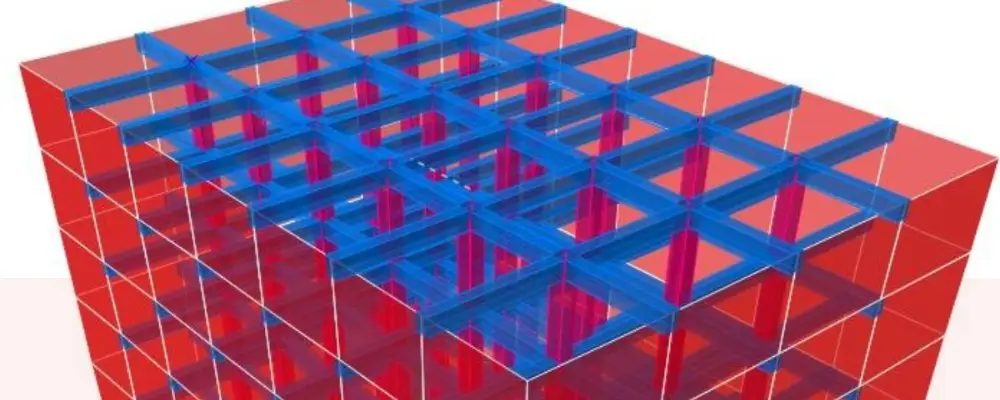
A shear wall is a structural member in an RCC (Reinforced Cement Concrete) structure that is designed to resist external lateral forces such as wind, hurricanes, earthquakes, and more. They are primarily used in high-rise buildings, which are subject to lateral wind and seismic forces. It provides stiffness to the structure by reducing the damage caused by lateral forces.

Importance of Shear Wall

  • Shear walls provide the necessary lateral strength to withstand lateral forces such as wind and seismic forces.
  • They reduce the damage caused by earthquakes and external wind.
  • They provide strength and stiffness to the building against sway.
  • They prevent damage to structural and non-structural members by transferring the load to the foundation.

Types of Shear Walls

Reinforced Concrete Shear Wall

These are the most widely used shear walls, which are provided in both horizontal and vertical directions. They are constructed using concrete that is embedded with steel reinforcements. They provide both compressive and tensile strength to the structure, making it robust and able to withstand lateral forces. They are commonly used in high-rise residential and commercial buildings, especially in high seismic areas. They are highly durable, have excellent load-bearing capacity, and are highly resistant against lateral forces.

Masonry Shear Wall / Concrete Block Shear Wall

Masonry Shear Walls or Concrete Block Shear Walls are constructed using concrete bricks or blocks along with steel reinforcement bars to maximise the effect of seismic loads. Reinforcements are placed in the hollow spaces and concrete is poured inside the block to embed the RCC bars and the concrete together. This type of wall can withstand both gravity loads and lateral loads. They are vital for low-rise residential buildings, small commercial structures, and boundary walls in low-seismic areas.

Steel Plate Shear Wall

It is constructed using thin steel sheets that are added to the building’s structural frame. They are highly flexible and are resistant to bending. They are well-suited for buildings where tensile strength and lateral stability are crucial. They are commonly used for multi-story commercial and industrial buildings. They can also be fitted to existing structures to improve seismic resistance.

Plywood Shear Wall

Plywood shear walls are traditional types of walls that are built to resist lateral forces such as wind and earthquakes. They consist of plywood sheets and studs, where the plywood transfers the shear force, while the studs resist the tension and compression. They are ideal for lightweight and low-rise residential buildings.

Mid-Ply Shear Wall

It is an improved version of the plywood shear wall, where an extra plywood sheet is placed in the center of the normal plywood wall and the studs are positioned on both sides. They are used for multi-story buildings.

Materials used in Shear Wall

Concrete

Reinforced Cement Concrete (RCC) is used for the construction of shear walls to provide high lateral strength and stability. These concrete walls are widely used for buildings that are medium to high-rise, from 4 to 35 floors.

Steel

Steel plates are used for the construction of steel plate shear walls. They are most commonly used in high-rise buildings in high-seismic areas, to protect the structure from earthquakes. They provide flexibility and tensile strength to the building and can be applied to existing structures. 

Plywood

Plywood or timber is used for constructing the plywood shear walls and mid-ply shear walls that are designed to resist wind loads. The use of plywood along with the studs is vital for low-rise residential buildings in non-seismic areas.

Mechanism of Shear Wall

When lateral forces like heavy wind, hurricanes, or earthquakes put pressure on a building, the shear wall absorbs the force from the weaker parts of the building such as exterior walls, floors, and roofs, and transfers the load to the foundation. Although they have absorbing and transferring characteristics similar to load-bearing walls, shear walls resist the horizontal forces and protect the building from collapsing sideways.

Location of Shear Walls in Building

The location of the shear walls varies based on the architectural and structural requirements. Numerous factors decide the ideal location of the shear walls in the building. Locating the shear wall in the middle of the building helps decrease the shear force symmetrically in all parts of the building. However, it is not always possible or economical to place a shear wall in the middle. Numerous factors decide the location of shear walls and here are some of the ideal locations where shear walls are generally placed.

Each Half of the Building

Interior shear walls can be placed at the center of each half of the building. These shear walls come in the form of core walls (box-shaped columns) and help protect the building from seismic forces. 

Ends of the Building

The exterior shear walls are usually located at the ends of the building. Shear walls are placed at each end of the building, creating symmetry and holding the building in place, when subjected to seismic forces.

Near Staircase and Elevator shafts

Generally, places around staircases and elevator shafts don’t need an opening. This makes it one of the ideal places to locate the shear walls for better performance.

Construction & Design Considerations for Shear Walls

Design Considerations

The shear walls should possess maximum strength and stability to effectively support the building from lateral forces. Here are some of the factors that play a crucial role in designing a well-balanced shear wall as per IS 456:1978.

  • The thickness of the wall should not be less than 100 mm. The wall thickness can be anywhere between 150 mm to 400 mm.
  • If the shear stress exceeds 0.25 x √fck or if the thickness of the wall exceeds 200 mm, reinforcements should be provided in two layers of the wall.
  • The diameter of the reinforced bar should not exceed 1/10 of the thickness of the wall.
  • The minimum reinforcement should be 0.0025 times the gross area of the wall.
  • The larger the width, the greater will be the resistance against the lateral loads.
  • The maximum spacing of the reinforcement bar should be less than 450 mm or 1/5th of the wall length or three times the wall thickness (whichever is less).
  • Shear walls in the external structure should be relatively thicker, as they are subject to high flexural and shear strength.
  • Lateral ties should be provided around lapped splice bars that are larger than 16 mm in diameter.
  • The diameter of the tie bar shouldn’t be less than 5 mm or 1/4 of the spliced bar and the spacing of the tie should be less than 150 mm in the center.

Construction Process

  • After the horizontal reinforcement is placed according to the design, the vertical reinforcement steels of Fe415 are placed with sizes from 10 mm or 12 mm.
  • After the vertical reinforcements are placed, wooden steel or aluminum formworks are placed around the reinforcements and locked with the bolts.
  • The concrete mixture should be made of M30-grade cement, with the size of the aggregate varying from 10 mm to 12 mm and using robust sand.
  • The concrete mortar, after mixing, is filled into the formwork that holds the reinforced steel rods and compressed using vibrators to remove air gaps.
  • After filling, allow the walls to rest for a complete day to harden them with periodical curing.
  • After one complete day of curing, the formwork should be removed without any damage.

Conclusion

Shear walls are highly resistant structural elements that protect the building from external forces. They protect both the load-bearing and non-load-bearing parts of the building from wind and other seismic loads. By carefully designing, constructing, and locating the shear walls, one can reduce the damages caused by lateral forces.

Arch Construction – Types, Benefits, and Step-by-Step Guide

0

One cannot enter a constructed building if there are no openings. It is the constructor’s responsibility to extend such a provision in the form of a door creating a passage. Again, while doors may let us in, we need windows and other openings to ensure good ventilation and natural light inside the building. It is not an easy task to make an opening in a building as it involves various factors, from balancing the structure to distributing the load. To ensure such delicacy, either an arch or lintel is used in construction. Both arches and lintels are situated above the openings, supporting and transmitting the loads to the adjacent walls to balance the vacuum down below. Understanding arches and structural dimensions is essential to distributing loads and enhancing the aesthetics of the building. This article looks into the definition of an arch in the construction sector and the various types that shape the outlook of today’s buildings.

What is Arch?

It is a mechanical structure made up of wedge-shaped blocks, either bricks or stones. This arrangement provides mutual support to the bricks or stones. Piers or abutments are used to provide stability to this structure. The curved line of the arch is arranged with wedge-shaped units to balance their weight. This exerts a vertical pressure that can be sustained safely by the supports below. In layman’s terms, it is a curved structure that supports loads from above to span an opening. This is a construction marvel as it covers a wide span without additional support. The inclusion of arches as a design in buildings will create visually striking designs ensuring structural integrity as well.

Types of Arches

We don’t have a single set of arch designs to fit all architectural designs. For years, people have been using different arches for different purposes. Arch types play a crucial role from supporting loads to beautifying spaces. Some of the different types of arches in construction are,

Round Arch: Also called Roman arch, they are the most common type of arch in construction. It is preferred by the constructors for its strong and stable structure providing a semicircular shape. Even today, it is very common to see an old building having such arch designs. This stands as testimony to their durability and timeless appeal.

Pointed Arch: This pointed apex appears to be common in Gothic architecture. They add a visually stunning element to castles and cathedrals. The higher capacity to distribute weight makes it a smart choice for larger structures.

Segmental Arch: While it appears similar to a round arch, it has a shallower curve. It is very common to see this type of arches in bridges and construction buildings. As they require less vertical space, they are compact in height-constrained spaces.

Horseshoe Arch: This finds its origin in Islamic architecture, where the arch takes an extended curve that goes beyond the semicircle. As they enhance the aesthetic appearance of buildings, they are mostly used in doorways and windows to add a decorative look.

Ogee arch: This type consists of a mirror image, forming an S-shape. The double-curved shape made it popular in several architectural designs. They can bear heavy loads with full efficiency without diminishing their beautiful appearance.

Relieving Arch: It is seen to be a clever engineering solution as it decreases the weight of the lower arch. This distributes the load to the adjacent walls managing the stress of the building. They increase the longevity and structural stability of the building.

Triangular Arch: They stand distinct from the traditional arches with their straight lines and sharp, angular shape. This type is said to be the oldest form of arches finding its traces in ancient Mesopotamian civilisations. They offer a minimalistic approach with their modest designs.

Benefits of Arch Construction

·        The arch can provide structural efficiency as it needs minimal material to support significant weight.

·        Their iconic structural visuals increase the aesthetic appeal of the building designs.

·        Their flexibility in adapting various materials and styles provides architects with a choice to choose of versatile designs.

·        The cost is lessened as the arches reduce the need for external or additional support systems to manage the loads.

Step-by-Step Process of Arch Construction

There are three main steps in the construction of arches, they are,

Installation of centring: In this process, a temporary setup is made to support the structures. These temporary structures are called centring or formwork. During the construction, the formwork maintains the weight and ensures the shape of the arches retains its intended shape. The supporting structure can be made of timber, metal or any sturdy material to handle the load till the time the structure can support itself.

Laying or casting the actual arch: Following the setup of centring, the construction of the arch begins. Based on the requirement, one could lay bricks or stones or cast concrete into the desired shape. Keystone placement is very crucial in this stage. This central stone is placed at the highest point that locks the other stones in position.

Striking or removal of centring as formwork: Completion of arch construction is determined after the materials are hardened. Ensuring this, the centring is removed. The removal of formwork is called striking.

Materials Used in Arch Constructions

The materials vary depending on the type, purpose and load-bearing requirements of the arch. Some of the common materials are natural stones, cut stones, clay bricks, engineering bricks, reinforced concrete, precast concrete, prestressed concrete, structural steel, cast iron, laminated timber, and solid timber. In common, materials must be strong and durable with a capacity to handle forces and weight that arches must support.

Structural Analysis and Stability of Arches

Any infrastructure needs to undergo a structural analysis to ensure the safety and maintenance of its shape over time. Likewise, the structural analysis and stability of arches are important. The arches function by transferring loads through compression spreading them across the curve. They are designed in such a way as to minimise bending effort by converting the load into compressive stresses. The position of the line of thrust is essential for an arch to be stable. Even within the design of arches, there are different types of loads. To ensure the stability of an arch, the shape of the arch, thickness of the arch, abutment strength, and keystone position are important.

Conclusion:

The magnificent curves and the ultimate efficiency in structure have shaped cities and cultures across the globe. From ancient Rome’s aqueducts to Gothic cathedrals during the Middle Ages, arches developed and inspired successive generations. With knowledge of the different types of arches and methods of construction, architects and engineers can devise something new, innovative, and sustainable. Thorough material selection and proper load calculation can guarantee sustainability and aesthetic appeal in designs supported by arches. Today, as we keep breaking limits in creating architectural designs, arches seem to be the never-ending iconic sign of might, beauty, and human creativity.

Herringbone Bond – Layout, Benefits & Applications

0
Herring bone Bond

In construction, a brick pattern enhances the appearance of the structure as well as gives it a uniform look. It helps to maximise the solidity and endurance of the structure. Many types of brick bonds are available in the construction of a building. Mortar can be used to fix the gaps between the bricks to hold them securely in place. 

Uniform measurements ensure consistent and repeatable design across the whole area. The herringbone bond is a common brick paving method that serves as an excellent choice for both paving and flooring. In this article, we are going to explore layout considerations, applications, advantages, disadvantages, and maintenance of the herringbone bond construction.

What is the Herringbone Bond?

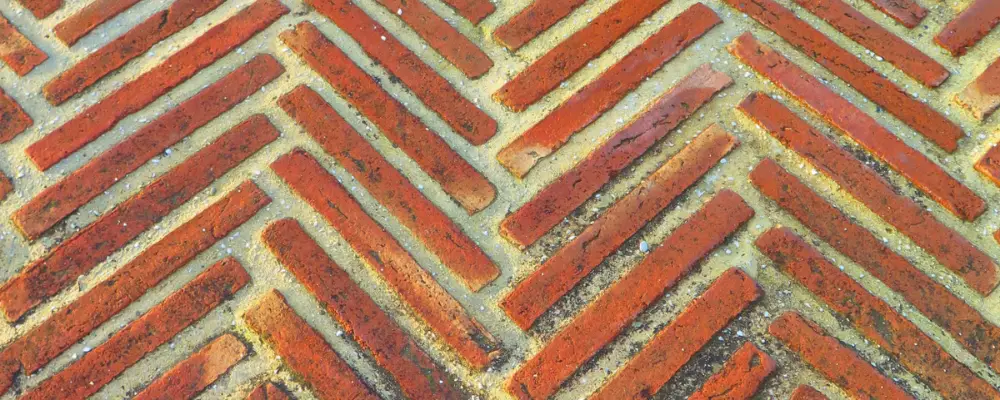
The herringbone bond is an ornamental brick pattern used in brick paving and flooring. It involves placing the bricks at a 45-degree angle in the horizontal direction, expressing the zigzag pattern or v-shaped design. Depending on the design, the herringbone bond can be laid vertically or horizontally. Large areas can be covered quickly but may involve a lot of cutting.

During the Tudor era, this type of herringbone bond could be used for ornamental work. The patterns must be held in vertical and horizontal directions and kept truly level and plumb. To measure the depth of the wall or structure, a plumb refers to a line or feature that is perfectly vertical. This type of pattern can go a long way.

How to Lay a Herringbone Bond?

When you are going to lay the herringbond pattern brickwork, make sure to keep the pattern level and plumb. This can be done by maintaining straight lines in all directions. Small panels can be built from the centre, and for long and narrow areas, the setting can begin from the bottom.

Using a pinch rod, ensure that the surrounding brickwork is built to the proper height, level, and plumb while maintaining a constant opening width. To place the first bricks, mark the centre with 45°, vertical, and horizontal lines. To ensure accuracy, dry-lay the bricks; any errors made now will become apparent later. To maintain track, number the bricks as you cut them to shape.

Make sure the first course of bricks is in place by positioning them with a gauge rod. Using an adjustable level or line level, lay the herringbone pattern at a 45° angle.

Use a string line for precision, and make sure a level line controls the top of each course. Mark the final row with a chalk line, lay it out temporarily, and then gently cut. Make sure the mortar is uniform to prevent discolouration and to enable the bricks to fit tightly. Bricks should not be knocked down because this could upset the pattern, particularly if the brickwork is inclined.

Application of Herringbone Bond

Because of its sophisticated, V-shaped design, which gives outdoor spaces visual depth and texture, the herringbone bond is a great option for patios. When used to create sidewalks, patios, and other high-traffic areas, this pattern adds durability and style.

In this context, the herringbone bond has several important uses, including:

Visual Appeal: Patios and walkways are enhanced by the dynamic V-shape pattern, which adds a feeling of fluidity and sophistication.

Design Flexibility: Herringbone patterns are adaptable to any outdoor aesthetic since they may be made with different brick sizes and colours to blend in with the surrounding landscape and home design.

Timelessness: With its historical origins, this timeless design enhances both traditional and contemporary settings.

Endurance for High-Traffic Areas: The herringbone pattern’s capacity to tolerate high foot traffic and drain effectively, avoiding water buildup, makes it useful for patios, driveways, and pathways.

Simple Customisation: The pattern can be combined with decorative borders or flower beds to create a welcoming, unique outdoor area.

Advantages of Herring Bone Bond

  • Herringbone bond provides eye-catching designs that give more options for decorative style.
  • The different layers of herringbone bond from 0.3 mm to 0.7 mm, making it suitable for home and business uses.
  • Herringbone bond is waterproof and slip-resistant.
  • Herringbone bonds are available in a variety of colours and designs that can be used for various purposes.
  • It is best for low-maintenance and economical.
  • They are scratch-resistant.
  • The easy installation process includes a click-lock installation system.
  • Its thickness offers good sound insulation properties and a comfortable walking surface.

Disadvantages of Herring Bone Bond

  • While the click-lock method makes installation easier, novices may find it challenging to achieve the exact alignment and angles required for the herringbone pattern.
  • Particularly when using heavy furniture or sharp objects, the herringbone bond is susceptible to dents and scratches. Frequent cleaning and maintenance can help to maintain these bond-made structures.
  • If herringbone bonds are exposed to sunlight, they may fade easily. To avoid this, use window covers or UV-resistant coatings.
  • Herringbone bond can degrade gradually in high-traffic areas, eventually developing visible patches. Its appearance can be prolonged with regular care.

Maintenance and Care for Herringbone Structures

The exact alignment and angles required for the herringbone pattern might be difficult for beginners, despite the click-lock system’s ease of installation. When using heavy furniture or sharp objects, the herringbone bond may develop scratches. Regular mopping, sweeping, cleaning, and maintenance can help manage these structures.

Flooring may eventually fade if exposed to direct sunlight for an extended period of time. This risk can be decreased by adding window coverings or UV-resistant coatings. Patching is a common issue, particularly in high-traffic areas where uneven wear can happen. 

Conclusion

Considering the time and effort required to install herringbone initially, its resilience makes it a long-lasting option that reduces the need for periodic replacements or repairs. The surface may be kept in excellent condition with regular washing and resealing, making maintenance comparatively simple. The herringbone bond is still a common option because of its timeless usefulness as well as its visual appeal. This timeless design is proof of the timeless attractiveness of classical craftsmanship, whether it is utilised in residential or commercial settings.

FAQ’s

1. What is the Herringbone bond in construction called?

Herringbone bond is an ornamental brick pattern used in brick paving and flooring. It involves placing the bricks at a 45-degree angle in the horizontal direction, expressing a zigzag pattern or v-shaped design. Depending on the design, the herringbone bond can be laid vertically or horizontally. 

2.What are the uses of the Herringbone bond?

The herringbone bond can be used in outdoor spaces for visual depth and texture; it is a great option for patios. It can be used to create sidewalks, patios, and other high-traffic areas that add durability and style.

Fourth Class Bricks – Properties, Uses & Limitations

0
Fourth Class Bricks

Bricks are an indispensable part of both commercial and residential construction. They are popularly known for their excellent strength, workability, and fire-resistant properties. It is commonly made of clay or fly ash. Bricks are commonly used in many construction works by applying mortar on them and arranging them in a desired shape.

The properties and durability of the brick depend on the materials or resources used in it. Based on the quality, they are categorised into four different types, including first-class bricks, second-class bricks, fourth-class bricks. and third-class bricks

The manufacturing process of each type is different. However, fourth-class bricks are among the least ideal choices. In this article, you will discuss their properties, characteristics, and quality standards.

What are Fourth Class Bricks?

Fourth-class bricks are either overburnt or underburnt. ​They are characterised by very low quality and are not suitable for construction.​ They may cause distortions, cracks, or any other costly defects in the structure. Overburnt bricks are dark in colour with irregular shapes and are easily breakable. They are crushed and used as aggregates for PCC works in roads, foundations, floors, etc.

Characteristics of Fourth Class Bricks

Generally, fourth-class bricks are very low-quality bricks that are unsuitable for any construction works. They can be characterised by the following:

  • They are either overburnt or underburnt, possessing a weak and brittle structure.
  • These bricks can cause distortions, visible cracks, and other imperfections that can result in poor structural integrity.
  • They have a low porosity and absorption, while they are quite strong in compressive strength, which is typically above 150 g/cm². But still, this strength is lower than the high-quality bricks.
  • They are available in the form of lumps and seem irregular in shape and size.
  • Due to their high water absorption capacity, they lead to issues like reduced durability and efflorescence.

Properties of Fourth Class Bricks

Here are properties associated with fourth-class bricks:

  • Fourth-class bricks are rough and misshapen due to uneven burning.
  • Compared to high-quality bricks, they have very low density and strength.
  • Their compressive strength is significantly low, which makes it unsuitable for load-bearing applications.
  • Due to their poor durability, fourth-class bricks are subjected to weathering and erosion within a short period of time.
  • As mentioned earlier, they have very little porosity, allowing water to enter the cracks and cause severe damage.
  • Fourth-class bricks possess low fire resistance capacity and can easily catch fire.
  • It has lower thermal insulation properties and is less energy efficient.

Advantages of Fourth Class Bricks

Fourth class bricks don’t have adequate strength to use directly in the construction, but they can be used as an aggregate in foundations, floors, and road construction.

Cost-Effective: Fourth-class bricks are brittle and can break easily. So, it is available at a cheaper price when compared to higher-quality bricks. It can be a preferable option for certain non-structural applications.

Used as an Aggregate: The bricks are crushed and repurposed as aggregates in concrete. It can be efficient in road construction and foundations. Repurposing can reduce wastage and conserve natural resources.

Non-Structural Applications: Overburnt or underburnt bricks are easily susceptible to damage, and they can’t be used in regular construction works. However, they can be crushed and mixed with concrete to use it for non-load-bearing applications like leveling ground, filling gaps, or foundations for minor structures.

Disadvantages of Fourth Class Bricks

Of course, fourth-class bricks are a cost-effective option but contain certain significant disadvantages, including:

  • Overburnt or underburnt bricks are not suitable for construction, leading to significant variations in the quality and strength of the structure.
  • They are unsuitable for carrying heavy loads and weight.
  • High water absorption weakens the structure and leads to various issues, such as reduced durability, mold growth, and affects the aesthetic appeal of the overall building.
  • They are available in irregular shapes and sizes, which makes it difficult to arrange and obtain the desired result.
  • Highly prone to damage from freeze-thaw cycles, weathering, and erosion.

Quality Standards for Fourth Class Bricks

Before coming to usage, bricks need to meet certain quality standards defined by organisations like the Bureau of Indian Standards (BIS). It focuses on various aspects, including size, shape, colour, texture, water absorption, and compressive strength.

Unfortunately, fourth-class bricks often fail to meet these standards, making them unsuitable for regular construction purposes. They may be suggested for non-load-bearing applications, temporary structures, and other minimal foundations where cost is a primary concern. However, it is essential to ensure that their usage should be based on specific project requirements and conditions.

Manufacturing Process of Fourth Class Bricks

The manufacturing process of fourth class bricks is is similar to that of high-quality bricks. However, due to suboptimal burning conditions and less stringent quality control, they are unsuitable for use in construction work. Here’s a general manufacturing process of bricks:

Clay Extraction & Preparation: In general, clay is extracted from quarries or pits and then mixed with water to form a workable clay mixture.

Molding: The clay mixture is molded into brick shape either by hand or mechanically.

Drying: To drain out the excess moisture content, the molded bricks are kept for sun drying or artificially in drying chambers.

Burning: Burning is a crucial step, which determines the actual quality of a brick. When the process is less controlled, leading to overburnt or underburnt, we name them as fourth class bricks.

Cooling and Sorting: Cooling is the final process, once the bricks are sufficiently burned. However, the fourth class bricks don’t meet the qualities of high-standard bricks, and it may cause cracks or other defects in the construction.

How to Identify Fourth Class Bricks

Fourth-class bricks can be easily identified with the following ways:

  • They are dark in colour and irregular in shape.
  • Such bricks are easily brittle and breakable.
  • They are not water resistant.
  • Fourth class bricks have distortions, cracks, and other defects, which are easily visible and notable.

Final Wordings

When it comes to construction work, only high-quality bricks are considered high-priority. This is to ensure the strength, durability, and workability of the structure. However, when reusing the fourth-class bricks, we can reduce wastage and save resources. In this blog, you may have understood where low-quality bricks can be used efficiently.

Red Bricks: Types, Properties, Manufacturing Process, Advantages & Disadvantages

0
Red Bricks

One cannot imagine a construction sector without the use of bricks. People have been using bricks for thousands of years to construct versatile buildings. Their durability and compressive strength make them apt for construction and civil engineering projects. In earlier days, the brick forms used were unburnt and dried naturally using sunlight. This factor reduces their overall strength and is not widely used in modern construction and civil engineering. While we have many types of bricks suitable for various construction plans, this article gives a brief description of red brick. Red bricks are one of the oldest and most traditional construction materials that can be found in practice.

What are Red Bricks?

This type of brick is fired in a kiln or dried in the sun. Like other types, they appear to be rectangular blocks. Their hard and dense strength has made them preferable over other materials for centuries as a structural building material. In many cases, the strength produced by these bricks negates the need for reinforcement supports on roofs and floors. This traditional brick is mainly made of natural clay. They not only provide durability but also offer classic aesthetic appeal.

Types of Red Bricks

While bricks themselves can be divided into various types, the manufacturing method employed in the creation of red bricks classifies them into several kinds. The classification based on the manufacturing of red bricks is,

  • Unburnt or Sun-dried Bricks: This type of red brick is formed by exposing the moulded clay to the heat from the sunlight. This natural exposure to the sunlight does not provide the necessary strength to be used in a permanent structure. Their lower durability makes them suitable for temporary structures.
  • Burnt Clay Bricks: Unlike sun-dried bricks, burnt clay bricks are made in a kiln inside the factory. In recent times, these bricks have been preferred by many construction projects. While they are good in quality, they have their shortcomings. These burnt clay bricks can be further classified into four different types of red bricks. They are,
  • First Class Bricks: These bricks are manufactured from good-quality plastic earth that is free from saline deposits. The moulded clay is burnt in large kilns. They are well-known for their standardised size and colour uniformity. Some unique features of first-class bricks are straight edges and even surfaces, free from cracks, chips, flaws, and lime nodules, less water absorption, and greater strength.
  • Second Class Brick: The ground moulded clays are burnt in kilns. While they conform to the standard size of first-class brick, they differ in shape and colour. They are not free from cracks, and their edges are not sharp and uniform as in the case of first-class brick.
  • Third Class Bricks: Unlike the above two, this type is not fully burnt. This gives a reddish-yellow colour to the brick. While they have rough surfaces, distorted edges, and less strength, their high-water absorption capability makes this one among several choices of bricks.
  • Fourth Class Bricks: This type is notorious for its poor quality. Considering their poor-quality characteristics, they are crushed and used as aggregate after over-burning. This leaves them in a state that is fragile and makes them preferred less often as a main element of buildings.

Properties of Red Bricks

  • In terms of material composition, natural clay is moulded and fired at high temperatures, and the presence of iron oxide in the clay turns the clay red.
  • The red bricks’ compressive strength ranges between 3.5 to 35 MPa. This makes them suitable for load-bearing. Their durability allows them to withstand harsh weather conditions.
  • Thermal insulation provides good maintenance of indoor temperatures. The density of the red bricks resists noise transmission, contributing to acoustic comfort.
  • It can absorb about 15-20% of their weight. The non-combustible property makes them ideal for use in fireplaces.

Advantages of Red Bricks

  • The prevalence and usage of red bricks lasting through generations speak about the durability and longevity they possess.
  • The thermal comfort provided by insulating the house reduces warmth in the summer and coldness in the winter.
  • Their aesthetic versatility makes them suitable for both traditional and modern designs.
  • Durability reduces the need for replacement very often, decreasing the overall cost in the long run.
  • As they are made of natural clay, they can be recycled, a step towards eco-friendliness.

Disadvantages of Red Bricks

  • In comparison to concrete blocks or lightweight blocks, their heavy weight poses challenges for the contractor in transporting and handling the bricks.
  • Even though water absorption is a positive sign, there is always a likelihood of efflorescence which occurs when white salt will deposit if not treated properly.
  • The labour-intensive work causes time consumption, increasing the possibility of delays in project completion.
  • Temperature fluctuations may cause cracking in some instances.

Manufacturing Process of Red Bricks

  • As the first step, the natural clay is extracted. Impurities attached to the raw clay are cleaned. Crushing and grinding are necessary to attain a fine texture. To achieve the desired moulding, water is added to the clay.
  • Either hand moulding or machine moulding can be used to give the clay a constant size and shape to the bricks. In some cases, wires are used to cut them in uniform shapes.
  • Prepared bricks are dried in controlled chambers to expedite the process. This helps in reducing moisture content and preventing cracks.
  • The dried bricks are then heated in a kiln. They undergo a series of procedures such as water smoking, dehydration, and vitrification.
  • Following all these steps, the prepared brick is cooled slowly to room temperature and the bricks are sorted and packed for transport and storage.

Conclusion

Red bricks have been, and continue to be, a common construction material, which is quite durable, beautiful and environmentally friendly. Although it is the inherent raw material and the way these are produced that makes them unique, there are drawbacks such as their weight and the risks of efflorescence. Knowing their merits and demerits, builders can incorporate them in specific construction works in a prudent manner that integrates the traditional aesthetics with the modern construction technology.