Home Blog Page 20

Tan Brown Granite – Features, Benefits & Applications

0
Tan Brown Granite

When choosing granite for your residential or commercial buildings, there are a plethora of options available in the market. Granites differ in their characteristics, properties, design, appearance, and applications. Tan Brown Granite is widely preferred among that wide range of granites due to its versatility and benefits. Here, we take a look at what Tan Brown Granite is and everything you need to know about it.

What is Tan Brown Granite?

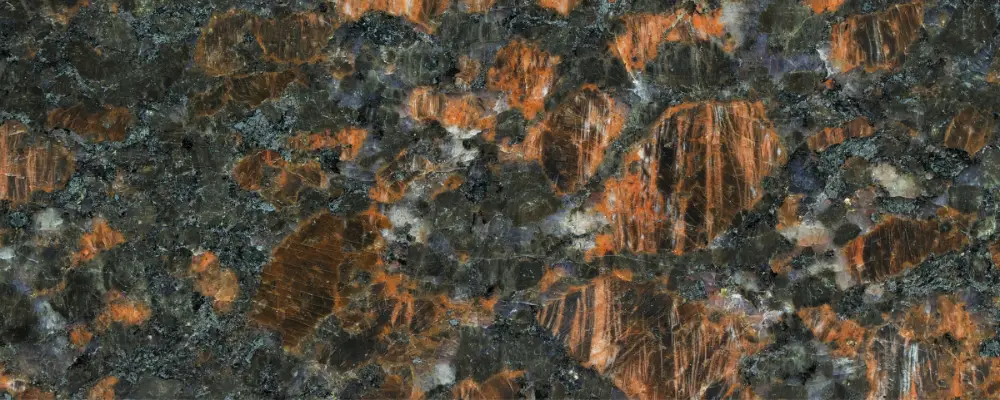
Tan Brown Granite is a premium and unique stone known for its warm and earthy tones. This granite intertwines deep brown surfaces with black, grey, and reddish-brown tones. It is sourced from the quarries of Telangana, India. This granite has become a preferred choice due to its vast colour variations, durability, wide uses, and aesthetic looks.

Properties of Tan Brown Granite?

Colour Variations

As the name suggests, the Tan Brown Granite is characterised by its warm, earthy tan and brown colours. The stone also showcases a captivating array of colours across its surface. The surface is also intertwined with speckles and flecks of black and grey, which gives a sparkling texture, adding depth and detail to the room spaces.

Durability

Although aesthetically pleasing, this granite doesn’t compromise on durability. It can resist day-to-day rigours such as scratches, stains, and heat, making it ideal for kitchen countertops.

Texture

These granites have many surface textures, including a leathered texture, flamed texture, brushed texture, polished texture, matte (or honed) texture, and lapatura texture.

  • The polished finish brings the stone’s natural shine and lustre.
  • The honed finish provides a more restrained texture.
  • The flamed finish is resistant and is applied to the outer surfaces.

Heat resistance

Tan Brown Granite has heat resistance properties, allowing it to withstand all heat generated in the kitchen. Placing the hot pots and pans directly on the countertop. It is also used in the surroundings of fireplaces due to its high heat resistance.

Density

Tan Brown Granite bricks are tightly packed and have a high density of 2.65 to 2.75 g/cm³, making it one of the toughest rock materials.

Compressive & Flexural Strength

These granites have high compressive and flexural strength. They have a compressive strength of 181.83 N/mm² and a flexural strength of 7.34 N/mm². Due to their high strength, they can bear all kinds of everyday loads.

Water Absorption

These granites are densely packed with no pore gaps. Thus, it do not allow water to damage the granite surface. They have a low water absorption rate of not more than 0.11%. The low water absorption rate makes it suitable for bathrooms and other water-prone areas.

Application of Tan Brown Granite

Countertops

Countertops

Tam Brown Granites are most commonly used as a kitchen countertop and staircases. The deep, earthy tones provide the aesthetic look when combined with light and dark cabinets. These granites are also heat and stain-resistant, requiring less maintenance and remaining appealing for a long time.

Bathroom Vanities

Bathroom Vanities

These granites are an excellent choice for bathroom vanities. The shade provides a warm and inviting atmosphere, and its resistance to water and stains makes it an ideal component in wet areas. 

Fireplace Surroundings

Due to the high resistance against fire, they can be used in the surroundings of fireplaces. It also boosts the looks of fireplaces.

Flooring

These granites are an excellent choice for flooring in both residential and commercial buildings. Their high durability and compressive strength help them withstand live loads acting over the floor. They provide elegant looks and elevate the aesthetics of the space.

Outdoor Spaces

The durable properties of the Tan Brown Granite make it suitable for outdoor spaces such as pathways, patios and exterior cladding. The high durability, heat, and water resistance allow it to withstand all weather conditions.

Installation of Tan Brown Granite

Tan Brown Granites are most commonly used for kitchen countertops, and here is the step-by-step installation process of the granite in kitchen countertops.

  • Measure the countertop space and create a detailed plan by marking the position of the granite slabs.
  • Remove the existing countertops and disconnect the plumbing fixtures for safe installation.
  • Clear the area where the countertop needs to be placed and do repairs if necessary.
  • Install the support brackets along the base cabinets and ensure that they are securely attached to the supports.
  • Cut the Tan Brown Granite according to the measurements using a saw with a drydiamond blade, following the safety guidelines.
  • Dry fit the Tan Brown Granite onto the base cabinets and make necessary adjustments for a precise installation.
  • If the dry fit of the granite is satisfactory, remove the slab and apply a thin layer of silicone caulk to the top edges of the base cabinets.
  • Carefully place the granite slab on the silicone caulk and press it down firmly to ensure a strong bond.
  • Use levelling shims to check the alignment if the countertop has several pieces.
  • Granite sealer should be applied to the surface of the Tan Brown Granite to prevent the surface from spills and stains.
  • Reconnect the plumbing fixtures and appliances to the countertops and check for leaks.
  • After installations, trim the edges of the countertops to protect the edges from chipping.

Care and Maintenance of Tan Brown Granite

Tan Brown Granite needs regular cleaning and maintenance. Here are some maintenance tips for keeping your Tan Brown Granite new for a long time.

  • Use a pH-neutral cleaner to ensure proper sealing and cleaning of the debris on the surface.
  • Reseal the surface of the granite if it becomes dry and begins to peel off.
  • Use the fortified stone polish periodically to maintain the sealer adhering to the surface of the granite.

Conclusion

Tan Brown Granite provides a blend of elegance and durability. The variable colours throughout the surface give the space an aesthetic look. This is one of the toughest natural stones, and it is hard to break or sustain any damage. It is spill and stain-proof and easy to maintain. All these make it a preferable granite in the market for both residential and commercial purposes.
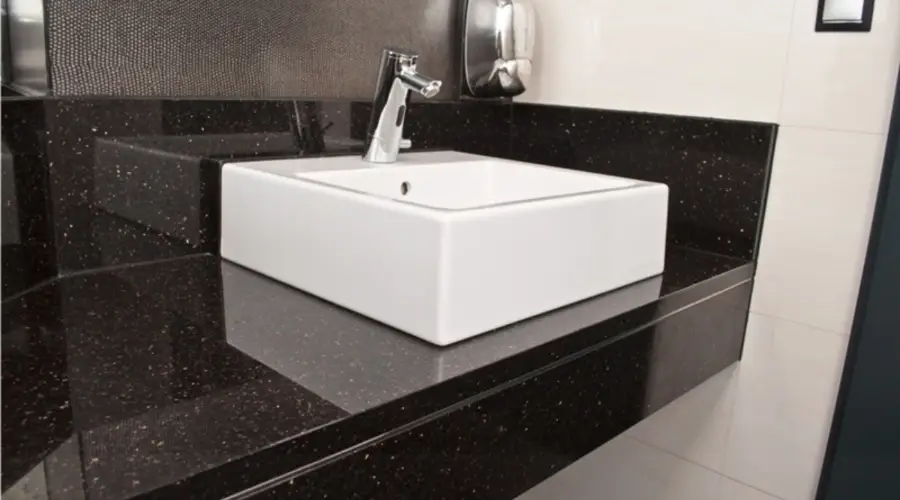
Black Galaxy Granite – Features, Grades & Applications

0
Black Galaxy Granite

Granite is a coarse-grained intrusive igneous rock that composes of quartz, feldspar, and plagioclase. The granites give aesthetic characteristics to the building and have become one of the preferred choices in the construction industry. There are numerous granite options available in the market; however, the Black Galaxy Granite stands out due to its sophisticated looks and vast range of benefits. Here we take a look at what Black Galaxy Granite is, its properties, applications, and everything you need to know.

What is Black Galaxy Granite?

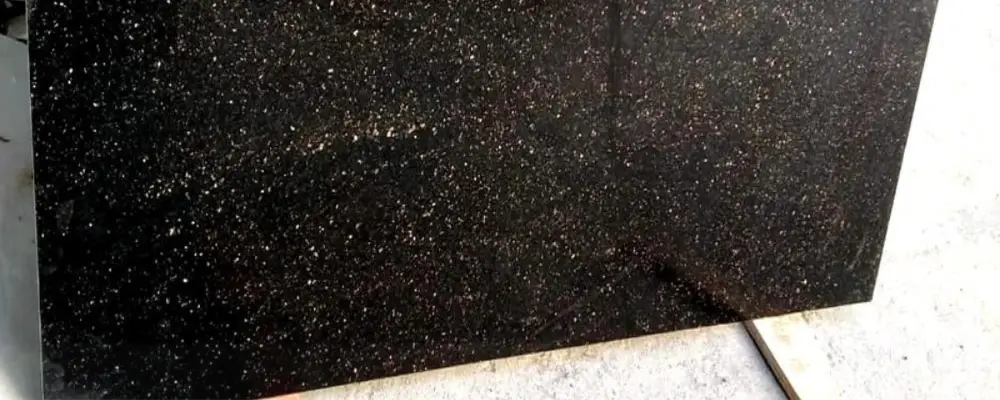
Black Galaxy Granite is a natural black granite stone composed of Notire/Gabbro rock. It is known for its luxurious and glossy black surface with golden bronzite specks, mimicking a galaxy effect. This granite is primarily originated from Andhra Pradesh, India, and has been used since the early 1980s. It became widely popular for itscontemporary, distinctive, fashionable appearance and extraordinary physical properties. The durable properties make the granite withstand varied weather conditions, both when applied indoors and outdoors.

Characteristics of Black Galaxy Granite

Colour

The Black Galaxy Granite is predominantly black, with metallic gold or white/silver specks.

Size

This granite is used both as a slab and tile, and its sizes vary accordingly. The nominal size of the Black Granite Slab is around 120” x 70” (305 cm x 180 cm). The standard sizes of the Black Galaxy Granite Tiles are (12” x 12”), (18” x 18”), and (24” x 24”).

Appearance

The black background with golden and silver specks gives an attractive galaxy look. The surface appearance of the granite is glossy (polished), matte (honed), and textured (leathered) finish.

Density

Black Galaxy Granite is packed tight and has high density. The density of this granite typically ranges from 2.95 to 3.07 g/cm³.

Hardness

The Black Galaxy Granite is hard, as it measures 6.5 to 7 on the Mohs scale. This makes it one of the hardest natural stones, as it can resist almost all kinds of scratches, chips, and cracks.

Compressive & Flexural Strength

The Black Galaxy Granite has high compressive and flexural strength. It has a compressive strength of 290-320 MPa (Mega Pascals) and a flexural strength of 20-25 MPa (Mega Pascals). The high strength helps the granite to withstand loads.

Porosity & Water Absorption

The Black Galaxy Granite is dense, tightly packed, and has very low pore gaps. This results in a low water absorption rate of 0.05% to 0.2%.

Grades of Black Galaxy Granite

The Black Galaxy Granites are classified into four grades depending on the flecks, lines, size, and distribution. Following is the detailed breakthrough of the different grades of black galaxy granite.

Premium & Premium+ Grades

The Black Galaxy Granite of Premium & Premium+ grades have larger and evenly distributed flecks, few to no veins and unmatched clarity and uniformity. This grade of granite is known as “popcorn galaxy” and is suitable for high-end projects.

Semi-Premium

The semi-premium Black Galaxy Granite is slightly lower grade than the premium. It has small, invisible black veins; however, after polishing, it becomes unnoticeable. This grade of granite is a popular choice for a clear finish.

Standard Quality

The Black Galaxy Granite of Standard Quality grade has one or two visible black lines, and the fleck distribution has slight variations. This grade of granite is used for vast applications. They are suitable for kitchen countertops, flooring, and wall cladding.

Commercial Quality

This grade of granite has multiple lines and non-uniform fleckings. However, it is affordable without compromising the visual appeal. The Black Galaxy Granite of this grade is suitable for large commercial projects.

Pros & Cons of Black Galaxy Granite

Pros

  • It is one of the hardest natural stones, and it resists almost all types of scratches, chips, and cracks, making it durable and long-lasting.
  • The black surface with golden and silver flecks resembles the galaxy. The polished appearance of these makes it one of the most aesthetically pleasing options in the market.
  • It is easy to clean and requires very minimal maintenance. Normal cleaning with soapy water is enough to keep the surface looking new.
  • It is highly resistant to heat, making it ideal for kitchen countertops.
  • This granite is also resistant to stains and spills, as normal wiping or mopping is enough to clean the surface.
  • Installing Black Galaxy Granite increases the aesthetic value of your home, as it is a sought-after feature among buyers.

Cons

  • The Black Galaxy Granite catches fingerprints and dust. Although it is easy to clean, people with hectic schedules might find cleaning and maintaining it frequently difficult.
  • The black colour of the granite countertop, gives a gloomy feel to the space. Therefore, it is important to strategically plan for lighting.
  • The cost of black granite countertops with white flecks is slightly more expensive compared to other available granite options.

Applications of Black Galaxy Granite

bathrooms and other water-prone areas.
  • The density, polished finish, and resistance to stains make Black Galaxy Granite an ideal component for kitchen countertops.
  • Using the Black Galaxy Granite is ideal for flooring and wall cladding in commercial spaces and upscale residences. It gives striking looks and improves the room’s elegance.
  • Black Galaxy Granite has high water resistance and can be used in bathrooms and other water-prone areas.
  • It has good resistance against fire. The heat resistance properties make it suitable for use in fireplaces. 
  • These granites are often used in staircases and outdoor paving, which give a sophisticated look to buildings.

Conclusion

Black Galaxy Granite is a gem of a natural stone that offers a blend of elegance, luxury and boldness. It provides numerous benefits and sophisticated looks, making it an ideal choice for both residential and commercial structures. It is a great fit for kitchen countertops, bathroom vanities, flooring, wall cladding, fireplaces and exterior pavements. Although it is slightly expensive than other types of granite, the aesthetic appeal and minimal maintenance make it a widely preferred choice.

Kashmir White Granite – Features, Uses & Care Tips

0
Kashmir White Granite

An igneous rock is used in various applications for outdoor and indoor construction projects. One of the natural stones that are commonly used in our spaces is Kashmir White granite. It is the most preferred variation that is very popular among new arrivals. Similar to the majority of granites, Kashmir White has some unique qualities that make it stand out. We will go into great detail on Kashmir White’s unique characteristics in this post and touch on its composition and appearance. However, the properties of Kashmir White and how to take good care of it will be the main focus.

What is Kashmir White Granite?

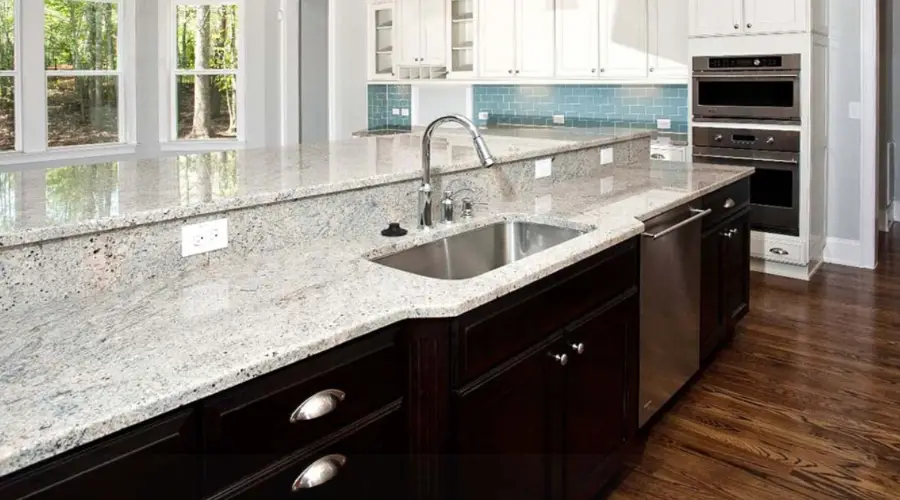
A gorgeous and well-liked variety of this granite is distinguished by its classic and refined look. Originally from India, this granite has a unique, calm appearance due to its smooth white backdrop with subtle grey, beige, and light blue particles. Its neutral colour scheme makes it an excellent option for many different surface spaces, including bathroom vanities, kitchen countertops, and other places where durability and aesthetics are crucial. 

Kashmir White is highly valued for its ability to blend in with a variety of design types, including modern and classic, and is renowned for its durability, ease of upkeep, and resistance to scratches. When creating a modern kitchen or bringing cosiness to a traditional space, Kashmir White granite offers an elegant and long-lasting look. 

Composition

The primary minerals that make Kashmir White Granite are feldspar and quartz. With sporadic burgundy and dark brown flecks, it usually has a mixture of grey, white, and black minerals. Depending on the quarry it comes from, this granite’s precise composition may differ slightly. 

Properties of Kashmir White Granite 

Properties of Kashmir White Granite

Kashmir White Granite from India is frequently regarded as commercial-quality granite. It has its unique properties and benefits as follows:

  • The tiny pores in Kashmir White Granite make it naturally prone to absorbing liquids. This means that if the surface is not sufficiently sealed, substances like water, oil, or stains may seep through and result in damage or discolouration. To avoid this, a high-quality sealer must be used, especially on surfaces like kitchen countertops or work tables that are routinely spilt on. 
  • Kashmir White Granite appears more consistent than other granite varieties. A uniform appearance throughout various pieces or installations is made easier by the moderate and less noticeable variations in patterns or colour tones, even though there may still be some.
  • Kashmir White Granite slabs are ideal for small kitchens since they are neither too large nor too small. Furthermore, the light tone of the granite helps reflect more light, which enhances the overall appearance by creating a feeling of openness and space in small areas.

Applications of Kashmir White Granite

Perfect for Small Kitchens

Versatile Use: 

Kashmir White Granite is a multifaceted material used for flooring, wall cladding, kitchen countertops, and tabletops, making it ideal for both large and industrial projects.

Perfect for Small Kitchens: 

Because of its light hue, which reflects more light and contributes to the feeling of space, it is particularly well-liked in smaller kitchens. Its affordability further increases its allure for projects with tight budgets.

Numerous Finishes: 

This granite comes in slabs and tiles and can be river-washed for a rough appearance, flamed for a textured surface, honed for a smooth matte finish, or gloss-polished for a shiny appearance.

Pros of Kashmir White Granite

  • Toughness and resistance against scratches.

Natural granite, such as Kashmir White, has a high degree of firmness. This makes it exceptionally scratch-resistant, even when used frequently in areas such as kitchen countertops. Its resilience makes it more resistant to wear and tear than many other hard surface materials. 

  • Resistance to Heat

Kashmir White granite is perfect for kitchens due to its excellent heat resistance. Unlike synthetic stones, it can sustain high temperatures without burning, discolouration, or structural failure. This feature boosts the material’s utility and durability as a countertop. 

  • Individuality

Since Kashmir White Granite is a naturally occurring stone, every slab has a different pattern and colour. Slabs vary from one another, even within identical types. Each installation has a unique and customised look because of this inherent diversity. Due to these variations, it is advised that you choose the slab yourself to make sure it complements your style.

Cons of Kashmir White Granite

  • Permeable Nature:

Rapidly absorbs liquids; thus, it needs to be sealed frequently to avoid damage and discolouration.

  • Variation in Colour:

It may differ greatly amongst quarries, making it difficult to keep big projects looking the same.

  • Slab sizes on average:

Because slabs aren’t very big, larger countertops or projects may need additional seams.

  • Requirement for Maintenance:

To preserve its longevity and look, it requires routine cleaning and resealing.

  • Brittleness throughout installation:

It requires qualified personnel because it is prone to cracking if not handled or placed carefully.

  • Limited Supply:

Since it is a natural stone, supply may vary, which could have an impact on price and availability.

How to Install Kashmir White Granite Slab?

Countertops made of Kashmir White Granite are installed similarly to other stone materials. A good installation depends on using the appropriate equipment, such as ceramic blades and adhesives. The Marble Institute of America advises using methods like “riding” the surface for increased strength.

To prevent stains, the countertops could require an initial sealing after installation. Granite is naturally porous, so using a high-quality sealer is essential to ensuring stain resistance and longevity. For them to remain in good condition over time, regular care is also necessary.

Maintenance and Care of Kashmir White Granite Slab

Using cleansers made especially for natural stone is crucial to maintaining the surfaces of your Kashmir White granite. Choose a pH-neutral cleaner that effectively removes dirt and debris without damaging the stone’s sealer, as regular home cleaners can harm it.

For everyday maintenance, remove stains, smudges, and food residue with a natural stone cleaner. Sometimes, if liquids seep through the stone because of a worn-out sealer, you could need a stain remover. Although the purpose of these cleaners is to remove stains, maintaining the sealer reduces the need for them.

Keeping clean is simple to maintain with regular sealing and cleaning. When the surface exhibits symptoms of requiring moisture replenishment, reseal it and use a pH-neutral cleaning solution on a regular basis.

How to Choose the Right Kashmir White Granite Slab?

Both homeowners and interior designers favour Kashmir White Granite because of its adaptive appearance and consistent excellence. Because of its elegant style and muted colours, which complement a variety of architectural and interior design themes, it may be utilised in modern, contemporary, or historic settings. Its adaptability has cemented its status as a versatile and stylish option for a variety of design requirements.

In addition to its widespread appeal in local markets, Kashmir White Granite is now renowned globally for its ability to blend design and utility. It is a popular option for homes and businesses all over the world because of its long lifespan, affordability, and capacity to enhance light. It will always be a popular material for wall cladding, flooring, and kitchen countertops in all nations and industries due to its adaptability and classic elegance.  

Conclusion

Finally, without the use of colour boosters, this kind of granite can be gloss polished, honed, leather/satin, river-washed/antique, thermal/flamed, brushed, and sandblasted. To prevent residue buildup from over-sealing, it is recommended to test with a small sample to ensure proper sealing. Consistency is ensured for commercial projects by using blocks from the same quarry face. Completed goods are transported in containers after being safely packed in wooden crates.

FAQ’s

1. Does Kashmir White Granite make sense?

Yes, Kashmir White Granite’s longevity, classic beauty, and adaptability make it a great option. It is well-known for its sophisticated look, durability to heat and scratches, and suitability for high-traffic areas like kitchen countertops and floors. Its light hue makes areas feel brighter, especially smaller ones, and its distinctive patterns give any design a unique character.

2. Which hues can be found in Kashmir White Granite?

The background of Kashmir White Granite is light grey or off-white, with faint swirls of black, beige, and darker grey minerals. It has a refined, classic appearance because of its delicate patterns and gentle, neutral hues, which makes it a popular option for a variety of design applications.

Backfilling – Materials, Methods & Importance in Construction

0
Backfilling - Materials, Methods & Importance in Construction

Building a strong, stable, and durable foundation is necessary for any construction project. Most of them focus on the types of materials and the building techniques used in the structure; the backfilling process is often overlooked. Backfilling plays a major role in construction, and it offers numerous advantages to the structure. Here we take a detailed look at what is backfilling in construction and how it is done.

What is Backfilling?

Backfilling is the refilling of the excavated area around the foundation or structure with the necessary backfilling material. It is an important construction process that ensures a structures’ strength, stability, and durability. Despite supporting the foundation, it helps to prevent settling, erosion, and other structural problems.

Types of Backfilling Materials

Types of Backfilling Materials

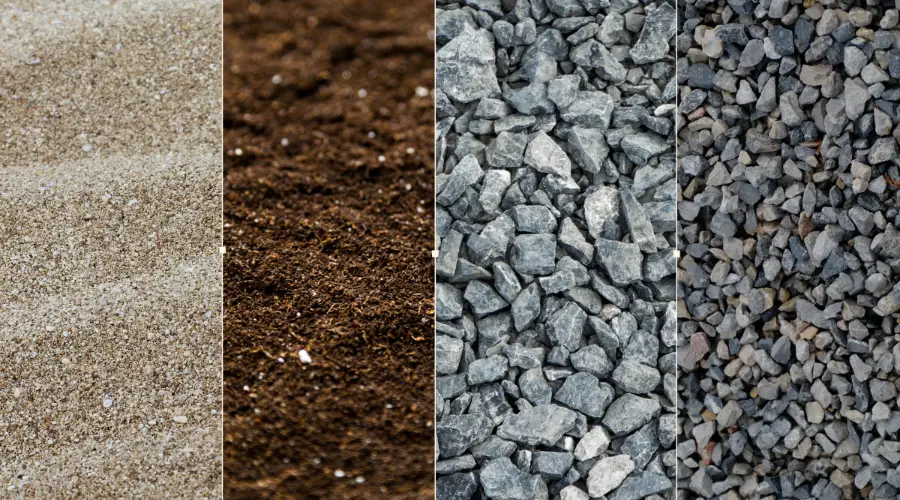
Soil

The soil excavated around the foundation can be refilled to provide good compaction and adequate support. In other cases, the soil from quarries can be used as filling material. Different types of soil, such as sandy soil, clay soil, and loamy soil can be used. It is not advisable to use black soil as the filling material, as it has an expansion property that is not suitable for construction. 

Sand

Sand, sourced from lakes and rivers can be used for backfilling. However, the chosen sand should be free from dust, organic matters and impurities. The sand should not contain clay or silt soil more than 5%.

Gravel

Gravels that consist of small and rounded stones of various sizes can be used for backfill. It has excellent drainage properties and can be used for drainage systems, foundations and retaining walls to provide good stability and support.

Crushed Stone

Crushed stones that are used for roads and railways can be used for backfilling. The large stones can be crushed into small pieces and can be used for better compaction, distributing heavy loads, and high stability.

Fly Ash

Fly ash is a by-product of burning coal, which can be obtained from thermal power plants. It can be used in places where other backfill materials are rare. It is lightweight and has good compression properties, making it one of the preferred backfill materials.

Purposes of Backfilling in Construction

The main purpose of backfill in construction is to reinstate the stability and structural integrity of the structure after excavation. It is used to help the foundation to balance the structural loads and prevent the structure from collapsing. Another major role of backfill is to create an effective drainage that helps prevent the foundation from potential water damage. They are also used to prevent underground utilities such as water pipelines, gas lines and electrical conduits from damage by stabilising the surroundings.

What is the Backfilling Process?

Excavation Assessment

After the foundation is laid, the excavation site is assessed to evaluate the soil conditions, depth of the excavation, environmental conditions and the appropriate backfilling methods.

Material Selection

After analysing the excavation, the right backfill material is chosen, and the necessary equipment needed for the backfill is transported to the site. The selected backfill material should possess compaction, load-bearing, load-distribution and drainage capabilities.

Cleaning & Removing Water

The backfilling area should be cleared of any organic matter. Any water deposited in the excavated area should be removed before the backfill materials are put into the excavation.

Layered Placement

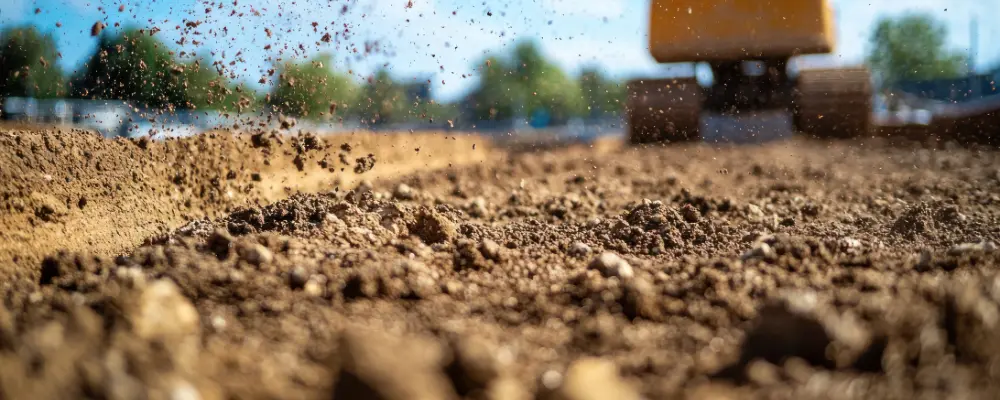
The backfill material (soil) should be placed in layers, where the layering should not be more than 20 to 30 cm in depth, which is ideal for compaction. Each layer should not exceed this depth, as they may result in poor compaction and uneven settling.

Watering

After each layer of soil is spread, water is sprinkled all over the layer until it attains adequate moisture content, suitable for compaction.

Compaction

After layering and sprinkling the water, mechanical compactors or manual rammers are used to remove voids and increase the density of the material. This is one of the important processes that helps in increasing the stability and load-bearing capacity of the structure. Repeat the process until the area is filled and compacted thoroughly.

Final Inspection & Adjustments

After filling and compacting, the backfill area is inspected, and any displacements and faults should be adjusted until the backfill is ready for the construction process.

What are the Backfilling Methods?

Compacting

It is one of the most common and important backfilling and filling methods used in the construction process. It is the process of making the backfill material dense layer by layer. Compaction equipment such as vibratory rollers, plate compactors, or tamping rammers can be used to increase the density by locking the voids.

Water Jetting

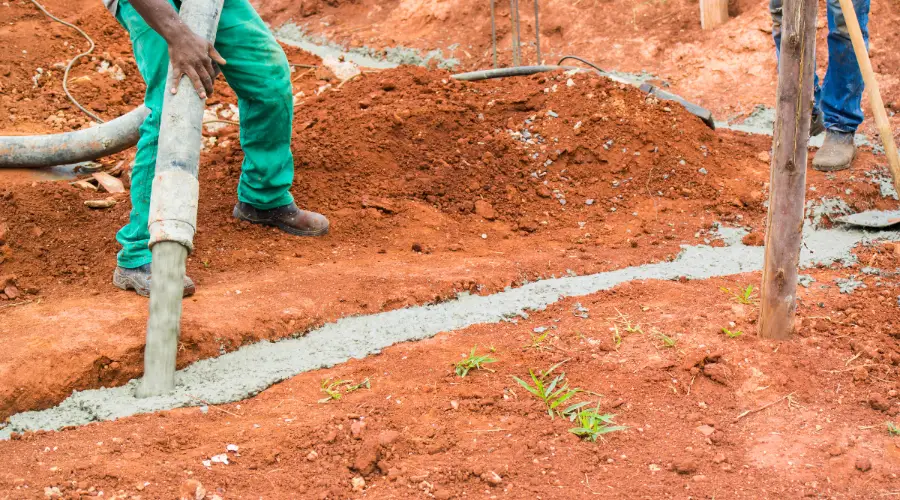
Water jetting uses the water under pressure to compact granular soils such as sand and gravel. This is ideal for places where mechanical compaction can be challenging and construction timing is crucial. Water, through a pipe or hose, is poured into the filling material under controlled pressure to fill the voids and make the soil particles settle closely. When the water drains away, the backfill becomes compact.

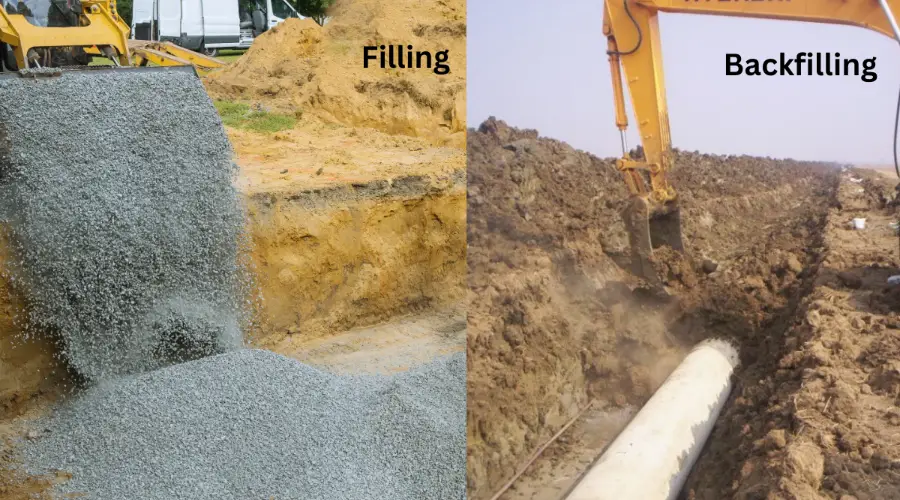
Filling

filling

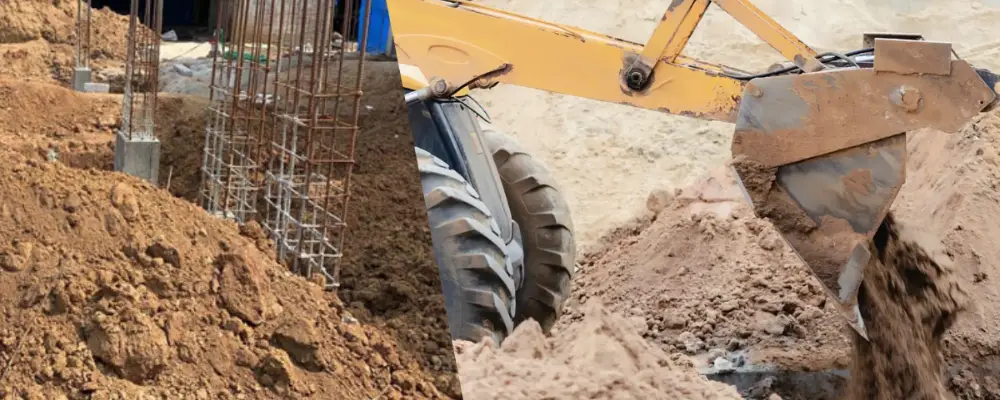
It is the process where the backfill material is placed into the excavation using excavators, bulldozers, or conveyors. The materials are added layer by layer to ensure that they are distributed evenly and compacted according to the structural requirements.

Dumping

It is the process of dumping the soil directly into the excavation to the required volume. Trucks or conveyors are used, and this process allows rapid settling after spreading the material into the excavation.

Conclusion

Backfilling is an important phase in the construction process, especially for the building foundations. Using the right backfill materials and proper compaction at the right time is crucial to achieving strength, stability, and durability. Backfill prevents the structure from settling, collapsing, and other structural problems. Proper backfilling can also help reduce the repair cost and ensure safety. Considering all, the backfilling process needs to be prioritised and carried out under expert supervision, which is mandatory to keep the structure stable for a long period of time.

Hollow Cement Bricks – Types, Benefits & Applications

0
Hollow Cement Bricks

Concrete bricks are one of the most widely popular and highly used building materials. Their physical properties and versatile uses make people choose concrete bricks over other brick types. There are two types of concrete bricks- solid and hollow, where hollow bricks are a game changer in the construction field. Here we take a look at what is hollow cement bricks are and everything you need to know about them.

What is Hollow Cement Brick?

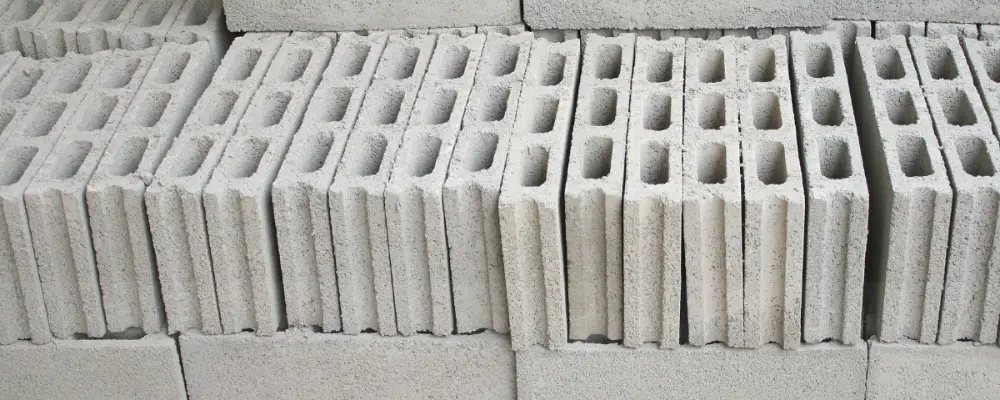
A hollow concrete block is a concrete brick with hollow spaces within the structure. It is used for numerous construction purposes and is made with a combination of cement, sand, and other additive materials. Hollow concrete blocks offer a wide range of advantages and come  in various options.

Application of Hollow Cement Bricks

  • These bricks are most commonly used for both load-bearing and non-load-bearing walls in residential, commercial, & industrial buildings.
  • These bricks, when filled with concrete and reinforced steel bars (RCC) in the pores of the block, can be used in retaining walls.
  • They can be used for the construction of boundary walls in residential and industrial buildings.
  • By adding different colours, patterns, and textures, the hollow blocks can be used as cladding facades.
  • They provide good thermal insulation; thus, they are suitable for all types of weather conditions when used as an external wall.
  • They are known for their load-bearing capacity and water resistance, making them suitable for low-level or underground structures.
  • They incorporate architectural elements and can be used for garden walls, planter boxes, steps, and other internal and external decorative spaces.

Physical Properties of Hollow Cement Blocks

Density

The density of the hollow concrete blocks varies based on the grades of the bricks. Grade A bricks have more than 1500 kg/m³, Grade B bricks have below 1500 kg/m³ and Grade C bricks have around 1000 kg/m³.

Compressive Strength

The minimum compressive strength of the hollow cement bricks varies from 3.5 N/mm² to 15 N/mm². The strength of the bricks varies depending on the grade, where high-grade bricks have high compressive strength, while low-grade bricks have lower compressive strength.

Water Absorption

Hollow concrete blocks have a low water absorption rate of not more than 10%. This makes them ideal for water-prone areas and underground structures.

Dry Shrinkage

The dry shrinkage of the hollow block is too low, which is not higher than 0.06%.

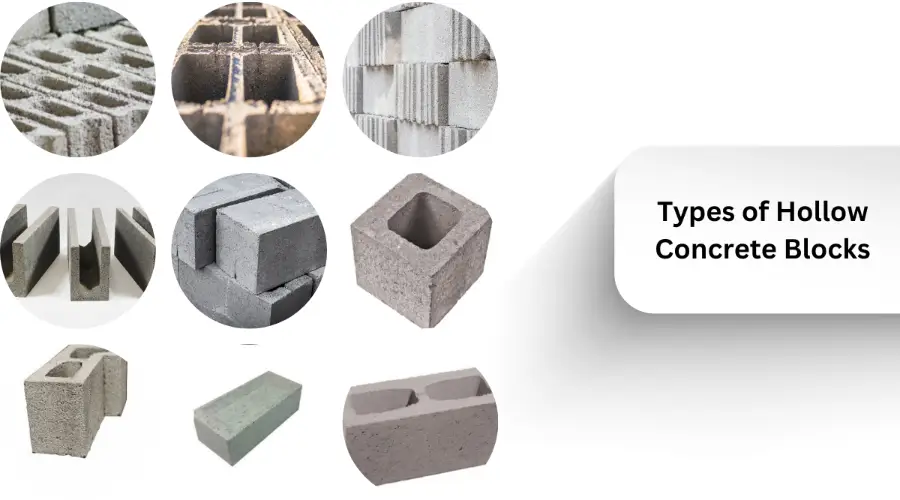
Types of Hollow Concrete Blocks

Types of Hollow Concrete Blocks

Stretcher Block

These blocks are laid along the length parallel to the face of the wall and are used to join the corners in the masonry.

Pillar Block

It is a double-corner block used when both the ends of the corner are visible. They are widely used for the construction of piers or pillars.

Lintel Block

It is used for the top portion of the doors and windows that bear a top load. They are laid along the length of the block, and the grooves are filled with reinforced concrete. Since they are used for the provision of beams, they are also called beam blocks.

Jamb Block

These bricks are used to connect the stretcher and corner blocks and are essential where elaborate window openings are required.

Column Block

This is a square block that comes with a single hole. They are stacked one over the other, and the holes are filled with reinforcements to form a column.

Corner Block

These blocks are generally placed at the corners or the ends of windows and door openings in the exposed exterior walls. They are laid along the length of the block and run parallel to the wall.

Partition Block

These blocks are generally used to build partition walls and other non-load-bearing walls. They have a larger height than breadth, making them ideal for partition walls of less thickness.

Frogged Brick Block

This block contains a frog on top of the brick, where the header and stretcher have an excavated part. The frog in the block helps to hold mortar and to provides a strong bond with the overlying block.

Bull Nose Block

This block is similar to a corner block; however, one side of the block has rounded edges at corners like a bullnose, thus called a bullnose brick.

Advantages & Disadvantages of Hollow Cement Bricks

Advantages

  • These bricks are lightweight and easy to handle, reducing the use of skilled labourers and eventually lowering the labour cost.
  • It is easy and fast to construct, reducing the overall construction time.
  • They can be used for both load-bearing and non-load-bearing walls of the building.
  • They have high thermal and sound insulation properties.
  • They are highly durable, and adequate curing increases the compressive strength of the block.
  • They need low maintenance.
  • They have a low water absorption ratio and can be employed in ground-level structures in water-prone areas.
  • Reinforced concrete and steel bars are easy to hold within the voids.
  • They are eco-friendly bricks that consume less energy and use fly ash as a raw material.

Disadvantages

  • These blocks are expensive when compared to clay bricks.
  • They are not as strong as solid concrete bricks, and their load-bearing capacity is limited.
  • They may not be suitable for construction projects in seismic areas.
  • They are more susceptible to water damage and cracking.

Manufacturing Process of Hollow Cement Bricks

Proportioning

Raw materials such as cement, sand, aggregates, and additional fillers are chosen according to the proportion and the quality of raw materials. According to Indian Standards (IS), the cement-sand ratio should be 6:1 in terms of volume.

Mixing

The cement, sand and fly ash (commonly used aggregate) are blended using mechanical mixtures until they attain the consistency needed to be molded.

Molding & Compacting

The concrete mixture is transferred to the required mold and compacted to fill air pockets and eliminate excess water in the concrete.  The compaction is done under adequate pressure to get the right shape.

Curing

The molded and compacted bricks are kept idle in a shelter away from the sun or wind for 24 hours. The bricks are then cured under moisture for 21 days in a curing yard to achieve maximum strength.

Drying

After curing, the hollow blocks are left to dry gradually using the drying machines or manually under the shade.

Conclusion

Hollow concrete bricks are eco-friendly construction materials that don’t consume excess energy and are free from carbon emissions. These bricks come in various shapes and colours and are suitable for diverse construction processes. They help in rapid construction and are easy to lay. They provide numerous advantages to construction, thus making them one of the most preferable construction materials, effectively replacing traditional bricks.

Types of Constructions – Methods, Uses & Building Categories

0

Buildings are considered an important part of human life. They provide shelter, safety, comfort, storage of belongings, and privacy to work and live. According to the project’s requirements, the construction methods may vary. Buildings are not only made for sheltering or work; they can also serve various industries. So each building serves its unique purpose and can be used for many things. In this article, we are going to explore different kinds of constructions and their building methods in brief.

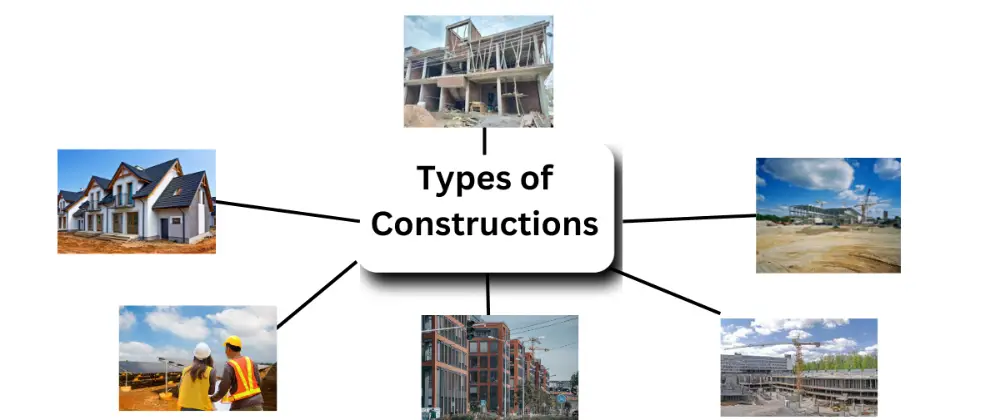
Types of Constructions

Each construction project has its own set of requirements and specific goals to be met. Constructions can be built according to the needs of the project owner, whether it is residential, commercial, or a monumental infrastructure. Knowing these categories helps you make better decisions and provides insight into the sector.  

Residential Construction

A residential construction is a place that provides separate residences for each family to lead their life along with their family members. It includes a bedroom, kitchen, bathroom, and living areas to make their life come under one roof. People may stay safe and create a community where they can live. For example, apartments or condominiums. It comes into the following general categories:

  • Single-family homes are independent residences for a single family, frequently with a private garden and no shared walls. The measurements and planning of each project may differ according to the client’s wish.
  • A multi-unit residential building may consist of condos, duplexes, flats, and townhouses. These buildings are perfect for metropolitan settings or community-style living because they house several families under one roof.
  • Custom-built homes are designed and constructed following the wishes of the client, enabling a completely customised ideal residence.
  • Manufactured homes are inexpensive, easily assembled, and delivered to their location. The low-cost manufactured homes are mobile and modular.

Commercial Construction

Commercial constructions are designed for business and commercial purposes. Restaurants, office buildings, retail stores, and hotels are considered commercial. Builders can create space to support these structures for their functions and various business activities. Typically, commercial construction projects are financed by loans and private investment and are larger than residential ones. Additionally, the building sites are larger, and specialised equipment is frequently needed for these projects.
Industrial Construction

The manufacturing and production of items or materials can be done in industries. This type of construction involves specified methods to install highly specialised machinery for its various functions. This can be built efficiently by specialised experts in the construction field. The two major types of industrial construction are as follows:

Distribution and Warehouse: These structures hold and move commodities. Large garage doors, semi-trailer parking areas, and loading docks are among the features.

Manufacturing: Equipment used in the mining, shipbuilding, and oil industries is housed in manufacturing facilities. They have extensive ventilation systems to eliminate fumes, air or water lines for machinery, and a three-phase power supply for heavy machinery. Storage tanks and floor drains are also included in these facilities.

Infrastructure Construction

This category includes structures that serve humans for a variety of purposes. Infrastructure projects that can be helpful for the people, such as bridges, roads, dams, tunnels and water and sewage systems. These structures are tremendous in supporting transportation, water conservation, and proper sewage management. These are the ultimate things that support the lives of ordinary people.

Institutional Construction

Institutional constructions are critical in the development of public and private buildings. Schools, colleges, hospitals, government banks, and other religious buildings come under this category. It includes different functions, safety measures, and accessibility for the users.

Environmental Construction

Projects that defend the surrounding atmosphere come under this category. Establishing environmentally friendly building structures promotes the ecosystem and balances the living things around it. Several works like waste management facilities, pollution control systems, and environmental cleaning processes may enhance the living standard of the people and the life cycle of other living things in the environment.

Retail/ Wholesale Construction

Retail construction is used for planning, designing, and construction of retail or wholesale activities. These construction projects help sell goods at the built structures. This project helps in constructing spaces that support business activities like buying or selling goods, storage of materials, logistics services, etc.

Mixed-Use Development

Different types of land that can be used for the construction of urban projects or any other real estate projects come under this category. To create a diverse environment, they can integrate residential, commercial, or industrial projects into a single project or development area. This approach to building structures can promote the livelihood of the people living in the surrounding area.

5 Types of Building Construction

The size, shape, and construction techniques of buildings are referred to as building construction types. These types emphasise safety and fire resistance. Every type has distinct qualities that make it appropriate for particular uses. Selecting the best one for a job is made easier when you understand them.

The following are the five primary categories of building construction:

Type 1 Construction: Fire Resistive

Construction: Fire Resistive

Materials like concrete and steel are used to build structures with high fire-resistant properties to withstand high temperatures. This type of building includes sprinkler systems and emergency exits. When a fire occurs in the structures, it will provide some time for the occupants to evacuate the building. 

Type 2 Construction: Non-Combustible

 Construction: Non-Combustible

The ultimate goal of this construction type is to build materials that are not combustible. The materials used to construct Type 2 buildings include concrete, drywall, and metal. Although they are less fire-resistant and could have height restrictions, they are more robust, long-lasting, and reasonably priced than Type 1 structures. They frequently have sprinkler systems, fire alarms, and fire-resistant walls and doors to improve safety.

Type 3 Construction: Ordinary

Construction: Ordinary

Type 3 building uses brick or masonry for the outer walls, which are fireproof, and wood for the interior to save money. Compared to Types 1 and 2, this design is less expensive and quicker to construct because it strikes a balance between price and durability. Nevertheless, it is less fireproof, particularly inside, and might weaken over time. 

To prevent a fire from spreading throughout the building, division and fire-rated walls are frequently constructed. Because of their design’s versatility for alterations and upgrades, these structures are commonly employed for urban developments. They are still a popular option because of their affordability and simplicity of construction, even with their drawbacks.

Type 4 Construction: Heavy Timber

Construction: Heavy Timber

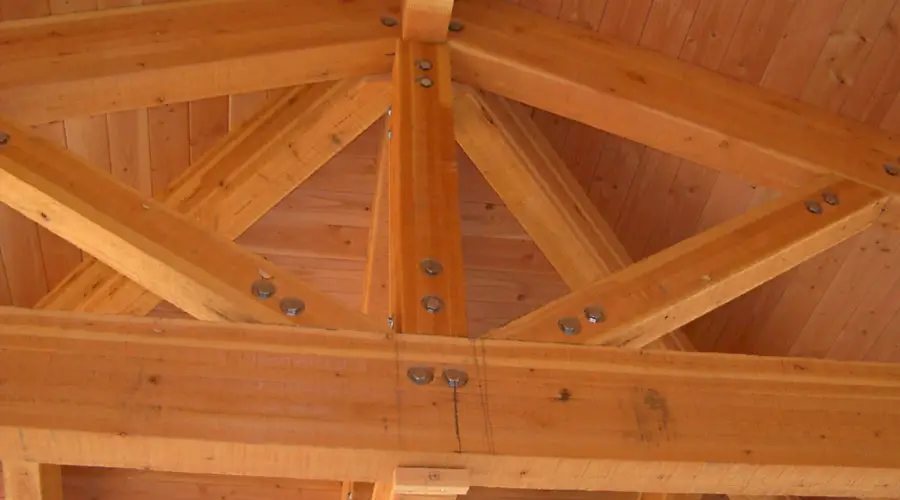
Although Type 4 construction is wood-based, it offers good fire resistance because it uses huge, slowly burning timber beams and columns. Non-flammable materials like concrete or brick are frequently used to construct outer walls. Often found in factories, farmhouses, and churches, these structures are sturdy, reasonably priced, and feature high ceilings and a rustic charm. They need to be well maintained to prevent water damage, are less fire-resistant than some varieties, and require the use of particular wood sizes referred to as “heavy timber.”

Type 5 Construction: Wood Frame

Construction: Wood Frame

Type 5 construction is a straightforward, reasonably priced, and appreciated option for homes and small structures since it uses wooden boards for the walls, floors, and roof. It is quick to construct and simple to expand or change. It is sensitive to water, insects, and high winds, and it is the least fire-resistant of all the types. Fire-resistant materials are frequently put between apartments or adjacent homes to increase safety.

Conclusion

Any structure that satisfies the requirements and can fulfil the primary function of providing shelter, regardless of size, is considered construction. India uses a variety of construction techniques, each with unique advantages and difficulties. The nation’s diverse needs are met by options such as load-bearing, steel frame, prefabrication, wood construction, reinforced concrete, brick and mortar, and green building. Several variables, including project size, budget, environmental considerations, and regional preferences, affect the method chosen. India’s building sector is set for revolutionary transformations that will combine traditional and contemporary methods as technology and sustainability gain prominence.

FAQ’s

1. How are construction projects divided into four types?

The following are the four categories of construction projects:
Constructing residences and apartment buildings.
Constructing malls, stores, and offices.
Constructing public amenities, roads, and bridges( infrastructure).
Building warehouses and factories.

2. What are the 5 different types of building construction?

The five main categories of building constructions are ordinary, heavy timber, wood-frame, non-combustible, and fire-resistant. 

3. Mention the difference between commercial and industrial construction types.

Commercial and industrial construction are often misunderstood as the same. Whereas industrial construction consists of factories, power plants, and chemical plants, commercial development consists of office buildings, shops, restaurants, and hotels.

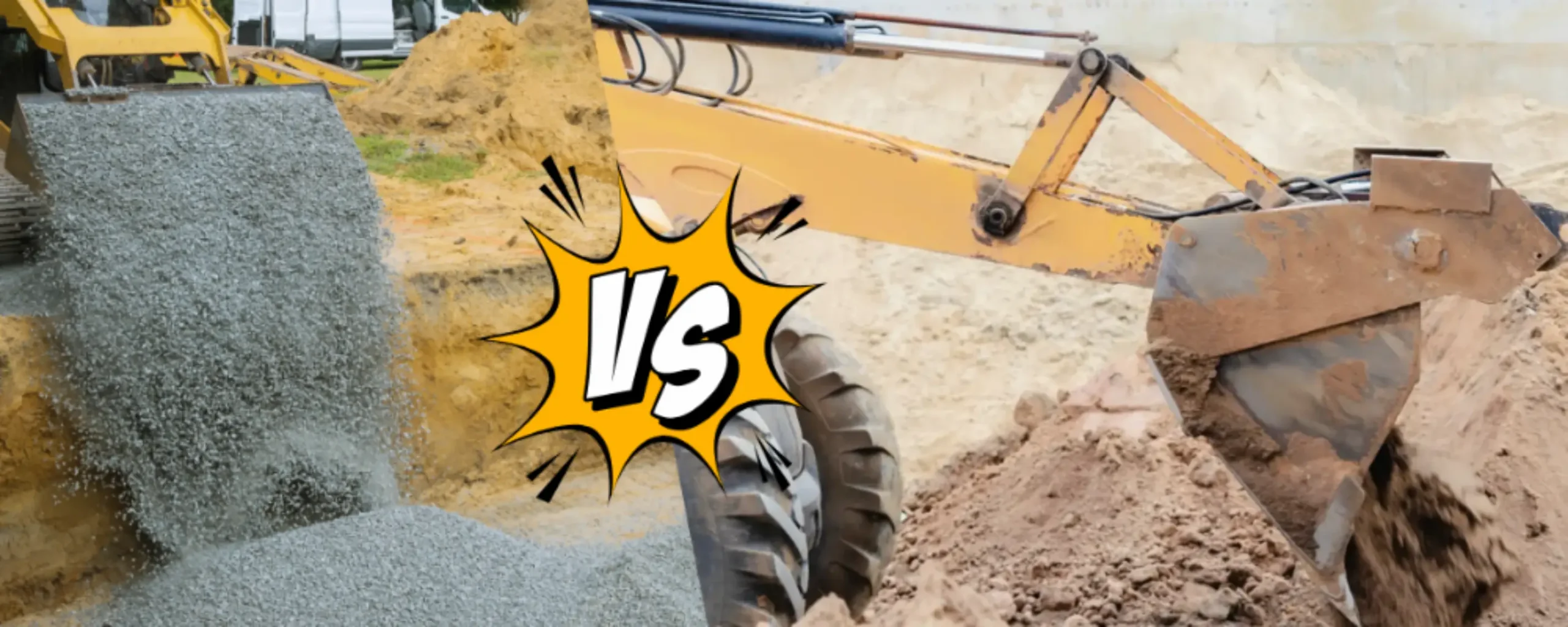
What is the Difference Between Filling and Backfilling?

0

Filling and Backfilling are two of the most important processes in the construction field. Although both terms sound similar, they have many differences regarding the type of filling, materials used, purpose, applications and more. In this blog, we will look at the differences between filling and backfilling in construction.

What is Filling in Construction?

Filling is the process of adding new materials to an excavation or low area to level the ground surface. It plays a major role in site preparation for construction, ensuring a stable and level base.

What is Backfilling in Construction?

What is Backfilling in Construction?

Backfilling is the process of refilling the soil (or earth) in the excavated areas around the foundation. The backfilling is done in layers and compacted to achieve a high soil density, which is suitable for supporting the foundation in terms of stability and strength and distributing the loads uniformly.

Key Differences Between Filling and Backfilling

Purpose

FillingBackfilling
The main purpose of filling is to fill the low areas at the construction site and grade them to create a flat and stable surface suitable for construction.It is also used to fill the external materials into the trenches and holes near the foundations and trenches of the building.The filling throughout the construction phase to stabilise the low levels.The main purpose of backfill is to refill the foundation’s excavated areas to reinstate the building’s stability and structural integrity.It also provides effective drainage and prevents the foundation from potential water damage.The backfilling is done at the end of the construction project to fill the void areas around the structure.

Application

Key Differences Between Filling and Backfilling
FillingBackfilling
They are widely used for projects that need levelled surfaces for construction.It is used for the construction of smooth, flat and solid roadbeds.It can be used in canal buildings to regulate the water channel.The filling can also elevate buildings constructed below road or water levels to ensure safety and stability.Backfills are used to refill the excavated areas of the foundation to reinstate stability and strength.They can also be used to fill trenches and plinth areas.Backfilling provides effective drainage and holds pipelines in position to prevent water damage.

Materials Used

FillingBackfilling
Soil is the most preferred filling material for low-ground surfaces. Clay soil, sand soil, and gravel are different types of sand used as filling material.Other than soil, aggregates such as crushed stones, gravel and recycled concrete are used.Soil excavated from the construction site is the primary backfilling material used. However, external sands such as sand, clay and loamy soils are used for backfilling.Other than soil, sand, gravel, crushed stones and fly ash are used for backfilling.

Types of Filling

There are three types of filling processes in construction: conventional compacted fill, hydraulic fill, and uncontrolled fill.

  • Conventional compacted fill is filling the soil in layers and compacting them at a specified thickness (similar to backfilling).
  • Hydraulic fill is the process of depositing the sand through pipelines and compacting using excess water.
  • Uncontrolled fill is the process of filling the materials without adequate compaction.

Types of Backfilling

There are three types of backfilling processes in construction: compacting, water jetting, and dumping.

  • Compacting is backfilling the soil layer by layer and compacting using vibratory rollers and rammers.
  • Water jetting is backfilling the materials using excess water under pressure.
  • Dumping is the process of dumping the soil directly into the excavation in large volumes using trucks and conveyors.

Advantages & Disadvantages of Filling

Advantages

  • It creates a smooth and flat surface and prepares the ground for construction.
  • Improves drainage in the site, preventing the structure from flooding and other damages.
  • Prevents erosion around the foundations.
  • It helps in improving the durability of the structure.
  • It helps create berms and roadfills and protects the site from traffic & erosion.

Disadvantages

  • Fills that are not properly compacted can cause uneven surfaces on the site, which could lead to structural issues.
  • Filling and levelling require skilled labourers and expensive equipment.
  • If a large portion of the soil is cut for filling, it could lead to erosion.
  • Improper cutting, filling and compaction processes could increase the risk of landslides.

Advantages & Disadvantages of Backfilling

Advantages

  • It provides stability and improves the structural integrity of the structure.
  • It supports the foundation by uniformly distributing the loads.
  • It helps promote better drainage and prevents the foundation from potential water damage.
  • The backfill is cost-efficient and does not require skilled labourers.

Disadvantages

  • Improper backfilling could lead to structural damage and washing of sands.
  • It can be time-consuming.
  • Poor compaction methods could lead to poor load distribution and collapse.
  • Excess water in the excavated area could wash away the backfill materials.

Conclusion

Filling and Backfilling are two important construction processes that play a major role in improving the stability and strength of the building. Fill plays a major role in levelling the site and making it suitable for construction, whereas backfill helps hold the foundations and distribute the loads. We hope that the above information has cleared your doubts on filling and backfilling in construction.

Soil Stabilisation: Meaning, Types, Techniques, and Importance in Construction

0
Soil Stabilisation

Soil stabilisation is a fundamental engineering process that improves soil properties for construction and environmental sustainability. By modifying soil characteristics, stabilisation enhances strength, durability, and load-bearing capacity, providing a reliable foundation for infrastructure such as roads, buildings and dams. Various soil stabilisation methods are adjusted to specific soil types and project requirements. This blog explores the meaning, types, and techniques of soil stabilisation and its importance in modern construction and engineering.

What is Soil Stabilisation? 

Soil stabilisation improves soil quality by increasing its load-bearing capacity, durability, and resistance to weather and environmental conditions. This is achieved by changing the soil’s structure, either mechanically or chemically, to meet the requirements of construction projects. Stabilisation is required when natural soil conditions are inadequate to support infrastructure; it is usually applied in locations with weak or problematic soils that may otherwise lead to instability or structural issues. 

The primary objectives of soil stabilisation are: 

  • Enhancing soil strength and compaction.
  • Reducing permeability and water sensitivity.
  • Minimising shrink-swell properties in expansive soils.
  • Increasing load-bearing capacity.

By taking care of these properties, soil stabilisation creates a solid foundation supporting the longevity and safety of constructed structures. 

Types of Soil Stabilisation 

There are several types of soil stabilisation, each suitable for different soil types and engineering needs. Let us have a detailed look at the four soil stabilisation types.

1. Mechanical Stabilisation

Mechanical stabilisation involves physical alteration of the soil structure to increase density and improve load-bearing capacity. It is used in granular soils, such as sandy or gravelly, which respond well to mechanical methods. It is used in road construction, where a firm, even surface is needed for vehicle traffic. Mechanical stabilisation methods include: 

  • Compaction: Compacting soil using rollers or other machinery to reduce void spaces and increase density.
  • Blending with aggregates: Mix soil with aggregates like sand, gravel, or crushed stone to create a more stable, load-bearing material.

2. Chemical Stabilisation of Soil 

Chemical stabilisation of soil involves adding chemical compounds to the soil to improve its properties. This method is effective for fine-grained soils, such as clay, which have high plasticity and poor stability. Common chemicals used are:

  • Lime: Lime stabilisation is highly effective in clayey soils, reducing plasticity and shrink-swell potential by initiating a pozzolanic reaction, which binds soil particles together. 
  • Cement: Soil cement stabilisation uses Portland cement, which chemically bonds with soil particles to create a rigid structure. This method significantly increases the soil’s strength and reduces permeability, making it ideal for roads and foundations. 
  • Fly Ash: Often combined with lime or cement, fly ash is a byproduct of coal combustion. It helps to stabilise soil by reducing its plasticity and increasing strength, especially in high-plasticity soils.  
  • Bitumen: Bituminous stabilisation includes adding bitumen to the soil to make it water-resistant and reduce susceptibility to erosion. This technique is commonly applied in pavement and road construction to maintain stable layers beneath asphalt.  

3. Biological Stabilisation

Biological stabilisation uses vegetation and plant roots to stabilise soil. Roots of plants bind soil particles together, reducing erosion and preventing landslides. This method works well for slope protection and erosion control. Vegetation also has environmental benefits, supporting biodiversity and improving soil health. Biological stabilisation often combines with other soil improvement techniques to provide natural, sustainable reinforcement. 

4. Geotextile Stabilisation

Geotextile stabilisation uses geosynthetic materials to reinforce and separate soil layers. Geotextiles are synthetic fabrics placed within soil layers to improve drainage, control erosion, and prevent soil movement. Geotextile stabilisation is widely used in projects where additional soil strength and durability are needed, such as highways, slopes, and retaining walls. Types of geotextiles are:

Woven Geotextiles: These are used to reinforce soil and are highly durable, making them suitable for load-bearing applications. 

Non-Woven Geotextiles: These are used for filtration and separation, often in road construction and water management systems. 

Methods of Soil Stabilisation 

Various soil stabilisation methods are used in construction and engineering, depending on soil type, environmental conditions, and project requirements. Key methods are: 

1. Lime Stabilisation 

Lime stabilisation adds quicklime or hydrated lime to clayey soils to improve stability. The lime reacts chemically with soil, reducing its plasticity and moisture content, making it easier to compact. This method is commonly used in road construction, embankments, and other large-scale infrastructure construction projects where clay soils are present.

2. Soil Cement Stabilisation

Soil cement stabilisation is achieved by mixing Portland cement with soil. This method forms a durable, rigid material that can withstand heavy loads and prevent erosion. Cement stabilisation works well in areas that require a strong, stable foundation, such as airfields, parking lots, and industrial sites. The process includes blending cement with soil, followed by compaction and curing to ensure a strong bond. 

3. Fly Ash Stabilisation 

Fly ash, a byproduct of coal combustion, is used to stabilise soil by enhancing its load-bearing capacity. Fly ash fills in the gaps in soil, decreasing the risk of shrinkage and increasing stability. Fly ash stabilisation is effective for high-plasticity soils and can be combined with lime or cement to improve results. This method is widely used in road construction, embankments, and land reclamation projects. 

4. Bituminous Stabilisation 

Bituminous stabilisation adds bitumen or asphalt to the soil to reduce water absorption and improve stability. Bitumen creates a waterproof layer, making this method suitable for projects exposed to moisture, like pavements and roadways. Bituminous stabilisation provides a stable base layer for asphalt or concrete surfaces, improving durability and longevity.  

5. Mechanical Compaction 

Mechanical compaction is one of the simplest soil stabilisation methods. It involves compressing soil layers to reduce air spaces and increase density, which improves load-bearing capacity. Compaction equipment like rollers, tampers, and vibratory plates are used to achieve the desired level of compaction. Mechanical compaction is commonly used in the initial stages of construction for roads, foundations, and embankments.  

6. Soil Nailing 

A technique called soil nailing is applied to slopes and retaining walls where soil sliding is a possibility. This method includes driving steel rods or nails into the soil to reinforce its structure, increasing its shear strength. To provide additional support, soil nailing is used in excavations, landslide prevention, and steep slope stabilisation. 

Importance of Soil Stabilisation

Soil stabilisation is essential in construction and environmental engineering for several reasons:

Improved Load-Bearing Capacity 

By enhancing soil strength and compactness, stabilisation increases the load-bearing capacity, allowing it to support heavy structures without sinking or shifting. Roads, buildings, and other structures built on stabilised soil have greater structural integrity, reducing maintenance needs over time. 

Enhanced Durability and Longevity

Soils that have been stabilised are less prone to environmental factors that might damage untreated soils, like water erosion and freeze-thaw cycles. Soil stabilisation techniques make structures more resistant to environmental wear, resulting in increased durability and extended lifespan for roads, buildings, and pavements.

Reduced Erosion and Landslides 

Methods for stabilisation, like biological and geotextile methods, help reduce soil erosion and prevent landslides in vulnerable areas like riverbanks, slopes, and coastal regions. By reinforcing soil structure and reducing susceptibility to erosion, stabilisation protects surrounding ecosystems and infrastructure.

Cost-Effectiveness

Soil stabilisation can reduce construction costs by improving the properties of existing soil, thus eliminating the need to remove and replace poor-quality soil. Additionally, stabilisation lowers maintenance costs for infrastructure by providing a more stable foundation that resists environmental degradation.

Environmental Benefits 

The construction industry can enhance sustainability and reduce its ecological impact by using methods like biological stabilisation. Vegetation-based stabilisation helps prevent soil erosion naturally, supports local flora and fauna, and contributes to long-term environmental health. 

Versatility and Adaptability 

Soil stabilisation can be used for specific project requirements and soil types, making it a versatile solution for various construction challenges. From large highways to small dams, stabilisation methods provide adaptable solutions that meet the demands of diverse engineering projects.

Conclusion 

Soil stabilisation is an important process in construction that provides a stable, durable foundation for infrastructure projects. With a range of techniques, including mechanical stabilisation, chemical stabilisation, and geotextile and biological methods, the soil can be adjusted to meet the requirements of specific construction needs. The importance of soil stabilisation extends beyond creating a stable base, it enhances structural longevity, reduces environmental impact and supports cost-effective construction. As infrastructure develops, soil stabilisation remains vital in creating safe, resilient, and sustainable methods for modern engineering projects.

Sustainable Construction Methods – Principles & Applications

0
sustainable construction methods

By working on more urban or progressive projects, the construction industry, which is rapidly expanding, aims to give people a comfortable and secure place to live. This brings us to the crucial element known as reliable construction. This method supports the construction industry in using natural resources to construct buildings in a way that doesn’t negatively impact the environment.

Using sustainable building practices lowers a project’s ecological impact, which can be either beneficial or detrimental. In addition, it can enhance health, save resources for future generations, and yield long-term financial gains. We can briefly examine the overview, fundamental ideas, techniques, applications, and advantages of sustainable construction in this article.

Overview of Sustainable Construction Methods

Application of Sustainable Construction

Reliable construction practices are essential for enhancing living standards and safeguarding the environment. In non-urban areas, people depend on natural resources, clean air, and an environment free of toxins. By implementing green building practices and cutting-edge technologies, the construction of buildings in densely populated areas seeks to lessen the environmental impact of the sector.

The construction industry has a special chance to take the lead in environmental stewardship because it is a significant resource and energy consumer. Among the primary benefits of green construction are waste reduction, water-efficient systems, energy savings, environmentally friendly materials, and better indoor air quality—all of which contribute to resource and environmental preservation. 

Key Principles of Sustainable Construction

Following measures such as the 2015 Paris Agreement and the ‘Building to Net Zero’ plan, the seven principles of eco-friendly construction were developed. By reducing the carbon footprint of the construction industry, these guidelines help to create a greener sector. Below is an explanation of each principle:

  • Sustainable Designs

Green design minimises the construction practices that affect the environment. This strategy promotes net-zero objectives and provides organisations with long-term advantages like cheaper expenses, less energy use, and less labour.

Builders can adhere to construct green building methods following guidelines of the Building Research Establishment Environmental Assessment Method (BREEAM). Businesses can prioritise the green building by implementing the following things in their projects:

  1. Energy efficiency  
  2. Conserving water
  3. Eco-friendly materials
  4. Social justice
  5. Waste reduction
  6. Durability
  • Durability

This principle refers to using solid materials and construction techniques that can withstand the test of time. The idea is to ensure that the new and existing buildings should stand persistently by minimising the maintenance and replacement of materials. Such practices support environmentally friendly building objectives by lowering waste and increasing resource efficiency. This entails the use of strong components that can withstand wear, corrosion, and weathering while effectively managing prolonged or severe use.

  • Energy Efficiency

​In India, the energy efficiency framework is primarily governed by the Energy Conservation Building Code (ECBC), which sets minimum energy performance standards for new commercial Construction and major renovations.​ The ECBC addresses key aspects of energy efficiency, including building envelope design, lighting systems, and HVAC systems to minimise heat gain, use energy-efficient lighting, and select efficient heating and ventilation. Additionally, the Shunya Labeling Programme promotes Net Zero Energy Buildings (NZEB), which generate as much energy as they consume. Collaborative efforts by the Indian Green Building Council and the Green Rating for Integrated Habitat Assessment further enhance energy-efficient building practices across the country.

  • Reduction of Waste

Implementing techniques to reduce waste encourages recycling, utilising repurposed materials, and avoiding unnecessary new development. The industry’s “demolish and rebuild” mentality often ignores the advantages of circular building, leading to the use of unsuitable materials like RAAC and generating substantial waste. 

Retrofitting, adhering to the waste management hierarchy (Reduce, Reuse, Recycle, Dispose), and utilising resources such as the Site Waste Management Plan (SWMP) can support the idea of reducing waste in construction.

  • Quality of Indoor Air

Natural ventilation has frequently been disregarded as climate control devices have grown in prominence. Design elements including solar chimneys, wind towers, ridge vents, high windows, porches, and clerestories can improve indoor air quality and ventilation, even if efficient airflow depends on specific location.

  • Conserving Water

Water is the ultimate resource for everyone; all living organisms depend on water. Preserving this life-supporting element is a duty for us. If we lower our excessive water consumption, we can save it for future generations. The effective ways to reduce the usage of water are as follows:

  • Low-flow equipment 
  • Monitoring, reporting, and enhancing water use
  • Rainwater harvesting systems
  • Effective irrigation; routine maintenance; and leak detection 
  • Materials for Sustainable Construction

Green building items are made from recycled or renewable resources and are intended for long-term use and reuse in order to reduce their negative impacts on the surrounding atmosphere. Successful sustainable building materials include carbon-storing materials, geotextiles made of natural fibres, concrete reinforced with natural fibers, and certified wood.

Sustainable Construction Materials

The components that improve the aesthetic and long-lasting appearance of structures are increasing day by day in the construction industry, including bamboo, mass wood, and creative concrete. They prioritise not to provide negative effects to the surrounding environment. 

Nowadays, builders choose to use these kinds of materials in their projects from the start of the procurement process, pressuring suppliers to demonstrate that their goods are recyclable, socially conscious, and low-impact. Due to demand from green-building certifications like LEED and Green Globes, more businesses are increasingly creating Environmental Product Declarations (EPDs). A transparent method for comparing EPDs is still required, though.

Application of Sustainable Construction

Using renewable resources and implementing strategies to enhance sustainability are the main goals of sustainable construction, including:

  • Limiting resources to cut down on waste.
  • Recycling and material separation as waste management strategies.
  • Constructing green structures.
  • Utilising adaptive reuse to repurpose historic structures.
  • Enhancing conservation on building sites (e.g., recycling, water purification, and no smoking).
  • Preserving energy.
  • Selecting recycled and ecological resources.

Benefits of Sustainable Construction

Beyond helping communities and the environment, sustainable building also enhances health. Here are a few main benefits:

Better Standard of Living: By enhancing features like lighting, air quality, temperature, and aesthetics, green buildings support the mental, emotional, and physical health of their occupants. For those residents, this enhances their quality of life and reduces stress. 

Contributes to a Cleaner Environment: Sustainable building materials lower pollution via the use of viable construction practices and renewable resources.

Economic Boost: The green building sector stimulates the economy by producing significant revenue and jobs, especially in the labour and construction industries.

Cost-Effectiveness: Energy-efficient designs in sustainable buildings reduce maintenance and operating costs, saving owners money over time.

Reduced Material Costs: Recycled biocomposites and other eco-friendly materials are often more affordable and durable than conventional non-renewable resources without sacrificing quality.  

Carbon Footprint Reduction: Since buildings account for 30% of greenhouse gas emissions, green buildings help lower these emissions. Businesses can also lessen their environmental impact by implementing sustainable practices. 

How to Make Construction Sustainable Construction?

The process of becoming sustainable in construction is slow, but the rewards are great, and as technology develops and greener options become more accessible, solutions are getting cheaper. By utilising environmentally friendly materials, such as lumber and concrete sourced ethically, developers can embrace sustainable methods.  These materials use less energy, produce less pollution, and require fewer resources. Because these materials are more resilient, structures require less maintenance and last longer. 

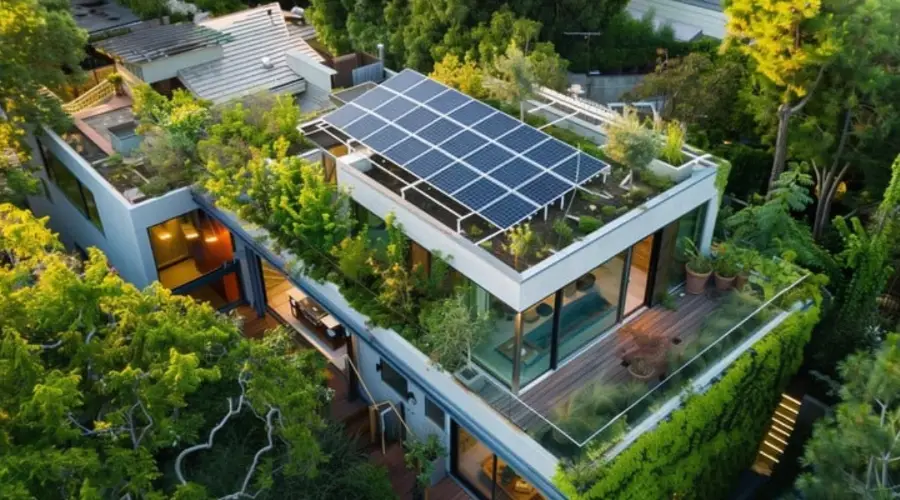
Utilising recycled plastics can help minimise waste because they are robust, long-lasting, and require less upkeep. They are resistant to insects, dampness, and rot. Moreover, it can lower energy consumption and greenhouse gas emissions. Developers can use renewable energy sources like solar, wind, and geothermal to further reduce their environmental impact. This will enhance long-term sustainability, encourage energy efficiency, and lower pollution.

Conclusion

Because of the limitations of conventional development techniques, sustainable buildings are becoming more significant. The well-being of future generations and environmental protection depend on sustainable growth. By offering additional incentives to developers, builders, and purchasers of commercial buildings that adhere to sustainable principles, these issues can be resolved.

FAQ’s

1. What is meant by sustainable construction?

Designing, constructing, and maintaining buildings in an environmentally responsible manner through the use of renewable resources, increased energy efficiency, and waste reduction is known as sustainable construction. 

2. What are the seven key principles of sustainable construction?

The following are the seven fundamentals of sustainable building that are frequently highlighted in different sources:
Design
Durability
Energy efficiency
Waste reduction
Indoor air quality
Water conservation
Building materials

3. What is the purpose of sustainable construction?

The main goals of building sustainably are to preserve natural resources, lower greenhouse gas emissions, and enhance the health and well-being of occupants and the neighbourhood.

4. What are the advantages of sustainable construction?

By employing environmentally friendly components, construction projects can reduce their environmental impact, save energy, decrease pollution, and preserve resources. They also contribute to a healthier home environment by lowering harmful chemicals and enhancing air quality.

Pea Gravel – Manufacturing, Uses, Cost & Installation Guide

0
Pea Gravel

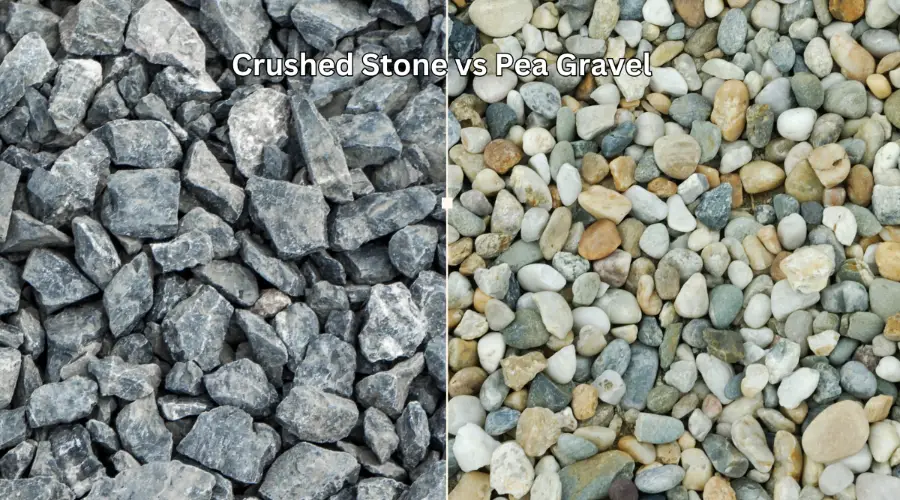
Pea gravel is a wonderful choice for individuals who want to reset their landscapes. It is the best aggregate for building projects as well. Due to its aesthetic properties, the most common option for homeowners is pea gravel. It can be easily confused with crushed stones. Pea gravel is a popular and adaptable material used for construction and landscape tasks. 

In this article, we will discuss the manufacturing process, functions, uses, installation, and maintenance of pea gravels to help you make informed decisions. 

What is Pea Gravel?

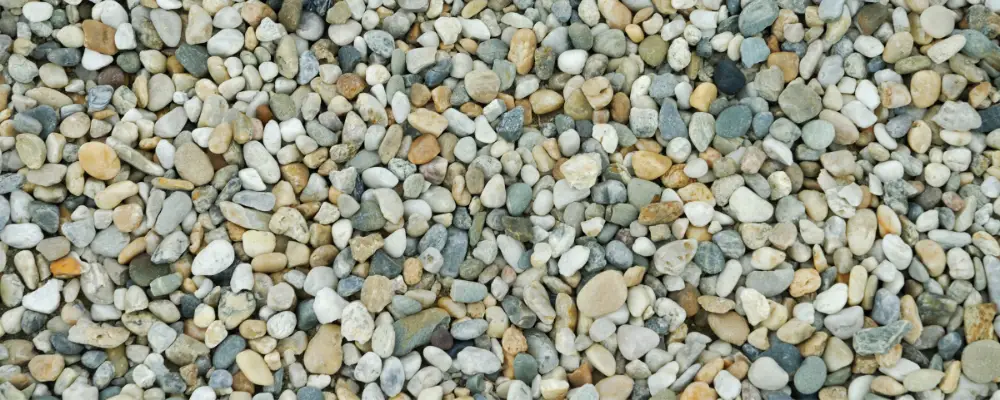
The other name of pea gravel is pea stone gravel, which is well-known for its tiny, round, smooth stones and provides both practical and decorative advantages. This gravel is easy to mix with different design concepts because it comes in a variety of colours. Garden beds, roads, and walkways can be made by using pea gravel because of its economical rate and reliability. In addition to this, water pooling and soil erosion can be reduced by using this pea gravel due to its effective drainage properties.

How is Pea Gravel Made?

Natural Process:

Gravel forms naturally through the weathering and erosion of rocks by wind, water, ice, and temperature changes. These forces break rocks into smaller fragments, which accumulate in rivers, streams, or on the surface over time. Wind polishes rocks like sandpaper, water breaks them apart with pressure, and glaciers grind them into smaller pieces as they move, creating gravel deposits in their path.

Industrial Process:

Exploration and Mining: The initial stage in producing industrial gravel is open-pit or quarry mining. Huge volumes of rock are removed using large machinery. These materials are then sent to processing facilities for further refining.

Crushing Process: At the facilities, strong machinery with hammers or jaws is used to crush big rocks. In order to prepare the rocks for sorting, these machines break them up into tiny pieces.

Sorting and Screening: Following crushing, the pieces are sorted to separate particles of different sizes. This guarantees that the gravel satisfies the exact specifications needed for landscaping and building applications.

From mining to processing, every step shows the cutting-edge technology and effectiveness required to create premium gravel fit for a range of uses.

The Function of Pea Gravel

Pea gravel, which is usually ½ inch or smaller, is among the tiniest gravels. It is frequently utilised in swimming pools, pathways, fish tanks, and other locations where foot traffic is present or fine gravel is required. Establishing clear limits and edges for the gravel is crucial when utilising pea gravel. It spreads out rapidly due to its small size unless it has a distinct edge.

Uses of Pea Gravel

Uses of Pea Grave

Pea gravel is usually utilised for more above-ground projects and applications due to its size, texture, and colour. Pea gravel is a popular choice for accent gardens and flower beds among construction and house owners. Pea gravel may either stick out from the vegetation or blend in with the landscaping thanks to its variety of colour variations. Because of its smooth appearance, pea gravel is also commonly used for patios, pet runs, playgrounds, paths, and many other places with heavy use. Pea gravel can be used for subterranean constructions like pipe bedding and drainage, just like crushed stone. When searching for aggregate for fence post installation, it’s also a wise option.

Knowing how pea gravel’s size can affect a project is crucial when thinking about it. If pea gravel is not correctly edged, it will slide easily due to its small size. Make sure you have landscape trim or concrete blocks ready to hold the pea gravel in place if you plan to add it to a flower bed or walkway. It’s also crucial to remember that pea gravel retains heat, which some plants may find harmful. If you want to use pea gravel in a garden or flower bed, choose plants that can thrive there, such as Spanish poppies, evergreens, and thyme. 

Cost and Maintenance of Pea Gravel 

Pea gravel costs between 2,100 and 5,200 per cubic yard, or 1,400 per tonne. The cost may increase depending on factors like shape, size consistency, and natural colours like rusted tones.

How Much Is Required?

About 108 square feet and 6 inches deep, a cubic yard is perfect for patios or walkways.

Materials for a 500-square-foot patio could cost anywhere between Rs. 5,250 and Rs. 26,000.

Gravel Volume Calculation

  • Calculate the cubic inch volume:

The gravel depth is multiplied by the project’s width and length in inches.

  • Calculating Gravel Volume
  • Find the volume in cubic inches:

Multiply the gravel depth by the project’s length and width in inches.

For instance, if the patio is 10 by 10 feet and has 2.5 inches of gravel:

2.5 inches × 120 inches × 120 inches = 36,000 cubic inches

  • Convert to cubic feet:

Multiply by 0.000579.

36,000×0.000579=20.8cubic feet.

  • Convert to cubic yards:

Multiply by 0.0000214.

36,000×0.0000214=0.77cubic yards.

  • Options for Edging

In addition to improving appearance, a boundary stops gravel from spreading. Among the options are:

Blocks of stone are stacked for a smooth finish. Edging made of metal or plastic is an inexpensive and simple option.

The price of installing edging

Installing stone professionally costs between Rs. 1,000 and Rs. 3,200 per linear foot.

The starting price for DIY plastic edging is Rs. 270 per linear foot.

Pea gravel’s low care needs make it the perfect choice for time-constrained homeowners or property managers looking to save landscaping costs. Unlike lawns or gardens, it doesn’t require fertilisation, mowing, or watering. 

How to Install Pea Gravel?

Procedures for Laying and Preparing Pea Gravel

  • Dig the patio or pathway portion to a consistent 6-inch depth using a shovel. 
  • Smooth the trench’s walls and edges with a spade that has a square edge. Make sure the trench is level and well-shaped if you plan to add edging.
  • As a foundation, apply a 2-inch layer of crushed stone. Make it more even and drain better by raking it out.
  • Cover the space with landscaping fabric to keep weeds out. 
  • Secure with staples at each foot and overlap the borders of the fabric by at least 2 inches.
  • To keep gravel in place, add stone, metal, or plastic edging.

Crushed Stone vs. Pea Gravel

Crushed Stone vs. Pea Gravel
S.NoFeaturesCrushed StonePea Gravel
1Size and ShapeSizes range from 3/8” to 4”. Shapes are irregular with sharp, rough edges.Typically 3/8” in size. Rounded, smooth edges.
2TextureRough and coarse to the touch.Softer and smooth to the touch.
3Colour OptionsMostly neutral hues like white or grey.Offered in a range of shades, including vivid (red, blue) and neutral (brown, grey).
4Primary UsesPerfect for subterranean projects such as huge roads, drainage, pipe bedding, backfill, and concrete sub-base.Ideal for projects that are above ground, like flower beds, patios, dog runs, playgrounds, and sidewalks.
5Decorative PotentialLess decorative; more functional due to neutral tones and rough texture.Highly decorative with a smooth texture and vibrant colour options.
6StabilityStable due to sharp edges, making it ideal for tamping or rolling for driveways and subbase applications.Less stable without edging; prone to shifting.
7Heat RetentionDoes not significantly retain heat.Retains heat, which may affect plant health in garden applications.
8CostTypically less expensive, depending on type and availability.May be costlier, especially for higher-quality, colorful varieties.
9Best ApplicationsSubbase for concrete, backfill, large driveways, drainage solutions, and railroad ballast.Playgrounds, dog runs, flower gardens, patios, walkways, and certain drainage requirements.

Conclusion

Pea gravel is a versatile and reasonably priced landscaping material that offers both practical and visual benefits. Its smooth texture, variety of colours, and small size make it ideal for patios, flower beds, and walkways. Pea gravel is also a low-cost, long-lasting choice for many projects since it requires no upkeep and offers superior drainage. For many homes, the advantages outweigh the potential need for appropriate edging to stop movement. All things considered, pea gravel is a great option for both ornamental and practical landscaping requirements.

FAQ’s

1. What are the drawbacks of pea gravel?

Pea gravel has drawbacks such as messiness, instability, and weed growth, despite being excellent for drainage and soft underfoot

2. Why do people choose pea gravel?

Pea gravel is versatile and ideal for various landscaping projects. It can be used to design a beautiful patio, a peaceful walkway, or a welcoming fire pit. Additionally, it serves as an excellent decorative mulch for garden beds or as a weed-reducing layer under larger stones.