Home Blog Page 18

OPC Cement Grades – A Comprehensive Overview

0

An essential substance that is widely utilised as a binding agent in buildings all over the world is cement. The need for efficient binding agents has increased as architectural requirements and trends have changed. Ordinary Portland Cement (OPC), Portland Slag Cement, and Portland Pozzolana Cement are common varieties of enhanced binding agents that have unique qualities to improve the building process.

Achieving the intended building results depends on choosing the right kind of cement based on project specifications. This blog offers a full introduction to Ordinary Portland Cement, studying its numerous grades and their unique purposes. Furthermore, it offers a thorough summary of the traits of the various cement grades in the market, assisting you in making defensible choices for your construction needs.

What is the OPC Cement Composition?

Clinker, gypsum, and a small percentage of other minerals are the main ingredients of OPC cement. Cement-like properties of clinker can be achieved by heating limestone to high temperatures with other materials that cause chemical reactions. The several properties of OPC cement include high compressive strength, good working capacity, and longevity. Tight deadlines can be effectively achieved by employing OPC cement in the construction process.

What are the Different Grades of OPC Cement?

The grade of the binding agent can be determined by its compressive strength after four weeks of the curing period. The cement’s suitability for a certain construction project is also determined by its grade. 

You can determine the concrete’s compressive strength by applying heavy load or pressure on the concrete. You get to know about the ability of the concrete to bear heavy loads or pressure without deforming or cracking. Megapascals (MPa) or Newtons per square millimetre (N/mm2) are the units of measurement.  

S.NoGrade of OPCCompressive StrengthMeasurement UnitExplanation
13333 N/mm²N/mm² or MPaIndicates the cement’s ability to bear 33 N/mm² of load after four weeks of curing.
24343 N/mm²N/mm² or MPaDenotes a compressive strength of 43 N/mm² after four weeks of curing.
35353 N/mm²N/mm² or MPaDetermines a compressive strength of 53 N/mm² at four weeks of curing.

33 Grade

The main applications for 33-grade cement are in general buildings, where a modest level of strength is enough. After four weeks of curing, it offers a minimum compressive strength of 33 MPa or N/mm². This grade is not advised for structural components or projects needing great strength, but it is perfect for non-structural uses including flooring, brickwork, plastering, and other applications.

When it comes to cement particle size, OPC 33 has 225 m²/kg of fineness. The OPC grade 33 must satisfy the specific requirements of the Indian Standard (IS) 269:2015.

Characteristics of 33 Grade


S.NoCharacteristicsDetails
1Compressive StrengthGrade 33 usually has a compressive strength of 33 MPa, after four weeks of curing.
2Setting TimeExhibits a moderate setting time, suitable for various construction scenarios.
3DurabilityKnown for its durability in standard conditions.
4Common ApplicationsIdeal for non-load-bearing structures in residential buildings.Frequently used in projects where strength is not the main consideration.

43 Grade

Building projects which require greater strength to achieve can be suggested for using 43-grade cement. After 28 days of curing, it provides a minimum compressive strength of 43 MPa with a fineness of 225 m²/kg. For load-bearing applications such as precast concrete components and reinforced concrete structures, this grade is perfect. It can withstand greater stress levels and offers improved durability. The basic specifications for creating the OPC 43 grade must match the specifics outlined in the Indian Standard IS 269:2015. 

Characteristics of 43 Grade 

S.NoCharacteristicsDetails
1Compressive StrengthWith the capacity to bear moderate loads, grade 43 has a compressive strength of 43 MPa, following four weeks of the curing process.
2Setting TimeEnables efficient handling during construction due to its balanced setting time.
3DurabilityOffers improved durability compared to grade 33.
4Best-suited ApplicationsSuitable for commercial structures with moderate to high load-bearing requirements.Frequently utilised in highways, bridges, and other infrastructure projects.Used in building residential structures that require higher strength than Grade 33.

43-S Grade

Railway sleepers are made from a particular type of Ordinary Portland Cement known as 43-S or 43 Sleeper Grade. The supports that the rails are mounted on are called railway sleepers, and they carry the weight of passing trains. The ballast, which consists of tiny rocks positioned underneath the sleepers, subsequently receives this load. With a fineness of 370 m²/kg, 43-S grade cement is perfect for building sturdy and long-lasting sleepers.

Characteristics of 43-S Grade

S.NoCharacteristicsDetails
1Compressive StrengthAs it is best suitable for railway sleepers, 43-S Grade cement achieves a minimum compressive strength of 43 MPa after four weeks of curing.
2Setting TimeIt has a controlled setting time, allowing for easy handling and sufficient workability during construction.
3DurabilityOffers higher durability compared to lower-grade cement, suitable for exposure to moderate environmental conditions.
4FinenessThis grade typically has a fineness of 370 m²/kg, ensuring smooth consistency in the mix.
5ApplicationsIdeal for high-strength applications like railway sleepers.

53 Grade

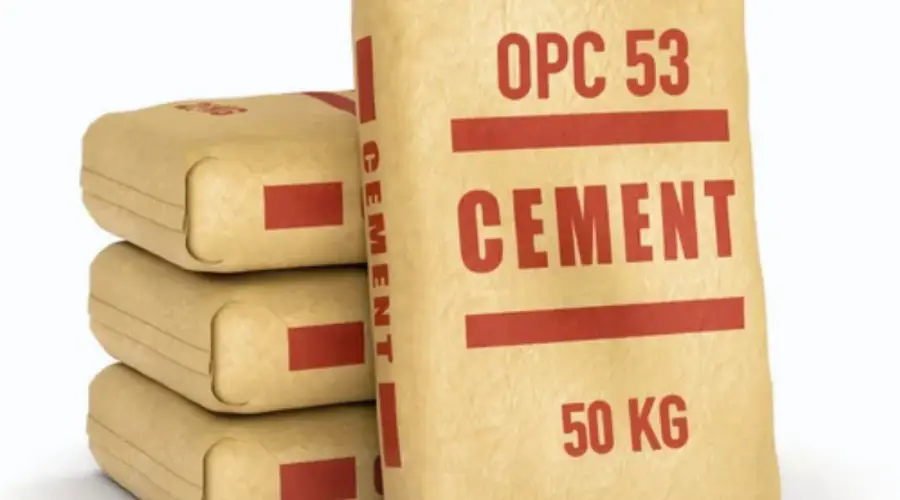
 OPC 53

A high-strength OPC that is frequently utilised in projects requiring sturdy concrete is 53-grade cement. After four weeks of the curing process, its minimum compressive strength is 53 MPa. For long-span structures like bridges, large buildings, and heavy-duty industrial projects, this grade is perfect. IS 269:2015 specifies 53-grade manufacturing, chemical, and physical criteria with a fineness of 225 m²/kg. 

Characteristics of 53 Grade

S.NoCharacteristicsDetails
1Compressive StrengthOne of the strongest OPC grade cements is Grade 53, which helps to achieve a high compressive strength of 53 MPa. Perfect for applications requiring extreme strength, such as high-rise structures and bridges.
2Setting TimeSets relatively quickly, requiring efficient construction practices. Suitable for time-sensitive projects.
3DurabilityIt is well-known for being extremely resilient to adverse environmental conditions and is long-lasting. Perfect for infrastructure projects exposed to extreme weather or heavy loads.
4ApplicationsIdeal for high-strength applications like structural components of multistorey buildings.

53-S Grade

Railway sleepers are made with a special type of OPC 53 cement known as 53 sleeper grade (53-S). For optimal properties, it contains magnesium, tricalcium silicate, and tricalcium aluminate with a fineness of 370 m²/kg. 

Characteristics of 53-S Grade

S.NoCharacteristicsDetails
1Compressive Strength53-S Grade cement offers a compressive strength of 53 MPa after 28 days, ensuring high durability and load-bearing capacity.
2FinenessHas a fineness of 370 m²/kg, providing a smooth mix and improved performance.
3CompositionThe 53-S grade contains specific amounts of magnesia, tricalcium aluminate, and tricalcium silicate, which are essential for railway sleeper applications.
4DurabilityThe 53-S grade cements are specially designed to withstand heavy loads and vibrations from train movements.
5ApplicationsIdeal for manufacturing railway sleepers and other infrastructure requiring high strength and durability.

Conclusion

As we discussed above, different grades of cement can be utilised for specific construction projects. From residential projects to infrastructure projects, the choice of building materials is crucial in getting the desired outcome of the construction project. These enhanced grades of binding agents can withstand harsh weather conditions and endure the test of time.

FAQ’s

1. In what situations can you use Ordinary Portland Cement (OPC)?

OPC is a versatile type of Portland cement that is ideal for normal construction when the unique characteristics of other cement types are not needed. It is frequently utilised in situations when the cement or concrete is not subjected to special elements, including sulphate attack from water or soil or an extreme rise in temperature brought on by heat during hydration.

Microcement – Uses, Properties, and Applications

0
microcement

Aesthetic appeal is considered a crucial aspect of every building work, especially in commercial or individual villas. Attractive features can be added to grasp the attention of people who look into the structure. 

Microcement is also used as a decorative coating that consists of ingredients such as cement, water-based resins, additives, and mineral pigments. For remodelling purposes, this cement is widely used. It can also stick well to a variety of surfaces, including marble, terrazzo, plasterboard, tiles, and more. It effectively transforms spaces with only a 3 mm thickness.

What is Microcement?

A cement-based substance that is applied to surfaces to create a sleek, contemporary appearance is known as microcement. It is an excellent option for decorative walls and floors because it is economical and environmentally friendly, having been made from natural materials like sand and lime.

Microcement is mixed on-site and manually applied in 2-3 mm layers using trowels. It is also referred to as microcrete, microconcrete, micro-overlay, micro-topping, or cement coating. A seamless, joint-free surface is the end product.

Production of Microcement

Microcement is made by combining cement powder, fine sand (such as quartz powder), and water-based resins. This creates a thin, cement-based coating that gives almost any surface a polished concrete look with a sleek, industrial-chic finish. Its thin application makes it lighter and more affordable compared to traditional concrete.

The process involves:

  • Preparation: Cement and fine sand are mixed thoroughly to create an even base.
  • Adding Polymers: Liquid polymers (water-based resins) are included to make the mixture more flexible and durable, setting microcement apart from regular cement.
  • Achieving Consistency: The mixture is stirred into a smooth paste, ensuring the colour and texture are evenly distributed.

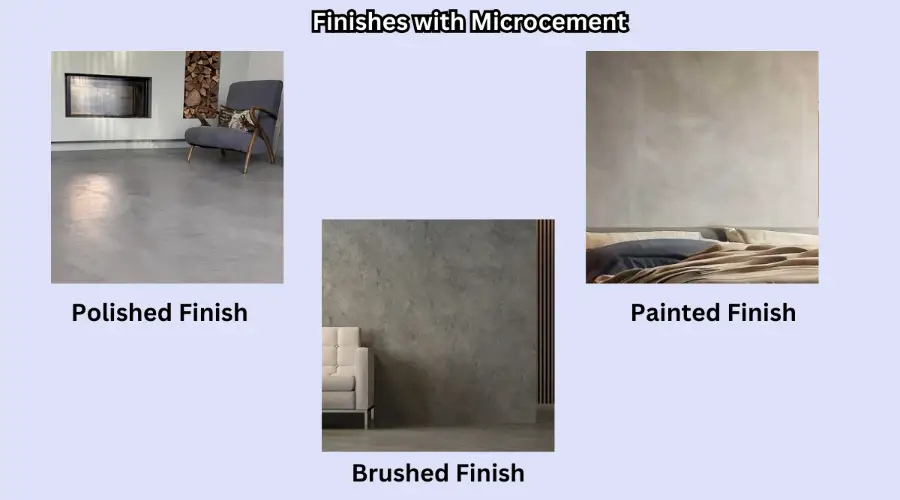
Finishes with Microcement

Finishes with Microcement

A Polished Finish: It gives a surface a smooth, stone-like appearance that is ideal for contemporary residences and business buildings.

Brushed Finish: The rough, rustic appearance of a brushed finish makes it perfect for vintage or industrial décor.

Painted Finish: Gives kitchens or bathrooms a new look by adding colour and depth. Unlike polished finishes, which only require one coat of paint and sealing, this calls for two coats.

Every finish has advantages and disadvantages, so pick the one that best suits your style. Keep in mind that painted finishes can change the colour a little. Before beginning the project, use augmented reality technologies to see how microcement will seem in your area for better planning.

Properties of Microcement

Properties of Microcement

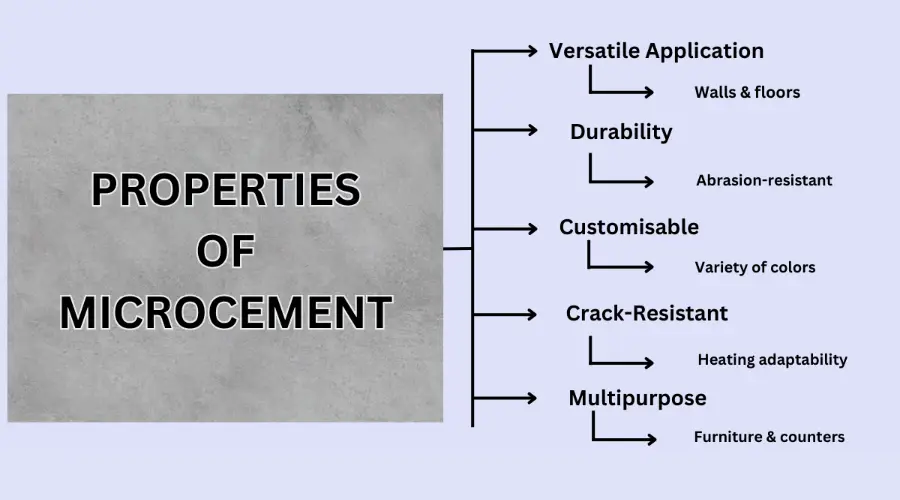
With a variety of textures (thick, medium, or fine), colours, and finishes that may be customised with varnishes and metallic coatings, microcement provides countless design options that enable the creation of distinctive and fashionable rooms. Their unique properties are discussed below:

  • Versatile Application: Suitable for walls and floors that are both new and old.
  • Durability: Extremely abrasion-resistant and quick to harden.
  • Customisable: They come in a variety of colours to suit your style preferences.
  • Crack-Resistant: They are adaptable and perfect for use with heating beneath floors.
  • Multipurpose: Trowels are used to apply thin layers that are appropriate for furniture, walls, floors, and counters. 

Application of Microcement

Flooring Made of Microcement

  • They provide long-lasting and easily cleaned floors.
  • Ideal for residential, commercial, and industrial locations with lots of traffic.
  • Provides a variety of customisable finishes, including rustic, textured, and polished.
  • An economical substitute for conventional flooring materials.

Bathrooms with Microcement

  • Seamless, waterproof, and grout-free surfaces can be made by using micro cement in bathrooms that reduce dirt and mold buildup while being durable, easy to clean, and available in customisable finishes.

Worktops with Microcement

  • Create stylish, long-lasting, and seamless kitchen surfaces that are stain-resistant and require minimal maintenance.
  • Adaptable to contemporary kitchen styles, offering both functionality and modern design.

Microcement for Outdoors

  • Microcements are ideal for creating durable, weatherproof walkways, patios, and terraces, offering a smooth, modern look for outdoor spaces.

Walls using Microcement

Walls using Microcement
  • They are easily adaptable to rustic, rough, sleek, or smooth finishes.
  • Ideal for feature walls, it may be applied to curved or uneven surfaces.
  • Microcements are incredibly resilient and long-lasting.

Kitchens with Microcement

  • Ideal for kitchen spaces with lots of traffic and used for flooring, backsplashes, and countertops.
  • They produce a sleek, contemporary appearance with excellent stain resistance.

Microcement Steps

  • Can create sturdy, non-slip risers and treads, which are also applicable to metal, wood, or concrete staircases.
  • Adaptable to any type of design space.

Showers of Microcement

  • Water-resistant, seamless surfaces that are perfect for bathrooms.
  • A variety of styles and finishes that are simple to maintain and clean.
  • They guarantee durability and guard against water damage.

Furniture Made with Microcement

  • Modern furniture is made with plastic, metal, or wood surfaces that are incredibly durable, stain- and scratch-resistant. It is an ideal choice for places that have heavy foot traffic areas.

Pools of Microcement

  • Waterproof, seamless pool surfaces with low-maintenance design, customisable finishes, and an affordable, stylish option for outdoor living areas.

How to Apply Microcement?

Multiple thin layers of microcement are placed to produce a finish that is robust, long-lasting, and aesthetically pleasing. The procedure entails

Base Coats: 

Cement containing bigger sand particles is put in the first two coatings. These serve as the cornerstone of the application of microcement, offering strength and longevity.

Finish Coats: 

To get the appropriate texture and colour, two finer layers are then applied using cement and fine fillers.

A Multi-Level Strategy for Strength

The structure of plywood, which consists of multiple thin layers adhered together, can be likened to the application procedure. Together, these layers produce a substance that is more robust and long-lasting than a single, thick piece of wood.

Similarly, several microcement layers are joined, each of which adds to the finished product’s strength and stability. Sanding each microcement layer produces a surface that guarantees a strong bond for the subsequent layer. This methodical procedure yields a smooth, seamless finish.

Superior Design for Sturdiness

The base layers of products such as MicroWall and MicroFloor overlays are made of carefully selected pebbles that interlock, much like a dry stone wall. Both compressive strength (resistance to large loads) and tensile strength (resistance to cracking or breaking) are improved by this interlocking arrangement.

Improved Qualities of Liquid Polymers

In contrast to conventional cement, microcement substitutes a liquid polymer for water. The qualities of this invention are as follows:

  • Enhanced surface adherence.
  • Increased water resistance.
  • Increased material flexibility and lowered the chance of cracking. 
  • The end product is a durable, adaptable substance that blends strength, pliability, and beauty. 

Places to Apply Microcement

Microcement is a material that can be used in many different ways. Here’s a thorough breakdown of each:

Floors and Walls

The most popular applications for microcement are in wall coverings and flooring. Its smooth texture gives it a contemporary, tidy, and easily maintained look, making it perfect for kitchens, bathrooms, and terraces.

Stairs

Stairs can have a smooth, minimalist appearance with no visible joints by using microcement. It is therefore a well-liked option for both business and residential settings.

Pools for swimming

Microcement is ideal for pool cladding due to its lasting and waterproof qualities. It produces a consistent surface that is useful and aesthetically pleasing in damp conditions.

Cladding for Furniture

A stylish, durable, and unique appearance can be made for furniture using microcement. This is ideal for customising tables, countertops, and other pieces of furniture.

Areas with High Traffic

Microcement’s exceptional resistance to damage from regular use makes it suitable for areas with frequent usage like bathrooms and kitchens. It can withstand frequent cleanings and heavy foot traffic due to its durability. 

Clean Environments

Microcement is applied without joints, removing spaces where bacteria and dirt can grow. Because of this, it’s a great option for places that value hygiene, such as hospitals, dining establishments, or residences with high cleaning requirements.

Conclusion

The benefits of microcement extend beyond the original outlay, providing long-term advantages in terms of upkeep, beauty, and adaptability. Microcement offers a solution that blends creativity and functionality, guaranteeing your project will be both aesthetically pleasing and long-lasting, whether you’re remodelling or starting from scratch.

Imperial White Granite – Properties, Finishes & Applications

0
Imperial White Granite

Granite is a coarse or medium-grained igneous rock that consists of quartz & feldspar. It is a natural stone that provides strength, durability and attractiveness to building finishes. There are numerous granite types available in the market, among which Imperial White Granite is widely preferred for its unique characteristics. Here we take a look at what Imperial White Granite is and everything you need to know about it.

What is Imperial White Granite?

Imperial White Granite is one of the popular granite types quarried from Tamil Nadu, India. It is known for its luxurious white background with intricate grey and pink patterns. The mesmerising looks of the granite and its vast applications make it one of the most widely preferred granite stones in the market.

Types of Imperial White Granite Finishes

Polished

It is a well-polished granite that provides a glossy shine like a mirror. The natural colors in the granite become richer and darker, adding a crisp and vibrant look and making it one of the widely preferred granite finishes.

Semi-polished

As the name suggests, this finish is partially shiny, where the vibrant colours are less noticeable than polished granite, but it is also less slippery and easier to maintain.

Honed

It is a low-sheen granite that has a matte finish. The surface of this granite offers a smooth and velvety finish that lacks a high degree of reflection, as seen in the polished granite.

Flamed

Imperial white granite with a flamed finish gives a dull greyish appearance, and the surface feels highly textured and rough.

Shot-blasted

The Imperial White Granite stones of this finish have lighter grey and pink veins than polished granite. The stone has tiny craters that give a matte look but doesn’t have a sharp projection.

Bush-hammered

The Bush-hammered finish is rough and has a weathered texture. The surface of this granite is more vibrant than the flamed granite.

Physical & Visual Characteristics

Colour & Appearance

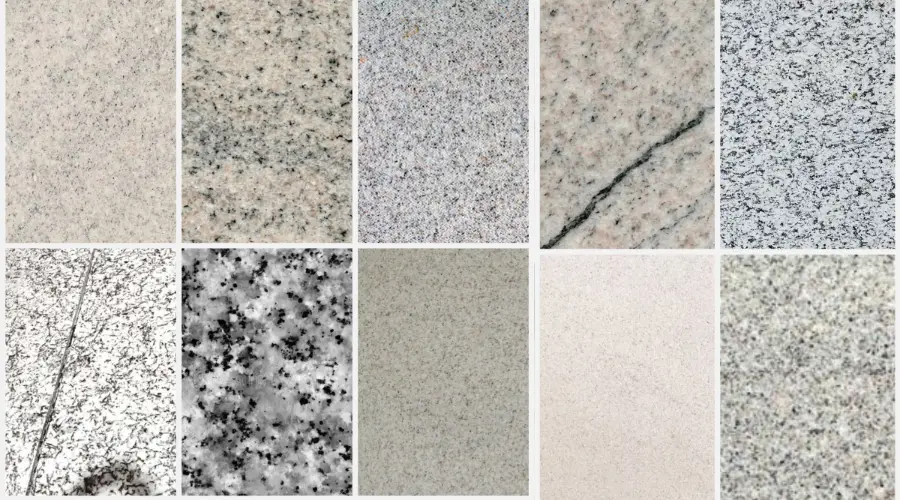
Imperial White Granite is known for its white surface with grey and black veins with pink deposits. This adds more depth and improves the overall appearance of the granite. The polished, bush-hammered, flamed granite variants are more vibrant, whereas the honed and shot-blasted ones are rough. The wide variety of finishes and the white background brighten the space and give a luxurious look.

Texture & Pattern

Texture & Pattern Imperial White Granite

The texture of Imperial Granite is medium to coarse-grained with visible crystals such as quartz, feldspar & mica. The patterns in the stone vary from subtle and minimal to bold and dramatic, based on the slab and quarry location. The veins and deposits create an intricate design pattern to give a unique visual appeal.

Durability & Strength

This granite stone is known for its high strength, durability, and resistance to scratches, heat and impact. Due to its unique physical properties, this natural stone is suitable for internal and external applications and ensures longevity. 

Applications of Imperial White Granite

Interior Walls

Imperial White Granite is commonly used to provide luxurious interior looks in living spaces. It is ideal for residential spaces, offices and commercial structures with a sophisticated feel.

Exterior Walls

Imperial White Granite has high resistance to fire, moisture, scratch sound and ultraviolet rays. The resistance & durable properties of this granite make it an ideal material for external walls. Using Imperial White Granite with honed finish as wall cladding in the exterior structure adds the necessary protection as well as aesthetic finish to any building.

Kitchen Backsplashes

Imperial White Granite is best suited for creating more stylish and functional backsplashes for kitchen walls. Full-height backsplashes provide a bold look, and the minimal maintenance makes it the best kitchen material. Large-size granites of polished, semi-polished, and rough finishes could be used for kitchen spaces.

Kitchen Countertops

Kitchen Countertops - Imperial White Granite

Granite and countertops are inseparable, as modern homeowners always prefer a polished granite countertop for their kitchen. The Imperial White Granite is a perfect fit for countertops due to its smooth, shiny and polished finish. This granite is easy to clean and adds colour to kitchen spaces, and its minimal maintenance gives a seamless kitchen finish.

Bathroom Walls

These granites are a blend of beauty and functionality. They provide unique and exotic looks and also have high strength, resistance, and durability. All these make it a perfect material for bathroom walls. It can protect the walls from bacterial growth and water damage.

Living Room

Living Room Imperial White Granite

The living room is the face of the home that gives the first impression to the visitors. Imperial White Granite can be used in walls, flooring, stairs and window sills. It prevents the structure from moisture intrusion and is easy to clean, making it an ideal component for your living room.

Exterior Paving

The granite’s high resistance, strength and durability make it suitable for high traffic areas. The honed and flamed finish could be a great fit for exterior pavings, as it provides the necessary strength and non-slippery surface and is perfect for holding heavy objects.

Maintenance & Care Tips

Imperial White Granite is an extraordinary fit for almost all types of construction, from residential to commercial buildings. It is highly resistant to scratches, chips, heat and water and is perfect for high-traffic areas.

Although it has high resistance & durability, regular care and maintenance are essential to keep the stone looking new for a long period. Maintenance of Imperial White Granite is simple & straightforward. Regular cleaning with mild detergent & water can keep the floor, walls & countertop new. Applying a high-quality sealer to protect the granite from stains and other damages is also recommended.

It is advisable to avoid harsh chemicals and abrasive cleaners on the surface. However, it doesn’t prevent the cooking, entertaining and other activities on the granite surface.

Cost & Availability of Imperial White Granite

Imperial White Granite is one of the most affordable granite stone types compared to other granite types available in the market. However, the price of the granite varies based on the location and availability. It originated in Tamil Nadu, India and is supplied worldwide from suppliers and manufacturers.

Conclusion

Imperial White Granite is a blend of beauty and durability. It is a visually appealing natural granite stone that comes with a wide range of finishes and wide applications. It provides luxurious finishes to the interior and exterior spaces and can even be used for lining fireplaces. It is easy to maintain and more affordable than other granite stones. All these qualities make it an ideal component for your housing or commercial space.

Wet Mixing Concrete – Process, Benefits & Applications

0
wet mix concrete

The choice of concrete mix is crucial for creating the right mixture for completing building and construction. A typical concrete mix that can be used across the construction field is cement, aggregate, water, and sand. Water can be added at different ratios for different purposes of construction. The project’s successful completion depends on choosing the appropriate water ratio for a given use. The advantages of mixing wet concrete, its uses, the mixing procedure, and the distinctions between wet and dry mixed concrete will all be covered in this blog.

What is Wet Mix Concrete?

Cement, aggregates, sand, and water are the ingredients of wet mix concrete. Typically, these combinations are transported to the construction site with mixers on big trucks. Wet pouring combines all ingredients, including water, in one place before delivering the finished mixture to the building site. Since the concrete truck needs plenty of room to reach and distribute the material, this method is frequently employed for large-scale projects. The mixed concrete is delivered on time and ready to use and thus it allows for a speedier and simpler application. 

Benefits of Using Wet Mix Concrete

Wet mix concrete is a kind of free-flowing, non-shrink, high-strength pre-mix concrete mixture that provides several benefits, as follows: 

  • High Workability: The exceptional workability of wet mix concrete facilitates more effective placement, compaction, and finishing.
  • Versatile Uses: It is quite flexible and appropriate for a wide range of real-world uses, including major construction projects.
  • Consistent Quality: The completed concrete’s strength and durability are predictable due to the uniform mixing procedure, which guarantees consistent quality.
  • Longer Workability: Wet mix concrete has a longer workability time, which allows for placement-related alterations, detailing, and corrections.
  • Enhanced Compaction: It promotes appropriate compaction, resulting in uniformly packed concrete with little air space.
  • Controlled Setting Time: Depending on the cement type and the surrounding circumstances, the setting time can be adjusted to satisfy project specifications.

Application of Wet Mix Concrete 

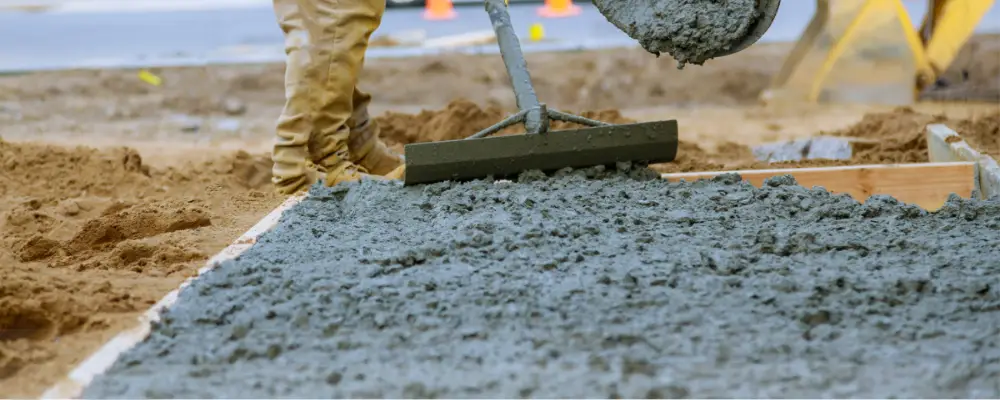
Large-scale projects involving concrete foundations, slabs, columns, beams, and other structural components are best suited for wet pouring as this method facilitates continuous pouring and allows for effective concrete laying across large surfaces.

  • Wet Mix Concrete in Foundation:
Wet Mix Concrete in Foundation

Due to its excellent workability and uniform consistency, wet mix concrete is frequently used in foundations to provide a sturdy base that satisfies load-bearing specifications.

  • Wet Mix Concrete in Slabs:

It is perfect for pouring huge, homogenous slabs with smooth finishing, reducing cracks, and guaranteeing longevity because of its exceptional workability and long setting time.

  • Wet Mix Concrete in Columns:

For the creation of sturdy, load-bearing columns with minimal air gaps, wet mix concrete offers uniform quality and enables precise compaction.

  • Wet Mix Concrete in Beams:

Wet mix concrete is appropriate for beams because of its high strength and uniformity, which guarantee dependable load distribution and resistance to structural stresses.

  • Wet Mix Concrete for Other Structural Components:

When consistency, strength, and longevity are crucial, wet mix concrete is utilised in a wide range of structural elements, such as walls, retaining walls, and precast components.

Mixing Process of Wet Mix Concrete

Wet concrete is produced in batch plants where it is mixed in highly efficient equipment in different batches. Before being delivered to the construction site, aggregates, cement, and water are mixed and blended in a wet batch concrete facility. This process guarantees that the mixture is prepared for usage right away after delivery. Wet batch facilities reduce wait times at building sites by pre-mixing the concrete, enabling speedy production and delivery. Workflows are accelerated, and overall efficiency is improved. These facilities are frequently used in commercial and industrial construction projects where time efficiency and a strong demand for concrete are essential. Pre-mixed concrete guarantees seamless construction without needless delays.

Due to its uniformity and consistency, the resulting wet mix is perfect for projects that call for exact and superior concrete composition. For large-scale projects or ones with strict quality standards, this method is particularly beneficial.

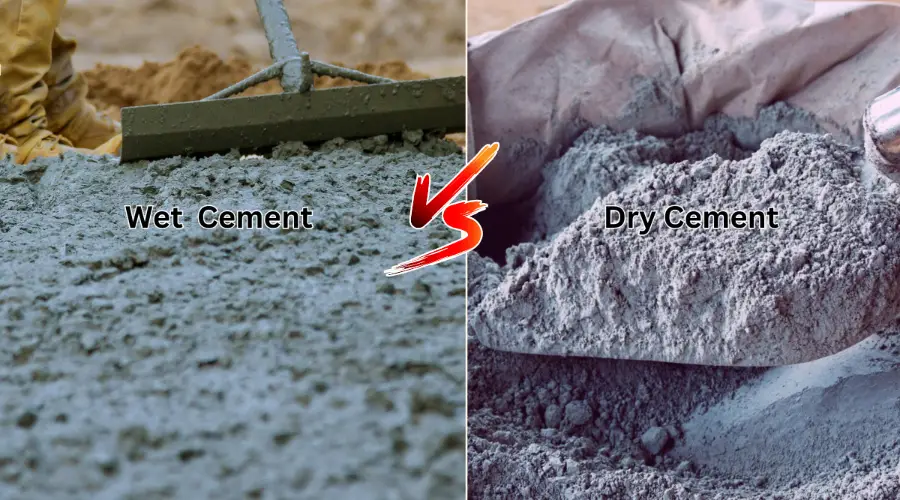
What is the Difference Between Wet-Mix & Dry-Mix?

Difference Between Wet-Mix & Dry-Mix

The main distinctions between wet and dry mix concrete are found in its application, storage duration, and outcomes:

S.NoAspectDry Mix ConcreteWet Mix Concrete
1Mixing ProcessIngredients are mixed without adding water until the time of placement.Ingredients, including water, are fully mixed before transportation.
2Water ContentWater is added at the construction site during placement.Water is added during the mixing process at the plant.
3WorkabilityLess workable initially; workability depends on the quantity of water added during placement.More workable and consistent due to thorough pre-mixing with fixed quantities.
4Equipment DependencyIt requires a mixer or equipment like a high-velocity hose to add water and mix on-site.Relies on batching plant equipment for pre-mixing.
5Environmental ImpactCan generate dust during dry mixing, which may impact air quality.Reduced dust generation due to wet mixing in a controlled environment away from the actual construction site.
6Setting TimeStarts setting after water is added on-site.Begins setting soon after mixing at the plant.
7ApplicationsSuitable for smaller projects or those requiring flexibility in water addition.Ideal for large-scale projects needing consistent quality and rapid placement.
8Precast SuitabilityLess commonly used due to potential inconsistencies in the mix.Preferred for precast applications due to the controlled mix design.
9Quality ControlQuality can vary based on on-site mixing conditions.Allows for better quality control at the plant.
10TransportationEasier to transport as dry mix is lighter and less time-sensitive.Requires timely transportation to avoid setting during transit.
11Storage TimeAs dry mix concrete is made without water, it can be stored for a long period. Wet mix concrete must be utilised within 24 hours after being mixed since it contains water.

Conclusion

In summary, wet mix concrete is essential in modern construction and provides remarkable advantages like consistency, efficiency, and time savings. Many building projects require wet mix concrete, which is made in controlled batch processes and ensures high standards of quality. 

FAQ’s

1. Is wet mix concrete a good choice for large-scale projects?

Yes. It is a great choice for large-scale projects where time efficiency and a strong demand for concrete are essential. Typically, these combinations are transported to the construction site with mixers and pumps from big trucks.

2. What are the applications of wet mix concrete?

Wet pouring works well for large-scale concrete projects that include concrete slabs, columns, beams, foundations, and other structural elements. It makes it easier to pour continuously and enables efficient concrete laying on wide expanses.

Grey Cement – Features, Types & Construction Benefits

0
grey cement

Selecting the right cement for your dream construction is crucial, as it plays a major role in binding the building materials, providing a proper finish, and improving the structural integrity. Numerous grey cement types are available on the market. Here, we look at everything you need to know about Grey Cement.

What is Grey Cement?

Grey cement is one of the most popular and widely used in construction. It is made of finely ground lime, silica, iron oxide, and other additives to produce grey cement. This cement is known for its versatile uses in producing ordinary, standard, & high-strength concretes, mortars, ready mixes, grouts, and almost all construction types.

Types of Grey Cement

Grey cement can be grouped based on its chemical properties into these types:

  1. Ordinary Portland Cement (OPC): This is the most commonly used cement for general construction work.
  2. Rapid-Hardening Portland Cement: This type of cement is used when quick strength is needed, like in projects requiring fast construction.
  3. Low-Heat Portland Cement: This cement is ideal for large structures like dams because it generates less heat during the setting process, preventing cracks.

Properties of Grey Cement

Properties of Grey Cement

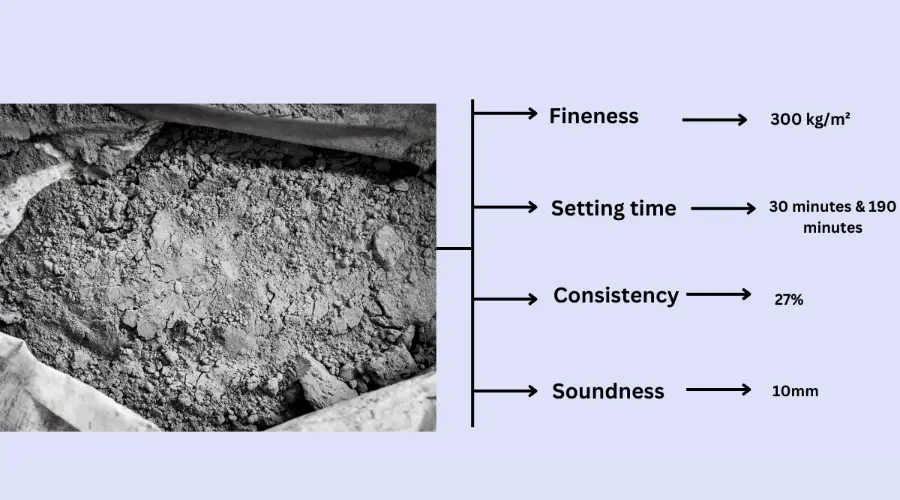
Fineness

The smaller the particle size, the greater the area-to-volume ratio. On average, the particle size of the OPC should be 45 microns, and approximately 95% of the cement particles are smaller than 45 microns. The fineness of the grey cement is 300 kg/m².

Setting time

Generally, the initial setting time should not be too short, and the final setting time should not be too long. Grey Cement’s initial setting time is 30 minutes, and the final setting time is 190 minutes on average.

Consistency

The water-cement ratio plays a major role in the consistency of the grey cement. The normal consistency of grey cement is 27%.

Soundness

It measures the stability of the grey cement’s volume after setting. It is tested using autoclave expansion, where the grey cement measures soundness of 10mm.

Relative Density/Specific gravity

The relative density or specific gravity of grey cement ranges from 3.1 to 3.5 Mg/m³, excluding the air voids between the particles.

Bulk Density

The bulk density of the grey cement ranges from 1200-1600 kg/m³. It is calculated by dividing the mass of cement particles plus air between particles by the volume of the cement sample.

Application of Grey Cement

  • Grey cement is used in numerous masonry works for residential, commercial, and infrastructure projects.
  • Due to its high durability, grey cement types are used to construct buildings, pavements, bridges, and foundations.
  • It can be used as a filler to seal cracks, holes, and erosion that develop in the structure.
  • It is widely used to manufacture ordinary, standard, and high-strength concrete.
  • It is used as the base grout to lay tiles.
  • This cement is used for plastering to give the surfaces a smooth and uniform finish.

Manufacturing of Grey Cement

The manufacturing process of grey cement can be done through two processes: Wet & Dry Process. Here is a step-by-step process of grey cement preparations.

Wet Process

  • The raw materials, such as lime and clay, are fed to the ball mill, and a small quantity of water is added to the mix.
  • The steel balls in the ball mill grind the raw materials to form a pasty mix.
  • The slurry is passed to silos, and the ingredients are added in proper proportions. Thus, the slurry has a moisture content of 35%.
  • The slurry is then passed through a rotary kiln under a temperature of 1450℃, which transforms the nodules into clinkers.
  • The clinkers are then cooled, and a small quantity of gypsum is added to avoid the quick setting of cement.
  • The prepared grey cement is then transferred to silos and packed, ready for sale and transported to the construction site.

Dry Process

  • The calcareous and argillaceous materials are ground and brought to 20 mm size using mechanical crushers in the ball mill.
  • After proper grinding, the raw materials are mixed to appropriate proportions and transferred to the rotary kiln.
  • The rotary kiln is preheated to 900℃ for two hours before adding the grounded raw materials mix.
  • The raw materials in the rotary kiln form into clinkers of size 4 mm to 10 mm.
  • A small quantity (2% to 3%) of gypsum is added to the clinker to decrease the quick setting of the clinker.
  • The grey cement is then made with calcium sulfate as a byproduct.
  • Grey cement is then transferred to silos, packed and becomes ready for sale and transport to construction sites.

Advantages & Disadvantages of Grey Cement

Advantages

  • Grey cement is versatile and used in various construction applications, from small-scale projects to large infrastructure projects, satisfying different construction needs.
  • It has high compressive strength and can resist heavy loads. Its high strength and durability properties ensure longevity and stability in construction.
  • Grey OPC cement is widely used and easily available on the market.
  • It is highly resistant to external weathering and can be used for exposed and external structures.
  • It is affordable and is a cost-effective construction material.
  • It can be easily mixed with aggregates, additives, and water, making it flexible enough to customise the properties based on requirements.

Disadvantages

  • It produces carbon dioxide during manufacturing, marking a large carbon footprint.
  • Cement production consumes a lot of energy, especially when heat is applied to the rotary kiln of the ball mill.
  • A poorly maintained concrete structure that uses grey cement is prone to cracks and shrinkage, affecting structural integrity and requiring reinforcement.
  • Grey cement doesn’t provide adequate resistance against chemical attacks.
  • The final setting time of OPC grey cement is considerably slow compared to other cement types, which can delay the construction process. 

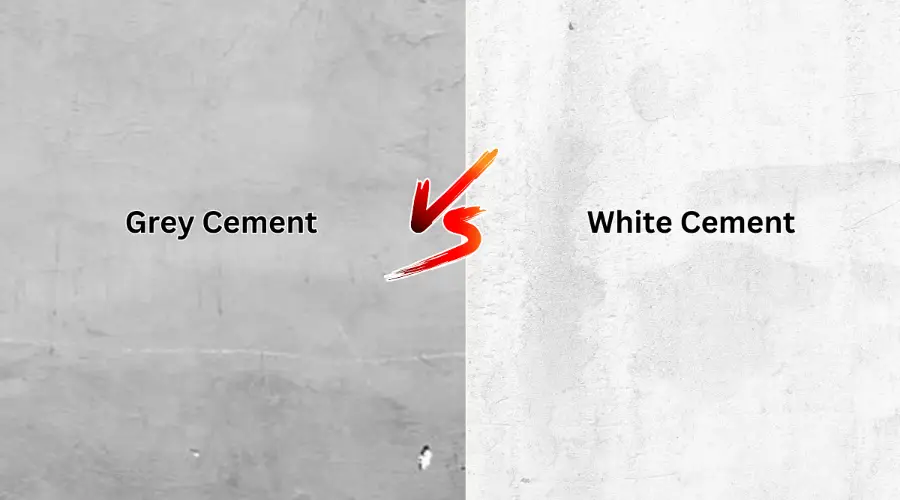
Grey Cement vs White Cement

Grey Cement vs White Cement
ParametersGrey CementWhite Cement
ColourIt is grey due to the presence of oxides in raw materials.It is light in colour, resembling the white palette. This is due to the lower oxides in raw materials.
TextureThe texture of the grey cement is coarse and granular.The texture of white cement is fine, smooth and powdery.
Manufacturing timeIt requires less manufacturing time compared to white cement.It takes more manufacturing time.
Cost of ManufacturingThe advanced machinery and technology in the process help lower manufacturing costs.Although they are inexpensive, the cost of manufacturing white cement is high.
Energy consumptionThe energy consumed for manufacturing grey cement is low compared to white cement.The energy consumed for manufacturing white cement is comparatively high.
PurposeThe main purpose of using grey cement is for numerous construction purposes.It is mainly used for architectural and design purposes.

Conclusion

Grey cement provides numerous advantages to any construction project, irrespective of the size and usage of the construction. Although there are multiple benefits such as stability, performance, and durability, they also have challenges, including environmental impact, low setting time, and prone to cracks, shrinkage, and chemical attacks. Despite the pros and cons, it is a proven solution for your construction needs worldwide, making it the most preferred cement type.

Toothing in Brick Masonry – Meaning, How it Works & Benefits

0
toothing in brick masonry

Building a new wall from the existing brick masonry, such as a house extension, garden walls and conservatories, is challenging. However, certain modern construction techniques could solve this problem. Among these techniques, toothing is one of the most commonly used and effective construction techniques in a masonry structure. Here we take a look at what toothing in brick masonry is.

What is Toothing in Brick Masonry?

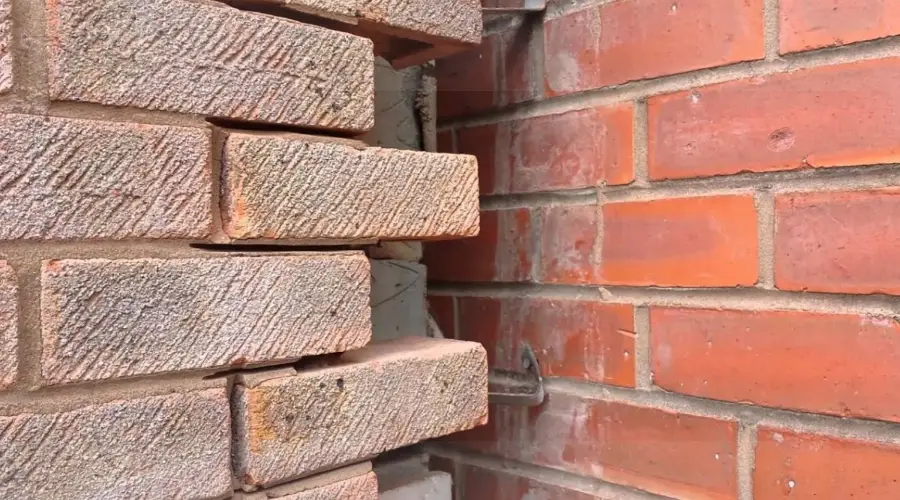
Toothing is a construction technique where the walls are terminated with an opening or gap in the alternate course to help adjoining brick fit the wall surfaces without adjusting or cutting the brick. The toothing process is sometimes used for window and door openings to cut into an existing masonry wall, and a lintel is installed.

How Toothing Works in Brick Masonry

For Adjoining Walls

Adjoining Walls- Toothing Works

Toothing in brick masonry creates a mechanical bond by overlapping the bricks from the existing wall with bricks from adjacent walls. The overlocking bricks are then bonded with a mortar to create interlocking joints that secure the wall from movement and separation. This helps transfer the load from one wall to another, provides stability & resistance and prevents distortion.

For Window & Door Lintels

Window & Door Lintels - Toothing Works

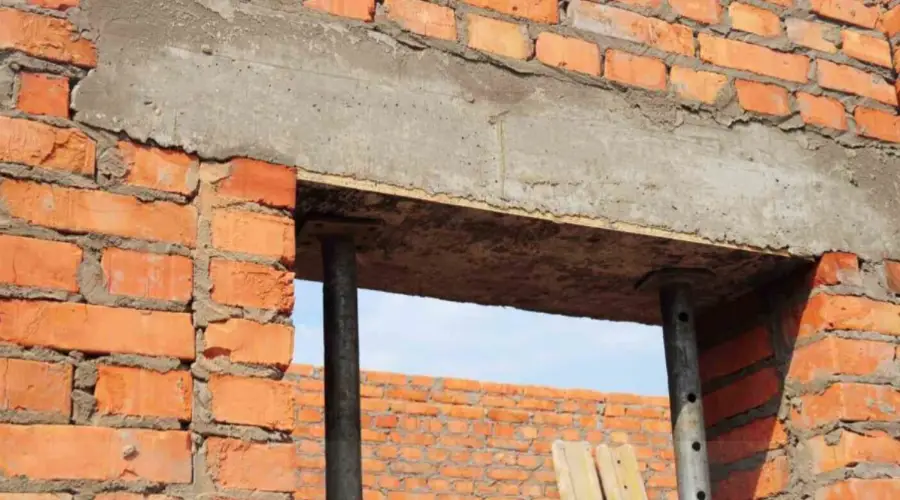
The tooth opening is also used when a window or door opening needs to be cut into an existing masonry wall. The lintel opening is cut and removed, and a lintel is placed in the alternate tooth openings. This improves load transfer from the window frame to the neighbouring walls, prevents water ingress, and enhances durability.

Toothing Process in Brick Masonry

  • Preliminary checks on the existing wall should be done to ensure that the area where the wall needs to be intersected is clear of debris and obstructions.
  • Cut and remove the bricks at the opening in an alternate course to create the toothing.
  • In case of a window or door opening,
    • Place the lintel in the tooth opening.
    • Insert the half-bricks back into the tooth to create a jamb flush for installing the window or door.
    • Apply mortar to the toothing bricks and ensure the window lintels are securely bonded with the existing wall.
  • For building a new wall from the existing wall,
    • Lay the mortar bed on the surface and place the bricks overlapping the toothing bricks to create a strong bond.
    • Using the same size bricks as the existing wall is important for proper bonding.
    • Continue laying and interlocking with the tooth of the existing brickwork.
    • Point the joints between the bricks using mortar and finish the wall surface.

When & Where is Toothing Used?

When to use toothing?

  • Toothing in brick masonry is most commonly used to connect an adjacent wall with an existing one to create a strong bond between them.
  • This is used for adding an extension to an existing wall.
  • To install a window or door opening in the existing wall.
  • Repairing damaged or cracked walls by reconnecting separated sections.
  • To build curved or angled walls with strong bonding.

Where to use toothing?

  • Toothing can be used at external corners to create a strong bond between two adjoining walls.
  • In the case of a load-bearing wall, the toothing can be done in internal corners to distribute the load to adjoining walls.
  • It is used around wall openings near doors, windows and arches to create a strong bond with the surrounding bricks.
  • Toothing can be done at the junction of the wall, where the wall meets a column or a pier.
  • Toothing can be done to structures in seismic areas to help the existing walls resist lateral seismic forces.
  • It is also used in walls that need to withstand high wind loads.

Pros & Cons of Toothing in Brick Masonry

Pros

  • Toothing creates a strong bond between the old and new walls, enhancing structural integrity.
  • It provides the necessary resistance against lateral forces acting on the wall to reduce the risk of damage or potential collapse.
  • It helps distribute the loads evenly on the walls, reducing the risk of cracks and damage and increasing the structure’s durability.
  • A proper toothing process results in visually appealing joints between the walls.
  • Reconnecting separate sections in the openings can repair damages and cracks in the walls.
  • Properly executed toothings act as a reinforcement, supporting the structure in resisting external forces.
  • It plays a major role in constructing angular walls with strong bonding.

Cons

  • Filling joints adequately and achieving the proper bond is very difficult in toothing.
  • It requires high quality labour, as the masonry works need exceptional skill to ensure the joints are properly packed for the full depth.
  • It is a time-consuming process.
  • Improperly executed toothing can reduce the structural strength and make structures prone to damage & leaks.
  • It is not suitable for all types of bricks used in the masonry.
  • Repairing or making changes after the execution of the toothing process is difficult.

Conclusion

Toothing in construction is creating a small projection on alternate courses along the edges for future wall extension or placing window or door openings. It provides seamless bonding between the new and existing walls and helps the structure enhance its structural integrity. However, this process is complex, time-consuming, and difficult, and it is difficult to provide a fully compacted joint below the toothing.

Microcement Flooring – Types, Benefits & Applications

0
microcement flooring

Having the most effective type of flooring that satisfies both aesthetic and structural needs is vital to any construction. Although there are numerous options available today, microcement flooring is one of the most popular continuous flooring techniques. It provides visually pleasing finishes to indoor and outdoor spaces and is suitable for all types of buildings. Here we look at microcement flooring, its types, applications, pros and cons and everything you need to know about it.

Overview of Microcement Flooring

Microcement flooring or micro-screed is a decorative cement coating used to renovate living areas & workspaces. It includes applying a thin, polymer-modified cement layer on an elastic mortar base in a 2 to 3-mm thin layer. It is a permanent flooring type that provides aesthetic finishes to any space and has numerous other advantages. 

Types of Microcement Surface Finishes

  • Polished Finish- It provides a smooth and glossy surface after the microcement is set to give a sleek & contemporary look. Apart from flooring, this finish is a good fit for wall cladding.
  • Aged & Polished Finish- This is similar to a polished finish. However, the surface looks rustic & aged with the use of chemical treatment before polishing.
  • Tinted Finish- This gives a unique colour to the flooring, making every space colourful. This finish is achieved by adding microcement with colouring pigments.
  • Glossy Finish- It provides a shiny & robust surface ideal for floors, walls and ceilings. Microcement flooring with a glossy finish is easy to clean and maintain; however, the glossy look can often overshadow the natural colours and textures of the flooring.
  • Matt Finish- It is characterised by a polished yet understated look, giving a sophisticated touch and an excellent choice for modern home & office spaces.
  • Satin Finish- It provides a soft look and feel and is an alternative to waxed or glossy finishes. They have many applications and are used on floors, walls, and countertops for residential and commercial buildings.
  • Non-slip Matt Finish- It retains the matt aesthetic looks and ensures the floor is non-slippery. Using the anti-slip polyurethane sealant is crucial to achieving this finish.

Applications of Microcement Flooring

Applications of Microcement Flooring
  • This flooring is suitable for both external and interior flooring of any room.
  • The water-resistant, non-slippery and stain-resistant nature makes it ideal for bathrooms, kitchens and spaces around swimming pools.
  • The variety of colour options and durability make it ideal for home spaces, giving it an aesthetic appeal.
  • Due to high traffic resistance, they can be used for commercial and industrial structures.

Advantages of Microcement Flooring

  • Microcement flooring has a thickness of 2 to 3mm and adds a thin layer of finishing to the floors without raising the floor level.
  • It is a continuous flooring that requires no joints or expansion joints, and the entire floor finish is a single piece.
  • It adheres to all types of materials without requiring removal of the existing substrate, minimising debris and breakage.
  • This flooring is durable and long-lasting and is highly suitable for high-traffic areas.
  • This flooring is resistant to UV rays, keeping the micro cement resilient and new.
  • Microcement flooring requires minimal maintenance, as occasional sweeping & mopping is sufficient & doesn’t require frequent polishing or waxing.
  • This flooring has exceptional resistance against abrasion, traffic and cleaning products and retains its new look for a long time.
  • Microcement flooring is available in different colours and finishes that give a unique look to the room spaces.
  • Due to its durability, this can be used for exterior flooring on terraces, pool crowns and edges.

How to Make a Microcement Floor?

  • The floor should be cleaned and levelled, and the cracks and holes in the floor should be filled and fixed.
  • A primer should be applied on the surface to provide proper adhesion for the microcement.
  • After applying the primer, the microcement is applied in thin layers of 2 to 3mm thickness using a trowel or a spray gun.
  • Once the microcement is dried, a sealant is applied to protect the surface from scratches & stains.

Care & Maintenance of Microcement Flooring

Care & Maintenance of Microcement Flooring

Microcement flooring is easy to maintain. Regular sweeping and periodical mopping with pH-neutral cleaners are sufficient to keep the floor clean and free from stains. Since this flooring is waterproof, there is minimal chance of water damage and stains, making it suitable for kitchen spaces.

During the initial stage, after applying the microcement flooring, the room should be properly ventilated for better drying. Avoid stepping on the flooring for the first week after applying. This flooring doesn’t necessarily need wax; however, applying wax periodically could improve resistance against damage. Avoid high impact on the flooring, such as dropping heavy objects or dragging furniture across the floor.

Conclusion

Microcement flooring blends thin decorative and structural elements, providing numerous benefits in construction and interior design. It is highly resistant to water, stain, impact, UV rays and almost all kinds of things generally acting over surfaces. It is a permanent solution for any damage caused to the floor levels and requires low maintenance. It is available in numerous types based on the building requirements and is easy to apply. All these make it an ideal and most preferred flooring material in modern construction.

Wall Reinforcement – A Comprehensive Guide

0
Wall Reinforcement

Reinforcement is the process of adding materials to the concrete to make the structure strong, durable and last for a long period. Reinforcements can be added during the initial masonry works or on the existing structure to improve its functionality against external forces. These can be installed in different parts of the buildings, such as slabs, walls, foundations, and beams. This blog will look at wall reinforcement and everything you need to know about it.

What is Wall Reinforcement?

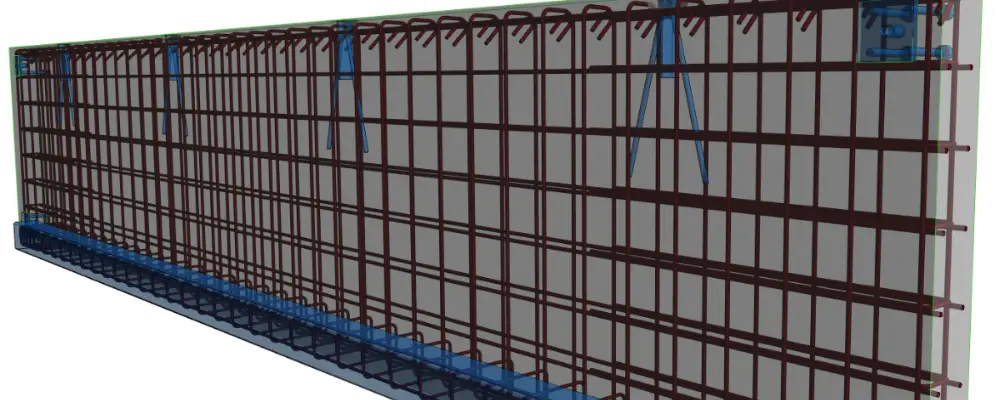
Wall reinforcement is the process of strengthening a wall using reinforcement (generally steel), either during construction or during renovation. It is the process of using vertical and horizontal rebars to help the wall withstand forces acting in the horizontal direction, including wind and earthquakes. It improves the load-bearing capacity and stability of the structure.

Purpose of Wall Reinforcement

Purpose of Wall Reinforcement

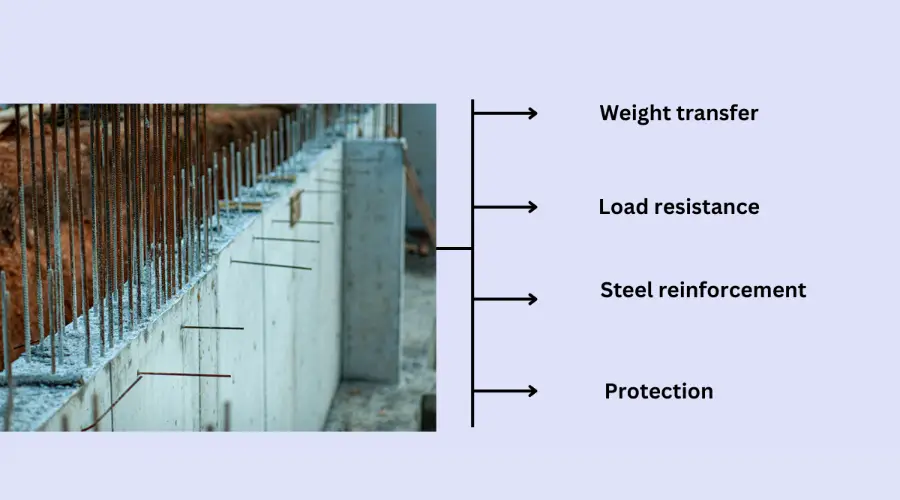
Walls are an integral part of construction, mainly constructed to transfer the weight from the roof to the foundations of the building and also to provide protection against external forces. Walls usually can withstand loads acting over them, as they have high compressive strength. However, walls must resist the lateral forces acting on them, especially in extreme weather conditions. For this, reinforced steel rods are provided within the masonry, which give the wall strength and stability and help protect the structure from external lateral forces.

Types of Reinforced Walls

Reinforced Concrete Retaining Walls

Reinforced retaining walls are designed to resist the lateral pressure of the soil, rocks or other materials to prevent the building from falling or sliding, especially in regions with varying natural ground levels. To prevent the soil from toppling the wall and causing damage to the structure, adequate reinforced steel rebars are provided in concrete walls.

Reinforced Masonry Walls

Installing reinforcement to masonry walls is crucial to transfer the load from the roof to the foundations, especially in high-rise buildings. The load-bearing walls have the necessary compressive strength to withstand vertical loads. However, the walls must resist lateral forces, especially in extreme seismic conditions. Reinforcement rebars are used within the masonry to resist lateral forces and prevent the building from potential damage. In the case of existing buildings, steel ties are used, especially to stop the wall from bowing outwards.

Reinforced Diaphragm Walls

A diaphragm wall is an underground structure that forms the foundation wall or retaining walls. These walls are extremely deep, and there is a high demand for reinforcements to withstand the high soil pressure. The reinforcements are placed in position and the concrete is carefully poured into the connected wall panels to withstand the lateral soil loads.

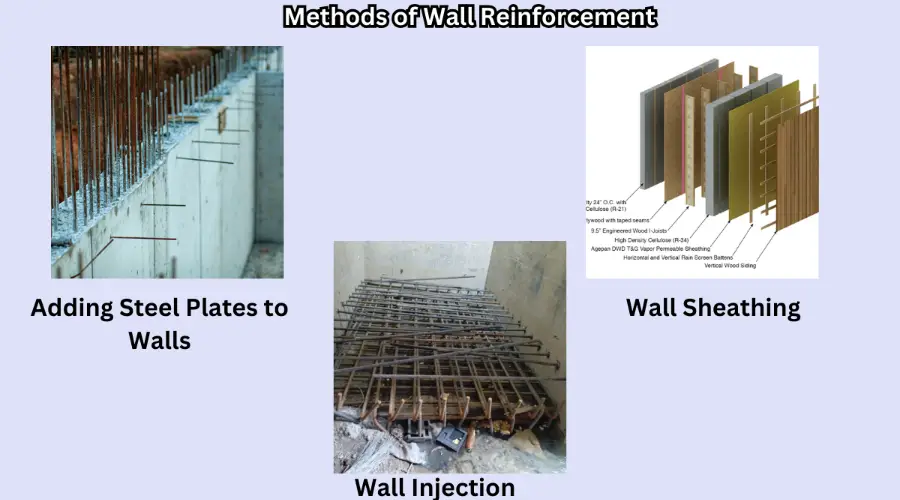
Methods of Wall Reinforcement

Methods of Wall Reinforcement

Adding Steel Plates to Walls

By adding steel plates to walls, the structural strength of the walls of the existing built form increases. This method is used where the walls have to withstand high stress.

Wall Injection

Epoxy resin or polyurethane foam is injected into the walls’ fills, gaps and cracks. This method is used to repair the damaged walls to improve their strength and prevent water leakages. 

Wall Sheathing

It is the process of applying insulation materials to the outer surface of the walls to provide more durability to the structure. This method prevents the walls from temperature changes and protects the structure from all kinds of external pressures.

Advantages of Reinforced Walls

  • Neutralise the forces of gravity to protect the structure from any potential damage.
  • It holds the soil together in underground locations and protects the structure from sliding.
  • It stabilises the structure in sloping and mountainous areas, where it provides level surfaces.
  • It is compatible with a variety of decorative facing systems.
  • Reinforces walls, reduces maintenance and prevents erosion.
  • It holds back the earth and maintains a difference in the height of the ground surface.
  • Withstands the earth or backfill and other externally exerted loads.
  • It protects the structure from floods.
  • It can be installed in various surface textures and custom designs.
  • It is suitable for harsh conditions and proven to withstand extreme loads.
  • Inextensible soil reinforcements and bolted connections are quickly installed.

Conclusion

Reinforcement is necessary for any wall that needs to withstand loads and forces acting over it and effectively transfer the overlying load to the foundation. It provides additional support to the structure, ensuring stability and functionality. The most efficient way to use reinforcement in a wall is during the initial construction phase. However, reinforcement over the existing structure could also give the necessary strength to support the walls against lateral forces. Although installing reinforcements requires skilled labour and more money, the investment in reinforcing could save the overall structure from demolition.

Defects in Bricks – Types, Causes, and Prevention

0
defects in bricks

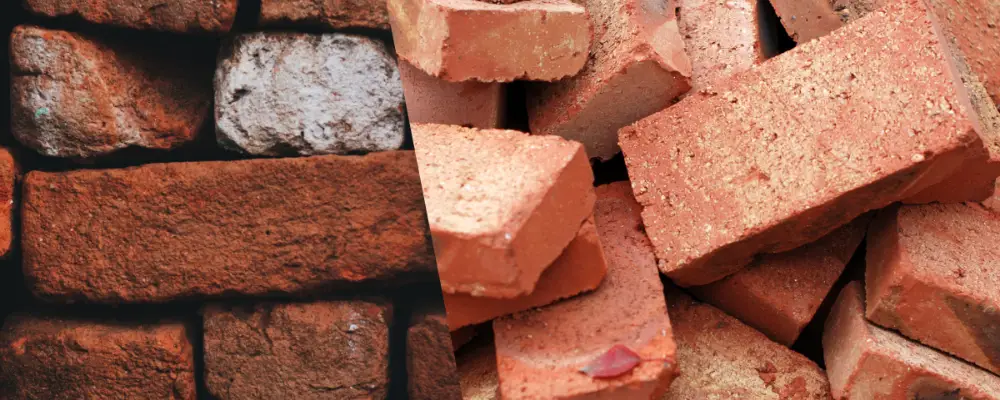
A brick is one of the most commonly used construction materials and has been used for thousands of years. It is the oldest building material that provides strength, durability, reliability, and aesthetic beauty to the construction. Over the years, bricks have evolved, and now there are a variety of bricks in the market, depending on their raw materials, properties, and applications. It is crucial to choose good-quality bricks, as poor-quality bricks could completely sabotage your dream project. So, how do we identify defects in bricks? Here are the different types of defects in bricks.

Different Types of Defects in Bricks

Different Types of Defects in Bricks

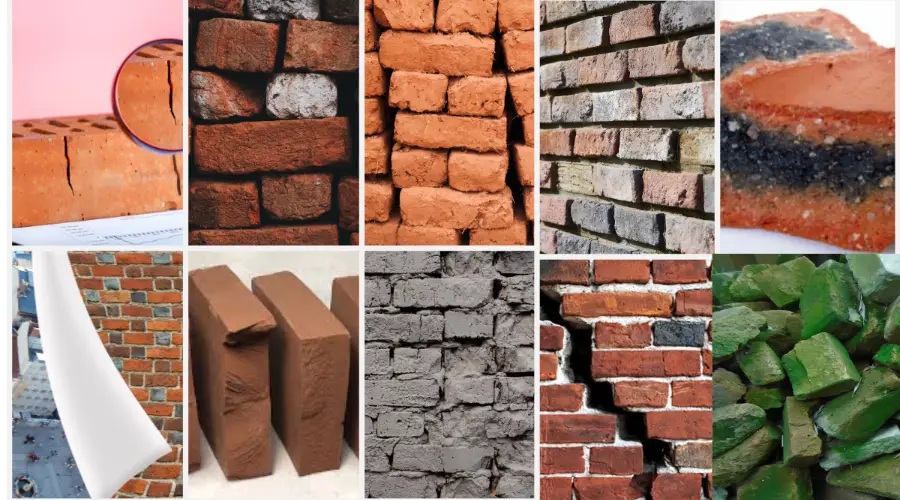
Poor Quality Bricks are vulnerable to numerous defects, and some of the most common defects in bricks include:

  • Underburning
  • Spots
  • Spalling
  • Overburning
  • Lime Blowing
  • Lamination
  • Efflorescence
  • Chuffs
  • Checks or Cracks
  • Bloating
  • Blisters
  • Black Core

Underburning

When bricks are not burnt to complete vitrification, the clay softens, and pores remain open due to insufficient heat. This results in low compressive strength and high water absorption, making them unsuitable for construction work.

Spots

It is a dark spot on the bricks’ surface caused by iron sulfide in the clay. The spots affect the structural integrity and visual appeal, making it unsuitable for exposed masonry work.  

Spalling

Spalling refers to flaking, cracking, peeling, crumpling, or chipping of bricks, resulting in the irregular portions of the bricks breaking or falling off. This is caused by the heating of water inside the bricks.

Overburning

This is caused by over-burning due to excess temperature inside the kiln or burning faces. The overburnt bricks result in a soft molten mass. The bricks lose their shape and become unsuitable for construction.

Lime Blowing

The disintegration of bricks causes lime blowing in bricks. If bricks contain a lime lump, the lime absorbs water and expands after firing, resulting in lime blowing. It can be identified by immersing a brick in water. If the soaked brick develops fractures or powdery lumps, the brick has a blowing defect.

Lamination

It is a defect where a thin lamina is produced on the surface of the brick, which flakes out due to atmospheric conditions. The lamination of the brick is due to the air voids in the clay, resulting in weak bricks. This reduces the load-bearing capacity and durability of the bricks in masonry work.

Efflorescence

Efflorescence is the formation of a crystalline, salty deposit on the surface of the brick due to the excess alkali present in the brick. It occurs when the bricks are exposed to moisture, where the brick absorbs water and alkali crystallises. It can be identified by soaking a brick in the water. If the soaked brick forms a drying grey or white powder patch after 24 hours, it indicates efflorescence in bricks. The efflorescence can be prevented by selecting proper clay materials and providing necessary water-repellant materials in mortar and damp-proof courses.

Chuffs

It is the deformation in the shape of bricks due to the exposure of hot bricks to rainwater. The irregular shape of the bricks could affect the alignment and interlocking of bricks, weakening the structural integrity of the structure.

Checks or Cracks

The bricks are subjected to two types of cracks: straight and random cracks. Straight cracks occur parallel to the short surface of the brick due to rapid drying. In contrast, random cracks occur on different brick surfaces due to lumps of lime and excess water. This happens when an excess of water is added to the bricks during manufacturing, leading to shrinkage and burning cracks.

Bloating

Bloating is the spongy, swollen mass forming on the surface of burnt bricks. It occurs due to excess carbonaceous matter and sulfur in the bricks.

Blisters

Blisters in bricks occur on the surface of sewer pipes and drain tiles. This is due to poor compaction during the molding process. The air voids imprisoned in the brick are the main reason for the blistering of bricks.

Black Core

It is the presence of circular or semi-circular shaped black or grey spots around the core of the fire clay bricks. It is caused by the bitumen or carbon content in the earthy clay and improper burning of bricks. These bricks have reduced strength, low structural integrity, and reduced load-bearing capacity.

Why is Proper Storage of Bricks Important?

Bricks are made of clay and natural materials and are prone to moisture, temperature changes, and exposure to sunlight. To maintain their quality and durability, proper brick storage is crucial. It prevents the bricks from potential damage or deterioration caused by external factors and keeps the bricks with their original physical properties.

How to Store Bricks Properly?

  • Create a foundation of loose gravel outside to keep the bricks dry. The selected space should be free from exposure to rain or sun.
  • Dig a shallow hole and cover it with plastic for an outdoor solution with all the benefits of being under a roof.
  • Stack the bricks in a way that they cannot fall and cause damage.
  • Clay and cement bricks should be stacked and stored separately to retain their durability and longevity.
  • Solid, perforated, and hollow bricks should be stacked separately to avoid fluctuation and loss of density.
  • It is important to note that the stacking of bricks should not exceed 10 bricks in height.

Conclusion

Bricks are strong and reliable construction materials that provide numerous benefits in terms of strength, durability, and aesthetic beauty to the building. Compromising the strength or looks by choosing poor quality, defective bricks could result in major damages and even complete demolition. You should always test bricks for all the above defects and choose good-quality bricks for your dream project to prevent costly mistakes.

Solid Cement Bricks – A Comprehensive Guide

0
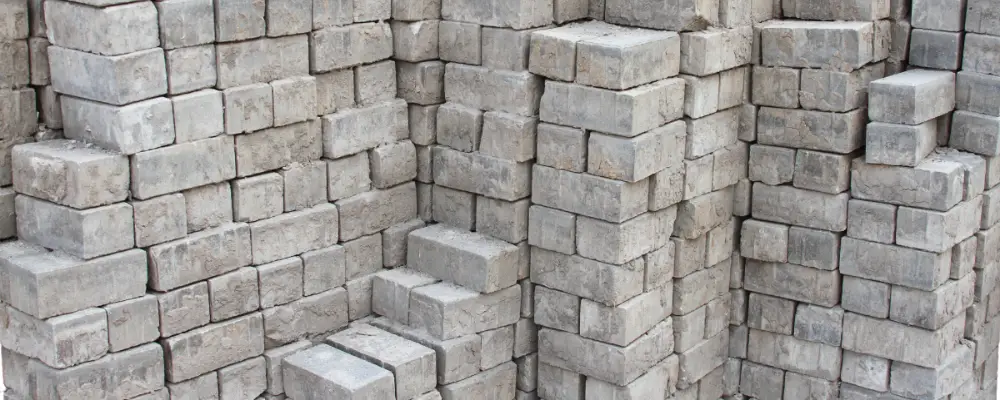
Solid Cement Bricks

Bricks have been one of the most commonly used construction materials for thousands of years. Over the years, the evolution of bricks has resulted in a plethora of options for construction in the market. Among these, cement bricks have seen a drastic upscale due to their versatility and wide range of benefits. These cement bricks are of two types- solid and hollow bricks. In this blog, we will discuss solid cement bricks in detail.

What are Solid Cement Bricks?

Solid cement bricks or solid concrete blocks are dense and heavy blocks made using a mixture of cement, sand and fine aggregates. They are ideal for large-scale buildings that require high-load-bearing walls. Compared to other bricks, these bricks are big and require less time and effort for construction.

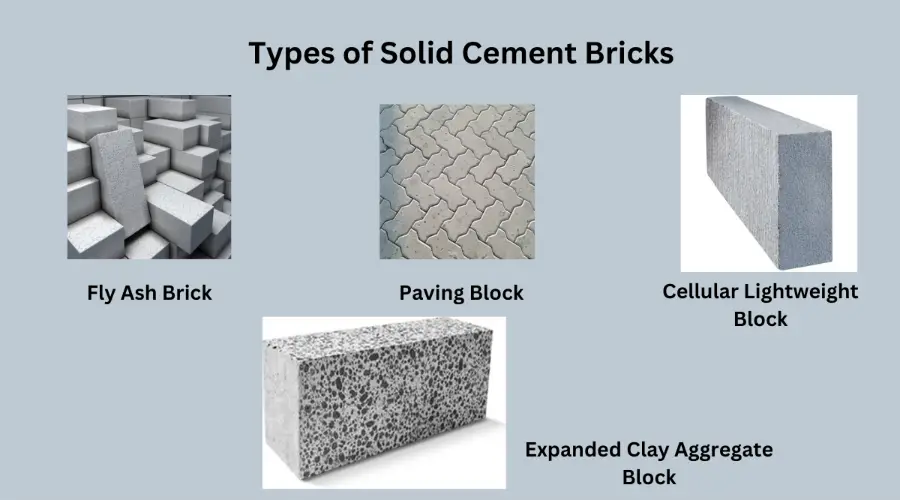
Types of Solid Cement Bricks

Types of Solid Cement Bricks

Fly Ash Brick

Fly Ash Bricks are made using a mixture of cement and fly ash as the raw materials. They are lightweight and can resist extremely high temperatures. These bricks are used both in residential and commercial construction. Due to their lightweight nature, they are only used for constructing partition walls and other non-load-bearing structures.

Paving Block

These blocks are mainly used for paving walkways, parking areas and on the shoulders of the road. These blocks come in various sizes and colours and are ideal for pavements. 

Cellular Lightweight Block

Cellular Lightweight Blocks are made using cement, foam and fly ash. These are lightweight blocks similar to AAC and provide good acoustic and thermal resistance. These blocks are available in customisable shapes and sizes. The high-density cellular lightweight blocks can be used for load-bearing walls, while the medium-density blocks are used only for non-load-bearing walls.

Expanded Clay Aggregate Block

These blocks use cement and clay heated at high temperatures to provide a porous and lightweight material. These bricks are resistant to fire and water and reduce the overall structural load by 50%. The pores on the block act as a thermal and acoustic insulator for the structures. Since the clay is fired in a kiln, it can be moulded into different sizes and densities.

Advantages & Disadvantages of Solid Cement Bricks

Advantages

  • Solid concrete bricks have high compressive strength, which makes them ideal for load-bearing walls and structures.
  • These bricks are made using high-quality material and are designed to withstand all kinds of external impacts, making them durable and long-lasting.
  • Solid cement bricks have excellent fire resistance properties that can be suitable for a structure that demands fire protection and in fireplaces.
  • Solid cement bricks are available as half-bricks, thus reducing the damages caused by breaking the bricks for making bats.
  • Using solid bricks in construction is very easy. They can be cut and drilled to the required sizes. The large size of the blocks reduces the time and energy for erection compared to other building materials.
  • The solid blocks can be used for versatile purposes, including constructing walls, partitions, pavements and more.

Disadvantages

  • Solid cement blocks are heavy and require careful handling.
  • They have a higher water absorption rate and could easily get damaged in water-prone areas.
  • The cost of solid concrete blocks is comparatively higher than other building materials.
  • Although they have high compressive strength, these bricks have low tensile strength, thus making them vulnerable to cracks and chipping.
  • The heavyweight nature of these bricks increases the overall structural load, which could demand heavier foundations.
  • Constructing a wall using solid concrete blocks may not provide the same aesthetic look as bricks when left exposed.

Applications of Solid Cement Bricks

Foundations

Solid cement bricks are most commonly used for constructing the foundation, providing a strong and stable base. These bricks are strong, durable, and have high load-bearing capacity, making them ideal for laying foundations.

Walls

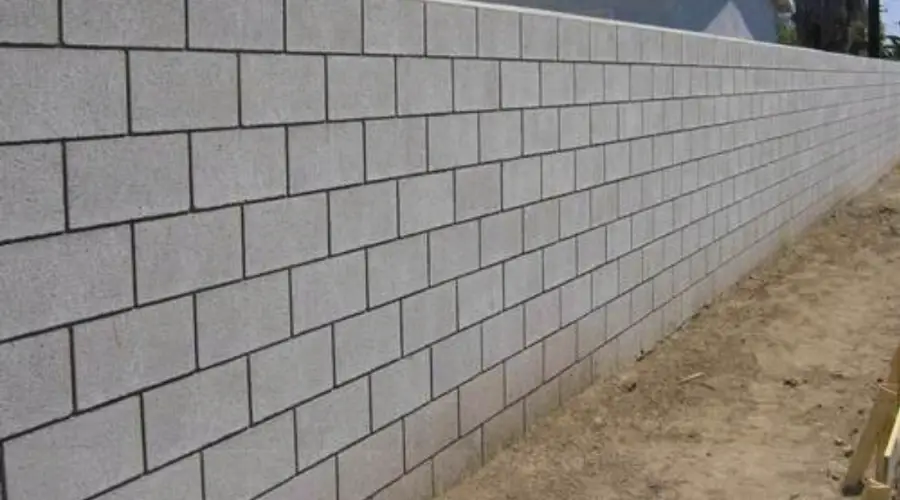
Solid Cement Bricks

These bricks are used to build steady and durable walls for large structures. Due to their versatility, they can be used to build load-bearing, non-load-bearing, and partition walls.

Pavements

Solid cement bricks are used to lay pavements, walkways, parking, and shoulders of the road. Their brittle and durable nature helps them withstand high live loads and extreme climatic conditions.

Fireplaces

Due to the high fire resistance capacity of solid cement bricks, they can be used for fireplaces such as kilns, burning furnaces, manufacturing units, and structures that demand fire insulation.

Manufacturing Process of Solid Cement Bricks

Selection of Raw Materials

Raw materials such as cement, sand, and additives are carefully selected based on the quality requirements. The chosen raw materials are tested for consistency, size and chemical composition.

Mixing

After testing, adequate quantities of raw materials are batched according to the pre-determined standards. Additives such as fly ash or colour pigments can be added to the mix to achieve the required physical & chemical properties. The ingredients are then thoroughly mixed with water using mechanical mixing until they form a homogeneous mixture. 

Molding & Compaction

The homogeneous mixture is poured into molds and compacted using vibrators or hydraulic presses to remove air voids and ensure proper filling.

Curing & Drying

After molding, the bricks are cured in a controlled environment using steam, water and air to improve hydration and strength. After curing, the bricks are removed from the mold and kept for air drying to remove excess moisture and enhance strength.

Installation & Maintenance of Solid Cement Bricks

Installation

  • Pour the cement or lime mortar onto the surface with a 2.5 cm to 4 cm thickness to form a mortar bed.
  • Lay the solid cement bricks over it and level them using a plumb bob and a wooden stick of approximately 1 meter in length.
  • Apply the mortar onto the top surface of the first course and lay the second course of bricks, leaving enough space not exceeding 1 cm.
  • Repeat the laying operations and check the horizontal and vertical levels using a plumb and a spirit level.

Maintenance

  • Regular inspection is key in maintaining the concrete blocks, as numerous environmental factors could affect their structure. Early detection and repair could improve their lifespan and efficiency.
  • Practice effective cleaning methods such as using cleaning agents and pressure washing to remove unwanted elements damaging the blocks.
  • Address any cracks and damages on time and seal or repair them before they become a big issue.
  • High-quality materials, proper installation, and coating can be used during construction and maintenance to extend the structure’s lifespan.

Conclusion

Solid cement bricks or solid concrete blocks are one of the strongest and most durable construction materials. They have numerous advantages over regular bricks and are highly durable against all kinds of external pressure, and proper installation can ensure the structure’s longevity. Although heavy and costly, they are worth the initial investment as they provide long-term benefits.