Home Blog Page 17

How to Calculate AAC Block Quantity for a Wall?

0
how to calculate aac block quantity

Choosing the right building material is crucial in the contemporary construction sector. AAC cement blocks have the potential to completely transform the building business in the current fast-paced construction sector. They are quickly replacing conventional blocks with modern building materials. Wood is combustible, decomposes, and can be damaged by termites when used as a building material. 

Unlike wood, which can catch fire, rot, or get damaged by termites, AAC blocks are strong and long-lasting. They are commonly used in construction projects for homes and industries because they make the building process faster and easier. This has made them a popular choice over traditional blocks.  This article will explain the importance of calculating the quantity of AAC blocks, the steps to calculate, and examples for the calculation of AAC cement blocks.

Overview of AAC Blocks

Lightweight construction materials made in a factory are called AAC (Autoclaved Aerated Concrete) cement blocks. They are created by combining fly ash, cement, lime, gypsum, and a special ingredient that facilitates their expansion. Because of this procedure, the blocks are sturdy and lightweight due to their numerous tiny internal holes. AAC blocks are suitable for a wide range of construction projects due to their characteristics.

Manufacturing Process of AAC Cement Block

An aeration agent, fly ash, cement, lime, and gypsum are the components of autoclaved aerated concrete, or AAC. Because the blocks are lightweight and porous, they need to be handled gently to avoid breaking and to keep out of the elements. Under ideal conditions, a dynamic AAC cement block rises gradually. The AAC cement block rises in a warm, steady environment, just like dough does. The mixture contains 80% air after the drying process is finished.

The mixture is then chopped into precise shapes and sizes after being moulded and autoclaved under extreme pressure. With the addition of the ideal expansion agent as an add-on, an environmentally friendly product is now prepared to build your building project. Comparatively speaking, it is three times lighter than conventional red bricks.

Why is Calculating AAC Block Quantity Important?

Estimating the cost and quantity of AAC blocks may be helpful in several ways, as follows:

  • It helps in determining the precise quantity of blocks required to prevent shortages or overordering.
  • Ensures efficient progress by keeping the necessary supplies on hand.
  • Prevents construction delays brought on by a lack of materials.
  • Reduces waste and avoids unnecessary expenses.
  • Aids in budgeting for supplies like sand, cement, mortar, and blocks.
  • Keeps the structure’s quality and consistency intact.
  • Makes it easier to calculate the precise amount of cement and mortar needed.
  • Avoids acquiring materials at the last minute, saving time.
  • It prevents excessive use of resources and promotes sustainable practices.

Steps to Calculate AAC Block Quantity

Let’s consider an AAC block wall of dimensions 3m × 10m × 0.2m. 

We will use AAC blocks of size 0.2m × 0.2m × 0.6m with a mortar thickness of 10mm (0.01m).

Given data:

Length of the block wall = 10 m.

Height of the block wall = 3 m.

The thickness of the block wall = 0.2 m.

AAC block size = 0.2 m × 0.2 m × 0.6 m.

Mortar thickness = 10 mm = 0.01 m.

Volume Calculations:

  • The volume of the wall = [length × height × thickness] = 3 m × 10 m × 0.2 m

= 6m3 (6CUM)

  • The volume of one AAC block without mortar = [length × height × thickness]

= [600 mm × 200 mm × 200 mm] 

(By converting them into M.)

= [0.6 m × 0.2 m × 0.2 m].

= 0.024 m3 (CUM)

  • The volume of one AAC block with mortar is [0.61 m × 0.21 m × 0.2 m]. 

=  0.02562 m3 (CUM).

Calculation of mortar to build this 6 CUM. of the AAC block wall.

  • The number of AAC blocks required = [volume of the wall ÷ volume of the block with mortar] = [6 CUM. ÷ 0.02562 CUM].

= 234.2 nos.

  • The volume of mortar required = volume of the block wall minus the volume of the total number of AAC blocks. 

= [volume of the block wall – (no. of blocks × vol. of a single block.)].

= [6 CUM. – (234.2 nos. × 0.024 CUM.)]

= [6 CUM. – 5.62 CUM.]

= 0.38 CUM.

Let us prepare this 0.38 CUM. of mortar in a 1:6 ratio to build this 6 CUM. of the AAC block wall.

  • Dry volume of the cement mortar

= 1.33× wet volume of the mortar.

= 1.33 × 0.38 CUM.

= 0.505 CUM.

  • Volume of the sand = (6 ÷ (6 + 1)) × 0.505 CUM.

= 0.8571 × 0.505 CUM.

= 0.432 CUM. 

  • The volume of the cement = total dry mortar vol. – the volume of sand

= 0.505 CUM. – 0.432 CUM.

= 0.073 CUM.

= 2.578 cu ft.

As you know, one bag of cement = 1.226 cu ft.

Number of cement bags = [2.578 cu ft. ÷ 1.226 cu ft.]

=   2.103 bags.

Example Calculation

Let us now find out the materials required for 1 CUM. and 1 cu ft. of an AAC block wall.

  1. AAC blocks:

Blocks required for 1 CUM. of AAC block wall

For 6 CUM of block wall = 234.2 nos. of AAC block.

So, for 1 CUM of block wall = _ nos. of AAC block?

= [1 CUM × 234.2 nos. ÷ 6 CUM.] 

= 39 nos.

Blocks required for 1 cu ft. of wall = 39 nos. ÷ 35.315 (as 1CUM = 35.315 cu ft.)

= 1.105 nos.

  1. Cement:

Cement required for 1 CUM. of AAC block wall = [1 CUM × 2.103 bags. ÷ 6 CUM.] 

= 0.3505 bags

Cement required for 1 cu ft. of block wall = [0.3505 bags ÷ 35.315]

= 0.01 bags.

  1. Sand:

Sand required for 1 CUM. of AAC block wall = [1 CUM × 0.432 CUM ÷ 6 CUM]. 

= 0.072 CUM.

Sand required for 1 cu ft. of block wall = [0.072 CUM. ÷ 35.315]

= 0.002 cu. ft.

Conclusion

Calculating the number of AAC blocks needed for a wall is an important step in construction. It helps make the process more efficient and cost-effective. By knowing the size of the wall and the blocks, you can estimate the right number of blocks needed, as well as the amount of mortar and other materials. This helps avoid running out of materials, reduces waste, and makes budgeting and planning easier.

As AAC blocks become more popular for their eco-friendliness and insulation benefits, learning how to calculate the right amount will help builders make the most of these advantages. Using a clear method to calculate AAC block quantities improves project efficiency and ensures resources are used responsibly.
Natural Cement – A Comprehensive Overview & Their Application

0
natural cement

Natural cement is stronger than conventional cement, with higher compressive and tensile strengths than Portland cement. It is environmentally friendly, consumes less energy in the production process, and helps to lower the carbon footprint. Natural cement is a revolutionary product in the cement market that can considerably reduce carbon emissions and provide stronger and more resilient construction material. This natural cement is genuinely green and does not pollute the environment in any way. Let us delve deeper into the manufacturing process, properties, and applications of natural cement.

What is a Natural Cement? 

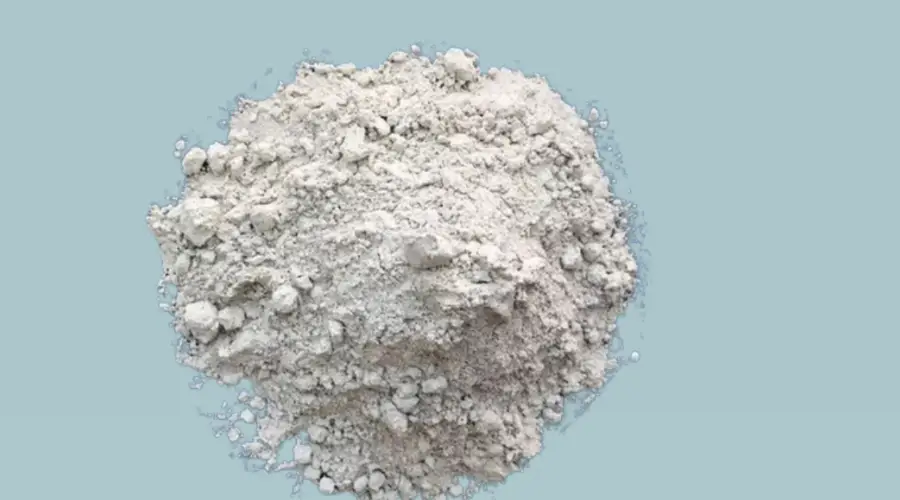
Natural cement is a binding material derived directly from naturally occurring argillaceous limestone, which contains clay. This unique material has no additives and includes all the properties of cement, which is used for concrete, plaster, and mortar. 

Natural Cement provides a variety of environmentally friendly mortars, grouts, and shotcrete with a reduced carbon footprint that is ideal for several construction projects. This product is perfect for projects that need quick serviceability because they are naturally waterproof, chemically resistant, and offer quick strength gain with short curing durations.

Historical Origin and Spread: 

The production and use of natural cement began in France and England and eventually made its way to the United States. It was utilised in well-known national monuments and infrastructure projects, including the Erie Canal, Brooklyn Bridge, Washington Monument, and the U.S. Capitol. Additionally, it was utilised for smooth external stuccoes, cast embellishments, and mouldings in upscale residential and commercial buildings.

Raw Materials Used in Natural Cement

The only raw material that can produce natural cement is argillaceous limestone (which contains clay). During the production process, nothing is added or nothing is removed from the argillaceous limestone. Additives are not required during the production of natural cement. They are solely excavated from the earth, heated, and then powdered to use as cement. 

You can use this natural cement as a base and add any other minerals or additives that suit your construction needs. Natural cement is not a new material but has been around for years. The Romans are famous for using this natural binder in their construction. While using limestones in the construction process, they mix a pozzolanic material, a primary deposit of volcanic ash, which activates the limestone for faster setting as well as provides high strength for the structures. Likewise, in India, we use clay instead of pozzolanic material. 

Manufacturing Process of Natural Cement

Raw materials and chemistry:

A particular kind of limestone called clayey marl (marlstone), which has impurities that have accumulated over geologic time, is the source of natural cement. These marls have a considerable quantity of alumina in addition to amorphous silica, which is similar to natural hydraulic limes. 

The process of burning:

When the marl is burnt slowly at temperatures below 2200°F, CO2 is released from the limestone. Like natural hydraulic limes, the leftover quicklime (CaO) reacts with silica to form belite, a type of calcium silicate responsible for the slow-setting properties of natural cement. In parallel, a variety of calcium alumina compounds that are specific to natural cement are created when quicklime and alumina react.

Final Product and Grinding:

Natural cement is made by grinding the clinker or burnt materials into a fine powder. To create the finished product, this powder can be combined with water and aggregates.

Configuring Properties:

Because of the quick setting characteristics brought about by the alumina reaction with water, which happens in minutes as opposed to hours or days as with hydraulic limes, natural cement differs from hydraulic limes. The high binding strength of natural cement gives more options for the kinds and quantities of aggregates that can be employed than pure lime or hydraulic limes.

Comparing This Material to Others:

Natural cement and gypsum plasters have similar fast-setting properties, although they differ chemically. Natural cement’s special chemistry makes it more versatile in construction applications and offers improved binding strength.

Properties of Natural Cement

Early Compressive Strength: Because of the initial calcium aluminate set, natural cement has a rapid increase in compressive strength.

Low Permeability: It is perfect for some stone applications because of its low permeability, which prevents water from penetrating.

Compatibility with Natural Hydraulic Limes: These binders are compatible since they have a comparable chemistry and a long-term silicate curing pattern.

Enhanced Durability: Natural cement improves compressive strength and resistance to cold, salt, and erosion, and decreases permeability and shrinkage when combined with natural hydraulic limes.

Applications in Historic Restoration: Because of its historical use, it is frequently used in restoration projects, especially when it comes to classic architectural forms and craft processes.

Flexibility with Aggregates: Rich mixes that may provide fine detail in moulding and ornament casting are possible because aggregate utilisation is not unduly restricted.

Aesthetic Applications: It creates long-lasting and visually appealing stucco with integral colouring when mixed with natural hydraulic limes.

Applications of Natural Cement

Natural cement stones are the source of natural cement-like Medina cement, Puzzolana cement, and Roman cement. They are primarily involved in the rail, civil engineering, construction, water, and utility industries. The wide range of applications of natural cement are as follows:

Concrete Repairs

  • Natural cement provides versatile solutions for concrete repairs such as structural and cosmetic issues, applicable to vertical, horizontal, and overhead surfaces, including bridges, sea defences, potable water systems, lintels, and floors, using hand application or spray techniques.

Waterproofing and Rendering

Waterproofing and Rendering
  • Natural cement offers solutions for areas requiring a rendering system, protection against positive and negative water pressure, and applications such as basements, cellars, lift pits, swimming pools, tanks, tunnel linings, and leak sealing. 

Grouting 

  • Natural cement is suitable for grouting applications due to its rapid setting and strength gain, chemical resistance, suitability for potable water, and versatility in stabilisation, void filling, and tunnelling projects.

Screeding

Screeding
  • Natural cement is ideal for screeding in applications requiring a quick turnaround, offering no curing period, overcoating within 1 hour after setting, and suitability for pools, balconies, potable water, areas prone to chemical attack, and the food industry.

Underwater Works

  • Natural cement specialises in underwater works like concrete repairs, underground grouting and pointing, leak sealing, and general maintenance for watercourses, including potable water reservoirs, tanks, rivers, canals, coastal environments, and scour protection.

Sprayed Concrete

  • Natural cement is commonly applied in dry-sprayed concrete for tunnel linings, retaining walls, ground support, underpinning, and concrete repairs, as well as in sea defences, tidal areas, and potable water-approved structures.

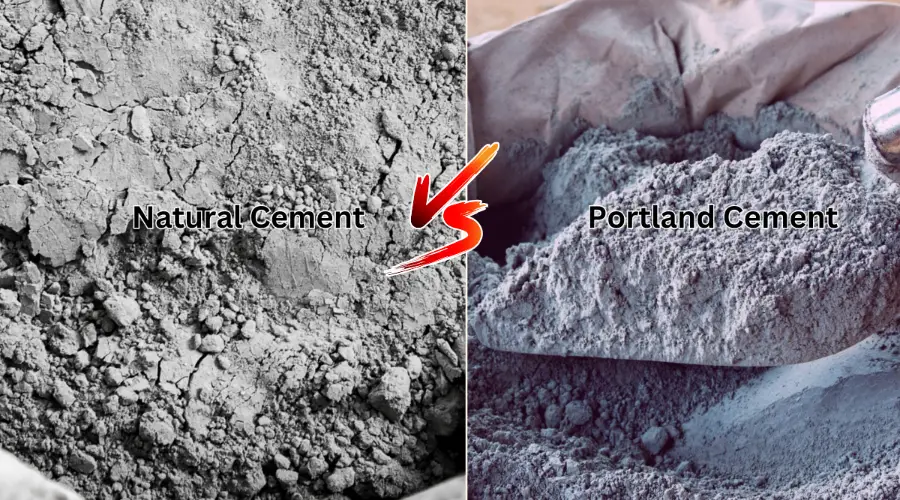
Natural Cement vs. Portland Cement

Natural Cement vs. Portland Cement
S.NoAspectNatural CementPortland Cement
1OriginFirst appeared in England in 1796, patented by James ParkerDeveloped in 1824 by Joseph Aspdin
2Raw MaterialsMarl (75-60% carbonates, 25-40% clay)Limestone (80-75%) and clay (20-25%)
3Manufacturing Temperature800–1200°C>1300°C
4Manufacturing Duration8–20 hours<8 hours
5Hydraulic PropertiesRapid-setting (<12 hours)Slower-setting (>1 hour)
6Types– Rapid Natural Cement (RNC)- Slow Natural Cement (SNC)N/A
7Mineralogical CompositionMajor: C2S (dicalcium silicate)Minor: C3S (tricalcium silicate), gehleniteMajor: C3S (tricalcium silicate)Minor: C2S (dicalcium silicate), gehlenite
8Setting TimeRNC: <30 minutesSNC: 30 minutes–12 hours>1 hour
9Strength & HardnessLower strength and hardness than Portland cementHigher strength, rigidity, and hardness
10DurabilityLess durable than Portland cementMore durable, water-resistant
11ApplicationsPorts, channels, drains, water supply networksGeneral construction, buildings, bridges, roads
12Compatibility in RestorationMay be incompatible with modern cement due to differences in strength and permeabilityOften used in modern restoration, but can cause incompatibility with old materials due to higher rigidity and impermeability

Conclusion

Natural cements are still important for the preservation and restoration of old buildings, even if Portland cement has mostly superseded them in contemporary construction. It’s important to identify the conflicts of modern cement and carefully consider how they work with contemporary materials while renovating older structures. Maintaining the integrity of structures constructed using natural cement requires an understanding of their characteristics and historical background.

Non Hydraulic Cement – Types, Uses, and Comparison

0
Non Hydraulic Cement

In construction, cement plays a major role in binding the bricks together and giving a smooth surface finish to the buildings and structures. There are several cement types in the industry; however, cement is primarily classified into two types: hydraulic and non-hydraulic cement. Hydraulic cement is most commonly used in construction, and most of you would have a basic idea of it. On the other hand, non-hydraulic cement is believed to be the first invented cement and has a lot of unique properties. This blog provides a detailed overview of non-hydraulic cement and everything you need to know.

What is Non-Hydraulic Cement?

Non-hydraulic cement is a special type of cement that does not require water or other moisture to set (harden). Instead, it uses dry conditions and carbon dioxide to set and cure. Due to the air curing, this cement is also called air-hardening cement. This cement is made of lime, gypsum, magnesium oxide, and silicates and are primarily used for plastering, rendering, drywall, partitioning, artwork, and more.

Types of Non-Hydraulic Cement

Lime Cement

Lime Cement

As the name reveals, lime is the primary raw ingredient used to prepare non-hydraulic lime cement. The powdered lime is mixed with silica, alumina, ferric oxide, and magnesia to produce lime cement. It has been used for hundreds of years and is well-known for restoring and conserving historic buildings.

Gypsum Cement

Gypsum cement is a non-hydraulic cement primarily made of gypsum, lime, silica, alumina, and ferric oxide. It is also called the plaster of Paris. Gypsum cement is known for its quick-setting time and fire-resistant properties and is widely used for plastering, rendering, and decorative works in interior and exterior structures.

Magnesium Oxychloride Cement

Magnesium Cement or Magnesium Oxychloride Cement is a non-hydraulic cement primarily made of magnesium oxide, magnesium chloride, silica, alumina, and ferric oxide. It is known for its high strength, water-resistant, and fire-resistant properties and is widely used for construction, repair, decoration, and fireproofing applications.

Composition of Non-Hydraulic Cement

The composition of non-hydraulic cement varies depending on the type of cement used. Here is a quick overview of the composition of different types of non-hydraulic cement.

Lime Cement

Around 50-90% of the cement contains powdered lime, which is extracted by heating limestone, making it the primary raw material. The obtained lime is mixed with 5-20% Silica, 2-10% Alumina, 1-5% Ferric Oxide, and Magnesium. Grinding all this into a mixture inside a ball mill will produce lime cement.

Gypsum Cement/Plaster

As the name suggests, gypsum is the primary component of this cement, accounting for 70-90% of the total mix. Gypsum is mixed with 5-15% lime, 2-10% Silica, 1-5% Alumina, and Ferric Oxide.

Magnesium Oxychloride Cement

Magnesium cement or oxychloride cement comprises 40-60% Magnesium Oxide, 20-40% Magnesium Chloride, 10-20% Silica, 5-10% Alumina, and 1-5% Ferric Oxide.

Applications of Non-Hydraulic Cement

  • Lime cement is widely used in masonry as mortar and plaster, especially in restoring and maintaining historic buildings.
  • Lime cement helps improve the stability of the soil and reduces soil erosion on and around the construction site.
  • Non-hydraulic lime uses little energy and leaves no carbon footprint during manufacturing, making it suitable for constructing sustainable buildings.
  • Lime cement is ideal for creating lime washes with a breathable and natural surface finish.
  • The gypsum and oxychoride cement are ideal for walls and ceilings, especially in dry indoor environments.
  • This cement can be used for creative moldings, cornices and other ornamental plasterwork in buildings.
  • Magnesium oxychlorides are highly durable and resistant to chemical attacks, making them perfect for floor finishes.

Non-Hydraulic Cement vs Hydraulic Cement

Non-Hydraulic CementHydraulic Cement
Raw MaterialsThe raw materials used to make non-hydraulic cement are lime, gypsum plasters, and magnesium oxychlorides.The raw materials used to make hydraulic cement are limestone, clay, and gypsum.
Hardening ProcessCement hardens in dry weather due to carbonation with carbon dioxide in the atmosphere. Its hardening time is comparatively slow.Hydraulic Cement hardens when a chemical reaction occurs between cement and water. Its hardening time is faster than that of non-hydraulic cement.
StrengthIt is weak compared to hydraulic cement. Hardening takes a long time, and it takes a long time to attain its full strength.It has comparatively high strength. It attains full strength within a few days after hardening.
ApplicationsIt is widely used to restore and repair historic buildings and construct stonemasonry.It is used in constructing buildings, bridges, dams,and all kinds of engineering projects
ExamplesAn example of non-hydraulic cement is lime putty and slaked lime.A few examples of hydraulic cement are Portland cement, blended cement, blast furnace slag cement, and more.

Conclusion

Non-hydraulic cement is a special cement that hardens due to carbonation using carbon dioxide in the natural environment. This cement is known for its ability to survive dry conditions and is highly resistant to fire, water, and chemical reactions. It can be used for repairing and maintaining structures and providing a smooth and decorative finish to interiors. Although it has conspicuous applications and properties, it has considerable limitations, which makes it unsuitable for modern-day construction, which requires fast-paced construction.

FAQs

1. What are the similarities between hydraulic and non-hydraulic cement?

Both hydraulic and non-hydraulic cement act as binders and share some basic ingredients, such as lime, alumina and silica.

2. What are the raw materials used for producing non-hydraulic cement?

Raw materials such as lime, gypsum and oxychlorides are the primary ingredients in the production of non-hydraulic cement.

Manufacturing of Portland Cement – Process & Applications

0
manufacture of portland cement

Portland cement is a key material used in construction because it’s strong and long-lasting. Surprisingly, the cement we use today started in a kitchen! Joseph Aspdin, a British stone mason, made cement by heating raw ingredients like clay powder and limestone. But now, it is an essential part of building concrete structures. Let us delve deeper into the manufacturing process and applications of Portland cement in various construction projects.

Overview of Portland Cement

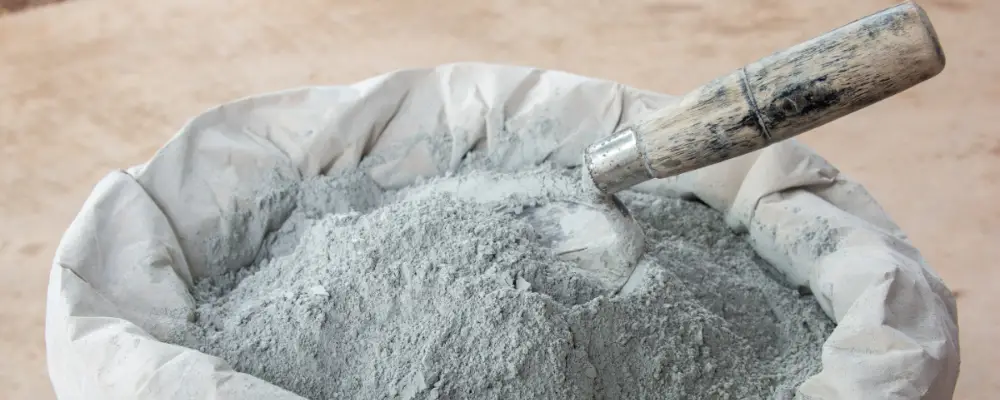
Portland cement is a fine powder used as a key binding material in concrete and mortar, providing strength and durability to structures. When mixed with water, sand, and gravel, it forms a strong, durable composite essential for construction. The cement undergoes a chemical process called hydration, binding the materials together and providing the strength necessary for structures to endure heavy loads and harsh conditions.

While indispensable in construction, the production of Portland cement poses environmental challenges, including high energy consumption and CO2 emissions. However, advancements in technology continue to improve its efficiency and reduce its environmental impact.

Composition of Portland Cement

Cement factories are usually found in regions that are rich in raw materials and have easy access to long-distance, effective transportation for both raw materials and completed goods. The principal composition of raw materials used to prepare ordinary Portland cement are as follows:

S.NoConstituentComposition (%)Description
1Lime (CaO)60-67It is Portland cement’s most common ingredient. 
2Silica (SiO_2)17-25It makes cement stronger.
3Alumina (Al_2O_3)3-8It helps the cement set more quickly. 
4Calcium Sulphate (CaSO_4)3-4It delays the setting time by acting as a retardant.
5Iron Oxide (Fe_2O_3)3-4It gives cement colour and toughness.
6Magnesia(MgO)0.1-3It adds toughness to the cement.
7Sulphur1-3An excessive amount of sulphur can cause instability.
8Alkalies (Soda and Potash; (Na_2O and K_2O))0.5-1.3In the alkali-aggregate reaction, it is crucial. 

Manufacturing Process of Portland Cement

Manufacturing Process of Portland Cement

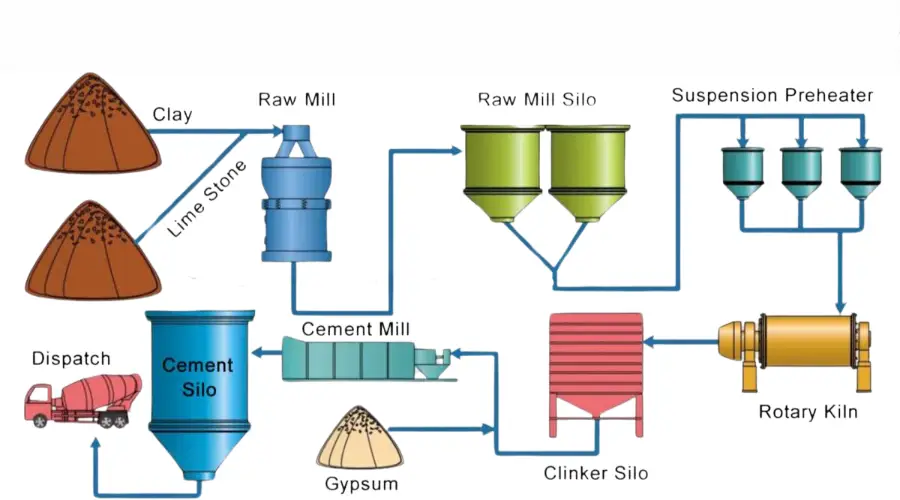
The manufacturing process of Portland cement starts with grinding and mixing the raw materials at specific proportions. Then the mixture in a kiln is heated at 1350–1500°C to form a sintered product. The steps to be followed for manufacturing Portland cement are as follows:

Step 1: Mixing of Raw Materials:

The production of Portland cement begins with the selection and preparation of key raw materials, including calcium, silicon, iron, and aluminum. These materials are combined in specific proportions to ensure the desired chemical composition and properties of the cement. The table is a list of the ingredients used to create Portland cement. 

S.NoCalcareous MaterialsSiliconAluminiumIron
1LimestoneClayClayClay
2MarlMarlShaleIron ore
3CalciteSandFly ashMill scale
4AragoniteShaleAluminium ore refuseShale
5ShaleFly ashBlast furnace dust
6Sea ShellsRice hull ash
7Cement kiln dustSlag

The mixing procedure of cement involves two methods: 

  • Dry process 

In the dry process, the calcareous and argillaceous raw materials are crushed into 2–5 cm pieces in gyratory crushers, followed by grinding into fine particles in ball or tube mills. To guarantee a consistent composition of the finished product, the ingredients are stored in hoppers and stored in silos before being fed into the rotary kiln.

  • Wet process

In the wet process, the raw ingredients are processed into powder and kept in silos. The clay is cleaned in mills to get rid of organic contaminants and then combined with the powdered limestone in grinding mills to form a slurry. Now, the slurry is transferred into a basin for further adjustments of composition before being fed into the rotary kiln.

Step 2: Burning of Raw Materials:

During the burning process, the raw materials rotate at 1-2 rpm in a rotary kiln. The kiln is made of steel tube that is 90–120 meters long, 2.5–3 meters in diameter, and slightly angled. It is lined with refractory bricks. Flames are produced when raw materials are fired in the kiln by hot gases, oil, or powdered coal. 

The raw material passes through three zones: 

  • The calcination zone (1000°C), (where limestone breaks down into lime) 
  • The drying zone (400°C), (where moisture evaporates) 
  •  Clinkering zone (between 1500 and 1700°C),(where Clay and lime interact to form clinkers). 

These clinkers, which are tiny, hard stones that measure 5 to 10 mm, are gathered in trolleys after being cooled by air.

Step 3: Grinding of Clinkers

The cooled clinkers are ground into a fine powder in ball or tube mills, and 2-3% gypsum is added as a retardant. By doing this, the cement won’t set too soon after being combined with water. Proper curing is made possible by the insoluble compound gypsum, which slows down the setting and hardening process. The reaction is:

3CaO.Al₂O₃ + xCaSO₄·7H₂O → 3CaO.Al₂O₃·xCaSO₄·7H₂O

Step 4: Storage and Packaging

Finally, the cement is packaged for sale in 50-kilogram bags or containers and kept in silos.

Application of Portland Cement

Portland cement is a versatile building material that can be used in various construction projects and is known for its stability and longevity in supporting structures. However, its applications range from small-scale structures to large civil engineering projects:

Urban Infrastructure: It supports the functioning and development of a city by creating public steps, seats, planters, trash cans, stairs, and ornamental fountains.

Utility structures: Any above- or below-ground utilities that provide service to customers are utility structures. These include telephone poles, columns, and streetlights which can be regularly used.

Transportation: Structures that help to enable the movement of goods or people from one to another come in this category. Eg: roads, canals, railroads, etc.

Large-Scale Civil Projects: Bridges, tunnels, dams, piers, buildings, and other large-scale civil projects can be built using Portland cement.

Flooring and Repairs: In this phase, the cement grout is used to patch concrete cracks and assist in creating stable floors.

Masonry Work: While building a structure, bricks and stones are bound together with cement mortar.

Conclusion

Portland cement is frequently employed in a variety of construction projects to achieve strength and longevity when bearing massive structures. Since the construction industry invented Portland cement, people have decided to use this cement in their projects as technology has advanced.

Silica Bricks – Properties, Composition & Applications

0
silica bricks

Bricks are the primary construction materials that have been in use for thousands of years, providing good structural support to buildings. There are numerous bricks available in the construction industry, and silica bricks stand out for their colour, sharp finish, and resistance properties. Here, we look at what silica brick is, its composition, properties, manufacturing, applications, and everything you need to know about it.

What are Silica Bricks?

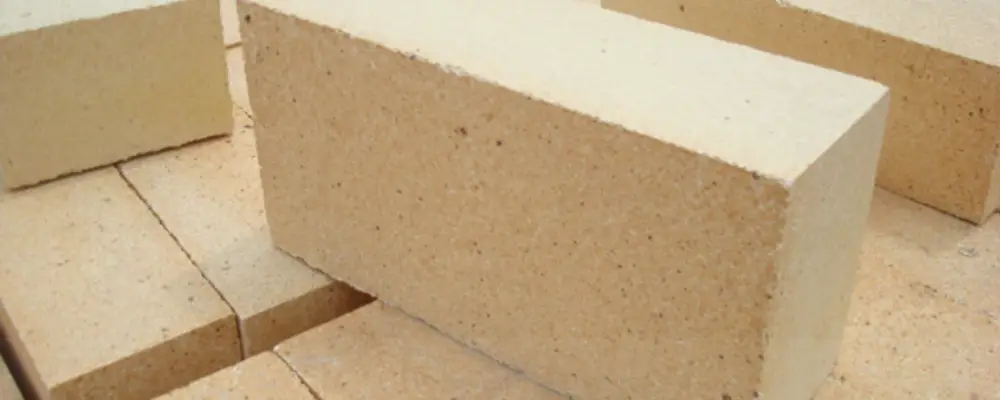
Silica brick is a refractory brick primarily made of silica (SiO₂) as the raw material. The high silica content in the refractory brick provides excellent thermal and chemical insulation. It is widely used in fireplaces such as burning furnaces, kilns, glass manufacturing, and other industrial applications.

Composition of Silica Bricks

  • Silica (Sand)- High-purity silica sand is the primary raw material. Around 93-96% of this brick consists of silica.
  • Alumina- Around 1-3% of the silica brick consists of Alumina, making it the secondary raw material.
  • Other materials- Iron Oxide & Calcium Oxide are added at a range of 0.5-1.5%, and Magnesium Oxide is added at a range of 0.2-0.5%.

Properties of Silica bricks

Density

The density of the silica bricks varies based on the quality of the silica used and the grain size distribution. In general, the density of silica bricks ranges from 1800 kg/m³ to 2200 kg/m³ based on the pore volume, voids and compactness.

Porosity

Around 10 to 20% of the silica brick consists of pore holes and voids, which impacts the mechanical strength and thermal and chemical properties.

Compressive Strength

The compressive strength of silica bricks varies based on factors such as silica content, firing temperature, porosity, and impurities. Typically, the compressive strength of this brick ranges from 50 MPa to 100 MPa. 

High Thermal Resistance

Silica brick is known for its high thermal resistance, allowing it to withstand high temperatures up to 1650℃ or even higher based on the quality and composition of raw materials. It is also resistant to thermal shock and is suitable for places where sudden temperature changes occur.

Chemical Resistance

Silica bricks provide high chemical resistance and have the ability to withstand the aggressive effects of acids, alkalis and other corrosive substances.

Low Expansion Coefficient

Silica bricks have a low coefficient for thermal expansion, which means they can expand and contract less when compared to other refractory bricks. This reduces the risk of cracking and ensures the structural integrity.

Application of Silica bricks

heatloss of silica house
  • Silica bricks are used in building fireplaces, such as burning furnaces and fire kilns, and in producing steel, glass, and ceramics.
  • These bricks are used to construct boilers, heat exchangers, and thermal powerplants.
  • They can be used for the construction of metal casting furnaces and the production of metal products.
  • Used for constructing incinerators for waste disposal.
  • Used for the construction of power plants such as coal-fired power plants and gas-fired power plants.

Manufacturing Process of Silica Bricks

Preparation of Raw Materials

Choosing high-quality silica-containing components such as quartzite, silica sand, or ganister is crucial. A small amount of binder materials, such as cement or lime sand, is added to hold the silica grains together. Other additives, such as alumina or magnesia, are used to improve the brick’s thermal properties.

Mixing

The prepared raw materials are mixed and ground together inside a ball mill at a specific ratio into a fine powder.

Moulding

The powdered mixture is transferred into a mold and compacted using a hydraulic press and vibrator to remove air pockets and ensure a dense and uniform structure.

Drying

The moulded bricks are then dried in a controlled environment under sustainable temperatures to remove excess moisture and prevent thermal shock or damage.

Firing

The dried bricks are then kiln burnt at a very high temperature of 1400℃ to 1600℃ to achieve the potential strength and resistance.

Testing & Storing

After the firing process, the silica brick is cooled down and tested to check for various properties. The tested bricks are then stored in a controlled environment before packing and shipping to the construction site.

Advantages and Disadvantages of Silica Bricks

Advantages

  • It can withstand extremely high temperatures and is ideal for furnaces, kilns, and boilers.
  • This brick can withstand sudden temperature changes due to its thermal shock resistance, preventing the structure from cracking and damage.
  • It has high compressive strength, making it suitable for load-bearing structures.
  • These bricks are highly resistant and can withstand chemical attacks caused by acids, alkalis, and other chemical reactions.
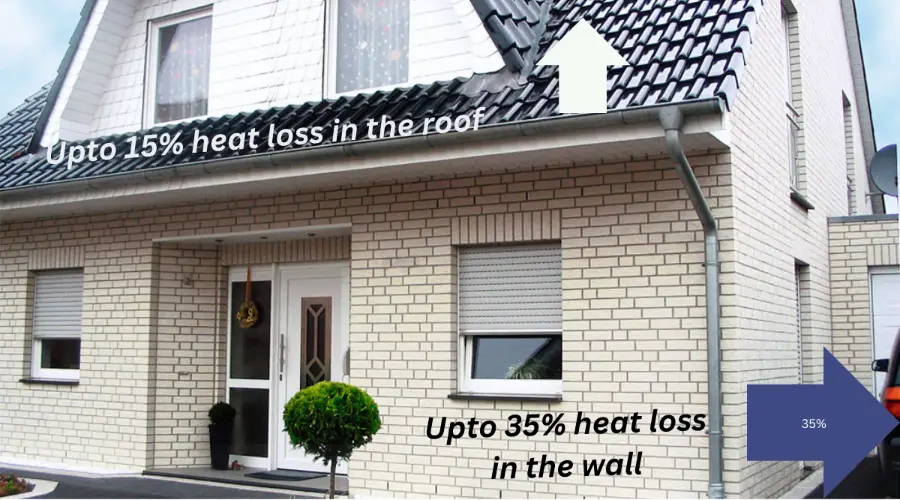
  • Due to the low thermal conductivity, it can help reduce heat loss and improve energy efficiency.
  • This brick is highly resistant and durable, making it withstand for a long period of time.

Disadvantages

  • It is more expensive compared to other refractory bricks.
  • These bricks are limited and not widely available in all regions.
  • It involves specialised installation and handling, which makes it complex and requires high labour costs.
  • These bricks are highly sensitive to moisture and could cause degradation or cracks over time.
  • Although they have good chemical resistance, they are vulnerable to excess chemical attack.
  • These bricks require regular maintenance to retain their physical properties.

Conclusion

Silica brick is one of the highly resistant and durable refractory bricks that provide numerous benefits. These bricks are primarily used in fireplaces due to their high thermal and chemical properties, making them industrial-exclusive materials. Although there are multiple benefits, this brick also has considerable limitations like availability, cost, complex installation, and degradation due to moisture content.

FAQs

1. Is Silica refractory brick suitable for residential construction?

No, Silica bricks are not usually suitable for residential construction due to their high-temperature resistance and specialised properties.

2. What is the main application of silica bricks?

The main application of silica bricks is to withstand high temperatures and chemical reactions, which are suitable for fireplaces such as burning furnaces and fire kilns, manufacturing units such as steel, glass, and metal manufacturing facilities, and thermal power plants.

Components of Bricks – Materials & Manufacturing Guide

0
Components of Bricks - Materials & Manufacturing Guide

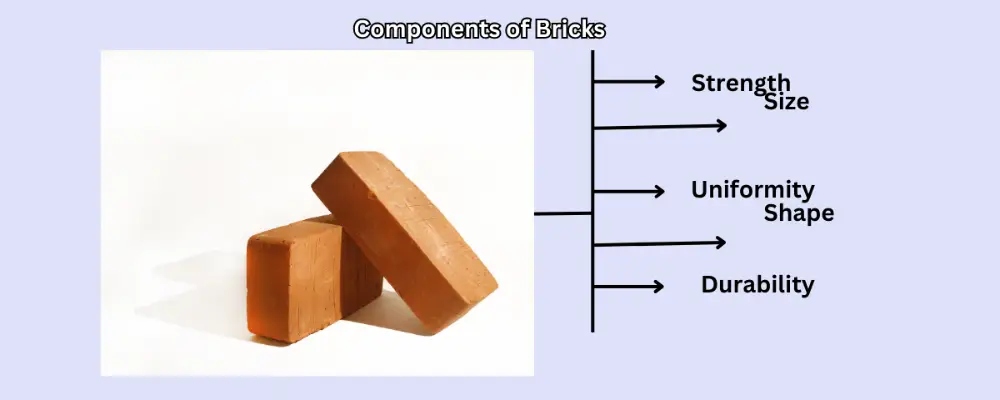
Bricks are small rectangular blocks that have been primarily used in the construction industry for a long time. They are uniform in size, shape, and colour, which, when properly arranged, gives strength, uniformity, durability to the structure. They have a wide range of applications in the construction. So, what makes brick a more reliable construction material? In this blog, we take a detailed look at the components of bricks.

Components of Bricks - Materials & Manufacturing Guide

Primary Components of Bricks

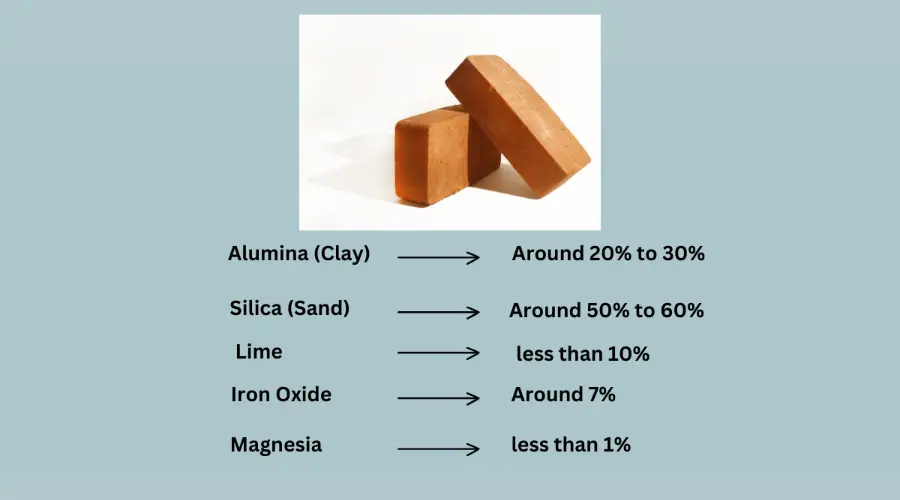
Alumina (Clay)

Alumina is the primary raw material for all clay bricks. Around 20% to 30% of the brick contains alumina. It is an essential component that imparts clay plasticity and helps mould the bricks into suitable shapes. However, excess alumina could lead to shrinkage, cracking and warping during the drying & firing process. High alumina in clay can be treated by adding sand and reduce the risk of cracks.

Silica (Sand)

Silica or sand in clay bricks appears as free sand or as silicate of alumina. Around 50% to 60% of the brick contains silica. It plays a major role in maintaining the shape and gives resistance to the brick against cracks, shrinkage, and warping. It also improves the hardness, heat resistance, and durability of the bricks. 

However, excess silica content in brick reduces the cohesiveness between the raw materials and makes the brick brittle.  In some cases, the uncombined silica can be beneficial by reducing the shrinkage and heat resistance of clays with low alumina content.

Water

Water is another primary source of raw materials that helps mix the other primary materials into workable consistency and shape the bricks. Although being a primary raw material, the water is dried out to achieve the maximum strength of the brick. An excess of water increases manufacturing time, and a poor drying process results in low-quality bricks.

Secondary Components of Bricks

Lime

Lime is added to the raw materials to help silica melt during the firing process and bind the particles together to improve cohesion. Typically, less than 10% of the brick contains powdered lime. It is always added in the powdered state, as lump lime could turn into quick lime during firing, resulting in expansion and splitting when exposed to moisture. An excess of lime leads to over-melting and makes the brick lose shape.

Iron Oxide

Around 7% of the brick contains iron oxide, which provides flux in brick earth and helps melt and bind the particles. It also gives the bricks a red colour during firing under ample oxygen. It improves the brick’s strength, hardness and impermeability and lowers the clay’s melting point.

Magnesia

Magnesia is added in small quantities, typically less than 1%. This imparts a yellow tint to the bricks, reducing the shrinkage during drying. It helps soften the clay and minimises warping during the firing process. However, excess magnesia can result in the decaying of bricks over time. 

How Components Affect Brick Properties?

Lime

An excess of lime changes the brick’s colour from red to yellow. When lime is added as a lump, it absorbs moisture, which causes expansion and leads to cracks and disintegration.

Alkalis

Alkalis in soda or potash are a flux during the burning process and cause the bricks to fuse, twist, and warp. It absorbs moisture from the atmosphere, leading to dampness and efflorescence in the bricks.

Pebbles, Stones & gravels

If the clay or sand contains coarse particles such as pebbles, stones and gravel, it leads to poor mixing and reduced strength and uniformity in bricks. Pebbles and gravel could cause cracks in bricks during handling or construction, which leads to poor structural integrity and appearance.

Iron Pyrites

Iron Pyrites in bricks can oxidise and decompose the bricks under high temperatures, leading to splits and disintegration. This may lead to bricks losing their colour and uniform appearance.

Organic Matter

Any organic matter in the brick will burn during firing, leading to the formation of voids. This could make the brick porous and lose its overall strength.

Bricks Production

Preparation of Clay

  • Unsoiling: The upper surface of the soil where the clay needs to be mined should be removed up to a depth of 200 mm to eliminate impurities and other earthy particles.
  • Digging: The clay is excavated manually or using mechanical equipment and heaped above the ground surface.
  • Cleaning: The excavated clay is screened to remove stones, pebbles, and other vegetable matter using a filtering screen.
  • Blending: The filtered clay is mixed with sand and straw in an adequate quantity and blended into a mix by adding a small amount of water to improve the quality of the brick.
  • Weathering: The blended clay mix is stretched on an open surface for direct exposure to natural weather conditions for several weeks or even months to improve the plasticity and durable properties.
  • Tampering: Adequate water is added to the weathered/seasoned clay, which is then kneaded twice or thrice with the help of labour or cattle and battered with shovels to bring the clay to a homogenous mix suitable for moulding.

Moulding

The prepared clay is poured into a mould and compressed to remove the air voids and gaps to achieve a good texture and finish. The moulding and compacting can be done manually or mechanically using high-powered compressing machines.

Drying

The moulded clay bricks are racked and kept under the sun for drying. This process usually takes 3 to 10 days, depending on the climatic conditions.

Burning

After exposure to the sun, the bricks are burned and moved to the fire kilns, where they burned at a very high temperature of up to 1100°C for 10 to 40 hours to attain maximum strength, durability, and hardness.

Conclusion

Bricks are an essential construction material, and understanding the right brick components and manufacturing process is crucial. This blog aims to enhance your knowledge of the primary and secondary components, how an excess can harm the bricks, and the manufacturing process itself.

FAQs

1. Why is sand used in brickmaking?

Sand is used in manufacturing bricks to maintain their shape and resist the brick against cracks, shrinks, and warps. It also improves the hardness, heat resistance and durability of the bricks.

2. What is the purpose of lime in brick manufacturing?

Lime is used to help silica melt during the firing process and bind the particles together to improve cohesion with other raw materials.

3. Are any other additives used in brickmaking?

Additives such as wheat husk, fly ash, Iron Oxide, Calcium Oxide, Potassium Oxide, and Magnesium Oxide are used along with the primary and secondary components to improve the strength of the bricks based on the needs and requirements.

Absolute Black Granite – Properties, & Installation Process

0
Absolute Black Granite

Natural stones, such as granite, are admired for their superior quality and beauty. Granite is a durable substance composed of biotite, quartz, and other naturally occurring elements that can be obtained from quarries. We have been using granite for interior and exterior designs for many years. They are suitable for adding a focal point both in commercial and residential space construction projects. In terms of applications of Absolute Black Granite, you can refer to the following ways that are chosen by architects and homeowners today to use absolute black granite in their commercial or residential spaces.

Overview of Absolute Black Granite

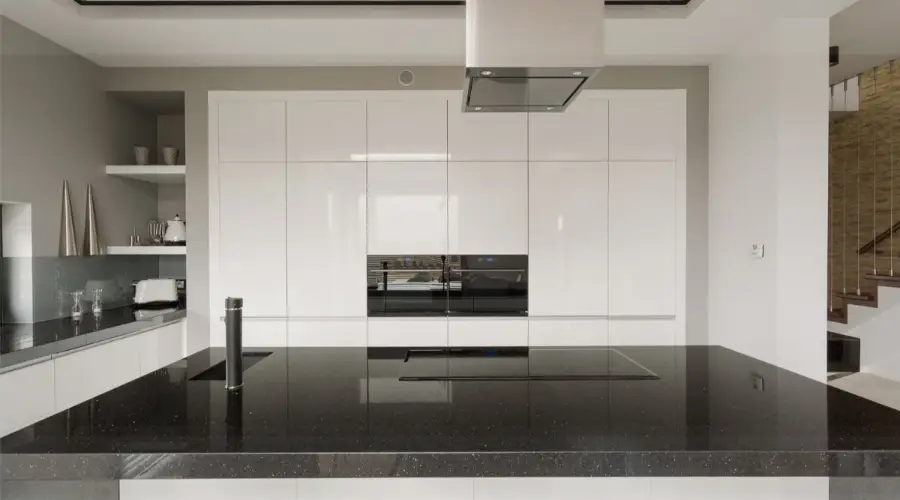
Absolute black granite is a gorgeous and elegant natural stone that has been sourced from our Indian and other quarries. They are highly known for their attractive black hue. Among all other types of designs, black is popular for its majestic look. Its timeless elegance is enhanced by the faint grey mineral speckles that subtly contrast with its continuous, uniform black background.

Application of Absolute Black Granite

This modular granite is perfect for accent walls, backsplashes, kitchen worktops, flooring, and bathroom vanities, among other construction applications. Its deep black hue provides a classic, refined appearance that goes well with a variety of colour palettes and design philosophies.

  • Backsplashes

Kitchens and bathrooms seem sleek and contemporary owing to their rich black finish. It adds elegance when used as a backsplash. It is best for regular use due to its durability and moisture-resistant properties, as well as easy maintenance and cleaning.

  • Floors
Floors Absolute Black Granite

As it is strong and durable enough to last for an extended period, it is best to bear high foot traffic. In home and business environments, it offers a luxurious, glossy surface that is visually appealing and easy to maintain.

  • Accent Walls 

Absolute Black Granite makes a striking and elegant focal point when used on accent walls. It is ideal for bringing depth and contrast to any space because of its continuous colour and texture.

  • Kitchen Countertops
Kitchen Countertops - Absolute Black Granite

For kitchen counters, its durable qualities and sleek appearance make it a popular choice. Easy cleaning, heat resistance, and scratch resistance are essential in busy kitchens. Absolute black granite will satisfy both practical and design needs of people.

  • Bathroom Vanities
Bathroom Vanities Absolute Black Granite

Absolute Black Granite gives vanities in bathrooms a classy touch while providing a long-lasting, elegant surface that is impervious to stains and water damage. Its classic appearance goes well with many different types of bathrooms.

  • Monuments 

Absolute Black Granite is a popular stone for monuments and memorials because of its strength and deep black colour. Monuments made of this granite are certain to be classic, dignified, and a lasting homage to the people they honour because of its resistance to wear and ability to maintain its polished appearance throughout time.

Properties of Absolute Black Granite

S.NoSpecificationDescription
1Material NameAbsolute Black Granite
2TypeNatural Stone
3ColourCompletely black, sometimes with tiny white or grey dots
4OriginIndia, Zimbabwe, China
5Primary Mineral CompositionQuartz, Feldspar, Biotite
6Density2.63 – 3.05 g/cm³
7Water Absorption0.02% – 0.1%
8PorosityVery Low
9Hardness (Mohs Scale)6 – 7
10Compressive Strength200 – 350 MPa
11Flexural Strength15 – 25 MPa
12Finish OptionsPolished, Honed, Leathered, Flamed
13Surface AppearanceGlossy (polished), matte (honed), textured (leathered, flamed)
14Slab ThicknessAbsolute Black Granite is available in slab thicknesses of 2 cm (3/4 inch) and 3 cm (1 1/4 inch)
15Slab SizeThe slab sizes vary, typically around 120” x 70” (305 cm x 180 cm)
16Tile SizesTile sizes are customisable; common sizes include 12” x 12”, 18” x 18”, 24” x 24”
17Edge ProfilesEased, Bullnose, Bevelled, Ogee, Half Bullnose, and more
18Common ApplicationsMonuments, fireplaces, external cladding, wall cladding, backsplashes, kitchen countertops, bathroom vanities and flooring
19DurabilityLasts for more periods of time
20Heat ResistanceExcellent
21Scratch ResistanceHigh
22Stain ResistanceHigh, if properly sealed
23UV ResistanceHigh, suitable for outdoor use
24Maintenance RequirementsEvery year, it is advised to clean with a light detergent and seal.
25Environmental ImpactAs it is a naturally available material, it can be sourced from quarries that may cause adverse environmental effects.
26Price RangeRs 150 – Rs.200 per square foot; depending on quality and source, the price may vary.

Installation of Absolute Black Granite

Although anyone may install granite, the greatest results are guaranteed when the proper tools and methods are used. For the installation process, granite adhesives and diamond bridge saw blades are required. For extra strength, adhere to the recommendations of the Marble Institute of America, such as rodding the surface.

Use a coating of granite sealer to protect and maintain the surface’s unique appearance after installation. For the granite to last a long time, the seal must be maintained. Granite sealing is easy to understand, but even after installation, continuous care is necessary.

Maintenance and care of Absolute Black Granite

Daily Maintenance of Absolute Black Granite

Mild dish soap or detergent can be used to clean this surface regularly with a soft cloth and warm water. Acidic or abrasive cleaners, such as vinegar, might damage the sealant and dull the surface. Use granite cleansers made of real stone that are pH-neutral instead.

Long-term Maintenance of Absolute Black Granite

Polishing Over Time

The polished surface may get dull over time. Use a gentle cloth to apply a granite polish designed for natural stone to restore it. Avoid using pads or other abrasive products that can cause the surface to become dull or scratched.

Avoiding Chips and Scratches

Despite its durability, heavy or sharp objects placed directly over Absolute Black Granite may cause scratches or chips. To protect the surface, use trivets, coasters, and cutting boards.

Conclusion

Absolute black granite adds richness to any area and is a strong and adaptable material. Even though it’s simple to maintain, maintaining its glossy appearance requires regular sealing, mild cleaning, and guarding against cracks and scratches.

Purchase absolute black granite from a reputable exporter to guarantee superior quality for the best outcomes. It will continue to be a classic, exquisite, and long-lasting addition to your house or business project with the proper maintenance.

Why Sea Sand Cannot be Used for Construction?

0
Why Sea Sand Cannot be Used for Construction?

The choice of materials plays a major role in deciding the quality of the structure, especially the fine aggregates used in the concrete mix. Over the years, river sand has been the primary choice for fine aggregates, whereas sea sand has not even been considered for construction work. So why is sea sand not used in construction? Here is a detailed view of why sea sand cannot be used in construction and its consequences.

Top 6 Reasons Why Sea Sand Cannot be Used for Construction

1. Presence of Salt & Contaminants

Sea sand consists of a large amount of salt and dirt particles due to its proximity to seawater and other external factors, making it difficult to remove them, which consumes a lot of time.

2. Corrosion of Steel and Iron Reinforcement

Corrosion of Steel and Iron Reinforcement

The chloride content in sea sand can lead to the corrosion of steel and iron, which leads to a reduced carrying capacity of steel and iron. This could lead to poor stability and sustainability of the structure.

3. Reduced Compressive and Tensile Strength

Sea sand doesn’t possess the necessary compressive or tensile strength for construction activities compared to river sand and other fine aggregates used in construction.

4. Deterioration of Plastered and Slab Furnaces

The excess salt content in the sea sand will deteriorate the plastered surface and slab surface in the long run, causing seepage (water leakage) in the building.

5. Moisture Absorption and Dampness

The salt content in sea sand absorbs the moisture from the atmosphere and causes dampness on the structure’s surface.

6. Poor Workability and Rearrangement Resistance

Sea sand tends to have a narrow range of finer particles with a smooth and rounded surface due to the natural weathering and erosion processes. This offers weaker resistance to rearrangement than angular and elongated particles with rough surfaces, like river sand.

Preparation & Treatment of Sea Sand for Construction

Washing & Purification

The sea sand can be rinsed and washed with fresh water to remove excess salt and impurities. After cleaning the sand, the sand can be filtered using a sieve to remove organic matter and debris and prevent any issues in the concrete structure.

Testing Suitability

The sand can be tested for salt content to ensure whether the chosen sand is within the applicable construction standards for concrete use. Strength and durability tests should also be made by mixing a sample of concrete with sea sand.

Blending with other materials

Sea sands can be mixed with river sand to balance the salt content. Chemical admixtures can also help reduce the effects of salt content and enhance the performance of the concrete.

Regulatory Standards and Guidelines for Using Sea Sand

Regulations for using sea sand in construction are important to ensure safety and durability. These rules set limits on salt content, usually between 0.5% and 1.0%, to prevent damage like rusting in concrete. Sea sand must be thoroughly washed to remove salts and impurities and then tested for its chemical and physical properties before use. Tests often check for strength, durability, and moisture absorption. Following these guidelines ensures sea sand is used safely, protecting the strength and quality of structures.

Alternative uses of Sea Sand

As sea sand in construction could cause structural problems, it can be used for non-structural applications. Sea Sands can be used in:

  • Coastal landscaping projects and decorative features.
  • It can be used in beach nourishment projects to replace eroded beaches.
  • Sea sands can be mixed with specialised concrete mixes and used for marine environments, which may benefit their natural properties.
  • Sea sand can be used for artistic and decorative concrete to provide unique texture & appearance.

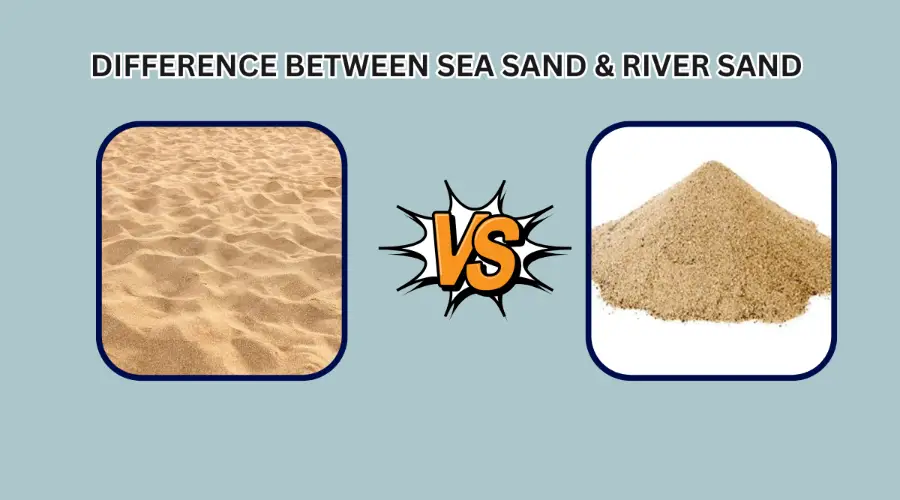
Difference between Sea Sand & River Sand

Difference between Sea Sand & River Sand 


Sea SandRiver Sand
Sea Sand has smooth, rounded surfaces that offer less resistance.River sand is fine, and angular surfaces provide good resistance.
It contains high salt content and impurities.It contains less salt content and natural minerals.
Sea sand is impure and contaminated due to deposits.River sand is generally cleaner and may contain organic matter and debris.
It provides poor compressive & tensile strength when mixed in concrete.It provides good compressive & tensile strength suitable for construction.
Sea sand is highly prone to moisture and efflorescence.Mixed with the right concrete mix, river sand gives good resistance to moisture & efflorescence.

Conclusion

Sea sand is available in abundant quantities along the coastal areas. However, there are more challenges in using sea sand in construction. The salt content, minerals, debris and other organic materials in the sea sand play a major role in hindering the functioning of sea sand in construction works. Although appropriate treatments and processes can mitigate these issues, these processes consume more time, money, and energy, making river sand, M-sand and other fine aggregates better alternatives

FAQs

1. What is the effect of sea sand in construction?

The sulfate and chloride in sea sand cause deterioration in concrete and corrosion of steel.

2. Which sand is best for construction?

River sand and M-sand are predominantly used in construction due to their consistency, quality and minimal impurities.

Prestressed Concrete Piles – A Comprehensive Overview

0
prestressed concrete piles

The principal constituent that stabilises and transfers the weight of the structures to the ground below is considered the crucial part of all structures, from small-scale constructions to large buildings. Prestressed concrete piles are ideal for supporting bridges and high-rise buildings, ensuring high strength, longevity, robustness, and flexibility. They are a reliable option for contemporary buildings since they lower the chance of structural failure. This article covers their uses, benefits, drawbacks, design considerations, and installation process.

What are Prestressed Concrete Piles?


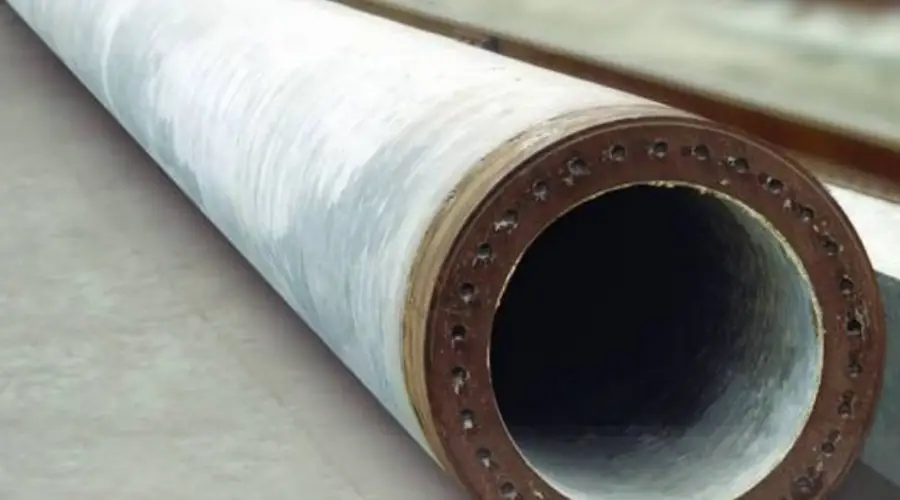
Prestressed concrete piles are foundations made of concrete strengthened with steel cables, wires, or rods. This adds extra compression to make them stronger. They are commonly used in marine structures, bridges, and buildings because they are strong, long-lasting, and cost-effective.


How Prestressed Concrete Piles are Produced?

Before pouring concrete, steel wires or strands are tensioned within a mold or formwork. Once the steel is tensioned, the high-strength concrete is poured around it. After the concrete cures and gains sufficient strength, the tension in the steel is released, transferring compressive stress to the concrete. This process creates prestressed concrete piles, which are capable of withstanding high tensile forces and loads. Compared to regular reinforced concrete, prestressed concrete is stronger and better for tough structural needs. These piles are usually made off-site and delivered ready for installation.

Applications of Prestressed Concrete Piles

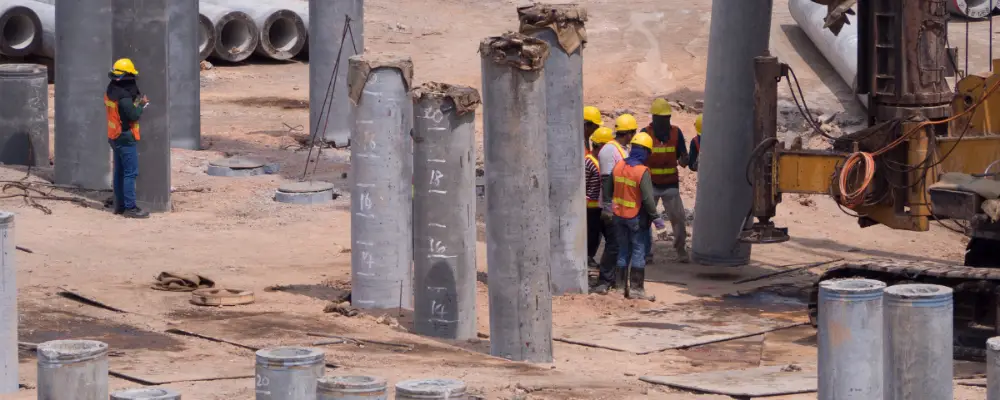
A detailed diagram showing how prestressed concrete piles are installed in soil.

A variety of projects use prestressed concrete piles, such as:

  • Multi-story structures: Prestressed concrete piles are involved in assisting multi-story structures and commercial buildings where sturdy, dependable foundations are essential for lifespan and safety.
  • Bridges: While constructing bridges, these piles offer piers and abutments steady supports, especially in difficult situations like rivers or soft soils, to maintain structural integrity over many years.
  • Maritime structures: Even in tough maritime structures, prestressed concrete piles provide outstanding resistance to saltwater corrosion and wave forces. These piles are essential for increasing the durability of structures in challenging maritime environments.
  • Land stabilisation: Especially in regions with steep or unstable slopes, these supporting structures are intended to reinforce the earth and stop landslides and soil erosion.
  • Transportation infrastructure: They provide a strong foundation for roads, bridges, and railroads, guaranteeing secure and efficient travel even in the face of heavy traffic.

Advantages of Prestressed Concrete Piles

Advantages of Prestressed Concrete Piles

The following benefits taken together make prestressed concrete piles a top choice for engineers and builders looking for a solid, long-lasting, and effective foundation solution for contemporary infrastructure.

High Load-Bearing Capacity: 

Because of the compressive stress applied during manufacturing, prestressed concrete piles are made to support heavy loads. With the help of the prestressing, the piles can carry large weights without breaking or failing since they counteract the tensile strains that form under heavy loads.

Durability: 

By keeping the concrete under compression, the prestressing procedure lowers the possibility of cracks developing. Greater resistance to external elements, including moisture, chemicals, and temperature fluctuations, results from fewer cracks.

Decreased Material Usage: 

Compared to traditional reinforced concrete, they use less material to accomplish the necessary structural performance by optimising the strength of both steel and concrete. This leads to savings in raw materials and lowers the piles’ total weight, which can minimise transport expenses.

Quality Control: 

Precise engineering and stringent quality assurance procedures are advantageous for prestressed concrete piles since they are produced in regulated manufacturing settings. This lowers the possibility of flaws developing during on-site manufacture and guarantees constant strength, durability, and dependability. They thus deliver trustworthy and consistent performance in the field.

Easy Transportation and Installation: 

Since they are prefabricated off-site, they are easily transported to the construction site and readily available for use. Their homogeneous quality and standardised design make installation easier and shipping more efficient. These piles are a time-saving and economical option for projects with strict deadlines since contractors can count on rapid deployment and shortened construction timetables.

Disadvantages of Prestressed Concrete Piles

Even though prestressed concrete piles provide significant benefits, several disadvantages also arise during the construction process, as follows:

Increased Initial Costs: 

Precast concrete piles are made utilising advanced methods, including tensioning steel strands and employing materials with high strength. When compared to traditional reinforced concrete piles, these procedures raise the initial costs due to the requirement for specialised machinery and controlled manufacturing settings.

Transportation Issues: 

Large prestressed concrete piles are expensive and difficult to transport, often requiring specialised vehicles or equipment, particularly for locations that are difficult to reach. Logistics are further complicated by the possibility that their weight and size will impede transportation routes or necessitate permits.

Restricted On-Site Adjustments: 

Prestressed concrete piles are not very adaptable once they are produced. Pre-engineered to precise dimensions and strengths, prestressed piles are not like materials that can be readily cut or modified on-site. To prevent expensive delays or replacements, any design modifications or flaws must be fixed before production, necessitating careful planning and precise design.

Installing Prestressed Concrete Piles: 

Installing these structural components requires specialised tools, like vibratory drivers or hydraulic hammers, as well as experts who are aware of the nuances involved in handling and positioning them. Particularly in places where such knowledge or tools are not easily accessible, this specialisation may raise project costs and complexity. Additionally, following certain procedures is necessary to ensure correct installation, which might increase the time and effort required.

Design Considerations for Prestressed Concrete Piles

There are numerous important considerations when designing prestressed concrete piles:

  • Evaluating the weight and kind of loads that the pile must sustain is known as load requirements.
  • To ascertain the diameter and length of the pile, geotechnical studies are carried out to escalate soil conditions.
  • Resilience to external factors like salinity or freeze-thaw cycles is a requirement for durability.
  • Adhering to national and international regulations to guarantee performance and safety.
  • Striking a balance between performance objectives and the costs of materials, manufacture, and installation.

Installation Process of Prestressed Concrete Piles

Site Preparation: 

To guarantee a solid working environment, the building site needs to be levelled and cleared before installation starts. This stage entails clearing away any vegetation, rubbish, or other obstacles that could block the machinery or the positioning of the piles.

Pile Driving: 

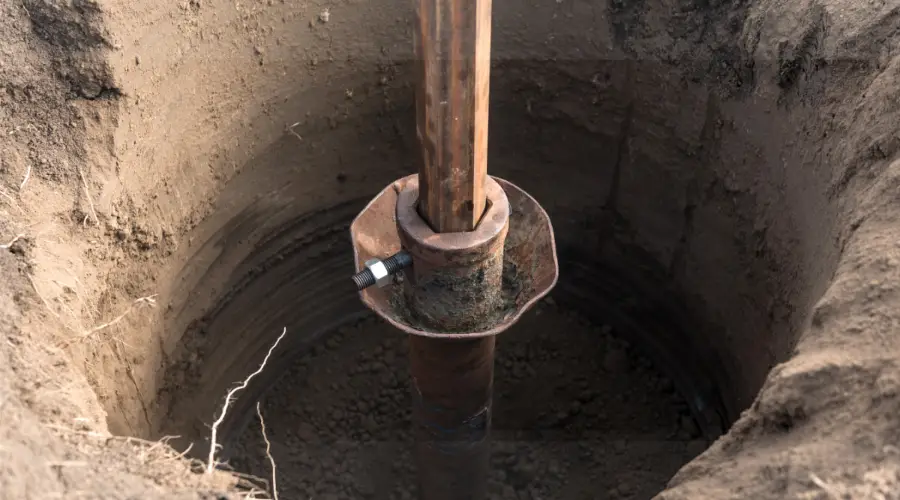
It is a technique that involves driving long and slender piles into the soil or rock using specialised equipment to achieve a strong foundation and load-bearing capacity.

Monitoring: 

Constant monitoring is essential to make sure the piles are placed appropriately during the driving operation. Engineers verify pile integrity, penetration depth, and correct alignment. Additionally, monitoring aids in the detection of possible problems like unforeseen resistance or pile damage.

Cutting and Capping: 

Once the piles are driven to their full depth, they are often longer than required. Using specialised tools, excess piles are cut to the required length. In order to evenly distribute structural loads throughout the group, pile caps are placed on top of the trimmed piles.

Testing: 

Load testing is carried out to ensure that the piles satisfy design specifications. To evaluate the pile’s capacity and settlement behaviour, these tests entail applying weight or pressure. Testing helps find any possible vulnerabilities and confirms that the piles can support the expected loads safely.

For a variety of building projects, prestressed concrete piles offer a strong, reliable, and long-lasting foundation when installed according to this meticulous procedure.

Conclusion

Engineers and contractors can make wise choices to guarantee the success of their projects by being aware of the prestressed concrete pile’s uses, benefits, and installation complexities. Prestressed concrete piles are still a valuable component of sturdy, environmentally friendly buildings.

FAQ’s

1. For what reason are prestressed concrete piles superior to conventional ones?

They provide greater durability, crack resistance, and load capacity. They are effective for heavy-duty constructions like bridges and maritime structures because of their controlled manufacture, which guarantees quality, and their reduced material consumption.

2. What are the important considerations while arranging and setting in prestressed piles? 

To make sure the piles satisfy structural requirements, consider the following factors: load requirements, soil conditions, environmental stresses, proper alignment during installation, and thorough testing.

Concreto Cement – The Ultimate Guide for Construction

0
concreteo cement

A vast array of building materials are available to the construction industry to aid in the process. Concreto cement is a specialised type of slag cement that is recognized for its effectiveness in various construction projects. Its strength, resilience, and chemical resistance are increased by the combination of cement with granulated blast furnace slag. When compared to conventional solutions, the cement’s premium attribute shows that it provides greater quality and performance. As concreto cement is used for various applications and purposes, it is crucial to know its advantages and disadvantages for better understanding.

What is Concreto Cement?

Concreto cement is a multipurpose, premium slag cement that can be us

ed for numerous types of construction projects. Massive construction undertakings like bridges or industrial structures, as well as small-scale ventures like commercial buildings and residential spaces, can all benefit from the usage of concreto cement. Because it ensures smoother and more aesthetically pleasing surfaces both inside and outside the building, this cement is a popular material for architectural and decorative purposes. Concreto cement is a highly reliable and superior option for a diverse range of building requirements.

When Concreto cement, made with slag, replaces regular cement, it forms a denser concrete mix. The finer particles of slag fill small gaps and pores, resulting in a tightly packed structure with fewer voids. This denser mix enhances the concrete’s strength, reduces water and chemical permeability, and makes structures more durable. As a result, buildings made with Concreto cement are more resistant to corrosion and cracking, require less maintenance, and last longer.

Applications of Concreto Cement

The various applications of concreto cement are as follows:

  • Roofing

Concreto cement is well-suited for creating strong, long-lasting roofs that can withstand harsh weather, including heavy rain, intense sunlight, and wind. Because of its dense composition, there is less chance of water absorption, which lowers the possibility of leaks and preserves the roof’s structural integrity over time. It offers a sturdy foundation for tiles or waterproofing layers and is appropriate for both flat and inclined roofing applications.

  • Foundations

Any construction starts with a foundation, and Concreto’s denser mix provides increased strength and longevity. Even with heavy loads or difficult soil conditions, its impressive compressive strength guarantees stability and keeps it from splitting or settling. Concreto’s chemical resistance aids in shielding foundations from corrosive factors such as salty and soil moisture.

  • Beams and Columns

The structural stability of a structure depends on these load-bearing elements. Because of the strength of concreto cement, beams and columns can support heavy loads and withstand stress without breaking or deforming. Due to its thick mix, there are fewer voids and air pockets, which lowers the possibility of these crucial structural components becoming weak.

  • Plastering

Concreto is ideal for plastering since it gives walls and ceilings a smooth, non-cracking finish. Its tiny particle size makes the application simple and guarantees a smooth, high-quality surface that improves the building’s visual attractiveness. Additionally, the dense mix lowers porosity, strengthening the plastered surface’s resistance to weathering and moisture.

  • Brickwork

Long-lasting performance is guaranteed by the chemical resistance, even in damp or polluted conditions. Its high bonding strength reduces the risk of cracks and gaps in brick walls. The chemical resistance ensures long-lasting performance, even in environments exposed to moisture or pollutants.

How to Use Concreto Cement in Construction?

Effective use of concreto cement in buildings requires careful planning and adherence to industry best practices to ensure longevity and strength. Here is a concise guide:

Determine the Use Case

For high-strength projects like roads, bridges, high-rises, precast parts, and foundations, use concreto cement.

Select the Proper Mix

Use appropriate admixtures if necessary, modify the water-to-cement ratio for workability, and follow the manufacturer’s mix instructions.

Get the site and materials ready

Make sure the water, aggregates, sand, and cement are of high quality. Accurately measure ingredients and store cement in a dry location.

Mix Well

Utilize a mechanical mixer to achieve a uniform consistency; add cement, sand, aggregates, and water, then mix thoroughly.

Pour and Set Aside Quickly

Quickly transport the concrete to the formwork, then use vibrators to crush it and eliminate any air bubbles.

Cure the Concrete

Use water sprays, curing agents, or wet covers to begin curing within 24 hours and maintain moisture for 7–14 days.

Observe Safety Precautions

Proper ventilation is essential in the workspace, and skilled workers must wear safety gear such as masks, gloves, and goggles.

Verify Quality

Check for cracks during the curing process at 7, 14, and 28-day intervals, and conduct compressive strength tests at these stages.

Put the finishing touches on

For exposed surfaces, apply sealants or protective coatings, and make sure pavement joints are spaced properly.

Top Techniques

For large projects, maintain controlled environmental conditions, use clean water, and avoid adding water once the setting begins.

Benefits, Drawbacks

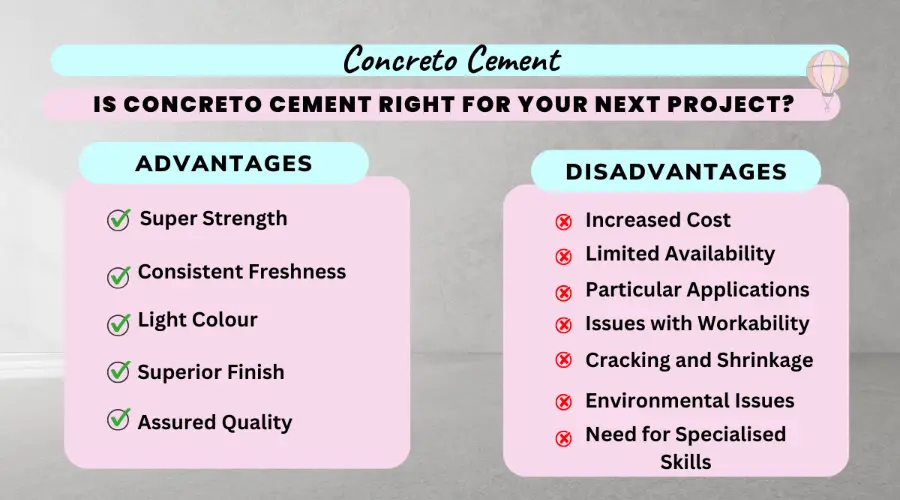
Advantages of Using Concreto Cement

The unique quality and properties of this product set it apart from others. It enhances longevity by addressing issues related to cracks. The advantages of using concreto cement include:

  • Super Strength

Because of its remarkable compressive strength, concreto cement is perfect for heavy-duty constructions including foundations, beams, and columns. Even in difficult circumstances, stability and longevity are guaranteed by its sturdy formulation.

  • Consistent Freshness

The cement retains its freshness throughout storage and application, guaranteeing reliable results. This characteristic improves construction process efficiency and lowers the chance of early setting.

  • Light Colour

Its light color makes plastered surfaces appear brighter and more elegant, reducing the need for extra paint and enhancing the overall aesthetic appeal.

  • Superior Finish

Concreto Cement provides long-lasting, aesthetically beautiful finishes for both external and interior surfaces, ensuring walls are smooth and free of cracks.

  • Assured Quality

Concreto cement is used extensively for many different purposes, so you can be confident that its quality will always be guaranteed. 

Disadvantages of Using Concreto Cement

  • Increased Cost

Because of its superior properties, like increased strength and durability, concreto cement is often more costly than ordinary Portland cement (OPC).

  • Limited Availability

Compared to more popular varieties of cement, it could not be easily accessible in all locations, which could cause delays or raise procurement prices.

  • Particular  Applications

Although concreto cement is great for certain uses, such as high-strength pavements, roads, or structures, it might be unnecessary or cost-effective for less demanding projects, like modest residential buildings.

  • Unsuitability for Specific Admixtures

Concreto cement might not perform well with all types of admixtures, potentially limiting the flexibility of the mix design.

  • Issues with Workability

Concrete made using high-strength cement, such as concreto cement, may become less workable, particularly if it is not properly built or combined with the right additives for optimal handling and flow.

  • Cracking and Shrinkage

The high cement content and quick setting of concreto cement can cause it to shrink and crack if it is not cured properly.

  • Need for Specialised Skills

Concreto cement construction may necessitate professional labour to ensure correct mixing, laying, and curing, which could raise labour expenses.

  • Environmental Issues

Producing concreto cement uses a lot of energy and releases more CO2 than other types of cement.

Conclusion

Concreto Cement improves the visual attractiveness of both exterior and interior surfaces through its smooth finish and fine texture. It is also ideal for constructions exposed to adverse conditions due to its exceptional resistance to weather and chemical elements, which offers long-term protection. Concreto cement provides great value for money by combining high performance with cost-effectiveness, ensuring better construction quality and reducing future maintenance costs.

FAQ’s

1. Is Concreto Cement a good choice?

Yes, because of its exceptional strength, durability, and adaptability, concreto cement is a great option for building projects. 

2. Is Concreto Cement waterproof?

Concreto cement is not completely waterproof, despite having improved moisture and water resistance which makes it perfect for usage in damp conditions. Nonetheless, it considerably lowers the possibility of water intrusion, enhancing the structure’s overall resilience.

3. What are the applications of concreto cement?