Home Blog Page 16

RCC Lintel – Components, Types, Design & Benefits Explained

0
RCC Lintel

Every door and window in a house is constructed with a lintel, a vital structural component. It ensures the building’s structural stability by supporting the weight above these apertures. To satisfy particular structural requirements, different lintel types and materials are produced. Explore the various varieties of RCC lintels and their uses in construction by reading on.

What is RCC Lintel?

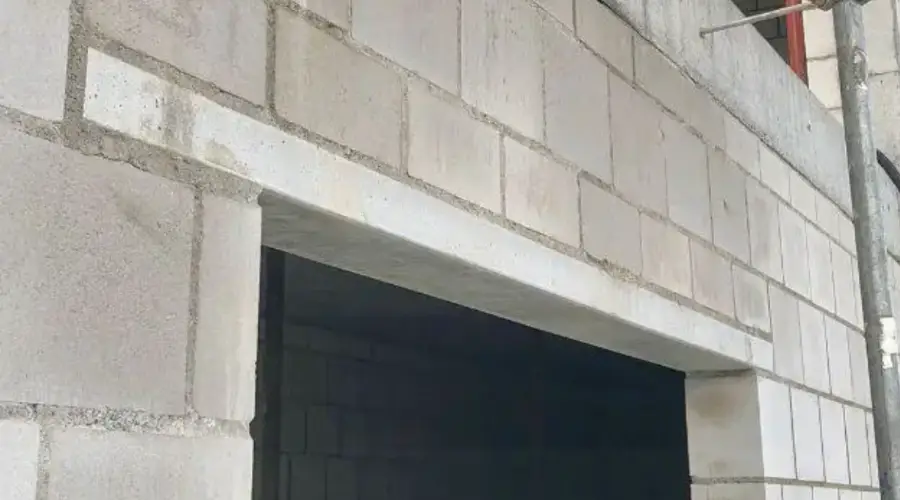
A lintel is a structural beam utilised to bridge gaps over architectural features like doors, windows, and other openings. Cement, aggregates, sand and steel reinforcement are used to make RCC lintels. In addition to providing exceptional durability, fire resistance, and weather and moisture resistance, they are made to satisfy particular structural requirements and are positioned horizontally. They are mainly designed to bear the heavy load of the structures above them by avoiding deformation or cracking and bending as well as enhancing the aesthetic appeal of the front elevation of the building. 

Importance of RCC Lintels in Construction

The important functions of lintels in the construction industry are as follows:

  • Even Distribution of Loads

Lintels uniformly disperse the weights from the roof, walls, or floors above apertures like windows and doors. Lintels aid in preventing stress accumulation and preserving the building’s overall structural integrity by shifting the weight to the nearby walls or supports.

  • Structural Reinforcement

The lintel is an essential component that can support the vertical load from the walls or roofs above openings. This support lessens the possibility of structural issues and helps to stop the surrounding building area from deforming.

  • Restricting Bending

Lintels are capable of distributing the load across border areas, which minimises the bending or deflection of the above structure. It guarantees long-term stability by preventing deformation or cracking in the surrounding masonry.

  • Appealing design

Lintels contribute to the aesthetic appeal of a building’s facade or front openings when left exposed. It can provide a unique front elevation look for buildings by creating visually pleasing planes.

Components of RCC Lintels

  • Cement: It acts as a binding and strengthening agent in which the parts of the lintel can be bonded together.
  • Aggregates: They contribute to enhancing the strength and volume of concrete. Sand and gravel are two examples of fine and coarse aggregates that can be utilised.
  • Steel reinforcement, such as bars or mesh: They can be embedded in concrete to prevent cracking and enhance its tensile strength.
  • Formwork: During the casting process, temporary structures or moulds are used to shape and support concrete until it sets.
  • Water: To create the concrete mixture and start the chemical reaction, water is combined with cement and other particles.
  • Chemical additives: They can enhance concrete’s workability, curing time, and durability, but are optional to consider.

Types of RCC Lintels

Reinforced Cement Concrete (RCC) lintels are extensively used for openings ranging from small windows to big doorways and may be adapted to a variety of designs. The primary varieties of RCC lintels that can be widely used in construction are as follows:

  1. Pre-cast Lintels
Pre-cast Lintels

As precast lintels come in conventional sizes and shapes, they can be produced quickly and installed with ease. They offer accurate measurements, consistent quality, and the ability to be customised with various finishes to meet specific project requirements.

  1. Cast-in-situ Lintels
Cast-in-situ Lintels

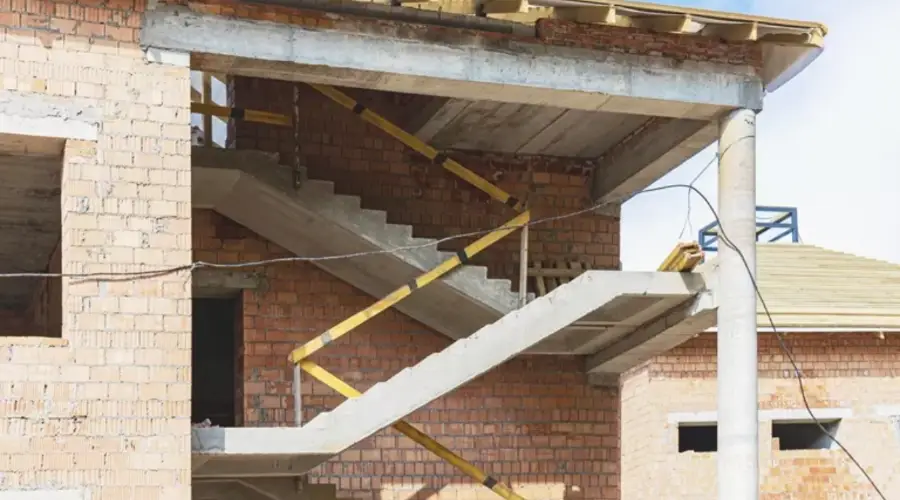
On-site construction of cast-in-situ lintels involves pouring concrete into a mould containing reinforcement. They fit in well with the structure and are flexible enough to accommodate different designs and sizes.

Design and Construction of RCC Lintels

Effective Depth and Span:

  • Effective depth d = l/10 (IS:456-2000).
  • Overall depth D = d (effective depth) + cover.
  • Width B = wall thickness.
  • Effective Span, l = Least of ([Clearspan + Bearing], [Clean Span + Effective Depth])
  • Minimum bearing width = 150 mm on a 50 mm PCC bed.

Load and Moment Calculations:

The triangular load acting on the lintel beam can be determined using the following formula:

Design Load, W = Weight of the equilateral Δªᣴ portion of a masonry wall on the lintel.

                        = ½ lef x 0.867 lef x t x ρ

Here, lef is the effective span; the thickness of the masonry is given by ‘t’, and ‘rho’ is the density of masonry, i.e. 19.2kN/m2.

  • Self-weight of the lintel per metre length (kN/m) w = ( 1 x b x D ) x Density of RCC
  • The moment caused by the self-weight of the lintel, M1 = wl2/8
  • Moment due to triangular load of masonry wall above the lintel, M2 = Wl/6
  • Total bending moment M = M1 + M2
  • Factored ultimate moment = Mu = 1.5M

Check Effective Depth:

  • The moment of resistance for Fe250 bar steel, Mu = 0.149fckbd2
  • For Fe415 steel, Mu = 0.138fckbd2

The depth required for the given lintel beam (dreq).

  • If d < dreq, the design is not safe. Revise the design for an increased depth.
  • If d > dreq, the design is safe.

Design Reinforcement:

  • Tension Steel

The formula for the moment of resistance is given by
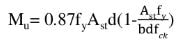
From the above equation, determine the value of Ast. Choose the diameter of bars (8mm, 10mm, 12mm, etc.).

Number of bars for tension reinforcement = Ast/ (Area of one bar)

  • Shear Reinforcement

Calculate Vu​=1.5 × Shear Force. If τv​<τc​, provide nominal stirrups; otherwise, add vertical/inclined stirrups. Ensure spacing ≤ min(Sv,0.75d,300mm).

Reinforcement Detailing:

  • Main bottom reinforcement: 4 bars (10 mm dia), 2 bent-up.
  • Top reinforcement: 2 bars (10 mm dia).
  • Shear reinforcement: 2-legged stirrups (6 mm dia) at 125 mm c/c spacing.

Advantages of RCC Lintels

  • This kind addresses the poor tensile strength of concrete by using reinforcement.
  • They are ideal for larger sizes and longer spans because they are quite strong.
  • Modern constructions frequently use RCC lintels due to their easy installation and availability.
  • High strength, fire resistance, durability, and ease of building.
  • In comparison to other lintel varieties, they are also more affordable and robust.
  • They provide a smooth finish and an appealing appearance.

Disadvantages of RCC Lintels

  • The heavy weight of RCC lintels makes installation and handling challenging.
  • A longer curing period may cause a delayed construction process.
  • Cracking susceptibility under extreme loads or temperature fluctuations.
  • Increased starting cost because of increased amount of labour and materials required.
  • Needs expert labour to be cast and installed correctly.
  • Restricted design flexibility after finalisation.
  • If not adequately sealed, it may be prone to water damage and vulnerable to moisture and freeze-thaw cycles.

What is the Difference Between a Steel Lintel and an RCC Lintel?
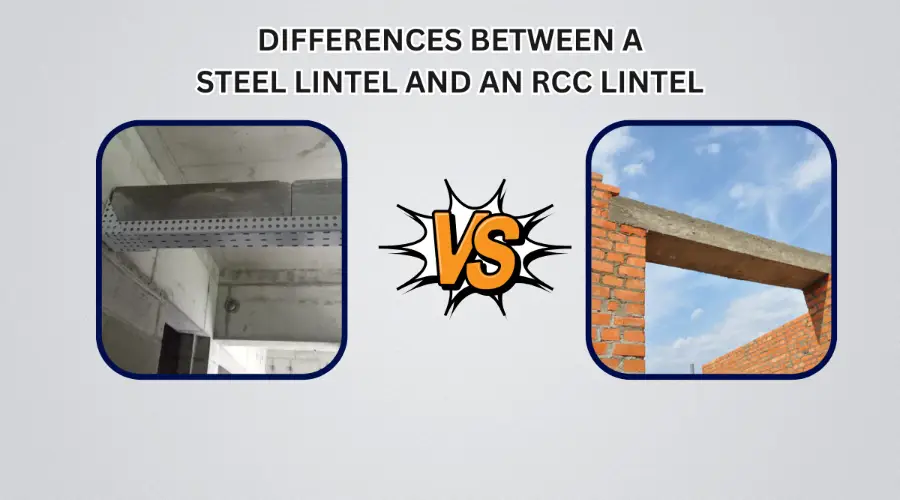
 differences between a steel lintel and an RCC lintel

The several differences between a steel lintel and an RCC lintel are mentioned below:

S.noPropertySteel LintelRCC Lintel
1MaterialsMade from high-strength steel (e.g., I-beams, channels)Made from reinforced cement concrete with cement, sand, aggregate, and steel reinforcement bars (rebars)
2Strength & Load-bearing CapacityThe high tensile strength of steel lintel provides high load-bearing capacity.Strong but not as strong as steel; enhanced by reinforcement bars for tensile strength
3InstallationPrefabricated in standard sizes and installed with supports or bracketsCan be precast or poured directly on-site using wooden or steel formwork.
4Corrosion ResistanceProne to corrode over time, particularly in conditions that are corrosive or wetSince there are no exposed rusting metallic components, there are no corrosion problems.

Conclusion

RCC lintels are vital architectural elements that give structures the support and stability they need. They are crucial to construction projects because they improve a structure’s overall architectural integrity and beauty in addition to meeting functional objectives. RCC lintels are robust, durable, and versatile, making them ideal for supporting large loads or bridging extensive areas. Choosing the right type of RCC lintel is crucial to the success and longevity of a building project since it can significantly affect the structure’s operation and design.

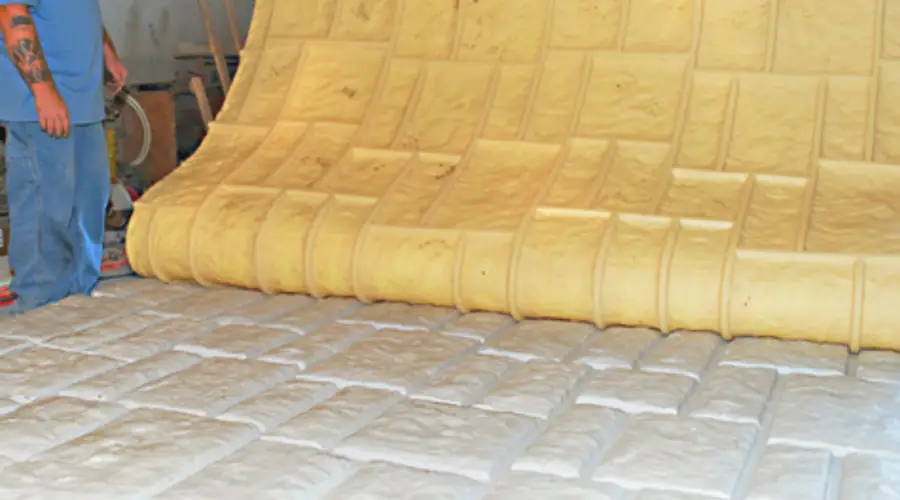
Casting Cement – Everything You Need to Know About It

0
casting cement

Concrete is a composite material that plays a vital role in construction projects. The strength and quality of the concrete are crucial to ensuring the overall stability of the structure. It is made up of raw materials including calcium, silicon, iron, lime, clay, aluminium, and other additives. These ingredients are specifically chosen by considering their unique chemical properties to achieve the final product with the desired specifications.

Let’s keep aside the definition of cement; do you have any idea about casting cement and concrete? It is a process or technique used to create a certain product or structure using concrete.

If you don’t have any knowledge about this process, let’s continue reading further. This article uncovers what exactly the process is, its importance, applications, and advantages.

What is Casting Cement and Concrete

Casting cement and concrete is a technique to create various objects and structures by pouring a liquid concrete mixture into a pre-designed mould. By allowing it to harden, your product is ready.

The size and shape of the mould is customizable; you can make it according to your specific project needs. The mould or formwork is made of plastic, wood, metal, or other materials. This concrete casting is used for a wide variety of applications due to its exceptional strength and durability.

Importance of Casting

Casting is a fundamental technique used in various industries. Let’s see why:

Mass Production: Casting enables producing identical objects in larger quantities which is quite impossible to achieve in other methods. It would be useful in areas where larger quantities are required in a short time.

Versatility: The material versatility is an ideal advantage of casting. It allows you to create the desired size and shape from a variety of materials, including metals, plastics, or concrete.

Economical: Casting helps produce complex objects or products at a lower cost. By pouring the liquid mixture into the mould, you can make your product ready once it has hardened.

Efficiency: Casting is a kind of precast concrete component that can be prepared off-site. It reduces the overall construction time and ensures the quality of objects.

Reduced Assembly: Casting in construction reduces the time and complexity of the assembly process. Because the parts or objects of the moulds are ready to go, they can be used directly in construction.

What are the Steps involved in Casting

Casting is a multi-step process that requires careful planning and execution. Here are the steps to follow:

Product Designing & Planning: Engineers need to pre-plan the design of the structure or product to achieve the desired shape, size, and dimensions. After that, the mould or formwork designs can be adjusted according to the requirements.

Prepare Aggregated: Figure out the required fine and coarse aggregates and prewash them thoroughly to remove the dirt, dust, and other contaminants.

Concrete Mixing: Ingredient preparation is a crucial step, including cement, water, and aggregates, which should be accurately measured and prepared to a uniform consistency.

Pouring: A liquid concrete mix is poured into the formwork or mould. Once it is filled completely, vibrate the tray or mould to remove the air bubbles and ensure proper compaction.

Curing: The mould should be placed in a controlled environment to prevent rapid drying and cracking. Avoid placing it in an extremely cold or hot temperature,  as this can compromise the product quality.

Object Removal: Once it is cured well, the products are demolded from the formwork carefully. Then, it is ready to use in construction.

Object Removal

Applications of Casting Cement and Concrete

Casting cement and concrete has been used in several applications, including:

Bridges and Flyovers: Due to their exceptional strength and durability, they have been used to construct bridges and flyovers. They are capable of withstanding traffic vibrations, heavy loads, and harsh environmental conditions.

Roads: Concrete plays a vital role in constructing the sidewalks, roads, and highways. This is because they are durable, skid-resistant, and make surfaces long-lasting.

Precast Concrete Components: Precast concrete components are products or objects that are manufactured off-site, such as wall panels, beams, and floor slabs. Later, they can be transported and assembled on-site to speed up the construction.

Precast Concrete Components

Foundations and Footings: Generally, the building foundation and footings are expected to be strong and durable. Be it residential or commercial, they should resist water and extreme weather conditions, which is efficiently provided by concrete.

Advantages of Casting Cement and Concrete

Casting cement and concrete offers significant advantages to the construction industry. When used efficiently, you can achieve the desired strength in projects.

Extreme Strength & Longevity: Concrete is generally valued for its excellent compressive strength, making it suitable for load-bearing structures by resisting fire, heavy rain, temperature fluctuations, and snow.

Design Flexibility: Casting allows builders to personalize complex designs and enables them to achieve unique architectural aesthetics. From size and shape to additives and pigments, everything can be customised to meet specific project needs.

Cost-Effective: Mass production of certain objects or products can be handled efficiently through casting cement. Additionally, it adds exceptional strength to the structures, reducing overall repair and maintenance costs over time. Because concrete is a sustainable material, it can also be reused in the future.

Perfect Finishing: You may have a doubt about precast construction materials, but they seem perfect and professional; no damages can be identified.

Final Wordings

Casting cement and concrete is an ideal technique that involves manufacturing the required material in the desired size and shape. It effectively saves time and cost in large-scale projects where deadline and costs matter. This is a fundamental technique used in various applications and industries. By reading this article, you can gain a better understanding of casting cement and concrete and how they have been beneficial to the sector.

Precast Concrete Bricks – Manufacturing & Benefits

0
precast concrete bricks

Bricks are the oldest building materials, and the evolution of the construction industry has resulted in numerous types of bricks. Precast concrete bricks are one of them, and they have been on the rise due to their unique properties, numerous advantages, and wide range of applications. Here, we look at precast concrete bricks and everything you need to know about them.

What are Precast Concrete Bricks?

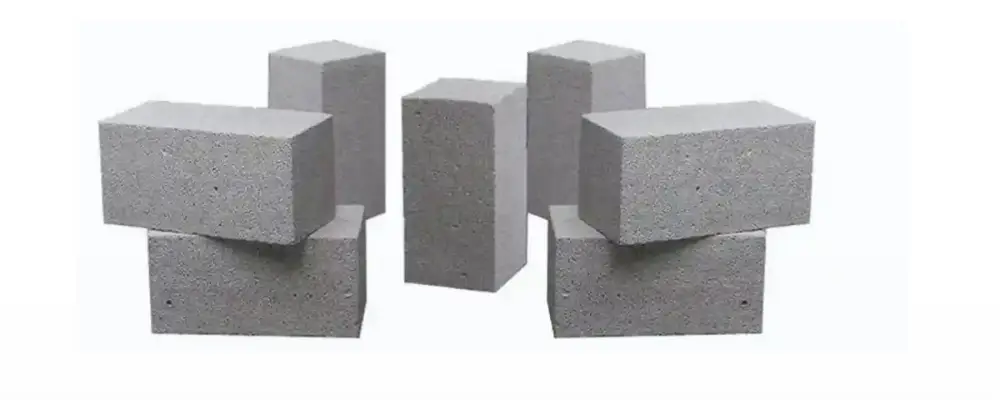
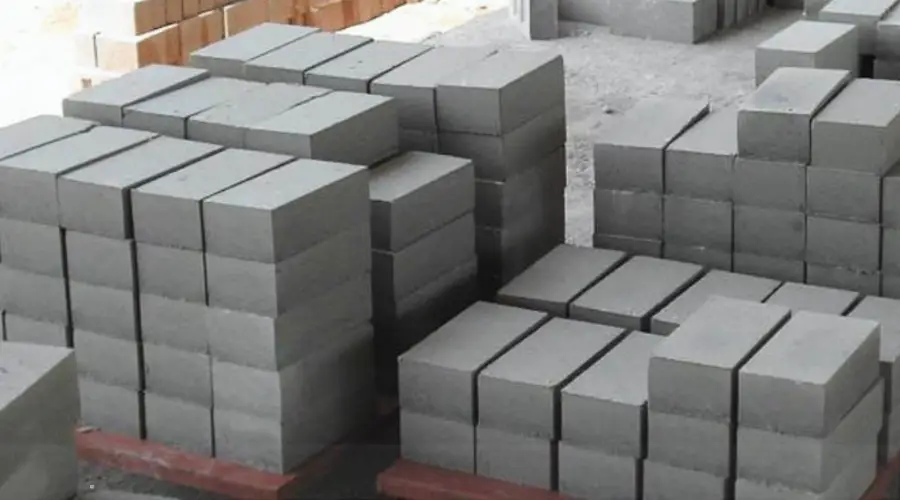
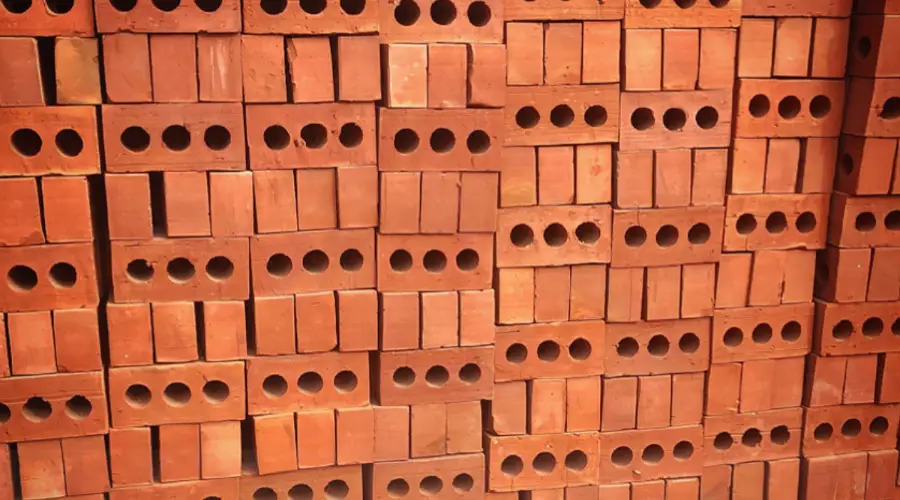
It is a concrete masonry unit (CMU), that is shaped and hardened before being brought to the construction site. This brick is made of cement, aggregate, sand, and water and is manufactured in a factory using advanced machinery preserved in a controlled environment. They are available as full or hollow bricks of different shapes and sizes.

Manufacturing Process

Preparation of Raw Materials

The raw materials, such as cement, sand, aggregates, and additional fillers, are chosen based on the required quality. The selected materials are tested in the laboratory for required standards, and adequate proportions of the ingredients are determined.

Mixing and Blending

The cement, sand, and aggregates are mixed using mechanical mixers, adding water until they achieve a uniform and homogeneous mixture. An adequate proportion of additives (fly ash or other pigments) is blended in to achieve the desired properties.

Moulding

The cement mortar is poured into the moulds of the required shapes and sizes. Vibrators are used to eliminate pore gaps, and a hydraulic press compresses the mixture into a moulded brick. The mortar is maintained in the mould throughout the drying and curing process for days until the bricks are completely solidified.

Curing & Drying

After moulding, the concrete bricks are cured using water, air, or steam in a controlled environment to improve hydration and strength. The cured bricks are then removed from the moulds and dried to remove excessive moisture content.

Quality Checks

Inspections are conducted throughout the manufacturing process, from start to finish. At different stages, many quality checks are performed in the laboratory to ensure the quality of the bricks.

Dimensions of Precast/Prefabricated Concrete Bricks

Precast concrete units are available in numerous shapes and sizes. However, the standard dimensions of precast bricks are 

  • Length- 400 to 600 mm 
  • Height- 100 to 200 mm
  • Width- 50 to 300 mm.

Applications of Precast Concrete Bricks

  • Due to their high load-bearing capacity, these bricks are used to construct walls and other structural elements of buildings. 
  • These bricks are highly durable and attractive, making them suitable for exterior cladding and facades.
  • These bricks are widely used to construct bridge piers, abutments and deck slabs.
  • These bricks are used to construct retaining walls, tunnels, and highways.
  • They are also used in constructing parking structures, traffic barriers, manholes and catch basins.

Advantages of Using Precast Concrete Bricks

Superior Quality

Precast bricks are produced with the utmost care and quality assurance in a controlled environment. As the bricks must pass many quality checks, there is a reduced chance of producing defective and low-quality bricks. Due to the controlled production, these bricks are a perfect option for a stable, reliable and durable structure.

No Skilled labour

Precast bricks are designed to make construction easier and ready to install. These bricks require no skilled or extra labour, reducing the time and cost spent on skilled labourers.

Cost-effective

These bricks are highly cost-effective compared to other brick types, comparing the size and construction cost. It reduces the cost of skilled labour, as they are easy to install. These bricks are readily available, reducing the cost spent on onsite manufacturing. These bricks are highly durable, reducing the maintenance and repair costs.

Rapid Construction

As the bricks are readily available for construction and are of large size, the time spent on construction is significantly reduced, ensuring that the project meets tight deadlines.

Design Flexibility

Another advantage of precast concrete is the design flexibility, as numerous types of precast bricks are readily available, which can meet different construction needs.

Fire Resistant

Fire Resistant

These precast bricks are highly resistant to fire, preventing the structure from catching fire. The hollow bricks have porous gaps within the structure and acts as an insulator that helps to maintain the room temperature.

Aesthetic look

These bricks can be custom-made and are available in numerous shapes, designs, patterns, colours, and physical characteristics. Adding slight creativity to the bricks helps build visually appealing structures.

Conclusion

Precast bricks are widely popular in the modern construction industry. They provide numerous advantages, such as high compressive strength, thermal resistance, stability, and durability. Due to their unique properties, they are used in various construction projects. These concrete bricks are at the forefront of modern construction, and their continuous evolution makes them an easy and reliable choice. It would be no surprise if concrete bricks completely replaced clay bricks in the future.

FAQs

1. What are the materials used for manufacturing precast bricks?

Precast bricks are made of cement, sand, aggregates, gravel, and additives such as fly ash or rice husk.

2. What are the methods involved in the manufacturing of precast bricks?

The precast bricks manufacturing process involves six steps: preparing the raw materials, mixing, moulding, curing, cubing, and quality control.

3. What cement is used for the production of Precast Bricks?

Ordinary Portland Cement is the most widely used cement for manufacturing precast bricks. However, the quality standards vary based on the grades used. The most common grades are OPC 33, OPC 43, and OPC 53.

4. Is Precast Bricks more affordable than traditional bricks?

Yes, Precast Bricks are generally more cost-effective than traditional clay bricks. However, the price may vary depending on production, quantity, project type, and availability.

Landscape Planning – Meaning, Importance, Benefits & Tools

0
Landscape plan

It is not just a building that provides beauty to a construction project. The lush greenery, winding pathways, and water features around the structure also add magic to it.  This magic resurrects the structure’s life, exuding warmth, personality, and a sense of harmonious connection between the structure and nature. However, this feature of adding sublime beauty is neglected very often. Concentrating much on the intricacies of the building, people forget to enhance the overall appeal and functionality of its surroundings. This could be attained when much importance is given to landscaping. Landscape planning, an important facet of architecture, is preferred by the constructors and project planners in advanced urban planning communities. The landscape elements of construction projects vary from hardscape features to planting and lighting based on the liking and requirements of the owner or architect. This article will provide a brief idea of landscape planning and its advantages which enhance the quality of appearance of every structure.

What is a Landscape Plan?

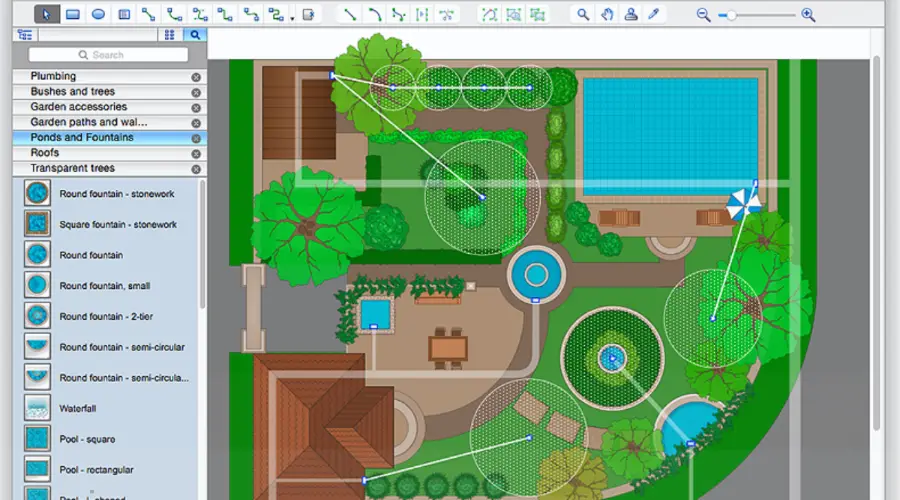
A landscape plan is a two-dimensional scaled representation of a site considering natural elements like flowers, trees, and grass as well as man-made features like lawn furniture, fountains, and sheds. In certain cases, this may include overlays for lighting and irrigation. This differs largely from the construction planning, which is concerned only with the built structure. Landscaping planning concentrates solely on the layout of an outdoor area for all types of projects including a home, commercial plan, or community area. They come in handy for those who are looking for retrofits when planning an outdoor event. In simple terms, possession of a landscaping plan will provide better options over tools for cost estimation to an owner or contractor.

Key Components of a Landscape Plan

The key components of a landscape plan in construction are site analysis including topography, soil type, climate, existing features and views; hardscape elements such as pathways and driveways, patios and decks, walls and fences, water features, and outdoor structures; soft scape elements include plants, seasonal variations and themes; functional areas such as recreational spaces, seating and gathering spaces, and utility zones; circulation patterns including walkways and access points; lighting such as ambient lighting, accent lighting, and safety lighting; irrigation and drainage systems; aesthetic and design elements such as colour schemes, textures and focal points; sustainability features such as rain gardens, native plants, and composting areas.

How to Design a Landscape Plan

How to Design a Landscape Plan Create the Outline (1)

Create the Outline: The creation of a broad overview of the project area provides a basic outline. This outline enables us to add new elements. Depiction of the area needs to be precise as the landscape design requires areas that need to be landscaped, with accurate representations of built and open spaces, along with the overall project boundary.

How to Design a Landscape Plan How to Design a Landscape Plan Add Existing Features

Add Existing Features: The contractor must consider the presence of rocks, waterways, buildings, poles, and slopes, as these cannot be moved during the landscaping process. Different symbols and colours for these elements will avoid any confusion. Consideration of sun path diagrams is important to make sure the building doesn’t fall under the shadow of other elements as this may diminish the gleam of structures.

Create Ground Cover

Create Ground Cover if Needed: Ground covers are created with the use of grass or asphalt. Applying textures will increase the accuracy of these areas.

Add New Landscape Design Elements: The addition of new landscape elements will increase the beauty of structures. This may include shrubbery, trees, and flowers and draw-in walkways and stairs.

 Benefits of a Well-Designed Landscape Plan

Some of the benefits of considering a landscape plan are listed below.

  • One can keep away the weeds from sneaking in if they have a healthy lawn. If you believe removing lawns periodically will keep them away, for sure they will make a hole in your pockets. Whereas, landscaping will help us maintain healthy lawns that fight off weeds.
  • There is no denying that possession of a house is a great asset. Any investment in landscaping will increase the market value of this asset. This doesn’t equate with the practice of just moving down your lawn or trimming your shrubs.   
  • One may remain in awe if I say investing in landscape plans will reduce utility bills. Yes, placing trees and trimming shrubs will reduce the need for air conditioners in the summer as they provide shade and quality air.
  • They provide an additional benefit of protecting the environment. The greenery and usage of local soil will foster nature. Adding birdhouses and bird fountains further enhances the sustainability factor by fostering biodiversity.
  •  They act as natural barriers between the owner’s property and neighbours’ properties. Having trees will negate the need for fences as they provide secluded spots. They even reduce other factors such as noise from traffic, lawnmowers, and pets.
  • Landscaping will improve the functionality of one’s property. A patio, for example, will provide a beautiful place to eat and entertain outside.

Landscape Plan Tools and Software

Landscaping softwares act as one-stop solutions for various activities such as catering lawn care, gardening, or tree management for residential, public, and commercial spaces. Some of the well-known softwares are:

Landscape Plan Tools Plan-a-Garden
  • Plan-a-Garden: This software creates a design plan and enables the addition of designs to check the appropriateness of shapes and colours with its drag-and-drop functionality.
  • Land F/X: It supports document management and helps draft irrigation plans with a rich plant library.
  • LMN: It enables designers to automate the entire landscape business, improving the efficiency of job planning and time management.
  •  Vectorworks Landmark: The collaboration of 2D drawings and 3D models is the unique capability of this software. It enables the synchronisation of GIS file management to streamline the geo-design process.
  • RealTime Landscaping: Their capability to provide 2D and 3d designing features helps designers visualise real-time ideas.
  • Aurora 2.1: Its integrated creative features can give images a personal touch. It brings water, sky, and lightning to the digital nature.

Conclusion

An effective landscape plan is not only meant for people who want to improve the aesthetics of a property, but it is also there to improve the functionality of the property. It improves its coherence with the world outside. Extending such hardscape and softscape elements into one integrative landscape plan not only enhances the design of the building it is associated with, but also promotes sustainable building and development practices. The advantages, stretching from cost-cutting to environmental conservation, justify the relevance of landscaping in contemporary architectural and urban design. Moreover, robust landscape planning applications and software help architects and designers scale their ideas into effective, aesthetically pleasing, and functional outdoor spaces. While building a house, running a business or owning a community park, there is always a reason to spend on a landscape plan as it aims to achieve the ideal equilibrium between man and nature.

Solid Block Masonry – A Comprehensive Guide for Construction

0
solid block masonry

Masonry is a construction technique that creates a structure or wall with suitable construction materials. Bricks, stones and concrete blocks are some of the most widely used materials for construction. Stone and brick masonry are some of the common types of masonry works, and the evolution of blocks makes it a preferred choice in masonry works. Here we take a look at what solid block masonry is and everything you need to know about it.

What is Solid Block Masonry?

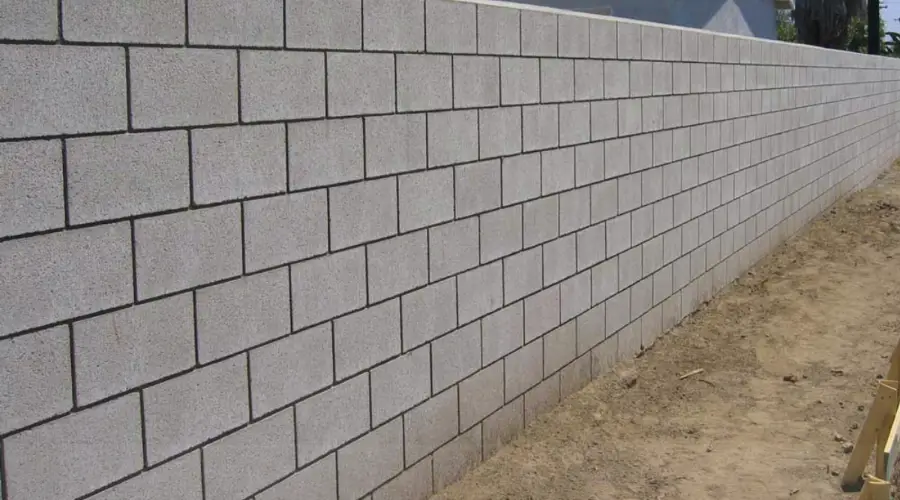
Solid block masonry is a construction technique that uses solid concrete blocks as the primary construction material. It is similar to brick masonry but uses solid concrete blocks instead of bricks to construct the structure. These masonry structures have high load-bearing capacity, are easy to build, and can survive for long periods of time. 

Types of Solid Blocks

Fly Ash Block

Fly Ash Block

As the name suggests, these blocks are made with fly ash (extracted from burning coal). The fly ash is mixed with Portland cement and adequate water to make lightweight solid blocks. These blocks are eco-friendly, economical and help in rapid construction works.

Paving Block

Paving Block

These blocks are primarily used for paving walkways, parking areas, and road shoulders. They come in various sizes and colours and are ideal for pavements in high-traffic areas, suitable for carrying live loads.

Cellular Lightweight Block

Cellular Lightweight Block

Cellular lightweight block is a lightweight construction material made from cement, foam, and fly ash. It is available in high-density and low-density blocks. The density determines the suitability for load-bearing and non-load-bearing structures.

Applications of Solid Block Masonry

interior and exterior structures of Solid block masonry
  • Solid block masonry is suitable for constructing load-bearing interior and exterior structures.
  • This block masonry work is ideal for almost all construction types, including residential, commercial, and industrial buildings.
  • Perfectly arranged solid block masonry can build retaining walls to stabilise the structure from landslides and soil erosion.
  • Solid block masonry works are suitable for constructing attractive and durable garden walls, raised garden beds and other landscaping works where retaining moderate amounts of soil is required.
  • Its soundproofing properties make it ideal for institutional and government buildings.

Advantages & Disadvantages

Advantages

  • These structures have high strength and durability, making them suitable for load-bearing structures and foundations.
  • These structures act as a thermal insulator that helps maintain the room temperature.
  • The size of the blocks is larger, reducing the construction time as a lesser number of blocks need to be laid to fill a space.
  • The solid block structure provides acoustic insulation to the structure.
  • Suitable for all types of construction, including residential, commercial and industrial buildings.

Disadvantages

  • These blocks are heavier than bricks or hollow blocks, which increases the overall structural load.
  • This masonry may not be as attractive as brick masonry or stone masonry walls when left exposed.
  • Highly skilled labourers must carefully handle and install the wall to ensure its structural integrity.
  • There is a high chance of water seeping through the buildings, as it is vulnerable to efflorescence and water damage.
  • This masonry work can be expensive compared to other masonry works.
  • Solid blocks are rigid and are prone to crack and damage, which limits their flexibility.

Mix Proportions of Mortar for Solid Block Masonry

The mortar mix proportions used for solid block masonry could vary based on numerous factors, such as purpose, external climatic conditions, and local building codes. However, the general mix proportions range from 1:3 to 1:6, meaning one part of cement is used for three to six parts of sand.

Solid Block Masonry Construction Process

  • Prepare the mortar by blending cement, sand, or other adhesives with the appropriate amount of water.
  • Blend all the raw materials with a suitable mix proportion for binding the blocks together.
  • Choose the correct quality and quantity of the solid blocks required to construct the structure.
  • Prepare the foundation by ensuring the surface is clean, dry, and level.
  • Pour the mortar on the foundation to create a mortar bed before placing the first layer.
  • Place the blocks on the mortar bed and apply mortar to the bed and vertical joints at each subsequent course.
  • Use a spirit level and plumb bob to ensure that the blocks are accurately placed straight.
  • After laying the first course, pour the mortar over it and arrange the blocks at half the width.
  • Repeat the block-laying using the mortar and complete the wall, aligning alternate layers similarly.

Maintenance

  • Regular inspection is key in maintaining the concrete blocks, as numerous environmental factors could affect their structure. Early detection and repair could improve their lifespan and efficiency.
  • Practice effective cleaning methods such as using cleaning agents and pressure washing to remove unwanted elements damaging the blocks.
  • Address any cracks or damages on time and seal or repair them before they become a big issue.
  • To extend the structure’s lifespan, high-quality materials, proper installation, and coating can be used during construction and maintenance.

Conclusion

Solid block masonry is one of the most widely used masonry techniques in modern construction, especially for multi-storeyed structures. It is extremely strong and durable and can easily withstand heavy loads. Although heavy and costly, solid block masonry is worth the initial investment as it provides long-term benefits. Its numerous advantages have almost replaced the usage of brick and stone masonry. It would be no wonder if solid block masonry one day completely replaced brick masonry.

GP2 Cement Uses – Key Features and Benefits in Construction

0
gp2 cement uses

Cement is one of the most widely used materials in the construction industry all over the world. Its popularity has enabled new advancements to be made everyday, allowing enhancement of its properties. One such new cementitious material is GP2 cement. Let us see the common uses, benefits, and applications of GP2 cement in construction.

Overview of GP2 Cement

General Purpose cement, or GP2 cement, is a high-performance, non-shrink grout cement specifically designed for grouting applications in construction projects that demand high strength, durability, and low shrinkage. It is a careful blend of Portland cement, graded fillers, and chemical additives that ensure controlled expansion in the plastic state while minimising water demand. This low water demand contributes to achieving high early strength. The graded fillers are designed to promote uniform mixing, resulting in a consistent and reliable grout. It comes ready to use in a pre-mixed form. Due to the grout’s remarkable compressive and flexural strength, it is a great choice for applications requiring a sturdy foundation. Its free-flowing qualities and gaseous expansion system guarantee ideal contact with load-bearing surfaces, providing improved support and effective load transfer.

Key Features of GP2 Cement

These are some of GP2 cement’s salient characteristics:

High compressive and flexural strength: GP2 cement has a high compressive and flexural strength for providing sturdy foundations.

Non-shrink: The concrete mixture won’t shrink between the base plate and substrate, due to the specific formulation of GP2 cement.

Low water demand: High early strength is guaranteed by the low water demand of GP2 cement.

Mixing uniformly: GP2 cement’s graded fillers contribute to the consistency of the grout.

Extreme weather, chemical, and water resistance: GP2 cement has outstanding bonding qualities and can stick to a variety of surfaces.

Absence of metallic iron: The absence of metallic iron in GP2 cement might result in discolouration.

Prepackaged substance: GP2 cement is pre-packed to prevent batching differences on-site. 

Common Uses of GP2 Cement

Common Uses of GP2 Cement

Beyond anchoring and precise grouting, GP2 cement is adaptable and appropriate for a variety of uses. These include:

  • GP2 cement ensures a solid foundation for the heavy rotor and tower structures in wind turbine installations. A solid foundation is essential for maintaining stability, reducing vibrations, and withstanding dynamic loads caused by wind forces during turbine operations.
  • GP2 is a great option for grouting bridge bearings because of its strong compressive and flexural strength, which guarantees even load distribution.
  • GP2 cement provides a safe and sturdy footing for large machinery and equipment, making it perfect for grouting beneath machine base plates.
  • The grout is appropriate for supporting railway track foundations due to its toughness against dynamic loads, which reduces vibrations and provides a solid foundation.
  • GP2 cement provides a sturdy, long-lasting, and secure base for heavy-duty cranes and hoists.
  • To ensure safe and sturdy connections, GP2 cement can be used to fill in the spaces between precast concrete parts. When building walls, floors, and other structural elements that require high-strength joints, this is especially helpful.
  • For concrete surfaces that have deteriorated or been damaged, GP2 cement is a dependable repair material that restores structural integrity and offers long-lasting defence against more damage.
  • GP2 cement increases the stability and load-bearing capacity of masonry walls, columns, and other structural elements when combined with reinforcement bars or other structural elements.
  • Due to its high strength, adaptability, and longevity, GP2 cement is an essential component for contemporary building and repair projects.

How to Use GP2 Cement for Construction?

Use these application methods to get the most out of GP2 cement:

Preparation: 

To get rid of any dirt, oil, grease or any loose particles, scrub the surface. The binding may be weakened if the platform is not solid, pristine, and devoid of any impurities.

Mixing and Placing: 

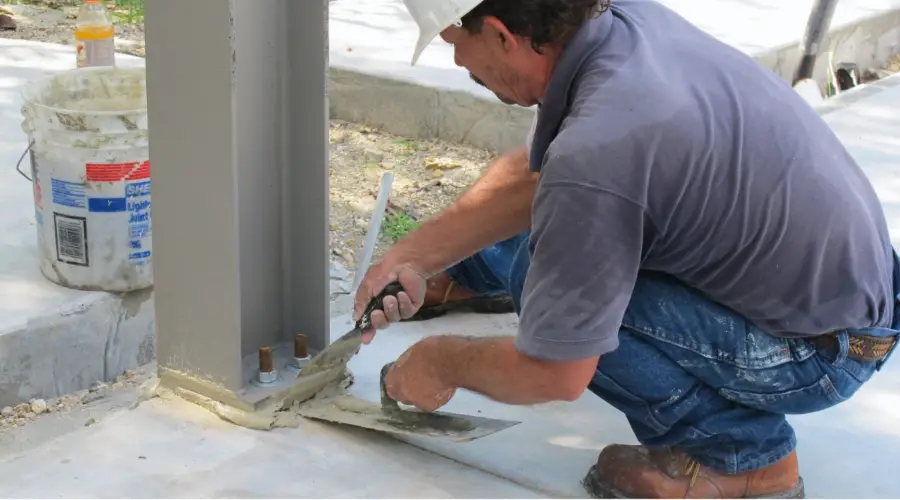
While mixing the grout, make sure to follow the instructions directed by the manufacturer to attain the proper water-to-powder ratio. The grout must cover the whole cavity and make complete contact with the platform as you pour the mixture into the formwork.

Curing: 

During the initial curing time, shield the grouted surface from wind, rain, and direct sunshine. Before applying any loads, it is imperative to give the grout enough time to cure.

When using GP2 cement, keep the following limitations in mind:

Low Temperature Conditions: In low temperatures, the setting time and strength development may slow down, necessitating extended curing periods.

High-Temperature Conditions: In high temperatures, the setting time accelerates, reducing the working time. To mitigate this, consider using chilled water during mixing.

Advantages of Using GP2 Cement

GP2 offers some significant benefits over conventional grouting solutions, including:

Gaseous Expansion System: In the grout’s plastic form, GP2 cement makes up for settling and shrinkage. This indicates that any potential micro-voids or gaps are filled by the grout’s modest expansion as it sets.

Non-Metallic Composition: GP2 cement is free from metallic iron which ensures no corrosion or discolouration. This makes it appropriate for long-term uses.

Pre-Packed Material: Provided as pre-packed material to ensure consistent quality and performance by removing onsite batching inconsistencies.

High Early Strength: Provides a solid and reliable foundation by achieving high early strength without the usage of chlorides.

Outstanding Ultimate Strength: Provides a high level of ultimate strength, guaranteeing the hardened grout’s lifetime and durability.

Free-Flowing Properties: Excellent flow for optimal contact with load-bearing areas is ensured by free-flowing properties, which improve load transfer and support.

Conclusion

In conclusion, GP2 cement is used for all kinds of grouting applications in construction. Its remarkable flexibility and compressive strength make it an ideal choice for constructing solid foundations. Consistent grout can be made by uniform mixing. The free flow property of GP2 cement ensures a high level of contact with heavy load-bearing areas. All its properties and special features make it an excellent choice for modern building and construction projects.

FAQ’s

1. Is it possible to use GP2 Cement underwater?

Although GP2 cement is not made especially for use underwater, it can be appropriate in some circumstances if the right preparation and safety measures are taken. For specialised underwater application advice, it is recommended to consult with the manufacturer or a technical specialist.

2. Is GP2 Cement appropriate for situations with dynamic loads?

Indeed, GP2 cement is designed to support both static and dynamic loads, which makes it the perfect option for applications requiring a sturdy and dependable foundation under a range of loading circumstances.

3. How long does GP2 Cement last on the shelf?

GP2 cement normally lasts for around 12 months after manufacturing if kept in its original container in a cold, dry, and well-ventilated location.

Wire Cut Bricks vs Normal Bricks – Key Differences Explained

0
wire cut bricks vs normal bricks

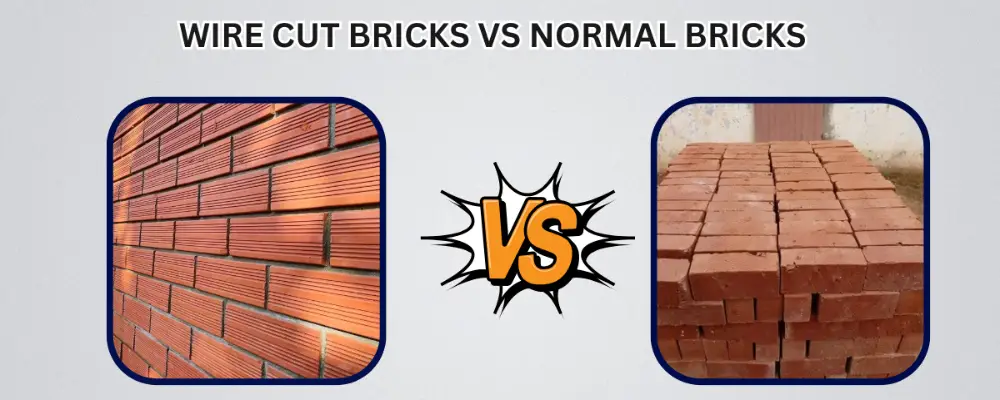
Choosing the right type of bricks for your construction is one of the most challenging aspects of a project. There are numerous brick types in the market, and each one has its unique characteristics. In this blog, we are going to compare the more modernised wire-cut bricks with the traditional brick, which has been in use for hundreds of years.

What are Normal Bricks?

What are Normal Bricks

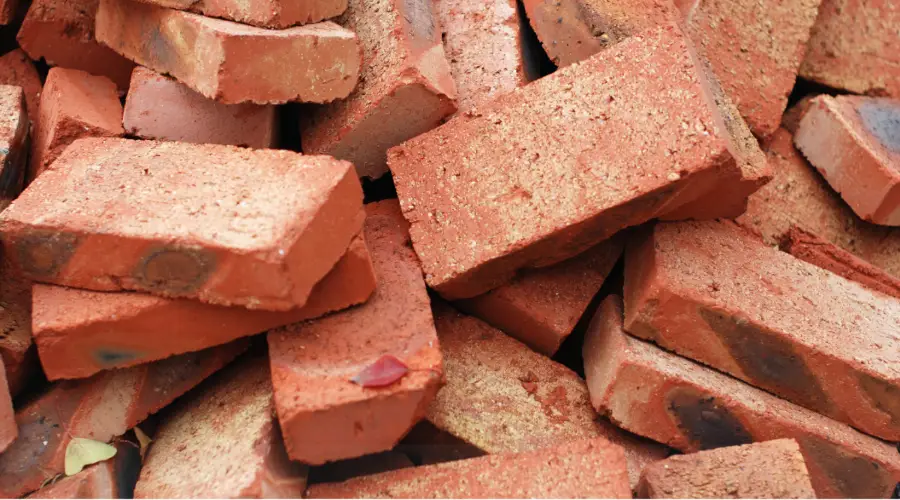
Normal bricks are made using clay, sand, and other natural minerals. They are kiln-burnt and have high strength, resistance, and durability. Based on the grades, several types of bricks are widely used in the construction industry for walls, foundations, columns, and other structural and non-structural elements of buildings, including residential, commercial, and industrial buildings.

What are Wire Cut Bricks?

What are Wire Cut Bricks

Wire-cut bricks are modern bricks made by extruding clay into a column and cutting it with a string to provide evenly shaped and sharp-looking bricks. These bricks are known for their precise shape, size, and consistency and are widely used for constructing load-bearing structures, exposed walls and other architectural purposes.

Key Differences Between Wire Cut Bricks and Normal Bricks

Manufacturing Differences

Wirecut Bricks

The manufacturing of wire-cut bricks is completely different from that of normal bricks. The raw materials, such as clay, sand, and aggregates, are fed into a pug mill (a stand-alone machine) and mixed into a plastic state. The plastic mix is fed into an extruder, where compaction is done to remove the air voids. The materials, after extrusion, are moulded using a die to attain the desired shape. Wires or long cables are used to cut the bricks into the desired sizes. The wire-cut bricks are then dried to remove moisture and set for hardening.

Normal Bricks

Traditional bricks are made by mixing raw materials such as clay, sand, and water, which are weathered and kneaded to form a homogenous mix. The raw material mix is then transferred to a mould in a plastic state and compressed to remove voids and gaps and to make the bricks denser. The bricks are then unmoulded and dried under the sun for three to ten days. They are then transferred to the fire kiln and heated at high temperatures. The bricks are then removed from the kiln and sorted based on the grades.

Cost Considerations

Wirecut Bricks

Wire-cut bricks require a higher initial cost compared to normal bricks. Manufacturing these bricks requires high-end equipment such as a ball mill and extruder, increasing production and selling costs. However, they are easy to maintain and reduce maintenance costs. 

Normal Bricks

Normal bricks are cheap compared to wire-cut bricks. Their manufacturing cost is low as it doesn’t require costly equipment. These bricks are easily available at an affordable price. However, they need regular maintenance, especially when employed in external structures.

Strength and Durability

Wirecut Bricks

Wirecut bricks are stronger, more durable, and more resistant than normal bricks. They are also less porous and can withstand high moisture and poor weather conditions, which increases the lifespan of the structure.

Normal Bricks

Normal bricks have good resistance to fire, as they are burnt at high temperatures in the kiln. They are strong and durable; however, this depends on the brick grade. They have high water absorption and efflorescence rates, reducing the strength and lifespan of the structure.

Appearance

Wirecut Bricks

These bricks have sharp, clean edges and uniform appearance, and they are sliced with a wire after being extruded. The uniform looks, and clear-cut shape give it a more aesthetically pleasing and sophisticated look and also simplify the construction process.

Normal Bricks

The size and shape of the bricks depend on the moulding and burning process. First Class bricks have perfect shape and size, whereas the lower grade bricks could have slight undulations. These are traditionally used and provide solid looks.

Performance in Different Environmental Conditions

Wirecut Bricks

These bricks are highly resistant to weather and harsh climatic conditions, as well as moisture, heat, and ultraviolet radiation. However, although they have high resistance properties, they don’t provide the necessary insulation at varying temperatures.

Normal Bricks

These bricks are highly resistant to all climatic conditions and protect the structure from external heat. However, these bricks are vulnerable to moisture and water attacks, making them unsuitable for water-prone areas.

Thermal and Acoustic Properties

Wirecut Bricks

These bricks are resilient to heat and sound, acting as thermal and acoustic insulators. They help protect the building from external temperatures and noises entering the structure. It is one of the most preferred bricks where thermal and noise resistance are crucial.

Normal Bricks

These bricks are highly insulated against thermal forces, so they can survive fire and extremely high temperatures. However, they are not as good when it comes to acoustic insulation, as they are more dense, making it easy for sound to pass through the structure.

Pros and Cons of Each Brick Type

Wire-cut Bricks

Advantages

  • High strength and durability.
  • Sharp and smooth finish, making it aesthetically pleasing.
  • Resistant to fire and sound.
  • Wide range of colours, dimensions and textures.
  • Low maintenance, reducing maintenance costs.
  • Faster installation, improving the construction speed.
  • Requires less mortar for masonry works.

Limitations

  • It requires expensive equipment for manufacturing, increasing manufacturing costs.
  • Requires skilled labour for installation and manufacturing.
  • Insulation is limited at extreme temperature variations.

Normal Bricks

Advantages

  • High strength & durability.
  • Good weather resistance.
  • Easily available and affordable.
  • Absorbs sound, acting as acoustic insulation
  • It is a natural thermal insulator that protects the structure from external temperature.
  • Suitable for almost all types of construction

Limitations

  • The manufacturing process pollutes the air
  • Heavy weight
  • Loss of soil & water
  • Waste generation

How to Choose the Right Brick for Your Project?

Numerous factors need to be considered before choosing the right brick type for your project. These include the project goal and style, brick type, colour and texture, durability, strength, climate and weather resistance, sustainability, maintenance, budget and cost, local building codes and regulations, and availability.

Before making your choice, obtain the brick samples and test the bricks. If testing is impossible, consider consulting experts.

Conclusion

Both normal bricks and wire-cut bricks are great construction materials. They have a lot of similarities among them; on the other hand, they each have their unique characteristics. Wire-cut bricks provide a blend of durability, aesthetic appeal and sustainability. On the other hand, normal bricks are proven to be the best fit for construction due to their load-bearing capacity and variety of applications. On the flip side, wire-cut bricks are costly and require skilled labourers for installation. Normal bricks don’t provide aesthetically pleasing looks, and construction is time-consuming. Both the bricks have their ups and downs; the final decision of choosing between them is based on the construction needs.

Site Plan – Learn the Key Components & Significant Factors

0
Site plan

Planning is a route map to achieve something that we have exactly dreamt of. Whether it is your personal or professional work, pre-planning ensures that your objective is clear and well-defined. Likewise, the architectural site plan would be significant. It doesn’t matter whether you are looking to build a new home or renovate any existing construction; the development of a site plan is crucial.

It may seem just a full-scale drawing, but it helps visualise your idea in building elements. It allows you to make informed decisions to avoid financial and legal nightmares. If any corrections are required, they can be optimised prior to constructing the structures.

But first, you need to learn what exactly a site plan is, its key components, and its purpose in the construction industry. Continue your reading to know about them in detail:

What is a Site Plan?

What is a Site Plan?

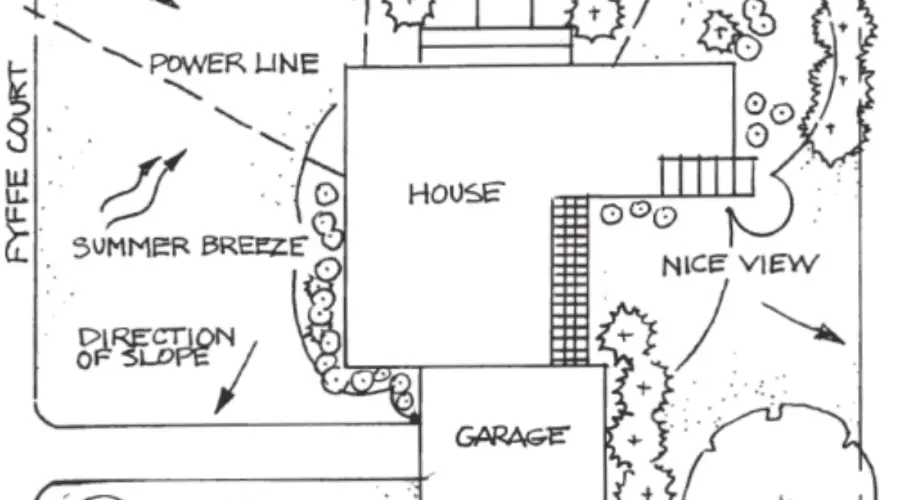
Site planning is a primary concern of construction projects that help you legally organise the drainage, gradients, the plot of land, privacy, and other significant features like utility poles, roadways, power lines, setbacks, fencing, etc.

Mostly, the site maps are 2D aerial maps created by contractors or builders to give you a detailed overview of your property’s features. When it is a 3D creation, builders provide you with a full-colour plan that is specifically useful for understanding.

It tends to occur in the early stages of the design process, providing a wide frame of your construction before the completion.  

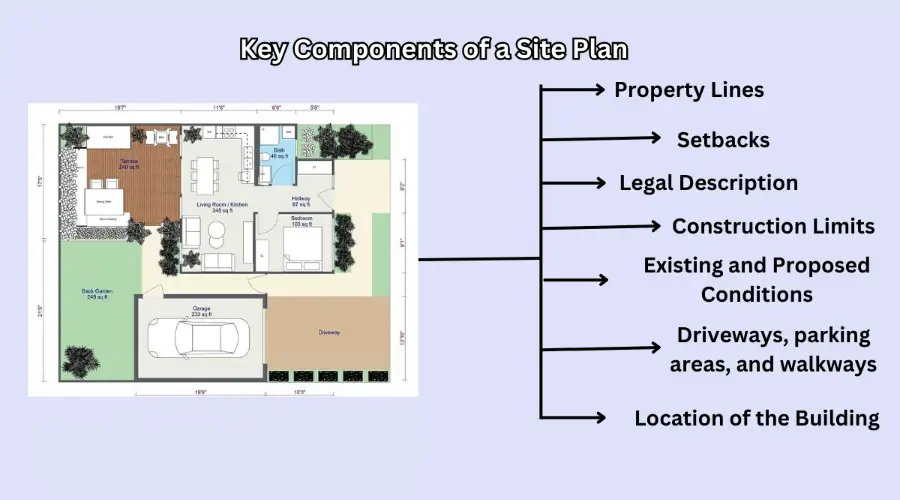
Key Components of a Site Plan

Key Components of a Site Plan

A site plan includes certain key components to convey the building’s story efficiently. The following are the important aspects:

Property Lines: Property lines denote the area around the exterior of your site. Before starting to design, you should be aware of the property limits to plan your building infrastructure accordingly.

Setbacks: This is about the distance between buildings and property lines. It must be included in the development site plan to avoid any legal conflicts in the future.

Construction Limits: It is essential to estimate these before the construction works start. Understand where the building needs to take place and where the materials and equipment will be stored.

Existing and Proposed Conditions: A site plan must include certain significant features like power lines, fence lines, and utility connections. This allocation is essential to prevent unwanted troubles in the future.

Legal Description: The top section must include the details like township, tax lots, your site range, and section. A plan should contain all this information to ensure that the construction has been planned legally.

Driveways, parking areas, and walkways: A good site plan must include all these elements to have better clarity about the overall structure in the future.

Location of the Building: A plan should clearly denote where the main structure will be placed within a property limit. There is a legal concern about the distance between the structure and the property lines.  

Purpose of a Site Plan

More than just a drawing, a site plan serves several purposes in the construction, including:

  • Site plans are often required for planning and development applications to ensure that they are aligned with local and state building codes.
  • A good plan is a route map for the development team to plan the building within the estimated budget. It helps in understanding both the engineering and construction requirements.
  • The government requires a site plan as historical records, which is helpful when the significant changes take place on the property.
  • A site plan is a way to prevent the costly wastage of time, labour, and resources.
  • It allows the construction team to protect the natural resources and existing utilities.
  • A proper building plan minimises the need for extra safety and security concerns.

How to Create a Site Plan

Here are the steps involved in creating a site plan. Let’s have a look at them:

Confirm Whether Your Site Requires a Site Plan: It is for a new building development or renovation containing external work that requires a site plan. You can seek assistance from your local planning office to determine exactly what type of land use application is appropriate for your project.

Ensure the Land Measurements: If you are unsure where the land borders are located, then it is difficult to estimate the site plan. Use the measure tool to know the borders and boundary lines of your property. It allows builders or contractors to plan for the building location and other utility connections.

Identify the Position of the Building: You must figure out the position of sidewalks, buildings, sidewalks, trees, roadways, and other significant features associated with your property boundaries. Ensuring accurate measurements allows for planning of these elements efficiently.

Create your Site Plan: Understanding all this information enables you to create a site plan according to the legal guidelines. You can draw a plan either using computer software or by hand. Once you have completed it, ensure that everything is in order to get approval from the local authority.

What are Site Planning Considerations

The site plan needs several important considerations before starting to design. They are:

Natural Factors: To make a construction project successful, some natural factors should align with your plan. It helps determine whether you require any additional elements to support your project. When designing a structure, you should consider certain important factors such as the landscape, climate, and available building materials.

Soil: Soil condition is essential to evaluate before starting planning for a construction project. The type of soil determines the overall strength and stability of the structure. You must determine the following concerns, such as foundation, excavation, plant growth, bearing capacity, erosion, drainage, and stability of the land.

Accessibility: The site or property should be easily accessible for all users. It should be located according to the regulations set by local bodies.

Safety: The safety of building usage is a primary concern when planning a design. Builders need to consider environmental impact, weather conditions, and the climate of the area. If any abnormal conditions are observed, it is essential to include appropriate safety features.

Topography: Conducting a topographic survey is important for architectural site planning. Contractors or builders need additional care when designing a site plan nearer to hills, valleys, or slopes.

Closing Thoughts

Site planning is a key element for construction jobs. Beyond understanding the natural factors, they should also have an understanding of the technical aspects of the property. The creation of a site plan is simple and effortless work but requires accurate estimation and measurement of the property to avoid any confusion when constructing.

Foundation Reinforcement – Learn Its Types & Benefits

0
Foundation Reinforcement

A reliable foundation is a key to building a strong and durable structure. It is a critical support system that carries the load from the superstructure to the ground evenly. Whether it is a commercial or residential building, a weak or damaged foundation can cause a number of problems.

Luckily, you have foundation reinforcement options to improve the integrity of the construction. It helps ensure the building is strong enough to handle the additional weight. This is especially important if you have plans to build additional floors in the future.

To prevent all types of common failures, consider using quality materials that provide sufficient strength, durability, and stiffness to the buildings. In this article, you’ll get to learn in detail about foundation reinforcement and its importance in modern construction.

What is Foundation Reinforcement?

Foundation reinforcement is a widely used technique to improve the building’s strength, making it more durable and preventing cracking and moisture. This method involves using materials like rebars or steel bars, providing resistance against compression, shear, and tension.

Reinforcement is particularly important for buildings that you plan to add additions to. It guarantees that the overall weight can be handled efficiently without causing any cracks or damage.

Types of Foundations

A strong foundation is essential to execute the projects flawlessly. It can be divided into shallow and deep:

Shallow Foundation

Shallow Foundation

Shallow foundations are more likely to be placed closer to the ground surface. They are suitable for light and medium-weight structures. This type has been further classified into four types:

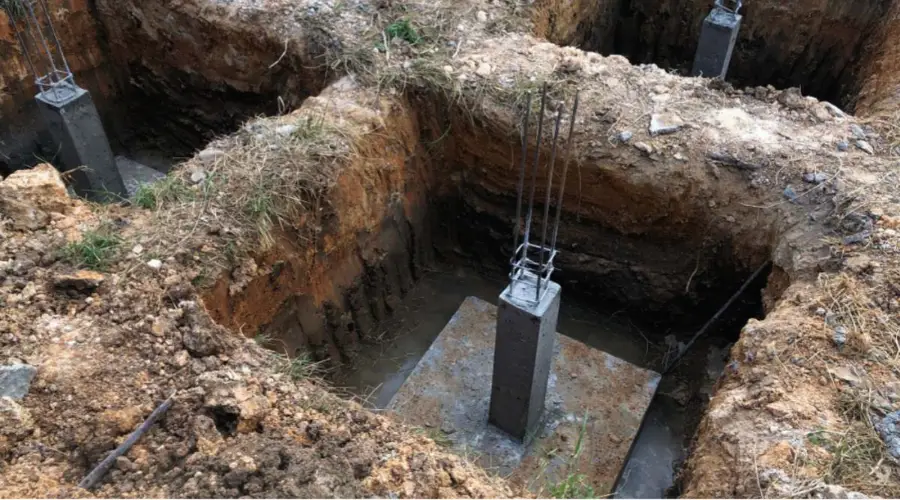
Individual Footing or Isolated Spread: Opt for this foundation type if you are planning a budget-friendly construction project. It is ideal for ordinary buildings that are heightened up to five stories. Each column in a building has its own footing to transfer the load directly to the underlying soil.

Combined Footing: Combined footings can be used in buildings where two or more columns are closely placed. They provide constant support and spread the loads evenly between the columns.

Strip Footing or Wall Footings: These foundations are a precise choice for buildings with load-bearing walls and longer and narrower column spacing.

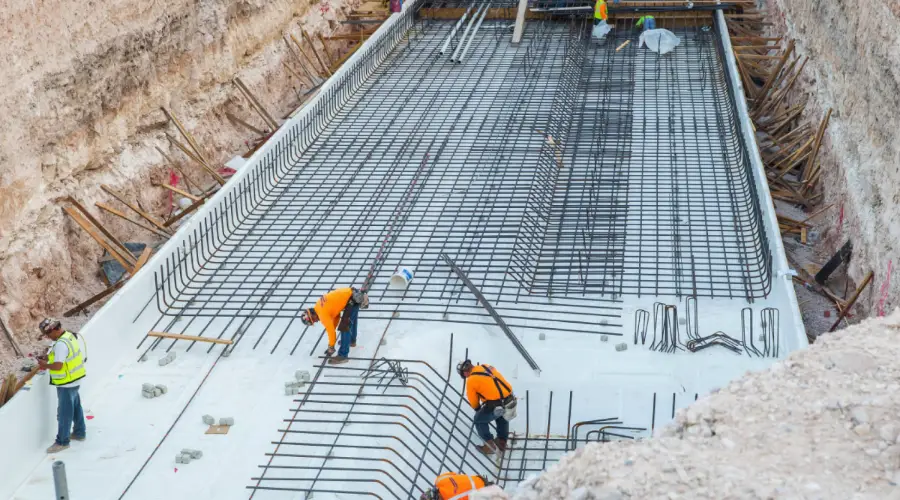
Raft or Mat Foundations: This foundation type covers the entire building area and supports the overall loads from columns and walls. It prevents differential settlement of footings and ensures stability.

Deep Foundations

Deep Foundations

Unlike a shallow foundation, a deep foundation transfers the overall weight of a building to the deep layer of the ground. It offers adequate support and strength to the structure, where it is essential to carry significant loads. This foundation is particularly suitable for areas with poor soil conditions. Some types of deep foundations include:

Pile Foundation: This foundation is made up of long, slender structural elements called piles. It involves transferring the entire structural load to the soil or rock layers to make it more stable and strong.

Pier Foundation: A pier foundation is used in load-bearing structures. It contains either cylindrical or rectangular columns that are drilled deep into the ground.

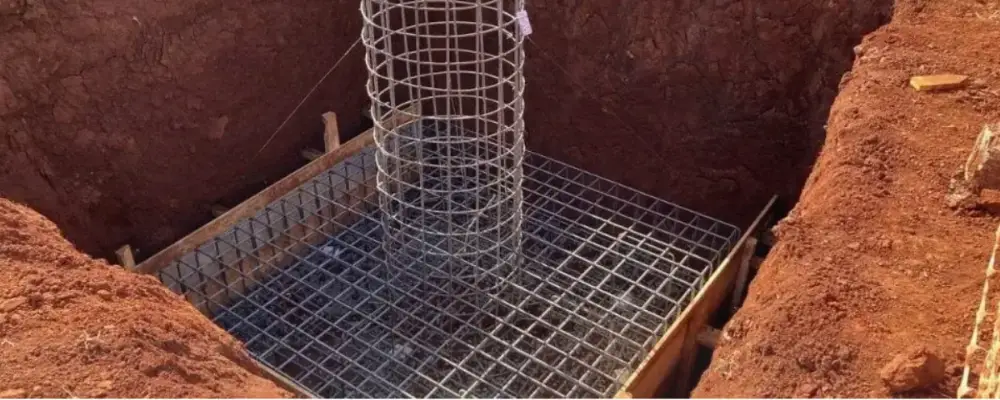
Caisson Foundation: A caisson foundation involves transferring the structural load to lower layers of the rock or soil. This process includes excavation, placing the reinforcement cage, and concrete filling.

Materials Used in Foundation Reinforcement

Understanding the types of building materials allows builders to make informed decisions that align with specific project needs.

Concrete: Concrete is a widely used foundation material known for its ability to withstand substantial loads and harsh environmental conditions. It is composed of strong and durable materials such as cement, water, and other aggregates. Concrete is particularly valued for its enhanced compressive strength, which helps in carrying heavy loads in a structure.

Steel: Steel plays an important role in reinforcing foundations. It adds tensile strength to support the concrete’s compressive strength, helping to make the foundation more durable and stable.

Wood: Wood has been traditionally used in historical structures and is still utilised in some low-rise buildings, particularly in regions where timber is abundant; however, it is less common in modern foundation reinforcement due to concerns over decay, insect damage, and lower structural capacity compared to materials like concrete and steel.

Masonry: Masonry is another popular material for building foundations, often used in the construction of retaining walls, basements, and crawl spaces. This material is recognised for its enhanced durability and resistance to fire and pests.

Step-by-Step Process of Foundation Reinforcement

These are the lists of steps involved in constructing foundation reinforcement:

Site Selection: Find the right construction site with stable soil to withstand a load well. It is advisable to avoid choosing loose fill or sandy soils. You can conduct a survey or inspection for underground cables and pipes.

Site Preparation: The site should be free from dust, debris, or any existing structures. Additionally, leveling the area can ensure a stable foundation.

Excavation: Excavate the ground up to the level you need for building a foundation. Make use of a building control inspector to verify the depth to dig according to the specific construction needs.

Rebar Placement: The next step is installing the reinforced steel bars inside the concrete blocks. To provide sufficient strength and durability, the rebar should be placed at least 4 inches from the base.

Curing the Foundation: From the day after pouring, you can start curing the concrete to obtain its full strength and versatility. It ensures there are no cracks or damage caused.

Benefits of Foundation Reinforcement

Understanding its advantages can allow you to customise your foundation plan as per your building needs:

Tensile Strength: Generally, concrete and masonry materials have possessed a low tensile strength. However, with the involvement of reinforcement material, builders can create a custom building foundation with an increased amount of tensile strength.

Sustainability: Reinforced concrete is an energy-efficient material that reduces the cost of air conditioning and heating. The presence of inherent thermal mass allows foundations to absorb the heat during the day and release it at night. Thus, the amount of waste generated is typically minimized.

Stability: A strong foundation ensures the strength and stability of the overall structure. It allows buildings to withstand natural disasters like snow, strong winds, floods, and rain.

Final Thoughts

Reinforced concrete foundations support buildings in tolerating additional load from columns and walls. A strong foundation is key to ensuring the overall stability of the structure. Whether you are planning to construct residential or commercial construction, consider using foundation reinforcement to support various construction methodologies. Discuss and choose the right material that aligns with your desired needs.

Angle Beads – Application, Installation & Benefits Explained

0
Angle beads

Every small work needs extra care and attention in any construction project. From the foundation to the final touches, each element contributes to achieving the desired strength and beauty. One such significant element is angle beads. It is a precise way to design a clean, neat corner when skimming a wall.

Let’s have a read of the following article, which gives you a detailed view of angle beads, their types, and their importance.

What are Angle Beads

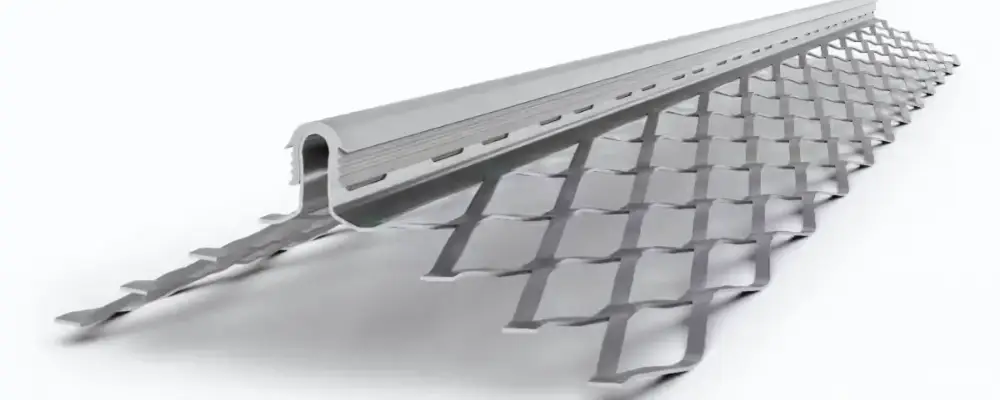
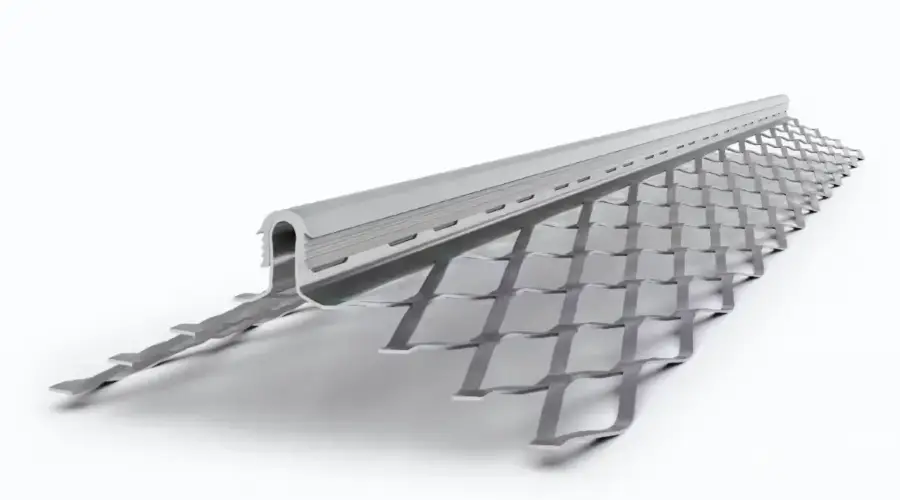
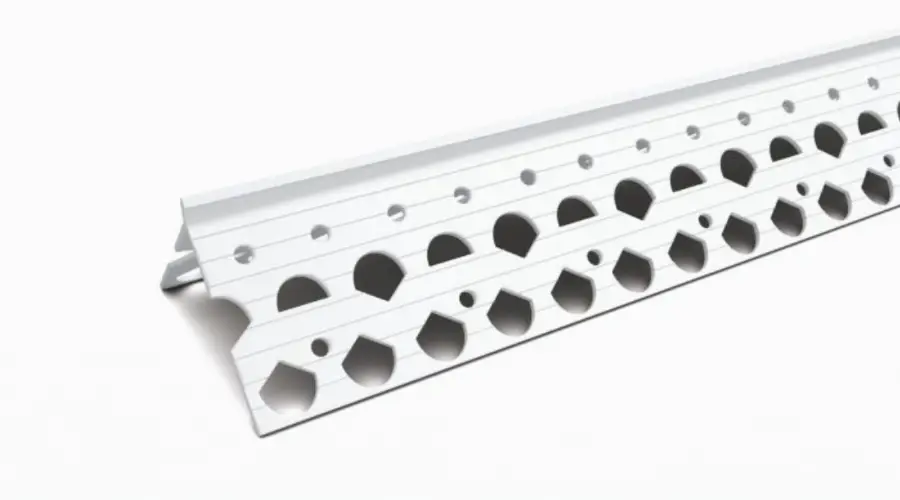
Angle beads, also known as plaster beads, are a tool used to create smooth and crisp edges and corners. When it comes to the decoration of walls, arches, and other surfaces, angle beads offer a professional result. They are thin, L-shaped strips, leaving a perfect corner at the joint, and can be used only on an external corner.

These beads ensure that walls and ceilings are of uniform thickness and can last for many years. With a variety of options available, you can choose the type of beads that align with your project needs.

They are made up of several metals, from galvanized steel to plastic; you can understand the differences between each type and choose the appropriate one based on your needs.

Application of Angle Beads

Angle beads are often called corner beads, creating straight and smooth corners on the walls and arches. When it is a primary tool to achieve the perfect finishing, it is used in several applications. Some of them include:

Reinforcement: Angle beads act as a shield to thin materials like plaster or drywall. They provide sufficient structural support to the construction and prevent sagging or cracking.

Corner Protection: Beads help create precise corners and edges in the walls. They prevent vulnerable corners from causing damage, such as scrapes, bumps, or general wear and tear. Ensuring the longevity of your walls and ceilings by restricting the appearance of cracks and blemishes.

Uniformity: Finishing the edges and corners with a consistent thickness provides a unique and ideal appearance to the walls and ceilings. As is widely known, angle beads are primarily valued for their professional and polished look that elevates the overall beauty of your space.

Types of Angle Beads

Angle beads are classified into various types. Each has its own characteristics and is suitable for specific applications. Here are the types:

Metal Angle Beads

Metal Angle Beads

Galvanized Steel: This is the most common type of material used in the majority of construction projects. They offer exceptional durability and resistance to rust. It is well-suited for internal corners where moisture is a primary concern.

Stainless Steel: Stainless steel is ideal for external corners to withstand harsh weather conditions. It creates a neat, crisp finish and provides superior resistance against corrosion.

Plastic Angle Beads

Plastic Angle Beads

PVC (Polyvinyl Chloride): PVC angle beads are mostly seen in interior applications where aesthetics are valued. It is weightless and easy to install according to the desired interior design styles. They are available in several colours, offering perfect finishes in your interior space.

How to Install Angle Beads

The installation of angle beads is a daunting task, but with the assistance of the right tools and techniques, it can be a manageable task. Here is the step-by-step guide:

Measure and Cut: Initially, take measurements of the corners or walls where you need to install the angle beads. Cut them to the desired length using tin snips. However, ensure you have made a clean, straight cut for proper finishing.

Prepare the Corner: Prepare a corner that is free from dust and debris. For better adhesion, you can slightly sand the edges of the drywall, providing you with a smooth and neat surface.

Keep in the Right Position: Place the angle beads in the right position, ensuring they are perfectly vertical and straight. The edges of the corners should be accurately situated to ensure aesthetics.

Secure the Angle Beads: The backside of the angle beads should be screwed into the drywall. The drill shouldn’t penetrate too deep to avoid causing any damage to the front edge of the bead.

Corner Finishing: Once the plaster dries well, you can coat the corners to fill any gaps. When the imperfections are eliminated, a smooth and seamless finish can be achieved.

Benefits of Angle Beads

Angle beads offer several advantages in construction, including:

Corner Protection:
Angle beads protect the vulnerable corners from damages such as scrapes, bumps, and general wear and tear. Beyond acting as a shield, it also extends the lifespan of your walls and ceilings.

Structural Support: Angle beads offer excellent structural support to the thin materials to prevent them from sagging and cracking. The materials, like drywall or plaster, need additional attention to ensure a smooth and neat finish.

Neat and Sharp Corners: Angle beads are an efficient way to create clean, sharp corners on your walls and ceilings. It is ideal for improving the aesthetics and acquiring a professional look.

Simple to Install: They are lightweight, and the installation is relatively simple and effortless. The protection can be improved using nails, screws, or plaster based on the specific construction needs.

Cost-Effective: The initial investment associated with purchasing angle beads is typically low. It saves you money in the long run by preventing the corners from any damage or cracks. You don’t need to spend often on repairs or maintenance.

Closing Thoughts

Angle beads may not be a suitable choice for all types of construction. However, you can consult your builder and learn about the installation possibilities. Choosing the right type of beads elevates the beauty and functionality of your project. By understanding the specific needs of each type, you can choose appropriate beads to improve strength and sense of touch. Hopefully, you have understood the types, installation process, and significance associated with the angle beads, which help you make an informed decision.