Home Blog Page 14

Design-Build Contractors – Roles, Benefits & Project Types

0
Design-Build Contractors

Constructing a building or renovating an old building is not simple and cannot be done without a group of people handling the construction and designing activities. That’s where the contractors play a major role. Generally, numerous contractors in the industry handle a particular task; however, design-build contractors provide dual services with a single contract, simplifying the construction needs. In this blog, we take a detailed look at the design-build contractor, their role, responsibilities, and why you should hire them.

Who is a Design-Build Contractor?

A design-build contractor is a firm or single entity responsible for providing design and construction services for a project. They act as architects and general contractors, simplifying construction needs and ensuring collaboration between designers and construction professionals. They manage subcontractors, procure materials and equipment, supervise construction, handle budgets, and maintain regular communication with the owner to ensure the project’s needs.

Key Advantages of Choosing a Design-Build Contractor

  • The design-build contractor acts as a single point of contact, responsible for all design and construction of the project, simplifying the communication process.
  • By providing effective collaboration, the overall project timeline can be reduced.
  • Minimise the risk of costly changes in the design and construction.
  • The design and construction can be customised without affecting the owner’s interest throughout the project life-cycle.
  • The project owner can save money and time with a single consolidated design-build contract for designing and construction.
  • The enhanced collaboration between the design and construction teams provides a high-quality outcome for a finished product.
  • Effective communication between the contractor and the owner creates transparency in construction.

Types of Projects Design-Build Contractors Handle

Infrastructure Projects

Design-build contractors handle infrastructure projects such as bridges, highways, tunnels, and transit systems. These complex infrastructure projects often involve engineering and construction challenges that can be addressed using the design-build approach.

Commercial and Retail Developments

Design-build contractors and also Commercial contractors handle commercial and retail development projects on a tight timeline for modern design and construction activities. The commercial projects they handle include shopping centres, office buildings and more.

Public Sector Projects

They are ideal for handling projects with strict and defined budget constraints, as the design-build method helps control costs through early design and cost estimation. This method suits public-sector projects such as government buildings, schools, and municipal offices.

Healthcare Facilities

The design-build approach can help construct healthcare facilities such as clinics, hospitals, and research laboratories, where flexibility and innovation change rapidly. The collaborative approach helps in solving the problem with flexible design adjustments.

Multi-storey Housing

The design-build contractors or Residential contractors can handle large-scale residential projects such as apartments, condominiums, and living communities, where efficiency and cost-effectiveness are crucial. The streamlined process and management of subcontractors can help quickly manage the complexity of developing a large-scale residential project.

Industrial buildings

The design-build method can be used to construct industrial buildings where production needs to be integrated with the design. This method can build manufacturing plants, warehouses, logistic hubs, and distribution centres.

Renovations

This method applies to renovation processes, such as converting historic buildings for modern use, converting old factories into apartments, and more. Careful coordination is needed to preserve the old structure and implement new designs, and the design-build method can help renovate the building with ease.

Architectural Projects

Cultural and recreational facilities require architectural and aesthetic requirements that can be achieved using this integrated approach. Buildings such as museums, theatres, sports complexes, and community centres can be built using this design-build method.

Design-Build Process: How It Works?

Design-Build Team Selection

The first important step in the design-build process is choosing the right team for the project. The project owner visualises the scope, budget, and timeline. The owner then develops a request for proposal (RFP) and selects the design-build team that best understands the vision and budget.

Pre-Construction Planning
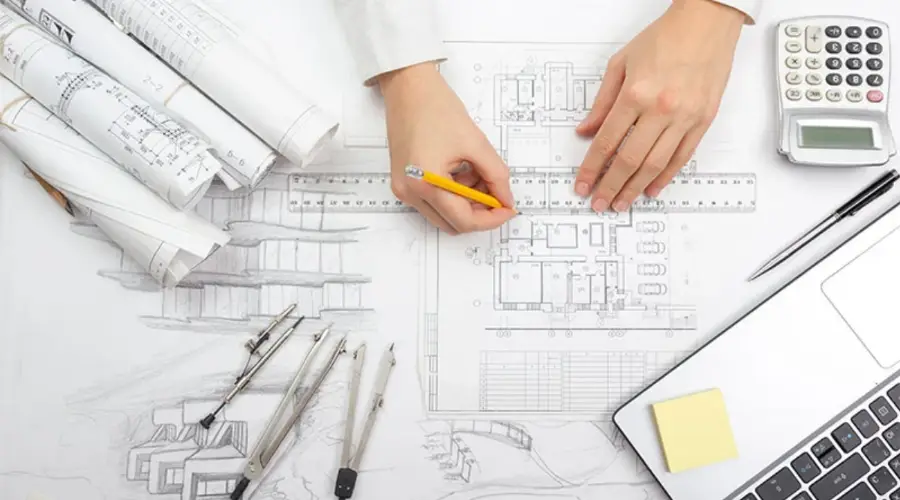
Pre-Construction Planning

This is a crucial phase during which the selected design-builder team will fully understand the owner’s business, goals, challenges, budget, and overall vision. Many questions erupt during this phase, and the team of architects, engineers, contractors, and other consultants will work together to assess the requirements and suitability before the design and construction. The architect-builder team will have an analysis of the construction site and what can be done to maximise the efficiency throughout the project. 

Architectural Design
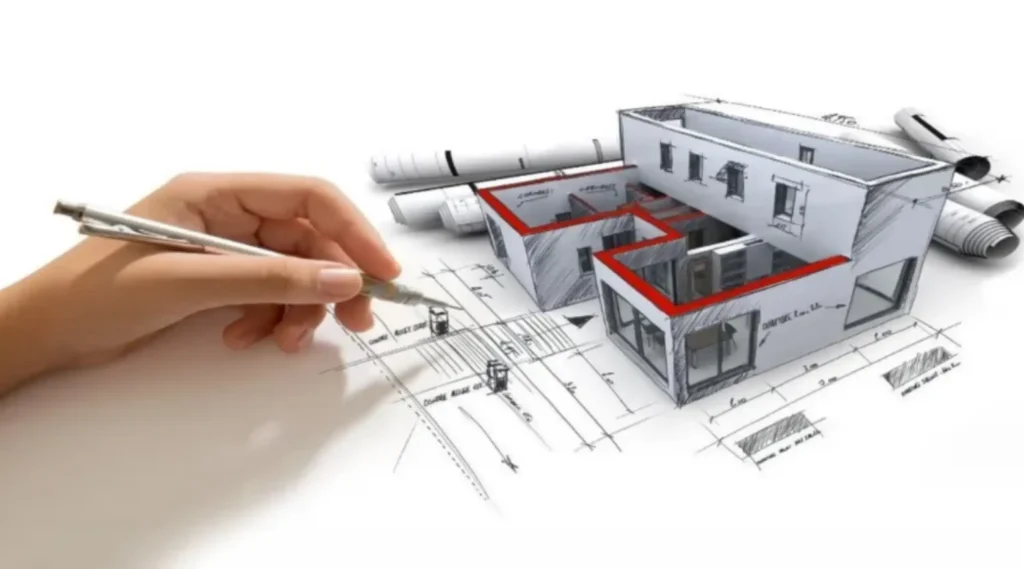
Architectural Design

After discussing the project parameters, the architectural team will plan an initial design strategy to meet the requirements. The entire project team will work together to develop the best possible design, saving costs and improving productivity.

After analysing the strategies, the initial drawings of the building and the final budget are presented to the owner. After the team and the owner approve the design and final budget, the construction phase begins.

Construction

Construction

The construction phase will begin simultaneously or immediately after the designing phase to meet the construction deadline. The overlapping of the construction and designing phases helps the design-build team work closely to improve efficiency and minimise miscommunication.

The design-builder team will update the construction status throughout the construction phase to create transparency and avoid misunderstandings and budget issues.

Post-Construction

Post-Construction

After the construction, the design-build team will submit post-project deliverables such as instructional videos, documentation, in-person training, and other crucial instructions.

Design-Build vs General Contractor

Deign-Build ContractorGeneral Contractor
The design-build contractor acts as a single entity to provide both design and construction services in a single consolidated contract.The general contractor only handles construction, and the designer works separately with limited collaboration.
It offers a single point of contact to the project owner for both design and construction.It requires two separate contracts for design and construction.
The design and construction phases often overlap as the team works closely, reducing the risk of miscommunication.The design process takes place first, and the construction process takes place next.
Projects can be delivered faster by overlapping the designing and construction phases.In comparison, it typically takes longer time.
The overall cost of the project can be controlled within the estimated cost.The cost of construction is less predictable, and any sudden changes can lead to cost overruns.

Conclusion

Design-build contractors play a major role in the construction field and provide both architectural and engineering services for a project. They simplify the construction needs and help manage the projects within the estimated time and cost. It is ideal for large-scale residential, commercial, industrial, and infrastructure projects.

FAQs

1. Is Design-Build More Expensive?

No, design-build is more cost-effective than other project delivery methods. The overall project cost stays within the estimated budget and reduces cost surprises.

2. How Does the Warranty Work in Design-Build Projects?

The warranty in design-build projects safeguards both architectural and engineering services. It includes the conformance of design specifications, structural integrity, and energy efficiency. However, it doesn’t cover natural disasters and unforeseen events.

3. How Long Does a Design-Build Project Typically Take?

Typically, the design-build project takes around three to eight months, depending on the team, approvals, and speed of construction.


Commercial Building Contractors – Roles, Benefits, & Hiring

0
commercial building contractor

We often see people working in a buzzing environment with hard hats and heavy machinery on construction sites. The main groups that separate the construction world are commercial and residential. While both have some common factors, several things provide major differences in how construction projects are built. This article will look at commercial building contractors to understand their purpose in building commercial constructions.

What is a Commercial Building Contractor?

Commercial building contractors are those who build projects to serve the people for their daily use. Different kinds of buildings, institutions, and industries fall into this category. For your easy understanding, just think of schools, hospitals, banks, shopping malls, complexes, and warehouses. They serve people for different purposes and not meant for people to live in them. Their intended purposes are retail, education, healthcare, and entertainment. Their major focus is on providing an efficient, feasible, and appealing design of the building. 

Commercial building contractors must encompass complex systems like HVAC systems and data networks in commercial building projects. These structures must adhere to building codes and regulations. The most important consideration in commercial buildings is compliance, which includes environmental considerations, zoning laws, fire safety rules, and accessibility standards. More paperwork and frequent inspections are required by the commercial contractors while the project is going on. 

Roles and Responsibilities of a Commercial Building Contractor

Depending on the project, a commercial building contractor may have different roles and responsibilities. They have to enrol in many roles during the construction process. The common responsibilities that can be undertaken by a commercial building contractor are as follows: 

  • Project Planning

A commercial building contractor’s main responsibility is to develop a project plan and deliver it on schedule. Some responsibilities include:

  • Creating all the essential steps for developing the project and implementing details.
  • Determining the equipment and tools needed to support the project and their procurement details.
  • Predicting the risks associated with the project and defining the risk mitigation factors.
  • Analysing the ways to meet legal and regulatory requirements.
  • Establishing clear communication among the project participants. 
  • Project Management

Completing the project on time involves various construction management processes. Ensuring the availability of funds to keep the project progressing. Purchasing materials must be aligned to meet the project requirements and reach the construction site on time without any delay. 

Buying or leasing the tools and machines needed for the building project. The contractor must recruit subcontractors to complete the project’s mentioned tasks. Intermediate payments have to be made by creating frequent progress reports. They can also ensure the skills and technical knowledge of the employees they hire. Payrolls can also be managed by commercial building contractors.

  • Project Tracking

Based on the contract’s specifications and schedules, project tracking is essential for completing the project on time. Several activities involved are as follows:

  • Quality Control
  • Using effective construction methods to cut down on cost overruns.
  • Verifying the constant and regular supply of building materials without any delay and advancing advance purchases.
  • Guaranteeing safety measures on construction sites. 
  • Legal and Regulatory Issues

The construction project’s compliance with local municipal building codes is one of the responsibilities of the contractors. They must acquire all the necessary licenses and permits to progress construction work without any disruption.

  • Health and Safety Issues

A building contractor has to implement proper procedures and raise awareness among the workers on construction safety. They also teach the operation of heavy machinery and equipment to avoid any injuries or accidents by misusing the equipment. Emergency issues and unforeseen challenges have to be addressed and communicated to the supervisor on-site properly to maintain the safety of the workers on site.

Types of Commercial Construction Projects

We will see the common types of commercial construction projects that have been widely built in the current marketplace are as follows:

  • Grocery and Retail Stores

These structures can be frequently visited by customers to purchase their day-to-day products. These buildings must include more welcoming front areas for the free movement of people and aesthetic outlook. 

  • Restaurants

Compliance with guidelines set by the local municipal corporation is crucial for achieving success in building restaurants. The contractors have to model the structures by understanding the local regulations as well as the customers’ tastes and requirements. 

  • Lodging Facilities

Lodging facilities can be vital for building hotel and motel structures. While building these facilities, the contractor has to focus on issues like providing easy access, security, privacy, and comfort. Massive building structures require advanced professionals to integrate additional features into the building.

  • Office Buildings
Office Buildings

From small firms to skyscraping MNC corporations, commercial building contractors can construct a variety of office buildings. They have to set the infrastructure that adapts to multiple business frameworks.

  • Industrial Buildings
Industrial Buildings

Companies that produce products daily require a production area, machinery installation area, and storage place for manufactured products. The ceiling heights of the rooms can be adjusted for specific requirements. Industrial buildings can be constructed to meet the specific requirements of the client.

  • Medical Facilities

Building hospitals requires more space for easy movement of patients. The structures must include rooms to house costly equipment used for treating patients. Huge auditoriums, bathrooms, waiting halls, scanning centres, etc. can be built with unique care and attention.

  • Athletic Structures
Athletic Structures

Fitness centres, huge stadiums, etc., can be built for the safety of visitors by integrating advanced construction methods and emergency exits.

Benefits of Hiring a Professional Commercial Building Contractor

The key benefits of hiring professional commercial building contractors are discussed below for your clear understanding.

Experience and Expertise:

  • Skilled teams with the knowledge to tackle construction challenges.
  • Access to advanced technology and equipment for timely, budget-friendly completion.

Resources and Equipment:

  • Strong supplier and subcontractor networks ensure timely material delivery at competitive prices.
  • Utilisation of cutting-edge tools for efficiency and streamlined processes.

Time and Cost Savings:

  • Efficient management of all project phases reduces delays and costly errors.
  • Ensures on-time and within-budget completion.

Regulatory Compliance:

  • Guarantees compliance with safety, environmental, and building codes.
  • Appropriate licenses and permits reduce financial and legal risks.

Quality Assurance and Warranty:

  • High-quality work backed by warranties for repairs or adjustments if needed.
  • Assurance of professional handling of potential defects or issues.

How to Hire a Commercial Building Contractor?

  • Clearly outline the project scope, materials, timeline, and budget.
  • Gather contractor recommendations from trusted sources and online reviews.
  • Shortlist contractors based on reputation, experience, and credentials.
  • Interview multiple contractors to assess qualifications, communication, and past work.
  • Request detailed written bids with itemised costs and compare carefully.
  • Before finalising the contract, review it thoroughly to make sure all conditions are complete and clear.
  • Maintain open communication and monitor project progress regularly.
  • Follow the payment plan, postponing the last payment until the job is finished.
  • Obtain any required paperwork, such as lien releases, warranties, and permits.

Choosing the Right Commercial Contractor for Your Project

Hiring a reputable and experienced contractor is vital for the success of commercial construction projects. Through careful research and evaluation, you can easily assess the credibility and experience of a construction contractor. By following the above steps, you can hire the right commercial contractor for your project. 

The right contractor will deliver a well-executed project. They also provide a smooth construction journey throughout the project. Choose Brick and Bolt Construction Services as a result. As the best construction company in India, we have all the necessary documents and licenses to deliver first-class services with keen eyes on work and client satisfaction.

Conclusion

If you are a business owner planning to renovate your old space or looking to build a new commercial space, then Brick and Bolt is your right choice. Making the right choice is essential for the smooth running of your project. Our commercial construction process is simple and easy to understand. Raise a request and meet our experts. After a meeting, you will receive your planned design. At last, you will have the building of your dreams. We can create what you can imagine.

Civil Contractors – Explain Types, Roles, Skills & Benefits

0
Civil Contractors

When embarking on construction, be it a new commercial space, residential home, or extension of an old structure, homeowners or business owners may have to make up their minds whether they can manage the project by themselves or hire a professional civil contractor. The duties of a civil contractor in the construction sector include everything from preliminary planning and budgeting to the final delivery to the customer. Employing a qualified civil contractor helps ease clients’ or business owners’ concerns regarding the project’s advancement. These contractors assume complete accountability for overseeing the project from start to finish. 

This article will explain the many kinds of civil contractors as well as their functions and duties when working on a building project. Making educated decisions and comprehending the advantages of working with qualified civil contractors may be made easier with this.

What are Civil Contractors?

Civil contractors are professionals or companies responsible for managing and executing civil engineering construction projects. Civil construction encompasses the planning and development of essential infrastructure that shapes our built environment. These projects often include public infrastructure works that serve communities and may be funded by government bodies.

These consist of:

  • Highways and roads
  • Tunnels and Bridges
  • Railroads, airports, and water treatment facilities
  • Reservoirs and dams
  • Power plants
  • Public green spaces
  • Utility projects, such as pipelines and sewers

Advances in technology have made projects faster and more efficient, supporting essential needs and helping people connect and access resources.

Types of Civil Contractors

The primary categories of civil contractors are as follows:

General contractors:

They are responsible for managing all construction-related operations, including those involving personnel and subcontractors. Scheduling and ensuring the quality of the work can be done by the general contractors.

Subcontractors: 

A subcontractor is an individual or company hired by general contractors to complete specific parts or the entirety of a project. They bring skilled professionals to manage specialised work such as plumbing, carpentry, electrical installations, and HVAC system setup.

Design-Build Contractors:

Design-Build Contractors

Design – Build contractors provide a more thorough and effective approach by managing the project’s design and construction phases. 

Engineering Contractors: 

They pay close attention to the structural, mechanical, and electrical engineering components of civil projects.

Heavy Civil Contractors:

Heavy Civil Contractors

Heavy civil contractors are involved in building highways, bridges, airports, tunnels, and dams for utility purposes.

Utility contractors: 

They are experts in sewage, gas, and water system installation and upkeep.

Environmental Contractors: 

Environmental contractors are engaged in projects that save the environment, such as water treatment facilities, waste management systems, and land reclamation.

Road and Highway Contractors:

These contractors specialise in developing and building India’s most crucial roads, highways, and transportation infrastructure, which are ultimately beneficial to the country’s economic growth.

Water Resource Contractors: 

Water Resource Contractors

Water resource contractors are helpful in designing infrastructure for water, such as flood control systems, reservoirs, dams, and water treatment facilities.

Roles and Responsibilities of a Civil Contractor

One of a civil contractor’s tasks is to supervise all aspects of construction to ensure that projects are completed on time, within budget, and according to plans. The primary duties are as follows:

Planning and Managing Projects:

  • Thorough budgets, schedules, and plans can be made by a civil contractor.
  • To fulfil deadlines and preserve quality, assignments are assigned progress is monitored.

Setting Up the Site:

  • Verify that the materials fulfil the specifications and arrive on schedule.

Purchasing and Managing Materials:

  • Invest in the equipment and supplies you’ll need.
  • A civil contractor has to manage the supply of materials to the construction site promptly and meet the requirements early.

Observance of Legal Obligations:

  • Obtain permissions and abide by local safety, environmental, and building requirements.

Coordination of the Team:

  • Employ and oversee employees and subcontractors.
  • Ensure effective team coordination and adherence to safety regulations.

Safety and Quality Assurance:

  • Regularly check work to make sure safety procedures are being followed and to satisfy quality requirements.

Budgeting and Cost Control:

  • Control project spending and make sure it doesn’t go over budget.

Resolving Issues and Managing Risk:

  • Address any problems, delays, or hazards that occur while the project is being built.

Reporting and Communication with Clients:

  • Provide clients with frequent updates and make sure their issues are taken care of.

Final Examinations and Transfer:

  • Before delivering the project to the client, make sure all documentation is completed and conduct final checks.

Skills and Qualifications of a Civil Contractor

Qualifications for a Civil Contractor:

  1. Completion of at least a 10+2 education, preferably with a focus on physics and mathematics.
  2. Higher education or vocational training in civil engineering, architecture, or construction management.
  3. Hands-on work experience in construction through roles like an intern, trainee, or junior project manager.
  4. Understanding of cost estimation, subcontractor coordination, and quality control.
  5. Registering a business with the proper authorities and adhering to labour and tax regulations.
  6. Required certifications and licenses, including tax registrations, building permits, and contractor licenses.

Key Skills:

  • The crucial key skill for a civil contractor lies in managing the project efficiently with effective planning, coordinating, and executing projects.
  • A skilled civil contractor can do accurate cost estimation and control expenses of the project to stay within budget.
  • Experienced civil professionals are well versed in understanding the regulations and ensuring projects comply with building codes and safety standards.
  • They can easily understand different types of construction methods, various material use, and problem-solving techniques on construction sites.
  • Additionally, their indispensable negotiation skills secure favourable terms with clients, subcontractors, and suppliers.

These skills and qualifications equip civil contractors to handle construction projects effectively, ensuring quality, safety, and client satisfaction.

Benefits of Hiring a Professional  Civil Contractor

Expertise and Experience
Contractors ensure high-quality work by using their knowledge of building codes, materials, and techniques to avoid common mistakes.

Time-Saving
They manage the project efficiently, freeing you from daily involvement and ensuring timely completion.

Cost-Effective
Contractors save money by sourcing materials at lower costs and preventing expensive mistakes while staying within budget.

Access to Subcontractors
Their network of skilled professionals guarantees quality work and smooth coordination across all aspects of the project.

Compliance and Permits
They handle complex legal requirements, ensuring your project meets all regulations and avoids penalties.

Risk Management and Safety
Contractors follow safety protocols and carry insurance, reducing risks and protecting you from liabilities.

Warranty and Aftercare
Their work comes with warranties, offering post-project support and accountability for any issues.

Stress Reduction
Contractors simplify the process, reducing your stress and enhancing your experience by handling decisions and challenges.

What’s the Difference Between Civil Construction and Commercial Construction?

Several differences between civil construction and commercial construction are as follows:

S.NoAspectCivil ConstructionCommercial Construction
1PurposeFocuses on government and community projects, like water structures, sewage systems, and heavy industries such as shipyards.Focuses on building structures for business purposes, such as offices, malls, stores, factories, and hotels.
2Type of ProjectsIt comprises constructing parks, power plants, roads, bridges, railroads, airports, dams, and utility projects (such as pipes and sewers).It consists of establishing retail outlets, office buildings, shopping centres, hospitals, hotels, warehouses, schools, and industrial facilities.
3Design FocusPrioritises economical, environmentally friendly designs with long-term public utility and durability.Prioritises efficient designs for business needs, with centralised electrical, HVAC, and plumbing systems for tenants.
4Supporting InfrastructureGeared towards specialised equipment and materials that minimise community disruption and manage project complexity.Centralised services like HVAC, plumbing, and electrical systems are tailored for tenant convenience and operational efficiency.
5Funding and OversightTypically funded by governments or large corporations, with heavy regulatory oversight and subject to politicisation.Primarily privately funded by business owners or investors, focusing on cost efficiency and faster completion for profitability.
6Regulations and RequirementsStringent government regulations, public safety standards, environmental sustainability, and long-term planning compliance.Zoning laws and building codes are critical, with increasing adoption of green building standards like LEED certifications.

Conclusion

In the construction sector, civil contractors play a crucial role in managing projects, preparing sites, and constructing. Their proficiency guarantees the rapid and seamless completion of tasks. Hiring a qualified civil contractor can help you stay on schedule, within budget, and meet quality requirements when you’re planning a construction project. They also guarantee adherence to safety rules and offer professional guidance to ensure the success of your project.

Cement Ceiling Corners – Design Tips & Step-by-Step Guide

0
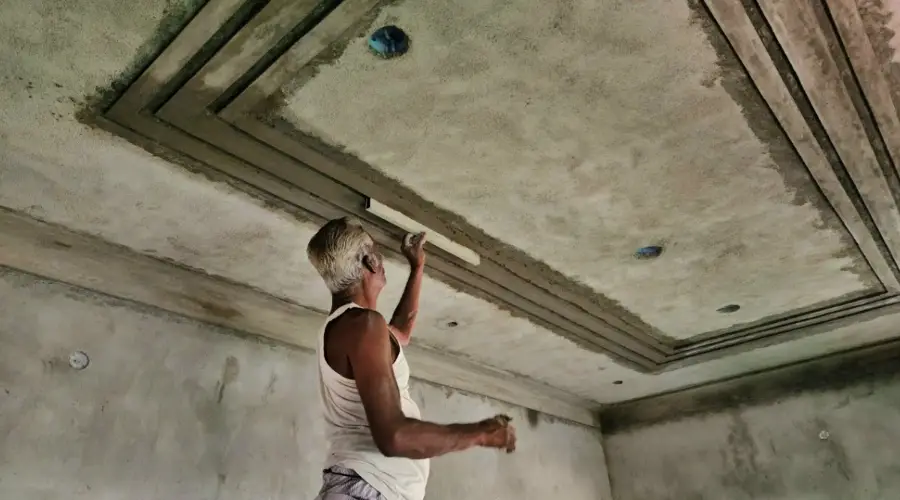
cement ceiling corner design

Cement ceiling decoration is a thoughtful idea to improve your home’s look. Introducing visually striking designs gives more depth and dimension to the space. You might be tired and have tired of various decorative ideas; however, the cement ceiling designs are exceptional.

It makes your space stylish but not ordinary. It doesn’t matter whether you are constructing a new home or renovating the existing one; give it a try with cement in the ceiling. For sure, the results will be quite surprising. In this article, you’ll get to understand the creation process of cement ceiling corners. Read to know the key materials required, essential tools, and a step-by-step guide.

Key Materials Needed for Cement Ceiling Corner Design

These are the key materials involved in the creation of cement ceiling design. Based on the specific design, the material requirements may vary.

Cement: Cement is the fundamental material used to design the structure and texture of the corner. It is a relatively cost-effective material that helps create a wide range of finishes from smooth to textured.

Sand: Sand is a granular material that improves the workability of the cement mixture, making it easier to apply and shape. It contributes to the enhanced durability and strength of the cement-based material.

Water: Water is a necessary base for the hydration process of cement. When mixing the cement and sand with water, they eventually harden into a solid mass.

Tools: These are the tools required for shaping and finishing the corner, such as a putty knife, trowel, level, mixing paddle, edging tool, sandpaper, grinder, and stencil.

POP (Plaster of Paris): Plaster of Paris is essential to creating intricate mouldings and designs. It is a key component in achieving a unique style and elevating the ambiance to the next level.

Metal Profiles: These are primarily used to create frameworks when working on false ceilings and, in addition, to support heavy elements.

Paint: Designing a ceiling corner is fine, but providing appropriate paint colour makes it more pleasant and eye-catching.

Step-by-Step Guide to Designing Cement Ceiling Corners

Designing a cement ceiling corner provides instant aesthetic appeal to your room. Whether you are aiming to create a minimalist or rustic look, these steps will take you through the process:

Measure and Mark the Area

Identify the corner that you aim to apply the cement. Use a measuring tape to exactly determine the length and width of the total area. For exact identification, you can mark with a pencil to achieve the desired shape and size of the corner.

Prepare the Cement Mix

It is recommended to opt for the high-quality cement suitable for decoration in interior applications. The combination of cement and sand mixture is crucial; the advisable ratio is 1:2 or 1:3. Then gradually add water to the dry mixture until you achieve the workable consistency.

Create a Framework or Moulding

Create a Framework or Moulding

Creating a framework or moulding is a significant process. If you decide to go with intricate designs, it is suggested that you use the pre-made mouldings as the best option. In contrast, for a customised look or design, plan and create your own mouldings using metal or wood.

Apply the Cement

Use the dipping technique to apply the cement mixture on the corner and ensure even coverage over the ceiling. If any gaps or voids exist, cover them with additional cement mixtures.

Smooth and Shape the Corners

You can use a trowel to smooth the corners and create desired textures. Edging tools are another good option to create sharp and decorative patterns that align with your interior applications. Finally, use a level tool to ensure the surface of the ceiling is perfectly leveled.

Allow the Cement to Dry

Cement drying will take several days to achieve its complete strength and stability. Avoid touching or disturbing it during this curing time, which might cause damages to the corners.

Finish and Polish

Once it is completely dried, sand the surface to remove the imperfections that are present. To elevate the appearance to the next level, paint the corners in alignment with your infrastructure colour scheme.

Tips for Maintaining Cement Ceiling Corners

To extend the durability of cement ceiling corners requires proper maintenance and care. Here are some of the significant tips given that you should follow as a priority:

  • It is advisable to inspect the corners periodically and identify whether they are subjected to cracks, chips, or discolouration. Earlier signs can be easily handled and don’t cost much in maintenance.
  • Remove accumulated dust or dirt from the corners regularly using a feather duster or a soft cloth. If you have found any stubborn stains, use mild detergents that are harmless to the texture and paint colour.
  • Repair the small damages like cracks or chips at the earlier stages. Similarly, if the paint colour is fading or chipping, repaint the corners to retrieve its appearance.
  • Reseal the edges and corners periodically to avoid the formation of moisture and prevent wear and tear.

Common Mistakes to Avoid When Designing Cement Ceiling Corners

Cement ceiling corners add a unique touch to your space, but certain mistakes can harm the look and durability. Here are those:

  • The incorrect ratio of mixture, like cement, sand, and water, can lead to imperfect and brittle corners. Ensure that you use high-quality materials at the appropriate consistency to achieve the desired strength and durability.
  • Neglecting the dirty surface can hinder the bond strength of the cement. For proper adhesion, the ceiling should be properly cleaned of any dust or dirt.
  • Poor application techniques like adding too much water, inconsistent application, and insufficient drying time can compromise the surface strength and cause cracking or chipping.
  • Not sanding the surface can leave imperfections and roughness on the corners.  When you ignore sealing or sanding processes, the surface is highly susceptible to moisture damage.

Final Wordings

Cement ceiling designs provide a wide range of options to transform your ambiance. It doesn’t matter whether you aim for classical mouldings or floral patterns; they match your taste. However, proper pre-planning and quality materials streamline the whole process and achieve the desired look.

FAQs

1. What is the best cement mix for ceiling corners?

When designing the ceiling corners, a 1:4 ratio of cement-sand mix is ideal. If you are particularly expecting high-strength or water-resistant corners, you can directly consult the professionals for product-specific instructions.

2. Can I design cement ceiling corners without professional help?

Yes, you can plan and design ceiling corners without the assistance of professionals. However, it requires strong attention to detail, patience, and some DIY skills to handle quality tools.

3. How long does it take for the cement to dry completely?

For complete drying, it may take 7 to 10 days. But still, it depends on various factors, including the thickness of the cement layer, ventilation, humidity, and temperature.

Cellular Raft Foundation – Advantages & Construction Guide

0
cellular raft foundation

A cellular raft foundation is a smart solution for structures that need to be supported on tricky soil. Think of it as a reinforced concrete slab with a network of beams underneath, forming a grid with voids. This setup spreads the weight of a building evenly across the ground, helping to keep everything stable. They are also referred to as buoyancy raft foundations.

What is a Cellular Raft Foundation?

It is a type of foundation that adds strength and balance to the structure. The grid of beams under the slab acts like a built-in support system, giving the foundation stiffness and durability. By spreading the building’s weight more evenly, it reduces the risk of uneven settling, which can cause cracks and instability over time. Essentially, it ensures the foundation can support the building even in tricky soil.

When to Use a Cellular Raft Foundation

When soils weaken or tend to shift considerably, this is a well-suited type of foundation. For very heavy building structures, including skyscrapers and other industrial sites, it becomes perfect, especially when located in areas that tend to vibrate due to an earthquake. A cellular raft foundation proves to be suitable when strong ground forces are required to shake things a bit. In simpler terms, a foundation such as this should be used when the ground does not provide much consistency or if a building requires extra support.

Advantages of Cellular Raft Foundations

Even load distribution : The greatest advantage of a cellular raft foundation is that it spreads the load evenly and prevents settlement in the structure. 

Strength and durability : It is also very tough and long-lasting due to its design, taking both heavy loads and challenging soil conditions. 

Versatility: It is highly versatile; whether the project involves poor soil or a complex structure, this foundation can adapt to those needs.

Disadvantages of Cellular Raft Foundations

Although there are several advantages of a cellular raft foundation, there are drawbacks too. 

High Cost: Cellular raft foundations can be pricey. They require more materials and skilled labour, which increases the overall costs.

The complicated process of construction: The design and construction process is also more complicated than a standard foundation, requiring precise engineering and extra time to build. 

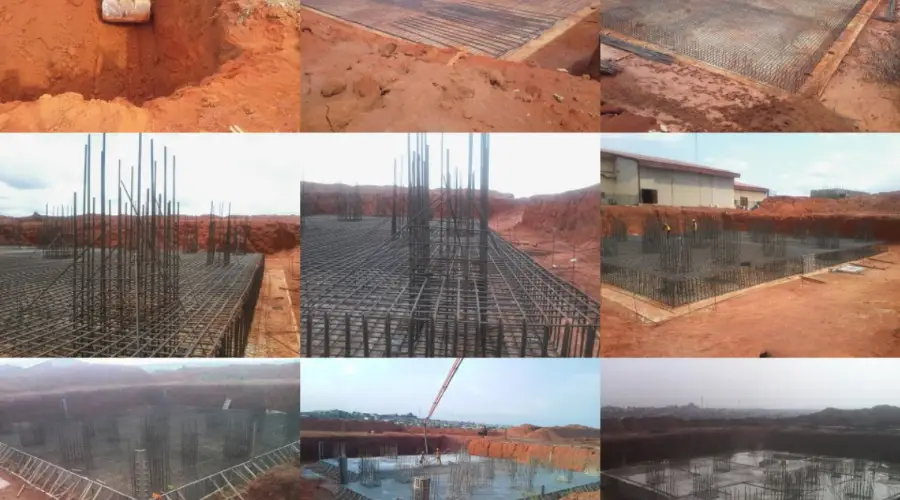
Process of  Constructing Cellular Raft Foundations

Process of  Constructing Cellular Raft Foundations

The process of constructing a cellular raft foundation is detailed in a series of steps below: 

Site Survey and Investigation:

The construction process demands that a thorough survey of the site and soil investigations be conducted to determine the characteristics of the soil. Critical information for designing the foundation system is gathered at the initial stage.

Excavation:

The soil is excavated to remove any soft or unstable soil layers and achieve the desired depth. This step ensures a stable base for the foundation.

Compaction:

A layer of compacted granular material is placed at the bottom of the excavated soil to provide a stable base.

Formwork Installation:

Formwork is installed to define the shape and dimensions of the cellular raft. The internal cells are created using removable or collapsible formwork, which allows for flexibility in design.

Reinforcement Placement:

Steel reinforcement bars are strategically placed within the cells to enhance the structural integrity of the foundation. This reinforcement is essential for supporting the loads from the superstructure.

Concrete Pouring:

High-quality concrete is poured into the formwork, ensuring proper compaction to eliminate voids and gaps that could weaken the foundation. The concrete must be allowed to cure adequately to achieve its full strength.

Waterproofing Measures:

To protect against water seepage, waterproofing membranes may be applied on the underside of the foundation slab during construction.

Curing:

The concrete must undergo a curing process that maintains appropriate moisture and temperature levels to ensure optimal strength development.

Design Considerations for Cellular Raft Foundations

Planning a cellular raft foundation requires great precision. Before a cellular raft foundation is designed, certain things must be taken into account.

  1. Soil Type and Characteristics: Engineers study the soil for the site to ensure the foundation is designed specifically for it. 
  2. Structural Weight: They also compute how heavy the building will be and accordingly how strong the foundation needs to be. 
  3. Building Materials: Materials used must be of good quality because the foundation will have to be tough and reliable. 
  4. Drainage system:  Water will undermine the structure, so a good drainage system must also be present.
  5. Cost considerations: The structure needs to be optimised for cost and time, as it involves labour.

Conclusion

A cellular raft foundation is a powerhouse of stability and durability in conditions of very poor soil or heavily demanding structures. It does require more time, money, and expertise to put it together, but the reward is a foundation that will easily support heavy loads under tricky conditions. When properly done, it is an excellent method of supporting a building for decades to come.

FAQs

1. Why is a cellular raft foundation used in soft soils?

The rigidity of the cellular raft foundation makes it the ideal candidate to support structures on loose soil.

2. How long does it take to construct a cellular raft foundation?

This depends on the area of the building and the depth of the foundation.

3. What are the maintenance requirements for a cellular raft foundation?

The cellular raft foundation requires a hardcore sub-base level, steel reinforcements, and insulation to ensure durability

Residential Contractors – How to Choose the Right One?

0
Residential Contractors

When planning to construct a new home or renovate an existing building, selecting the right contractor is crucial for ensuring the work quality. The quality of work can be ensured by hiring a contractor with proficient knowledge about building plans and home improvement. 

A contractor is a pillar of construction whose intention is clear about providing a successful outcome. They can be a person or company, but they should take responsibility to support and streamline the overall project. 

In this article, you’ll learn the specific role of contractors in construction projects and how to choose the right one that fits your needs.

What are Residential Contractors?

A residential contractor is a person or entity that works on a residential construction project. They are involved in building, remodeling, or repairing homes and smaller residential structures, catering to the specific requirements of their clients. This relationship typically involves a direct and independent interaction with each client, ensuring an ongoing workforce dedicated to the project.

They will take complete responsibility for hiring and supervising the project from start to  completion. Your contractor is the only person involved in all aspects of work, from building the plan to cost estimation. 

How to Choose the Right Residential Contractor?

The contractor should be evaluated in different aspects to ensure that your project will be completed as you have planned. Here are some checklists provided to consider when choosing a residential contractor:

Meet Multiple Heads: It is better to meet at least three to four contractors and get estimates from them. When comparing the estimates with one another, you have an idea about your project. Look at the work methods, timeline, cost estimation, building materials, and other factors they have mentioned. Be cautious about significant variations that can be too high or low.

Prefer Local Contractors: Local contractors are generally easier to contact, and you may have a chance to visit their previously worked projects in the nearby area. If they are not ready to give their local or physical address, be aware of their legitimacy and intention.

Inquire about Their Past Work: Just by using word of communication, you can’t conclude that they will provide you with a high-quality of work. Check references about their customer service, quality of products, workers, and other significant factors. By inquiring about their previous work, you can predict their overall reputation and years of business experience. It is advisable to choose a contractor with more than 5 years of field experience.

Ensure Their Insurance and Bonding: Confirm that the contractor is legally insured and bonded. Ask them to provide the COI (certificate of insurance) and call the company directly to verify the coverage and policy are still in effect. If contractors are not legally insured, homeowners could be held responsible for any accidents that occur on their property.

Get Your Deal in Writing: Prepare a contract before the work begins. It should include a detailed description, such as the start date, completion date, cost, payment schedule, and other significant information. Consider consulting a lawyer for legal authentication, which can provide support during times of disputes or obstacles.

What is the Role of a Residential Contractor?

Building or renovating a home is quite a sensitive job for homeowners. Seeking assistance from a reliable and reputed contractor can give you better results. 

Their primary role is to take complete responsibility for the construction job, from planning to execution in a streamlined manner. 

They should provide expertise and experienced labour in the field to ensure the best final outcome aligned with the owner’s expectations. Additionally, they need to evaluate whether the quality of work results in a better final outcome. 

Common Residential Projects Handled by Contractors

Common Residential Projects Handled by Contractors

Residential construction is lucrative right now, which means that the contractor should keep their perspective forward and avoid creating poor results on the projects. They commonly handle the projects like:

Single Family Homes: These are standalone structures located mostly outside of the cities. It can be planned according to the owner’s expectations rather than bothering the neighbors. A single-family home includes small yards, required rooms, and green spaces but often requires extensive maintenance.

Townhouses: It is a combination of condos and single-family homes. They offer enough privacy and comfort with less maintenance. The cost of townhouses is generally more affordable than single-family homes with some pretty useful amenities. 

Multi-Family Homes: Constructing multi-family homes is rare. If the contractor gets a request to build multi-famile homes, they will plan according to the client’s demand. These constructions are mostly used for rental purposes, whereas the owners maintain them as an investment. 

Condominiums: Condos, or condominiums, are mostly found in smaller towns and cities. Many homeowners prefer purchasing one of these residential constructions with pools, gyms, lounge areas, and other amenities. The homeowners will charge the maintenance cost for all these amenities, yet it is not higher than single-family homes.

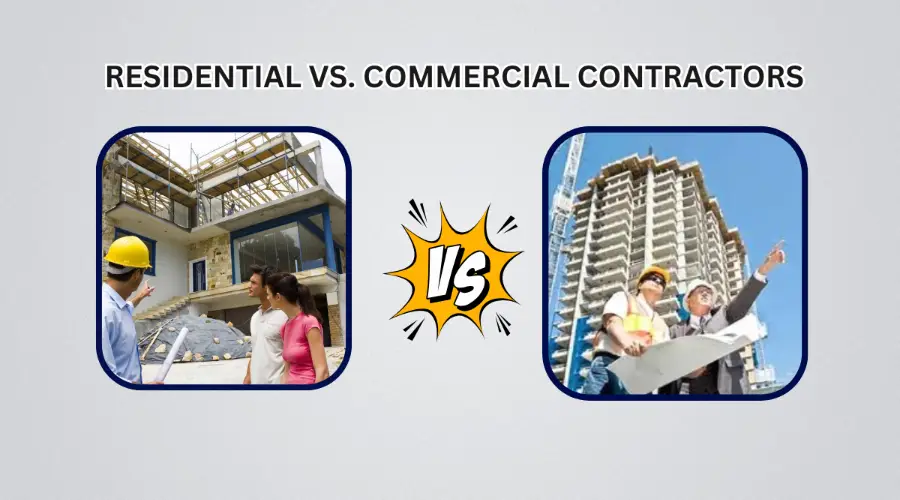
Residential Vs. Commercial Contractors

Residential Vs. Commercial Contractors
FeatureResidential ContractorsCommercial Contractors
Project ScaleThey handle smaller-scale projects like single-family homes, condos, and small apartment buildings.Unlike residential contractors, they work on large-scale projects like shopping malls, industrial complexes, and office buildings.  
Client RelationshipContractors need to deal directly with individual homeowners from planning to construction. They have more professional and formal relationships with organisations and businesses.

ComplexityResidential homes are less complex projects established with standardised regulations and building codes.Commercial buildings are complex projects that have specialised building codes, safety standards, and zoning regulations.
Risk and LiabilityResidential contractors are subjected to lower risk and liability.Complex projects like high-rise buildings or commercial constructions typically have a higher risk and liability.

Final Wordings

Homebuilding or improvement needs a qualified contractor to handle the projects efficiently. It may be small or large-scale construction; ensure they are reputed and capable enough to provide the best results. By considering certain key factors, you may be aware of low-level contractors who consider cost to be the prime thing. Make sure about their construction skill and knowledge before signing a contract with them.

FAQs

1. How do I verify a contractor’s license?

You can ask your contractor for their certificate of insurance (COI), which includes the name of the insurance company, policy limits, and policy number. With this information, you can directly contact the company and ensure the contractor’s policy is still in effect.

2. What should I do if I am unhappy with the work done?

Before beginning the construction work, the homeowners are advised to sign a contract. If you are unsatisfied with their work, you can file a complaint against them and take legal action.

Recycled Concrete – Uses, Benefits, and Recycling Process

0
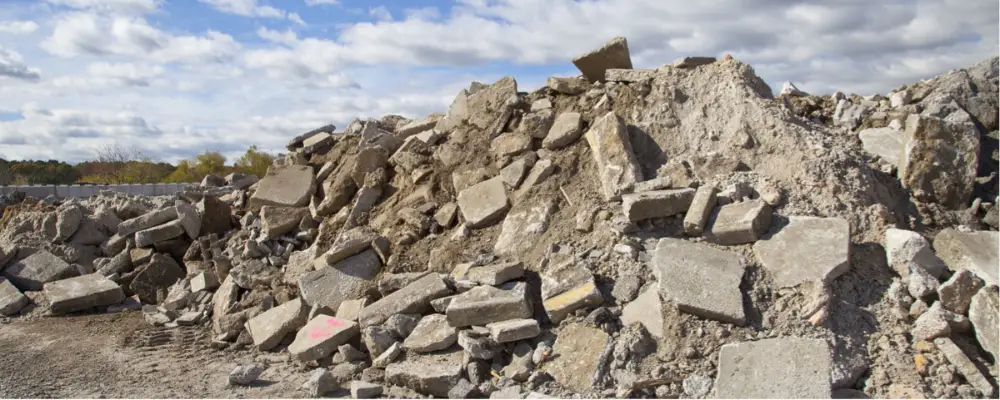
Recycled Concrete

Recycled concrete has been revolutionary for its numerous benefits and the limited usage of natural resources. It promotes sustainability and stands as a replacement for virgin concrete. Here is a detailed overview of recycled concrete, its benefits, applications, and how it compares with virgin concrete.

What is Recycled Concrete?

Recycled concrete is produced by grinding and crushing preexisting concrete from demolished concrete structures. This recycled concrete can be reused for construction projects instead of being disposed of as non-biodegradable concrete in landfills. It is a sustainable and economical alternative to fresh cement and is used for numerous purposes.

Applications of Recycled Concrete

Roads and Pavements

Recycled concrete aggregate is strong and durable enough to withstand heavy loads, making it suitable for road construction. It is used as a base material for roads, parking lots, and driveways as well as a subbase material for asphalt pavements. It can also be used to construct road shoulders, patios, and walkways.

Drainage & Retaining Wall

This concrete has a porous structure and is most commonly used to construct drainage trenches, drains, and stormwater management systems. It can also be used to build retaining walls to control the water flow.

Backfill

Another popular application of recycled concrete is as a backfilling material in construction sites and for levelling the ground. It can be used to fill trenches and foundations and construct embankments for roads, railways, and infrastructure projects.

Precast Materials

Recycled concrete is used to make Precast bricks, blocks, tiles, paving stones, and other precast materials for construction projects. This material helps construct sustainable green buildings, reducing their environmental impacts.

Benefits of Recycled Concrete

  • It limits the usage of natural resources and lowers the environmental impacts caused by mining and reducing carbon footprint.
  • It consumes less energy compared to the manufacturing of virgin aggregates, making it one of the sustainable options.
  • It reduces the amount of concrete waste that is usually dumped as non-degradable concrete into landfills.
  • When recycled properly and mixed with other materials, recycled concrete can achieve equal or greater strength and durability than virgin concrete.
  • It reduces the overall cost of concrete compared to virgin concrete materials, saving money for large-scale projects.
  • Recycled concrete can be easily available locally at demolition sites, which cuts the cost of transportation.

Process of Concrete Cycling

Collecting

Collect the concrete from the demolition site, such as buildings, pavements, and foundations. Transport the collected materials to the recycling plant for crushing and grinding. The demolition structures can be easily available in the locality, and the recycling crusher may be set up on-site to reduce transportation costs and save time.

Crushing

The large pieces of concrete collected are crushed and ground in large equipment with jaws and impactors. This reduces the size of the concrete and achieves the desired aggregate size suitable for different construction applications.

Removing Contaminants

After crushing and grounding, the concrete material is cleaned to remove contaminants such as dirt, wood, and debris. Additionally, steel reinforcements are removed, and the concrete is sorted based on size, from fine particles to large chunks.

Quality Testing

Quality control tests are conducted on recycled concrete to determine whether it meets industry standards. The tests calculate the concrete’s strength, cleanliness, and usability in different construction applications.

Mixing with Raw Materials

If recycled concrete doesn’t meet industry standards, virgin aggregates such as cement and water may be added to achieve the consistency and characteristics of concrete suitable for construction.

What is Recycled Concrete Aggregate?

Recycled Concrete Aggregate is an aggregate obtained by processing and recycling preexisting concrete structures. It replaces virgin coarse and fine aggregates such as gravel, sand, and other natural resources in construction. These recycled materials are used as a base subbase in road construction and other building masonry projects.
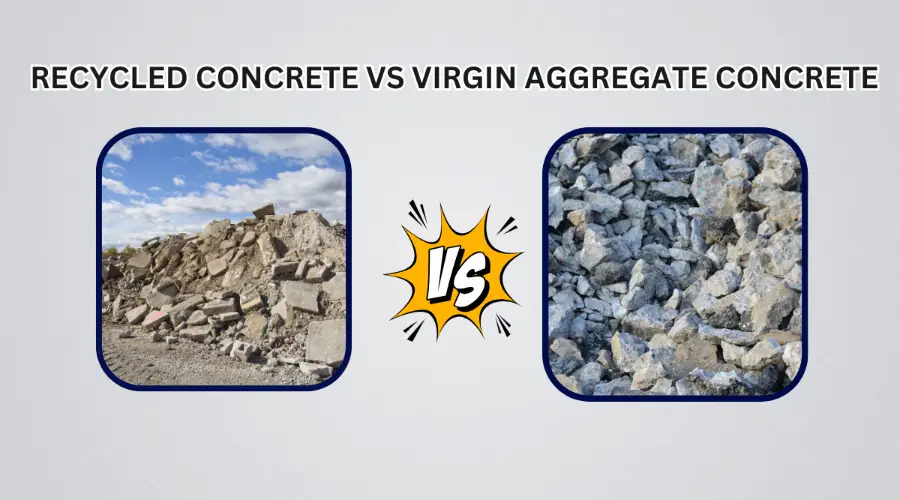
Recycled Concrete vs Virgin Aggregate Concrete

Recycled Concrete vs Virgin Aggregate Concrete
Recycled ConcreteVirgin Aggregate Concrete
The recycled concrete is made of crushed concrete containing original aggregates and hydrated cement paste. Virgin concrete includes sand, gravel, rock and mined earthy materials.
Due to its higher water absorption rate, recycled concrete is limited in workability and unsuitable for exposed and load-bearing structures.The workability of virgin aggregates is higher and can be used in almost all construction processes.
The risk of concrete segregation is higher due to the well-rounded shape of the recycled aggregate.The segregation risk is lower in comparison due to its angular aggregate shape.
The compression strength of recycled concrete depends on the aggregate quality and efficiency of the recycling process.The compression strength of virgin concrete is slightly higher in comparison.
The permeability of the virgin concrete is higher.The permeability of virgin aggregates is lower in comparison.
It has a slightly low resistance to elastic deformation compared to virgin concreteIt has medium resistance to elastic deformation and can withstand stress to a moderate level.
The density of recycled concrete is 15% less in comparison.The density of virgin concrete is slightly denser than recycled concrete.

Conclusion

As the world is targeting green technology and sustainable construction, using recycled concrete becomes crucial. It provides numerous benefits both environmentally and economically. It is a true revolution in the construction field and leads to sustainable construction, limiting the usage of natural resources and energy consumption. Although it is not as strong and workable as virgin concrete, the efficient recycling process and advanced technologies could help achieve industrial standards. It would be no wonder if recycled concrete completely replaces virgin concrete.

FAQs

1. Can Recycled Concrete be used as structural fill?

Yes, recycled concrete is widely used as backfilling material in trenches and foundations of buildings. It is also used as base and subbase material in constructing roads, railways, and walkways.

2. What are the disadvantages of Recycled Concrete?

Recycled concrete absorbs more water, reducing the structure’s strength and durability. Poorly recycled concrete has a high risk of segregation, which could affect the overall structural integrity.

How to Stop Water Leakage from the Concrete Roof?

0
how to stop water leakage from concrete roof

Is your roof calling for help? Concrete roofs are built to endure the elements, but when sneaky water leaks creep in, they can turn your fortress into a soggy mess. Don’t let those stubborn leaks steal your peace! 

In this guide, we’ll dive into foolproof ways to seal your roof, protect your home, and stop water from raining on your parade, literally. 

9 Actionable Tips to Stop Water Leakage from Concrete Roofs

A leaking roof is an inconvenience and a mood spoiler. The constant drip-drip can leave you stressed, not to mention the damage it can cause to your space. But fret not. With a little effort and the right approach, you can fix this with your own hands. 

Waterproofing Your Roof

Waterproofing Your Roof

It is an absolute safeguard against leaks and moisture damage, especially in humid or tropical climates. For both flat roofs and slanted roofs, the process is the same. When it comes to a flat roof, a slight slope is introduced to direct water flow toward drainage pipes, followed by a three-layer waterproofing process. 

In the first coat, a slurry mix of polymer-based compounds and cement in a 1:1.25 ratio provides a strong base. After that, two subsequent layers mixed in a ratio of 1:1.5 are applied at 24-hour intervals. The surface should be left to cure for 48 hours, under wet gunny sacks to ensure durability. 

In existing homes with leaks, old waterproofing layers must be removed, the surface thoroughly cleaned, and the same multi-coat process reapplied.

These precise ratios and techniques ensure a long-lasting, leak-free roof that stands firm against rain and moisture. 

Periodic Maintenance

Even the best waterproofing will not last without proper maintenance. 

  • Regular roof inspections
  • Prompt action to address cracks, pooling water, or signs of wear in the waterproof layers is crucial. 
  • Remove debris like leaves and dirt, as they can block drainage systems and trap moisture. 
  • Pay attention to the condition of the waterproof coatings.
  • Reapplying protective layers every 5 to 7 years. 

These steps must be followed when it comes to maintaining the roof to avoid dealing with dry mats, empty buckets, and much more.

Seal the Roof Joints Effectively

Seal the Roof Joints Effectively
  • Start cleaning the joints of roof to remove dust, debris, and any existing weak material. 
  • To fill the gaps, use a high-quality sealant like polyurethane or silicone which can expand and contract with temperature changes. 
  • Apply a layer of waterproof tape or membrane over the sealed joints to reinforce the area. 
  • Schedule your time to inspect these joints quarter over quarter(Q-O-Q), especially before the rainy season, to ensure the seal remains intact. 

By giving extra attention to roof joints, you can prevent leaks and extend the lifespan of your roof. 

Pick Quality Roofing Materials

Pick Quality Roofing Materials

This has been done while laying the roof, but that doesn’t mean that you should not do at least this now. For concrete roofs, prefer materials like polymer-based waterproofing compounds and quality cement to withstand moisture and temperature fluctuations. 

In addition, if your roof has tiles or shingles, ensure they are made from water-resistant materials such as asphalt or clay, with proper underlayment to seal gaps. 

Always source materials from trusted brands and follow recommended application methods to prevent weak spots that could lead to leaks.

Use High-Quality Roof Vents

Use High-Quality Roof Vents

This won’t be applied for all types of houses. But if your home does have frequent outpouring, you can consider this too.

Placing high-quality roof vents allows air to circulate within the attic space, reducing moisture buildup. Failing to do so can lead to mold, mildew, and eventual water damage. In general, roof vents help regulate the temperature, preventing the formation of condensation that can weaken your roof over time by allowing warm air to escape and cooler air to enter. 

Be conscious in choosing durable, weather-resistant vents that are designed for your roof type, whether it’s flat, sloped, or vaulted. This will reduce the risk of ice dam formation, and extend the life of your roof.

Ensure the Correct Installation of Tiles

Ensure the Correct Installation of Tiles

When it comes to choosing tiles, begin with tiles that suits your climate, such as clay or concrete for durability or metal for resistance to harsh weather. Tiles should be laid in an overlapping pattern, starting from the roof’s base and working upwards, to allow water to flow downward without seeping beneath. 

Alignment gaps or misplacement can cause water infiltration. Therefore, it is better to keep an eye on edges and joints that must be sealed with waterproof materials like flashing or sealants to prevent leaks at vulnerable points. 

Adopt Reliable Construction Practices

During construction, high-quality materials, such as polymer-cement mixtures in appropriate ratios, should be used for waterproofing layers. If it is a flat roof, start with a well-designed slope that ensures effective water drainage, minimising the risk of pooling. 

For proper curing, 48 hours is recommended for waterproof coatings to help them last for years.

Prompt Removal of Stagnant Water

Prompt Removal of Stagnant Water

This is most common in houses where there is no proper roof plan. If the roof surface is not equal in any case, water might stand on the roof, which exerts pressure on the surface. This leads to cracks, seepage, and the growth of mould and mildew. It also increases the wear and tear of waterproofing layers. To address this, ensure that drainage systems are clear of debris and functioning effectively. 

It’s better to have a practice of inspecting roofs after heavy rains, which can help identify areas where water tends to accumulate. Maintaining a slight slope toward drainage outlets for flat roofs can prevent pooling. 

Prioritise Regular Maintenance

This is something basic that you should not overlook!

  • Inspect the roof periodically for cracks, weakened areas, or debris buildup, as these can lead to water pooling and seepage.
  • Especially during rainy seasons, clear drains and gutters to ensure proper water flow.
  • Look for signs of wear on waterproofing layers and reapply protective coatings if necessary. 

What are the Causes of Roof Leakage?

For areas with tropical monsoons like India, roof leakage can stem from a variety of causes. As discussed above, it often starts with poor construction practices or the use of substandard materials. 

Over time, weathering and exposure to harsh elements like heavy rain, extreme heat, or snow can weaken the roof’s surface, leading to cracks and water seepage. 

Also, poor drainage systems, such as clogged gutters or insufficient slope in flat roofs, exacerbate the issue by allowing water to pool. 

In some cases, structural issues, such as roof movement due to settling or improper sealing around vents and chimneys, also create weak points for water to penetrate. 

Taking a timely look at these causes is essential to addressing the root of the problem and implementing effective solutions.

Conclusion

Stopping water leakage is like a walk in a park but not all the time. Before it causes inconvenience to the people around you, you need to take a proactive approach and careful attention to detail. 

You can protect your roof from further damage by identifying the source of leaks, thoroughly cleaning the surface, and applying durable waterproofing solutions, which you’ve seen in this article.

Whether building a new home or repairing an existing roof, investing in the right waterproofing techniques will safeguard your space from leaks, providing peace of mind and preserving the soundness of your home.

White Brick Walls – Timeless Elegance for All Spaces

0
white brick wall

How many of you have seen colourless walls appearing colourful? It may sound confusing unless you happen to see the beauty of white walls and their serene beauty. Different colours may emerge and disappear in this artistic world, however, the colour colourless, i.e. white, remains an evergreen classic. In construction, white brick has stood the test of time with its aesthetic appearance. It evokes the emotions of people through its versatility and elegance. Because of this, there is an increasing trend among constructors to choose white bricks for both residential and commercial projects. Are you averse to colours or does no colour match your style? Then white bricks are for you. Its classic appeal has made it a popular choice both for both interior and exterior design. In this article, we will discuss white bricks and their application in the construction industry.

Overview of White Bricks Walls

Do not presume these bricks are different from normal coloured bricks. As the name suggests, these bricks appear in white or off-white colours. The white colour is attained by firing a brick at a high temperature. This gives the brick a white or off-white colour. While firing bricks is not the only method. While firing bricks is not the only method, clay which naturally contains a high amount of lime can be used. Adding white pigments at the time of manufacturing bricks will help produce a white-coloured brick.

Benefits of White Bricks Walls

  • The clean appearance of the bricks increases modern aesthetic looks, providing contemporary and minimalistic designs.
  • It is a choice of preference for fireplace surroundings and its use in accent walls creates visual interest.
  • Its resistance to fading, cracking, and chipping enables the walls to withstand the test of time making it suitable for outdoor patios and walkways.
  • Users will not find it difficult to match them with other designs because the neutrality of white walls makes them fit in all colour palettes.
  • In comparison to other types, white bricks are cheaper as they require less maintenance.
  • Wherever you may use a white brick, it will add a touch of elegance and sophistication to the overall appearance.
  • It can even help reduce energy consumption as they repel heat. This helps to maintain the temperature of the house, especially in hot places.

Design Your Interiors with White Brick Walls

Design Your Interiors with White Brick Walls

Are you confused about how to blend or match colours and decorate homes with the inclusion of white brick walls? This section will answer your queries.  

  • Blending black and white walls is synonymous with a blend of the past and future. The colour combination removes the dullness that engulfs your house with elegance and depth. The combination in the living room will provide modern as well as vintage appeal. The full effectiveness of this colour combination between walls can be achieved only if proper lighting is available.
  • The transformation that one could bring to the house with the combination of white and red walls is inexplicable. They are suitable for accent walls by serving as a focal point in any space. A combination with real bricks will also help enhance the elegance of your house.
  • If you are looking for a colour combination that is neither earthy nor too simple, white-grey brick walls should be your choice. This colour combination can be created with the use of mortar as well.
  • Once backdropped, white colours in decorating the interior of the house have taken center-stage. This could be witnessed from the craze people have for white brick tiles. It provides a soft, warm, and welcoming ambience.
  • While white brick tile may bring in a change, the use of white brick wallpaper can work wonders in your house. In some cases, brick wall decoration might be difficult to achieve inside the house. The usage of white brick wallpaper can fill the gaps.
  • To avoid monotony in your bedrooms, it is better to choose white. Having too many colours may affect the look of the room.
  • Are you fond of boho home décor? Then white is for you. Imagine, having some potted greenery and brown leather furniture in front of a white brick wall; this will elevate the whole appearance of the room.

White Brick Wall in Different Rooms

White Brick Wall in Different Rooms

While the addition of white brick increases the elegance of any space, the rooms should not be filled only with white bricks. This section will discuss how to prefer and where to prefer white walls in different rooms.

  •  Living Room: Some of the locations in the living room where white brick walls add unique character and a touch of sophistication to space are behind the TV, sofa, or anywhere you want. There is no doubt that the addition of white brick in the living room will provide a stunning look.
  •  Kitchen: While the kitchen is not averse to bricks, one must remember the fact that kitchen surfaces are prone to spatters. This will cause grease, damaging the walls and affecting their appearance. That is why spotless brick walls or ceramic tiles are preferred. Empaneling brick walls with glass panels will protect them from backsplash.
  • Bedroom: Having white walls with luxuriant bedding or a white canopy will increase the elegance of the room manifold. This will create a perfect spot to relax and set the scenario for romance.
  •  Bathroom: Yes, there is no denying that bricks are fantastic in bathrooms. However, high moisture in the area needs some special requirements. The wall should be coated with a sealant or ceramic tiles.

How to Decorate White Brick Walls

With white brick walls, you always have the option of leaving them as they are because their white appearance is itself appealing decoration to the eyes. If you want to add something in addition to that beauty, fill the room with furniture designs or saturated colours contrasting with the white. It is up to you to decide on what decoration needs to be added when you have a neutral background that steals the show. You may imagine adding a beautiful gallery; again, the wall should not be covered entirely with the full-blown gallery. Some suggestions are to go with gold-framed mirrors, simple bookshelves, and vintage wall sconces. Placing large green plants in front of the wall will always look amazing. If nothing fits, go with graffiti designs for your kid’s bedroom.

Maintenance of White Brick Walls

Dust cleaning and dirt removal become part of your daily routine when it comes to white brick walls. Without such practice, your wall may lose the enticement it had initially. The usage of mild detergent is advisable to remove stains from the wall. If it is an exterior wall, a pressure washer on a low setting is advised. Sealing the surface with protective layers (masonry sealer) can save you time. A periodic check is required to address the moisture issue if occurs. Abrasive tools and other materials or chemicals should not be used against the wall.

Conclusion

White brick walls are not just a design element; they’re a statement of timeless elegance and versatility. Their aesthetic appeal, durability, and ease with which they blend with various styles make them popular in modern and traditional construction. Whether it is designing interiors or exteriors, white bricks offer a unique canvas that complements creativity and functionality. White brick walls serve a purpose beyond being mere construction materials; they are a form of art. Whether in residential or commercial spaces, these walls can significantly enhance the ambience. With proper care and thoughtful decoration, white brick walls can transform any area into a masterpiece of sophistication and comfort, demonstrating that simplicity is truly the essence of sophistication.

FAQs

1. Can I paint an existing white brick wall?

Yes, you can paint an existing white brick wall to refurbish its appearance and resurrect its elegance. However, preparatory measures such as cleaning the wall, inspecting for damage, sanding the surface, and taping adjacent areas are essential before starting to paint.

2. How do I clean a white brick wall?

There are several methods for cleaning a white brick wall. Basic cleaning can be done using a soft-bristle brush or a vacuum. For stains, you can use a damp microfiber cloth. Alternatively, mix mild dish soap with warm water or use vinegar and water solution to treat stained areas. For exterior walls, you can clean them with a pressure washer set to low pressure to avoid damaging the bricks.

3. Are faux white brick panels a good alternative to real bricks?

Yes, they are a good alternative to real bricks because of their cost-effectiveness, lightweight, versatility, appearance and time-saving. However, we have some disadvantages to using faux white brick such as less durability, authenticity, regular repair, and environmental impact.

How to Check Cement Quality – Essential Tests Explained

0
how to check cement quality​

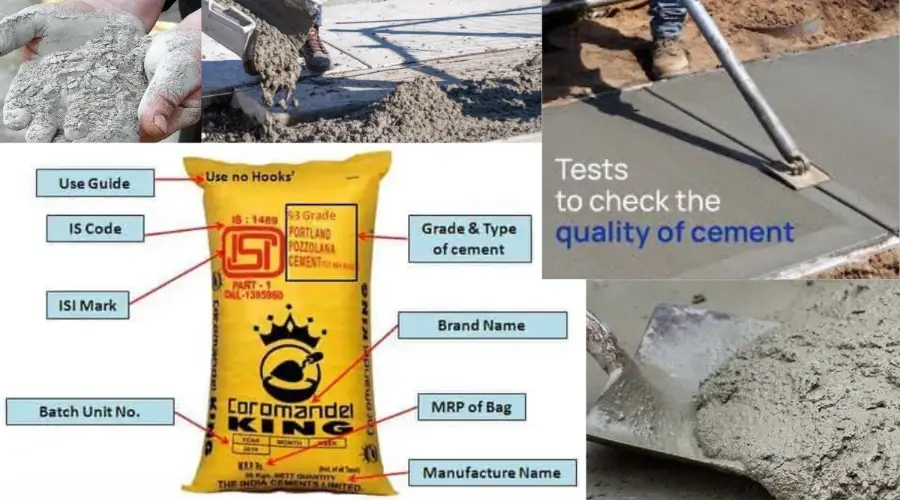
It doesn’t matter if you are engaged in building a home or a high-rise building; the quality of cement is the primary concern. But don’t be under the impression that all the qualities of cement remain the same. Some give the desired results, and some can be inferior.

This is the reason builders are advised to evaluate the cement quality before purchasing. Cement is a fundamental building material acting as a binding agent for both mortar and concrete. If the quality of the cement is up to standard, you can enjoy stronger construction with fewer repairs and maintenance.

To understand the differences and variations between good and bad quality cement, read this article. It uncovers certain significant factors to ensure the quality of cement before buying.

Overview on Cement Composition

Cement is primarily composed of materials like iron ore, limestone, sand, and bauxite. They are commonly found in a grey coloured powdery form packed within sturdy paper bags. Additional raw materials, like slate, chalk, and clay, are also part of the composition. During preparation, these ingredients are processed and subjected to heat at approximately 1500 degrees Celsius. This process results in a fine grey powder, which is packed and sold in the market.

Importance of Checking Cement Quality

Checking cement quality ensures the structural integrity and durability of the construction. When the cement possesses all essential properties, it improves the overall strength and quality of the structure. Consequently, you don’t need to spend additional costs for repair and maintenance.

How to Check Cement Quality with Laboratory Testing?

How to Check Cement Quality with Laboratory Testing?

The quality of cement is verified using various laboratory tests, which are as follows:

Chemical Composition Test: This test involves verifying the chemical constituents present in the cement. These are the primary factors that directly influence the properties and behaviour of cement during hydration and setting. The components include iron oxide, magnesium oxide, silica, alumina, and others.

Consistency Test: In this test, the cement is mixed with water at a specific consistency and spread over the glass plate. After 24 hours of curing, the consistency is evaluated to identify whether the cement has achieved the desired properties during this setting period.

Fineness Test: The fineness of cement is a significant factor that plays a vital role in the strength-gaining speed, hydration, and heat evolution during the process. Generally, finer particles are more effective in accelerating strength development. Unfortunately, excessive fineness powder has the drawback of premature deterioration and air setting.

Heat of Hydration Test: During the cement hydration process, a certain amount of heat is released. Measuring such heat is essential to avoid temperature-related issues, particularly in massive structures like high-rise buildings or dams.

Setting Time Test: The setting time of cement is measured in two variations: initial setting time and final setting time.

  • Initial Setting Time – This refers to how long the cement paste maintains its elasticity after mixing with water. It is important for transportation, handling, and the placement of mixtures.
  • Final Setting Time – This involves calculating the time taken from when water mixes with cement to when the paste loses its elasticity. This timeframe helps manufacturers determine whether the cement can withstand external forces and harsh weather conditions.

Soundness Test: The soundness test identifies any expansion that has been made in the cement after setting. Because it leads to poor structural integrity and disruptions in the hardened mass. This expansion is primarily caused by improper mixing of raw materials, inadequate burning, or insufficient fineness of grinding.

Strength Test: The strength of the cement cannot be defined directly. Instead, by evaluating the compressive strength of the mortar, you can gauge the strength of cement at a specific period.

Tensile Strength Test: This test takes place in a tensile testing machine.  The cement-sand mixture is prepared with 8% water content and poured into a briquette. The mixture is then heated at a temperature of 25 or 29 degrees Celsius for the next 24 hours. The average tensile strength is then recorded after 3 and 7 days.

How to Check the Quality of Cement Before Taking It into the Construction Site?

How to Check the Quality of Cement Before Taking It into the Construction Site?

Cement is a primary construction material used all across the world. The quality of this material is crucial to ensuring the overall strength and stability of the structure. Therefore, you should be aware of certain essential components before buying, which are listed below:

Manufacturing Date

Always check the manufacturing date printed on the back of the cement bag. Generally, most people are unaware that cement loses its strength as days pass. Although it is packed inside a bag, the chemical reaction that takes place with atmospheric moisture is unavoidable. Experts suggest you buy cement packed within 90 days from the date of manufacturing.

Colour of Cement

The colour of cement helps you determine its original quality and composition. Cement is typically available in a uniform grey colour with a slight greenish shade. If you find a dark greenish colour or any other shade, it may indicate that it contains an excessive amount of lime or clay.

Presence of Lumps

Open the cement bag to ensure it does not contain any lumps inside. This is the most significant step in assessing the quality of cement. As discussed above, lumps indicate that the cement is exposed to moisture, which causes it to lose strength and stability. If you find any lumps inside, you should reject them and contact any other supplier or manufacturer.

Float Test

The float test is another simple way to identify the purity of cement. To ensure the cement is free from dust and dirt, you can take a handful of cement and drop it in the bucket of water.  Good quality cement will float on water for some time, whereas cement with impurities will settle immediately. Cement mixed with dust will float on water for a longer time.

Adulteration Test

Adulteration means adding any other substances to the cement to lower its quality and improve its weight when packing. Take a pinch of cement and rub it in your fingers; if you find it smooth, you can go ahead to use it. Conversely, if it feels rough, it indicates that the cement is mixed with excess sand. Adulteration refers to the fineness test of cement.

Temperature Test

This is a simple way to assess the quality of cement at the construction site. Just put your hand inside the cement bag; if you feel cool, the bag is free from hydration, and no chemical reaction takes place. If it feels warm, you should replace it with another bag.

Strength Test

To check the soundness or strength test of cement, take a 200 mm long block that is 25 mm wide and 25 mm tall. Let it soak in water for about 7 days, and then apply the cement on the block. To verify its strength, place a weight of around 35 kg on the block. If you don’t find any cracks or damages on blocks while holding the weight, the cement is of good quality.

Odour Test

Smelling is another simple way to evaluate the quality of cement. Generally, cement is odourless; however, if you feel any earthy smell inside the cement bag, it indicates that it includes an excessive amount of sand and clay in the material.

Setting Test

Setting tests evaluate the consistency of cement while using it. You are recommended to take at least 100 g of cement and mix it with water on a glass plate. Ensure the paste is like a cement cake with straight edges, and then submerge the glass plate into the water for about 24 hours. If you find the cement cake remains the same without any cracks or spots, it indicates the cement is of good quality.

How to Check the Quality of Cement On-Site?

Good quality cement is a way to enhance the life of a structure. It is absolutely essential to conduct these easy steps on-site before using it in the construction.

Smell Test: Cement is odourless; hence, if you detect any earthy smell from the bag, it indicates compromised quality. It is advisable to replace the bag with another; otherwise you can contact another supplier or manufacturer.

Shape Test: Cement is a smooth and fine grey powder with a slight greenish shade. If you find any lumps inside the bag, it could indicate the mixing of sand or any other impurities. A smooth texture is an identification of pure cement and has a consistent composition.

Strength Test: The strength test evaluates the compressive strength of concrete. This test involves applying a load to cement mortar until failure. This load sequence must take place in no less than 20 seconds and no more than 80 seconds.

Consistency Check: Cement must maintain a standard consistency to achieve the desired strength and durability. The test involves mixing the cement with water and heating it at a constant temperature of 25 degrees Celsius. After curing, the quality cement retains its original shape and gains some strength.

Final Wordings

Cement quality is a prime factor in obtaining the desired strength and durability in all construction projects. It can be determined using various parameters, some of which are explained in this aforementioned article. Understanding these properties can help you make informed decisions when purchasing for your construction.