Home Blog Page 118

Virtual and Augmented Reality in the Construction Industry

0
VR and AR in Construction

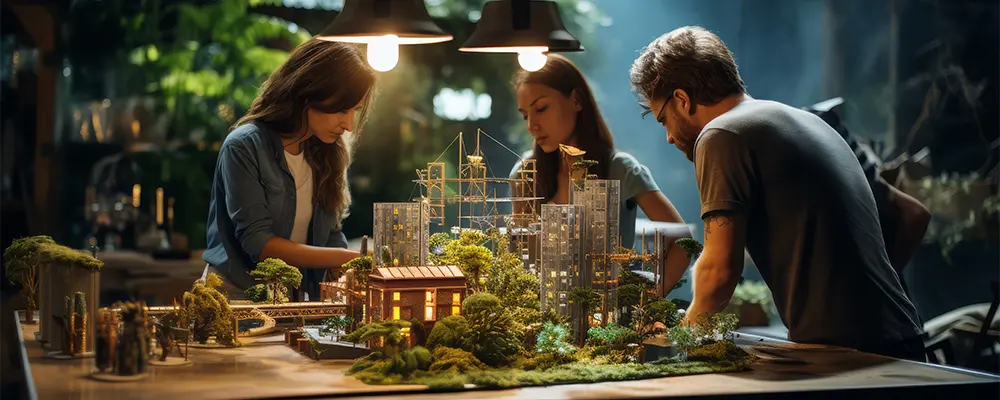
Virtual reality (VR) and augmented reality (AR) are two genuinely game-changing technologies in the always-changing field of design and construction. These immersive technologies are changing the game in the entertainment design and construction sectors. In this blog, Brick & Bolt will discuss the application of VR and AR in the planning, design, and construction stages and the advantages these technologies offer for planning visualisation and client interaction. It will also provide instances of how these technologies are transforming the sector.

VR and AR in Design and Construction

1. Design Phase:

Immersive Design Exploration:

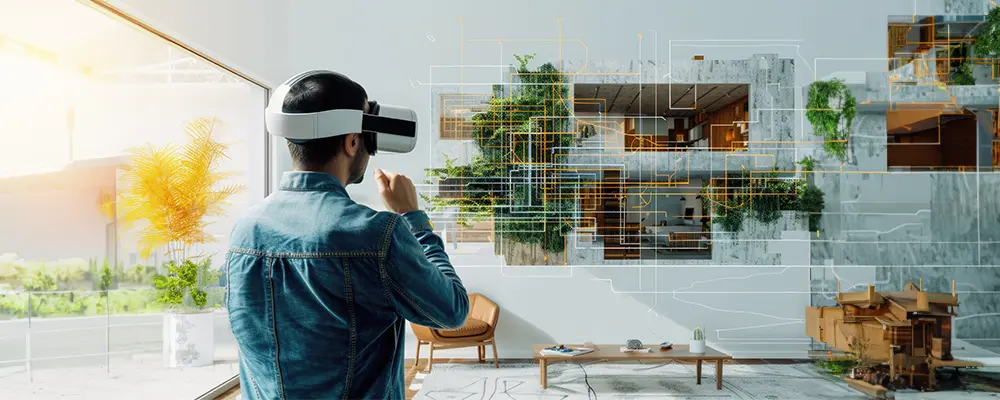
Using virtual reality (VR), architects and designers may experience their concepts at a human scale by stepping inside an immersive, three-dimensional world. This degree of immersion offers priceless insights into spatial relationships, helping designers hone their ideas and spot possible problems before work starts.

Interactive 3D Modeling:

AR enhances the design process by superimposing digital data on the real environment. By visualising 3D models of structures on construction sites, architects and engineers may utilise augmented reality (AR) to give their ideas a real-world context and facilitate accurate positioning and alignment.

2. Construction Phase:

Guided Construction with AR:

Construction workers can examine real-time information superimposed on their field of vision with AR-enabled devices like smart glasses. This can involve visualising construction designs, emphasising structural components, and even providing step-by-step instructions to cut down on errors and boost overall construction process efficiency.

Virtual Walkthroughs with VR:

Virtual reality technology is utilised to generate captivating virtual tours of building sites. Stakeholders can virtually inspect the location, evaluate its development, and spot any obstacles. This facilitates decision-making and improves teamwork, lowering the possibility of costly changes being made later. 

Benefits in Visualization, Planning, and Client Engagement

1. Visualisation:

Enhanced Spatial Understanding:

Virtual reality offers a degree of spatial comprehension unmatched by conventional two-dimensional depictions. With the ability to walk through places digitally, customers and designers can intuitively experience scale and proportions, enabling them to make better design decisions.

Real-time Design Adjustments:

Designs can be changed in real-time with both VR and AR. Architects can make quick adjustments, and clients can see the results immediately, promoting a collaborative and iterative design process.

2. Planning:
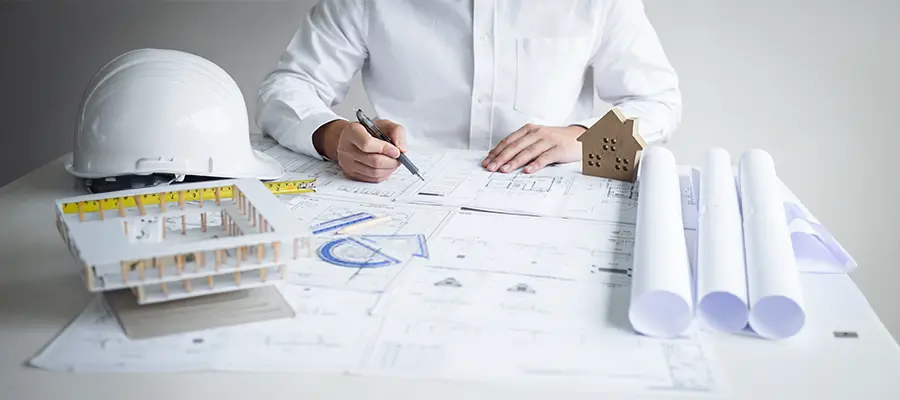
Architecture Planning

Efficient Project Planning:

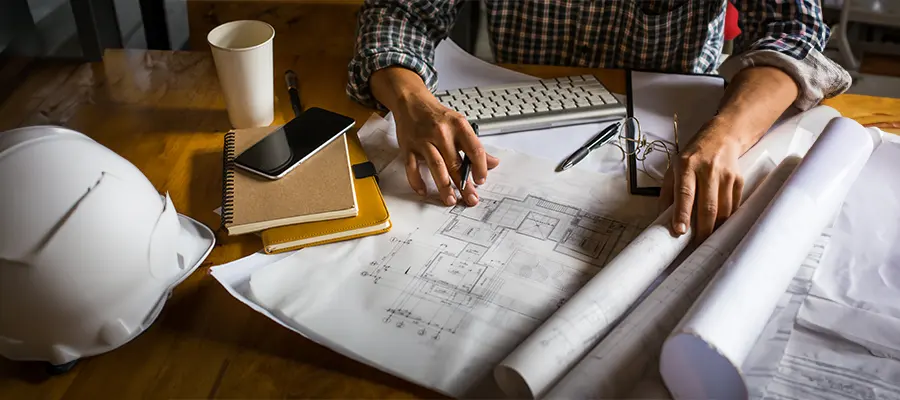
AR makes project planning more efficient by superimposing digital models onto real-world locations. This facilitates accurate site planning, assisting building crews in placing components like beams, columns, and utilities as efficiently as possible.

Construction Sequencing with VR:

Project teams can detect possible bottlenecks and optimise building timetables using VR to mimic construction sequences. Proactive planning helps provide a more seamless project completion process.

3. Client Engagement:

Immersive Client Presentations:

Virtual reality offers architects an effective tool for client presentations. Before construction, clients can virtually explore suggested concepts to get a genuine sense of the completed product. This improves client happiness and makes it easier to make more informed decisions.

Interactive Design Reviews with AR:

AR is used in design evaluations so clients can explore virtual spaces superimposed with digital models. This collaborative process encourages participation and guarantees that clients fully get the design purpose.

Examples of VR and AR Changing the Industry
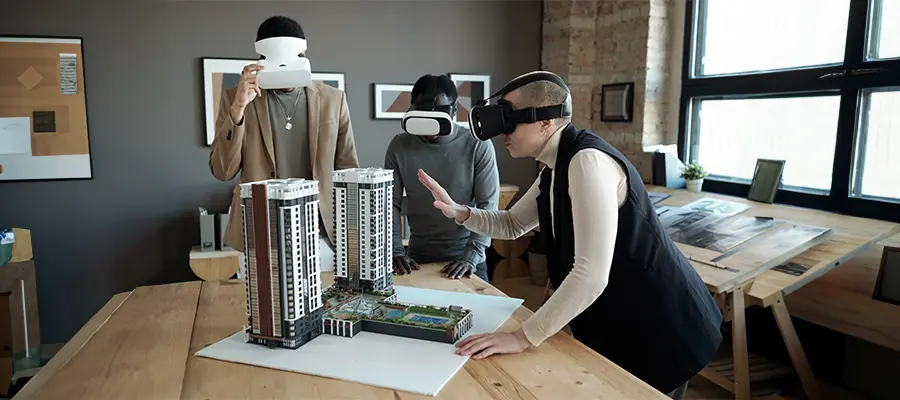
VR and AR Projects

1. The Mars Habitat Project by NASA:

Creating housing with special spatial restrictions for upcoming Mars missions is a challenge.

Solution: NASA created immersive environments using virtual reality, giving designers personal experience with the difficulties of Martian dwellings.

As a result, NASA was able to maximise efficiency in spatial layouts and make well-informed design selections.

2. Microsoft’s HoloLens in Construction:

Improving cooperation and communication on building sites is a challenge.

Solution: Microsoft’s HoloLens augmented reality device enables real-time construction team cooperation by superimposing digital data on the real world.

As a result, there is better communication, fewer mistakes, and more efficiency in the building operations.

3. The Sydney Metro West Project:

Planning and coordinating a complicated underground train project efficiently is a challenge.

Solution: Using virtual reality (VR) to generate a digital twin of the underground infrastructure allowed planners to optimise project timeframes and simulate construction sequences.

The result is better project execution, lower risks, and better project planning.

Virtual and augmented reality are already essential tools in the construction and design arsenal, moving beyond the domain of sci-fi conceptions. Planning, visualisation, and client interaction all yield clear benefits, and the industry is undergoing a radical change towards more immersive, cooperative, and effective procedures.  

The possibilities are endless as long as we keep utilising these technologies. VR and AR are shaping the future of the design and construction industries, from creating colonies on Mars to streamlining procedures on Earth. The trip is just starting, and as these technologies advance, so will our methods for envisioning, organising, and constructing the buildings that define our surroundings. Greetings from the future of design and building, where limitless possibilities await you and reality is transformed.

To experience a hassle-free dream home construction in Bangalore, book a free consultation with Brick & Bolt and enjoy the construction experience with us.
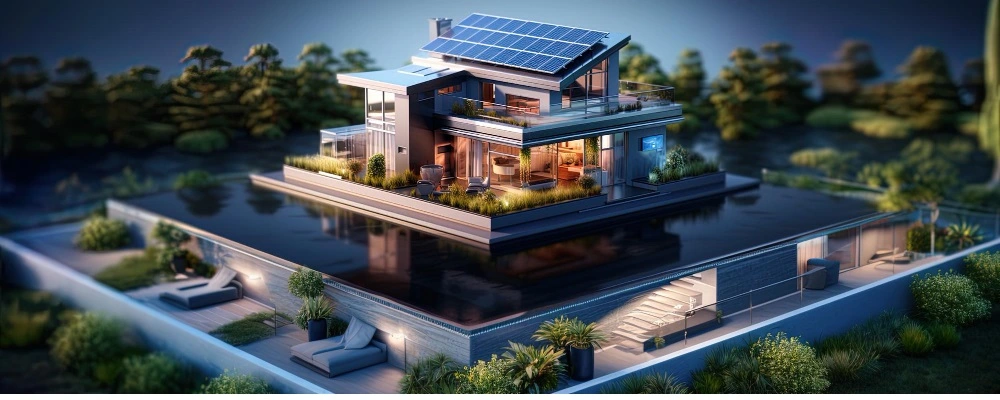

Solar Photovoltaic Systems in Construction: Building a Sustainable Future

0
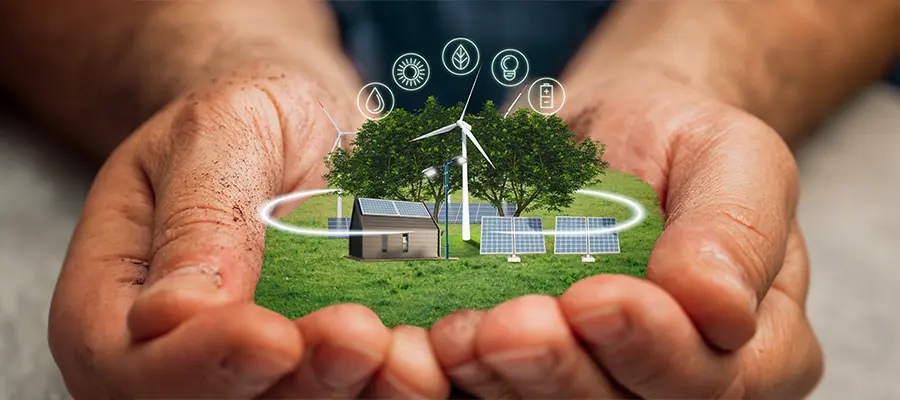
Solar Photovoltaic Systems in Construction

As concerns about climate change grow, sustainable building practices become more important. Hence, many building companies and homeowners understand the benefits of solar photovoltaic systems in construction. By using free, renewable solar energy, builders can lower utility costs, improve branding, receive incentives, and have an environmental impact.

Over the past ten years, solar technology has grown incredibly efficient and affordable. Using the sun’s abundant energy yields benefits even after installation because solar infrastructure is designed to survive for decades with no upkeep. So, Brick & Bolt brings a detailed guide on solar photovoltaic systems in construction. It will help you to understand how solar energy can be used during construction and the benefits of solar photovoltaic systems in construction.

How to Integrate Solar Panels into Construction Projects

Every construction project manager interested in solar should consult with experienced solar consultants during the design process. Based on the building blueprints and intended use, they can recommend the best solar photovoltaic system alternatives for their needs. In addition to panel tilt angles and type of technology, solar array location for best sun exposure is an important design element which you have to consider when you planning to incorporate solar photovoltaic systems in construction.

By combining and matching technologies and locations, solar design specialists may frequently assist in creating a unique solar system installation plan appropriate for building budgets. Programs for state or federal incentives might further reduce the cost of purchases.

Types of Solar Panels for Building Projects

These days, two main types of solar panels are typically available for building projects: Monocrystalline and Polycrystalline solar panels. They are the most effective solar photovoltaic systems for converting sunlight into electricity. They can be erected as freestanding structures in the ground or mounted on rooftops. Solar cells embedded in roof tiles or shingles, 

Benefits of Solar Photovoltaic Systems in Construction

Benefits of Solar Photovoltaic Systems in Construction

Homeowners or property owners can reap significant advantages after a PV system is established and linked to the electrical grid. Solar panels require a considerable investment, even if their initial cost significantly decreases with government incentives. The good news is that reduced utility bills can yield substantial returns to building owners over the years. For at least 25 to 30 years, well-maintained solar energy systems may produce a plentiful supply of clean power.

Let’s Look at Some of the main benefits of solar photovoltaic systems in construction:

Diminish the Effect on the Environment

Integration of solar photovoltaic systems in construction is the best way to create green buildings. Solar electricity is produced without emitting greenhouse gasses that warm the planet or cause air or noise pollution. This allows homeowners and builders to stop funding fossil fuel power plants. Using solar electricity to build net-zero buildings is the ultimate sustainable goal.

Reduce Electricity Utility Expenses with PV System

With solar panels, you may be independent of your electricity generation and stop worrying about rising electricity costs. Solar arrays can supply 60–80% of a building’s yearly energy needs. Owners receive extra energy credits to feed surplus electricity into the electrical system.

Enhanced Branding and Competitive Appeal

Incorporating visibly high-performance PV systems into new construction enhances environmental credibility. This attracts conscientious home buyers and commercial tenants while showcasing the builders’ sustainable efforts. Features like solar roof shingles also boost aesthetic curb appeal.

A Successful Investment Throughout Decades

Because of the years of utility savings, most solar systems pay for themselves in 4-6 years. By producing free renewable energy, they provide value for more than 20 years after that. Because of this, solar is a wise and lucrative green investment.

Conclusion

When you switch to solar power, you invest in a bright, sustainable future. As the climate issue has reached a critical turning point, building methods must become more environmentally conscious. Utilising solar photovoltaic systems to capture the sun’s abundant and renewable energy is a critical objective for energy independence and sustainable building practices. Additionally, efficiency has increased over the last ten years, and solar technology costs have fallen. These days, most residential and commercial buildings’ hot water and electricity needs are satisfied by solar-powered systems. 

With the development of affordable battery and power control technology, it is now feasible to construct net-zero energy buildings disconnected from the traditional power grid. The best chance for builders and homeowners is to engage with solar professionals in the planning and structural design stages. This ensures that property owners can fully use photovoltaic’s financial and sustainability benefits for many years.

Construction Site Preparation: Key Steps for Successful Projects

0

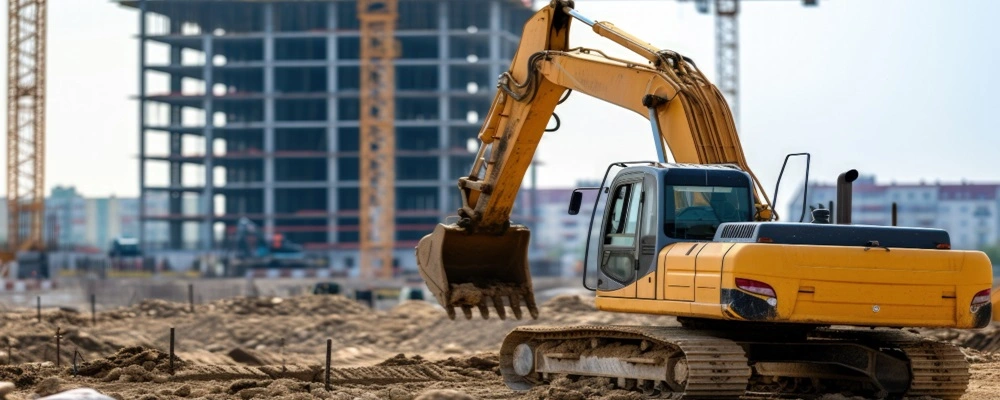
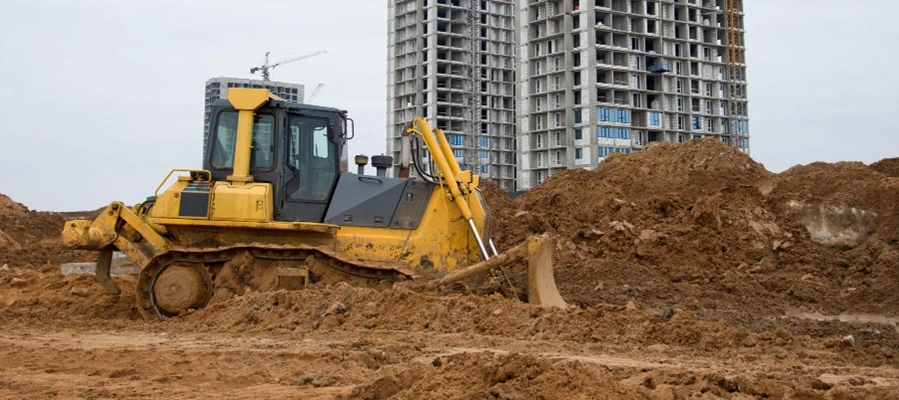
The first and most fundamental stage of carrying out construction is site preparation. An area of land that you have purchased to build a house is called a “site”. You have to prepare your site for construction before starting the process. This involves clearing the land, grading, levelling, demolishing, and other tasks. This is a crucial stage of the construction process because if you use the right site preparation techniques, your construction process can go more smoothly.

Hence, Brick & Bolt explains the building construction site preparation and the construction site preparation process to understand the tasks involved in the site preparation and the types of equipment you might need.

What is Construction Site Preparation?

Site preparation is the multistep construction process that includes all of the preparatory work done prior to building on a work site. The site preparation for house construction may include site surveys, grading, levelling, land clearing, drainage, earthmoving, and demolition. Site preparation is important to the success of any construction project.

For example, if a new construction project has to be completed on a site that was previously used as a gym house, the old structure must be demolished before the new one can be built. Site preparation is what allows this to happen. Many people are unaware that site preparation is what laid the groundwork for the buildings they see today. 

The Home Building Site Preparation Process

Land Clearing and Site Preparation

The building site preparation procedure consists of many phases. Keep in mind that the procedures you need to follow may differ based on the situation at hand and the condition of the site. For example, you may not need to complete any demolition if the land is currently free of buildings, or you may face new zoning requirements if you are developing on the project site.

Now, let’s explore the process of land preparation for building your dream home.

1. Evaluate the Site

The first phase is to examine the site, which is more than just looking it over and walking around. You need to inspect the soil to see how it will affect your project and look for any barriers on the site that need to be addressed before starting your construction project.

2. Survey the Site

The next phase is to hire a professional surveyor to perform a site survey, which entails locating boundary lines using coloured markers or pegs to determine where you can construct your building. The land survey prepares you for the design process by telling you where particular buildings may be erected.

3. Soil Testing

Testing the soil is one of the most significant tasks that must be completed before the home designing process starts. The soil’s primary composition needs to be established to assess its capacity to absorb water and check the ability of the soil to withstand structural loads. In simple words, soil testing is a geotechnical research that determines if the soil on the site can support the weight of buildings, foundations, and even heavy equipment brought to the site. If the soil is not suitable, the construction may collapse later. If you neglect this step, you could damage the structure in the future. Furthermore, recognizing what kind of soil you have influences what type of foundation you need to create and where.

4. Make a Site Plan

After doing soil testing, all septic tanks and drains should be built. The next stage will be to change the design to specify where fixtures and septic tanks should be placed. Additionally, there should be a permanent record of the subsurface regions. A building site is considered a live, breathing entity. As a result, it varies every day as the arrangement of the water tanks shifts slightly. Underground rock formations often cause changes.

Furthermore, the site plan shows all recently constructed access roads for temporary storage spaces and transportation vehicles. It also shows where the structure must be located after it has been finished. Unlike any other phase in site preparation, adjustments are made in the office, and the site plan is constantly updated in the field. 

5. Site Clearing 

Clearing the site is the second phase in site preparation. The whole site needs to be cleared and graded. This involves demolishing unwanted buildings, removing trees, and eliminating any subsurface equipment. These hurdles should not be a deterrent in the first place since they could hamper the future house construction process. If the site clearance is unsuccessful, the project’s completion on time may be compromised.

6. Grade and Compact the Site

Grading and compacting are the last steps in the site preparation process for new constructions. After clearing the site, you may move dirt and execute earthwork landscaping to achieve the desired site conditions. Depending on what you want to do with the ground, you may dig it using “cut and fill” or “split level” approaches. Once that is completed, compress the earth to verify that it is sturdy enough to support a foundation.

Conclusion

In conclusion, your site must be completely ready for construction of the new building before you start the actual construction process. Various preparation operations, such as site clearance, surveying, soil testing, grading and compaction, are crucial steps. Construction site preparation is necessary for any building project. However, certain tasks may demand more planning and approaches than others.

Top 5 Types of Kitchen Layouts: Trending Kitchen Designs for Your Home

0
Types of Kitchen Layouts

A kitchen is a designated area in a home used only for cooking. A kitchen’s primary purposes are to prepare and cook meals, as well as store food and other related items. It is utilized all day, from breakfast in the morning until supper at night. A kitchen is built into every residential building, but these days, it may also be seen in many businesses and places.

The kitchen is normally furnished with a stove, cutlery, sink, refrigerator, microwave, dishwasher, hot and cold water facilities, and other appliances. The kitchen makes it easy for all of the appliances to fit within. So, in this blog, Brick & Bolt explains all the basic information about kitchen layouts and the types of kitchen layouts.

What is the Kitchen Layout?

Arrangments of the countertop, major kitchen appliances, and storage options make a shape called kitchen layout. This floor plan helps define the kitchen’s work triangle. The kitchen work triangle is the route you take while preparing your meal, from the refrigerator to the sink to the stove. When designing a new kitchen and selecting the most ideal cabinetry solutions for your house, kitchen layout is the most important thing to consider.

When selecting a kitchen layout, consider how you and your family will use the area. Most kitchen layouts fall into five basic categories: Straight line, G, L, U, and galley kitchen. You can improve your kitchen layout with the correct cabinets, designing the partition and decorative elements. Depending on the size of your kitchen, you can add a kitchen island to your kitchen layout to increase storage and surface space. The width of the passageways between cabinets and the island is critical. Kitchen islands may come in a variety of shapes and sizes, and they are not restricted to the typical square or rectangular design.

Popular Types of Kitchen Layouts for Modern Homes

Kitchen Layouts

The following are the most popular types of kitchen layouts:

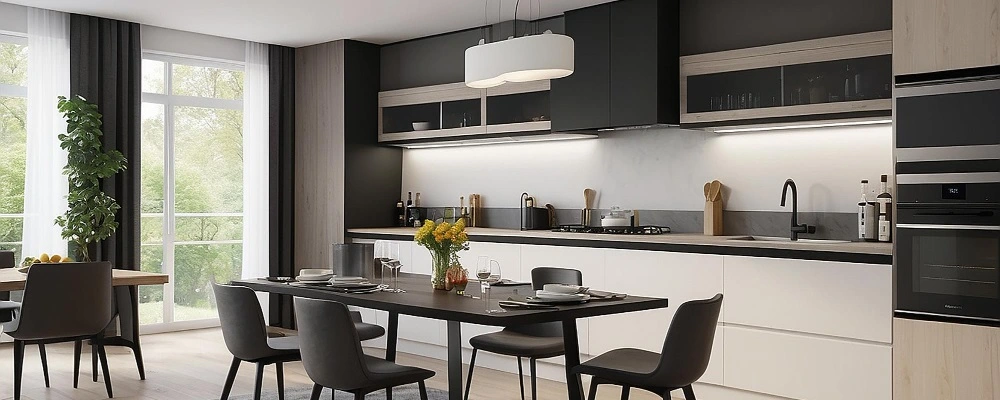
  1. Straight Line Kitchen Or One Line Kitchen
  2. G Shaped Kitchen Layout
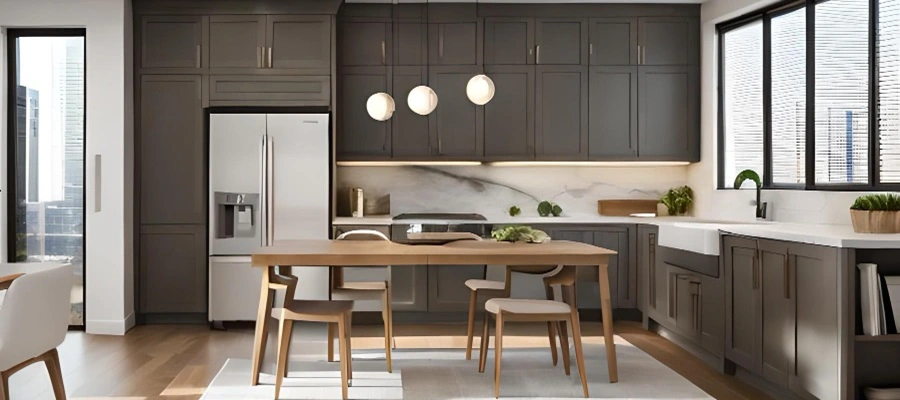
  3. L Shaped Kitchen Layout
  4. U Shaped Kitchen Layout
  5. Galley Kitchen Layout or Parallel Kitchen Layout

Let’s dive deep into all the kitchen layouts-

1. Straight Line Kitchen Or One Line Kitchen

The single-wall kitchen layout is ideal for a small house with limited cooking space. A straight-line kitchen layout has just one platform. A sink is placed between the stove and the refrigerator in a single-wall kitchen setup. When the platform is big enough, it may also hold one or two appliances, such as a mixer, grinder, microwave, etc. A single-wall kitchen layout is often simple and saves space without losing functionality. Cupboards may be installed under the platform to hold kitchen accessories and equipment.

2. G Shaped Kitchen Layout

The G-shaped kitchen layout is a variation of the U-shaped kitchen. It’s ideal for individuals who wish to maximize their kitchen space. The G-shaped kitchen setup expands the storage choices that surround the cooking area on three sides. This layout makes the area seem larger by opening the wall to the next room and creating a pass-through or breakfast nook for the family.

The G-shaped kitchen allows for more storage space for kitchen equipment such as under-counter fridges and freezers, as well as a dishwasher. The G-shaped kitchen plan might look cluttered at times because of the large number of storage units that hang on the walls.

3. L-Shaped Kitchen Layout

If you want to design a functional kitchen, the L-shaped layout is the best option for you. An L-shaped kitchen layout is suitable for areas where the space between two walls is long enough to accommodate all of the essential workstations. This kitchen concept requires a free corner to create the full structure. The corner will serve as a pivot from which both sides of the kitchen countertop will extend perpendicularly to one other. One section of the countertop may be utilized for the sink, preparations, and storage, while the other is ideal for cooking. To achieve ideal balance and symmetry, ensure that both counters are identical in length and dimension.

To give depth to your L-shaped kitchen layout, install a streamlined kitchen chimney with a backsplash below. Do not extend the wall-mounted kitchen cabinets to their full length. Instead, flip the corner and extend the cabinets halfway down the length of the kitchen countertop. This will provide a balanced appearance to the whole region. . 

4. U-Shaped Kitchen Layout

In the U-shaped kitchen layout, the kitchen will be shaped like the letter ‘U’. In this layout, two long parallel kitchen countertops will run along both sides of the wall, with a connecting area. This connecting space must be perpendicular to the parallel countertops. You should design the kitchen with adequate space between the two counters to allow for easy mobility. A U-shaped kitchen layout is ideal for big houses. It might make it easier to reach visitors and family members while you’re cooking food.

5. Galley Kitchen Layout or Parallel Kitchen Layout

A galley kitchen layout comprises many parallel platforms and cabinets. This type of kitchen layout is known as a parallel kitchen layout, a galley kitchen layout, or a corridor kitchen layout. A corridor kitchen layout is ideal when doors are required at both ends of the kitchen, and there is plenty of room. If space is not a problem, the galley kitchen may be a highly useful and productive design. Most home cooks choose a corridor or galley kitchen design, which complements the kitchen work triangle. Galley kitchens have many workstations. It gives space for more than one person to work. 

Conclusion

On a final note, designing a kitchen involves lots of thought and attention to detail. So, it’s recommended that you understand your needs and then design the kitchen using the available kitchen space, your budget, and the style you choose. A modular kitchen, for example, is often designed in the form of an L or U. A modern kitchen. No matter whatever kitchen style you select, be sure to create a strategic plan that includes all specifics concerning space use, storage, cabinet and shelf designs and placements, appliances, and more.

Unveiling the 7 Benefits of Green Roofing Solutions

0
Benefits of Green Roofing

In today’s world, more and more homeowners are accepting their environmental responsibility. People are actively looking for sustainable solutions to reduce their carbon footprint and make their homes more environmentally friendly. Choosing eco-roofing materials can significantly improve your home’s sustainability. In addition, choosing a green roofing option can positively impact the environment while also improving your home’s energy efficiency and saving you money in the long run. 

So, in this blog, Brick & Bolt provides you with a detailed guide on green roofing benefits, including what a green roof is. It will help you make a well-informed choice for your home.

What is a Green Roof?

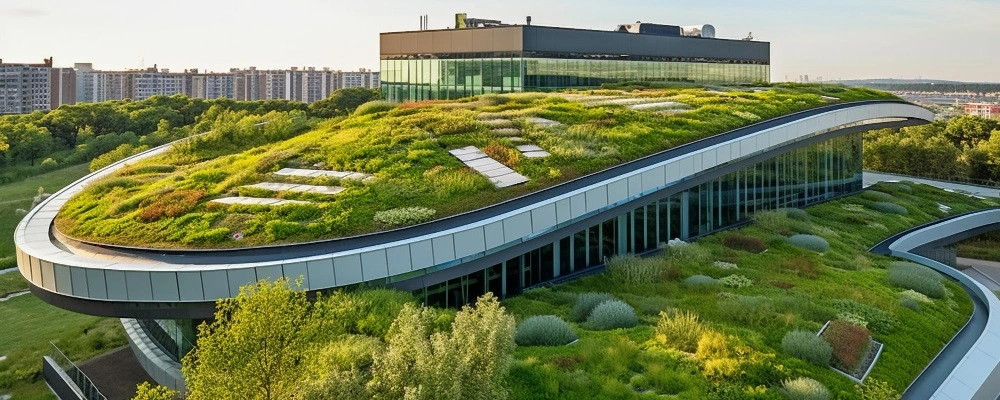
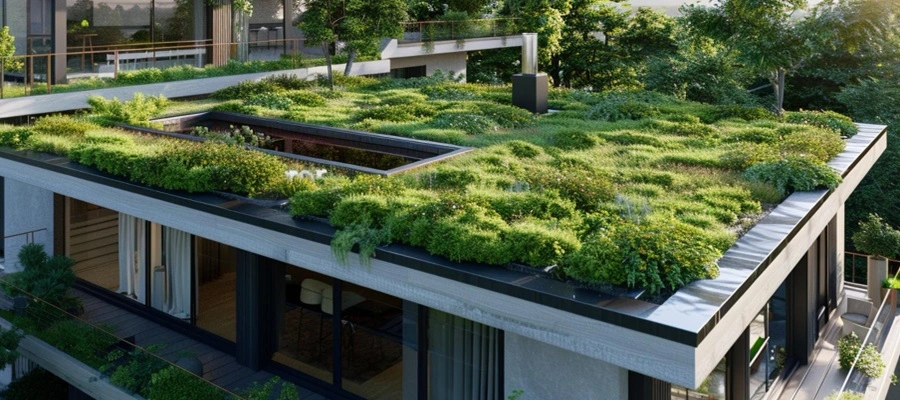
A building’s roof that has been planted entirely or partly with plants and a growth medium on a waterproofing membrane is known as a green roof. The green roof is also known as a living roof, roof garden, vegetative roof, or eco-roof. It includes the layers like irrigation systems, drainage systems and root barriers. Although this is up for discussion, container gardens on top of rooftops—where plants are kept in pots—are not usually regarded as real green roofs. Another kind of green roof that is used to remediate greywater is a rooftop pond. A green roof is made up of soil, vegetation, an irrigation system, a roof barrier, and a drainage layer.

Green roofs serve as a self-sustaining ecosystem that filters air and water, nourishes plant life with rainfall and effectively manages rainwater without the need for drainage or treatment systems.

Green Roofing Benefits

Environmental Benefits of Green Roofing

Green roofs undoubtedly increase the aesthetic appeal of any building. But, their benefits go beyond visual charm, as they also provide various environmental advantages.

The following are the eco-friendly roof advantages:

1. Enhances the Air Quality

Green roofs act as natural air purifiers, benefiting the local environment. Their vegetative aspect has the potential to significantly decrease greenhouse gas emissions and air pollution. 

2. Energy-Saving Advantages of Eco-Friendly Roof

Green roofs help to lower energy consumption by reducing the dependency on constant heating and cooling systems because of their excellent insulation,  Additionally, there can be potential economic advantages as it lead to reduced energy expenses throughout the year.

3. Helps in Retain Rainwater

An important concern in cities with extensive asphalt coverage is managing excessive rainwater. Interestingly, due to the existence of impermeable surfaces like pavement and rooftops, a regular city block produces five times the amount of runoff compared to a similar woodland area. This problem is becoming increasingly evident as climate changes lead to more frequent and intense storms in urban areas. However, green roofs can effectively manage stormwater runoff by absorbing heavy rains.

4. Creates Natural Habitat

Even in bustling cities, birds and insects require habitats to thrive. Green roofs can create natural habitats in spaces that would otherwise go unused. This not only increases biodiversity but also draws more wildlife to the urban areas.

5. Reduces Urban Temperatures

Urban areas normally have higher temperatures than rural areas. Urban areas tend to retain and accumulate heat more easily due to the larger amount of industrial materials present. Green roofs have the ability to reduce the intensity of heat by providing shade and lowering the overall air temperature.

6. Reduces the Noise Pollution

Urban areas can be quite noisy, but the green roof installation can provide a solution to this problem. Eco-roofs have the remarkable ability to decrease both internal and external noise pollution. Unlike traditional roofs that reflect and amplify sounds, the soil and plants on a green roof can reduce noise levels by an impressive 40 to 50 decibels.

7. Economic Advantages of Green Roof Installation 

Installing a green roof can give many economic advantages. These include energy savings thanks to the natural insulation provided, lower maintenance expenses due to the longer lifespan of the roof, an increase in property value, and cost savings on stormwater management. These economic advantages of green roof installation make them a smart investment for home owners.

Conclusion

On a final note, numerous social, ecological, and economic advantages come with having a green roof. A green roof functions as a buffer for rainwater runoff, cleans the air, lowers outside temperatures, controls interior temperatures, conserves energy, and promotes biodiversity in urban areas. Furthermore, green environments tend to make individuals happy than gray ones. Hence, by installing green roofs, we can promote sustainable and environmentally friendly practices in the construction sector.

10 Stunning Bedroom Wall Colour Combinations to Transform Your Space

0
Stunning bedroom Colour

Your bedroom is a perfect place to begin and end your day. Your mood can be significantly impacted by the wall colours you choose for your bedroom. While choosing the wrong paint colours can make a bedroom feel gloomy and crowded, and the right ones can make it feel cosy, serene, and joyful.

In this blog, Brick & Bolt will show you 10 stunning bedroom wall colours that will transform your space. 

Importance of Choosing the Right Bedroom Wall Colour Combination

Selecting the right paint colours for your bedroom walls is crucial to creating a pleasant and cosy atmosphere. Colours can significantly improve one’s mood. For instance, people are more likely to feel peaceful when they are surrounded by blues and greens than when they are by yellows and oranges. Additionally, a key component of personalising the space and showcasing your sense of style and individuality is the colour palette. Also, the way you see space can be changed by choosing the right colours. For example, a room appears larger in lighter tones and smaller in darker tones.

How to Choose Perfect Bedroom Wall Colour Combinations

Consider these factors while choosing a perfect bedroom colour:

  • Light and vibrant colours will make a small bedroom feel bigger. Avoid darker or stronger colours in a large bedroom.
  • You can choose cooler or darker colours in a bedroom with lots of natural light. If your bedroom gets low natural light, use warmer, softer colours.
  • The most important thing is to select colours you enjoy and feel comfortable in. Think about your bedroom’s ambience and favourite colours. 

Here are a Few Best  Bedroom wall Colour Combinations

Green colour bedroom wall
  • The modern combination of grey and white looks stylish and classy.
  • This natural colour combination of green and white looks great for a bedroom that is inspired by nature.
  • Navy blue and white is a standard colour combination that looks great in a bedroom.
  • The classic white and light blue mix makes the room calm and peaceful.

So, let’s look at these 10 great colour choices for your bedroom walls. They will change the feel of your bedroom and ensure that it stays a place of comfort and peace.

1. Natural Wood Tones and Soothing Greens Bedroom Colours

Walls that are natural wood tones and soothing greens will make you feel like you’re outside. This mix of natural colours makes a peaceful haven that is reflective of nature and helps you feel refreshed and at ease.

2. Elegant Greys with Blush Accents Bedroom Colours

To make your bedroom look more sophisticated, paint the walls an elegant grey colour and add soft blush accents. When you mix cool and warm tones, you give the room depth and dimension while keeping the mood light and welcoming.

3. Serene Green Bedroom Colours

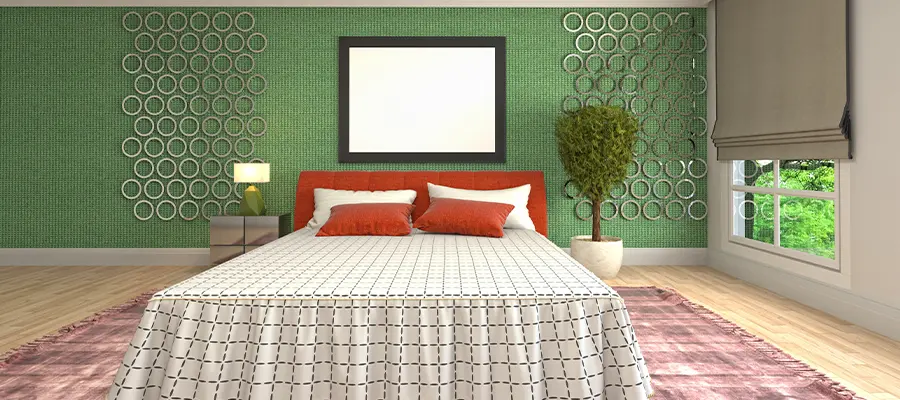
Green makes people think of nature and peace, making it a great choice for a calm bedroom. Light shades of green, like sage or mint, can make a space feel calm. You could use these colours on the walls of your bedroom and add natural elements like plants or floral prints to make the space feel more peaceful.

4. Bold Black With Bright Jewel Tones Bedroom Colours

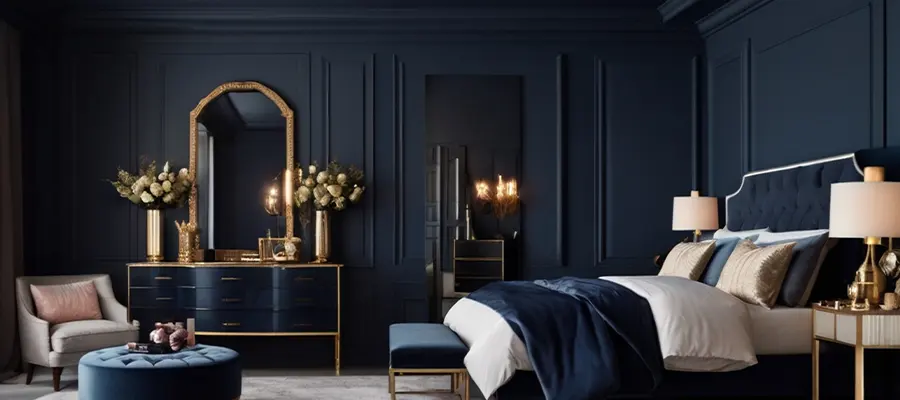
Black colour bedroom wall

Dark black walls with bright jewel-toned details make a statement. This strong colour combination gives the room a feeling of wealth and drama, making it a rich and welcoming place to relax.

5. Burnt Orange and Terracotta for Warmth Inspired by the Sunset Bedroom Colours

The burnt orange and terracotta walls in your bedroom will make it feel warmer and give it a colour that comes from the sunset. Because of the variety of bright colours, the room feels alive and full of energy.

6. Playful and Bright Bedroom Colours

Using bright and cheerful colours in your bedroom can make it feel fun and alive. Some orange, yellow, or green colours can quickly liven up and make a place feel better. For example, you could paint your bedroom walls these colours or use them as highlights in art or furniture. Just make sure that the bright colours are balanced with neutral or softer colours so that the whole thing looks good.

7. Classic Neutrals with Pops of Gold Bedroom Colours

For a high-end look, use classic neutral walls and add pops of gold to the edges. The difference between warm and cool tones makes the bedroom more interesting and elegant, making it feel more comfortable and polished.

8. Tranquil Blues and Soft Whites Bedroom Colours

Soft blue walls with white trim will help you create a calm mood. This classic pair makes you feel calm and at ease, making it great for unwinding after a long day.

9. Soft and Serene Blue Bedroom Colours

An excellent choice for a bedroom, blue is often linked to peace and calm. Peaceful and calm feelings are created by soft shades of blue, like powder blue or sky blue. Apply these colour choices to the walls of your bedroom, or use them in your bedding or curtains. Combine blue and white for a light and open look.

10. Warm and Cosy Bedroom Colours

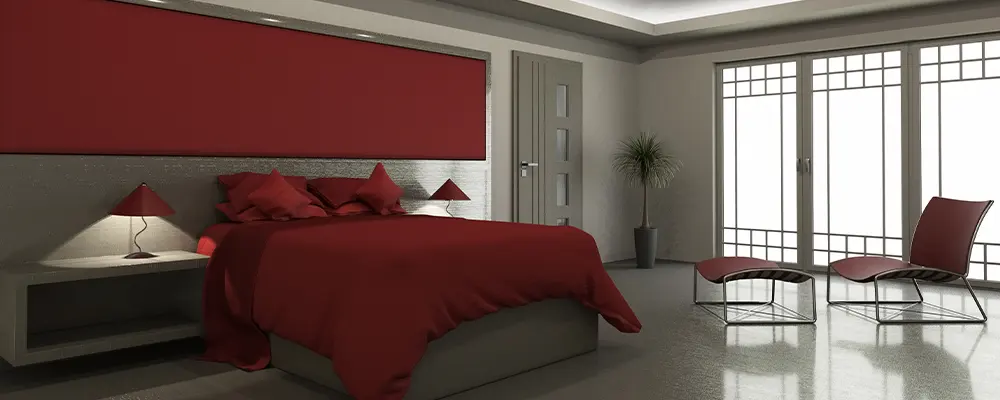
Making your bedroom cosy and warm can make it feel like a safe place to escape the world. Warm shades of brown, orange, or red make a space feel cosy and friendly. These colours look good on walls, pillows, and rugs. The room will feel cosier with soft lighting and warm colours.

Finally, it’s very important to pick the classy colour for your bedroom. It can change the room’s mood and feel in a big way. It’s very important to pick the right colour plan for your bedroom, whether you want it to be calm and peaceful or lively and happy. Try out a few different shades and colours to find the one you like best. Your bedroom is your own space, so it should be stylish and make you feel good.

The Importance of Rainwater Harvesting: Sustainable Solutions for Water Conservation

0
Rainwater-harvesting

Water shortages and environmental damage are developing day by day. It’s very important to do things that might be good for the surroundings, like collecting rainwater. Many people use present water sources, but we must look into other ways to save water due to the changing weather and increasing population. An innovative concept that is gaining popularity is rainwater harvesting. This helps conserve water resources by reducing their usage, resulting in numerous ecological and economic advantages. 

What is Rain Water Harvesting?

Rainwater harvesting is the simple process of collecting and storing rainwater for future use. It is a practical and straightforward solution. Rainwater collected from rooftops, sidewalks, and other surfaces is directed into storage tanks or reservoirs through modern rainwater gathering systems. Here, it can be treated and used for various purposes, significantly impacting our water consumption.

Why Do We Harvest Rainwater?

The best and most long-lasting way to collect and store rainwater is through rainwater harvesting. It can be used for many things, like watering plants, cleaning, gardening, and getting ready for an emergency. In this blog, Brick & Bolt will talk about the most important ways to collect rainwater in a way that is both safe and effective.

How To Harvest the RainWater?

Rainwater harvesting is a powerful and sustainable way to collect and store rainwater. It can be used for many purposes, including irrigation, housekeeping, landscaping and emergency preparedness. It consists of the following components:

1. Evaluating Your Needs and Resources

Before installing a rainwater harvesting system, it is important to consider your water needs and resources. Consider things like:

  • The amount of rainfall your region receives
  • Where rainwater can be collected (e.g., roofs, driveways).
  • Intended use for harvested rainwater 

2. Choosing the Right Collection

Collecting Rainwater

Typical sources of rainwater harvesting are roofs, driveways, and other surfaces. Consider the following points when selecting the materials.

  • Choose a surface made of non-toxic materials to avoid corrosion of harvested rainwater.
  • To maintain water quality, be sure to keep surfaces clean of waste and dirt.

3. Install Gutters and Downspouts

Gutters and drains are important parts of a rainwater harvesting system, as rainwater is collected from the roof and transferred to cisterns or barrels. Follow these tips for installing drains.

  • Install gutters and downspouts to improve rainwater harvesting.
  • Install leaf fences and screens to prevent debris from entering the system.

4. Selection of Containers or Barrels

Pick the right container or barrel for storage based on how much room you have. When picking out a storage container, think about the following things.

  • Capacity: Determine how much rainwater you need based on your use and the amount of rain that falls in your area.
  • Material: Choose a tank or bucket made of strong, food-safe materials like polyethylene or fibreglass.

5. Judicious Use of Harvested Rainwater

After collecting rainwater, it’s important to use it smart and usefully. These tips will help you get the most out of rainwater.

  • You can use rainwater for more than just drinking. For example, you can water plants, do farming, and flush the toilet with it.
  • You might want to get a pump so that you can use the water from the rain in different parts of your land.
  • Keep an eye on how much water is being used and change the gathering capacity to fit your needs. 

Environmental Benefits of Rainwater Harvesting?

Saving potable water: Collecting rainwater for non-potable uses like gardening, flushing the toilet, and washing reduces the need for treated potable water, which keeps this valuable resource available for important uses.

Less runoff and sediment: Collecting rainwater helps lower the risk of flooding, land erosion, and runoff in cities. This is good for the water and nature in the area because it keeps living things healthy by keeping pollution out of rivers and streams.

Groundwater recharge: Harvesting rainwater by allowing it to sink instead of escape helps replenish stored groundwater, which is essential for agricultural, industrial, and domestic water flow.

The Economic Benefits of Rainwater Harvesting

Cost Savings: Collecting rainwater can help people and cities save a lot of money by lowering their reliance on city water sources and the utility costs that come with using water.

Putting money into infrastructure: Spending money on rainwater collection systems will save you money in the long run because you won’t have to make pricey changes to the systems that make and deliver water to meet demand.

Climate Resilience: Rainwater collection can help fight floods in places where they happen often because it provides a steady supply of water when other sources are limited or not available. 

Engaging the community: Collecting rainwater through projects can encourage people, companies, and local governments to work together to protect water and make the area more sustainable.

Educational opportunities: Putting in place programs to collect rainwater can help schools, universities, and community groups teach people about how to save water and take care of Mother Earth.

By collecting rainwater, we can save water without harming the earth and become less reliant on traditional water sources. By using these methods and tips, you can set up and take care of a rainwater collection system that gives you a steady supply of water for many uses and helps your community save water. Rainwater collection is a useful way to make the future more sustainable for future generations, whether you’re a homeowner or a business owner.

Choosing the Right Water Tank for Your Home: Factors to Consider

0
Water Tank

Choosing the right water tank for your home is very crucial. In order to avoid a situation whereby you run out of water or even worse, in order to maintain safe and ready to use water all the time, a good source is required and that source is the water tank. However the selection of a water tank could take you some time due to the many alternatives available. Yet we are here for you!

In this Blog, Brick & Bolt highlights some of the most important factors to consider when selecting a water tank at home.

First, let’s explore the types of water tanks.

4 Types of Water Tanks

Water tanks are divided into four major categories, each having its own advantages and uses as follows:

1. Plastic Water Tanks

Plastic water tanks are cheap, light weight and durable. With different sizes and shapes, they can be used anywhere around.

Advantages of Plastic Water Tanks

  • Affordable
  • Easy to handle and lightweight
  • It’s longlasting
  • Available in different sizes and shapes.

2. Steel Water Tanks

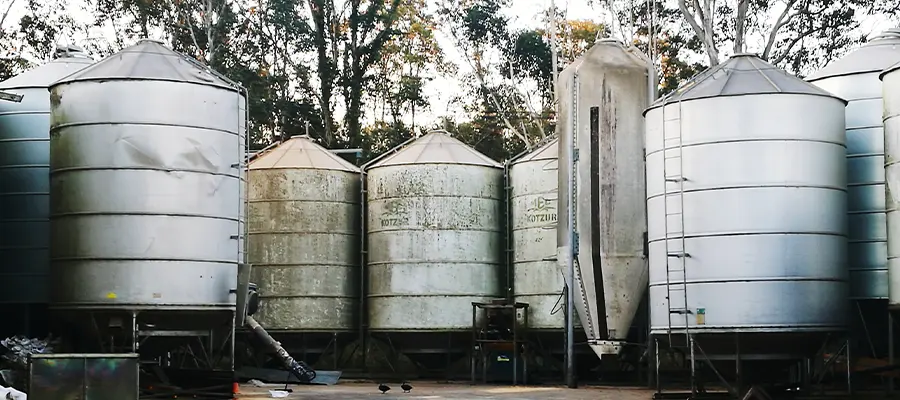
steel tank


Steel water tanks are known for their strength, reliability and durability hence widely used in various applications of storing water. These tanks are resistant to corrosion since they are made from high quality steel making them suitable for both potable as well as non-potable water storage purposes.

Advantages of steel Water Tank

  • Long lifespan
  • Longevity
  • Resistance to corrosion 
  • Versatility
  • Comfortable to maintain
  • Sustainability for the environment
  • Safe to store potable water

3. Concrete Water Tanks

Numerous individuals find concrete water tanks appealing considering their strength, durability and their ability to be used in different water storage applications. These tanks are made of reinforced concrete since they can safely store both potable and non-potable water.

Advantages of Concrete Water Tank

  • Cost-effective
  • Versatility
  • Fire resistance
  • Low maintenance
  • Temperature regulation
  • Longevity
  • Exceptional durability

4. Fibre Glass Water Tanks

Most people prefer water tanks made of fiberglass because they can last many years. In addition, they are lightweight and rust-proof. They are built from fibreglass-reinforced plastic (FRP), making them a reliable and durable alternative for water storage in both homes and businesses.

Advantages of Fiber Glass Water Tanks

  • Cost-effective
  • Low maintenance
  • Long service life
  • Easy installation
  • Lightweight
  • Versatility
  • Durability

What are the things to remember While Buying A Water Tank

Choosing the best water tank for your property is always very important. This is a long-term investment, so you should buy the best quality water tank possible.

It is a fact known to all of us that water is one of the most valuable resources, so we must not compromise on quality when it comes to water storage tanks. Thus, you should buy the topmost version with all the attributes you are looking for. Nevertheless, it might be tricky to select the right one among so many available options. There are some key points that will help you make the right choices.

Long-lasting Power

The quality of the material used to create the water tank is equally significant as its capacity. It should be durable enough to withstand temperature and weather variations, as well as safe enough to hold water.

The Capacity to Hold

The volume or size is always the first thing that comes to mind. Figure out what size tank you need for your office or home. How big or small is your family? Check as needed. You can also talk to experts before making a choice.

The Installation

Would you like to put the water tank on top of the building or on the ground? Remember that where you put, it has a big impact on the water flow, which can also have an effect on the water supply.

Quality of Water

Is the water tank made of material that is safe to store and use water and doesn’t contain any harmful chemicals? No matter if you have a water purifier or not, you should still buy a good, safe water holding tank.

Cost

The cost is the next point you should know. You don’t want to spend too much on a water tank, but you also don’t want to go for the cheapest option. The price usually determines which one you can afford.

Different Colours

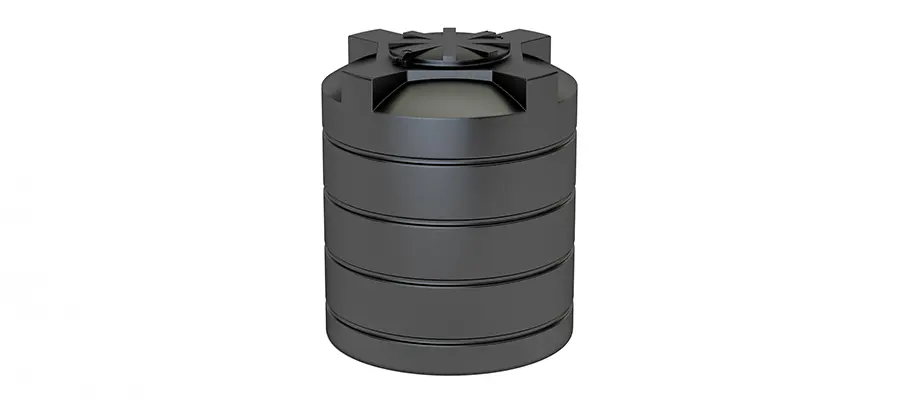
Black water tank

Another important thing to remember is the tank’s colour. Storage tanks come in a range of colours, including black, green, yellow, white, and more. For instance, black and green tanks prevent germs from growing.

Shape

Water tanks come in a range of shapes. There are two types of tanks: horizontal and vertical. There are times when each form of the tank works best. One example of a good tank for home use is a vertical tank. 

Beauty and Style

There’s a chance that you have a mental picture of how you want everything to look. That also includes water tanks. To give you an example, white tanks can really make your building look better.

Promise of Warranty

Is there a warranty or promise on the water tank? Look for this next thing. Find out more about it from the company that made or supplied it. They’ll be the most helpful to you.

Feature List

Check to see whether the tank has any updated features. It could be a drainage system, threaded lid, or excellent pipes. If you’re unsure what to do, seek advice from professionals.

In conclusion, these are the factors to consider while purchasing a water tank. There are many other factors to consider, such as size, strength, storage, water quality, shape, colour, and more. You will buy the right water tank for you if you make a choice after considering all the factors.

Sustainable Renovation Techniques for Existing Buildings

0
Sustainable construction

With the escalating climate crisis, there is a growing trend of home and commercial renovations that prioritise waste reduction and energy efficiency. Green buildings minimise the environmental impact and provide owners with long-term utility savings.

However, upgrading old, inefficient structures usually receives less attention than sustainable new construction. Since restorations surpass new constructions yearly, there is great potential for communal benefit when green improvements are prioritised during remodelling projects.

What Does It Take to Make Sustainable Building Materials? 

There are a few main things that make a building more sustainable generally, and they all fall into different groups:

Design: 

Architects and designers play an important role in developing green building goals early in the planning and design process. They ensure that the design satisfies the demands of the people who will live there by employing long-lasting materials and cutting-edge technologies and that future adjustments are not required.

Architecture designs

Construction: 

Carbon emissions are reduced in sustainable buildings by including materials that may be reused, recycled, and grown again. It’s also crucial to consider how to safeguard wildlife and natural places when building, as well as how to reduce on-site waste. During the construction phase, it is also critical to monitor how much water, electricity, and transportation are consumed.

Efficiency in Using Energy: 

To be very efficient with energy, you need to use technologies like insulation and better ways to heat your home, like heat pumps and solar panels. A building can greatly lower its carbon footprint by reducing the amount of pollution it makes from energy and power.

Water Efficiency: 

Sustainable buildings try to use natural sources like rainwater collection systems and waste less water so they don’t have to rely so much on public water supplies. This not only saves water but also makes use of resources more efficiently.

Carbon Emissions: 

It is very important to understand and deal with both practical and actual carbon emissions. A building emits a specific quantity of carbon dioxide during active occupancy, commonly referred to as operational carbon. The release of carbon dioxide during the production and transportation of building materials is commonly referred to as “embedded carbon.” Reducing both types of waste is crucial for overall sustainability.

Environmentally Friendly, Neighborhood-Friendly, and People-Friendly steps:

When beginning a construction project, it is crucial to consider its impact on people, communities, and the environment. It is also crucial to incorporate fair treatment and compensation for construction workers, promote job creation, and actively engage with the community when implementing environmentally friendly building practices. 

We’ll look at some of the best green home and business remodelling ideas in this blog.

Techniques for Sustainable Renovation

Updates to High-Efficiency Equipment

One of the main goals should be replacing old, ineffective mechanical systems. It saves a lot of energy and water to get ENERGY STAR appliances, bathroom fixtures, water heaters, HVAC systems, and lights. Furthermore, the latest techniques for closing air gaps and blown-in insulation work very well.

Integration of Solar Power

Including solar photovoltaics is one of the most futuristic additions, particularly for structures with lots of space on the roof or in the lot for solar panels. State and federal incentives facilitate access to solar electricity. Additionally, producing renewable energy on-site reduces reliance on fossil fuels and saves electricity costs for decades. Even the smooth integration of panels into facades is made possible by innovative building-integrated solar technology.

Integration of solar energy

Management of Stormwater

Sustainable management of rainwater runoff replenishes groundwater and lessens flooding and site erosion. Stormwater is retained and diverted from overburdened sewer systems using rain gardens, permeable pavements, rainfall collection barrels, bioswales, and green roofs.

Superior Envelope Renovations

By upgrading windows, weatherstripping, adding new insulation, and adding draft protection, you may air-seal the building envelope and reduce energy leaks, improving interior temperature control. This reduces the demand for heating and cooling immediately. Modern windows specifically stop heat loss by conduction during the winter and heat gain from the sun during the summer.

Adjustments for Water Reduction

Installing low-flow water taps is one way to cut down on water waste. You could use a dual flush toilet, a bathroom tap that doesn’t need to be touched, or a showerhead that doesn’t use more than 1.5 gallons per minute. It’s better to use less water in things like dishwashers, washers, and irrigation controls.

Better Choice of Materials

Select environmentally friendly, non-toxic paints and furnishings, natural fibre crops like bamboo, quickly growing woods, and repurposed wood. Steer clear of binders, paints, and carpets that produce volatile organic compounds (VOCs), as they can lower indoor air quality. Over time, using healthy materials enhances occupant performance and well-being.

In conclusion, green renovation of existing buildings has positive financial and social effects. Not only do property values increase, but homeowners and business owners also experience utility savings. If you’re interested in making your next remodelling project ecologically beneficial, consider reaching out to Brick & Bolt Construction. Our team specialises in sustainable restoration ideas that enhance building performance, reduce usage costs, and increase overall appeal. By renovating with a green mindset, you’re investing in a more environmentally friendly future.

Top Trends in Modern Home Design

0
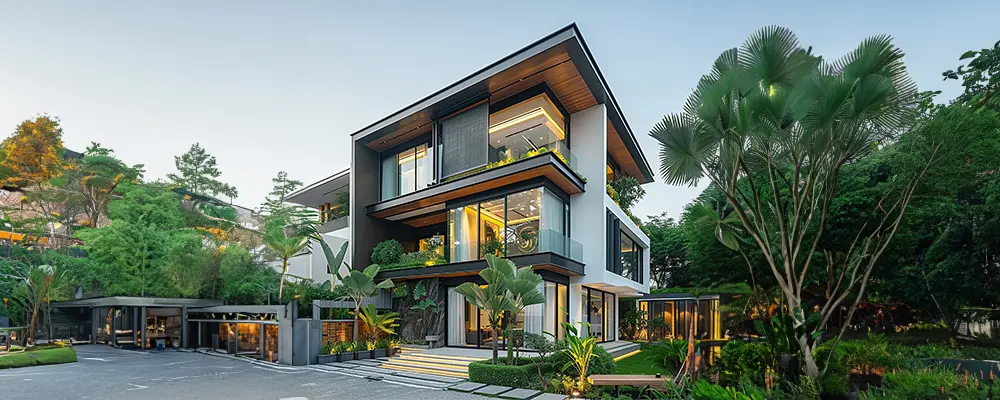
Modern home Design

Everybody adores having a stylish house. Incorporating styles that are currently trending well in the industry is also essential. The furnishings and walls in your house are the most important elements to focus on when decorating.

The appearance of homes varies depending on several factors. Certain trends, like the constant appeal of traditional materials like wood and natural stone, are simple to identify. Some home design trends can inspire us to create unique spaces and provide insight into the prevailing social moods.

In this blog, Brick & Bolt gives you the best details about the top 10 home design and construction trends.

Best 10 Modern House Design and Construction Trends

1. Furniture

Swivel chairs, curved and rounded seating components, and velvet upholstery have all reappeared in living and sitting rooms. Another current trend in furniture is less is more. Some homeowners are embracing minimalism by reducing their furniture and replacing it with more “curated and deliberate” arrangements.

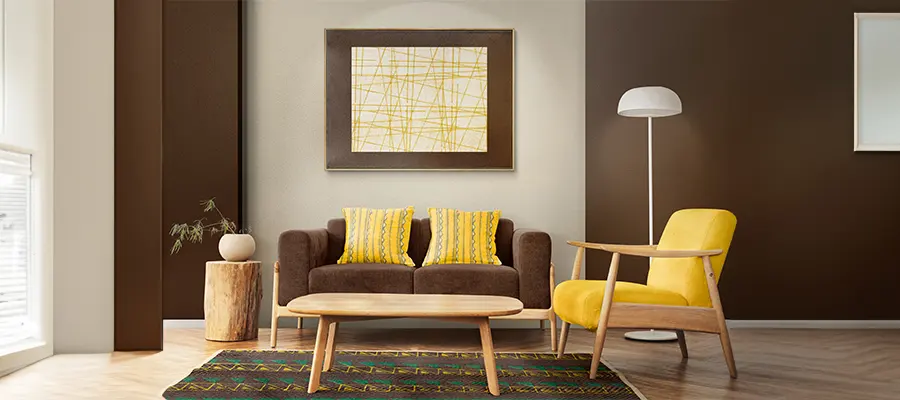
Top Trends in Modern Home Design

2. Colours

Professionals involved in interior design and remodelling most frequently mentioned a resurgence of interest in using vivid, striking colours. Blue and green are the newest colours to be added to a home’s colour panel. When combined with other neutral colours, green adds a distinctive wonder to the house and creates a new texture and mood. Blue has long been a calming and soothing colour, making a space look cosy and friendly. These two hues dominate the walls, kitchen cabinets, curtains, furniture, and other items.

3. Wallpaper

Designers are thrilled about the interest in demand for dramatic wallpaper in addition to colour. Similar to the colour trend, wallpaper may become increasingly popular due to the pandemic. CMC Designs Charleston designer Catherine Carabello said, “I think the pandemic played a big part in the need for bright and happy spaces.”

4. Be Curvy

Curves are the most talked-about aspect when building new structures or renovating old areas. These days, arched doorways and curved ceilings are fashionable again. Curves have also supplanted curved furniture. The slightly curved or bent handsets make the new furniture style more sophisticated. Curves can provide a startling element to homes that embrace them fully.

5. Wooden Kitchen Cabinets

One of the most popular spaces to incorporate new trends is the kitchen. Nowadays, there is a noticeable trend among people to add natural light to their buildings. Cabinets made of natural wood are also very popular. This trend fits well with the desire to make kitchens cosier and return to natural materials. Various wood species are added to the kitchen cabinet design to add warmth with light- to medium-stain tones.

6. Get Creative with Bathroom

Similar to kitchens, bathrooms are increasingly encouraging the allocation of more space for storage. A sufficient and creative storage area maintains the bathroom tidy and uncluttered. Storage areas featuring built-in dryer and straightener outlets will be a welcome trend and an added benefit. Rustic designs have become popular in bathrooms, adding a distinctive and luxurious touch to often disregarded spaces. Redesigned shower heads and other water accessories give bathrooms a more streamlined appearance. Freestanding bathtubs are an additional novel element in bathroom trends. Another recent innovation that adds to the magnificent feeling of bathtubs is heated flooring, which gives the room an opulent spa vibe. 

Top Trends in Modern Home Design

7. Layers of Textures

In discussions with interior designers, “layered texture” in furnishings, wallpaper, fabrics, and accessories was a term that kept coming up. Combining elements like wood, pottery, rattan, metal, and textural fabrics creates a visual feast for the eyes and invites people to reach out and touch.

8. Indoor but Outdoor

A recent innovation in the building and interior design industries is the integration of aspects from both indoor and outdoor spaces into the stunning courtyard environment. The epidemic has addressed the need for a well-designed courtyard area. Giving the typical open courtyard a small twist. The traditional outdoor space with a grill deck and umbrellas is no longer relevant. Opulent features like pools, hot tubs, screens, outdoor kitchens, and cosy seating areas have been added. 

9. Highlight in Black

Black has long been thought to give houses a majestic and powerful appearance. Using neutral hues with black window frames creates a completely distinct atmosphere for the houses. It gives the inside of the houses a unique punch and texture. 

10. Playful Traditional Style

Some interior designers are witnessing the emergence of a more maximalist aesthetic, namely a revived traditional style that mixes vintage elements with an abundance of vibrant patterns and wallpaper.

In conclusion, the modern home design incorporates these trends as homeowner preferences and priorities change, allowing architects and builders to create aesthetically pleasing, functional, sustainable, and well-aligned homes with modern living needs.