Home Blog Page 119

Improving Construction Site Safety

0
Safety Measures

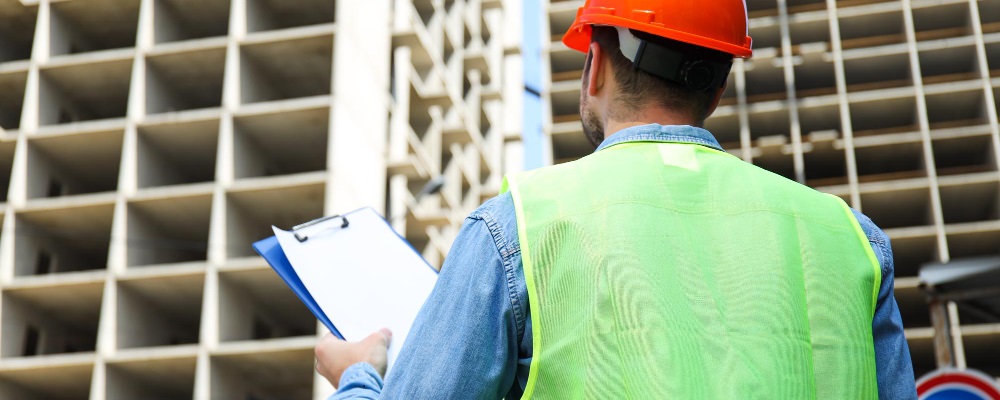
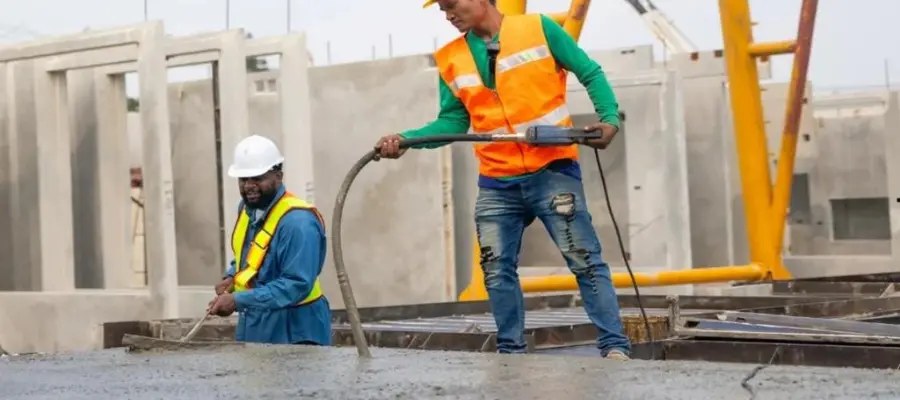
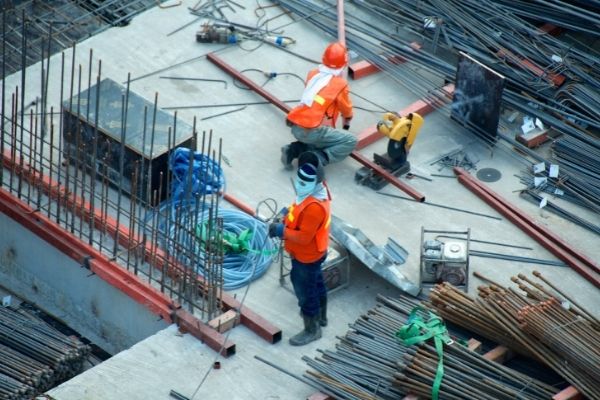
Working on construction sites can indeed be dangerous. The Occupational Safety and Health Administration (OSHA) reported that in 2018, 21.1% of worker fatalities were related to construction. Construction site safety is a top concern for contractors, and they must ensure that work zones are safe and personnel are protected because this field of work carries a higher risk of accident or death than others. 

In this blog, Brick & Bolt will discuss the best practices for improving construction site safety, reducing site accidents and ensuring the construction work safety of the construction workers.

Best Practices to Improve Construction Site Safety

1. Give Employee Training

In all industries, workplace safety is primarily ensured through training. Contrary to popular belief, not all employees are conversant with building site safety protocols. Hence, companies want to create a straightforward yet efficient safety training program for their employees.

In the training strategy, companies can prioritise the most frequent errors, safety dangers, and occurrences they have observed in a particular region. They must ensure that the training is delivered understandably by providing materials in several languages and, if practical, including illustrated examples. If employees can comprehend their training, they will be more engaged.

2. Conduct A Comprehensive Assessment of the Workplace:

It may seem apparent, but the first step in creating a strategy to eliminate or minimise risks and maximise safety effectively is conducting routine workplace assessments to find any possible threats. Ensure you constantly examine the construction site’s machinery, tools, and equipment to ensure they are safe to use before permitting any work to start. For example, providing all the necessary preparations and setups the night before guarantees that workers have the required instruments and supplies for their jobs.

After an evaluation, be sure to use clear signage so that all construction site safety procedures are known. Visible signage helps workers remember and understand safety protocols that must always be followed. This should include marking separate entry and exit points for workers, vehicles, and machinery. Clear signage should also exist for site amenities, first aid, and emergency fire equipment.

3. Provide Personal Protective Equipment (PPE) to Workers:

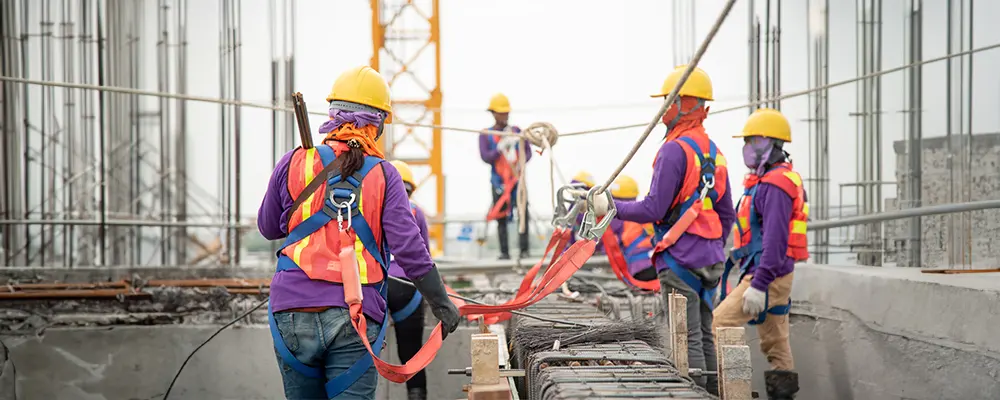
As part of the safety protocols for the construction site, all construction workers should be outfitted with the appropriate personal protective equipment (PPE). All workers must have access to comfortable, well-fitting, high-quality PPE. After use, the gear and equipment should be carefully stored and undergo routine maintenance and inspections. 

If filtering facepiece respirators are needed, ensure the employees have received the necessary medical clearance and that the mask is correctly fitted to their faces to guarantee a good seal.

4. Make Sure Materials are Handled And Stored Properly:

When not in use, all construction tools and supplies should be stored carefully to avoid damage to the tools, mishaps, and injuries. Make sure that materials kept inside of buildings have safe loading restrictions. Workers should have unobstructed access to all corridors.

Every employee on a building site should know the right methods for handling and storing materials. Proper lifting techniques are important to prevent injuries during manual material handling. Operators must know the weight-lifting capacity of machinery such as cranes and forklifts when operating mechanical devices to prevent possible mishaps.

5. Encourage and Implement Best Practices

Verify that workers, site supervisors, and management uphold the regulations and best practices. Regardless of position or function, everyone holds one another accountable, so a construction site is at its safest.

Employers can motivate employees to participate in the construction site safety program by allowing them to contribute their suggestions for enhancing worksite safety. Employers should also credit employees who alert project managers to safety issues and dangers. Remind them that most incidents can be readily avoided if someone speaks up about safety concerns and to do so as soon as possible.

It’s challenging to eliminate safety dangers because of the nature of working at construction sites. Limiting and managing hazards in construction sites is always advisable, even while enforcing excellent standards may assist in preventing safety issues. This can be achieved by carrying out safety audits regularly and putting procedures in place to report, assess, and deal with possible hazards.

6. Track and Record Safety Incidents

Improving Construction Site Safety

As the saying goes, “You can’t manage what you don’t measure.” In order to efficiently handle and reduce safety risks, contractors need to maintain detailed records of injuries. 

Modern construction software platforms include tools to document and report on safety issues. With routine construction safety reports, managers can lessen future effects and find the underlying cause of common dangers. Accurate and thorough documentation such as a Structural Stability Certificate may be crucial in a court case where the assignation of fault for an accident must be decided.

7. Cooperate with your Insurance Company

Contractors frequently carry a variety of insurance policies to shield their business from financial loss in the case of an error or accident during construction. Your insurance provider is motivated to minimise claims, and they frequently offer resources and advice to lower workplace risk and premium expenses. Maintaining the health and safety of your workers on the job site is crucial. However, construction companies must also prioritise safety as a core business strategy.

In conclusion, it is your duty as a contractor to ensure the safety of your staff, particularly when they are on the building site. Use these comprehensive construction safety guidelines and compliance tools to give your workers the safest possible workplace. These procedures will assist you in organising your safety management strategy and digitising your building operations, freeing you time to concentrate on completing projects of the highest calibre on schedule and, consequently, within budget.

10 Common Mistakes to Avoid During Home Construction

0
Mistakes to avoid during home construction

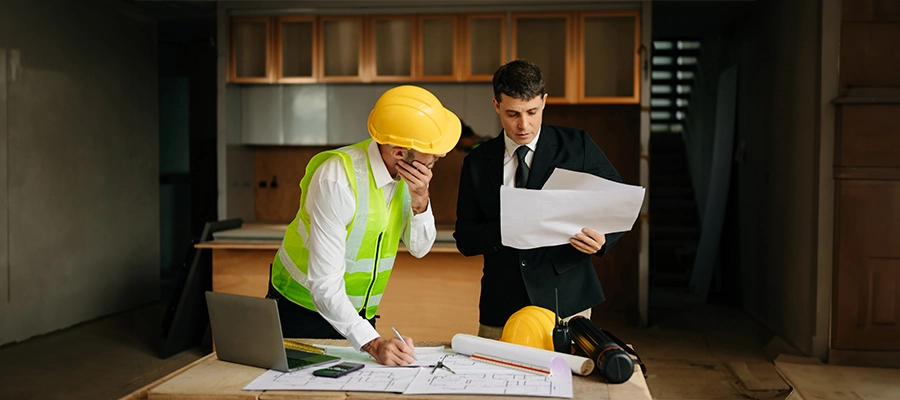
Building your new house could feel like a lovely dream. But in reality, the journey can be overwhelming, particularly if this is your first time. Furthermore, you’ll likely make certain typical errors that cost you a bomb. 

This blog serves as a first-hand manual to assist you steer clear of these common mistakes when building your ideal home.    

To avoid such circumstances, be aware of the common mistakes to avoid when building your first home:

1. Choosing the Wrong Location

Whether building on your land or somewhere else is your desire, you should give your homesite much thought. To better understand the light, noise, neighbours, and traffic, explore the area, take photos, and visit it at different hours. You wouldn’t want your house to be next to a busy street where you will wake up to the sound of honking, nor should it be in a remote location. Therefore, picking the ideal site is essential. This also plays a role in deciding how much to charge for renting or selling your building. Accordingly, some studies look into the area’s potential for the future, its historical reputation, and other factors like drainage and flood zones.

2. Ignoring to Conduct Research

Many people need to do their homework when building a house. To understand what you want, visit home shows, examine home improvement stores, read through periodicals or the internet, and even stop by some open houses. Make a catalogue with all the images, designs, and ideas you want to use in your new house. Getting advice from your new home builder is great, but it may also be overwhelming to feel you need to figure out what you want.

3. Ignoring Your Paperwork

Ignoring Paperwork

Organising all of your documents is important. In addition to being extremely taxing, paperwork might appear like a financial burden. However, many new owners must work on properly organising their papers. You might check the documents one more time and inquire about the insurance plans with the builder you chose with the assistance of a lawyer. They can also guarantee that you won’t have any problems selling your property and are shielded from future disputes.

4. Choosing the Wrong Materials

Experienced home builders can source high-quality materials at the most affordable rates. High-end materials such as natural stone fireplaces, wood floors, and granite worktops can be expensive. Always choose good quality materials for construction; if you go with the wrong one, it feels like you are trapped in a situation that doesn’t bring you joy. Analyse the intended usage of the material, its vulnerability to stains or damage, and how easy it is to maintain. 

5. Hiring an Incompetent Builder

It takes more work to choose the correct builder. It isn’t always impossible, though, but it will take you time to hire the best builder. Sift through the top three builders in your area, request at least three references from their most recent jobs, and take advice from experts.

In addition, you can look for reviews online and ask your neighbours for suggestions. Schedule interviews with the builders before employing them, and feel free to do a background check. If you are in Bangalore, it’s recommended that you go with Brick & Bolt, the best construction company in Bangalore.

6. Inadequate Layout and Design of the Space

Your home design is important. It will be a grave mistake if you speed up the planning process. It is imperative to consider the most efficient use of available space. Coming up with a list of several methods to use a specific space will be beneficial.  Every home needs storage, so consider different placement options and ideas. Similarly, consider whether you can build a main bathroom or the master bedroom, which needs a walk-in closet. Space planning is essential because there are a lot of permutations you have to figure out at this early stage.

7. Ignoring Unexpected Costs & Delays

Despite your best efforts, delays and unexpected costs are inevitable. Termite damage, poor soil, unfavourable weather, and other issues frequently cause these. The contractor may pay for some of these expenditures. Before you sign the contract, you can discuss it. However, having a safety net and emergency cash on hand will be beneficial if there is a delay in the schedule or because of last-minute adjustments.

8. Missing Out on the Expert Judgment

This is the most typical error that people commit. You must have professional support for both the planning and building phases. They would handle the details and any potential design errors and assist you in making the best use of your funds.

Furthermore, their knowledge and experience will assist you in realising the greatest version of your ideal house. Thus, take your time and do your homework to choose the qualified experts.

9. Ignoring the Lifestyle and Needs of the Future Family

Building a house is a tedious task, and designing it with the family’s future needs is critical. But, if you anticipate moving in with your parents or having children shortly, consider having a separate room with closets and an adjacent bathroom. Additionally, plan your home so that it can accommodate your lifestyle. Consider setting up a study space if you enjoy working from home or reading. Similarly, an in-home gym can be ideal if you enjoy working out.

10. Not Creating the Appropriate Budget

Creating the ideal budget is a never-ending undertaking! However, with the right information and guidance, you can approximate the overall house construction cost roughly. A low budget may force you to choose inferior materials, which will reduce the sustainability of your house. However, if your builder continues adding more money to the invoices, you must decide when to say no more. Always watch the costs and confirm that the contractor is using the resources to their fullest potential.

In conclusion, are you trying to choose the best construction company for your house? Contact Brick & Bolt experts. We can assist you and help you construct your dream home, as every component and facet of building a home requires thought and planning. You can trust Brick  &Bolt for the proper design, thorough planning, layout, and sourcing of high-quality building materials.

The Importance of Construction Quality Assurance and Quality Control

0
Importance of Quality Assurance and Quality Control in Construction

Sometimes, contractors combine quality assurance and quality control ideas during routine construction operations. Combining the two into a single process is reasonable as they are responsive to one another. But it’s a mistake to mix the two.

Construction companies can only guarantee high-quality outcomes from the construction process if owners and staff appropriately apply the distinctions between QA and QC. It is impossible to replace these two distinct quality management components with one another. Each fulfils a different set of functions, objectives, and processes. 

To ensure that your workers, operators, management, and subcontractors effectively execute your construction project quality requirements, they must stay within the parameters of their roles outlined in the quality program structure.

In this blog, Brick & Bolt explains the importance of quality assurance and quality control in construction. It helps you learn more about the unique functions of building projects related to quality assurance and quality control.

What is Quality Control(QC) and Quality Assurance(QA)?

The term “quality assurance” (QA) describes applying proactive procedures meant to avert errors. QA is a management tool that aims to prevent defects before they arise by involving every team member in organised, systematic actions. The term quality control (QC) is the process of examining a product to find and fix flaws. When it comes to tools, quality control (QC) can be viewed as a corrective tool. On a job site, QC is usually performed by a certain group of people, such as project engineers and inspectors, who walk through and record any things that require corrective action.

Importance of Construction Quality Assurance and Quality Control

It’s crucial to remember that excellent quality assurance and control procedures can aid in lowering the risk of responsibility for the business. Construction firms are commonly sued or involved in legal disputes; even though the work may have been finished and approved by a client years ago, they may still be held accountable for any undetected or concealed flaws. Without quality assurance and control, a minor detail could cause a project to fail. For this reason, they are crucial. Although it may seem impossible to avoid lawsuits, one strategy to lower risk is through proactive quality control.

Building managers can lessen the chance of a lawsuit by ensuring their work is of the highest calibre throughout. Construction managers can feel secure in knowing that inferior concepts or work will not be approved since quality control and assurance protocols act as safety measures. The advantages of avoiding any potential costs from a lawsuit make quality control and quality assurance worthwhile, even though they might need more time to complete.

When is the Right Time to Apply Quality Management to a Building Project?

Construction Quality Control and Monitoring

The following are the construction quality management ways.

Pre- Construction

Quality control is responsible for ensuring that all designs adhere to the criteria established by quality assurance. This includes approving suggested designs and modifications, testing and checking the materials, and more. During the planning and design stages, quality control is the responsibility of ensuring that all requirements are met.

During Construction

During construction, the chief contractor is responsible for ensuring that the work fulfils the requirements for quality. The quality assurance manager will give them the pertinent paperwork and data. Quality control officers or inspectors do schedule testing; thus, it’s frequently the project manager or head contractor’s responsibility to ensure everything appears in order. The head contractor must follow quality assurance procedures and address any issues they find. Work quality can be improved by adding extra training or refresher courses. The quality control officer will then be able to clear the work on the project, which will cut down on the amount of rework required and help the project stay within its allocated budget and timeframe.

After Construction

The quality control officer checks the building once construction is completed. After the inspection, both the parts that are and are not up to code will be listed. The last stages of the quality assurance processes are now finished. In the unlikely event that the building or project fails inspection, the quality assurance manager will have protocols in place for every aspect of the undertaking. Once the building passes, both officers will be able to proceed to the next project.

In conclusion, despite the difference between quality assurance and control, they are crucial to maintaining safe structures. To get optimal outcomes, a quality management system should guarantee that these two factors cooperate.

Who is responsible for quality control in construction?

The project manager, quality control manager, and site supervisor are primarily responsible for quality control in construction

Modern Gate Design Trends: Innovative Materials and Techniques

0
Modern Gate Design

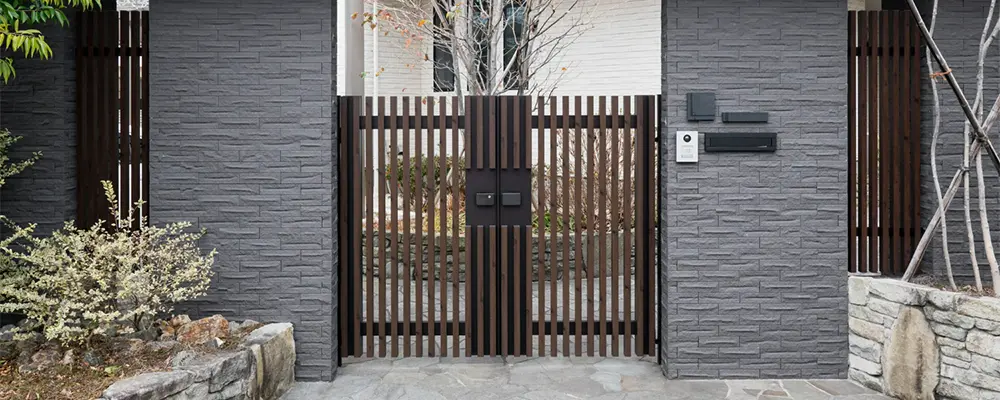
In today’s changing world of architecture, the gate is more than just a way to get in; it’s a statement piece that sets the tone for the whole property. Modern gate design has become a dynamic field full of new ideas and creativity as homeowners and designers try to find the best balance between usefulness and modern looks. 

In this Blog, Brick & Bolt takes you into the world of modern gate design, looking at the newest styles, materials, and methods that are making this exciting field grow.

What Defines a Modern Gate Design?

Modern gate design is based on the idea that things should be simple, elegant, and useful. Modern gates are different from their traditional versions because they often have clean lines, geometric shapes, and few details. Modernity is clear in every part of the gate’s look, whether it’s a sleek moving gate or a striking turn design.

Why Choose a Modern Gate Design?

Modern gate design appeals to more than just its looks. Modern gates not only make a property look better from the street but also offer useful benefits like better security, ease of use, and durability. Modern gates can be changed to fit a wide range of building styles, from residential to industrial. This is possible due to improvements in technology and manufacturing methods.

Innovative Techniques in Contemporary Gate Design

Coming up with new ideas is important for staying ahead of trends in home gate design. Improvements in technology and production methods have given designers a lot of new options and let them push the limits of their creativity and skill. Here are some new ideas that are influencing current gate design:

Automated Gate Design

Laser cutting :

The use of laser cutting technology makes it possible to build gates with an unmatched level of accuracy and complexity. It is possible for designers to make very detailed patterns, designs, and geometric shapes that give the gate a bit of elegance and sophistication.

Computer-Controlled Machining: 

With computer numerical control (CNC) machining, designers can turn complicated digital plans into real gate parts with high accuracy. With this technology, unique features like textured surfaces, beveled edges, and decorative accents can be made, which makes the gate look better overall.

3D printing: 

The way gates are thought of and made is changing greatly because of 3D printing. With this method of advanced manufacturing, it is possible to make complex geometries and organic shapes that would be hard or impossible to make with standard methods. The design and customising options for 3D-printed gates are unmatched, which makes them perfect for making new and unique gate designs.

Include Kinetic Elements: 

Adding kinetic elements to the gate design makes it more dynamic and interactive. Moving parts like sliding panels, rotating shutters, or folding gates can be made with motorized systems. This lets the structure blend in with its surroundings and improves the user experience.

Integration of Smart Technology: 

Adding smart technology to gate design is changing how we use and manage gates in a big way. Homeowners can enjoy ease, safety, and peace of mind with biometric scanners, remote-controlled access systems, and smartphone-enabled gate controls. These new features can be easily added to modern gates, making them more useful and more attractive.

Utilising these cutting-edge methods, architects and designers can make modern main gate design that are not only aesthetically pleasing but also highly useful and high-tech. If you use these techniques to make modern gates, they will make a lasting impression whether they are a statement piece for your home or a useful entrance to your business. 

Types of Modern Gate Design Materials

These modern gate materials and design ideas are sure to place a wide range of tastes so you can find the right one for your home:

1. Modern Steel Gate Design

Steel gates are popular for modern homes because they look good and last a long time. Here are some ideas for modern steel gate designs:

  • Stainless steel gates: These gates have a modern and industrial look, which makes them a great choice for modern homes. They don’t rust or oxidise easily, so they last a long time and don’t need much upkeep.
  • Aluminium gates: These gates are light, easy to maintain, and won’t rust, so they’re a good choice for people who live near the coast or in wet places. They can be powder-coated in different colours to match the outside of your house, and for a stylish look, they can have modern geometric designs or straight lines.

2. Modern Glass Gate Design

Glass gates are a unique and eye-catching choice for people who want their home to look modern and simple. Here are some ideas for modern glass gate designs:

  • Glass gates without frames: These gates have a smooth, classy look, and they don’t block your view of your property. They are usually made of toughened glass, which makes them safe and long-lasting.
  • Glass panel gates: The modern and stylish design of glass panel gates comes from the fact that they have both glass panels and metal frames. Stainless steel or aluminium can be used to make metal frames, which are strong and don’t need much maintenance.

3. Modern Sliding Gate Design

Slide gates are a great choice for people who don’t have a lot of room or who want a sleek, modern look. Here are some ideas for modern sliding gate design:

  • Metal sliding gates: Stainless steel or aluminum can be used to make metal sliding gates that are strong and have a modern look. For extra visual excitement, they can have straight lines or geometric shapes.
  • Wooden and metal slide gates: These gates have a striking and modern look because they combine the warmth of wood with the smoothness of metal. The metal frame is strong and long-lasting, and the wooden panels can be stained or painted to fit the outside of your house.

4. Modern Iron Gate Design

Iron Gate Design

Modern iron gates blend the classic beauty of ironwork with contemporary gate design ideas and new ways of making things. Laser-cut iron panels can have complex designs that make the gate look more interesting and classy. Computer-controlled cutting makes it possible to shape and finish iron parts very precisely so they fit perfectly and blend in with other materials like glass or wood. Modern iron gates are popular with homes that want to make a statement with their front gate design because they are long-lasting, flexible, and look good.

In conclusion, modern gate design is a mix of form and function, where new ideas are combined with realistic needs. Designers are pushing the limits of traditional gate design by using new materials and methods to make openings that stand out and leave a lasting impression. A modern gate, whether it’s for a grand entrance or a quiet path, shows that the homeowner cares about style, safety, and sophistication.

Designing Harmony: Key Considerations for East-Facing House Vastu Plans

0
East-Facing House Vastu Plans

Vastu Shastra is an ancient study on building that tells us how to make our homes work with the energy of the universe. It tells you how to arrange rooms, space and the face of the building to bring you health and wealth. People use Vastu rules before building to ensure their homes are in balance with nature’s forces. The front door, rooms, and other parts are all picked with care to make the house a nice place to live. Vastu has many different parts, but the orientation of a house is one of the most important ones because it affects the flow of good vibes inside it. 

In this blog, Brick & Bolt explains the complicated process of making East-facing house Vastu plans and highlights important things to remember to make these homes balanced and prosperous.

How Do You Know That The House Faces East?

In architectural terms, the way a house faces is usually based on the direction of its main entrance, also called the front door. When the front door of a house faces east, for example, it is called an “east-facing house.”

There are a few ways to tell if a house faces east:

Compass Reading: 

A compass is the most accurate way to find out which way a house faces. Take the compass and stand at the front door or the main opening of the house to find out which way it faces.

Compass Reading

Orientation by the Sun: 

Another way is to watch the sun’s path during the day. A house facing east has the sun rising toward the front door or main opening in the morning. During the day, the sun moves across the sky to the west.

Architectural Plans: 

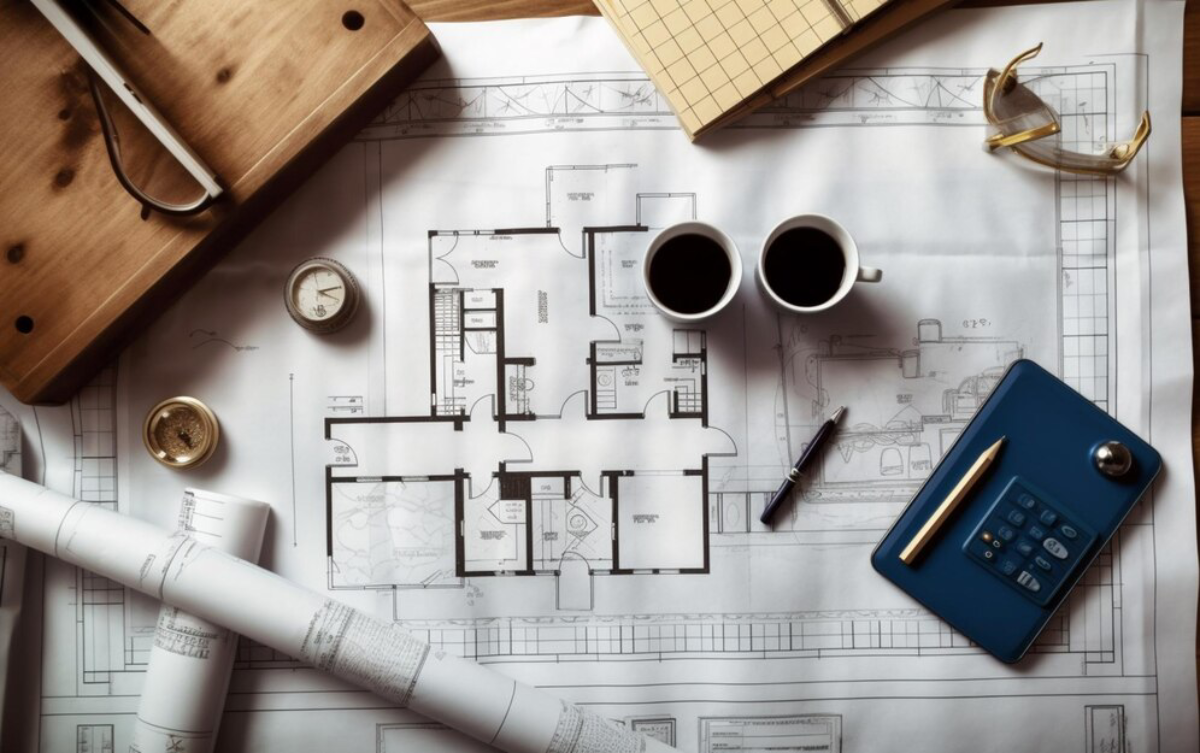
Sometimes, the house’s architectural plans or blueprints will show which way the main door faces in relation to the four directions, including the east.

Speaking to Professionals: 

If you’re not sure, talking to a broker, an engineer, or a Vastu expert can confirm which way the house faces based on its location, layout, and orientation, among other things.

Finding out if a house faces east is important, especially when Vastu rules or personal opinions about natural light and energy flow play a big role in how the living space is designed and laid out.

How to Understand What East-Facing Homes Mean in Vastu Shastra

Vastu Shastra, which comes from ancient Indian knowledge, says that each cardinal direction has its own qualities that have deep effects on the people who live in that area. Vastu’s theory puts a lot of weight on the East, which stands for life, wisdom, and fresh starts. If you build your house to face east, the rising sun will naturally bring good energy into your home, making your living areas feel alive and refreshed.

The Best Layout and Orientation

Vastu is based on the idea that living areas should be aligned with the four cardinal directions so that they work with nature. To make sure the house follows Vastu, great care must be taken with where rooms are placed and how the structure is oriented when building an East-facing house. If you can, put the main entrance in the northeastern region. This will let good energy in and bring wealth and abundance into the home.

When planning the layout of an east-facing home, the place of the rooms is very important for maintaining balance and unity. The master bedroom, which stands for rest and relaxing, is located in the southwest corner of the house, which gives the people who live there peace and quiet. In the southeast area is the kitchen, which stands for nourishment, food and water. The kitchen uses the morning sun’s energy to cook. The northeast corner is the best place for the puja room, which is a holy room for spiritual routines. It brings divine blessings into the house.

Advantages of Natural Light and Airflow

The east-facing direction of the house lets in a lot of natural light, and the soft glow of the morning sun fills the rooms. To maximise this natural benefit, architects should include many windows and skylights that let light into living areas. Cross-ventilation is improved by placing ventilation holes that improve airflow and create a healthier indoor environment.

Advantages of Natural Light and Airflow

Finding the Right Balance Between Vastu and Modern Design Elements

Finding the right balance between Vastu principles and modern design elements is like mixing modern with traditional. The aim is to create a place that feels good and fits your vibes. Vastu is ancient knowledge that gives us ways to make good places for our health and energy flow, while modern design adds new ideas and creativity. It’s important to find the right balance between Vastu and modern design so that the place you’re making not only looks good but also feels good. By fusing the traditional ideas of Vastu with the new ideas of modern design, you can make a beautiful and comfortable space for both the body and the mind.

In conclusion, Vastu principles say that when you build an East-facing house, you need to carefully arrange the space and the way it faces so that it brings peace and wealth into the home. By carefully planning where rooms are placed, how to make the most of natural light, and following Vastu, homeowners can start a life-changing journey toward spiritual satisfaction and overall health. To protect the architectural balance, let’s try to build living places that flow with the sacred rhythm of the universe, helping future generations reach their goals and dreams.

9 Best Sustainable Landscaping Practices

0
Sustainable Landscaping Practices

Sustainable landscapes are gaining popularity in today’s modern era due to more and more urban development and rising environmental issues. Sustainable landscaping is more than just beautiful landscaping; it’s an integrated approach that balances human activity with the environment, supporting biodiversity conservation, ecological balance, and community well-being. The fundamentals of sustainable landscaping provide an approach towards a more resilient and environmentally friendly future, whether in suburban gardens or urban parks.

So, in this blog, Brick & Bolt serves detailed info about sustainable landscaping practices or eco-friendly landscaping, including water conservation landscaping

mulching landscaping, composting landscaping, erosion control landscaping, carbon absorption landscaping, etc.

What is Sustainable Landscaping Practice?

Using a variety of techniques to design a landscape that is both climate and environmentally friendly is known as sustainable landscaping or eco-friendly landscaping. A few of the main objectives and advantages of sustainable landscaping are the absorption of carbon dioxide, enhanced soil health, reduced labour costs and organic waste production, water conservation, and habitat creation through carefully chosen plants.

Transitioning to sustainable landscaping protects our local ecosystems and reduces pollution of the air, water, and soil. As a result, maintenance requirements and long-term costs may decrease. Sustainable landscaping includes warm, arid cactus and gravel gardens, edible plants like mangoes and pomegranates, lovely local flowering plants, and shade trees that help to cool your house. In addition to protecting the environment and offering food for wildlife, birds, and bees, a well-designed sustainable garden or yard immediately benefits nearby communities.

9 Sustainable Landscaping Practices

Sustainable Landscaping Practices

The following are the sustainable landscaping practices:

  1. Water Conservation
  2. Mulching
  3. Composting
  4. Xeriscaping
  5. Erosion Control
  6. Grasscycling
  7. Carbon Absorption
  8. Create Habitat
  9. Recycling and Upcycling

Let’s dive deeper into all the eco-friendly landscaping practices:

  1. Water Conservation

Well-thought-out and sustainable landscape designs can decrease water usage and costs. Numerous methods are available for water conservation landscaping, including applying mulch and compost, installing irrigation systems, and choosing plants that use less water. 

  1. Mulching 

Adding organic matter through the application of mulch and compost improves soils. Mulching landscaping helps prevent erosion, dust, and mud problems, minimise water loss, and insulate plant roots. Mulch decomposition enriches the soil with nutrients and helps to condition it. By increasing soils’ ability to hold water, organic matter helps to prevent erosion and conserve water.

  1. Composting 

Composting lanscaping improves the texture of many clay soils and soils low in organic matter. It allows water to penetrate the soil more easily, minimising runoff and conserving water for plants. You can make compost at your home or buy it from the market.

  1. Xeriscaping

Xeriscaping is the practice of landscaping with native, drought-tolerant, slow-growing plants to save water and cut down on garden waste. It is encouraged in areas without readily available, plentiful, or consistent freshwater supplies. It has also gained popularity in the areas where access to irrigation water has become scarce. Hence, xeriscaping may be the best alternative to various types of traditional landscaping.

  1. Erosion Control 

Erosion control landscaping is the best practice as it uses erosion control products based on the compost because compost binds to soil strongly, preventing any spaces between soil and cover. This reduces the possibility of water seeping through and risking the protection.

  1. Grasscycling

Grasscycling refers to the organic process of reusing grass by leaving leaves on the lawn after cutting. The decomposing grass clippings quickly restore the soil with essential nutrients. This will cut down on the amount of water and fertiliser usage, the production of green waste, and maintenance expenses.

  1. Carbon Absorption

Although carbon exists in the environment naturally, it is also released into the atmosphere by human activities like burning fossil fuels and cultivating soil. Removing carbon from the atmosphere and storing it in the soil is a process known as carbon absorption landscaping or sequestration that can aid in the fight against climate change.

  1. Create Habitat

You can establish a habitat that promotes the well-being of birds and pollinators in even the smallest area. Using local plants and flowering plants in your backyard garden can serve as a bridge, tying local open spaces and biodiversity together.

  1. Recycling and Upcycling 

You can minimise waste by using recycling materials in your landscape construction, installation, or maintenance. Waste wood turns into mulch, and used plastic pots can be recycled landscaping materials. Purchasing lumber or plastic edging made of recycled materials helps to preserve natural resources and grow the markets for goods that are recyclable. Composting organic materials and clippings on the premises, if accessible, is recommended. In cases where materials need to be discarded, they need to be processed at nearby composting facilities.

Conclusion

In conclusion, considering all environmental challenges, you must understand the significance of sustainable landscapes. A stronger and harmonious relationship between humans and the natural environment can be achieved through sustainable landscaping practices, which uphold the values of biodiversity conservation, water efficiency, soil health, and community involvement. Creating eco-friendly landscapes- whether in urban, suburban, or rural environments- is an option and a need for the betterment of present and future generations. You can design landscapes that support life now and enhance it for future generations by using meticulous planning, careful management, and group effort.

Exploring Self Compacting Concrete- SCC: Properties, Uses & More

0
concreting newly built house

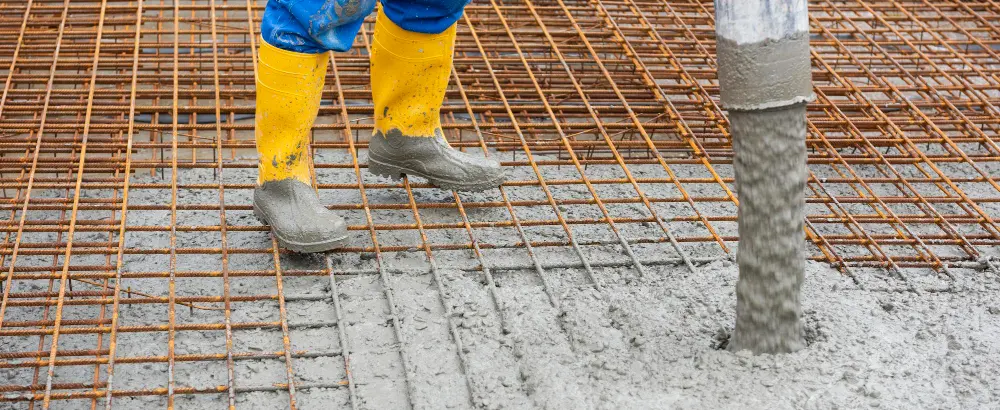
Concrete is a versatile material, and it can be poured into a mould to give it a desired shape. However, sometimes, it is difficult to pour concrete into very thin or narrow sections. Hence, self-compacting concrete has come into the construction industry. Self-compacting concrete, or SCC, is the type of concrete that flows under its own weight and does not require vibration from the outside to become compacted. Self-compacting concrete has the characteristics of segregation resistance, filling and passing ability. In their fresh state, SCC exhibits exceptional flow ability, enabling self-compaction and material consolidation without any problems with segregation.

In this blog, let’s explore all the basic details of self-compacting concrete or self-consolidating concrete, including its ingredients, properties, applications, advantages and disadvantages.

What is Self Compacting Concrete?

Self-compacting concrete (SCC) also referred to as self-consolidating concrete and high-performance concrete, is one of the most popular types of concrete. As mentioned above, self-compacting concrete shows excellent flow ability in its liquid or fresh state, resulting in material consolidation and self-compaction without causing any segregation issues. It’s a type of non-segregating concrete that can fill in formwork and conceal deeply recessed, narrow, and heavily reinforced areas with its weight.

Self-compacting concrete compacts without the need for outside force or vibration, in contrast to conventional concrete, which uses mechanical tools like immersion vibrators. Self-compacting concrete is used in situations where vibrators are unable to consolidate concrete.

Admixtures like superplasticisers and viscosity modifiers are used in some self-consolidating concrete mixtures to reduce bleeding and segregation. Segregation reduces the strength of the concrete, leaving areas of the surface with honeycomb patterns. On the other hand, properly designed self-compacting concrete will not separate because of its stability and flexibility.

Types of Ingredients Used in Self-Consolidating Concrete

The following are the core ingredients of the SCC.

  1. Cement

The OPC – ordinary Portland cement of grade 43 or 53 is used to make SCC.

  1. Aggregates

Aggregate sizes used in SCC design are restricted to 20 mm, and round or cubic well-graded aggregates are the best option. Aggregate sizes in the range of 10 to 12 mm may be utilised if the reinforcement used for the structure is crowded. Fine aggregates with a particle size of less than 0.125 mm are typically used. Both manufactured sand (M-Sand) and natural aggregates with a uniform grade can be used as fine aggregates in SCC.

  1. Water

Clean and potable water is used to make self-compacting concrete.

  1.  Mineral Admixtures

Admixtures are materials that can modify the properties of concrete in its fresh or hardened state. There are two types of admixtures available in the market: mineral admixtures and chemical admixtures to make. 

The following are the different mineral admixtures that may be used depending on the mix design and required properties of SCC.

  • Fly ash: The fly ash particles are very fine hence, they help to enhance the filling of the internal voids of the concrete matrix. It increases the durability and quality of the SCC structures. 
  • Ground Granulated Blast Furnace Slag (GGBS): GGBS helps to enhance the rheological properties of the SCC.
  • Silica Fumes: Using silica fumes helps improve the mechanical properties of the SCC structure. 
  • Stone Powder: Stone powder is used in SCC to increase the powder content of the mix.
  1. Chemical Admixtures

Chemical admixtures like superplasticizers, retarders, and air-entraining admixtures are also frequently used in the design of SCC mixes. Superplasticisers reduce the water requirement in the mix and increase workability. Air-entraining agents increase the concrete structure’s resistance to freezing and thawing. Retarders are used to regulate the setting time of the fresh concrete.

Properties of Self Compacting Concrete 

Properties of-Self Compacting Concrete

In its fresh state, the properties of the self-compacting concrete meet its requirements. The following are the properties of SCC.

  • Filling Ability

The ability of concrete to flow under its own weight without any intentional vibration is one of its properties.

  • Passing Ability

The ability of the concrete to retain its homogeneity.

  • Segregation Resistance

This is the resistance of concrete to segregating as it flows during the process of self-compaction.

Applications of Self Compacting Concrete

The following are the major uses of self-consolidating concrete:

  1. High-performance concrete is used in the construction of structures with complex reinforcement arrangements.
  2. It’s used in the construction of retaining walls that are incredibly sturdy and stable.
  3. It’s used in the construction of pile foundations and rafts.
  4. It’s used in the construction for repair, restoration and renewal.

Advantages of Self Compacting Concrete

The following are the benefits of self-compacting concrete:

  1. The construction of self-compacting concrete structures is faster than that of normal concrete structures.
  2. It reduces the permeability of the concrete structure.
  3. SSC can be easily poured into narrow and thin sections of the structure, enabling the freedom of design.
  4. The SCC construction is faster.
  5. Compared to the traditional concrete structure, the reliability and durability of the SSC structure are high.
  6. As SCC does not require compaction, it eliminates the issues regarding vibration.
  7. The overall construction quality is improved.
  8. The placement of the SCC is easy, so it reduces labour costs, resulting in cost savings.

Disadvantages of Self Compacting Concrete

The following are the disadvantages of SCC construction:

  1. The construction cost of high-performance concrete structures is higher than that of traditional concrete.
  2. The precise measurement and monitoring required for the SSC construction 
  3. The SCC design mix requires more trial and testing.
  4. The material selection for self-consolidating concrete is more difficult.

Conclusion

In conclusion, self-compacting concrete is a preferred option in many construction applications because it provides significant advantages in terms of workability, durability, structural integrity, and aesthetics. However, it is essential to remember that the design and manufacturing of this high-performance concrete demand meticulous consideration of the mix proportions, including the choice of appropriate aggregates, chemical admixtures, and cementitious materials. Adequate testing and quality control techniques are crucial for assuring consistency and fulfilling the specific needs of the project.

Celebrating Ugadi: Auspicious Beginnings for Your New Home Construction

0
Ugadi For New Home Construction

People in many parts of India, including Telugu, Kannada, and Maharashtrian communities, celebrate Ugadi as their traditional New Year Hindu Festival. It means the beginning of spring, which means rebirth and rejuvenation. Ugadi has many different celebrations and traditions, but one of them is especially important for people starting the journey of new home construction. 

In this blog, Brick & Bolt explains how lucky Ugadi is when it comes to building a new home.

Importance of Auspicious Timings and Traditions in Building a New Home

Importance of “Muhurat” (Auspicious Timing)

In Hindu rituals and customs, “Muhurat,’’ or auspicious timing, is very important. People think that starting important projects at lucky times will lead to success and wealth. It is very important to choose the right Muhurat when building a house. Families talk to astrologers and other experts to find the best dates and times to build their new homes. People do this because they think that when the stars are in good positions at the beginning of house construction, they will bring good energy to the home and keep bad influences away.

Vastu Principles

Vastu Shastra is an ancient study of building that tells us how to build homes to work with cosmic energies. It gives instructions on how to set up rooms, face the building, and order the space so that it supports health and wealth. Families follow Vastu rules before they start building to make sure that their houses are in alignment with the forces of nature. The front door, rooms, and other parts of this house were all carefully chosen to make it a nice place to live.

Bhoomi Puja For New House Construction(Ground-Breaking Ceremony)

Bhoomi Puja, also known as the “ground-breaking ceremony,” is a religious event that takes place before a building project begins. It involves offering prayers to the land and asking for divine blessings for a successful and happy effort. Holy water is sprinkled on the spot, and prayers from the Vedas are chanted to make it clean and bring good luck. People from the family, friends, and community come to the event to bless the new home and the people who will live there.

Ugadi: The Ideal Time for New Home Construction

Ugadi For New Home Construction

Auspicious Beginnings for Home Building

The best time to start something new is during Ugadi. One of the best things you can do is build a new home. This festival is all about beginning a new journey, and now is a great time to begin building your dream home. People thought that luck and hope would come their way when “The Vedic New Year begins as soon as the sun moves into Aries.”

Turning Dreams Into Reality

People who want to build their dream home find Ugadi to be a bright light of chance and hope that inspires them to fulfil their goals. Any building, whether big or small, is filled with Ugadi’s blessings in every brick and beam. The whole area is full of blessings and wealth.

Cultural Traditions and Ceremonies in Ugadi 

Ugadi For new Home Construction

Griha Pravesh (Home-Entering Ceremony)

Many cultural practices and rituals mark the end of the home-building process once the construction is done. The ceremony called Griha Pravesh, which marks the start of a new family home, takes place when the building is complete but before the family moves in. Rituals are used to clean the house and let the gods in. Usually, a priest leads the ritual. To make the place holy, he or she sings Vedic hymns and does a ‘havan’. People worked hard for months to build the house, and the Griha Pravesh is a happy event that marks the end of all that work.

Housewarming Rituals and Celebrations

After Griha Pravesh, the new homeowners celebrate with family and friends at a housewarming party. The event includes rituals like lighting lamps, praying, and exchanging gifts. Guests are asked to bless the new home and the people who live there. Family and friends celebrate the new homeowner’s happiness, making the party fun for everyone.

Importance in the Home Construction Journey

With its rich traditions and auspicious timings, Ugadi is important when building a house. It gives families a set of beliefs and practices to follow throughout the process, giving them spiritual meaning and positive energy. By following these customs, families build homes that are full of love, happiness, and wealth.

Thus, the Ugadi festival marks the beginning of a new year and a time of fresh starts. Let us enjoy this festive occasion by welcoming the spirit of fresh starts and starting the process of building our dream homes, guided by tradition, blessings, and the promise of wealth.

May this Ugadi bring you happiness, success, and satisfaction in your home construction projects, setting the stage for a future filled with happiness and abundance!!

Step By Step House Construction – A Breakdown Of All Building Stages

0

Constructing your new house can be both exciting and dreary. You need to comprehend the process and conquer the challenges and troubles while building your fantasy home. You need to be well aware of the fact that the house construction process varies from one area to another and from builder to builder. You ought to be cautious if you legally own the land in a residential zone; you must have in your possession each required document. 

Construction projects are certainly not completed in a single or simple step but comprise a progression of events or activities that should be finished over the long run. One way we can conceptualize an enormous-looking project to life is by breaking it down into smaller events and activities. 

There is a lot of work to be done before the commencement of the construction. Like planning, designing, appointing the contractors, estimating the number of materials, etc.

Here is a step-by-step house construction timeline, starting from pre-construction to post-construction:

  • Pre-construction stage
  • Procurement stage
  • Construction stage
  • Post-construction stage

End-to-end House Construction Process And Planning

A standard construction project, as a rule, has the following five significant house construction steps: Commencement, planning, execution, performance and supervision, and closure

Commencement phase of the construction project 

First of all, we need to create and evaluate the plan so we can decide whether it is attainable or not, and if not what should our attempts be to make it work. Here the project objective or need is distinguished. 

.

A reasonable outcome to the need is achieved with suggested arrangements and alternatives. You should be looking into every alternative unbiasedly. 

The planning phase of the construction project 

The planning stage includes further improvement of the project in detail to meet the owner’s requirements. The undertaker’s errands and assets are distinguished, alongside the methodology for carrying out the project. 

A project plan is laid out which includes tasks, undertakings, circumstances, and time spans needed for each and every task. This is where CPM and PERT come into play.

The execution phase of the construction project 

This is the execution stage, where the plan is kicked off and crafted by the workers and site engineers. It is fundamental to keep up control and supervise the quality of work during every execution stage. 

Progress ought to be persistently observed and suitable changes which differ from the first arrangement should be made and recorded. A supervisor is a person who is responsible for quality and quantity progress. 

Execution and monitoring phase of the construction project 

This stage is completely identified with the estimation of progress and inspection of whether the work is progressing according to the estimated quality and quantity. This stage routinely occurs simultaneously with the execution stage. 

Conclusion phase of the construction project 

During the last conclusion, the significance is on giving the last expectations to the client, that is:

  • Giving over project documentation to the business 
  • End of provider contracts 
  • Delivering project assets 
  • Provide the conclusion of the project to all partners

Last is to lead drills and understand the analysis of the project to inspect what worked out positively and what didn’t. This kind of investigation would increase the experience of the project associates, which will help in future projects.

Pre-construction stage

During the pre-construction stage, a work-out plan is made, a budget plan and course of events are settled upon, a plan for when the task will be started and finished, a permit is obtained, and the acquisition of both workers and resources takes place. 

The pre-development stage pertains to a series of assignments and occasions that either happens or should happen to precede the beginning of construction. Although this phase isn’t often considered as a part of a construction project but is really an essential segment of all modern cutting-edge construction projects. 

Here’s a fundamental breakdown of pre-construction stage exercises:

Secure a project planner 

Actually, the beginning of a development project happens when a project proprietor has thought about a project and starts to work with a project manager. During an initial presentation, the project supervisory group will set aside some tasks to evaluate whether a potential project is sensible and attainable. Assuming the project manager decides the project is practical, the task can really start. 

Plan development 

When a project supervisor and proprietor have consented to seek the project together, the main thing the project supervisory crew will do is make an essential advancement plan for the undertaking. This will incorporate the budget plan for the project and the assessed timetable for culmination. While this data is significant, the plan for the project will likewise serve as a guide for other construction workers during the rest of the task. From various perspectives, the plan created at the beginning of a project serves as a progressing reference point for every individual of the team to allude back to if necessary. 

Design 

Penning thought down is a tremendous advance towards changing a fantasy project into a reality. The next stage in the pre-development stage is to start the way toward creating a project design. To do as such, the proprietor and project manager should welcome extra partners. These will incorporate a design group that typically comprises at least one architect and an engineer. 

Making a design for a new project is a naturally collective process. While the common assumption is that both the architects and engineers work in storehouses, this is a long way from normal. Normally, both the architects and engineers will cooperate with the proprietor to make a plan that he is content with, that holds fast to wellbeing and administrative necessities, and meets any sustainability or design prerequisites the architects and proprietor have settled upon.

Permits and entitlements 

When a plan has been written down it is typically an ideal opportunity to seek after permitting. Sometimes getting permitted and entitlements can run simultaneously with the planning cycle. Ordinarily, the project manager aids in getting permits. Getting fundamental permits for activities of any size can be a baffling encounter. There will most likely be various authorities for giving permits that might or might not be having covered areas of obligation. This results in a frequent blend of local, state, and government guidelines that need to be explored. 

What is significant about both permits and entitlements is that it can require some investment. Delays in getting permits can also impact the construction timeline. Working with an experienced project manager will privilege you and possibly decrease this danger. 

Contractor selection 

During the pre-construction stage, contractors and subcontractors should be brought onto the project. Contractors are liable for dealing with the actual construction process. This incorporates utilizing their own workers and getting the services of any vital subcontractors needed to finish development. 

It is frequently said that the construction period of a project conveys the most danger. This is valid for various reasons and accentuates the significance of working with a potent, experienced contractor. Choosing the contractor, just like choosing different individuals for your development project group, ought to be done with vigilance and a sufficient degree of diligence.  

Procurement Stage

In house construction stages, the procurement stage is the one where we acquire laborers and products expected to bring the construction project to culmination in an opportune and fulfilling way. Typically, the procurement stage is spread out in a few steps: 

The Procurement Phase is where the result of engineering efforts is utilized to get offers for equipment, materials, and construction services. Procurement should be approached carefully in a strategic manner by a construction company to augment its effectiveness on every task. 

A construction firm should adopt a strategy to acquire procurement by buying the supplies needed in the most economic way. The procurement stage needs to contemplate different variables, like the timeline of events, budget plan, and nature of the project.

The Principal Procurement Methods

Generally, five procurement methods are being practiced in the industry. Every one of them will be examined in detail here:

Traditional method

In this procurement method, the design is built by the architects and engineers with the partnership of the owner. After the design is finalized, a contractor is hired to carry further with the project. This method is also known as design-bid-build.

Plan and build

As the name recommends, plan and build duty is covered by the contractor. Here, the client is liable for the account and activity. 

Construction management

This strategy for obtaining the framework is totally unique in relation to the conventional technique, plan, and build technique. Work is carried out by the management team and the contractor. The client is not directly in contact with the customer. Account and activity did by the customer. This technique will be picked if there are potential outcomes to recognize projects in bundles. 

Management contract

In this method of procurement, a management team is established, which works on fixed pay and is responsible for hiring and managing the contractors.

Private finance initiative

Project managers are exclusively liable for all elements of development. After fruitful finishing, the project will be moved to a proprietor. This is extremely useful for customers who don’t have a sound monetary foundation. This strategy is largely utilized by legislatures of non-industrial nations.

A contractor is hired who looks after all aspects of the project ranging from planning to execution.

Construction stage

The construction phase is typically the phase of physical activities like site clearing, excavation, building, etc. It also includes demolition, landscaping, refurbishing, and associated activities.

This is the phase where contractors actually come into play. He is responsible for the construction work and also in large projects a supervisor is appointed to check the progress of the work. 

This stage starts from the point when the client hands over the property to the contractor to the stage when the completed project is handed back over to the owner.

Post-construction stage

Last, yet absolutely, not least, the post-construction stage. Since the project has been finished, the project manager will consult the client for any modifications or make improvements to make things more efficient. 

There are as yet a couple of steps that should be gone through before the keys to the structure can be given over. The last phase of the construction project is partitioned into three basic steps: 

New development building commissioning

First of all, an examination of the entire structure should be finished. Even if everything is done effectively, these reviews are genuinely easy to pass. 

When everything has been checked, it is an ideal opportunity for the project team to prepare the customer to operate and keep up with the newly constructed structure. That is a stage of extensive significance as it will add to expanding the lifecycle of the house. 

Proprietor occupancy

Since all the house construction stages are finished, the proprietor can take over the structure. This is the point at which the warranty time frame begins. This keeps the client satisfied with the services, equipment, and materials used for constructing the house. 

There are three principle sorts of warranties in construction: 

Express warranty: It is ordinarily mentioned in the agreement. 

Inferred warranty: It is forced by law. 

Statutory warranty:It is presented by the state’s guidelines. 

Conclusion 

That is to keep going forward in the long cycle of planning and finishing a house construction project. Now, it is additionally a decent practice to do a post-construction survey which could assist the various agents with recognizing any assignments that weren’t finished, break down why this occurred, and set up a rundown of experiences for what’s to come. 

Plot Stamp Duty And Registration Charges In Bangalore

0

The streets of Bangalore are always busy, as are its residents. Being a metropolitan city wherein most of the residents have migrated for work, things like buying a new property can be tricky for many. The trickiest bits of information are usually about the procedures to follow, the documents that will be required, and the cost that one needs to anticipate. 

One of the crucial preliminary steps is getting the plot registered. In India, land registrations need to be done with the state governments. Hence, the factors that influence the stamp duty and registration charges vary from state to state. 

The following is a comprehensive breakdown of the stamp duty fees and property registration charges in Bangalore, as determined by the Karnataka state government. You shall also learn how to pay stamp duty fees online as a more time and cost-effective option. 

Plot Registration Charges In Bangalore

The government stamp duty charges, as well as the property registration charges, vary from state to state. While the stamp duty across states is more variable, the registration charges levied by most states are one percent of the market value of the property. 

The plot registration charges payable to the Karnataka state government for each new registration are one percent of the total value of the property. Hence, for example, if the value of your plot of land is 40,000 INR, the registration fee to be incurred will be 400 INR. 

Unlike the stamp duty and other charges involved, the percentage of the registration fee is fixed and does not vary depending on factors like the total price, location, etc. And the fee is levied on both, commercial as well as residential properties. 

While the property registration charges are not a considerable percentage of the total market value of your property, it is a necessary expense without which the legal validity of your claim over the property can be compromised as well as the construction process. Especially, if the construction over the plot is to be used for commercial use, procuring the correct paperwork is imperative. 

Furthermore, when buying a plot for construction, there are certain things to be kept in mind that can have an impact on the end results.

Plot Stamp Duty In Bangalore

The payment of stamp duty is required by law under Section 3 of the Indian Stamp Act, 1899. The government stamp duty charges depend on the state they are applicable in but typically fall between four to ten percent.  

Certain factors affect how much the stamp duty charge levied in a particular state will be, and the factors also vary from state to state. In some states, like Haryana, the gender of the new property owner is also a factor, whereas, in Karnataka, the same charges are levied for all. While something most states have in common is determining the stamp duty according to the type (multi-story building/plot/individual housing) and purpose (commercial/residential) of the property.

The two key factors that affect the current stamp duty rates in Bangalore, Karnataka, are listed below. However, out of these, the first two are key as they apply to plots of land where no construction has taken place.

Location

The location of the property plays a part in the total additional charges that will be levied on the property. The surcharge, as well as the stamp duty fees, will be lower for urban areas, and slightly higher for rural areas.

Market value

The government stamp duty rate in Bangalore is directly proportional to the property’s market value. If the market value is more than 20 Lakhs, the current rate is 5.6 percent, whereas, for properties that cost under 20 lakhs, the rate is much lower, at 2 percent.

Purpose

The purpose of the property, that is, whether the property is intended for commercial or residential use, plays a part in determining the stamp duty and other charges. The stamp duty for commercial properties is comparatively higher than that for properties intended for residential use.

Age of the property

Typically, the older a property is, the lower its price gets, and subsequently, the lower is thestamp duty fees that are levied on it. As compared to newer properties, that due to the better condition and amenities cost more, and subsequently, have higher stamp duty.

Age of the buyer

In most states, senior citizens enjoy a lower government stamp duty than the standard rates that apply to everyone else.  

The calculation of the plot stamp duty in Bangalore can be done based on the following table that lists the current stamp duty rates. Furthermore, you can use the Stamp duty cost calculator, for calculating your stamp duty and registration charges.

For instance, if the rate of your 1000 sqft plot, located in an urban area is 5000 INR per sqft, the saleable value of the plot will be 1000×5000=50,00,000 INR

This basic cost will incur a registration fee of 1% which will be: 50,00,000×1%= 50,000 INR

And the stamp duty charge on this value will be: 50,00,000×5.6%= 2,80,000 INR

The total additional cost to be paid can add up to be a significant amount, however, the charges are necessary to file the paperwork that will lend legitimacy to your property. A property without the complete paperwork will not be able to be resold for its actual value. 

Furthermore, these charges are paid as a tax towards the government and are one-time charges only. Thus, paying these in full is in your best interest.

How To Pay Stamp Duty Online 

A completely safe and extremely easy way of paying your stamp duty is to follow the detailed steps mentioned below and pay stamp duty online. Paying stamp duty online requires e-stamps which make the whole process contactless and hassle-free. The online procedure also minimizes the need for traveling, which subsequently saves time and money. Although the e-stamping facility is not available in pan India, it is available for the state of Karnataka. 

Step one:Open the official website for e-stamping services from here.

Step two:If you are a new user, click on “e-registration”, then choose “secure login”, click on “new registration” and fill out the short registration form. Registration is mandatory for using the website and availing of its services. Although, the registration process is quick and simple.

Step three:Make sure that the contact information you enter in the registration form is valid. The validity of the e-mail address and phone number that you enter is crucial for your registration. 

Step four:Create a username and set a password for your account. These credentials will enable you to log into the portal for future use.

Step five:Verify and activate your account through the authentication link sent to your e-mail address. When you click on the link, it will redirect you to the e-stamping website where your registration will now be complete.

Step six:Start filling out the form on the screen. Select your state from the drop-down menu, then select the nearest SHCIL branch, enter other mandatory details for the columns such as first-party name, second-party name, article no., stamp duty paid by, and stamp duty amount. Once you have entered these details, you can generate an online acknowledgment number for future reference to your request.

Step seven:You will have to visit the nearest SHCIL branch to collect physical proof of your payment in the form of a printed hardcopy of the e-stamp certificate. 

Step eight:You need to pay the stamp duty fees at the payment gateway, which you can do through cash, cheque, demand draft, pay order, RTGS, NEFT, and account transfer. 

The Major Differences Between Sale Deed And Sale Agreement

The two main documents involved in the transfer of land are the sale deed and the sale agreement. However, sometimes people use these terms interchangeably, but doing so is highly inaccurate as the two are completely different. Understanding the difference between the two is crucial for a new buyer as failing to do so leaves them vulnerable to fraudulent transactions.

An agreement of sale is, as the name suggests, simply an agreement or an understanding between two parties that shows that both parties are interested in the prospect of a transaction. It is not proof of a transaction, but only an agreement of the terms and conditions for the same. The sale agreement, hence, does not result in the ownership or any legal interests of the prospective buyer in the property.

The agreement of sale is not mandatory in all the states, hence, the failure to produce the same may or may not result in legal ramifications.

The sales deed is a legally binding document that certifies the ownership of a property. It is mandatory to register a sale deed with the respective office under the Registration Act, 1908. The deed comes after the sale agreement as the agreement holds the terms and conditions and the deed is drawn only after both the parties involved have come to a mutual agreement over the terms of the transaction. 

A sale agreement includes the proposal to purchase and agreement to sell in the future with a detailed description of the property and an acknowledgment that there are no legal burdens associated with the property. 

The agreement also includes the declaration of the total value of the property, payment details, method of delivery, the duration the buyer will have to wait for the delivery of the property, and details of a refund in case the titles do not pass the check. Lastly, the agreement acts as a disclaimer to the loss of advance payment in case the buyer is unable to complete the transaction.

The sale deed is typically shorter than the agreement of sale as the agreement already enumerates all the required details, and the deed is simply the contractual proof of the same. The deed includes the details of all the parties involved in the transaction, a description of the property, sale consideration, the declaration of the complete transfer of rights and interests to the new buyer after which the previous owner will hold no right towards any part of the property. 

Furthermore, the deed includes the declaration that will give the new owner complete authority to do with the property as they please, which includes reselling it.

At a glance, the key difference between a sale deed and a sale agreement are listed below.

Sale Agreement

Not mandatory to register in all states

Only implies that a transfer may take place on a Future date

The things stated may or may not be completely followed

Failure to comply may or may not cause legal issues

Sale Deed

Mandatory to register Is the proof of transfer and means immediate

Execution of the transfer The things stated are already agreed upon and executed 

Failure to comply may or may not cause legal issues

The failure to comply will lead to serious legal ramifications

Knowing the difference between a sale agreement and a sale deed will enable you to protect yourself against fraudulent transactions. Should you not possess this knowledge, for instance, you can be tricked into payment based on just the sale agreement, which does not legally entitle you to the property you are paying for, instead of a proper transfer of rights and a legally binding sale deed.

The aforementioned information about stamp duty and registration charges, as well as, the difference between a sale deed and a sale agreement, shall help you while purchasing a property, particularly a plot of land. When looking for a construction company in Bangalore to help you realize your vision, you need not look further than Brick&Bolt. Brick&Bolt is one of the leading construction companies in the area that enables you to control and monitor each step of the project without even having to be physically present at the site.