Home Blog Page 11

Throating in Stone Masonry – Techniques & Benefits

0
throating in stone masonry

Have you ever noticed the neat grooves carved into stone edges in buildings? That is throating in stone masonry, a clever technique to protect walls from water damage. It involves cutting small channels along stone edges to redirect rainwater, keeping walls dry and strong. This age-old method not only adds durability but also improves the structure’s design. Read on to know more about this technique in detail.

What is Throating in Stone Masonry?

Throating in stone masonry is a practical technique used to protect walls from rainwater. The process involves carving a small groove or channel on the underside of stone slabs like window cornices or coping stones. This groove acts as a barrier and helps in preventing rainwater from flowing back onto the wall surface. Instead, the water drips off at the edge of the stone and keeps the wall dry.

This method is crucial for buildings because it stops water from seeping into walls. Without it, walls could develop dampness, cracks, or other structural problems over time. Throating is often found in traditional and modern masonry work because of its effectiveness.

While the groove may seem like a small detail, it plays a big role in maintaining the durability of stone structures. Throating helps redirect water away from walls, preserving the building’s strength and appearance. It is an essential feature in quality masonry due to its practicality and effectiveness.

Techniques for Throating in Stone Masonry

Throating in stone masonry requires precision and proper tools to ensure effectiveness. The technique involves marking the stone where the groove will be cut. This is commonly on the underside of a slab, like a coping stone or window sill.  The groove is cut in a straight line with a chisel or specialised cutting tool. It is made deep enough to break the flow of water effectively.

The depth and width of the groove depend on the size and purpose of the stone. Generally, a V-shaped or semicircular groove is preferred, as it effectively prevents water from reaching the wall. The edges of the groove are smoothed to ensure a clean finish and proper functionality.

Regular checks are important to maintain the groove’s efficiency. Repairing any damaged or worn-out grooves ensures that the technique continues to protect the building from water damage over time.

Applications of Throating in Stone Masonry

Window Sills
  • Window Sills and Cornices: Throating redirects water away from the wall and helps prevent dampness and water damage to the structure.
  • Coping Stones: Used on top of walls, throating helps protect parapet walls and roofs by preventing water seepage.
  • Door Thresholds: When stone strips are used as door thresholds, throating keeps the area beneath the door dry and prevents water from entering the building.
  • Balustrades: Balustrades channel water away from the joints between stone pieces, thus reducing the risk of erosion and damage.
  • Garden Walls and Fountains: Throating helps divert water from vulnerable areas to protect the stone and prevent damage.
  • Retaining Walls: Throating helps prevent water buildup behind the wall, reducing pressure and preventing cracks or shifts.
  • Modern Architecture: Throating is also used in modern stone designs, combining aesthetics with practical water management.

Modern Architecture

Throating is a versatile technique that protects the integrity of stone structures in various applications. It helps maintain durability and extend the lifespan of the stone.

Benefits of Throating in Stone Masonry

Throating in stone masonry offers several important benefits that help maintain the durability and appearance of buildings. The following are the key benefits:

  • One main advantage is protection against water damage. It helps direct rainwater away from walls and stops water from penetrating the stone. This helps avoid dampness, cracks, and structural damage over time.
  • Another benefit is enhanced longevity. Throating helps preserve the stone’s condition and reduces damage caused by water exposure. This can significantly extend the lifespan of stone structures.
  • Throating also aids in maintaining the structural integrity of buildings. It reduces the risk of erosion, especially in areas like window sills, cornices, and coping stones.
  • Additionally, throating adds a decorative element to masonry. The grooves improve the overall design and give the stone a neat, polished appearance while providing functional protection.

This technique is simple but highly effective in preserving the strength and aesthetics of stonework.

Common Mistakes in Throating and How to Avoid Them

  • Incorrect groove depth: If the groove is not deep enough, it won’t effectively redirect water, leading to potential damage. Ensure the groove is carved deep enough to break the water flow.
  • Improper alignment: An improperly aligned groove may allow water to seep back into the walls. Always check the groove alignment and ensure it runs straight along the stone edge.
  • Uneven groove width: A groove that is too narrow may not channel water properly. Make sure the groove is wide enough to allow efficient water flow.
  • Neglecting regular maintenance: Over time, throating grooves can accumulate debris, leading to reduced effectiveness in redirecting water properly. Regular cleaning and inspection help maintain the groove’s functionality.
  • Using incorrect tools: Using inappropriate or blunt tools can lead to poorly carved grooves. Ensure the proper chisels or cutting tools are used for a precise and clean cut.

Conclusion

Throating in stone masonry is a simple but effective technique for protecting buildings from water damage. Channeling rainfall away from walls minimises moisture and cracks, extending the lifespan of stone structures. Throating also improves the aesthetic appeal of brickwork, giving it a clean, polished appearance. When used appropriately, this technique provides durability and preserves the building’s integrity, making it a vital aspect of both traditional and modern brickwork.

FAQs

1. Where is throating commonly used in masonry?

Throating is commonly used in masonry on window sills, cornices, coping stones, door thresholds, garden walls, balustrades, and retaining walls to prevent water damage and enhance durability.

2. What tools are used for throating in stone masonry?

Tools used for throating in stone masonry include chisels, specialised cutting tools, and grinders, which help carve grooves into stone surfaces accurately.

3. Is throating necessary for modern construction?

Yes, throating is necessary for modern construction as it helps prevent water damage, maintains the structural integrity of buildings, and extends the lifespan of stonework.
Precast Concrete Footings – Types, Uses & Installation Guide

0
precast concrete footings

Footing is an essential component of constructing structures in the construction industry. Precast footing comes in various forms to improve structural integrity and shorten project timelines. Such precast concrete footings can be constructed following the project parameters. Experienced builders and engineers can choose the best footing to excel in their construction projects. While using different kinds of precast footings, several elements should be taken into account to achieve the best performance and longevity. Now, let us take a short look at the precast concrete footings overview. 

What are Precast Concrete Footings?

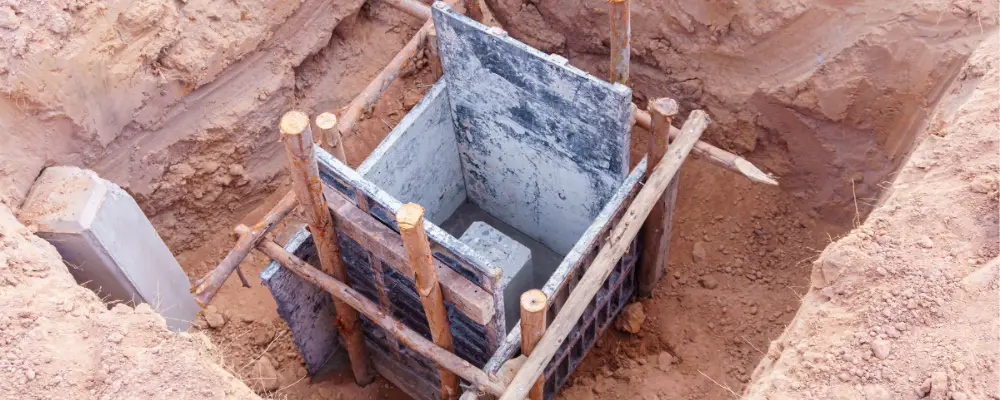
A pre-made concrete foundation can be manufactured in a regulated factory set-up. These footings are typically cast using the moulds to achieve desired sizes and shapes as per the project requirements. These moulds are thoroughly washed and reused after completing one set of processes. Once curing is completed, these cast precast concrete footings are removed from the moulds using lifting equipment or cranes, ensuring a safe and smooth extraction process. Finally, they are transported to the construction site to provide a solid foundation or base for bridges, buildings, or other structures.

Types of Precast Concrete Footings

Precast concrete footings come in a variety of styles, each tailored to specific structural requirements:

1. Pad Footings (Isolated Footings)

Isolated Footing
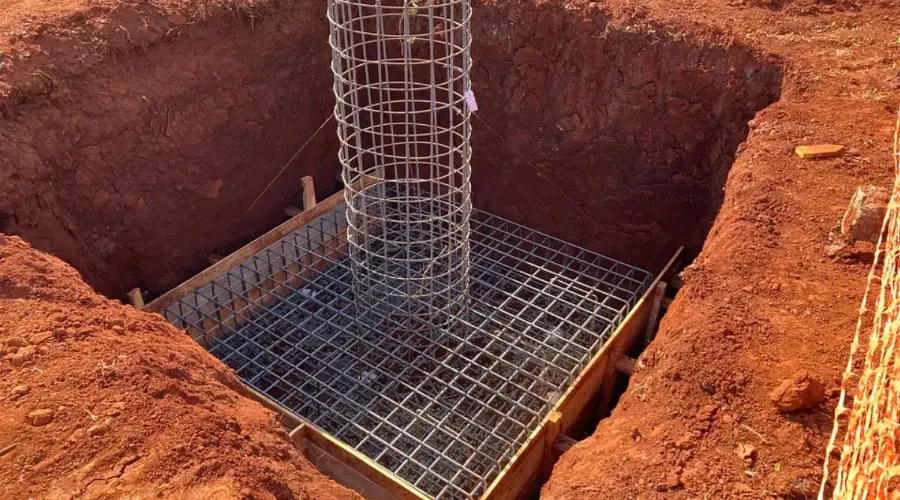
  • Rectangular or square concrete pads designed to support individual columns or structural elements
  • Typically used for lighter loads and structures with well-defined load distribution
  • Prefabricated off-site and transported to the construction location
  • Provide good load transfer and stability for small to medium-sized buildings

2. Strip Footings (Continuous Footings)

Strip Footings

Long, linear precast concrete elements used to support load-bearing walls or a series of closely spaced columns

  • Distribute loads along a continuous line
  •  Ideal for structures with linear load paths like residential buildings, warehouses, and commercial structures
  • Can be manufactured in various lengths and widths to suit specific structural requirements

3. Raft Footings (Mat Foundations)

  • Large, continuous concrete slab that covers the entire building footprint
  • Designed to spread loads evenly across the entire foundation area
  • Particularly useful in areas with weak or inconsistent soil conditions
  • Precast in sections or as complete units for easier transportation and installation
  • Provides excellent load distribution and reduces potential differential settlement

4. Pile Caps

  • Precast concrete elements that sit atop foundation piles
  • Connect and distribute loads from structural columns to deep foundation elements
  • Critical in areas with challenging soil conditions or high structural loads
  • Can be manufactured in various shapes and sizes to accommodate different pile configurations

5. Spread Footings

  • Wider at the base to distribute structural loads over a larger area
  • Typically used when soil bearing capacity is moderate
  • Precast to ensure consistent quality and faster installation
  • can be designed with reinforcement to handle specific load requirements

6. Combined Footings

  • Used when two or more columns are close together or have overlapping load zones
  • Precast as a single unit to efficiently transfer loads from multiple structural elements
  • Helpful in situations with property line constraints or irregular column spacing

Application of Precast Concrete Footing

Precast footings are known for their unique properties and benefits that are utilized in various common construction applications, including the following:

  • As precast concrete footings provide a stable foundation, they are commonly used to construct standalone residential buildings, especially in areas with poor soil conditions. Many construction professionals prefer these pre-made footings to ensure timely project completion.
  • For building warehouses, commercial hubs, and factories, these precast footings are used due to their strength and durability to withstand heavy loads for many years.
  • Precast concrete footings are indeed used in heavy infrastructures such as bridges and roads. They are valued for their ability to handle significant loads due to their high compressive strength and precision manufacturing.
  • Utility structures like poles, transformers, and communication towers can be built using precast concrete footings. 

Advantages of Precast Concrete Footings

Precast concrete footings provide numerous advantages and conveniences in construction projects for contractors and designers utilising these pre-manufactured components. Their primary assistance in construction projects includes:

  1. Quality Control: Since precast footings are manufactured in a factory with a regulated environment, strict quality checks are performed to ensure they meet the required strength and durability standards.
  2. Faster Installation: As they are casting off-site, they significantly reduce the time required for onsite pouring of concrete. Thus increasing the speed of the project timeline.
  3. Cost-Effective: These pre-made concrete footings typically require less manpower and reduce labour charges compared to cast-in-place footings.
  4. Resilience and Sturdiness: Precast footings can endure heavy loads, significant stress, and challenging weather conditions across different seasons. 
  5. Resourceful: The variety of sizes and designs available for precast concrete footings makes them suitable for a wide range of construction applications.

Key Considerations When Using Precast Concrete Footings

While precast concrete footings provide numerous benefits, several key considerations must be kept in mind:

  • Site Accessibility: Precast footings require more space and ease of transportation on the construction site for timely delivery. As they are huge, they necessitate specialised equipment and vehicles for transportation. Make sure to pave easy access for heavy machinery and transportation of precast concrete footings in the construction area.
  • Load-Bearing Capacity: Each type of footing is cast as per the project requirements. It’s essential to determine the load-bearing requirements of the structure before choosing the type of precast footing. Not all footings are designed to handle the same weight or conditions.
  • Soil Conditions: Footings are made as per the condition of the soil at the construction site. According to the soil type, additional reinforcements are required while casting precast footings to provide more strength and longevity for the structure. Customisation is made as per the soil condition.
  • Transport Logistics: To minimise any delay or damage, precast concrete footings are transported with specialised vehicles.

Installation of Precast Concrete Footings

The placement of preformed concrete bases generally adheres to a structured procedure.

  1. Groundwork and Clearing: The site requires excavation, leveling, and the removal of debris to create a stable base for installing precast concrete footings.
  2. Positioning the Footings: As they are large and need much attention while handling the concrete footings, huge cranes and other heavy equipment are required to lift them. They are temporarily fixed and positioned accurately according to the layout plan.
  3. Jointing and Securing: Specialised connectors or reinforcement bars are used to secure the vertical and horizontal joints between the precast elements once they are placed. 
  4. Examination and Quality Assurance: A thorough examination is held to ensure that the footings are properly aligned and secure after perfectly securing the precast footings.

Maintenance and Longevity of Precast Concrete Footings

Precast concrete footings are known for their longevity and minimal maintenance needs.. Routine inspections are required to maintain their ideal shape as follows:

  • Examine for cracks: Small cracks may develop in concrete over time as a result of settling or movement and should be monitored and repaired as needed.
  • Check for Damage from Moisture: Over time, excessive moisture or water intrusion can erode concrete. To avoid water accumulation, make sure the drainage surrounding the footing is adequate.
  • Sealing and Cleaning: Regular cleaning of the footings helps remove impurities and debris. Sealing the concrete adds an extra layer of protection against weather conditions.

Conclusion

Precast concrete footings are an excellent choice for providing strong foundations. They are steady, durable, and efficient. Their high quality, low cost, and quick installation make them a top choice for many construction projects. Builders can ensure a strong foundation by using their expertise. Builders should have a clear understanding of the types, applications, and key considerations for precast concrete footings. With proper care, these footings offer long-term stability, reliable support, and durability that can last for many decades.

Pneumatic Caissons – A Complete Guide to Foundation Building

0
Pneumatic Caissons

One of the engineering marvels that we often see today are bridges spanning across large lengths. While talking about such bridges, a common question that arises is how the foundation and supports for these structures are built, especially in underwater conditions. The answer commonly lies in structures known as pneumatic caissons. Read on to learn all about pneumatic caissons that help construct some of the best projects in the modern world.

What are Pneumatic Caissons?

Pneumatic caissons are specialised construction structures required to create a strong foundation for buildings under water or in wet conditions. From a technical perspective, this structure is designed as a watertight, square-shaped enclosure that effectively prevents water from entering the construction zone. It serves as a barrier that completely safeguards the interior environment from the external wet conditions. 

In general, a pneumatic caisson is used to build foundations of bridges, buildings, structures of sewage treatment facilities, underground railways and tunnels, and underground water regulating reservoirs. 

How do Pneumatic Caissons Work?

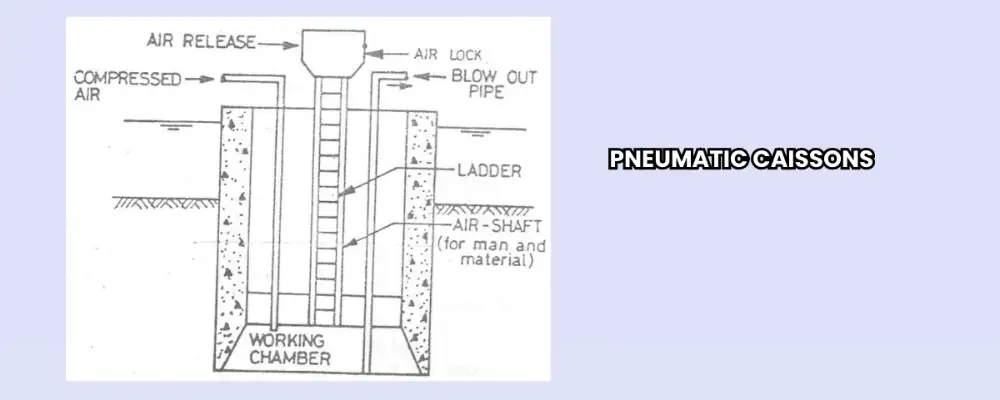
Pneumatic caissons work on the principle of air pressure. When a cup is holding air inside and is pressed into water upside down, the air pressure keeps the water out of it. Pneumatic caissons work on a similar principle but on a much larger scale. Compressed air is pumped into the pneumatic caissons to ensure that they have an airtight chamber at the bottom, preventing water from entering.  

Pneumatic Caissons Operation 

A pneumatic caisson is a watertight cylinder that is closed at the top and open at the bottom. It is built from reinforced concrete, which is exclusively designed to be submerged in water. 

Once the pneumatic caisson is positioned in the water, compressed air is pumped right into the chamber base to prevent water from entering. Thus, construction workers can excavate soil and begin their work without being flooded.  

Advantages of Using Pneumatic Caissons

Generally, caissons offer a wide range of advantages that improve the overall stability of structures. They are economical, environmentally friendly, easily adaptable, and have a high horizontal and lateral loading capacity. They also offer other advantages, such as:

  1. Construction workers can work in dry environments, even under large bodies of water.
  1. Workers can have control over every stage of the construction process. 
  1. The concrete building is dry and has enhanced, reliable quality, which will maintain its overall structural integrity. 
  1. Logs and boulders can be difficult to remove from wet environments, so workers often rely on specialised equipment. However, pneumatic caissons let the workers construct in a dry environment, making it easy to remove logs and boulders. 
  1. No temporary earth retaining structures are needed because caissons become the final underground structures of the buildings. 

Step-by-Step Construction Process

This is how a team of experts construct pneumatic caissons.  

Planning and Preparation

Structural engineers plan and analyse the site to begin the process. They conduct thorough research to assess the soil conditions, groundwater levels, and other potential obstacles. This process also requires proper permits and approvals from the local government and should comply with environmental regulations. 

Construction of Pneumatic Caissons 

Construction of Pneumatic Caissons 

Professionals need to construct the pneumatic caisson at the ground level as the structure consists of a watertight box with an open bottom and closed top. Then, the airlocks will be installed to allow the workers to enter and exit when the pressure is maintained inside. 

Sinking the Caisson

The caisson will be shifted to the designated location using cranes or tugboats. Then, pneumatic caissons will start to sink, and simultaneously, professionals will introduce compressed air into the working chamber to prevent water ingress. 

Excavation

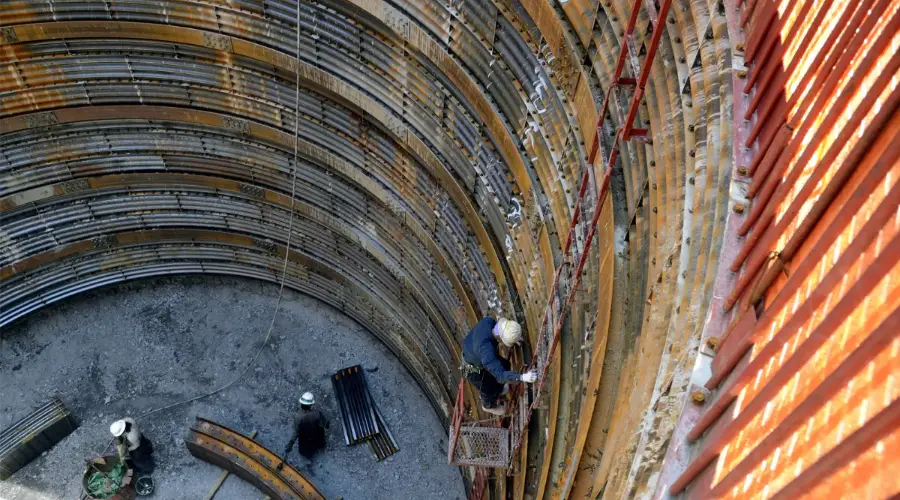
Once the caisson is submerged, workers can enter through airlocks to evacuate the soil within the chamber. The pressurised air keeps the area dry and suitable for work. Workers can begin construction after this stage. On the other hand, monitoring air pressure and groundwater levels is also mandatory to ensure safety during excavation. 

Bottom Sealing and Filling with Concrete 

Workers need to continue excavating until they reach the bedrock or a stable layer for foundation work. Once this is reached, they should seal the button with concrete to create a solid base. Filling the working chamber with concrete helps to provide structural support. Make sure to give sufficient time for the concrete to set. 

Post-Construction Monitoring 

Continuous evaluations and maintenance strategies are crucial for the safety and stability of any structure. Therefore, engineers monitor groundwater levels and structural performance over time. They also prepare a plan for regular inspections to confirm whether they can build any structure on top. 

Common Applications of Pneumatic Caissons

Now, you know that pneumatic caissons are used to construct foundations in water bodies. But is it the only application of pneumatic caissons? No, it is also useful for several other projects, such as:

  • Water supply and sewage facilities
  • Pumping stations 
  • Marine structures
  • Bridge and dam foundations
  • Underground reservoirs and water storage 
  • Tunneling operations 
  • Chimney foundations 
  • Underground parking structures 
  • Hydraulic elevators 

Conclusion

Water inflows can disrupt construction work, but pneumatic caissons help keep the site dry and make work safer and more efficient. They are also quite beneficial for the environment, as they minimise disruption to the surrounding ecosystem and groundwater depletion. That’s the most important reason many people choose pneumatic caissons over other types for constructing water-based projects. 

FAQs

1. What is the difference between open and pneumatic caissons?

Open Caissons
 
1. It is composed of rows of prefabricated boxes but without a bottom.
 
2. Open caissons are suitable for soft ground areas like riverbeds and soft clay regions. 

3. Concrete seal issues, water ingress, and obstruction difficulties. 

Pneumatic Caissons

1. The pressurised air is filled in a bottomless and top-sealed box.

2. It is used for underwater foundations, excavation in dry conditions, tunnel construction, sewage systems, and pumping stations.

3. High construction costs, airflow dependency, and maintenance challenges.

2. How do pneumatic caissons prevent water entry?

It has an airtight chamber at the bottom. Compressed air is supplied while the pneumatic caissons are submerged in water. The air prevents water from entering the chamber, keeping the environment dry, just like in on-the-ground construction work. 

3. Are pneumatic caissons environmentally friendly?

Yes, pneumatic caissons conserve the surrounding environment. Using pneumatic caissons doesn’t reduce the underground water level, so you don’t have to worry about the depletion of groundwater. 

Karnataka One Lakh Housing Scheme – Complete Guide & Details

0
karnataka one lakh housing scheme

Building a house in a metropolitan city like Bengaluru is a dream for many, but it is not easy for everybody. However, the Karnataka State Government has introduced a welfare scheme named “Karnataka One Lakh Housing Scheme” or “Chief Minister’s Multi-storeyed Housing Scheme” to facilitate housing opportunities for the underprivileged.

Here, we provide a detailed overview of the scheme, its objectives, eligibility criteria, application process, and documents required for the application process.

Overview of Karnataka One Lakh Housing Scheme

Overview of Karnataka One Lakh Housing Scheme

The Karnataka One Lakh Housing Scheme is a popular beneficiary scheme launched by the Karnataka State Government. This scheme aims to provide affordable housing to people from economically weaker sections and improve their well-being. This initiative comes under the Prime Minister Awas Yojana (PMAY), which was launched by the central government.

Objectives of the Scheme

Housing Options

The scheme’s main objective is to provide affordable housing options for people from economically disadvantaged sections. It gives the beneficiaries decent housing by reducing the burden of paying high rent.

Infrastructure Development

This scheme enhances the infrastructure in urban cities, especially in and around Bengaluru city, and helps with construction and renovation to improve livelihood and overall development.

Funding

Considering the livelihood of the economically weaker sections, the government provides substantial assistance in funding a significant portion of the construction cost.

Empowerment

This housing scheme saves the expenses spent on rent and construction by offering partial funding. This will result in monetary savings and help people improve their overall well-being and quality of life.

Key Benefits of the Scheme

  • The multi-storey house provides a sufficient living space of 20 square metres for each housing unit.
  • It provides basic housing amenities like electricity, water and other sanitation facilities for a decent living.
  • Common facilities such as parks, playgrounds, community halls and shopping centres are allocated to promote the social life and physical health of the beneficiaries.
  • Housing units are designed to accommodate differently abled people..
  • The housing units incorporate sustainable practices such as energy-efficient lighting and water-conservatory measures.

Reservation for Different Categories

The CM One Lakh Housing Scheme is fairly allocated based on the reservation process to ensure that housing opportunities are distributed across all social groups. Below is the breakdown of the reservation distribution based on different caste and community categories.

Caste / CommunityPercentage of beneficiaries
General Category50%
Scheduled Caste (SC)30%
Schedules Tribe (ST)10%
Minorities10%

Documents Required for Schemes

  • Permanent Residence Certificate
  • Income Certificate from the Revenue Department
  • Aadhar Card (Original & Copy)
  • Caste Certificate (if applicable)
  • Valid Mobile Number
  • Ration Card
  • Voter Identity Card
  • Passport-size Photographs
  • Bank Account Details
  • Labour Department Registration Number (Only for Construction Workers)

What are the Eligibility Criteria?

Annual Income

The family that wants to opt for the one lakh housing scheme should have an annual income of less than ₹87,000 or must belong to the Low-Income Group (LIG). A family that earns more than the specified amount is not eligible for the scheme, and their application will be rejected.

Age Requirements

The person applying for the scheme should be at least 18 years of age and should take responsibility for their household. There is no maximum age limit, so anyone above 18 who belongs to the economically backward section is eligible for the scheme.

Residential Status

He/she must be a permanent resident within the state boundary or must have resided in Bengaluru for a minimum of five years. Additional priority is given to applicants who live in urban areas or have an immediate need for housing.

Ownership Status

The applicant or any of their family members should not hold a permanent residence in their name. If they own a permanent residence, the application would be considered invalid, making them ineligible for the housing scheme.

Reservation Categories

The reservation process is carried out to provide a fair allocation of housing across all communal categories. A certain percentage of housing is reserved for specific categories to address their unique challenges.

Application Process

  • Visit the official online portal “ashraya.karnataka.gov.in”.
  • Click on the highlighted text “Chief Minister’s multi-storeyed Bangalore Housing Scheme”, which will provide you with two options.
  • Select one of the two options between ‘1BHK’ and ‘2BHK’ plots based on your preference.
  • Click on the “Application Submission” button on the next page.
  • Fill in the necessary details about the assembly constituency, area, and permanent address and click on the “Continue” button.
  • Fill in the required details about your age, caste and annual income.
  • Pay the registration fee of ₹100 through the available payment methods.
  • Click on the “Submit” button to complete the application process.

How to Check the Application Status?

  • Visit the official website of the Karnataka One Lakh Housing Scheme at ashraya.karnataka.gov.in.
  • Click on the “Beneficiary Status” tab on the homepage of the online portal.
  • Enter the district name and the valid beneficiary code provided on the space.
  • Click the “Submit” button to check the application status for the housing scheme.
  • You can check your status using your name, ration card number, and registered mobile number.
  • You can also download the list to check the details easily.

Conclusion

This housing scheme is one of the revolutionary residential housing schemes launched by the state government and is a big step to address the state’s housing shortage. The government assists the economically backward with funding and subsidies and helps them settle in a safe and protected living environment to enhance their livelihood.

Triangular Arch – A Stylish & Versatile Design for All Space

0
Triangular Arch

When it comes to construction, people are often confused about choosing the right decorative element. Some might go with economical options, and some might choose elegant decorative finishes.  Arches are some of the commonly used decorative and structural elements that can be used to suit both modern and traditional aesthetics.Arches are available in several types; you can choose the appropriate one based on the structural requirements. One of the widely used styles is the triangular arch. In this blog, you can read in detail its features, advantages, and applications.

Overview of Triangular Arch

A triangular arch is shaped like a triangle with sharp and straight lines. It is made up of two surfaces that are arranged in an angle of 45 degrees and meet at the apex of the arch. It is less likely to provide sufficient structural integrity; still it is popular for decorative purposes. 

Its clean and straightforward construction process makes builders and architects opt for its usage. This is one of the oldest arch types commonly found in ancient Mesopotamian civilizations.

Features of Triangular Arches

A triangular arch is a structural element with a flat base and two sloping sides meeting at the top. Understanding its key features can help you analyse the right way of usage. Let’s have a look at them:

  • The two inclined sides of the arch meet at the top, resulting in a triangular shape.
  • Unlike other arch types, they don’t carry the weight or load of structures; instead, it distributes the load through compression and transfers directly to the supports.
  • This is one of the earliest forms of arch typically found in ancient civilizations like Anglo-Saxon architecture.
  • It is built with two large surfaces placed opposite each other at an inclined angle where their edges are joined at the top of the arch.

Advantages and Disadvantages of Triangular Arches

Advantages

A triangular arch is not a true arch, yet provides a wide range of advantages in construction, including:

Versatility: With no restrictions, a triangular arch can be incorporated into various styles in accordance with the structural requirements. From rustic to modern buildings, triangular arches can be molded into unique patterns and styles.

Simplicity & Ease of Construction: There is no complexity or challenges in designing and constructing the triangular arch. It requires a very small amount of material and no precise cutting like other arch types. This typically reduces overall time and cost of the construction.

Durability: When a triangular arch is built with proper techniques and high-quality materials, it results in a long-lifespan. With no cracks and damages, they can withstand the harsh weather conditions and temperature fluctuations well.

Elegance: Building elegance is a significant reason to prefer a triangular arch over other arch types. Its distinctive shape and creative style adds a historical touch to buildings. They are often used in restoration projects with no modifications in the original character of a building.

Disadvantages

Despite its significance, a triangular arch has some costly drawbacks, which are listed as follows:

Weight or Load Distribution: As stated earlier, the weight of the total structure is transferred to the supports, which causes high stress to the foundation. If you are planning your construction with a triangular arch, you need careful consideration in the foundation design to ensure its stability.

Maintenance: The joints between the stones require frequent repair and maintenance; otherwise they are susceptible to weathering and erosion. However, regular maintenance ensures prevention of structural damage and water ingress.

Low Structural Integrity: Triangular arches directly transfer the load to the support, thus they offer less structural integrity to the buildings. They can carry only a limited amount of loads and have short spans, which makes them unsuitable for large-scale structures subjected to heavy weight.

Applications of Triangular Arches

Despite its limitation in terms of structural integrity, the triangular arch has been used in various applications. Here are some of those:

  • A triangular arch is an ideal choice to create unique and elegantly appealing doorways and windows in both commercial and residential buildings.
  • It can be used as a decorative element in various architectural features, especially in moldings, niches, and corbels.
  • When it comes to modern construction, builders and architects can create unique and contemporary designs that create architectural interest with the help of triangular arches.
  • They can also be used in garden structures such as arbors and pergolas to add visual interest to architecture.

Step-by-Step Construction of Triangular Arch

Follow these steps to construct a triangular arch with wood:

  • Estimate the accurate angle and size of your triangular arch.
  • It is advisable to sketch a diagram to exactly visualize the dimension and shape.
  • Mark and cut the lines on the wooden planks. You’ll need two identical pieces to achieve both sides of the triangle.
  • Lay those two pieces in the estimated angle, opposite each other, and secure it using nails or screws.
  • To improve the strength and stability, you can use wood glue.
  • Sand the entire frame to smooth the rough edges. Apply paint or stain to improve its appearance and protect the surface from exterior conditions.

Conclusion

A triangular arch is not a great choice for structural integrity, yet it can be customised according to the decorative requirements. When you choose this arch type, you need to plan for a strong foundation to withstand heavy loads without causing cracks or structural failure. Hopefully, this article gives you an idea and helps you make an informed decision while being involved in construction.

FAQs

1. What are the challenges in constructing triangular arches?

Triangular arches provide limited load-bearing capacity as they can’t handle heavy weight or loads from the structure. In addition to that, precision is required in cutting and fitting the stones on both sides of the arch.

2. How do triangular arches contribute to sustainability in construction?

Triangular arches incorporate the sustainable design principle in construction. For instance, the construction of this arch type involves using local, natural materials to maximize the sunlight and ventilation inside the building. With this selection, the aesthetic appeal of the structure is improved without compromising its environmental performance.

3. What materials are typically used for constructing triangular arches?

A triangular arch is generally constructed using wood, stone, or brick. When it comes to modern construction, builders choose materials like steel and concrete for improving the strength and durability.

Horseshoe Arch – A Comprehensive Guide to Architecture

0
Horseshoe Arches

Planning to build an iconic structure? If so, you can include horseshoe arch designs in the plan. Yes, the distinct and elegant curve of the horseshoe arch makes it an ideal choice for many buildings worldwide. So far, horseshoe arches have been seen in residential buildings to elevate the interiors, museums, libraries, cultural centres, palaces, forts, and religious structures. From Persian architecture to Western country buildings, horseshoe arches and their adaptations can be found in several architectural styles.  

Curious about the horseshoe arch’s historical evolution and modern applications? Explore the following section and know why people choose horseshoe arches over others even after centuries of its invention. 

Historical Evolution of the Horseshoe Arch

The horseshoe arch is a distinctive architectural design that is well-known for its unique horseshoe shape.  This structure was first found in Persia’s monumental architecture around 879 CE and later, in the 12th to 16th century CE. This design blended Islamic aesthetics with Christian architecture in Spain. Later, it spread throughout Late Roman and Byzantine architecture. It became prominent in Visigoth churches. In the 8th to 9th centuries CE, it became a defining element of Islamic architecture, and then it was found in Spain. 

Since the 19th century CE, horseshoe arches have experienced a resurgence in Western architecture, which includes various styles and evolutions. This is how workers construct and design horseshoe arches.

Design and Construction of Horseshoe Arches

Design and Construction of Horseshoe Arches

Geometry 

The span of an arch refers to the horizontal distance between the two supports or the end of the arch. In the horseshoe arch, the span is larger than the height, which helps to distribute the weight evenly. 

Load distribution

The arch primarily uses compression forces, which transfer weight down and outward for better support. Lateral forces at the base are managed with internal ties or external supports like abutments. 

Materials 

The choices of materials influence both the appearance and strength of the arch. However, horseshoe arches do not require special materials to construct; workers can use brick, stones, or concrete to build these arches as all of them can handle the compression forces well. 

Construction Techniques

Preparation

Workers start by marking the springing line, where the arch rises from its supports. This line serves as a guide for construction. Then, they establish a vertical centerline for symmetry and alignment, ensuring a strong foundation for maintaining accuracy throughout the process.

Voussoirs Arrangements 

Wedge-shaped stones or bricks (voussoirs) are carefully arranged to form a stable structure. Each voussoir is precisely cut and fitted to ensure even weight distribution, and the keystone locks all blocks together.

Temporary Support 

During construction, temporary wooden supports (centering) hold the arch in place until the keystone is set. These supports must be robust enough to support the arch’s weight, ensuring stability during the building process.

Finishing Touches 

Once the keystone and voussoirs are securely in place, remove the temporary centering to allow the arch to become self-supporting. Focus on adding aesthetic enhancements like plaster, decorative tiles, or carvings, which improve visual appeal and protect against environmental wear.

Load Distribution in Horseshoe Arches

Load distribution is the most important thing to consider when building any structure. It means distributing the forces and weight across the different parts of the structure. It ensures that the building is safe, stable, and strong. Now, let’s see how the construction team ensures even load distribution in horseshoe arches. 

Even material distribution: Reinforced concrete and steel must be evenly distributed to maintain similar load distribution efficiency throughout the length of the horseshoe arch structures.

Compression forces: Compressive forces that act on the arch are distributed outwards to the supporting piers or walls on the side of the horseshoe curve.

Load path: The load path in a horseshoe arch guides forces outward and downward into the supporting structures. The curvature ensures an even distribution and allows the arch to handle significant vertical and lateral pressures. 

Lateral thrust: Horseshoe arches also create lateral thrust at their base. To prevent collapse, this horizontal force needs to be counteracted by robust supports, like columns or walls. 

The right choice of materials and design helps manage these forces effectively and maintain the structure’s stability.

Modern Applications and Revivals of the Horseshoe Arch

The horseshoe arch’s versatile and enduring appeal makes it an excellent choice for contemporary architecture as people often like to blend traditional designs with a touch of modernity. Including the striking horseshoe arches in new buildings adds a unique charm. However, modern adaptations of horseshoe arches often focus on sustainability. 

The integration of energy-efficient technologies and sustainable materials with contemporary architectural trends ensures ecological responsibility while preserving cultural identity. Horseshoe arches are often seen in Indian historical buildings, such as Fatehpur Sikri and Qutb Minar Complex. However, in recent days, many notable buildings have also included horseshoe arches, such as the National Museum of India in New Delhi and the National Museum of Qatar in Doha. 

Conclusion

In the end, combining historical elegance with modern aesthetics and functionalities creates a vibrant environment around the living spaces. As owners, you need to approach the best and most experienced construction team as their assistance becomes mandatory for residential or commercial buildings. Thus, ensure you find the right construction team that is well-versed in building every structure, whether modern or traditional.

FAQs

1. What are the key components of a Horseshoe Arch?

The Horseshoe arch’s key components are voussoirs, keystones, intrados, extrados, springing line, haunch, span, abutments, and rise. These key components work together to ensure structural stability and iconic appearance, which makes it functional and visually striking. 

2. What are the structural advantages of a Horseshoe Arch?

Other than their appealing look, horseshoe arches have significant structural advantages, such as:
1. Improved load distribution
2. Increased stability
3. Resistance to horizontal forces
4. Adaptability to larger openings
5. Enhanced durability
6. Seamlessly integrates with other designs
7. Efficient material usage and adaptations to various architectural styles

3. What are some famous buildings that have Horseshoe Arches?

Here are some iconic buildings that feature stunning horseshoe arches.
1. The Great Mosque Of Cordoba, Alhambra, Giralda Tower and Alcazar of Seville, Spain.
2. Fatehpur Sikri and Qutb Minar Complex, India.
3. Umayyad Mosque, Syria.
4. Hassan II Mosque, Morocco.

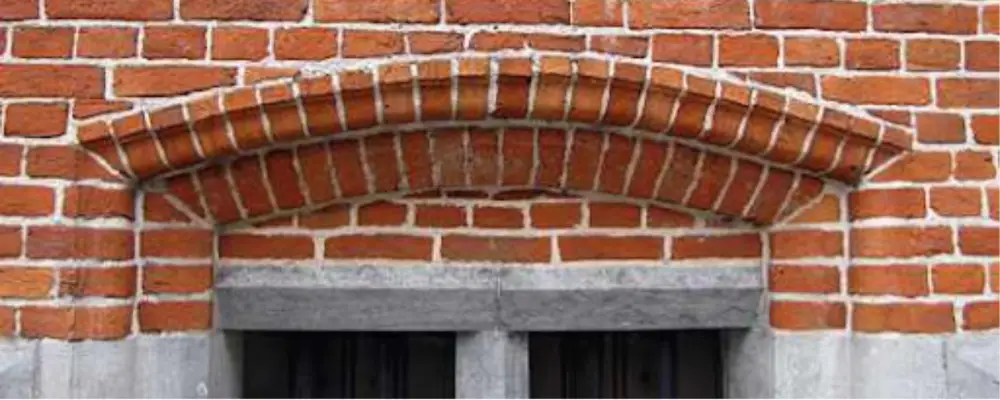
Relieving Arch – Key Features, Advantages & Applications

0
Relieving Arch

Arches are the cornerstone of many architectural designs. Their remarkable structural efficiency and elegant curve make the structure an iconic landmark in the entire city. With the expert’s guidance, you can evenly carry the weight or load safely to the foundation and ensure unparalleled strength and durability of the structure.

However, the fundamental factor is ensuring the style and functional needs of arches fit your architecture. There are several types of arch styles available; you need to conduct deep research and choose the right one. In this article, we’re about to discuss the relieving arch, its features, and its applications.

Overview of Relieving Arch

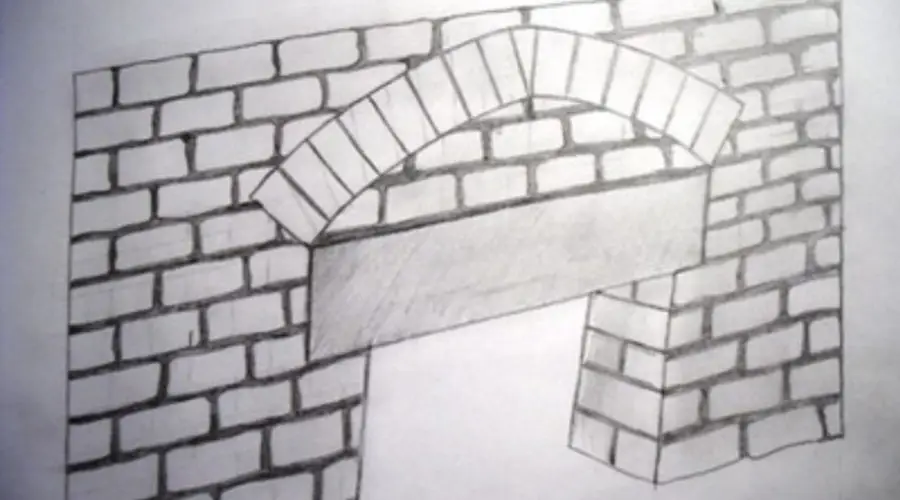
A relieving arch is an architectural element known for alleviating stress on a structural component, particularly on a lintel or beam. This arch is designed to transfer the heavy weight or load of the wall to the adjacent walls. It prevents excess stress on the underlying structure, reducing the risk of cracking and damage. This arch type is also known as a discharging arch, commonly used in historic buildings to distribute weight evenly or reinforce weak points.

Features of Relieving Arch

Here are the features that you can find at a relieving arch:

Arch Shape: A relieving arch can be easily identified with its distinctive curved shape. It is primarily recognised for efficiently transferring the load and weight to its support and reducing the risk of failure.

Arch Shape:

Structural Support: While transferring the weight evenly to the structure, the overall stress on the underlying component is typically reduced. It not only improves the structural support but also eliminates the risk of failure and damage.

Material: A relieving arch can be constructed using various materials such as concrete, stone, or brick. The choice of material is based on the architectural style and specific application needs.

Position: The relieving arch is generally positioned above the beams, lintels, and other load-bearing elements. It provides maximum support to carry the weight of the wall and ensures structural integrity.

Advantages and Disadvantages of Relieving Arch

Advantages

Let’s discuss some of the significant advantages of constructing a relieving arch:

Weight Distribution: It is always good to transfer the weight evenly to the adjacent walls, which helps reduce the stress on the underlying structure and promotes its longevity.

Structural Reinforcement: Unlike other forms of arches, relieving arches significantly improve the load-bearing capacity of the lintels and walls. It typically prevents structural failures and cracks in the foundation.

Historical Significance: The shape and outlook of the relieving arch fit perfectly with traditional architectural styles. While using it in construction, you can improve the historical and cultural value of a building.

Aesthetic Value: Similar to strength and durability, the aesthetic elegance of a structure never fades from the building value. This arch type can be used as a decorative element to improve its visual appearance and architectural character.

Disadvantages

Understanding its negative impacts can help you adjust construction planning accordingly. Here are some of these:

Complexity in Designing: Relieving arch is primarily known for its structural integrity and aesthetic value. However, this construction process involves various complexities when compared to other reinforcement methods. It might require extra time, cost, and skilled labours to deal with the challenges.

Visual Impact: Of course, a relieving arch makes the construction visually striking. But the building may lose its original feature and appearance, particularly when it is not harmoniously integrated with the existing design.

Cost: Relieving arch construction is a time-consuming process and increases the overall construction cost. Unlike other structural methods, it demands large materials and specialised labour to achieve the desired style and finishing.

Maintenance: This arch style often requires repair and maintenance to ensure the long-lasting aesthetic appeal and structural integrity. Beyond its higher cost, you need to pay close attention to any minor damage and repair it without delay.

Applications of Relieving Arch

Here are some common applications of relieving arch in the construction sector:

To reduce the excess stress on structures and prevent the risk of failure and cracking, a relieving arch is recommended to be placed above beams or lintels.

Relieving arches are key to reinforcing weak points in walls, especially in the areas above windows or doorways that exist in older structures.

It is often used as a decorative element to create visual interest on the building’s façade.

It can be found in historic buildings to preserve the original architectural character and appearance of existing structures.

Step-by-Step Construction Process of Relieving Arch

  • Determine the size, shape, and position of the relieving arch based on architectural design and structural requirements.
  • Choose appropriate material to ensure the construction’s strength, aesthetic, and durability.
  • Centering is essential to support the arch, which should replicate exactly the curve of the arch.
  • Start laying the bricks or stone by ensuring they are aligned and leveled properly. Each course of laying should be slightly smaller than the one below to achieve the perfect size and shape.
  • To strengthen the bonding and stability, use mortar between the stones or bricks.
  • Once the applied mortar is cured sufficiently, the centering can be removed. This removal needs careful attention to avoid damage.
  • Finishing work involves painting or plastering to complete the arch and improve the overall building design.

Final Thoughts

Incorporating a relieving arch design into the construction enhances the aesthetic value and structural integrity. Notably, it efficiently transfers the load and weight to the adjacent wall and reduces the stress of the overall structure. In this article, you have gained insight into its key features, advantages, and applications.

FAQs

1. Can a relieving arch be used in modern buildings?

Yes, a relieving arch can also be an excellent choice for modern buildings. However, this is often used in historical preservation projects to add a sense of architectural touch.

2. How does a relieving arch work?

Relieving arch evenly distributes the weight from the lintel or beam to the surrounding architecture. This process involves reducing the overall stress and load on the underlying component, preventing the structure from the risk of cracking and damage.

3. Can relieving arches be used in tunnels?

Yes, relieving arches can also be used in tunnels, especially to:
1. Distribute load
2. Prevent cracking
3. Enhance structural integrity.

Ogee Arch – Features, Advantages & Applications Explained

0
Ogee arch

Nowadays, people widely concentrate on improving the aesthetic value of their construction. Similar to strength and stability, the appearance also plays a pivotal role in the structures. You might have several decorative ideas, but they are not more remarkable than arches. They can be used often everywhere from ancient to modern construction according to their design requirements.

Learning about its types can help you make an informed decision. One of the popular types that we are going to discuss is the ogee arch. Stay tuned to understand the detailed overview of the ogee arch, including its features, advantages, and applications.

Overview of Ogee Arch

Overview of Ogee Arch

An ogee is a type of arch characterised by its S-shape or double curve formed by two opposing curves. One is concave and the other is convex, meeting at the top of the arch. It can be found in many architectural designs to describe the curvature and make it more visually striking.

This arch type is primarily known for its pleasing rhythm and flow and looks extremely versatile. It has a close relationship with Gothic architecture, which is used extensively in buildings and decorative elements.

Features of Ogee Arch

An ogee arch can be easily identified by its distinctive features as listed in the following:

Double Curve: The double curve in an arch is the most defining feature and helps highlight the whole building structure. It consists of a convex curve followed by a concave curve. The shape looks extremely elegant and detailed.

Opposite Direction: The edge of the overall curve points in both directions, which seems dynamic and creates visual interest. The curves arranged in a series set the construction apart from ordinary ones.

Point of Inflection: The point of inflection denotes the point where the curve transforms from convex to concave in the ogee arch. This point is quite important in improving the overall shape of the arch.

Structural Efficiency: Since the ogee arch is a complex shape, the design is structurally sound and efficient. Additionally, it helps distribute the weight evenly throughout the structure, making it ideal for structures with large spans and heavy loads.

Advantages and Disadvantages of Ogee Arch

Advantages

Let’s uncover the significance of the ogee arch:

Versatile: Ogee arches are extremely versatile and are used in a wide range of applications, including bridges, doorways, arcades, windows, and other decorative elements. The advantage is that this arch style can fit different styles and periods of architecture.

Structural Efficiency: Despite its complex shape, the ogee arch possesses outstanding structural efficiency. As stated earlier, it contains a double curve, which helps distribute the weight and load evenly throughout the structure. This arch type is ideal for heavy loads and large spans.

Water Drainage: The Ogee arch is a curved surface that sheds water quickly from the structure. It typically reduces the risk of mould growth and water damage on the roof and other surfaces.

Disadvantages

Complex Design: Ogee arch designs are complex to construct, resulting in increased time and costs. Unlike simpler arch forms, it includes curved shapes with concave and complex points that need more labour time and resources to design.

Maintenance Challenges: Repair and maintenance can be a difficult part when compared to other arch types. Due to its complex shape and risky design, it requires specialised skills and materials every time.

Skilled Professionals: Building an ogee arch needs professional labourers with specialised knowledge and experience in this type of architecture. But this type of construction is rare, so it is challenging to find people with such specialised skills.

Higher Material Costs: To perfectly achieve this complex shape, it requires more materials or resources than a simpler arch form. It increases the overall budget for construction beyond what you estimated.

Applications of Ogee Arch

Ogee arches can be a precise choice for various architectural styles, adding sophistication and elegance to the buildings. Here are some of the common applications:

  • Ogee arch is often used in doorways and windows for adding a sense of touch and a visually appealing look.
  • It can be seen in some historic bridges, which contributes to achieving a unique aesthetic appeal.
  • Ogee arch can be an excellent choice for interior design elements such as niches, doorways, and decorative moldings.
  • The shape and style of the ogee arch can be found in many furniture designs, especially in the frames and legs of tables and chairs.
  • To create arcades, the rows of ogee arches are arranged and supported by columns or piers.

Step-by-Step Construction of Ogee Arch

Here are the steps involved in the construction of an ogee arch. This guide will surely help you achieve the best results:

  • Draw a horizontal line, which acts as a base for your arch.
  • Mark the center from the middle point of this line.
  • It’s time to determine the height of your arch. Draw a vertical line upwards from the center point as the height you want.
  • By using a compass, create the outer curve from the ends of the baseline. Ensure this curve meets the top of the vertical line that you have drawn for the arch height.
  • Draw two more inner curves from the point where the outer curve meets the vertical line. These curves should meet the point on the horizontal line, which is the base of the arch.
  • Connect the end points of the outer curves to the inner curves to meet the horizontal line.

Final Lines

The usage of ogee arches is commonly less frequent because of their complex design. Still, it can be seen in many architectural designs, from traditional to modern constructions. Beyond their strength and durability, they are a top-notch choice in improving elegance and creating a visually striking appearance.

FAQs

1. What is the difference between ogee and cyma?

Ogee is a specific arch type often found in moldings and arches. It is characterised by its S-shape with a pointed top. Cyma is a broader term used for any curved designs that include both the concave and convex sections.

2. What is a reverse ogee arch?

A reverse ogee arch has a distinctive S-shaped curve, containing a concave upper curve and a convex lower curve. This unique style adds a visually striking appearance to any building and architecture, often found in gothic and Islamic architecture.

3. Where is the ogee arch commonly used?

They are commonly used in windows, arcades, doorways, and decorative elements. Beyond that, they are found in:
Gothic architecture
Islamic architecture
Gothic revival architecture

How to Choose a Commercial Contractor? – Key Factors to Know

0
how to choose a commercial contractor

Dreaming of building a strong foundation for your commercial spaces? If so, then you’re at the right place. Choosing the best commercial contractor is the best thing that you can do to make your construction project successful. 

With their expertise and proper assistance, you’ll get a well-constructed space that may even exceed your expectations. However, many owners consider experience as the only criterion for hiring a contractor. 

Is that true? No, you need to be aware of every factor that determines who the best commercial contractor is. Explore further to learn about such factors. 

Factors to Consider When Choosing the Right Commercial Contractor

Here is the list of factors you need to consider when choosing a commercial contractor according to your requirements. 

Understand Their Bid Process

Commercial contractors must follow a structured bidding process that ensures transparency and clarity to their clients. The bid process can include detailed documentation of their project specifications, timelines, and costs. 

As owners, you need to check and understand the bid process to compare effectively. Evaluating this reduces the risk of hidden fees in the future and helps you identify the best commercial contractor. 

Specialisation in Commercial Construction

Do you think contractors are experts in every specialisation in commercial construction? No, surely not. Only a few commercial contractor teams will be experts in constructing every building, such as retail, offices, factories, etc. 

Therefore, owners must select and compare the top commercial construction teams to find the contractor that meets their requirements. The team’s specialised knowledge of commercial buildings helps them overcome challenges and deliver high-quality outcomes. 

Safety Record

Safety is the top priority of the best commercial contractors. Therefore, choose the construction team that ensures all safety protocols are followed on the sites. 

The construction team should ensure their safety and implement preventive measures at the sites. They must conduct regular safety audits, and construction managers should be proactive in avoiding hazards and accidents. 

Licensing And Insurance

Hiring a licensed and insured contractor means enhanced peace of mind. Yes, in case of any emergencies or unexpected accidents on the site, insurance can prevent you from liability. 

So, before hiring any commercial building contractor, check their licensing and insurance and verify whether they comply with all the local regulations. 

Experience And Expertise

Here are the two most important parts of this article. You must be aware of the exact experience and expertise of the contractor’s team. It helps you to ensure how efficiently they can work and deliver the project. 

So, if you find a contractor’s team with proven expertise and experience in a specific type of construction, prioritise them. In the consultation session, you can also ask about such details directly from the contractor’s team and learn about their previous projects. 

Delivery Management

Delivery management is a process that coordinates with all aspects of a project’s construction. The managers of the team will discuss with stakeholders, optimise every resource they have, and mitigate risks to ensure project completion within the deadline. 

The experienced commercial construction team excels in delivery management and uses advanced project management tools. Examining these factors will help you hire the best commercial contractor team, and you can get the project on time.  

Contract And Warranty

Once you analyse the contractor’s experience and expertise, check the key elements in the contract form. The agreement must include timelines, milestones for follow-up, information regarding regular updates, payment outlines, and warranty details.

Examine the warranty details twice; contracts should also include the exact warranty period. Maintaining transparency throughout these steps avoids misunderstandings in the future and helps to make better decisions.

Reputation And Reviews

Reviewing ratings is the one common thing that many owners do before committing to a commercial contractor. Checking the reviews and testimonials from the contractors’ previous clients is the easiest way to know their reputation. 

Owners can also take a proactive approach to identifying the contractor’s reputation. They can contact previous clients and discuss their experience with the commercial team. 

In addition, it is a good idea to check the awards and certifications the contractor’s team has won for their services to assess their reputation. 

Post Construction Support

This is the most important step that every owner should be even more conscious of. You should check their post-construction support. Only a few reputed commercial construction companies extend their valuable services after delivering the project. 

You must ask whether they offer warranties for their work and how long they will be available for the repair or maintenance process. 

This will help you develop a long-term relationship with the commercial contractors and reduce your burden during tough times, such as dealing with structural damages. 

Financial Stability

Financial Stability  with commercial contractor

If you don’t want any financial issues to disrupt the project, you must assess the contractor’s economic health. It’s because commercial contractors with a solid financial foundation mostly complete the project on time and within the budget. You can assess their status by reviewing their financial statements. 

On the other hand, keep track of things about their billing practices and payment norms and conditions. Following these steps helps ensure the success of your commercial projects within the budget. 

Clear Communication

Clear Communication

Last but not least, a successful client-contractor relationship requires effective communication and transparency. During the initial consultation meetings, evaluate the contractor’s communication and project management skills. 

Check whether the contractor team pays attention to every detail and actively responds to your queries. This helps you guess whether they will act promptly to your calls in the future and maintain transparency throughout the project. 

Conclusion

The contractor you choose today is the true foundation of your commercial or residential buildings. So, hiring an experienced contractor through thorough research and evaluation is the most important step. 

One such exemplary contractor is Brick & Bolt, a tech-enabled construction company that ensures a 10-year structural warranty and 100% money safety. 

Plus, customers can easily keep an eye on all the details right through their app, ensuring that high-quality projects are delivered right on schedule. These features truly make Brick & Bolt a preferred choice for so many customers! 

Role of an Architect – Understanding All Aspects

0
Role of an Architect

Have you ever wondered how a building is constructed? From the ancient Taj Mahal to the modern Burj Khalifa, many amazing structures show the skill and creativity of architects.

Architects play an important role in shaping the surroundings; their skills and designs inspire everyone and make buildings sustainable. Okay, wait. Do these responsibilities sound similar to those of civil engineers? Yes. 

However, there is a huge difference. Engineers and architects work together to deploy high-quality and sustainable buildings. Explore the following sections to learn more about an architect’s role and responsibilities. 

Who is an Architect?

Almost everyone knows that an architect is a certified skilled professional who can plan and design buildings. But is there anything more than that? Yes, architects hold more responsibilities in the construction industry. 

They are highly trained in the arts and sciences of building design. An architect’s role is multifaceted, combining technical expertise to create functional and appealing buildings. 

The most important criterion for an architect is that they should be licensed. They design new buildings and also restore the existing ones.  

Sounds great, right? Yeah! Are you eagerly waiting to know more about the responsibilities of an architect? Here you go. 

Role of Architects in the Construction Industry

Architects work closely with engineers, stakeholders, and almost everyone in the project. Let’s know what exactly they do. 

Project Discussion 

Proper and prior planning is essential for successful project completion. Architects plan an initial consultation schedule with clients or stakeholders to gather and discuss the client’s requirements. 

In this session, architects discuss a lot of things about the project. It includes: 

  1. Potential advantages and disadvantages of the construction site. 
  1. Ask about the client’s budget and financial targets for the project. 
  1. Different choices of designs as per the client’s requirement. 
  1. Planned procedures so far are discussed to maintain transparency throughout the project. 

Designing 

Here comes a huge part of an architect’s role; they start to draw the designs of commercial, residential, or any other type of building. Architects need to bring the client’s visualisation of the buildings to a piece of paper. 

They rework the sketches until every nooke and corner matches the client’s expectations. In addition to the client’s ideology, architects need to concentrate on the regulations, building codes, styles, and structure of the construction location. 

This helps to design a better version of buildings in accordance with the rules and regulations.  

Coordinating with Engineers and Contractors

Architects work closely with other professionals, including civil and mechanical engineers and general contractors. They work together to gather information and requirements for successful project completion and safe building. 

Civil engineers and architects collaborate on the blueprints to decide which materials best suit the design and the client’s requirements. 

Architects work with contractors to reduce budget confusion, streamline decision-making, improve construction management, and make smarter design decisions. 

Managing Project Documentation 

One of the most important responsibilities of architects is managing project documentation. They ensure the timely documentation of the project’s scope, client requirements, site conditions, budget, timeline, and technical specifications. 

Then, architects document the continuous iterations through sketches, 3D models, floor plans, and the overall design of the buildings. They also need to actively document the regular updates, including the construction issues and approvals. 

These are the roles and responsibilities of the architects. However, there are different types of architects available to complete various projects. Do you know about them? Let’s learn about the types of architects here. 

Types of Architects in the Construction Industry

Architects will be involved in the entire project, from initial consultation to building deployment. 

Although such roles remain the same across different specifications, the design and purpose of the building play an important role in determining the type of architect needed for a project. 

Interior design architects

Interior design architects

From the name, you can understand that these architects primarily focus on creating appealing and functional indoor spaces. Their main responsibilities are space planning, choosing materials, and coordinating the contractors to bring the best outcome. 

Landscape Architects

Landscape Architects

Landscape architects specialise in planning, designing, and developing buildings in outdoor spaces. They work in both residential and commercial areas and create detailed plans using CAD software. 

When it comes to landscapes, architects need to focus on community members and the latest building regulations. This helps them to plan and build sustainable and pleasing spaces around the outdoors. 

Residential Architects

Residential Architects

Most probably, everyone knows about residential architects, and some have worked with them for their home construction. Their ultimate responsibility is to design homes and other living spaces according to the homeowner’s requirements. 

Residential architects must ensure compliance with local zoning regulations and building codes. They conduct site assessments and collaborate with builders and contractors to create wholesome living spaces. 

Sustainable Architects

Sustainable Architects

Minimising environmental impacts through energy-efficient systems becomes significant in this modernised digital world. Sustainable architects incorporate renewable energy solutions like solar panels or green roofs. 

The ultimate goal of sustainable architects is to choose environmentally friendly design practices and make the world a better place. 

Restoration Architects

Restoration Architects

These architects specialise in preserving and restoring historic buildings. It requires a deep understanding of historical architecture and other techniques to restore any buildings without affecting the original quality of structures. 

Restoration architects collaborate with preservationists, contractors, and historians to achieve better outcomes. They must ensure that modern updates don’t compromise buildings’ historical integrity. 

Commercial Architects

Commercial Architects

Commercial architects work on non-residential buildings and structures, such as offices, factories, shopping centres, hospitals, hostels, hotels, retail outlets, and sports areas. 

While planning and designing these buildings, commercial architects must consider different aspects, including safety regulations, building codes, ease of maintenance, energy savings, and functionalities according to the client’s expectations and budgets. 

Challenges and Responsibilities

Architects play a pivotal role in the overall construction process. They also face various challenges and successfully guide projects from initial consultation to building deployment. 

Balancing Client Expectations with Practical Constraints

Whether it is a pleasing residential construction or an eye-grabbing commercial space, balancing the reality and expectations of the client will be a huge challenge. Yes, some clients have several things in mind, and they expect that everything will be fulfilled within their budget. 

However, practical constraints can hinder such expectations. Architects can easily overcome this situation by professionally managing things. They can avoid overpromising, maintain proper updates, and maintain transparency throughout the project. 

Ensuring Safety and Structural Integrity

Another significant challenge that every professional in the construction sector faces is maintaining the safety and structural integrity of buildings even after increasing loads and frequently updating the changes.  

However, following safety standards at every stage of construction and ensuring the right course of building help deliver the best project to the clients. 

In addition, architects face a dilemma when designing high-rise and multi-purpose structures on small land. The growing urban population increases these challenges. 

Budget Management

Many architects face construction delays and budget overflows. Several influential factors, including unforeseen site conditions, unexpected weather changes, supply chain disruptions, and labour shortages are prominent reasons for these challenges. 

Prior planning, including practical tips, using proactive risk management, regular progress monitoring, and proper updates, helps in effective budget management and on-time project delivery. 

Compliance with Local Building Regulations

As mentioned earlier, a building should comply with zoning laws and regulations and meet safety standards. Thus, meeting both the local building codes and regulations and the client’s expectations can be a huge challenge for architects. 

However, architects can utilise compliance management software to streamline the process and help identify issues in architectural design.  

Conclusion

Being an architect is definitely a dream for many graduates. Understanding the challenges in the construction sector and architects’ responsibilities can help you perform more effectively. 

As a homeowner, knowing the responsibilities of architects assists you in reaching out to skilled and experienced professionals. So, approach the right professionals to hand over your projects to the best team.