Home Blog Page 10

Uniformly Graded Aggregate – Understanding All Its Aspects

0
Uniformly Graded Aggregate

The quality of aggregates plays a major role in determining the durability of construction materials like concrete and asphalt. With the different types available, uniformly graded aggregates stand out due to their unique composition and specific applications. 

Aggregates are known for their consistent particle size. They bring both benefits and limitations depending on the intended use. Want to understand why they matter and how they are used in construction? You are at the right place! In this blog, we will explore the applications and possible drawbacks of uniformly graded aggregates. 

What is Uniformly Graded Aggregate?  

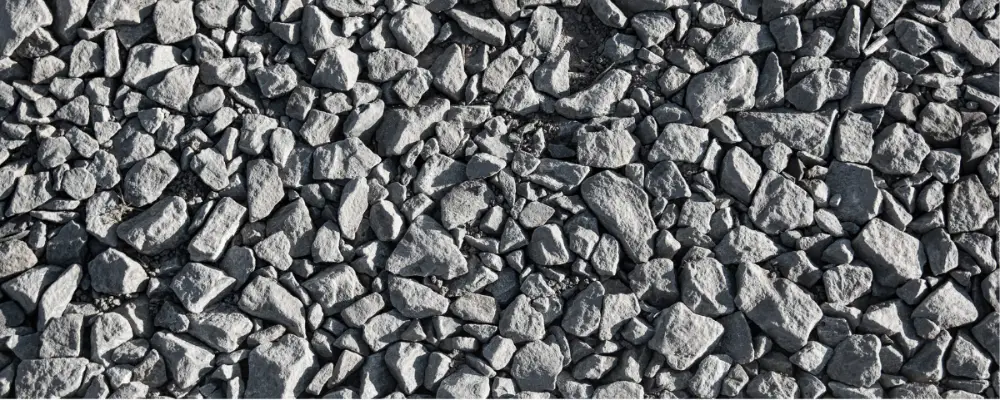
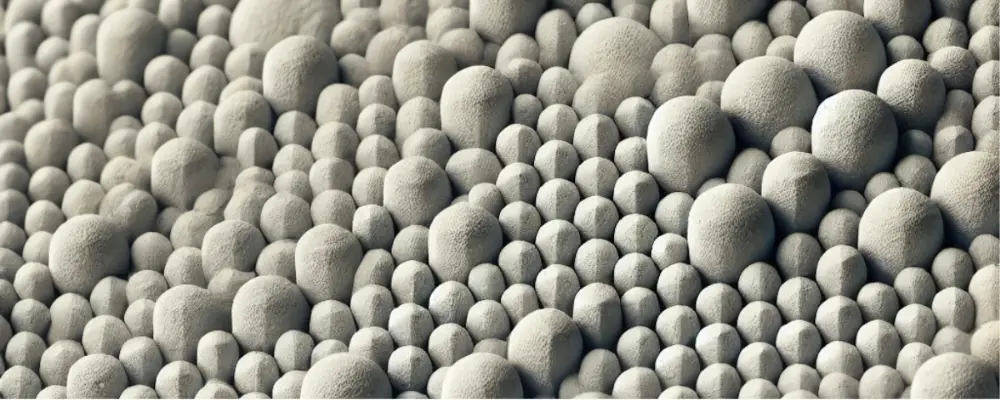
Uniformly graded aggregate refers to a collection of particles predominantly of the same size, with little variation or gradation. This is in contrast to well graded aggregates, which consist of a mix of various particle sizes to fill gaps and achieve maximum density.  

If a batch of aggregate contains mostly 10 mm particles, with minimal presence of smaller sizes, it is considered to be uniformly graded. This consistent size distribution leads to specific behaviors in the final product, particularly in terms of compaction and drainage.

Importance of Uniformly Graded Aggregates in Construction  

Uniformly graded aggregates have specific applications where their characteristics align with the functional requirements of the project. Here is why they are important:  

Drainage Efficiency:  

Their uniform particle size ensures excellent permeability. This makes them perfect for projects requiring efficient drainage, like subbase layers and retaining wall backfills.  

Controlled Void Spaces:  

These aggregates maintain consistent void ratios. This is important in certain applications like filters in wastewater management and road base construction.  

Specialised Applications:  

Uniform gradation is necessary for niche applications like railroad ballast and decorative concrete, where specific properties are needed.

Properties of Uniformly Graded Aggregates 

Particle Size Consistency:  

Uniformly graded aggregates have minimal variation in particle size. They create distinct void spaces in a concrete mix.  

Low Compaction Ability:  

Due to the lack of smaller particles to fill voids, these aggregates don’t compact as tightly as well graded aggregates.  

High Permeability:  

The open structure facilitates water flow, making them excellent for drainage applications.  

Reduced Cohesion:  

Uniform grading often results in less interlocking between particles. This can affect stability in load bearing applications.  

Applications of Uniformly Graded Aggregates  

Uniformly graded aggregates have excellent properties and are used in various applications. Following listed are a few applications of uniformly graded aggregates: 

Drainage Systems:  

Uniformly graded aggregates are highly used in drainage systems. Their high permeability makes them perfect for sub drains and retaining walls. They can also be used in septic system leach fields.  

Asphalt Pavements:  

Uniformly graded aggregates are used in specific layers of asphalt pavements where permeability and flexibility are important.  

Decorative Concrete: 

Decorative Concrete

Decorative concrete uses uniformly graded aggregates to create aesthetically pleasing finishes, especially when concrete is left exposed without any finishing.  

Railroad Ballast:  

Large sized uniformly graded aggregates are used to stabilize railway tracks. They ensure proper drainage and load distribution.  

Backfilling: 
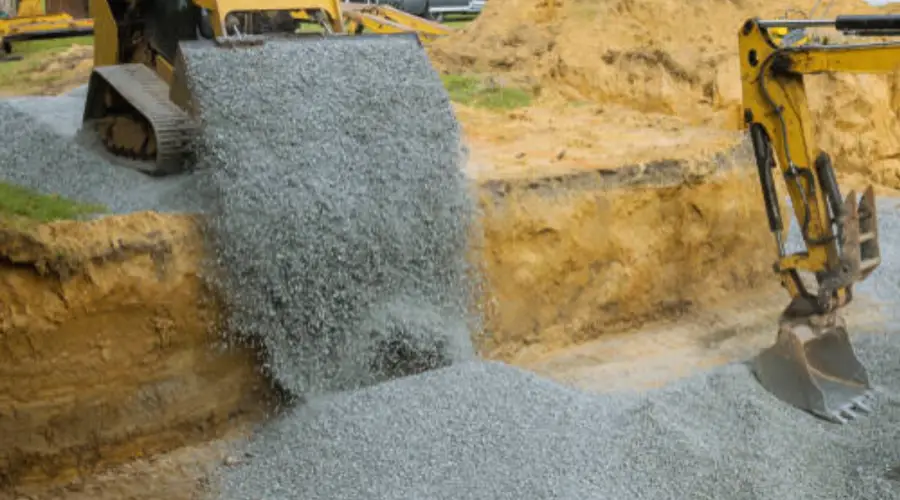
In projects requiring controlled drainage and reduced water retention, like bridge abutments and underground utility trenches, uniformly graded aggregates are preferred.

How to Identify Uniformly Graded Aggregates?  

The identification of uniformly graded aggregates can be done using the following methods:  

Sieve Analysis:  

Sieve analysis is a standard test to determine the particle size distribution of aggregates. Uniform grading will show a concentration of particles within a narrow size range.  

Visual Inspection:  

Aggregates with uniform particle sizes are easy to distinguish visually. This is because they lack the variety seen in well graded mixes.  

Void Ratio Measurement:  

The high void ratio of uniformly graded aggregates is another characteristic that sets them apart.  

Technical Standards:  

Refer to grading curves and specifications provided by ASTM and IS codes. These standards clearly define the criteria for uniform grading.

Advantages and Disadvantages of Uniformly Graded Aggregates 

Uniformly graded aggregates are both a blend of advantages and disadvantages. 

Advantages of uniformly graded aggregates. 

High Permeability: 

The uniform structure of these aggregates allows water to pass through freely, making them highly effective for drainage systems. This reduces risks like waterlogging and helps maintain structural integrity in moisture sensitive areas.  

Ease of Placement:  

Uniformly graded aggregates are simple to handle and place due to their consistent particle size. It saves time and effort in construction projects.  

Reduced Settlement: 

In applications like railroad ballast, their uniformity ensures stability and minimises settlement. This will enhance long term reliability.  

Specialised Uses:  

These aggregates excel in specific applications like decorative concrete and filter layers. In applications like drainage systems, their unique properties are a must-have.  

Disadvantages:  

Low Strength:  

The lack of smaller particles to fill voids reduces strength and stability, making them unsuitable for high load applications.  

Poor Compaction:  

Uniformly graded aggregates do not compact tightly. This can lead to uneven settlement in some cases.  

Limited Versatility:  

They are not suitable for general purpose concrete and asphalt mixes. This is because well graded aggregates are preferred for strength and durability.  

Cost Considerations:  

For certain projects, the specific processing required to achieve uniform grading can increase costs.

Conclusion   

Uniformly graded aggregates play a major role in construction, particularly in applications where permeability and drainage are key requirements. Their consistent particle size offers ease of placement and stability in specific scenarios like railroad ballast and drainage systems. Understanding their properties and selecting the right aggregate for a project can ensure optimal performance and long term durability.  

FAQs

1. Are uniformly graded aggregates suitable for all construction projects?

No. Uniformly graded aggregates are perfectly suited for specialised applications like drainage systems and railroad ballast. For general purpose concrete and asphalt, well graded aggregates are typically preferred for their superior strength and compaction properties

2. Which standards specify the grading requirements for aggregates?  

Standards like ASTM C136 and IS 383 specify grading requirements for aggregates. These documents include guidelines for sieve analysis and particle size distribution to classify aggregates as well graded and uniformly graded.  

3. How do uniformly graded aggregates impact the durability of concrete? 

Uniformly graded aggregates generally do not enhance the durability of concrete due to their reduced compaction and interlocking ability. They improve permeability, making them perfect for drainage oriented applications.
Castables – Everything You Need to Know and Their Uses

0
Castables

The usage of refractory castables is surprising. It is a non-metallic material possessing incredible heat resistance and thermal insulation properties. It can be widely used in high-temperature applications to withstand impact. They can often be found in boilers, furnaces, and kilns. From steel to cement and photochemical industries, these castables are the best sellers in the market.

They are composed of granular and powdered materials, moisture, and binders, hence harden without heat. Castables are classified into several types; here we will discuss castables and refractory castables. Understanding their technical aspects can help you choose the best one for your requirements.

What is Refractory Castable?

Refractory castable, also known as acid-resistant castable, has become a popular material in the market. It consists of 13% to 16% sodium silicate solution, 60% to 70% acid-resistant aggregates, and 30% to 40% other raw materials.

The density of refractory castables decides its performance, which includes heavy, medium and lightweight. It ranges from 0.4 to 2.0 g/cm3, widely used in the non-ferrous metallurgy and chemical industry. Its massive quantity of binding agent and moisture content results in high-strength refractory castable.

Types of Refractory Castables

There are various refractory castables available in the market. Here are some of them:

Non-cement Refractory Castables: This type of castable is also recognised as no-cement or cementless castables. It is dried with a special binder before it is exposed to high temperatures. Its lack of CaO content makes it suitable for use in refractory materials, specifically in the alumina industry.

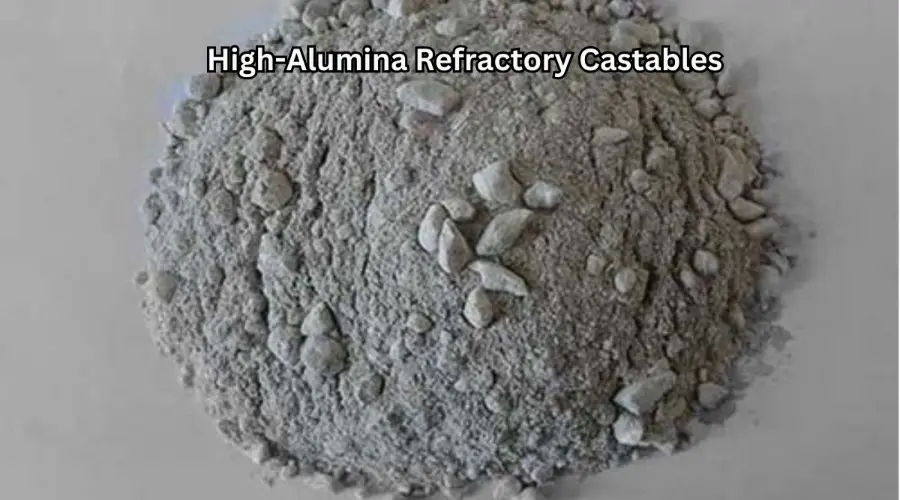
High-Alumina Refractory Castables: High-alumina castables are often used in heat-treatment furnaces, lining tumbling kilns, and other furnace applications like power plants, construction, cement, etc. It is well suited for applications that require exceptional thermal resistance, strength, and high-temperature properties. This type of refractory castable contains an excess amount of alumina content that can range from around 60% to 90%.

High-Alumina Refractory Castables

Low-cement Refractory Castables: This is another outstanding refractory castable that offers excellent physical properties like good abrasion, low porosity, etc. Unlike regular dense castable, this type is made of less content of cement and can be used in refractory linings such as cement kilns, blast furnaces, water-cooling pipe binders, and refractory boilers.

Insulating Castables: This is a precise choice to use in cold-face applications, especially in the temperature range from 900 to 1500 degrees Celsius. They are available in various sizes and shapes, containing very low thermal conductivity to reduce the need for fossil fuel and to retain heat. 

Insulating Castables

Lightweight Insulating Refractory Castables: This type of refractory castables can also be identified in several sizes and shapes. They are composed of ingredients such as refractory powder, cement binder, and other aggregates/additives.

Ultralow Cement Refractory Castables: It is a kind of castable material that contains a low amount of cement content. They can be suitable for the applications that require excellent performance and durability at high temperatures. It includes calcium oxide between 0.2% and 1% on a calcined basis.

Applications of Castables in Construction

Castable is a versatile material known for its exceptional durability, strength, and fire-resistance. They can be used in several applications, and some of them are:

  • Castables are a suitable choice to fill gaps or voids that exist in the concrete slabs and flooring, typically improving their load-bearing capacity and structural integrity.
  • They are often used to level the surface and ensure a smooth and perfect finished foundation for subsequent layers.
  • They have excellent fire-resistant properties, making them ideal for creating insulated walls and partitions. It reduces heat loss and improves energy efficiency.
  • Due to its increased load-bearing capacity, castables are a wise option to reinforce structural elements like columns and beams.
  • It can be used in various architectural features like moldings, sculptures, and decorative columns.

Steps for Proper Installation of Castables

Here are the significant steps involved in the installation of castables:

Preparation: It is essential to ensure the substrate is clean, dry, and free from dust. If necessary, you can use a bonding agent to improve the adhesion between the substrate and the castable.

Mixing: You must follow the manufacturer’s instructions when mixing castable with water. An appropriate amount of water is essential to achieve the desired consistency. To hydrate well, leave the mixture for a few minutes, which helps obtain its desired properties.

Applications: You can apply the castable mixture into molds or forms. Now, spread the material evenly and vibrate it to eliminate the voids or air pockets for proper consolidation.

Curing: Castable should be cured properly until the recommended period of time, which may range from 24 to 48 hours. To achieve the desired strength, avoid rapid moisture loss and temperature fluctuations.

Benefits of Using Castables in Construction

Castable is the most essential material in the manufacturing process. But why have they become so popular? Let’s have a look at its significance:

Easy Usage: Castables are simple and effortless to use. Most importantly, they can be molded into different shapes and sizes according to the construction requirement. When prepared with high-quality raw materials, they can efficiently withstand harsh weather conditions without causing any noticeable changes.

Saves Time: One of the biggest industrial advantages is the time saved. It significantly reduces the construction time of the furnaces and promotes productivity. Unlike other materials, they do not require additional baking time.

Strong and Durable: Castables offer exceptional flexural and compressive strength, which prolongs the lifespan of structures. Additionally, they are highly resistant to thermal shock, abrasion, and impacts even in harsh weather environments.

Environmental Benefits: Luckily, castables can be personalized according to the specific needs of the construction. It typically reduces the wastage and material usage. It not only contributes to sustainable construction but also reduces the environmental impacts on structures.

Things to Remember When Using Castables

  • It is mandatory to store the castables in a dry, cool area to prevent hardening and moisture absorption.
  • Keep them away from extreme temperatures and direct sunlight.
  • Avoid using old castables that may be contaminated and affect the overall strength and durability of the castable mix.
  • Must use drinking water to mix castable. Being aware of the manufacturer’s instructions can help you achieve the right consistency.
  • Mixing castables needs extra care and attention. Too much heat production can speed up the setting time and may fail to achieve the desired strength.
  • After pouring the castable, it must set for 24 to 48 hours without causing any disturbance. Cover it with a polythene sheet to avoid rapid moisture loss and maintain proper temperature through the process.

Maintenance and Longevity of Castables

  • Monitor and control the operating temperatures to prevent damage and excessive thermal stress.
  • Conducting regular inspections allows you to identify the signs of damage, wear, or cracking.
  • Limit the exposure of corrosive chemicals, which can degrade the castable material.
  • Ensure the castable is properly ventilated  to prevent corrosion and moisture buildup.
  • Control rapid temperature changes to maintain the originality of castables.

In a Nutshell

Castables are the best-selling material that can withstand high temperatures and harsh conditions. As stated earlier, it is widely used in applications such as furnaces, refractory boilers, kilns, etc. If you are in need, it is recommended to search and find a reliable castable manufacturer in India to have a quality service. Ensure that they have years of experience and offer value-for-money products.

Flat Slab with Column Head – Features, Advantages & Uses

0
flat slab with column head

A flat slab is a reinforced two-way concrete structure that rests on columns, without the support of beams. These slabs are highly effective in distributing loads, especially when panels or column heads are used along with them.

We have already discussed the flat slab with drop panels structure, and this blog will explore the flat slab with column heads, its characteristics, benefits, applications and construction process.

What is a Flat Slab with Column Heads?

A flat slab with column heads is a two-way reinforced concrete element that combines a flat slab with enlarged column heads. It provides enhanced load distribution and helps withstand pointed shear forces. This flooring system is most commonly used in multi-storey structures.

Characteristics of Flat Slab with Column Heads

Flat Slab without Beams

A flat slab is a reinforced concrete structure that has a flat surface without beams. The design of this floor structure is simple, yet efficient in transferring loads downwards. The beamless structure keeps the ceiling below uninterrupted, allowing a clean and flat surface for other equipment installation.

Column Heads

Column heads are enlarged sections that are placed in between the flat slab and the columns and help in transferring load below. The large head portion helps in distributing the loads effectively by increasing the contact area and helps fight against shear forces.

Load Distribution and Shear Resistance

This flooring system can withstand heavy loads without failure and helps in the efficient transfer of loads. The main purpose of this construction is to reduce the effect of punching shear forces that act around the slab-column interface.

Design Flexibility

The beamless design allows the flat slab to provide uninterrupted open spaces ideal for buildings that require flexible layouts. They provide flexibility in the placement of columns, due to effective load distribution.

Structural Stability

The installation of enlarged column heads enhances the stability of the slab and improves the overall structural integrity by reducing the chance of any failure.

Applications of Flat Slabs with Column Heads

Commercial Structures

This flooring system is ideal for multi-storey commercial structures such as offices, retail spaces, shopping malls, and conference halls, where open surfaces and column-free spaces are crucial for maximum utilisation of spaces.

Residential Buildings

Residential Buildings Flat Slabs Construction

They provide better floor-to-ceiling height, better flexibility in design, and a faster construction process making them suitable for multi-storey residential buildings.

Parking Garages

The absence of beams and flexible placement of columns are ideal for multi-story parking garages and ensure hassle-free movement of vehicles.

Industrial Buildings

They can be used for the construction of industrial buildings such as factories and warehouses, where uninterrupted usable spaces and flexible design for the installation of machines, equipment and storage spaces are crucial.

Hospitals and Healthcare Facilities

This structure is highly suitable for hospitals and healthcare facilities, where flexible design for equipment installation, maximum utilisation of space, and minimal obstruction are crucial.

Educational Institutions

The unobstructed design of this flooring system helps in the utilisation of maximum space for classrooms, lecture halls, and library spaces, making them ideal for educational institutions. 

High Traffic Areas

The smooth and open ceilings, design flexibility, efficient load distribution and large, open spaces make such slabs ideal for places with high human traffic such as hotels, airport terminals, stadiums, arenas, community centres, lounges, waiting rooms and more.

Advantages and Disadvantages of Flat Slabs with Column Heads

Advantages

  • This flooring system is highly cost-effective, limiting the amount spent on formwork, as it doesn’t require separate formwork for beams.
  • They provide good resistance and stability against pointed shear forces, protecting the structure from failure.
  • The usage of less formwork increases the construction speed.
  • The beamless structure provides open and flexible floor plans, giving full architectural freedom to relocate partitions and create adaptable, and usable spaces
  • The clean and open appearance distributes natural light evenly throughout the space, thereby enhancing the overall aesthetic looks.

Disadvantages

  • The designing process of the flat slab with column heads is complex, as it requires careful calculation and analysis of shear strength, especially around the column heads.
  • This integrated structure might experience limitations in span between columns, due to loads and other factors.
  • This flooring type has the risk of high deflection compared to traditional floor finishing with beams and girders.

Construction Process for Flat Slabs with Column Heads

Construction Process for Flat Slabs with Column Heads

Designing

Designing flat slabs, especially with column heads is crucial to provide aesthetic and functional floorings. The spans, loading, column spacing, column head design and panel dimensions (if included) should be decided carefully, before the construction process.

Installing Formwork

Formwork should be designed in a way that it holds the poured concrete efficiently. The formwork and shuttering should be of the required shape and size of the structure, that it covers both the flat slab and column heads without allowing any leakage of concrete.

Placing Reinforcement

Steel reinforcement bars should be laid in a grid pattern in two ways to resist the bending moments in both directions. Adequate reinforcement should be provided within the column heads and the surrounding slab, for proper bonding and resisting high shear forces.

Pouring Concrete

Prepare concrete of proper consistency, based on the mix proportions and design specifications. Pour the prepared concrete onto the formwork containing reinforcement. Use vibrators to remove all the air voids and ensure proper compaction.

Curing

Keep the concrete structure under moist conditions by periodical pouring of water or by protecting the structure with a plastic sheet, to gain strength effectively. The curing process will take place for around 28 days.

Removing Formwork

After the curing period and once the concrete structure develops the strength to stand by itself, the formwork is removed.

Conclusion

Flat slabs with column heads are a practical and efficient solution for modern-day multi-story buildings. These are ideal for places where effective load distribution without obstruction of interior spaces is crucial. Although they are complex and require skilled labourers, they are highly efficient, cost-effective and provide architectural flexibility, making them a preferred flooring system in multi-storey construction.

Gap-Graded Aggregates – Features & Benefits of Construction

0
Gap Graded Aggregates

Aggregates are essential to the construction industry by providing sturdy, solid, and long-lasting structures made of concrete. Each grade of aggregate has its unique performance and are separated according to their particle size distribution. This guarantees that the structure has uniform particle size distribution. This article will deeply explain the topic of gap-graded aggregate, discussing its characteristics, applications, advantages, and disadvantages, as well as its difference from well-graded aggregates.

What is Gap Graded Aggregate? 

Gap-graded aggregate is a mixture of both large and very small-sized aggregates (lack medium-sized ones). The gaps between the larger particles are filled by the smaller ones. This grading decreases the chance of segregation, increases workability, and uses less cement. They are usually used to obtain uniform textures that increase concrete strength and reduce creep and shrinkage.

For low-slump and high-strength concrete used in tunnels, bridges, and tall buildings, gap-graded aggregates are perfect. Decorative concrete finishes also widely utilise these aggregates.

Characteristics of Gap-Graded Aggregate

Particle Distribution: There are observable gaps in the grading curve due to the particle distribution, which is composed of a mixture of large and small particles with few or no medium-sized particles.

Cement Efficiency: Due to the effective particle packing, less cement is required.

Better Workability: By enabling fine particles to fill in spaces in the coarse aggregate, the concrete mix’s workability is improved.

Segregation Risk: May be prone to segregation, particularly in very workable combinations with excess water, necessitating cautious handling.

Particular Uses: Suitable for decorative treatments and low-slump, high-strength concrete used in tunnels and bridges.

Limitations: Not the best for slip-form paving techniques and difficult to pump.

Stockpile Reduction: Promotes cost efficiency by reducing the quantity of aggregate stocks needed.

Applications of Gap-Graded Aggregate

High-Strength Concrete: For the low-slump construction process, gap-graded aggregate is vital due to its high-strength concrete used in tunnels, bridges, and tall skyscrapers.

Decorative Concrete: Due to its distinctive particle arrangement and look, decorative concrete is frequently utilised for ornamental finishes.

Vibration-Responsive Mixes: Concrete mixes that need to be compacted by vibration are best suited for vibration-responsive mixes.

Economical Construction: Lowers cement quantity, which lowers construction costs for major projects.

Specialised Pavements: In certain pavement types where limited workability and high durability are required, specialised pavements are occasionally utilised.

Architectural Applications: Suggested for structural and aesthetic designs that require distinctive textured finishes.

Advantages of Gap-Graded Aggregate

  • Between 26% and 40% lesser sand is required for concrete production.
  • Since less sand is used, the aggregates’ total surface area is minimised.
  • Reduced drying shrinkage can be achieved by preserving point contact between various particle sizes.
  • Since the overall void volume is much decreased, less cement is required.
  • These aggregates are chosen to optimise the mix by forming spaces that the fine particles can efficiently fill.

Disadvantages of Gap-Graded Aggregate

  • Segregation is more likely in blends with high workability.
  • Pumping is challenging, which restricts its use in several construction techniques.
  • Due to its instability, it is not appropriate for slip-form paving.
  • Limited adaptability; best suited for low-slump combinations.
  • Strength may be decreased by voids caused by improper compaction.
  • Increased complexity as it requires exact proportioning and quality control.

Gap-Graded Aggregate vs. Well-Graded Aggregate

S.NoPropertyGap-Graded AggregateWell-Graded Aggregate
1Particle DistributionLarge and small particles with missing intermediatesA continuous range of particle sizes
2Cement UsageRequires less cement due to reduced void volumeRequires more cement to fill smaller voids
3WorkabilityHigher workability in low-slump mixesConsistent workability across various mixes
4Segregation RiskMore prone to segregation in high-slump mixesLess prone to segregation
5Application SuitabilityIdeal for decorative concrete and high-strength, low-workability applicationsVersatile, general-purpose concrete
6Surface AreaReduces surface area, lowering cement and water demandIncreases surface area for better bonding
7Compaction RequirementsRequires extensive vibration for proper compactionCompacts easily without specialised methods

Conclusion

To sum up, gap-graded aggregates have several benefits, including better workability, lower cement use, and cost-effectiveness in some applications. They work especially well with decorative treatments and high-strength, low-slump concrete. Their limited suitability for slip-form paving, pumping difficulties, and propensity to segregate must be carefully controlled. With appropriate handling and quality control, gap-graded aggregates can improve the performance and efficiency of concrete mixes; however, they are best utilised in certain situations where their advantages exceed their drawbacks.

FAQs

1. What are the ideal materials for gap-graded aggregate?

For the bigger particles, the best materials are crushed stone, gravel, or other long-lasting coarse aggregates; for the smaller particles, the best material is fine sands.

2. How does gap-graded aggregate affect concrete’s strength?

Gap grading enhances concrete strength by improving particle packing, reducing voids, and creating a denser mix. This requires less cement and water while boosting compressive strength. It also improves stability, reduces shrinkage in low-slump mixes, and suits high-strength applications like tunnels, bridges, and large infrastructure projects.

3. Is gap grading suitable for all types of construction?

Gap grading is appropriate for building only a few kinds of buildings because of its unique features. Due to its high strength, it is suitable for low-slump concrete applications, including bridges, tunnels, and decorative concrete finishes. 

4. For what construction process is gap grading not suitable?

It is not appropriate for general-purpose concrete or projects that need easy workability, like slip-form paving, due to the possibility of segregation. In addition to requiring precise handling, mixing, and vibration techniques, gap-graded concrete is less suitable for large-scale, quick-paced projects where homogeneity in the mix for workability is essential.

5. How does fine sand lead to gap-graded aggregates, and why is careful handling important?

Avoiding segregation requires careful management and proper handling. Gap grading can happen with “ordinary” aggregates as well. For instance, particles between 5.00 mm and 2.36 or 1.18 mm sieve widths are frequently absent from very fine sand, which is found in numerous areas. When such sand is used without being combined with coarser sand, a gap-graded aggregate is successfully produced.

Flat Slab with Drop Panels – Features, Design & Applications

0
Flat Slab with Drop Panels

A slab is a flat, horizontal structure of a building that is used to create roofs, floors and ceilings and is supported by columns, beams and other structural elements. There are different types of slabs in the construction industry and the flat slab with drop panels is something unique that provides high strength and stability. This blog will help you understand flat slabs with drop panels, their features, designing and construction process. 

What is a Flat Slab with Drop Panels?

A flat slab with drop panels is a two-way reinforced concrete slab that is supported by columns without beams. It has thick drop panels (local thickenings of the slab) above the columns. This provides strength and stability to the slab, making it suitable for withstanding heavy loads. This slab provides good design flexibility without sacrificing the structural integrity of the building.

Features of Flat Slabs with Drop Panels

  • The drop panels provide improved stability to the slab to help it withstand shear forces caused by concentrated loads around the columns.
  • Its improved shear strength reduces the risk of shear failure.
  • Unlike other reinforced flat slabs, it doesn’t have beams, providing unobstructed ceiling spaces and reduced floor-to-floor height.
  • The thicker panels around the columns provide excellent resistance against fire.
  • It provides good design flexibility due to the absence of beams.
  • Such slabs require lower time to construct, since the complication of shuttering and reinforcing beams is absent.

Applications of Flat Slabs with Drop Panels

  • This integrated structure is used for the construction of high-rise residential buildings, where large open spaces and minimal structural interference are crucial.
  • This structure is ideal for multi-storeyed commercial buildings, where higher amounts of usable interior spaces are crucial.
  • A flat slab with drop panels is ideal for multi-storeyed parking garages to maximise the parking space.
  • This structure is useful for industrial spaces to support heavy loads in an open space for storage.
  • This structure can be used for places with high traffic including hospitals, hotels, schools, auditoriums, theatres, stadiums and airport terminals.
  • In some areas, the flat slab with drop panels can be used to construct bridges in urban areas.

Design and Construction Process

Design Considerations

Thickness of Flat Slabs

As per CI 31.2.1 of IS 456-2000, the minimum thickness for flat slabs with drop panels is typically around 12.5 cm. The maximum value of the ratio of a larger span of thickness shall be 40 (if mild steel is used), and 32 (if Fe 415 or Fe 500 is used). The minimum thickness of the flat slab shall not be less than 125 mm.

Drops

As per IS 456-2000, the drop panels of the flat slab shall be rectangular in plan and have a length in each direction not less than 1/3rd of the panel in that direction. The ratio of the longer span to the shorter span within a panel should not be greater than 2. The end span must not be greater than the interior span.

Slab Reinforcement

Slab Reinforcement
  • The spacing of the bars in a flat slab should not exceed two times the slab thickness.
  • The thickness of the drop panel for determining the area of reinforcement should be less than the thickness of the drop, and the thickness of the slab plus ¼ the distance between the edge of the drop and the edge panels.
  • The minimum percentage of the reinforcement is the same as the solid slab.
  • At least 50% of the bottom bars should be from support to support, and the rest can be bent.

Construction

Installing Formwork

Formworks must be installed for the slab and drop panels in the desired shape and size of the structure.

Placing Reinforcement

Steel reinforcement bars should be laid in a grid within the formwork for slabs, columns and drop panels in the top and bottom layers to improve the tensile and compressive strength.

Pouring Concrete

Pouring Concrete

After the formwork and reinforcements are set, pour the concrete over the entire slab and drop panels. Ensure that the concrete is lump-free and in a homogenous form that provides the required strength and workability. The poured concrete should be completely compacted using vibrators to remove air voids. 

Curing

After pouring the concrete, the flat slab and drop panels should be completely cured under a moisture state for at least 28 days to attain maximum strength. Water should be poured on a periodic basis to prevent rapid loss of moisture and improve the strength of the concrete.

Removing Formwork and Finishing

After curing, the formwork is removed carefully without damaging the structure. After this, the surface of the slab and panels are plastered to give a smooth and levelled surface.

Simple Flat Slab vs. Flat Slab with Drop Panels

Simple Flat SlabFlat Slab With Drop Panels
The simple flat slab has a uniform thickness throughout the slab surface.The flat slab with drop panels has thickened areas on the slab, especially around the columns.
The load-bearing ability of the simple flat slab is limited and is suitable only for shorter spans.The load-bearing ability of this slab is higher and is generally suitable for longer spans.
This slab has moderate resistance to shear forces acting on the structure.A flat slab with drop panels has enhanced resistance against shear forces due to the presence of drop panels.
The design of a flat slab is simple in comparison to slabs with drop panels.The design of flat slabs with drop panels is complex due to the presence of panels.
The cost of constructing a simple flat slab is low.The cost of constructing the flat slab with drop panels is higher initially, however, it has reduced maintenance costs.
The risk of causing structural deflection is high.The deflection risk of this structure is low due to increased stiffness.
The flexibility of the simple flat-slab layout is high.The flexibility of the flat slab with drop panels is lower.

Conclusion

Flat slabs with drop panels provide a strong and stable solution for conventional construction projects. They help create well-balanced structures that provide both stability and architectural flexibility and are suitable for all types of large construction, especially for multi-storey buildings where space saving is crucial.

Geosynthetic Aggregates – Benefits in Construction

0
Geosynthetic Aggregates

In construction, aggregates are grained particulate materials such as sand, gravel, and crushed stone. Aggregates act as reinforcement to add strength to concrete. They are well known for their hydraulic strength, which makes them suitable for constructing drainage elements and as base material under building foundations, roads, and railroads. However, in recent times, the conventional aggregate has been superseded by geosynthetics with their low carbon footprint, design flexibility, and cost controls. In terms of performance, cost, and environmental impact, geosynthetics are sometimes more ideal than conventional aggregates. This article dwells deep into the geosynthetic aggregators and their contribution to the construction industry.

What are Geosynthetic Aggregates?

Geosynthetic aggregates are manufactured from a polymeric material and used with soil, rock, cement, or other geotechnical materials same as the conventional aggregates. The main purpose of any geosynthetic material is to improve the condition of soil. To explain this in simple terms, the word geosynthetic can be split into two, where geo means earth and synthetic means man-made. Recent issues that have emerged due to erosion, landfill, and filtration have increased the demand for this material among constructors. This material is suitable for all construction projects where long-term durability is required. There are various types of geosynthetic materials made in different forms and used in a variety of projects. Some of these are geotextiles, geogrids, geonets, geomembranes, geosynthetic clay lines, geoform, and geocells.

Components of Geosynthetic Aggregates

Geosynthetic aggregates are not standalone aggregates, but involve components of both geosynthetic products and traditional aggregates. The combination improves the performance of various engineering projects. Some geosynthetic components are: 

  • Geotextiles- permeable fabrics that can separate, filter, reinforce and protect soil
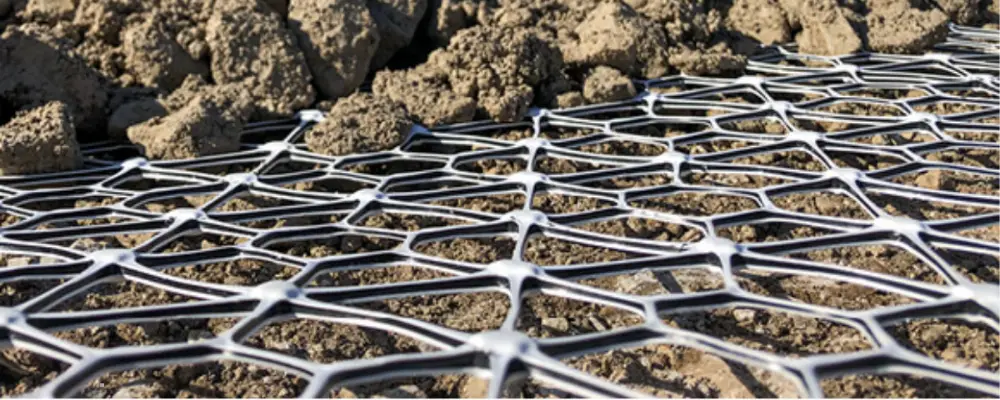
  • Geogrids- have openings that interlock with the aggregate particles providing necessary reinforcement 
  • Geocells – three-dimensional cellular structures that confine the aggregate within the cell. 

Some aggregate components are crushed stone, recycled concrete aggregate, gravel, sand, and slag.

Benefits and Applications of Using Geosynthetic Aggregates

Some of the benefits a constructor could gain from using geosynthetic materials are,

  • The use of geosynthetic materials prevents the mixing of two different soils. This could be achieved by using geotextiles, and geocomposites.
  • The use of geogrids and geotextiles provides much-needed tensile strength to the soil, acting as a reinforcement.
  • It helps in confinement by restraining the movement of soil mass geocells and acts as drainage for transporting fluids.
  • Geomembranes and geocomposites can be used as fluid barriers.
  • They are highly beneficial in erosion control by avoiding detachment and transport of soil particles by rain, runoff and wind.
  • It even protects the structure from damage and alleviates stresses and strains transmitted to the material.
  • It is used in earth-retaining structures to reinforce, retain and protect soil. This improves the stability of the soil.
  • The feature of separation helps in the construction of embankments by separating embankment materials from soft foundation soil. It even helps in providing a waterproofing system.
  • It provides a stronger foundation, as it drains the water from the base and reduces settlement by reducing load-bearing capacity.
  • It also helps in preventing erosion and scouring around underwater foundations.
  • Used in unpaved roads to improve load-bearing capacity and to reduce the degree of rutting.
  • Used in paved roads and airfield overlay bases as it can prevent water infiltration, reflective cracking, and contamination of base course.
  •  Used in railway tracks to prevent ballast contamination, dispose of water to side drains, contamination and upward groundwater movement.
  • It is even used in dam embankments, containment ponds, reservoirs, and canals.

How Geosynthetic Aggregates Work

The four major works of geosynthetic aggregates are,

  • Reinforcement: The integration of geogrid or geocells with the aggregate layer provides necessary strength and stability. It reduces the risk of deformation and distributes loads more evenly.
  • Drainage: It can create a drainage path within the aggregate layer, removing excess water, and improving the durability of the structure.
  •  Filtration: It filters out fine particles from the soil and water. This prevents clogging of drainage systems.
  • Separation: It is used to separate different layers such as aggregate layers with that of the underlying soil. With this, it maintains the integrity of each layer.

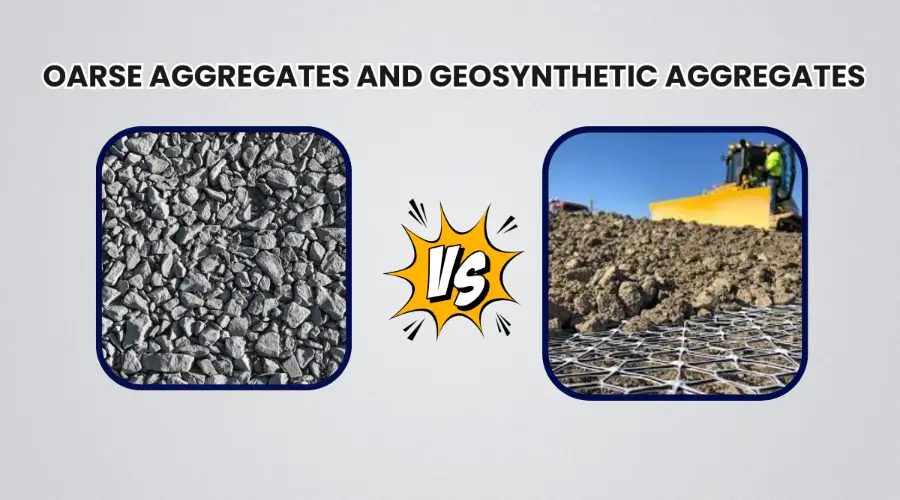
Comparison Between Coarse Aggregates and Geosynthetic Aggregates

oarse Aggregates and Geosynthetic Aggregates
Coarse AggregateGeosynthetic Aggregate
The composition includes natural materials such as crushed stone, gravel, or sand.The composition of geosynthetic aggregate is a combination of geosynthetic materials and coarse aggregate.
The performance of coarse aggregate is determined primarily through the physical properties of the material used.The performance is increased by the addition of geosynthetic material.
In terms of affordability, coarse aggregates are cost-effective.In terms of affordability, the cost of geosynthetic aggregate is high because of the inclusion of geosynthetic material.
Mining and transportation of the components of coarse aggregate cause harm to the environment.It reduces environmental impact as it uses recycled materials.

Conclusion

Geosynthetic aggregates consist of a combination of natural aggregates and geosynthetic materials. They offer several advantages over traditional aggregates. By incorporating geotextiles, geogrids, or geocells, these hybrid solutions enhance soil reinforcement, drainage, filtration, and separation. As a result, they improve the load-bearing capacity, stability, and durability of infrastructure projects. While the initial cost may be higher, they can ultimately prove to be more economical due to lower maintenance needs and a longer lifespan. Additionally, the use of geosynthetic aggregates can reduce environmental impacts by lowering the demand for natural resources and promoting the use of recycled materials.

FAQs

1. Are geosynthetic aggregates suitable for small-scale projects?

Geosynthetic aggregates are commonly known for large-scale applications; however, they are very helpful in small-scale applications as well. In the case of residential construction, they can be used for stabilising slopes, improving drainage, and reinforcing foundations. They can also be applied to enhance soil quality and prevent erosion in landscaping.

2. How do geosynthetic aggregates contribute to sustainability?

The use of geosynthetic aggregate reduces material usage by reinforcing soil and improving load-bearing capacity, providing a longer lifespan by protecting it from erosion, weathering and other hazards, reducing environmental impacts, and providing a recyclability option. 

Top 10 Civil Engineering Contractors in Chennai

0
Top 10 Civil Engineering Contractors in Chennai

If you are in the middle of building your dream project., you will need the help of civil contractors to help bring your vision to life. Finding the “right” contractor for the job makes a huge difference. A good contractor ensures that your vision comes alive with precision, professionalism, and quality.

This blog consists of a list of civil contractors in Chennai who have earned their reputation over the years with dedication, hard work, and successful projects. They are recognised for experience in handling all sorts of construction needs-from residential buildings and commercial buildings to industrial projects. Skilled teams, up-to-date technology, and on-time delivery without compromising on quality mark the skills of these professionals.

What makes them stand out as contractors is their ability to connect technical knowledge with creative solutions. They listen to you, offer practical advice, and see that every little detail is addressed. Whether designing, planning, or executing, they do it all with great care and professionalism.

Top 10 Civil Engineering Contractors in chennai 

Are you worried that your project may end up in the wrong hands? Are the resources available on the internet insufficient for you to make a decision? Look no further, we’ve cherry picked the best contractors in Chennai for you. Read on!

1. Brick & Bolt 

Brick & Bolt is a leading construction company offering turnkey home-building services in Chennai and other Indian cities. They are known for their transparent processes, integrating advanced technology like AI and computer vision to ensure quality and timely delivery. The company provides end-to-end services. Over 470 quality checks at every stage and a customer-friendly app for real-time updates ensure that Brick & Bolt is a leader in the construction company. Their approach emphasises reliability,  and cost efficiency, making them a trusted choice for residential and commercial projects.

Contact details: 

Email Address: info@bricknbolt.com

Corporate Address: Brick & Bolt (PluckWalk Technologies Pvt. Ltd.), Equinox Managed Workspace, Block ll, Ground Floor, 6/13 North Avenue, Kesavaperumalpuram, Raja Annamalai Puram, Chennai – 600028

Phone number : +91 7505205205

Website: https://www.bricknbolt.com/construction-company-chennai

2. Consolidated Construction Consortium Limited

Consolidated Construction Consortium Limited – CCCL is one of the most prominent companies in Chennai and was founded in 1997 in Chennai. In the construction industry, CCCL offers diverse services by providing construction design, engineering procurement, and project management. Various projects such as airports, bridges, healthcare facilities, residential buildings, and industrial structures have been handled by the company.

CCCL specializes in innovative solutions such as pre-engineered steel buildings, advanced interior fitouts and MEP services, amongst other things. It boasts its ability to ensure project executions as comprehensive. As it stands, CCCL is established as a provider of high-quality and dependable projects that have been executed and delivered on time, not just throughout India, but also internationally​.

3. Jehovah Nissi Arch firm

Jehovah Nissi Arch Firm, located in Tambaram West, Chennai, is a trusted name in architecture and design. They specialise in crafting unique spaces that perfectly blend style and functionality. They undertake home, office, and industrial project construction and focus on understanding your needs and delivering designs on time. They have the qualities of professionalism, creativity, and time-bound project completion. 

4. India Builders (Chennai) Ltd.

India Builders (Chennai) Limited is an established real estate company. It has been delivering some of the best residential and commercial projects in Chennai and Coimbatore over the past 36 years and has completed over 375 projects and acquired trust from over 3,500 satisfied customers.

5. South East Constructions

South East Constructions is a long-standing construction firm in Chennai with the experience of professional dealing and high-quality work. Their specialties include civil construction along with residential and commercial projects. They are known to produce timely and cost-effective results.

6. K.S. Venkatraman & Co. Pvt. Ltd.

One of the oldest construction companies in civil engineering originated in the year 1948 as K.S. Venkatraman & Co. From the history that dates to the initial phase of operations, a remarkable tradition exists for exceptional skill in providing quality results from residential and commercial developments through industrial production.

7. SPL Infrastructure Private Limited

SPL Infrastructure Pvt Ltd, located in Chennai, has the experience of working on different construction and infrastructure projects. Since its incorporation in 2004, the company has constructed quality residential and commercial projects. It focuses on delivering client needs, from design to completion, with work of the highest standard. SPL ensures that the projects are completed on time and guarantees customer satisfaction.

8. Gridline Surveys And Geospatial Private Limited

Gridline Surveys and Geospatial Pvt. Ltd. is one of the leading surveying companies in Chennai that renders services such as land survey, road and railway surveys, and utility surveys with the help of latest technologies like GPS and GIS, which provide accurate and reliable results for industries like construction and government projects, and their team assures delivery of quality service on time.

9. Formative Projects India Private Limited

Formative Projects India Private Limited is one of the well-known construction companies in Chennai. It engages in real estate and construction services and has achieved immense recognition in the field. They strive for excellence in their service to customers. Their top priority has always been the satisfaction of the customer, and for that, they have always maintained a good name in the market.

10. Cotentech Civilaid Solutions Private Limited

Contech Civilaid Solutions Private Limited is a company in India established in the year 2011 at Chennai. Construction services include waterproofing, concrete repairs, and industrial flooring. The company boasts of quality work and trust from several industries. Though their workforce is minimal, having only three employees, the company has more than a decade of experience and continues to provide special services, including epoxy coatings and structural restoration​.

Conclusion

A good civil contractor is the need of the hour for the success of any construction project. Here are the most reliable contractors with a proven track record of delivering the best work in various sectors from residential to industrial projects. With experience and dedication, you can be rest assured that your dream project is in safe hands. With over 4500 completed projects, assured quality control, zero delays, and the most affordable prices, Brick & Bolt is a leading construction company in Chennai. Contact Brick & Bolt to construct your dream project today!

Simple Flat Slab – Comprehensive Guide to Construction

0
simple flat slab

A plain flat slab is a simple and efficient flooring/roofing system commonly used in building construction. It provides a smooth flat surface without slopes or curves which makes it easy to construct and maintain. Are you curious to know more about this simple flat slab? This article will explain everything you need to know about simple flat slabs, their application, components, and so on. Let’s get started.

What is a Simple Flat Slab?

A simple flat slab is a two-way reinforced concrete slab supported by columns or load bearing walls. It does not require beams or girders for support. It is a basic floor structure relying on concrete for strength and does not require additional supporting elements like drop panels or column heads. This design simplifies construction by eliminating the need for complex support systems and formwork. The slab distributes loads in both directions and offers stability and durability. Simple flat slabs are mostly used in buildings where a simple and effective solution is required for floor systems. They are the preferred choice for residential and commercial buildings due to their simplicity.

Applications of Simple Flat Slabs

  • Residential Buildings

Simple flat slabs are applied mostly in residential buildings as they are affordable, and their construction is simple. They give a clean, flat ceiling and allow extra usable space in the rooms.

  • Commercial Buildings

Many commercial structures, such as offices and shopping malls, use simple flat slabs because they offer fast construction and spacious interiors without the need for beams.

  • Parking Garages

Parking garages often use simple flat slabs because they are easy to build and can support the weight of vehicles without complex structural requirements. However, such flat slabs have limited spans.

  • Hotels

In hotel construction, simple flat slabs provide a straightforward floor system that reduces construction time while maintaining strength and durability and have reduced floor-to-floor heights.

  • Public Buildings

Simple flat slabs are used in the construction of public buildings like schools and hospitals, where simplicity, efficiency, and affordability are important.

  • Industrial Buildings

In industrial buildings, these slabs are preferred for their simplicity and the ability to handle moderate loads without additional reinforcement.

Components of a Flat Slab System

  • Flat Slab

The flat slab is the main component, a solid concrete volume that doesn’t have beams. It is supported by columns and provides a flat, smooth surface.

  • Columns or Walls
Columns in flat slab

Columns or load bearing walls are vertical supports that hold up the flat slab. They transfer the load from the slab to the foundation.

  • Column Caps

Column caps are enlarged parts of the columns where the flat slab rests. They help to distribute the load evenly across the columns. However, these elements are not always necessary. 

  • Reinforcement

Reinforcing concrete slabs by inserting steel bars into them is done to improve their tensile strength. They help the slab resist bending and cracking under load.

Construction Process of Simple Flat Slabs

  • Planning and Design

The initial step involves meticulously planning the flat slab system. Structural engineers will decide the size of the slab, the location of columns, and the type of reinforcement necessary. The design makes sure the slab can carry the loads expected and satisfies all safety requirements.

  • Foundation Work

The foundation is prepared after finalising the design. This means digging the earth and pouring a solid foundation. The concrete base must be thick enough to support the weight of the building above and transfer loads efficiently into the earth.

  • Column Construction

Columns are then built to support the flat slab. These columns are made from reinforced concrete and are spaced according to the design. Wall caps or Column caps are also constructed to distribute the load from the slab evenly onto the columns.

  • Formwork Setup

After the columns are in place, formwork is set up. This temporary mold is made from wood or metal and is used to shape the concrete slab. It’s very carefully placed to ensure that the dimensions and alignment of the slab are correct.

  • Reinforcement Placement

Steel reinforcement bars are placed within the formwork. These bars are arranged in a grid pattern based on the structural design to provide strength and prevent cracking. The rebar is tied together to make sure it stays in position during concrete pouring.

  • Concrete Pouring

Concrete is poured into the formwork to cover the reinforcement bars. It is leveled and compacted in order to remove air pockets and create a strong framework.

  • Curing and Formwork Removal

After the concrete is poured, it is permitted to cure for a few days to acquire strength. After this period, the curing is completed. The flat slab is then removed and it is ready for additional construction or finishing.

Design Principles for Simple Flat Slabs

  • Load Distribution

The major design considerations for simple flat slabs include proper load distribution. The slab should be built to distribute the load evenly throughout the entire surface. The weight from the slab is carried through the columns to the foundations directly.

  • Column Placement

Positioning the columns accurately is essential in designing a flat slab. Columns must be positioned in a way that supports the slab without creating excessive bending or stress. The distance between columns is carefully calculated to ensure the slab remains stable.

  • Reinforcement

The slab has to be reinforced so it can be strong. The slab is reinforced with steel bars to prevent cracking. The amount and arrangement of reinforcement are determined by the slab’s size and the anticipated loads.

  • Thickness of the Slab

A thicker slab can carry heavier loads, but a thinner slab is economical and may not be suitable for carrying heavy loads. The thickness is determined based on building requirements and safety standards.

  • Slab Edge Design

The edges of the slab must be designed to prevent overhanging and ensure they are securely connected to the columns. Proper edge design helps in load transfer and minimizes stress concentrations.

  • Flexibility for Openings

When designing simple flat slabs, flexibility for future openings, like sleeves or pipes, is considered. The design should allow for these modifications without affecting the overall stability of the structure.

Wrapping it Up

Simple flat slabs offer an efficient and simple solution for building floor systems. Their design eliminates the need for beams or girders, thus simplifying construction while providing stability and durability. Suitable for various types of buildings, simple flat slabs are a popular choice in residential, commercial, and industrial projects.

Cross Joint in Brick Masonry – Guide to Construction

0
cross joint in brick masonry

Brick masonry is a construction technique that uses bricks and mortar to construct structures of high strength, durability and aesthetic beauty. Joints are methods of filling gaps between different types of bricks and also binding them together for strength. This blog will give a detailed understanding of cross joints in brick masonry, as well as their purpose and construction.

What is a Cross Joint in Brick Masonry?

A cross joint or perpend is a vertical joint that separates the bricks or blocks in a horizontal course or cross-section to form a wall. The cross joints are usually filled and sealed with mortar. These joints on the alternate courses should lie vertically above each other to ensure the structural integrity and elegant looks of the wall. English Bond and Flemish Bond are two of the common bond types that utilise cross joints.

Purpose of Cross Joints in Brick Masonry

  • The primary purpose of using cross joints in brick masonry is to help distribute the loads acting on the wall evenly across the structure without causing damage.
  • They provide resistance against shear forces to prevent sliding of walls.
  • They prevent the structure from external moisture and water damage.
  • They bind the bricks together, creating cohesion between adjacent bricks to form a stable wall structure.
  • Uniform layers of bricks create an aesthetically pleasing look on the wall surface.

Characteristics of Cross Joints

  • It is a vertical mortar joint where two bricks on a consecutive layer meet at right angles.
  • The cross joints are formed both as a head joint and as an end-to-end joint.
  • Running bonds, English bonds and Flemish bonds are built using cross joints.
  • It helps distribute the overlying loads uniformly across the structure.
  • Usually, the mortar used for cross joints are 10 to 15 mm thick.
  • The alternate courses of the brick wall are aligned similarly.

Materials and Tools Used in Brick Masonry

Materials

Bricks

Brick is the basic building material used in brick masonry that provides strength and weather protection. Some of the common types of bricks used in masonry work are clay bricks, concrete bricks, and facing bricks. Bricks are also available in different sizes and grades, based on different functional and structural requirements. 

Mortar

It is a mixture of cement, sand, and water in a homogenous state that is used to fill and seal the gaps between bricks in the masonry walls. A mixture using lime and water can also be used to make mortar that is more sustainable. The mix ratio of the mortar depends upon the type of bricks and the purpose of the wall.

Tools

Trowel

Trowels play a major role in masonry work. They are available in different sizes, ranging from 5 cm to 30 cm in length, and are used to spread mortar between brick courses, to cut bricks to form brickbats and to shape mortar joints.

Plumb Bob

Plumb Bob tool

It is a wooden top-like tool attached to a string. This is used to check the vertical alignment of the brick wall.

Straight Edge

It is a long aluminium rectangular rod that is used to check the horizontal alignment of bricks on a wall or pillar. This tool is available in different lengths and is used based on structural needs.

Spirit Level

This is yet another horizontal levelling tool usually used along the straight edge to check the horizontal levels of flat surfaces.

Mason’s Square

It is a right-angled wooden or metal scale that is used to check the right angles of the structure.

Steel Tape

The steel tape used for the masonry works is generally 3m in length and is used to measure the length, width and height of small structures and for marking the distance between different elements.

Chisel and Mallet

The chisel and mallet are used to cut and shape bricks to make brickbats for openers and closers. Mallet can also be used to position the brick on the mortar bed along the horizontal course. 

How to Construct Cross Joints in Brick Masonry?

  • Pour the mortar evenly across the surface to create a mortar bed.
  • Lay the first course of bricks on a straight line and ensure that it is properly aligned using a spirit level.
  • Spread the mortar evenly over the first course using a trowel to create a strong bond.
  • Place the next layer of bricks in a staggered manner, ensuring that the adjacent bricks meet at the vertical cross-joints. Apply mortar to fill the gaps depending on the standards and practices.
  • Continue laying the bricks of each course and ensure that the cross joints are properly aligned.
  • After all the bricks are laid, provide a smooth finish to the mortar joints, ensuring they are well compacted and aesthetically pleasing.
  • Allow the mortar to cure for a few days until it achieves maximum strength.

Conclusion

Cross joints play an important role in masonry works and ensure stability, strength, and aesthetic appeal. They run vertically across the wall in a straight line, ensuring the uniform distribution of loads. These joints are widely used for their balanced properties between looks and strength, making them suitable for different construction needs.

Sanded Grout – Benefits, Uses, and Easy Maintenance Tips

0
sanded grout

Grouting is the process of filling the voids and gaps between the tiles and other surfaces, providing the necessary strength and stability. The industry has numerous grouting options, and sanded grout is one of them. It offers numerous benefits at an affordable cost. This blog will explore the importance, applications, and maintenance of sanded grout in detail.

What is Sanded Grout?

Sanded grout is a cement- and sand-based grout widely used as a base grout in tiles, especially to join wider tile joints. It provides the necessary bonding between the tiles and enhances their strength and durability.

Advantages of Sanded Grout

  • This grout is strong and durable and can withstand heavy loads.
  • It has low shrinkage, thus protecting the tile surface from wear and tear.
  • The sanded grout surface is easy to clean and maintain due to its resistance against spills and stains.
  • It is more flexible and allows the surface to withstand vibration and other movements.
  • It is easily available at an affordable price.
  • This grouting material comes in five colouring options.
  • Due to its excellent properties, it can be used for a wide range of applications.
  • This grout is handy due to its easy mixing and application process.
  • It is compatible with a variety of tile surfaces such as ceramic, porcelain, natural and concrete.

Applications of Sanded Grout

Applications of Sanded Grout

Flooring

Sanded grout is generally used for floor tiling projects due to its high strength, durability, and load-bearing capacity. It is used primarily where the tiles are wider (more than 1/8 inch).

Bathroom and Kitchen

It is suitable for water-prone areas such as bathrooms and kitchen walls due to its resilience against water and stains.

External Applications

Due to its durability against external temperatures and weather conditions and low shrinkage, it can be used for external tile installation projects. This grout can be used to tile terraces and patios in an external setting.

Commercial Areas

The high resistance, durability and load-bearing capacity make it ideal for commercial applications, where high traffic and load-resistance capacity are crucial.

How to Mix and Apply Sanded Grout?

Mixing Sanded Grout

  • Batch the ingredients required for preparing the sanded grout: powdered sand grout, clean water and additives (if needed).
  • Pour clean water into a mixing bucket and gradually add the sanded grout powder in small proportions.
  • Tilt the bucket at a 45-degree angle and mix using a trowel until it is the right consistency, similar to dough, and lump-free.
  • Keep the mixed grout idle for a few minutes to thoroughly mix and develop binding properties.
  • Before applying the grout, mix it again using the trowel to ensure consistency.

Applying Sanded Grout

  • Examine that the surface is clean and free of dust and impurities.
  • Spacers can be used to maintain the even joints between the tiles.
  • After preparing the surface, using a rubber float, apply the sanded grout to the joints. Careful application should be done by firmly pressing the grout into the gaps.
  • After filling the joints, remove the excessive grout on the tile surface using the rubber float. The surface should be cleaned before the grout hardens on the tiles.
  • Use a damp sponge to gently rub over the grout lines, smoothing the joints and giving the surface the necessary shape.
  • Allow the grout surface to cure and attain the necessary bonding and strength.

Maintenance and Cleaning of Sand Grout

  • Regular cleaning should be done to keep the surface clean and free from dust and debris deposits.
  • A mild detergent with warm water can be used while mopping the floors, and it should be done once a week.
  • Avoid using harsh detergents and chemicals such as acids, alkalis and high-end detergents.
  • Sealants can be applied as a precaution to protect the surface from stains and water infiltration.

Conclusion

Sand grout provides numerous benefits in the installation of tiles and helps protect structural integrity. Its high-end physical properties make it suitable for a wide range of applications. Although it has numerous benefits, regular maintenance is required to keep the surface looking new for a long time. We hope that this blog helps you in understanding the use of sand grout.

FAQs

1. Can sanded grout be used on polished tiles?

Sanded grouts are certainly compatible with polished tiles, but they have a risk of scratching the surface due to coarse grains present in the grouting material.

2. Do I need to seal the sanded grout after application?

Sealing the sanded grout is recommended to prevent water infiltration and potential spills and stains. Proper sealing can ensure low maintenance for a long time.

3. What type of tiles is sanded grout most suitable for?

Sanded grouts can be suitable for almost all types of tiles, but they are best suited for ceramic tiles, porcelain tiles, and natural stones.