Home Blog Page 108

A Comprehensive Guide to Different Types of Windows For Your Home

0
Different types of windows

Are you looking to buy new windows for your home but feel like there are so many choices? No worries! In this blog, Brick & Bolt discusses the different kinds of windows, famous window styles, and new window designs in this in-depth guide to help you make the best choice for your home.

How to Choose the Right Windows For Your Home?
Right Window for your home

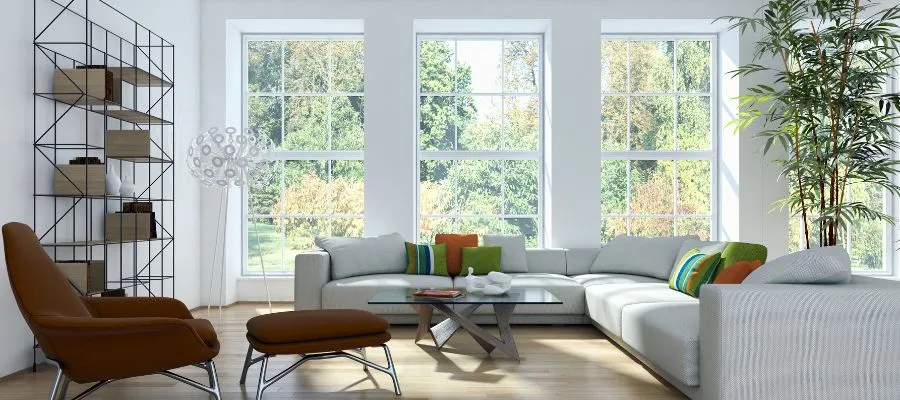
It’s important to think of several things when choosing the right windows for your home to make sure you make an informed choice. To find windows that go well with your home’s style, consider its architecture and your personal taste first. Consider the weather where you live and choose windows with the right insulation and energy-saving features to make you more comfortable and lower your power bills. You can narrow your choices even more by considering functionality, upkeep needs, and price limits. Visit window stores, talk to experts, and look at many different window styles and designs to find the one that fits your home’s needs and wants the best. By carefully considering these things, you can choose windows that make your home look better and keep it comfortable and useful for years.

Different Types of Windows
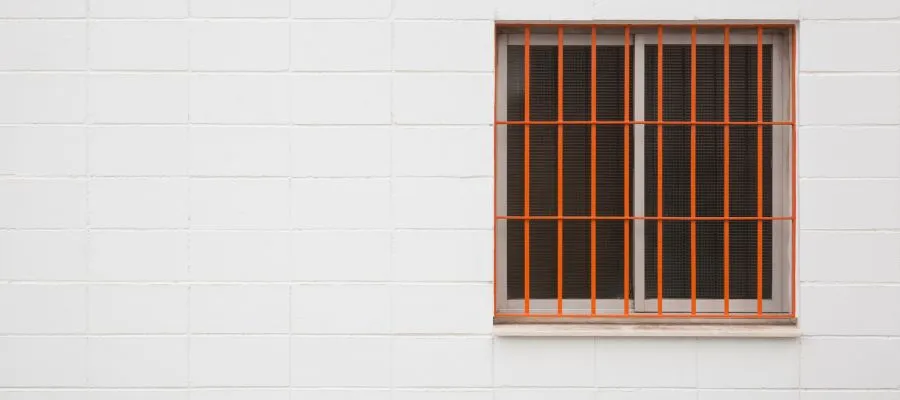
single-Hung Windows

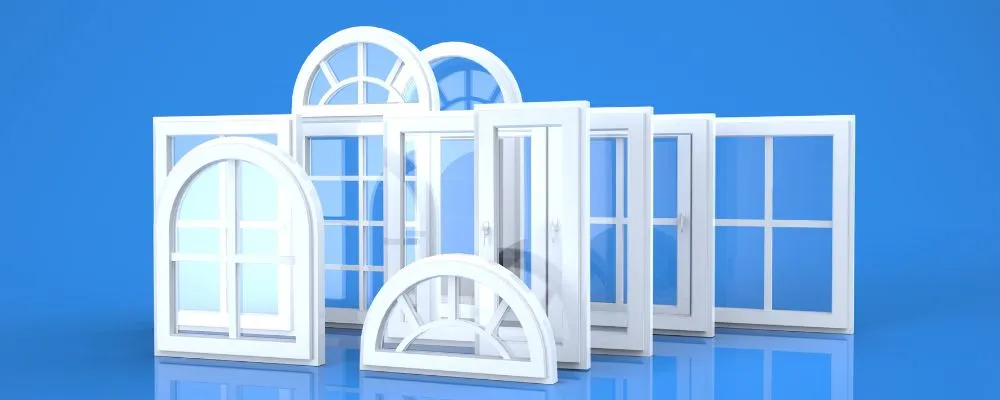
There are different types of windows, each with its own features and characteristics. Here is a list of types:

  1. Single-Hung Windows
  2. Double-Hung Windows
  3. Casement Windows
  4. Awning Windows
  5. Sliding Windows
  6. Bay Windows
  7. Picture Windows
  8. Skylights
  9. Transom Windows
  10. Jalousies Windows
  11. Gable Windows
  12. Pivot Windows
  13. Metal Windows
  14. Hopper Windows
  15. Dormer Windows
  16. Glass Block Windows
  17. Clerestory Windows
  18. Arched Windows
  19. Louvered Windows
  20. Egress Windows

1. Single-Hung Windows: 

These windows have two sashes, but only the one at the bottom goes up and down. They’re simple to use and are often found in classic homes.

2. Double-Hung Windows: 

Both screens can be moved to double-hung windows, allowing more airflow. They can also be used with many different building styles, This type of window is also used in building construction

3. Casement Windows: 

These windows have a hinge on one side and open outward with a crank. They let a lot of air in and keep it out when closed, saving energy.

4. Awning Windows: 

These are like casement windows, but they hinge at the top and open outward from the bottom. They are perfect for keeping the inside dry and letting air flow through.

5. Sliding Windows: 

Sliding windows move horizontally along tracks. They are easy to use, good for small rooms, and common in modern homes. They let you see everything.

6. Bay Windows: 

These windows hang from the outside wall, creating a bay or nook inside the room. They make a room feel bigger, let in natural light from many directions, and can be used as places to sit or display things.

7. Picture Windows: 

These windows don’t open and stay in place. Their main purpose is to frame a view and let natural light into a room. They are often big and can combined with other types of windows to allow airflow.

8. Skylights: 

These holes in the ceiling or roof let natural light and airflow into rooms. They are often used in bathrooms and attics, where regular windows must be fixed.

9. Transom Windows: 

These thin, horizontal windows are usually put above doors or other windows to let more light into a room. They are available in many shapes and styles, making architectural features stand out.

10. Jalousies Windows: 

These windows have horizontal slats that open and close together using a crank or handle. They let air flow well but are less energy-efficient and safe than other types.

11. Gable Windows: 

These windows have triangle frames and are usually found at the gable end of a roof. They add architectural interest to the outside of a house and let light and airflow into the attic.

12. Pivot Windows: 

These windows open horizontally or vertically because they have a pivot point in the middle. Because they can be designed and used in various ways, they can be used in various building styles.

13. Metal Windows: 

Metal windows’ frames are made of aluminium, steel, or other metals. They last a long time and don’t need much upkeep. Because they look so sleek, they are often used in modern and industrial-style buildings.

14. Hopper Windows: 

Hopper windows have bottom hinges that open, and the top opens inward. People often put them in basements, bathrooms, and utility rooms to let air flow while keeping things safe and private.

15. Dormer Windows: 

Dormer windows hang vertically from a sloping roof, giving attics and lofts more headroom and natural light. They add style and purpose to a home’s upper level and come in many styles, such as roof, shed, and eyebrow dormers.

16. Glass Block Windows: 

Glass block windows are made of separate pieces of glass set in a mortar or silicone framework. They provide protection, security, and a nice appearance and let light into rooms. They’re often found in bathrooms, basements, and business buildings.

17. Clerestory Windows: 

Clerestory windows are set high on the wall, usually above eye level. They let in natural light without letting people see inside. They are common in modern and contemporary design, making rooms feel warmer and more open.

18. Arched Windows: 

The top of an arched window is bent or rounded, making a house’s front look more elegant and interesting. They come in many shapes and sizes, like half-circle, oval, and Gothic arches. They are often used as focal points in entryways and living rooms.

19. Louvered Windows: 

Louvered windows have horizontal slats angled to let air flow but keep out direct sunlight and rain. They are popular in tropical areas and often used on porches, sunrooms, and utility rooms.

20. Egress Windows: 

These windows are big enough to be used as escape routes in case of fire or other situations. By law, they must be in bedrooms and living areas in the basement so people can safely get out. 

In conclusion, choosing the windows for your home is an important decision that affects its appearance and functionality. There are many different types of windows, so it’s important to consider your home’s style, the weather, and your tastes.

You can choose from single-hung windows, which are classic elegance. Double-hung windows, which are flexible, or casement windows, which are energy efficient. Each type will improve your living space in its own way.

Every type of window, from the usefulness of awning windows to the beauty of picture windows, is made to meet the wants and tastes of different people. Skylights in bathrooms and attics let in natural light and air, while bay windows make rooms feel cosier and give a better view of the whole room.

As you look at the different window options, remember to put energy efficiency, durability, and ease of upkeep at the top to ensure you’ll be happy with your choice in the long run. You can find the perfect windows for your home by talking to window experts, going to showrooms, and studying different designs. These steps will help you find good windows in your home’s architecture and make them more comfortable and useful. By choosing the right windows, you can make your home look better and easier to live in while saving money on energy costs and making it more comfortable. 

If you want to know about choosing the right window glass for your home, click the link below.

Choosing the Right Window Glass for Your Home: Factors to Consider
Choosing the Right Flooring for Your House

0
House flooring

Be it revamping or designing for a new home, flooring options for homes are ample. While it is not just about the good looks, it is important to pick the right flooring options and calculate the floor area ratio for the whole house that go well with the purpose of the rooms. Instead of handing over the choice to your builders completely, a little interest and knowledge about some Flooring types can get your home to look and feel way better. So, placing the pros and cons of different flooring types below, it is your time to choose.

Different Types of Flooring Materials

Ceramic Flooring  

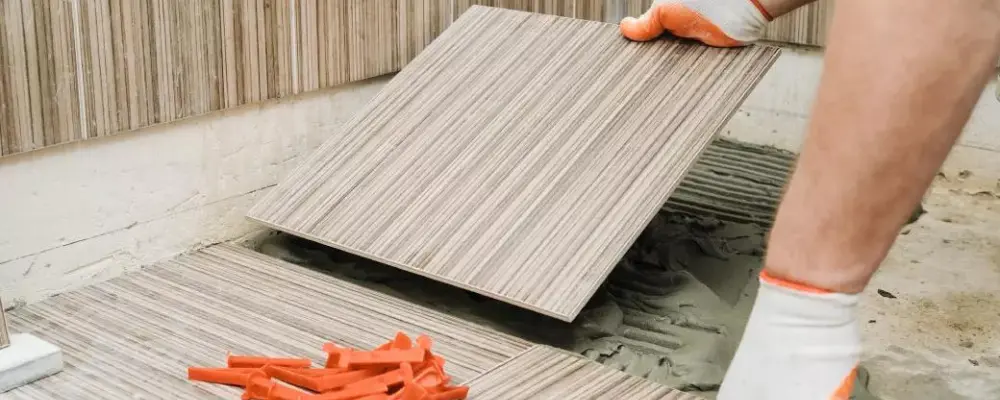
While it stands as the most common option for flooring a variety of variations in terms of design, sizes as well as quality have made their way to the market today. The flooring is plain or textured with a glossy or matte finish, both easy to clean, can be used in places with water and almost keeps imperfections like scratches hidden. The biggest disadvantage comes with refinishing in case the tile chips away which is common in low-quality tiles. This will be a good flooring option for homes with pets.

Marble Flooring

 The most durable and versatile choice of flooring it also comes slightly on the expensive end. This could be an option for the hallway floors and makes it easy to clean and maintain. The flooring will add elegance to your home and comes in many colours. The tiles are also available in different sizes and have been a choice of flooring for quite some time now.

Granite flooring  

Considering a slightly expensive yet perfect finish option will be granite flooring. The flooring will add a classy look to the house along with being durable as well as resistant to water with a glossy look.
The disadvantage with granite flooring is cheap versions will not last long and make chips away.

Hardwood Flooring  

A wide range of Wooden flooring options for a house from Maple, Oak, Pine Birch, Walnut and more available. The advantage of picking a hardwood flooring would be that it is resistant to excessive wear and tear and makes it much easier to refinish at any point of time. It is also long lasting and gives a classy finish to your homes. But it comes with the disadvantage of darkening with age, a slight threat with respect to termites and a possibility of shrinking and expanding in the case of certain types of wood. Wooden flooring for stairs or porches is a great is a great choice.

Laminate Flooring  

Laminate stands among cheap flooring options at the same time bring easiest maintenance choice for flooring growing very popular as it is easy to install and maintain. It is resistant to burns and chipping and comes in variety of colour and design options to suit your style. Yet, it comes with a bad load of scratch threat and with hardly any refinish options. Stay clear of using laminate in bathrooms or kitchens as the moisture may not work well.

Bamboo flooring 

Bamboo flooring is the greenery and eco-friendly alternative in modern flooring options today and comes with beautiful shades of brown. It adds a unique touch to your homes along with being durable. Such flooring can be sued in the hallways or in the rooms while avoiding them in kitchens and bathrooms is preferable as it is not advisable to leave the floors wet or moist for long durations.

Old age home interior design

0
House Interior And Design for Old Age

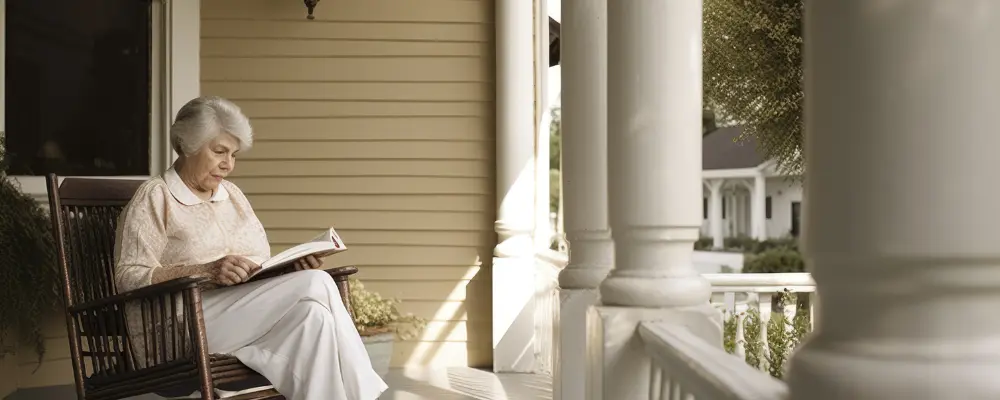
Designing homes for the old age people is not the same as designing normal homes. The challenge lies in providing mobility and easy access to spaces such that they lead a comfortable life. Various design criteria need to be considered while designing homes for the elderly.

Few Design Ideas for Old Age Home

Relocate bedroom to the ground floor

The bedroom for old people must be on the ground floor so that they do not need to climb the staircase daily.

Provide a ramp to climb instead of stairs

Old-age people walk with sticks. So climbing a ramp with the help of the stick is easier rather than climbing stairs.

Provide railings in passages or hallways

The elderly always need support to walk so it’s better to provide railing wherever necessary especially near stairs and passages so that they can hold it and walk.

Minimum furniture for no obstruction

Minimum cluttering furniture should be used such that wide open areas are available for the elderly to walk around without obstructions.

Provide large doors in rooms and bathrooms

The doors should be large enough such that the wheelchair can easily pass through the door without any hindrance.

Proper lighting

A good quality of light is important for the elderly so that they can see clearly. Dull darker spaces are more prone to accidents.

Safety in bathroom

Functionality, safety and comfort are essential when designing bathrooms for the elderly. Bathrooms should have anti-skid flooring to prevent the old age people from losing their grip and slipping. Even the water closet and the bath areas should have grab rails for preventing them from losing balance and making movements of standing and sitting easier. The sinks and toilets must be comparatively taller, wider and more accessible. Additionally, the bathroom size needs to be large enough for a wheelchair to gain entry and move around with ease.

Color scheme

Colors used for the spaces occupied by the elderly must be soothing and bright such that they can see properly. Dark and dull colors usually cause depression among the old people and so these colors must be avoided in the rooms. Contrast colors should be used in the toilets such that they can see the equipment clearly.

Alarm switches or Bells

Alarms or bells should be placed in reach such that the elderly can call for help whenever necessary. It can be placed on the side of the beds or in the bathrooms.

Creating Harmony: Vastu Colours for Your Home

0
Vastu Colours For Home

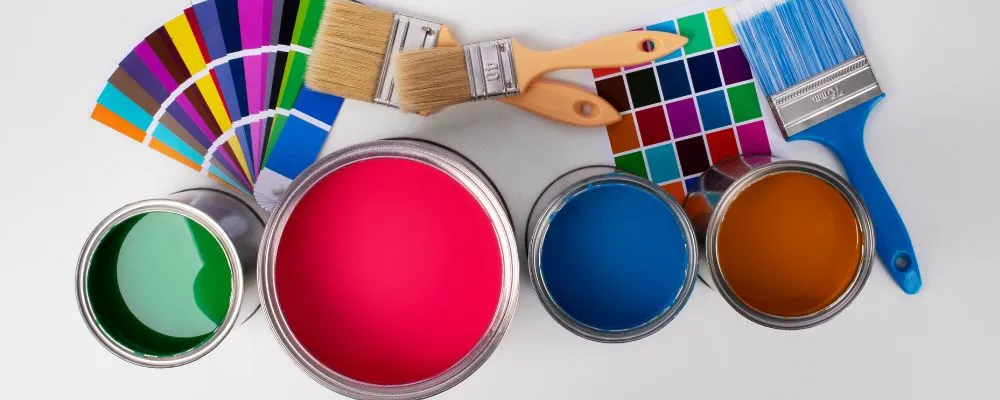
According to Vastu Shastra, an ancient Indian science, colours are important for creating a peaceful and happy home. When choosing Vastu colours for your home, you should consider what each colour means, how it makes you feel, and what the room is used for. The appropriate colours can help you attract good vibes, improve mental clarity, and boost your general health. In this blog, Brick & Bolt talks about various Vastu colours that are good for each room in your home, making it a peaceful and lucky place to live.

Vastu Colour for living room

Vastu Colours For Living Room

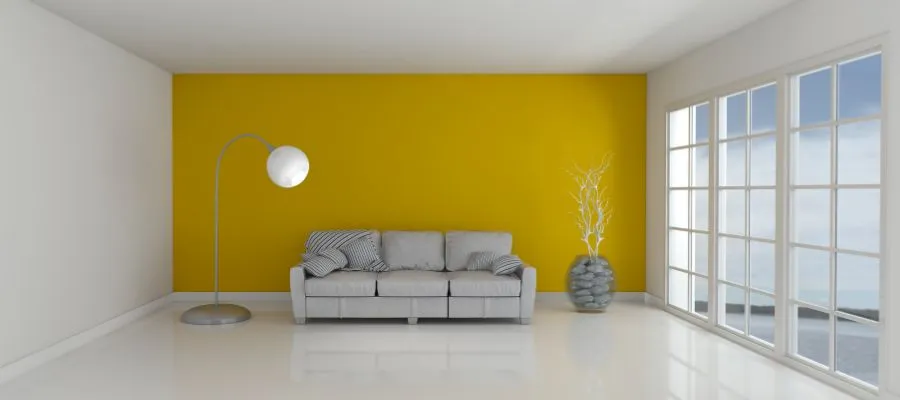
The living room is the centre of the house, where people gather to relax and chat. Vedic principles say the living room should have warm colours like brown, cream, light yellow, or pastel green. These colours make people feel warm, peaceful, and connected, which makes it easier for family and friends to get along.

Vastu Colours For Bedroom

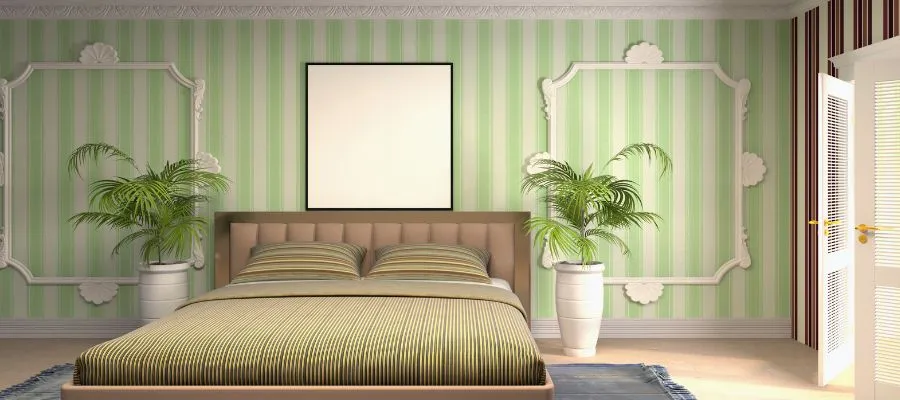
The bedroom is your haven, a spot to relax, recharge, and connect with yourself. As per Vastu, the bedroom colour must be soothing to help people relax and sleep well. Choose soft colours like blue, green, lavender, or light pink to create a calm space to relax after a long day. Avoid bright or highly stimulating colours that could make it hard for you to sleep.

Vastu Colours For Kitchen

Vastu Shastra says the kitchen represents food and wealth, so it’s important to pick colours that make it feel more energetic. The kitchen should have shades of yellow, orange, red, or light green because they give you energy and make you feel like you have enough. These bright colours fill the room with good vibes, which makes cooking more fun and brings families together around tasty meals. 

Vastu Colours For Master Bedroom

Vastu Shastra says the master bedroom is important because it provides rest, renewal, and closeness. The colours you choose for the room are very important for making it a harmonious and lucky place. Soft shades of blue, like sky blue or powder blue, are thought to help people feel calm and relaxed, leading to better sleep and less worry. Sage green and pale green are two shades of green that draw from nature’s healing energy and help keep your body and mind healthy. Colours like lavender and purple are soothing and create a calm atmosphere that helps people relax and sleep better. Neutral colours, like brown or cream, will always look good because they add warmth and style while keeping the space balanced. By using these Vastu colours in the master bedroom, you can make a healing space for both your mind and body that encourages deep relaxation, closeness, and renewal.

Vastu Colours For Pooja Room

According to Vastu Shastra, the pooja room is important for worship, meditation, and other spiritual activities. The colours you choose for it greatly impact how lucky and energetic it is. White is a great colour for pooja rooms because it is a pure and holy light. It also stands for clarity, peace, and spiritual enlightenment. Soft shades of yellow or gold are also lucky because they stand for wealth, abundance, and divine benefits. The colour green, linked to growth and renewal, can make the sacred area feel more balanced and alive. It is best to avoid colours that are too dark or stimulating in the pooja room because they might make it less peaceful. By using colours that are good for Vastu in the pooja room, you can make it a place that encourages spiritual growth, reverence, and connection with God, leading to a deeper feeling of devotion and inner peace.

How to Choose the Right Vastu Colours?

Right Vastu Colours
  • When choosing colours for a room, consider how much natural light it receives. Lighter shades make a room look bigger and brighter when little natural light is in it.
  • While following Vastu rules, prioritise your comfort and tastes. Choose colours that speak to you and make you feel good.
  • Keep your home’s colour scheme balanced by using colours that go well together and flow easily from one room to the next.
  • If you need help with what to do, talk to a Vastu expert or an interior designer who understands Vastu principles. They can advise you based on your home’s plan and orientation. 

Wall Colours For Your Home According to Vastu Direction

Green colour as per vastu shastra

Based on the principles of Vastu Shastra, let’s look at the best wall colours for each direction of your home to bring balance, happiness, and wealth.

North wall colour as per Vastu: 

According to Vastu Shastra, the North way brings luck, wealth, and chances. If you want to get more wealth into your life, paint the walls facing north with cool, soothing colours like blue, green, or white. These colours make you feel calm and stable, and they let good energy flow through you, which can help you make money and be successful.

East wall colour as per Vastu

According to Vastu Shastra, the East face represents the rising sun, representing fresh starts, wisdom, and life. You can use the energy of this lucky direction by painting your east-facing walls bright colours that make you feel good, like light green, orange, or yellow. These colours make you feel happy, hopeful, and full of life, which gives the place new energy and creativity.

West wall colour as per Vastu

According to Vastu Shastra, the west way is like the setting sun, which stands for completion, balance, and happiness. For walls facing west, choose warm, earthy colours like beige, cream, or light brown to create balance and harmony. These colours make a space feel warm and welcoming, which helps people relax and feel good while making life’s changes easier.

South wall colour as per Vastu

According to Vastu Shastra, the south direction is linked to power, stability, and safety. To strengthen this area’s energy, you could paint the walls facing south with deep, grounding colours like dark brown, red, or maroon. These colours make you feel safe, keeping away bad things and building your inner power and resilience.

What are the Colours to Avoid in the Home, as per Vastu?

Black: 

People often think of black as a colour of power, class, and mystery, but Vastu Shastra says that it should not be used much, if at all. Black can absorb and hold on to negative energy, making the home feel heavy and stuck. A little black can give your decor depth and contrast, but you shouldn’t use it too much, especially in places where you want to relax and recharge.

Red: 

Usually, red means desire, vitality, and wealth, but if you use it too much in your home, its strong energy can be too much to handle. Vastu Shastra says that bright shades of red should be avoided because they make people angry, restless, and impulsive. If you like the energy of redo, choose softer shades or use it as an accent colour instead of painting your whole walls bright red.

Dark Brown: 

Because dark brown resembles earthy tones and natural materials, it might seem like a safe and soothing colour for your home decor. However, Vastu Shastra says that too dark a shade of brown is bad because it is thought to make the homeless energetic, creative, and enthusiastic. Instead of choosing deep browns, think about lighter and warmer tones that make your areas feel more welcoming and balanced without being too heavy.

Grey: 

Grey is often considered neutral, classy, and modern so that it might seem like a good choice for contemporary designs. However, Vastu Shastra says not to use too much grey because it reduces the space’s positive energy and vigour. A touch of grey can make your decor look more sophisticated, but you need to balance it with warmer colours so the room doesn’t feel cold, dull, or boring. 

By using Vastu colours in your home’s decor, you can make it a peaceful place to live that promotes happiness, balance, and health. If you want to create a place that is peaceful and full of good energy, use Vastu principles to help you choose the colours you use in your home.

Take advantage of the way colours can change things and start making your home look beautiful while also bringing joy, harmony, and plenty to every corner.

To know more about Vastu, clink the link below.

Ultimate Guide to Vastu-Compliant Plot Selection

How To Make Your Home – Modern & Contemporary in Low Cost

0
Modern Home

Modern styles and designs usually focus on minimalism and less is more. You can give a modern look to your home with just certain changes and additions. Going contemporary doesn’t mean spending too much on the interiors. You can make simple alterations and unclutter your home to enhance the aesthetics.

Home Decor Tips: Enhance Your Space

Here are some simple yet effective tips to enhance your home decor. Consider opting for a neutral and pastel color scheme to create an elegant ambiance.

Color scheme

The colors you use affects the overall look of your home. Using a neutral and pastel color scheme gives an elegant appearance to the space.

Wall stencil or wallpapers

You can highlight any of the blank wall of your homes with wall painting or wall stencils or even cover a complete wall with wall paper.

Window treatments

Various options are available to enhance the aura of the room with an additional effort in the window treatment. You can use different drapes or curtains, or window blinds made of fabric, bamboo or wood. This will bring about a contrasting effect and make the space more appealing.

Designer lights

Using standard electric fixtures is always the budget thing. But, these fixtures when replaced with designer lights improve the aesthetics of the space to the far end. You do not need to use costly designer lights! There are numerous simple and cheaper lights available these days. Moreover, you can also use DIY methods to make hanging lamps and designer lights suiting your home the best.

Indoor plants

Blending the green in the house, makes the space feel lively and soothing. You can use any corner or void in the house and make it a green hub. You can even consider placing small pot plants on your central or side tables or hang it from the ceiling.

Laminated wooden flooring

Hardwood flooring gives the rich look which everyone desires. You don’t need to worry about getting expensive hardwood for flooring anymore! Laminated wooden tiles available these days are pretty cheaper than the hardwood and also do not require maintenance.

Attractive corners

The dead corners of your homes can used in such a way that they grasp the attention. You can use a stand only sculpture or a large plant to make use of the void. You can even make small shelves utilizing the space. Corner tables with attractive light hanging on the top also give a contemporary feel to the space.

Pillows

The pillows you use on your sofas have a great deal of effect on the room. Pillows not only are used for comfort but also for décor purpose. Depending on the type of sofa, you can either use large pillows to give a cozy appeal or too many extra small pillows acting prominent in contrast with the sofa.

Vibrant Walls: Exploring Textures and Wallpaper for Stunning Home Decor

0
Wallpaper for Stunning Home Decor

The process of figuring out the perfect wall color for you can take up quite some time. It has to reflect your taste as well as be a healthy, bright place to live. You can always experiment with a number of styles for every other room. At the same time it is not just colored but your can go with textured or patterned paint as well as wallpapers and all this will be a great deal of ideas to take a chance with.

So, before you pick your side of these choices let me place the possibilities available for you. This detail will help understand what you have and what you might like better.

Textured walls 

Textured wallpapers will add perception and depth to your home. Plain colors leave behind a softer and natural look where as with the right type of textured wall types it is easily possible to add great depth to your home. For people who are looking for a theme that is more than just a color scheme, textured walls will be the perfect way to go about. Textured walls usually add more than just a look, it gives a decoration to the wall that will make your space like a gallery.

Earlier texturing was limited to sprat textures that were priced quite low, but today metallic, embossed and much more techniques are lined up to choose from. Sometimes experimenting a little with colors, especially multiple colors can give rise to a new look that will make it worth the efforts.

Wallpaper 

Wallpapers have had their round in the market for a long time now. The recent add to these wall papers are textured wall papers. Today textured wallpapers are waterproof and come in a great deal of textures, varieties and colors and give a new scope to try around for your homes. Wallpaper opens a great deal of designs to try out and hence can be a great choice for your home.

How to choose – The Pros and Cons

Textured designs are the essence of new times in home interior design. But whether to go for wallpapers or wall paint is a choice that depends on the individual. The greatest issue with wallpapers that most face is that it is more probability of peeling away in moisture-prone areas compared to paint especially with better bonding of paints today. Textured wallpapers are considerable more economical in comparison to textured wall paints. They are also easy to apply and need less labour in comparison to a textured wall. But textured walls will last longer in comparison to a wallpaper.

Discussing how long each of this will last, we will see that textured wallpapers might be an issue as it will not last as long as a textured wall itself. Options to change the look after years is just as much in both cases as you can try experimenting with a different shade of color for your textured wall or change the wallpaper design completely. Both of these can transform the look completely although textured walls looking for a new paint will cost more.

Green Elegance: Indoor Plants to Beautify Your Home Decor

0
Indoor Plants

Indoor plants have become a great way to decorate your homes. With disappearing gardens or planting spaces a chance to plant and grow a beautiful plant can be at home. These indoor plant decorations add such a versatile look to your home along with refreshing the air inside. With expanding interest in people to try indoor plants the number of varieties available to are nothing less of a paradise of choice. So, if you are looking to find the right fit for your taste and interest, then here are the listed options of a few plants that you might like to take home

Transform Your Home with Indoor Plants

Aloe Vera 

Possibly the most useful and beneficial of them all, Aloe vera could be a great plant for your home décor. It is important to look for smaller varieties of the plant for indoor purposes as they usually grow fast and all around easily. The conditions required for them to grow is pretty simple- Slightly dry soil and moderate sunlight.  You can arrange a couple of them on your kitchen window in bright pots. It will also come handy for various uses at home.

Asparagus fern 

I would say you can pull off the perfect alternative for a petite Christmas tree with this beautiful plant. It has needle like foliage drapes and the stems grow upward and outward hence making it a great choice for a hanging décor. A slightly moist soil and moderate sunlight is all you need to have a gorgeous decoration at home.

Peperomia

This would be the ideal tabletop plant for your desk or for your hallway if you have low light. The plant has gorgeously shaped leaves that vary from heart shaped to slender ones with a waxy texture. The plants stay small and hence is ideal for your desk.

Parlor palm 

Strap-like shaped leaflets can be the perfect choice for your hallways and front portico. It needs moist soil and comparatively less attention to grow.

Cactus

The perfect plant if you are forgetful to water, cacti can be a great choice for your home décor. It is quite small and you can choose to plant a variety of small ones together to get a colourful bowl for your centerpiece.

Spider plants 

The curved , thin leaves are petite and amazing. The plants are also very easy to care for and need mostly indirect light. You can use gorgeous ceramic pots for these plants and add charm to the look.

Christmas Cactus 

If you are looking to add vibrant colors to your home décor this would be the perfect choice. The plants has gracefully grown stems with beautiful colors of satiny lilac growing. The plants bloom during the Christmas season to bring joy and beauty to your home.

Peace lilies 

Another easy-to-care plant variety that flowers elegant white flowers. The plant will add a classy posh look to your interiors and will need very little attention from you to care.

Brighten up your bedroom- 4 Simple designs for your bedroom

0
Bedroom-design

A perfect sleeping space can fix the present and make a great start for a new day. A bedroom needs to be a personalized space that relaxes you as well as drips with elegance. Apart from choosing the right colour and interiors, the way your bedrooms designed overall can be of great value. While bedroom furniture designs can work their way to bringing this to reality and few simple design ideas can make your sleeping space not so sleepy. So, before you pick you choices for your bedroom space, check out 4 interesting ideas you can replicate in your bedrooms for a fresh look.

Saving up space in small rooms : 

You can go for a basic wooden bed frame either platform or panel. A good start would be to opt for sliding doors over traditional wardrobe design for bedrooms that will add up to the interior design as well as be an efficient cupboard design for small bedrooms. You can also alternatively place the bed attached to two walls leaving space on one side or leave a little space for a side table. You can try placing the bed in a partially blocking manner to the window eliminating the need for blinds or curtains.

A little more than your basics: 

Another add -on to your basic bedroom design will be a simple wooden bedframe preferably platform frame. To the design you can add a small chair along with a lamp table for one part of the room. If you are looking to include a TV in your room you can add a wooden table to your interior which can be used as a dressing table too. A simple side table can be added to give a complete look. You can use the cupboards or add a simple wardrobe to complete the look.

The cozy style space :

You can opt out of the traditional wooden bed and go for modern bed styles. You can add to the wardrobe design for the bedroom with a stylish external wooden cupboard. You can also add a computer station or table to the design along with some fancy designed furniture and a book shelf.  You can choose French beds to go for this style of decoration and laminate tables for your computer.

Bunker bed for your bedroom : 

If you are looking to decorate the space for your kids, adding a bunker bed would be a great idea. A small computer station in the corner of the room that can also be used as a study space can be dedicated. Also, adding a shelf for storage apart from the cupboards can be useful. You can either choose a traditional closet or take a stackable storage drawers for the room that will be a great addition to the interior design.

Dropped or Suspended Ceilings for Commercial Use or Official Use

0
Dropped or Suspended Ceilings

A suspended ceiling or dropped ceiling, consists of panels supported by a lightweight grid system (metal framework) that is suspended from the slab above. Suspended ceilings are a type of architectural design element used in commercial and residential buildings. 

Why Did Drop or Suspended Ceilings Become Popular?

For a long time, drop ceilings have been common in modern offices. There are many practical reasons for this trend. So, most office designs include these ceilings.

Concealing Wires and Ducts

Drop ceilings hide exposed wires, ducts, and pipes. They make the interior look messy. Commercial offices usually have wiring, HVAC ducts, and plumbing in the ceiling. By installing a suspended ceiling, all these can be hidden leaving the office with a clean look.

Easy Access for Maintenance

Drop ceilings are made in such a way that their panels can be easily detached from each other. This makes it easier for maintenance purposes. Electricians, plumbers, and HVAC techs can access essential places. They can do so without much damage to the ceiling. This saves time and cuts maintenance costs.

Sound Absorption

The constant buzzing of computers, ringing phones, and chatter can make offices noisy. Most suspended ceilings absorb sound. They reduce noise levels.

Energy Efficiency

Drop ceilings can also contribute to energy efficiency in office spaces. By creating a lower ceiling height, the volume of air that needs to be heated or cooled is reduced. This can save a lot on energy bills. The HVAC system won’t have to work as hard to keep a comfortable temperature.

Aesthetic Appeal

Suspended ceilings can make an office look better, too. They have various designs, patterns, and colors. This lets office designers create a modern, professional look. Choosing from different styles means the ceiling can match the office’s design.

Fire Safety

In many commercial buildings, fire safety is a critical concern. Drop ceilings can boost fire safety. They can slow the spread of flames and smoke. Also, fire-resistant materials can be used in these ceilings to improve safety.

Cost-Effectiveness

A drop ceiling is often cheaper than a plaster ceiling. Suspended ceilings use cheaper materials. They are also faster and easier to install. It is an economical choice for businesses redesigning office spaces.

Customizable and Modular

Drop ceilings are highly customizable. They can be easily adapted to fit different office layouts and requirements. Suspended ceilings are modular. You can replace individual panels without redoing the whole ceiling. This is both convenient and cost-saving.

Advantages and Disadvantages of dropped false ceilings

AdvantagesDisadvantages
Aesthetic Appeal: Provides a clean and modern look, concealing wiring, pipes, and ductwork.Reduced Room Height: Lowers the ceiling height, making the space feel smaller and more cramped.
Acoustic Benefits: Can improve sound insulation, reducing noise levels in open office environments.Maintenance Challenges: Accessing hidden wiring and pipes for repairs can be difficult and costly.
Energy Efficiency: Can enhance insulation, helping maintain room temperature and reducing energy bills.Increased Costs: Higher initial installation and material costs, along with ongoing maintenance expenses.
Easy Installation of Fixtures: Simplifies the installation of lighting, air conditioning units, and other fixtures.Susceptibility to Damage: Materials like gypsum are prone to damage from moisture and impact.
Flexibility and Customization: Allows for easy modifications and updates to the ceiling layout.Poor Sound Insulation: Not as effective in soundproofing as solid ceilings, allowing noise penetration.
Concealment of Imperfections: Hides imperfections and irregularities in the original ceiling.Aesthetic Limitations: May not match the aesthetic of all interior designs, limiting customization.
Improved Lighting Distribution: Can incorporate lighting fixtures that enhance illumination and distribute light evenly.Heat Insulation Issues: Can interfere with natural ventilation and heat dissipation, increasing reliance on air conditioning.
Fire Safety: Certain materials used can offer fire-resistant properties, enhancing safety.Environmental Concerns: Disposal of materials like PVC can contribute to environmental pollution.
Ease of Replacement: Damaged tiles can be easily replaced without disturbing the entire ceiling.Pest Infestations: The gap between the false ceiling and the original ceiling can harbor pests.

Metal framework or grid 

The metal framework of dropped ceilings consist of long metal strips, called “mains,” which are interconnected with shorter metal pieces known as “tees.” The main components of a grid system are the 12’ main runner, the 4’ cross-tee, the 2’ cross-tee and the 12’ wall angle. The ceiling tiles are attached to these ties forming a false ceiling below the original one.

Types of grid frame size  

These exposed grid systems feature a standard 15/16″ wide metal frame around each tile or a narrower (9/16”) metal frame.

The standard 15/16 inch ceiling grid system (1” grid system) has a more visible face. It can be installed in 2×4 design as well as 2×2 grid patterns. 

9/16” suspended ceiling grid designs are a modern-looking upgrade from the traditional 15/16” standard width grid. It requires high precision in maintaining a square grid as there is less of the grid material for the ceiling tile to rest on. Mostly 9/16” fine line suspended ceiling grid systems are installed using a 2×2 ceiling grid pattern; however, you can use a 2×4 ceiling grid pattern if desired.

Types of ceiling tiles  

The tiles used are available usually in sizes of 2’x2’ or 2’x4’ and are 10-12mm thick. 

These are made up of different light-weight materials such as plastic, metal, fiberglass, mineral fiber, cork and laminates. These tiles mostly have different perforations such that they have suitable acoustical properties. The price of the tiles vary with the material of the tile. It ranges as Rs 45 per sq ft to Rs 360 per sq ft. The cost of the tile also increases with the benefits such as film coating, water properties and acoustical perforations.

Most basic drop ceiling tile designs are extremely light in weight and offer a porous look and are used widely in school classrooms, hallways and cafeterias. These ceiling tiles work best when a large area has to be covered with a false suspended ceiling and serve to be highly economical. 

Mid-ranged ceiling tiles have comparatively fewer perforations and a good resistance to humidity. They are textured to give an appealing appearance. These tiles are affordable and can be used in conference rooms, corridors, offices, lobbies and reception areas which need a modern and elegant look. They are also suited for use in toilets and basements at home.

Highly-priced ceiling tiles are thicker, have great sound absorption quality, are highly resistant to humidity and give a great appearance. They have a fabric texture rather than the painted one as in the cheaper tiles. They are suitable for spaces that require high sound insulation such as offices, retail stores and restaurants or hotels. They also work best for high-budget residential projects. 

These tiles also have different tile edges depending on the desired use and look. Square edge tiles show the grid, while tegular edge tiles minimize the appearance of the grid.

Types of dropped ceilings 

Exposed Grid System

Exposed grid system is the most common type of suspended ceiling. Together, the mains and tees form a grid system of 2′ by 2′ or 2′ by 4′ squares, which are then filled with acoustical ceiling tiles. The tiles are placed resting on the grid system such that grid system is visible in between the tiles. Such systems are easy to install and even the repairs can be done easily.

Concealed Grid System

Concealed grid systems have tiles that hide the grid system from view giving a smooth and clean look. The tiles used in a concealed system have groves on all the four edges, which slides over the mains and tees to cover them. This type of system is more expensive than an exposed system, and can make it difficult for maintenance. Moreover accessing the problems above the ceiling also becomes difficult. 

Bandraster System 

Bandraster systems comprise of varied patterns made by metal tees and mains of different lengths. These systems used in case a certain look has to be created in the ceiling, as they can be arranged in many different ways. Bandraster ceilings require the use of specially-sized tile to fit within the unique grid patterns.

Understanding GFRG Construction for Low-Cost Housing

0
GFRG Construction

GFRG panels help in constructing affordable and low-cost construction. It is an eco-friendly material and is advantageous over conventional building materials and avoids heavyweight buildings such as with concrete.

GFRG panels, affordable houses, low-cost construction, eco-friendly material, building materials, concrete

IIT Madras students have built low-cost, eco-friendly houses by using ‘Glass Fibre Reinforced Gypsum’ (GFRG) panels. They have successfully built a housing unit, which was constructed within a month using pre-fabricated GFRG panels.

GFRG panels basically use the waste material gypsum produced in factories in combination with glass fiber as a reinforcement and adhesives making it highly economical. These panels are manufactured in factories and later transported to the site. They can be used as walls, slabs and even for staircases saving lots of conventional materials used for construction. In addition to that, the construction is rapid and can be completed in a short period of time.

Advantages of GFRG Panels in Low-Cost Housing Construction

Increased carpet area

GFRG panel is 12 m in length,3 m in height and 124 mm thick and provides more carpet area as compared to conventional bricks or blocks. The hollow cavities inside the panel can be filled with concrete to provide more strength to the panel.

The same panel used for wall and slab both

The foundation and plinth are prepared and then GFRG panels are laid vertically to work as walls and then laid horizontally over these walls such that they work as floor or slab. This makes the structure light and efficient with high strength. These hollow panels can be filled with steel reinforcements and concrete in every third cavity to provide additional strength in case of increased floors. The panels forming the slab are cut from above and the reinforcements are placed which are then filled with concrete. Moreover, these panels are also cut and made to be used as a staircase with certain reinforcement and concreting.

Saves the cost of complete concreting

Columns and beams are not required while building walls and slabs with GFRG panels. Thus no concrete structure is needed to support the walls and slab. This lowers the cost of construction immensely and makes the structure lightweight.

Saves the cost of shuttering

The concrete is poured in the cavities within the panels. Therefore, no shuttering is needed while building the slab. Shuttering is required while making weather sheds over the windows to give external support.

Reduced cost in finishing

The panels have a fine finish and do not require plastering in turn saving lots of materials and labour. The panels can be directly painted to give the desired look.

Less quantity of building materials

The construction with GFRG panels saves tonnes of cement, sand, aggregates and even water.

Thermal efficiency

As the panels are hollow, they form an insulation keeping the temperature inside the home cooler than the outside by 4 degrees.

Saves time

The construction can be completed in a very less time as the GFRG panels are factory-made and just need to be assembled on the site. Moreover, the settling time of concrete in building the structure and placing bricks one by one for masonry is also avoided, which further helps in a rapid construction process.

GFRG panels make construction affordable and are highly advantageous over conventional building materials.