Home Blog Page 107

Real Estate Outlook for the Next Decade

0
Real Estate trends

India’s real estate sector has been a challenging spear. With its rapid upward trends and unexpected downs, this rollercoaster ride has been an unpredictable journey. With not just property value, but even technology starting to play a crucial role in the real estate segment, what possible future will this sector hold is what we tend to discuss here.

The latest advancement that affected the sector positively was the GST – Goods and services tax. Eliminating the need to pay multiple varying taxes from both buyer and seller ends the gst on real estate and has flashed more clarity on an easy process. It is also predicted to bring down construction.

In the next decade to come it is predicted that investable real estate choices will spread and expand across the globe, especially in newly emerging economies. With rapid growth in few cities across the country, a wide range of return opportunities will open up although not without risks that are fundamentally involved. In fact a completely new set of risk factors may also emerge along these years.

With respect to technology affecting real estate, whether or not the effect will be positive is debatable. Today advertising has taken a completely new face with emerging technology and data availability. Companies have access to much private data including your interests based on search histories meaning tomorrow real estate advertisements may appear completely customized based on your choices and likes. But this can happen significantly on a large scale only if the privacy laws stay as lose they are today, which might not be the actual case in the next decade. Also, advancements in imaging and photography have been a great boost for real estate in online marketing. With VR (Virtual reality) and various other facilities available, booting your conversion to a sale for a seller becomes hassle-free. This also helps buyers cut down multiple trips and visits to understand the purchase better. But again the unstable nature of the sector always stands as a barrier along with resistance from agents and brokers from getting over their conventional methods.

There is also a predicted expansion in new companies emerging that might take over the real estate spaces for creating customer value for presenting the space for a completely different purpose from what the owner may intend, for example, Airbnb. This breaks the perception of people having to look for hotels or real estate and makes it more disposable and reusable. With people choosing a more nomadic lifestyle these establishments are expected to face a peak during this period.

Also, government bodies today are planning strategically to make each family own a home. This has started with decreasing home loan rates enabling more people to opt for purchase over renting. Also it is expected that global capital flow into India real estate will see a significant shoot-up in the upcoming years hence flowing the values upwards.

India’s real estate escalading to a new era will present more affordable housing options which will eventually lead to related employment and shoot in GDP. The prospects of the entire ecosystem are bright.

Tips to Reduce Cost in Woodwork or Carpentry

0
Woodwork

Dealing with woodwork can seem a pretty expensive affair. Starting from cabinets in kitchens and wardrobes to doors and windows, wood is a major requirement. The cost of woodwork and its labour brings about an increase in the overall cost of interiors.

So, definitely a reduction in the cost of woodwork and carpentry would lower down the cost and end things up within budget. There are various ways to reduce the cost in woodwork and carpentry.

1. Choose the Right Type of Wood for the Job

Numerous types of wood are available in the market. Smartly using the correct wood for the desired job would definitely help in cost cutting. Solid wood (Mahagony, teak wood, etc.) is the finest and good quality wood. It is extremely costly and most durable. It is advisable to use it for door window frames, beds and heavy load-bearing furniture. But, using this for cabinets would unnecessarily increase the cost.

2. Opt for Engineered Wood for Cost-Effective Furniture

Engineered wood is manufactured by binding together wood strands, fibres, etc. with adhesives under heat and pressure. It is cheaper and durable for home furniture and ultimately brings down the cost. Plywood and Medium-density fibre (MDF) are the most commonly used engineered wood. MDF is even cheaper than plywood. So, for cabinets which do not require to hold large amount weights, MDF is preferred.

3. Use Veneer and Laminates for a Classy, Affordable Finish

Use of veneer and sunmica (laminates) over MDF or wooden boards also acts as an option in case of reduction of cost in woodwork. Veneer are sliced layers of wood that can be glued to MDF or particle boards. These give a classy wooden finish without spending on large quantity of high quality solid wood. Sunmica or laminates are synthetic wood products made up of high density fibre and wooden particles. In addition to giving a clean finish, they are also water and scratch resistant.  Moreover, laminates are extremely cheap and easier to work with which makes them most chosen.

4. Order the Correct Quantity to Avoid Wastage

Ordering the correct quantity of wood for the job is really important. Most of the times more than required quantity of wood is bought and then lots of it remains unused and gets wasted. This not only causes waste of wood but also leads to an additional cost of material.

5. Minimize Waste with Effective Wood Usage

The carpenters and workers should also be told to use wood effectively such that the waste left out is minimum. Rest of the waste wood can be further recycled or reused in different ways.

6. Consider Offsite Prefabrication for Minimal Waste

Offsite prefabrication of timber would also be a great option as it would produce minimum waste and further bring about a decrease in the cost. The unused wood can later be sold back or returned to the timber supplier.

7. Reuse Existing Furniture to Save Money

Reuse of the existing furniture can save a lot of money! Old furniture which is of good quality and in a good condition can be reused. While planning for renovation, the furniture that can be reused should be taken into consideration such that it can be adjusted while designing. This would save a lot of money which would rather be wasted in buying new furniture.

8. Adopt Modular Designs for Cost-Effective Interiors

Use of modular design is another aspect that would make woodwork interiors cost effective. These modular furniture provide a wide range of choices in materials, laminates, fabrics, colours and also give advanced possibilities of concealing wires and flexibility in panelling. Modular factory made products produce less waste are comparatively cheaper as compared to the cost of furnishing using timber and carpentry labour.

9. Explore Laminated Panels for Affordable Flooring

Moreover, these days laminated panels which give a very similar look to the timber planks are available in the market. These are cheaper as compared to wooden planks and also require very low maintenance. These panels are most widely used in laminated wooden flooring.

10 Focus on Reducing Waste to Maximize Savings

Cost cutting in woodworks can be done in different ways. It depends on the individual likes and dislikes too. Proper use of resources available and reduction in waste can be of a great benefit.

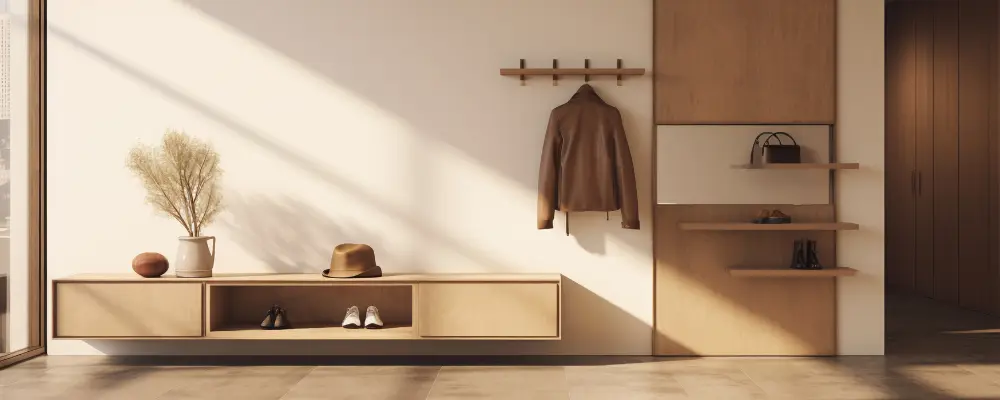
Minimize Furniture to Create More living Space

0
Home Furniture

Furniture completes your house. Apart from their use, their very presence adds a sense of belonging to your home. But your living space also needs open spaces other than the ones occupied by furniture. Instead of cluttering the space, making it well organized and spacious and walking around will be great for our homes. But the issue of course comes with small homes where there isn’t much space left after assigning places for your furniture.

So, by redesigning a few spaces at home you can efficiently make use of your small home. Here are a few ideas on how to create longing spaces at home.

Smart Space-Saving Solutions for Your Home

Here are some smart space-saving tips for maximizing the functionality of your home.

Convert Closet Space into Functional Rooms

Closet rooms are a great way of utilizing good space. You can shift your closet items to a compact drawer or adjust an existing one and use this closet space as a room. You can arrange a table, use the walls to attach small baskets that can be used for storage, a small chair and you have a study table or extra room for yourself.

Maximize Under-Stair Storage

Storing under your stairs. Having a staircase inside your house is a great place to start your efficiency from. You can use the space under this staircase to design small storage units that can be used as your storage room. This way you can utilize the space of an extra room.

Opt for Sofa Beds or Murphy Beds

You can use a sofa bed. If you have space constraints to create a guest bedroom or a kids bedroom you can always opt for a sofa bed. This will convert your compact living room into the perfect bedroom as and when needed. These sofas are very comfortable and completely efficient to make use of. You can also try investing on a Murphy bed that you can pull out from the wall.

Embrace Foldable Furniture

Foldable tables and chairs are a great way of saving up space. These especially when used in small rooms can give you more space to move around. It will also fold out to be very useful and can be used as a study table, dining table or can be arranged any where including in your balcony.

Utilize Under-Bed Storage

Use storage under your bed. While you can opt for fancy beds, if you buy a bed with storage below it will be very useful. This way you can utilize the leftover space as your closet or for any other use.

Create Wall-Mounted Storage Solutions

Use storage spaces designed on walls. You can either choose to design wooden panels on the walls that can be used as your extra space or you can try out some DIY baskets or containers that will help with the storage. This way you can remove stuff lying around to be arranged properly making more space for you.

Divide Rooms with Curtains or Cupboard Doors

Use curtains to separate your rooms to get an additional room. This trick works especially well when you have large rooms. You can also use your cupboard doors for division by attaching your beds inside the wall. This way you get more walking space in the room.

Low-cost Painting Options to give a Rich and Classy Look

0
Low-cost Painting Options

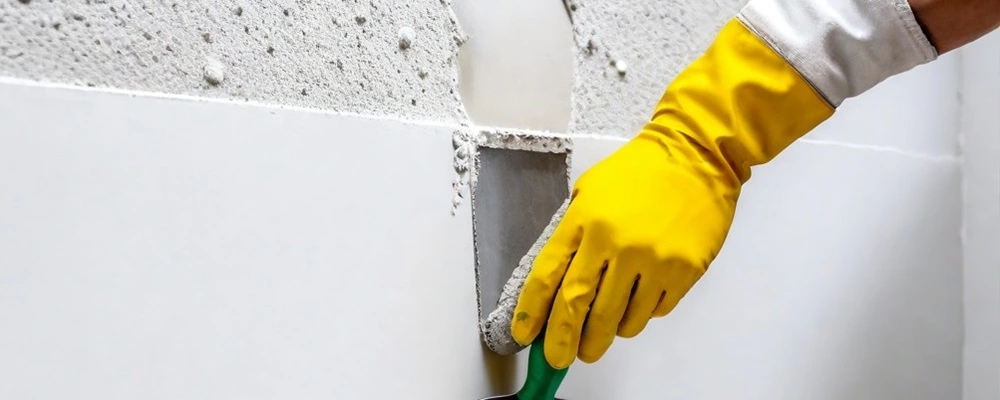
A clean and fault-free surface is really important to make the walls of the room look classy after paint. Water seepage would not only spoil the newly painted surface but would also cost you to re-paint the surface. Faulty plaster would make the paint to peel off and further degrade the overall look. So, it is necessary to make repairs in seepage and plaster before painting.

Removing older paint

Re-painting the walls with existing paint would make an odd shade appear below the new colour, which spoils aesthetics. So the existing paint should be properly scrapped off before further application of the new paint.

Application of putty

Applying putty before paint fills the cracks in the wall and prepares a seamless surface to improve the quality of the painting.

Primer coating

Use of a primer coating makes the paint stick to the wall and improves the durability of the paint. Moreover, it also brings about the original color of the paint which will be applied later.

Cost-effective emulsion paint

Distemper paints are usually very cheap and widely used. But, they do not give a rich appearance. Instead of distemper, emulsion paints can be used. These paints are highly economical and durable. They are washable and most stains can be removed easily by wiping with a wet cloth. The paint film is also fungus and mildew-resistant. Emulsion paints give an attractive and fine finish to the walls.

Use of oil paint

Oil-based paints can also be used in place of distemper paint. They give a rich and glossy finished look and are extremely durable.

Long lasting Eggshell finish instead of a flat finish

Flat-finished work is best for damaged and faulty walls with bumps and unfinished surfaces. But, these are matt and do not have a reflective quality. In opposition to that, the eggshell finish gives a better lustrous look on a low budget. High gloss finishes are possible only with good quality expensive paints. So, eggshell finishes are preferred these days to provide an elegant and smooth sheen. In addition to that, these finishes are long-lasting and need not be painted frequently.

The effective number of coats

After primer, most of the paints need about 2-3 coats to give the perfect finish. The wastage of paint can be avoided if the wall is painted well and gives a proper look in just 2 coats.

How to Make an Economical Wooden- Wardrobe with Durability

0
Wooden Wardrobe

A perfect and organized wardrobe with essential storage space works best. Wooden wardrobes have always been the eye-catchers. Even though being expensive they are always preferred. A basic wooden wardrobe has a wooden back with a frame, base and top planks, side planks, and front poles with shutters. Are you looking for an under-budget solution for this costlier wardrobe?? In order to save cost and make the wardrobe an economical one you can reduce the usage of wood in the areas where not required and choose to place the wardrobe intelligently.

Use shelves rather than drawers

Drawers consume a lot of wood which is a waste. So instead of having lots of drawers in the wardrobe, it is wiser to use shelves to save up on wood.

Avoiding heavy and thick wood on the backside

The wardrobe when touching the wall behind can be made such that the frames are stable enough to support the other sides, and the massive amount of wood used in the backside can be avoided.  

Wall mounted wardrobe

When the wardrobe is placed surrounded by walls on three side, then wooden planks can be avoided on all three sides. The frame and the vertical partitions act as the support system. You can either use shutters or slider doors based on the space available.

Open wardrobes

If you have an additional dressing area then you can even choose to have open wardrobes. This would have only shelves and hangers preventing lots of woodwork.

Using baskets instead of wooden drawers

These days plastic baskets with channels are available which act as a great substitute for wooden drawers.

Using slider doors

In a small home, you can use slider doors for wardrobes in order to save space. These sliders can have a wooden frame and need not be completely made from wood. Even aluminum shutters or MDF shutters are suitable. Moreover, you also save money on wooden shutters.

Use of MDF (Medium Density Fibreboard)

MDF is a type of engineered wood that is created by sticking together recycled fibers of wood. It is cheaper than plywood and is not affected by any weather change. It has a smooth surface which can be easily painted.  

MR plywood instead of hardwood

Wooden wardrobes have always been made from hardwood for more durability. But, hardwood is extremely expensive. It is better to use this hardwood in making frames and then fill up the panels with different cheaper materials such as plywood. Thicker plywood can be used and then laminated to protect it from moisture and deformation.

Budget-Friendly Kitchen Remodelling Ideas: Makeover Without Breaking the Bank

0
Kitchen Remodelling

The kitchen is where you decorate for yourself. Every time I ask my mom to change something about it the way I like she says “ This place is my paradise and I want to model it the way I like”. Remodelling ideas for your kitchen should ultimately reflect strong expenditures on what matters the most to you in the kitchen.

So here are a few kitchen remodelling tips that can help you go easy on your pockets along with giving you a great makeover for your kitchen.

Designs 

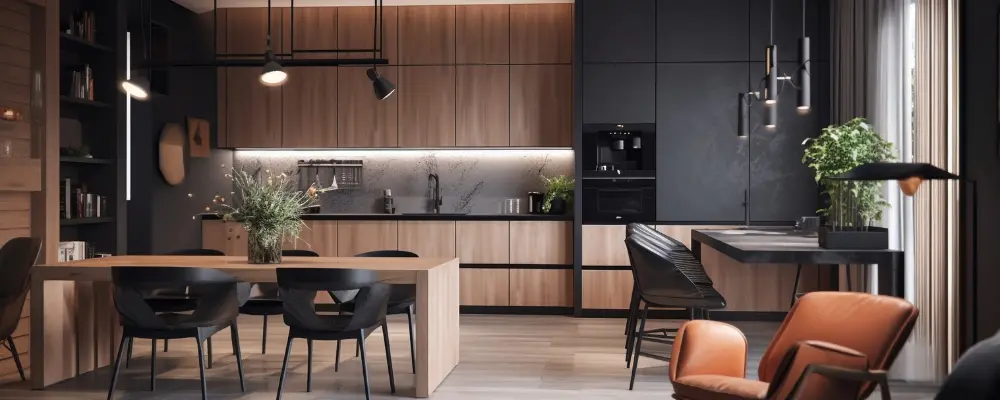
Most people prefer a shift to modular kitchens these days. So, look closely at the various design options available for this remodelling. Some of them focus on large storage spaces where as some of them focus on more space for appliances or a few on the stylish look. A busy family will need quite a storage space whereas if you are into experimenting with cookbooks you might need appliances. So, go for the design that will benefit you the most at the same time reducing the kitchen remodelling cost.  

Appliances 

Make a list of all appliances that need a mandatory change before you start your shopping. Through the course of years, you can substitute with more new appliances. Going light on the appliance budget can help you save up for a better interior.

Slabs

While most of us pick the expensive stone tops, today alternatives such as wooden lamination or fibre are very much available. They add style to your kitchen as well as cost significantly less.

Cabinets 

Pick and choose cabinets that are useful over custom ones with fancy add-ons. Your cabinets must be spacious with dividers for your cutlery along with a few drawers. Also, choose a glass door over a wooden or any other material for the cabinets as it costs comparatively less but adds a classy look to your kitchen.

Tiles 

While most people try to invest a lot on the tiles, reconsidering the same can help. You can pick a basic tile may be in multiple colours or any colour of your choice for the remodelling over going for expensive ones. Starting here one can cut down on costs by trying to match up to the looks of the tiles.

Hardware 

Taps and fitting need to be paid great attention to. Choose wisely, a decent good quality fitting and taps over any fragile new designs that just look luxurious as it will be long lasting as well as useful. This will also keep the kitchen remodelling on a budget

Remodelling costs also include labour other than the major raw materials. So, consult multiple companies or individuals with price quotes before you pick your one. For those running low on budget individual kitchen remodelling contractors might be the way to go although in that case most of the work to buy the raw materials as well as supervise the work will fall on your shoulders. Keeping the budget stagnant and playing around material costs you can use the rest of the money for your remodelling companies that will give you the satisfaction of a fabulous kitchen remodelling on a budget.

Transform Your Terrace: Creative Ideas for Utilizing Outdoor Space

0
Terrace

A brisk walk in an open and spacious terrace can make a great day. Terrace spaces are usually a great place to display ample creativity by decorating compared to other spaces at home. The open space offers a million ideas that can be incorporated to make use of this awesome place.

The space opens up to the beautiful sky and with the right decorations can become your personal pod.  Instead of having just a terrace how about a useful space made of it?

Check out a few amazing ideas that can be used to utilize the terrace space in and efficient manner.

Your own garden

Terrace gardening is the most common way to utilize your terrace space. You could either choose to go completely decorative with fancy plants, creepers etc,.  or with a little more effort, you can also try terrace farming. If you wish to spend a little more, you could roof the top and decorate with beautiful lights. You can start off with small herds before if you want a cheaper option.

A dining space

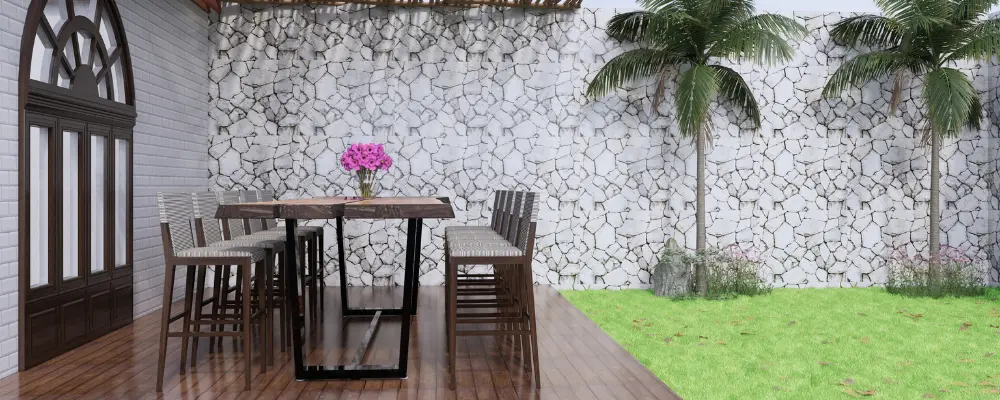
How about a moonlight dinner in your terrace space? Dreamy, I believe. You can make this happen with just some simple arrangements on your terrace. You can look for some simple furniture – a dining set and arrange it. Add some decorative pot plants around and a decorative lamp and you are all set to enjoy an open terrace dinner, a perfect place to enjoy some family time. You can also make this your recreational area by opting for colorful cushions over a dining space.

Your very own peace pod

If you have a considerable small terrace you might want to convert it into your peace pod. Invest on a small camping tent or you could make a canopy with colourful material. You can add a small book stand, a mattress, or carpet for the floor and you are all set for a beautiful day of reading. This could be your peace zone where you can enjoy some music, or read or watch movies with your friends. You can also add a handy telescope to enjoy the night sky showering beauty.

The bean bag paradise

Who wouldn’t like to enjoy a chatty time with a fresh breeze easing on a bean bag chair? You can arrange a small center table with an elegant flower vase surrounded by bean bag chairs. This would go light on the pockets as well as be a great hang-out space for you at home. As an alternative to bean bags, you can also install terrace swings or terracotta furniture as per your taste and budget. This will also be a great terrace design.

The Hammock design

Sometime or the other we all have dreamt of chilling on a hammock. So, why not fix one up in your terrace and enjoy a beautiful day? You can add some easy-to-fold chairs, a small table or some cushions to the design. To up this a notch you can make a small fireplace with some DIY tips for a cozy winter night

How to Make a Timeless Home

0
Timeless Home

A timeless home is nothing but a space that feels inviting and energetic. A minimal and elegant look of the home is more acceptable and provides a jubilant feel. Your home has to be designed in such a manner that you never get bored of seeing the same thing again and again. Everything in your house should be appealing to your own self and others too.

Architecture

The architecture of your house must resonate with your desires and interests. The architectural elements should be more clear and bold rather than messy and with many offsets. A minimalist approach towards design is preferred over a heavy clingy one.

If you are a nature lover then bending of green spaces and water bodies into your home would make you feel delighted. If you love old classical architecture then you can use arches and stonework in your home. Basically, the architecture of your home should define your liking and should elate you every single day. In addition to that it should look warm and welcoming to the guests too.

Planning

The spaces in your house should be planned optimally and should function according to your day-to-day activities. These areas and spaces should be planned according to your hobbies and requirements so that you feel comfortable and peaceful. The use of materials also helps define the essence of the space. Wood, stone and earthy materials give out a natural feeling and

Use of furniture

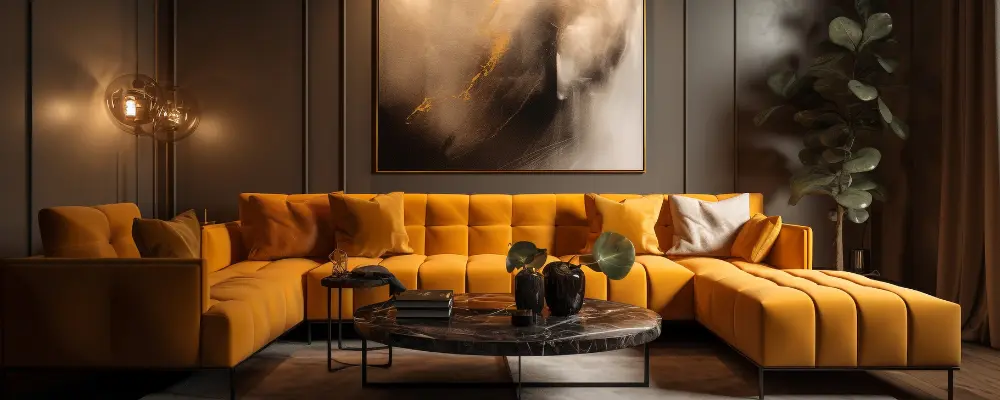
The furniture should be appropriately selected as per the size of the rooms. Furniture with built-in storage provides easy mobility and a decent look to the rooms. Cluttered furniture makes the rooms look unkempt and should be avoided.

Selection of colors

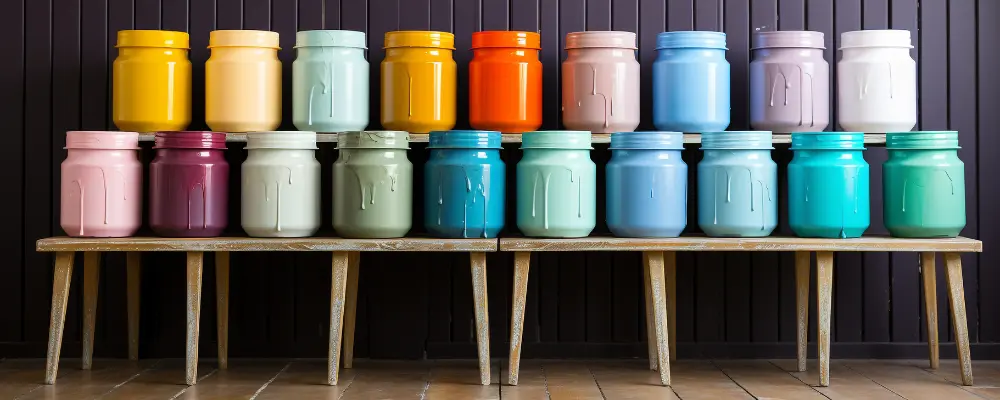
A choice of neutral pastel colors gives a rich and classy look. You can use these colors in contrast with the colors of fabric and furniture to improve the aesthetics. Using textures on a single wall to highlight it would also give vibrance to the space. Lighter warm and cool colors when used in contrast with monotonous white or neutral colors also make the space welcoming and energetic.

Selection of fabrics and drapes

The curtains and fabrics of the room are really important part which enhance the ambience of the room. You should choose proper drapes which align with the color of your walls and the type of furniture too. Contrasting color schemes or monochromatic color schemes both give an elegant look.

Frames and artefacts

Minimum artifacts and framed paintings or photos should be used. A single item gets highlighted rather than too many pieces. Moreover, many things in a room make it look messy and drift away from elegance. So, its better to keep selective additional, sculptures or paintings in your home.

Exploring White Cement Uses in Construction and Design

0
White Cement Uses

Cement is an essential component of mortar and concrete, and it has been the foundation of decorative and architectural design for thousands of years worldwide. Cement’s mineral composition has been refined and altered throughout time to produce the cement that is used today. In any construction endeavour, you can think about improving the structure’s aesthetic appeal in addition to making sure it is strong and durable. So, for that reason, white cement comes into play. White cement creates a smooth and clean surface. It’s a multipurpose material that may be used as textured plaster, white cement wash, decorative paint, and more.

So, with Brick & Bolt, let’s explore the uses of white cement in construction to interior design, along with expert tips for working with white cemnet and its maintenance.

What is a White Cement?

The unique white shade of white cement is a result of its composition, which is derived from raw materials with minimal iron and magnesium oxide content. When it comes to the manufacturing process, white cement compositions primarily contain larger quantities of lime and china clay. The manufacturing process for this type of cement is similar to that of ordinary Portland cement, with some variations in the raw materials used and the fuel used in the kiln. However, the final outcome is a premium cement that is versatile and suitable for a wide range of construction projects. However white cement is significantly more expensive when compared to OPC.

White Cement Uses in Construction and Interior Design

The following are the applications of white cement:

1. Uses of White Cement in Decorative Elements

White cement’s versatility and workability enable the development of intricate and complex patterns for decorative elements. It may be formed into a wide variety of patterns, forms, and textures, allowing for the creation of decorative elements such as fountains, sculptures, and other structures. White cement produces a smooth and shiny surface that enhances the visual attractiveness of these components.

2. Application of White Cement in Interior Design

In interior design, white cement is often used to make polished or textured walls, floors, and ceilings. Its exceptional workability makes it easy to apply and mould, resulting in a smoother and more uniform surface. This may help a house or commercial space seem more contemporary and stylish.

3. Application of White Cement in Art and Craft 

This type of cement is easy to mould into a wide range of shapes and forms. Its workability permits exquisite details, making it ideal for creating fine art sculptures or works. It may be painted, stained, or even have objects like stones or bits of glass embedded for additional texture. It can be used as a canvas for a multitude of creative materials and methods. 

4. Uses of White Cement in the Aesthetic of Buildings

In the construction industry, white cement is utilized for aesthetic purposes. It is widely used in the construction of architectural elements such as white concrete floors, walls, and countertops, as well as in tiling, grouting, and crack filling. The white colour of the cement gives a clean, sophisticated look that goes well with many design motifs. Both functionally and aesthetically, white cement offers benefits. Because of its high compressive strength, it may be used in structural applications where strength is needed.

5. Application of White Cement in Precast Elements

Precast components are often made of white cement due to its ability to provide a clean, brilliant look. White cement is often used to create precast panels, exteriors, and architectural elements, including columns, cornices, balusters, and mouldings.

6. Uses of White Cement in Outdoor and Landscaping 

Outdoor areas may be made to seem light and inviting by using white cement. Because it is resistant to weathering and UV ray damage, it is perfect for outdoor applications exposed to a variety of environmental situations. It will not lose its colour or structural integrity even when exposed to intense sunshine, cold temperatures, or heavy rain. Furthermore, white cement’s versatility allows for a multitude of landscape design options. It may be used to create decorative borders, sculptural elements, or surfaces with textures or patterns.

7. Application of White Cement in Countertops and Surfaces

White cement is an excellent material for kitchen countertops and surfaces because of its durability and versatility. Counters with white cement look clean and elegant, adding openness and brightness to the room. The smooth, glossy surfaces that are common in modern interior design may be produced with it. Countertops made of white cement are very resilient to heat, stains, and scratches. As a result, kitchens and other areas where food preparation happens often are suitable for them.

8. Uses of White Cement in Architectural Details

White cement is suited for long-lasting architectural projects since it is resistant to environmental extremes, including UV rays and severe weather conditions, without losing its structural integrity. Over time, this lowers the need for upkeep and repairs. White cement is also used in roofing for house cooling properties. Additionally, by combining white cement with other ingredients like aggregates, pigments, admixtures, different textures, and colours it produces distinctive effects. Hence, with so many different design alternatives, architects may express their creativity and achieve their aesthetic goals in their architectural projects.

9. Uses of White Cement in the Restoration and Preservation of Historical Buildings

Owing to its properties and suitability for traditional building techniques, white cement plays a significant role in the preservation and repair of historic buildings. While restoration work is being done, it is imperative that the historical significance and visual attractiveness of the original building be preserved. White cement’s bright, tidy look closely resembles that of traditional materials like lime mortar, which makes it a great option for both restoration and upkeep of older structures. Because of its extraordinary strength and resilience, white cement can survive the rigours of time and the environment. Additionally, it may effectively lessen deterioration brought on by weathering, water intrusion, and other elements that might jeopardize the longevity of historic structures.

Expert Tips for Working with White Cement

You need to keep some things in mind when working with white cement to ensure the job goes well. 

  • First, it’s important to use clean tools and equipment so that other things don’t get into the cement. 
  • White cement should be mixed well to make sure that the colour and structure are always the same. 
  • It is also suggested that you use a white cement-specific sealer to protect the surface and keep its shine.
  • Lastly, to get the best results, make sure you follow the manufacturer’s advice for how long to let it cure and dry.

Expert Tips for Maintenance of White Cement Surfaces

White cement surfaces need to be properly cared for and maintained to make sure they last and look good. 

  • Cleaning your white cement surface with water and a light cleanser can help get rid of dirt and marks. 
  • Do not use rough cleaners or chemicals that can harm your white cement surface. 
  • Fix any cracks or chips in the white cement surface immediately to stop more damage. 
  • Putting a sealer on the surface every couple of years can help keep it bright and protect it.

In Conclusion, White cement is a beautiful and useful building material that can be used in a lot of different ways. Its clear white colour, strength, and ability to work with many different chemicals and colours make it a great choice for many uses, from decorative elements to architectural concrete and kitchen countertops to floor finish. Hence, when choosing the best white cement for your project, you should think about the specific needs, how well it performs, and how well it fits with your design idea. If you use the right white cement and follow the right steps, you can make surfaces that look great and last for a long time, making your places more beautiful. That’s because white cement is a blank slate for creativity and quality that will last, whether you’re an artist or a builder.

Demystifying White Cement: Properties, Applications, and Uses

0
White Cement in Construction

The white cement market is expanding quickly as more builders and architects become aware of its longevity and adaptability. The special properties and benefits of white cement are making it more and more well-liked in the construction industry. White cement is a top option for both architects and builders due to its strength and durability, as well as its diversity in design. 

Hence, in this blog, Brick & Bolt provides a complete white cement guide, explaining what it is, its properties, benefits, uses, prices, and top brands for white cement, and more.

So, let’s start the journey!

What is White Cement?

White cement has a unique white colour because it is made from raw materials that are low in iron and magnesium oxide. During the manufacturing process, white cement compositions mainly consist of higher amounts of lime and china clay. Its manufacturing steps are mostly the same as those of ordinary Portland cement, but the raw materials and kiln fuel are different. However, the end result is a high-quality cement that can be used for many different building tasks. But, compared to OPC, white cement costs a lot.

Benefits of Using White Cement in Construction

The following are the benefits of using white cement in construction:

  • White cement offers an excellent, clear finish that is perfect for decorative uses.
  • It is a flexible option for architects and builders since it can be used to produce a variety of hues by adding pigments.
  • White cement is also suited for structural applications because of its high compressive strength. 
  • It is also resistant to chemical attacks and weathering to ensure endurance over time. 
  • Lastly, white cement is environmentally beneficial as it uses less energy to make than other varieties, lowering its carbon impact.

Disadvantages of White Cement

Along with the number of benefits, white cement has one disadvantage. White cement prices are higher than ordinary Portland cement.

Properties of White Cement

The following are the properties of white cement

  • The brightness of white cement should be 87%.
  • The setting time of white cement should be 100 mins.
  • The compact density of white density should be 3150 kg/m3.
  • The fineness of white cement should be 395 m2/kg.
  • The compressive strength of white cement after 28 days should be 74 N/mmw or Mpa.
  • The bulk density of white cement should be 1110 kg/m3.

Uses of White Cement

White Cement Uses

There is a wide range of uses for white cement, from construction to interior design.

1. To Make White Mortar 

White cement is one of the main ingredients in white mortar. It’s used in building projects where the joints need to fit in with light-coloured stones or bricks.

2. Uses as a Tile Grout 

White cement is used to make white tile grout sticks and fill in the gaps between tiles.

3. Uses in Architectural Concrete

White cement is used by architects to make architectural concrete, which looks white all over. People who care about how things look use white cement to build houses, bridges, and statues.

4. To Make Terrazzo 

White cement is used to make terrazzo, a type of wall or floor finish. Marble, glass, or other materials are embedded into a matrix of white cement to create terrazzo.

5. Uses in Artistic and Designs for Home Decoration

White cement is popular with artists, sculptors, and designers because it looks good and is easy to work with.

6. To Make Precast Panels

White cement is used to make precast panels, which are then shaped and moulded into different sizes and shapes. People like these because they are bright white.

7. Uses in Decorative Finishes

White cement is a main element of the decorative finishes such as plaster and stucco.

Sounds interesting!

Explore all the uses of white cement in detail-

Exploring White Cement Uses in Construction and Design

The Best White Cement in India

The following are the best white cement in India you can opt for your construction.

  • JK White Cement
  • Birla White Cement
  • Sakarni White Cement
  • JK Lakshmi White Cement
  • Federal White Cement
  • Dalmia White Cement
  • Sanghi White Cement

Well, this list of the best white cement in India will help you to choose the best white cement for your project. But are you also confused about which cement is best for your dream construction project? 

Then don’t worry! 

We have also written a detailed blog on the best cement companies in India. Click on the link below to read more:

Building Excellence: Unveiling Top 7 Cement Companies in India

Price of White Cement

The white cement price of 1 kg varies according to its grade. For instance, cost of 43-grade white cement is often higher than 33-grade white cement because of its stronger adhesiveness. In addition, factors like brand, religion and market demand will also impact the white cement price.

Normally, White cement 1 kg price ranges between Rs 35 to 40

White cement price for 50 kg ranges between Rs 1750 to 2000

White Cement FAQs

Is White Cement Waterproof?

Yes, white cement is waterproof. Because white cement is inherently waterproof, it doesn’t need to be waterproofed further when used in a structure. White cement is a remarkably versatile and reliable building material that can withstand the more extreme elements when used on exteriors and the wear and tear of interior living because of its waterproof nature and ability to withstand much higher temperatures than other types of cement. 

Is White Cement Environment-Friendly?

Yes, the cement is environment-friendly. It can be produced with far less energy than grey cement, and the process is also cleaner. In addition, compared to other types of cement, the dazzling white coating absorbs less heat because it reflects more light. Because of this, white cement will help buildings stay cooler in the summer and consume less energy to maintain a constant temperature. This lowers the building’s total carbon impact in addition to energy expenses.

Why is white cement used on walls?

When used on walls, white cement has several benefits, such as a smooth, uniform surface, clean look, choices for customization, durability, ease of workability, and compatibility with other materials. Because of these characteristics, it is a well-liked option for improving the practicality and visual attractiveness of wall surfaces in a range of building and design projects.

Does White Cement Have Any Dyes?

Yes, white cement dyes are available. Infact, being able to change the color of white cement is one of its benefits. Adding powdered pigments allows you to produce pastel and bright colours.