Home Blog Page 103

Key Factors for Building an Earthquake-Resistant House: Protecting Your Home Against Seismic Forces

0
Factors for Earthquake-Resistant Houses

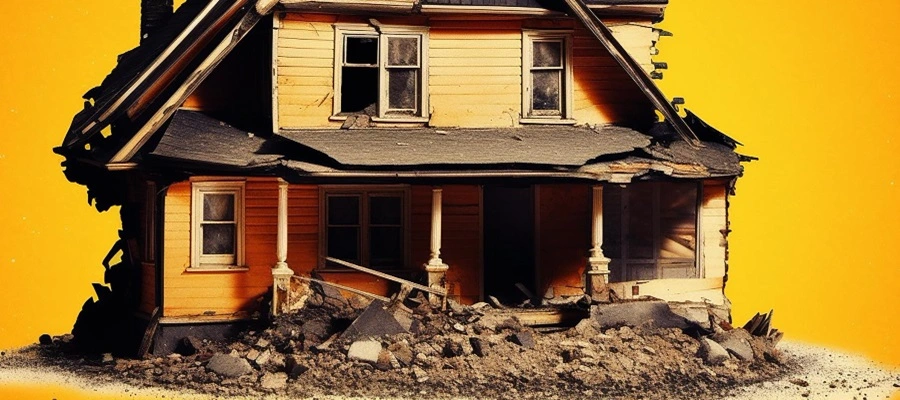
Earthquakes do not come with a warning sign; they come and rip up the roots of buildings. Various areas of India are prone to earthquakes. A house that does not comply with the Indian seismic codes and is not designed properly can be prone to lethal damage from the movement of the tectonic plates.

So, how can you build an earthquake-resistant house or protect your building from the risk of earthquakes? You need to build an earthquake-resistant house. Earthquake-resistant construction techniques strengthen the foundation of the house, making it ready for any changes in the ground. 

What factors should we consider when building an earthquake-proof home? Keep reading as we have compiled factors for an earthquake-resistant house. 

Importance of an Earthquake-Resistant House

The two most common types of construction in a building are load-bearing wall structures and framed structures. The load-bearing wall structure is designed to support floors at different levels with continuous vertical walls. In the framework structure, isolated vertical posts (columns) are connected to horizontal beams to support the structure’s construction.

Earthquake Survival: How Does a Building Do It?

The critical elements of maintaining a building are relatively well understood. Three crucial attributes determine a structure’s ability to resist an earthquake. Here are the top elements that ensure a building’s survival. 

Stiffness

Seismic activity forces the walls of a building to experience extreme shear and racking forces. Even though a wall is designed to resist gravity alone, the load it has to bear is extremely hard for it to handle. A properly constructed wall may not effectively transfer the force of the shaking to the foundation if it is not properly attached. Adding steel reinforcement bars to the wall’s foundation is crucial to its stiffness.

Ductility

Third, the material should be ductile, or it should be able to bend without breaking. The wall must be able to bounce back from the violent forces of the earthquake. The example of concrete is a great one. When pushed together, concrete is not ductile, even though it is extremely strong when compressed.

Factors for Earthquake Resistant houses

Earthquake-proof Home

Various factors go into building a seismic safe house. Taking the right step at the right time allows you to build earthquake-resistant buildings. Here are the leading factors to consider while developing earthquake-resistant houses: 

1. Identify the location

Location plays an important role in building houses, so choosing the best location for your home is crucial. The National Center for Seismology has identified five seismic zones based on the intensity of earthquakes. Before building the house, it is ideal to do research and determine whether the land you are going for is earthquake-prone.

2. Soil Quality

After selecting a location for your home, the next step is soil testing for quality. Good soil quality is primarily important for the foundation of your house because earthquake pressure can damage it.

The best soil contains coarse particles like argillaceous sand, sand gravel, and consolidated soil. Due to their hardness, compactness, and natural characteristics, it is suitable for seismic-resistant structures. Whenever possible, stay away from sandy, loose, and clay-type soils, as these soils are unsuitable for construction.

3. Height of the Structure

There is a strong correlation between a building’s number of floors and height and the load the foundation and soil will bear. For this reason, it is essential to properly calculate the load before designing and planning a structure so that your building can withstand an earthquake or another natural disaster.

Engineering plans and designs for buildings are based on a “design spectrum” and take inertial forces into account, as a building’s height determines its foundation’s type and depth.

4. Foundation of the Building

A building’s foundation is certainly the most crucial element, particularly if it is earthquake-resistant. The foundation allows the building’s charges and weights to be carried and distributed to the nearby land, preventing damage.

The size, structure, and characteristics of the foundation will differ depending on the terrain conditions and any adjustments that need to be made. A flexible pad of steel, rubber, or lead should be placed underneath the foundation to prevent the structure from moving during an earthquake.

5. Selection of the Building Materials

Choosing earthquake-resistant materials to build a house is a crucial factor in building an earthquake-resistant home. That is why it is important to choose a top construction company like Brick & Bolt, which utilizes earthquake-resistant materials that can absorb seismic energy during an earthquake to ensure that your building remains safe. In addition, you can calculate your home construction cost using their house construction cost calculator.

Some materials like reinforced steel and concrete are a perfect combination because they are strong, resistant, and extremely flexible at the same time. The materials should be tested mechanically to determine their ability to withstand seismic activity.

6. Load Distribution of the Building

Building structures should be symmetrical to ensure proper load distribution across their foundations and maintain constant balance. With a perfect understanding of load forces, real estate developers can design visually appealing structures without compromising their foundations’ stability.

How to build an Earthquake proof house?

  • Choose Safe Location: Avoid fault lines and unstable soil; ensure proper site testing.
  • Strong Design: Use lightweight materials, symmetrical layout, base isolation, and seismic dampers.
  • Durable Materials: Reinforced concrete, flexible wood/bamboo, and shock-resistant materials.
  • Secure Foundation: Deep foundations, tie-beams, and base isolation systems.
  • Reinforced Walls & Roof: Use shear walls, cross bracing, and lightweight roofs.
  • Strong Connections: Secure joints, tie-down straps, and reinforced openings.
  • Follow Building Codes: Work with experts and adhere to seismic regulations.
  • Install Safety Features: Flexible utilities, shock-absorbing flooring, and clear exits.
  • Maintain Regularly: Inspect and repair cracks or weak points promptly.
  • Use Modern Tech: Incorporate smart materials and active seismic control systems.

Conclusion

By following these key factors you can make sure earthquake-proof house. In addition, significant technical expertise is required to build an earthquake-resistant building. But you do not need to worry. Brick & Bolt, a leading construction company, provides modern living spaces and earthquake-resistant buildings. We have a team of the best real estate developers who build buildings with high-quality materials that can endure even the most extreme earthquakes. Contact us today and give an edge to modern building design.

Essential Septic System Maintenance Tips for a Healthy Home

0
Septic System Maintenance Tips

Whether it’s a residential or a commercial property, your septic system is the most crucial yet overlooked functional element. Since most homeowners live in large cities, they have septic systems. However, most of them are unaware of the tank’s location. Besides, they are unaware of the steps they need to follow for the health and longevity of the septic systems. Often, you can find mistreatment of the septic systems, especially those failing to manage their water responsibly.

Care and periodic maintenance of your septic system are crucial; otherwise, the component repairs might become costly. Sometimes, problems with your septic system become so intense that you might require replacing the entire system. The cost associated with replacement is ten times the cost of routine maintenance of septic tanks. Proper maintenance means your residence’s septic tank can last between 25 and 30 years.

So, let’s explore the septic system maintenance tips along with the proper understanding of its functioning.

The Functioning of the Septic Tank

The water flowing out of your house is unsafe for drinking. However, it has to go somewhere, and here’s where a properly maintained septic system comes in. If you aren’t connected to the city’s sewer system, the waste generated from your household gets collected to a small community cluster system or septic tank. The general household waste, such as the water used for washing dishes, bathing and flushing the toilet, gets contaminated and leaves your house. 

The tank and the drain field are the two main parts of a septic system. Typically made from plastic or concrete, the tank can hold between 1,000 to 1,500 gallons of wastewater on average. The process allows the wastewater from your house to flow into the tank. A settling process occurs inside the septic system where the solid materials separate from the water. Over time, the naturally occurring bacteria break down the sludge layers or the solid waste. The effluent or the excess filtered water exits the tank through perforated pipes. Meanwhile, the heavy solid waste continues to degrade inside the tank.

7 Septic System Maintenance Tips for Your Home

Remember, your septic system is an unsung hero of your home or commercial property. It’s one of those systems that goes unnoticed until something goes wrong. Here are some of the top septic system maintenance tips to keep your septic system running.

1. Keep Your Septic Tank on Routine Inspections

Most people are surprised by the issues with their septic tanks. In most cases, you can identify and repair budding issues before they emerge as real problems. It is possible when you keep your septic tank under routine inspections.

If you have a standard household septic tank, it is ideal to inspect it at least every three years. You will require frequent inspection if you have large properties, commercial buildings, large families, or groups. Regardless of the frequency of inspection, ensure that you hire a septic system professional. They will help you spot warning signs.

2. Set Your Pumping Schedule

Although septic tanks remove some waste materials through their leach field and bacteria, they require occasional pumping. In the case of a residential system, it is ideal to pump your septic tank between three and five years. However, the time for pumping depends on several factors, including the number of family members, the amount of waste your household generates, and the size of your tank.

3. Look What You Flush and Drain

If you have a child at home, you might have experienced them flushing their toys into the toilet and how it backs up your plumbing. That’s not the only thing that one should be concerned about. Flushing certain materials into your septic tank will fill up your tank faster. Besides, these materials often contain toxins that might kill the helpful bacteria living in your septic tank. Some materials that must never reach your septic tank include grease and oil, toxic cleaning products and oil-based paints.

4. Keep Septic Tank Maintenance Records

As everything on your property requires maintenance, your septic tank does, too. You must keep thorough records of its maintenance. This includes recording the date of pumping, filter cleanings, equipment installations, inspections, and repairs, among other things. The information will prove invaluable when your septic tank system professional tries to diagnose a problem in the future.

5. Look How You Dispose Food

Septic tank maintenance is not only about how you care for your tank. Instead, it’s about following the do’s and don’ts with your septic tank. Ensure that you do not put a heavy workload on your tank. Surprisingly, your garbage disposal has a big impact on your septic tank. Unlike most drains and septic sources in your home, your garbage disposal sends solid materials into your septic system. If you want your septic tank not to fill quickly, you must keep your garbage disposal minimal. You can compost the disposed food instead of flushing your leftover food into the toilet.

6. Understand Your Drain Field

The drain field or leach field is a crucial part of the septic system, allowing your septic tank to dispose of materials correctly. To keep the leach field intact, minimize the pressure and weight on the area. Too much pressure might damage the equipment. Whether you installed or bought a new septic tank system after purchasing the house, the first thing you must do is locate the drain field. 

Do not park vehicles or build structures on the drain field. Also, do not plant trees on the drain field, as the roots will grow and interfere with the system. To prevent excessive water saturation in the leach field, place your sump pumps and rainwater drainage systems away from the area.

7. Keep An Eye on Your Lawn

Even your pretty lawn alerts you when there’s an issue with your septic tank. Ensure that you know the location of your septic tank and look for any changes in the grass of the area. Do you notice spots that are more lush or dense than other areas? It could be a chance that your septic system is leaking. The materials from the tank are fertilizing the nearby grass. It’s a red flag, and if you ever find it, be sure to seek the help of a professional.

Importance of Septic Tank Maintenance

Importance of Septic System Maintenance

Environmental Protection

A faulty septic system can release bacteria, viruses, and chemicals into local waterways, which can lead to public health hazards. Proper maintenance of your residential or commercial septic tank ensures that the contaminants are safely processed before reaching the environment.

Prevents System Failures

Regular inspection and pumping of septic tanks prevent solid buildup that might lead to system failures. The EPA suggests that your septic system undergo inspection by professionals at least once every three years. You must also be sure to pump the tank every three to five years when necessary.

Cost Savings

When you ignore maintenance of your septic tank, it might lead to expensive repairs. Alternatively, you might require a complete system replacement, causing a hole in your pocket. With regular maintenance, you can avoid these costs and boost the life of your property as you ensure the proper functioning of the septic system.

How Much Does Cleaning Septic Tank Cost in India?

The cost of cleaning septic tanks in India varies from one region to another and from one service provider to another. Typically, it ranges between INR 2,000 and 10,000. However, it depends on various factors. These include the following:

1. Tank Size

Your septic tank’s size stands as a major determinant of the cost. Large tanks require more size and effort to clean, resulting in higher costs.

2. Depth of the Tank

The depth of the tank also affects the cost of cleaning. Deeper tanks require specialized equipment and safety measures, so the cost of cleaning such tanks is higher.

3. Your Property’s Location

Another factor varying the cost of your tank is your property’s location. If your property is in a remote or less accessible area, getting the necessary equipment and personnel to the site might become expensive.

4. Difficulty in Accessing

Often, the professionals have trouble accessing your tank. This happens when you bury your septic system under concrete and extensive landscaping. It might require additional labour and equipment, increasing the cost.

5. Frequency

If you have not cleaned your septic tank for a long time or if it is clogged, it might require severe cleaning efforts. In such a scenario, cleaning your septic system becomes extensive.

6. Additional Services

Often, service providers offer additional services as part of their package. These include inspecting and repairing minor system issues, which affect the overall cost of cleaning your tank.

If you are looking for an accurate estimate for a septic system cleaning service, it’s better to contact local septic tank cleaning companies and request their quotes. Ensure that you provide the professionals with detailed information about your septic system, including its size, location, and any specific issues you experience. This will help the service provider offer you a more precise cost estimate for cleaning your septic tank.

Conclusion

Even though you do not think about your safety tank every day, it performs a critical job for your house and business. Since your septic tank is an essential part of your daily life, it’s essential to maintain it. Ensure to pump your septic tank regularly, or at least once every few years, depending on its size and your family members. Following these best septic system maintenance tips ensures your septic tank works for years. As a reputed construction firm in India, Brick & Bolt offers complete service related to your dream home. With their professional team of experts, you get real-time tracking, regular updates, the latest floor plan designs, efficient communication and quality checks on your projects from the first day until the completion of the project. Do you believe and follow Vastu principles? Brick & Bolt will place your septic system following the Vastu guidelines for optimum positive energy flow in your home.

Understanding Building Collapse: Identifying Causes and Implementing Preventive Measures

0
Building Collapse

Constructing your dream house requires hard work and dedication. However, we are continuously experiencing unpredictable patterns in climate change, such as strong winds, floods, earthquakes, and other natural calamities, which can damage your loveable home.

We often hear about building collapse. These are tragic events resulting in devastating consequences, including loss of life, injury, and widespread destruction of property. It’s crucial to understand the causes behind these collapses and implement effective preventive measures to ensure the safety of human lives and infrastructure. The urgency of this task cannot be overstated. 

What is Building Collapse?

A building collapse refers to a sudden structural failure. It can either result in partial or entire failure of a building, threatening human life and health. The failure of the load-bearing structure of a building combined with the pulling of the exterior structure into the falling structure results in the building collapsing into itself. The scenario might result from construction activity, an earthquake and fire, often resulting in a defence debris field with a small footprint. Alternatively, suppose the building experiences an explosion or natural forces, such as weather-related structural failure. In that case, the building might collapse in an outward direction, causing a less dense and more scattered debris field.

Causes of Building Collapses

You can categorise building failures into two broad groups- structural and application failures. Some of the most common causes of building collapse include the following.

1. Weak Foundation

Strong foundations are essential for the overall structural integrity of your building, especially in coastal areas. Rising sea levels and coastal flooding, combined with soil subsidence, result in the gradual sinking of buildings.

2. Poor Quality Construction

In India, most building collapses happen due to inferior-quality raw materials, an inefficient workforce, and inadequate supervision while constructing multi-storey structures. Several construction firms are careless about the load-bearing elements, including columns and beams. Contractors often shift the location of kitchens and bathrooms to meet clients’ demands without consulting structural experts and engineers. Both of them can add to the problem causing building collapse.

3. Faulty Construction

Often, contractors work hastily to save time while constructing a building. In such a scenario, they often make errors, affecting the strength and integrity of the structure. Alternatively, if a construction company hires untrained workers, they might make serious mistakes affecting the building’s safety.

Construction errors that might cause tragic consequences include:

  • Failure to properly waterproof and drain water from the foundation. 
  • Improper installation of windows and roofing materials, causing moisture intrusion.
  • The lack of insulation in pipes causes condensation and damage to nearby materials.
  • Selecting the wrong materials for the construction work. Contractors often use the same materials to construct buildings in the inland and coastal regions. These materials are inappropriate for buildings in the coastal regions, as corrosion and erosion are constant concerns.

4. Water Seepage

Rainfall is a natural factor that causes buildings to collapse. Therefore, it’s essential to construct buildings according to the climatic conditions of the region. Most seepage-related issues arise only during the monsoon season, causing problems like rusting and internal leakages.

5. Failure to Perform Strength Tests

Contractors must conduct strength tests throughout a building’s construction. It includes load testing, which helps contractors determine the amount of load a building or structure can safely support without resulting in cracks and other damages. The contractor must also test the concrete to ensure that the building can properly support the structure’s weight. 

6. Corrosion

Corrosion is a particular problem in coastal areas like Chennai. The presence of salt and chloride in groundwater results in corrosion and weakening of the materials. Over time, it affects the structural integrity of the building. Ensure that the contractor builds the building with corrosion-resistant metals, such as stainless steel, or with metals treated and coated to become corrosion-resistant. If left untreated, corrosion can weaken cross-beam reinforcements, leading to structural failure.

Types of Building Collapse

Types of Building Collapse

Some of the classifications of collapse, both in process and severity, are mentioned below.

Partial and Complete Collapse

The term partial collapse refers to collapses when the elements or some of the areas of a building fail for various reasons, and the majority of the structure remains standing. Complete collapse, on the other hand, refers to the collapse when the entire structure collapses as a whole, either through staged collapse or in a singular collapse.

Disproportionate Collapse

Disproportionate collapse, often referred to as cascade failure, results in the failure of one component of a building. It often leads to the progressive failure of another or a series of other components. This type of collapse can often lead to the partial or complete collapse of a structure.

Symmetrical Collapse

Symmetrical collapse is similar to partial collapse occurring in small buildings. The collapse mostly occurs at the centre or edges of the buildings, where some elements remain standing. Building collapse risks are lower in taller buildings, as the significant weight of the higher floors might result in total collapse. This type of collapse creates either a V or A-shape in the debris. 

A-frame Collapse: 

Often described as a tent collapse, you can see that the floors get separated from the exterior supporting walls. However, the central interior supporting walls of the building, along with the support part of the floor directly above, remain intact. The collapse results from weakness and shear forces at the junction between the external supporting walls and the floors. The falling of the edges with the supporting of the centre resembles an A-shape. Experts often describe sitting as a progressive collapse when the failure of the floors causes the central supporting wall to collapse due to extra weight.

V-frame Collapse: 

It occurs in buildings where beams fail at their centre point due to overloading or damage, including rotting and weathering. It is common in buildings with few or no central structural supporting walls. The building experiences failure in the centre of the structural member, whereas the external walls remain intact, forming a V-shape from the debris left.

Asymmetrical Collapse

Asymmetrical collapse includes the following:

Lean to Collapse: 

In this type of collapse, one or more load-bearing walls fail. You might witness the removal of one-half of the structure while the connection points remain, and the bending moments cause the remaining elements to lean to one side. If the remaining connection points give way to shear forces, the floor might fall or stack to the ground. The remaining wall might not remain standing.

Cantilever Collapse: 

It refers to the failure of a building where a beam supports the building only at one end, and the overhang carries the load. This type of building might experience progressive collapse, starting with the failure of one of two elements of the single-sided structure.

Precautions for Preventing Building Collapse

The following are the most effective techniques for a company to prevent building collapse.

1. Awareness of Construction Area’s Standards

Before constructing a building, a construction firm must study the area and check the quality of the soil and the land. If the land is swampy, it will make the construction of the building difficult.

2. Check the Foundation

Are you wondering if the building is strong? If yes, the best way is to ensure the foundation is strong. Before constructing a building, it is essential to check the soil of the ground where you want to construct your building. Building a good foundation will be challenging if the place is swampy. In such a situation, the construction firm must take extra care of the foundation. A solid foundation makes a building strong, making it strong enough to withstand any blow. Hence, choosing the right foundation for your home is a must.

3. Avoid Major Alterations

Certain alterations often affect the structure of the building, so contractors must avoid them at all costs. Clients often request to change the interiors, which requires breaking the wall of the flat or breaking the beam supporting the building. Doing so can cause severe damage to the building. Therefore, before making any alterations, it is important to determine if they would affect the structure of the building.

4. Build Earthquake-Proof Construction

Construction firms must build firm foundations to prevent the building from collapsing during an earthquake. Before constructing a building, construction firms must pre-plan, making your building stable and strong. Pre-designing must include ways to make the building more ductile so that it can withstand earthquakes.

5. Seeking Help of a Professional Structural Engineer

Before constructing a building, you must seek consultation from a professional structural engineer with the right experience. When you hire a professional structural engineer, the professional will help you build a strong building that can withstand any weather. Besides, their designs are professional and accurate.

Conclusion

Building your dream home takes months or even years, and when the builder fails to meet the standards, the building might collapse. Building collapses represent a significant threat to public safety and infrastructural integrity. Preventing a building’s collapse isn’t the responsibility of just one party. Construction companies must analyse structural defects as a priority and hire qualified engineers for regular inspections and evaluations.As India’s leading construction firm, Brick & Bolt handles all the investigations and evaluations, such as soil testing and digital surveys before building your dream home. The professional team of experts associated with the organisation considers even their customers’ minutest demands, keeping in mind that they do not hamper the safety of the structure. From checking the land to delivering the keys to your dream home, Brick & Bolt uses technology like artificial intelligence and computer vision maps to analyse its quality and programs, streamlining management and predicting its progress.

Building Code Compliance for Plumbing Installation

0
Building code compliance

Following building codes when installing plumbing is not only the legal requirement, but also a very important step to make sure that your system is safe, reliable, and lasts a long time. For any construction work, it’s important to ensure the plumbing installation follows the building code. It is very important for homes, contractors, and plumbers to follow these code requirements exactly because they were carefully constructed to protect public health, safety, and welfare.

In this blog, Brick & Bolt will explain why following the building code is important for plumbing installation, as well as the code’s requirements, construction standards, government rules, and the best ways to ensure compliance.

Importance of Building Code Compliance in Plumbing Installation:

Building codes are rules the government makes to protect people who live or work in buildings. Following plumbing codes is important to keep people safe, ensure plumbing systems work correctly, and avoid possible legal problems or expensive repairs. Not following the rules can lead to fines, job delays, or even legal problems.

What are Plumbing Codes and Regulations?

Plumbing code

Plumbing codes specify how plumbing systems should be designed, installed, and kept up. These regulations come from safety standards, environmental concerns, and business standards. Building codes include a lot of different rules, and plumbing codes are a part of those rules that are only for these systems. 

Here’s what you need to know about plumbing codes:

  • It’s important to find out what plumbing code applies to the area where your job is going to be done. You can do this by getting in touch with your local building department.
  • Most building codes are easy to find online or can be bought at offices that police the codes.
  • Plumbing rules are meant to be clear, but some parts can be hard to understand. For complex projects, it’s best to talk to a licensed plumber or building inspector first.

Regulatory Guidelines and Construction Standards

Although building codes outline the basics of plumbing installation requirements, it’s important to know and follow the many other rules and guidelines that go along with them. These rules and guidelines give specific directions, requirements, and the best ways to do different types of plumbing work.

These are some of the most popular guidelines and standards:

International Plumbing Code(IPC): 

The International Plumbing Code (IPC) was created by the International Code Council (ICC). It is a model code that is widely used to guide the planning, installation, and upkeep of plumbing systems.

Uniform Plumbing Code (UPC): 

The UPC is another important model code that sets standards for plumbing systems. It was created by the International Association of Plumbing and Mechanical Officials (IAPMO).

The National Standard Plumbing Code or NSPC : 

The Plumbing-Heating-Cooling Contractors Association (PHCC) puts out the NSPC, which has rules for installing, inspecting, and maintaining plumbing systems.

Manufacturer’s Installation Instructions: 

Many companies that make plumbing products come with detailed installation directions that must be followed to make sure the product works right and keep the warranty valid.

Local Officials:

Some places may have extra local changes or amendments to the adopted plumbing codes, so it’s important to check with the local officials to find out what you need to do.

Code Requirements For Plumbing Installations

Plumbing codes cover many different parts of plumbing systems, such as

Fixtures and Appliances:

Building codes determine the number and type of fittings (sinks, toilets, etc.) needed based on the number of people living in and using the building. They also list the exact installation needs for each fixture, including clearances and water supply connections.

Piping Materials and Sizes: 

Pipes and fittings can only be made of certain materials, which are listed in codes based on things like pressure grade and purpose. Also, pipe size rules make sure that water flows properly through the system.

Venting: 

Ventilation systems are very important for keeping sewer gases out of the house. Codes say how air pipes should be laid out and how big they should be for best performance.

Drainage Systems: 

Building codes make sure that trash is thrown away properly by laying out the rules for drain lines, traps, and sanitary sewer connections.

Water Supply Systems:

Codes cover how to place water meters, pressure regulators, and pipes that carry water to make sure that it is delivered safely and reliably.

Backflow Prevention: 

Devices that stop backflow are necessary to keep dirty water from getting into the drinkable water supply. In certain situations, building rules require these devices to be put in place.

How to Ensure Code Compliance Throughout the Project?

Following construction regulations and best practices is as important as following the code when installing plumbing. Here are some best practices:

Hiring Licensed Experts: 

Make sure that the people installing the plumbing are licensed, have a lot of experience, and know what the building codes and industry norms are.

Planning and Design: 

Include code standards from the beginning of the design process. Talking to a plumbing tech can help you make sure you’re following complicated code rules.

Permits: 

Before you start any plumbing work, make sure you have the right plumbing permits from your local building department.

Regular Inspections: 

During the building process, do regular checks to find and fix any code violations or installation mistakes right away.

Use of Quality Materials: 

When you do plumbing work, make sure you use good materials and equipment that meet industry standards and have a history of working well and lasting a long time.

Proper Documentation: 

Keep thorough records of plumbing installations, such as plans, permits, inspections, and lists of materials used, to show that they follow the rules set by the building code.

Regulatory Guidelines and the Compliance Process: 

Regulatory agencies make sure that plumbing codes are followed by issuing permits, inspecting work, and taking other steps as needed. Usually, the following steps make up the compliance process:

  • Application for a Permit: Get the plumbing installation permits you need from the local building department or regulatory body.
  • Plan Review: Send plumbing plans to be looked over to make sure they meet code standards before starting the installation.
  • Inspection: Plan inspections at different steps of the building process to make sure you’re following the rules. These could include rough-in, final, and occupancy inspections.
  • Compliance Corrections: Take care of any code violations found during checks right away, and make sure the fixes meet regulatory requirements.
  • Certificate of Occupancy: When the building project is finished, get a certificate of occupancy that says you followed all the rules and codes for building.

In conclusion, by making sure that plumbing installations follow building codes, you not only follow the law, but you also make your plumbing system safer, more reliable, and last longer. Investing in installations that meet building codes may take more time and money at first, but it pays off in the long run by giving you peace of mind and the knowledge that your plumbing system meets the greatest standards of construction.


If you want to know more about building codes and standards, click the link below.

Building Codes and Standards: Staying Up-to-Date with Regulatory Requirements

Construction Financing Options: Exploring Loans and Payment Plans

0
Construction loan

It’s important to get the right financing, whether you want to build your dream home, fix up an existing one, or start a commercial construction project. A lot of money must be put down at the start of a construction project. Finding the right financing choices can greatly affect how well the project goes and how much it costs. In this blog, Brick & Bolt will go over many types of construction loans, payment plans, and important things to consider to help you get through the complicated world of building financing.

What is a  Construction Loan or Construction Financing?

A construction loan, also called construction financing, is a special kind of loan used only to build large, new homes or businesses. It provides the money needed for the building process’s costs, such as materials, labour, and other related costs.

Construction loans offer a unique level of security compared to regular mortgage loans. The funds are disbursed in stages, aligning with the project’s progression. This ensures that you don’t receive the entire loan amount at once, and you only pay interest on the funds you’ve received. This structure provides a reassuring safety net, allowing you to manage your finances more effectively during the construction process.

Types of Construction Financing Loans

There are different kinds of construction financing loans that people can get, and each one is made to fit a different set of wants and project requirements. Here are the main types of loans used to pay for building projects:

1. Construction-to-Permanent Loans

Construction-to-permanent loans, also known as ‘All-in-one’ loans, simplify the financing process. These loans combine the construction loan and mortgage into a single loan, streamlining your financial obligations. During the construction phase, you’ll only pay interest on the disbursed funds. Once the project is complete, the loan seamlessly transitions into a permanent mortgage, typically with a fixed interest rate for the remaining term. This understanding empowers you to make informed decisions about your construction financing.

2. Stand-Alone Construction Loans

A stand-alone construction loan is a short-term way to pay for things while the building is being done. When the project is done, you’ll need to either get a new mortgage or turn the building loan into a permanent mortgage. The interest rates on these loans often change, and you may have to pay extra fees or a bigger down payment.

3. Renovation Loans

Residents can pay for big changes or improvements they want to make to their homes with a renovation loan. You can get one of these loans alone or with a mortgage swap. This way, people can get the money they need for home improvements while getting a lower interest rate on their current mortgage.

4. Commercial Construction Loans

Commercial construction loans can be used for bigger business projects like office buildings, stores, or apartment buildings with more than one unit. These loans usually have stricter standards for who can get them, higher down payments, and more collateral needs to be provided.

Financing Options for Construction Projects

Financing option for construction projects

There are a few different ways to finance construction projects, each with pros and cons. Here are some of the most common ways to get money for building projects:

1. Traditional Bank Loans

A traditional bank loan is given by a commercial bank or other financial company to a person or a business for various reasons, such as to pay for a building project, buy property, grow their business, or meet other financial needs. When someone gets one of these loans, they usually get a lump sum of money upfront and pay it back over time with interest, as decided upon by the bank. Traditional bank loans usually need security and a careful look at the borrower’s credit history, finances, and loan repayment ability.

2. Private Lenders

Private lenders, such as hard money lenders or private equity firms, can offer construction loans, especially to people who might not be able to get a loan from a bank. These lenders might be less picky about who can take money from them, but they might charge more fees and interest.

3. Government-Backed Loans

Some government-backed loan programs, like those run by the Federal Housing Administration (FHA) or the Department of Veterans Affairs (VA), can help eligible borrowers finance building projects with good terms and low down payments.

4. Owner Financing

Property owners may offer owner financing, acting as the lender and giving the money for the building project. This deal can be good for people who can’t get traditional loans, but it should be carefully thought through and made official with legal paperwork.

What are the Requirements for Construction Loan?

While each lender may have different standards, here are some things that most lenders look at when they receive construction loan applications:

  • He/She should be an Indian citizen.
  • To lower their risk, lenders usually require a large down payment, usually between 20% and 30% of the total project cost.
  • At least three years of work experience for salaried applicants and five years of running a business for self-employed candidates.
  • A good credit score is important because it shows you are creditworthy and can repay the loan. Lenders might have basic credit score needs.
  • Lenders will examine the ratio of debt to income to ensure that you have enough income to pay back the loan and your other debts.
  • You’ll need to show specific building plans, contractor licenses, and cost estimates from trusted contractors.
  • Lenders may need more than just the property being built as collateral for the loan. This could include assets or properties that are already owned.

Construction Loan Interest Rates

Interest rates on construction loans can differ based on the lender, the loan type, the project details, and your credit score. Because lenders take on more risk with building loans, the interest rates are usually higher than regular mortgages. Interest rates can be set or change over time, and during the construction phase, some lenders may let you pay only the interest.

Payment Plans and Budgeting

Planning your budget and payments carefully is very important for smooth construction projects. Lenders will look closely at how well you can handle your cash flow, make timely loan payments, and cover surprise costs. You should work together with your lender, contractor, and financial advisor to make a sensible budget and payment plan that considers things like delays, cost overruns, and other possibilities.

Finally, one important thing you should do to make your construction project happen is to look into your construction financing options. If you know the different types of loans, where you can get money, and what lenders want, you can make smart choices and get the best loan for your construction. It is advisable to keep this idea (Taking home construction loans) as a last option. Try to explore the options that availaable in market to own a home without loan. To ensure your construction goes smoothly and successfully, don’t forget to carefully think about your budget, the scope of the job, and your long-term goals.

To learn more about home loans, click the link below.

Home Loans For House Construction in India

Understanding Slab Foundations: Simple and Strong Bases for Your Home

0

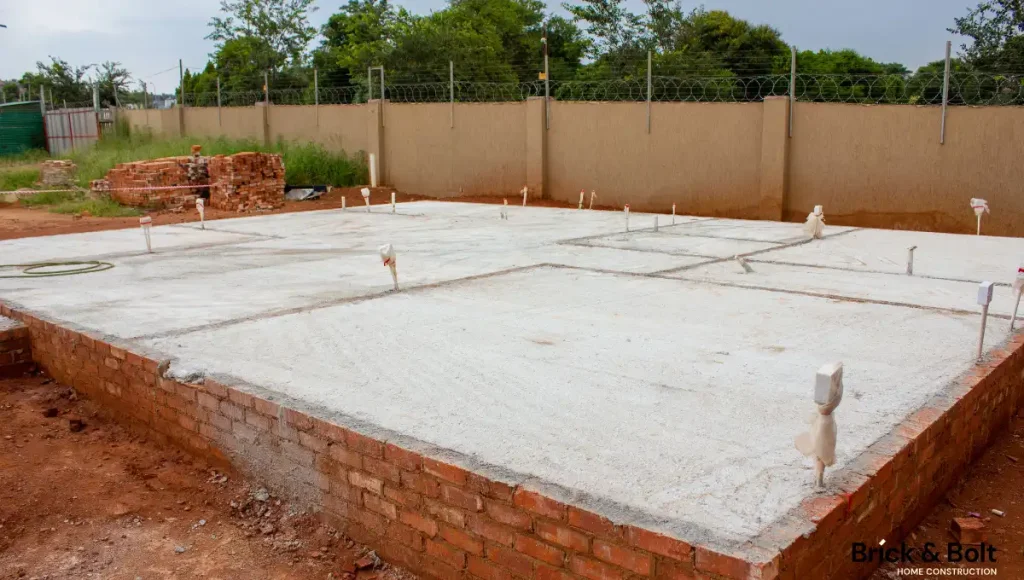
When building a house, the foundation is like the base on which the rest of the structure is constructed. The foundation is the lowest part of a building, and it’s a crucial component of your building as it transmits weight from the building to the ground. There are various types of home foundations, from spread footings to pile foundations. Among the various types of foundations, the slab foundation stands out as being the most simple and useful. It is made of concrete and provides a strong base for homes to stand on. With Brick & Bolt, let’s take a quick look at slab foundations and discuss the different types of slab foundations, their advantages and disadvantages, and the best situations to use concrete slab foundations.

What is the Slab Foundation?

A slab foundation is also known as a concrete slab foundation or concrete foundation. It is a type of foundation consisting of a flat surface of poured concrete. It usually sits immediately on prepared soil and supports the building’s floor. In technical terms, a slab foundation is a big, heavy slab of concrete that is usually 4 to 6 inches wide at the widest point and goes straight to the ground. The concrete slab is usually put down on top of a layer of sand, though, so that it can drain better and act as a protection. Buildings don’t go within a gap in a concrete slab. This type of foundation differs from other house foundations, such as the combined footing or isolated footing. 

Usually, as should be the case, the concrete slab foundation is built on the designated land. Poor soil composition might cause the foundation to sink or settle; hence, the soil has to be certified. When constructed and maintained correctly, slab foundations last 80 to 100 years. That being said, there is a wide range of slab foundation designs to meet homeowners’ varying financial and geographical requirements.

What Are the Types of Slab Foundations?

The following are the types of slab foundations:

Slab-on-grade Foundation

Slab-on-grade foundations are also known as monolithic foundations. They are one of the most popular, simple, and cost-effective types of slab foundations. They consist of a single, four to six inches thick layer of concrete poured straight onto prepared soil. The slab is poured thicker around the edges to make a seamless base. Reinforcing bars are used to make the thicker edge stronger. Every so often, the slab sits on a bed of crushed rock to help water run away. Putting a wire mesh into the concrete makes it less likely to crack. A slab on grade works well in places where the ground doesn’t freeze, but it can also be changed by adding padding to keep it safe from frost heaves. 

T-Shaped Foundation

The T-shaped slab foundation is a typical foundation technique used to hold up a building in a region where the soil freezes. After laying a footing under the frost line, the walls are built on top of it. Because the footing is broader than the wall, there is additional support at the foundation’s base. After laying a T-shaped foundation and letting it dry, the walls are built, and then the slab is poured in between the walls.

Frost-Protected Foundation

Frost-protected foundations safeguard houses against frost heave, as the name implies. They are simpler to build and shallower. In order to avoid freezing, which is an issue with slab-on-grade foundations in frost-prone places, it uses two sheets of rigid polystyrene insulation—one on the exterior of the foundation wall and the other placed flat on a bed of gravel at the base of the wall. Heat leakage from the slab’s edge is stopped by the insulation, which traps heat from the structure in the soil under the footings. The ground temperature around the footings remains above freezing thanks to this heat.

Slab Foundation advantages and disadvantages:

Advantages of Slab Foundations

Advantages of Slab Foundations

Here are some of the benefits that come with having a slab foundation:

  • Concrete foundations are the best option for foundations because of their great load-bearing capability.
  • Most of the time, slab foundations are less expensive than basement and crawl space foundations because they need less digging and materials.
  • It’s usually easier and faster to build a slab foundation because it requires less digging and can be finished with just one pour of concrete.
  • The slab foundation doesn’t have any gap under the house. Hence, the animals and insects cannot make nests there. Moreover, there’s no dampness or exposed wood to draw them in.
  • Because concrete slab foundations are solid masses that are less prone to problems like moisture damage, pests, and even radon gas leaks, they need little to no maintenance. The most important things to look out for are cracks and ensuring your house is shielded from deep root systems and excessive soil moisture.

Disadvantages of Slab Foundations

  • Even though building methods have improved over the years, concrete still cracks easily in very cold places. Such cracks can make problems with water more likely and put your home’s structure at risk.
  • For homes with slab foundations, the gas and water lines are built into the concrete. To reach them, if they ever need repairs, the concrete has to be jackhammered, which makes the fixes more expensive.
  • Since slab foundations don’t need insulation, your home may use more energy in the winter. It’s possible that your floors will feel cooler and your heating costs will go up.

When is It Best to Use a Concrete Slab foundation?

When is It Best to Use a Concrete Slab foundation

The following situations are perfect for slab foundations:

  • Since concrete slabs are made of one solid component, they need level ground. If your site is level, a slab foundation is a suitable option.
  • A slab foundation may appeal to you if time and money are important considerations for your development.
  • Slab foundations work best in locations without a frost line since they are more likely to crack in colder temperatures.
  •  If the water table is close to the surface or your terrain is very rocky, a slab foundation may be a good option.

In conclusion, knowing everything about slab foundations is important if you want to build your dream home. From the ease of use and low cost of slab-on-grade foundations to the strength and longevity of T-shaped foundations, each type of slab foundation has its own advantages and disadvantages. Even though there are pros, like being able to hold more weight and requiring minimum maintenance, it’s important to think about the cons, like the fact that it can crack in cold places, before making your choice. Ultimately, you can easily choose the best foundation type for your home with the right information and advice. This will keep your home stable and comfortable for years to come.

When to Hire a Construction Lawyer: Legal Advice for Homeowners

0
Legal Contractors

For homeowners, starting the building process can be both exciting and scary. Whether you’re remodelling your kitchen, adding on, or building your dream home from scratch, you need to know how the complicated legal world of construction works for your project to go smoothly and successfully. But even with careful planning and following the rules, problems and disputes can still happen, and you’ll need the help of a building lawyer. In this blog, Brick & Bolt goes over getting legal advice for homeowners, as well as the important role that construction lawyers play in resolving construction disputes and construction contract disputes.

The Role of a Construction Lawyer

Before talking about when to hire a Construction lawyer, it’s important to know what kinds of things they can do. Construction lawyers are experts at giving legal advice and representation at all steps of a building project. They know a lot about the legal issues that come up in the construction business, from writing and negotiating contracts to settling disputes and going to court over claims. They aim to look out for their client’s best interests and ensure all laws and rules including those related to Power of Attorney are followed.

When to Hire a Construction Lawyer?

Hiring a construction lawyer can be helpful in many situations involving construction jobs. In the following common situations, it might be best to hire a construction lawyer.

1. The Pre-construction Phase: 

Homeowners can benefit from the advice of a construction lawyer even before they start building. During the pre-construction phase, a lawyer can help review contracts, ensure zoning laws and building rules are followed, and determine the project’s risks in terms of legality. By hiring a construction lawyer early, homeowners can avoid future disputes and set the stage for a smooth building process.

2. Construction Disputes Occur: 

Even with careful planning, arguments and unplanned events can happen during the construction phase. People who own their own homes may need legal help when they have problems with contractors, project delays, or worries about the quality of the work. In this case, a construction lawyer can look at the situation, find legal options, and plan the best way to settle the disagreement quickly and amicably.

3. Breach of Contract: 

Homeowners may have construction contract disputes if contractors don’t do what they agreed to or break the contract terms. Disputes like these can involve many different things, such as delays, cost overruns, bad work, and not following instructions. A construction lawyer can review the contracts, talk to the other side, and, if necessary, go to court to uphold the terms of the contract and look out for the homeowner’s best interests.

4. Construction Defects and Negligence: 

Finding construction defects or cases of negligence can have a big effect on a homeowner’s house’s value and integrity. Taking care of these problems right away is very important, whether they are structural problems, bad installations, or mistakes in the design. Construction negligence attorneys know how to help people who are having problems with construction. They can look into the situation carefully, gather proof, and file claims against those responsible to get money for repairs and damages.

Why Hiring a Construction Lawyer is a Good Idea for Homeowners

Homeowners who are building something can benefit from hiring a construction expert for several reasons:

1. Review the Contract: 

Construction contracts can be hard for people who aren’t lawyers to understand because they are often very complicated and full of legal words. A construction lawyer can review the contract and discuss the terms and conditions to protect the homeowner’s interests.

2. Permits and Code Compliance: 

Projects often require several permits and must follow local building rules and codes. A construction lawyer can help homeowners get the permits they need and ensure the job follows all the rules to avoid fines or delays.

3. Managing Disagreements:

Homeowners and contractors may disagree during building projects, such as overwork quality, delays, or payment issues. A building lawyer can help settle these disagreements through negotiation or, if necessary, court action, protecting the homeowner’s rights and financial interests.

4. Lien Protection: 

If builders or subcontractors aren’t paid, they can put a mechanic’s lien on the home to protect their rights. A construction lawyer can help homeowners understand the lien process and take the right legal steps to eliminate liens that aren’t real.

5. Insurance Claims: 

If the building has problems or defects, a construction lawyer can help homeowners file insurance claims and work with insurance companies to get them to pay the right amount.

6. Project Documentation: 

The support of construction lawyers for homeowners helps maintain accurate records during the project, such as contracts, change orders, permits, and letters. These records can be very important for future disputes or legal proceedings.

In conclusion, homeowners who are starting building jobs need to know when to hire a construction lawyer. From the planning stage to resolving disputes and upholding contracts, homeowners can protect their interests, reduce risks, and settle disagreements with the help of expert lawyers. People can confidently and peacefully navigate the complicated world of building law by working with construction lawyers specialising in representing homeowners. This will help them make their dream home a reality.

Seeking the help of a construction lawyer is not just a safety step; it is an active investment in the success and honesty of any building project. It gives homeowners peace of mind that their rights and interests are being looked after, even though the building process is complicated and unclear.

If you want to know more about labour laws and safety regulations in construction, click the link below.

Labour Laws and Safety Regulations in Construction: Ensuring Worker Welfare On-site

Enhancing Comfort and Efficiency: A Comprehensive Guide to Building Insulation Solutions

0
Building Insulation

Building insulation is the most important thing when it comes to construction, where comfort and efficiency meet. The right insulation can make a big difference in comfort and energy bills, whether it keeps heat inside in the winter or cools in the summer. In this blog, Brick & Bolt will go into great detail about building insulation, covering various types and materials to suit different tastes and needs.

What is Building Insulation?

Building insulation refers to materials used to create a barrier between the interior and exterior to maintain a temperature, reduce energy consumption, and dampen noise. It is an important part of building design that makes buildings more comfortable, saves energy, and lasts longer.

Insulation stops heat from moving from one part of a building to another, keeping the inside at the right temperature no matter the weather. In cold climates, insulation helps buildings keep their heat inside. It keeps the inside cool in hot climates by stopping heat from getting through the building shell.

R-value, which stands for “radiative resistance,” is a way to measure how well building insulation works. Insulation that is better at controlling temperature changes has a higher R-value. This means that it fights heat flow better.

Building insulation comes in many forms, such as batts, rolls, loose-fill, spray foam, stiff boards, and reflective barriers. Each type of insulation has its own set of benefits and can be used in various situations, depending on temperature, building design, budget, and environmental concerns.

Types of Building Insulation

Types of Insulation

There are different kinds of insulation for buildings, and each works with different types of buildings and situations. These are some popular types of insulation for buildings:

Blanket Insulation: 

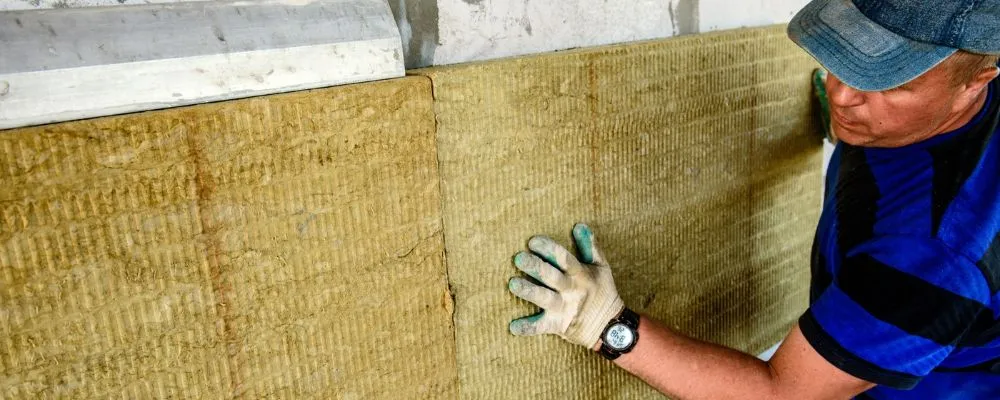
This kind of insulation is made of flexible threads, like mineral wool or fibreglass. It comes in packs or rolls that are already cut, and it’s often used on floors, walls, and attics that aren’t finished yet. Blanket insulation works well to keep heat and noise out and is easy to implement.

Rigid Foam Insulation: 

Rigid foam insulation boards can be made from extruded polystyrene (XPS), expanded polystyrene (EPS), and polyisocyanurate (polyiso). These boards are often used to insulate roofs, cover the outside of walls, and wrap insulated concrete forms (ICFs). They don’t absorb heat or water and are very resistant to both.

Spray Foam Insulation: 

This kind of insulation is sprayed on as a liquid that hardens and expands, making a continuous layer of insulation. Spray foam insulation comes in two main types: open-cell and closed-cell. Spray foam with open cells is lighter and lets more air through, while spray foam with closed cells is better at keeping heat and water out.

Loose Fill Insulation: 

This type of insulation comprises small pieces, usually cellulose, fibreglass, or mineral wool. Specialised tools are used to blow it into closed areas like attics, walls, and crawl spaces. Loose-fill insulation does a great job of covering and insulating.

Reflective Insulation: 

Insulation that reflects light is made of reflective materials, such as metal foil or plastic films. It stops heat from moving by reflecting solar heat. Reflective insulation is often used with other types of insulation, especially in places with high direct heat loads.

Types of Insulation Materials

Insulation Materials

Here are some of the most popular types of building insulation:

Fibreglass: 

Fiberglass insulation is one of the most common types. It comes in different types, such as batts, blankets, and loose-fill. Fiberglass insulation is known for its ability to keep heat and noise out.

Mineral Wool:

Mineral wool is made from natural rock or made-up slag. It is also called rock wool or slag wool. It comes in batts, blankets, and loose-fill shapes. Mineral wool doesn’t catch fire, keeps hot and cold air and noise out, and doesn’t absorb water.

Expanded Polystyrene (EPS): 

EPS is a light, hard foam insulation material made from polystyrene beads. It is often used for insulated concrete forms (ICFs), covering the outside of walls and the roof. EPS is a good insulator against heat loss and water damage.

Extruded Polystyrene (XPS):

(XPS) is a closed-cell rigid foam insulation material that doesn’t absorb water well and keeps heat in. It is often used for roofing, base insulation, and exterior insulation.

Polyisocyanurate (polyiso):

Polyiso is a rigid foam that is very good at keeping heat in. It is often used to insulate walls and roofs. It is famous for being a great insulator and being resistant to fire and water.

How to Choose the Best Type of Insulation?

Building insulation doesn’t come in a single “best” type that works for everything. The best type of insulation relies on several things, such as:

1. Climate: 

Insulation needs to be chosen depending on the climate. For example, in cold climates, it’s important to have insulation with a high R-value (thermal resistance) to keep heat in. On the other hand, in hot climates, it may be more important to have insulation that keeps heat and wetness out.

2. Building Type and Application: 

A house needs different kinds of protection than a company or industrial space. The type of insulation that works best for a building relies on its size, shape, and purpose.

3. Energy Efficiency Goals: 

If the main goal is to save energy and cut down on heating and cooling costs, spray foam or stiff foam boards may be the best insulation materials with the highest R-value per inch.

4. Moisture Control: 

In places with high humidity or a chance of condensation, closed-cell spray foam or extruded polystyrene (XPS), which don’t absorb water, maybe better insulation choices.

5. Fire Resistance: 

Mineral wool or cellulose insulation, which is very good at resisting fire, may be a better choice for buildings with strict fire safety rules.

6. Environmental Concerns: 

People who want to choose eco-friendly choices may choose insulation made from recycled materials like cellulose or mineral wool over products made from petroleum, such as polystyrene foams.

7. Cost and Installation: 

You should also consider the different types of insulation, their installation methods, and the upkeep they require over time.

Ultimately, the best type of insulation should be chosen after carefully considering the project’s needs, the environment, and the building itself, as well as the pros and cons of each insulation material. 

To sum up, choosing the right insulation material and method is very important for ensuring that the building is comfy, saves energy, and lasts a long time. There is no one-size-fits-all answer, but considering climate, building type, energy-saving goals, moisture control, fire resistance, environmental concerns, and cost will help you make a smart choice.

It is just as important to install the insulation correctly as it is to choose the right insulation. If you talk to professionals and follow the manufacturer’s instructions, you can ensure that your insulation works well and gives you the benefits you want in the long run.

By learning about your options and choosing the best insulation solution for your needs, you can make your home or place of business more comfortable, energy-efficient, and long-lasting for years to come. 

For a better understanding, visit our recent blog about Nanotechnology in Concrete: Improving Strength and Durability at the Molecular Level.

Environmental Compliance in Construction: Ensuring Sustainability and Legal

0
Environmental compliance in construction

The construction industry is receiving increasing attention for how it affects the environment in modern times. As sustainability in building projects grows, construction companies must prioritise environmental compliance to follow the law, meet green building standards, and help make the world healthier. In this blog, Brick & Bolt looks into all the aspects of environmental compliance in construction, including green building methods, legal requirements for construction, rules and regulations, and more.

What is Environmental Compliance in Construction?

When it comes to building, environmental compliance means following the rules, standards, and guidelines that are meant to keep the damage to the environment to a minimum. It includes a lot of different actions and practices that are meant to protect ecosystems, natural resources, and communities that are touched by construction projects. Some important parts of environmental safety in the building are:

Permits and Following the Rules: 

Building projects usually need several permits and approvals to ensure they follow environmental rules. These permits cover land use, water management, air quality, and trash removal.

Environmental Impact Assessments (EIAs): 

Developers often do EIAs before starting a building project to look at how it might affect the environment. These studies find threats to ecosystems, wildlife areas, and local communities. This information helps people make decisions and lessens the bad effects.

Sustainable Design and Construction: 

Using sustainable design concepts in building projects can make a big difference in how they affect the environment. This means using building materials that use less energy, using green building methods, and using resources best throughout the project’s lifecycle.

Waste Management and Recycling in Construction:

Managing waste well is important for reducing environmental damage to building projects. This includes recycling building waste, using less material, and correctly disposing of dangerous materials.

Safeguarding Natural Resources: 

Building projects must protect natural resources like lakes, woods, and places where animals live. This could mean stopping erosion, protecting green areas, and causing as little damage as possible to already vulnerable ecosystems.

Compliance with Green Building Standards: 

Many building projects want  LEED  Certification (Leadership in Energy and Environmental Design) to show that they follow strict environmental rules. These certificates support green building practices, energy savings, and the health and well-being of building occupants.

Reducing your Carbon Footprint: 

Building materials release a lot of carbon into the air. Environmental compliance in construction means lowering the carbon footprint by using energy-efficient building methods, incorporating green energy sources, and making the best transportation use.

Community Engagement and Stakeholder Consultation: 

It is important to work with local communities and stakeholders to understand and solve environmental problems that come up with building projects. This could include meetings with the public, programs that reach out to the community, and openness in how projects are planned and decisions are made. 

Importance of Environmental Compliance in Construction

In a time when environmental issues are at the top of the global agenda, the construction business will have a big impact on the future of our planet. As more people move into cities and more building projects are built, it’s more important than ever for construction projects to follow environmental rules. It is an important safety measure that protects our environment’s long-term health and the legality of building projects. Let’s examine why following environmental rules is important in the building industry.

1. Upholding Legal Obligations:

Building projects must follow environmental rules and the law. Governments worldwide have put in place strict rules to protect natural resources, reduce pollution, and preserve wildlife. These rules include getting permits, conducting environmental effects assessments, and following zoning laws. If you don’t follow the law, you could face fines, project delays, and legal problems that hurt your reputation and make it harder to get future chances.

2. Lessening the Damage to the Environment:

Construction work can greatly affect the environment like destroying habitats and polluting the air and water. Environmental compliance measures try to lessen these effects by encouraging people to use sustainable methods, handle trash properly, and protect natural resources. Construction projects can do less damage to ecosystems and leave less of an impact on the environment by preventing erosion, disturbing the dirt as little as possible, and using eco-friendly building materials.

3. Promoting Sustainable Growth:

At its core, environmental compliance in buildings is about creating lasting growth. Building projects can meet today’s needs without making it harder for future generations to meet their own if they use sustainability principles in their design, planning, and delivery. Sustainable building practices, like designing buildings to use less energy, getting green building approval, and using renewable energy, protect the environment and help the economy and society in the long run.

4. Enhancing Corporate Responsibility:

Environmental compliance is increasingly seen as a sign of business responsibility. When construction companies put environmental responsibility first, they show that they care about sustainability, openness, and accountability. This can improve the reputation of a business, bring in customers and investors who care about the environment, and set companies apart in a crowded market. Environmental compliance is not only the law but also a smart business move that fits how people’s standards change.

5. Meeting the Expectations of Stakeholders:

Communities, regulatory agencies, investors, and project partners are just some of the groups that expect building projects to prioritise environmental responsibility. Building trust and goodwill means involving stakeholders throughout the project lifecycle, asking for feedback, and addressing issues before they become problems. Following the rules regarding the environment shows that you care about responsible growth, which builds good relationships with stakeholders and gives you a social license to operate.

6. Promoting Efficiency and Innovative Ideas:

Environmental compliance in buildings requires new ideas and better resource use. Adopting environmentally friendly building methods can spark imagination and create new technologies, materials, and building methods. By making the best use of resources, producing as little waste as possible, and using less energy, building projects can save money, get better results, and become more competitive in the market.

To sum up, environmental compliance is not only required by law but also the right thing to do for the construction business. By using environmentally friendly methods, following the law, and putting environmental responsibility first, building companies can reduce their environmental impact and help make the future more sustainable. To follow environmental rules when building something, you must be careful, creative, and dedicated to responsible growth. As the building industry changes, it will be important for long-term growth and environmental protection that every part of construction projects considers the environment.

To learn more about labour laws and safety regulations in construction, click the link below.

Labour Laws and Safety Regulations in Construction: Ensuring Worker Welfare On-site

What are the Advantages of Building a Custom Home Over Buying a Pre-constructed Home

0
Custom Home

When buying a house, the choice between building a custom home and buying a pre-constructed home is very important. While each choice has its benefits, today, in this blog, Brick & Bolt will focus on custom homes and discuss why many people find them the best option. We will discuss the many advantages of building a home that fits your needs.

What is Custom Homes?

Custom homes are houses built based on the unique wants, needs, and requirements of the person who lives there. They are planned and built from the ground up, so they can be built very unique and personalised homes. This contrasts with pre-built or “cookie-cutter” homes, which are mass-produced with standard layouts and features.

In a custom home, the owners are free to work with architects, designers, and builders to create a house that fits their specific lifestyle, style, and functionality. This level of customisation includes the house’s style, floor plan, internal finishes, fixtures, and amenities, among other things.

What are Pre-constructed Homes?

A pre-constructed home, also called a pre-built or spec home, is a house built in a factory or other manufacturing facility and then moved to its final spot to be put together. Custom homes are designed and constructed based on the homeowner’s unique needs. Pre-constructed homes, on the other hand, are usually mass-produced with standard designs and features.

There are different kinds of pre-built homes, such as modular homes, manufactured homes, and prefabricated houses. These homes are built with premade parts or modules assembled off-site and then brought to the construction site to be finished, constructed, and installed.

Advantages of Building a Custom Home

1. Personalisation and Tailored Feature

One of the best things about choosing a custom home is that it gives you the most freedom to make it your own. You can change everything about your dream home, from the plan and architectural style to the interior design details.

Custom cabinetry, built-in storage, and one-of-a-kind architectural details are just a few features that can be easily added to fit your lifestyle and tastes.

2. Flexible in Design

When you build your own home, you can make it exactly how you want it to meet your needs now and in the future. Customisation lets you be flexible and plan for the future, whether you need more living room for a growing family or want certain features like a home office or entertainment area.

You can explore new design ideas and use cutting-edge technologies to make a home that fits your changing lifestyle with the help of skilled architects and builders.

3. Control Over Materials and Quality

When you build your own home, you have complete control over the materials used, which means that the quality and artistry are always the best. You can build a home that is both durable and good for the environment by choosing eco-friendly and long-lasting building materials and putting energy-saving features at the top of your list.

By choosing the materials and finishes yourself, you can ensure that every part of your home fits your style and vision, creating a truly unique living space.

4. Long-Term Value and Energy Efficiency

Custom houses are often made to last a long time and use little energy. You can lower your carbon footprint and save money on electricity bills over time by installing appliances, insulation, and HVAC systems that use less energy.

Green building practices and sustainable design principles can also raise the selling value of your custom home, making it more appealing to buyers who care about the environment in the future.

5. Comparison of Costs and Timeline

It may seem expensive to build a custom home compared to buying one already built, but it’s important to consider the long-term value and savings of customisation.

People often think that custom houses are too expensive to afford, but with careful planning and budgeting, anyone can make their dream of owning a home come true within their means. You can also choose which investments to make first based on your tastes and then allocate resources accordingly.

It may take longer to build a custom home than to buy one already built, but the result is a home perfectly tailored to your needs and preferences.

6. Resale Value and Market Appeal

Due to their unique features and better-quality craftsmanship, custom homes often have higher resale values than pre-built homes. Buyers ready to pay more for quality may be interested in custom-built homes that showcase their unique style and functionality.

Customization also allows you to respond to specific market needs and trends, keeping your home appealing and competitive in the real estate market. 

Difference Between Building a Custom Home and a Pre-constructed Home

AspectBuilding a Custom HomeBuying a Pre-constructed Home
PersonalisationFully customisable based on what the homeowner wants, allowing for unique features and designs.Few ways to customise; floor plans and finishes are usually already chosen.
FlexibilityAllows for design and value flexibility, meeting both current and future needs.Less flexible design, with fewer ways to change or add to it.
Quality ControlMore control over building materials and work means better quality and durability.Depending on the manufacturer’s reputation, there may be less control over the quality of the building.
Energy EfficiencyIt can be built with environmentally friendly materials and energy-saving features that save money in the long run.It may have energy-saving features, but choices may be restricted compared to custom homes.
Long-Term ValueUsually, it has a higher resale value because of its unique design and good quality.Depending on the market and area, they may not be worth as much when sold as custom homes.
ConvenienceDesign, planning, and building will take more time and work.It offers convenience with move-in-ready choices and shorter construction times.
CostCustomisation and high-quality features may make it cost more upfront.Although the building process is standardised, it may save you money upfront, but customisation options may cost more.
Control Over DesignThe homeowner has complete control over the design choices and can make a home that fits their needs and lifestyle.You have little say over the design because the manufacturer sets the choices and features.

In conclusion, choosing to build a custom home has many benefits that go beyond being aesthetically pleasing. Custom homes give people the freedom to make their living area reflect their values and way of life. They offer endless design options, and the home’s value will last long. They are also setting new standards for excellence in residential buildings.

It doesn’t matter if you want to buy a new home or move up to a bigger, better one. Building a home is an investment in your future and a statement of your unique vision. There are many ways to build your own home. If you want to build your dream home with the best construction company in Bangalore, contact Brick & Bolt and change your life.