Home Blog Page 102

Vastu Shastra Tips for Mandir/ Pooja room

0
Vastu Shastra Mandir/pooja room image

According to Hinduism, every home should have a mandir called a puja room. This area is set for praying to gods, doing rituals, and communicating with the holy. Vastu shastra is an old Indian science of building and design that says the mandir’s placement and orientation are very important for attracting good energy and making the home peaceful.

In this blog, Brick & Bolt will discuss Vastu tips for mandirs or pooja rooms. It will discuss the best ways to arrange the mandir, the best place in the house for it, and other suggestions to ensure spiritual health and energy flow.

Why Vastu Shastra is Important?

Vastu Shastra is an ancient Indian system that emphasises how the constructed world should work with the natural forces of the universe. People believe that following Vastu principles can help them create a balanced and positive energy living space for their health, wealth, and well-being.

The Vastu Shastra gives specific instructions on how to make the mandir, or pooja room, a better place for prayer and meditation by raising the spiritual vibrations.

Which Direction Should God Face in Home Mandir?

Vastu Shastra says that the way that certain gods face in the home’s pooja room or mandir is very important. Here are the mandir directions as per Vastu

North-East (Ishaan Kona): 

This is thought to be the best direction for the mandir because it points to Lord Shiva’s divine energy and is linked to spiritual growth, knowledge, and understanding.

West Facing: 

If you want to put statues of Surya, Brahma, Vishnu, and Mahesh (Shiva), they should face west. This lets worshipers look east toward the rising sun while they pray.

North(Uttara Disha) Facing: 

If you want to face north, you should put the Shivling (only the small size) in the northern part of your home, facing south. It is also important that the statues of Ganesh, Durga, and Kuber face north.

South-Facing: 

The statues of Lord Hanuman and Bhairav should always face south in the pooja room or temple.

East(Poorva Disha) Facing: 

Along with the pooja room, the East-facing house vastu plan is also very good luck because that’s where the rising sun is, and it represents fresh starts, wealth, and knowledge. God Kartikeya and Goddess Durga can be placed so that they face east.

Also, in the puja room, Lord Ganesha should be placed on the left side of Goddess Lakshmi, and Goddess Saraswati should be placed on the right side of Goddess Lakshmi.

Placement of the Mandir Within the Home

Along with the direction, the placement of the mandir in the home is also very important. Here are some Vastu Shastra suggestions for where to put the mandir or pooja room for the best results:

1. Separate Room: 

If possible, the mandir should only be in a room for worship and prayer. This ensures that spiritual routines can happen in a quiet place where no one else is around.

2. North-East Corner: 

If you can’t give the mandir its own room, the northeast corner of the house is considered the best place. The name of this spot is Ishaan Kona, and it is thought to be the best place to pray.

3. Elevated Platform: 

The mandir should be set up on a raised building or elevated platform to show respect for the god.

4. Avoid Obstructions: 

The mandir should be placed in a clear space free of anything blocking good energy flow.

5. Avoid Placement Near Bathrooms or Kitchens: 

The mandir should not be placed near bathrooms, kitchens, or any other place that smells bad or has a lot of dirt on it. These places can send out bad vibes and mess up the spiritual atmosphere.

Vastu Shastra Tips for the Pooja Room

Along with direction and placement, Vastu Shastra gives several other suggestions to improve the energy and atmosphere of the mandir or prayer room:

1. Colour and Lighting: 

Vastu says that the Pooja room colour should be painted in soft and relaxing, like white, light yellow, or pastel shades. It’s also a good idea to have enough natural light, which brings peace and good energy.

2. Order and Cleanliness: 

The mandir should be kept very clean and organised because mess and clutter can stop the flow of good energy and make things bad.

3. Use of Natural Materials: 

Natural materials like wood, stone, or metal should be used in the building and decoration of the mandir because they are thought to bring balance and harmony.

4. Avoid Mirrors and Reflective Surfaces: 

Avoid mirrors and other shiny surfaces in the mandir, as they can distort and stop the energy flow.

5. Ventilation and Air Flow: 

The mandir needs good ventilation and airflow because the air that doesn’t move can make you feel heavy and bad.

6. Auspicious Symbols and Decor: 

Adding auspicious symbols, like the swastika, the om symbol, or pictures of gods, can raise spiritual energies and make the space feel more holy.

7. Avoid Electrical Devices: 

Electrical items should not be put inside the mandir because they can emit electromagnetic fields that could clash with the holy space’s subtle energies.

8. Right Direction: 

You should consider more than how the gods face when you put the mandir in your home. You should also think about how it is oriented generally. The Vastu Shastra says that the mandir shouldn’t be placed so that it faces the main entrance or exit of the house. If it does, good energy could be lost.

9. Regular Purification Rituals:

To keep the mandir holy and full of good energy, it is suggested that you do regular purification rites. Some of these things are lighting incense, chanting mantras, or holding spiritual events to clear the room and bring good energy into it.

10. Personalisation: 

It is important to follow the rules of Vastu Shastra, but it is also important to make the mandir fit your own views and tastes. This can include adding things that are spiritually important to you, like family heirlooms, holy books, or special gifts for the gods.

By following these Vastu Shastra tips for the mandir or pooja room, you can make your home a peaceful and mentally uplifting place. Remember that the mandir is more than just a building. It is a holy place that ties you to God and helps you feel peaceful and healthy. 
The Ultimate Guide to Designing Your House Front Elevation

0

Whenever we look into a house, the front elevation gives the first impression of the building. In fact, it’s the face of the building. It not only influences the outer look but also much more. The front elevation plan with architectural style and design should be well designed to increase the property value because we construct only once.

In today’s blog, we’ll talk about why house front elevation design is important and what to consider when you’re deciding on it with Brick & Bolt.

What is House Front Elevation Design?

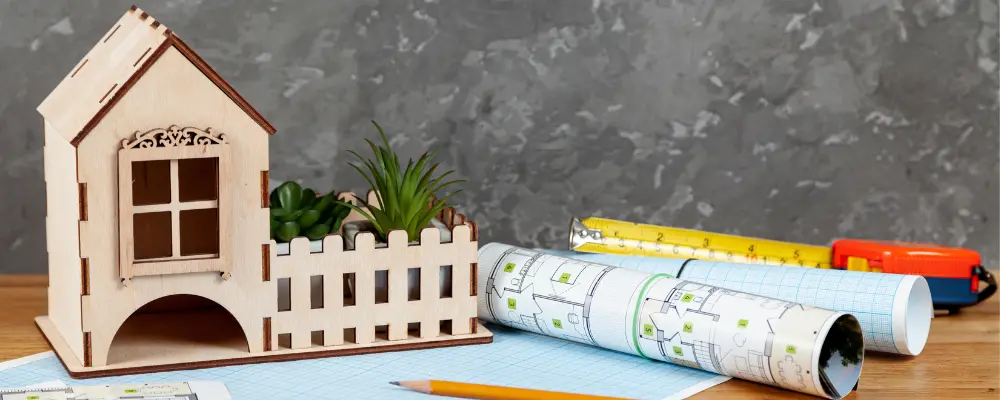
A front elevation design of a building is not just an architectural drawing but a practical tool that gives a visual representation of the completed house project. It allows you to understand the building’s appearance and features, making it an essential element in architectural design.

Front elevation designs often include measurements to support the architect’s understanding and drafting. This customisation is crucial for ensuring that the design aligns with environmental factors and local conditions. It’s a fundamental aspect of architectural planning and design.

The front elevation of a house plan generally features entry doors, windows, the front porch and any items of the house’s superstructure, which refers to the visible part of a building that sits above ground. Still, the side walls are visible only if the elevation is built at an angle that is visible from the centred front view.

Why is Front Elevation Design Important?

Before building a house front elevation design, it’s crucial to understand its importance for the successful completion of a building project. 

As it plays a critical role in determining the final outlook and building value, you should pay close and detailed attention to the elevation design and provide suggestions to the architect for changing ideas as per your wishes.

So, let’s learn in detail why a house’s elevation plan is crucial in the construction process.

1. Flawless Construction

The building’s front elevation plan functions as a blueprint, representing the exterior details, dimensions, and finishes. This enables construction teams to implement the design accurately, following a smoother and more effective construction process.

2. Easy to Maintain

With the house front elevation plan, it’s easier for you to find and fix any problems or repairs that need to be done on the outside of your house. This makes sure that the repair process runs more smoothly and saves money. 

3. Economical Construction

Through the elevation plan, builders can get a good idea of how the exterior of the building will look. This helps them avoid making mistakes that will cost a lot of money during construction. This keeps the plan from having to be changed or redone, which saves time and money. 

4. Simple to Change

The front elevation design plans are very helpful when changes or improvements need to be made to the building. They can be used as a guide to make accurate and consistent changes, like making a room bigger, adding a window, or changing the slope. 

5. Easy Accessibility

An important consideration when making an elevation drawing is how easy it will be for people to reach. The elevation plan shows any trees or walls that might make it hard to build overhangs or move around the building. This allows the owner or builder to anticipate and address potential challenges effectively.

Key Elements of House Front Elevation Design

Generally, the following are the major components of the house building’s front elevation plans.

Architectural Style

The architectural style, whether traditional, colonial, Mediterranean or a fusion of styles, will uniquely charm the entire house.

Every style will have characteristic features, like clean lines and geometric shapes for modern designs, ornate details for traditional styles, and innovative materials for contemporary aesthetics.

Roof Design

The front elevation will also reflect the roof design by showcasing its slope, style, and roof characteristics, such as chimneys or skylights. This will aid in visualising the overall appearance and ensure the proper execution of roofing elements. In addition, you can use a variety of roofing options to increase the overall aesthetic of your elevation.

Symmetry & Balance

For the order and stability of a building, the arrangement of windows, doors, and other features should be symmetrical. However, asymmetry can also be used to make the building’s outlook visually interesting.

Exterior Materials

Selecting the right exterior materials is crucial for both visual attraction and durability. It usually includes brick, stone, wood, stucco, or siding. Choosing the appropriate materials is essential for achieving the desired aesthetic and ensuring sustainability. Along with creating an appealing front elevation, the materials should be high quality and weather-resistant for longevity. One of the most challenging aspects of material selection is choosing the right color and the types of paint for siding, trim, doors, and windows which should complement the overall design. Colors play a major role in setting the mood and creating visual interest. 

Windows and Doors

Windows and doors provide natural light and ventilation to any building. They are essential for security and energy efficiency. The size, shape, placement, style and types of windows and doors impact the building’s symmetry, balance, and aesthetic appearance.

Landscaping and Outdoor Elements

Landscaping can be optional in the front elevation. However, thoughtfully placed trees, shrubs, flowers, and hardscape elements such as pathways, driveways, and entryway features can complement the house, spotlight its architectural features, and create a welcoming ambience.

Tips for Designing Your Front Elevation

Take the Inspiration and Research Well:  

There are several ways to find inspiration for your house front elevation design, such as magazines, websites, and online galleries.

Consider Your Budget:  

Decide your budget forefront and choose materials and features that will fit into your budget with the help of Brick & bolt experts as well as you can use online construction cost calculator.

Consult a Professional: 

Consult an architect or experts like Brick & Bolt construction company in Bangalore who can help you translate your vision into a reality. 

Summary

When planning the front elevation of your house, it’s important to pay close attention to the small things, think about the style you want, choose the right materials, and include landscaping features to make it look great and work well. Additionally, incorporating Laser Cutting Designs For Elevation can add a unique and modern touch to your home’s exterior. Hope your house’s front elevation will transform into a welcoming and lasting picture of your taste and style, setting the stage for a beautiful and pleasant living space.

Effective Ways to Reduce Energy Consumption at Home | Save Energy & Money

0
Ways to Reduce Energy Consumption at Home

Today, energy consumption has emerged as a pressing issue affecting economies, businesses, and households. Power plants generating electricity are the primary sources of greenhouse gases. These plants also emit pollutants, including sulphur dioxide and nitrogen oxides. Apart from being responsible for climate change, these gases have a negative impact on human health and the environment. Therefore, it becomes crucial to find effective ways to reduce energy consumption at home. Because, when you reduce energy consumption, you not only contribute to an environment’s safety, but you also save money on your utility bill. It further helps in conserving resources and decreasing emissions.

Are you tired of paying hefty electric bills? Try integrating affordable and clean energy options into your consumption. It fosters sustainability and helps you save money. Try to adopt practices that promote energy efficiency, advocating for policies and enhancing energy access. Doing so helps you make significant strides towards a more sustainable future. You must also thoroughly understand how you use and the energy consumed by the various household appliances. Hence, Brick & Bolt brings a detailed guide on how to reduce energy consumption, including various household appliance and their electricity consumption.

Various Household Appliances and Their Electricity Consumption

You use various home appliances and gadgets, which you often take for granted for energy consumption. From refrigerators to air conditioners, these appliances play a vital role in our daily lives. We rely on them heavily for comfort and to make our lives easier. However, you must understand the amount of electricity these appliances consume and how their consumption affects our bills. So that you can find effective ways to reduce energy consumption at home 

Enlisted are some of the most common appliances that consume more energy for heating and cooling.

1. Air Conditioners

India’s summers are sultry and uncomfortable, making air conditioners a must have appliance. However, your air conditioner is one of the most significant consumers of electricity. Its consumption of electricity depends on various factors, including the size of the room, the number of people present in the room, the temperature you set and its age. 

2. Refrigerator

Refrigerators, which function 24/7, are another necessary household appliance that consumes the most energy. In Indian households, an average refrigerator consumes between 30 and 40kwh of electricity in a month. The electricity consumption depends on various factors, including the age and size of your refrigerator, the ambient temperature, and how often you open the refrigerator. 

3. TV and Cable Box

Newer television models, especially OLED and LED, are more energy efficient than older CRT and plasma screens. The former models offer better picture quality despite consuming less electricity. Most often, you keep your television in standby mode, which is when your television sets are off and plugged in. Standby mode has an adverse impact on electricity consumption.

4. Electric Ovens and Stoves

Cooking appliances, especially those that run on electricity, like electric ovens and stoves, consume a substantial amount of energy. You can experience this during extended cooking sessions. Therefore, you must practice extensive meal planning and use microwaves and slow cookers. They help you reduce electricity use.

5. Clothes Dryer

Your busy life schedule leaves you less time for household chores like washing and drying clothes. Therefore, we often depend on appliances like washing machines and clothes dryers for faster washing and drying. However, these appliances consume a high amount of electricity.

10 Most Effective Ways to Reduce Energy Consumption at Home

Saving electricity doesn’t mean you need to do less or sacrifice your comforts. With the new, efficient and affordable tech. It’s easier to save more electricity. It will reduce your utility bills, thereby reducing environmental impact.

Enlisted are some of the effective ways to reduce energy consumption at home.

1. Purchase Energy-Efficient Electrical Appliances 

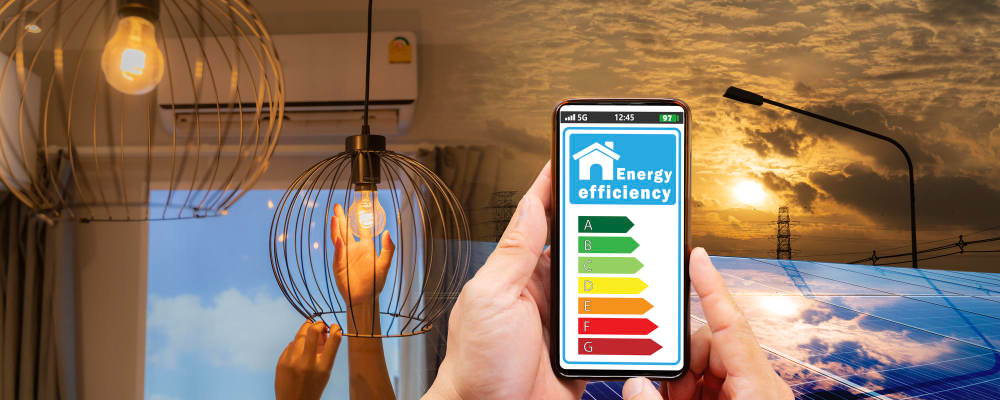
The Bureau of Energy Efficiency (BEE) issues BEE star labels as a voluntary method for manufacturers to define an appliance’s energy efficiency. You can find the stars on the label, which define the product’s efficiency. The more the stars, the higher the efficiency. Simply speaking, the higher the energy efficiency rating of the appliance, the lower the energy consumption. If you are looking for the best ways to cut energy consumption at home, look for those appliances with 5-star BEE ratings. Besides reducing your electricity bills, it positively affects the environment.

2. Harness Solar Energy with Solar Panels

Sustainable Methods for Minimizing Energy Usage

Installing a complete solar system in your residence is often expensive, but the solar photovoltaic system helps significantly reduce your energy costs. However, you can opt for other simpler, more cost-efficient ways to use solar energy. You can accomplish this by installing outdoor solar lights in your garden and balcony. Solar pumps are another crucial appliance that helps you save electricity. You can also switch to solar fans and solar geysers to reduce electricity consumption at your residence.

3. Never Keep Appliances in Standby Mode

Most of us often leave our appliances running in standby mode. However, you can save electricity and money just by remembering to turn your appliances off standby mode. You can turn off almost all electrical appliances you use at your home at the plug without hindering their programming. With standby savers, you can turn all your appliances off standby in one go to save electricity. If you aren’t sure about a particular appliance, be sure to check the instructions.

4. Opt for Smart Appliances for Remote Control and Optimal Usage

Switching to smart appliances is one of the best ways to save on your electricity consumption. You can increase your home’s energy efficiency using home automation and IoT. These devices allow you to automate things within your home, thereby reducing electricity consumption. It’s a great way to save electricity. Smart devices come with a remote control, helping you select a schedule to turn them on and off.

5. Switch to BLDC Fans

Almost everyone heard about the BLDC fans. These energy-efficient fans are known for their brushless direct current motors, which function on direct current electricity. With these fans, you can save up to 60 per cent of your electricity consumption when compared to the normal induction motor-based fans. Besides, you enjoy additional user functionality, including a remote control for switching on and off the fan, timer functionality and compatibility with voice assistants.

6. Operate Your Air Conditioners at 24°C

Hot and humid summers make life uncomfortable. Most people tend to relax in the comfort of their air conditioners, which increases their electricity bill. However, you can reduce the energy cost by running your AC at 24°C throughout. An ideal temperature keeps your room cool and saves energy. Alternatively, you can set a timer on your AC. If you have an old AC, replace it with one with a 5-star BEE rating. In addition to reducing your electricity bills, you can also use different methods to enhance indoor air quality.

7. Purchase Water Heaters with Smart Energy Management

Do you regularly use water heaters? Well, they are the most useful appliances during the winter months. The demerit of using them is that they consume a lot of electricity. If you love warm baths, switching to a water heater with smart energy management is better. You will experience significant cost savings, reduced carbon footprint, and low-cost maintenance. These advanced water heaters can adjust their energy consumption based on their usage.

8. Switch to Natural Light

Natural lighting is an eco-friendly lighting option that saves your electricity bill and enhances your room’s elegance. When the sharp beam of sunlight, the shadows peeping through the curtains and the sober moonlight entering your room enhance the ambience of your house. Opening the blinds, creating reflection with mirrors, and piping lights through fibre optics and other channelling resources are some of the best ways to bring natural light to your home. Alternatively, try using sober colours for your walls and glossy finishes. It helps you create a brighter atmosphere as it reflects the light sources.

9. Use Energy Efficient Light Bulbs

LED Blubs Practical Strategies to Lower Energy Consumption in Buildings

Are you using the right light bulbs for your home? Traditional incandescent light bulbs consume a high amount of electricity and do not last as long as energy-efficient alternatives. When shopping for light bulbs, be sure to look for a symbol for energy efficiency or an Energy Star. These certified LED light bulbs consume 90 per cent less energy than traditional bulbs while offering the same amount of light. While most people avoid purchasing energy-efficient bulbs, as they are more expensive. However, their longer lifetimes mean they cost less in the long run.

10. Weatherize Your Home

Weatherizing involves sealing air leaks around your home. It is another way to reduce your heating and cooling expenses. The shield between the outside and inside environment creates a barrier to weather, air, and moisture. Vents, doors, and windows are some of the most common sources of air leaks. Therefore, as a homeowner, you must ensure that there are no cracks or openings between the wall and vent, windows, and doorframes.

If you find the presence of leaks between stationary objects, such as the wall and window frame, apply caulk to seal the air leaks. In case of moving objects, such as operable windows and doors, opt for weather stripping to seal the air leaks. Caulking and weather stripping are simple air-sealing techniques offering a return on investment in less than one year. Air leaks can also occur through openings present in the wall, floor, and ceiling caused by plumbing, ducting and electrical wiring.

Conclusion

In today’s world, where energy consumption is increasing and electricity bills are never-ending, it is essential to find effective ways to reduce energy consumption that help you save money and the environment. Even when you implement simple yet effective strategies, you can reduce energy usage and ultimately cut down your monthly expenses.

As the most experienced and leading construction firm in Noida, Brick & Bolt saves your electricity costs by offering energy-efficient fixtures and green buildings. Apart from this, the organisation offers all the services from the planning of a project to handing over the project to the client. With Brick & Bolt, you enjoy real-time tracking, transparent communication, quality checks, and updates immediately. The organisation uses the latest technology for quality assurance and the progress of its projects.

Understanding Row House Plan: A Comprehensive Guide

0
Row house floor plan images

These days, people live in cities with limited space, so row houses have become a popular way to live. These small but useful homes offer a unique mix of low-cost living in a community and smart design. Figuring out row house design plans is important whether you’re building a home for the first time or looking for a cosy place to live in a busy city. In this blog, Brick & Bolt will detail about row house plans, their main features, advantages, and things to consider to help you get through the process easily.

What is a Row House?

A row house, which is also called a townhouse or terraced house, is a type of residential building that shares walls with units on both sides. These homes are usually lined up in a row, making a continuous line of attached houses. Row houses are made up of multi-storey designs, and each unit has its own entrance and private outdoor space, like a small yard or porch.

How to Make a Row House Plan Designs

When it comes to row house plans, there are a few design rules that must be followed to make the best use of the space and make sure people are comfortable:

Vertical Expansion: 

Row houses often have multiple floors to compensate for their limited horizontal footprint. This vertical expansion makes good use of the space by giving living rooms, bedrooms, and other essential rooms.

Open Floor Plans: 

Nowadays, people love open floor plans. Many row house design ideas use open floor plans that combine the living room, dining room, and kitchen into a single, flowing space to make a row house feel bigger.

If you’re interested in exploring house floor plans, be sure to check out Brick & Bolt’s floor plan page for a wide range of options.

Outdoor Connections: 

Even though row houses are small, they often have outdoor spaces like porches, patios, or small yards that allow residents to connect with nature and extra living space.

Natural Light Optimisation: 

In row house plans, it’s important to find ways to bring natural light into the home. So, place windows and skylights carefully to maximise natural light and make the small living areas feel bright and airy.

Types of Row House Designs

Row house plans come in various number of different ways to suit different lives and tastes. Here are some common types:

Traditional Row Houses: 

These are the classic designs with regular facades that usually have similar windows, doors, and rooflines. Most of the time, they are symmetrical and can be found in older urban areas.

Victorian Row Houses: 

These row houses are characterised by ornate detailing, decorative trim, and vibrant colours. They were popular during the Victorian era and are often found in historic districts of cities.

Georgian Row Houses: 

These row houses are based on the Georgian style of architecture and have simple, symmetrical designs. They have a front door in the middle and brick walls with sash windows.

Greek Row House:

The designs of Greek row houses are often based on ancient Greek architecture, which is known for its symmetry, proportion, and simple elegance.

Duplex Row House: 

Duplex row houses consist of two separate apartments stacked on top of each other. Each apartment has its own door and amenities. They offer a way for multiple generations to live together or to make money by renting out rooms.

Green Row Houses: 

These row houses are built with sustainability in mind. They have green building features like green roofs, solar panels, and rainwater collection systems to help the environment and save energy efficiency.

How to Make the Most of Space in Row House Plans

A key part of row house design plans is making the most of the room you have. Architects and designers use a variety of methods to make living areas that are useful and efficient:

Multi-Purpose Rooms: 

Row house plans often have rooms that can be used for more than one thing, like a guest room that can also be used as a home office or a living room that can be turned into an eating area.

Built-In Storage: 

To maximize your home’s space, consider smart storage ideas. Smart built-in storage options, like closets under the stairs, wall niches, and lofts, help you make the most of your room and keep clutter at bay.

Small Appliances and Fixtures: 

Choosing small appliances like stackable washers and dryers and fixtures that take up little room, like pedestal sinks, can make the inside of row houses much more efficient.

Efficient Circulation: 

When you plan your circulation patterns well, you can make the most of the space you have by reducing wasted space and making sure that people can easily move from one place to another.

Advantages of Living in a Row House

Row houses have many advantages that make them a popular choice for many people looking to buy a home:

Affordability: 

Row houses are often less expensive than separate single-family homes. This makes homeownership easier to get, especially in cities.

Low Maintenance: 

Row houses need less maintenance than bigger detached homes because they share walls and have smaller outdoor spaces. This makes them perfect for busy people or for those who want to live in a low-maintenance environment.

Community Living: 

People in row houses live close to each other and share shared areas, so they often help build a sense of community and neighbourhood friendship.

Walkability: 

Many row house projects are in cities or suburbs, which makes it easy to get to public transportation, shops, and neighbourhoods where you can walk.

Factors to Consider Before Buying a Row House

Row houses have many benefits, but before you buy one, you should think about the following things:

Noise Levels: 

Shared walls with neighbouring units can increase noise levels, so it’s important to measure the soundproofing quality of the row house plans you’re considering.

Privacy Concerns: 

If you live close to your neighbours, you may worry about your privacy, especially when you’re outside or there is a lot of noise.

Homeowners Association(HOA) Fees and Rules: 

An HOA oversees most row house communities. It sets the rules for the community and collects fees for things like upkeep and amenities in the shared areas. Before buying a unit, it’s important to read these.

Parking and Storage: 

Depending on the neighbourhood, row houses may not have many parking spots or storage units, so it’s important to consider what you need and what’s available.

In conclusion, row houses are a unique way to live because they are affordable, allow you to live in a community, and are designed to be energy efficient. You can choose a row house plan that fits your wants and way of life if you know about them, how they’re put together, and the things you should think about. No matter if you like the cosy look of a traditional row house or the sleek look of a stacked townhouse, there is a row house plan style for you. Enjoy living in the city and look into the different row house plans to find the right one for you. 

If you want to know about transforming your terrace with creative ideas, then click the link below.

Transforming Your Terrace: Creative Design Ideas for Outdoor Living Spaces

Digital Twin Technology in Construction: Bridging the Gap Between Design and Reality

0
Digital Twin Technology in Construction

Although the construction industry has long been known for its conventional methods, modern technologies are coming into play. Digital twins are emerging and becoming game changers that transform how we design, build, and manage structures. But what exactly are digital twins, and how can they benefit your construction project?

In this blog, Brick & Bolt discusses digital twin technology, what makes it special, and how it works in the construction industry.

What is Digital Twin Technology in Construction?

Digital twins are innovative technologies that revolutionise the way we understand and manage construction projects. They are digital representations of physical structures. These 3D models give real-time updates on the construction site, including construction progress, resource usage, and environmental conditions. 

Will get real-time data about every update on the construction site.

What Makes a Digital Twin Special in Construction?

Digital Twins

1. Virtual Representation: 

A digital twin is a virtual model of physical structures. In construction, this means that before real construction initiates, builders can visualise a detailed digital model of the building or infrastructure project. This digital construction tool enables careful planning, visualisation, and simulation of different scenarios.

2. Real-Time Monitoring: 

During construction, sensors and IoT devices can be integrated into the physical structure to compile data on diverse parameters. The parameters can be temperature, humidity, structural stress, and many more. This data is then fed back into the digital twin, allowing for real-time monitoring of the construction progress and the health of the structure.

3. Predictive Analytics: 

By analyzing the data gathered from both the construction process and the operation of the completed structure, predictive analytics algorithms can be employed to anticipate feasible issues or failures before they occur. This proactive method can help to prevent costly delays, reduce risks, and enhance safety.

4. Optimisation and Iteration: 

Digital twins enable iterative design and optimization. Builders can experiment with various design configurations, materials, and construction methods in the digital realm before implementing them in the physical world. This iterative process can lead to more efficient designs, better utilization of resources, and eventually, cost savings.

5. Lifecycle Management: 

If a house has a digital twin technology, it is similar to a brainy shadow. This isn’t just a fancy 3D model; it’s a constantly updated blueprint that follows the house from dream to reality. This digital sidekick keeps everyone involved – architects, builders, and eventually you – on the same page. Think real-time instruction manuals, but with superpowers. The digital twin tracks plan, updates, and even predicts future maintenance needs. This constant communication streamlines the building process, avoiding costly mistakes. Your dream home goes from paper to reality, with every step optimized for a smooth handover and a happy life ever after.

How Do Digital Twins Work Technology In the Construction Industry?

Digital Twins in Construction

1. Creating a Blueprint in 3D Model 

It starts with generating a detailed 3D model of a project using software like BIM- Building Information Modelling. This 3D Model will be used as a blueprint, including information about the size, shape, materials, and even planned maintenance schedules for your building.

2. Placing the Sensors

Sensors are placed around the construction site and inside the building itself. These sensors collect real-time data on things like temperature, humidity, air quality, and energy use.

3. Data Management

After the data collection process is over, it is very important to manage the data. Bad data quality can lead to wrong studies and false insights. The data management platform is the backbone of the digital twin. It keeps all the data organized, flowing freely, and connected to the digital model, allowing informed decisions based on real-time data.

4. Making Sense of the Data

The sensors will generate a lot of data, but it’s not very useful in its raw form. To make sense of it all, we use powerful computer programs. These programs analyze the data, looking for patterns and trends.  Some important habits are:

Data Validation:

Use automated tools and methods to make sure that data is correct, full, and consistent. It can also be helpful to set up real-time alerts for data oddities.

Data Cleaning:

Delete or fix any wrong, incomplete, or irrelevant data items that are found in the data on a regular basis. This makes the results of the Digital Twin more reliable.  

This will help us identify possible problems before they become major issues.

5. Putting Insights to Work 

Once the data is analysed, it’s turned into clear and easy-to-understand visuals. These visuals could be charts, graphs, or even 3D models. This allows everyone involved in the project, from the architects designing the building to the construction workers building it, to see what’s happening. With this clear information, they can make informed decisions that benefit the project.

Conclusion

Digital twin technology is revolutionising the future of construction technology, transforming how we design, build, and manage structures. These digital representations offer a powerful suite of benefits, from real-time monitoring and predictive analytics to optimised design and lifecycle management.

As digital twin technology matures, its capabilities will proceed to expand. If you’re looking to build smarter and more efficiently, contact Brick & Bolt in Bangalore today and discover how modern technology can transform your next project.

You can also read more about 3D Printing Technology in Construction: How Does it Work, Uses & Advantages.

FAQs

What is 3D construction?

3D construction is an innovative building technique that uses large-scale 3D printing technology to create entire structures layer by layer, directly from digital design files. This method allows for rapid, precise, and potentially more sustainable construction by minimizing waste and reducing labor costs compared to traditional building methods.

What is the future of 3D printing in construction?

3D printing in construction promises to revolutionize building processes by enabling faster, more sustainable construction with complex designs and reduced material waste, potentially addressing housing challenges and lowering labor costs through innovative, precision-based techniques.

North West Corner Vastu: Remedies and Benefits

0
Vastu Northwest corner image

Vastu Shastra, often called “Vastu,” is an old Indian practice that is a traditional way of building and designing that aims to make peaceful living places. The northwest corner, called the “Vayu Kon” or the “Air Corner,” is one of the most important parts of Vastu. Many people think this spot greatly affects the energy flow and wealth in a home or office. In this blog, Brick & Bolt, will talk about the northwest corner’s significance in Vastu and give you effective ways to use its positive energies in this piece.

Why Is the Northwest Corner Important in Vastu?

According to Vastu, the northwest corner of a building is linked to the element of air and is thought to be one of the strongest corners. Vayu, the wind god, rules this direction, which is thought to affect many areas of life, such as health, wealth, and relationships.

Also, the northwest direction is linked to Venus, which in Hindu astrology is called the “Lord of Wealth.” A well-balanced northwest-facing house is thought to bring plenty of wealth and financial security.  Hence, when you are planning to build your home, consider Vastu-complaint home designs and house floor plans to maintain the harmony of your home.

But if this corner is ignored or not planned properly, it can cause many problems, such as money problems, health problems, and tense relationships. To ensure that good energy flows smoothly, it is important to pay extra attention to the northwest corner and use the right Vastu remedies.

Vastu Remedies for the Northwest Corner

According to Vastu principles, the northwest corner is linked to increased relationships and emotional harmony in the home. Because of this, it is important to use certain vastu remedies to empower the northwest corner of your home. Here are some Vastu solutions that are often suggested for the northwest corner:

Salt Remedy

Putting salt on the northwest corner is one of the easiest and most effective ways to increase positivity. Many people think salt can absorb bad energies and make things clean. This cure can be used in the following ways:

  • Put a small bowl or container full of rock salt or sea salt in the northwest area of your home or office.
  • Ensure the jar is made of copper because copper makes the salt work better at cleaning.
  • You should replace the salt every two weeks or whenever it looks dirty or wet.

Plant Remedy

People have noticed that plants can calm and clean the air around them. Putting the right plants in the northwest corner can help keep the air factor balanced and encourage good energy to flow. Here are some plants that are suggested for this use:

  • Money Plant(Epipremnum aureum)
  • Bamboo Plant
  • Snake Plant(sansevieria)
  • Peace Lily(Spathiphyllum)

When picking plants, choose healthy ones with bright leaves, as these are thought to bring life and wealth to the area.

If you want professional guidance on incorporating Vastu principles in your home or office design, our experts at Brick & Bolt in Bangalore can help you. Check out our services in your city.

Wind Chime Remedy

Not only do wind chimes look nice, but they can also help with Vastu in the northwest corner. The soft tinkling sound that wind chimes make can eliminate bad energy and create a peaceful environment. You can also hang a metal or bamboo wind chime in the northwest area of your home or office.

Water Feature Remedy

Adding a water feature, like a fish tank or a small fountain, to the northwest corner can help balance the air factor and make the space feel calm. According to Vastu principles, water is linked to wealth and plenty, which makes it a great remedy for this area. To ensure the water feature flows with the most good energy, ensure it is clean and well-kept.

Colour Remedy

Vastu says that colours have much to do with energy and can change how a place works. Shades of green and blue work well in the northwest corner because they are connected to the air element and make people feel calm and peaceful. You can use these colours in your home by painting the walls, getting new furniture, or adding artistic touches.  For more insights on incorporating colours in your home according to Vastu principles, check out our blog post on “Vastu Colours for Your Home’’.

Mirrors and Reflective Surfaces

In Vastu, mirrors and other surfaces that reflect light are often used to block and send away bad spirits. By putting a mirror in the northwest corner in a planned way, you can bring good energy back into the room. But it’s important to ensure the mirror doesn’t face the door directly or reflect any clutter or empty areas.

Metallic Accents

The metals, especially copper and brass, can boost good energies and block bad ones. Adding metal accents, like copper pots, brass statues, or decorative items, to the northwest corner can help the energy move throughout the room.

Crystals and Gemstones

Some crystals and gemstones are known to absorb and increase positive energy. You can strategically place crystals like amethyst, clear quartz, and citrine to bring good vibes and wealth to the northwest area.

Artwork or Sculptures:

Adding sculptures or works of art that show nature, wealth, or other positive symbols can help the northwest corner’s good energies grow.

Along with the Northwest corner Vastu remedies, read our detailed blog on key considerations for east-facing house Vastu plans.

Designing Harmony: Key Considerations for East-Facing House Vastu Plans.

Benefits of North-West Corner Per Vastu

Vastu Shastra says that a well-balanced and energised northwest corner can be very helpful for people living in a home or working in a business. Here are some of the possible perks of having a peaceful northwest corner:

Financial Prosperity: 

For wealth, the northwest corner is tied to Venus, known as the “Lord of Wealth.” When balanced properly, it is thought to bring in money, business opportunities, and overall happiness.

Improved Relationships: 

The good vibes from the northwest corner are thought to help family or workplace relationships get along better by encouraging understanding and lowering tensions.

Good Health: 

People believe that the northwest corner’s air element is good for your lungs and general health when the energies in this area are balanced.

Career Growth: 

A positively charged northwest corner can help eliminate problems and open new opportunities for career growth and professional success.

Mental Clarity: 

The northwest corner’s calming and cleansing energies can help you focus, concentrate, and think more clearly, which is good for students, workers, and anyone who wants to learn more.

Spiritual Growth: 

Some Vastu experts think a peaceful northwest area can help with spiritual growth, meditation, and more deeply connecting with one’s inner self.

Using the right Vastu remedies and keeping the northwest corner balanced might allow you to obtain these benefits and make your home or workplace more prosperous, peaceful, and enjoyable. 

Importance of Maintaining a Clutter-Free Northwest Corner

In addition to the above fixes, keeping the northwest area clear of clutter and bad energy is very important. Do not store things that aren’t needed, broken items, or anything else that might make this area feel unorganised. Cleaning and getting rid of clutter regularly helps keep the northwest corner’s energy new and positive.

Using these Vastu remedies and balancing the northwest corner will help you use the good energies from this strong direction. Remember that Vastu remedies for home are more than just following the rules. It’s also about creating a peaceful home that promotes health, wealth, and good energy flow.

How To Choose The Best Elevation Cladding Materials for Your Home

0
Cladding Image

Choosing the right cladding materials for your exterior walls is significant in building a new home. It’s not just about enhancing the appearance of your home but also about protecting it from the elements. With many choices, selecting the most suitable wall materials can be challenging. In this blog, Brick & Bolt aims to empower you with knowledge by discussing the different types of cladding, their advantages, and the key factors to consider when making this decision.

What is Cladding?

Brick Cladding image

Before discussing the different types of cladding materials, it’s important to understand what cladding is and its main purpose. Cladding is the top layer, adding to the structure’s style and look.

Types of Cladding Materials

1. Brick Cladding

Brick has been used for cladding for hundreds of years, and for a good reason. It has an elegant, classic look that goes well with many different types of architecture. Brick cladding is known for being long-lasting, requiring little upkeep, and being a great insulator. In addition, it doesn’t catch fire and can withstand bad weather, making it a great choice for homes that want something that will last.

2. Stone Cladding

Natural stone cladding gives off an air of class and wealth. Stone cladding materials, like limestone, granite, and slate, come in many colours, textures, and designs, making the outside of your home look very different and interesting. Stone cladding may cost more than other choices, but it is very strong and can last for decades with the right care.

3. Wood Cladding

Wood cladding is a great choice for people who want a warm and natural look. Traditional cedar shingles are one type of wood siding, and more modern engineered wood goods, such as fiber cement boards, are another. Cladding made of wood needs more upkeep than other choices, but it can give your home a unique look and feel. Many eco-friendly wood cladding materials come from trees that will grow back.

4. Vinyl Cladding

Vinyl cladding, also called vinyl siding, is a popular and inexpensive choice for homes. It holds up well over time, doesn’t need much care, and comes in many colours and styles that make it look like wood or stone. Vinyl cladding is also resistant to water, making it a good choice for places where it rains or is humid.

5. Metal Cladding

Metal cladding, like steel or aluminium, has a sleek and modern look that complements modern building styles. Metal cladding is strong, lasts a long time, and doesn’t catch fire or get damaged by the weather. Some metal cladding materials are also energy-efficient, which can help you save money on your home’s energy bills.

6. Fiber Cement Cladding

Fiber cement cladding is a durable choice that can be used in many ways. It combines the good things about cement and cellulose fibers. Because it doesn’t catch fire, get wet, or be eaten by bugs, it’s a low-maintenance choice for homes. Fiber cement cladding can look like many different materials, like stone or wood, giving you a lot of style choices.

7. Paint Cladding

Though the paint isn’t usually used for cladding, it can be used that way, especially on concrete or stone surfaces. Paint cladding uses a special coating system that adds colour and style and protects against the weather and other natural factors. This choice is often cheaper than other cladding materials, and you can get it in many different colours to fit your tastes.

8. Glass Cladding

Glass cladding is becoming increasingly common for a sleek and modern look. With glass cladding systems, you can make beautiful walls that let natural light into the building while keeping it warm and saving energy. Glass siding can be tinted, frittered, or patterned to achieve different design looks. This makes it a flexible material for modern building styles.

9. Terracotta Cladding

Terracotta is a type of baked clay used as a cladding material for hundreds of years, mostly in the Mediterranean and Southwestern buildings. The terracotta cladding has a warm, earthy tone and can be shaped and designed in many ways to make the outside of a building look unique and attractive. Also, clay is a long-lasting material that doesn’t need much care and can stand up to bad weather.

Factors to Consider When Choosing Cladding Materials

1. Climate and Weather Conditions

The temperature and weather in your area should greatly impact the cladding material you choose. For instance, if you live where it gets very hot or very cold or rains a lot, you should pick a cladding material that can handle these situations without losing strength or good looks.

2. Maintenance Requirements

Different types of cladding require different amounts of upkeep. Some choices, like brick or fibre cement, don’t need much upkeep, while others, like wood, might need to be cleaned, stained, or painted more often. Consider whether you are ready and able to maintain the cladding material you choose.

3. Budget

Cladding materials come in a wide range of prices, so it’s important to consider your budget when choosing. Some choices, like stone or wood, may cost more upfront, but they can make your home more valuable over time. Vinyl or fibre cement, on the other hand, are less expensive choices that can save you money without sacrificing quality.

4. Aesthetic Appeal

How the outside of your house looks shows what kind of style and taste you have. When picking out cladding materials, think about the overall look you want to achieve. Would you rather have a traditional or modern look? Are you interested in natural products or more modern ones? Think about how different cladding materials will fit your personal tastes and the style of your home.

5. Energy Efficiency

Some types of cladding, like insulated plastic or metal, can help your home use less energy by adding more insulation and stopping heat from escaping. Ensure you learn about the insulating qualities of different cladding choices and how they can affect your home’s overall energy performance if saving energy is important to you.

Making the right choice about the cladding materials for your new home is an important one that will affect how it looks and works. You can make an informed choice that fits your needs and tastes by considering climate, maintaining needs,  aesthetically pleasing, and energy efficiency. Don’t forget that the cladding material you pick will protect your home and showcase your style and taste. Take the time to look at all your options, talk with Brick & Bolt Bangalore professionals and choose to make your new home look better and last longer for years.

Top Fire-Resistant Building Materials: Safeguarding Your  Structures Against Flames

0
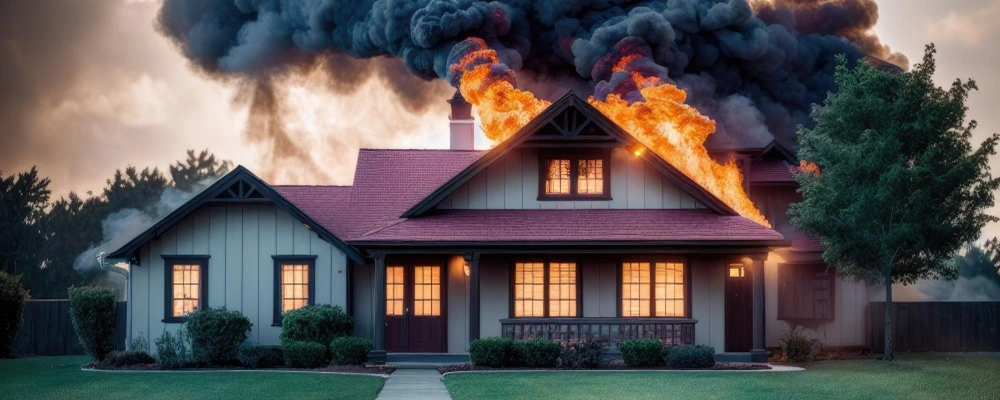
Fire-Resistant-Building-Materials

Recently, architects and engineers worldwide have been planning, designing, and constructing buildings, keeping in mind the safety of occupants in case of an outbreak of fire. A fire starts igniting all the combustible materials in the surrounding areas. If you fail to check it on time, it might spread to other parts of the buildings, leading to the collapse of the building.

Remember, fuel always causes and aggravates fire. The duration and temperature of fire are the primary factors on which the quantum of damage depends. Therefore, it’s essential for builders to use fireproof construction materials, as they never cause heavy smoke. Although one cannot be absolutely safe from fire, one can take certain measures, including using fire-resistant materials during construction.

Brick & Bolt delves into fire-resistant building materials in this blog, focusing primarily on the top five worldwide fire-resistant materials builders use. Whether the building experiences the searing heat of a conflagration or the slow burn of a smoking fire, these materials stand as stalwart guardians, offering protection and peace of mind to the builders and occupants alike.

Fire-Resistant vs. Fire-Resistive Construction

Fire-Resistant Construction

Fire-resistant construction decelerates the spread of fire, as the materials used in construction take longer to pass the fire. The goal of using such materials is to offer more time for the occupants to vacate the building. The longer it takes the fire to affect the materials or structure, the more time the occupants have to escape. The fire-resistant building materials do not combust and self-extinguish after eliminating the ignition source. 

The materials are rated based on how long they hold up during a controlled burn test. Mostly, exterior doors and drywall have such ratings. Doors have a rating of 30 or 60 minutes, whereas dry walls have ratings of 30, 60, and 90 minutes. Remember, the rating does not indicate how long the material holds up in real-world scenarios. The fire’s temperature and the material’s condition often affect the performance and the time it holds up.

Fire-Resistive Construction

On the other hand, fire-resistive construction refers to a building and construction method specifically engineered to withstand and contain the spread of fire. This type of construction uses fire-resistant materials, including fire-rated doors, walls and floors. Builders also use fireproof coatings and structural designs that hinders the progress of flames and heat in case of fire. The primary goal of the construction is to create a structure that withstands fire, maintain its structural integrity and protect people and property during a fire emergency.

Best 5 Fire-Resistant Building Materials for Construction

Fireproof Construction Materials

Today’s infrastructure demands a blend of innovative construction styles with vigorous technologies. Builders must use the best quality, durable construction and building materials to achieve this. With the increase in the demand for skyscrapers and huge infrastructure projects, the demand for the best quality products is also increasing. The Indian Government, in 1990, took an initiative under the Building Materials and Technology Promotion Council (BMPTC) to encourage and promote energy-efficient, environmentally feasible and sustainable building materials.

The best five flame-retardant materials for construction include the following:

1. Concrete

Concrete has long been the most common and widely used building material in the construction industry. Different types of concrete are available; hence, its worldwide use is double that of steel, wood, plastic, and aluminium combined. Besides being a bad conductor of heat, concrete is a good fire-resistant material. Although it doesn’t have a melting point, it gains much strength after achieving certain degrees of temperature. 

Though its strength decreases considerably when exposed to high temperatures, concrete never loses its strength when heated up to 250°C. Concrete consists of various materials, including cement, aggregates, water, steel, and other mixtures, which is why it doesn’t have a fixed thermal resistance capacity. Concrete’s fire-resistance degree depends on the aggregates’ nature and density. Reinforced concrete structures can resist fire for about 1 hour at 1000°C.

Moreover, concrete has low heat absorption power. Therefore, even if the outer temperature of concrete reaches 500, the internal temperature of the inner concrete remains relatively low. A concrete structure weakens only when the fire is long and intense. In case of a fire, the concrete experiences dehydration, causing the aggregates to expand and the cement to shrink.

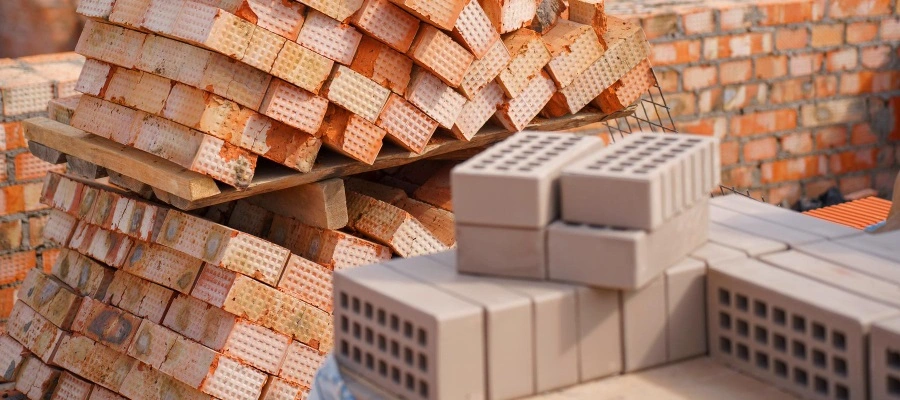
2. Bricks

Bricks are the most common and favoured material for construction worldwide. Builders utilize bricks in the construction of the walls, lintel, arch, retaining wall and cavity wall, amongst others. Besides, bricks give an aesthetic appearance to the structure. The best builders tend to use the best quality bricks. These bricks are fireproof, as they have the capacity to withstand exposure to fire for a long. As poor conductors of heat, bricks withstand higher temperatures up to 1300°C without causing any serious effect on the building.

With a melting point of about 2800°C, fire bricks emerged as the most preferred choice of builders for fire-resisting construction. The degree of fire-resistance in bricks depends upon several factors, including the size of the bricks, composition of brick clay, and construction method. Although bricks have their structural limitations for use in the building, brick masonry proved to be the most suitable for safeguarding the structure against fire hazards.

3. Plaster or Mortar

As an incombustible and fire-retardant material, plaster is one of the best fireproof materials builders use. They use the material to protect building walls and ceilings from fire risks. Builders prefer using cement plaster compared to lime plaster. Builders apply the plaster in thicker layers to increase the fire resistance of the plaster to fire hazards. Alternatively, you can also increase its resistance capacity by reinforcing the plaster with metal lathes. 

Besides cement and lime plaster, builders use gypsum plaster on steel columns and other steel structures to increase their fire-resistance power. Builders prefer using a combination of cement mortar with Surkhi or Pozzolana for fire resistance. However, today, vermiculite plaster is the most effective fireproof building material for builders. Vermiculite’s low density and insulation properties make it ideal for building boards.

4. Glass

Due to its low thermal conductivity, builders consider glass one of the best flame-resistant construction materials. With a melting point between 1400°C and 1600°C, it experiences negligible volume change during expansion and contraction. A sudden and extreme change in temperature causes fractures and cracks. However, when glass is reinforced with steel wire netting, such as in wired glass, the fire resistance increases. 

Moreover, its tendency to fracture with sudden temperature changes is minimized. Reinforced glass has a higher melting point. Therefore, builders use it to make fire-resistant doors, skylights, and windows. In the construction industry, glass ceramic can tolerate high temperatures, making it suitable for fireproof doors.

5. Steel

For several years, builders have been using steel to build high-rise commercial and residential buildings. They use steel in the beams, columns, lintels, roofs, and ceilings. Steel is also used in heating and cooling equipment and interior ducting. Several building contractors around the globe are using steel in internal fixtures and fittings, including stairs, rails, and shelving.

Besides being non-combustible, steel is a fire-resistant building material. As the temperature increases, steel becomes soft, reducing tension and compression effects. At a temperature of 600°C, steel’s strength gets reduced to only one-third of its value at normal temperatures. Whenever you use water to extinguish a fire on a steel structure, it tends to contract, twist and distort, endangering the stability of the entire structure.

Conclusion

As home needs increase, builders become more responsible for the environmental impact on future generations. Proper selection of fire-resistant building materials and construction methods is crucial in mitigating fire danger. Brick & Bolt, a trustworthy tech-enabled construction company, ensures the use of high-quality fire-resistant construction materials and a smooth and efficient process for building your dream home. The team of proficient experts provides incredible construction services without compromising the quality of resources and building materials. From selecting designs to tracking project progress in real-time, with Brick & Bolt, you have everything at your fingertips.

Highly Effective Waterproofing Options to Invest in for Your New Home

0
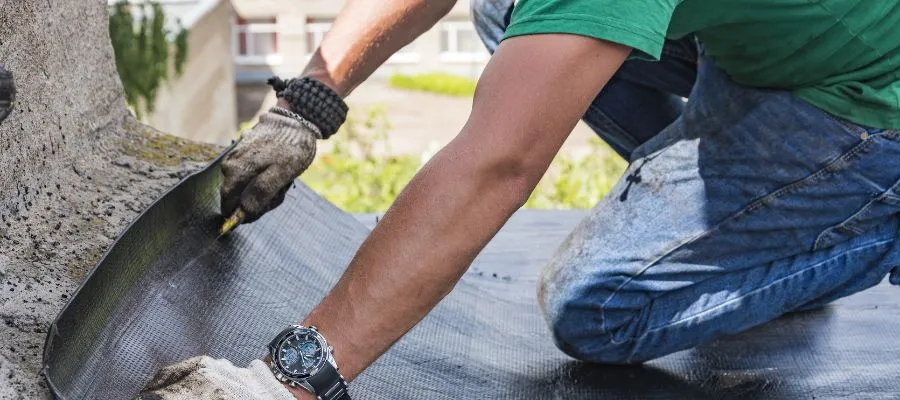
Waterproofing Images

Waterproofing is one of the most important things to consider when building a new house. It is an important part of keeping your home safe from water damage, which can cause expensive repairs and structural problems if you don’t fix it. Because there are so many waterproofing products on the market, it can be hard to pick the right ones. In this blog, Brick & Bolt will discuss about waterproofing.

What is Waterproofing?

water proofing images

Waterproofing is the process of keeping water from getting into a surface or building. It means using special tools and materials to prevent water from getting through a building’s floors, walls, roofs, and other parts. If you do not properly waterproof your house, it could lead to expensive repairs, mold growth, and even damage to the structure over time.

Why should I Waterproof my Building?

Here are a few reasons:

1. Avoid Water Damage: 

Water can damage building materials, causing them to rot, grow mold, and fall apart. The right waterproofing will protect your home from these problems.

2. Increase Lifespan: 

By stopping water from getting in, waterproofing helps your home’s structure last longer, saving you money in the long run.

3. Maintain Indoor Air Quality: 

Mold and mildew can grow in damp places, lowering the air quality inside your home and being dangerous for people with asthma or allergies.

4. Protect Valuables: 

Water damage can destroy personal items, furniture, and other valuables stored in your home. Waterproofing protects these things from damage.

When should I Waterproof my Building?

But if water damage or leaks are found in an old home, waterproofing solutions may also be needed. Here are some common situations where you might want to think about waterproofing:

1. New Construction: 

Proper waterproofing should be done during the first stages of building your home to ensure its long-term safety.

2. Basements or Crawl Spaces: 

These are places where water and wetness can easily get in, so they need to be waterproofed.

3. Bathroom and Kitchen Renovations: 

Waterproofing should be the first step when remodelling places with high moisture, such as baths and kitchens.

4. Roof Replacement or Repair: 

Roofs are common places where water can get in, so roof waterproofing should be done when it is replaced or fixed.

Types of Waterproofing:

Waterproofing in building construction includes many methods, each with its own advantages and applications.

1. Bituminous Coating Waterproofing: 

A bituminous coating is sprayed with a liquid that hardens to make a waterproof barrier that doesn’t gape. Bituminous paints are flexible and can be used on many surfaces, such as concrete, brickwork, and even membranes that are already in place.

2. Polyurethane Liquid Membrane Waterproofing: 

These coats are applied with a liquid and hardened to make a seamless, stretchy, and long-lasting waterproof membrane. Polyurethane liquid membranes can be used to cover many different things, such as roofs, decks, and buildings below ground.

3. Liquid Waterproofing: 

These are coatings applied with a liquid and hardened to make a waterproof shield that doesn’t show seams. Liquid waterproofing is flexible and can be used on many surfaces, such as concrete, brick, and even barriers that are already in place.

4. Cementitious Waterproofing: 

This type of waterproofing uses a cementitious slurry or coating. When it dries, it forms a barrier that keeps water out. Many use it to build basement walls, supports, and other things out of concrete.

Types of Waterproofing Materials:

There are a few things you can think about when choosing the best waterproofing products for your new home:

1. Bituminous Membranes:

These thin, stretchy membranes stick to themselves. They are made of modified bitumen and are often strengthened with polyester or fiberglass. They are widely used for foundations, below-grade work, and waterproofing roofs.

2. PVC and TPO Membrane: 

These are made of thermoplastic materials and are very long-lasting. They are also resistant to UV light and can waterproof the roof and below-grade applications.

3. Liquid Rubber Coatings: 

These elastomeric coatings are seamless and can be put on many surfaces, such as concrete, brickwork, and membranes that are already in place. They are good at keeping water out and won’t crack or peel.

4. Crystalline Waterproofing Admixtures: 

These are added to concrete while it is being mixed. When they combine with water, they make crystals that can’t be broken down. These crystals then seal the pores in the concrete and make it waterproof.

5. Drainage Boards and Dimple Membranes: 

These are used with other waterproofing materials to make a drainage plane and keep the waterproof cover from getting damaged.

6. China Mosaic Waterproofing: 

This old technique involves putting down a layer of China mosaic tiles mixed with a waterproof mortar. This makes a waterproof barrier that doesn’t show and lasts long on patios, balconies, and other open areas.

7. Brick Bat Coba Waterproofing:

First, a layer of waterproof mortar is put down. Then, a layer of broken bricks set in cement mortar is added. Finally, a protected screed layer is added. Many people use this method to waterproof terraces and other flat areas.

8. Waterproofing Chemicals and Sealants: 

To waterproof joints, cracks, and other areas, you can use silicone-based sealants, epoxy coats, and polyurethane sealants, among other chemicals.

In conclusion, getting the right waterproofing materials is important to prevent water damage to your new home and ensure its long-term durability. By learning about the different waterproofing methods and materials available, you can make a choice that fits your needs and budget. Remember that good waterproofing keeps your home safe and gives you peace of mind, knowing that your investment is well protected from the weather.

What are the Different Types of  Window and Door Options: Embracing Trendsetting Styles

0
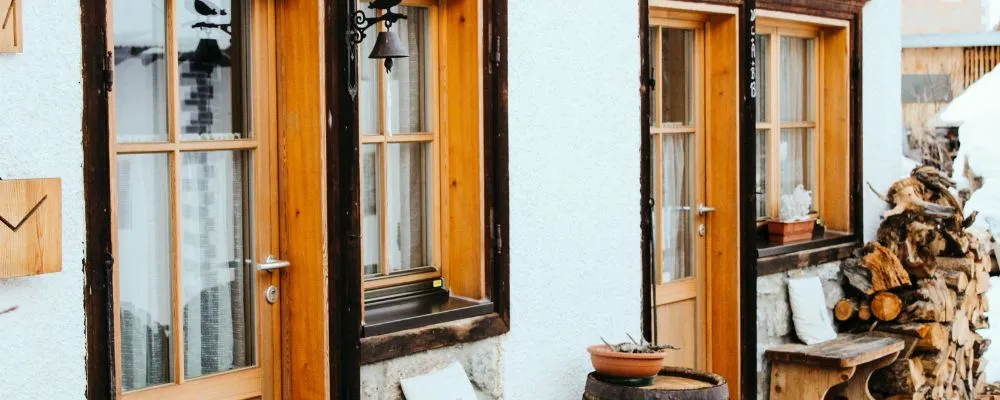
Window and door image

Are you ready to transform your house look and save on energy costs? The key lies in choosing the right windows and doors. In this blog, Brick & Bolt will be your guide, providing you with all the essential information you need to make the best choices for your home. 

First, let’s start with what a window is, its uses and types, followed by what a door is, its uses and types. 

So, let the journey begin!

What is a Window and its Uses?

Window Images

Windows are parts of a building’s design that let natural light in and give you a view of the outside. Allowing air flow is very important for improving the air quality inside. Also, windows make a big difference in how a house looks and is designed inside and out. Where, how big, and what kind of windows are used can depend on how the room works and flows. Regarding energy efficiency, windows let heat escape, so picking a well-insulated one is key to reducing energy costs. More than anything else, windows make a house more comfortable by letting in light, views, airflow, and style. 

Types of Windows

Several types of windows are available on the market, each with unique features and characteristics. Here is a list of types:

  1. Single-Hung Windows
  2. Double-Hung Windows
  3. Casement Windows
  4. Awning Windows
  5. Sliding Windows
  6. Bay Windows
  7. Picture Windows
  8. Skylights
  9. Transom Windows
  10. Jalousies Windows
  11. Gable Windows
  12. Pivot Windows
  13. Metal Windows
  14. Hopper Windows
  15. Dormer Windows
  16. Glass Block Windows
  17. Clerestory Windows
  18. Arched Windows
  19. Louvered Windows
  20. Egress Windows

1. Single-Hung Window:

This window type has two sashes, but only the one at the bottom moves up and down. Because they are easy to use, they are often found in old homes.

2. Double-Hung Windows:

Both screens can be converted to double-hung windows, allowing more airflow. They can also be used with many different types of buildings.

3. Casement Windows:

A Casement Window is a type of window that has a hinge on one side and opens outward with a crank. When closed, it keeps air out and lets a lot of air in, saving energy.

4. Awning Windows:

An awning window is like a casement window but opens outward from the bottom and hinges at the top. They are great for letting air flow and keeping the inside dry.

5. Sliding Windows: 

These windows move side to side along tracks. Most modern homes have them because they are simple, work well in small places, and allow you to see everything.

To learn more about the types of windows for your home, visit our exclusive blog by clicking the link below.

A Comprehensive Guide to Different Types of Windows For Your Home

What is a Door and its Uses?

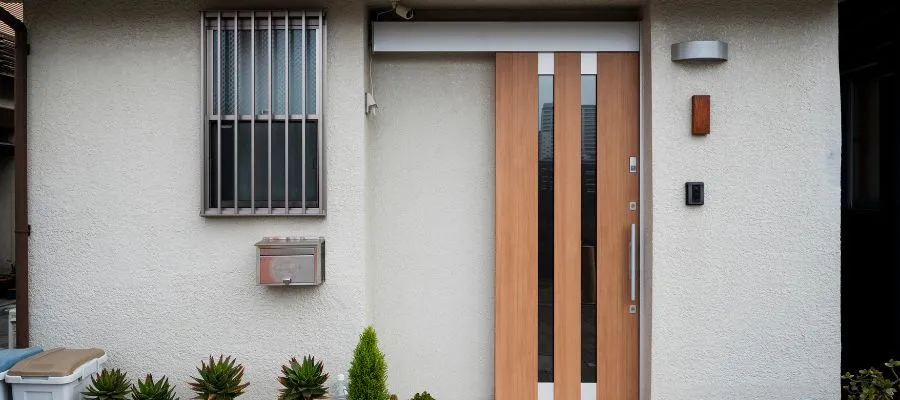
Door Images

A door is a barrier that can be moved to let people into or keep them out of a room. Structures like houses, cars, and other things often have doors. They do many important things, but the main ones are to keep an interior space safe, private, and at the right temperature by separating it from the outside world or other interior spaces. Doors can be fixed, slid, or rotated, usually made of wood, metal, glass, or a mix. They often have locks, handles, and other hardware, making opening, shutting, and locking the door easier. Doors are useful, but they can also be beautiful and symbolic. For example, doors with ornate or unique designs can show off building styles or personal tastes. 

Types of Doors

There are several types of doors used in homes, and they come in different styles. Most people have one of these types:

1. Hinged Doors

2. Sliding Doors

3. Pocket Doors

4. Bifold Doors

5. French Doors

6. Barn Doors

7. Flush Doors

8. Panel Doors

9. Dutch Doors

10. Pivot Doors

11. Battened and Ledged Doors

12. Revolving Doors

13. Louvered Doors

14. Roller Doors

15. Saloon Doors

1. Hinged Doors:

A hinge door is a type of door that is connected to the frame or wall with one or more hinges. This lets the door swing open and shut. These days, hinge doors are used in homes and commercial buildings as interior and exterior doors. Many people choose them because they are easy, last a long time, and are easy to use.

2. Sliding Doors: 

These doors don’t swing open but move horizontally on a track. They are often used for closet doors, patio doors, and dividing walls between rooms.

3. Pocket Doors: 

These are folding doors that, when opened, are hidden in a pocket in the wall next to them. They save space and are often used in bathrooms, closets, or to split rooms.

4. Bifold Doors: 

These doors can be folded up like an accordion because they have hinges in multiple places. People often put them in closets, laundry rooms, or utility rooms.

5. French Doors: 

These flexible doors, with glass panes usually opening in the middle, are often used to lead outside to gardens or decks.

6. Barn Doors: 

These sliding doors move along a horizontal track to look like genuine barn doors. People often use them to split rooms or make closets.

To learn more about the types of Doors for your home, visit our exclusive blog by clicking the link below.

Different Types of Doors to Consider For Your Home

How to Choose the Best Window and Door Options For Your New Home?

When building a new home, the windows and doors you choose are very important for making it comfy, attractive, and energy-efficient.  A huge range of window and door types, styles and materials are available in the market.  How do you pick the best one for your home? Some important things to think about are:

First, decide what’s most important: low upkeep, energy efficiency, lots of natural light, or a nice look. 

Regarding windows, it is better to have double or triple-pane windows with weatherstripping and protected glass. Larger window openings or types like bay or bow windows will let in more light. Wood, vinyl, and plastic windows are different in style and upkeep. How many windows you need depends on your environment and desired natural airflow. Casement and double-hung windows let air flow through. But if you want a clear view, consider picture windows you can’t open or close.

When it comes to doors, fiberglass or insulated steel doors are the safest and most energy-efficient exterior doors. On the other hand, they cost more than wood doors. Adding patio doors is a great way to make the transition between inside and outside look smooth. French doors with hinges have a beautiful, classic look while sliding patio doors are more useful and cost less.

No matter which style you pick, your windows and doors should look good together and match the style of your home’s building and interior design. If you hire one, experts in windows and doors can help you develop the best design ideas.

If you buy high-quality, energy-efficient, stylish windows and doors up front, you will save on energy costs, find them easier to maintain, and enjoy your new home door for years. 

Maintenance Tips For Doors and Windows

Here are some tips on how to keep your doors and windows in good maintenance:

Doors: 

  • Check doors periodically for cracks, scratches, or wood, plastic, or metal damage. If problems occur, take care of them immediately.
  • Use a light soap and water solution to clean the doors often. Do not use rough cleaners.
  • Use a silicone-based lube yearly to keep hinges from squeaking and sticking.
  • Check the weatherstripping and repair it if it’s damaged or worn out to keep drafts from coming in.
  • Adjust the strike plate if the door won’t close or is sticking.
  • To keep wood doors from water damage, reseal or paint them every two to three years.

Windows: 

  • Use a glass cleaner to clean the window glass often to see clearly.
  • Check the sealing around the windows for cracks or missing pieces and replace them to prevent water and air leaks.
  • Grease the window tracks or channels and the hardware that moves them so they can open and close easily.
  • Right away, replace any broken or cracked glass panes.
  • If the finish on your wood windows gets old or faded, sand them down and paint or stain them again.
  • Ensure that the weep (drain holes) are not closed so that water can flow freely.
  • Check the weatherstripping and repair it to stop drafts if worn down.

Finally, choosing the right windows and doors for your home is important for making it look better and saving money on heating costs. You can make choices that fit your wants and preferences by reading this blog and learning about the different types, materials, and maintenance tips for doors and windows. Getting good windows and doors is the first step toward a more comfy and environmentally friendly home. They can let in more natural light, improve airflow, and keep you safe. Please let Brick & Bolt be your trusted guide as you build a home that looks great and works perfectly for years to come.