After experiencing the harshness of hot summer days. Are you ready to face a cooler monsoon? It brings fresh, cool showers and amazing green surroundings.
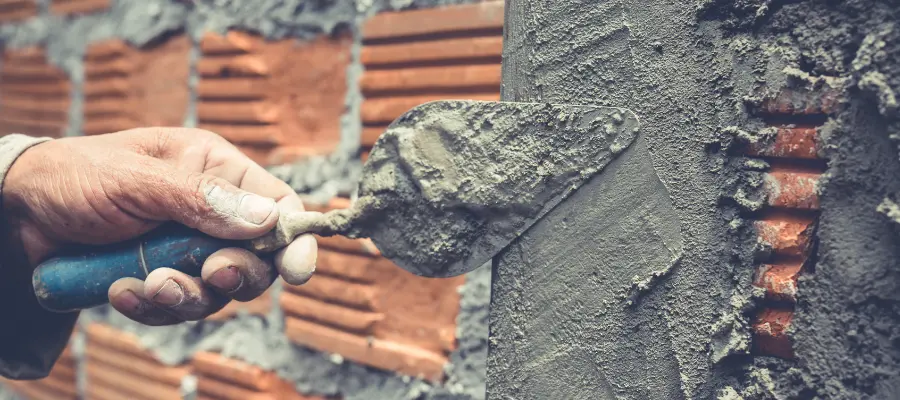
However, it also offers damp weather and heavy downpours, which results in damage to your house. So, how are you going to save your precious house from rain? No worries. In today’s blog of Brick & Bolt, you are going to uncover monsoon care tips for walls. But, before discussing the wall protection from rain, let’s dig into the monsoon rain effects on your house walls.
So, let’s move forward.
Understanding the Impact of Monsoon on House Walls
Wall Dampness
Wall dampness, a common and maybe a serious issue, often makes an unwelcome appearance in homes during the rainy season. If not prevented, water can seep into the walls, causing significant damage.
Mould and Fungus Growth
If the dampness is not treated at the right time, mould and fungus can grow, which can be harmful to your health.
Paint Peeling
Moisture from the rain can cause leaks, which lead to bubbles, peeling paint, and cracks in walls.
Structural Damage
Continuous exposure to water will weaken the structure of your house with cracks or other serious damage.
Here are some essential monsoon care tips for walls to ensure that your home remains dry, sturdy, and visually appealing throughout the rainy season.
Inspect and Repair Cracks
Before the monsoon starts, look into your house walls for any cracks or gaps, as these could be the entry points for water. Fill these cracks with the wall sellers to avoid any wall seepage. Consider consulting a professional for larger cracks to ensure they are properly repaired.
Waterproofing Solutions
Waterproofing is very important wall seepage solution that protects your house walls from moisture. Different waterproofing solutions, such as waterproof sealants, coatings, and paints, are available in the market. Apply a waterproof coating to the exterior walls to prevent water absorption. To cure properly, ensure this is performed well before the monsoon season.
Regular Maintenance of Gutters and Downspouts
As a homeowner, it’s your duty to ensure that your gutters and downspouts are clean and free of residue. Blocked gutters can cause water to overflow and run down the walls; this will generate dampness and damage. Regularly cleaning these drainage systems and making sure that they are directing water away from your home foundation and walls is a task that you can easily manage and is crucial for the well-being of your home.
Good Drainage Around the House
Good drainage is an important wall seepage solution, preventing water from accumulating around your home’s foundation. Ensure that the ground slopes away from your home so that water doesn’t collect near the walls. Additionally, you can install French drains or other drainage systems to control the water seepage in walls.
Application of Anti-Mold Paints
To protect the interior walls from moisture content, anti-mold or anti-fungal paints are a great way. These types of paints contain fungicides that control mold growth, which make the walls clean and healthy. Apply anti-mold paints in areas which are open to dampness, such as bathrooms and kitchens, for extra protection.
Install Protective Roof Overhangs
Roof overhangs can protect your house walls from direct exposure to rain. These structures help to redirect rainwater away from the walls, lessening the amount of moisture they are exposed to. This simple addition can considerably increase the life of your exterior walls.
Good Ventilation
Good ventilation is very important in reducing indoor humidity levels. Use exhaust fans in bathrooms and kitchens and ensure that your home is well-ventilated to allow moisture to escape. This helps keep the interior walls dry and free from dampness.
Seal the Doors and Windows
To keep rainwater out, add rubber gaskets to the bottom of the entrance and balcony doors. Use silicone or foam sealants to fill the gaps between walls, doors, and windows. A cheaper option is to use weather strips cut to size to seal the windows.
Additional Monsoon Care Tips for Your Walls: Preparedness Guide
Regular Paint Touch-Ups
Regularly apply better weather-resistant paint to maintain wall quality and enhance protection against the elements.
Regular Inspection
Before the monsoon starts, look into your house walls and roof regularly for cracks.
Strategic Landscaping
Garden beds and other landscaping features should be designed to direct water away from the house foundation to prevent pooling.
Timely Repairs and Upgrades
Address any minor repairs or upgrades promptly, including fixing broken tiles, sealing gaps around windows and doors, and reinforcing any weak structural points.
Conclusion
Prevention is always better than cure. Taking preventative measures to protect your house walls during or before monsoon can save lots of repair costs and extend the house’s life.
By following these monsoon care tips for walls, you can protect your house from the destructive effects of the rainy season. Remember, timely maintenance and preventive measures are important to keep your home safe, dry, and beautiful over the monsoon.
With these strategies, you will protect your home’s structural stability and create a healthier living environment for you and your family. Get ready to enjoy the monsoon season with your safe house. To know more, you can consult an experienced civil engineer or a nearby construction company like Brick & Bolt.
Choosing the best building materials is very important when constructing your dream home in India. They should be long-lasting, safe, and look good. Because there are so many choices on the market, choosing the best home construction materials can be hard. In this blog, Brick & Bolt will discuss some of the best building materials for Indian homes, considering temperature, cost, and durability.
Types of Construction Materials For Indian Homes
In India, many types of building materials can be used to meet the requirements and preferences of different people. Here are some types of construction materials that are used in Indian homes:
Bricks
Sand
Concrete
Cement
Stone
Mud & Clay
Bamboo
Timber
Steel & Iron
Aluminium
Tiles
Glass
Insulation Materials
Bricks:
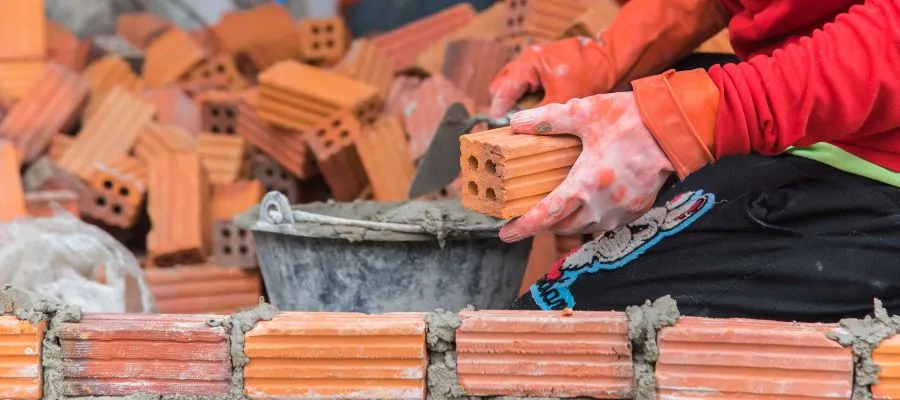
Indian builders have used bricks for centuries, and for good reason. Various types of bricks are available in the market, including clay bricks and fly ash bricks. Clay bricks are traditional bricks which are long-lasting and won’t catch fire. They also keep heat in very well, which makes them perfect for Indian temperatures. They come in many shapes, sizes, colours, and textures, which lets architects be creative with their designs. Instead of clay bricks, you can use fly ash bricks made from a waste product of coal-fired power plants.
Sand:
Sand is one of the most commonly used building materials in Indian homes. It is often used to make mortar and concrete mixes for floors, walls, and supports of buildings. In addition, sand is used to smooth surfaces, even when filling and finishing different areas. It is easy to find and doesn’t cost much, so it’s a popular choice for affordable house construction materials all over India. It helps make houses that last and look good.
Concrete:
Concrete is one of India’s most useful and widely used building materials. There are various types of concrete available for construction, you can choose the suitable type of concrete according to the type of structure and requirement of structural strength. As a result of its high strength and long life, it can be used for foundations, columns, beams, and different types of slabs, among other structural parts. Adding steel bars or fibres to concrete can make it stronger in tension, allowing it to build tall buildings and structures that can withstand earthquakes.
Cement:
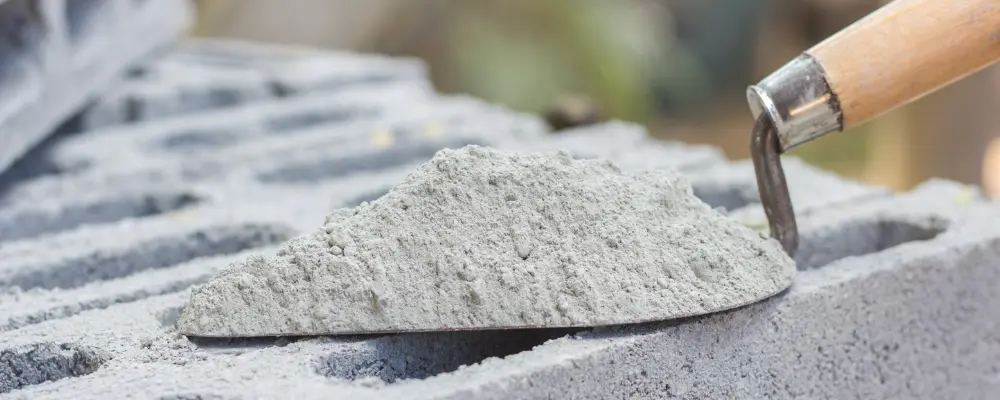
Cement is the binding agent that holds concrete together and plays a crucial role in the construction of Indian homes. Ordinary Portland Cement (OPC) and Portland Pozzolana Cement (PPC) are the most common types of cement used in residential construction, while Rapid Hardening Cement is suitable for projects that require faster setting times. Additionally, Sulphate Resisting Cement is recommended for structures built in areas with a high concentration of sulphates in the soil or groundwater. It is recommended to always choose the most suitable types of cement for your construction project, as cement plays a crucial role in structural strength and integrity.
Stone:
Natural stone has been a popular choice for construction in India due to its durability, beauty, and thermal insulation properties. Granite, sandstone, and limestone are commonly used for flooring, wall cladding, and architectural features like columns and arches. Stone adds a touch of elegance and enhances a building’s structural integrity.
Mud & Clay:
For centuries, mud and clay have been important in building traditional Indian homes. One of the major advantages of mud and clay is that these are eco-friendly and low-cost construction materials. Homes in rural areas are often built with mud and clay found nearby, mixed with water and natural materials like straw or rice husks to make a strong mixture. This mixture is put on wooden frames or bamboo structures to make walls and roofs. In hot climates, it acts as a natural protection and airflow. Even though modern building materials are becoming more common, mud and clay construction methods are still valued in Indian architecture to make eco-friendly homes along with durability, low-cost construction, and cultural importance.
Bamboo:
Bamboo is becoming increasingly popular in India as a long-lasting and flexible construction material. Because it grows quickly, can be used repeatedly, and is strong, it is perfect for many uses, such as roofs, flooring, and different building parts. Bamboo is good for the environment, keeps heat in, and has a natural look that goes well with traditional Indian buildings. As people become more aware of environmental problems, bamboo is becoming more and more popular in Indian homes as a sustainable building material.
Timber:
Wood has been a traditional construction material in India, valued for its strength, insulation properties, and aesthetic appeal. Teak wood, sal wood, and Sheesham wood are popular choices for structural elements like beams, rafters, trusses, doors, windows, and furniture. Engineered wood products offer enhanced strength and dimensional stability, such as laminated veneer lumber (LVL) and glued laminated timber (Glulam).
Steel & Iron:
Steel is an indispensable material in modern construction, known for its high strength-to-weight ratio and ductility. Structural steel is commonly used for columns, beams, trusses, and framing systems, providing a robust and reliable structure. Reinforcing bars (rebar) are made of steel-reinforced concrete structures, improving their tensile strength and overall durability.
Even though steel is now the most common building material, iron is still used extensively in Indian homes, especially for artistic and practical purposes. Wrought iron is often used for elaborate grillwork, railings, and decorative gates, and it also gives any home an elegant and traditional look.
Cast iron is another iron used for hundreds of years in Indian buildings. It is known for having high compressive strength and being resistant to weathering. This makes it a good choice for structural parts like columns and lintels and decorative parts like fences and platforms.
Aluminium:
Aluminium is a lightweight yet durable material that has found widespread use in Indian construction, particularly for doors, windows, and façade systems. It offers excellent corrosion resistance and low maintenance requirements and can be easily customised to suit various design preferences. Aluminium is also energy-efficient, contributing to a building’s overall sustainability.
Tiles:
Tiles are essential in Indian homes, serving both functional and aesthetic purposes. Ceramic tiles are popular as a wall cladding and flooring material due to their durability, ease of maintenance, and wide range of designs and colours. Vitrified tiles are a denser and more scratch-resistant option, making them suitable for high-traffic areas. Natural stone tiles, like marble, granite, and slate, add a touch of luxury and can enhance the overall value of a property.
Glass:
Glass is an increasingly popular material in modern Indian construction, particularly for creating open, airy living spaces. Tempered glass is a safe, durable option for windows, doors, and partitions. At the same time, insulated glass units (IGUs) provide excellent thermal insulation and energy efficiency. Glass can also be used for architectural features like skylights, staircases, and facades, adding a contemporary and sophisticated touch to a home.
Insulation Materials:
Proper insulation is crucial for maintaining a comfortable indoor environment and reducing energy consumption. Expanded Polystyrene (EPS) and Extruded Polystyrene (XPS) are popular building insulation materials used in Indian homes, offering excellent thermal and moisture resistance properties. Additionally, rock wool and glass wool insulation are eco-friendly alternatives that provide effective insulation while being fire-resistant and sound-absorbing.
There are many different building materials available, so when planning your dream home, it’s important to consider cost, durability, energy efficiency, and impact on the environment. For example, you might want to look into Low Cost Home Construction Materials to find budget-friendly yet reliable options.
Our experienced staff at Brick & Bolt can help you through the selection process and help you make choices that are right for your needs and preferences. So, visit Brick & Bolt to learn more about our construction services and their uses. You’ll find information and tools specific to your area.
If you’re ready to start building, our Brick & Bolt cost estimator can help you make a good budget plan by giving you a full breakdown of how much each item will cost.
Our goal at Brick & Bolt is to provide you with the best building materials and expert advice so that your home is not only beautiful but also long-lasting, energy-efficient, and well-built. Contact us now to begin constructing your dream home.
Your house is a precious place filled with family, belongings, memories, and everything you enjoy. However, when you purchase your home, you first focus on the secondary aspects. These include its location, layout, house floor plans and architecture. You must be wondering what your home’s primary aspects are. Yes, it’s your home’s safety features. As a homeowner, you must do everything you can. It ensures your home remains protected and secure from intruders, fire and other emergencies.
Brick & Bolt focuses on the top home security needs in this blog. The home security checklist helps protect your home, family, and belongings better. We broke the list into small categories to make it easy for you to follow.
14 Essential Safety and Security Checklist for a Home
The following are the most important safety and security checklists for your home:
Safety Tips for Doors and Windows
Inspect Doors and Windows for Damage
Check all Locks and Entry Points at Night
Sliding Doors with Proper Locks
Use Window Locks
Install a Wide-Angle Peephole
Safety Tips for Exterior Home
Ensure Proper Lighting of Your Home’s Exterior
Ensure Visibility of House Address
Trim Landscaping along Doors and Windows
Move Valuables from Window Views
Safety Tips for Home While You Are on Vacation
Arrange for Incoming Mail
Opt for Light Timers
Other Home Safety Checklist
Installing a Home Security System
Keep Smoke Detectors and Fire Extinguishers
Have a Backup Plan
So, let’s explore in detail-
Safety Tips for Door and Windows
1. Inspect Doors and Windows for Damage
Different types of windows and doors are available to increase your home’s safety and overall aesthetic. But remember, doors and windows are prime entry points for burglars. Therefore, you must inspect for damage regularly to prevent easy access. If your house has old doors and windows, they might get worn out. If you see such signs, get them repaired or replaced. Besides, you can explore plenty of options for ensuring security in your home and creating peace of mind. Consider using advanced locks combined with sturdy door materials. You can also use impact-resistant and high-security windows to prevent break-ins.
2. Check all Locks and Entry Points at Night
Before sleeping or while going out, ensure to lock all doors and windows properly. These include mail slots, garage doors, and pet doors, which intruders might use. Moreover, ensure to keep any valuables, like jewelry away in a safe or protected place.
3. Sliding Doors with Proper Locks
Although sliding glass doors enhance the aesthetics of your place, they are an inviting target for intruders. These types of doors aren’t as secure as traditional doors. Besides, as homeowners, you often keep them unlocked. To provide more protection, you may add dowel bars, upgraded security bars, modern locking mechanisms, or an additional locking mechanism.
If you want to learn more about how to choose a secure locking system for your main door to protect yourself, your loved ones, and your valuables, then click on the link below to learn more-
4. Use Window Locks
Windows are a common point of break-in entry because most homeowners, like you, keep them unlocked or equipped with old or damaged locks. It is crucial to inspect your window locks regularly for signs of damage. You can even upgrade to more secure locks when necessary. Ensure that you keep your windows locked when you aren’t using them or staying away from home.
5. Install a Wide-Angle Peephole
Wide-angel peepholes differ from their traditional counterpart. You can view a larger area of your front porch or patio with them. Through them, you can see better who is knocking or lingering outside your home.
Safety Tips for Exterior Home
6. Ensure Proper Lighting of Your Home’s Exterior
Do you keep your home’s exteriors dark? Ensure that the exterior areas are well-lit. If you have a poorly lit yard, driveway or walkway, you are inviting burglars who are always seeking opportunities to conceal their actions. Inspect the area properly and take appropriate steps to maximize lighting. If the lights are dim, replace the light bulbs. You can also install floodlights and place path lights along the walkways. Alternatively, you can install smart lighting systems, as you can control them through personal devices or motion.
7. Ensure Visibility of House Address
Most homeowners overlook the importance of a visible house number regarding home security. Often, your home’s street address fades, gets obstructed by vegetation, or has experienced fading in extreme weather conditions over time. Ensure that your home address is visible from the street so you can seek help from your neighbours during an emergency.
8. Trim Landscaping along Doors and Windows
Often, we plant shrubs, bushes, and trees around our windows. These features conceal your windows, adding a sense of privacy to your home. Besides, they create an appropriate area for burglars to conceal themselves from street visibility. The best part is to keep these features below your window frames. While they offer curb appeal, they also discourage intruders.
9. Move Valuables from Window Views
Ensure that no one can see your valuables through your windows directly. Never place expensive items like TVs or computers in plain sight. This can entice intruders who might try to steal your valuables. You need to pay extra care even for those items placed on a table or shelf near a window or door. Try moving these things away from street-facing windows. You can also install features like top-down or bottom-up shades. These allow light to enter your rooms instead of those unwanted eyes.
Safety Tips for Home While You Are on Vacation
10. Opt for Light Timers
Most homeowners tend to turn their exterior lights while they are away from their homes. Although it’s an excellent way to deter burglars at night, exterior lighting shines all day, indicating your absence. You can install timers on your lighting systems that you can set to turn on and off at specific times during the day. You can also opt for those times you can monitor and control remotely through smart devices. It will offer you peace of mind.
You may need to travel a lot due to work. In such a scenario, your mailbox might start overflowing with mail. Never do that. An overflowing mailbox signals that you are on vacation or away from work. Henceforth, when you leave your home for an extended period, arrange for your post office to hold your mail. Alternatively, you can coordinate with a neighbour, friend or relative to retrieve your mail regularly.
Other Home Safety Checklist
12. Installing a Home Security System
Home security systems have improved recently. You might encounter doorbell cameras, motion lighting, alarm sensors, and more. These systems are a staple in most households for a good reason. They are affordable ways to protect your home and family, and you can control those using smart devices.
13. Keep Smoke Detectors and Fire Extinguishers
The National Fire Protection Association recommends that every home install smoke alarms inside every bedroom, outside every sleeping area, and on every level of the home to increase fire safety and protect your home from fire hazards. Check your smoke detectors monthly and replace the batteries at least twice yearly. Replace the entire system after every decade and invest in a quality home fire extinguisher. Ensure to conduct regular testing depending on the type and size of the extinguisher.
14. Have a Backup Plan
Last but not least, remember that your home security checklist is an emergency plan. While you, as a homeowner, might hope for and expect the best in every scenario, you must be aware of the latest innovations in the home security system and prepare an emergency plan. It can include anything from an exit path from an intruder to a fire escape plan; with these plans, you can better protect your family in an emergency or disaster.
Conclusion
Setting up a comprehensive home security system is crucial if you are a first-time owner. It helps you in protecting your property and your loved ones. The above checklist offers essential considerations that every homeowner must follow. When prioritising home security, you create a safe and secure living environment for your family. As a leading tech-enabled construction company in Delhi, Brick & Bolt understands the overwhelming effort that goes into building your dream home. Their team of expert professionals is popular for their artistry, reliability, and timely deliveries. Brick & Bolt promises to offer the best quality products combined with their motto of absolute transparency through technological advancements.
When anybody is looking for a new home, apartment, or office space, they’ll definitely hear terms like carpet area, built-up area, and super built-up area. These terms specify different parts of the total space, which directly affect the cost. This is because the price is usually based on the number of square feet being occupied. Because they generally pay for the number of square feet they are going to be occupying. Thus, it is crucial to have a clear idea about these terms and their differences.
In today’s blog of Brick & Bolt you’ll going to understand the differences and calculation formulas of Carpet Area, Built-up Area, And Super Built-up Area.
What is a Carpet Area?
Inside a home, the area within the inner walls, which is covered by the carpet or the net usable floor space, is called the carpet area.
The carpet area would include the areas of the bedrooms, living room, kitchen, bathrooms, balconies and staircases. The outside and inside walls, terraces, common areas, lifts, lobby, hallways, utility ducts, etc. are not included.
What is the RERA Carpet Area?
The Real Estate Regulatory Authority (RERA) carpet area is the usable space people will actually live in. This includes the area within the apartment’s walls but excludes any external areas, common areas, balconies, verandas, or open terraces. However, the thickness of the interior walls is included in the measurement.
How to Calculate Carpet Area & RERA Carpet Area?
With the following formula, you can calculate the total carpet area:
Carpet area = (Bedroom + Living Room + Kitchen + Balconies + Toilets)areas – The Thickness of the Inner walls.
Also, the formula to calculate the RERA Carpet Area is
RERA Carpet Area = Net Usable Floor Area of the Apartment (Exclude External Walls, Terrace Area, Balcony Area, & Verandah Area) + Areas of the Internal Partition Walls
What is a Built-up Area?
The built-up area is the total floor space of the house, including everything within the walls. This includes the area people can walk on (carpet area), including the thickness of the walls and balconies, and even an exclusive terrace if you have one. Staircases and other living spaces inside the apartment are also included. Common areas like hallways, lobbies, elevators, and amenities (like a swimming pool or gym) are not part of the built-up area, but you’ll still be paying for your share of them. That’s why the built-up area typically only makes up 70-80% of the total area you’ll be charged for, which is called the super built-up area.
Built-up Area = Carpet Area + Wall Areas + Terrace and Balcony + Exclusive Corridor
Carpet Area Vs Built Up Area
According to RERA, the carpet area is the area covered by the bedroom, living room, kitchen, balconies, toilets, and the thickness of internal partition walls.
The built-up area incorporates the carpet area, external walls, terraces or balconies, and any exclusive corridors.
The built-up area is always larger than the carpet area as it does not include common areas such as lifts, security rooms, lobbies, or clubhouses.
Super built-up area = Built-up Area + Common Areas (such as lobbies, stairs, lift, pool, etc.).
What is The Loading Factor?
Loading factor is the usable space (carpet area) compared to the total area (super built-up area) including common areas and walls.
It is calculated by extracting carpet area from the super built-up area.
Loading Factor = Super Built-up Area – Carpet Area
A high loading factor indicates that most of the total area is dedicated to actual living space. This is important for homebuyers as it helps them understand how much usable space they’re getting for their money.
Why You Should Know About the Loading Factor?
The following are the important things to consider about the loading factor:-
The “ideal” loading percentage can vary based on market practices, the type of residential complex, and the amenities offered.
A loading factor of 25% to 30% for a property is considered reasonable and standard in the real estate industry.
Properties with a loading percentage significantly higher than 30% might indicate that a larger portion of the total cost is going towards common areas rather than the actual living space.
Built-Up Area Vs Super Built-up Area
A built-up area includes all the carpet area, balcony, exclusive corridor, staircase, terrace, etc., as well as the thickness of all walls.
Super Built-up Area, sometimes referred to as a “saleable area,” consists of a private built-up area as well as common areas like lifts, shared hallways, stairwells, a clubhouse and other amenities.
Indian Act for Carpet Area, Built-up Area, And Super Built-up Area
The RERA act made it compulsory for builders to sell flats and houses depend on the carpet area. Before this rule, builders sold flats and houses based on the super built-up area, which included the carpet area plus common areas like lobbies, pools, gyms, and staircases. This made buyers think they were getting more space than they actually were, leading to them paying more.
With the RERA carpet area rule, if a builder promises a certain carpet area for an under-construction project but delivers less, they must refund the difference with annual interest within 45 days. If the delivered area is more than promised, the buyer will pay the extra amount, but this extra can’t exceed 3% of the promised area.
Whenever common people go to buy a new house, real estate agents or builders use confusing terms like carpet area and built-up area. It’s important to know what these words mean and how to calculate them so people won’t get tricked.
We hope this article will help you understand these terms better.
When it comes to construction, slabs play a key role in distributing weight. It provides a solid and stable foundation to the buildings. Concrete slabs are widely used in building construction for floors, ceilings, roofs, and other horizontal surfaces.
But what are slabs? What are they made of? What are the types of slabs, and what makes them so important?
In today’s blog of Brick & Bolt, you will find the answers to the above questions.
What is a Slab?
A slab is a flat, horizontal element typically made of concrete. Slabs are used to create floors, ceilings, and roofs. They are an essential structural component of most buildings and provide a strong, stable base for the rest of the structure. Also, slabs can be designed in various ways, depending on the requirements of a specific project.
Slabs are a crucial component of the load-bearing and load-distribution system of building structures. This system is often present on building floors and roofs, bridge decks, and other flat area structural components. Generally, slabs are flat horizontally oriented surfaces having a design thickness and supported by brick walls or reinforced concrete beams that are monolithically cast with the slab structures and columns.
What are Slabs Made of?
Slabs in construction are typically made of concrete. They are formed by pouring a mixture of cement, water, aggregate (such as sand or gravel), and often additional additives or admixtures and reinforcing materials into moulds or formwork. Once poured, the concrete is allowed to cure and harden, forming a solid and durable surface. The concrete slabs can be reinforced with materials like steel rebar to enhance their strength and resistance to cracking or deformation. Also, these slabs are typically made from reinforced cement concrete, often with TMT steel bars to improve strength and durability.
Types of slabs
Concrete slabs have various types as per the specific requirements of the project.
Let’s understand all the types of slabs in detail:
1. One-Way Slabs
One-way slab is a solid concrete slab structure supported by two parallel beams(or walls), The length of the space between the beams is at least twice as long as its width.
The long bars are made together with the floor at the ends and only carry the weight of the floor. Because of how the beam is made with bars, it only bends in one way along its length. The weight travels along the shorter side of the floor.
These are of simple design and also, cost-effective. However, it has a limited span capacity and is not suitable for large spans. These slabs are used in residential buildings, classrooms, and warehouses.
2. Two-Way Slabs
Two-Way slab is a flat plate of concrete resting on four walls or beams. A Two-Way solid concrete slab can bend in two directions, as it’s supported on all four sides.
In two-way slabs, the longer side should be at most twice as long as the shorter side. Also, the weight it carries bends the slab in both directions, so we need metal bars (reinforcement) running in both directions, like a checkerboard, to hold it strong.
Sometimes, these concrete slabs require extra reinforcement in the corners for good measure. The thickness of the slab relies on how much we want to limit bending, and the reinforcement is cautiously placed to handle the bending at the most critical points.
Two-way slabs have high load-carrying capacity and versatility. However, their complex design requires careful detailing. These concrete slabs are used inparking structures, commercial buildings, and industrial facilities.
3. Ribbed Slab
Ribbed slabs, sometimes also called joist slabs, feature a series of parallel ridges running along the length of the slab. These ridges are formed by constructing a system of ribs or beams below the slab, generally made from precast concrete or steel. The ribs are placed apart at regular spans and extend from one edge of the slab to the other, giving more support and strength.
The ribbed slabs boast a thinner and lighter design. These reinforced slabs improve the aesthetic appeal of the structure. However, it has limited flexibility in layout changes, and requires additional formwork. These concrete slabs are used in buildings, parking structures, and industrial facilities.
4. Waffle Slab
A waffle slab is a two-way joist system with a grid-like pattern of ribs, creating a waffle-like appearance. This appearance is created by constructing a system of beams in both directions beneath the slab, creating a grid pattern. The beams intersect at regular intervals, forming depressions. The borders of the slab rest on the beams, raising its load-carrying capacity and decreasing its weight.
Waffle slabs are lightweight structures with better fire resistance. Also offers improved architectural design possibilities. However, it’s important to note that waffle slabs do come with some limitations. They require complex formwork and can be more pricey compared to traditional slabs.
Thus, they are suitable for long spans and heavy loads, and they are often used in commercial and industrial buildings like theatres, auditoriums, and stadiums.
6. Flat Slabs
Flat plates are simple, solid slabs without any beams or ribs. Flat slabs firmly rest on columns. Flat Slabs are one of the common types of slabs. They include thickened areas called drop panels around columns to increase strength. Their thickness is generally greater than the thickness of the concrete surface in a beam-slab system.
They enable better types of architectural drawing and plan possibilities, easy installation of services, and reduced construction time. However, it has limited span capacity, potential for punching shear failure, and requires careful detailing. They are commonly used in hospitals, laboratories, and IT buildings.
7. Hollow Core Slab
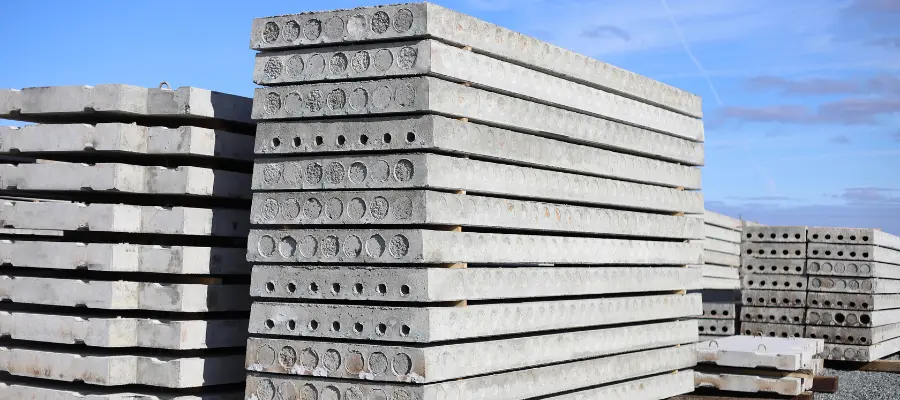
Hollow-core concrete slabs are different from normal slabs. They are pre-stressed floor products with hollow tubes running through their length, depending on custom needs. They are also the most popular, efficient, and long-span floor construction components today.
It has low weight and improves insulation properties, also easy for installation of utilities. it can’t be designed in many different ways, and it needs special tools to be installed.
Hence, they are often used in precast construction for floors and roofs of residential and commercial buildings, parking garages, and bridges.
Conclusion
Slabs are a major part of any building, giving a strong foundation for the spaces we live and work in. Understanding the various slab types and their advantages empowers you to make better decisions during the construction process.
Construction projects are very important for a country’s growth. Like two sides of a coin, Construction projects have advantages and drawbacks.
The environment had been damaged significantly in the past when construction projects and development activities were initiated without considering the environmental consequences. Thus, assessing the environmental impacts and increasing environmental compliance in construction activities becomes critical as societies become concerned with sustainable development.
In this blog with Brick & Bolt, you will understand the Environmental Impact Assessment (EIA) process for construction projects, its importance, key steps, and benefits.
What is Environmental Impact Assessment (EIA)?
Environmental Impact Assessment (EIA) is a process that evaluates the feasible ecological impacts of a proposed project or development, considering its effect on the environment, people, and society before it’s built. This information is used to predict a project’s environmental impacts in the pre-planning stage so that decisions can be made to lessen the adverse impacts.
Importance of EIA in Construction Projects
Any construction project has to be managed for timely completion and be within a fixed budget. Without proper management, any construction project, small and large-scale, may go wrong during any project stage.
Following are some of the importance of EIA:
An EIA is like a check-up for the environment before you build anything. It helps identify potential problems early on so you can fix them before they happen.
EIA for building construction projects promote “green” construction by making sure projects are built in a way that protects the environment. This can even save money in the long run!
It’s like a law – many construction projects need government approval based on an EIA.
EIAs are a tool to predict how construction might affect the environment and the people around it. This allows for better planning to avoid issues.
By conducting an Environmental Impact Assessment (EIA) for construction projects with the assistance of an EIA consultant, builders can identify strategies to reduce environmental impact and promote public health.
The environmental impact assessment process helps you understand nature’s importance and how to protect it while still building the things we need.
Key Steps in Construction Environmental Impact Assessment
1. Screening
You will determine whether an EIA for construction projects is necessary or not through this initial step of the process. Examining the positive and negative effects, as well as the qualitative and quantitative effects, of the suggested project is the main goal of this study. By analysing the project’s size, location, and type of development, the environmental impact is estimated. Two primary methods for screening are thresholds and a case-by-case analysis for the specified criteria. Following the screening procedure, an Initial Environmental Examination or Evaluation (IEE) is produced. This document is the basis for determining whether or not an EIA is required.
2. Scoping
The scoping stage, done with the help of an EIA consultant, defines what the assessment will cover, its goals, and its limits. This phase starts by clearly describing the construction project, including its purpose, size, and location. It also identifies potential environmental impacts, focusing on sensitive environmental areas and engaging with stakeholders to understand local concerns. Basic information on existing ecological conditions is gathered, and the geographic and time boundaries for the evaluation are set. Scoping is a key planning phase that ensures the assessment focuses on relevant environmental issues and stakeholders, guiding the next steps effectively.
3. Impact Identification and Prediction
In this section, thorough assessments of the planned project’s potential impacts on environmental and socioeconomic conditions will be performed. Assessing their severity also helps identify mitigation measures to reduce those impacts. Ecological modelling and assessment tools will be used to predict the magnitude and extent of impacts.
Mitigation measures can include avoiding the impact altogether, reducing the severity of the effect, or restoring the environment after the impact has occurred.
4. Mitigation and Monitoring
In this step, recommendations are given to offset the negative effects of the proposed building project on the environment, as shown by the impact assessment. Mitigation, which can also help illustrate the iterative nature of the EIA, refers to the actions done to lessen or eliminate the impacts that have been assessed above. Three types of mitigation strategies are available: compensatory (to reduce potential reactions), corrective (to place devices and equipment), and preventive (by arranging public awareness initiatives).
Monitoring is vital in upholding all the commitments outlined in the approved EIA. It is also crucial for detecting any changes in the environment and communities due to the project and other local and/or global events, such as shifts in livelihoods from economic crises, migration, or variations in water availability from droughts. Basic monitoring efforts will also continue after the project’s completion during project recovery.
Benefits of Environmental Impact Assessment
Environmental impact assessment (EIA) is a major process which presents multiple benefits for the sake of sustainable development:
1. Earlier Detection of Potential Environmental Impacts
Environmental impact assessment is a tool that methodically assesses proposed projects and developments. It recognises potential environmental impacts before they appear. This prevision helps decision-makers to take preventive measures, reduce harm, and protect natural resources.
2. Decision-making with Environmental Considerations
The Environmental Impact Analysis (EIA) ensures that environmental factors are included in decision-making. This means that environmental issues are considered alongside social and economic factors rather than being an afterthought. As a result, projects are planned and executed with a better understanding of their environmental effects, promoting the development of green buildings.
3. Keeping Ecosystems and Natural Resources Safe
EIA greatly helps protect ecosystems and natural resources in our world. High ecological value areas can be found by using Environmental Impact Analysis (EIAs) to assess possible development project impacts. This makes it possible to enact laws or other safeguards. Moreover, EIA mandates that our developers take actions to improve biodiversity in the area or repair harmed ecosystems.
4. Enabling the Growth of Sustainability
The concepts of sustainable development are in line with EIA. It guarantees that initiatives are socially and environmentally responsible in addition to being commercially feasible. Ecological Impact Assessment promotes initiatives that honour the environment’s carrying capacity, which contributes to the development of a more sustainable future. EIA contributes to addressing current requirements without sacrificing the capacity of future generations to address their own.
5. Incorporation of Public with Stakeholders
The public and stakeholders are encouraged to participate in the transparent EIA process. Various viewpoints are taken into account thanks to the involvement of multiple parties, including environmental organisations and local populations, through the EIA. This inclusiveness enhances public knowledge and comprehension of environmental challenges and supports decision-making. The benefits of environmental impact assessments (EIAs) go beyond reducing environmental damage and protecting our planet’s natural resources. They are essential to ethical and responsible development.
Challenges and Limitations
Although EIA has several advantages, it’s crucial to be mindful of its drawbacks:
1. The Consequences of Time and Money
Generally, an environmental impact analysis can be expensive. Additionally, it is time-consuming because it requires collecting and analysing data, consulting with the public, and satisfying legal requirements. Delays in the evaluation process may lead to project delays and higher costs.
2. Objectivity and Complications of Evaluations
Expert judgment is important when evaluating the potential environmental impacts in an Environmental Impact Assessment (EIA). Because environmental systems are complex, this can lead to different conclusions and interpretations. These assessments can be hard to understand and open to multiple interpretations, which can cause disagreements about their accuracy.
3. Possible Disagreements and Hold-ups
Conflicting interests between project supporters, nearby communities, environmental organisations, and government agencies can be found through an environmental impact assessment (EIA). Project delays or even legal conflicts may result from disagreements about the importance of environmental damage or the suitability of mitigation methods.
4. Gaps in Assessing Long-Term Environmental Effects
An EIA usually focuses on the direct impacts of a project. However, it might miss some effects, like cumulative and indirect ones that come from multiple projects or develop over time. This can lead to an incomplete understanding of the long-term environmental impacts of development.
5. Difficulties in Projecting Long-Term Effects
Forecasting how a project will affect the environment in the long run might be difficult. The way effects materialise over time can be influenced by variables such as population fluctuations, changing ecosystems, and climate change. Long-term effect estimates may not be as accurate as they may be if the EIA does not consider these dynamic elements completely.
It’s critical to take these drawbacks into account in the larger context of EIA. Even though EIA may have certain limitations, these are frequently outweighed by its ability to prevent or lessen substantial environmental impact.
Acknowledging these drawbacks promotes ongoing EIA process improvement.
Future Directions
As the construction industry evolves, the future direction of Environmental Impact Assessments (EIA) must be geared towards addressing emerging challenges and opportunities. This includes ensuring sustainable development through the inclusion of sustainable construction materials.
Integration of Advanced Technologies
Technological advancements will greatly impact the future of EIA in construction. The integration of Geographic Information Systems (GIS), remote sensing, and big data analytics will improve the accuracy and efficiency of environmental assessments. These technologies enable real-time monitoring and predictive modelling, allowing for more proactive and dynamic management of environmental impacts.
Emphasis on Climate Change Mitigation and Adaptation
Climate change is becoming a central consideration in EIA processes. Future EIAs will increasingly focus on assessing and mitigating greenhouse gas emissions from construction projects. Additionally, there will be a greater emphasis on designing structures that are resilient to climate impacts, such as extreme weather events and rising sea levels. This shift will necessitate the incorporation of climate risk assessments and sustainable design principles into the EIA framework.
Enhanced Stakeholder Engagement and Transparency
Future EIA practices will prioritise greater stakeholder engagement and transparency. With growing public awareness and concern about environmental issues, there is a pressing need for EIAs to be more inclusive and participatory. This involves not only consulting local communities and other stakeholders early in the project planning stages but also ensuring that EIA findings are accessible and comprehensible to the public.
Stronger Regulatory Frameworks and Standards
As environmental challenges intensify, there will be a push for stronger regulatory frameworks governing EIAs. Governments and international bodies are likely to implement stricter standards and compliance requirements, ensuring that EIAs are comprehensive and effective. This may include mandatory post-implementation monitoring and stricter penalties for non-compliance.
Focus on Circular Economy Principles
Incorporating circular economy principles into EIAs will become increasingly important. This involves evaluating the lifecycle impacts of construction materials and promoting sustainable building practices. By doing so, EIAs can help reduce waste and resource consumption, contributing to a more sustainable construction industry.
Conclusion
Environmental Impact Assessment (EIA) is a vital tool for promoting sustainable development and ensuring the responsible management of construction projects. Stakeholders can minimise harm to ecosystems, communities, and future generations by systematically identifying, assessing, and mitigating environmental impacts. Integrating EIA into construction practices is essential for building a more resilient and environmentally conscious world as we navigate the complexities of urbanisation and infrastructure development.
The foundation is crucial to consider when starting a construction project or building your own house. Various types of foundations can be built according to the structure’s requirements, from deep foundations to shallow foundations. But, along with the other foundations, a crawl space foundation is a good option with several advantages for warmer regions.
In this post, Brick & Bolt will discuss the fundamentals and the interesting facts of a crawl space foundation, along with its types, advantages and disadvantages, and regular maintenance tips.
What is the Crawl Space Foundation?
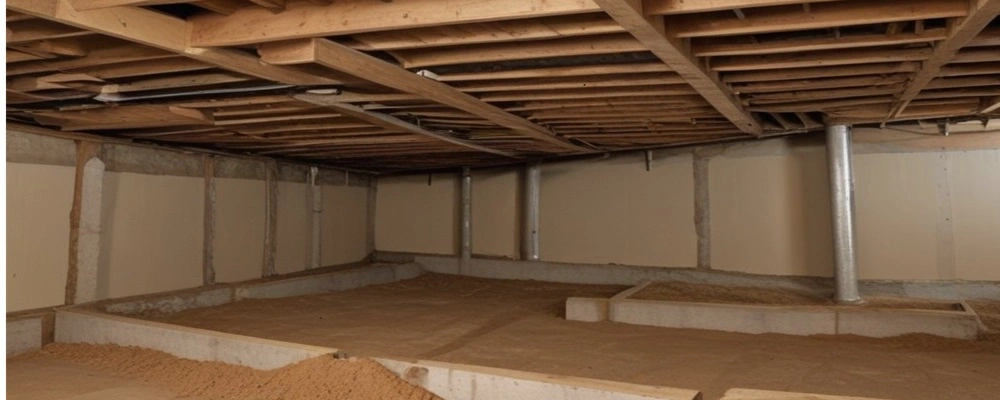
A crawl space foundation is an elevated slab that separates the building’s base from the soil below. It usually rises between 1.5 and 3 feet high, giving workers adequate room to crawl through to reach services like electrical and plumbing systems. The footings, which are reinforced concrete pads that equally transmit the structure’s weight to the earth, support the foundation.
A crawl space foundation’s perimeter walls are built from treated timber, concrete blocks, or poured concrete. These walls act as a barrier against pests and dampness and provide structural support. To provide stability, they are often joined to the footings and strengthened with steel bars.
Installing insulation and a vapour barrier is essential to a crawl space foundation. The vapour barrier, often composed of polyethylene, aids in keeping the crawl area dry. To form a closed space, it is set on the ground and fastened to the outside walls. Additionally, insulation is placed beneath the flooring and on the perimeter walls to increase energy efficiency and reduce temperature swings. In addition to these elements, a crawl space foundation also needs adequate ventilation and moisture management. If a region has a lot of rainfall or high groundwater, additional measures to regulate moisture levels might be implemented, such as a sump pump or a dehumidifier.
Interesting Facts About Crawl Space Foundation
Warmer areas are more likely to have crawl space foundations when there is no frost line on the ground around the house’s base. Crawl space foundations were used in older buildings. They didn’t have many things back then, so this was the best way to keep a house stable. Also, crawl space supports are sometimes only used for storage, not living.
Types of Crawl Space Foundations
The following are the types of crawl space foundations:
Block and Base Crawl Space Foundation
The name of this kind of crawl space foundation accurately describes it. Around the base of the house, blocks are piled up like piers. Additionally, the house supports may be seen as beams made of wood, stone, or brick, leaving the outside of the house unfinished or without any decorative border.
Pier and Beam Crawl Space Foundation
The crawl space foundation style entails installing brick or blocks into the soil around the whole perimeter of the house. It contains vents to prevent moisture accumulation in the airflow underneath the house.
Advantages and Disadvantages of Crawl Space Foundation
Like the other foundation types, crawl space foundations offer both builders and homeowners benefits and drawbacks.
Advantages of Crawl Space Foundations
It may be simpler to build a house.
Simple access to house systems, such as electrical and plumbing, for maintenance.
Because of its elevation, there is less risk of floods.
The wood utilized for the floor and foundation is good for human health.
Generally, home levelling and foundation restoration are less expensive.
The house is elevated to provide pleasant views of the backyard.
Disadvantages of Crawl Space Foundations
Unlike basement houses, under-home leaks are more likely to be undetected.
This home foundation doesn’t have an aesthetically appealing appearance.
Homes with crawl spaces need constant maintenance.
It is not recommended for very sloping lots or cold, frost-line climates.
Higher probability of musty odours, mold or mildew, and drainage issues.
They are lightweight and more likely to move in large amounts of dirt and strong winds.
Some believe they are old-school and inferior to newer forms of foundations.
Maintenance Tips for Crawl Space Foundation Maintenance
The following are places that should get routine repairs:
Drying out the crawl area is one of them. To do this, you will need a drainage system, vapour barrier, dehumidifier, and wet vacuum.
Crawl space cleaning is another area. Sadly, dust may accumulate here more quickly! There will be leaks, mold, debris, and pests all over it. To reduce the humidity, you may need to seal the crawl area and use a specialized vacuum cleaner.
If you want a structurally sound, low-maintenance home, you must ensure the foundation is in excellent shape.
Conclusion
In conclusion, choosing the right foundation is crucial when you build a home. So, understanding the fundamentals of a crawl space foundation is essential for anyone starting your project. This type of foundation offers several benefits, especially in warmer regions, including easier access to plumbing and electrical systems and reduced flood risk. However, it also requires regular maintenance to manage moisture and prevent mold. You can ensure a stable and efficient foundation for your home by following proper installation and maintenance tips. However, it is recommended to consult an experienced professional like Brick & Bolt before deciding on the foundation for your home. Our skilled architects and engineers will guide you through the process and provide a high-quality construction service. In addition, you can also calculate your construction cost using a cost estimator for free.
Building your dream house is a dream come true. However, as a homeowner, it’s your responsibility to maintain your home. As the season changes, so does its maintenance. Seasonal wear and tear often take a toll on things like caulking and weather sealing around doors and windows. The winters often affect your wooden structures, siding around your home, appliances, and curb appeal.
With the arrival of the scorching summer months, you as a homeowner must prepare your homes ahead of the season. From withstanding intense heat to bracing for monsoon rains, your Indian home requires special attention and maintenance during the summer months. In this blog, Brick & Bolt will explore a comprehensive guide to the essential summer home maintenance tips specifically tailored to suit your needs.
Top 10 Summer Home Maintenance Tips
You must adhere to some things for your home maintenance during the summer. It helps endure the constant exposure to sun rays. Do not forget to check if all your appliances, furniture, and your home’s structural elements are in good condition. Doing so makes your living comfortable.
The summers home maintenance tips are little bit different from the common home maintenance tips. Enlisted are some essential tips for summer home maintenance you must follow.
1. Assess Occurrence of Damage during the Winter and Spring
Despite being a tiresome task, early analysis and repairing damage can save you lots of money. One of the critical seasonal home upkeep advice involves strolling inside and outside the house before beginning of every season. Carry out detailed inspection and make a list of things, including leaks, gaps, cracks, chips and signs of mold and mildew.
Try to repair these issues faster, as they prevent serious harm, including water damage and bug infestations. Ensure to never power wash your home before checking the necessary repairs regarding leaking and water damage. When it comes to home improvement, ensure to fix it before it becomes a large problem. It is the safest way to save your money and time.
2. Inspection of Roof and Gutters
One of the most important tips for summer home maintenance involves the inspection of your roof and gutters. Summer storms are common in some parts of the country, causing significant damage to your roofing materials. You might witness leaks and other problems. Be sure to look for missing or damaged shingles, cracks in the roofs, and other signs of wear and tear. It will protect your home from wall seepage invasion during the upcoming rainy season. Even if there is a minute damage, ensure to repair them at the earliest to prevent further damage.
Similar to your roof, you must also pay attention to your gutters. The winter often clogs the gutters with dry leaves, twigs and sticks. Clogged gutters cause water to back up and damage your roof. Ensure to clean gutters before the summer storm hits. It ensures proper drainage.
3. Prevent Bugs and Pest Infestation
Summer is the season of bugs. When you fail to maintain your home, they can invade your home. Often, there are gaps in the doors and windows of your house, allowing the bugs to enter your home. If you find any cracks and gaps, do not forget to seal them. While cooking, you often drop food particles, spill liquids or even forget to take out the garbage. These attract pests into your home. Ensure clean up the spills and crumbs and take out the trash regularly. If you see pests invading your home, call a professional pest control service for effective results.
4. Tune Your Air Conditioning
Summers in India are hot and humid, which deserves a cool and breezy air conditioner. Getting your AC checked before the start of summer is one of the crucial summer home maintenance tips. Your air conditioner must work at its full potential, as it is crucial to survive the summer heat. If your air conditioner stops working, immediately consult with an AC technician before the beginning of the summer. Check your refrigerant levels. It ensures that your air conditioner is running well, and you can save your electricity bill.
Your refrigerator is an integral part of your house. With the arrival of the summers, you will start storing chilled water, juices, shakes and ice creams. Therefore, when deciding on the essential summer home maintenance tasks to do, keep cleaning and servicing your refrigerator on the top of the list. Besides, cleaning coils, filtering and refuelling the gas stand as essential practical tips.
6. Wash Windows and Replace the Screens
Failing to wash the window screens and only washing your exterior windows wouldn’t make a huge difference. There are different types of windows used in construction, and the method of washing and caring for each type of window varies accordingly. While washing your window screens, ensure to remove the window screens and gently scrub them with hot, soapy water. If you find the screens to be filthy and fail to clean them, consider replacing them.
7. Reverse the Direction of Your Ceiling Fans
You can reverse the direction of your ceiling fans, allowing them to spin counterclockwise. It pushes the air down straight, creating a nice breeze. First, turn off your fan and let the blades stop completely. Once everything is still, use a ladder to locate the direction switch. Typically, you will find the switch on the side of the fan above the blades. Now, flip the switch in the opposite direction and turn on the fan. While reversing the blades, ensure to dust your fan blades as well. Along with this, you need to enhance your indoor air quality during summer to maintain the comfort at your home.
8. Power Washing Your Home’s Exterior
Maintaining your home in summer also involves power washing its exterior. Doing so removes grime, dirt, and other debris, giving your home a fresh, clean look before the arrival of summer. Since a power washer uses a high-pressure water stream to blast away dirt and grime, it is more effective than traditional cleaning. With the help of a power washer, you can also prevent the growth of mildew and mold, which are dangerous for your health.
9. Check Your Home’s Insulation
Checking your home’s insulation is another essential summer home maintenance tip. Insulation helps keep your home cool in the summer, as it prevents hot air from entering and cool air from escaping your home. Besides, it also helps to keep your home warm during the winter. To check your home’s insulation, inspect your attic and walls. Check for the presence of gaps, cracks and damage in the insulation. If the issue persists, add more insulation or repair the damage. With proper home insulation, you also reduce the amount of energy required to heat or cool your home, thereby saving your energy bills.
10. Check Your Plumbing
Summers can take a toll on your plumbing system. Before the beginning of the season, inspect your faucets, pipes and toilets for any signs of leaks. In case of leaks, ensure to make repairs to prevent water damage. Summer storms cause debris to clog your drains. You can use a drain cleaning solution or call a professional plumber to clean the drains.
With the rise in the temperature and humidity, summer is a hectic season. Although home maintenance does take some time, it is essential to give your home a makeover before the arrival of the summer season. Following the above-mentioned summer house care guidelines creates a healthy environment this season, making your indoors comfortable.
As a leading home construction company in Pune, Brick & Bolt uses sustainable construction materials that benefit human health and the environment. As a tech-enabled firm, we make your dream home’s construction process smooth, efficient and memorable. In addition, you can check your home construction cost using Brick & Bolt’s cost estimator. Whether it’s your dream villa, bungalow, mansion or small house plan, our quality checks and delivery remain unmatched.
Before starting the construction of your dream house, you will have many things in mind. When choosing building materials, cement is the most important. It is a binding material to concrete ingredients- sand and aggregates. Cement is a glue, acting as a hydraulic binder, which hardens when water is added.
So, which cement should you choose? Have you heard of Portland Slag Cement (PSC)? It’s becoming increasingly popular in the construction industry. PSC offers numerous advantages over traditional Portland cement, making it an excellent choice for sustainable and durable construction projects.
This blog of Brick & Bolt will let you explore this Portland slag cement’s uses, properties, and benefits, highlighting why it’s a better option for today’s construction projects.
What is Portland Slag Cement?
Portland Slag Cement(PSC) is a common type of cement. It is made by heating a mixture of limestone and clay in kilns at high temperatures to form pebble-sized materials known as clinker. This clinker is then finely crushed to generate Portland Cement. Portland cement blended with blast furnace slag is called Portland Slag Cement.
Properties of Portland Slag Cement:
Strength
Compared with ordinary Portland cement, PSC offers excellent strength in the short- and long-term strength.
Durability
PSC makes concrete structures last longer because they’re less likely to crack and, due to their permeability(let less water pass through).
Workability
PSC makes concrete easier to handle. It flows smoother, so pouring and finishing the concrete go much faster. This saves time and effort on the construction site.
Sustainability
PSC is eco-friendly because it uses recycled slag instead of brand-new materials. This cuts down on pollution caused by making those new materials and helps conserve resources.
Manufacturing of Portland Slag Cement
The following explains the process of production of Portland slag cement.
Mixing the Base: The initial step involves grinding a mixture of materials typically found in rocks, such as lime, silica, alumina, and iron oxide.
High–Heat Transformation: The finely ground mixture is then heated to very high temperatures in a large kiln. This intense heat produces a new material called “clinker,” which is a major part of PSC.
The Final Mix: The clinker is then mixed with finely ground recycled glass-like materials commonly called “slag.” A small amount of gypsum is also added to adjust setting times. The proportion of slag can vary between 25% and 65% of the final PSC mixture.
The only ingredients in PSC are clinker, slag, and gypsum. The gypsum amount is also carefully controlled to ensure it works perfectly.
Features of Portland Slag Cement
Strong and Long-Lasting: PSC makes concrete very strong, and it keeps getting stronger over time. This means buildings and roads made with PSC can last a long time.
Durable: It stands up well against chemicals and other elements that can damage concrete, making it great for buildings that need to last in tough conditions.
Less Heat: When PSC sets, it does not get as hot as regular cement. This is important for big construction projects because it helps prevent cracks.
Easy to Work With: Concrete made with PSC is smoother and easier to shape, which is helpful for builders.
Eco-Friendly: By using slag, PSC helps recycle industrial waste, which is better for the planet.
Uses of Portland Slag Cement
Portland Slag Cement can be used for many construction projects, including:
Large Structures: It is great for building large structures like dams and bridges because they stay cool and strong.
Coastal Buildings: PSC works well in places near the ocean because it resists saltwater damage.
Roads and Bridges: It is a very good road and bridge constructor since it can withstand wear and tear.
Precast Concrete: PSC is the material used to make pipes and blocks because it is sleek and feasible to work with.
Difference Between Ordinary Portland Cement and Portland Slag Cement
Here are some differences between ordinary Portland cement (OPC) and Portland Slag Cement (PSC):
Feature
Ordinary Portland Cement (OPC)
Portland Slag Cement (PSC)
Composition
Made from clinker and gypsum
Contains clinker, gypsum, and slag
Heat of Hydration
Produces more heat
Produces less heat
Environmental Impact
Higher carbon emissions
Lower carbon emissions
Durability
Good
Better, especially in harsh conditions
Strength Development
Gains strength quickly
Gains strength slowly, but eventually becomes stronger
Resistance
Less resistant to chemicals
More resistant to chemicals
What are the Applications of Portland Slag Cement?
PSC is applicable for a wide range of construction projects, along with
Mass Concrete
PSC has the special quality of low heat of hydration, which will minimize the risk of cracking in large concrete structures. So, it’s used in constructions like dams and foundations.
Marine Construction
Resistance to chloride attack is crucial when starting marine construction. PCS has this ideal property, so it’s used for ports, harbours , and other structures exposed to seawater.
Hydraulic Works
PSC is super durable, which makes it perfect for things like walls that hold back water, canals, and anything else that needs to be tough and long-lasting around water. Portland Pozzolana Cement (PPC) and Portland Slag Cement (PSC) are both hydraulic cements.
Precast Concrete Products
Because PSC is easy to work with and super strong, it’s ideal for making precast concrete items like pipes and slabs. These can be made quickly and last a long time.
What are the Benefits of Using Portland Slag Cement ?
Compared to other conventional types of cement, such as Portland pozzolana cement, Portland Slag Cement has the following benefits:
Environmentally Friendly
By using a byproduct of the steel industry, PSC reduces the carbon footprint in the building sector and promotes sustainable building practices and development by incorporating waste from the industry.
Economical
Portland Slag Cement uses less clinker and requires less energy to produce, so there will be considerable cost savings. Thus, it is a budget-friendly choice for construction projects.
Prolonged Lifespan
Structures built with PSC are resistant to cracking and chemical attacks. Thus, PCS concrete constructions are resistant to several kinds of deterioration and increase their durability. By expanding the construction’s service life, it will lower maintenance and repair expenses for a long time.
What are the Drawbacks of Portland Slag Cement?
PCS’s Setting Time is Slow
Compared with other traditional cement, PCS requires more setting and hardening time, which will impact project timelines. To conquer this issue, one should set proper planning for curing, scheduling, and other construction techniques.
Low Early Strength
PSC concrete takes a bit longer to get really strong at the initial curing period than other regular cement, but it catches up and becomes just as strong over time.
Mix Design
PSC concrete mixes might need a few adjustments compared to regular ones. This means using different amounts of water and potentially adding specific ingredients to get the perfect mix. To ensure everything’s perfect for your project, always check with a qualified engineer or best construction company like Brick & Bolt
Conclusion
Before initiating the construction of your home, it is important to understand the fundamental qualities of building materials. Portland slag cement (PSC) is an excellent option for modern construction because of its strength, durability, and ease of use. Additionally, PSC aids the environment by incorporating recycled materials. Although PSC takes slightly longer to set initially compared to regular cement, this can be managed with proper planning. Concrete mixes with PSC may also require some adjustments, but engineers can address these to ensure the success of your project.
FAQs
1. What is the difference between Portland Slag Cement (PSC) and Ordinary Portland Cement (OPC)?
Portland Slag Cement (PSC) is manufactured by grinding together Portland Cement clinker, gypsum and blast furnace slag, while Ordinary Portland Cement (OPC) is prepared by grinding together Portland Cement clinker and gypsum.
2. Is PSC stronger than OPC?
PSC has consistently higher long-term strength and durability than OPC because the hydration process of PSC is slower and the microstructure is more compact.
3. Is PSC more expensive than OPC?
The cost of PSC can vary depending on regional factors. But the cost is often compensated by advantages such as a longer service life of buildings and a smaller number of repairs and reinforcements.
4. How does the setting time of PSC compare to OPC?
PSC generally has a longer setting time compared to OPC. This extended setting time can be advantageous in certain construction applications, such as mass concreting and hot weather conditions, as it reduces the risk of cracking due to thermal stress. However, the initial setting time of PSC can be higher, which may require adjustments in project planning.
5. Does PSC require special handling or storage compared to OPC?
No, PSC does not require special handling or storage compared to OPC.
As everyone knows, the roof is the top protector of your home, guarding you against the exterior elements and keeping your interior spaces comfortable. Selecting the right roofing sheets is a crucial decision, one that influences not only aesthetics but also longevity, durability, and energy efficiency. With a wide range of roofing sheet options, navigating the choices can feel overwhelming.
No worries. Brick & Bolt is here to guide you through the key factors and various roof options. With our assistance, you can confidently select the perfect roofing sheets for your house, knowing that you are making an informed decision.
What Are The Factors You Need To Consider Before Choosing Roofing Sheets?
Selecting the roofing with its specific materials is important. Before dwelling on that, let’s understand the major factors to consider that influence your decision:
1. Climate Type:
Understanding the local weather patterns, such as hot summers, heavy rainfall, and freezing winters, is very important before making decisions. Based on those factors, you can pick the sheet materials which can withstand dominant weather conditions.
2. Roof Slope:
It’s important to consider the roof slope. A lower-pitched roof usually demands a roof with watertight materials such as asphalt shingles. However, steeper pitches allow for better water drainage, making materials like metal sheets ideal.
3. Weight Capacity:
If you have an older home with a less robust support system, consider weight capacity. Other lighter options, like metal or plastic sheets, can be a perfect fit, ensuring the safety and integrity of your roof.
4. The Overall Look of the House:
The overall look of a house is very important to every single person who is going to live in that house. Roofs play a key role in complementing the house’s overall aesthetic look. You need to select a material that complements your home’s architectural style and colour scheme.
5. Cost of Roofing:
Roofing sheets are available at a range of price points. Carefully consider the upfront material cost, installation charges, and potential maintenance needs over the lifespan of roofs.
6. Durability & Lifespan of Roofs:
You must invest in a material which is known for longevity. Metal sheets can last for decades; for example, asphalt shingles typically require replacement every 10-15 years.
7. Energy Efficiency of Roof Material:
Dark roofs absorb heat from the sun, which is then transferred to the house. Even good insulation can’t completely stop this heat transfer. To avoid your house getting too hot, you need a roof that reflects sunlight. Certain materials, like reflective metal sheets, can help to control indoor temperature by reducing energy bills. Energy-efficient roofs can lower your utility bills.
Famous Roofing Sheet Options in India
Now you know better regarding the crucial factors, let’s explore more about the general roofing sheet options available in India.
1. Metal Roofing Sheets:
Metal roofing is an eco-friendly roofing solution because it is recyclable. Its general constituents are tin, zinc, aluminium, and copper. This class of roofing sheets offers numerous styles, textures, and colours, and you can choose any design for your home. Metal roofing sheets can withstand extreme weather conditions like heavy rains, snow, and even fire. They are also pest-resistant and are preferred owing to their longevity and durability.
2. Asphalt Shingles:
An asphalt shingle roof is a roof system primarily made of asphalt shingles. Asphalt shingles usually consist of fibreglass, tar, and asphalt granules. It’s a traditional, budget-friendly option with good water resistance and noise insulation. Asphalt shingles come in various colours and styles, making them versatile for different architectural styles. However, their lifespan is shorter compared to metal sheets, and they might require replacement more frequently in harsh climates.
3. Concrete Tiles:
Clay is the main ingredient in Clay tiles. They offer excellent insulation and fire resistance. A properly installed clay tile roof may last even more. The raw materials don’t rot or decay and withstand the most common threats to typical roofs. Clay tile roofs withstand extreme temperatures, such as high heat and frigid cold. They hold up well under heavy wind and rain storms. Maintaining this roof takes professional inspections every one or two years and prompts the replacement of broken or damaged tiles.
4. Plastic Sheets:
Plastic sheets are a lightweight and budget-friendly option for temporary roofing solutions or sheds. The plastic roofing sheets protect the house from UV radiation and extreme weather conditions. They are suitable for both hot and very cold climates. They are not as durable as other materials and can become brittle over time. However, they can be a good choice for budget-conscious homeowners for temporary structures. However, if you opt for high-quality plastic materials, the overall construction cost may increase. They are available in a variety of colours and styles to suit any home.
5. Polycarbonate Sheets:
Polycarbonate is a thermoplastic sheet. It’s available in transparent sheets and offers unique durability. It is resistant to water and impact damage. Polycarbonate also has excellent heat resistance and stability, and it is flame-retardant and chemical-resistant. We can easily cut the polycarbonate sheets and fixed with screws, nuts and bolts. With its resistance and strength, polycarbonate is highly suitable for applications whereby safety and security are paramount.
Additional Considerations for Choosing the Best Roofing Materials
The following are the additional considerations for choosing the best roofing option for your home:
Make sure to select a material with a strong warranty that covers material defects and installation issues.
Professional Installation:
Roofing sheet installation demands expertise. To ensure optimal performance and longevity, hire a licensed and experienced roofing contractor for proper installation.
Conclusion
To sum up, choosing the best roofing sheets for your house requires careful consideration of various factors. You can make a wise decision by understanding your local climate type, roof structure, budget, and aesthetic preferences. Your roof is a significant investment, so choose a material that offers long-lasting protection and energy efficiency and complements the style of your home.
If you want to learn more about choosing the best roofing sheets, visit the experts at Brick & Bolt Bangalore.