A constant battle that everybody needs to take comes in maintaining your home dry and healthy. But have you ever thought that the damp spot on your basement wall is a leakage or just a seepage?
These both involve the intrusion of water, but the difference in these terms is important in knowing the level of the problem is severe or mild and what steps you must take to fix it.
The article will help you understand the difference between leakage and seepage to keep your home free from water damage.
Difference between Leakage and Seepage
Leakage

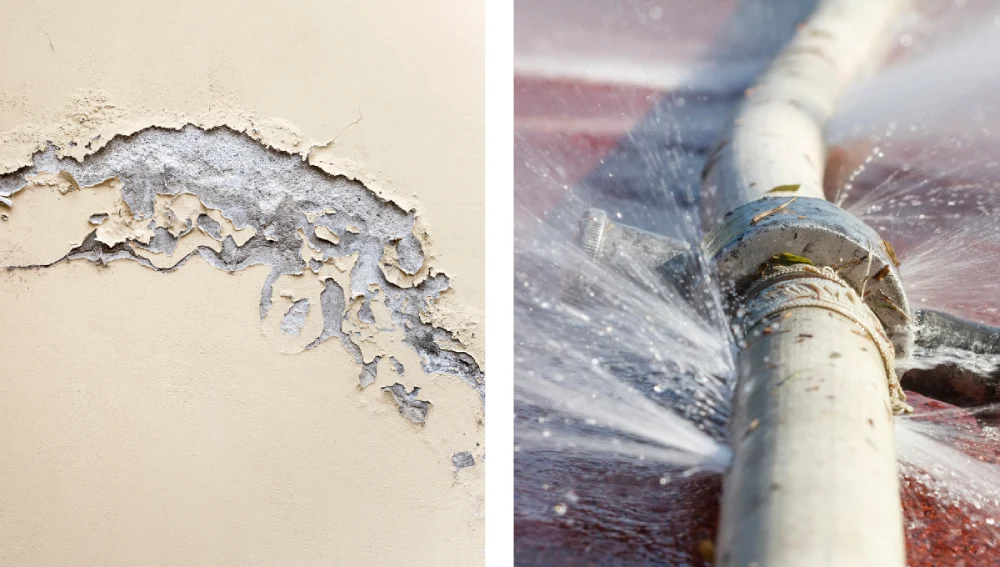
Imagine a pipe burst or any crack in the roof. Leakage mainly occurs when there is a distinct opening or any breach in the structure that makes the concentrated flow of water enter.
Leaks can occur suddenly or over time. However, they typically cause water stains that are visible, drips, or even occur like puddles.
Leakage can lead to environmental pollution if any toxic substances are escaped. This may result in posing a risk to safety and health. It may also cause economic losses.
Seepage
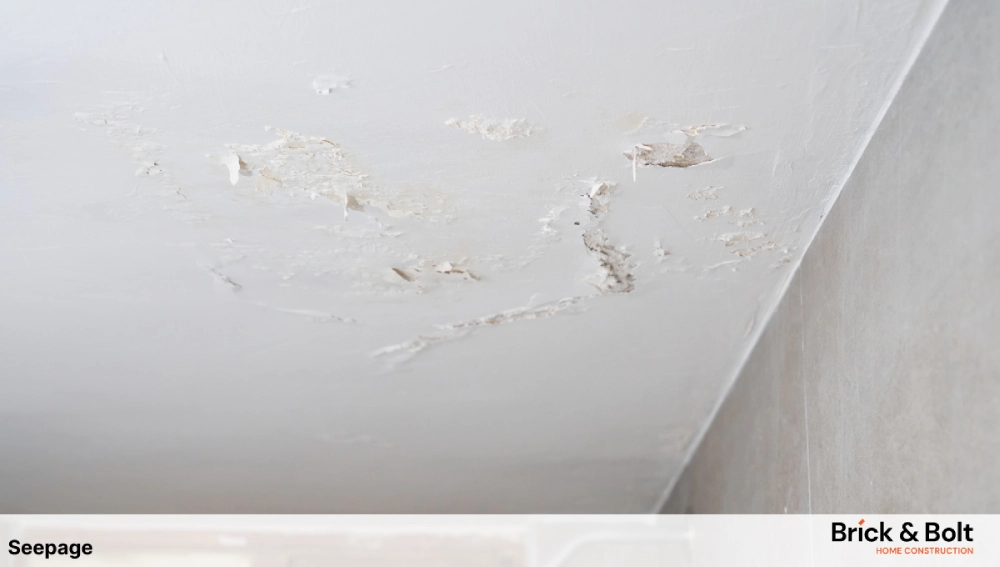
Seepage, which can be referred to as the seeping of water in a slow and gradual movement, commonly occurs if the water flows through concrete, brick, or even compact soil. Ensuring proper measures taken during Eco-Friendly House Construction particularly
Seepage does not happen with any specific opening, like leakage. Here, water finds its way into the cracks or tiny pores due to the differences in pressure. They are less effective than leakage, but they can also cause significant damage if they are not checked.
Seepage can help recharge groundwater. The disadvantage of seepage however includes possible soil erosion due to excessive seepage and cracks in the foundations or walls of the basement.
Difference between leakage and seepage
| Category | Sign | Description |
| Signs of Leakage | Visible water stains or drips | Dark patches or streaks on ceilings, walls, or floors. Identify the source to prevent further damage. |
| A sudden increase in water bills | Unexplained high water bills may indicate increased water usage due to leakage. | |
| Mold growth | Green, black, or white mold growth in damp areas like basements, bathrooms, or around sinks is a sign of leakage. | |
| Damp patches on walls or ceilings | Damp areas indicate water intrusion, possibly from leaks in roofs, walls, or pipes. | |
| Unexplained noises like running water | Gurgling or similar noises from walls or pipes can indicate hidden leakage. | |
| Signs of Seepage | Gradual dampness or musty odor | Damp, musty smells in areas like basements or crawl spaces signal seepage issues. |
| Peeling paint or wallpaper | Moisture behind walls or ceilings causes paint or wallpaper to peel or bubble. | |
| Efflorescence (mineral deposits) on walls | White, powdery crystals on walls indicate water intrusion through porous materials as water evaporates. | |
| Cracks in the foundation or basement walls | Seepage over time can lead to cracks in foundations or basement walls, potentially threatening the building’s structural integrity. |
Addressing Leakage and Seepage
If you have identified the problem of leakage or seepage, then it is time to address those problems.
For leakage:
- It is important to identify the source of leakage. Make a proper repair by looking for visible cracks, damaged pipes, or faulty fixtures.
- If you have identified any leak from a pipe, then turn off the main water valve to prevent further damage.
- Depending on the severity of the leak, you might need to call a plumber, roofer, or general contractor to fix the problem.
For Seepage:
- Improve the drainage around the house. Make sure to ground around the foundation slopes away from your house. Consider the installation of gutters and downspouts for diverting rainwater.
- Dehumidify the space, as the removal of excessive moisture can prevent further damage and the growth of mold.
- If you find that seepage is very persistent, try applying a waterproof coating to your foundation walls.
- Seal any cracks in your foundation or basement walls to prevent more water intrusion.
Conclusion
Early detection and prompt action are the main keys to preventing damage caused by water from leakage and seepage. Understanding the difference between them and watching out for the signs can help keep your home dry and healthy.
To a damp-free, healthy house!
FAQs
Visible water stains, sudden increases in water bills, growth of mold, damp patches, and unexplained noises.
Yes, seepage is common in coastal areas as they are near water.
The hidden leakage can be detected by looking for signs like dampness, peeling paints, and musty odor.
Yes, historical structures can be damaged by prolonged seepage.